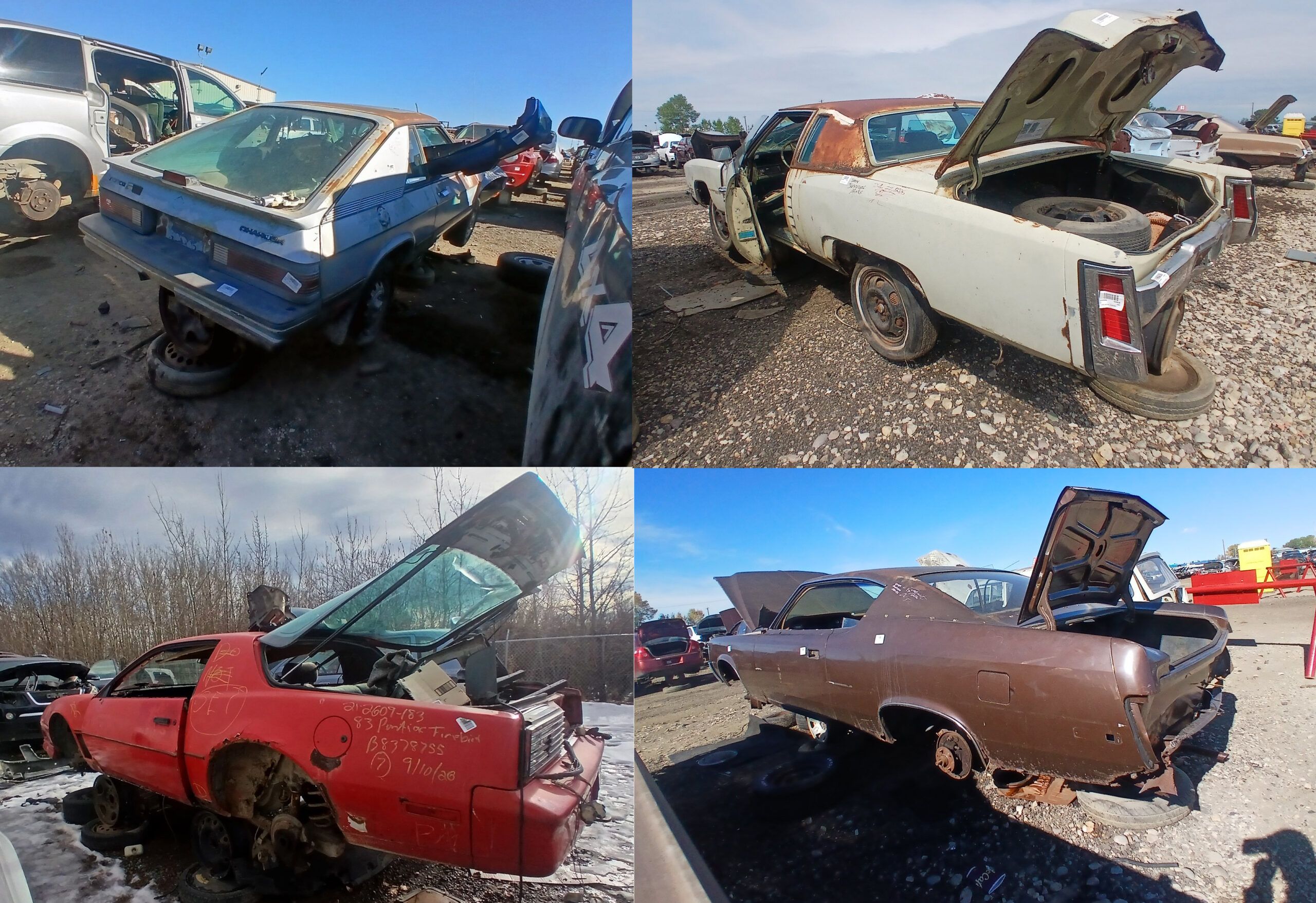
In the past few weeks, regular CC Cohort contributor canadiancatgreen has been busy uploading all sorts of junkyard finds, evidently gathered during several visits throughout the year. In our last couple of installments, we featured collections of 1990s cars; this time, we’ll go a bit further back, to the 1970s and 1980s. As those decades recede further into the past, some of these cars are becoming rare sights not only on the streets, but even in junkyards. So let’s take a look. Despite their less-than-pristine condition, perhaps a few of these will bring back memories for some of you.
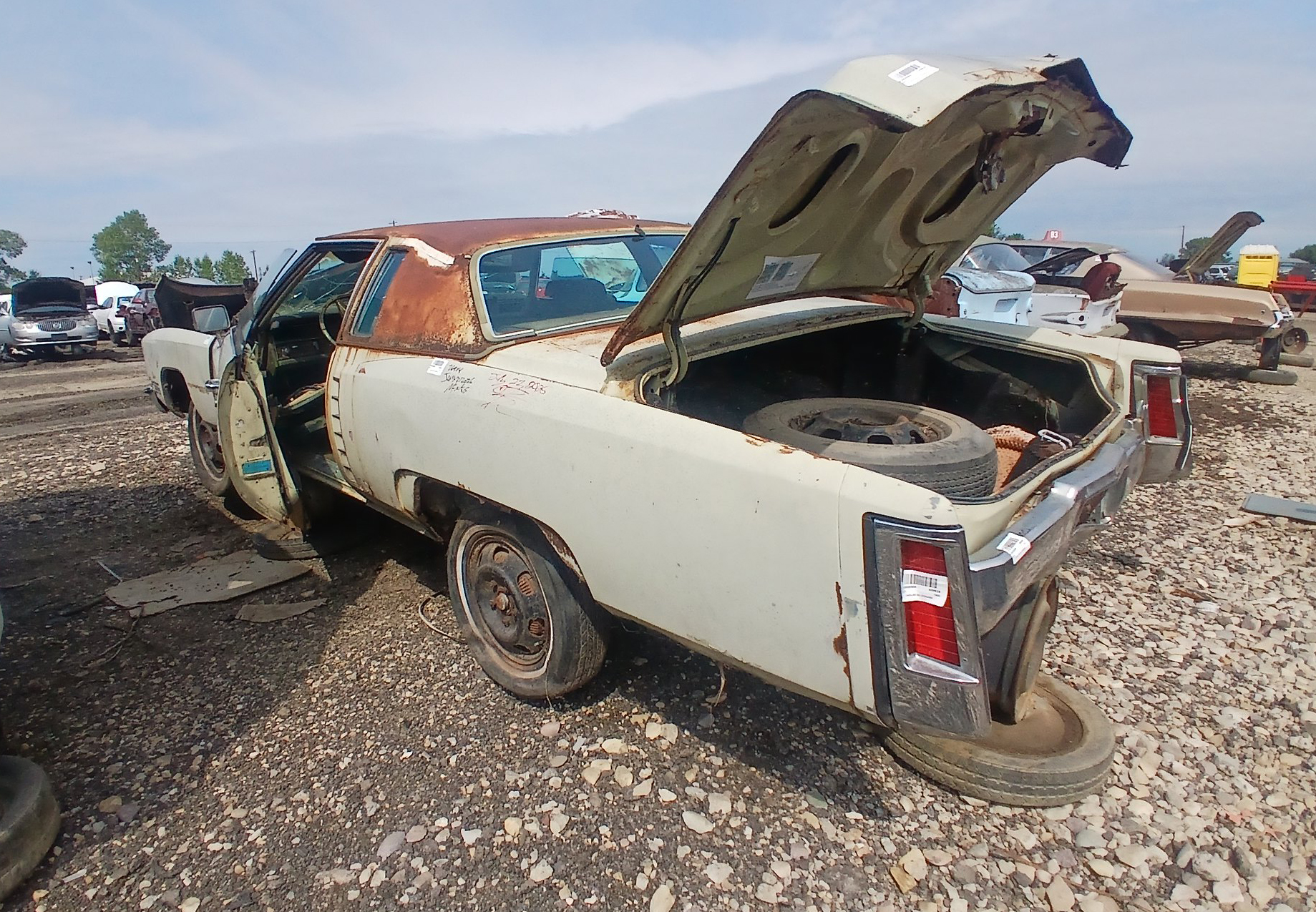
About the earliest one in today’s bunch, a 1971 Cadillac Eldorado.
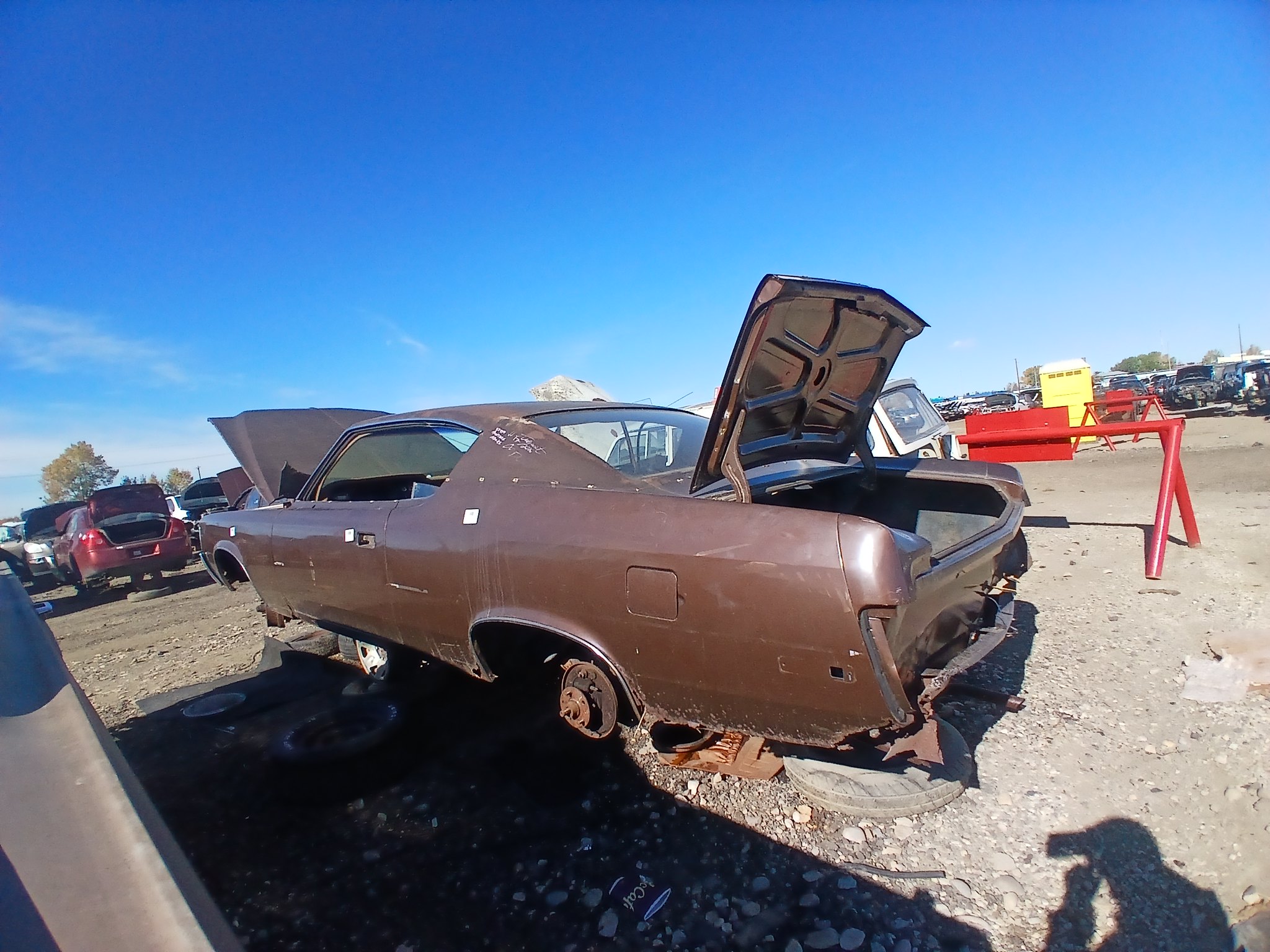
Now, here’s one of the less common finds in today’s collection: a 1971 AMC two-door hardtop, finished in oh-so-Seventies brown. With much of its trim missing, it’s a little hard to identify, but the junkyard lists it as a Matador.
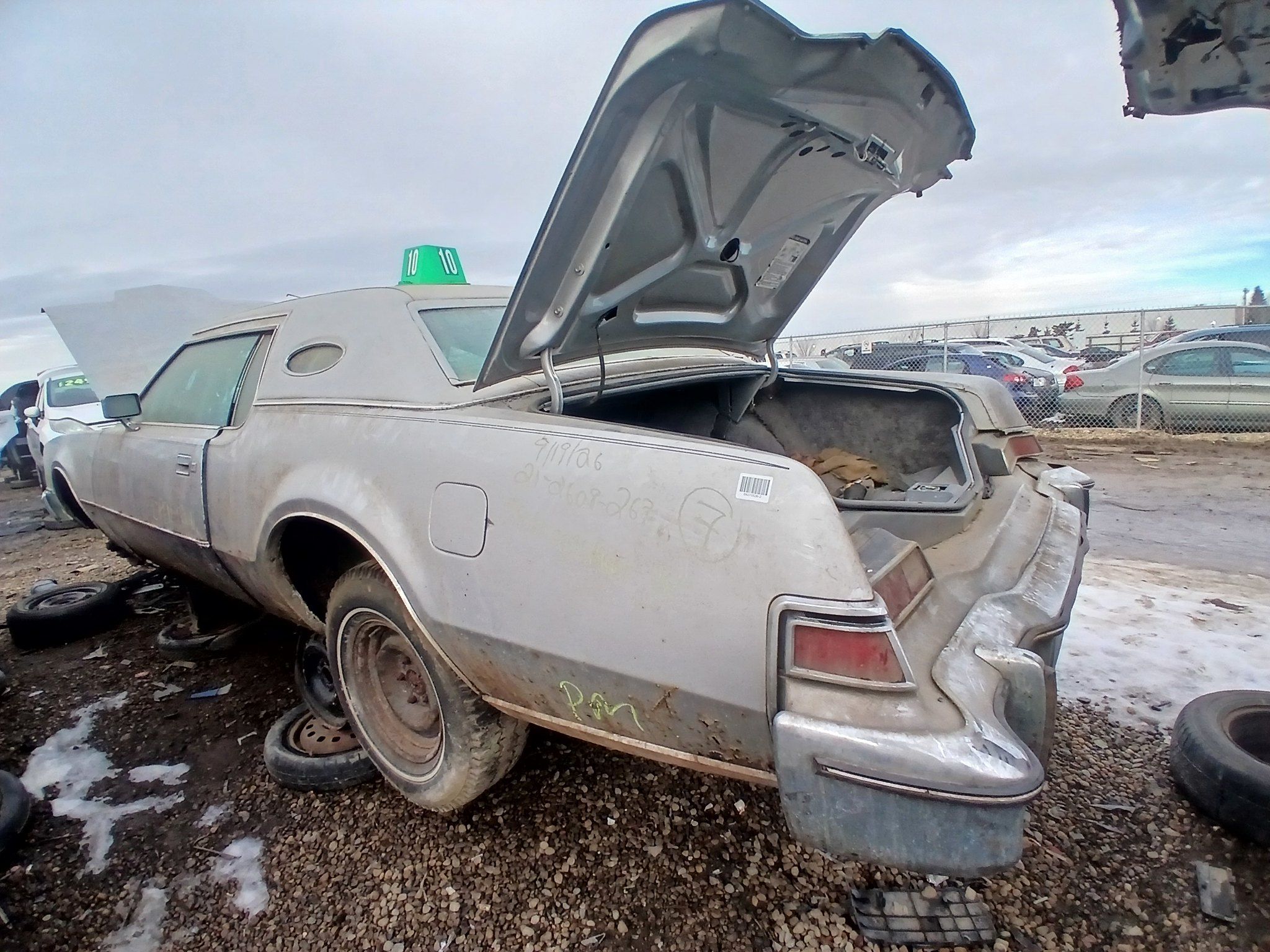
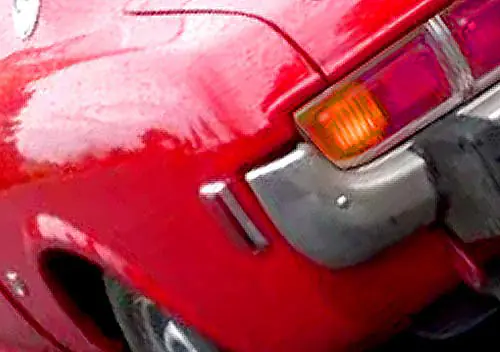
Let’s move on to Ford stuff, with this 1974 Lincoln Mark IV, in grey-coordinated presentation.
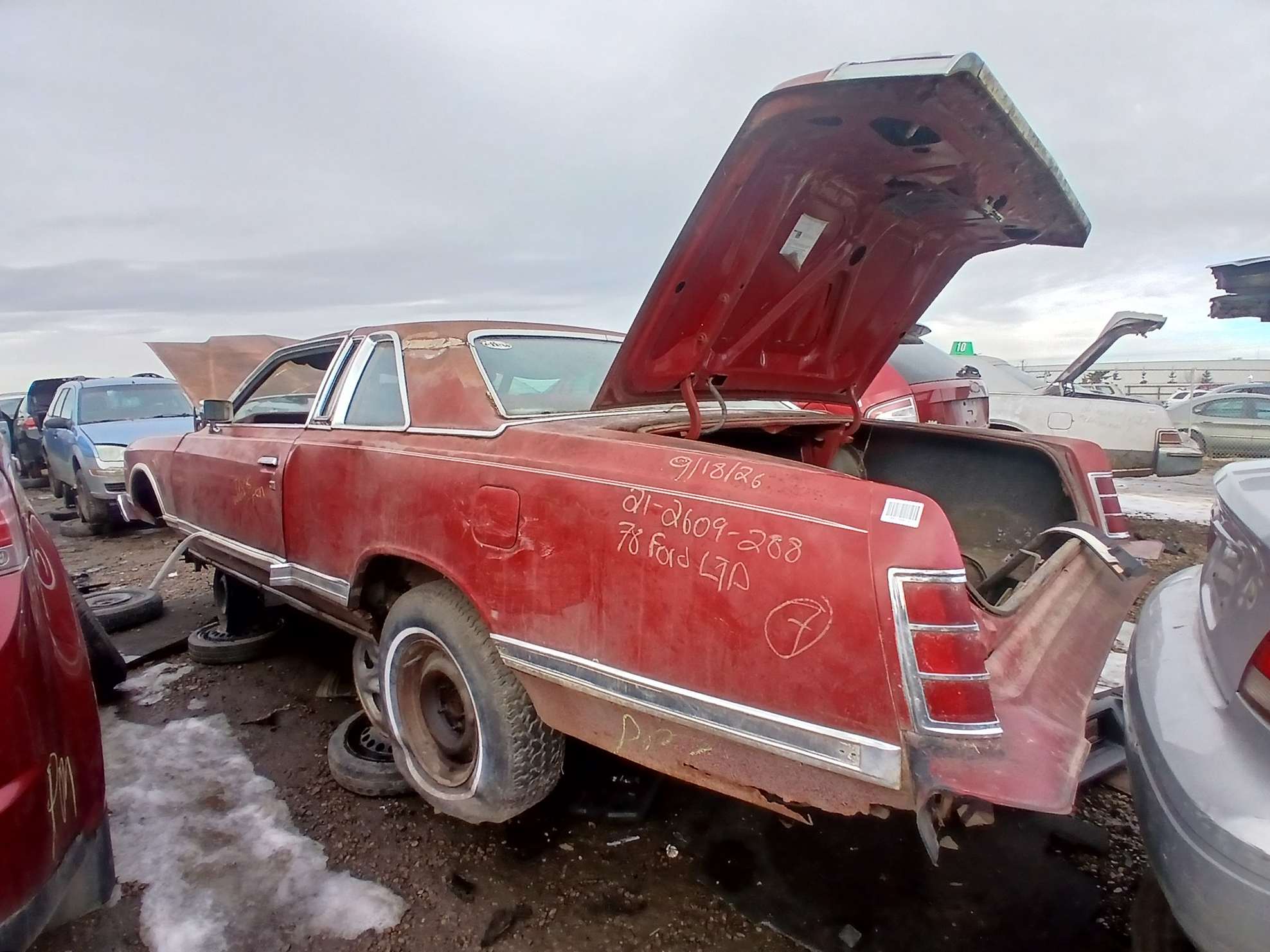
Staying in the seventies, another Ford product, a 1978 LTD.
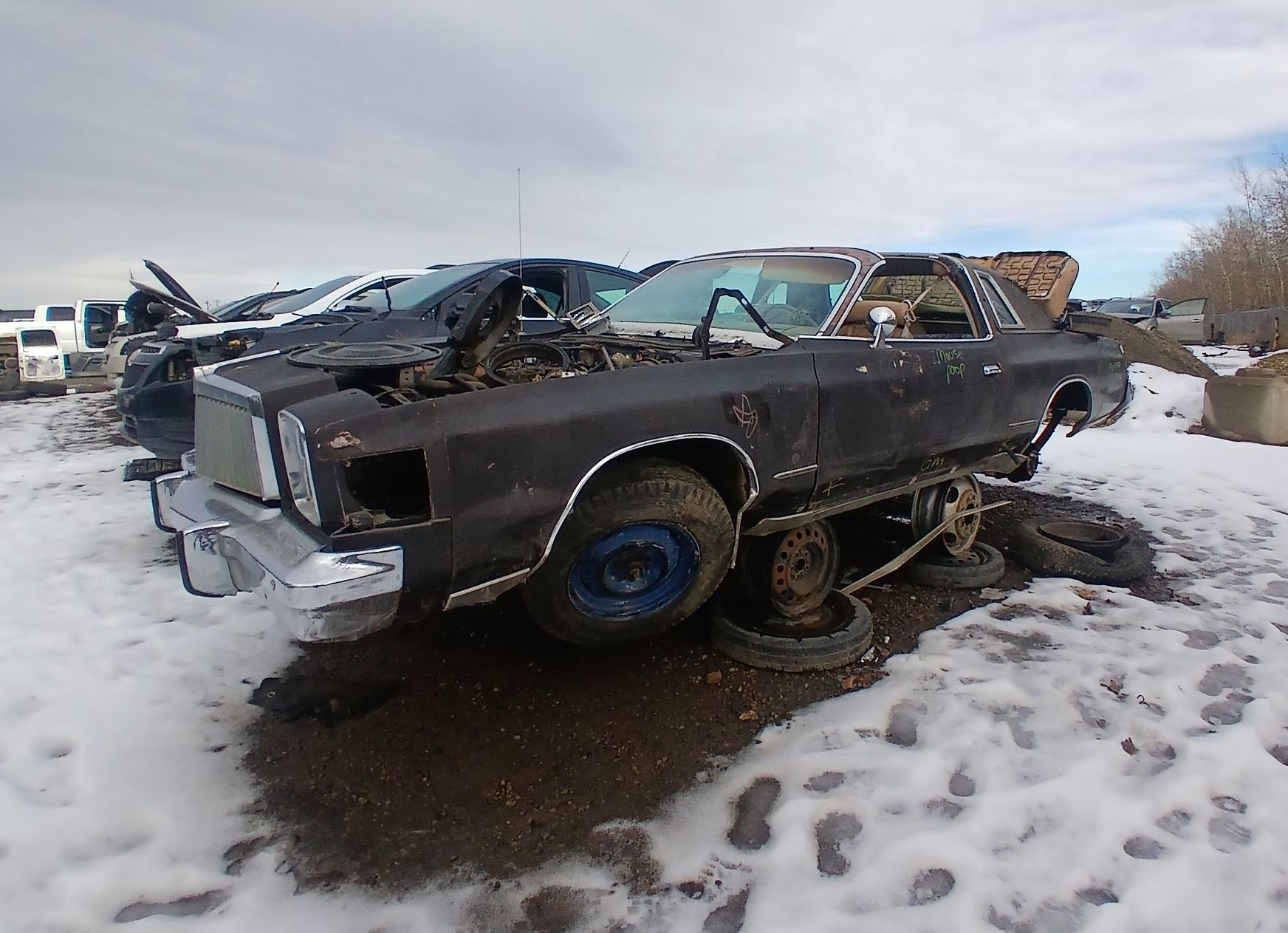
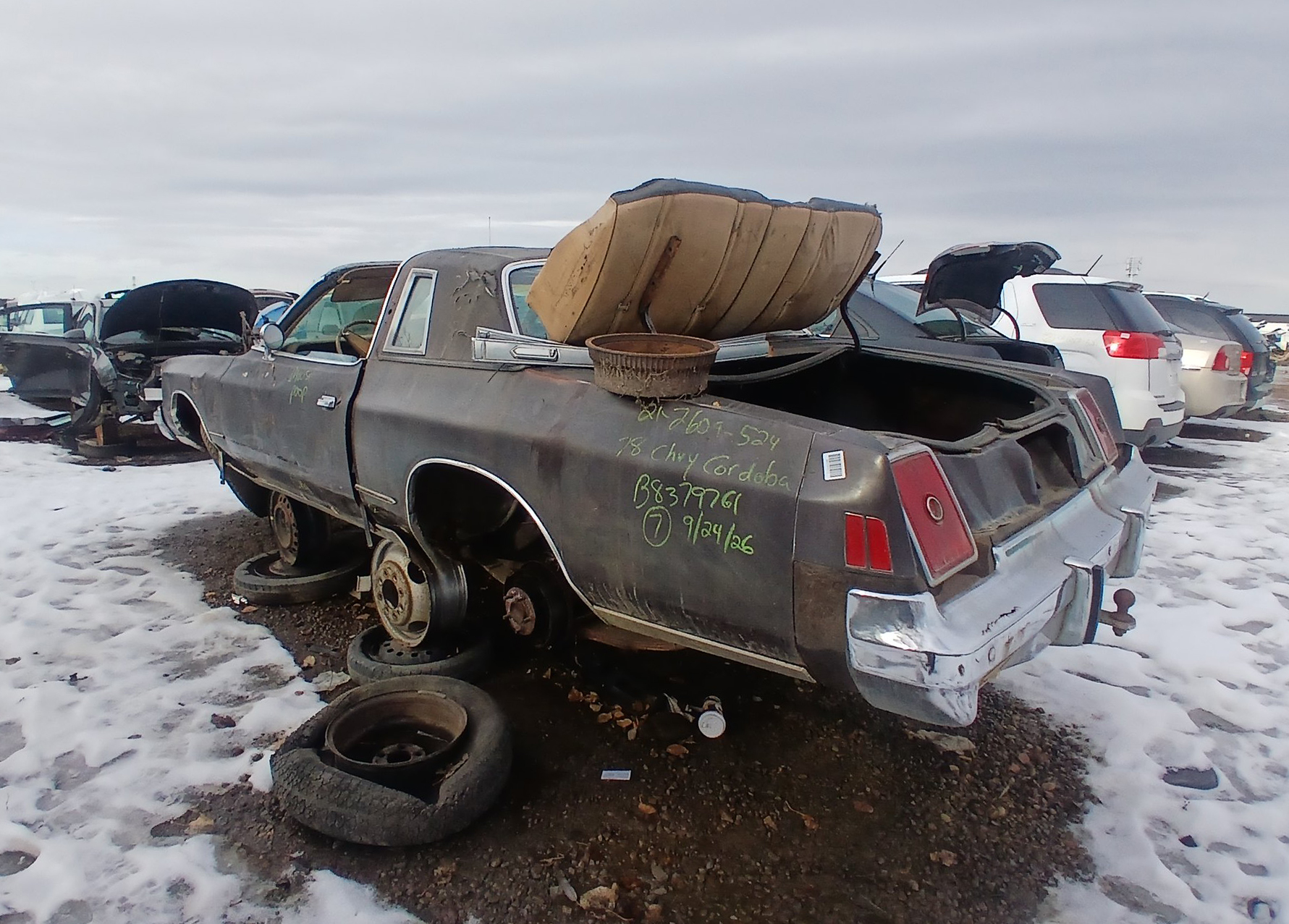
A couple of views of Chrysler’s PLC entry, with a stacked headlight 1978 Cordoba.
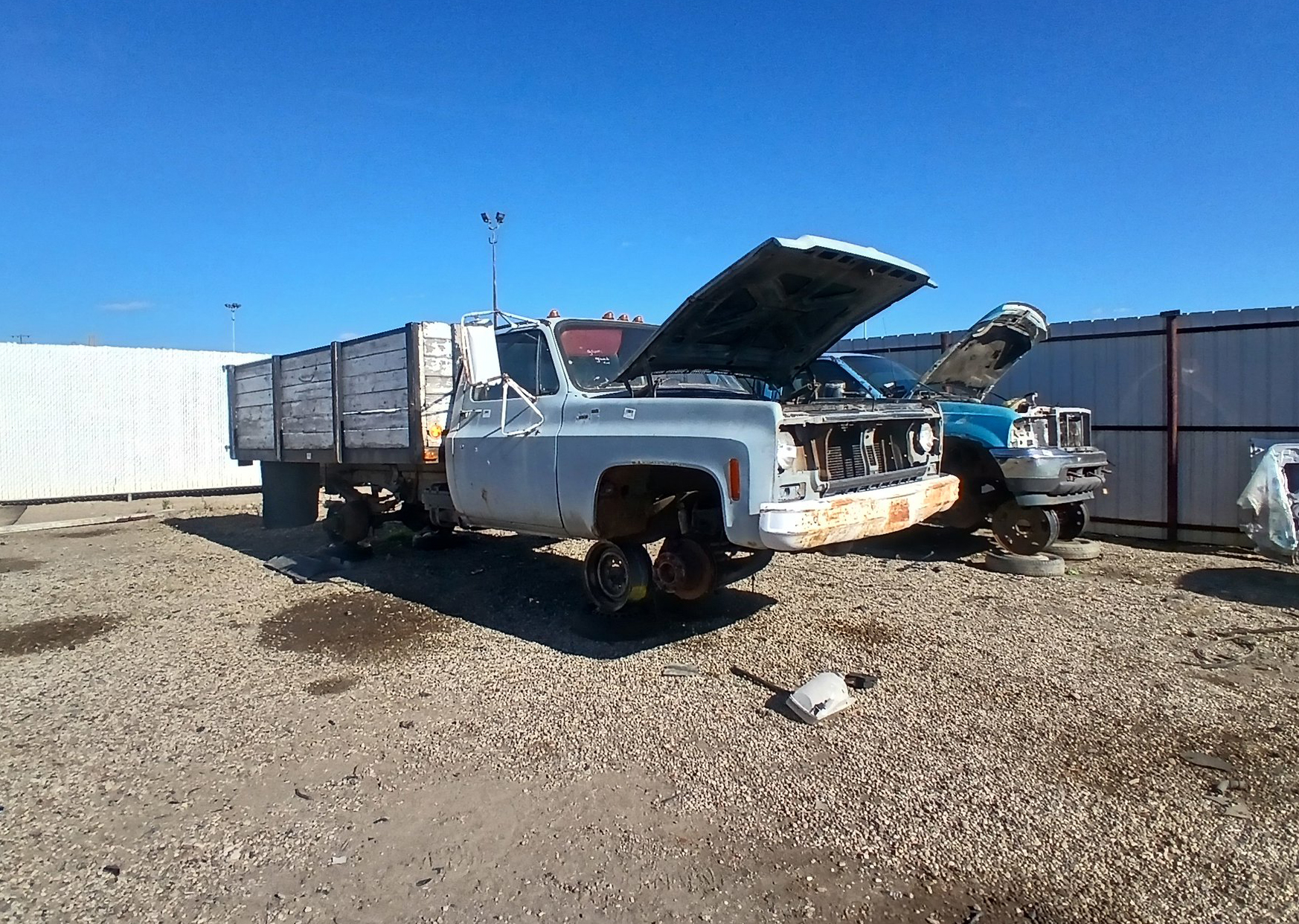
Trucks often make it into these galleries; here’s a 1979 GMC 3500.
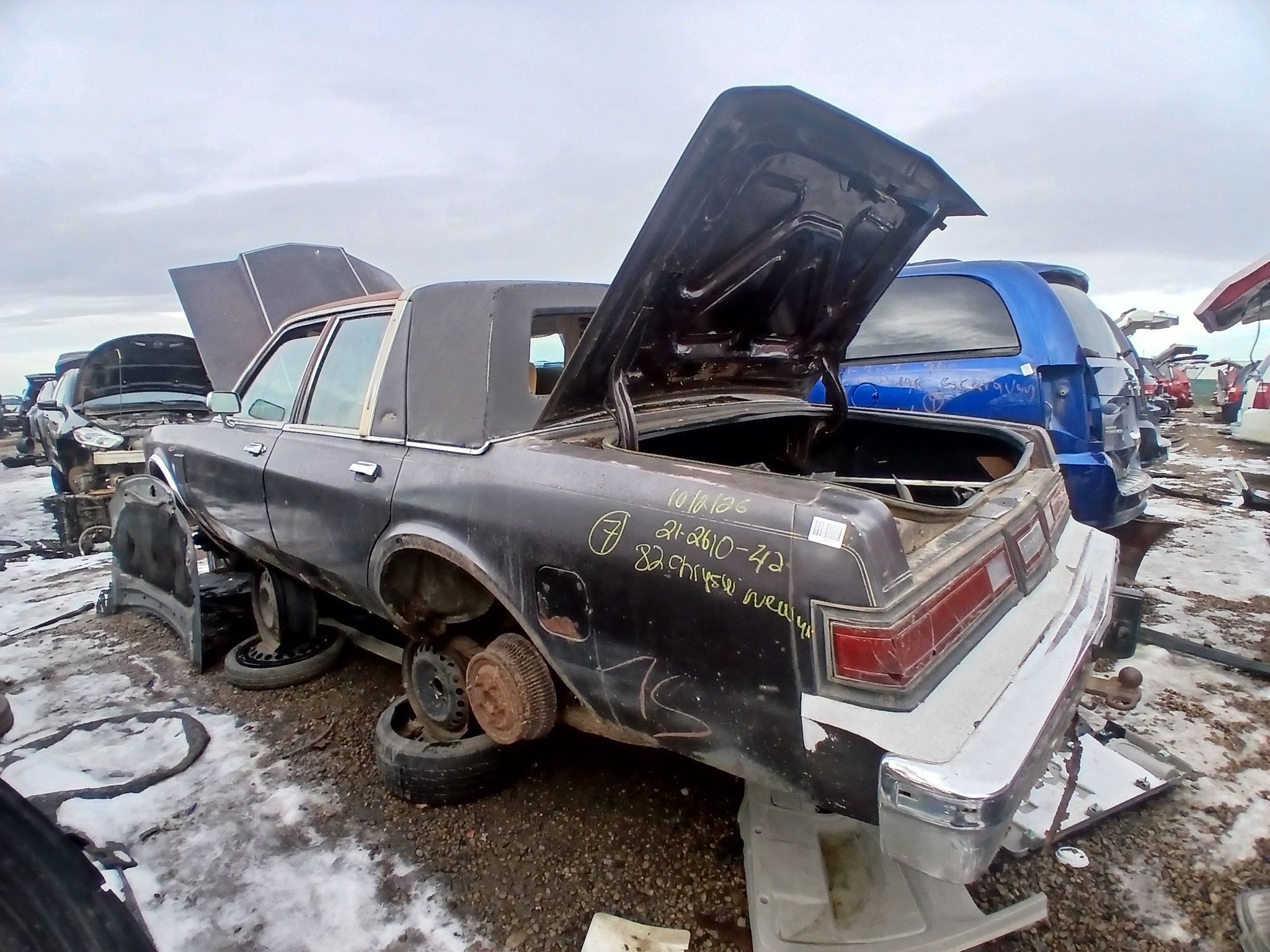
If you’re fond of Chrysler’s M-bodies, quite a few made it into this recent Cohort upload. Here, a 1982 Chrysler New Yorker…
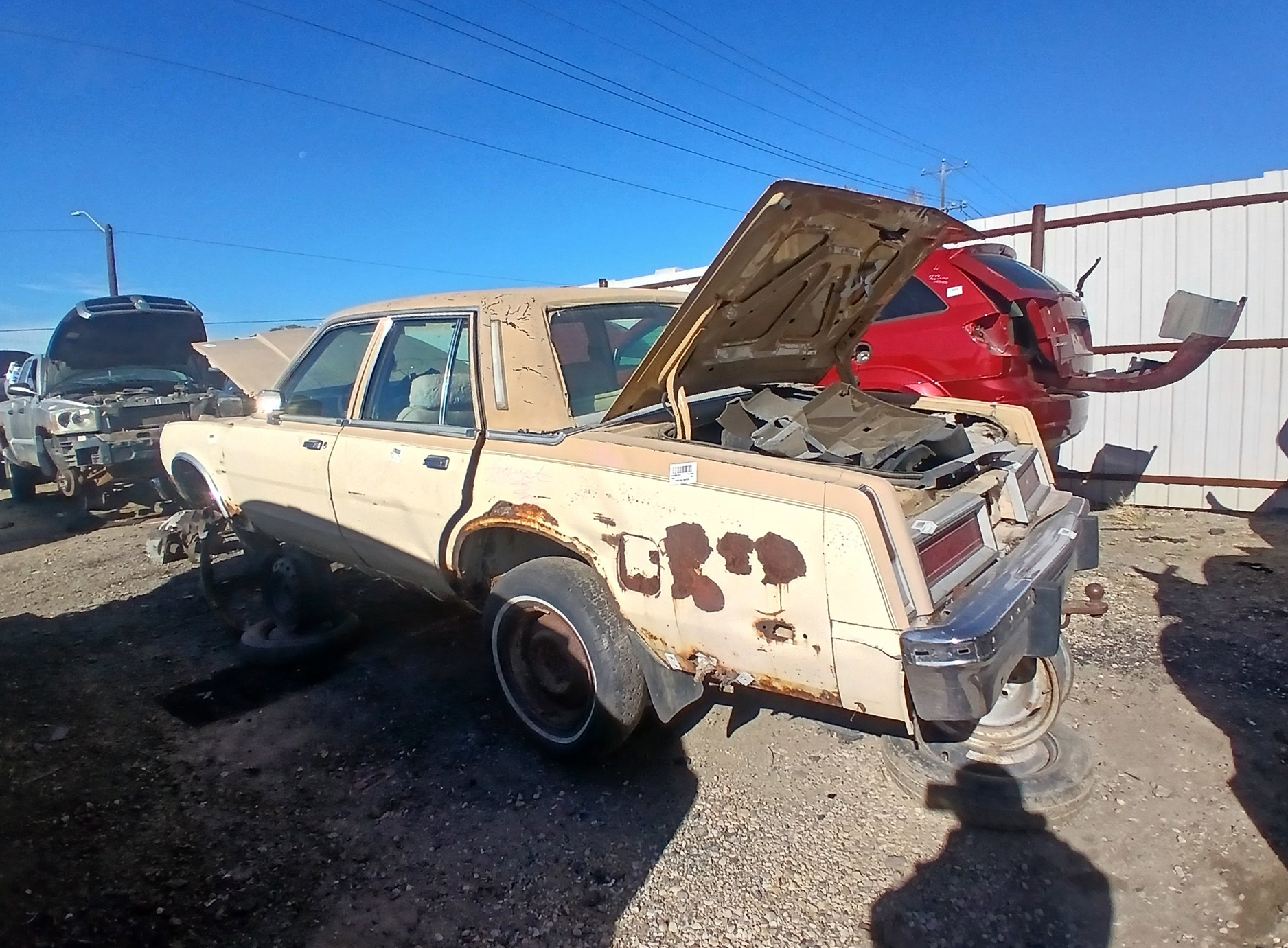
… and a 1984 Le Baron.
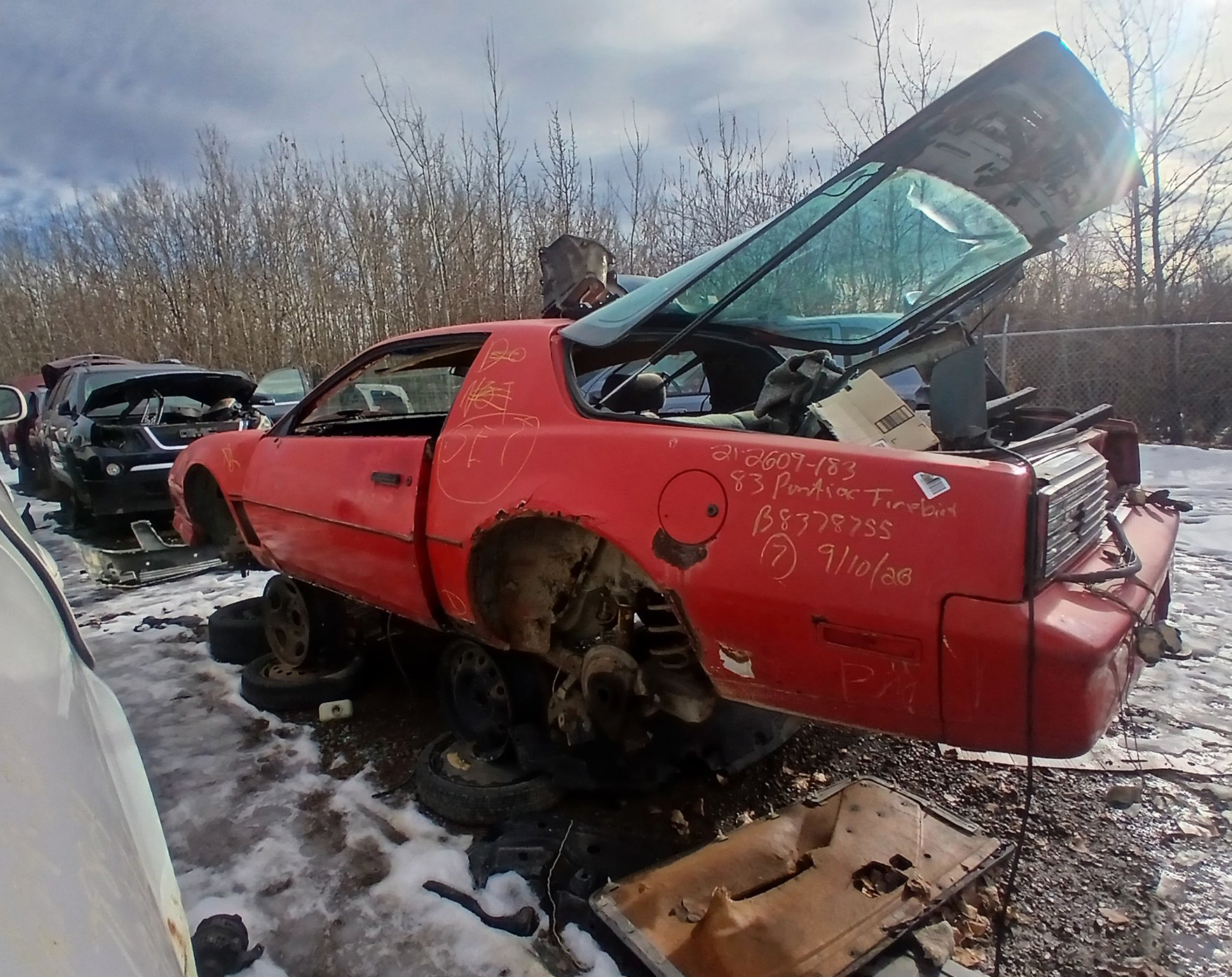
A very 1980s silhouette: GM’s third-generation F-body, this time a 1983 Pontiac Firebird.
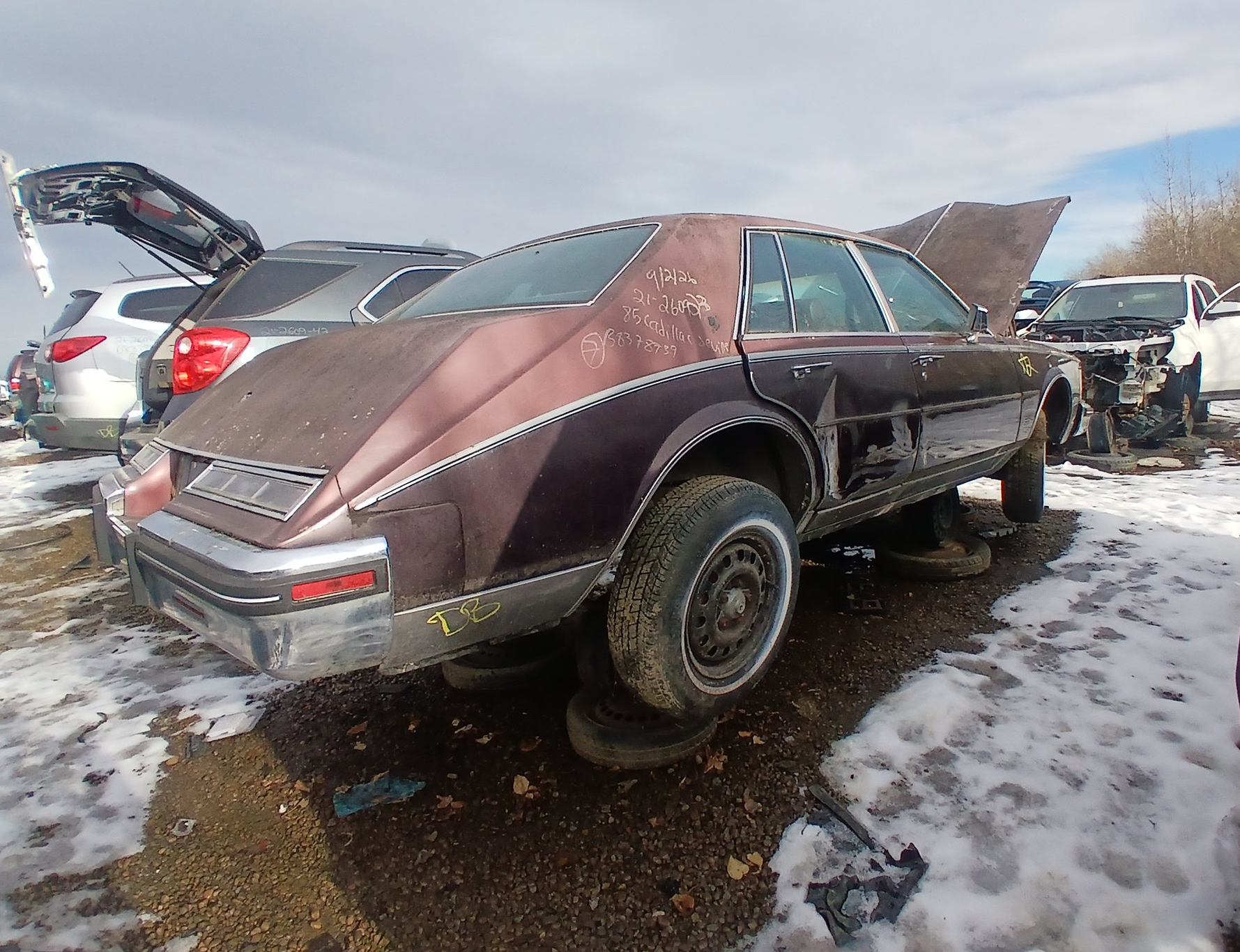
Moving on to questionable 1980s legacy, a 1985 Cadillac Seville.
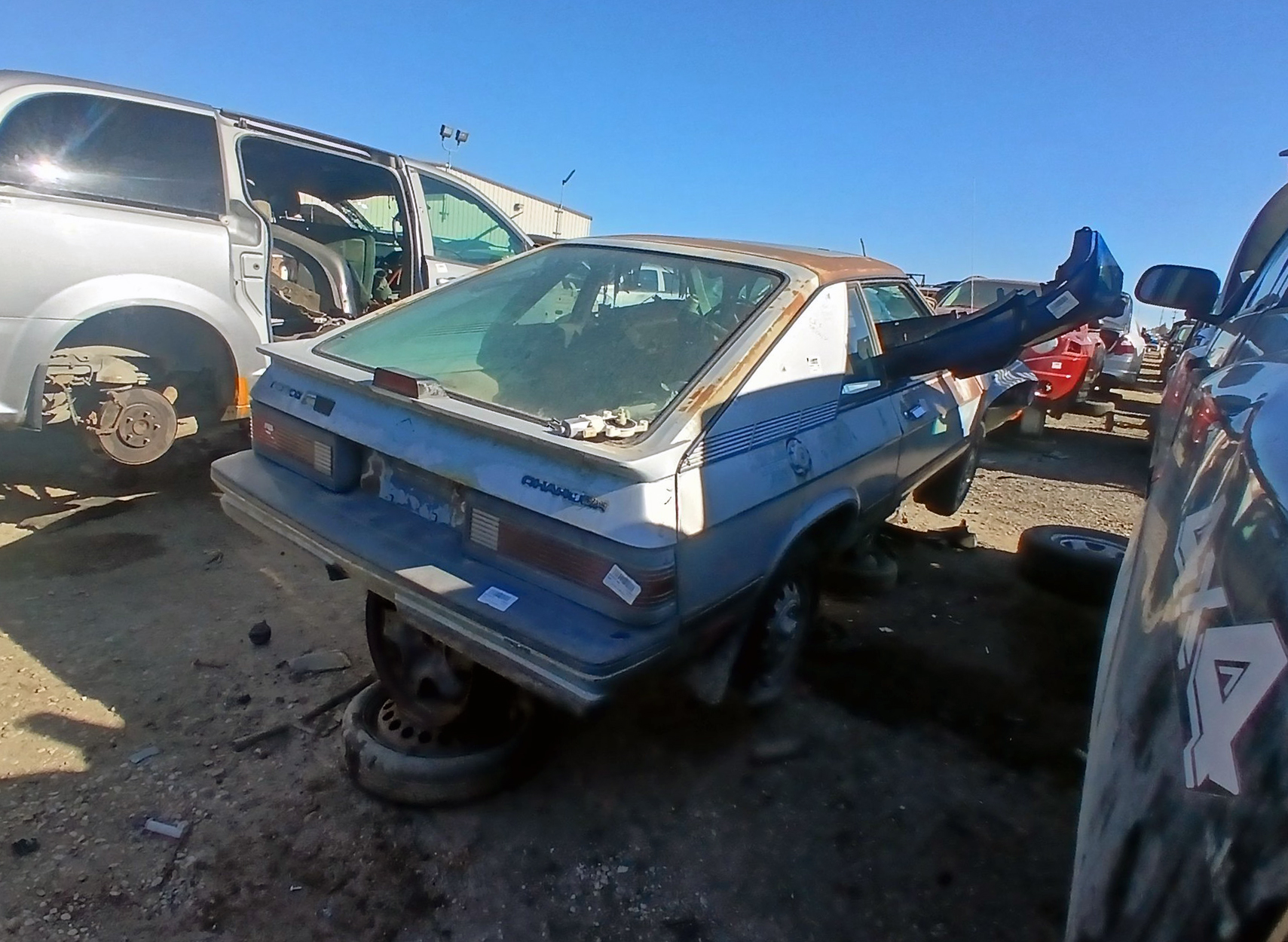
These were never particularly common to begin with: a mid-1980s Dodge Charger, now occupying its last parking space and further thinning their already limited ranks on the roads.
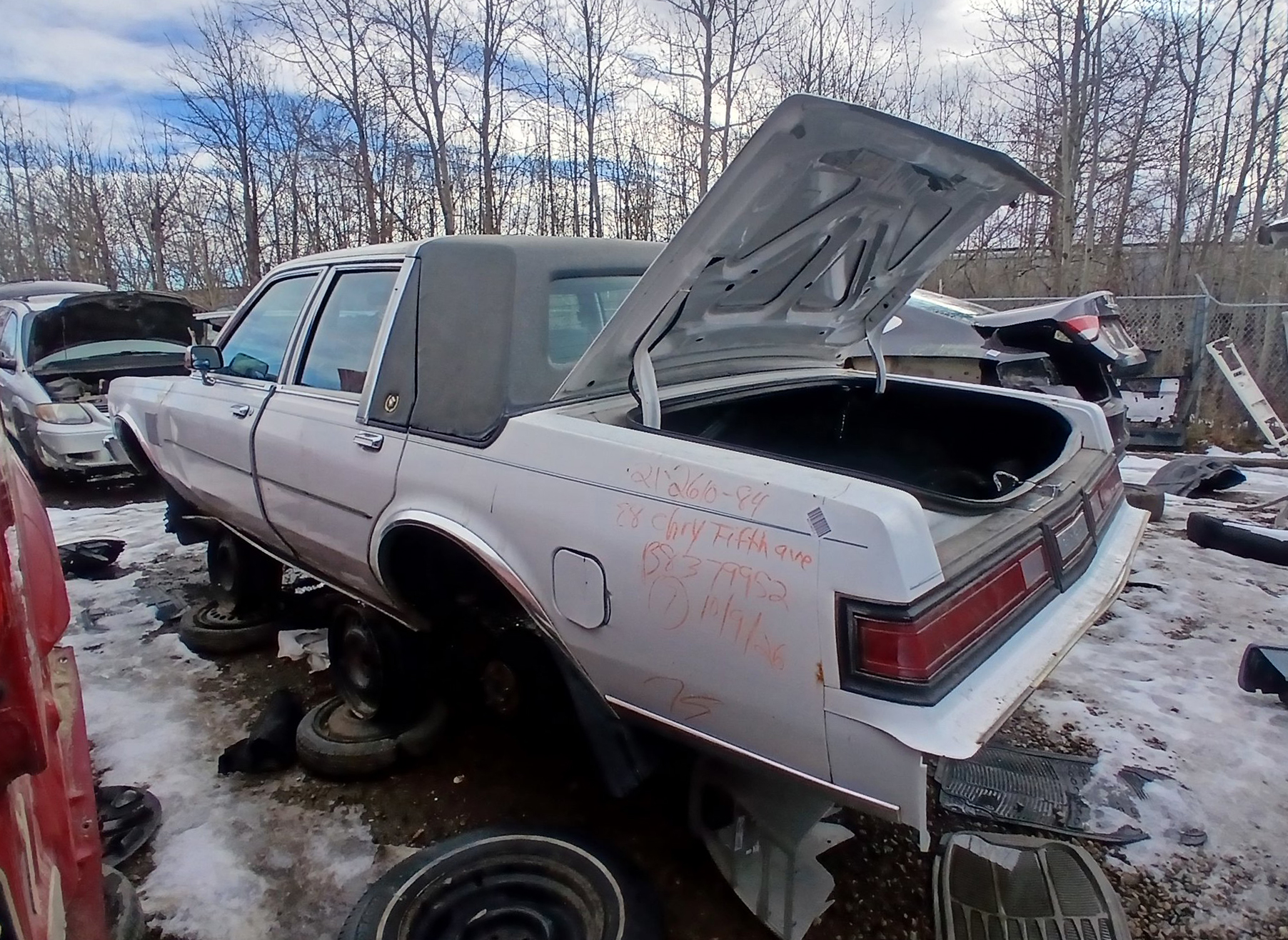
Showing that the decade advanced, but the M-body remained mostly unchanged, here’s a later 1988 Chrysler Fifth Avenue.
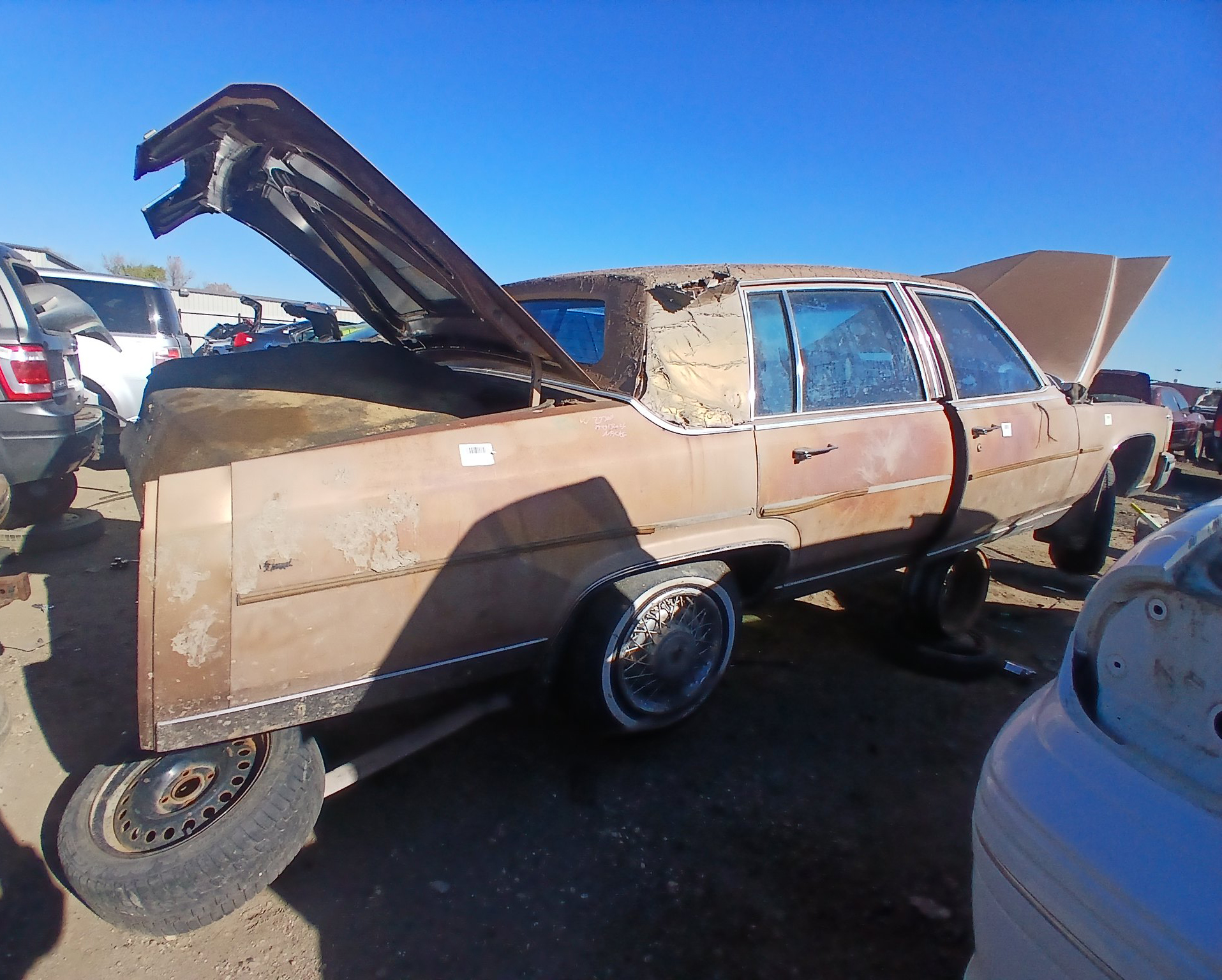
Another silhouette forever associated with the decade, a Cadillac Brougham from 1988.
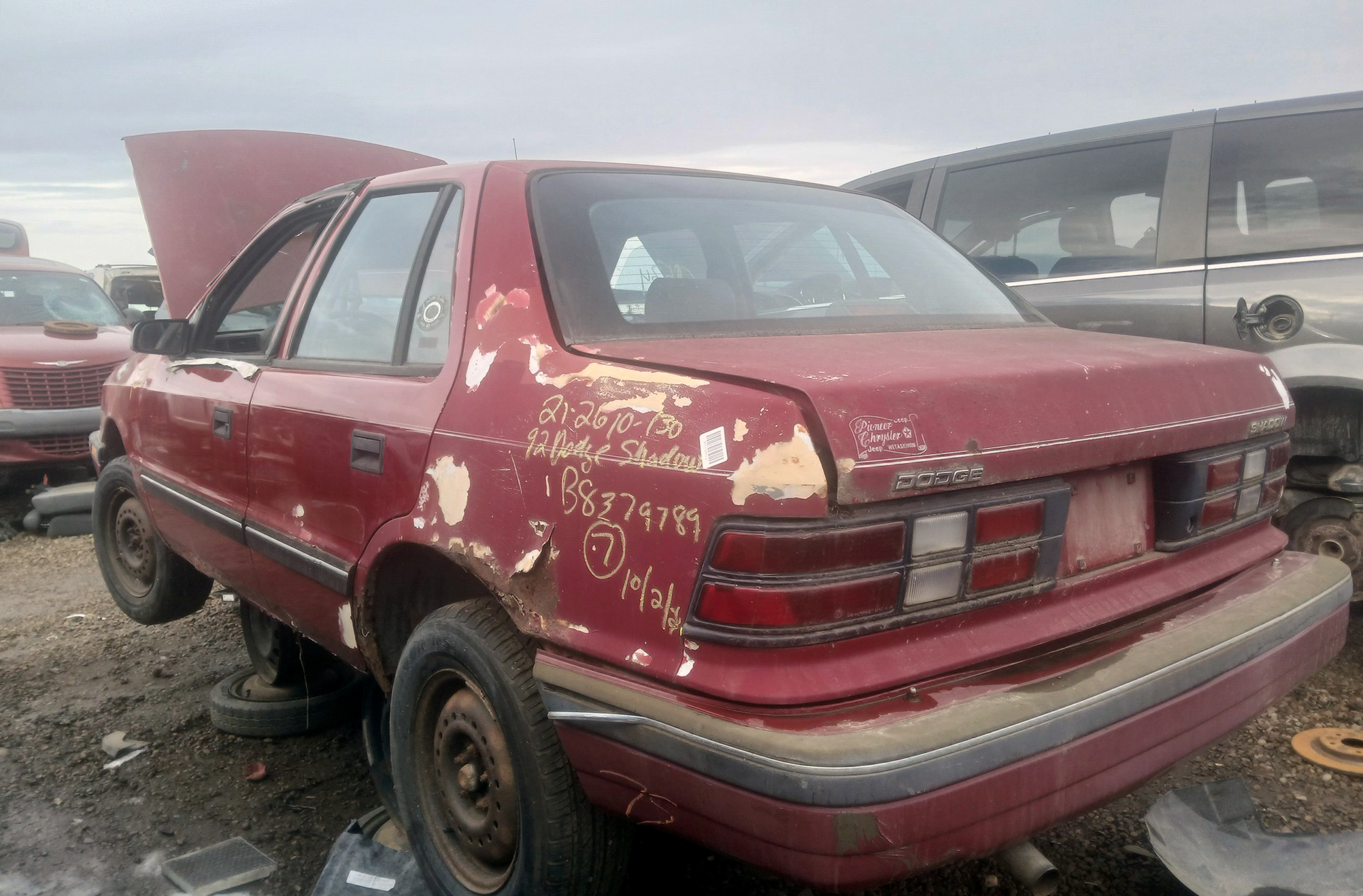
A hangover from the 1980s, this 1992 Dodge Shadow had changed little since its 1987 debut. By then, though, the eighties were over, the industry had embraced aero styling, and the market was about to fall in love with SUVs. But that’s a story for another junkyard tour, so we’ll leave it here for today.








I would be very leery of pulling anything from a junker that used upright wheels as jackstands.
They are welded to bottom of the car,
These are some great and fun finds. A shame about the ‘Doba, which appears to be a t-top model. That two-tone LeBaron is an ’80 or ’81, before it became a K-car for ’82.
The grandparents had one of those, as well as a Fifth Avenue – they were both nice cars.
The angle on the photo of the rear bumper of that Mark IV highlights Ford’s take-no-prisoners approach to five-MPH bumpers on cars of that era.
I think the L-body Chargers weren’t that rare, at least around mid-Michigan where I grew up.
Great assortment. I hope at least a few good parts got pulled before the inevitable.
I was going to make a similar comment about the L-body Charger and its Turismo/Duster/024 kin. Eastern PA was practically crawling with them. As a cheap, simple, somewhat stylish ride that could take a fair amount of neglect, these things were a first car of choice for many a late Gen Xer.
I agree about the Chrysler L body. In NW lower Michigan, they were pretty common. I used to try and figure out the puzzle of the side rear windows. Some had a solid rear panel. Some had a solid mid panel. And some had both as windows. Between that and the naming convention. Omni, Horizon, Charger, Turismo, 024, TC3, Duster I think too.
When I was 5 years old, on the trip to my grandparents house, there was an auto-wrecking yard near the railroad tracks, about a mile from their home. I KNEW it was there, but had no interest in old cars. It was not until the late 70’s that I got interested in cars, and then for some peculiar reason, ANTIQUE cars. By then I had moved to Tucson, Arizona, and did not get back for a few years. It had occurred to me many times that since that yard was existing in 1962, and was jammed full, it PROBABLY had cars from the 30’s and 40’s in it, and possibly some even earlier. I regret now that I did not stop in there, just to see if they would let me walk through, and see what they had. When I finally did get back, it had been revamped, was much smaller, and had cars from the 80’s and 90’s in it. There was no sign of any of the old cars I had seen when I was young. It did not dawn on me at that time, that what I had actually watched was the absolute and final end to the early 1900s, the last gasp being that early auto wrecking yard. Just to get there in 1962, we drove past an actual blacksmith shop, which i NOW know must have been there since the 1890’s at least, possibly EARLIER. I never saw the blacksmith shop open, but all the equipment, much of it under shed covers outside was still there. I often wondered where it went to. It was probably loaded in a truck and taken to a dump or salvage yard. The property is still there, but is just an empty lot now. In addition to this, there was an actual job printing shop on a small street in my town, and before I left town for college, I DID stop in there, because we were learning how to assemble type into frames, and print using a giant oscillating platen press. That was a real class at the high school, and was actually where I met my future wife. When we started the class, we learned the old saw about “minding your p’s and q’s, which applied to the large type boxes that we first had to straighten and sort from the previous student use before we could start our projects. When I went into the small printing shop, it was obvious that he had been in business for MANY years. There were literally hundreds of type cases of every font and size against all the walls, and the printing equipment was in the center of the room. His platen presses were much larger than the small ones we had at school. He could have printed newspaper if he had wanted. He probably DID at some point in history. The old man who ran it was decrepit but talkative, and I doubt he had much business at that point. I actually got to see an old time printing shop, just as it had been for probably the last 60-70 years. Again, when I went back home after college, it had been cleaned out, repainted and was an antique shop. The thing that fascinated me most, however, was that there was an ACTUAL STEAM SHOVEL at a gravel quarry near our grandparents home. If I had offered the owner $100, I could have driven it across the road onto my grandparent’s farm property, but that never occurred to me, and again, when I got home again, the gravel quarry had been filled with huge apartment buildings, and the pit had become the lake they were centered around, and the steam shovel was gone, probably cut up and hauled away. I did not realize that our little town was changing just in the years I lived there, and in a few years, NOTHING was the same anymore. But it was a good lesson in the things we lose as we get older. I am grateful that someone saved the antique cars that I have now, so that I could enjoy them as a trustee, before passing them on to someone else who will treasure them.