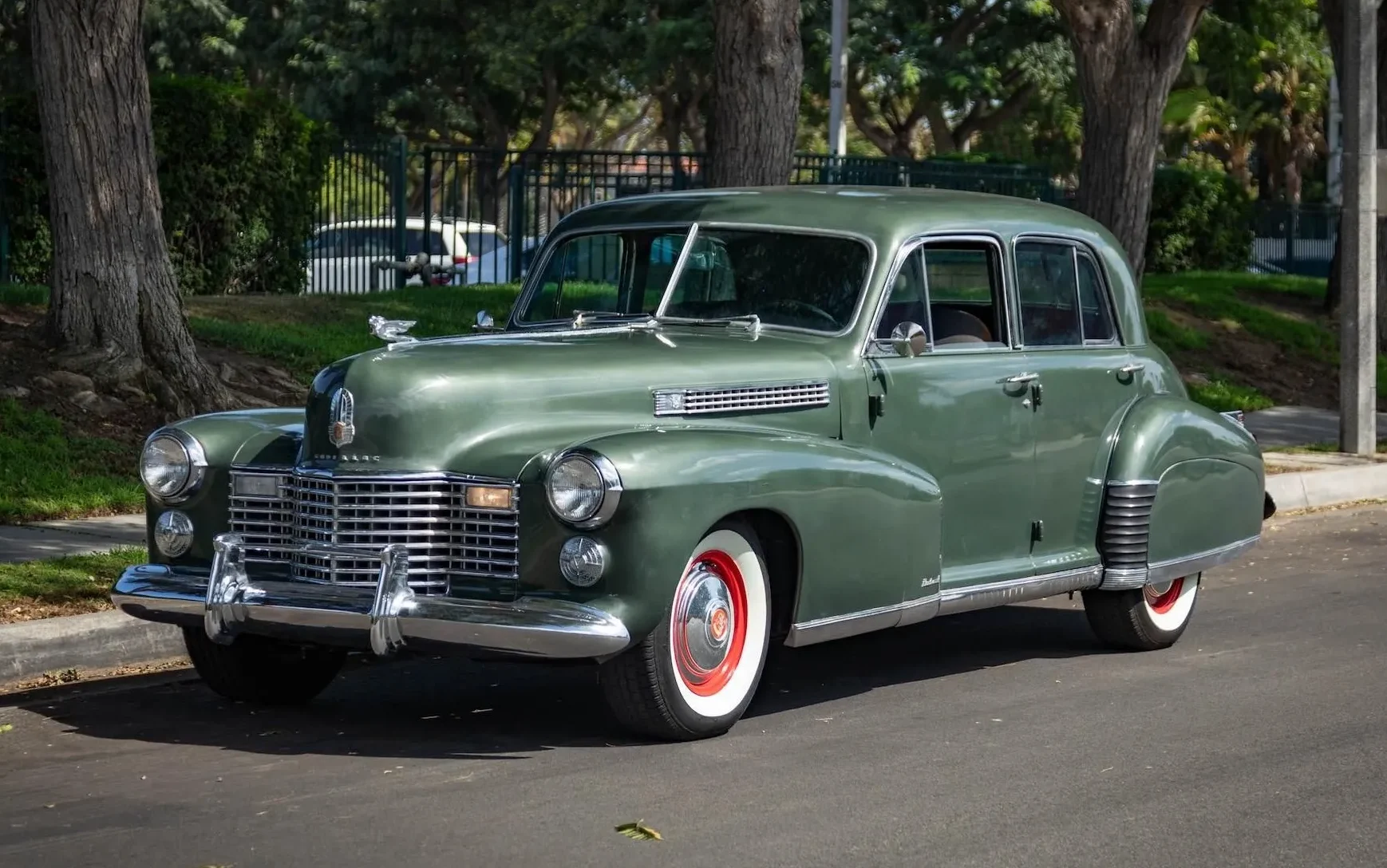
One of my favorite things about being obsessed with cars is realizing you’re in love with something that’s been in front of you all along, and my recent four-wheeled crush is the 1941 Cadillac Fleetwood Sixty Special. I recently saw one on display at a car museum, which sent me searching for examples out in the wilds of the internet, where I found this one for sale on Hemmings Auctions in Torrance, California.
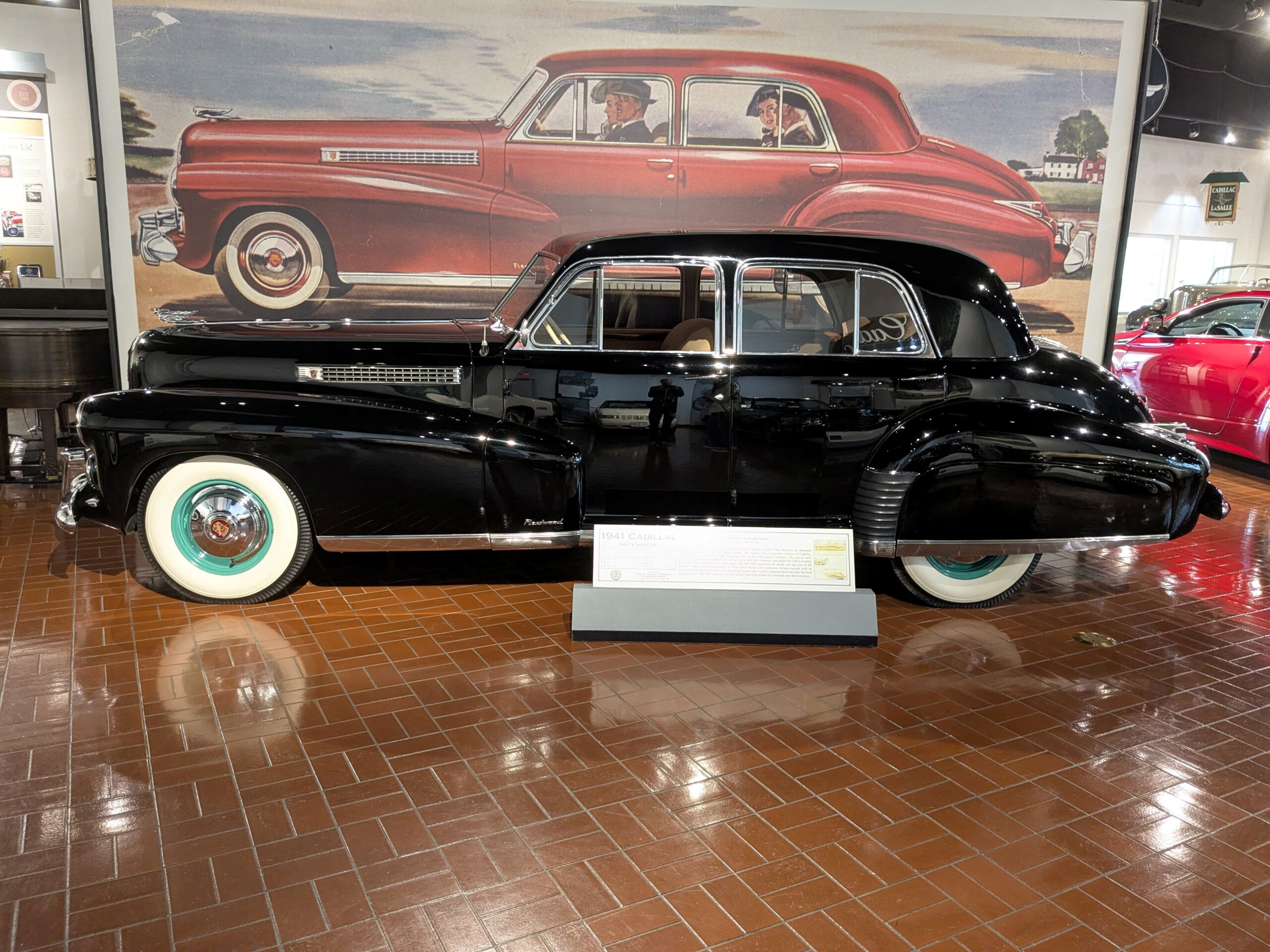
I’ve long been aware of the Sixty Special, how Bill Mitchell drew it (taking inspiration from the Panhard Panoramic), and how Mister Harley Earl sold it to Cadillac’s corporate types (What will I tell Mr. Sloan when he asks?). But I never really looked at it until recently, when I saw this 1941 Sixty Special at the Gilmore Car Museum. I’ve even seen this exact car several times, but I was simply in the right mood for it to affect me, and affect me it did. It’s truly a milestone, a great-looking car, especially with Cadillac’s new broad horizontally themed front end. And just look at that sporty short deck, the forward-thrusting proportions, and the minimal front overhang.
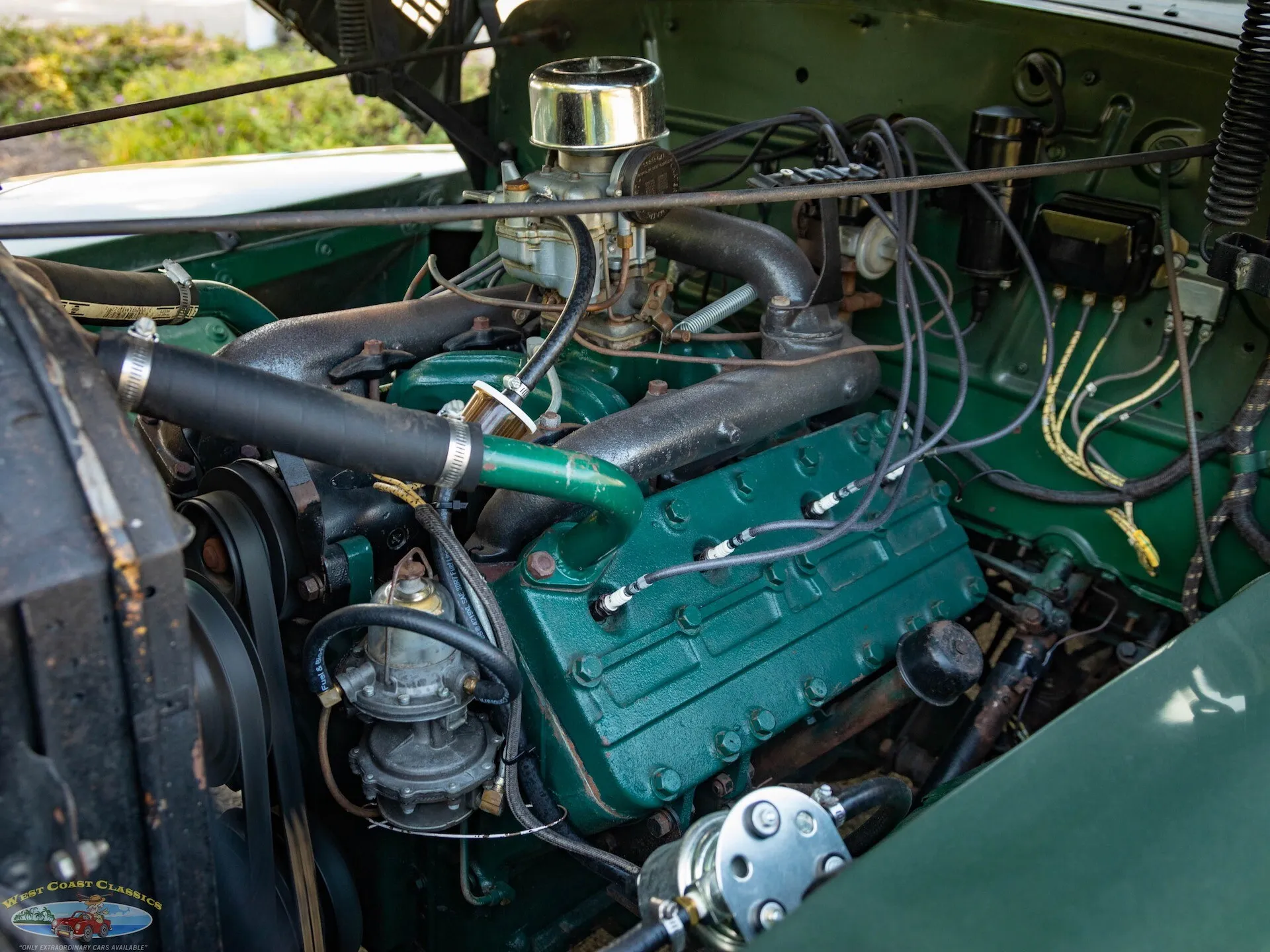
Therefore, we can agree that at least some of us understand that the Sixty Special is a beautiful car that was ahead of its time, but how is it well suited for today’s roads, as I mentioned in the title? At one point, I read that the 1941 Cadillac was the most popular “Full Classic” according to the Classic Car Club of America, most likely because it toured so well. The long-running 346-cubic-inch flathead V8 produced 150 horsepower, an excellent number for 1941, and when matched with the optional 3.36:1 “economy” rear axle ratio, it adds up to a car that can easily maintain a safe speed even in modern traffic.
Luckily, the new owner of this 1941 model can replace the dinky parts-store chrome air cleaner with the real oil-bath deal, which is in the car’s trunk.
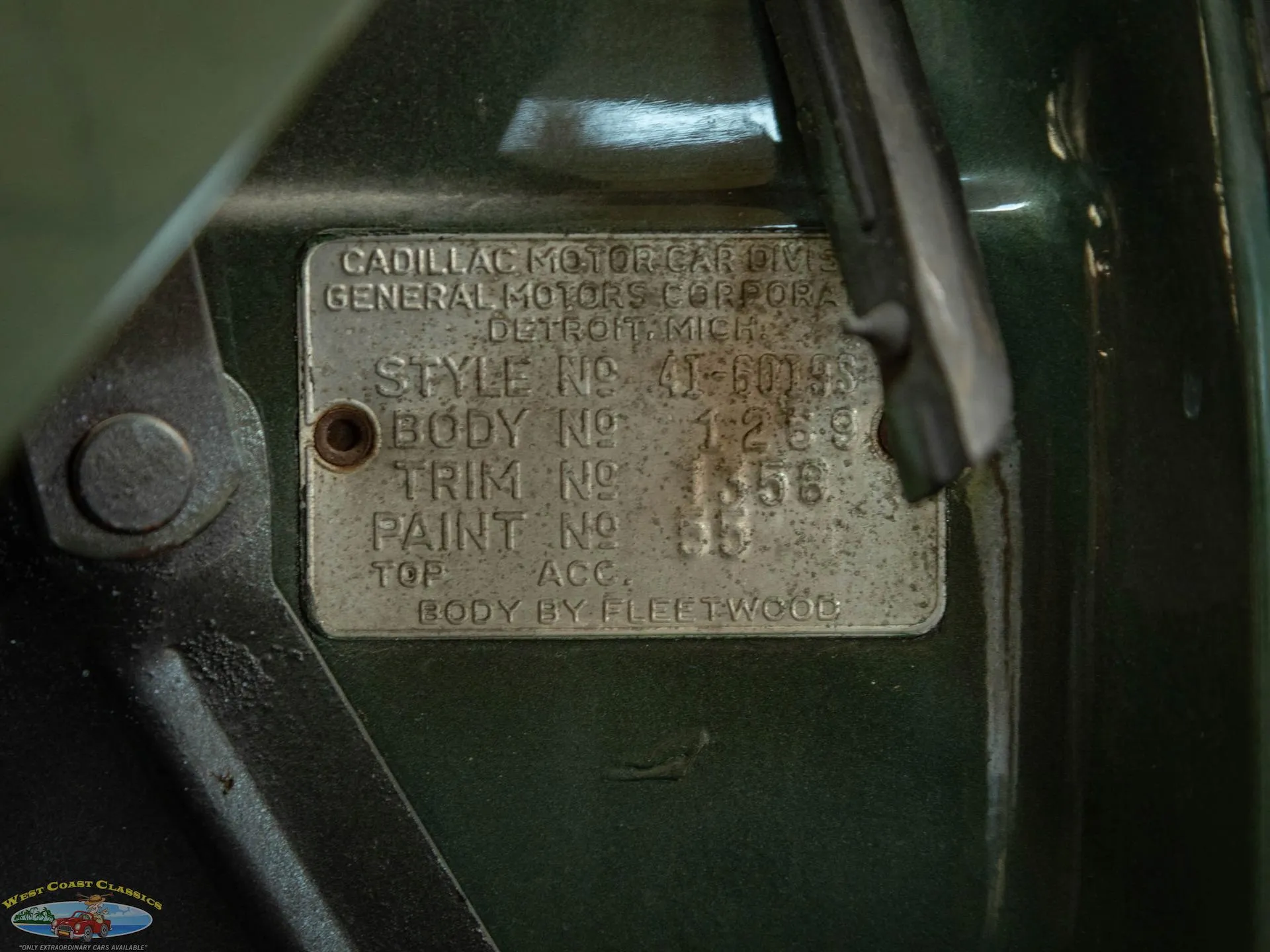
We can learn a lot about this Cadillac by looking at the Fleetwood Body tag, which informs us that the car’s paint code of “55” is “El Centro Green Metallic,” and the trim code is 1358: Green Stripe Cloth.
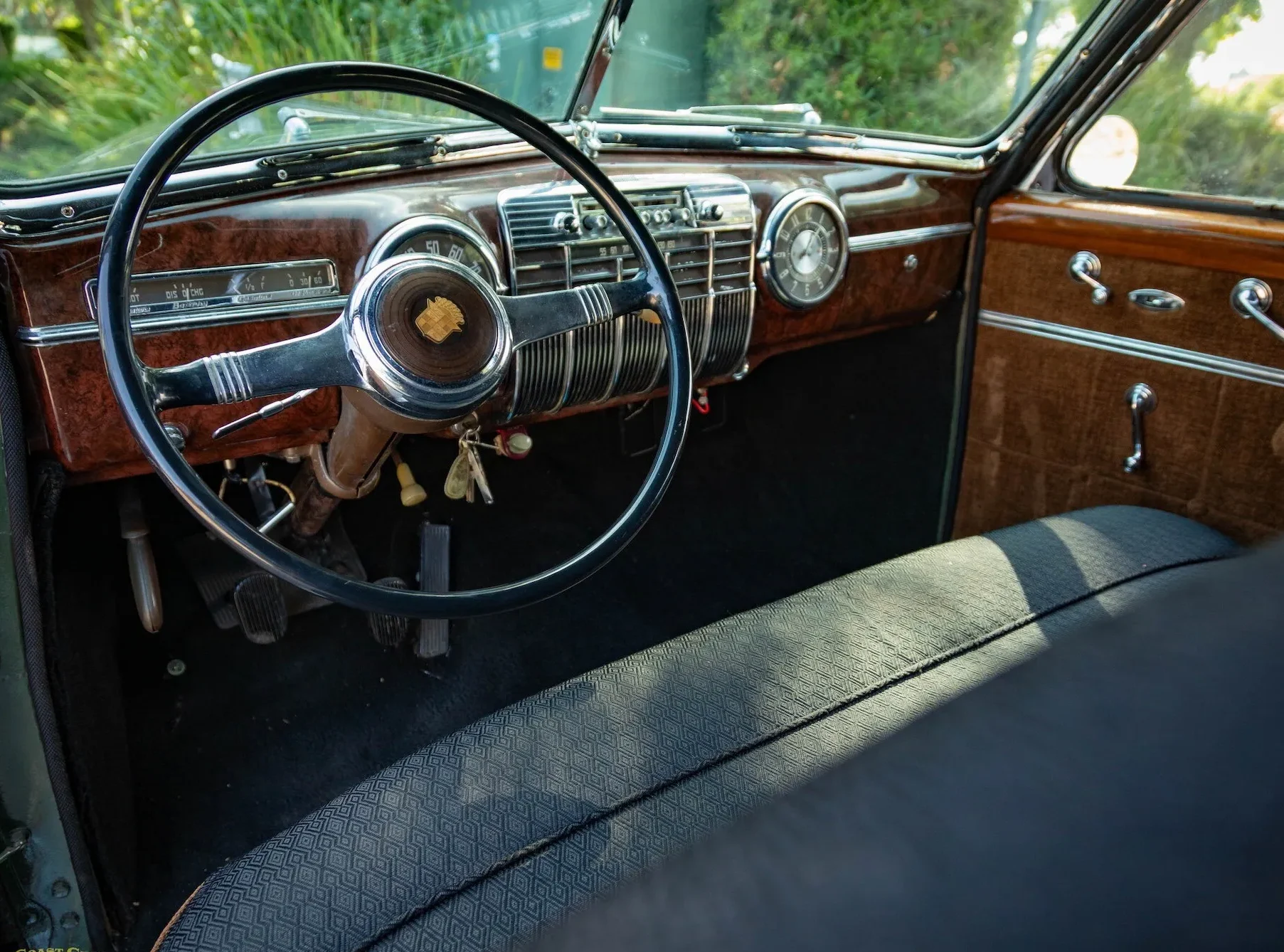
The upholstery in this older restoration doesn’t match any of the patterns I’ve found online in other cars or in Cadillac’s sales materials, and I can’t quite make out its color. Is it black? Dark blue? Green? Whatever the case, the dashboard is splendid, and you may have noticed that this car has the standard three-speed manual transmission rather than the newly optional Hydra-Matic (which was a late addition to the 1941 lineup).
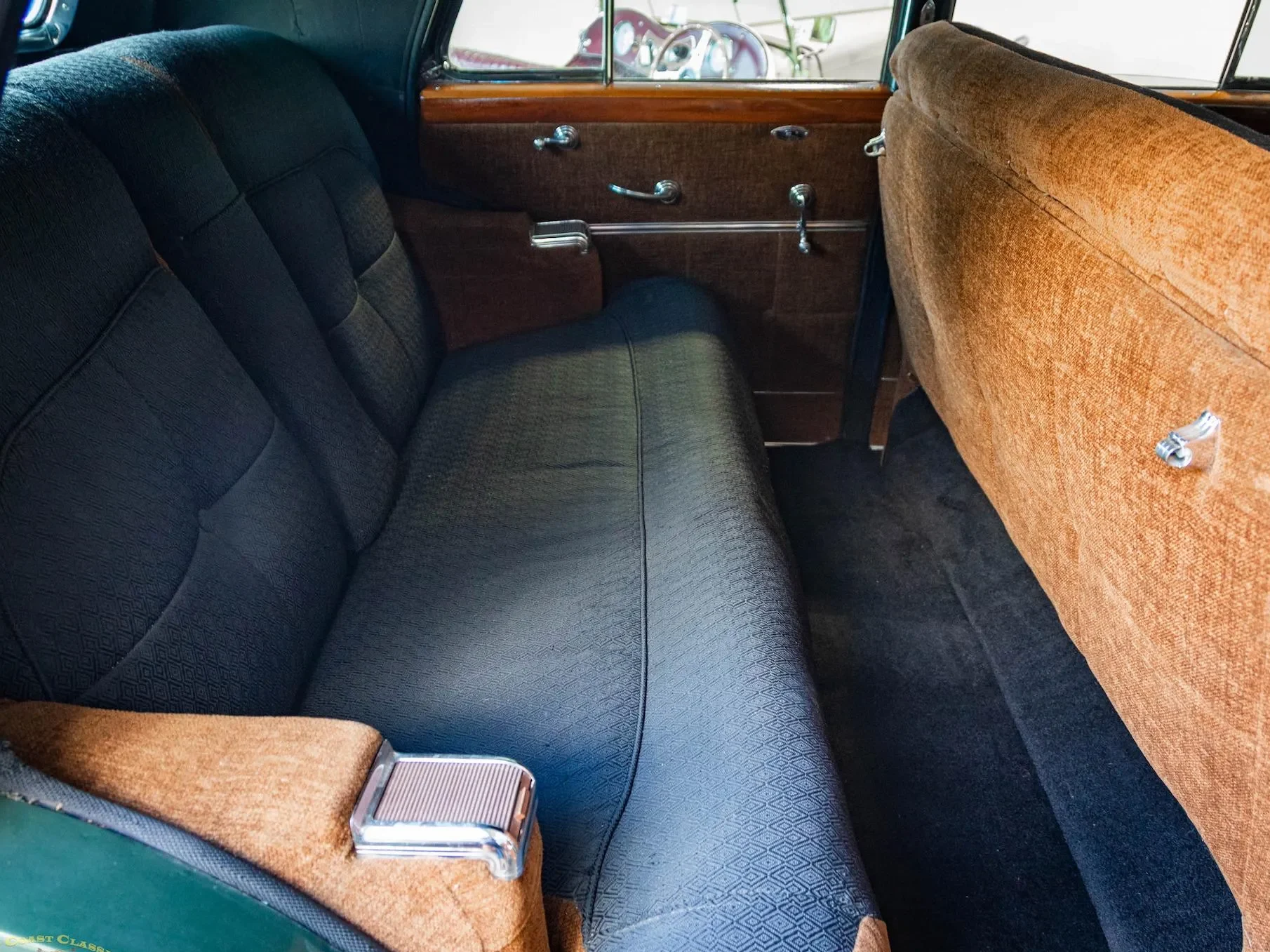
The rear seat appears to be in nice condition, although the color is still a bit of a mystery to me. It’s fine for a driver, which this car certainly is.
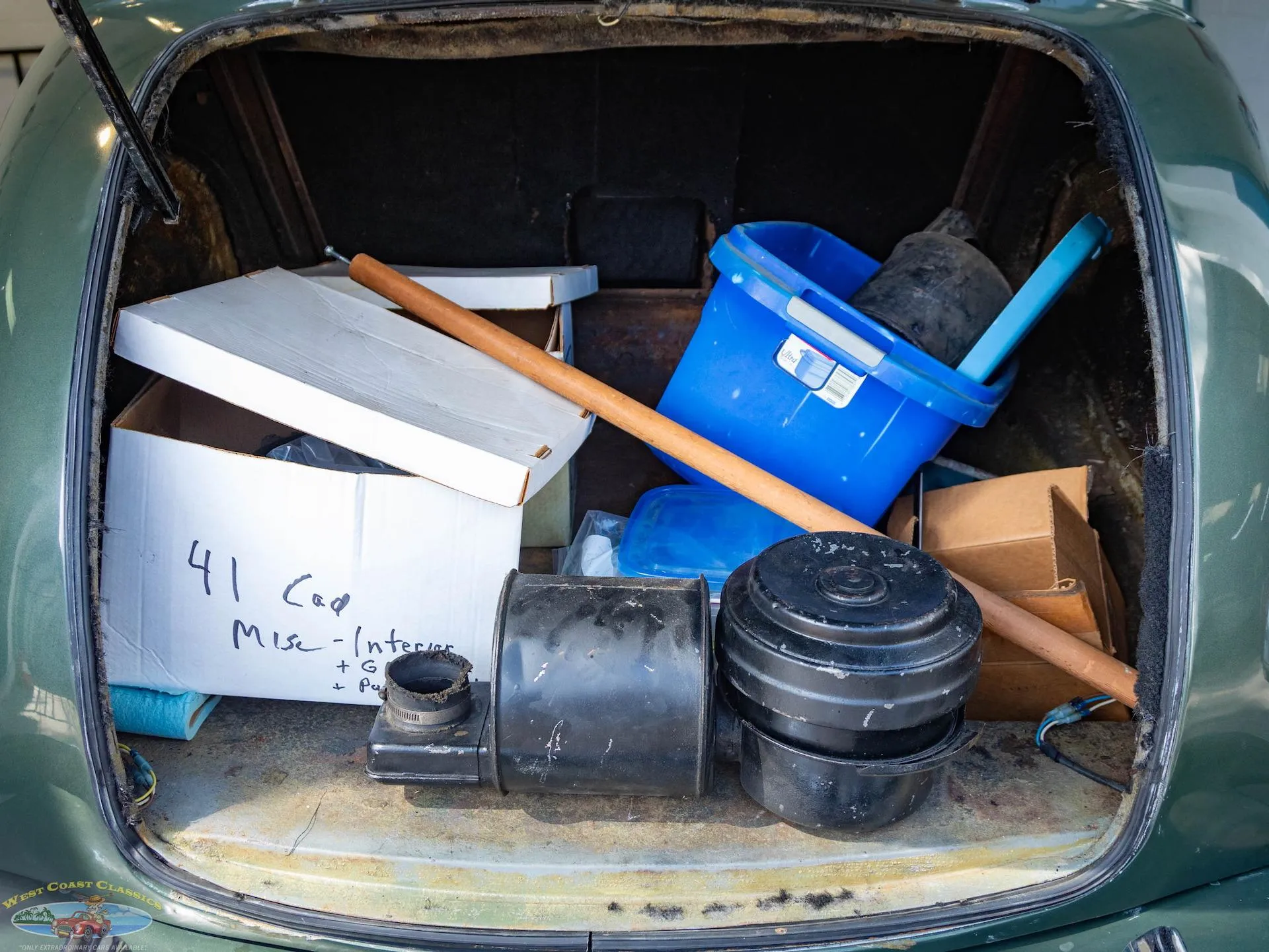
Here’s the oil bath air cleaner I mentioned earlier, in addition to some other miscellany that may or may not be useful to the new owner. The luggage compartment is one area that might benefit from the upholsterer’s deft hand.
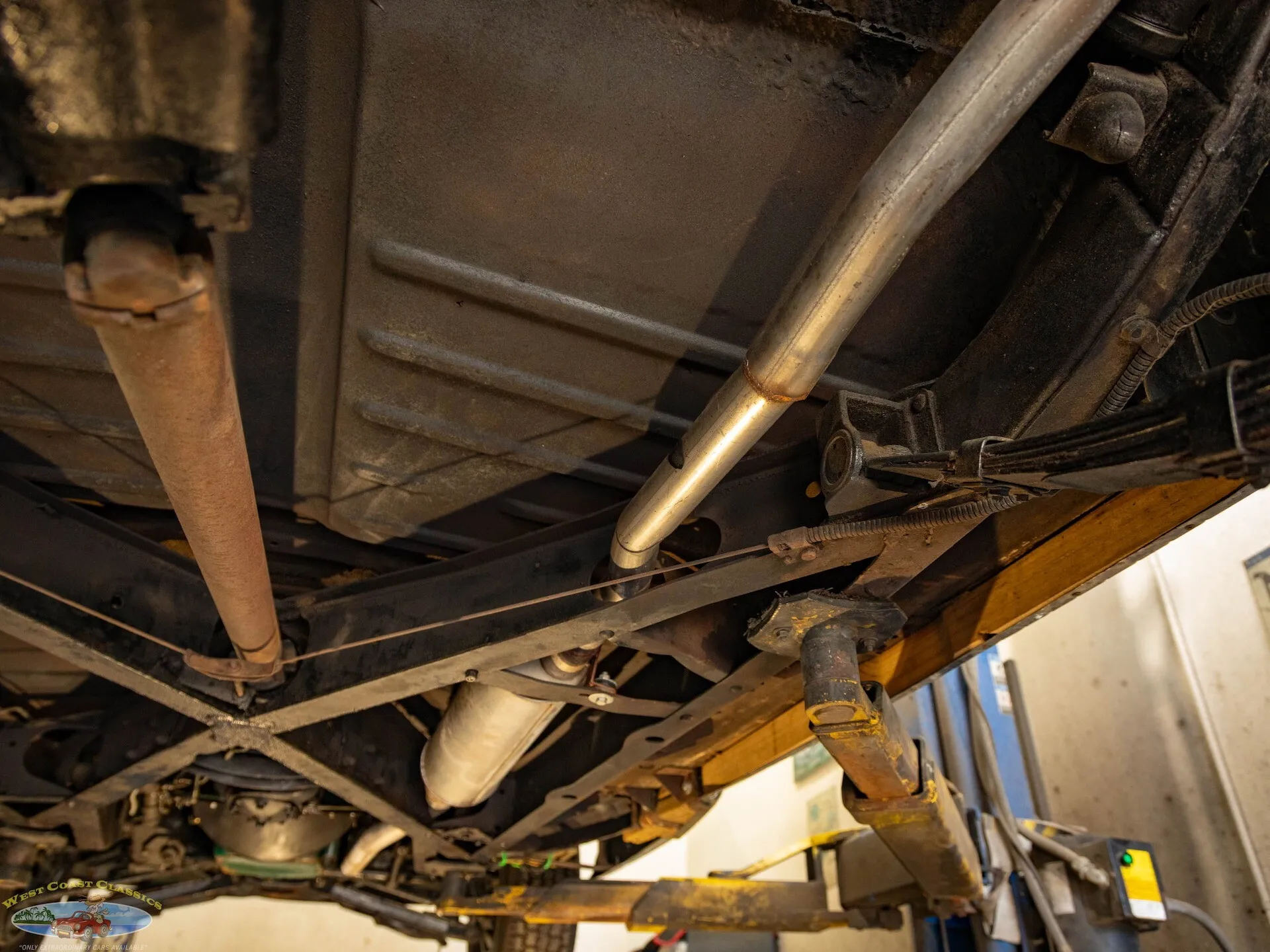
Something that I was unaware of is that the Sixty Special used real structural wood in the sills, something I didn’t expect from a 1940s American luxury car with production of 4,100 units. The wood itself on this car has almost certainly been replaced, and the pictures make it a bit hard to ascertain the quality of the work. I’ll leave it to the woodworkers among the readers to comment on that, but from what I’ve been able to gather, the original wood that Cadillac used was white ash.
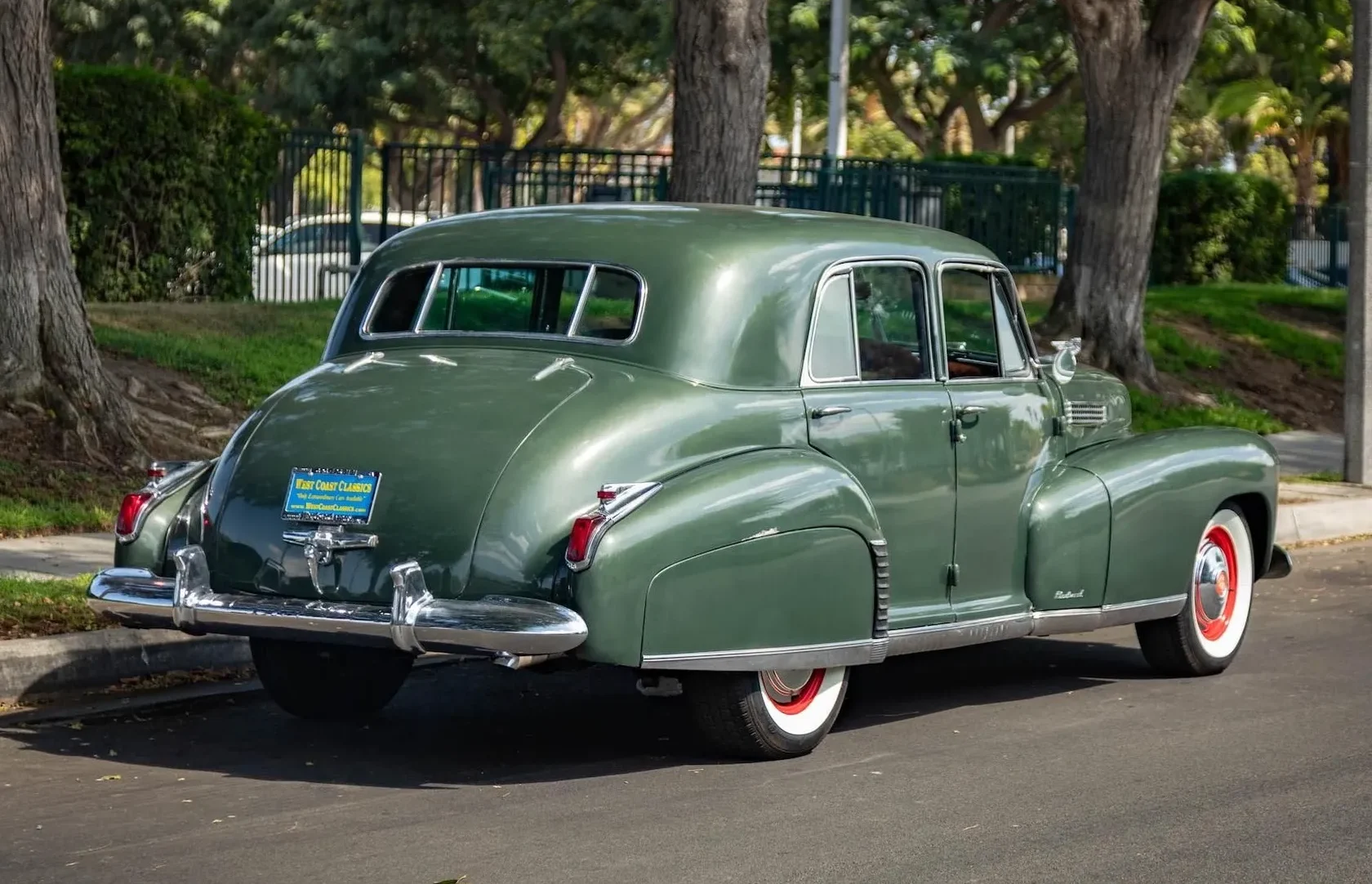
Although I’ve never liked woodworking myself, I wouldn’t let that deter me from buying a Sixty Special like this attractive green 1941 model. The rear view is as delicate as the front view is bold, and while it is tastefully devoid of trim, it fulfills Harley Earl’s maxim that a car owner should be able to walk around his car and be entertained the entire trip.
Related Reading
Car Show Classic: 1941 Cadillac Fleetwood Sixty Special – It’s a Blue World (by Aaron Severson)
Car Show Classic: 1941 Cadillac Series 67–General Motors Asserts Its Dominance in Yet Another Niche (by me)









Always loved the ’41 Sixty Special for its trim proportions and understated styling.
The mis-aligned Cadillac crest on the steering wheel has me twitching, though.
“I was simply in the right mood for it to affect me…” What an apt comment. So many times I recall never “seeing” a car that I’d looked at countless times before. Having the passion and patience to appreciate such a fleeting opportunity of admiration is a privilege of true automotive enthusiasts.
Oh, how I appreciate the phenomenon that is the constantly moving car-crush!
One of the photos seared into my memory was in my grandma’s box of photos. It was of my mother’s Aunt Alma standing in front of a (probably new) 41 Cadillac in the driveway outside of her beautiful home. She was married to a successful doctor and there were always either two or three Cadillacs in the three-car garage. Her last one was the black 63 Fleetwood Sixty Special I owned. I have not seen the photo in years, and doubt that the 41 they owned was a Sixty Special, but I have had a fondness for the 41 Cadillac for most of my life. This one is a sweetie!
A friend had a 46 which was the same car pre and post war. He had it in the mid 60s and played in a local rock band, it was great for hauling his equipment around in…
The 60 Special was profoundly influential, as the first “three box” production car in the US. Everyone had to follow its lead, although fastbacks were also still popular. Take your pick…
MY car crush – the 1941 Packard Clipper, would like to respond to your car crush and remind you that it was the Rita Hayworth of 1941, to your Bette Davis. LOL.
I’ll raise you a 1941 Continental, one of my longtime crushes, which Rita Hayworth actually owned. 🙂
Here’s a picture you’ve probably seen.