


With the exception of the Transit Connect and Transit City (a BEV from China), all Ford commercial vehicles for the European market are made by Ford Otosan, headquartered in Turkey. Early September, I caught their full-size tractor and smallest cargo van at the same event.
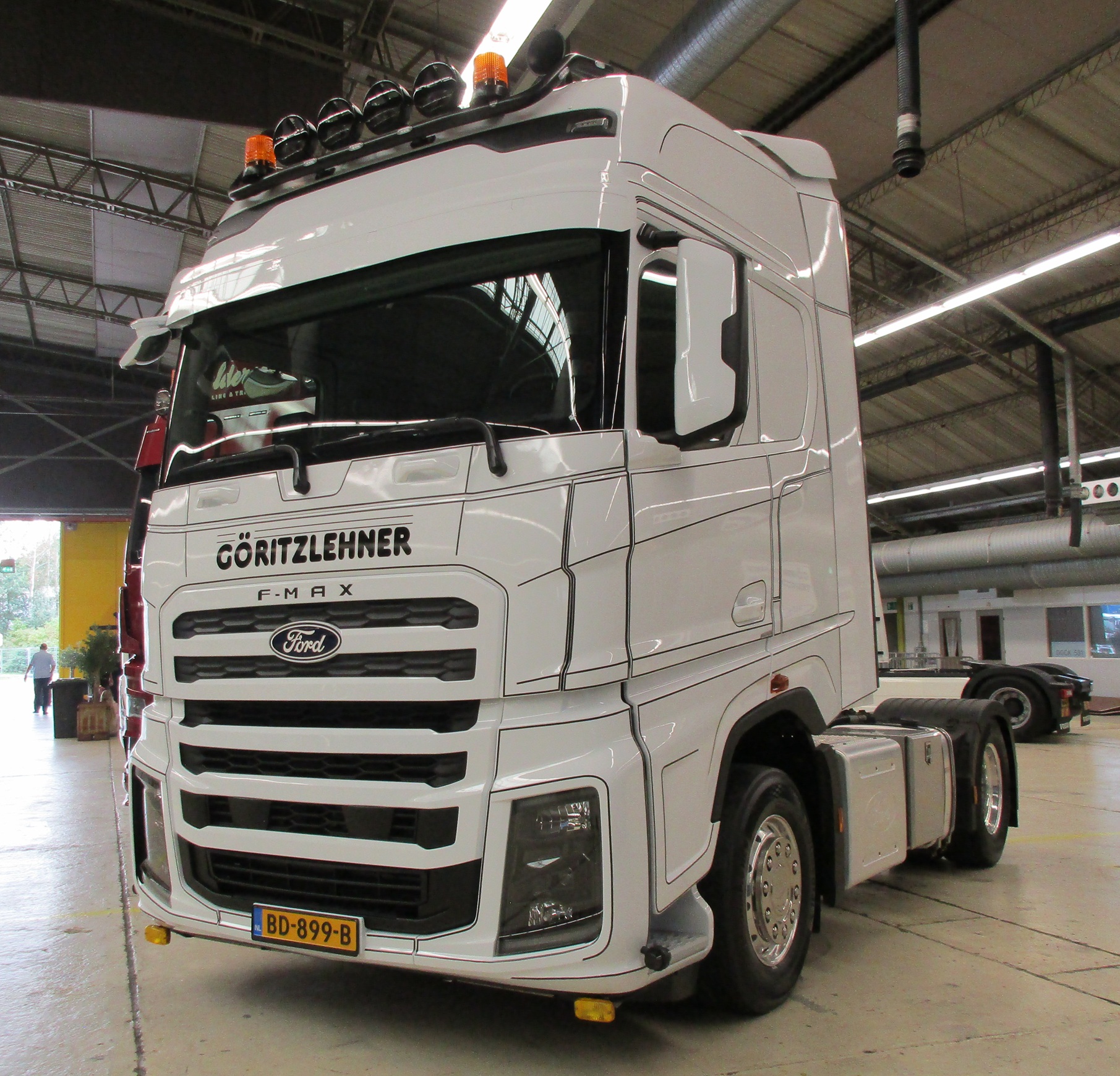
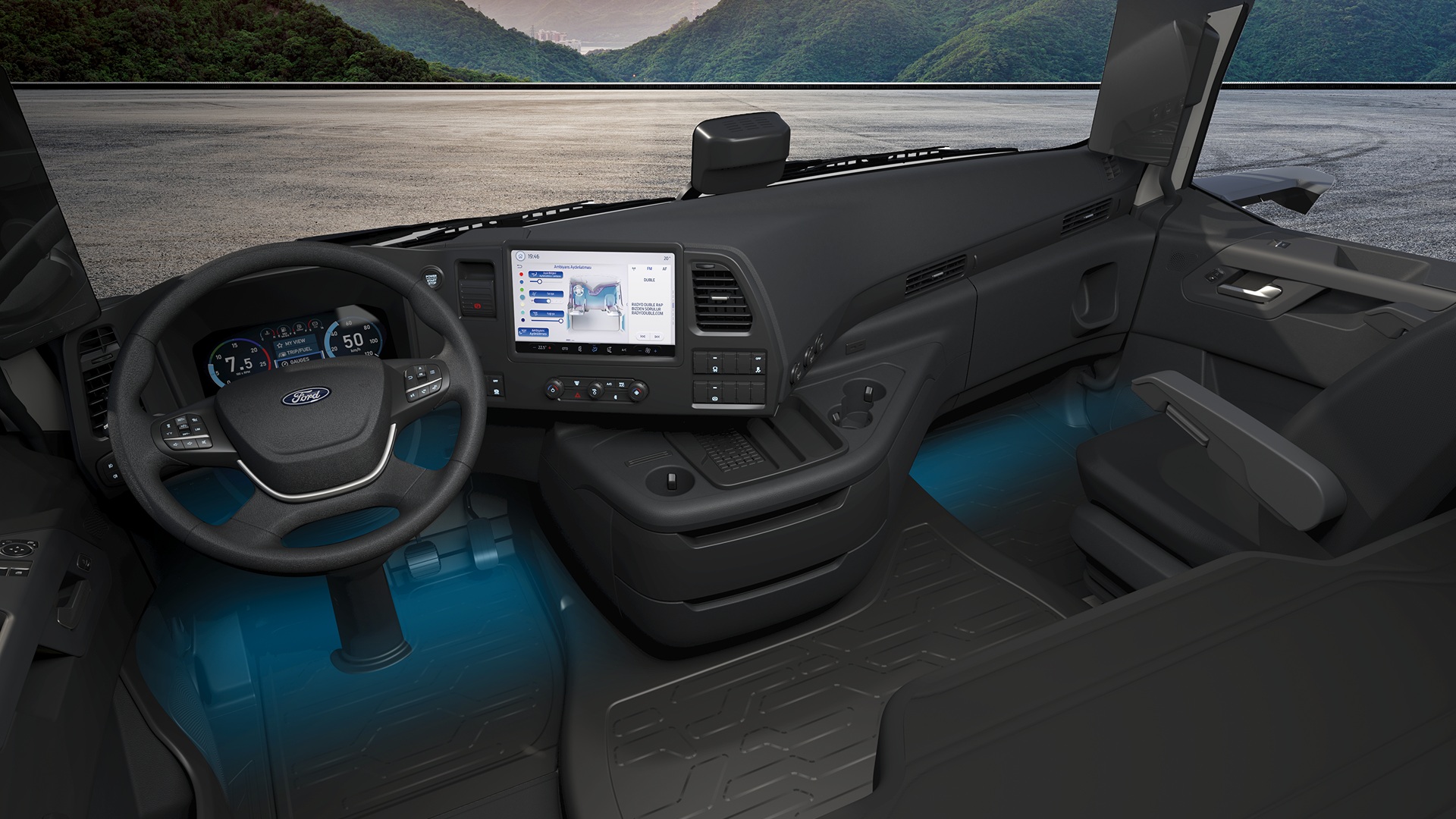
Mr. Big is a 2026 Ford F-Max Gen2, for now these are only available as a LHD long-haul tractor with a 4×2 drivetrain and a 510 DIN-hp, 12.7 liter Ecotorq turbodiesel. Both the engine and the tractor’s automated manual transmission are in-house components.
The first generation of the F-Max was introduced in 2018 and by now these big Fords have become a familiar sight on Europe’s main roads. The truck maker is well represented by official importers and distributors across the continent.
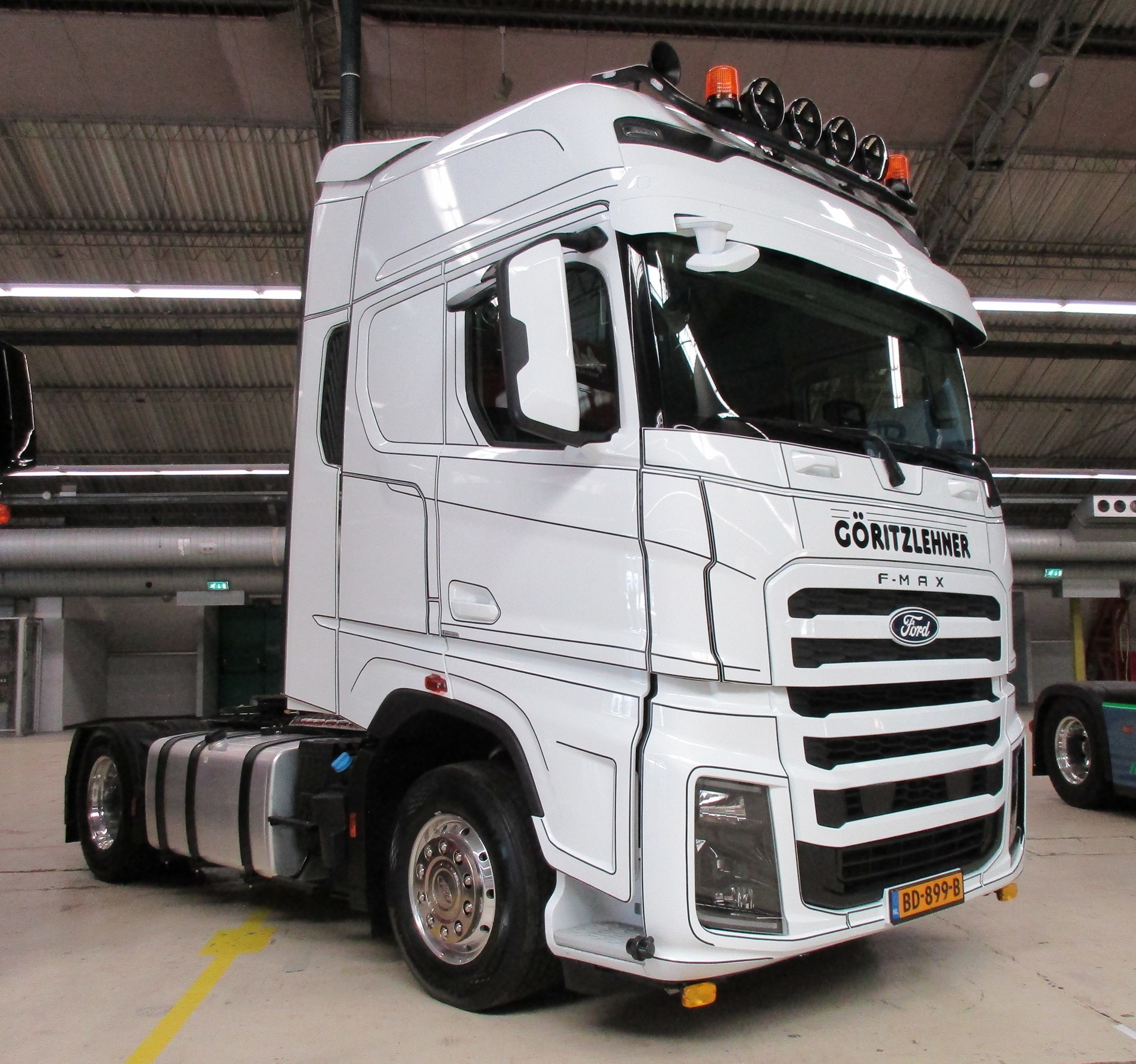
In the Netherlands, this dealership demo tractor is rated at a gross combination weight of 50 tonnes (110,200 lbs), which is as far as you can go with a standard big rig. A full-fledged heavy-duty Ford it is.
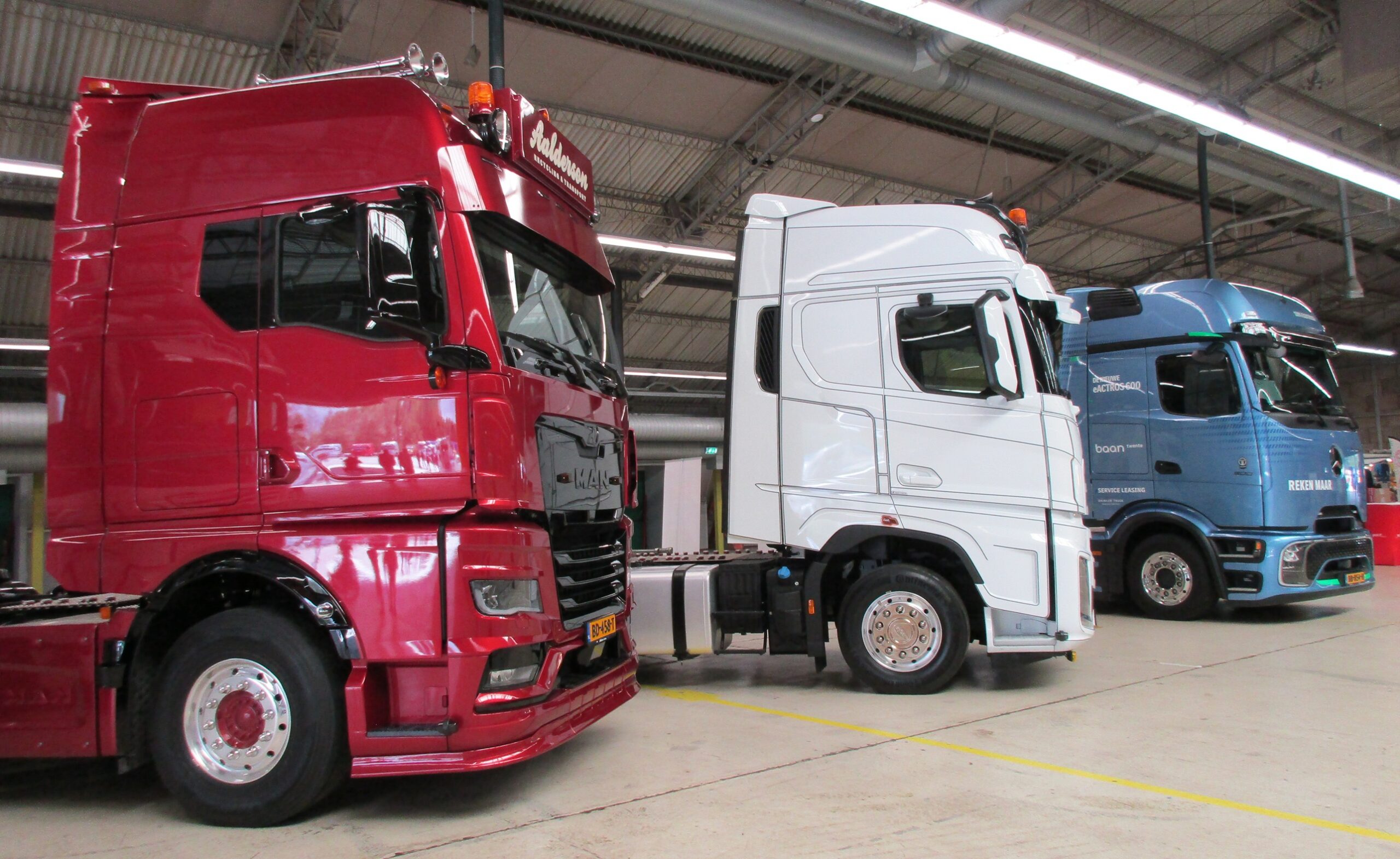
To put things into perspective, here’s the Ford sitting between a 2026 MAN TGX 26.640 6×2/4 (oh so brutal) and a 2025 Mercedes-Benz eActros 600 4×2 (oh so electrifying).
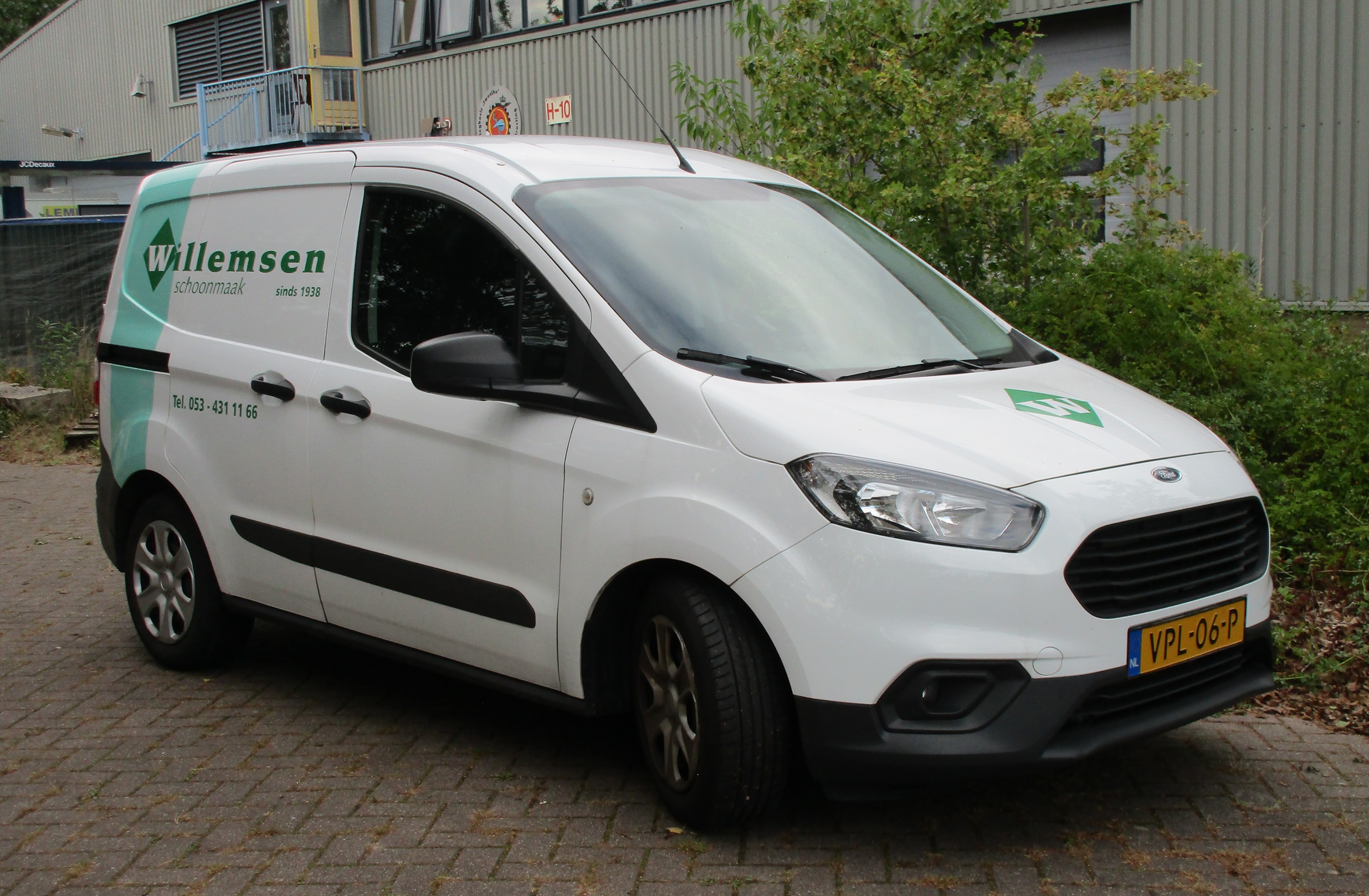
At the other end of the Ford trucking spectrum is this 2022 Transit Courier panel van. The small van model is based on Ford’s B2E platform and the first generation, offered from 2014 to 2023, is sending strong Fiesta vibes. It was clearly at work, that Saturday afternoon.
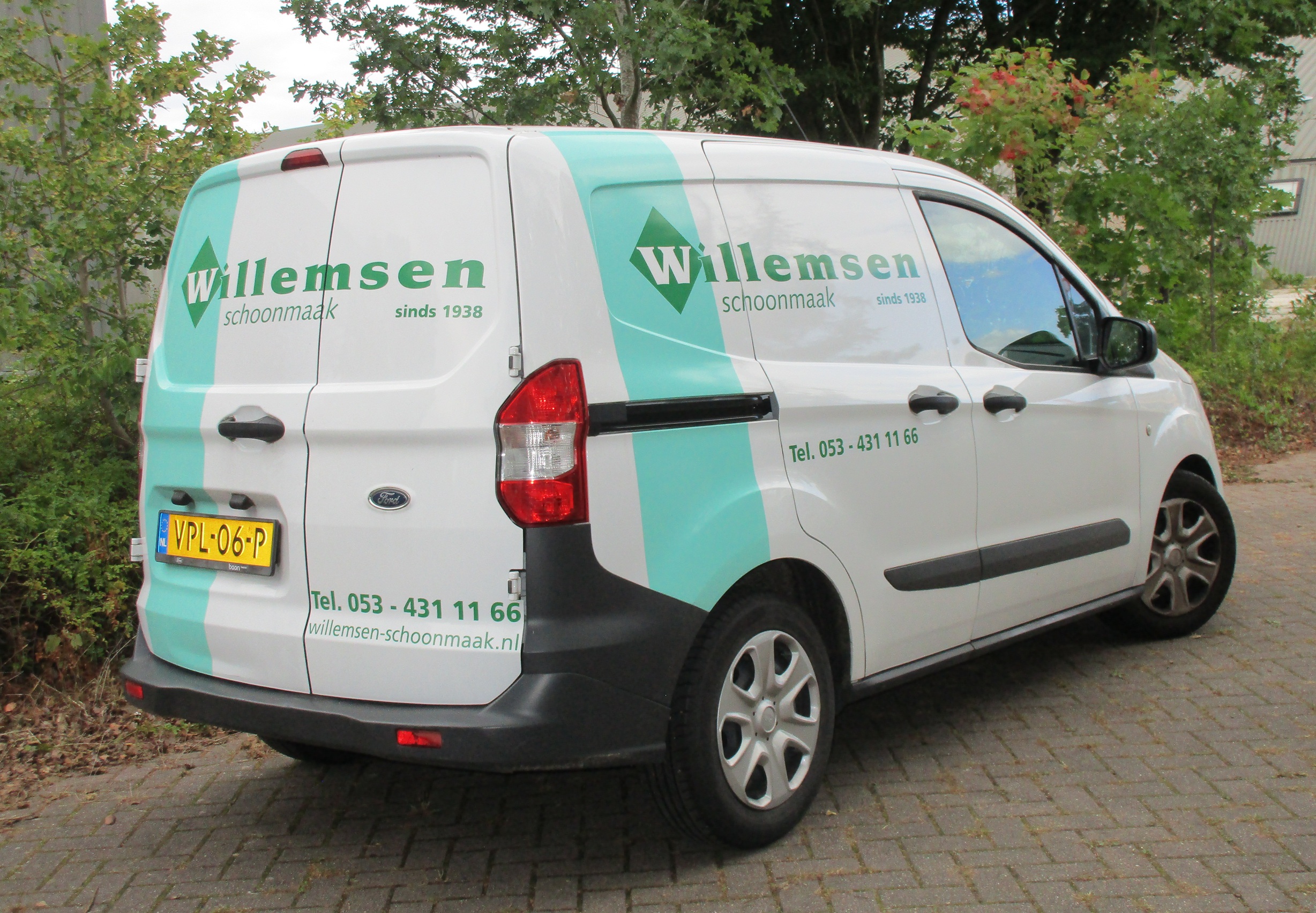
The van, owned by a cleaning service, is powered by a 1.0 EcoBoost three-cylinder gasoline engine with a maximum power output of 100 DIN-hp. Other first gen Transit Courier engine options were the 1.5 and 1.6 liter Duratorq turbodiesels with 75 and 95 DIN-hp, respectively.
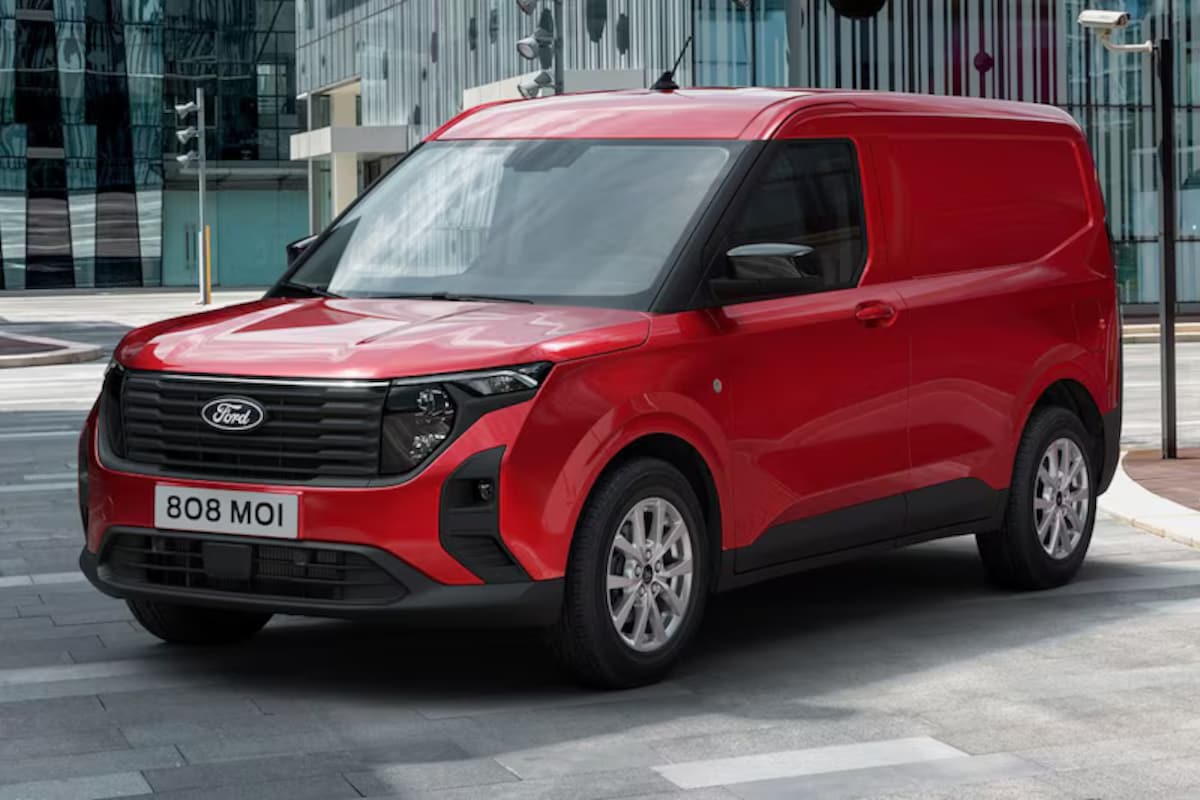
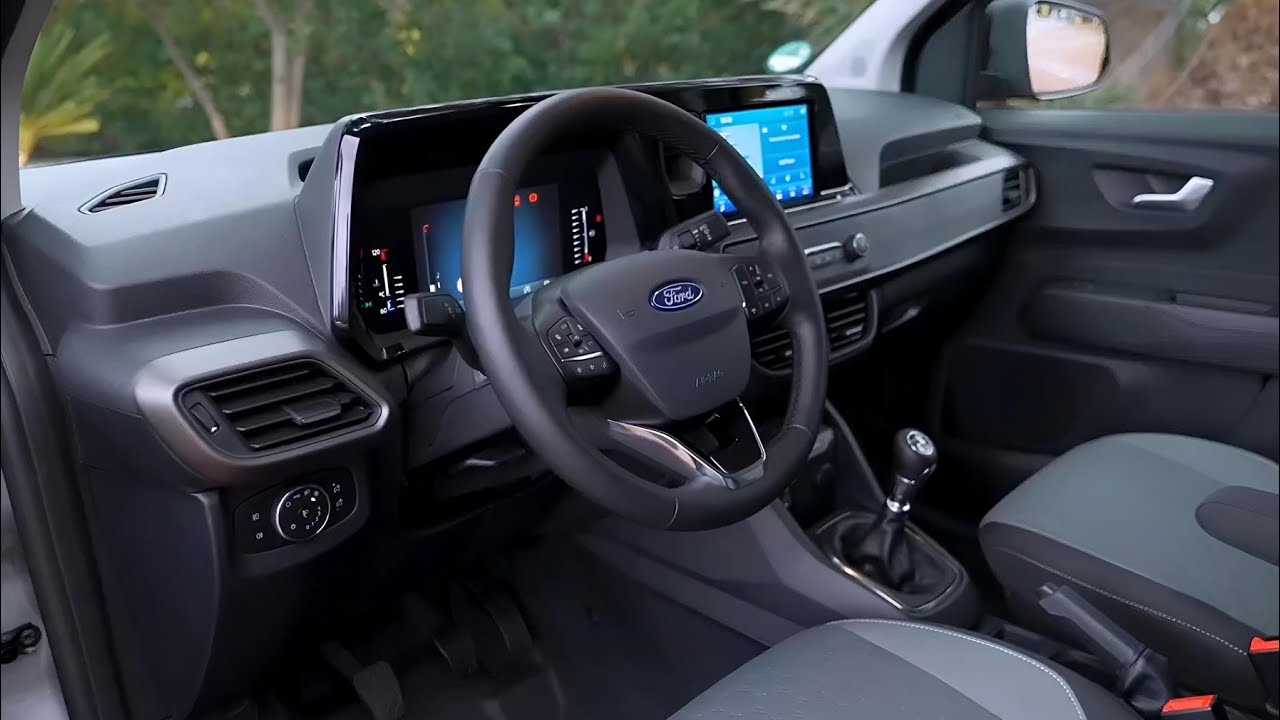
The second generation of the Transit Courier, unveiled in 2023, rolls off the production line in the Ford Otosan plant in Romania. For obvious reasons, it’s not sending strong Ford Fiesta vibes any longer.
Related article:
CC Global: Open House At F-Trucks Nederland – A Full-Size Ford Fiesta On The Longest Day












Thanks for the photos and the explanation. As you know, we do not see modern Ford Heavy-Duty truck in the U.S.
Here in North America the biggest Ford truck has been the F-750 which is mostly a Class 7 straight truck and is currently powered by Ford’s 6.7 liter V8 diesel or 7.3 gasoline engine with a 10 speed automatic. Sadly the Transit Connect was discontinued so the closest equivalent would be a Maverick with canopy over the bed
Turkey is almost a separate automotive universe since in addition to keeping Ford’s heavy truck line alive, Otosan’s major rival BMC is descended from Leyland and makes trucks, busses and tanks.
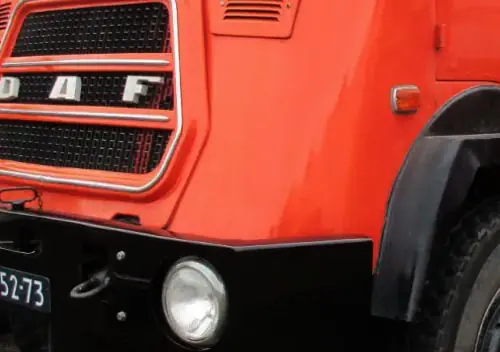
Below a BMC 4×2 tractor owned by a Dutch hauling company. So far, Ford Otosan is more successful here with their F-Max tractor.
As you know, the current Ford Transit Connect (positioned above the Transit Courier) is fully based on the VW Caddy and is assembled in a Polish Volkswagen plant. The other way around, the current VW Transporter is fully based on the Ford Transit Custom.
Great color combination on this GMC. You Dutch really have a knack for painting trucks in an appealing way (no, I’m not just sucking up—I genuinely mean it).
As for the Ford-Otosan trucks: I’m always pleased when I see a make on the highway that breaks up the monotony of M-B/MAN on one side and Volvo/Scania on the other.
Hopefully, they’ll be able to establish themselves. Ford’s first attempt to introduce their heavy-duty trucks to the continent back in the seventies and eighties, unfortunately, wasn’t all that successful.
BMC, otherwise it would have been a tractor from the US…
Indeed, the Ford Transcontinental from the seventies/eighties was a commercial failure. Nothing wrong with it, but it was a parts bin truck/tractor. And that has never worked on the Continent, where a truck maker is supposed to build their own main components (especially the engine). Vertical integration for the win.
Furthermore, what did the Ford dealerships of yore even know about top segment trucks? Marketing, servicing, repairs, international road assistance, and so on. And I bet the Transcontinental didn’t even fit in most of their workshops.
The Turks know better and it shows, they have been working on this international project for years. Gradually, with patience, but successfully in the end.
Ford Transcontinentals appeared in some episodes of The Sweeney. I suspect product placement £ were involved, and maybe a few Guilders