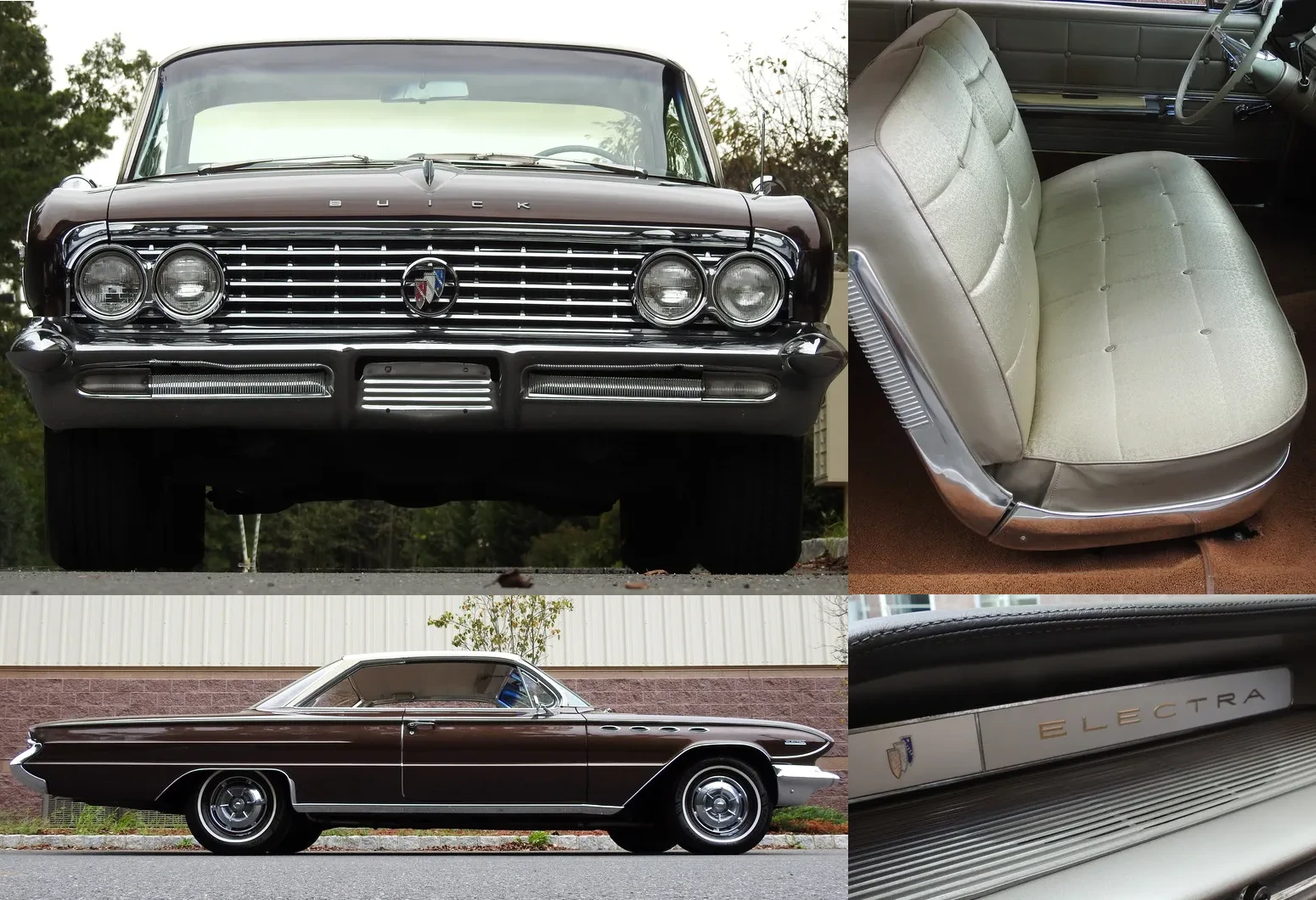
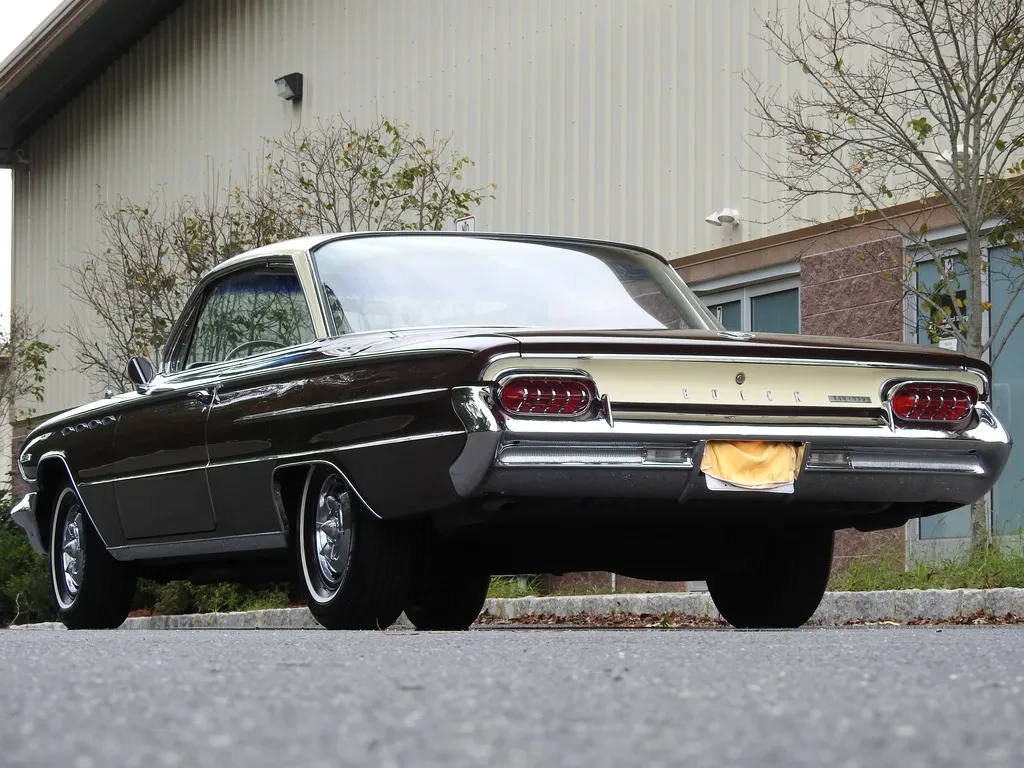
If you remember the Buick Electra 225, you may know that the “225” originally referred to its overall length. However, people often wonder why it was called that rather than just “Electra.” The answer is that there was originally also a shorter “plain” Electra, which survived for only three years. This 1961 two-door hardtop is one of those short-lived standard Electra models, which survived for only three years.
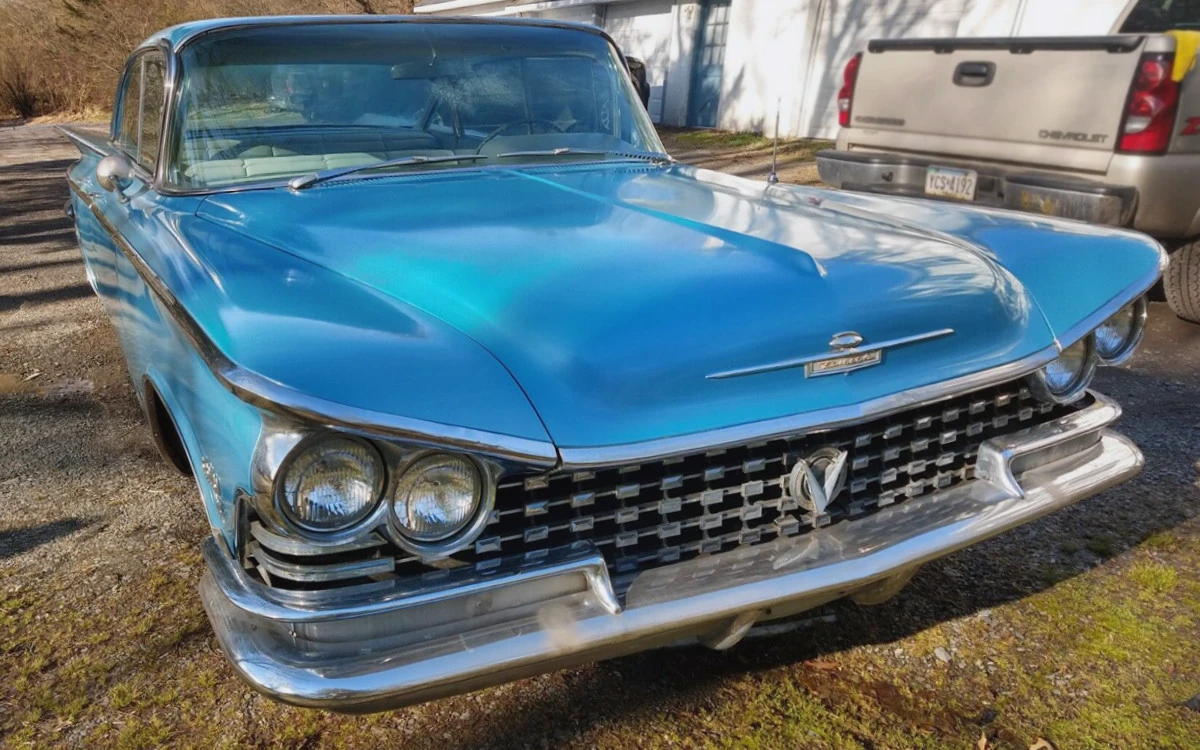
In the late 1950s, GM launched a well-documented crash program to completely overhaul all its styling in response to the 1957 Chrysler Corporation lines. Those new models arrived for 1959, which was also supposed to be a fresh start for Buick, now struggling badly after a nasty decline in sales and buyer confidence. Buick general manager Ed Ragsdale even scrapped Buick’s former model names (although many of them would be back later) in hopes of distancing the latest cars from their predecessors.
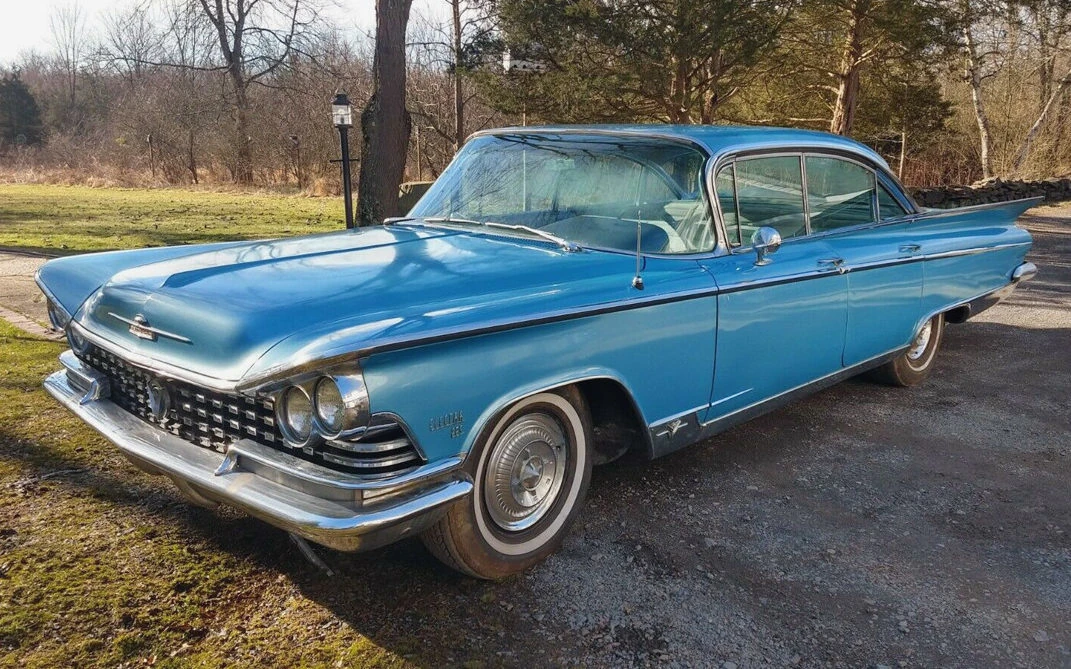
So, for 1959, the Special, Century, Roadmaster, and Limited names were dropped in favor of LeSabre, Invicta, Electra, and — yes — Electra 225. According to legend, the latter two were named for Texas sculptress Electra Waggoner Biggs, whose husband, Johnny Biggs, was the brother-in-law of GM president and one-time Buick general manager Harlow Curtice.
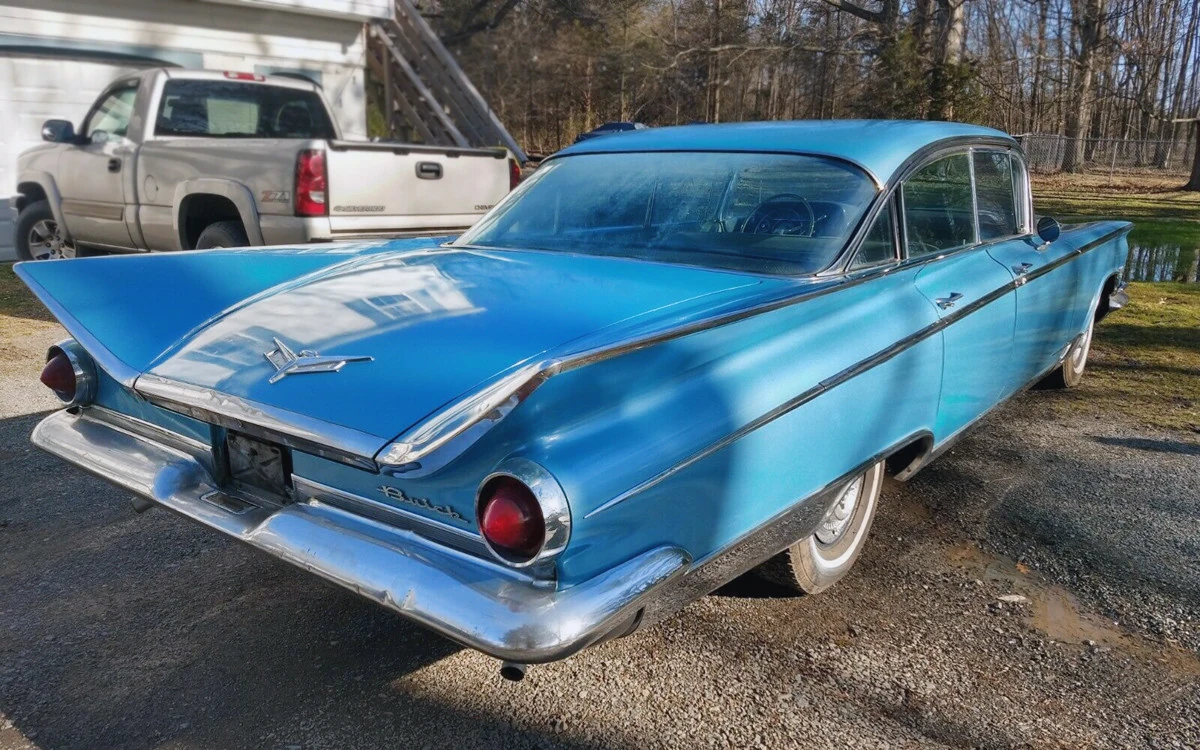
One of the consequences of the hasty restyling program for 1959 was that all the GM big cars now shared substantially the same body shell, with variations of wheelbase and length and an assortment of different rooflines. The cars looked quite different from brand to brand, but in a structural sense, they were more like paper dolls, created by adding different combinations of common pieces.
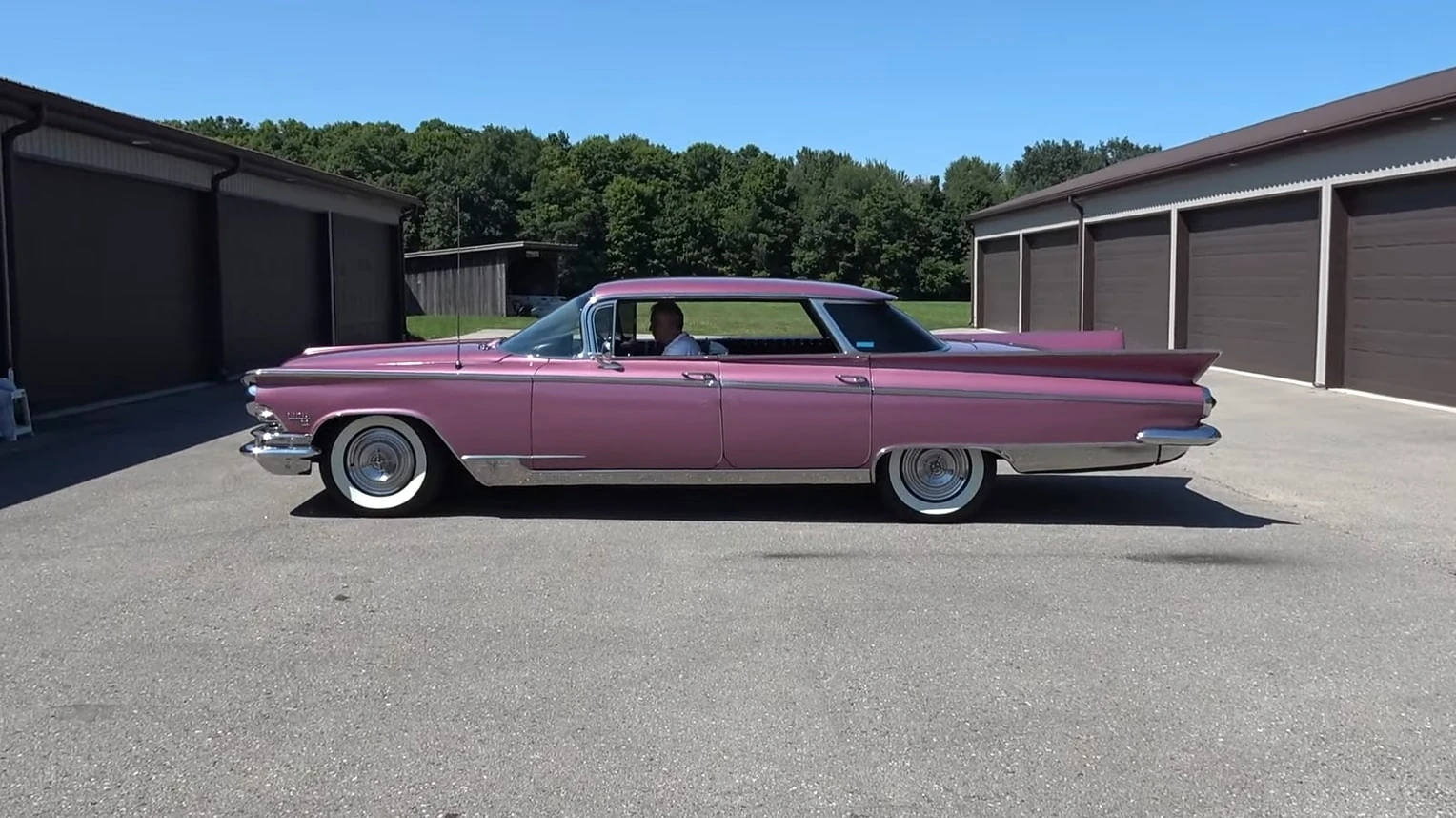
While Oldsmobile was content with a single “C-body” Ninety-Eight line on a 126.3-inch wheelbase, Buick saw an opportunity for a little social climbing. For 1959, the Buick Electra combined the 126.3-inch wheelbase with the same rear body section as the shorter LeSabre and Invicta, with a 59.8-inch rear overhang. The Electra 225 hardtop combined the long wheelbase with a longer rear section, in the manner of the Pontiac Star Chief and Bonneville. (The Electra 225 convertible used the shorter tail section.) Because the extra length was aft of the rear axle, there was no increase in back seat room, but the long tail gave the closed-body Electra 225 an overall length of 225.4 inches, which was 0.4 inches longer than any 1959 Cadillac except the big Seventy-Five formal cars.
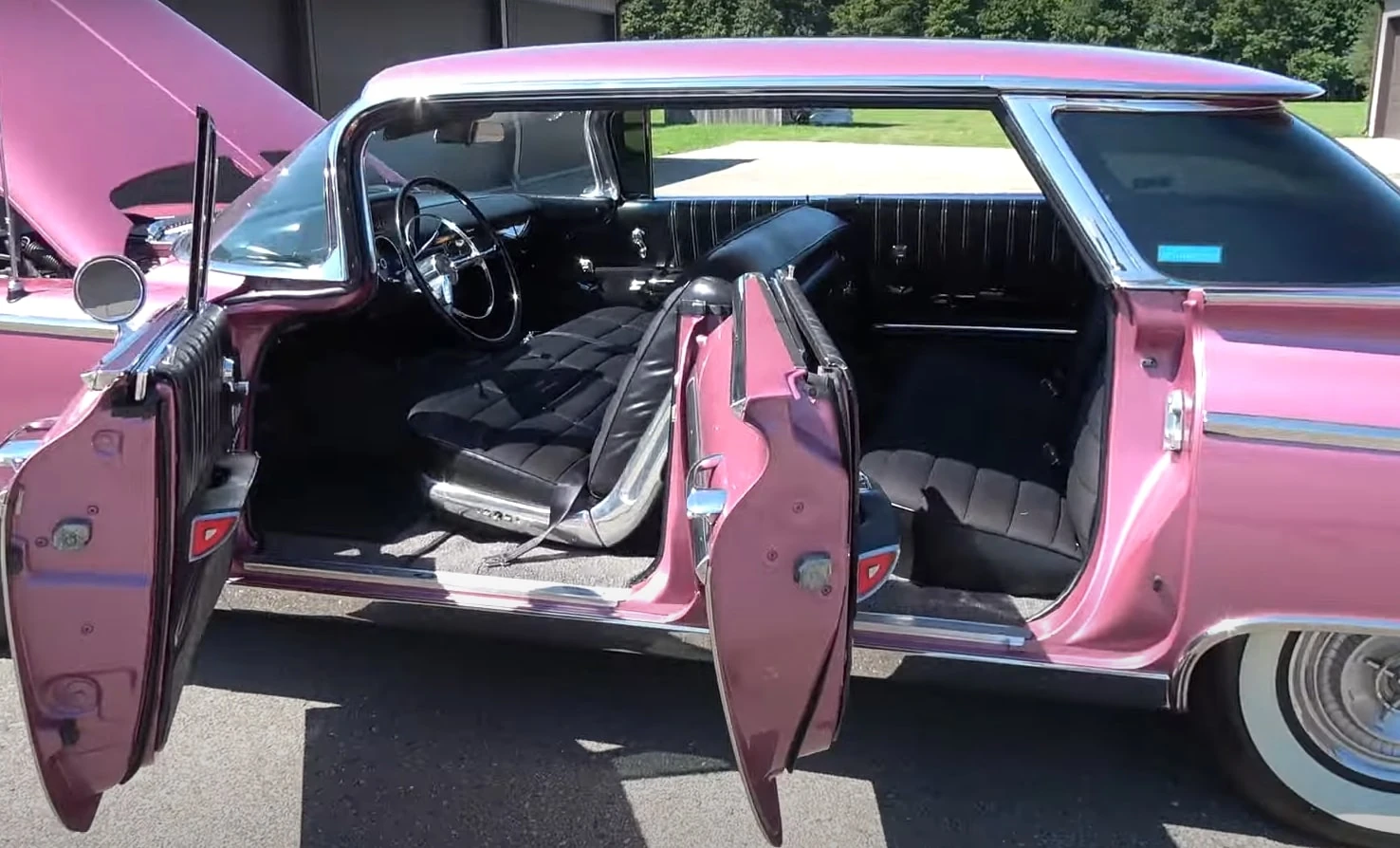
The Electra 225 was offered only in convertible and four- or six-window hardtop form. Hardtops started at $300 more than the “plain” Electra, and included fancier trim and some additional equipment. It wasn’t quite as lavish as the 1958 Limited, which the Electra 225 replaced, and didn’t sell as well as the standard Electra, probably because of the higher price. (Electra 225 production totaled 22,428 cars for 1959, 20,640 for 1960). A lot of buyers of the standard Electra ordered the four-door pillared sedan, which the Electra 225 line didn’t offer and which cost $100 less than the four-door hardtop.
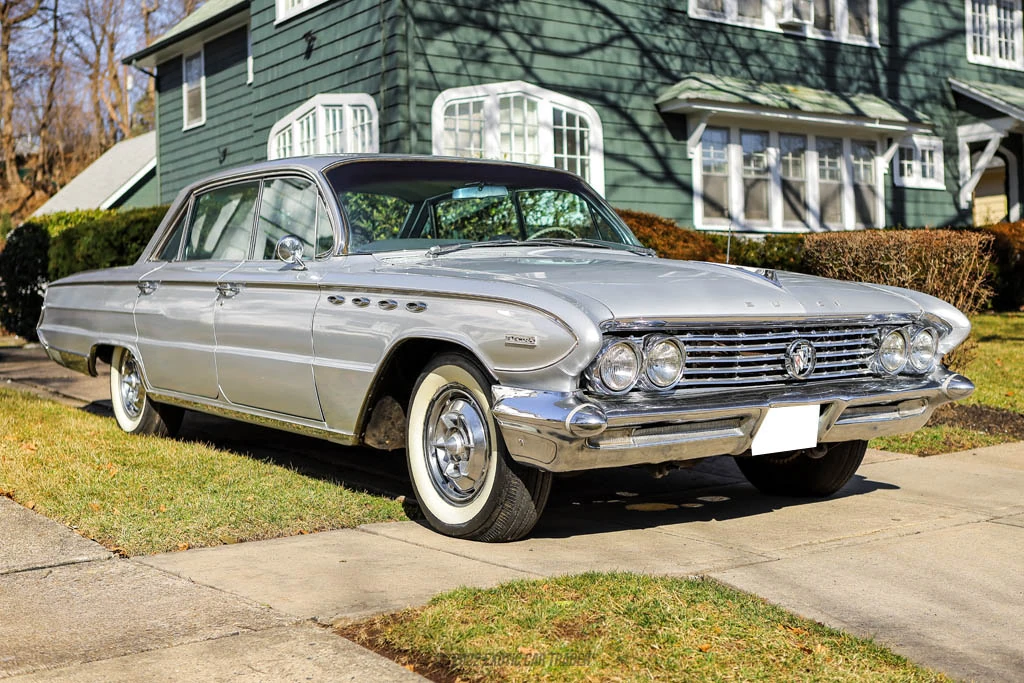
After a 1960 facelift, GM full-size cars were redesigned again for 1961, shedding some exterior bulk and weight. Buick and Oldsmobile still had their senior C-body cars, now on a 126-inch wheelbase, but their overall length was now only a little bit longer than the previous year’s B-body LeSabre and Dynamic 88. The ’61 cars were also almost 3 inches narrower.
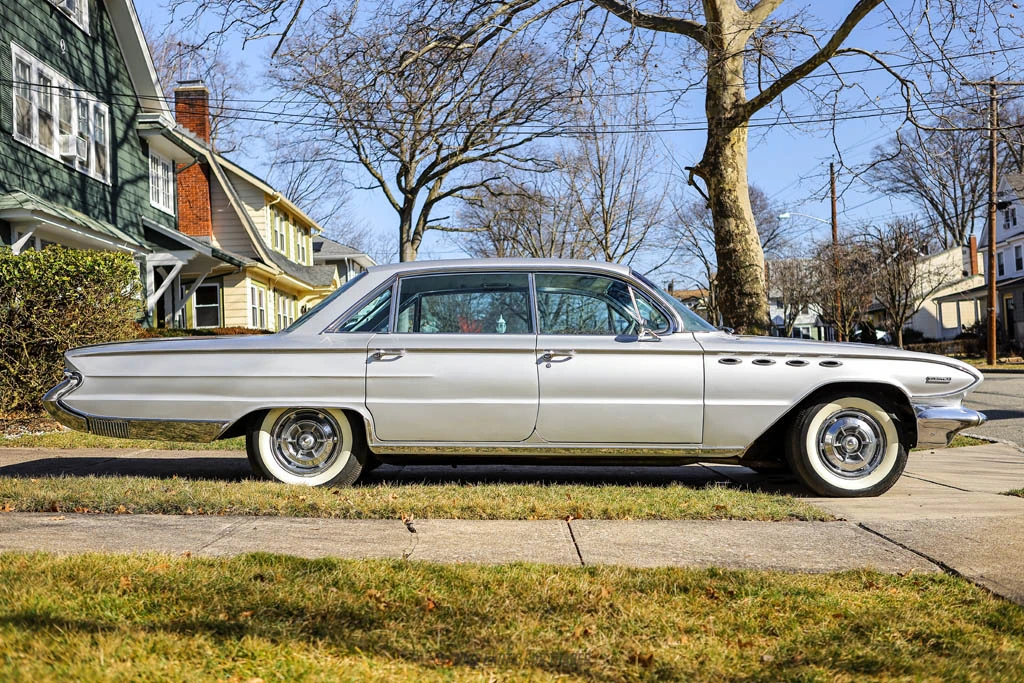
The Electra and Electra 225 both returned for 1961, but Buick no longer gave the Electra 225 an extra-long tail — both Electra lines now shared the same 60.7-inch rear overhang. This meant the Electra “225” (as the AMA specifications still styled it) had actually been marked down to 219.2 inches — 6 inches longer than a 1961 LeSabre or Invicta, but 6.7 inches shorter than 1960’s Electra 225.
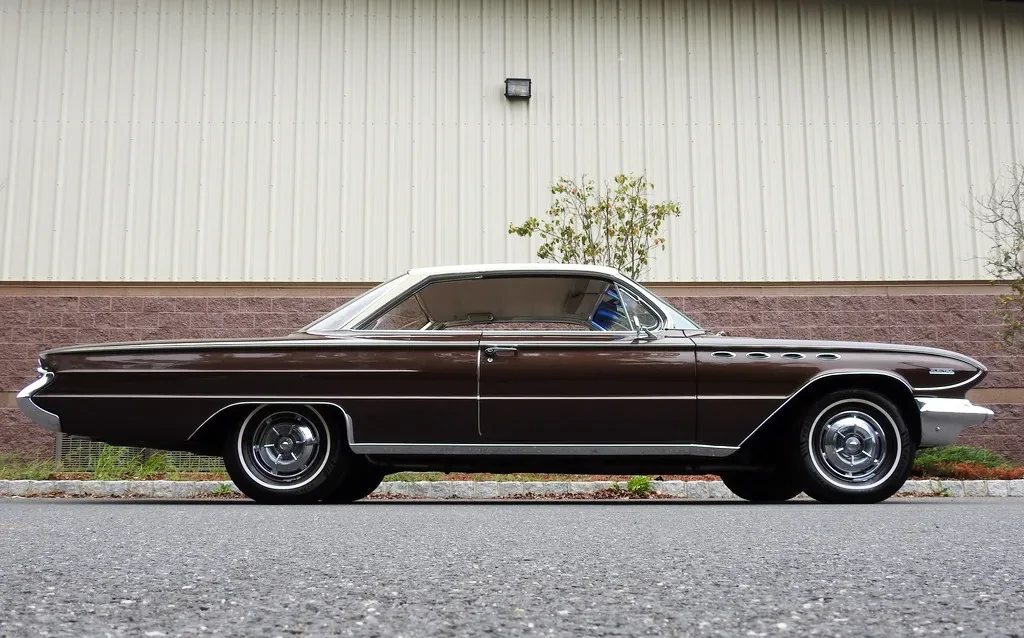
Where did this leave the “plain” Electra? It was now the same size as the Electra 225, but there was no longer any overlap in body styles. If you wanted a pillared four-door sedan, a four-window four-door hardtop, or a two-door hardtop coupe, you had to buy an Electra. If you wanted a convertible or the six-window four-door hardtop, you had to order an Electra 225. (The four-window four-door hardtop was no longer available in the Electra 225 series.)
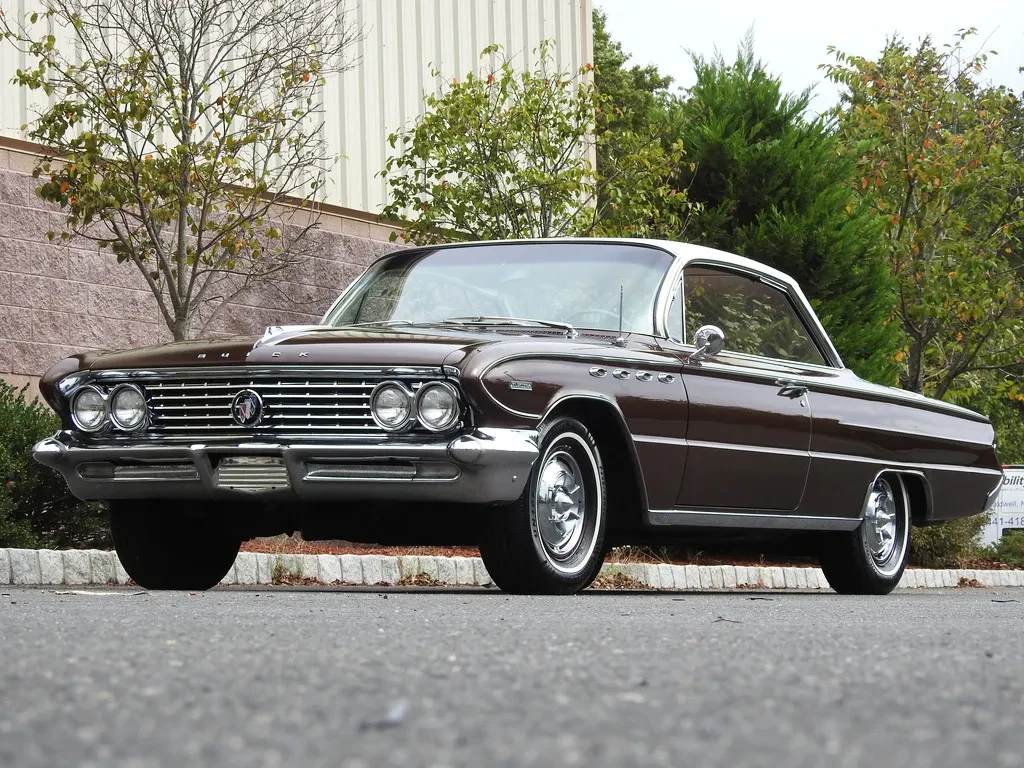
A base Electra was cheaper than either of the Electra 225 body styles. The two-door hardtop started at $3,818, the four-door sedan started at $3,825, and the four-door hardtop started at $3,932. By comparison, the Electra 225 convertible started at $4,192 and the six-window four-door hardtop at $4,350.
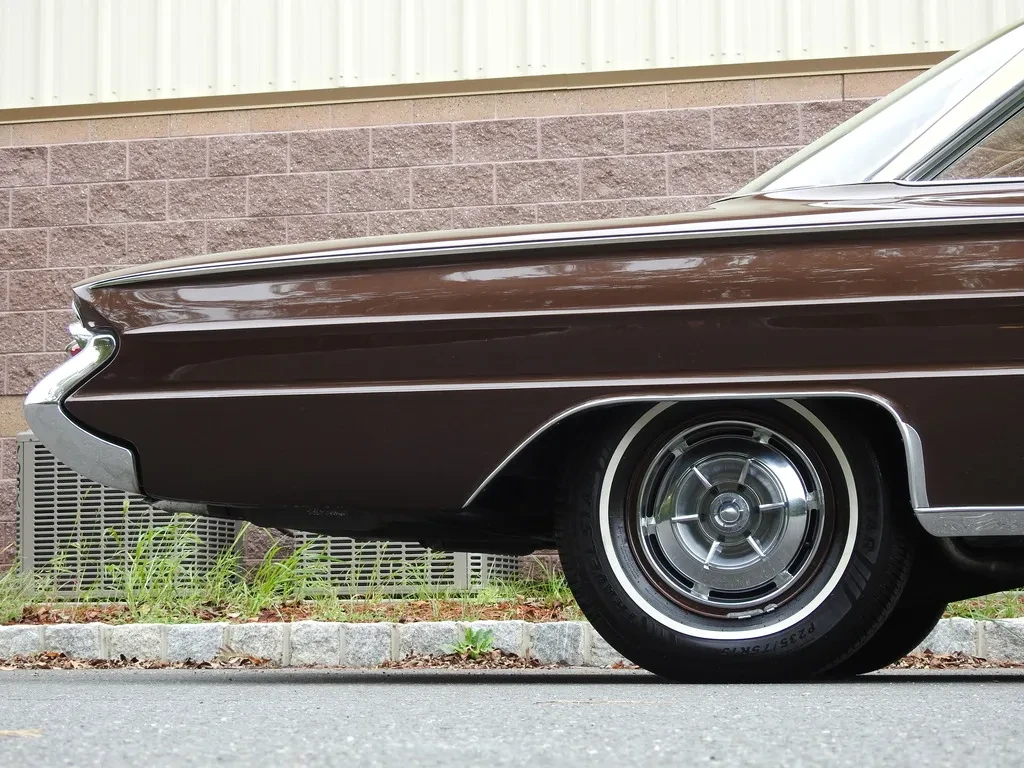
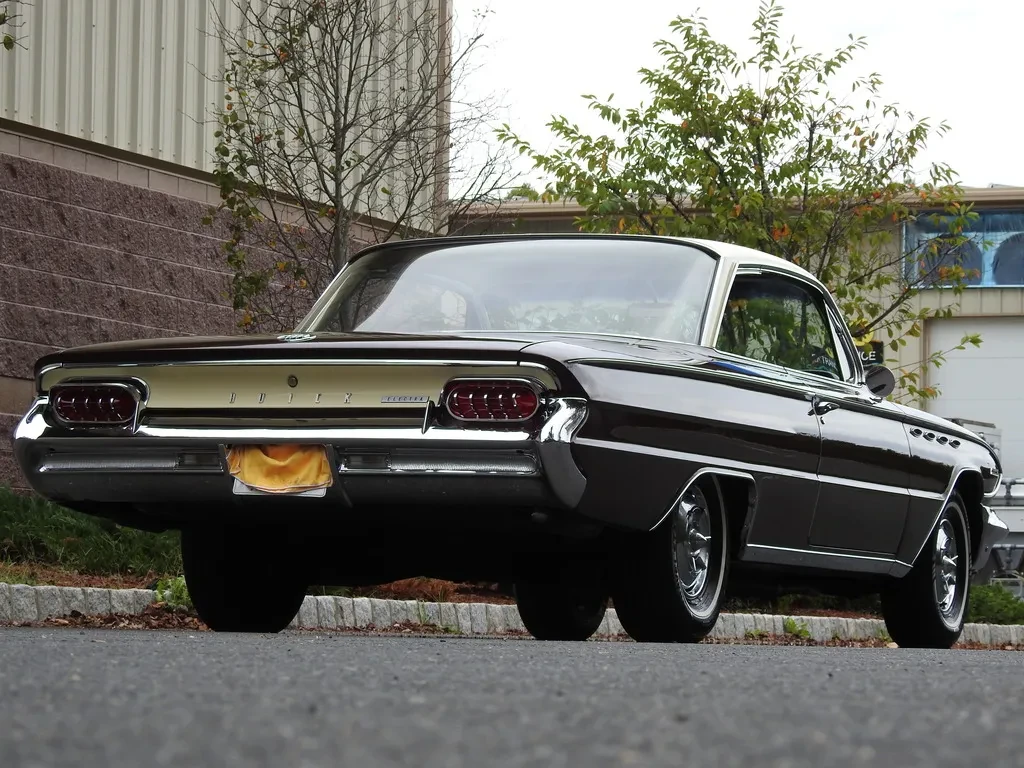
The Electra lacked a little of the pricier car’s exterior brightwork …
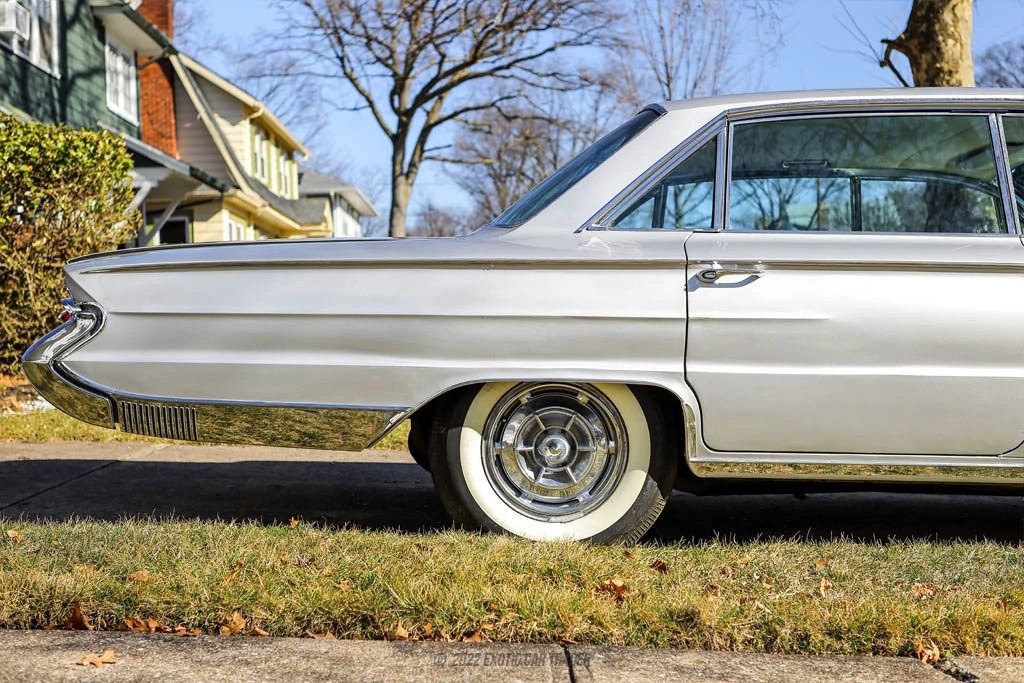
… in particular the bright metal trim on the lower part of each rear fender. Both models came with wheel covers, but whitewall tires were a $48.00 option on both cars. I can’t imagine many 1961 Electra buyers skipping them.
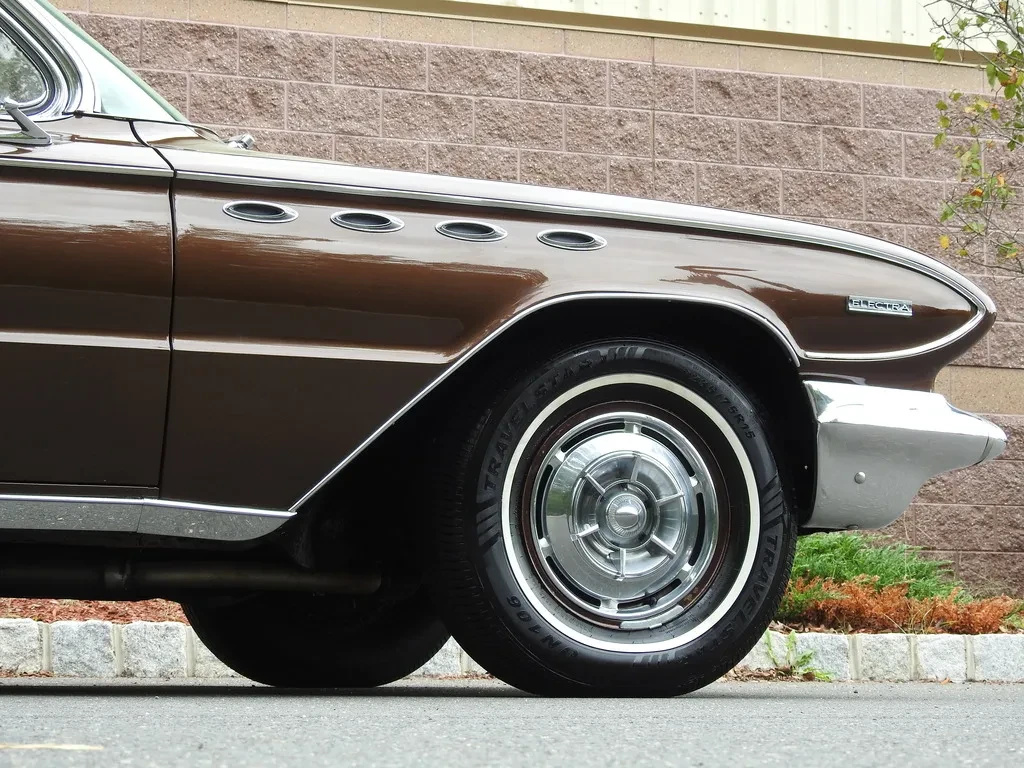
Both cars had four front-fender Ventiports rather than the three of the LeSabre and Invicta.
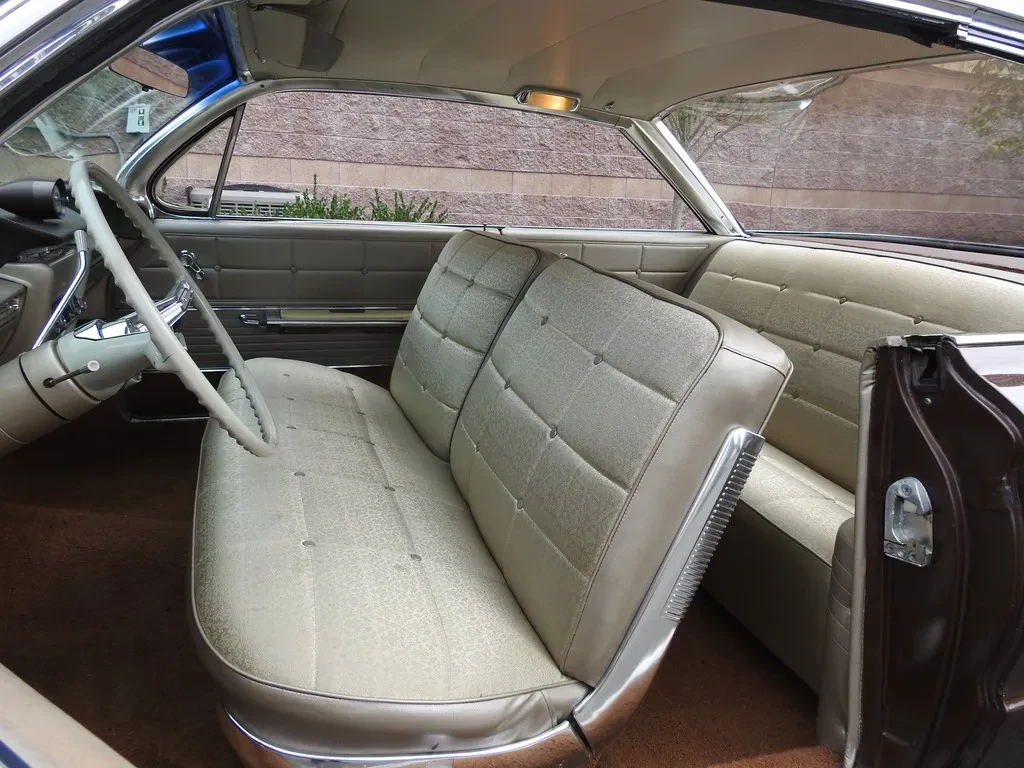
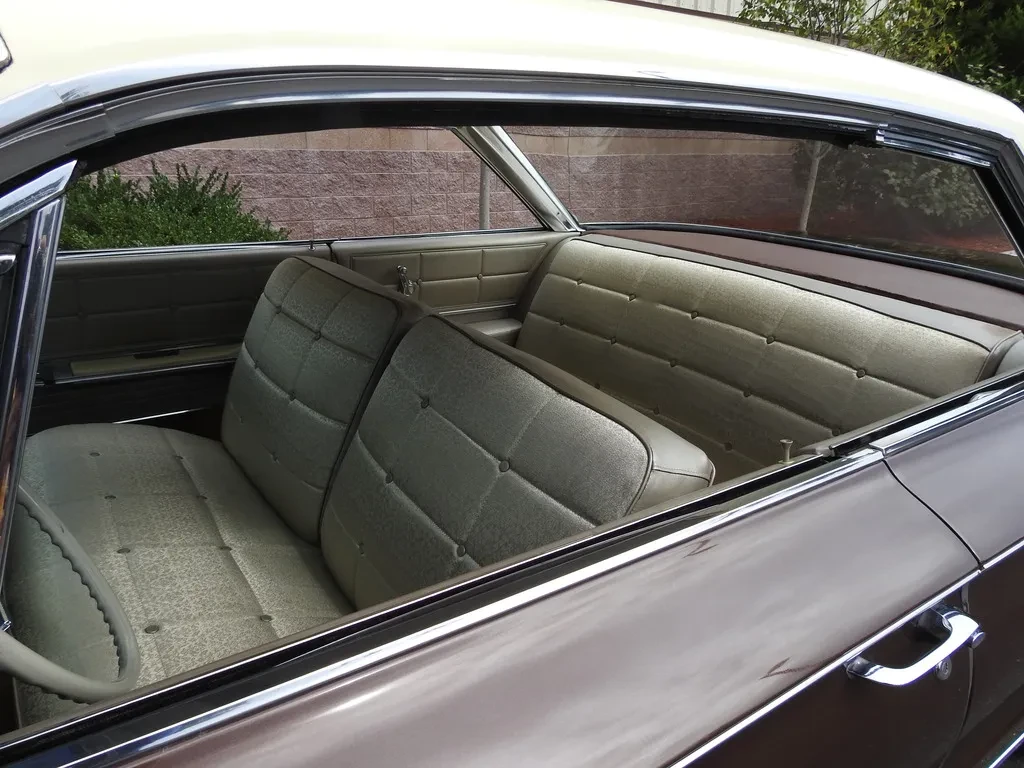
In theory, the standard Electra had the less-fancy trim, but I think Buick miscalculated by making the cloth upholstery look a lot like the upholstery in the 1959–1960 Electra 225, with its biscuits-and-buttons style. Demoting last year’s flagship style to this year’s second-tier choice was a typical marketing strategy …
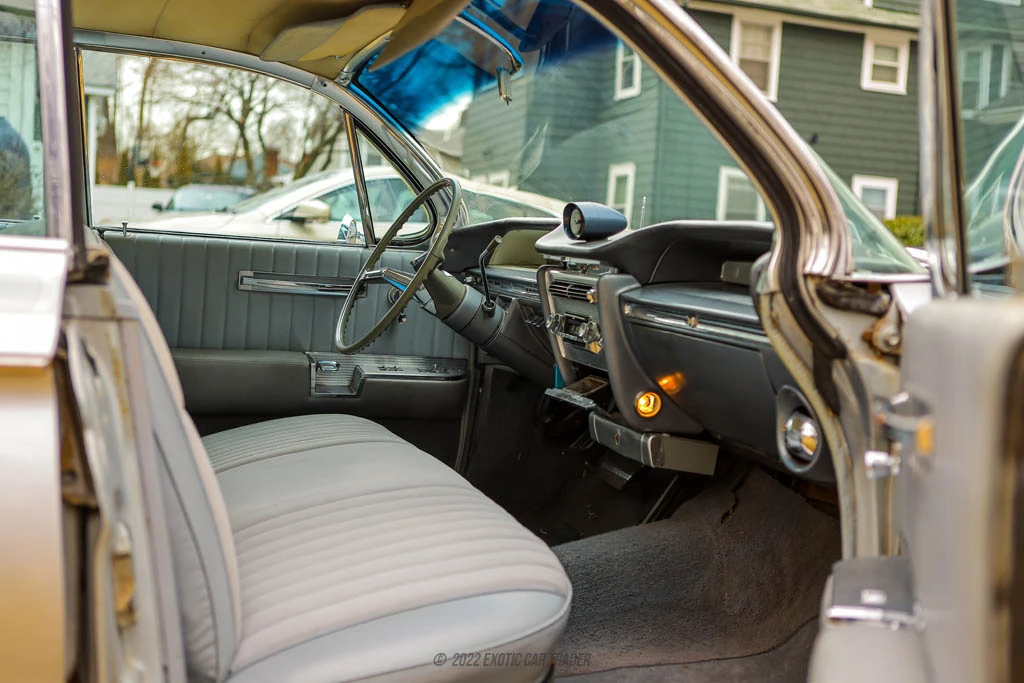
… but for it to work, this year’s Electra 225 interior needed to be a clear step up, and I’m not convinced the Calais cloth interior on the ’61 Electra 225 really was, at least in appearance. Cloth upholstery was mandatory on the Electra 225 hardtop — the convertible had leather and vinyl, with optional bucket seats that you could not order on a closed-body Electra until 1962.
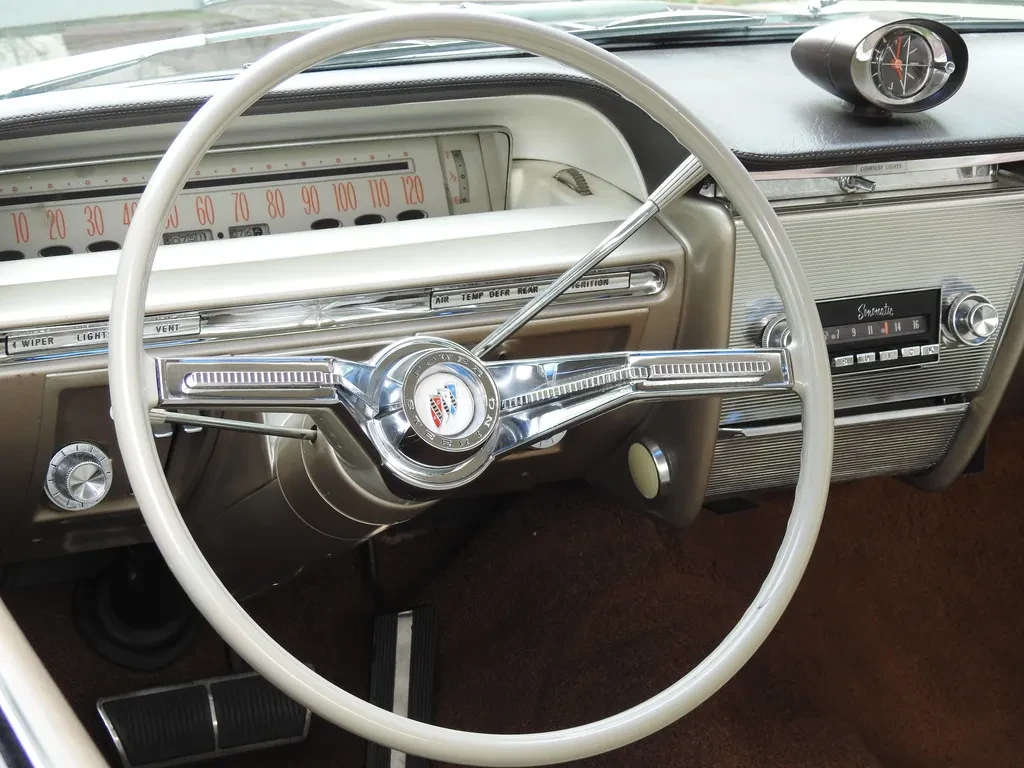
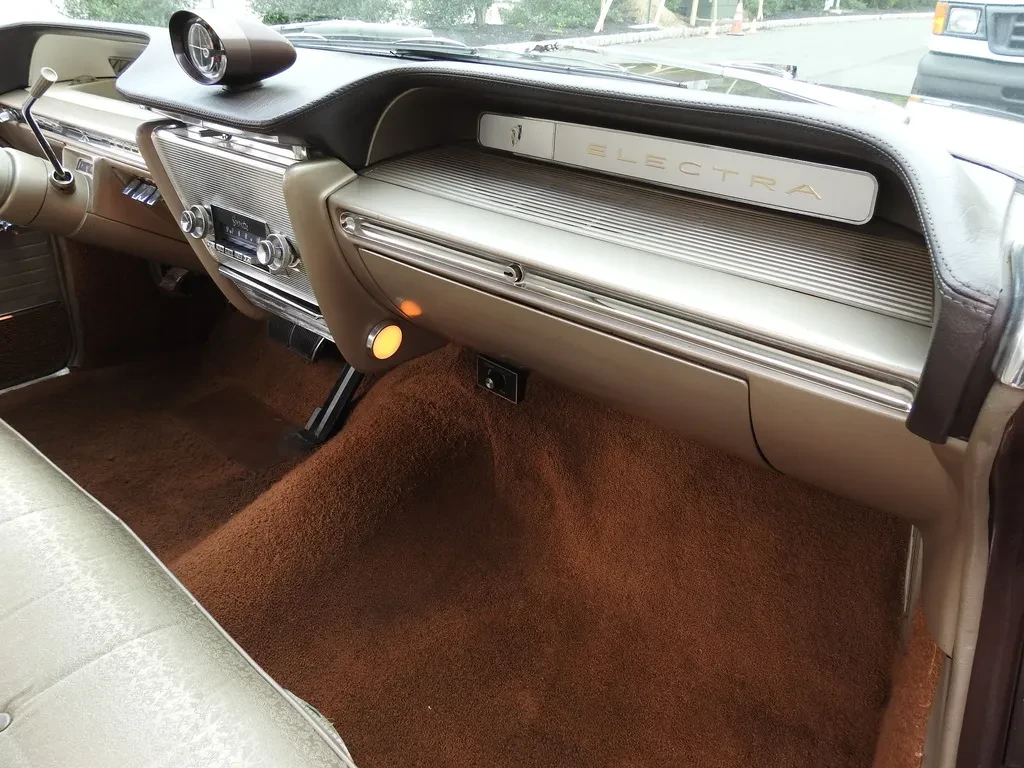
Dashboard design was the same for both Electra models, which shared Buick’s cool “Mirrormagic” instrument panel. What looked like a speedometer, fuel gauge, and warning lights were really reflections on a tilted mirror whose angle could be adjusted with the thumbwheel at the right. Power steering, power brakes, and the dash-top clock were standard on both Electra and Electra 225.
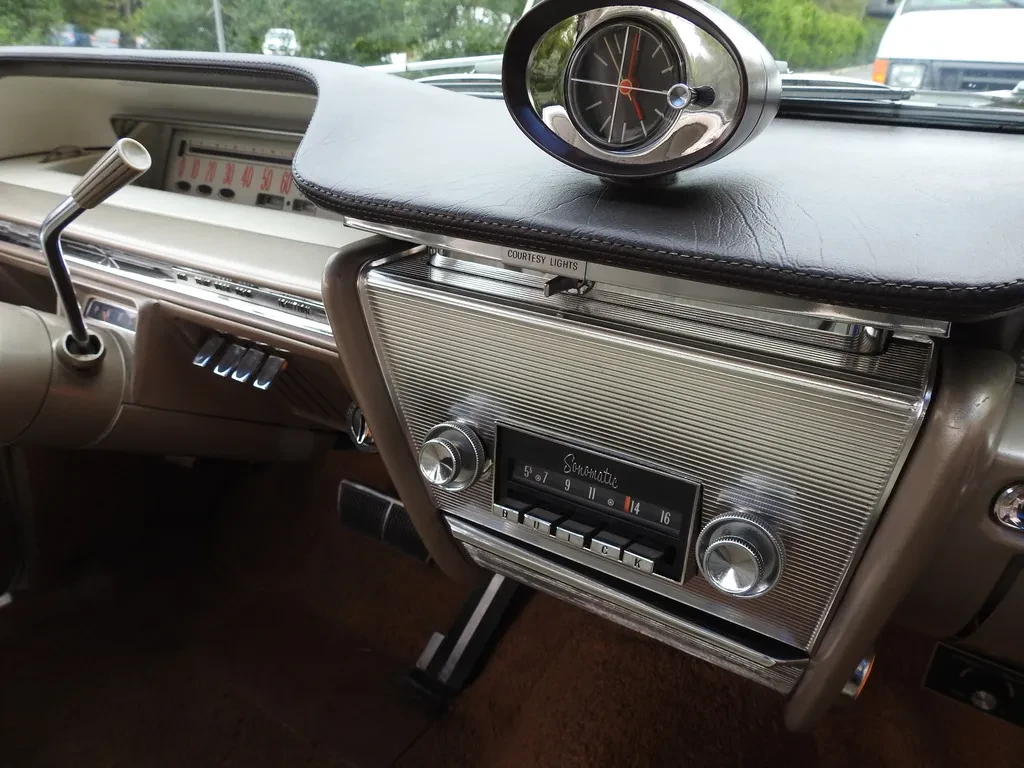
Somewhat perversely, a fresh air heater/defroster was still a $98.90 option even on the $4,350 Electra 225 hardtop. Buick would finally make the heater a delete option for 1962.
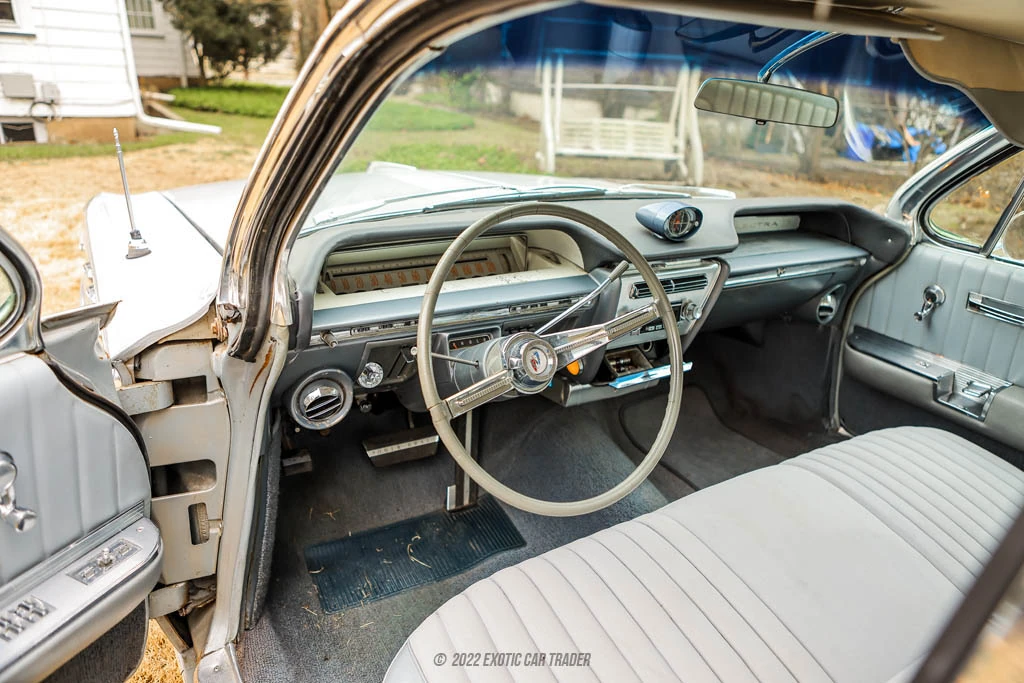
The Cordovan Electra pictured in this post has wind-up windows and a manually adjusted bench seat, but Buick made a two-way power seat and power windows standard on the ’61 Electra 225. (Previously, power windows were standard only on the convertible.) The Electra 225 also came with a “safety group” (with backup lights, map light, speed warning buzzer, parking brake warning lamp, and day/night inside mirror) that cost $34.40 extra on the plain Electra. This one was ordered with factory air conditioning, which was $430.00.
For 1961, Buick also abandoned their long-serving torque tube driveline, instead adopting an open driveshaft with a constant velocity joint to allow it to be mounted at a larger angle so the driveshaft tunnel would be smaller.
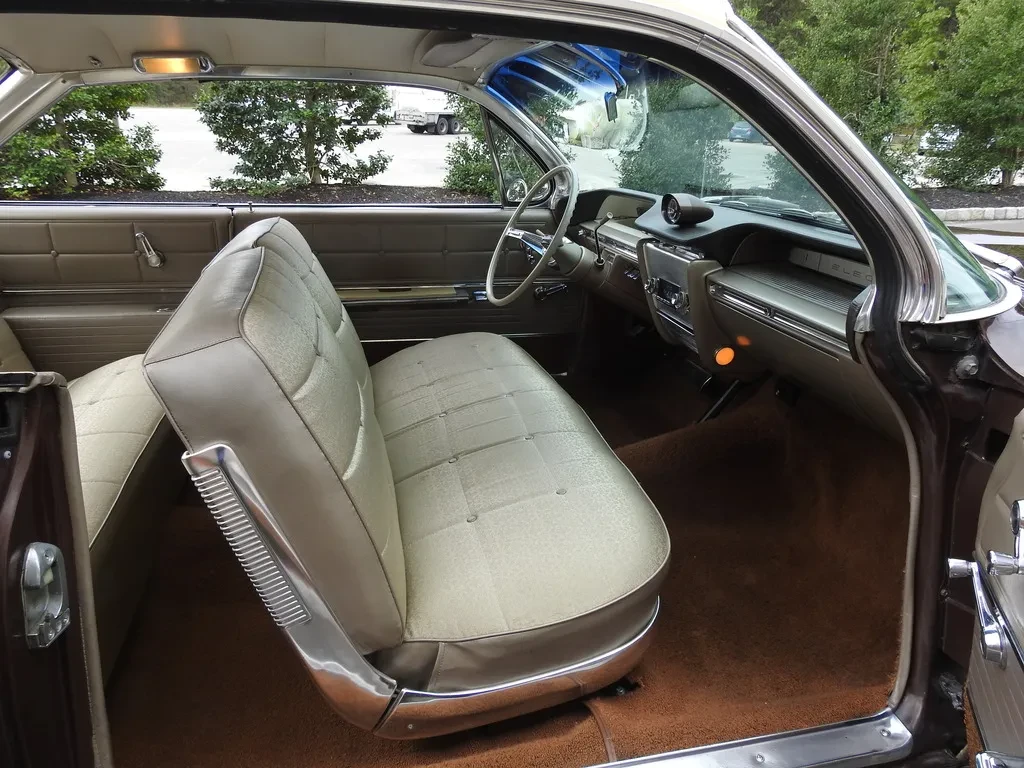
The windshield was less severely wrapped than in 1959 and 1960, so the obtrusive dogleg of the windshield frame was eliminated for easier entry and exit.
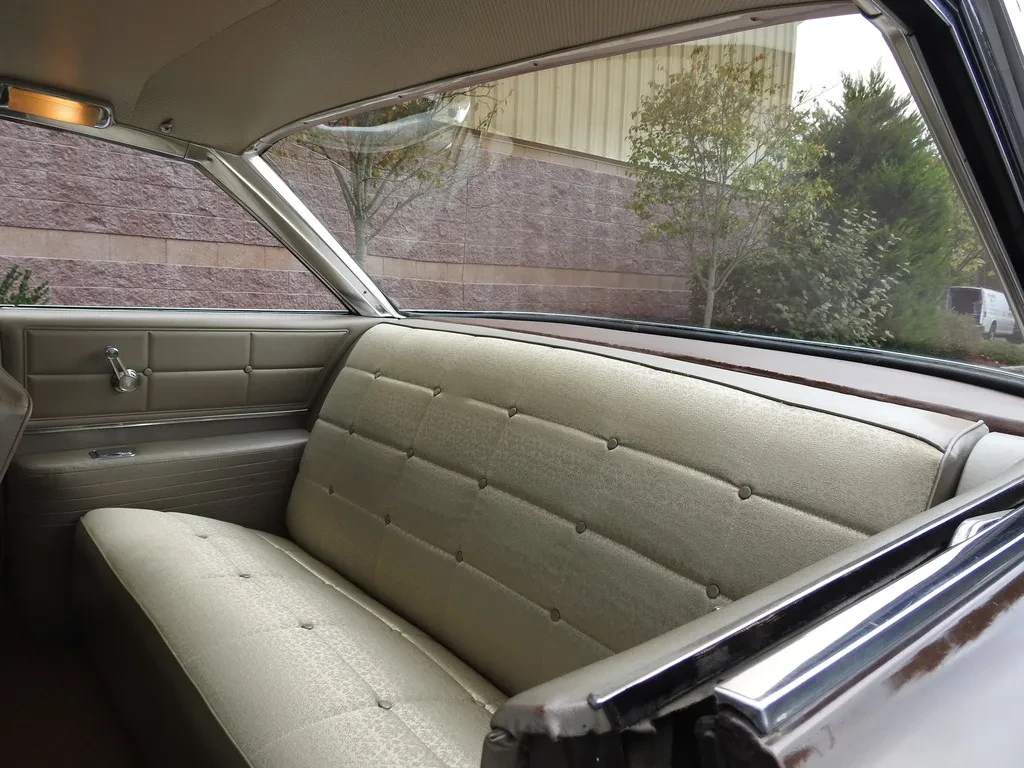
Despite its slightly smaller exterior dimensions, this was still a big car, and the changes this year made it roomier inside. Even the two-door Electra hardtop had generous rear legroom, thanks to the long wheelbase. However, the two-door hardtop and convertible couldn’t really take full advantage of it, which was probably why Electra and Electra 225 buyers preferred the four-doors.
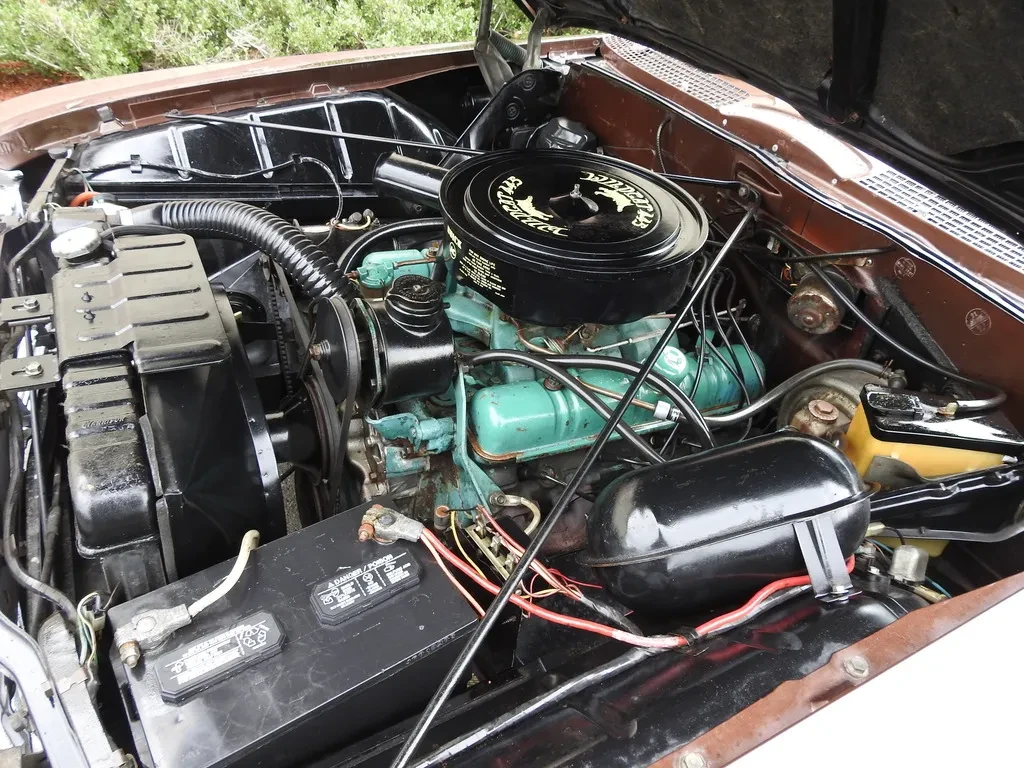
The Electra and Electra 225 shared the same engine, the 401 cid Wildcat 445 V-8 with 325 gross hp, linked to Turbine Drive automatic. Two-door hardtops and convertibles came with dual exhausts, providing some extra net horsepower not reflected in the gross ratings. The dual system was available for $31.18 on other body styles. With it, 0 to 60 mph was possible in 10 seconds or less, with a top speed in the realm of 115 mph.
After some embarrassing lapses in the latter 1950s, Buick had really improved its quality control and fit and finish, which were now well above the typical Detroit average. Even skeptical Consumer Reports was impressed with the workmanship of the 1961 Buicks, as well as with their improved ride and handling and “superior” brakes. However, they felt the LeSabre offered most of the same virtues for less money with less weight and thirst. An Electra cost around $500 more than a similarly equipped LeSabre, which was a big jump back then. The Electra 225 was pricier still, even accounting for its additional standard equipment.
If Buick had still been doing the kind of business it had been in the mid-1950s, that might have been fine, but full-size Buick sales were still dismal. Buick built 277,426 cars for 1961, but 87,444 of those were the new Y-body compact Special and Skylark, which means that sales of the full-size models had slipped below 190,000 units for the first time in years. The standard Electra sold a total of 27,046 cars, the Electra 225 another 20,877.
With that kind of volume, offering separate Electra and Electra 225 models really didn’t make a lot of sense. As long as the Electra 225 had been bigger, its place in the lineup had been fairly clear, but I’m not sure even Buick salespeople understood how the identically sized 1961 Electra and Electra 225 fit together. The truth was that Buick really didn’t need so many full-size model series, although it would take until the 1970s for them to accept that.
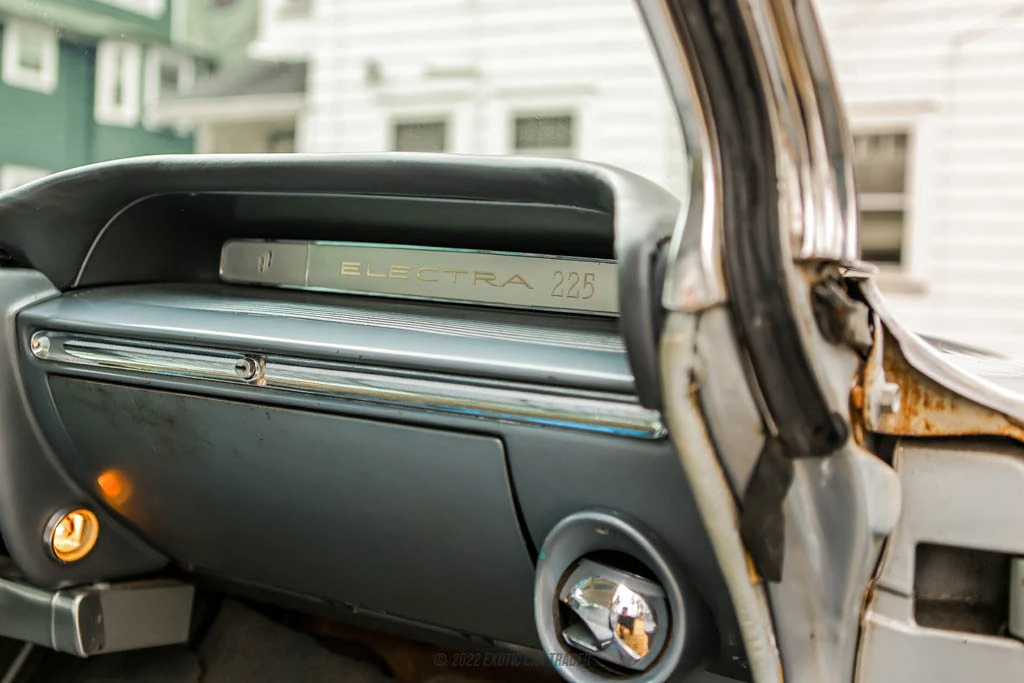
Since the “plain” Electra had consistently outsold the Electra 225, Buick could have put the “225” on the shelf for the time being, particularly since it wouldn’t be until 1968 that the overall length of the C-body Buick was again within rounding distance of 225 inches. However, someone in Buick product planning apparently decided that if they’d told the public the Electra 225 was the Buick flagship, they ought to stick with that, which was probably sound reasoning.
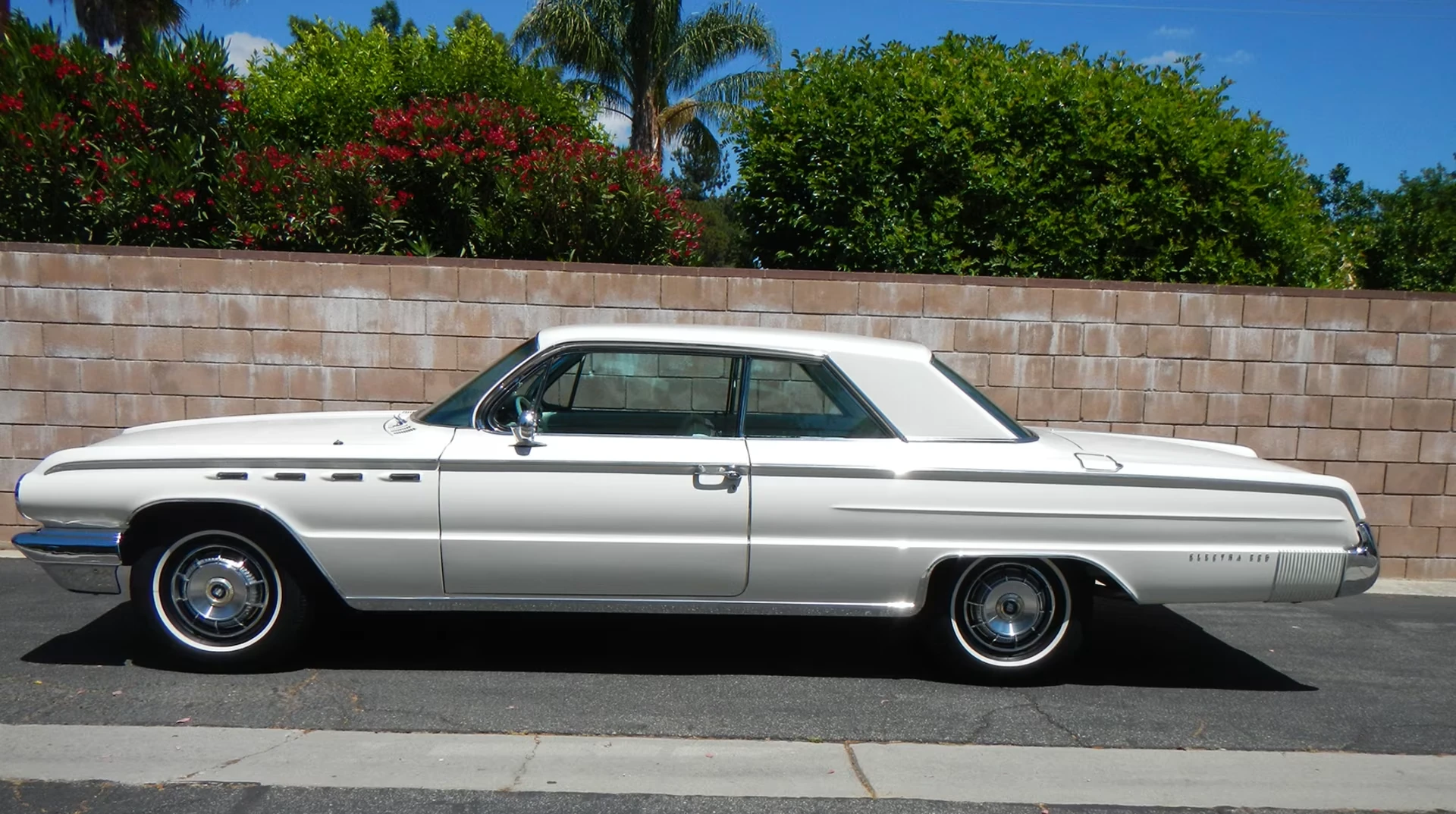
So, for 1962, the standard Electra was dropped and its sedan and hardtop body styles were merged into the Electra 225 line. Not only did this simplify the lineup, it also provided a convenient excuse to raise prices. For example, the list price of the two-door hardtop rose from $3,818 to $4,062, a jump of $244. The Electra 225 nameplate would survive through 1979, although there wouldn’t be another “plain” base Electra until 1985. Buick finally dropped the Electra nameplate for good after 1990.
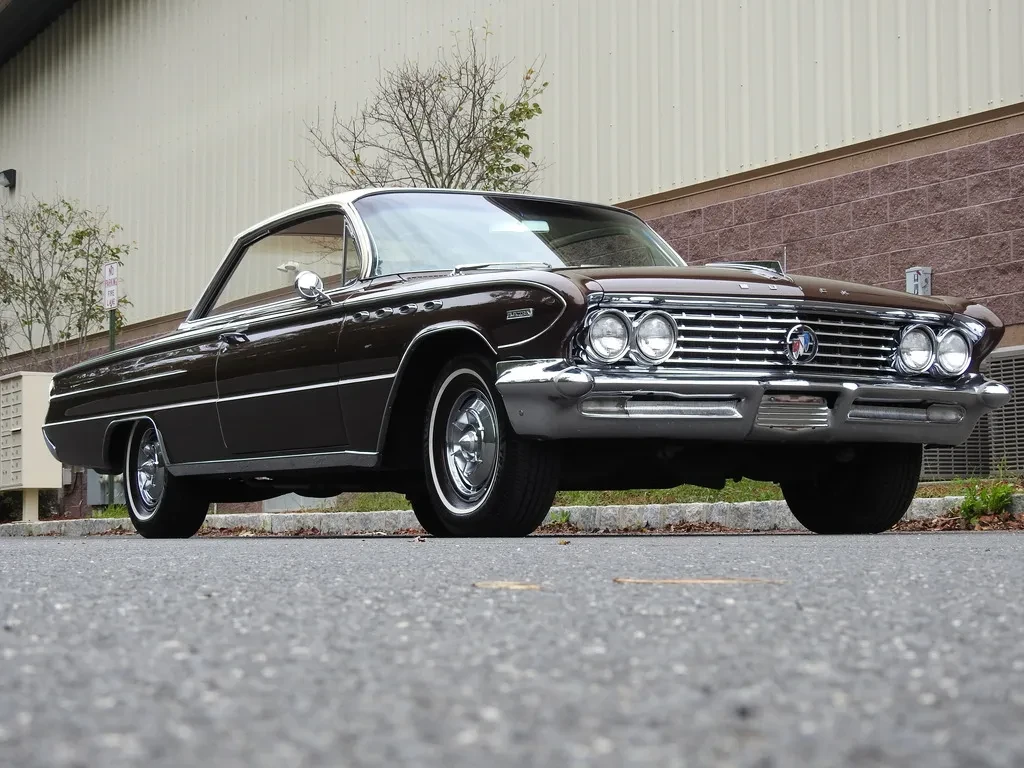
The two-door hardtop was the rarest version of the “plain” Electra, with 1961 production totaling only 4,250 cars, and there don’t seem to be many survivors left. Encountering one is like seeing a picture of the Marx Brothers with Zeppo or Gummo: a now-forgotten member of a familiar act who left before the others became legendary.
Related Reading
Car Show Classic: 1961 Buick Electra – How Would You Like Your Four Door Hardtop, Sir? With Four Windows Or With Six? (by J P Cavanaugh)
1961 Buick Invicta 4-Door Hardtop: The Mostly Forgotten Sporty Buick (by me)
Curbside Classics: 1961 Buick Electra And Oldsmobile 98 Hardtop Coupes – Big Beautiful Bubbletop Rarities (by Paul N)
Cohort Classic: 1962 Buick Electra 225 – Got Leg Room? Got Class? (by Paul N)
1962 Buick Electra 225 Sport Coupe: Rare Bucket Seats In A Loaded C-Body Hardtop (by me)
Full-Size Buicks Of The 1960s: How Buick Reinvented Its Lineup Between 1959 And 1970 (by me)







Enjoyed reading your article so much. Fun to read and dream when beautiful full sized cars
were sold instead of the little cars now sold.