
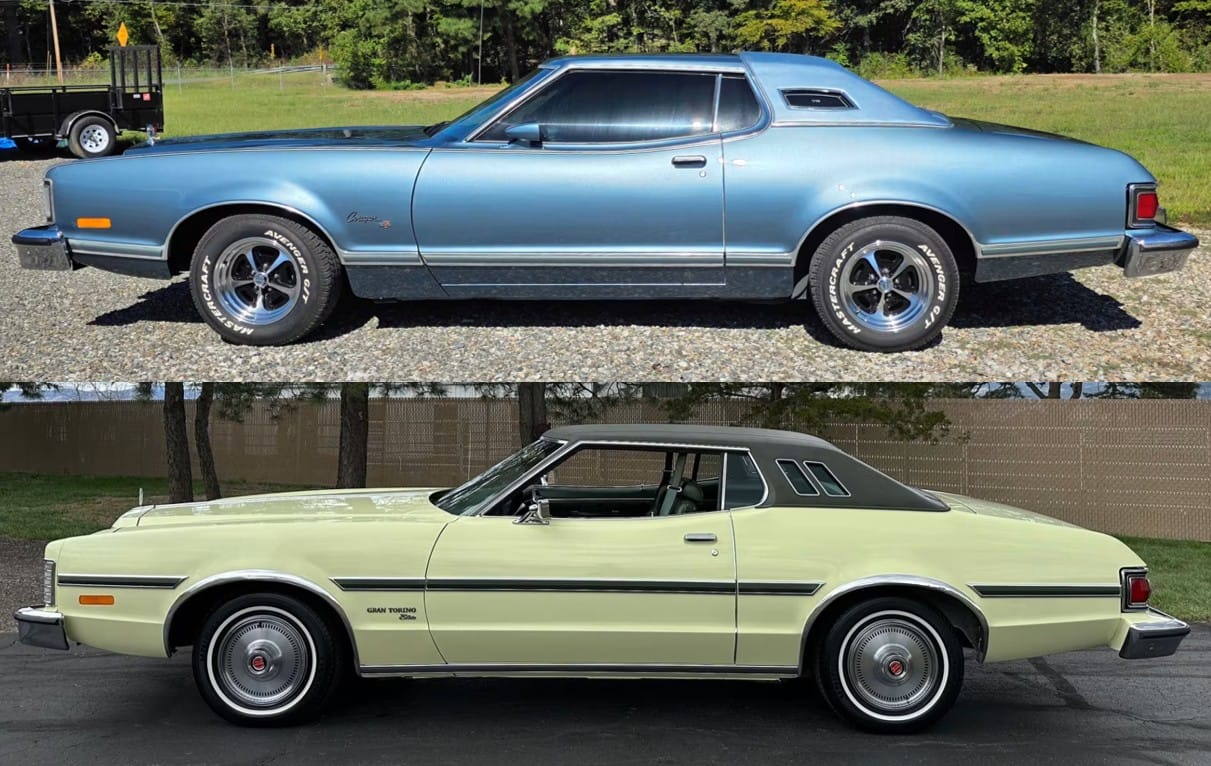
It’s little wonder that Mercury was never quite able to catch a break—just when they had a good thing going, the mother brand at the Blue Oval swooped in and undercut them with a similar product. Such was the case with the 1974 Ford Gran Torino Elite, which cost several hundred dollars less than the comparable Cougar XR-7.
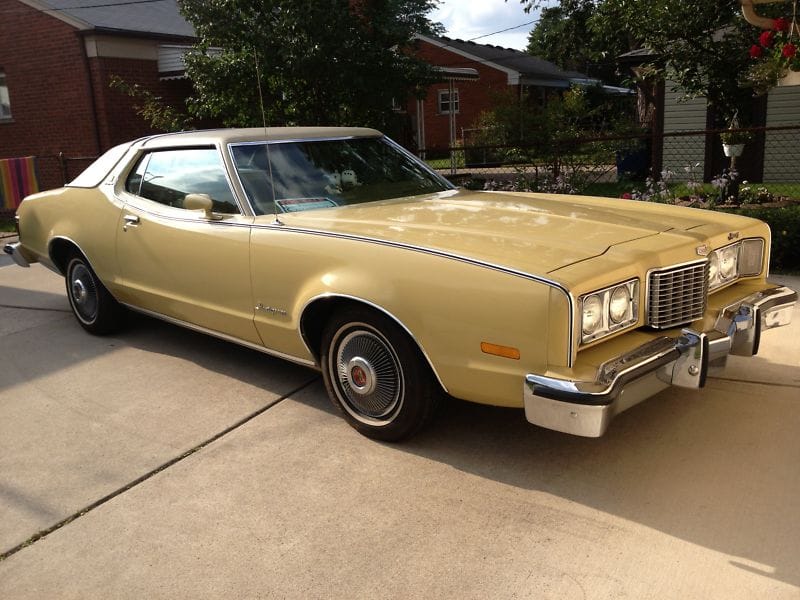
But first, make no mistake about it, the Gran Torino Elite wasn’t really a Torino at all, and perhaps that’s why Ford dropped the “Gran Torino” epithet for 1975 and 1976. In fact, both the Cougar XR-7 (there was no base Cougar in 1974) and the Elite descended from the Montego MX Brougham shown above, a car that sold only 20,511 units in coupe form in 1974, despite being priced over a thousand dollars lower than the Cougar XR-7. Sure, the Montego came standard with a smaller 302 (compared to the Cougar XR-7 and Gran Torino Elite’s standard 351), manual transmission (automatic only in the other two), and manual front disc brakes (the others had standard power discs), but it’s clear that the Cougar and Elite hit the market bullseye more accurately than the comparatively hapless Montego despite the price differences.
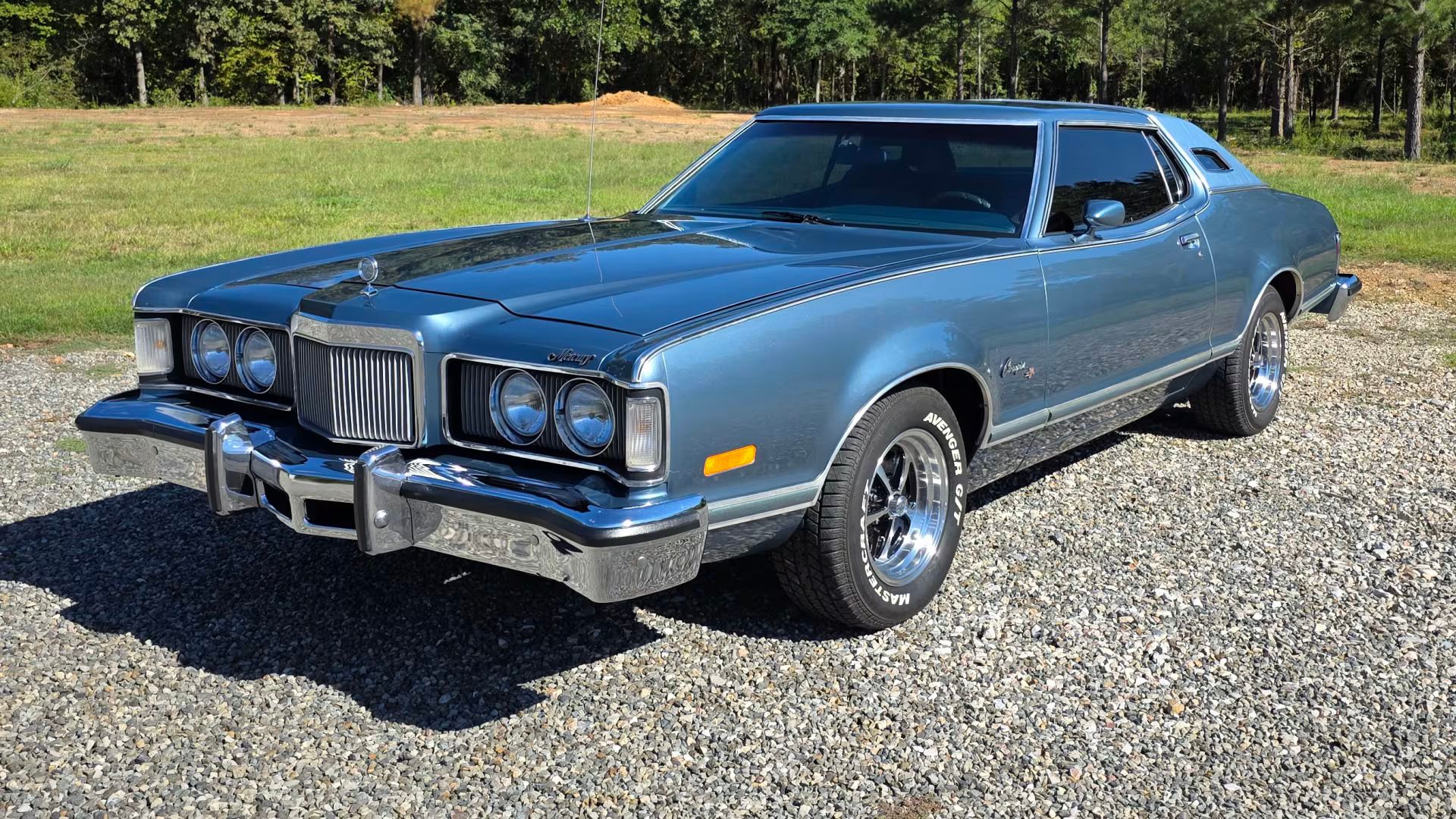
Most important was the styling: Ask almost anyone if they’d rather have the Cougar XR-7 or the Montego, and the answer is obvious. The nose, with its upright hood ornament, looked more rich, the bodyside moldings visually lowered the Cougar, and the opera window in the C-pillar was right at the bleeding edge of fashion. With just a few upgrades, the Cougar looked as if it were worth its $4,706 base price (compared to the Montego MX Brougham’s $3,646), and this played out in sales, as 91,670 Cougar XR-7s were built in 1974.
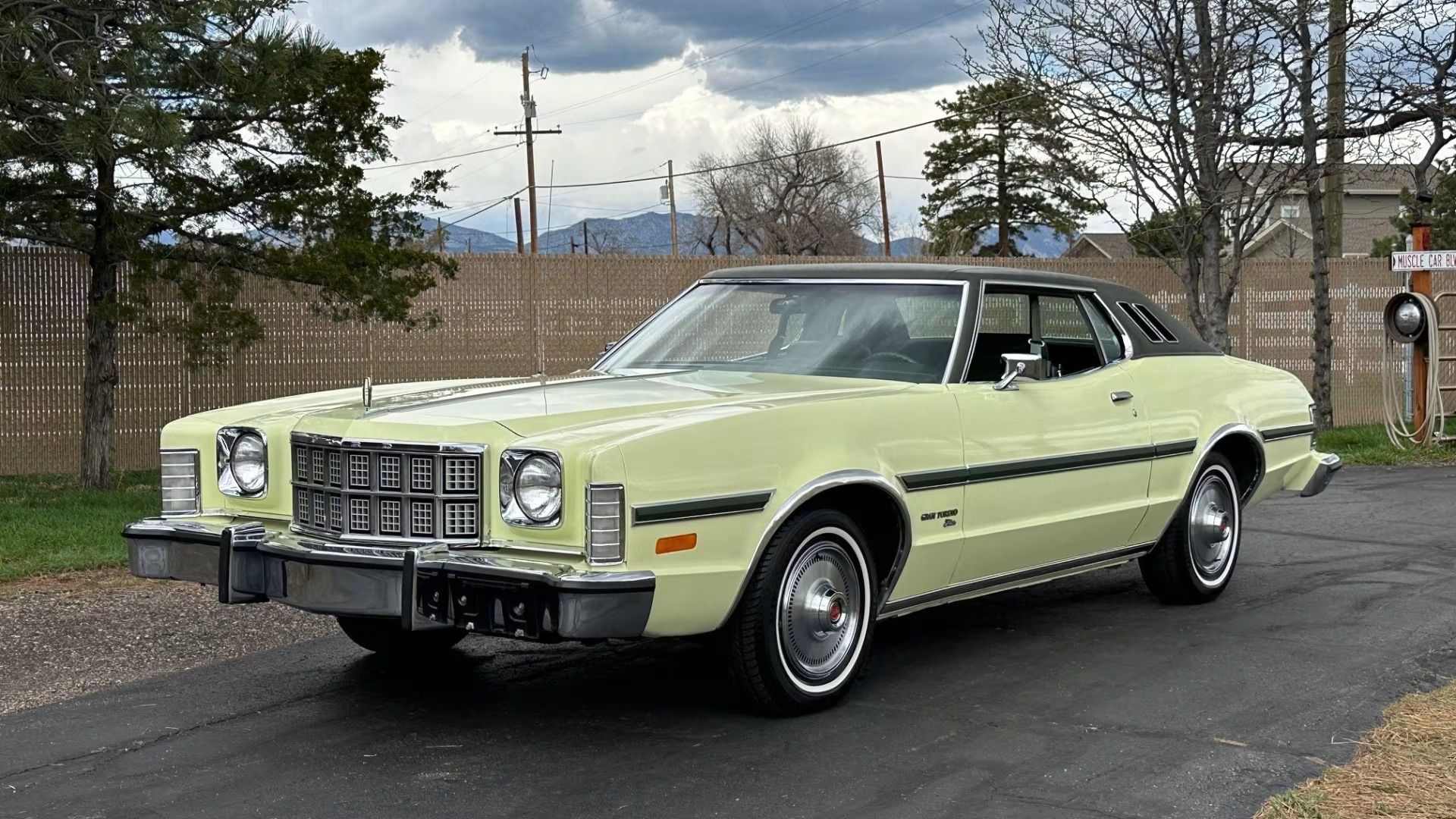
But then, halfway through the model year, Ford came in and stole Mercury’s thunder, just as they had done with the LTD in 1965, by releasing the Gran Torino Elite, which used the same body as both the Montego and the Cougar XR-7. By swapping a little trim here and there, and giving the Elite a baroque, upright wraparound grille and imposing hood ornament, Ford had a competitor for Chevrolet’s Monte Carlo. Unfortunately for Lincoln-Mercury dealers, the Elite undercut the Cougar XR-7 in price by a fairly significant amount: $4,374 to the aforementioned $4,706. This allowed the Elite to outsell the Cougar with 96,604 units sold, even though the Cougar had a several-month head start (the Elite was introduced in February 1974). Of course, Ford’s more expansive dealer network certainly had something to do with that as well.

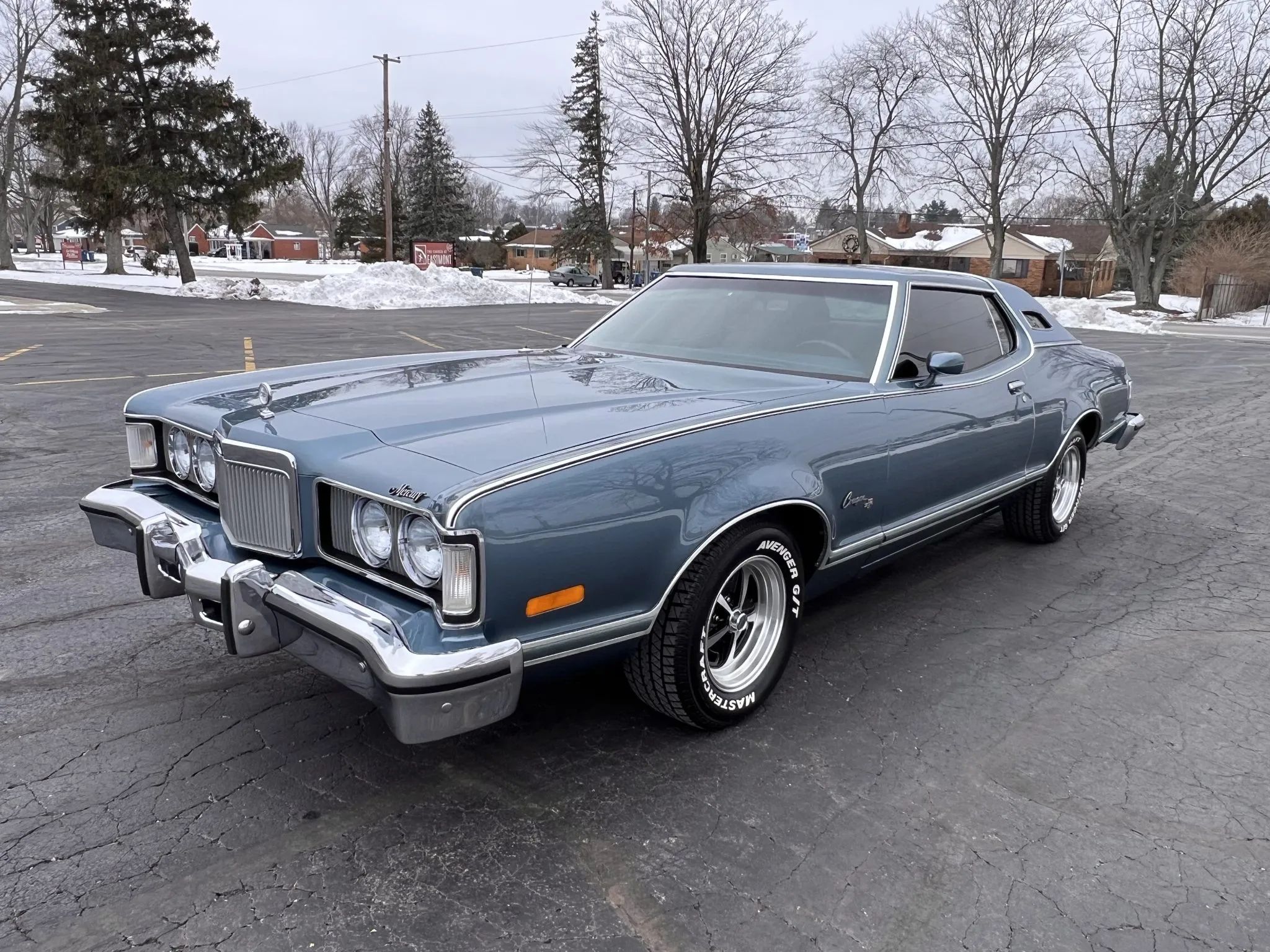
Things got even worse for the Cougar XR-7 in 1975, when the car pictured above was built, as the Elite (now sans the Gran Torino moniker) outsold it 123,372 to 62,987. It didn’t take long for Ford fans to realize that the Elite was the better bargain by far, but with that being said, I can’t help noticing that the Cougar’s nose has aged a little better, as its vertical bar theme is continued across nearly the entire width of the nose.
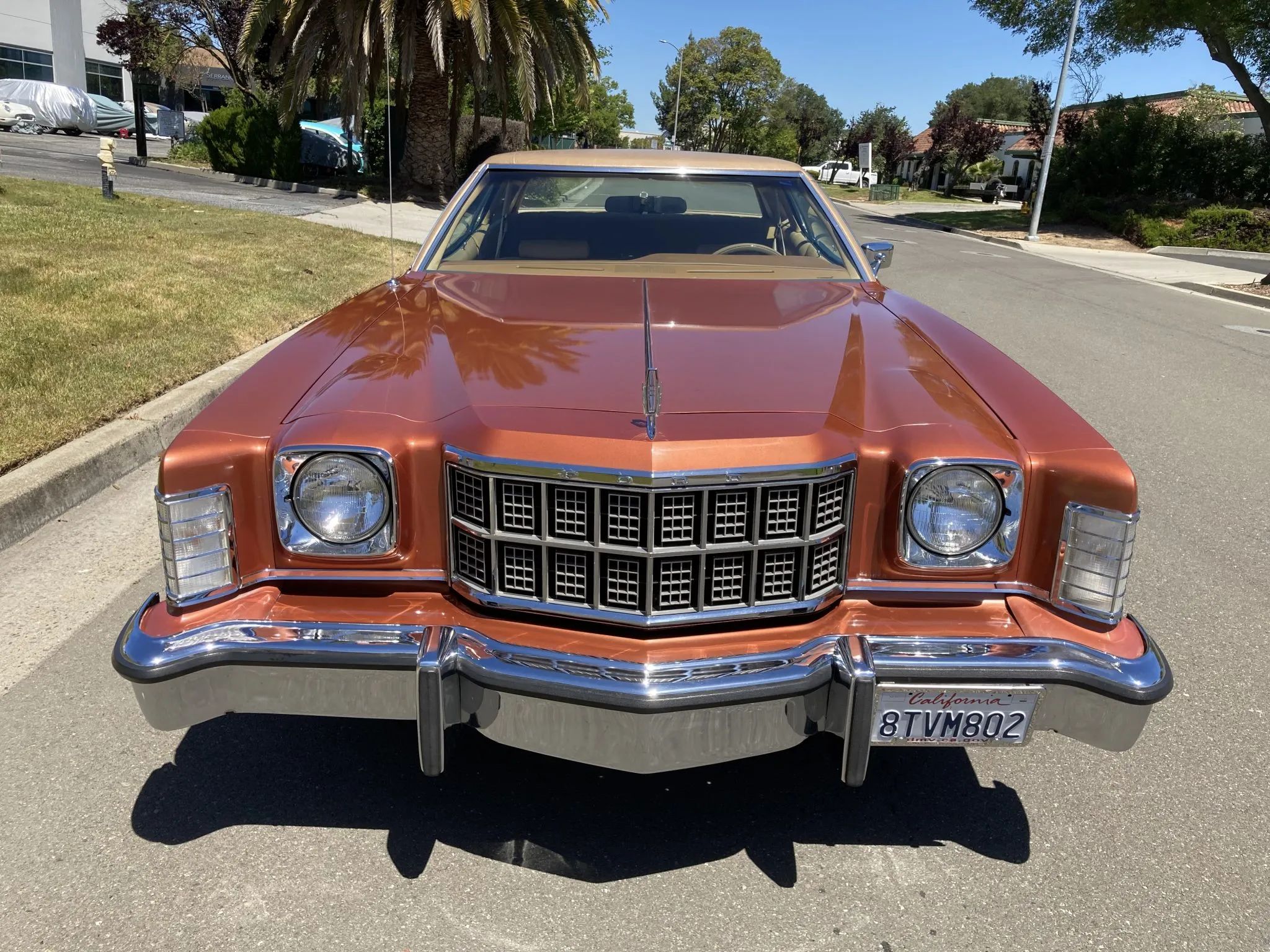
In contrast, the Elite’s imposing upright grille is flanked by single headlights on each side, with parking lights that appear to jut out farther than those on the Cougar XR-7. The Elite’s front bumper seems as if it would add a little length, but it’s an illusion: the Cougar is just a bit longer (214.2″ vs. 213.6″).
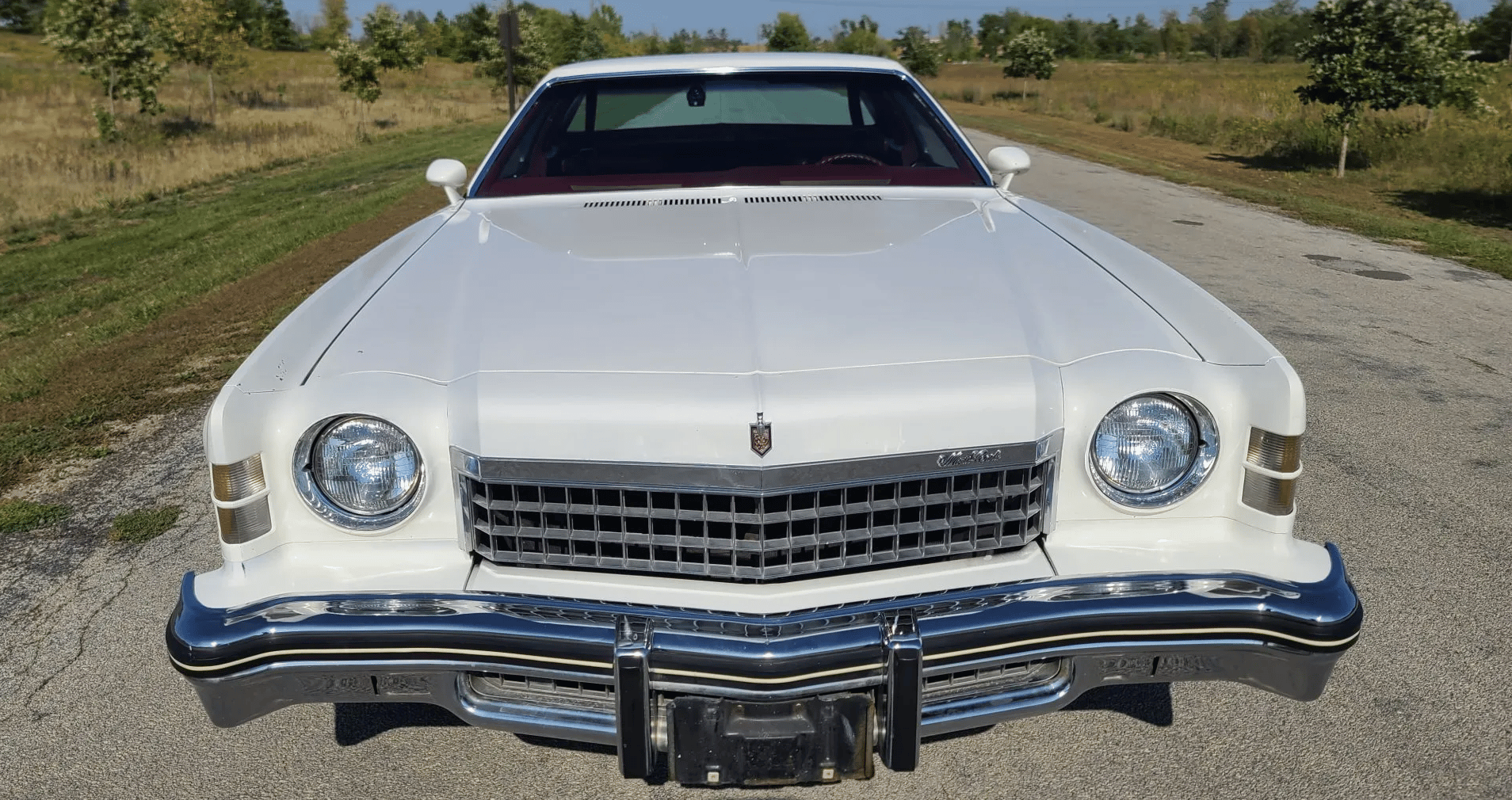
If aping the Monte Carlo was the goal, however, there’s no denying that the Elite did a better job of it than the Cougar did, as the single headlights (per side), wraparound grille, and standalone parking lights were at least in the style of Chevrolet’s personal-luxury coupe, if not exact copies.
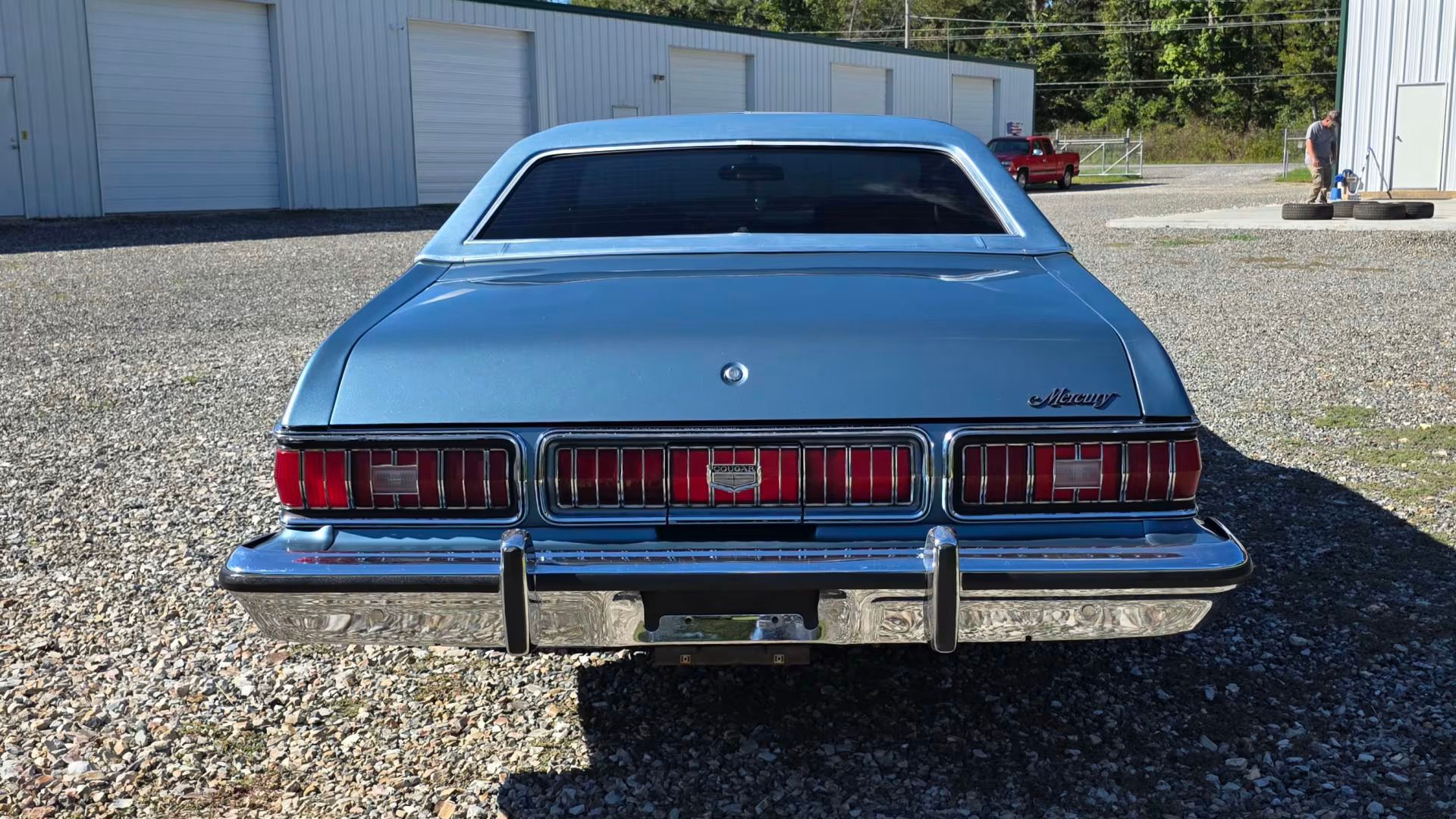
Things were far more homogenous in the rear between the Cougar XR-7 and Gran Torino Elite, as they were almost identical.
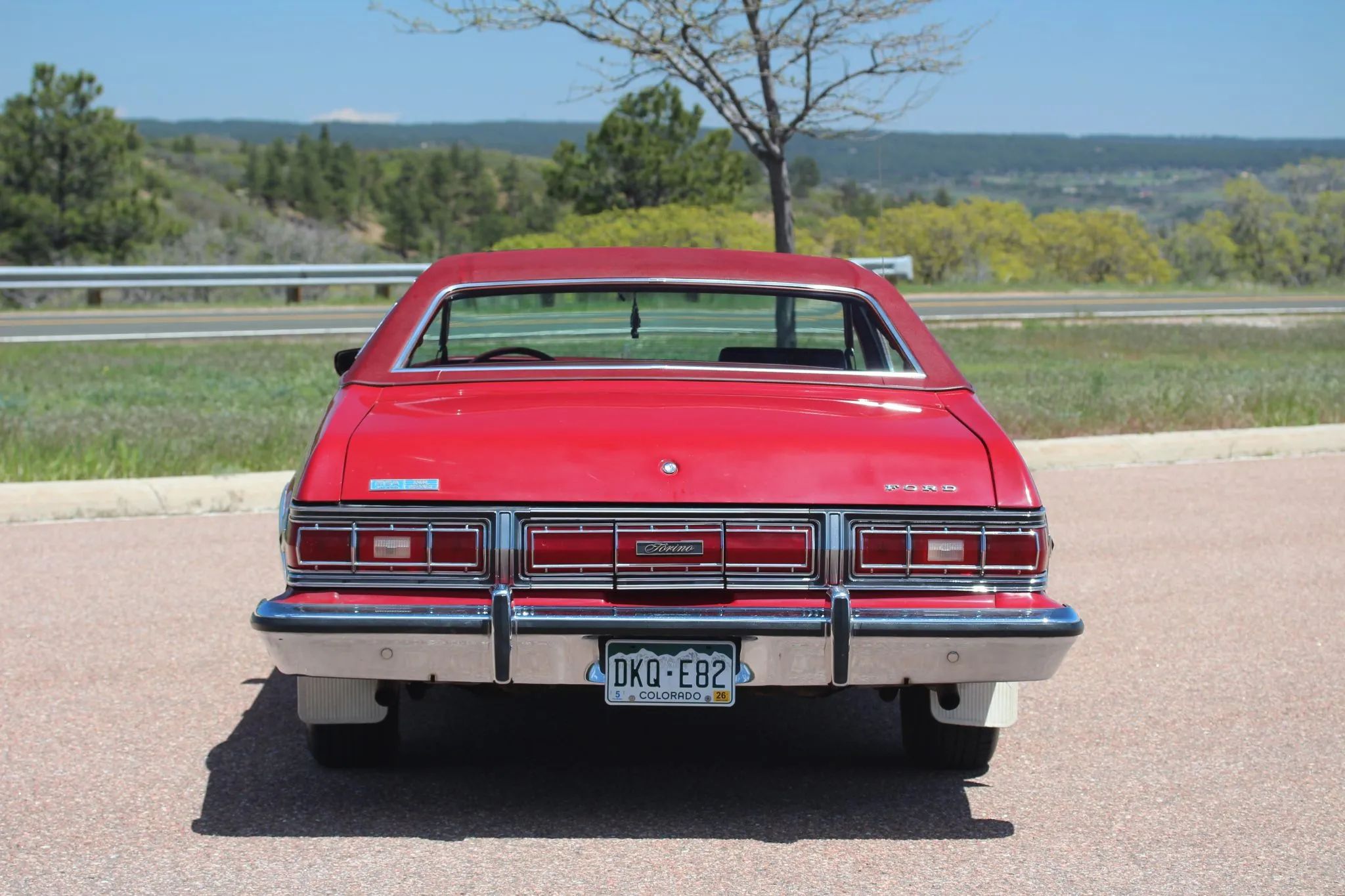
As you can see, Ford changed the taillight panel and little else. A quick tell for identifying a 1974 Gran Torino Elite: the fuel door cover in the center of the panel says “Torino” in cursive font, while 1975 and 1976 models say “Elite.”

Even the interiors were fundamentally the same; they shared the same dashboard, the same gauge cluster, the same basic layout. The 1975 Cougar XR-7 shown above may have had slightly more luxurious upholstery, but not enough to make someone buy an XR-7 over an Elite if they could have saved roughly $400.

By contrast, here’s the 1974 Elite, where you’ll find more velour and a little more fake woodgraining, but in essence, if you’ve driven one, you’ll know where the controls are in the other.
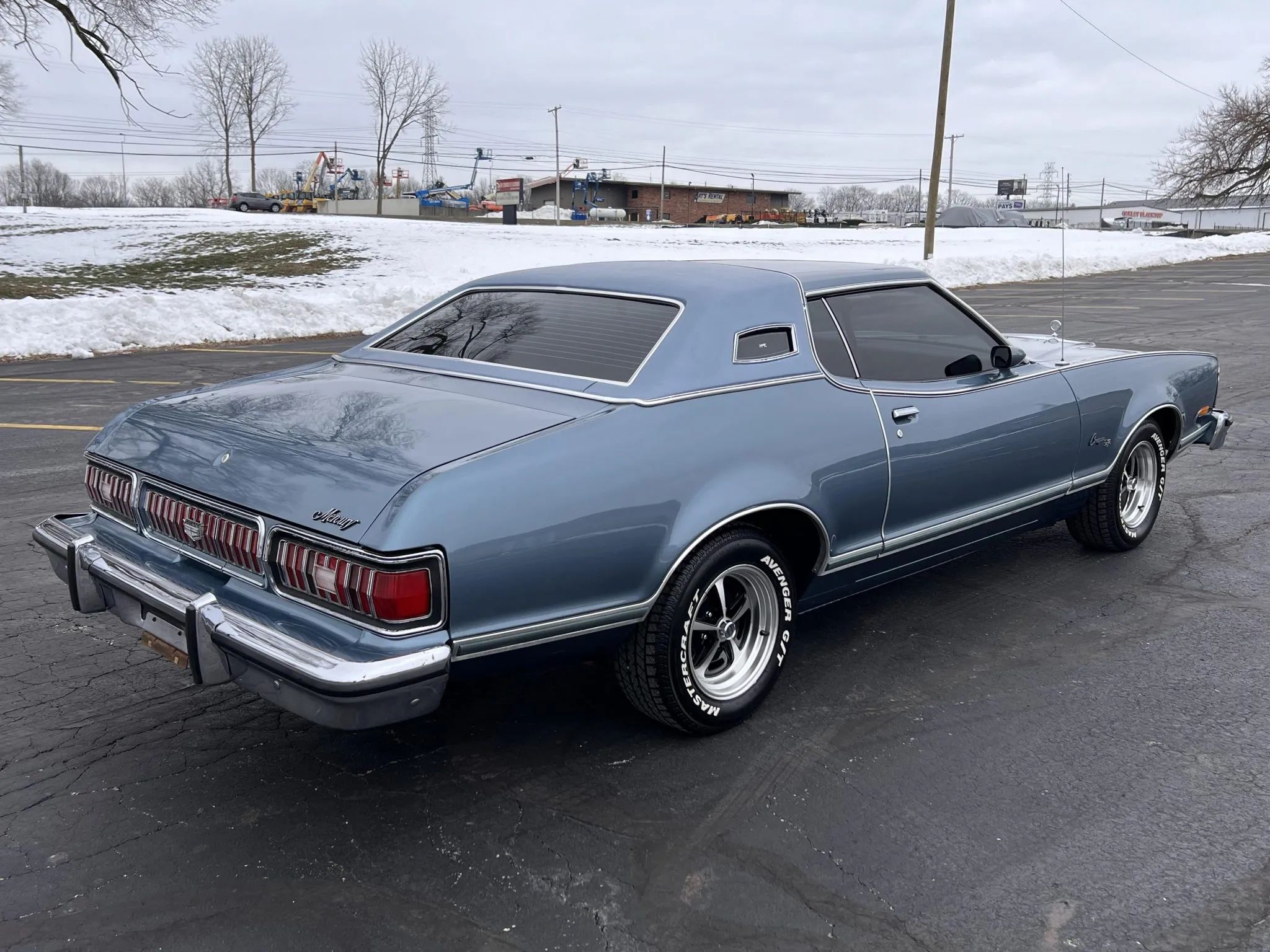
I will say that Ford and Lincoln-Mercury stylists were able to make the two cars look surprisingly different simply by changing the C-pillar opera windows and the location of the side trim. The Cougar’s rub strip was mounted down low above the bodyside crease, where it made the car look lower but limited its effectiveness in combating door dings.

The Elite’s molding offered more protection that the Cougar’s and somehow added a more luxurious look. (I’d also like to give a shout out to the original owner for ordering this particular example in Pastel Lime; this person was a car buyer after my own heart.)
And that may be the main difference between the Cougar XR-7 and the Gran Torino Elite: The Cougar emitted just a whiff of sportiness, while the Gran Torino Elite did not. I could get nostalgic and prefer the Elite, as I was brought home from the hospital in a brown 1974 model, but if I had a choice between the two, I’ll take the Cougar XR-7. Especially if it were painted Pastel Lime.

Internecine squabbles aside, however, Ford and Mercury both failed to deal effectively with the General Motors squadron of personal luxury cars, with the Chevrolet Monte Carlo’s sales alone (312,217) outstripping the Cougar XR-7 and Gran Torino Elite combined by a wide margin, and those numbers don’t include the popular Grand Prix, Cutlass Supreme, and Regal. It’s no matter, as Ford would make up for lost time in 1977 with its less-expensive Thunderbird. And unfortunately for Lincoln-Mercury dealers, who must have looked at the Gran Torino Elite’s (and the 1977 Thunderbird’s) introduction with a red mist in their eyes, they would have to deal with being upended by the Ford Division…again.
Related Reading
Curbside Classic: 1976 Ford Elite – A Highfalutin’ Hash (by JP Cavanaugh)
Vintage Ad: 1974 Mercury Cougar – Now That’s More Like It (by Paul N)























As I recall the high end Gran Torino coupe did not sell particularly well either and was pretty much dead in the water after the Elite came along. I had never really thought about it, but Ford had to accidentally back into what became one of the biggest markets of the 70s. Cougar had always relied on there being a Mustang, so it is interesting that Mercury did not get a variation on the Mustang II, and decided instead to make a Cougar out of a fancy Montego. Which (along with the Elite) kind of saved Ford’s bacon until the 1977 Thunderbird arrived.
I considered both of these cars a styling miss at the time, a rare thing for Ford. That fat, curvy, hippy body from 1972 aged poorly and was very out of style by 1974-76. I never really found either of these very good looking.
It was the 75 Cordoba that I found to be the best looking of these mid 70s PLCs. The public must have agreed, because Chrysler built 150k of them, a better performance than the Elite turned in. And given Chrysler’s widely known quality problems of the day, that was an amazing figure. And then the Dodge Charger only sold about half (30k) what the Cougar did, so go figure.
I imagine the two factors at play for Mercury not getting the Mustang II was the Capri was essentially occupying that very same spot and selling very well, and the Cougar was always a little bit more PLC than it was sporty, and with the traditional ponycars rapidly losing ground to smaller imports(including the Capri) and the intermediate PLCs, moving the name to intermediate platform was probably the right move rather than a Mustang II based Cougar.
The other factor too is the Mustang itself had effectively undercut the Cougar as a Ponycar sized PLC since the introduction of the Grande package, which became Ghia for the Mustang II years, and though the Elite undercut the 74-76 Cougar, the Cougar still sold better every year from 74-76 than it had in 71-73 with styling that was very similar
Correct-According to this great German site, the 1975 and ’76 Gran Torino Broughams have to rank as some of the rarest mass-production type cars ever produced. 4849 and 3183 units respectively. You can see how the Elite just flat killed this model.
We could wonder what if Mercury had taken a page from Dodge by calling all its mid-size 2-doors models as Cougar and 4-doors and wagons as Montego like Dodge did with the Coronet and the Charger? I wonder if that move would have worked better than calling for the 1977 model year all its mid-size models as Cougar? Or going further back in time, instead of using the Montego nameplate, Mercury followed the example of Ford with the Fairlane and Plymouth with the Belvedere by recycling the Monterey monicker for the mid-size/intermediate line-up letting the full-size field wide open for Marquis more earlier?
The 77-79 XR7s alone were the best the Cougar ever sold by a wide margin so I’m not sure it’s worth the mental exercise. Prior Montegos weren’t flying off lots either so putting the Cougar name on them following the Cutlass formula I can’t really fault them as the Dodge formula never really worked out all that well for Dodge, where Oldsmobile was the king of the mid-priced brands
Plus the Cougar coupes weren’t drastically different looking from the sedans unlike the 71-74 Charger/Coronet.
I had an older co-worker who purchased a Gran Torino Elite in the coppery brown color; while looking it over, I commented on the fact that it had full instrumentation. His reply (which I’ll never forget) was “I don’t care anything about all of that!” Between the two, I’d prefer the Cougar, as the Elite just looked like a desperation ploy to me, and an “old man’s car”! 🙂
“You had to be there”, as they say. In my early college years the Monte Carlo, Grand Prix and Cutlass Supreme were the kings of the castle in mid-Pennsylvania, so the Elite and Cougar made sense at that moment. Gussied up for real or faux luxury was just where it was at (i.e. Mustang II Ghia, etc). Later college was affected by Smokey and The Bandit, and suddenly Trans-Ams and other former pony cars with graphic packages took the bacon.
But then a whole bunch of us started following the coastal-led generational change towards Japan and Europe when we were able to make our first new car purchases….
So the Elite was $332 less than the XR-7. Would that difference be enough to sway many people to the Elite is what I wonder? On a typical 3 year loan it works out to $9.22 extra per month. I can see a more extensive dealer network having a hand in it. I just look back at my father and his car purchase in 1968. He looked at the Mercedes 220, Porsche 912, Mercury Cougar, and Mustang GT-CS. Don’t know the cost difference when he decided on the Cougar. Why? He liked the looks of the car. Although he ended up with a Porsche in 1972, a 911, but didn’t cross shop the 911 in 1968. That is where I think cost and engine size figured in.
The Elite came standard with a flat bench seat, and base Torino-like 5-dial instrumentation, no full cluster.
The Cougar had a choice of Split-bench (Twin-Comfort Lounge in Ford parlance) or buckets along with the full instruments as standard equipment. Adding the $384 (1976 price) Interior Decor Group to the Elite gave you the same “Twin-Comfort” seats as the Cougar, along with it’s full instrumentation , a vanity mirror, automatic seatback release, and dual horns of all things! This negated the price advantage it had over the Cougar. Most Elites were ordered this way, (including my parents) as the base interior was nothing special. Then again, neither was the Monte’s. Another thing was, neither FoMoCo offering gave you any convenience lighting as standard, just a cheap plastic dome light, not even a glove box lamp. You needed the “light group” which cost almost another $50.
As far as interiors go, it was Advantage : Cordoba. It was much nicer, with a standard center armrest and courtesy lights galore.
That is a great point, Roger. I don’t think I’ve ever seen an Elite without the Interior Decor Group, so I never connected that it was optional, an oversight on my part. With that being said, the Elite was either the better seller because of there being more Ford dealers than Lincoln-Mercury dealers or because of its styling.
Or, people were sucked in by the lower base price and just decided to go with the upcharge for the nicer interior.
I have a soft spot for these even though they’re both clearly cobbled together rebadges with styling due in part to the 5mph bumpers that is pretty, well, bad.
My almost first car was a rusty battered 1974 351 Cougar in the area but it was triple black and had the exact stance of the starsky & hutch Torino, right down to the slot mags, I spent much time daydreaming, leaving notes to the seller, begging my parents to let me buy it, but never won out in the end because it was in hindsight beyond saving and my skills/tools at the time were hopeless to even try. So for that reason alone I pick the Cougar over the Elite.
My mental exercises sometimes wander, so I’ll find myself imagining what I’d drive if I were say, hypothetically, a car dealer’s son in 1974. I’ve often thought that if my dad were a Lincoln-Mercury dealer, I’d have an XR-7 (but I’d be secretly upset that he weren’t a Pontiac dealer or something like that).
I wrote up my ‘76 Cougar in a recent COAL entry, and called it my favorite car I’ve owned. I recently saw an eBay listing for a Cougar in the same blue as the one in the BAT pics in this post (same car?) and seriously considered bidding.
That was a great article.
The blue XR-7 I pictured seems to be one of those cars that’s been passed around from auction to auction a few times for whatever reason, so it very well could have been the same car you were thinking of bidding on.
They lost me after the 1969 Cougar XR-7 convertible.
It’s shocking to look back and forth between the picture of the Montego and Cougar XR7 to see just how those detail changes had made such a profound difference in both the aesthetics and product placement.
I do like the Elite, but I’m Team Cougar. The four headlamps make the front end look much more polished and upscale. The Elite’s front end is a reasonable enough looking Fordification of the Monte Carlo look, but those bug-eyed headlamps make the Ford look like it has been up for 36 hours on Red Bull.
I also like the lower placement of the body side rub strip, even if it does less for actually protecting the car. That is also a gorgeous shade of blue.
I know the basic idea behind this essay was how Ford had stolen a proven idea from Mercury and undercut the price, but I might have been one of the buyers who would have ponied up the extra money for the Mercury.
(Actually, I probably would have looked for a low-miles 1967 or ’68 XR7 and rocked with that.)
Before I compared the front ends as I was writing this up, I never even considered how Monte Carlo-like the Elite’s grille is. The Red Bull analogy is perfect; needless to say, I prefer the MC.
The blue Cougar looks so much nicer than the Gran Torino.
More overhang! 😵💫