
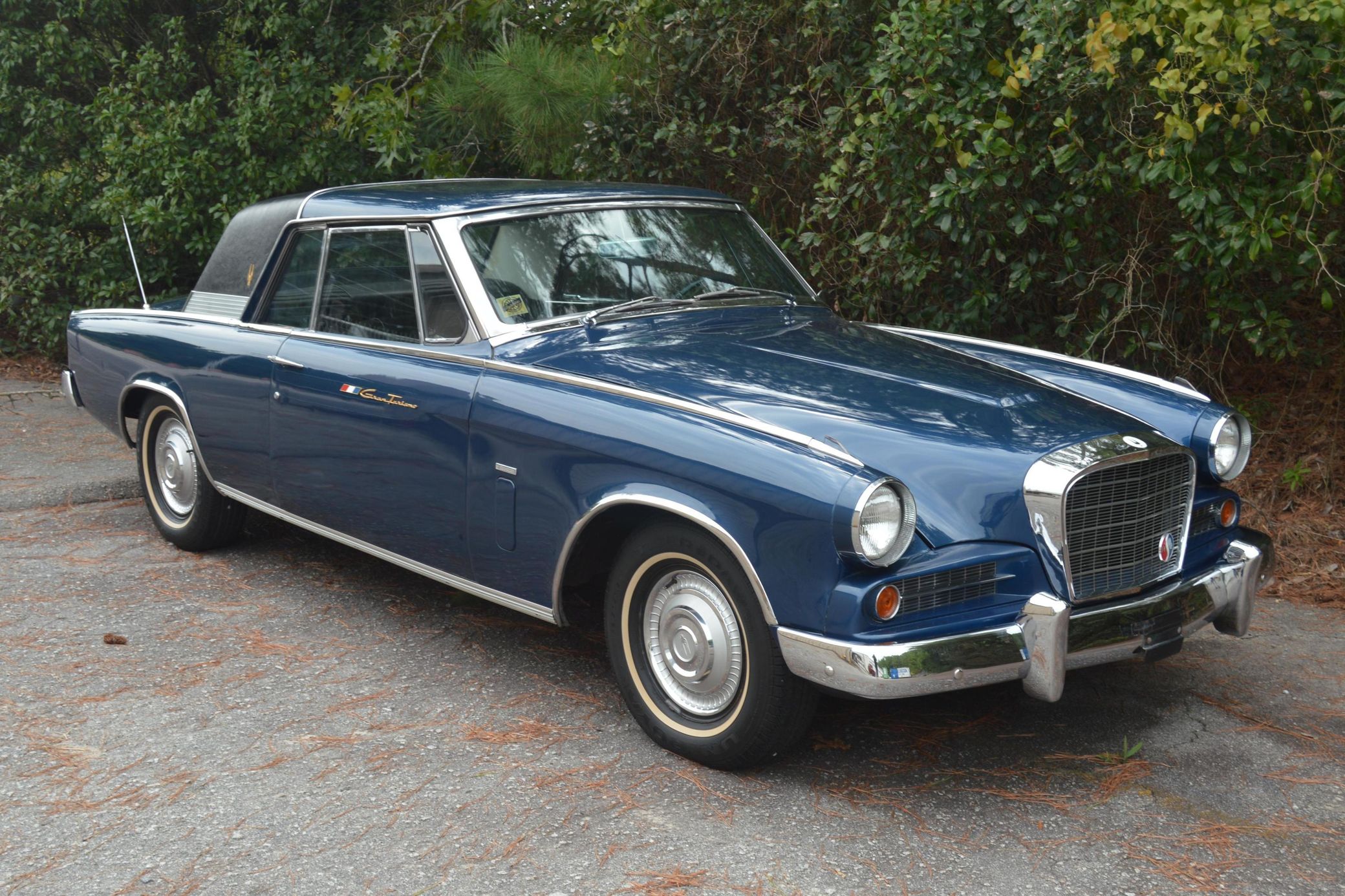
I am hesitant to post anything about Studebaker GT Hawks for sale, because they’re one of the few cars I will allow myself to buy given my current income, fleet size, and land status, but since this is a rare 1-of-278 “R2” car with the 289-horsepower 289 V8 and a four-speed, it will certainly sell for a nice price that I’m too…cough…frugal to pay, so it’s only fair for me to share it. It’s up for auction on Cars & Bids in Columbia, South Carolina.
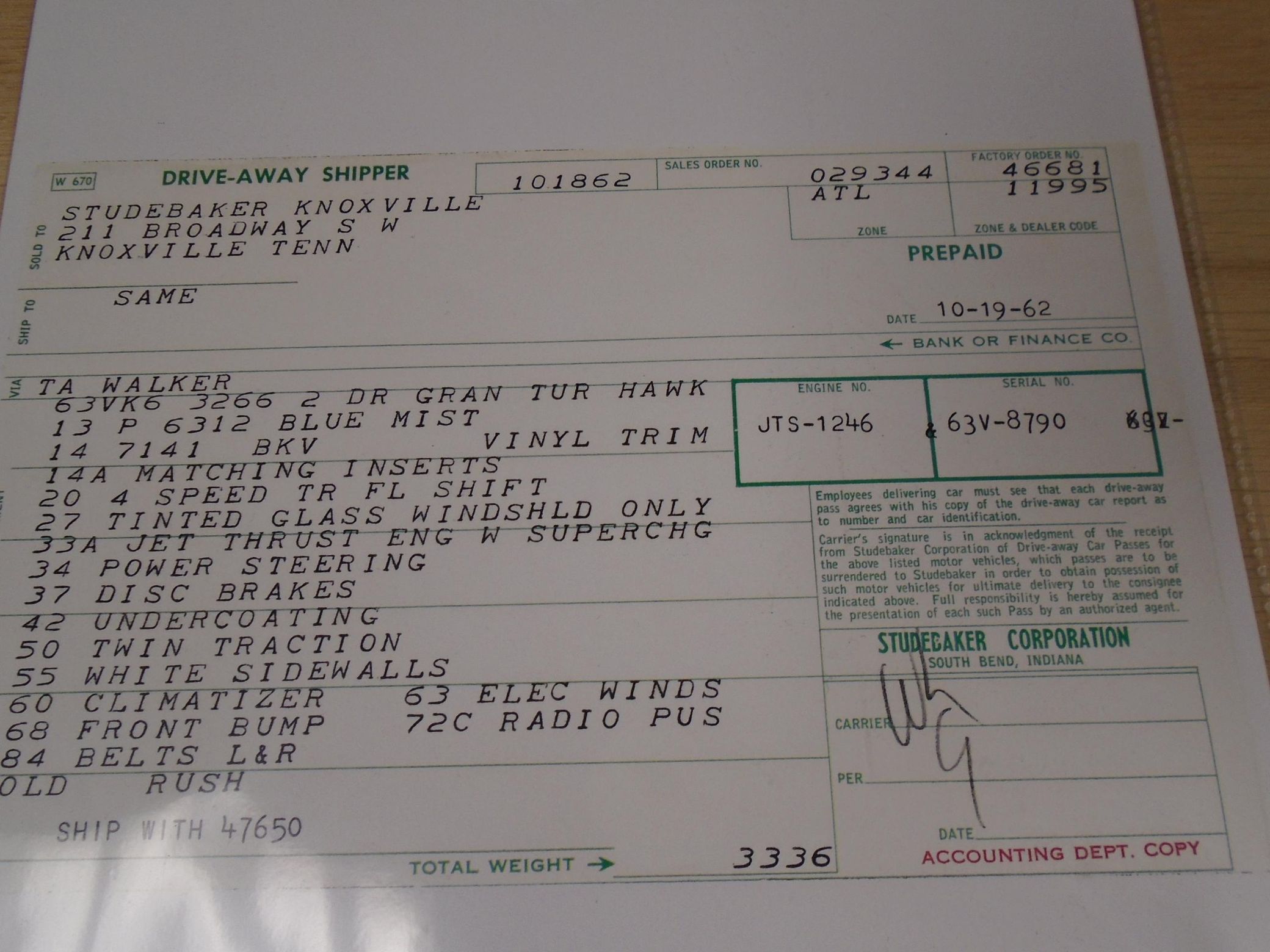
Studebaker fans are lucky that the Studebaker National Museum has archives that include the production information for individual units, including this supercharged Hawk. Although it’s been repainted at some point, the car seems to still wear its original Blue Mist color, and the paper tells the tale; it’s an original R2 car with four-speed, Twin-Traction differential, disc brakes, and electric windshield wipers (Code 63 “Elec Winds” apparently does not mean power windows in Studebaker’s parlance). Still, this is not only the hottest Hawk you could buy in 1963, but also one of the most elegant with its deep blue paint.
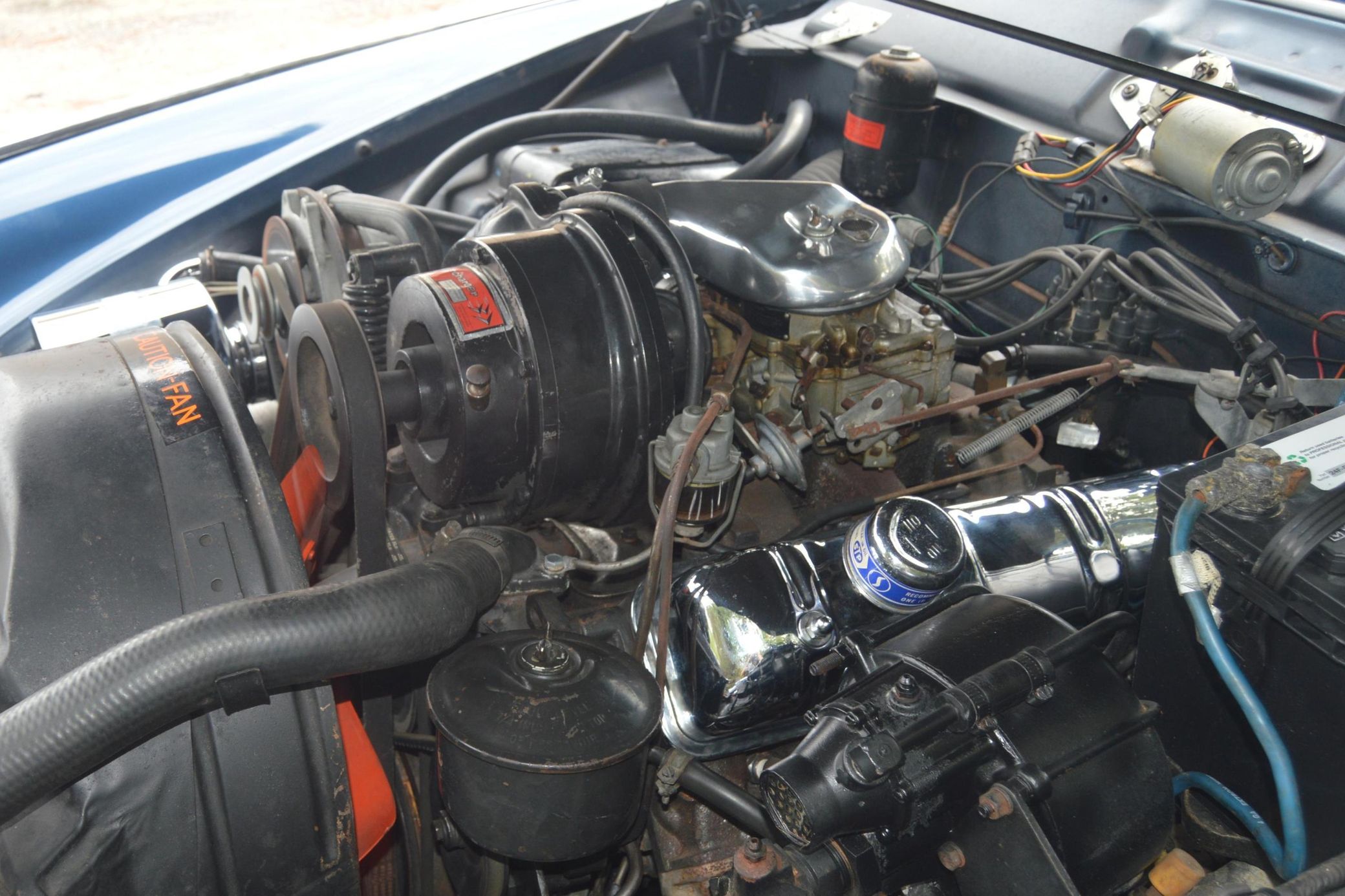
The “Jet-Thrust” R1 and R2 engines were newly available in 1963, a gift of sorts from the new Avanti, and they were just what Dr. Studebaker needed to match the increasingly powerful engines of the competition. The supercharger made the most of a V8 that was basically maxed out in cubic inches (although the Granatellis were able to squeeze an extra 15 cubes out of the R3 and R4 variants). It didn’t hurt that Studebaker had recently bought Paxton Products from those same Granatelli brothers who were so good at coaxing Studebaker’s hottest models to dizzying speeds at the Bonneville Salt Flats.
The seller of this car has posted some videos of the boosted 289 idling away, and it sounds like it should; in other words, it made my bidding finger a little itchy, so I’d say it’s running well enough.
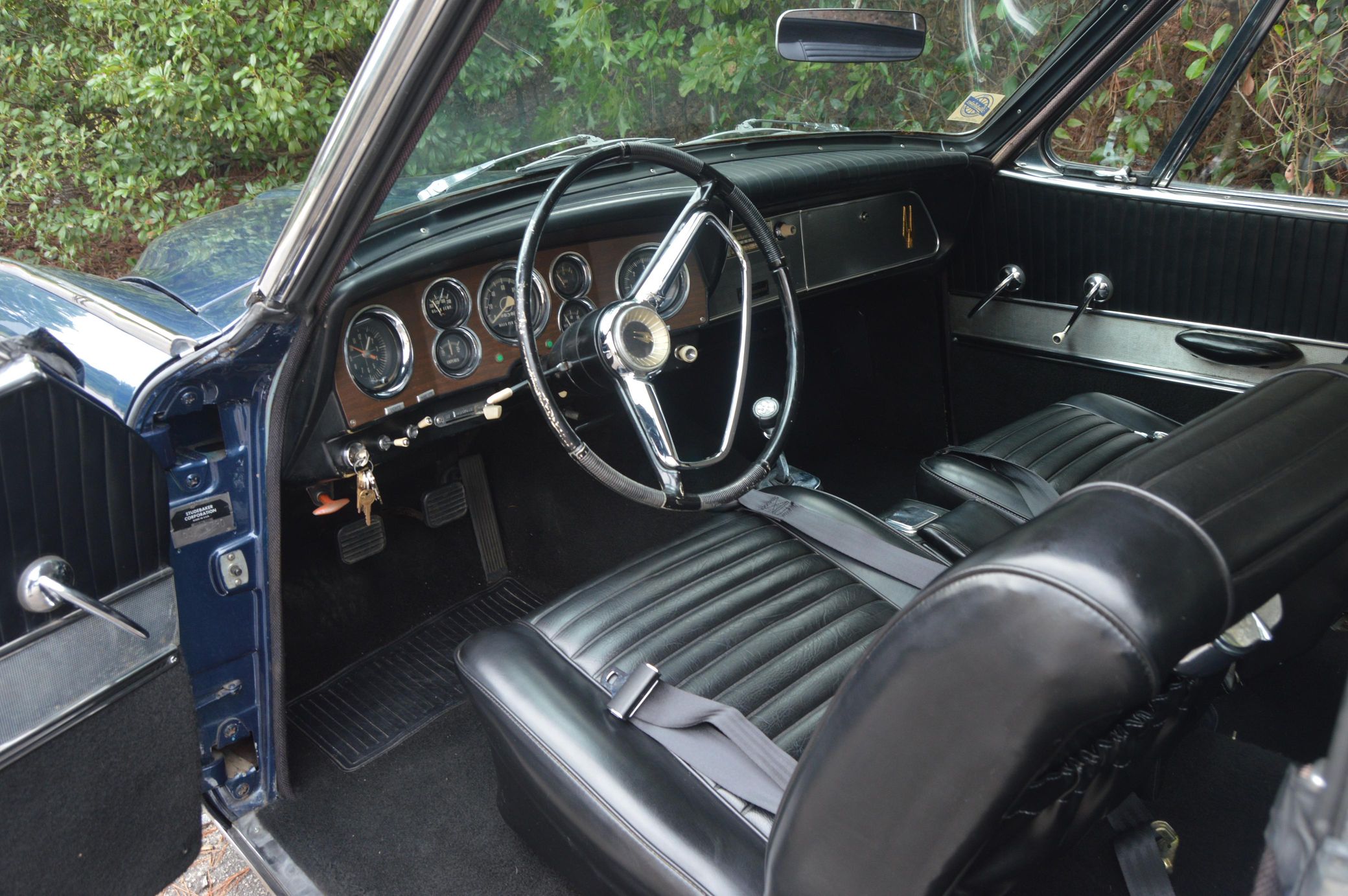
The posting says that there is some “wear on some interior surfaces,” but it’s minor enough that it isn’t flagrantly obvious in the photographs. The upholstery is most likely not original; the 1963 models had vertical pleating rather than the horizontal pleating seen on this car, and while I could certainly make that concession to originality, it may give pause to those who value strict adherence to factory specifications.
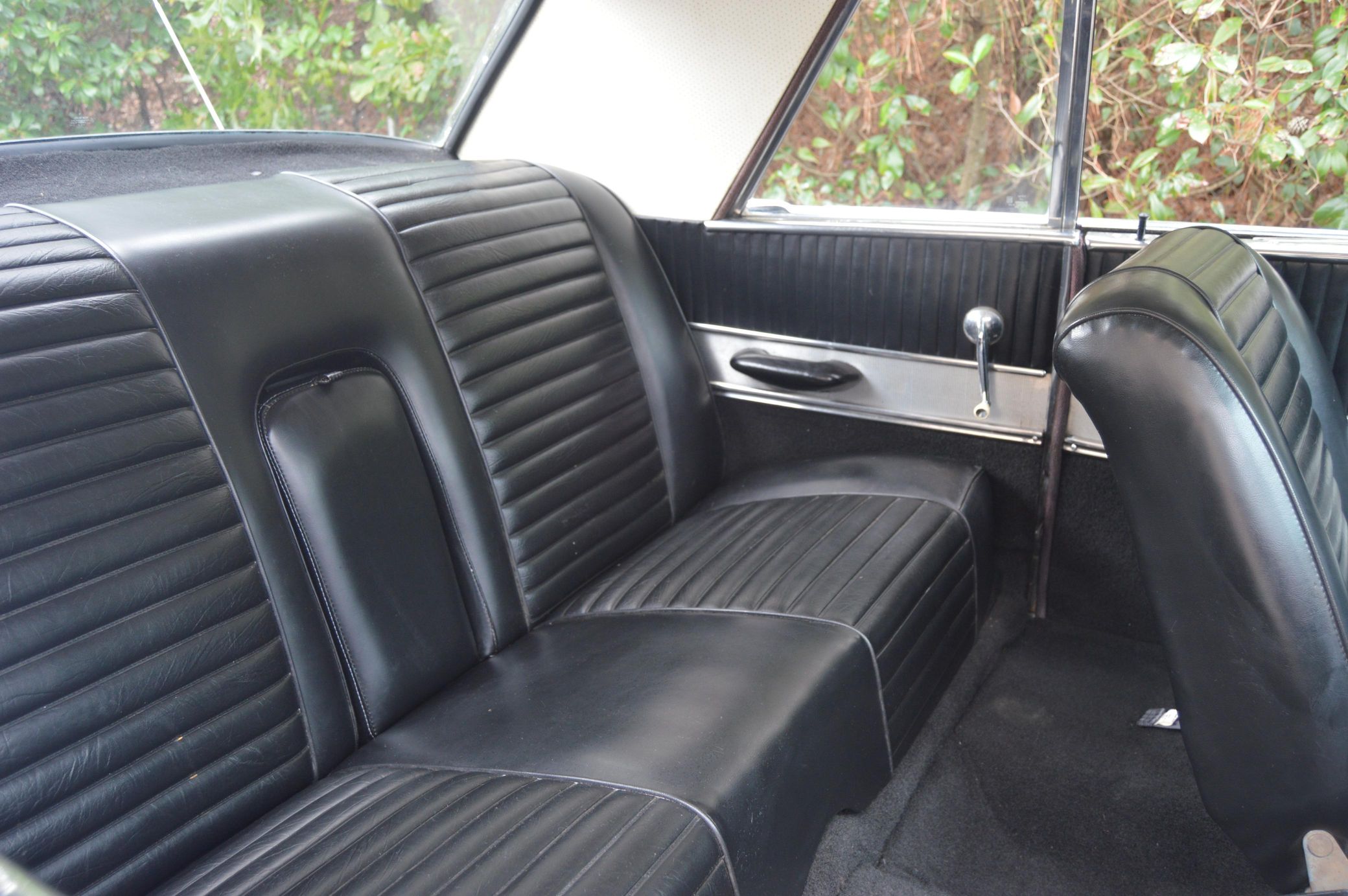
Luckily, the rear seat matches the front and looks equally fit, just a little timeworn.
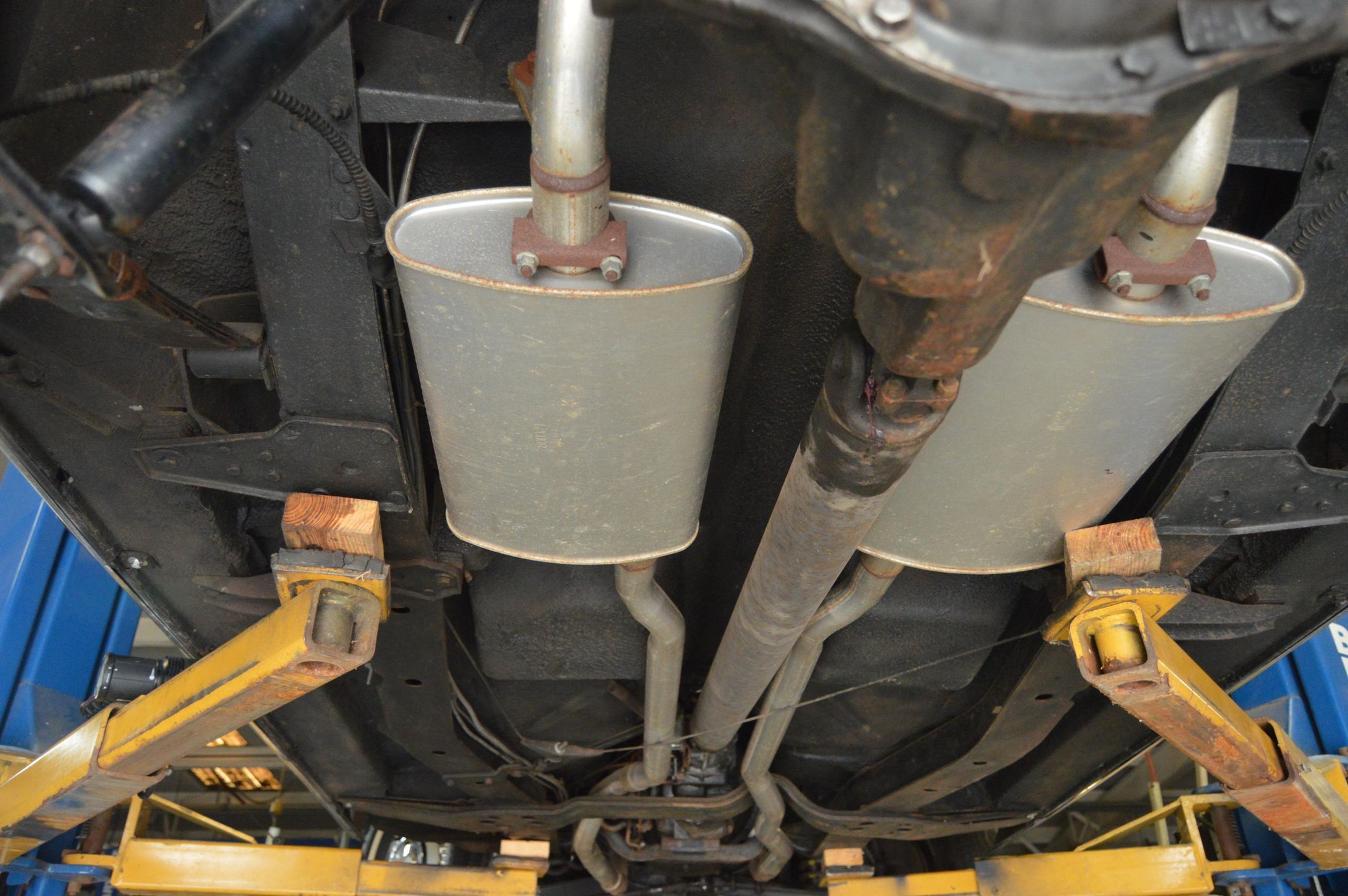
The seller has posted a series of undercarriage pictures that show nothing of concern, and for those who worry that the undercoating is hiding some poor rust repairs, that is less likely than it otherwise would be; it was undercoated straight from South Bend.
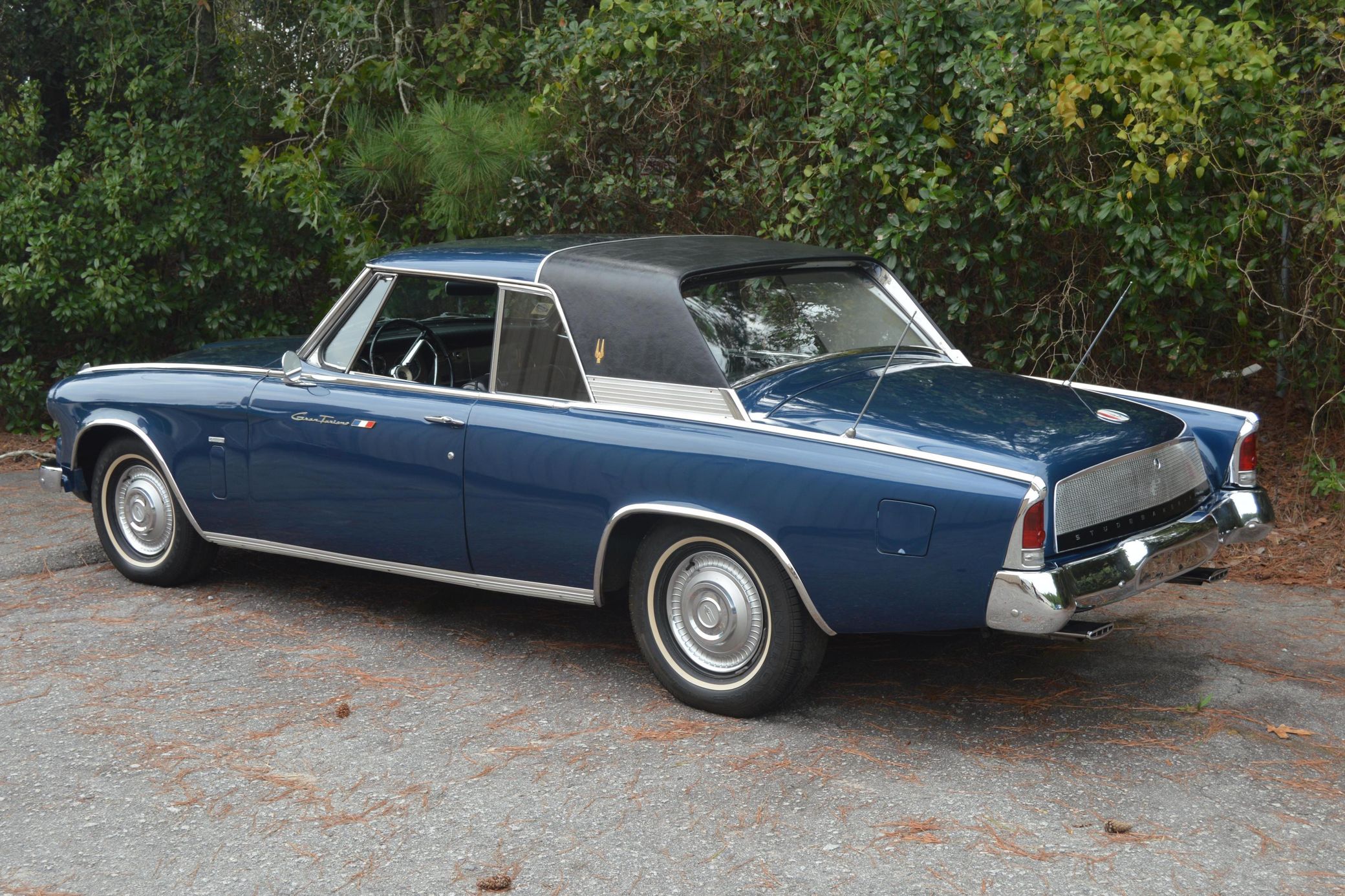
Yes, I could be happy for a long time with this beefy blue GT Hawk from what is probably my favorite of the three years of production, and I even like the partial vinyl top (which was not a factory option for 1963), so maybe nobody’s looking for a really rare piece of Studebaker performance history right now—but I doubt it. Good luck to the new owner; I’ll try to hide my envy while I curse my…economy…in spending.
Related Reading
Museum Classic: 1964 Studebaker Gran Turismo Hawk – Suggestibility And Vintage Car Ownership (by me)
Vintage Car Life Road Test: 1962 Studebaker Gran Turismo Hawk – Does It Live Up To Its Name? (by Paul N)
Studebaker Hawk: How Studebaker Made A Mess Of This Raymond Loewy Classic, And How Brooks Stevens Brought It Back (by Aaron Severson)























That interior looks so delightfully tactile.
I can’t think of a single 1960s American car that I’d want more than this perfect machine. (And that includes ’63 Lincoln convertibles and ’67 Corvette coupes!) A great looking car, equipped just the way I’d have ordered it. Too bad I was only eight years old in 1963.
That is a startlingly lovely blue.
This color looks a good deal deeper than other “Blue Mist” painted 63 Studes I have seen, but it looks great in this color. Likewise that partial vinyl roof looks wrong too.
Very nice!
You’re right, JP. This is a Blue Mist 1963 GT Hawk, and it’s definitely significantly lighter than this car. I think I like the darker blue better, but both are nice colors.
What a handsome and distinctive car. It took a long time, but Studebaker did wonders with this old platform. I like both the original early ’50’s hardtops and these final GTs. If I was in a position to buy I’d be sorely tempted, but the cheapskate in me would find something else that I would still like to have that would be cheaper. Unfortunately for me I never want anything enough to make a serious financial commitment.
That does rather work overall.
Far better than their earlier efforts to facelift the original and really quite contemporary.
This color shows it off in the best possible way. A very attractive car. And yes, I could very much see this (or similar) in your collection, to go along with the Riviera and Thunderbird.
I can too, but would I take it over an early Toronado? It’s certainly a bit smaller and probably more efficient, which would be nice considering that both cars will probably require 93 octane. Choices, choices.
Regardless, I will be keeping an eye on the auction as it ends tomorrow. 🙂
I like the front end, but the rest of the styling is quite the mess. It seems they could not decide and tacked on more trim.
I seem to vaguely remember Bryan Ferry saying one of these was his first car. An audaciously large car for British streets!
Agreed the deep blue really makes this one pop .
Bid to $10K, I’m guessing it didn’t sell, I cannot imagine owning this car and allowing a paltry 20,000 miles , I’d be running the wheels off it .
An old now deceased work mate of mine (Bob O’Dell in case anyone else remembers him) had two of these sitting in his large yard full of old cars .
-Nate