
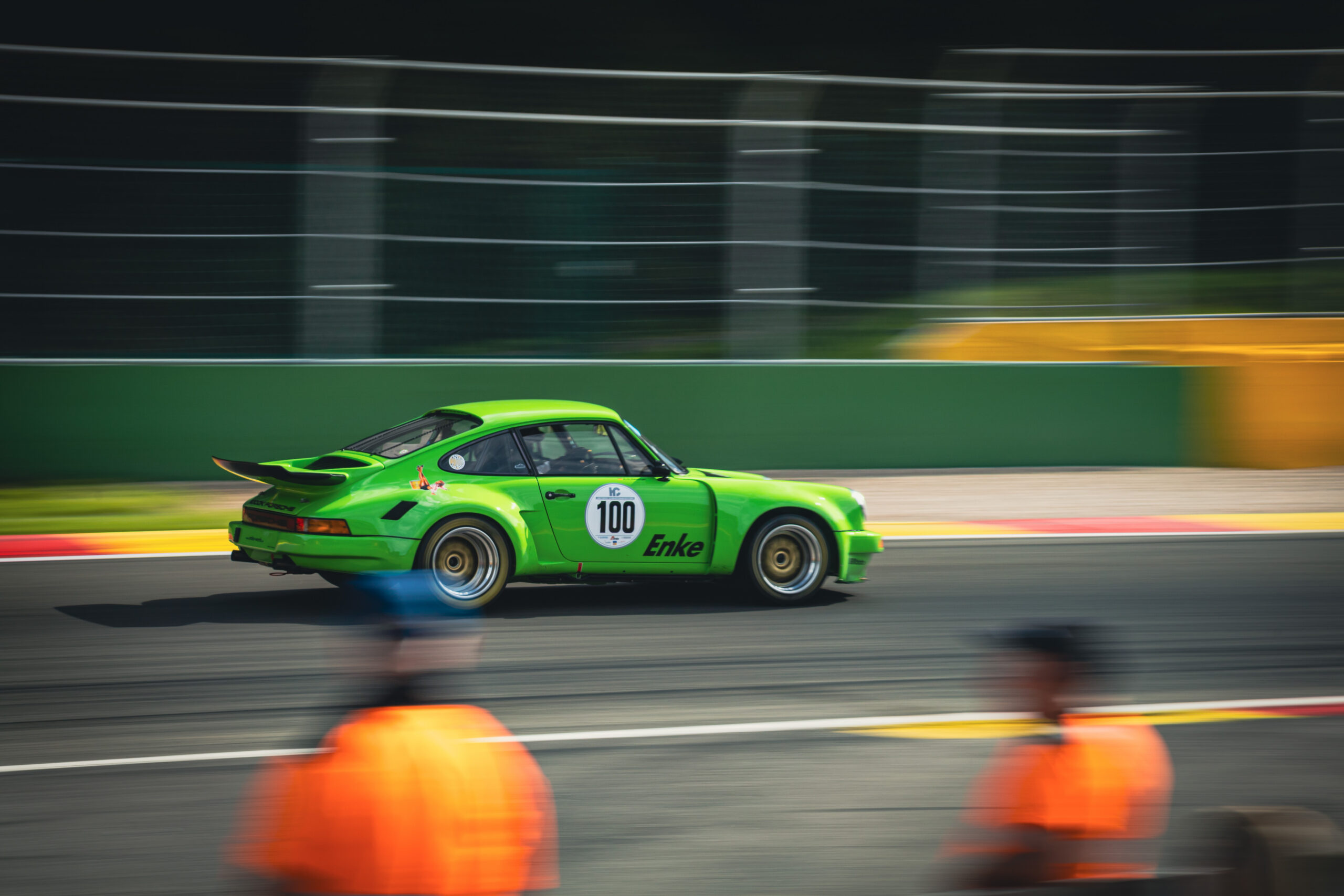
Text and photos submitted by J. Dullaart / Rotterdammert Car Spots
“What did you get up to this weekend?” they ask on a sleepy Monday morning by the office coffee machine. “I spent the weekend at Spa,” I reply, prompting a chorus of envious sighs from my colleagues. “Oh, that sounds wonderful! Did you manage to unwind a bit?”
And there I am, still carrying the ringing ears and sensory overload of a weekend at Spa.
“Unwind? For two straight days, I watched more than 300 historic racing cars being hurled around the Spa-Francorchamps circuit. I’m not entirely sure that aligns with your definition of relaxation…” My colleagues exchange puzzled glances before looking back at me. “Well, to each their own, I suppose.”
Exactly. It’s a hobby. One I have pursued for nearly twenty years by feeding my passion for cars through spotting trips and photography excursions across Europe. Yet for the past four years, one event has become a permanent fixture on my calendar: the Spa Six Hours at the legendary Spa-Francorchamps circuit.
As I’ve grown older, I’ve noticed my automotive interests gradually shifting towards historic machinery and youngtimers, cars that, rather inconveniently, were brand new when I was growing up. The Spa Six Hours therefore feels tailor-made for someone like me.
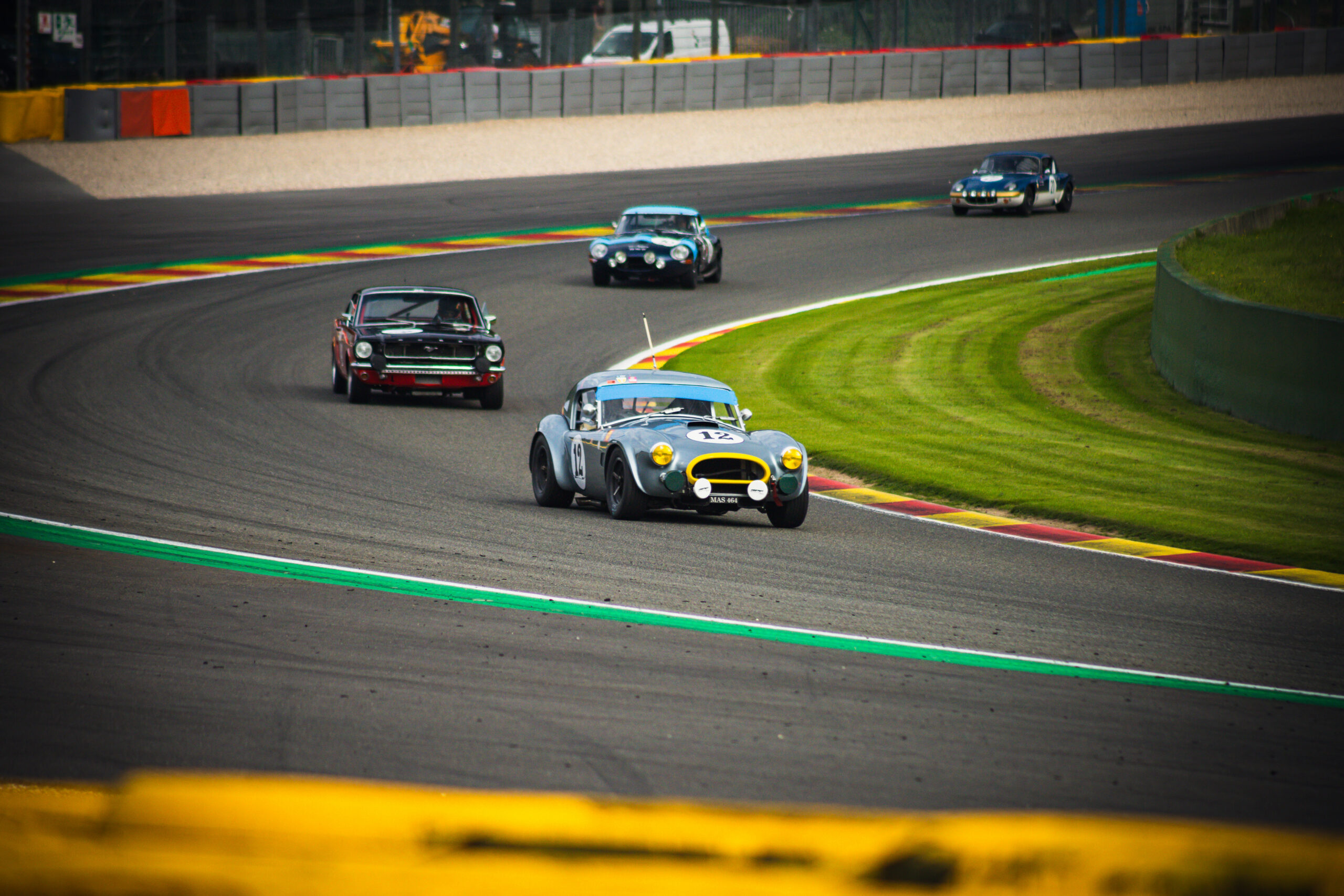
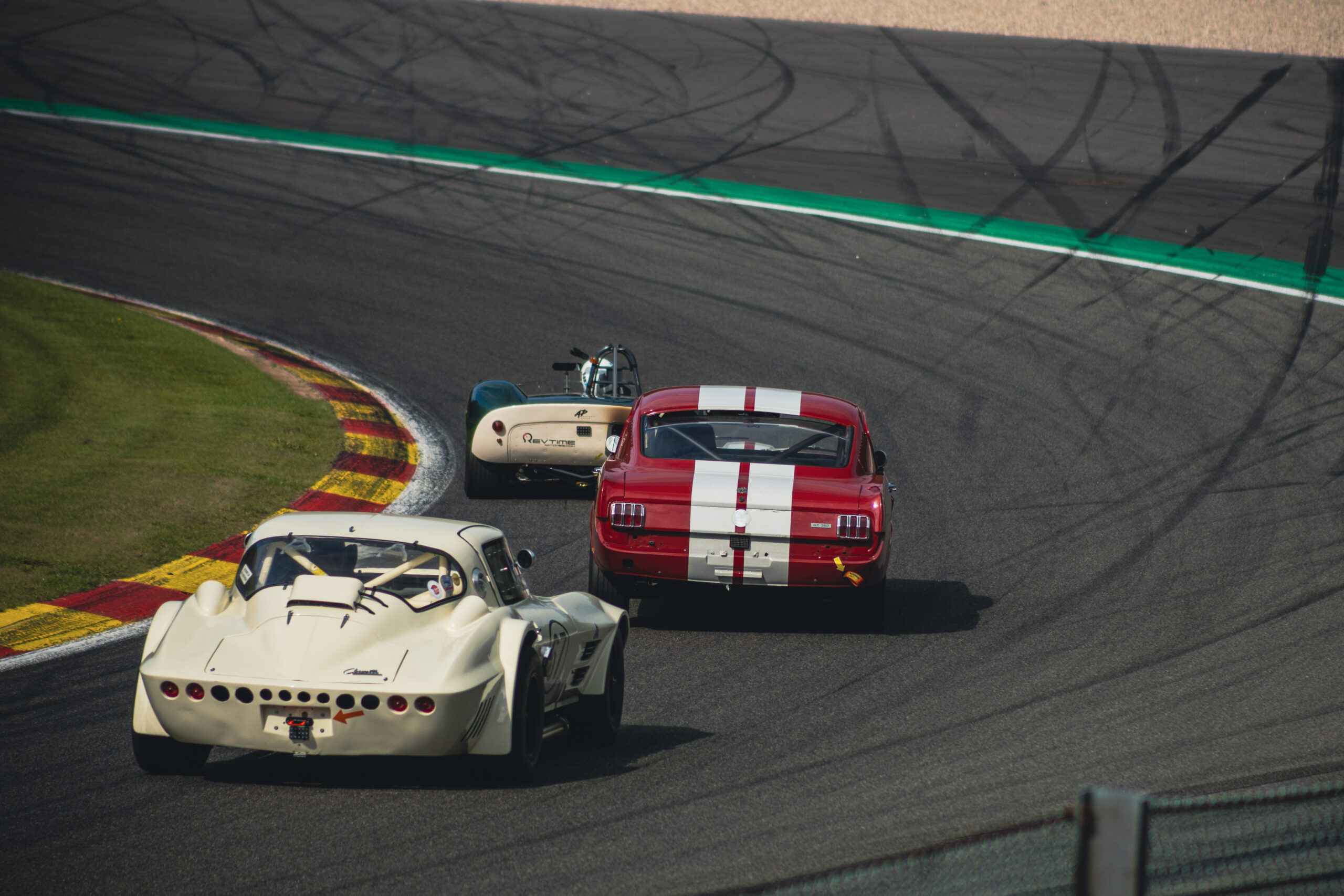
The main event alone featured nearly seventy pre-1965 classics. Various GT40s, Cobras, E-Types, 911s, Lotuses and Aston Martins, including an exceptionally rare Aston Martin DB4 GT DP214, would be unleashed upon the circuit for six hours of relentless endurance racing.
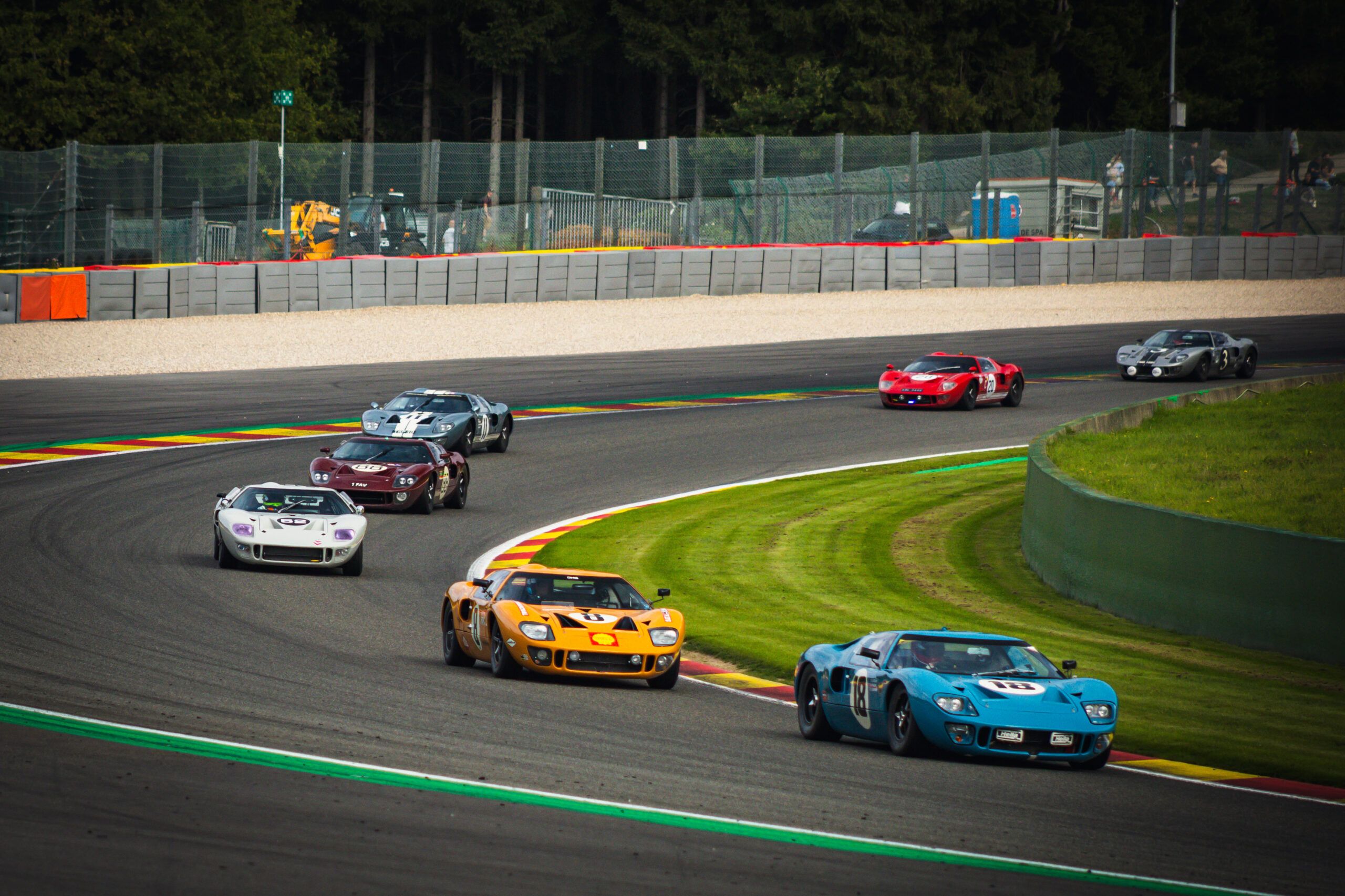
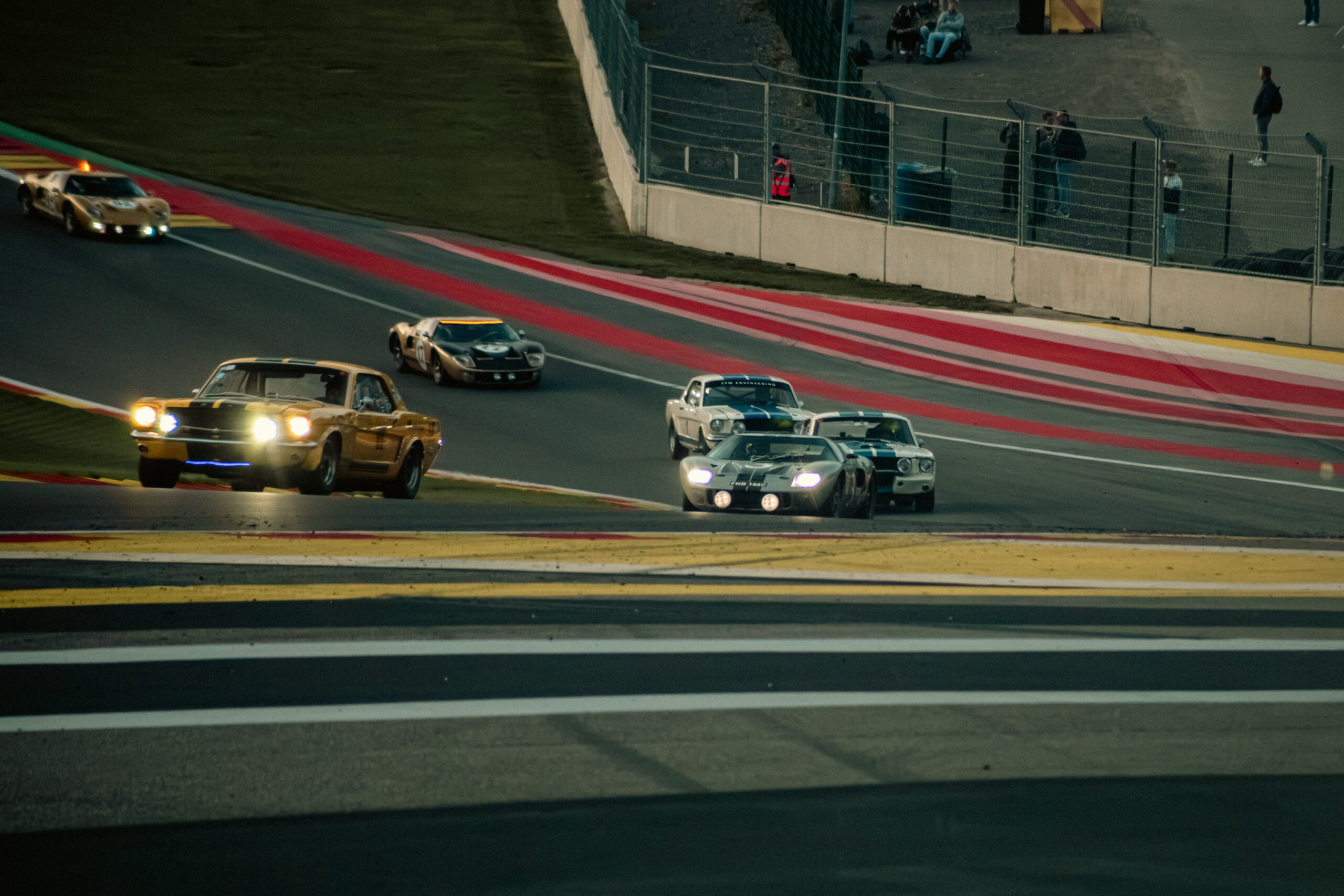
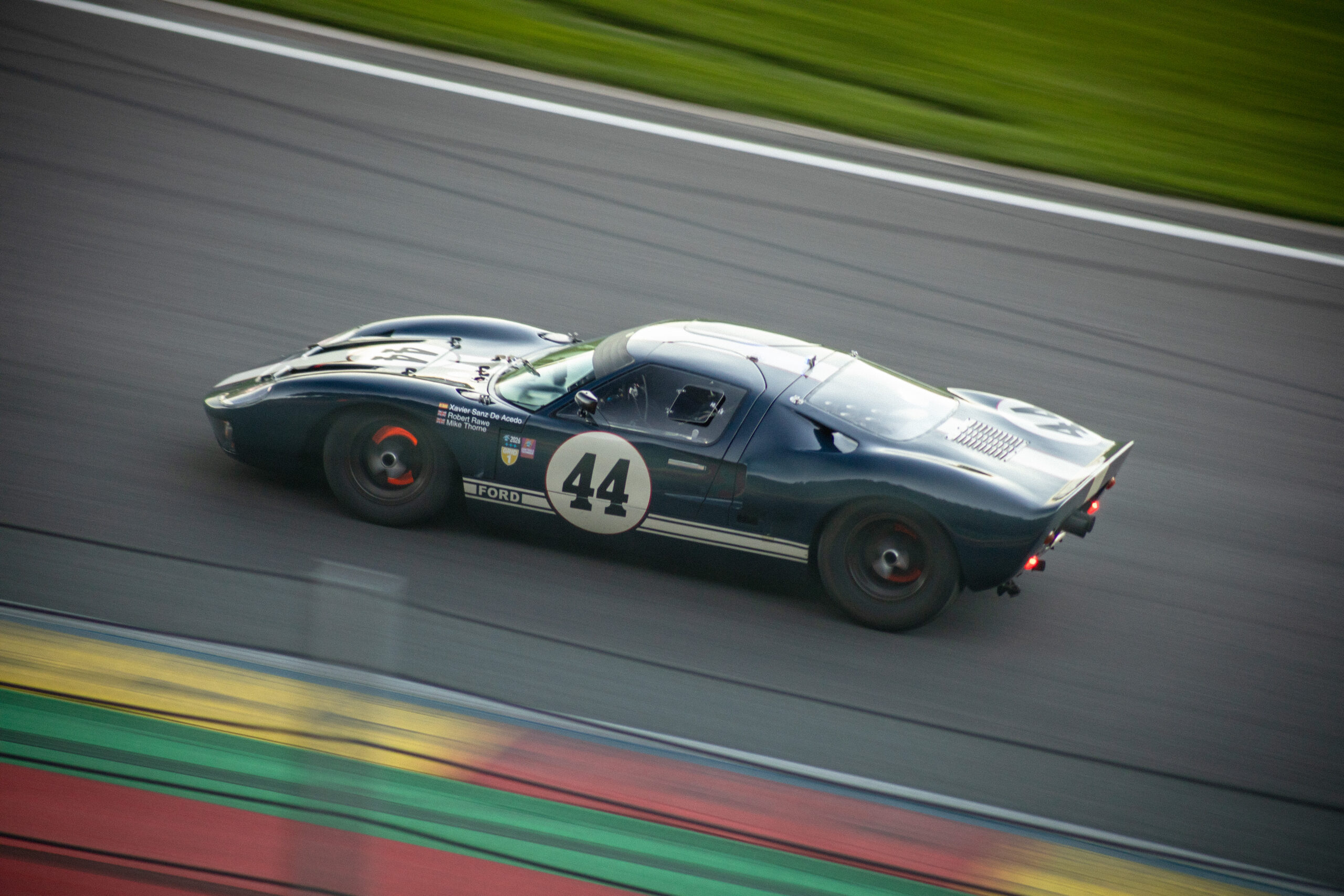
The entry list itself read like a condensed history of international motorsport. The numerous Ford GT40s naturally drew much of the attention. This legendary Le Mans winner appeared in a variety of configurations alongside iconic machinery such as the Shelby Cobra 289, several Ford Shelby Mustang GT350s, multiple Lotus Elan 26Rs and a rare Shelby Cobra Daytona.
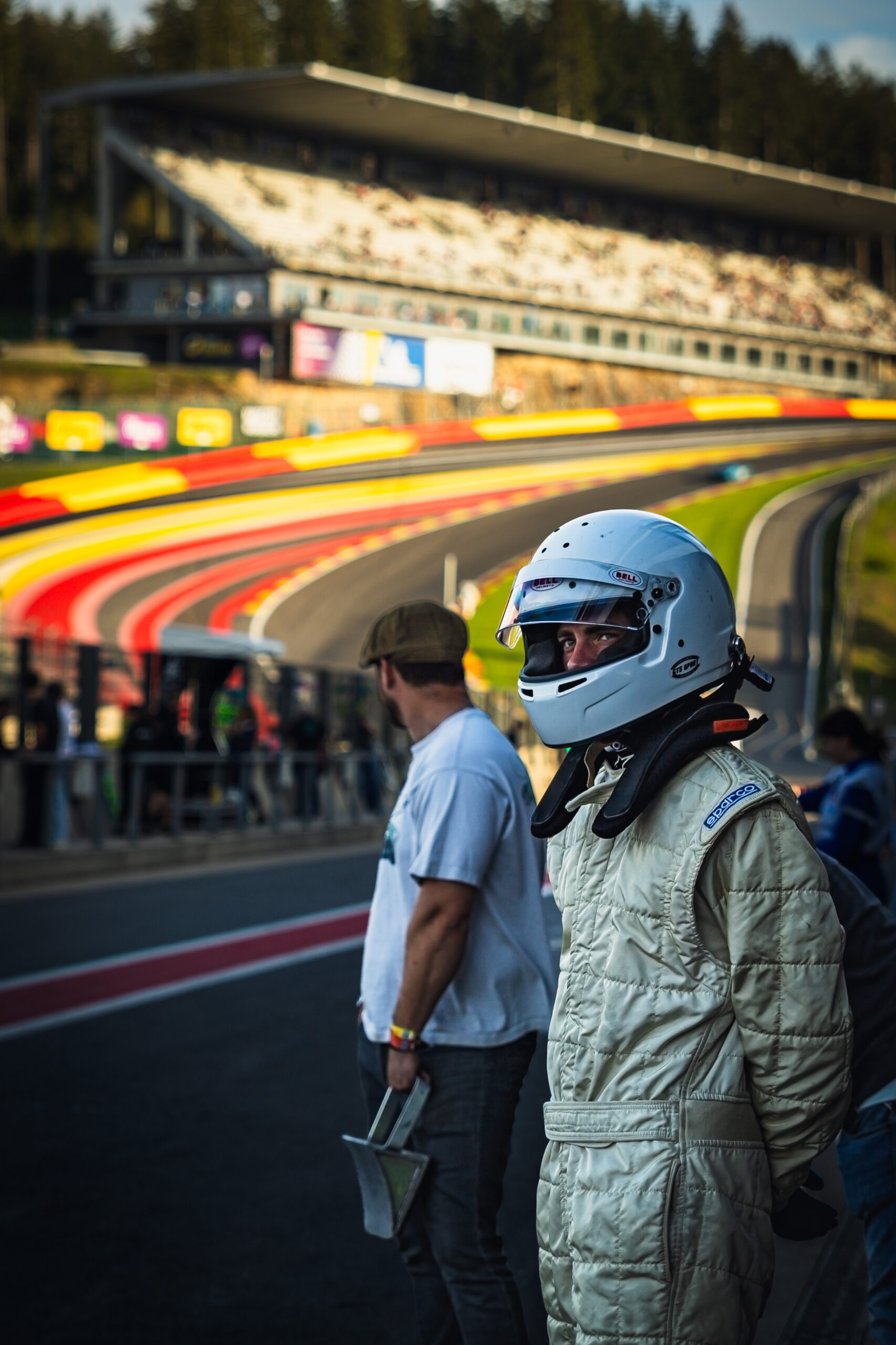
What makes the event even more remarkable is that it is not only the cars that are impressive, but also the names behind the steering wheels. Former WTCC World Champion Robert Huff competed in a Ford GT40, while other notable entrants included Sam Hancock, Phil Keen, Richard Bradley, Ben Barker, Rory Butcher and former FIA GT racer Marc Goossens. As a result, it was not uncommon to find yourself standing next to a car in the paddock that carried both a seven-figure value and a distinguished international racing pedigree.
Yet the Six Hours endurance race is only part of the attraction. Throughout the weekend, a packed schedule of support races ensured there was never a dull moment.
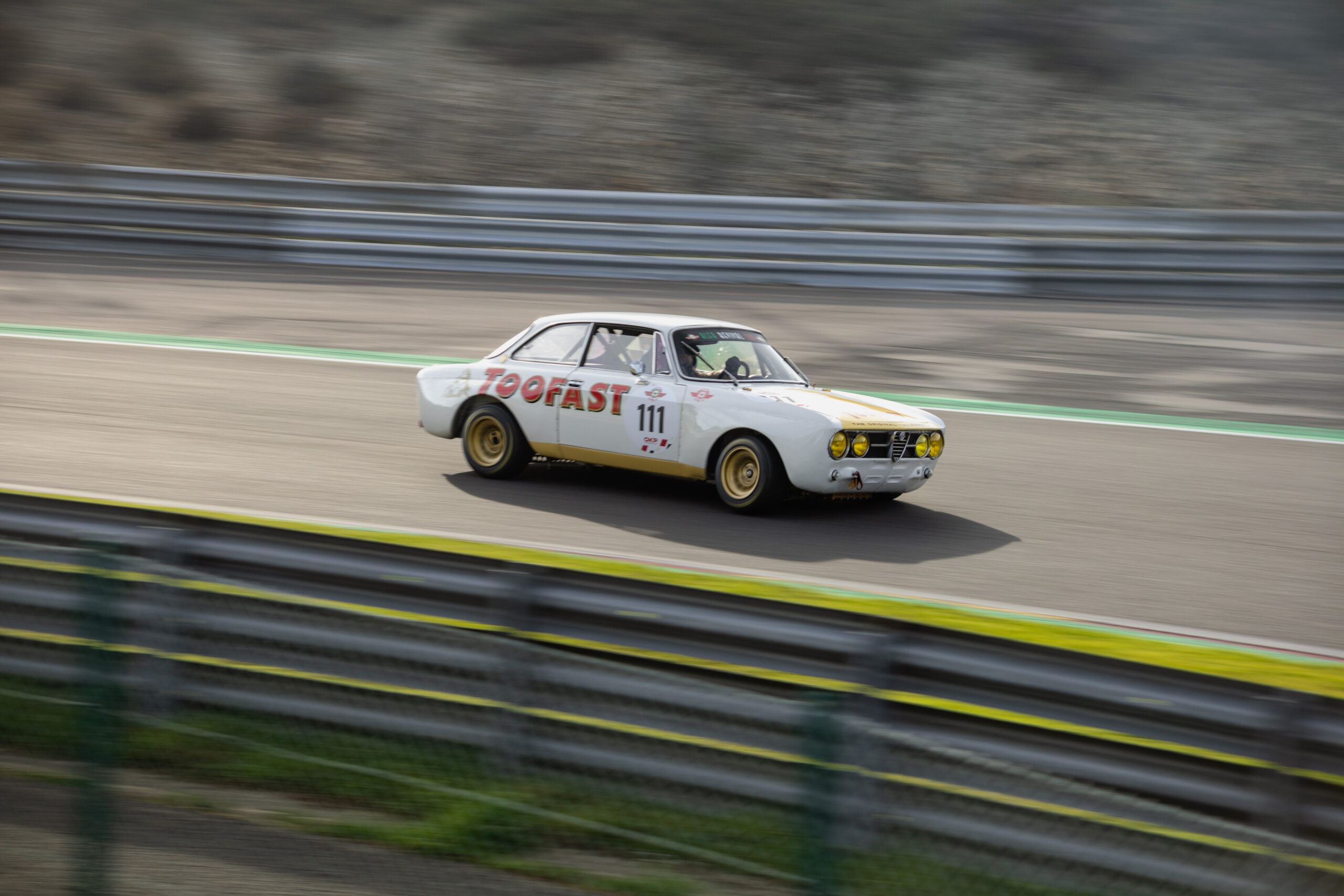
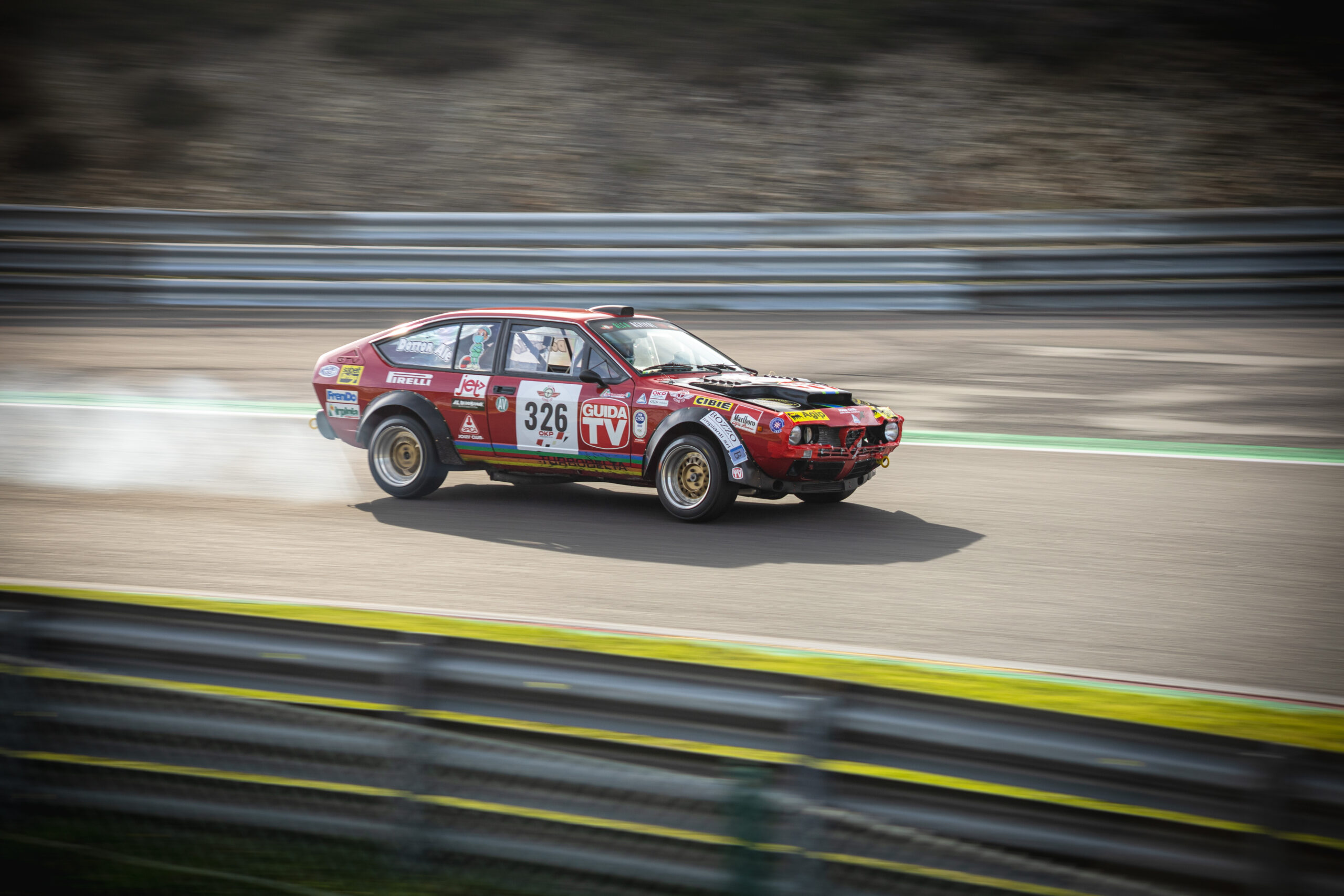
The Alfa Revival Cup, for example, featured Alfa Romeos built between 1947 and 1981. What might initially appear to be a modest single-marque series quickly reveals itself as a showcase of some of the most iconic touring cars ever produced. Dozens of Giulia Sprint GTAs, 1750 GTAms and GT Veloce 2000s thundered around the Ardennes circuit, joined by rarer machinery such as the Alfetta GT Turbodelta.
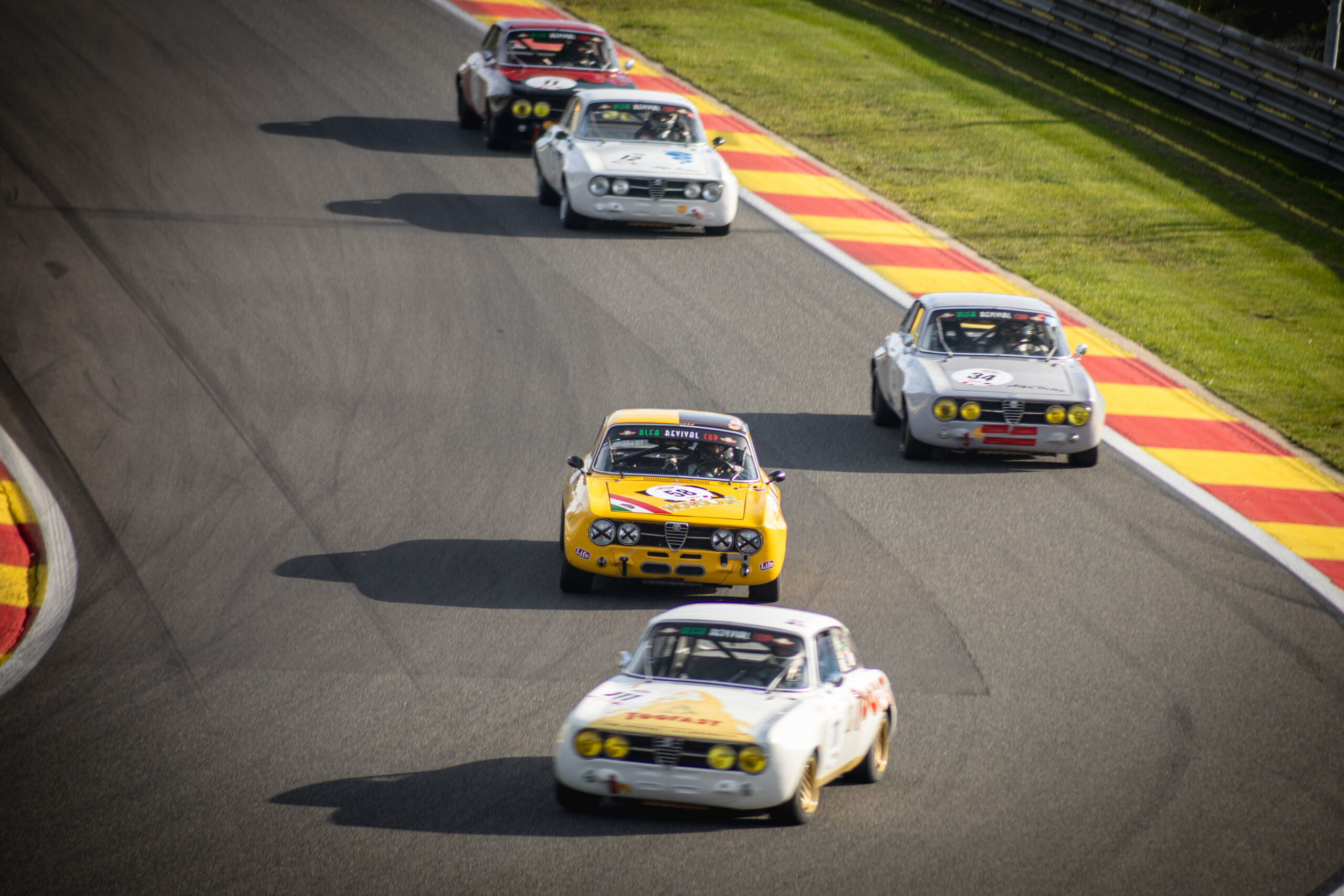
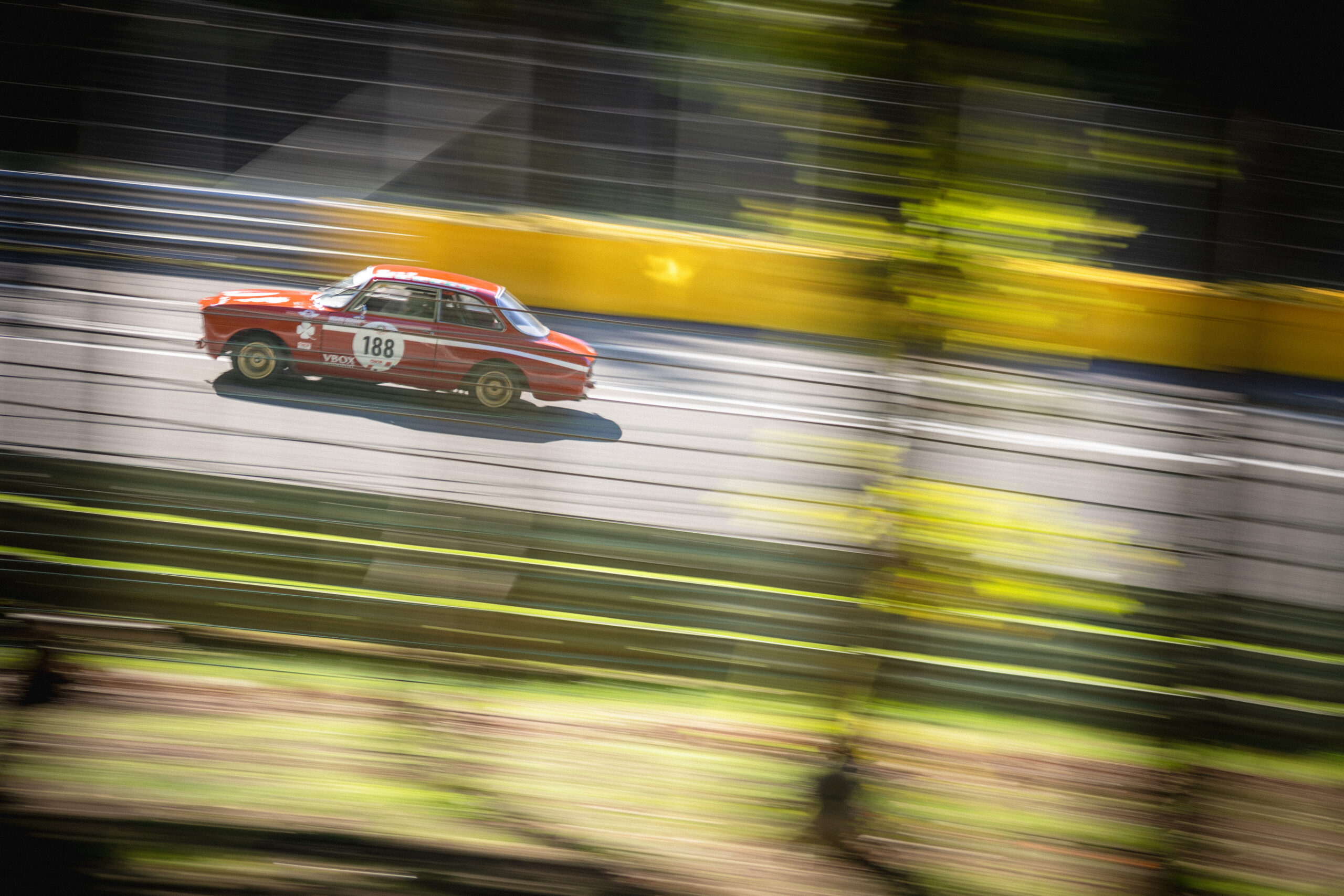
The GTAms, in particular, left a lasting impression.
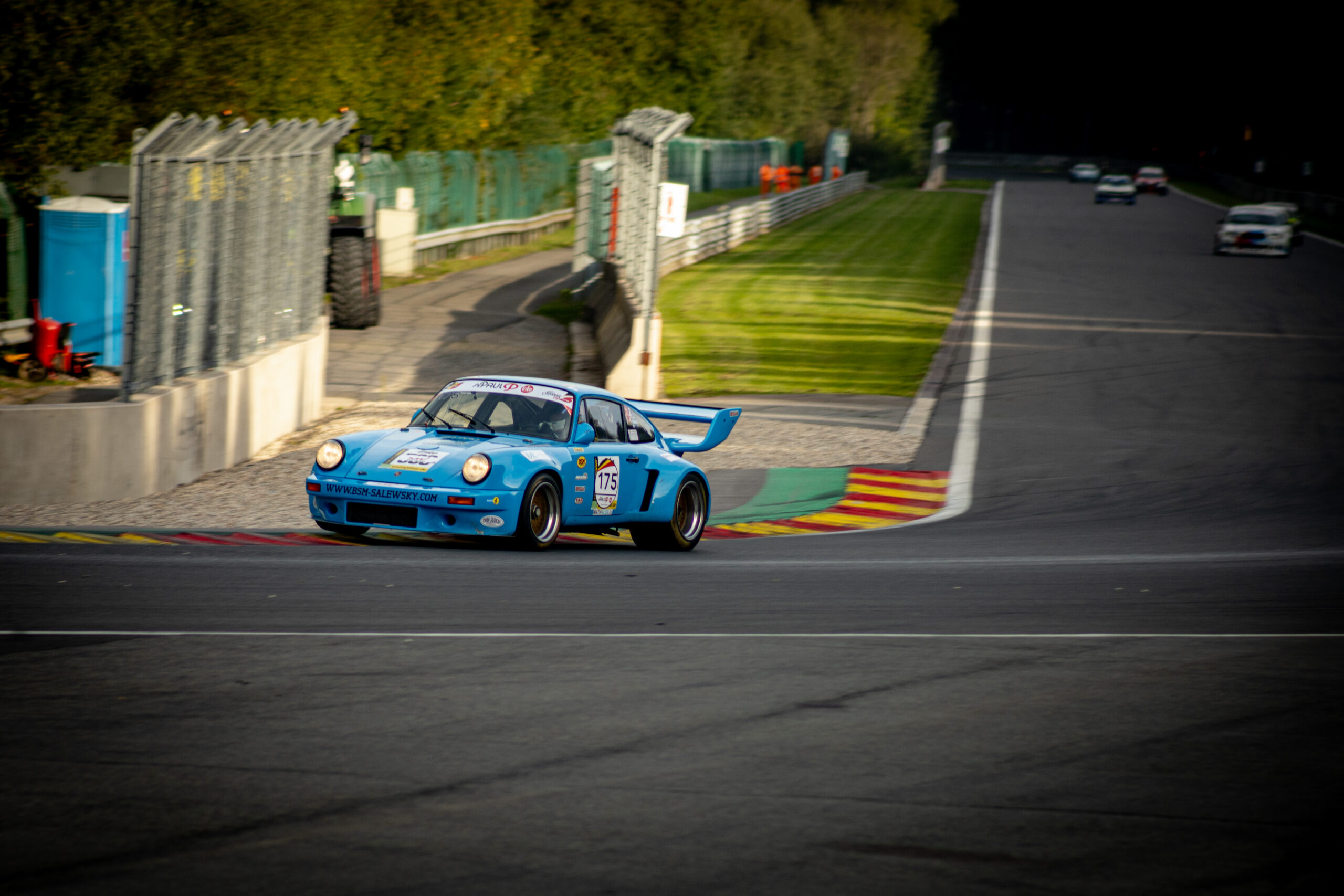
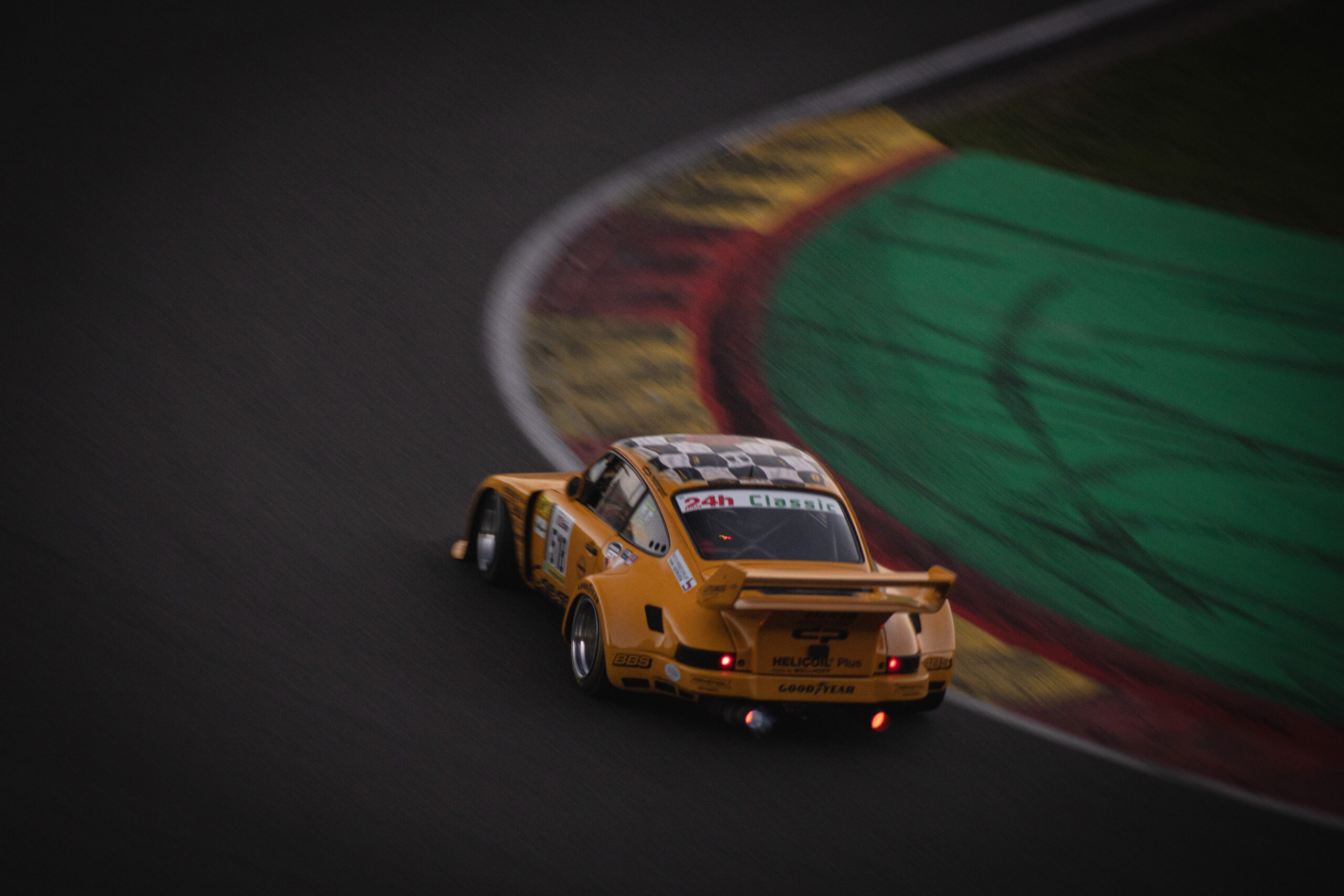
In the Belcar Historic Cup, meanwhile, a wide variety of classics and youngtimers (a classic-leaning car—typically built between 1965 and 1990) set about turning expensive rubber into smoke. Imagine historic DTM and WTCC machinery charging flat-out through Raidillon before attempting outrageously ambitious overtakes into Les Combes. For any enthusiast of touring car racing, the championship felt like a time machine.
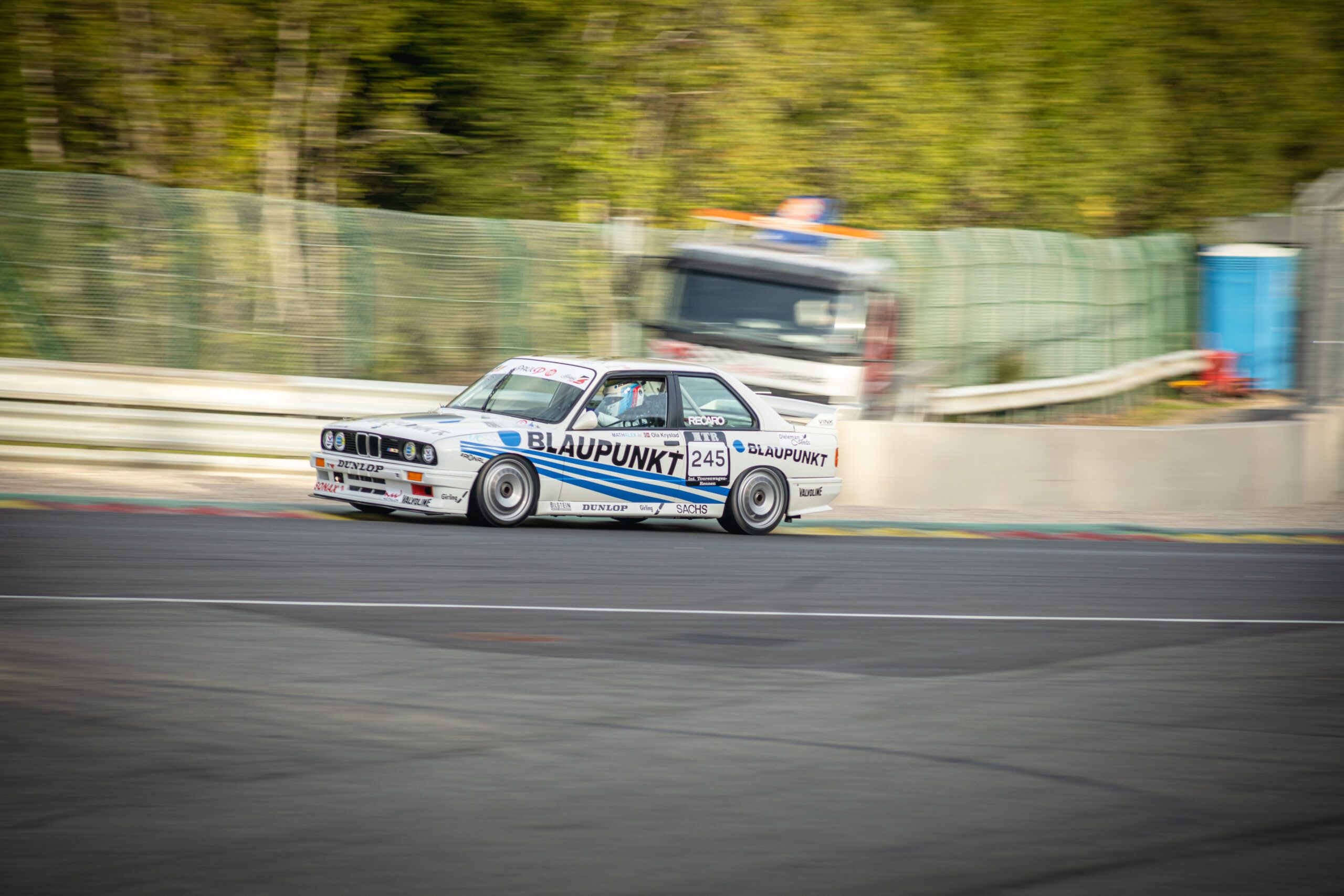
Several BMW M3 E30s took to the track alongside an ex-WTCC BMW E46, a Mercedes 190E 2.5-16 Evo, an Audi 80 Competition STW, a Volvo 850, a Ford Sierra RS500 Cosworth and even a Nissan 200SX. Cars that once fought in the DTM, the European Touring Car Championship and numerous national series were once again being driven exactly as intended. Mixed among them were a Ford GT40, a Capri RS3100, several Porsche 964s, a BMW 3.5 CSL and even an Austin Mini Cooper S. The result was a grid that effectively condensed three decades of motorsport history into a single race.
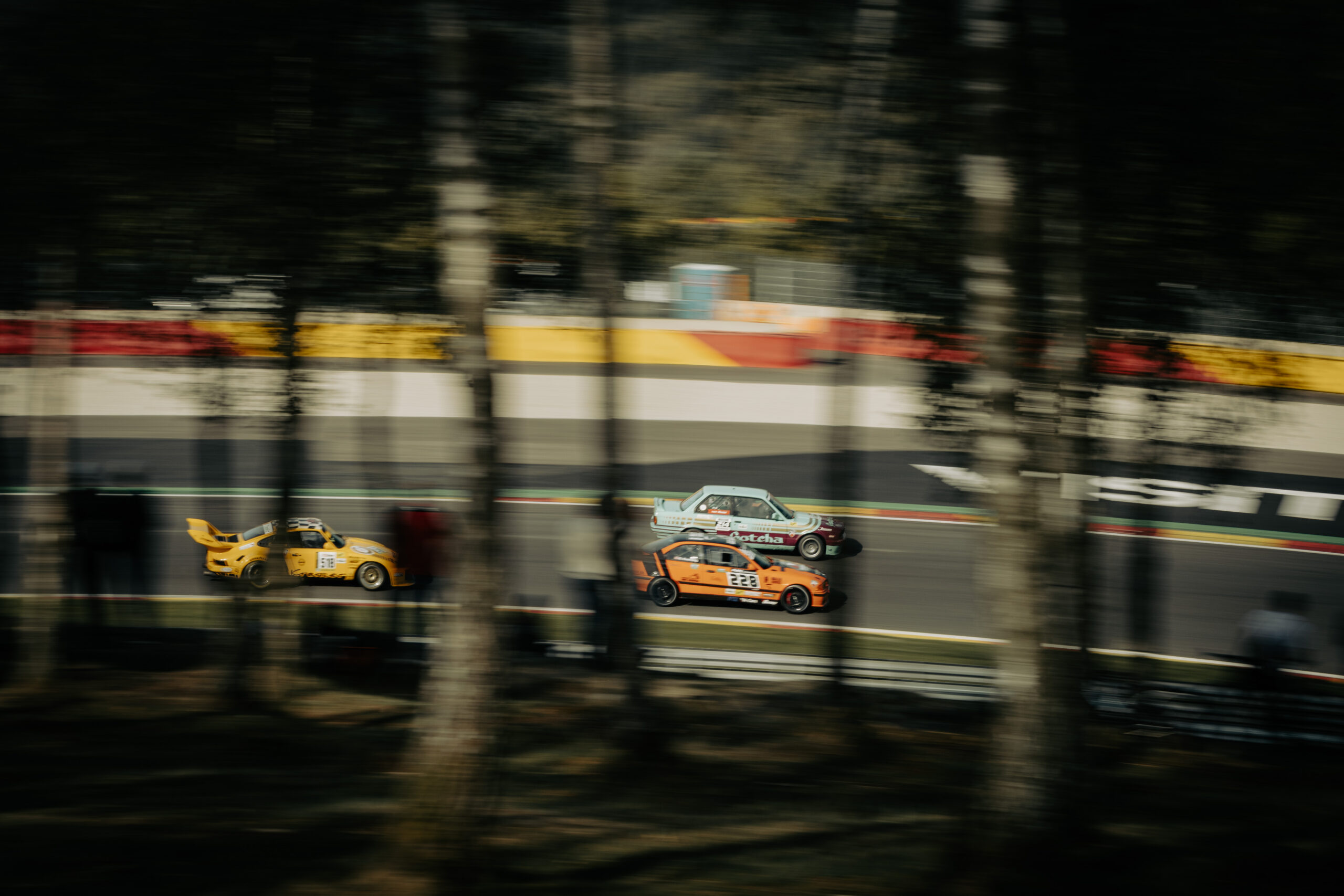
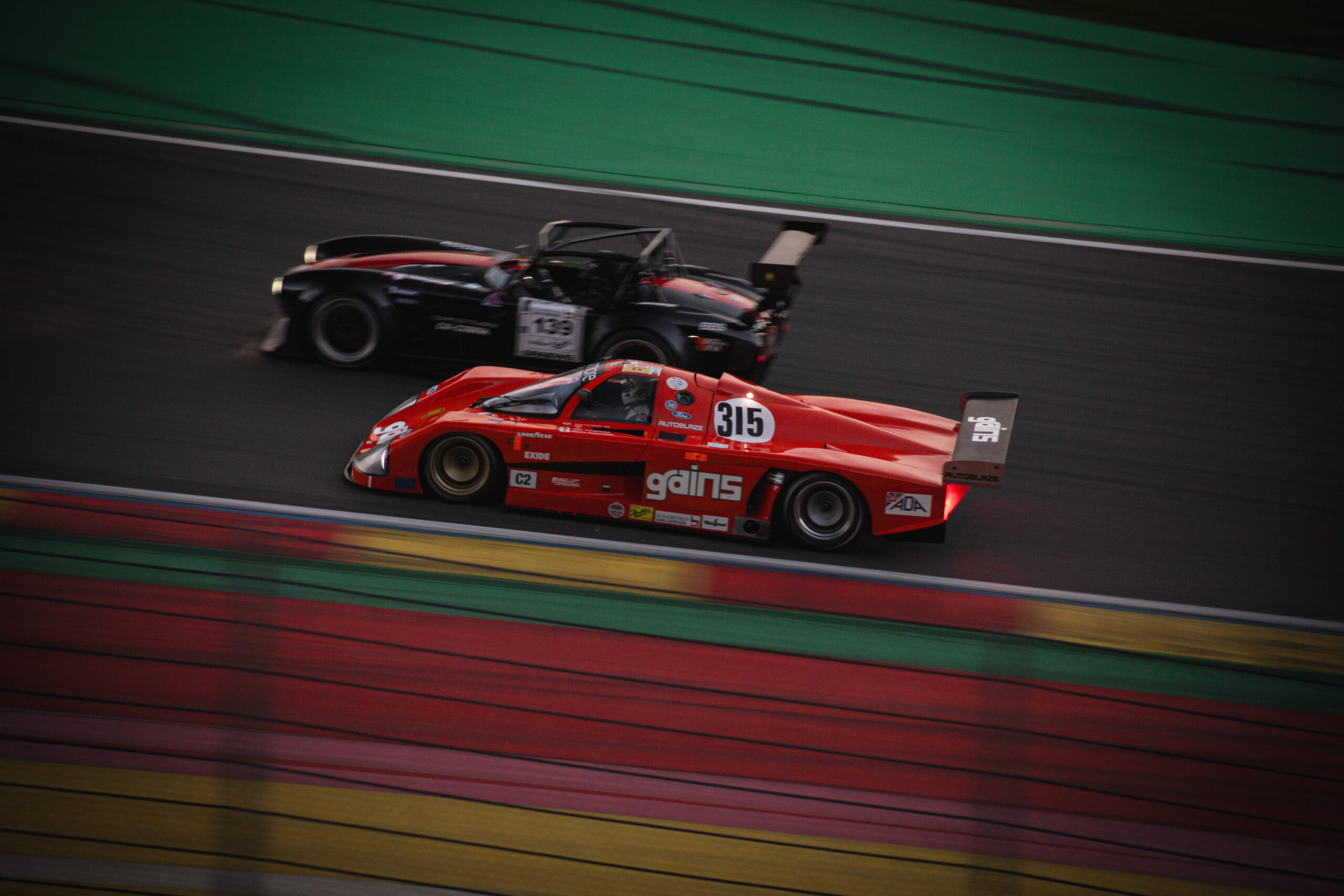
The Colmore Youngtimer Touring Car Challenge offered something altogether different. Touring cars, prototypes and former Le Mans and IMSA machinery built before 1990 lined up together on the same grid. Here, fierce battles unfolded between, among others, a wildly modified AC Cobra and an ADA03 C2 Prototype.
On paper, it was arguably the most eclectic race of the weekend. The field featured a Porsche 935 Kremer K1, a Ford Escort Zakspeed, several BMW M3 E30s, a Mercedes 190 2.3-16, multiple TVR Tuscans, an Aston Martin V8 Vantage, a variety of Corvettes and several Morgan Plus 8s. Somewhere in the middle of all this was an enormous Dodge Challenger that seemed determined to clear sections of the Ardennes forest through noise and backfires alone every time it accelerated.
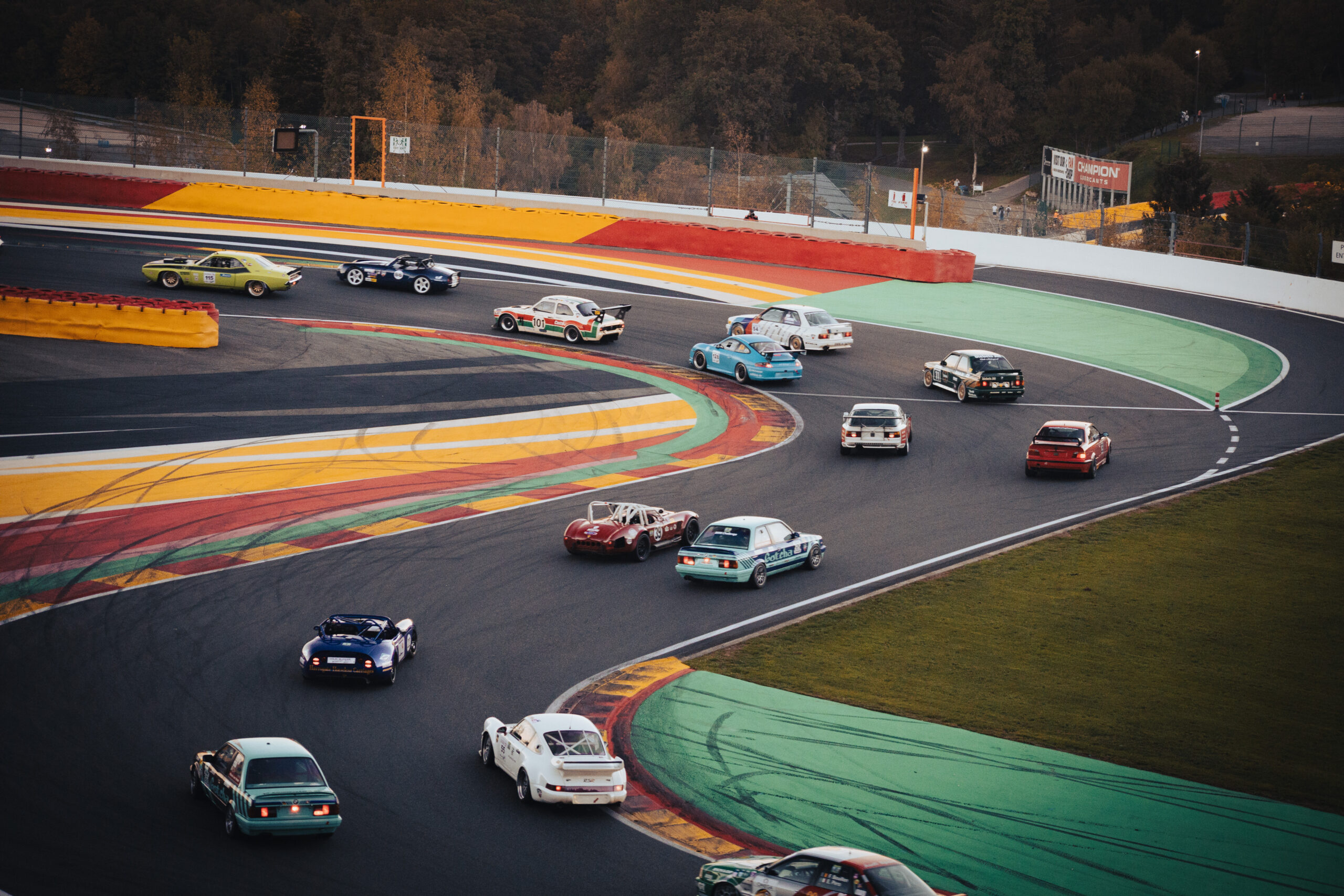
That extraordinary variety is precisely what makes the YTCC so special. While modern championships are often built around tightly controlled regulations and minimal performance differences, here American muscle cars, British sports cars, German touring cars and exotic prototypes all compete for the same piece of asphalt. The result can occasionally look chaotic, but it is invariably spectacular. Along the Kemmel Straight, thunderous V8s charge past at full speed, while smaller and lighter cars try to claw back time through the circuit’s more technical sections.
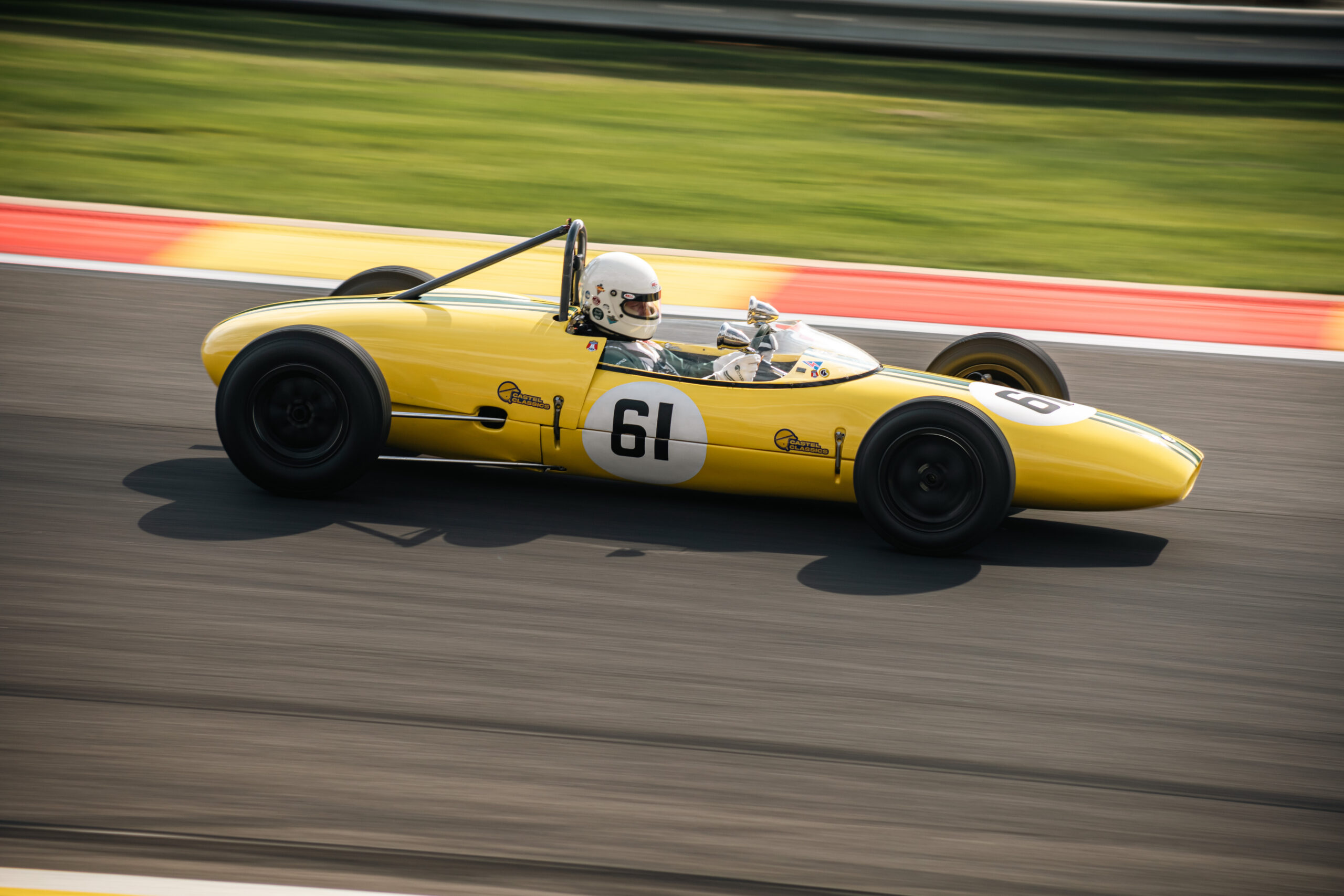
As if that were not enough, separate races were also organised for pre-1965 GT and sports-racing cars, as well as a dedicated category for pre-1981 racing machinery. Although these classes shared certain eligibility criteria with the Six Hours endurance race, they featured entirely different cars.
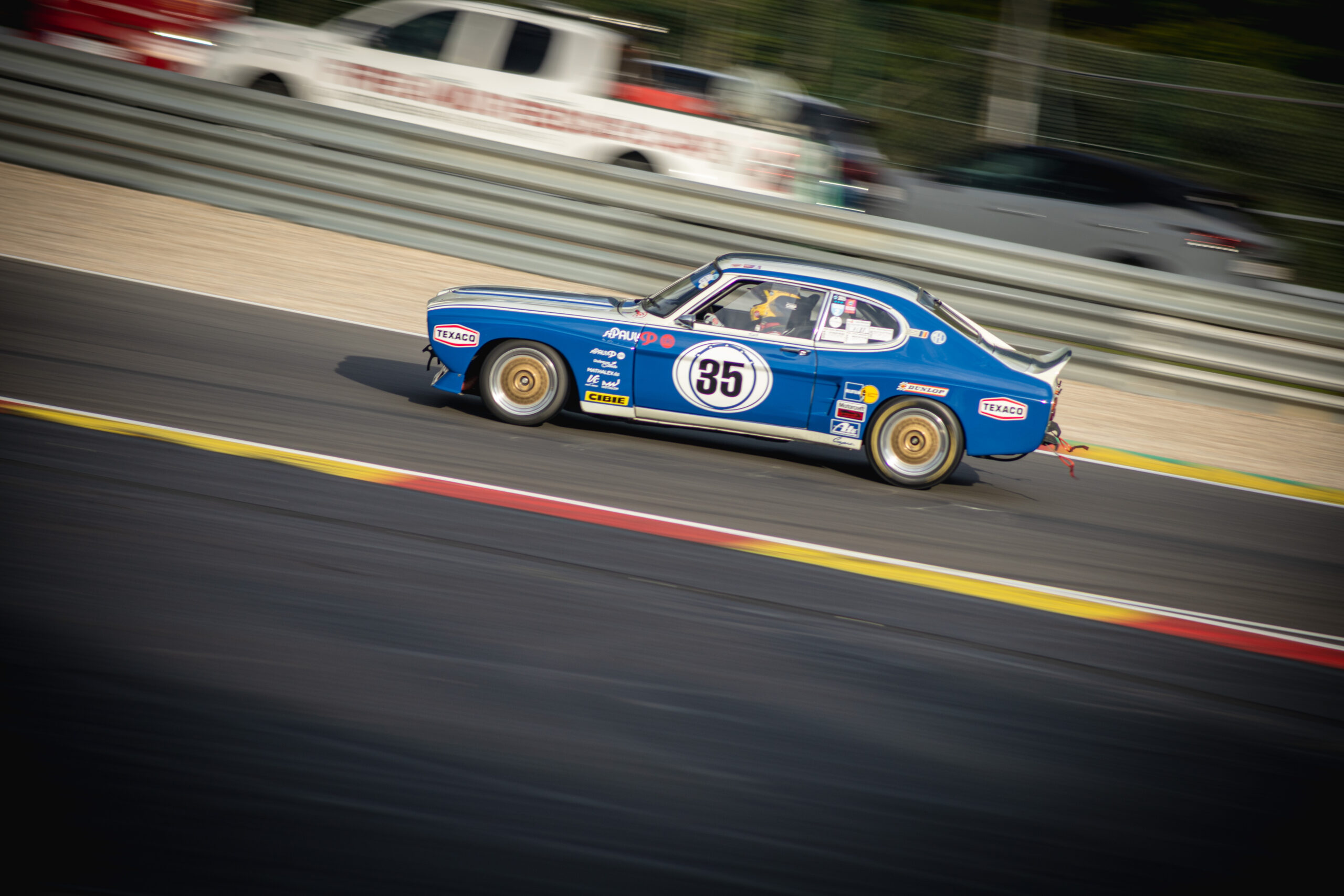
Among the entrants were several fascinating prototypes, as well as the deafening Ford Capri RS3100. Standing at the foot of Pouhon with my camera ready, I could hear that beast accelerating from La Source all the way towards Eau Rouge. Utterly insane.
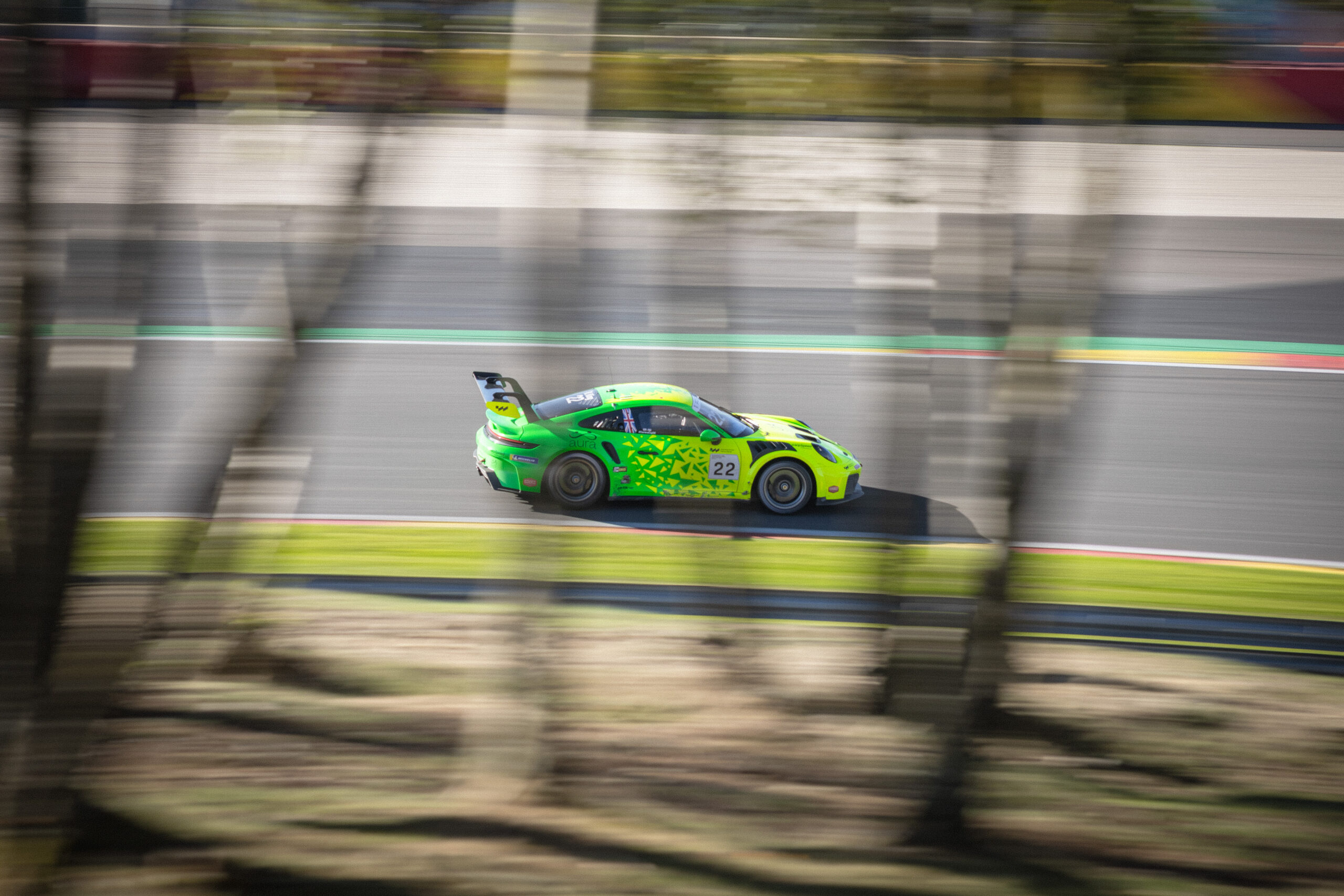
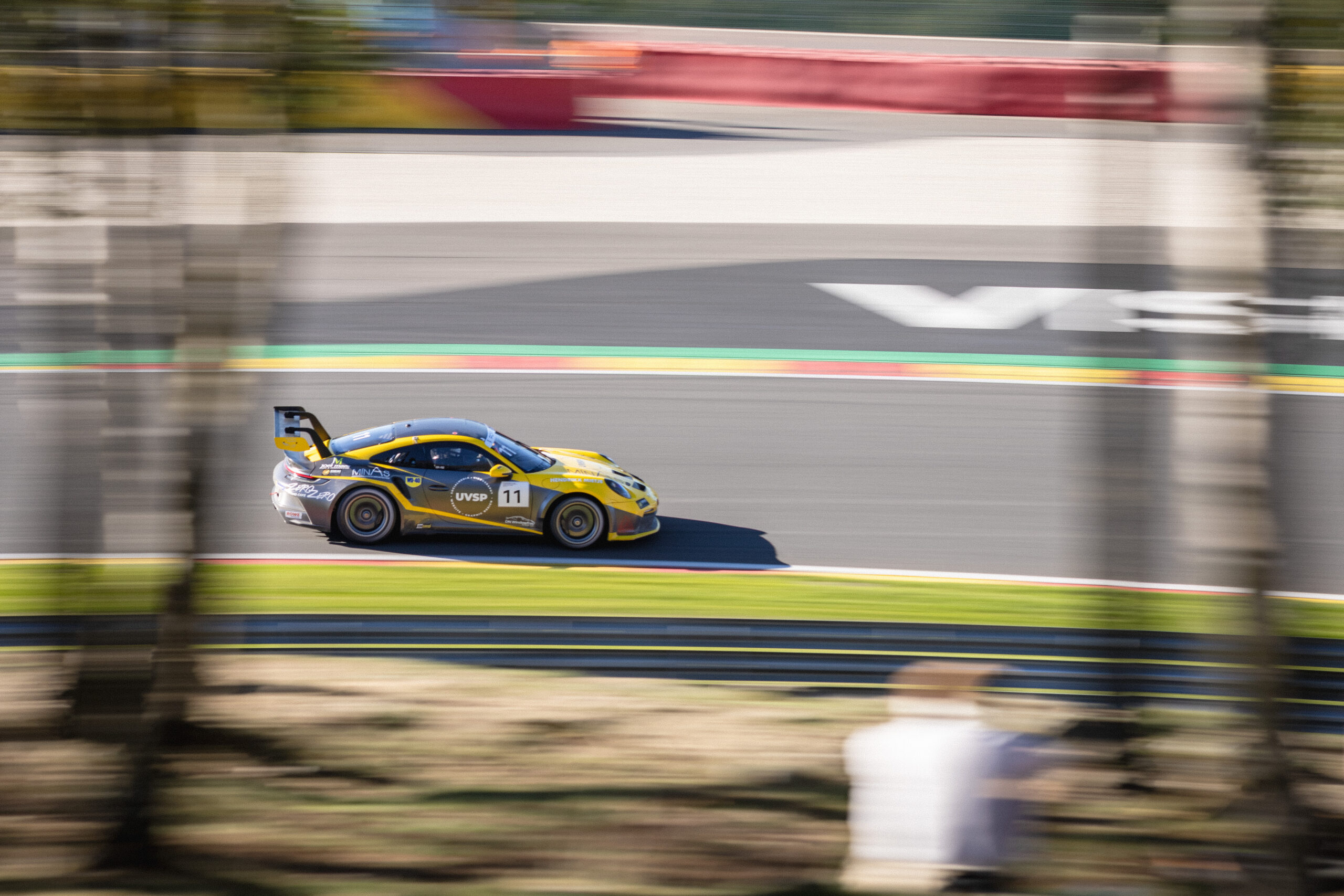
To complete the programme, there were races for historic Formula Junior cars, pre-war Frazer Nash racers and, for those who somehow tired of vintage machinery, the Porsche Sprint Challenge Benelux. Modern GT3 Cup and GT4 cars battled it out on Friday, ensuring there was something for every generation of motorsport enthusiast.
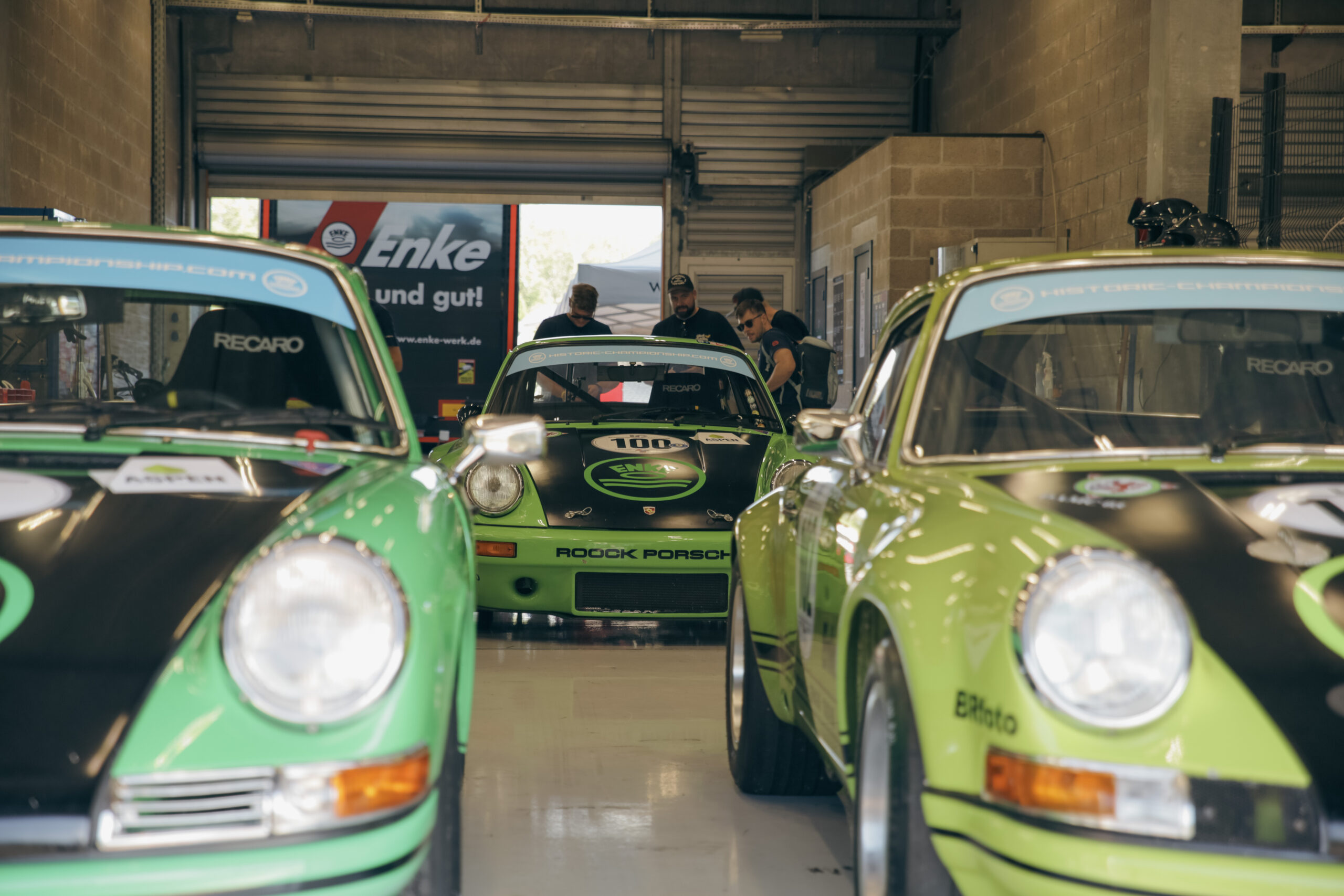
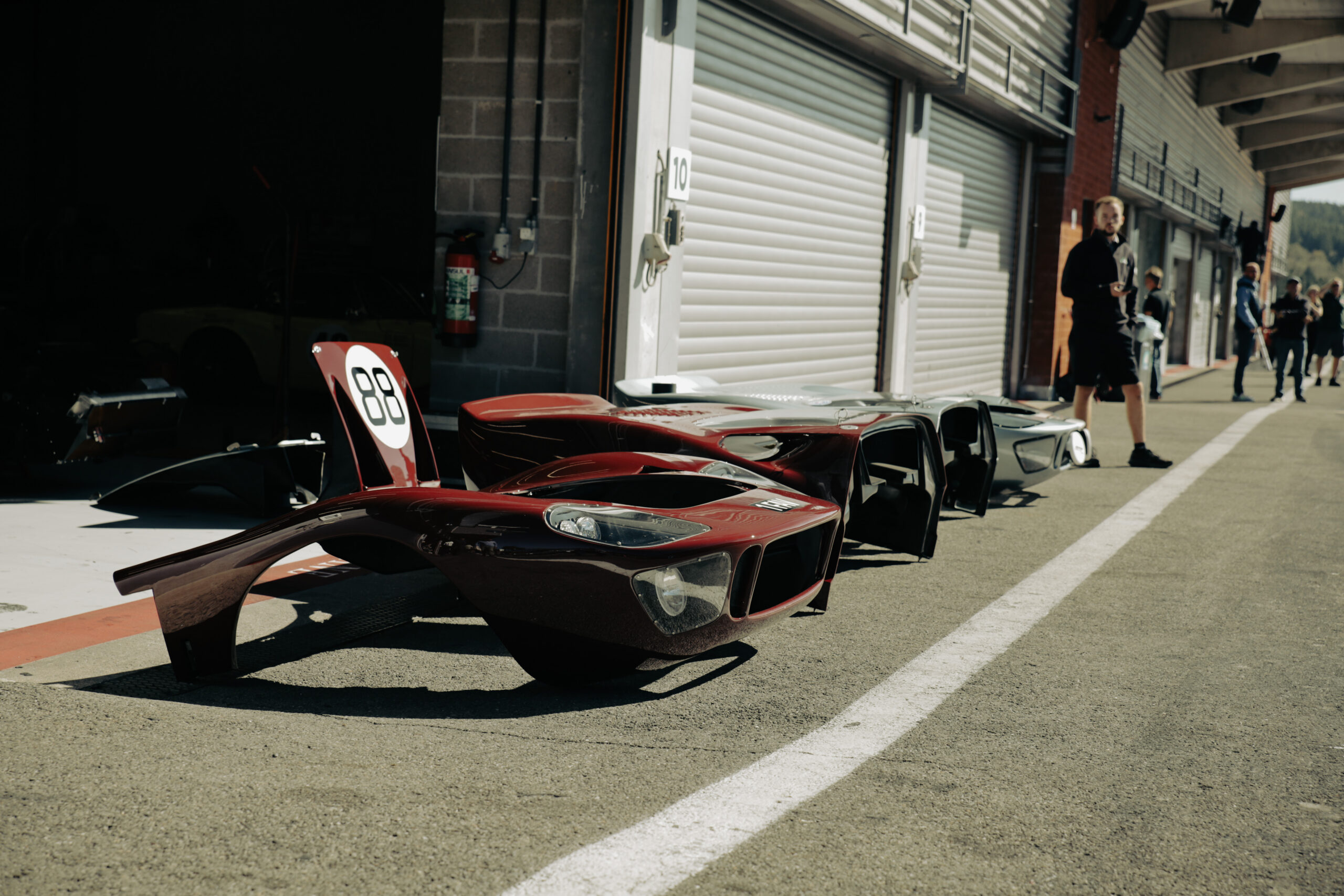
With so many races and qualifying sessions squeezed into a single weekend, careful positioning around the circuit became essential. In previous years I had rarely ventured beyond the paddocks, which remain freely accessible throughout the event, along with Eau Rouge-Raidillon, La Source and the Bus Stop Chicane.
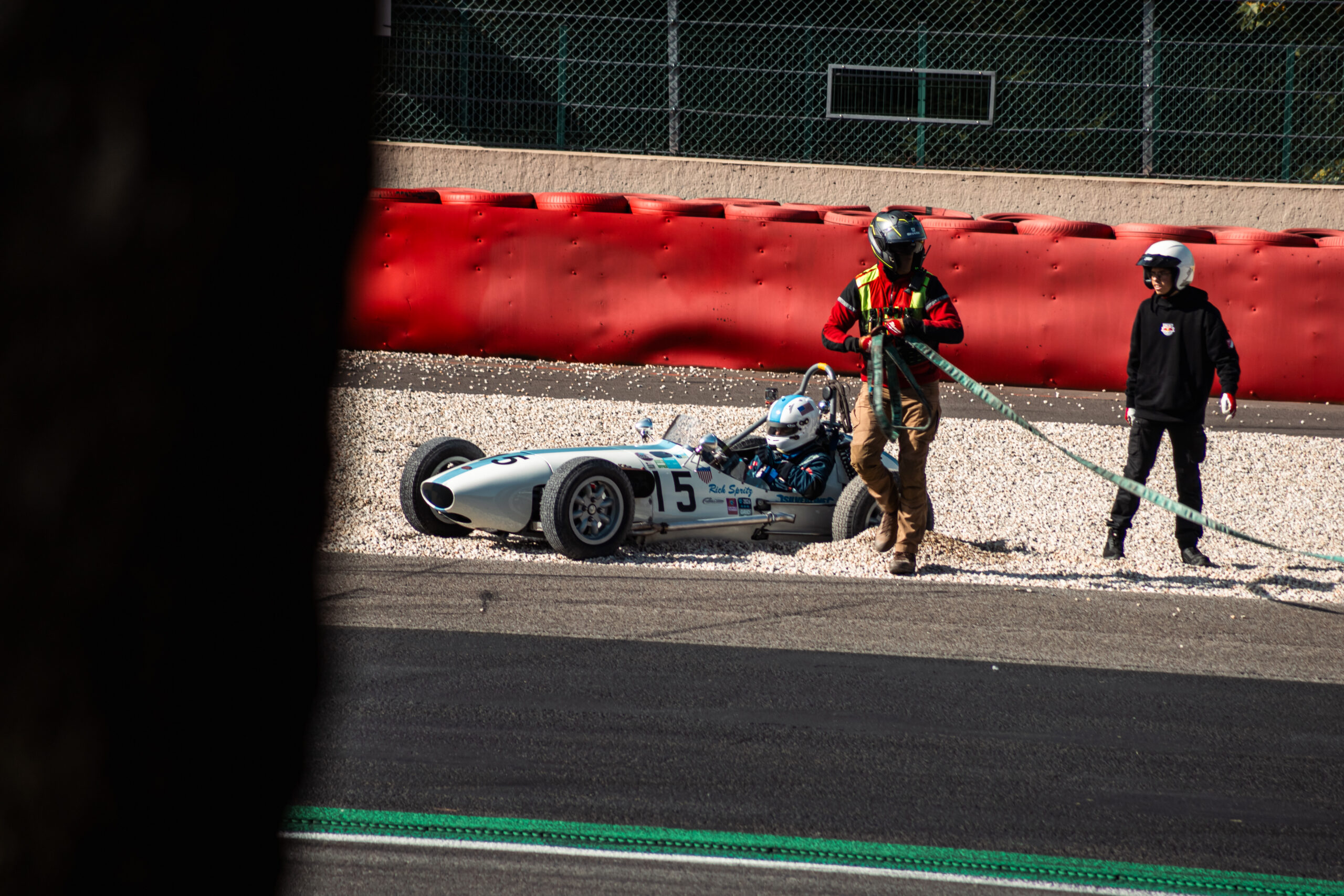
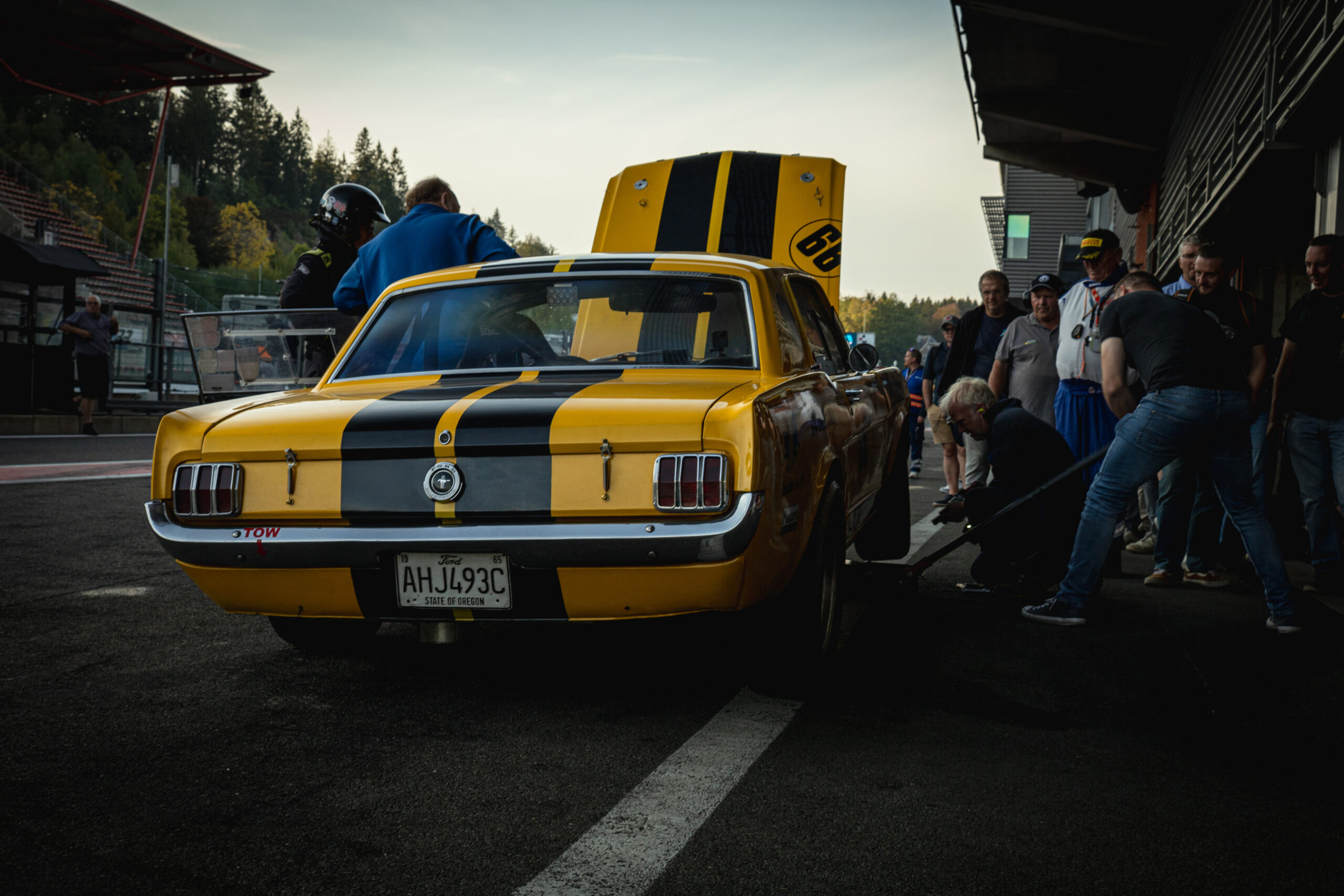
This year, however, I set myself the challenge of exploring the entire circuit. My goal was not only to experience the event from as many vantage points as possible, but also to find out whether it is possible to get close to the action without media accreditation or a telephoto lens costing several thousand euros.
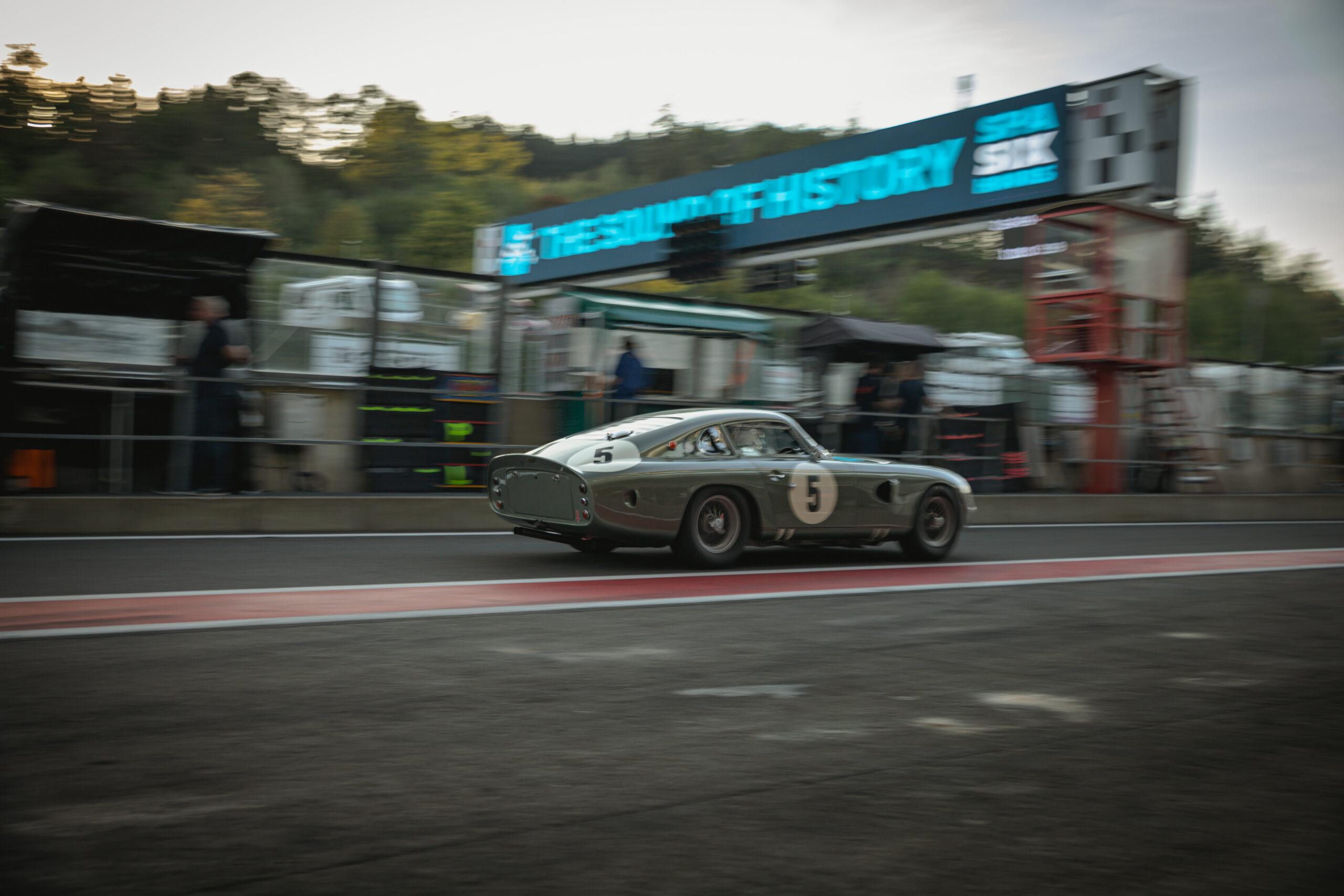
And was it successful? I would argue that it absolutely was.
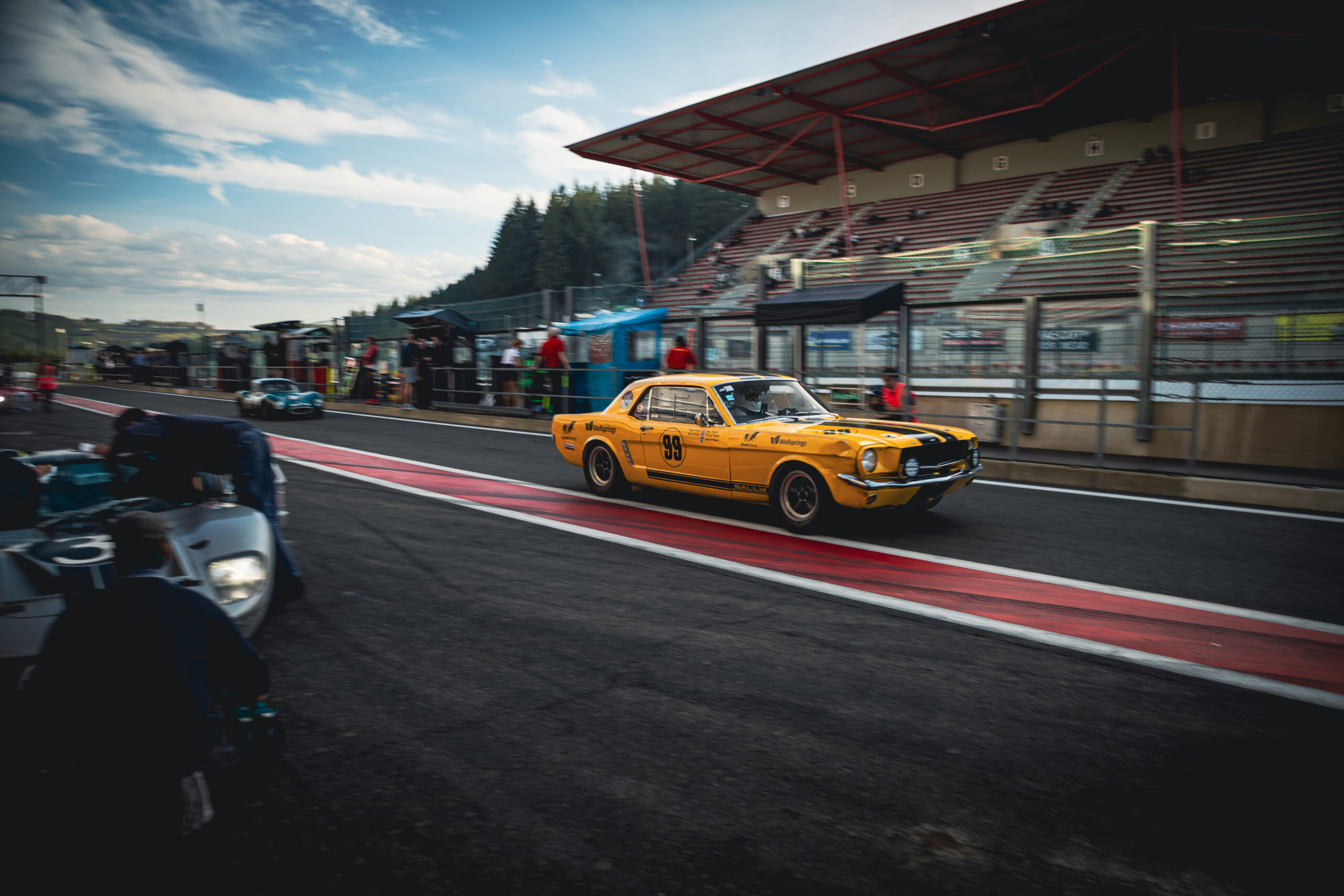
Over the course of two days, I took more than 5,000 photographs, drained four camera batteries and acquired what may well be a permanent ringing in my ears.
The reason for that ringing is the outcome of my little experiment.
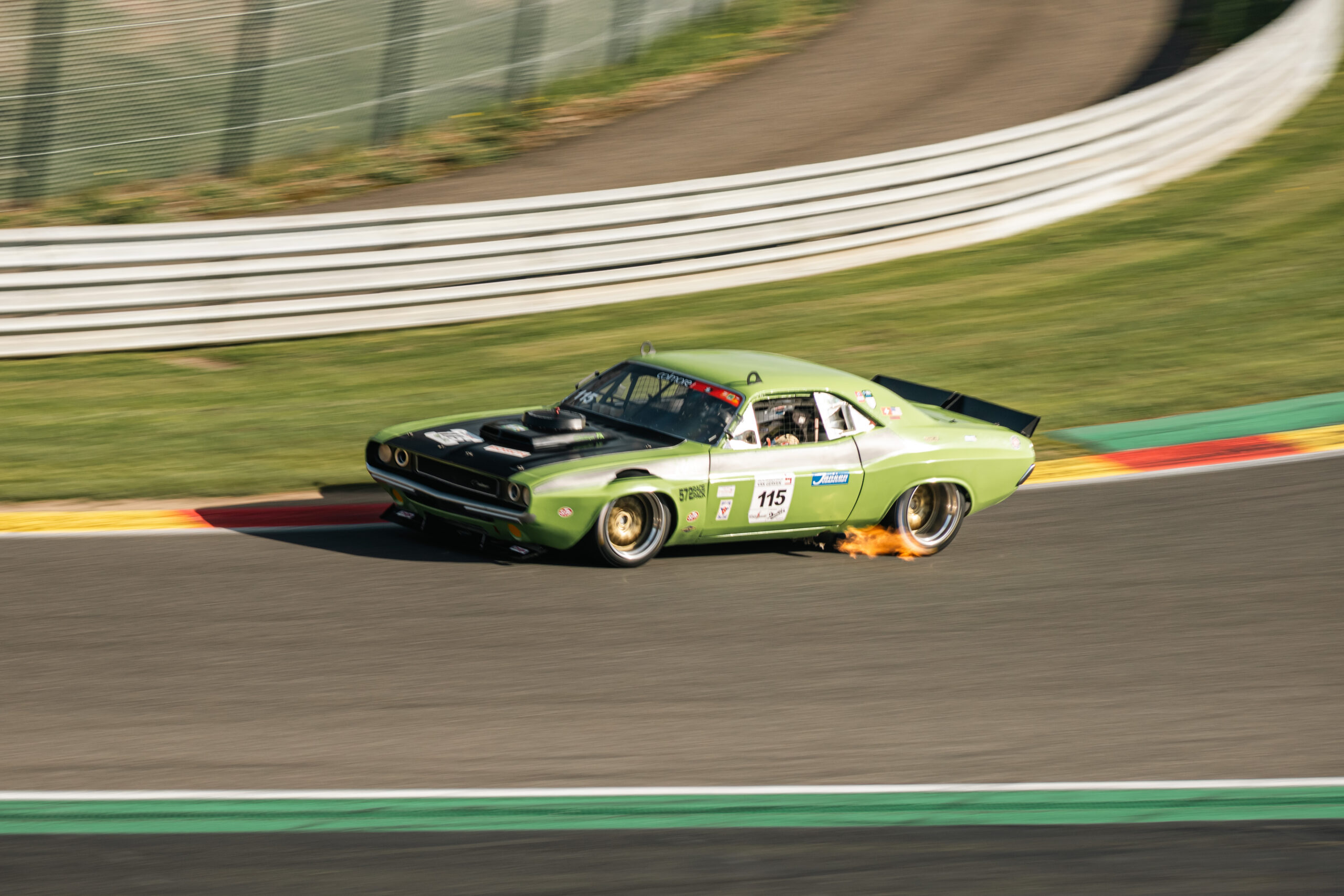
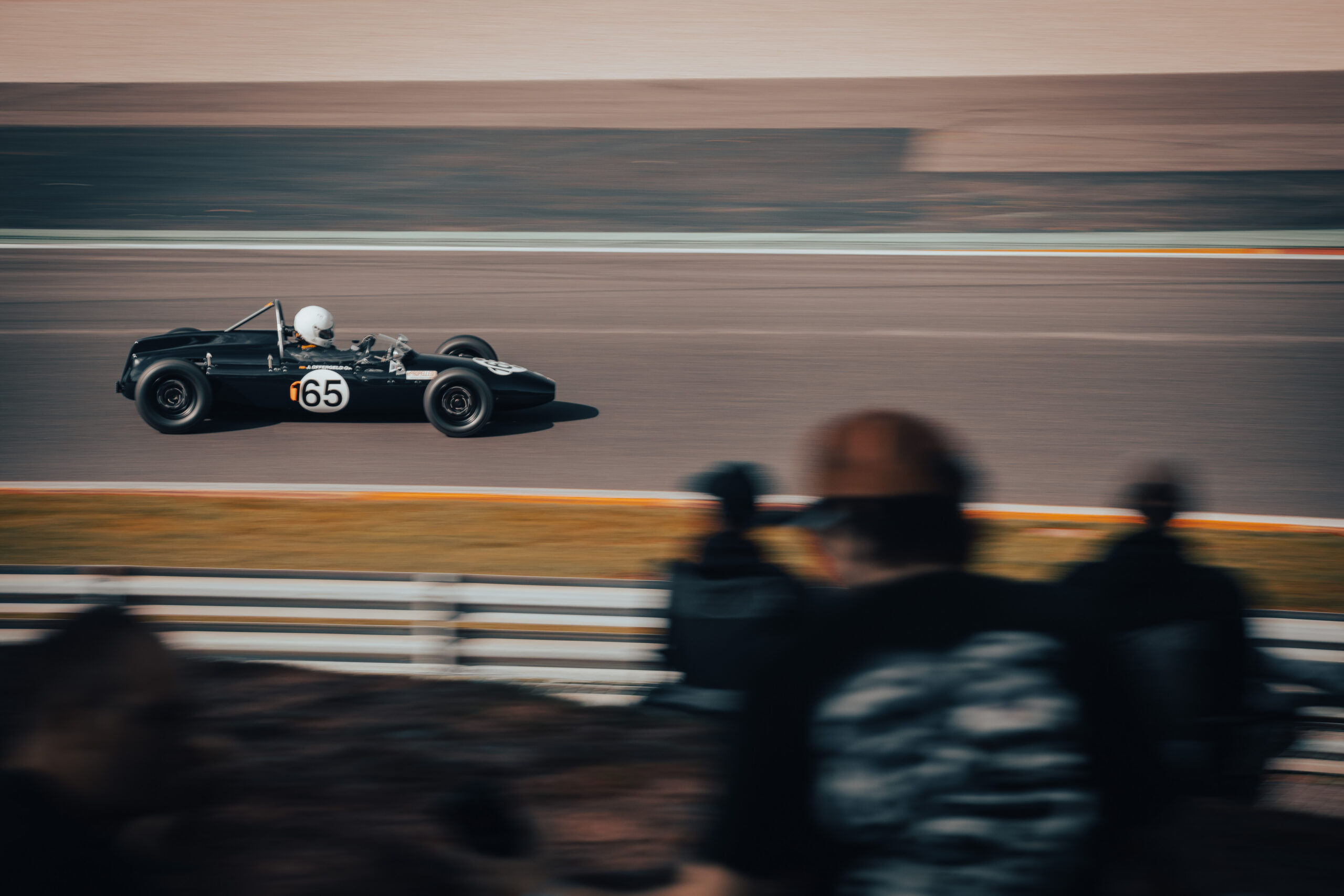
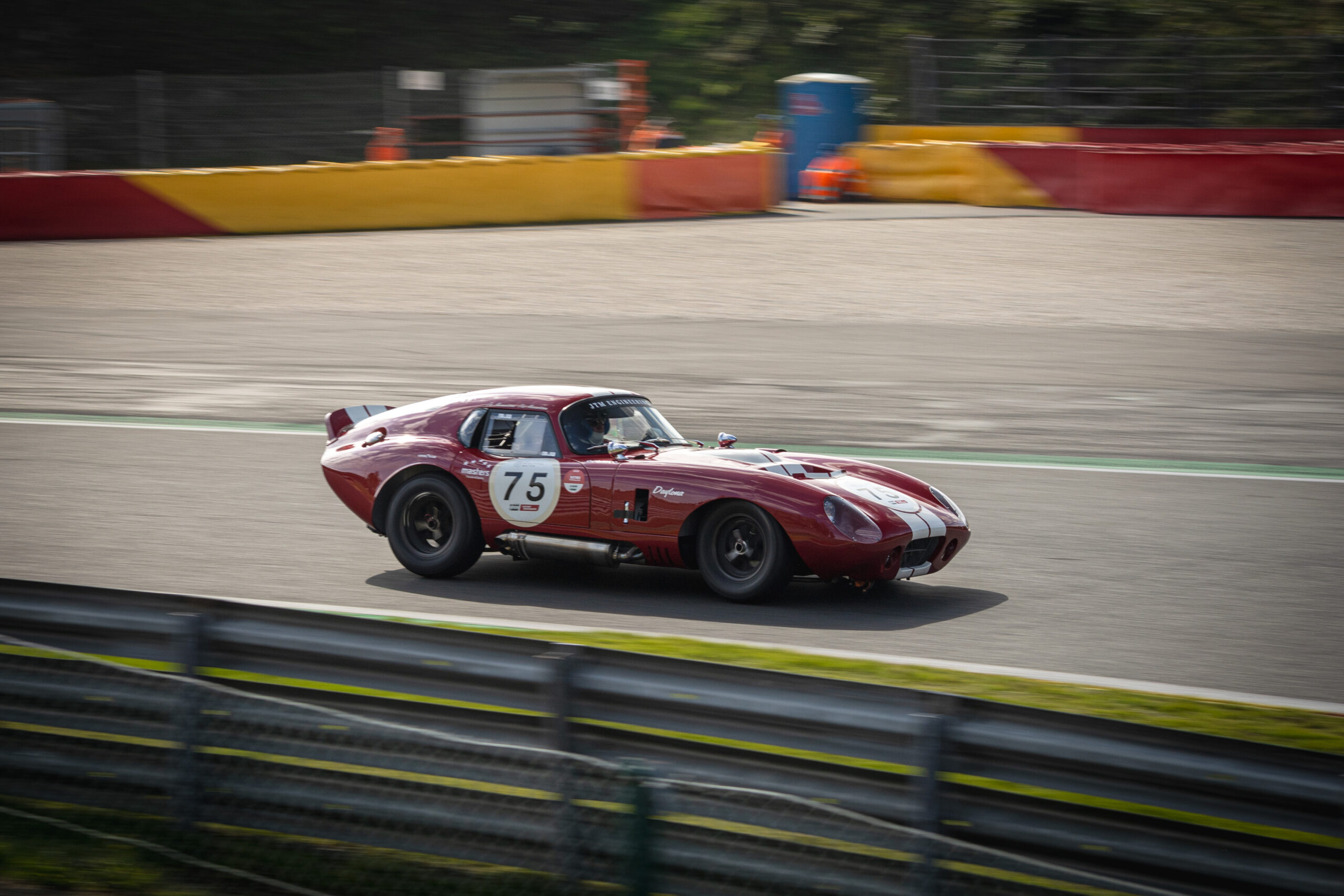
You really can get astonishingly close to the action during the Spa Six Hours.
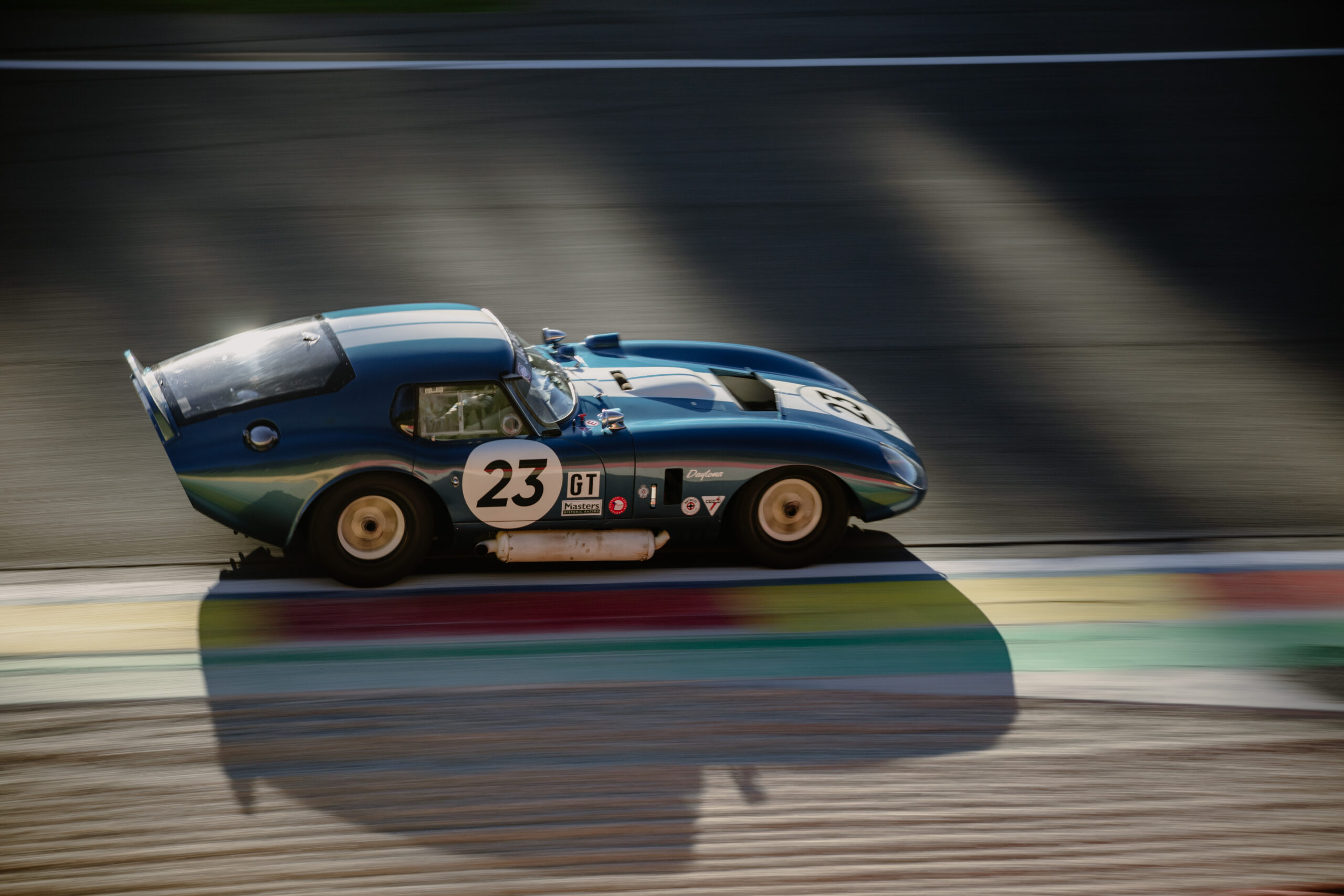
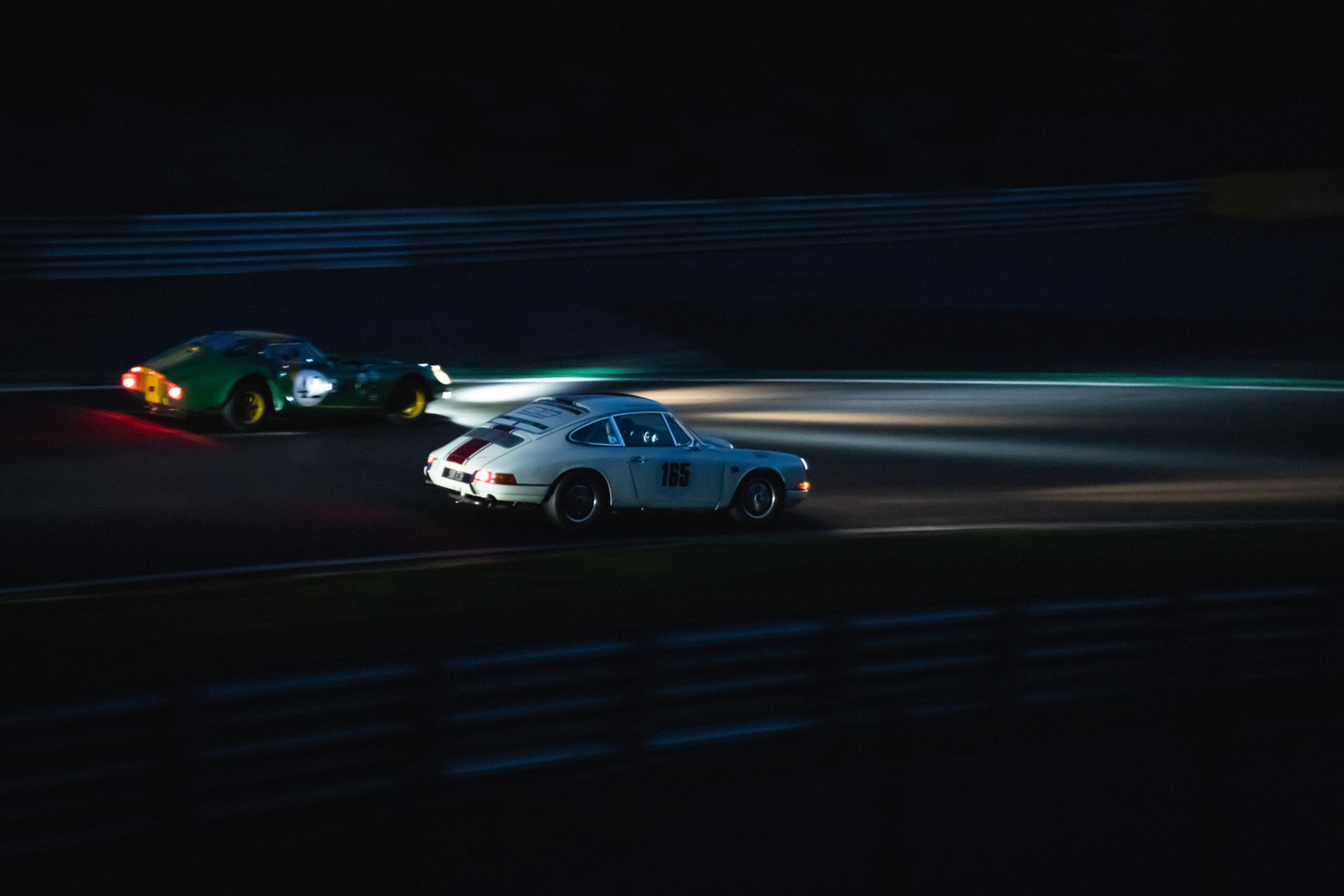
At Bruxelles and Campus, you are practically standing on the circuit itself, watching cars slam on the brakes before clipping the apex and unleashing full power on the exit. Along the Kemmel Straight and at Blanchimont, cars blast past at well over 200 km/h less than ten metres away. And if you position yourself along the start-finish straight or near the Formula One paddocks, the sound reverberating between the grandstands and buildings is genuinely deafening.
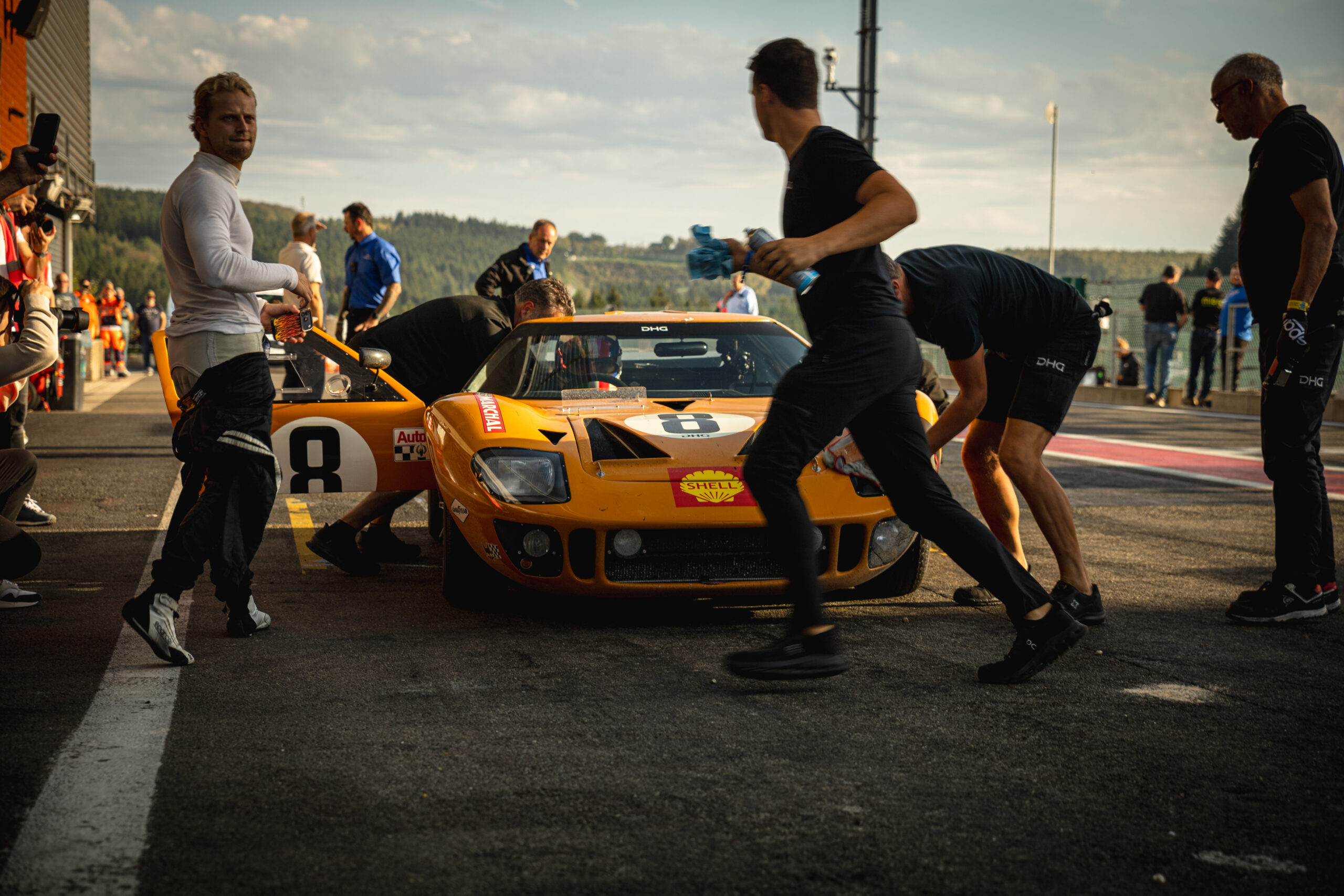
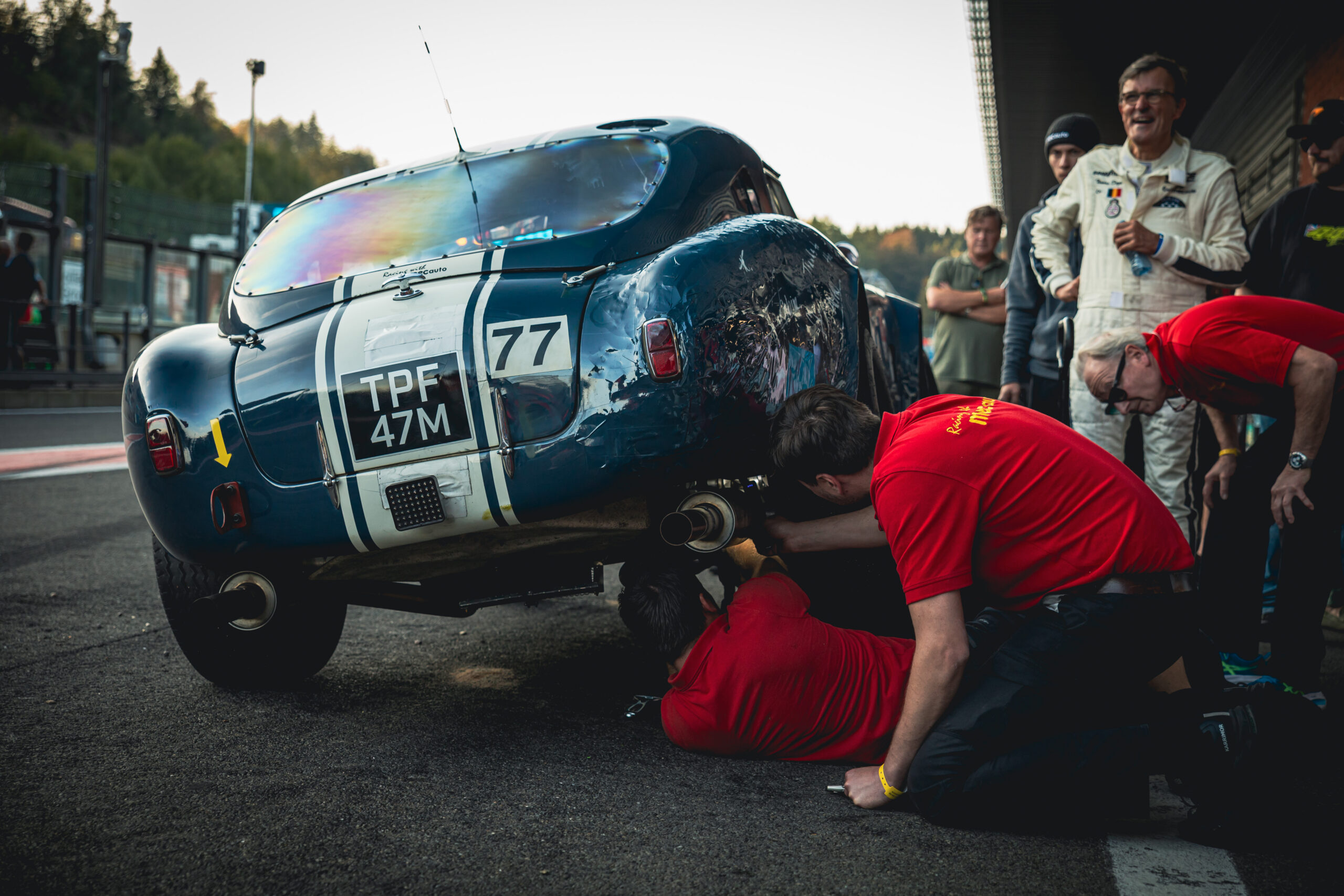
Yet the most intense, immersive and gloriously noisy experience is undoubtedly the unrivalled access to the pit lanes. During pit stops, mechanics swarm over the cars, wheels are still hammered loose the old-fashioned way, driver changes take place mere metres from spectators, and racing cars often depart the pits accompanied by clouds of tyre smoke and the unmistakable smell of burnt rubber.
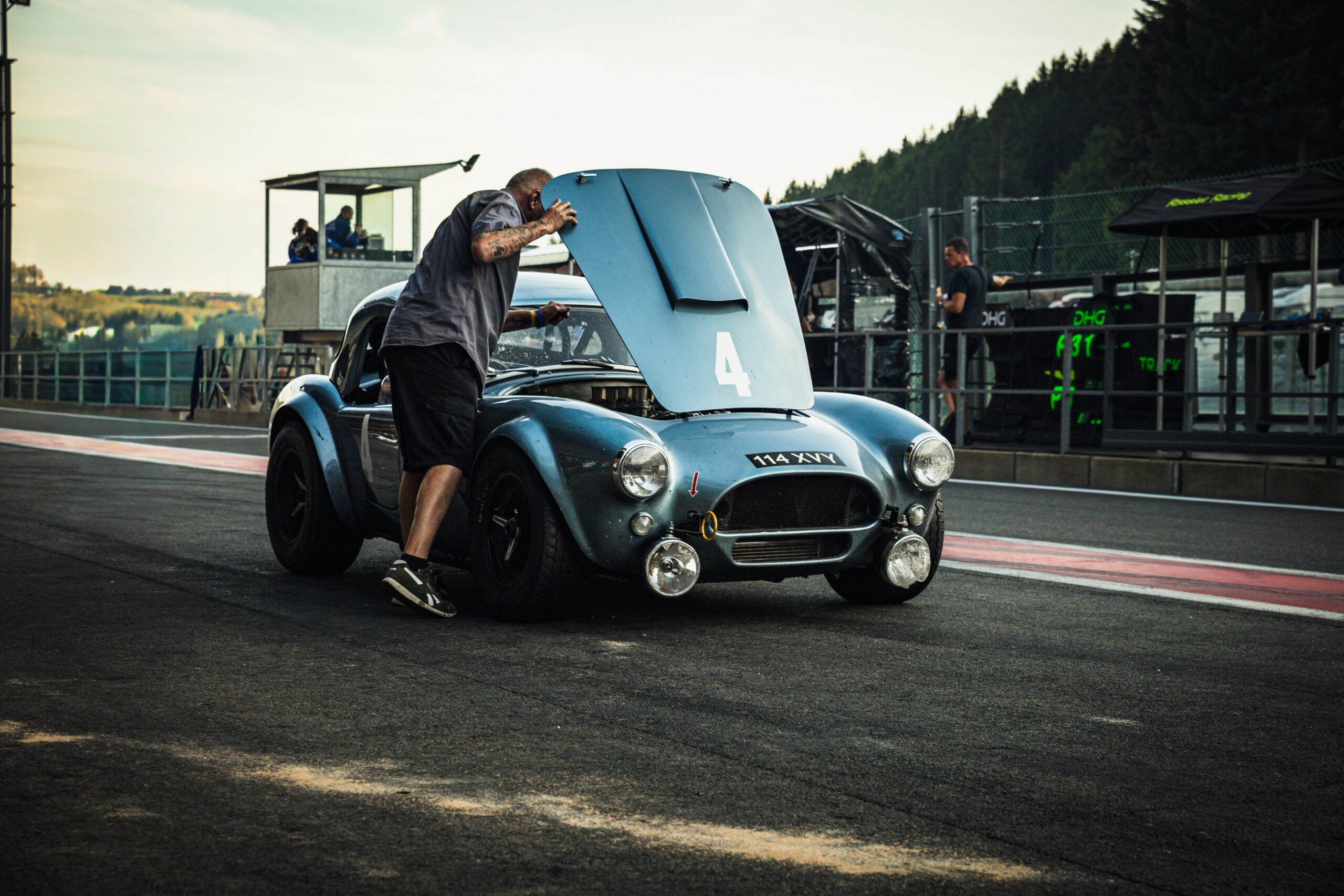
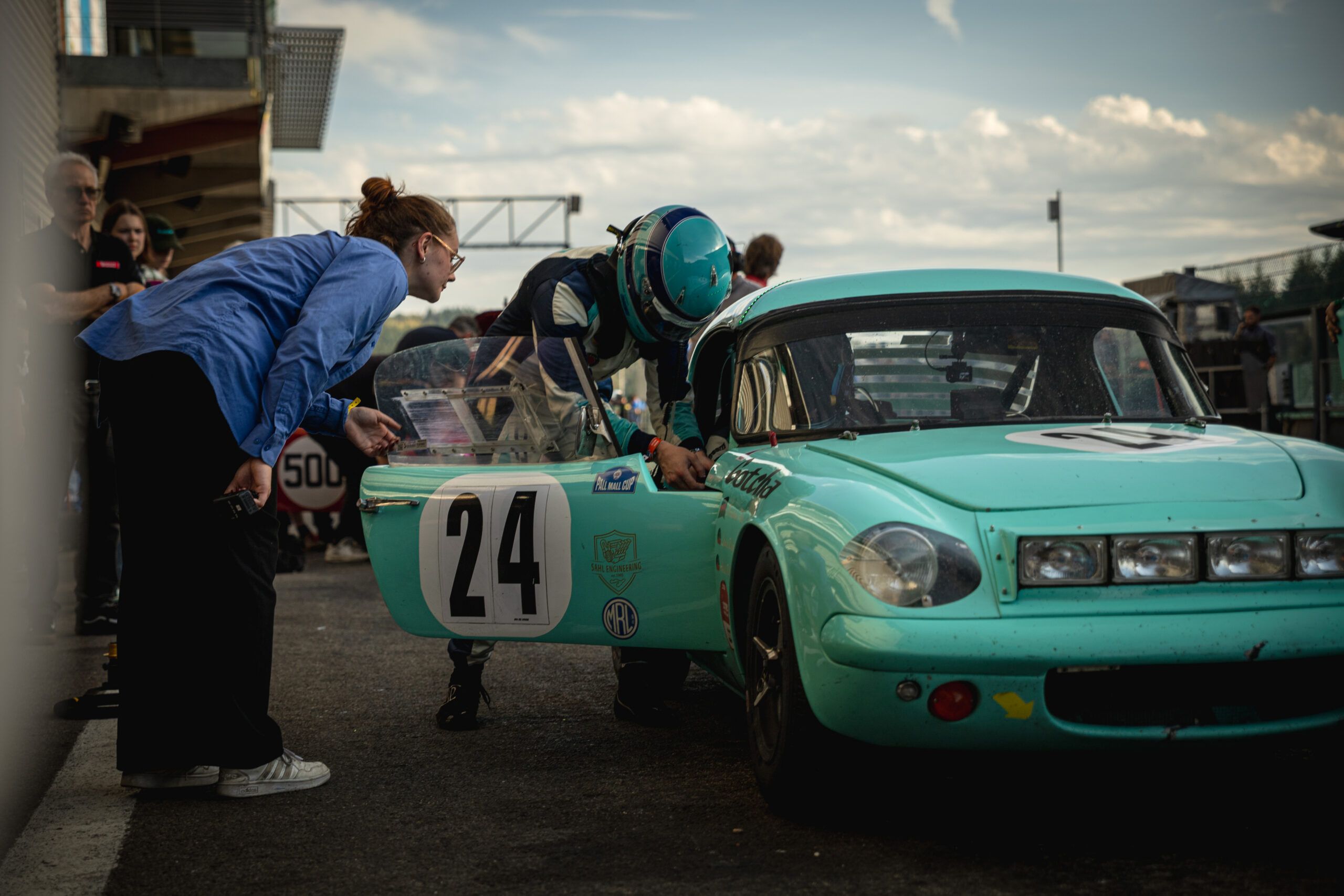
Experiencing all of this from such close proximity is extraordinary.
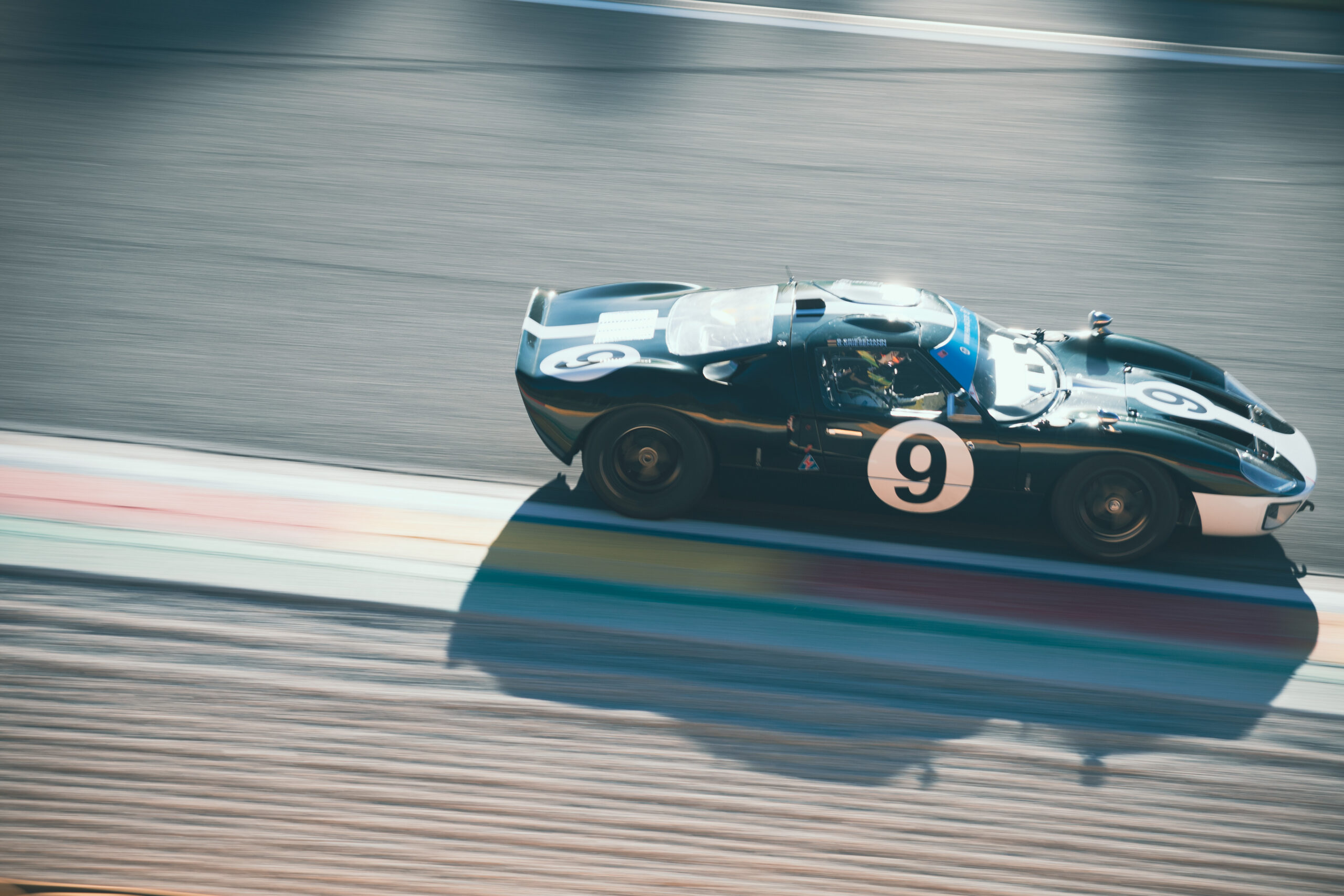
So what conclusion can I draw from all this?
As a car enthusiast, hobby photographer and lover of the outdoors, the Spa Six Hours is quite simply the ultimate event. Rarely will you see so many significant and valuable racing cars being pushed to their limits. Not displayed as static museum exhibits, but doing exactly what they were built to do: race.
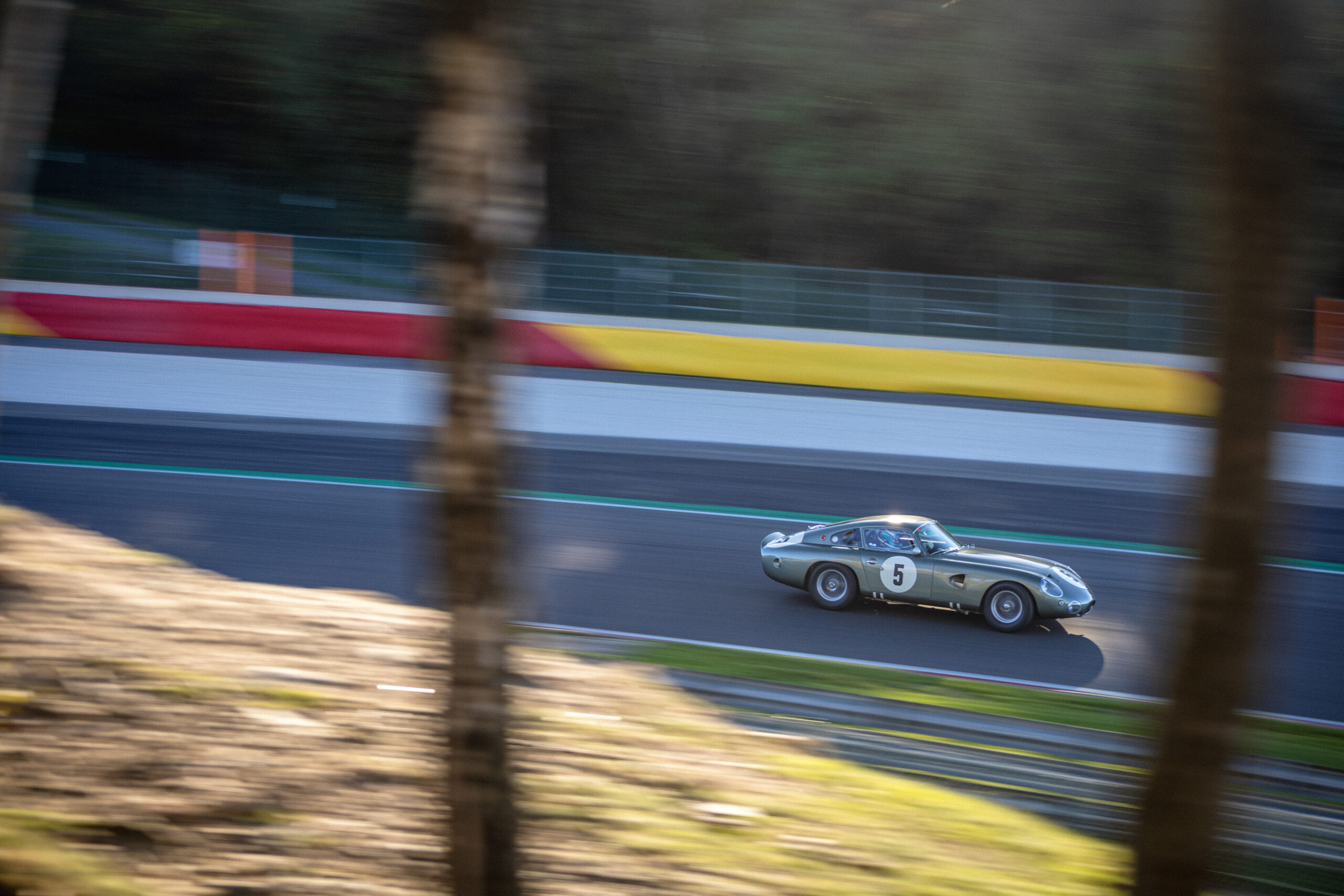
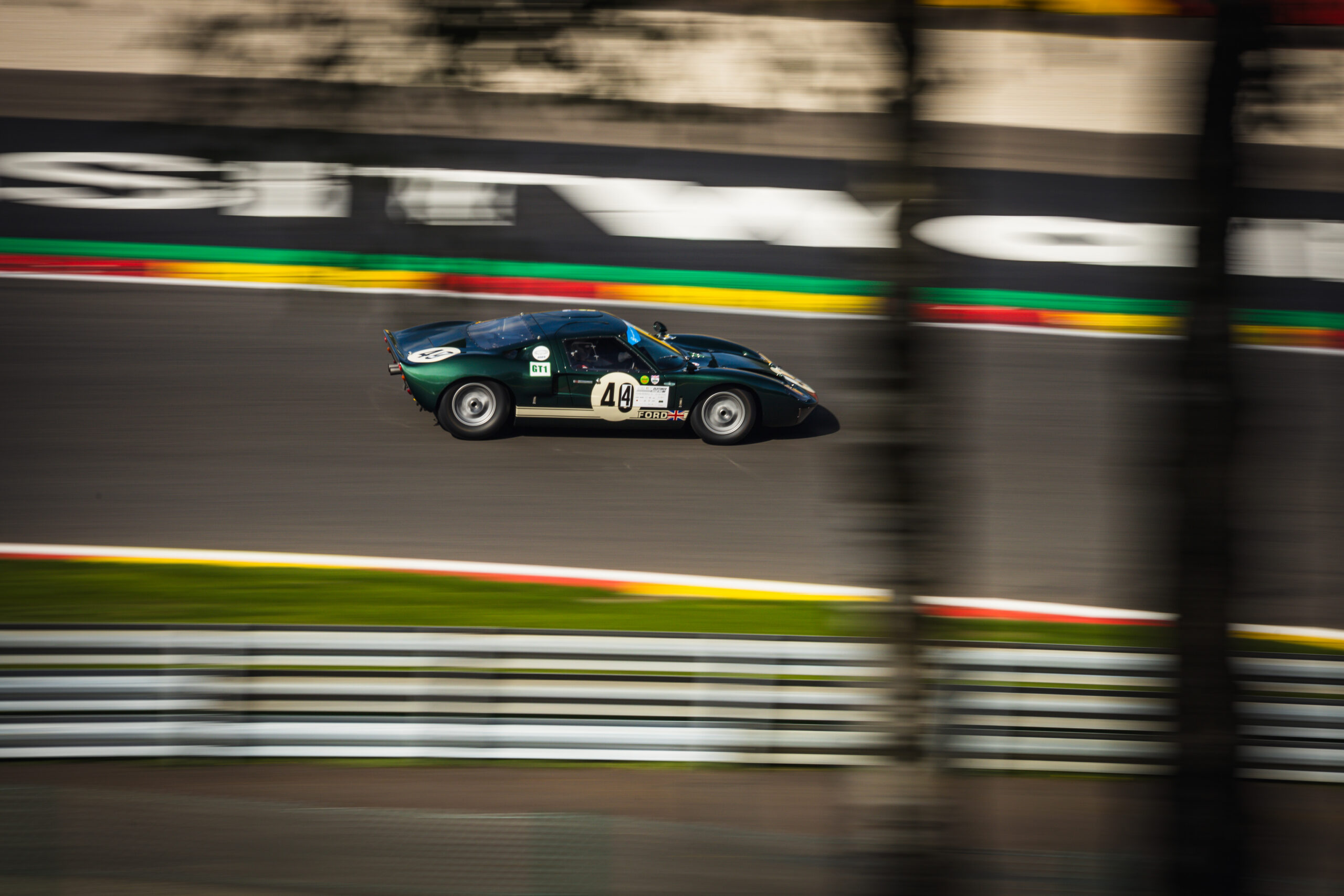
You can get incredibly close to the action, even without a media pass or an outrageously expensive telephoto lens, allowing you to practically smell the rubber and capture truly special photographs. And, of course, you are in the heart of the Ardennes. So if the noise, excitement and relentless sensory overload ever become too much, you can always retreat into the surrounding forests and enjoy a little peace and quiet. Relatively speaking, at least.
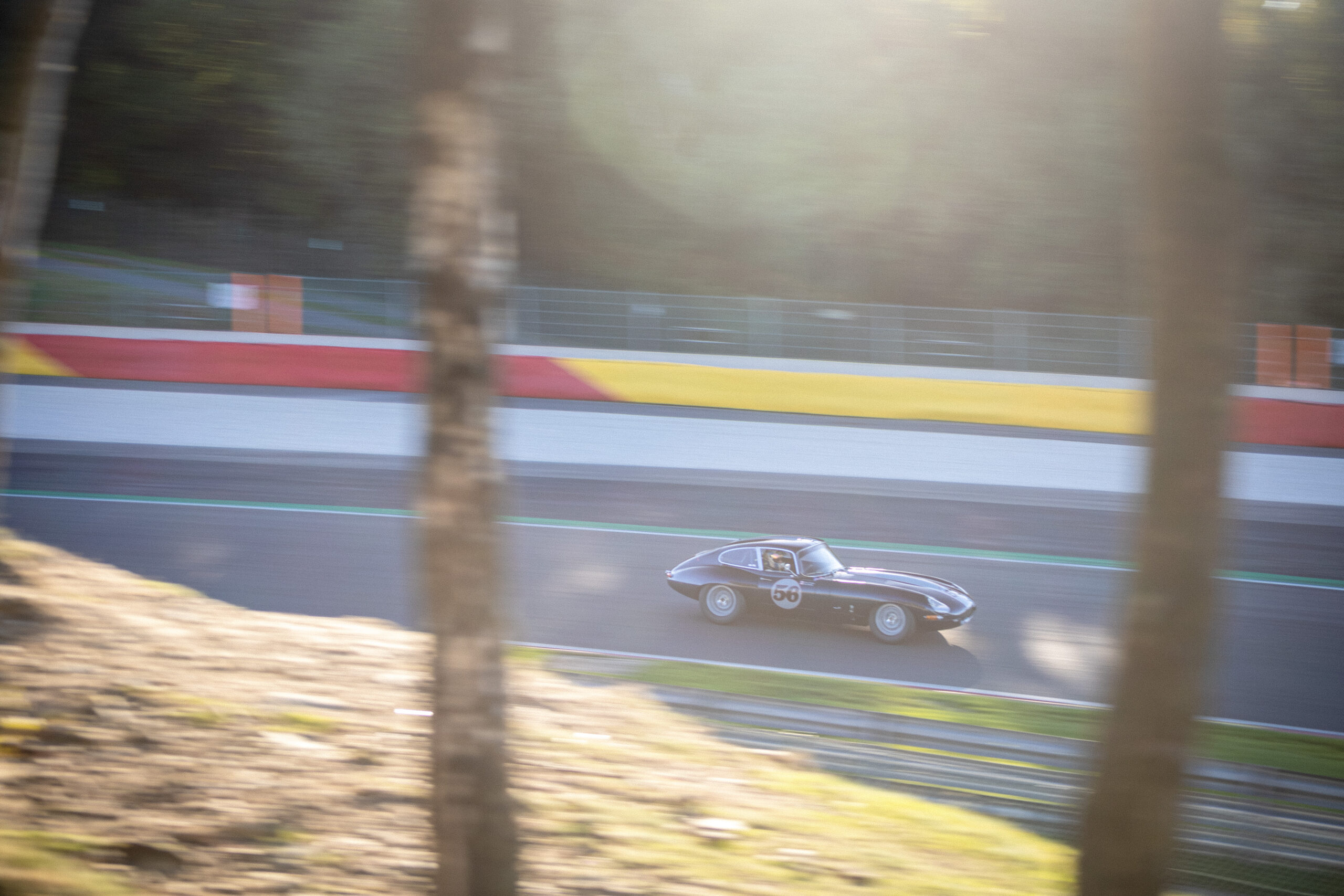
Returning to that conversation at the coffee machine on Monday morning: for someone who occasionally seems to have motor oil running through his veins, Spa-Francorchamps is perhaps the automotive equivalent of a spa.
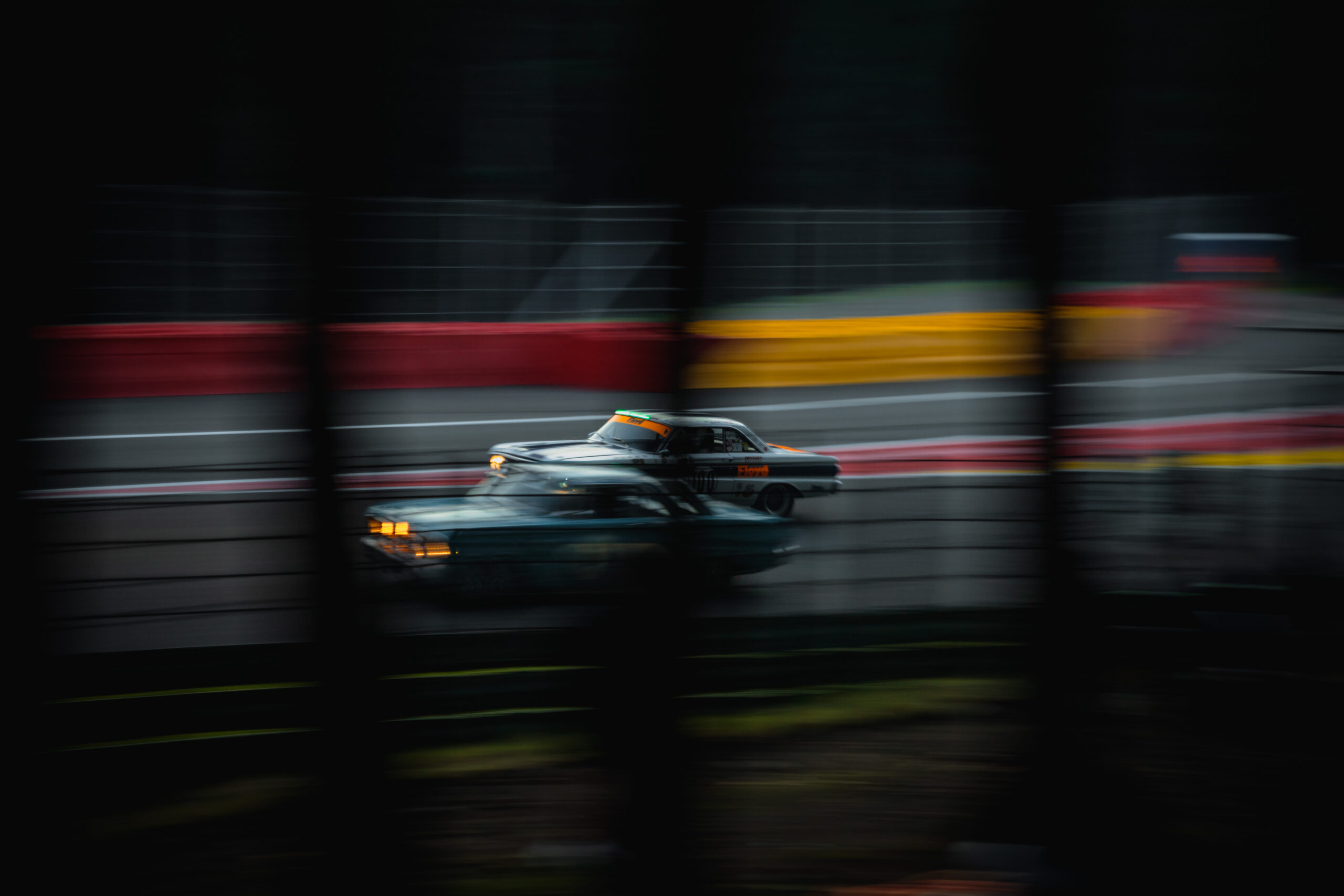
So yes, in a sense, I really did relax that weekend. Although I suspect my colleagues might still disagree.























Your camera batteries did not die in vain. WONDERFUL photography. Magnifique! What a weekend. And I would be happy to have GT40 #44 in my garage!
Thank you for your very kind words! I simply cannot choose which of these cars I’d like to have in my garage. Probably the Ford RS3100 or the Aston DP214. But ask me tomorrow again, and it probably would be a different answer!
Amazing photography…unreal. I’m full of envy that you were able to attend this event.
Thank you for your kind words!
Thanks for this. Was at the Salzburgring the week before last for a round of the Austrian HistoCup. Nothing like the variety at Spa (and I have a feeling one or two regulars were in Goodwood for the races there) but it was fun nonetheless
It must have been amazing to see and hear that Lola T70 around the track! One of the few cars that was missing during this year’s 6 Hours…
I was there also, and took my own pictures:
Some had issues:
This could be “Spa derived”:
There was also younger stuff:
I could go on, but it’s indefinite – best leave you with this Porsche seen at the parking area, which reminds me of the green one you opened your post with:
Superb photography and very compelling commentary. Thank you for sharing this.
Having chronic and severe tinnitus, I sincerely hope yours was temporary. Sadly, it’s the noise that keeps me away from events like this. Perhaps a good set of ear plugs?
Thank you very much!
Sadly I had forgotten my earplugs this year, I literally left them on my nightstand…
Fantastic pictures, Rotterdammer(t)!
Vriendelijk bedankt!
Beautiful ‘frame-worthy’ photography and enjoyable read.
What’s your choice of gear?
Thank you for this amazing compliment!
Regarding my gear, I am using a Canon EOS RP combined with a 24-70mm 2.8f and a 70-300mm 4f lense. The 70-300mm will be upgraded soon!
I must join in the chorus – what superb photos, sir!
I have never seen a GT40 in green, and I’m afraid I must have it.
But if caught when stealing it, I’d move on to the wild Aston DB4, a spectacular sight (and, no doubt, sound).