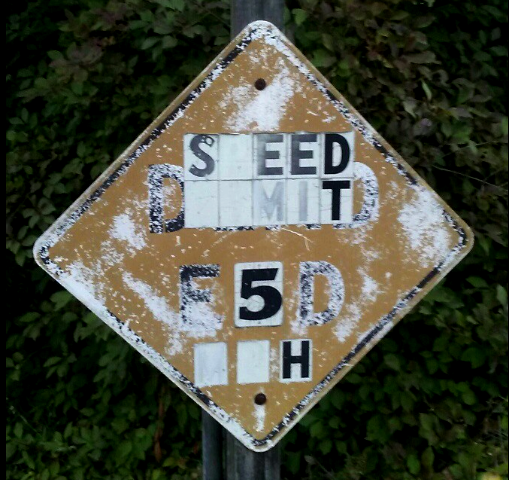
As you may know, I’ve spent a lot of time traveling around northern New Jersey and beyond, always looking for interesting sights–usually of a historic nature–things other people generally overlook. And, in those pre-smartphone days, I often had my 35mm camera with me. So over the years I’ve taken a lot of photographs, like this repurposed Dead End sign on a private road.
So I thought I’d share with you some samples from my collection, which give you an idea of what you might see (or might have seen) driving through New Jersey, where odd antiquities abound (but not as many as there used to be). As Yogi Berra once said, “You can see a lot just by looking.”
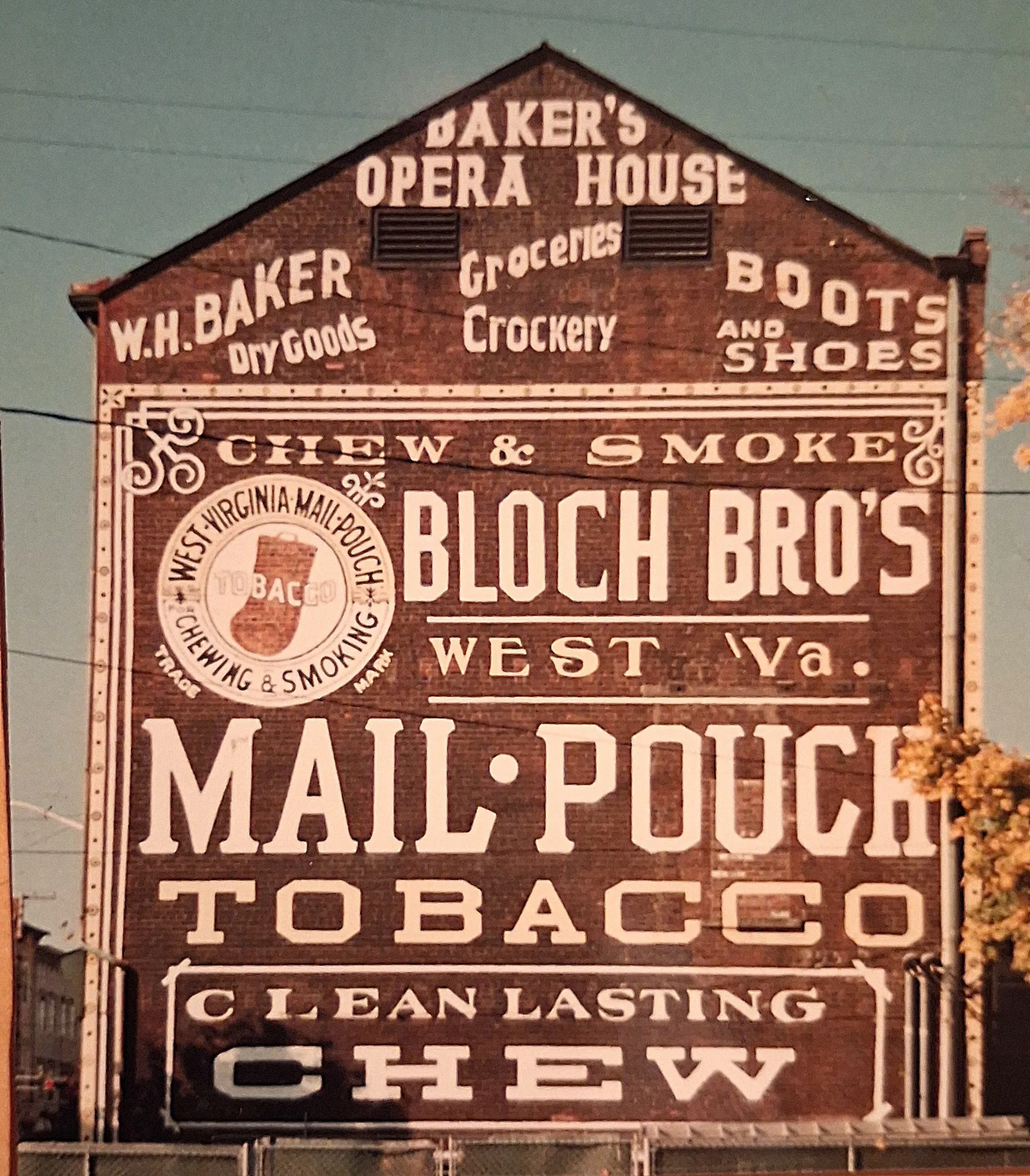
Here’s a big sign on of the back of the Baker Opera House in Dover NJ, whose advertising sign from the 1880s has been lovingly maintained. But not everything I’ve photographed has survived.
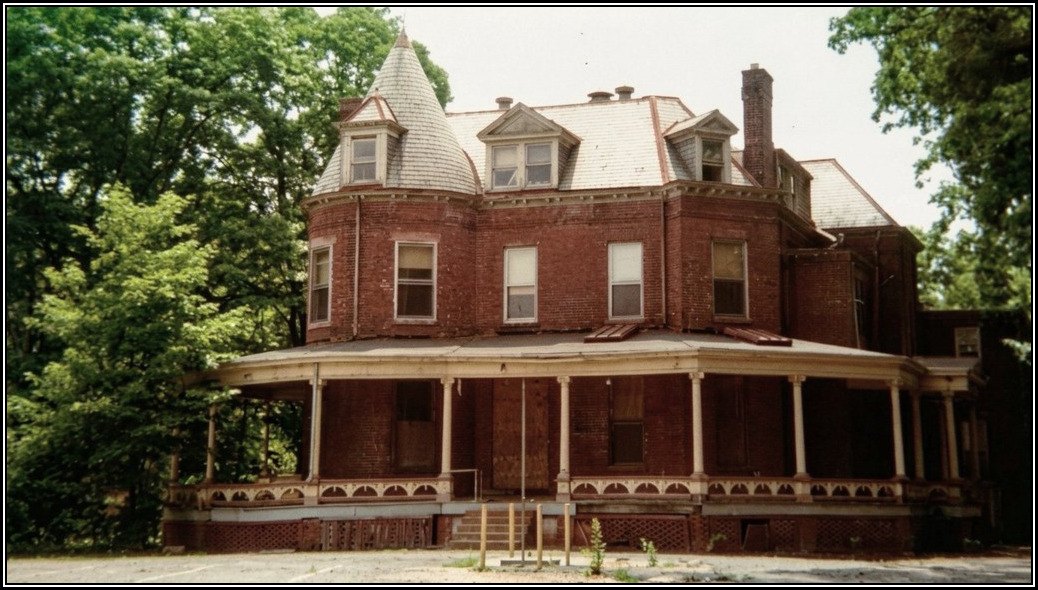
One of the last surviving Victorian mansions along “Millionaires’ Row” on Madison Avenue in Morristown was “Tourelle”. Built in 1879 and originally owned by the Coggeshall family, it was demolished in 1985 shortly after I took this picture.
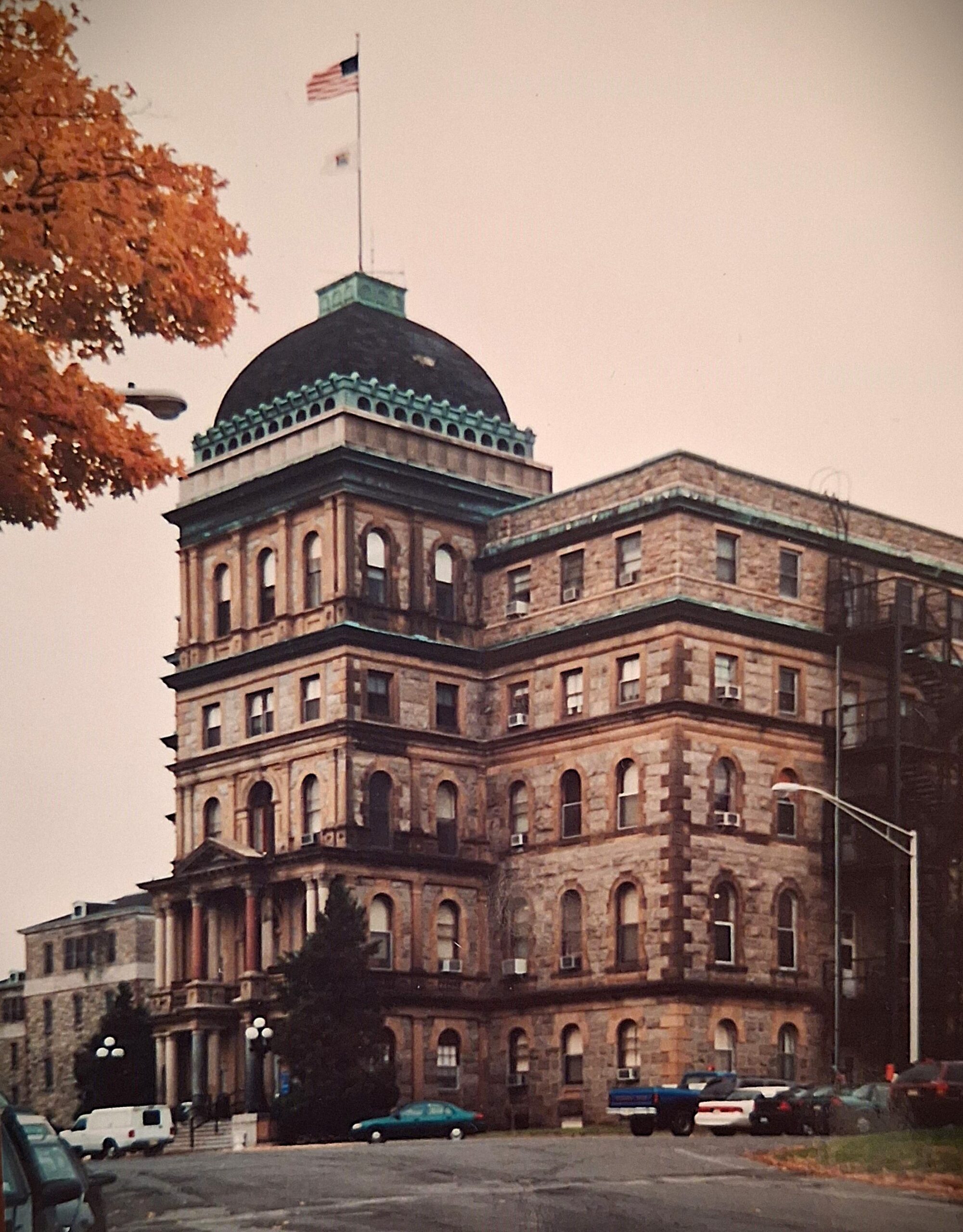
Hard to get creepier than this–the 1876 Greystone Asylum for the Insane, shortly before it was closed down. A few years later the wreckers arrived, and they removed this imposing edifice from the face of the earth forever. The site is now an open field.
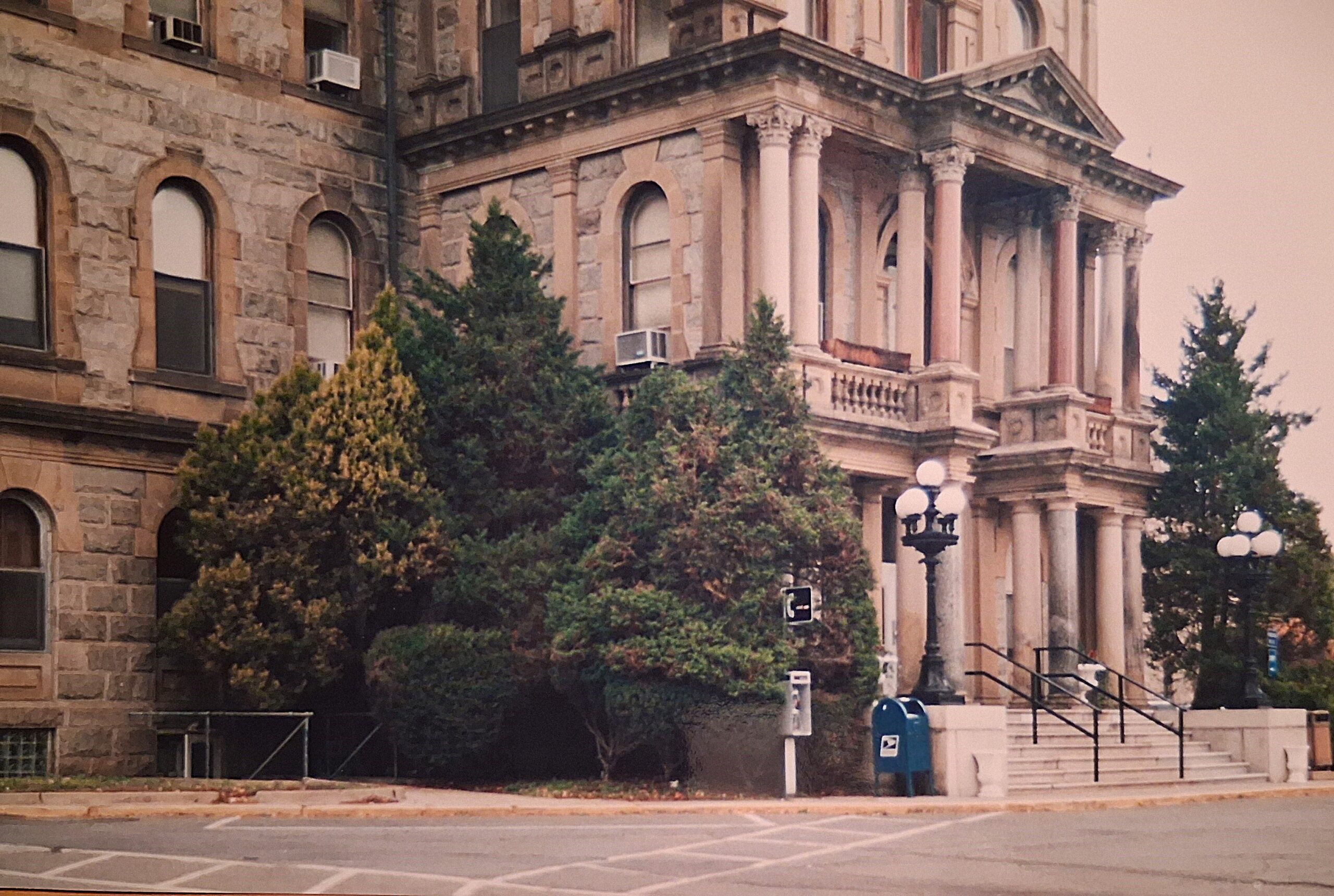
Close-up of the main entrance.
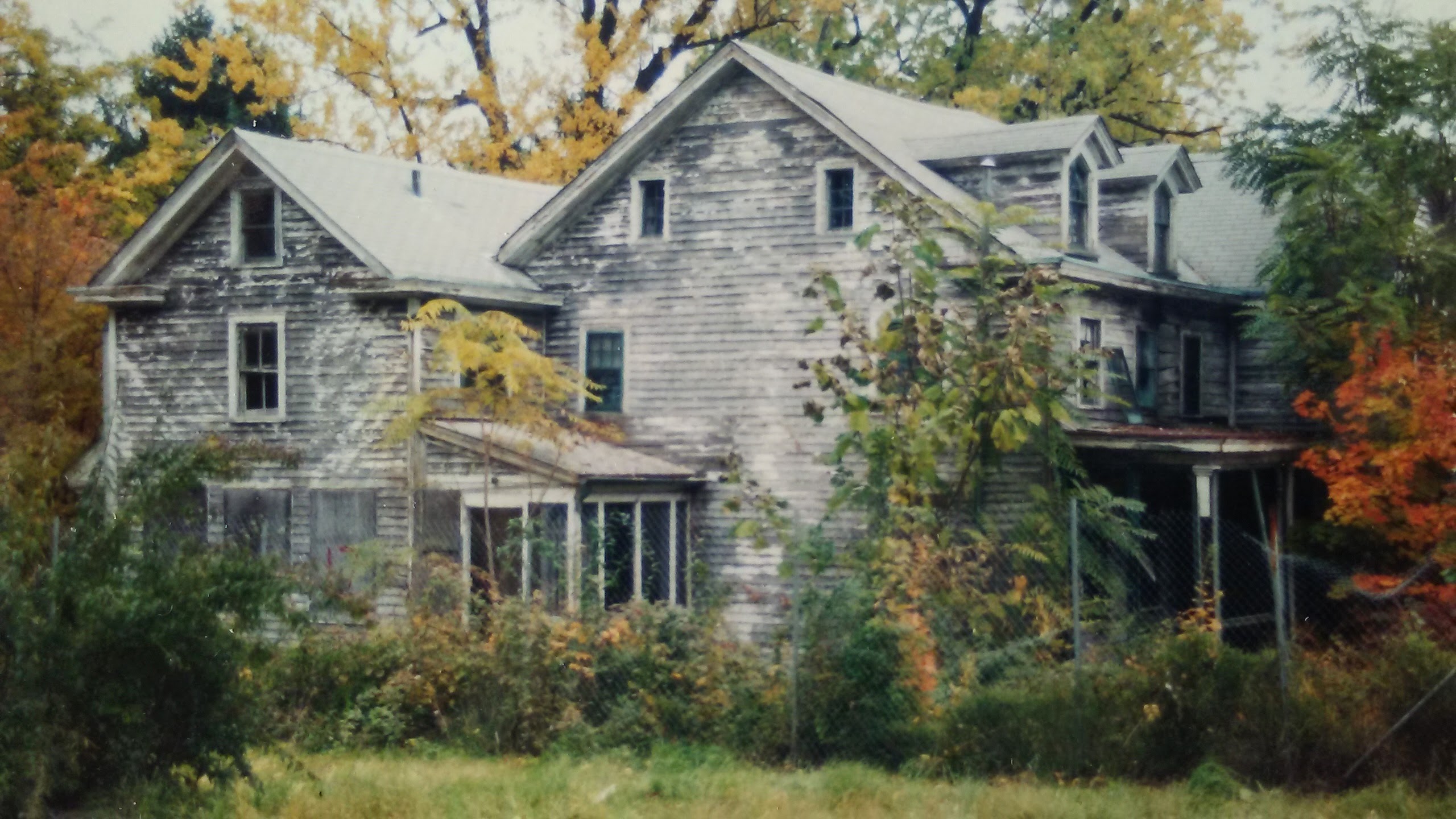
Next to Greystone was this creepy house, now long gone.
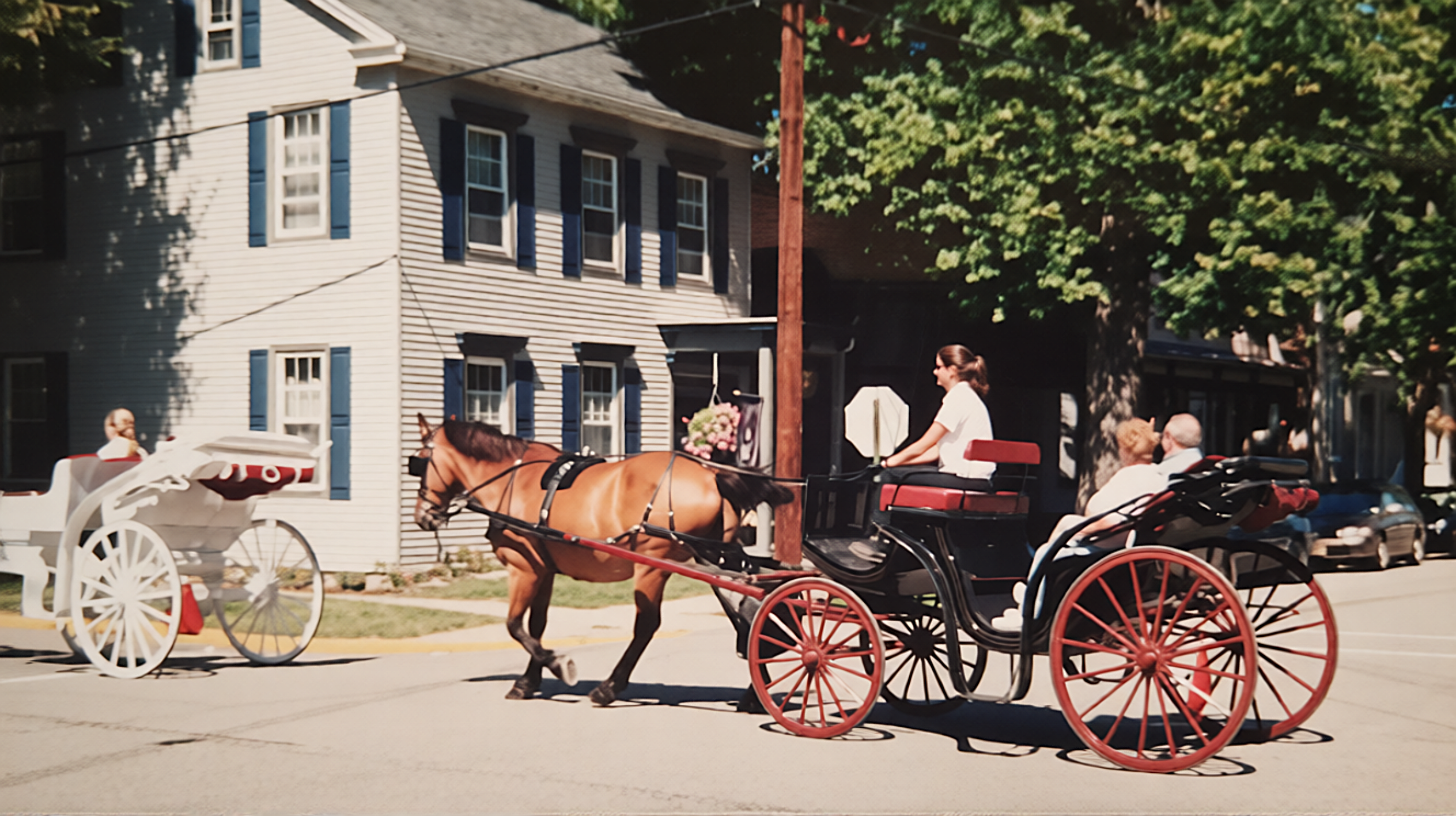
Horse-drawn traffic in Belvedere NJ.
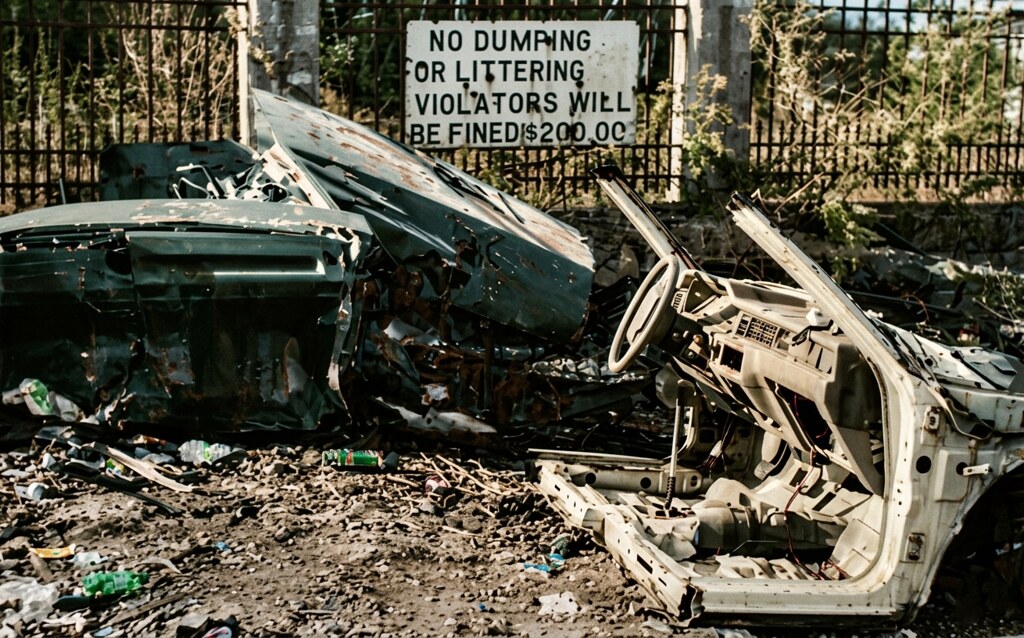
Scene on Lock Street, Newark, 1987. I wonder if anyone was fined $200. Since then the site has been cleaned up and new trees planted.
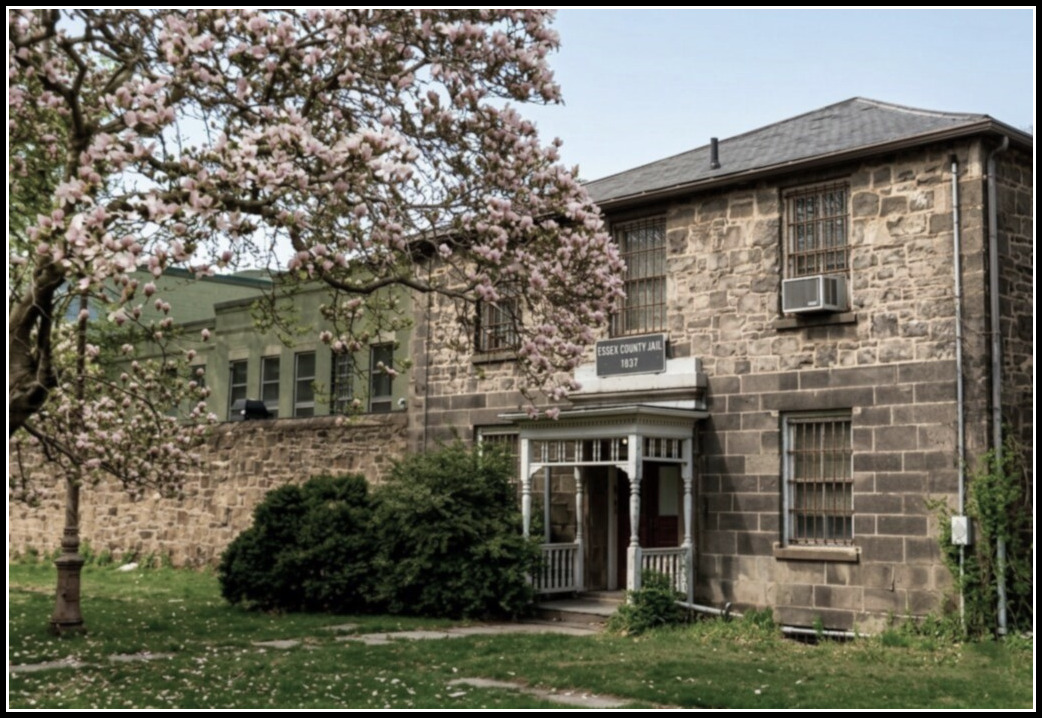
A few blocks west, the Essex County Jail from 1837 I believe was still in use when I took this photo in 1988. The jail was later abandoned and may just be an overgrown pile of stones at this point.
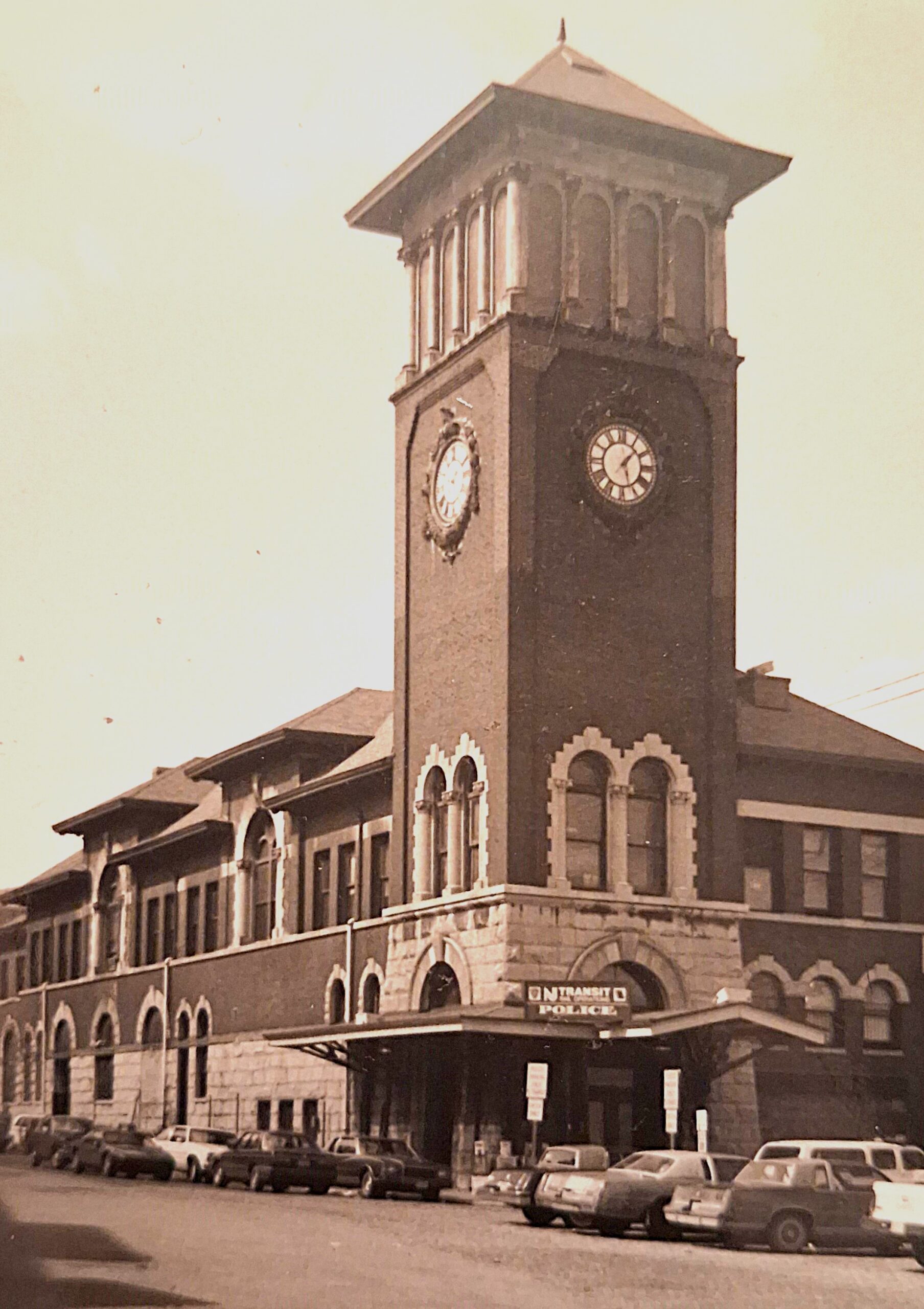
Except for the cars, you might think this is a 19th century photograph of Newark’s Broad Street Station. From 1986-89 I walked in and out of this station every college day, and in 1987 I snapped this picture. The building still looks remarkably the same.
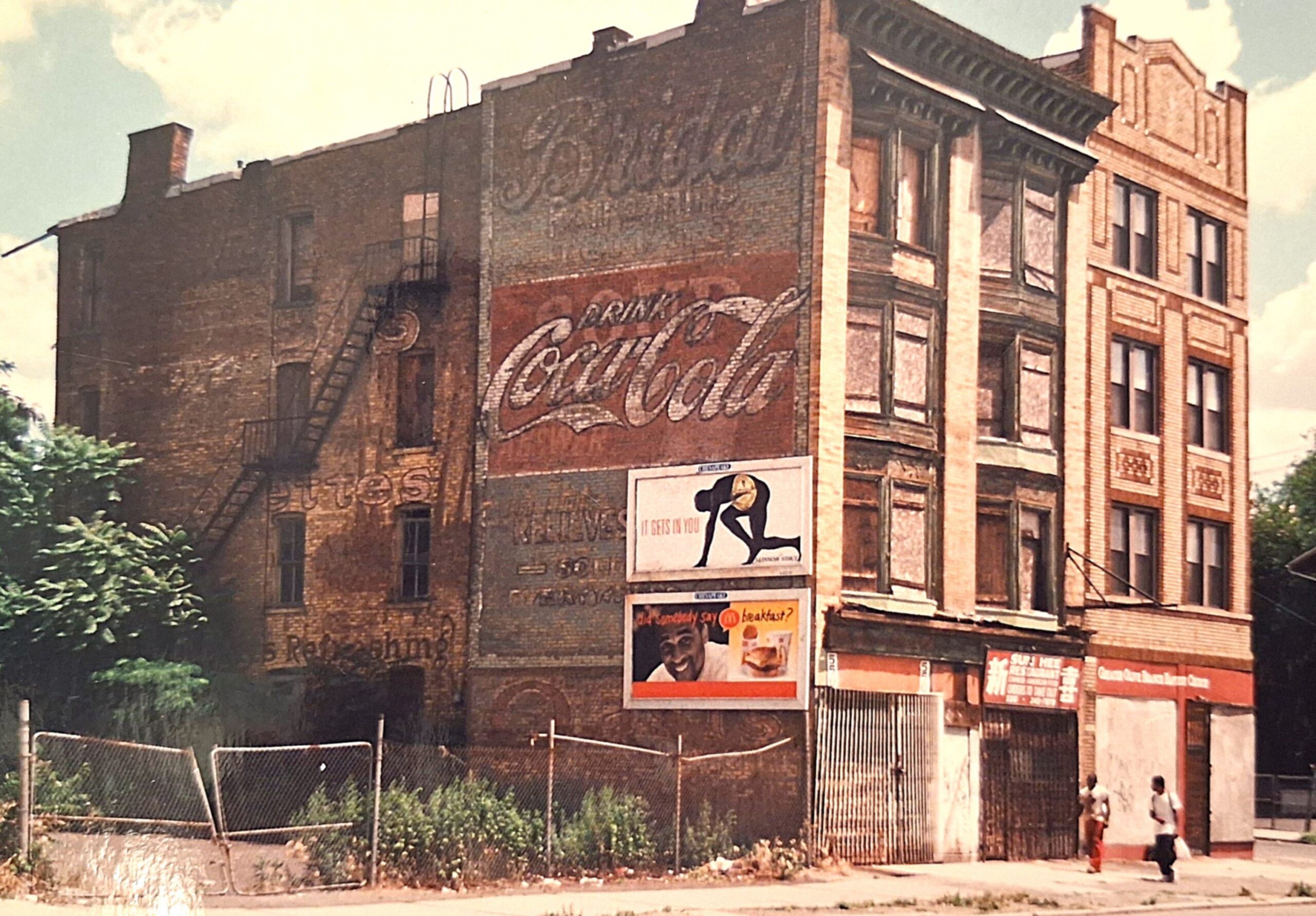
550 Springfield Avenue, Newark. New advertising is slapped over old. The building has since been renovated, and all the “ghost signs” are gone.
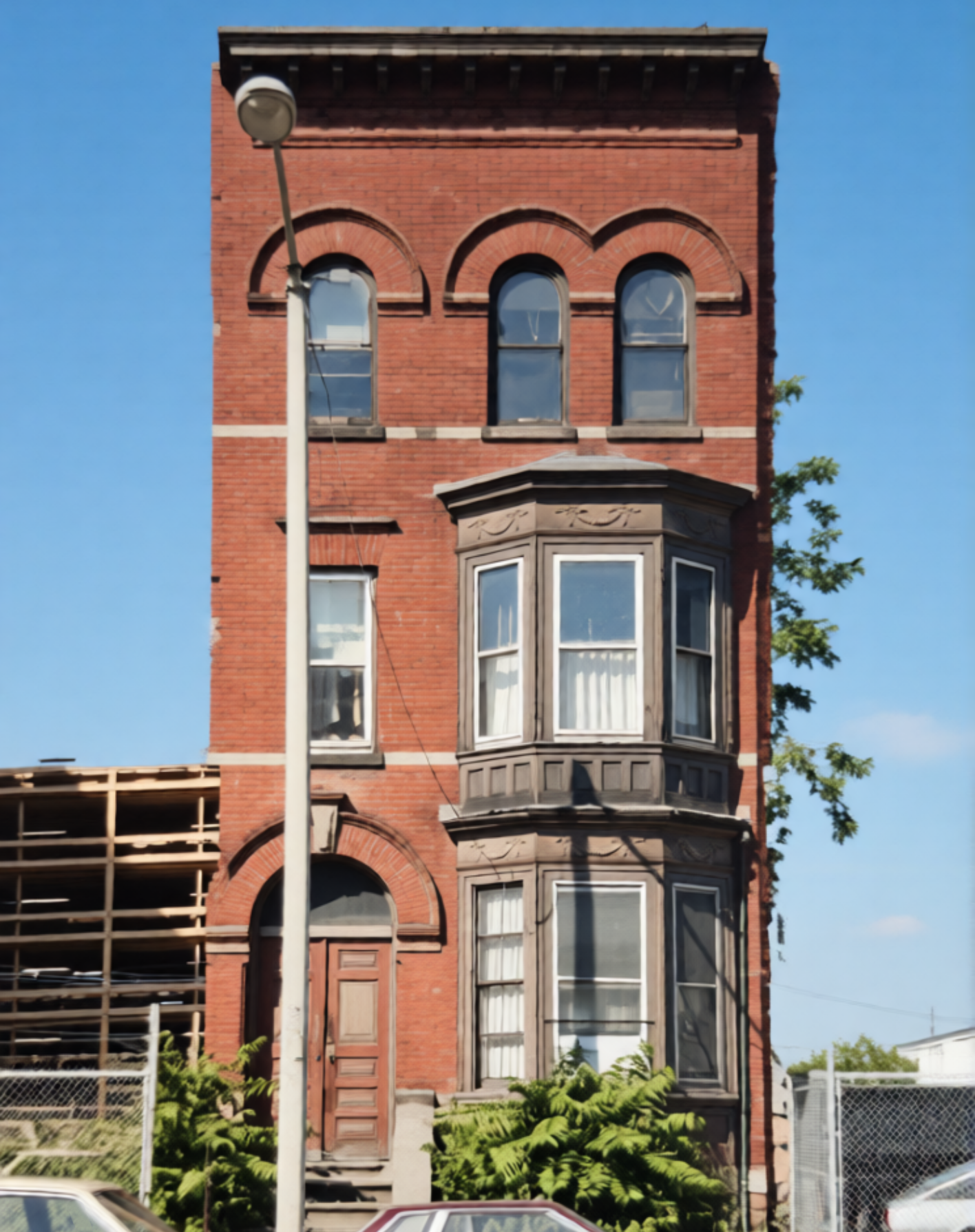
Another block in downtown Newark is leveled, but somehow this one rowhouse starkly remains. (Pretty sure it’s gone now).
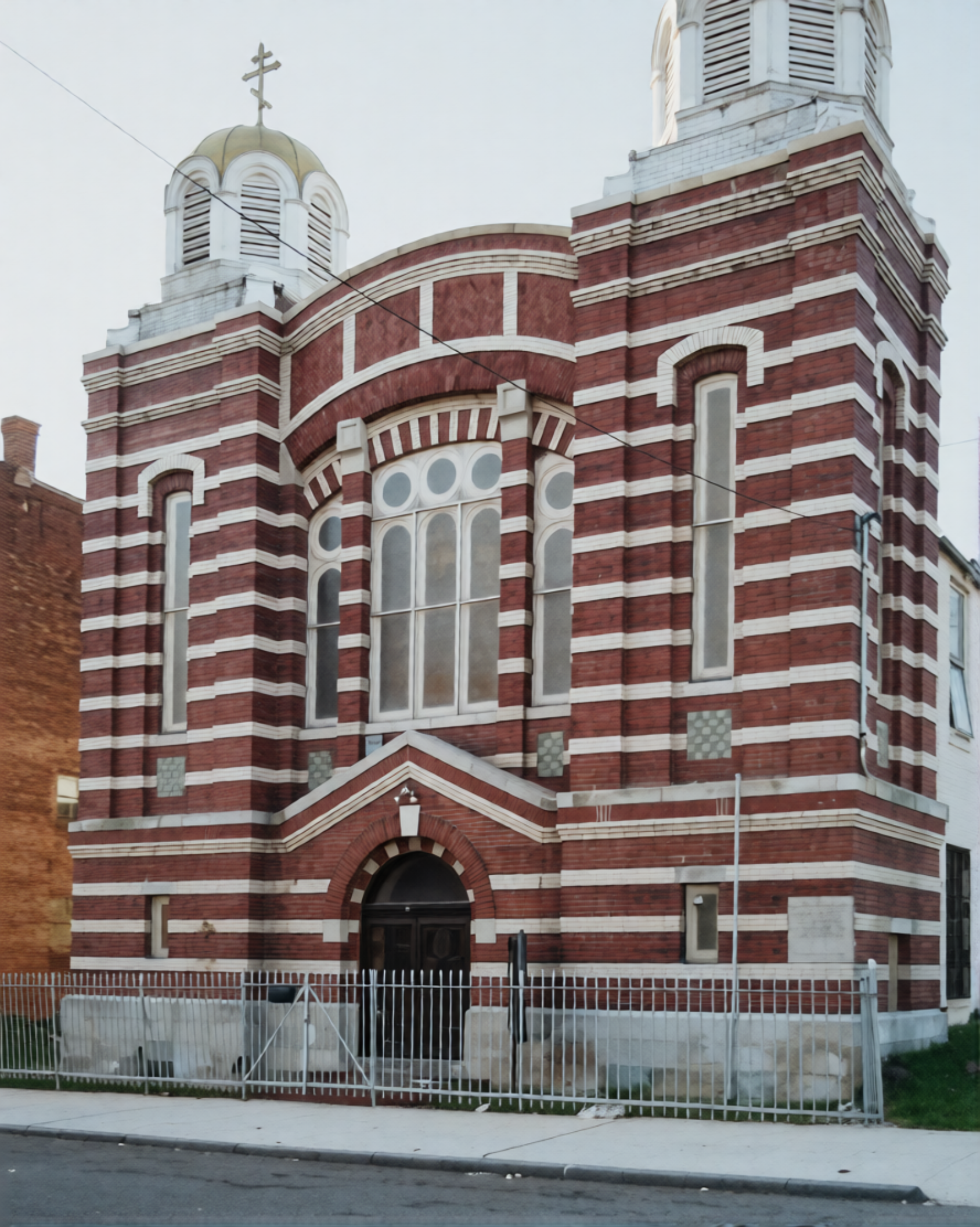
Church on Beacon Street, Newark. Another victim of urban renewal. Beacon Street itself is no more.
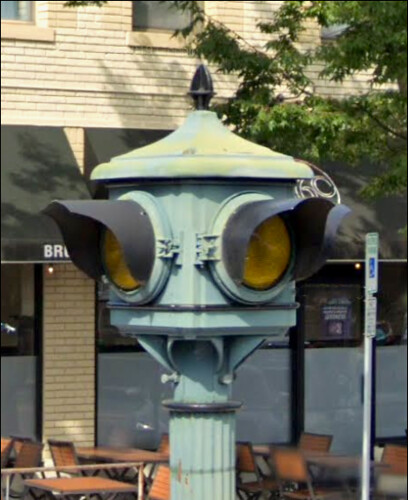
The oldest functioning traffic light in New Jersey is located in the City of Summit at the corner of Maple Street and Union Place. It dates from the 1920s.
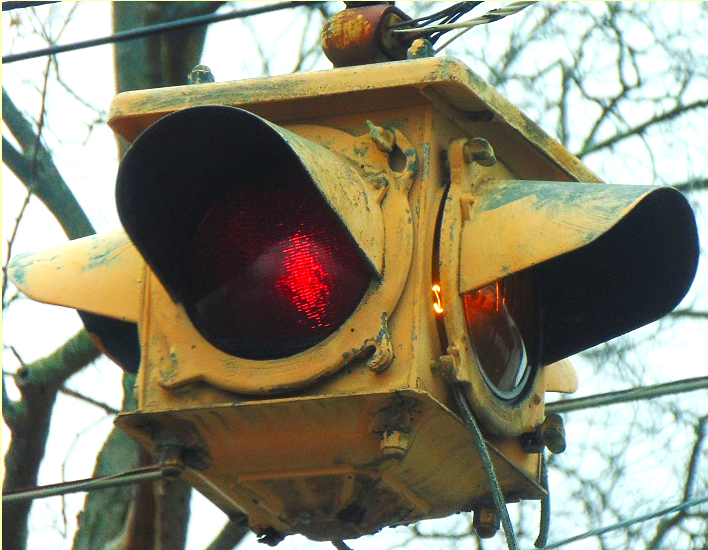
There’s a similar light in Dover at the corner of Mercer Street and Richards Avenue. Red and orange lights only.
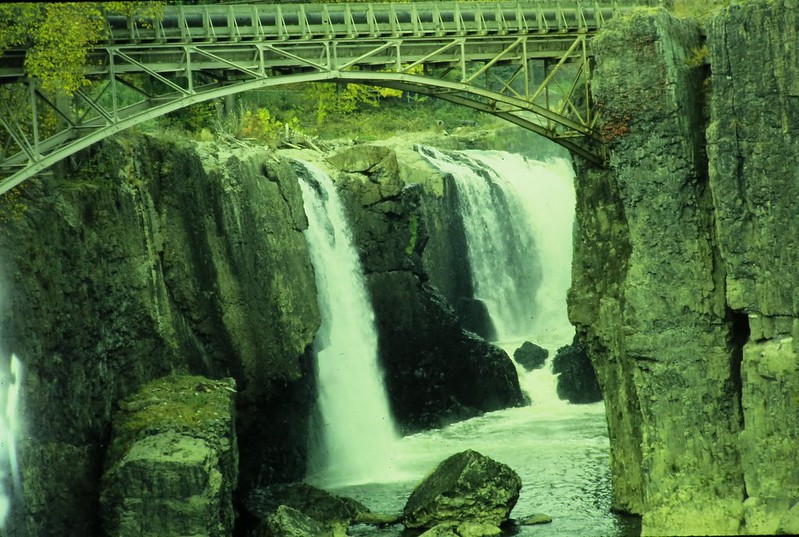
The majestic Passaic River Falls in Paterson.
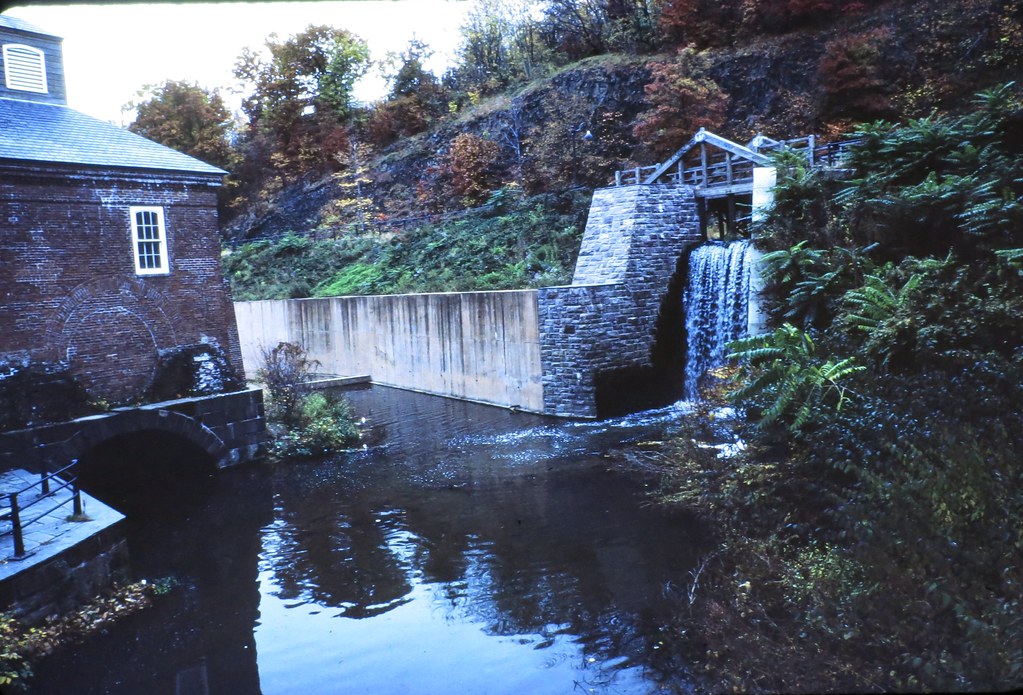
Mill scene in Paterson.
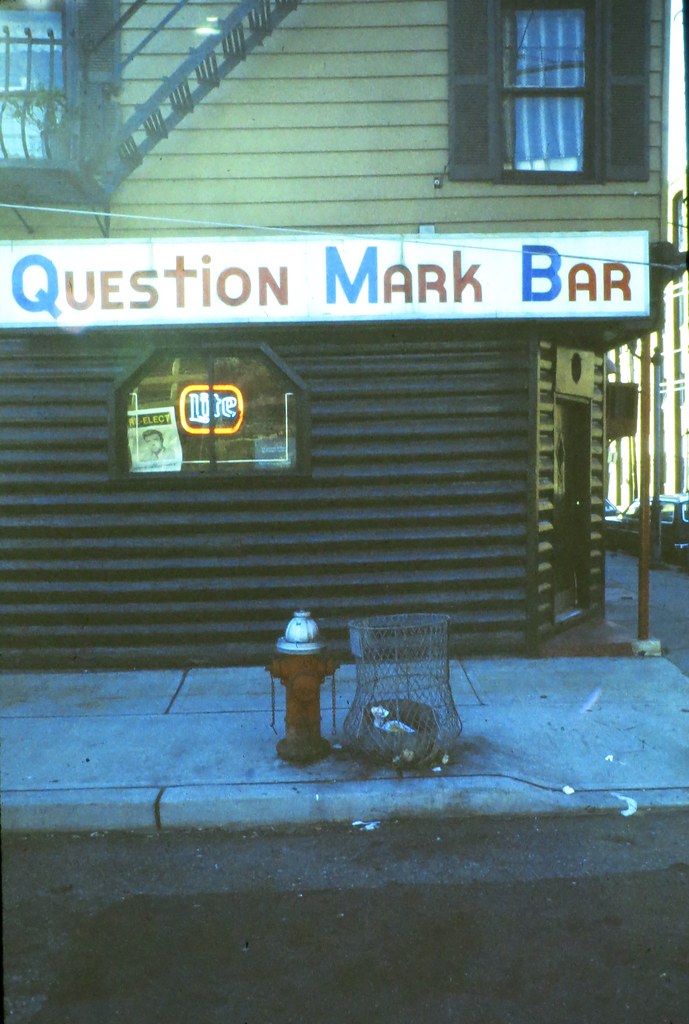
Paterson: Interesting name for an establishment.
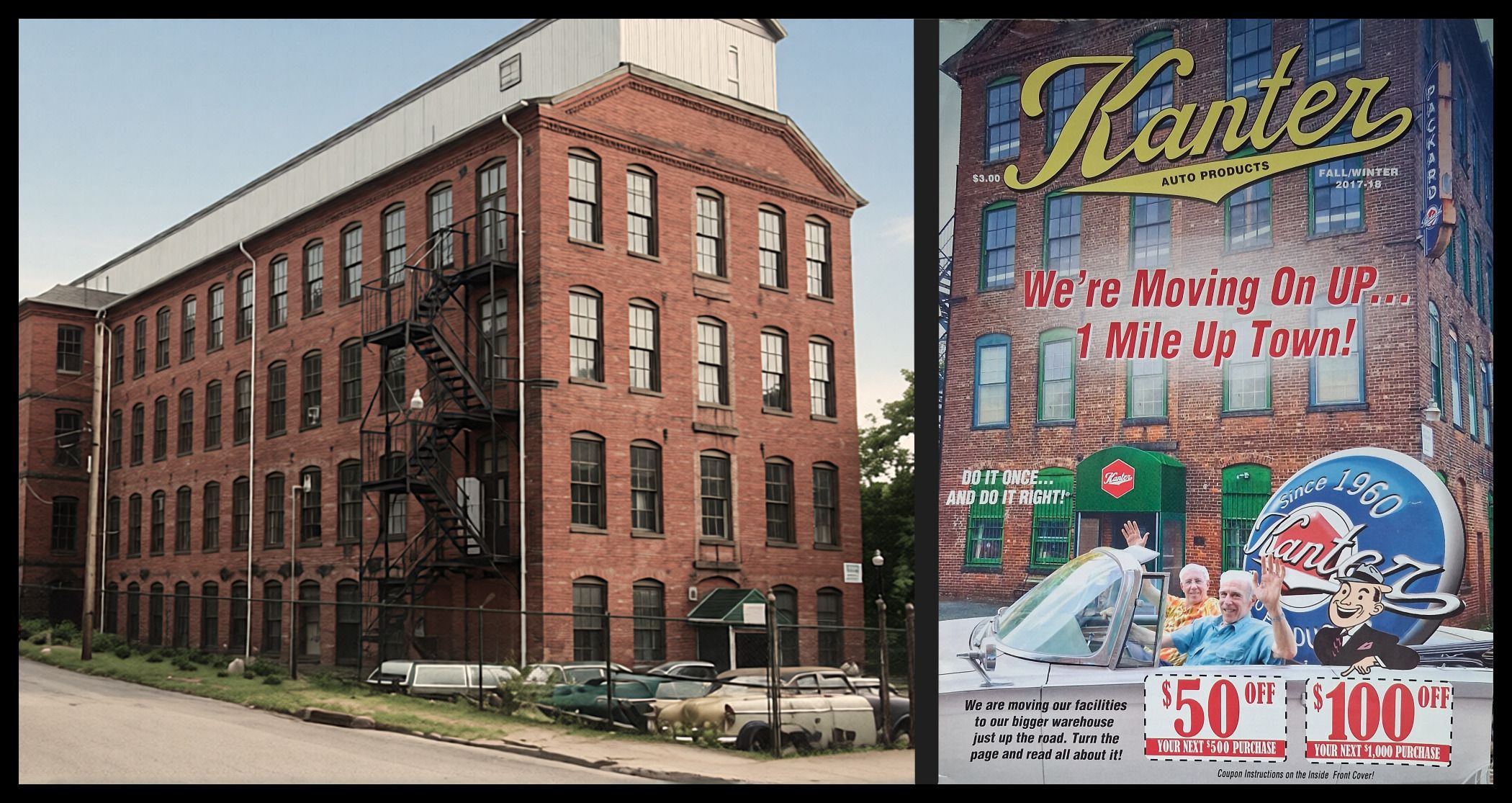
Kanter Auto Products building in Boonton was a former silk mill. You can see some old cars parked out front in my 1987 photo on the left. Compare with 2017-18 catalog cover. The old building was recently converted to condos.
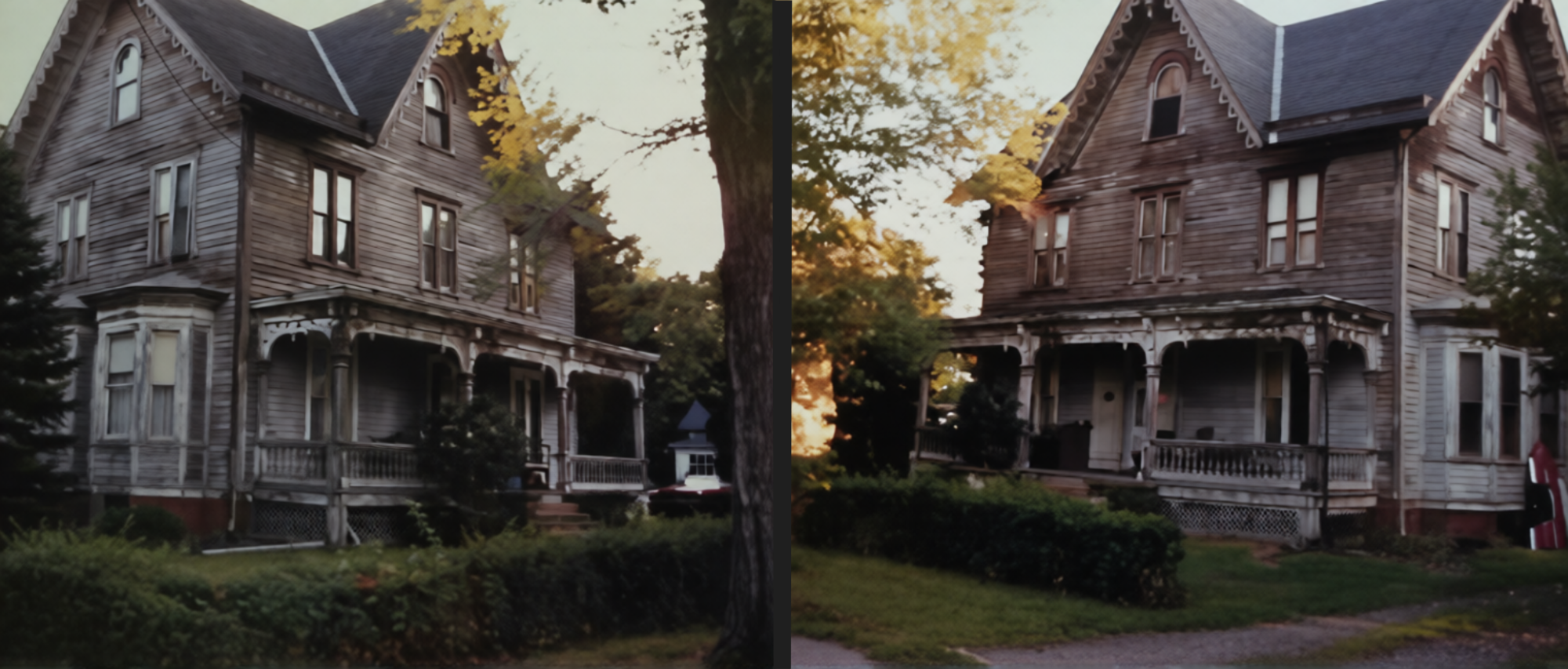
Just up the hill from Kanter’s is this charming place. It’s since been painted.
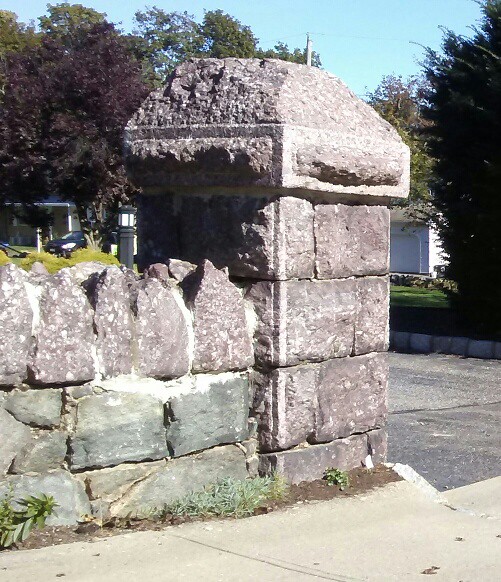
In Boonton, many of the streets in the older sections are lined with puddingstone walls, with little towers at the corners.
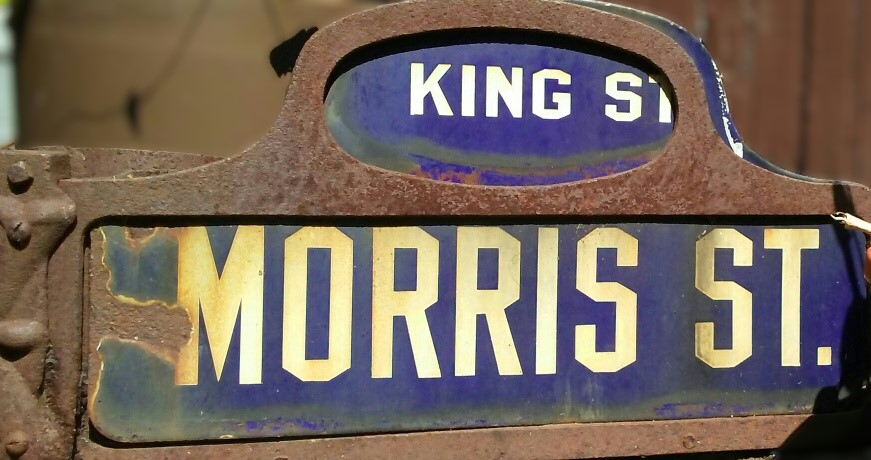
Last surviving old-style street sign in Morristown. No longer there.
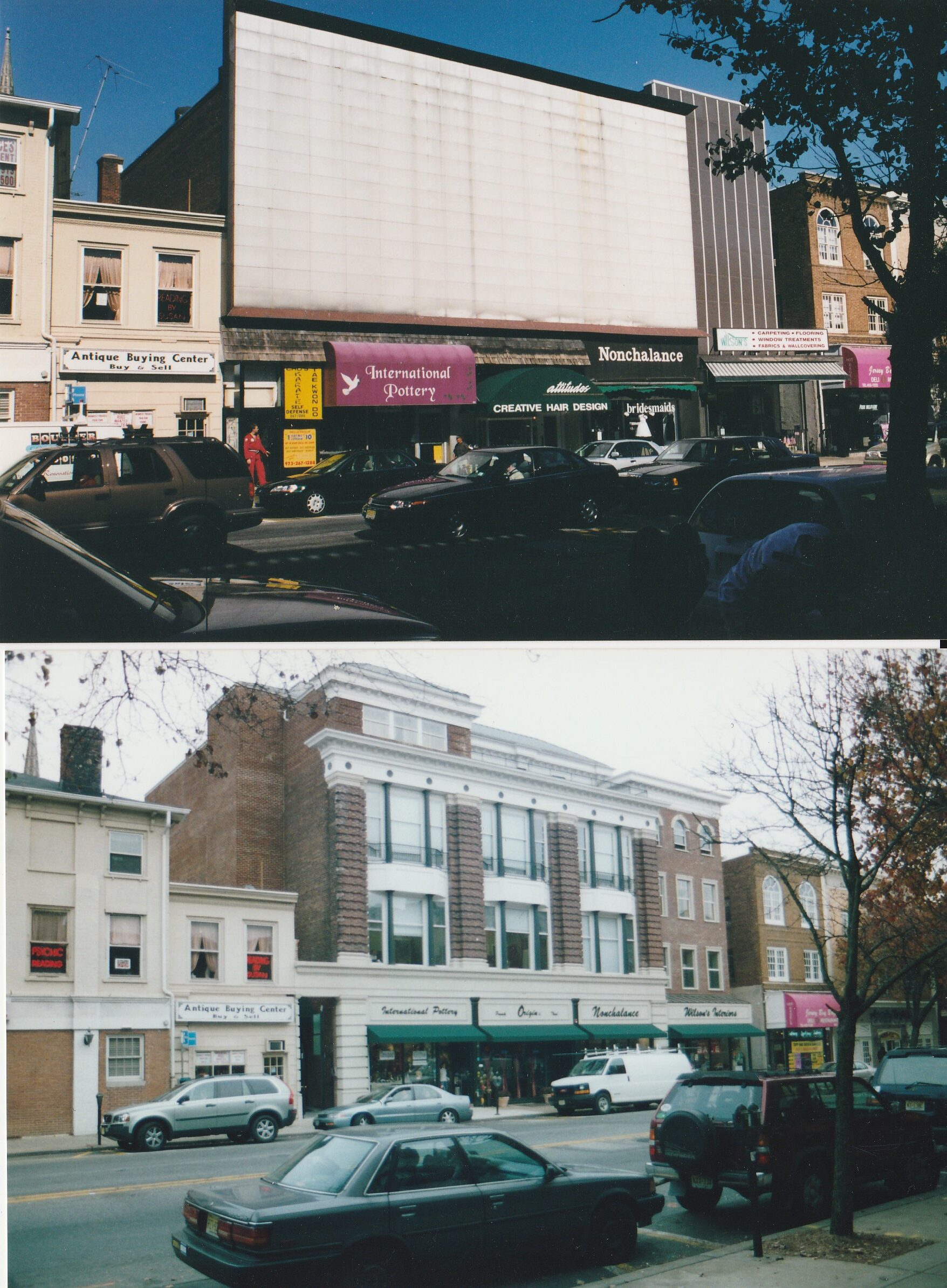
In Morristown, a rare example of “un-remuddling”. This awful “drive-in movie screen” that covered the facade was removed, and the building’s original appearance restored, probably with the help of old photographs. Downtowns all over are pock-marked with this kind of thing. It would be wonderful if more property owners followed this example.
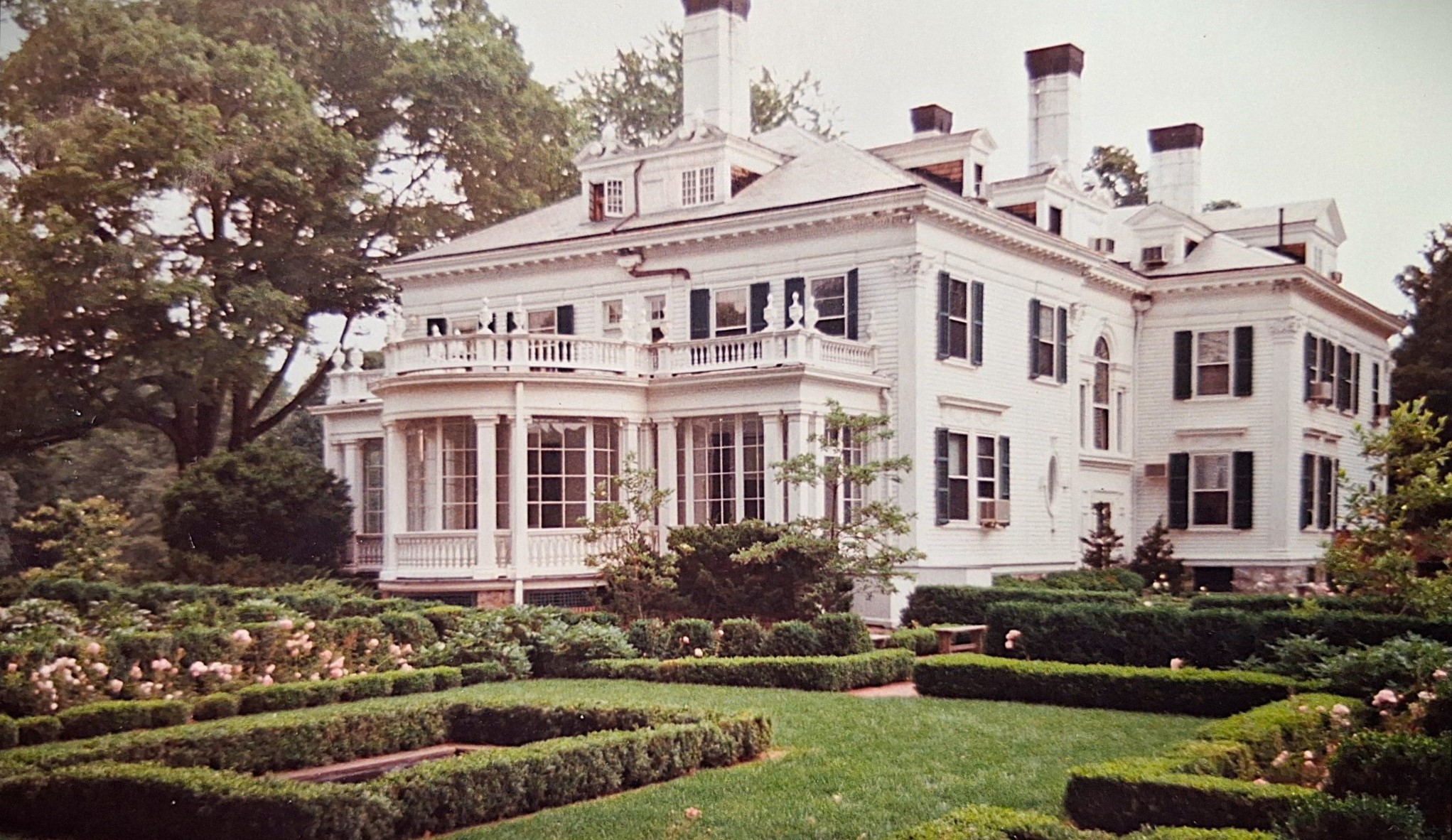
Many of the old mansions on Madison Avenue are gone, but just outside Morristown evidence of Gilded Age wealth and opulence remains. Here’s my photo of the Frelinghuysen Arboretum, once the house and gardens of the Frelinghuysen family, who have been prominent in New Jersey since the 1700s.
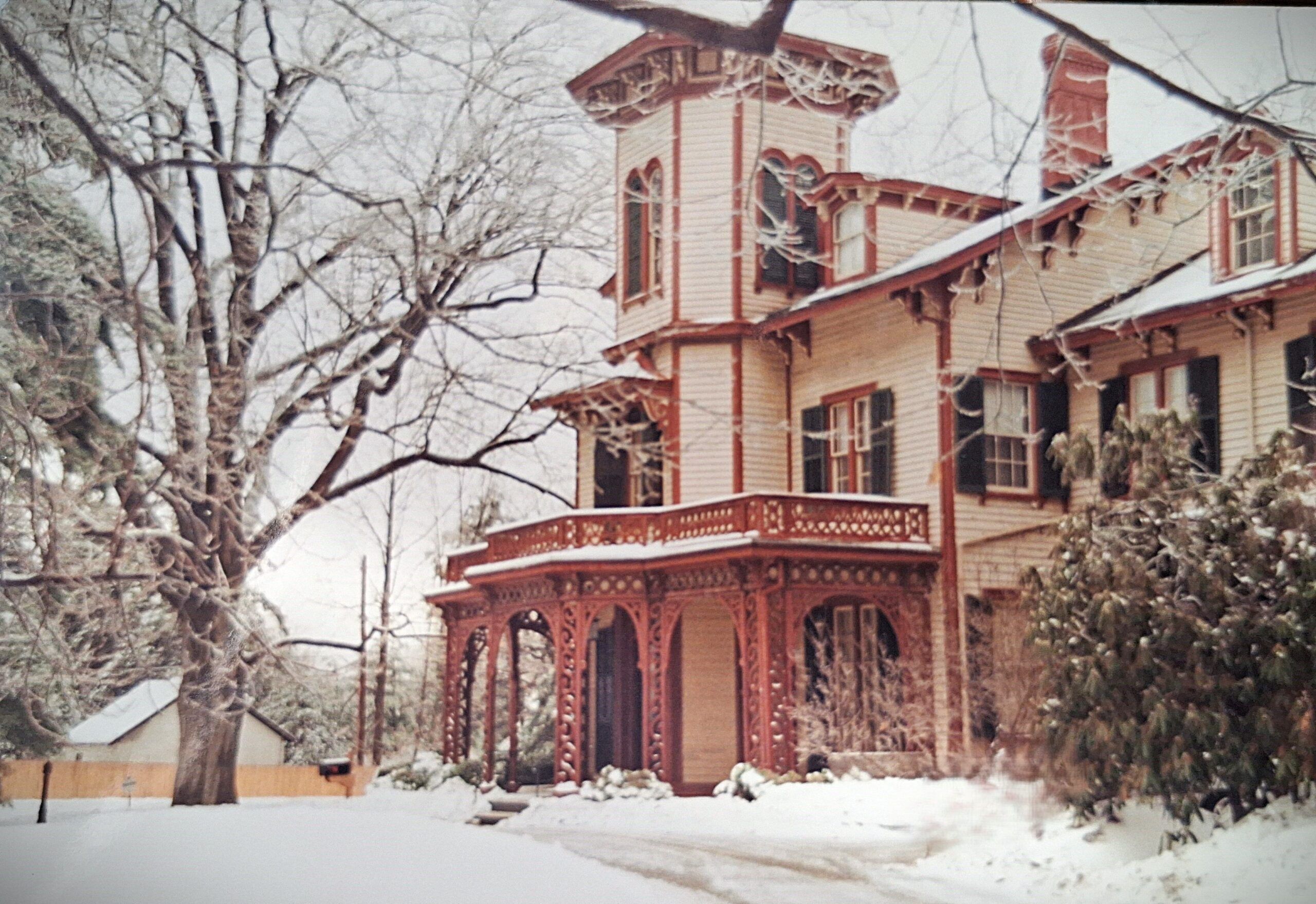
Not far from the Arboretum is Acorn Hall, the former residence of Mary Crane Hone II, built in 1854 and enlarged in 1860. I took this photo during an ice storm. (I think this would make a good Christmas card!) The house is now a museum open to the public.
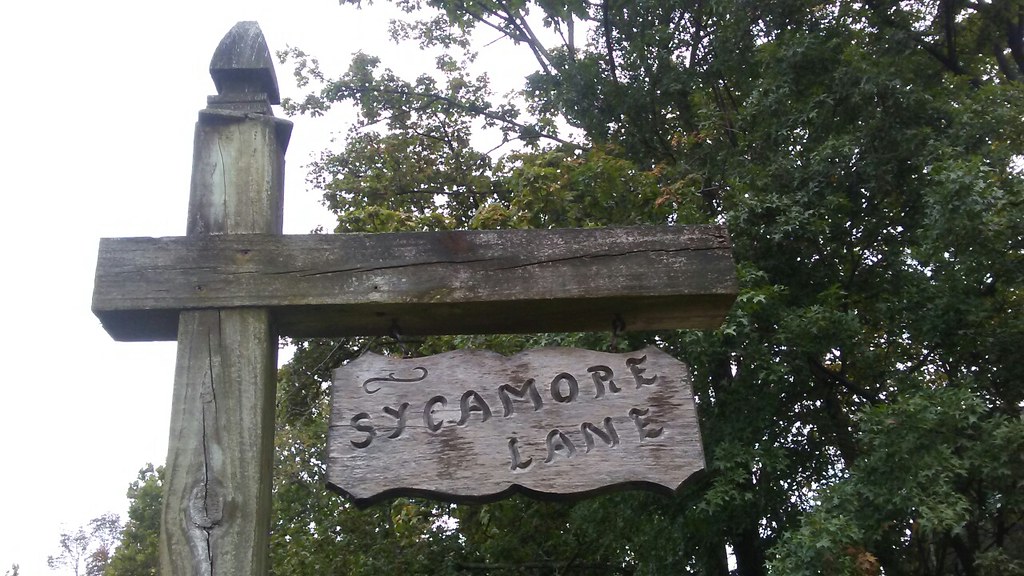
When you own a private road, you can make your own street signs, like this one.
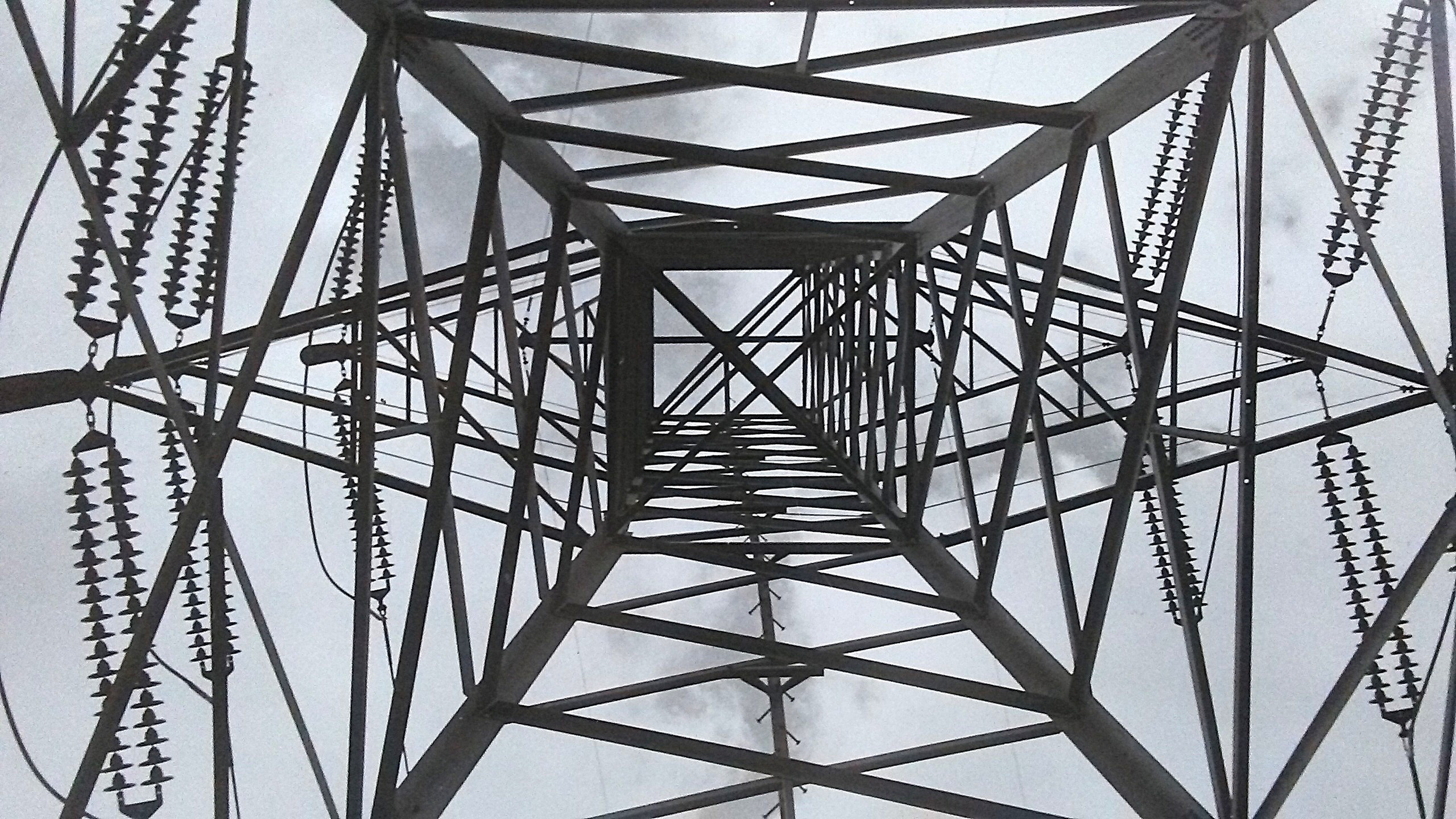
I took this picture when I was in high school. The house I grew up in had a right-of-way for high tension wires behind our backyard. Some of these towers date from the 1930s. If you took a fluorescent tube and attached a wire to the prongs to make an antenna, the tube would glow at night as you walked under the wires. Free electricity! It’s true.
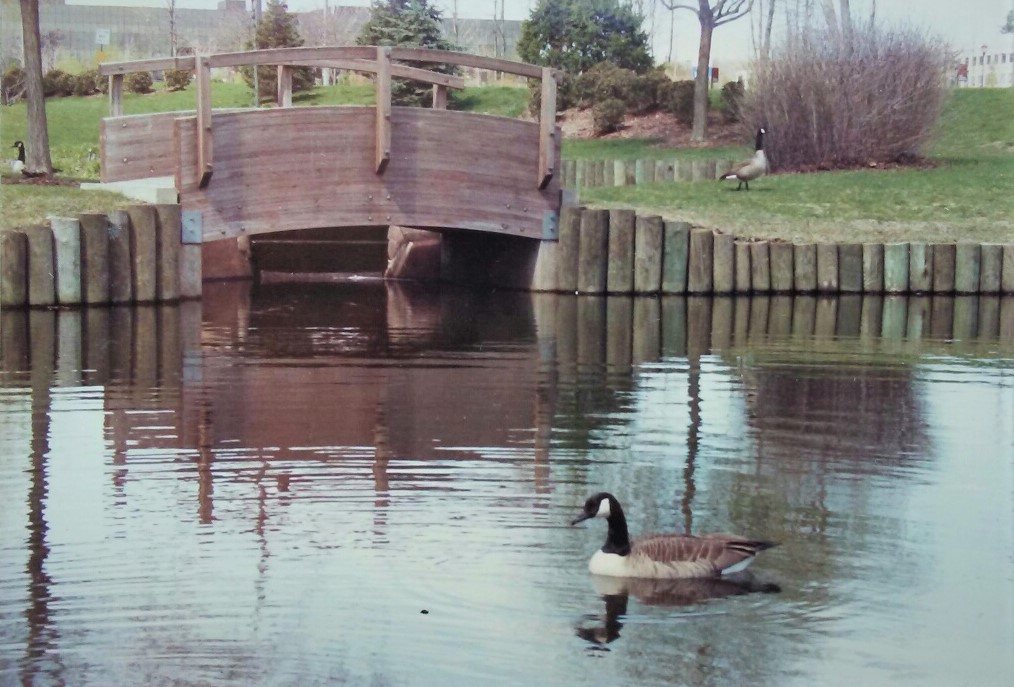
This industrial park in Parsippany really does look like a park. When I took this photo in 1987, everything was fairly new. I think the little wooden bridge is still there.
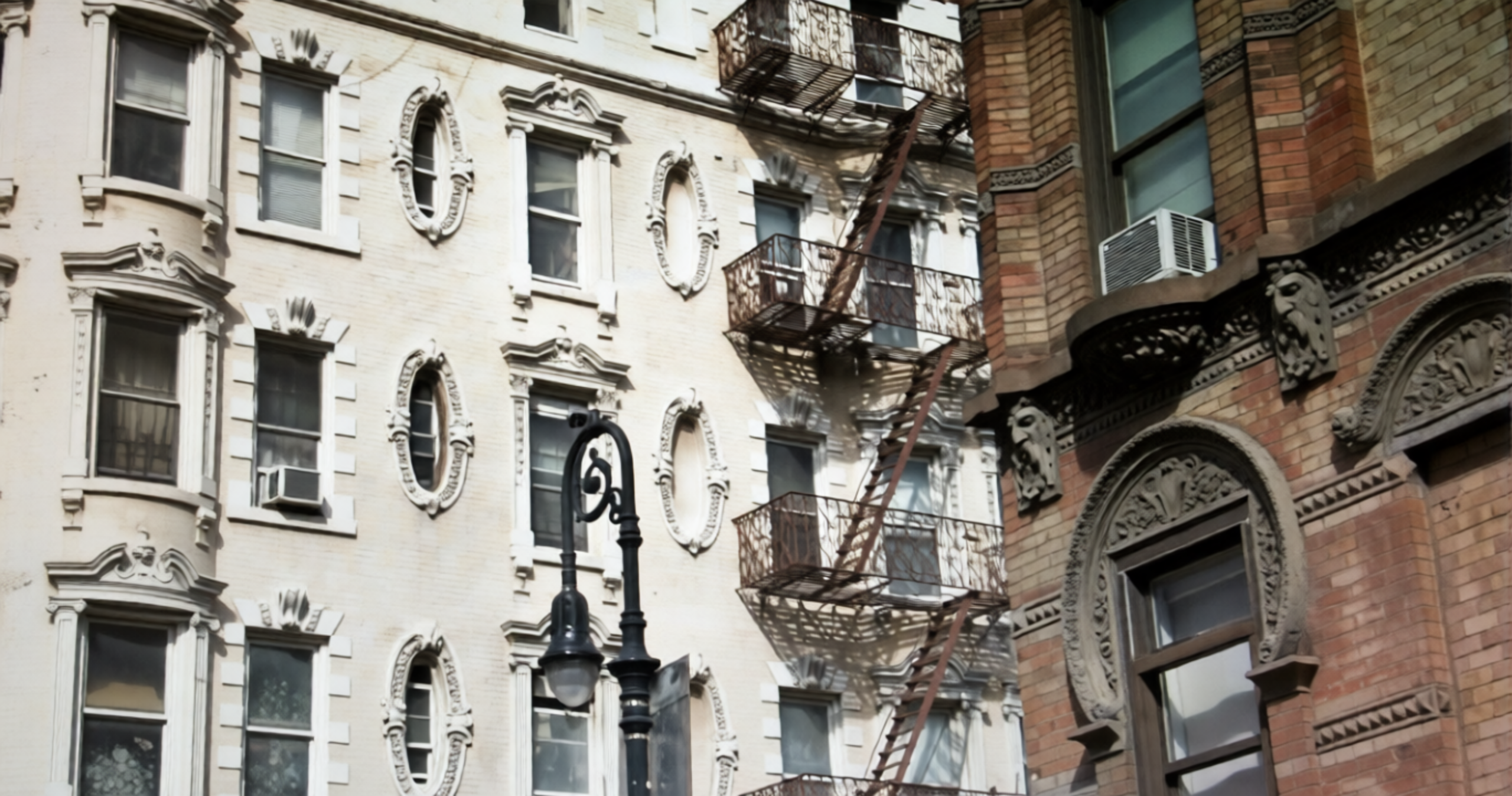
People tend to associate the tenements on New York’s Lower East Side with poverty, but the detailing on these old buildings is exquisite! Note rare surviving cast iron lamppost (corner of Ludlow and Rivington Streets).
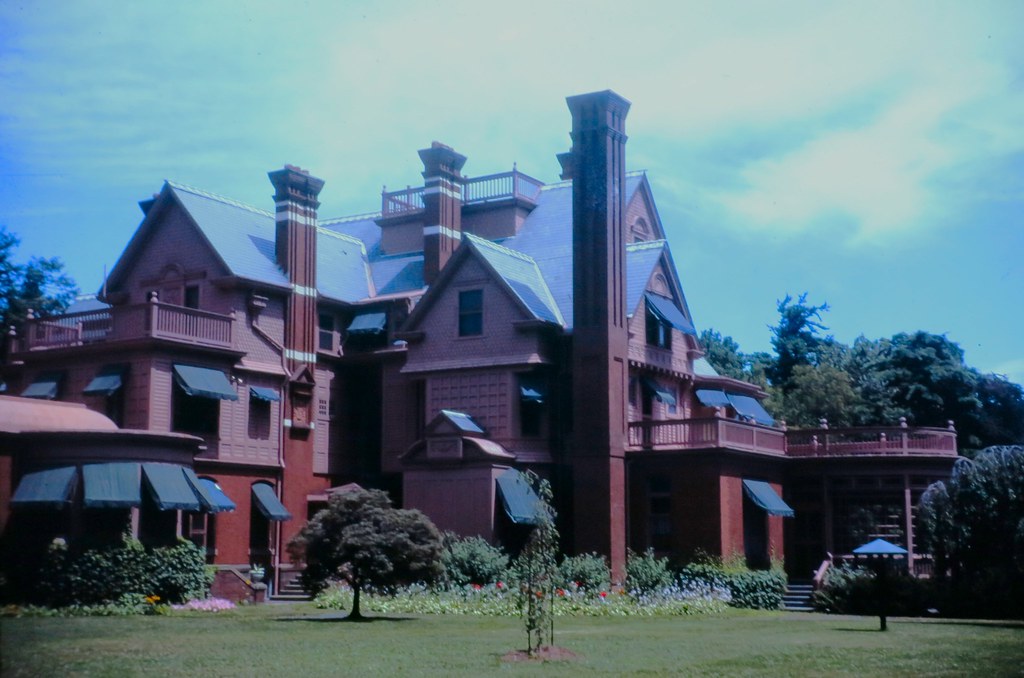
Glenmont, home of Thomas Edison, Llewellyn Park, West Orange. Kodachrome slide, 1982.
All I can tell you is that I’m glad I was around in those early days and had the presence of mind to take these photos. Much of what I captured on film is now lost. But a lot of historic charm and beauty remains. New Jersey, one of the oldest of the United States, is industrial, commercial, agricultural, densely populated–yet still has some unspoiled wilderness areas. There are “layers” of development, from the 1700s to the 1800s through the 1900s, and into the 21st century–all piled on top of each other. The gritty and the refined; the beautiful and the ugly; all coexisting. So subjects for artistic photography are plentiful–if you can see them.
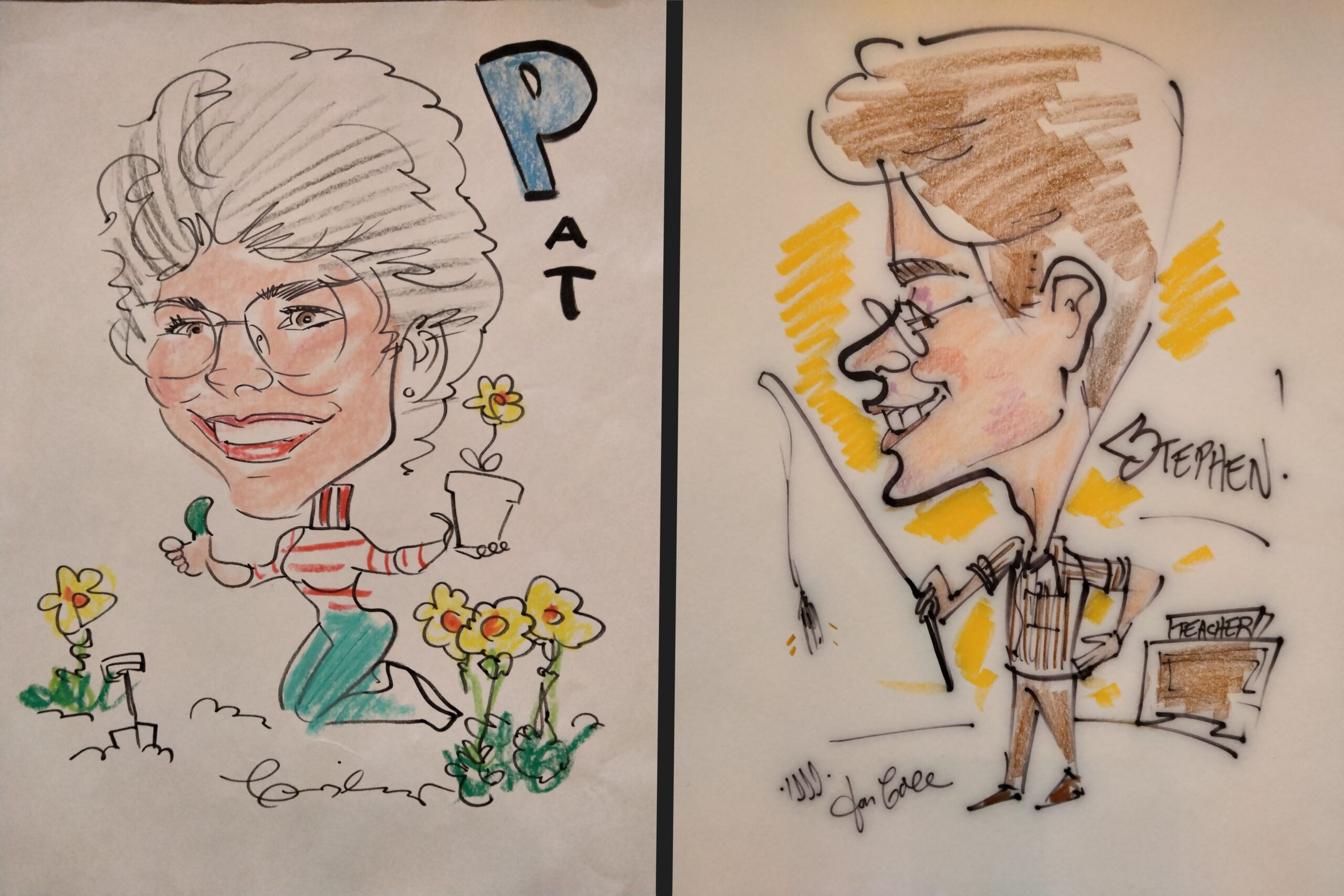
Back when I was taking many of these photos, I went to a fair and an artist was doing caricatures. I think he really “captured the essence” of my mother and me. Mom has an interest in gardening, and I was teaching college classes. The artist thought I needed a whip to help keep order in the classroom! 😆




I especially love the shots of the buildings. Being so much older than my area (and having more wealth back then), the array is impressive! There is nothing more forlorn than a single row house that remains standing on an otherwise empty block.
Wow! Having grown up in NYC as well as Morris and Essex counties, these photos bring back many memories and I know where most are. Awesome article, thank you!
Nice post, would have appreciated pictures of their current descriptions rather than words.
I grew up outside of Trenton, when small towns dotted the landscape with dairies and potato farms in between. When I was in high school they opened I195 and 7a on the Turnpike, the change was fast and dramatic. You could be in NY in an hour and we became a bedroom community. The old main streets haven’t changed much, while everything else has been paved over. The two lane Turnpike is now 6 lanes in each direction, the farm fields are subdivisions or industrial parks. I recently talked to a friend who drives a truck and still lives there. He said, “You remember England’s potato farm?” “Yeah, a 100 acres of the best taters around!” “I’m pulling out of there now, it’s an Amazon warehouse.” I moved south in ’80, the last time was there was 15 years ago, got lost 3 times chasing ghosts, now I just let it live in my memories.
There’s a lot more to New Jersey than what the casual visitor would see along the busy NJ Turnpike, Garden State Parkway, and I80 corridors. There are some really pretty (and rural) areas in the northernmost portion of the state in Sussex and northern Passaic and Warren counties.
Interesting photos of an area I have never had the opportunity to visit. Given the audience I am surprised that no one has yet identified the car on Lock Street.