
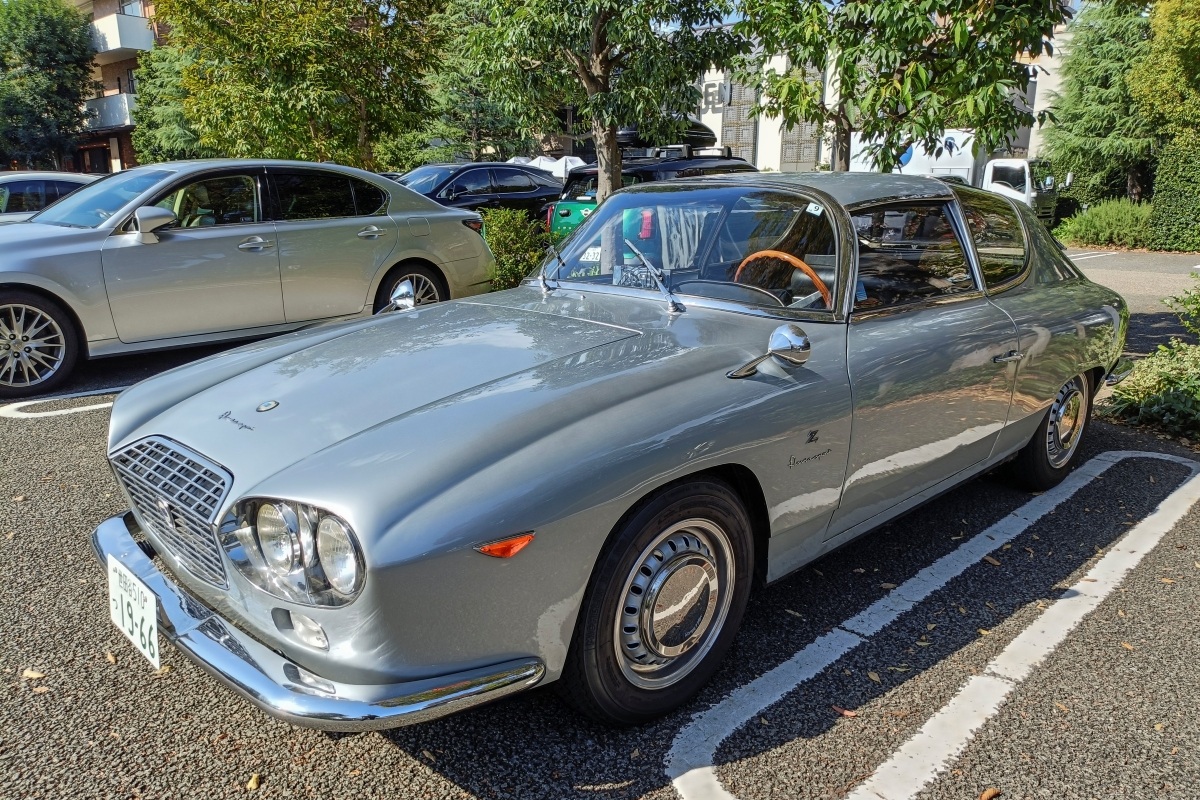
Who doesn’t like weird cars? I guess “weird” depends on the automotive landscape one is accustomed to, but even to a dyed-in-the-wool Britisher, a Reliant Robin must be quite strange. Citroëns look odd to everybody, French people included. The later oeuvres of Virgil Exner at Chrysler would also fit this description to most Americans, I’m sure. So here’s one of the quirkiest Italian coupés of the ‘60s, the Zagato-bodied Lancia Flavia Sport.
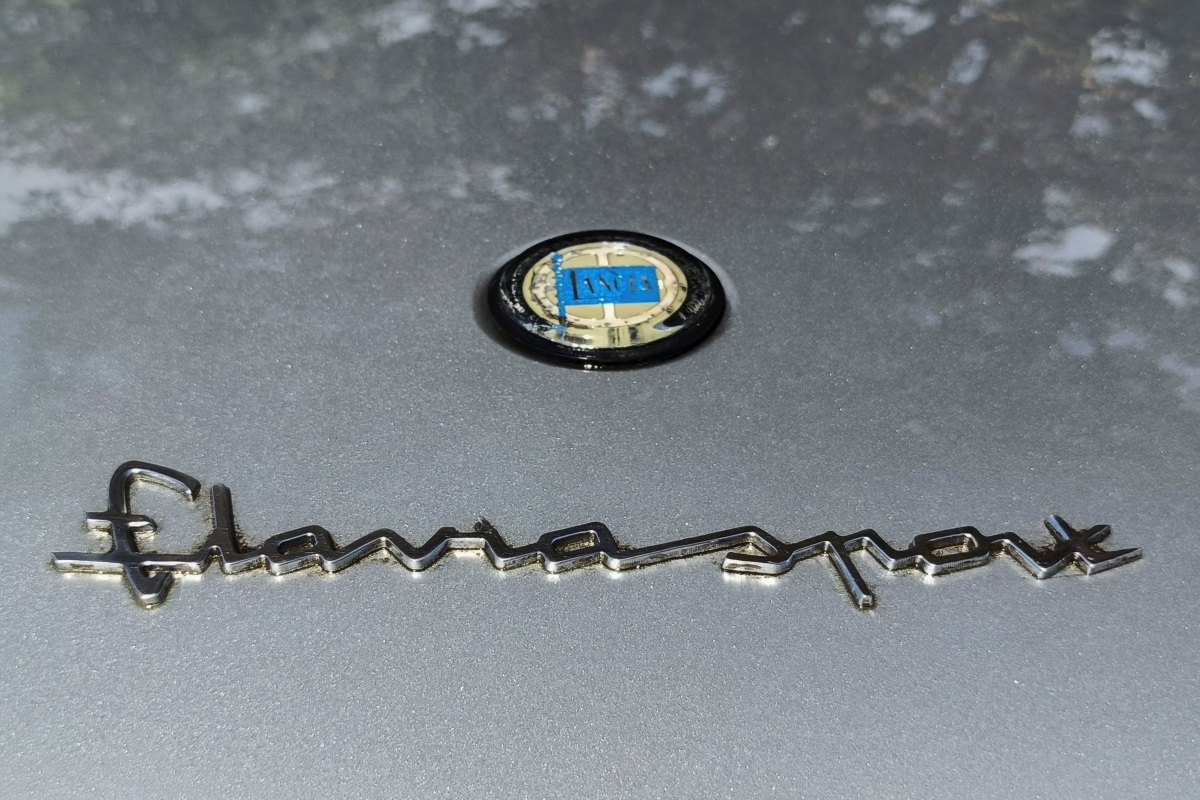
Lancia and Zagato were meant for each other. Both firms were highly innovative, technologically advanced and seemingly incapable of doing things in a middle-of-the-road way. When they collaborated, the results were often outstanding, as we saw with the Fulvia Sport.
I’m inclined to think that this Flavia was some sort of peak for both firms. On the one hand, Lancia would soon be overtaken by Fiat and start their steadily slide towards complete irrelevance. On the other, the golden age of the carrozzerie, by the second half of the ‘60s, was already in the rear-view mirror, even if Zagato managed the decline better than most.
Let’s start by looking at the Lancia side of the equation. The Flavia debuted in 1960. It was engineered by Antonio Fessia, who joined Lancia in 1955 when the founder’s family sold a controlling share of the business to banking and construction magnate Carlo Pesenti. The new direction meant new technology: the Flavia was FWD, had a flat-4 engine and a completely different (and arguably far less sophisticated) suspension from previous models.
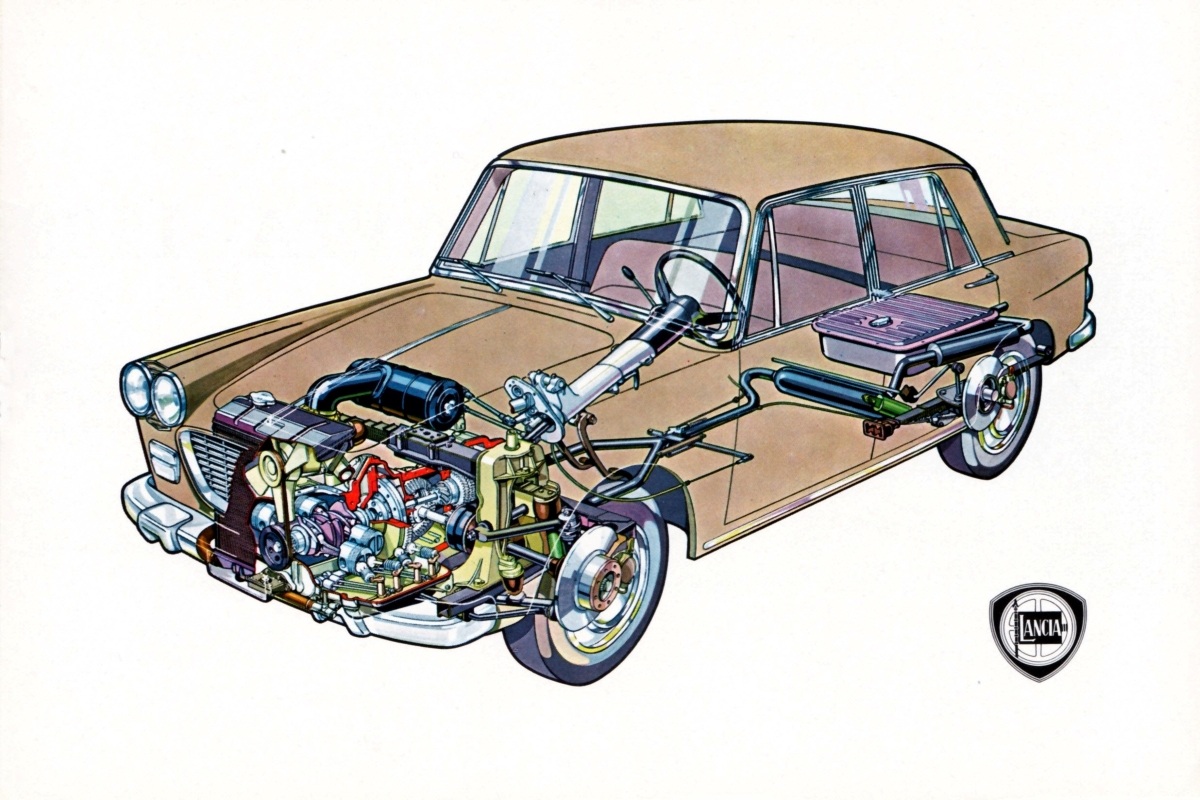
It also had a rather peculiar appearance as a four-door saloon, but two-door derivatives were immediately being devised by Italy’s many great coachbuilders – especially Pininfarina, Touring and Vignale in this case. And, of course, the House of Z.
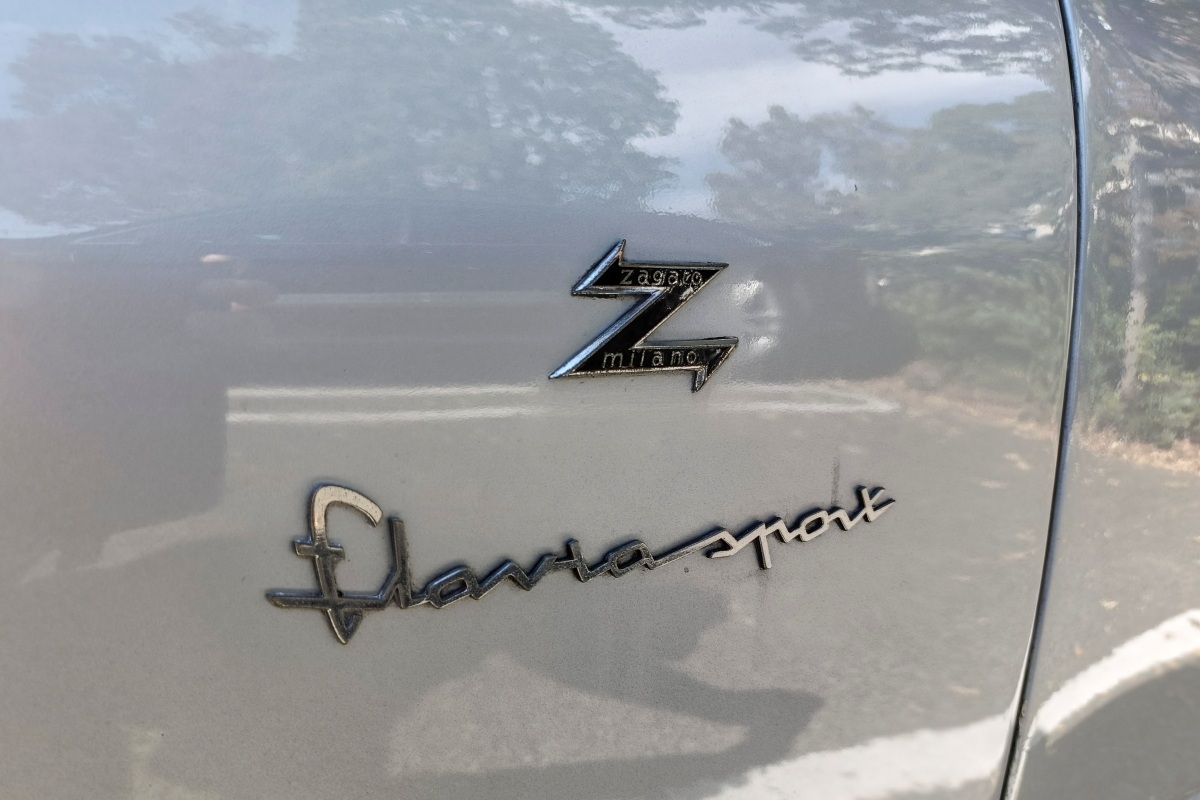
By the early ‘60s, Zagato had secured the services of Ercole Spada (1937-2025), a gifted designer who had a knack for pushing the envelope, esthetics-wise, but stuck like glue to the carrozzeria’s founding principles: making their bodies as light and as aerodynamic as possible. A car with a Zagato body had to be faster than the same chassis with another body.
When the Flavia appeared, Zagato were already collaborating with Lancia via the Flaminia Sport coupé. The somewhat underpowered Flavia posed a different challenge than the Flaminia, whose RWD layout and powerful V6 were ideal for a lightweight sports car. After over a year of trial-and-error and tinkering with aerodynamics leading to one of Ercole Spada’s most curious creations, Zagato proudly premiered the Flavia Sport at the 1962 Turin Motor Show.
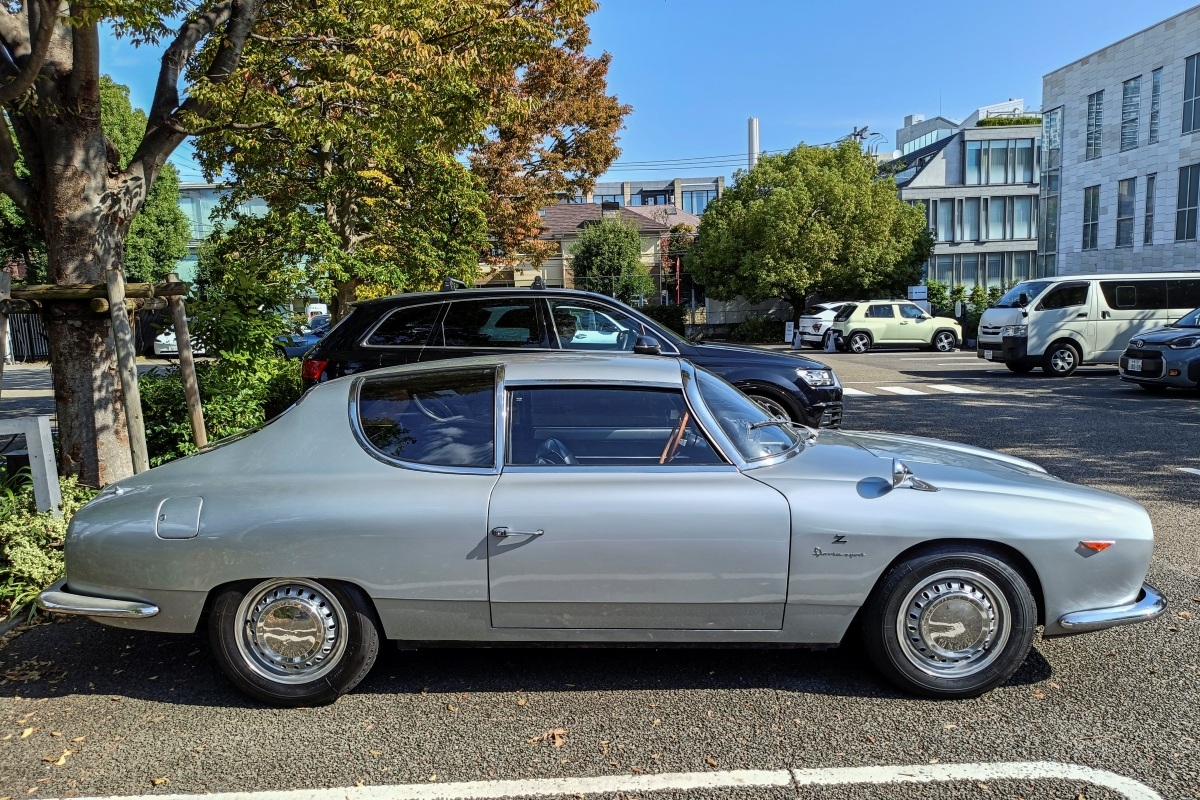
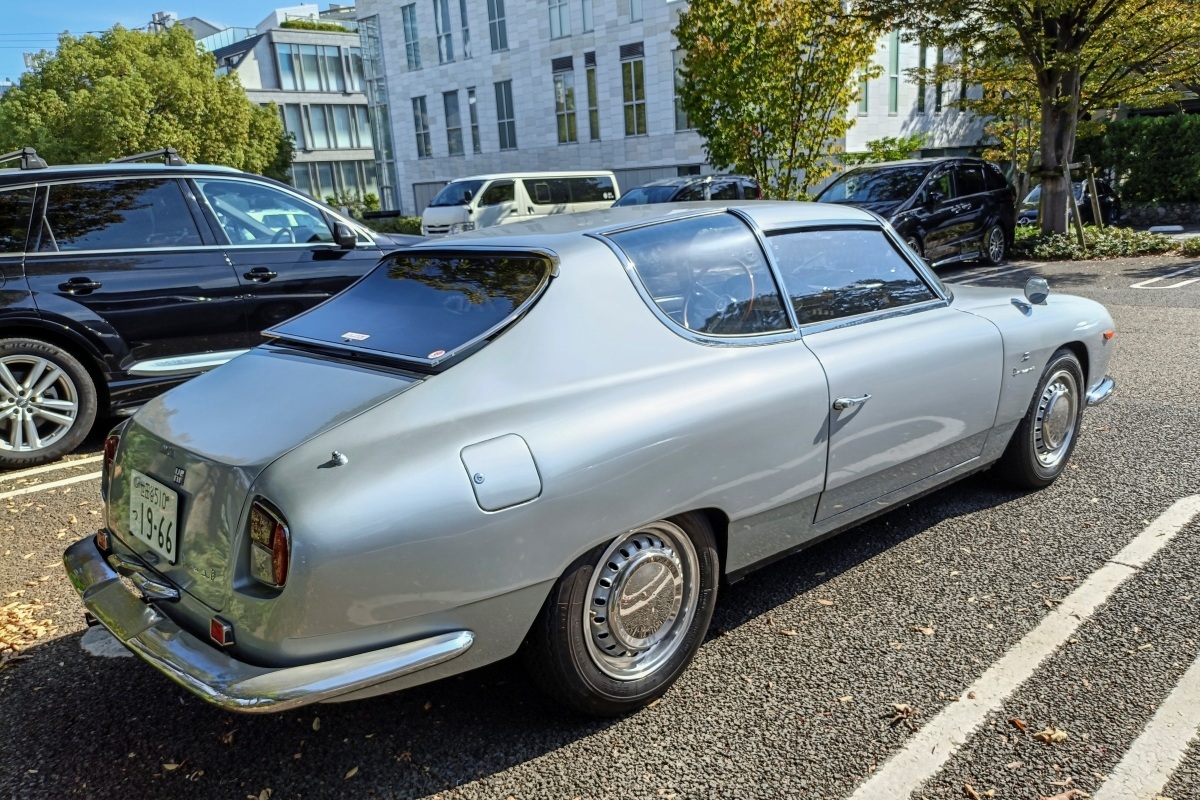
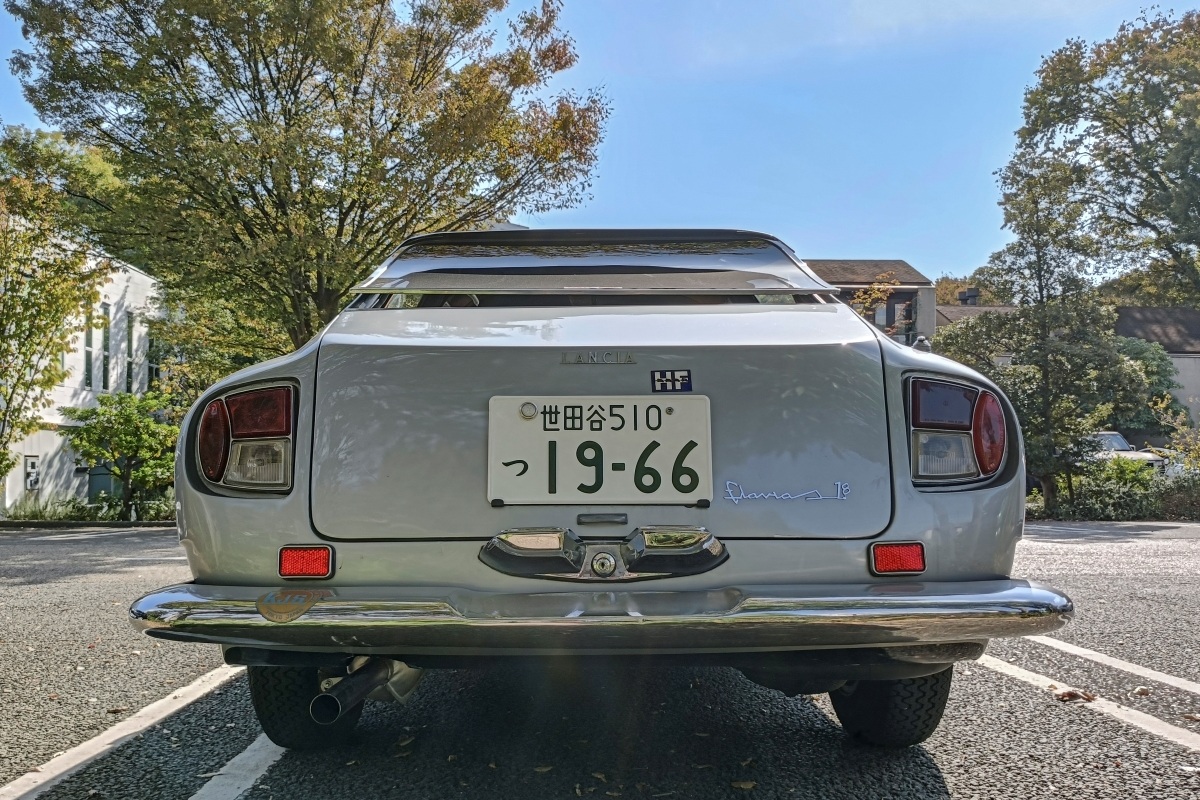
The Flavia Sport, as it became known, did not look like anything else – save perhaps a couple of contemporary Zagato designs, such as the Alfa Romeo 2600 SZ. But even then, the Lancia took the weird-o-meter up to 11, no matter which angle one looked at it. From the side, the stand-out oddity is the rear window that goes up into the roof. The concave backlight is a close second, but we’ll look at that one first.
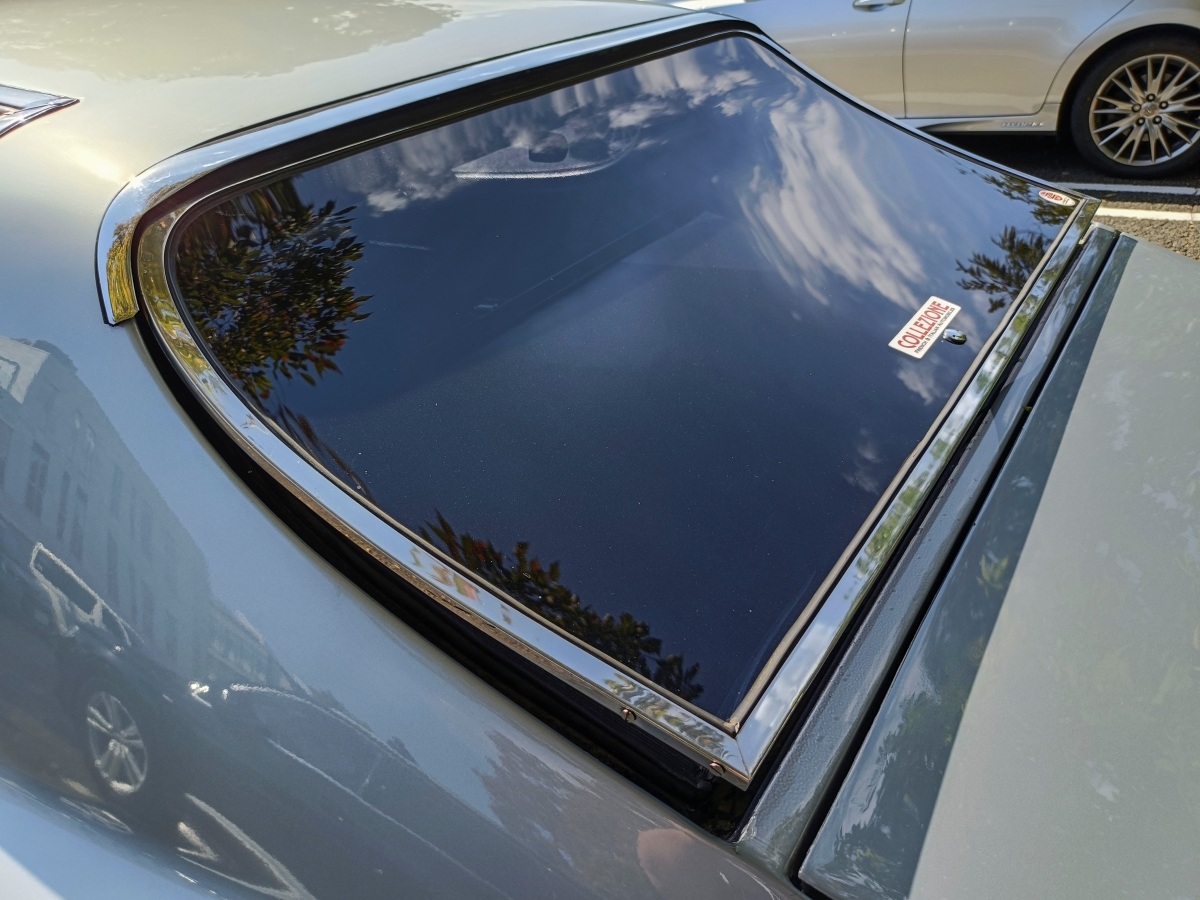
Beyond its curious (but perchance aerodynamically efficient?) shape, the latter feature can also be cracked open to aid in ventilation. This was a typical thing on Zagato-bodied cars of the time, such as the Lancia Fulvia Sport or the Alfa Romeo Junior Z.
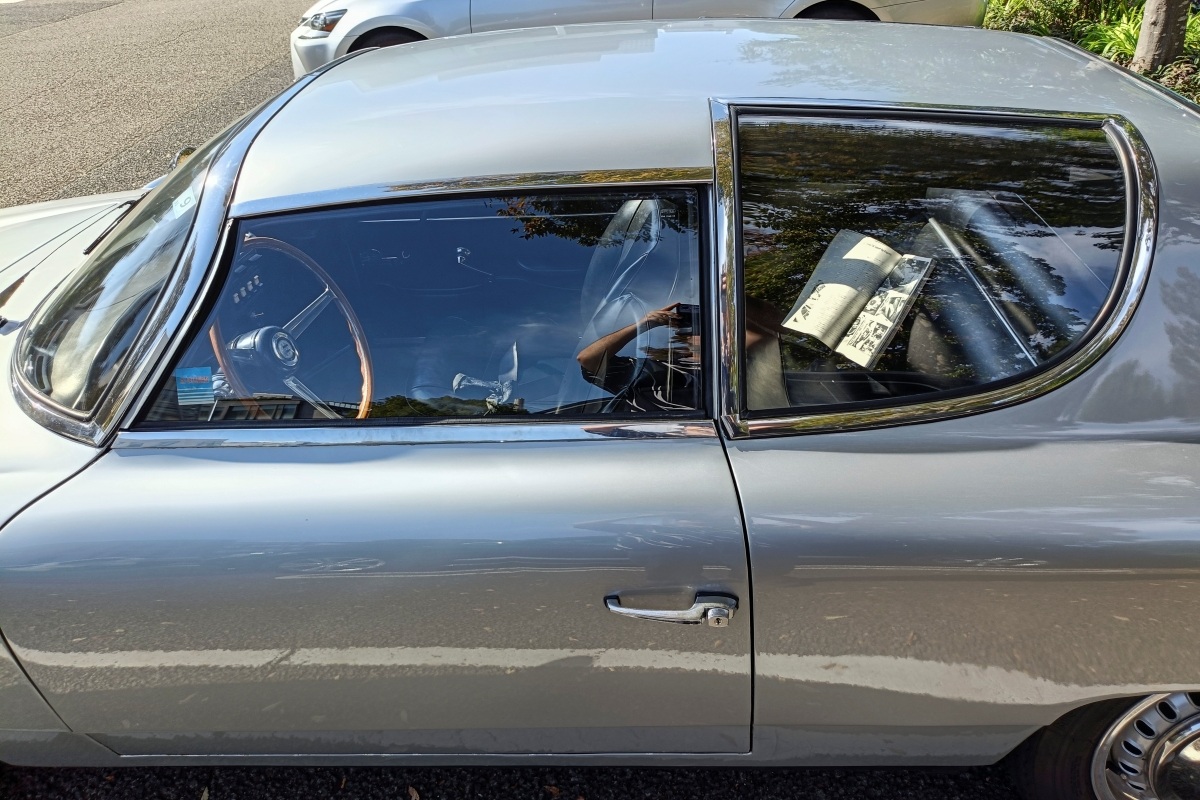
The back window thing is a lot more jarring. And it’s rather unique to the Flavia Sport, too. I’m not 100% sure what Ercole Spada was going for with this, except maybe as an homage to Zagato’s past: if that rear window looks like anything, it looks like a throwback to the carrozzeria’s own Panoramica series.
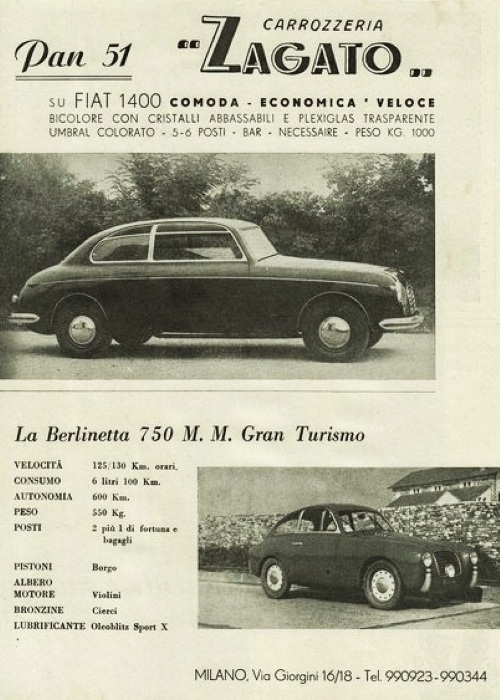
In the immediate postwar years, Zagato were keen proponents of a curious kind of window / roof design they dubbed Panoramica. Some cars had bisected windows (so the bottom part could wind down); others, made of plexiglass, were of a curved one-piece design, albeit with large opening quarterlights. The latter were usually used on bodies intended for racing.
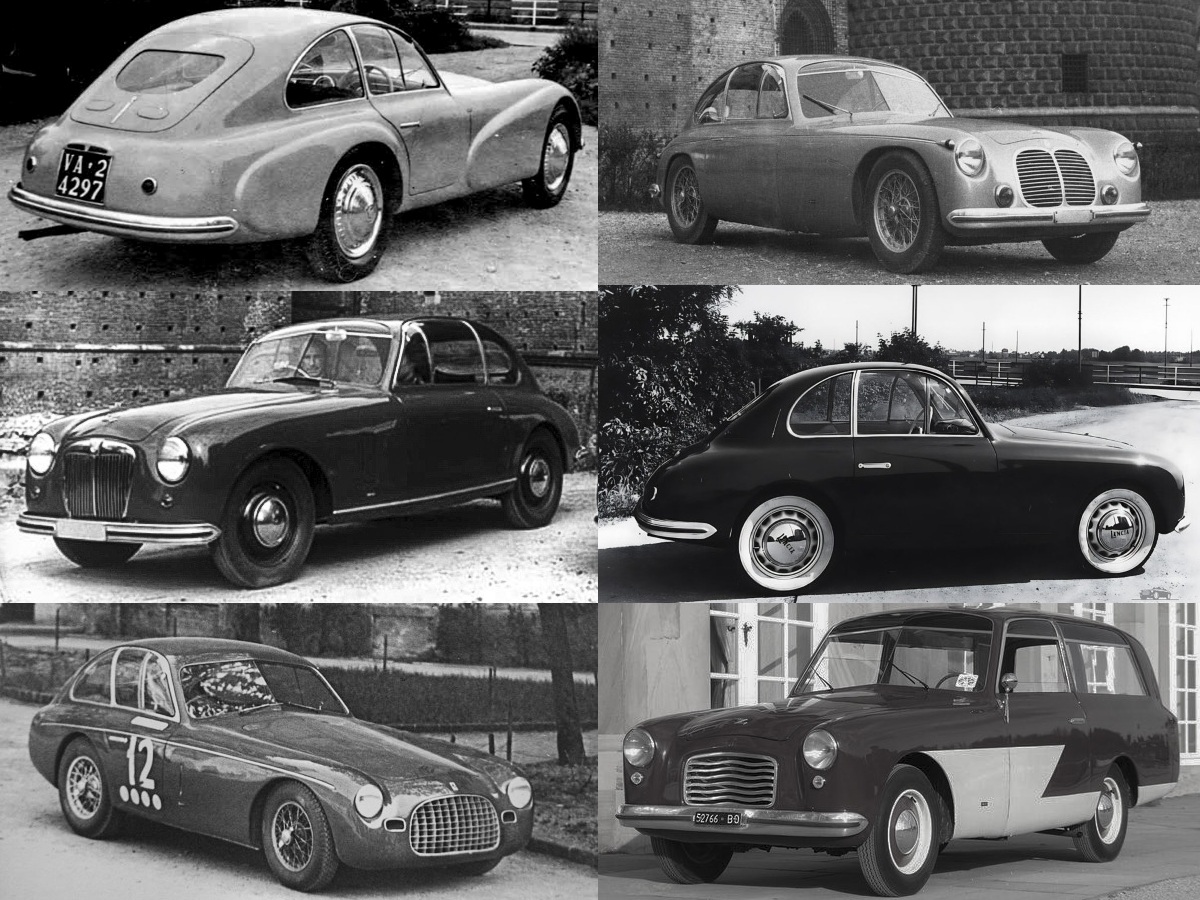
Zagato used this interesting greenhouse design on a bunch of chassis between 1946 and 1950 – about 100 cars in total. They even did a wagon version! This was something of a phase the coachbuilder went through, evidently. Ercole Spada referenced that with the Flavia Sport.
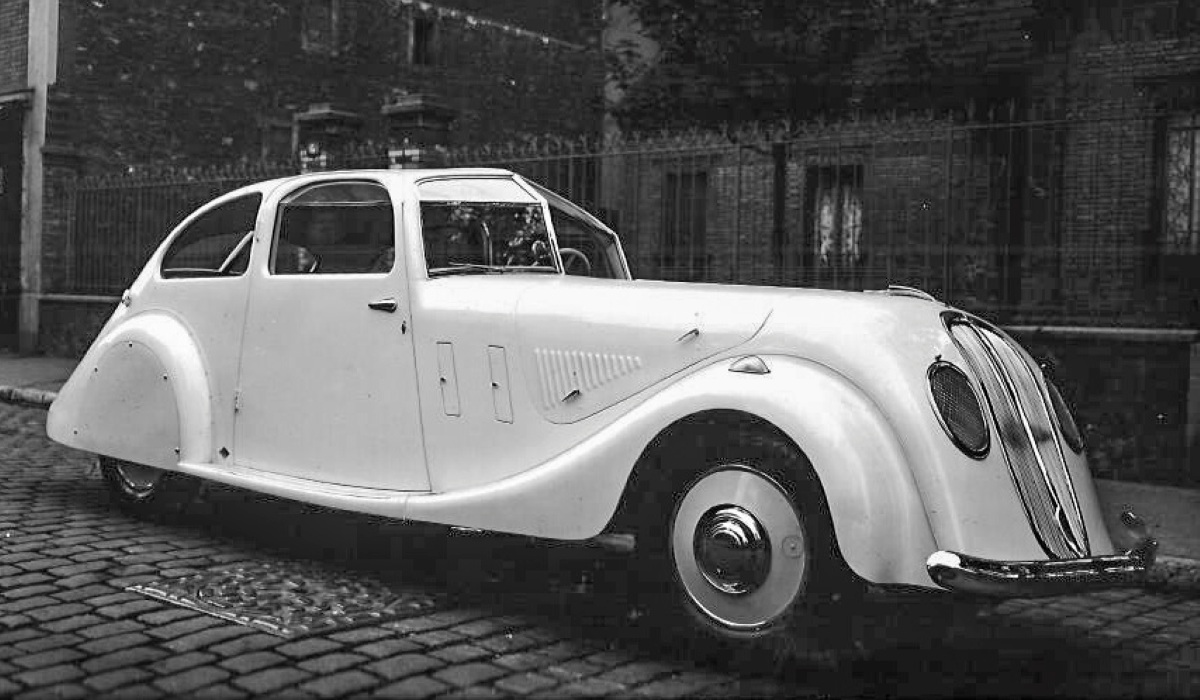
To be entirely accurate on this curious but fascinating subject, Zagato did not invent the concept per se. I wrote up a 1939 Bentley with an H.J. Mulliner body that had a bit of that (only above the windshield though). The above 1934 Renault Nervastella “Aéroprofil” was made by French coachbuilder Gaston Grummer. He authored several bodies with roofs like this, and I’m sure he wasn’t alone, so it’s fair to say that full-fledged panoramic greenhouses were a thing well before Zagato took to them in the ‘40s.
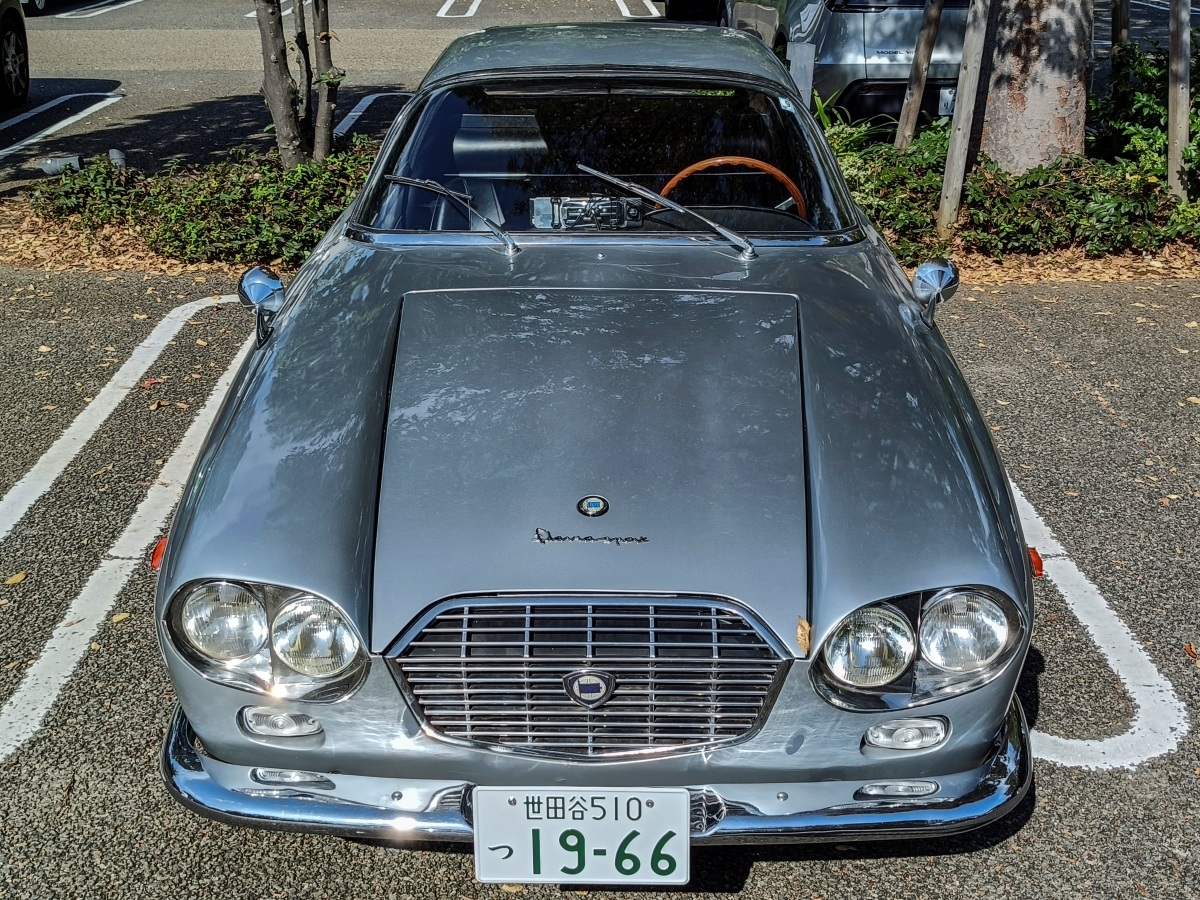
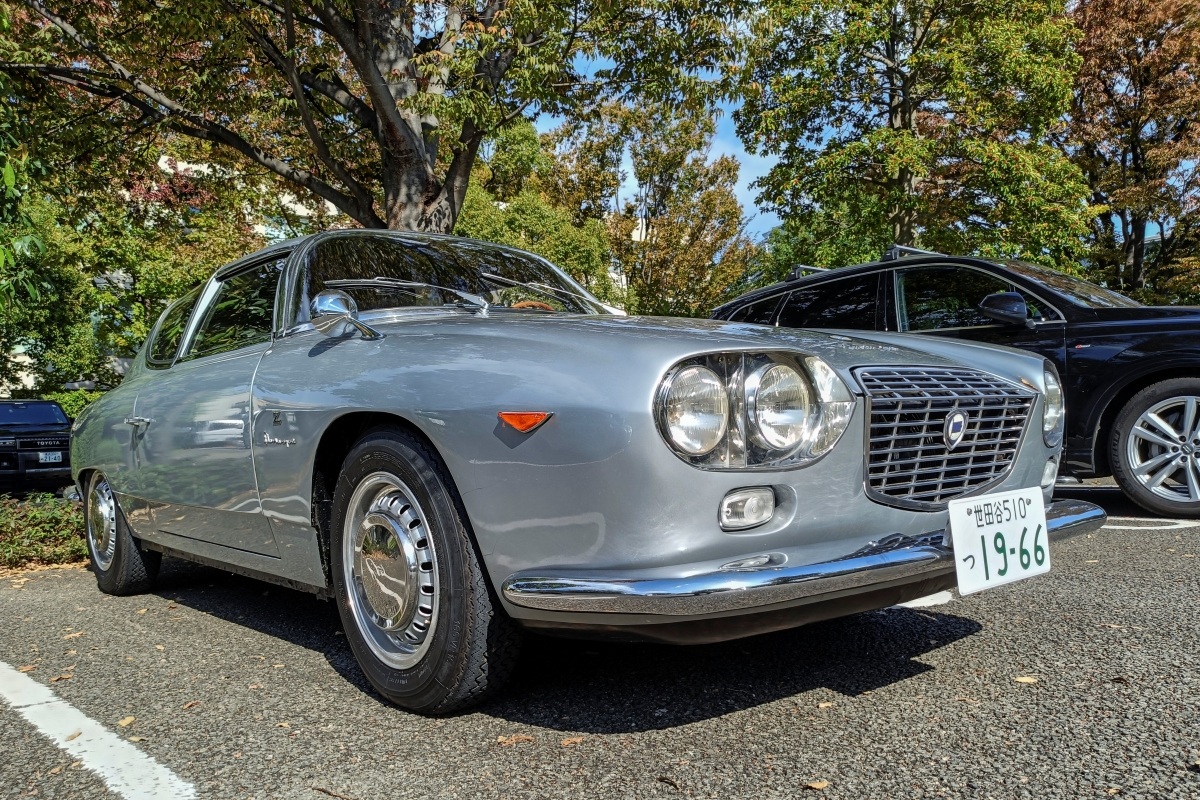
From the front, Spada’s decision to apply a sharp crease right in the middle of the grille kind of echoes the Panoramica design, but in a much weirder way. Signore Spada really outdid himself on this one.
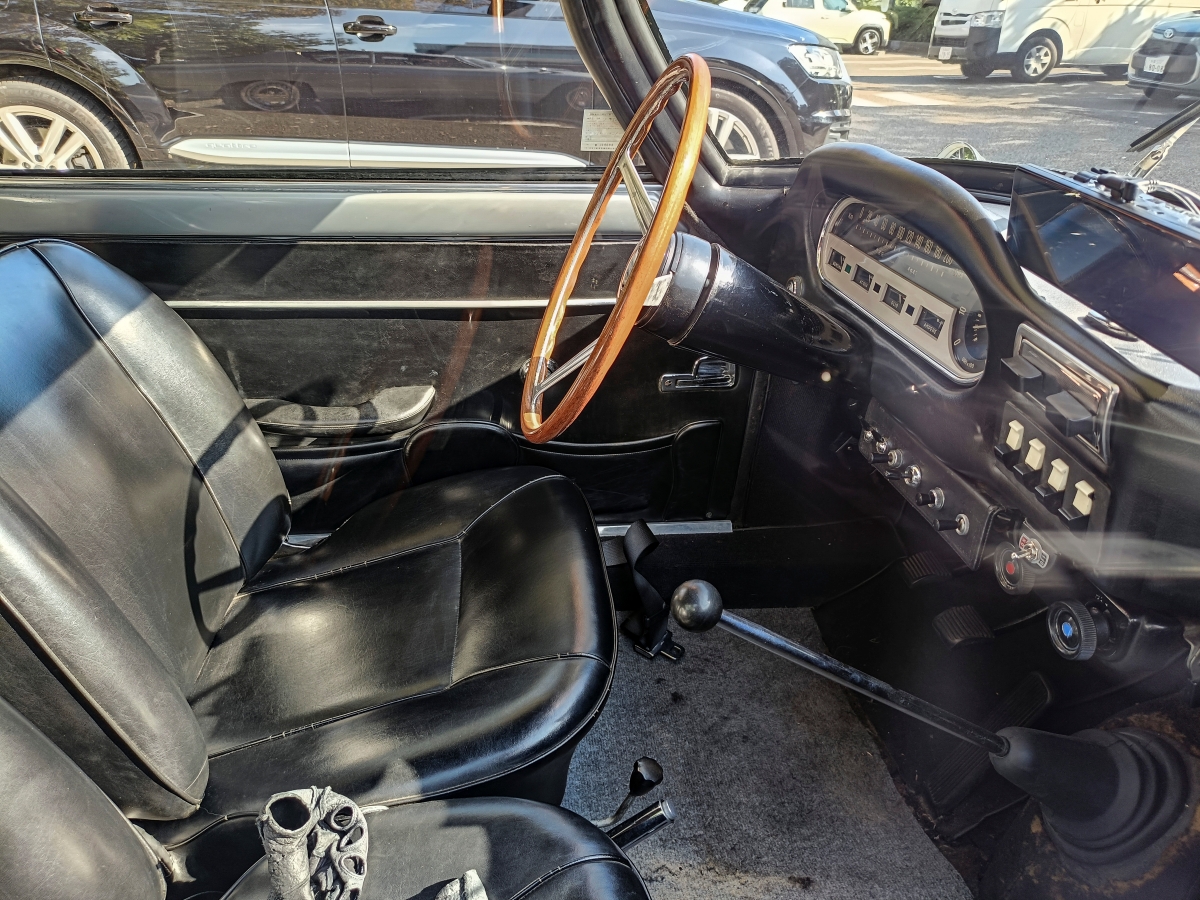
The interior is comparatively normal. They reused the saloon’s horizontal instrument binnacle, which doesn’t really gel with the whole deluxe coachbuilt performance coupé vibe. Everything else seems perfectly in tune, from the Nardi steering wheel to the long floor-mounted gear lever (saloons had a column change) and black leather upholstery.
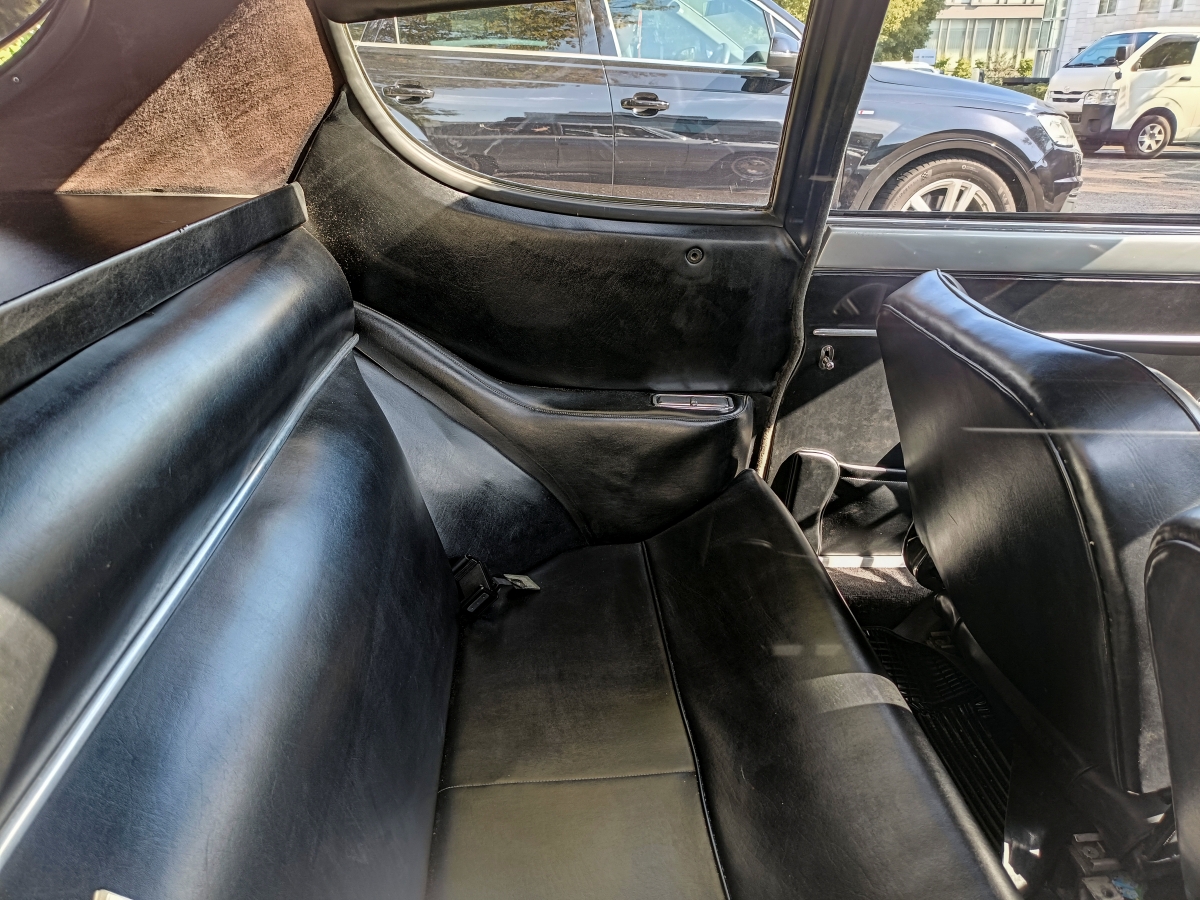
I’m not sure if this rear bench is adequate for full-grown adults, given the legroom and how high the seat is. Kids would be fine back there, probably. And they can smoke while they’re at it, too. The good people at Lancia thought of everything.
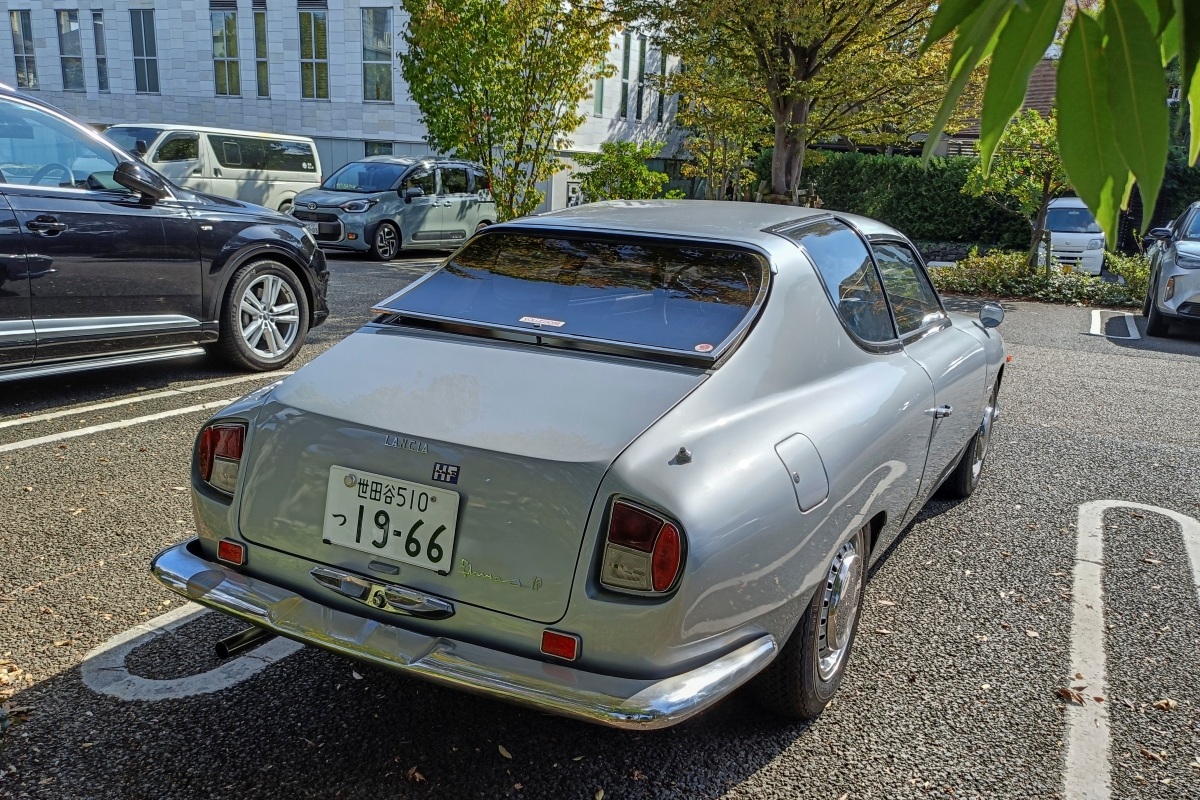
The first hundred or so Flavia Sports made do with the 1.5 litre flat-4 common to all early Flavias, though it did have two carbs, so it produced 90hp. Our feature car is the more common (all things being relative) 1.8 litre version – also featuring twin Webers, good for 105hp. A few Zagato cars were fitted with a 1.8 fed by Kugelfischer mechanical fuel injection in 1966-67 – this did not provide more power, but it did improve fuel economy and reliability.
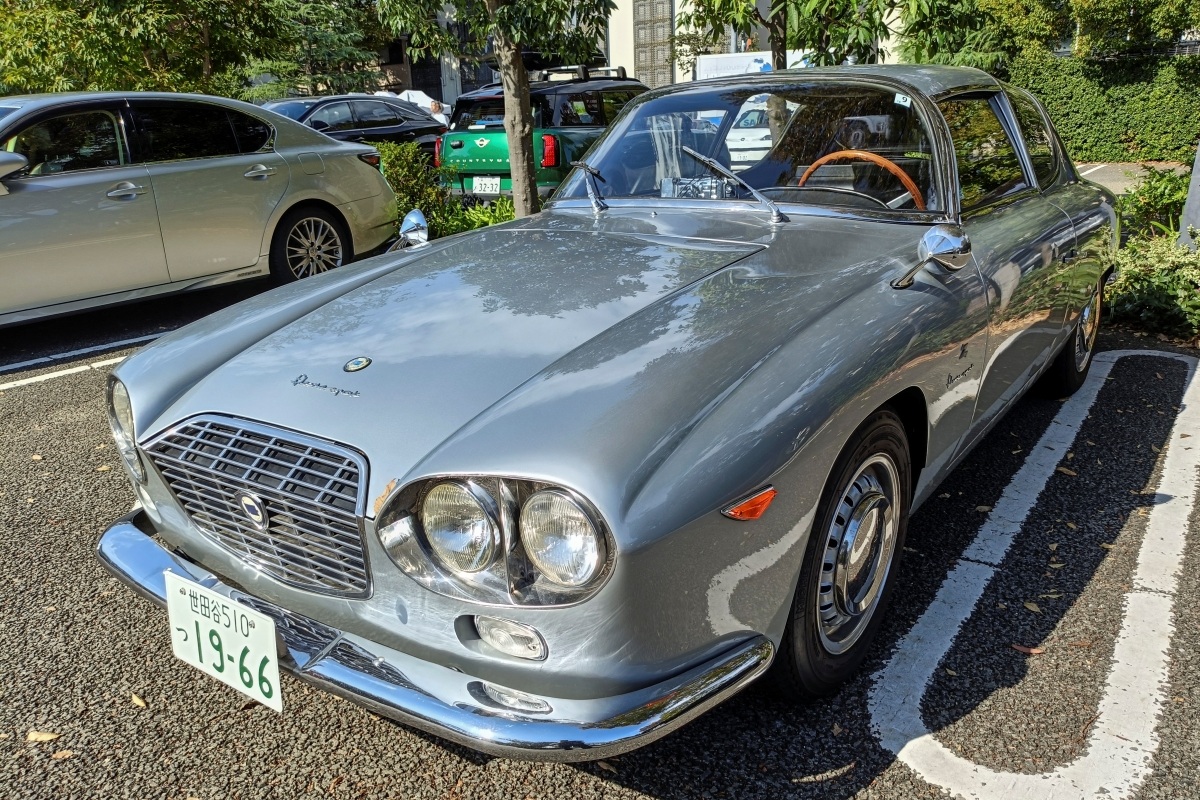
As per Zagato’s usual practice, the whole bodywork was made of hand-beaten aluminium panels over a steel frame. This brought the car’s weight down to 1060kg, about 150kg less than the factory four-door and 100kg less than the Pininfarina coupé and the Vignale convertible. Top speed was close to 190kph thanks to that and the odd-yet-slippery shape.
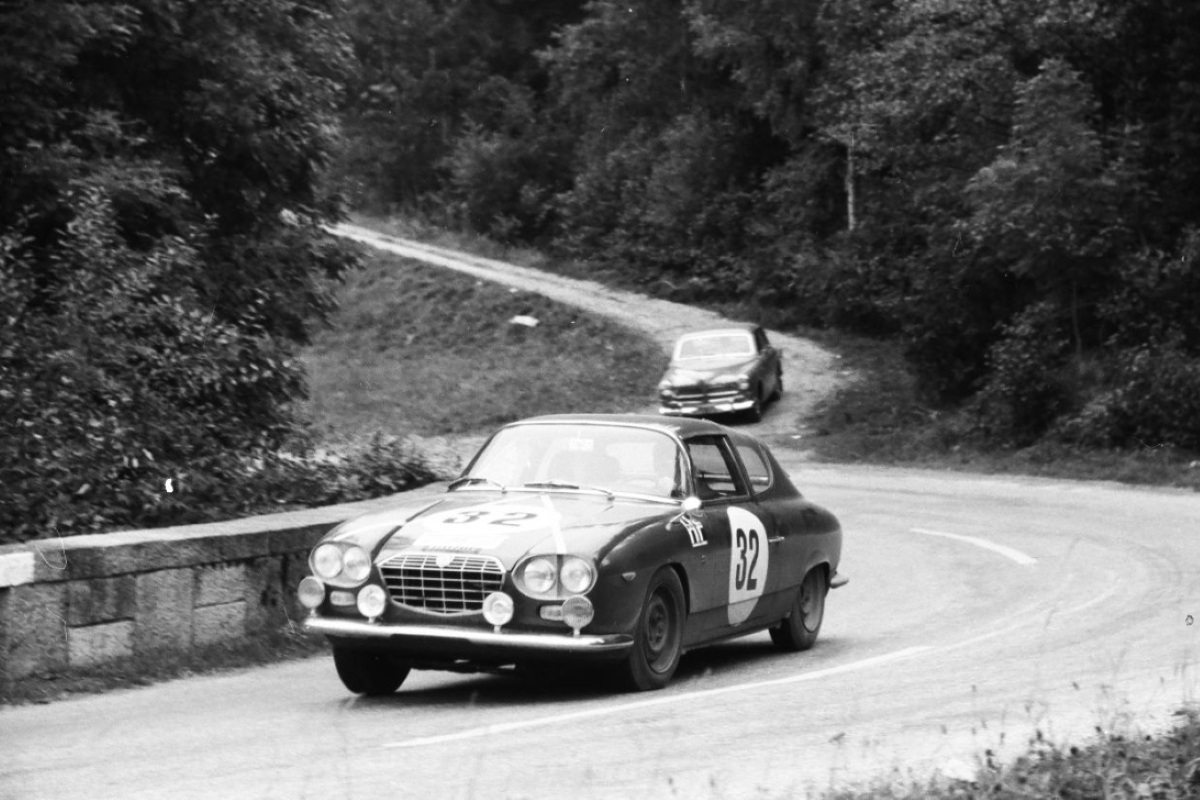
A number of Flavia Sports were raced – they were an ideal choice for the job, in many ways. Lancia’s HF racing team and Zagato also made a couple of even more potent “Corsa” versions for the Targa Florio – those were lightened by 250kg, had a souped up 145hp engine and the like. But standard-issue cars like the one above, with minimal modifications, were also competitive enough to score a few wins.
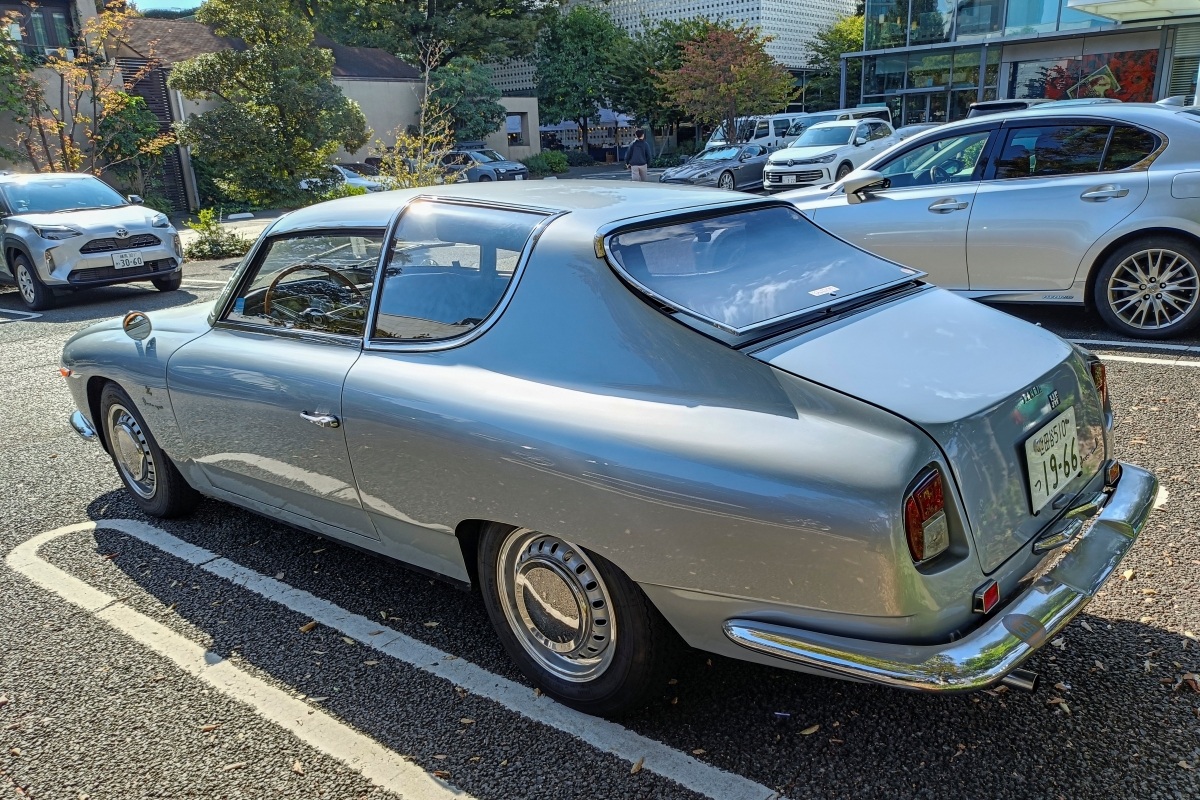
They were also expensive. Lancias were never cheap, even dressed in factory bodies, but adding Zagato’s zany artisan coachwork made for a hefty price tag. One of these would have set you back around $6000 in 1965 – same as a fully-optioned Corvette Stingray or a Cadillac. In its home market, it cost 50% more than the four-door Flavia.
This was part of the problem for the Flavia Sport in particular and Lancia in general. As the ‘60s carried on, Carlo Pesenti found it increasingly difficult to see how much of a financial black hole his car company was becoming. Major investments, such as the state-of-the-art Chivasso plant that opened in 1963, failed to provide any returns as sales remained sluggish and costs kept creeping up.
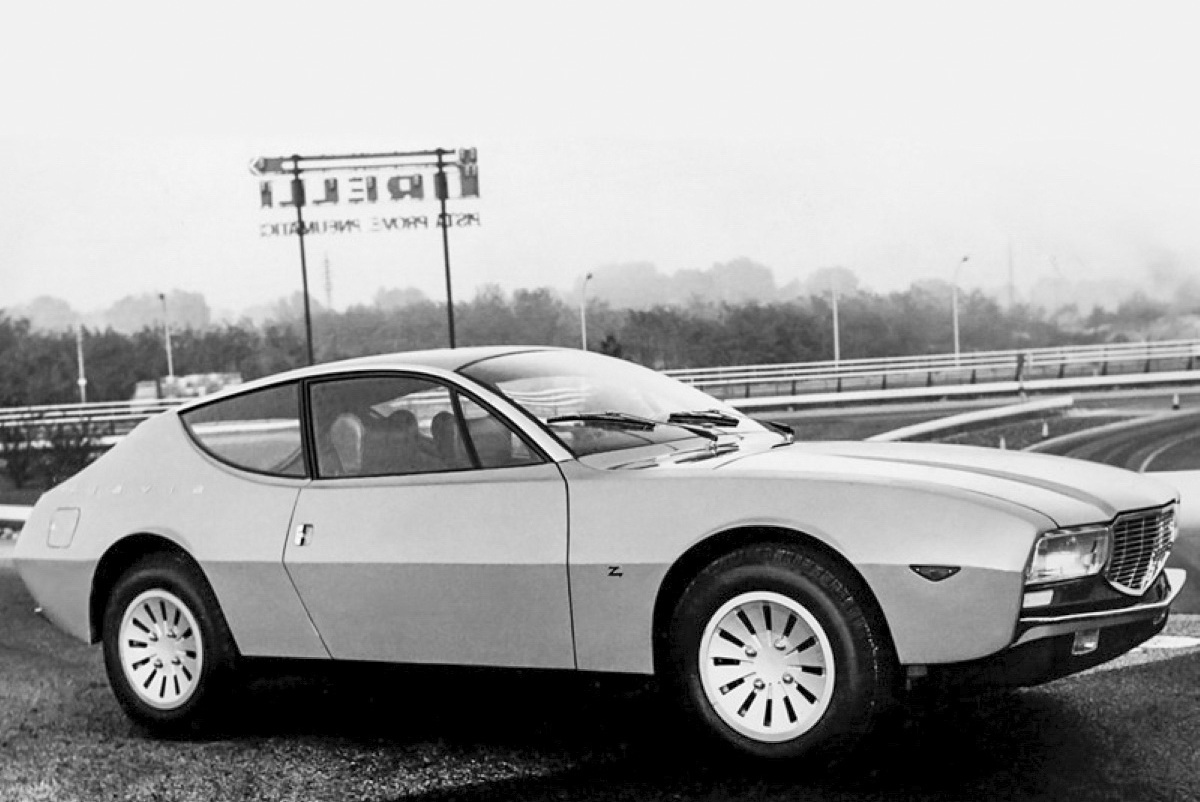
By 1967, the panic had pretty much set in. Pesenti had reached out to BMW, but talks were not going well. Fiat waited in the wings, ready to swoop in. It was in this context that Zagato proposed that the Flavia Super Sport (above) should take over form the Flavia Sport. It was still designed by Ercole Spada, but the result was less weird. Because of the general disarray within Lancia at the time though, this variant remained stillborn: two or three were made in 1967-68 (one becoming Elio Zagato’s personal car) and that was the end of it.
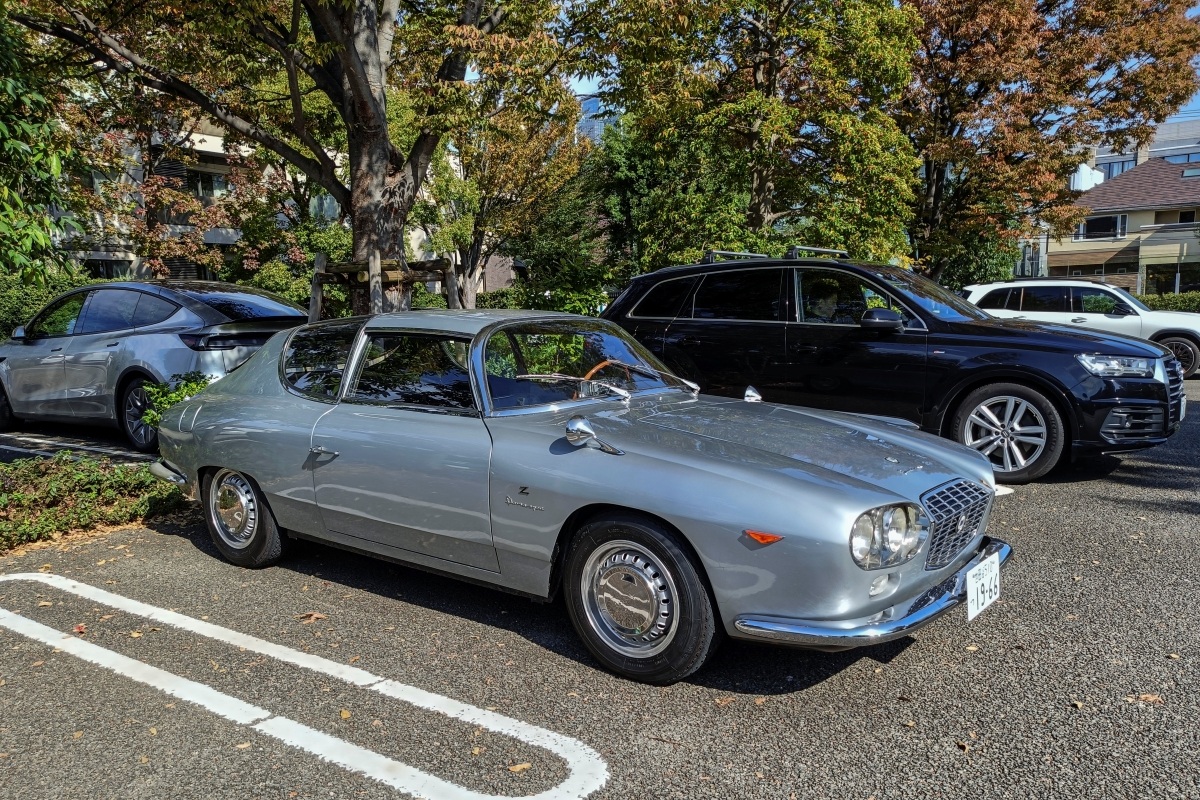
In total, around 730 units of the Flavia Sport were made between 1962 and 1967 – exact numbers depend on whether one includes the HF rally specials and various prototypes. I don’t know how this was seen at the time, but given the car’s price and polarising look, it’s not that bad a score. It’s certainly in the same ballpark as other Zagato creations of the period.
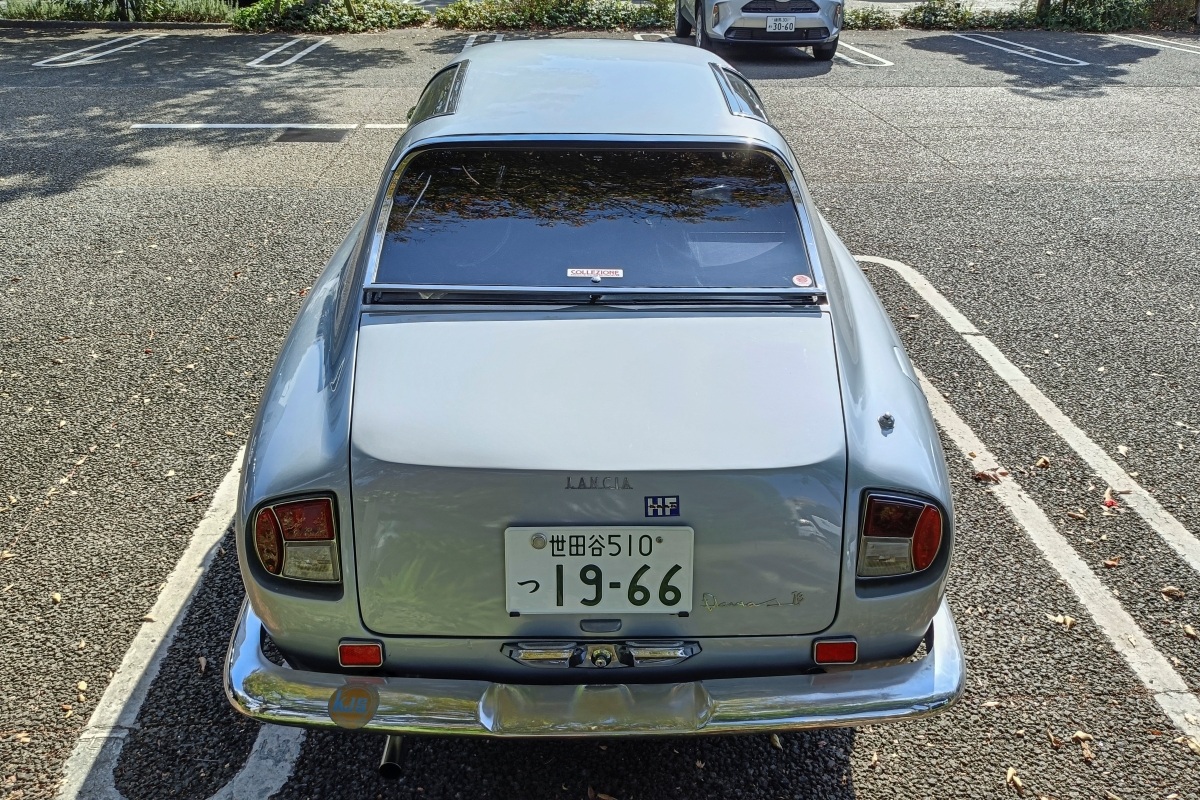
Discovering this utterly outlandish mix of concaves and curves sitting in a Tokyo car park, as if deposed here by some extraterrestrial civilization, made for one of my best CC-hunting expeditions of all time. That was on the first day of this very month – it’s been a busy fall season, I can tell you. Some people go metal detecting on beaches for coins and jewlery, some spend their time in flea markets and yard sales looking for rare valuables. I found a parking lot Picasso.
Related posts:
Curbside Classic: 1967-69 Lancia Flavia Coupe — Rare Classical Artefact, by Robert Kim
Car Show Classic: 1968 Lancia Flavia Coupé – Appreciating The Finer Things, by T87
Lancia Flavia: What I Drove Yesterday For 570 Miles Through A Snow Storm, by PN








I’m envious that you can find a Flavia Zagato sitting haphazardly in a parking lot as if the owner doesn’t care about door dings; meanwhile, my junkyard Dart is parked a mile out no matter what. Regardless of that, what a quirky and neat little thing; the Fulvia Sport is weird but beautiful, while this is weird but weird. I’d prefer a Fulvia (I have a small diecast of one of those with its cool side-opening hood), but what a find this is.