
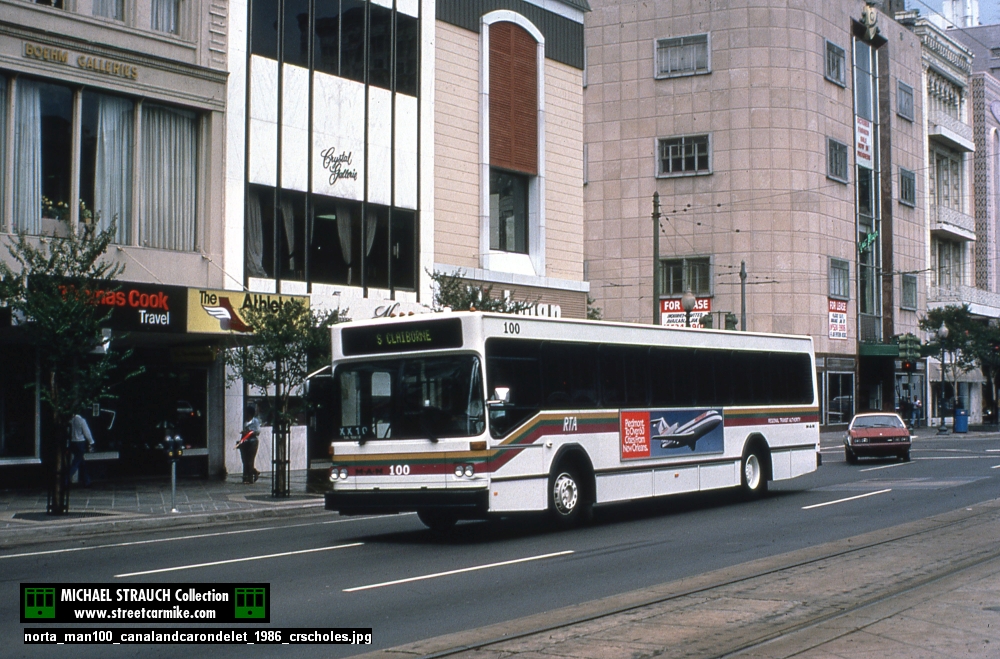
Several German bus manufacturers have tried in the past to crack the North American bus market. While having some success with intercity and touring coaches, they haven’t been able to establish a long-term presence with their urban transit models. We’ve reviewed Neoplan’s attempt here. Now let’s look at MAN’s somewhat more limited and abrupt endeavor in the Eighties – the MAN Americana.
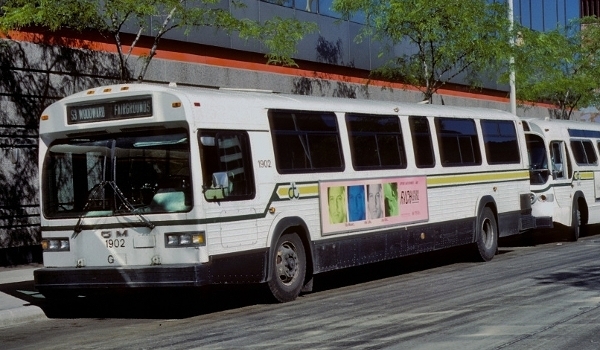
You have to give German bus manufacturers credit – they clearly saw an opening in the US transit bus market in the decade of the 1980’s. The GM RTS II, though somewhat improved from its disastrous early years, was hardly held with the same reverence as its New and Old Look predecessors. Another option was the Grumman/Flxible 870, which was trying to redeem its reputation from its early 80’s cracked A-Frame debacle. Some US transit operators, like Detroit, were so disappointed with US options that they purchased GM of Canada “Classic” coaches with their own money, as they didn’t qualify for federal grants under the “Buy America” legislation.
MAN had several European buses that could be quickly and fairly inexpensively modified to meet US Dept of Transportation requirements. But to compete successfully, the company would need to establish a US assembly plant. So they did – forming the MAN Truck and Bus Manufacturing Corp. in Cleveland, North Carolina in 1980. Construction took several years with the first bus leaving the production line in 1984. We should note that this wasn’t MAN’s first effort in North America – the company had partnered with AM General in the late Seventies to co-produce and sell its 55/60 foot SG 220 articulated model.
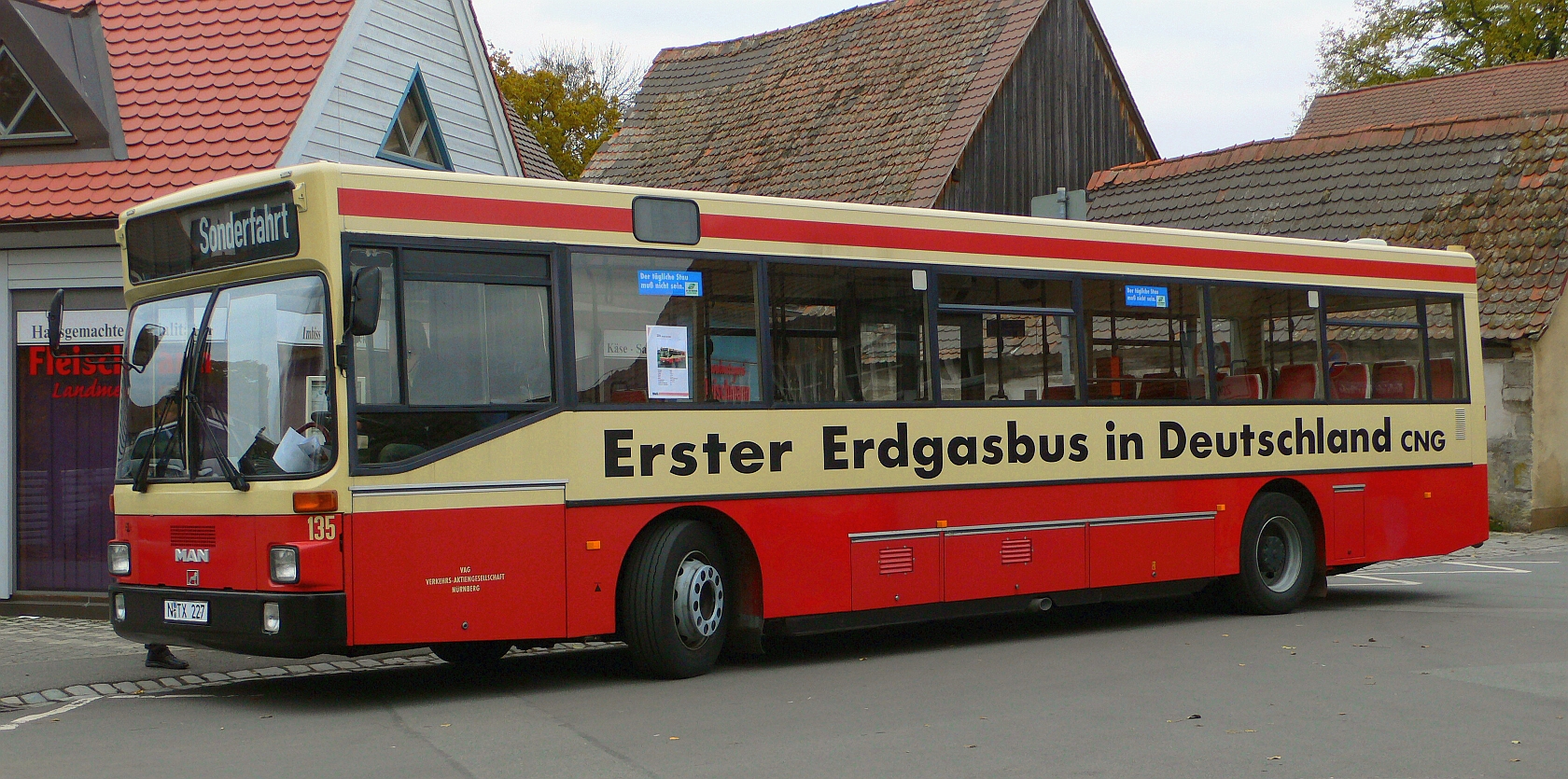
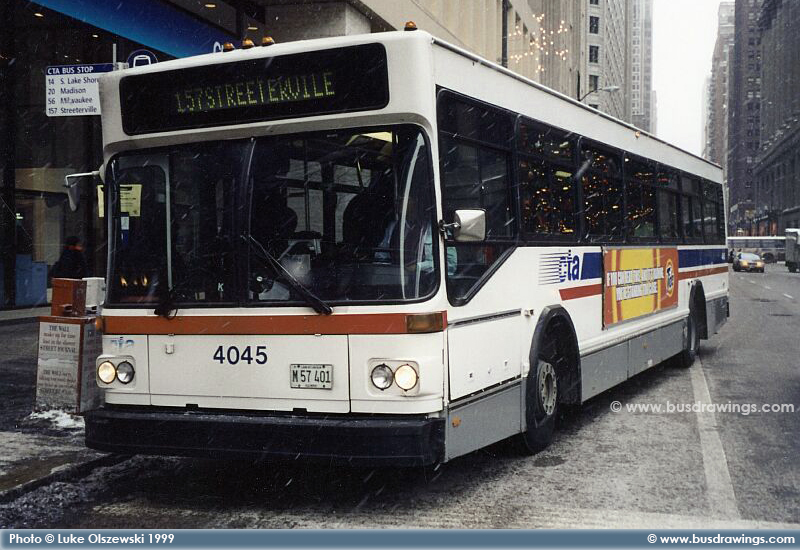
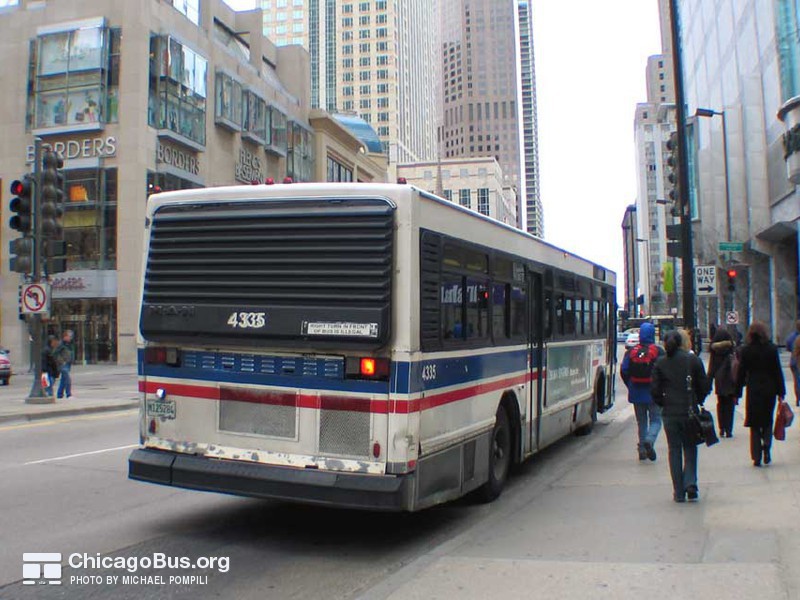
This new bus was the SL 40-102 – called the MAN “Americana” – 40 feet long and 102 inches wide – standard bus size in North America. It was based off the MAN SL 202, a European model that was 11.5 meters long (37 and one-half feet) and 98 inches across. The Americana’s most distinctive feature may have been one of the first uses of the Luminator flip-dot digital electronic destination sign.
Unfortunately, there were several key areas that MAN didn’t change from its European model. First was the engine – it came with a MAN D 2566 inline 6-cylinder 11.4-liter (696 cubic inch) diesel. It was mounted underfloor horizontally (laydown) towards the rear of the bus. The engine typically developed around 220 horsepower, and about 560 lb-ft of torque. Rather than a typical Allison, the transmission was a Renk-Doromat 874 4-speed automatic. While this engine/transmission combo proved fairly reliable, there were not a lot of mechanics skilled on MAN diesels/Renk transmissions in city fleet repair facilities in the US. Parts were another issue – MAN had a limited parts distribution network, but it was noted that many parts still needed to be sourced from Germany, increasing downtime. One wonders how many more orders they could have had by offering the option of a Cummins with an Allison automatic – the Cummins inline L10 diesel, popular in buses, was available in a laydown configuration.
Secondly, the bus was not engineered to accept a wheel chair lift – and with the forthcoming Americans With Disabilities Act (ADA) that proved, per below, to be a fatal oversight.
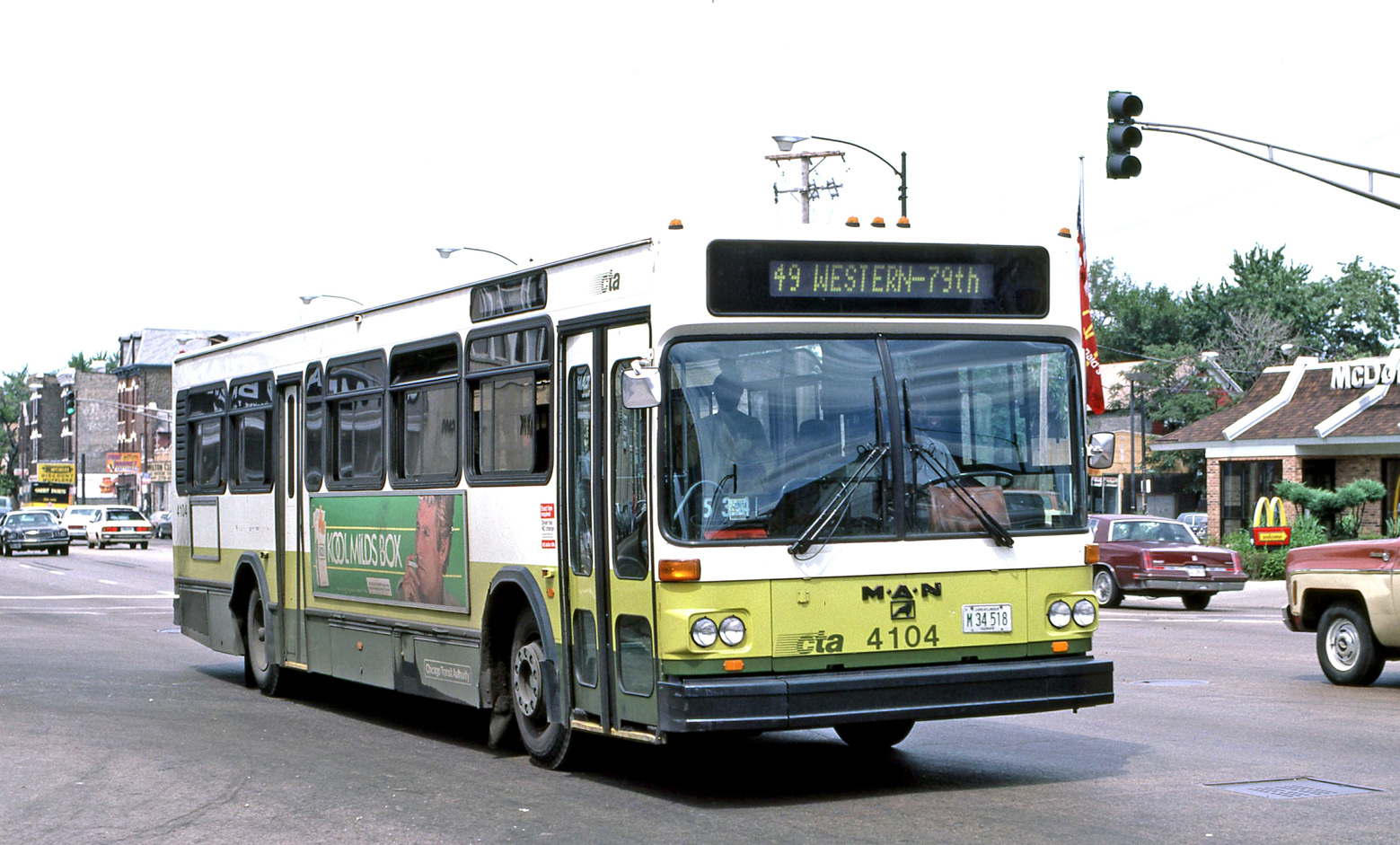
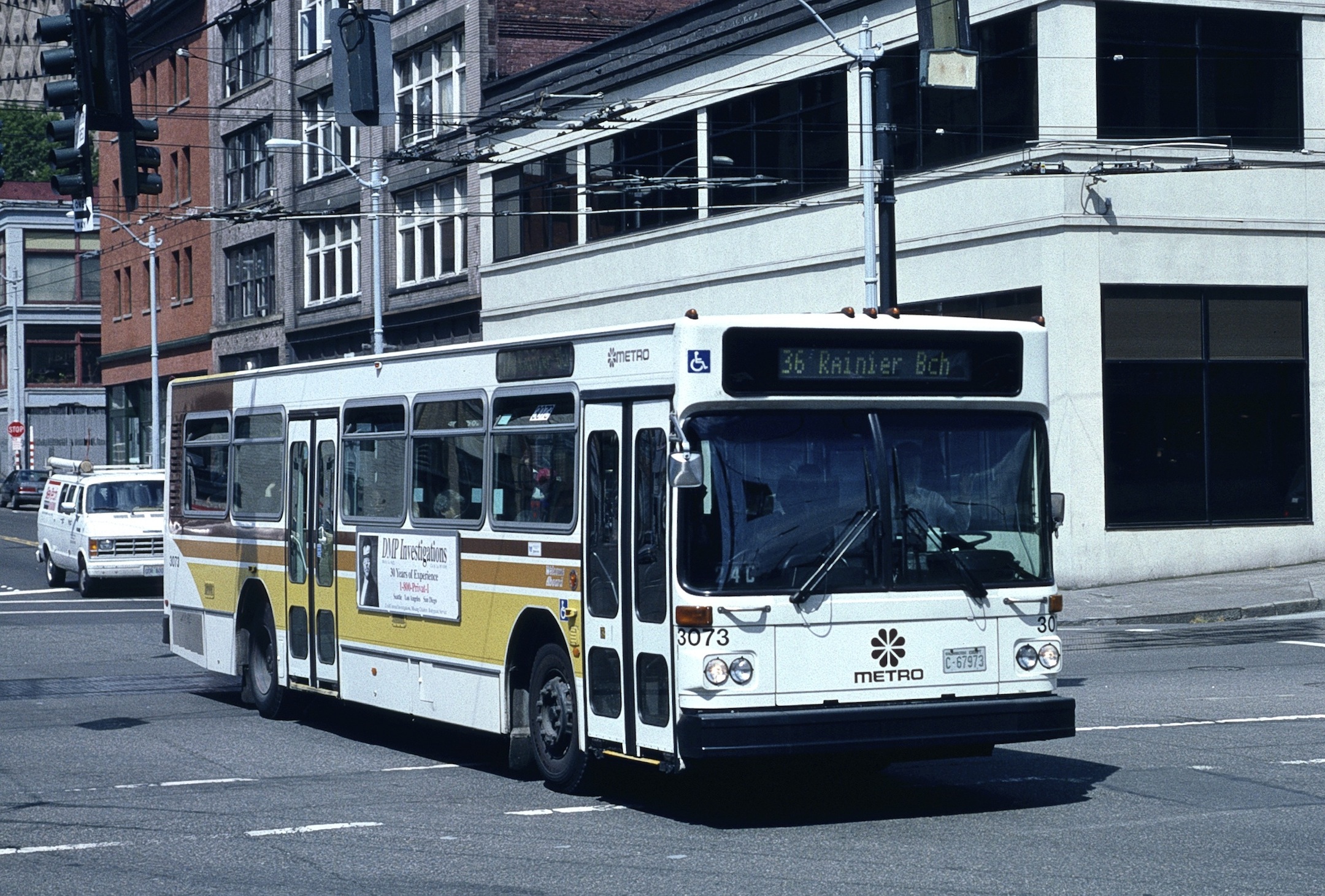
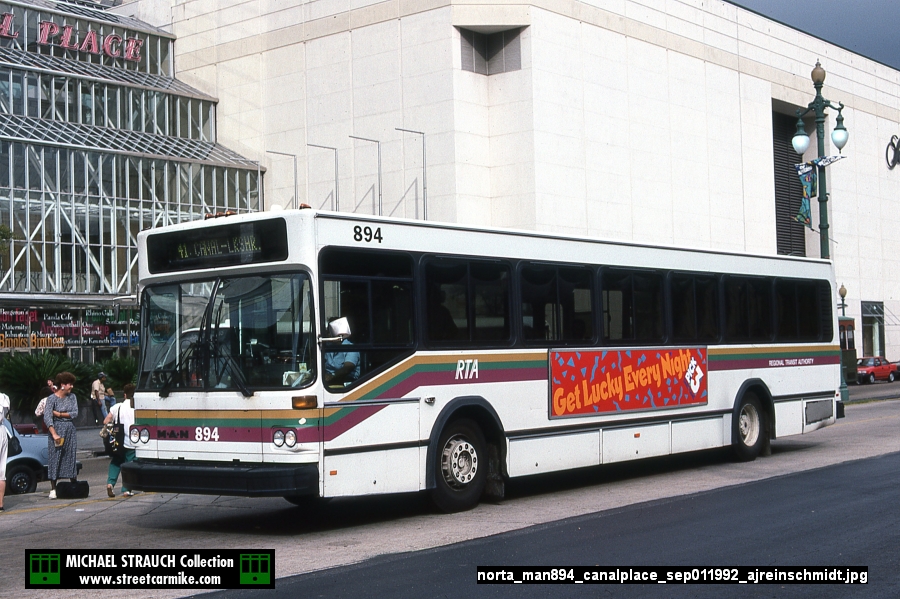
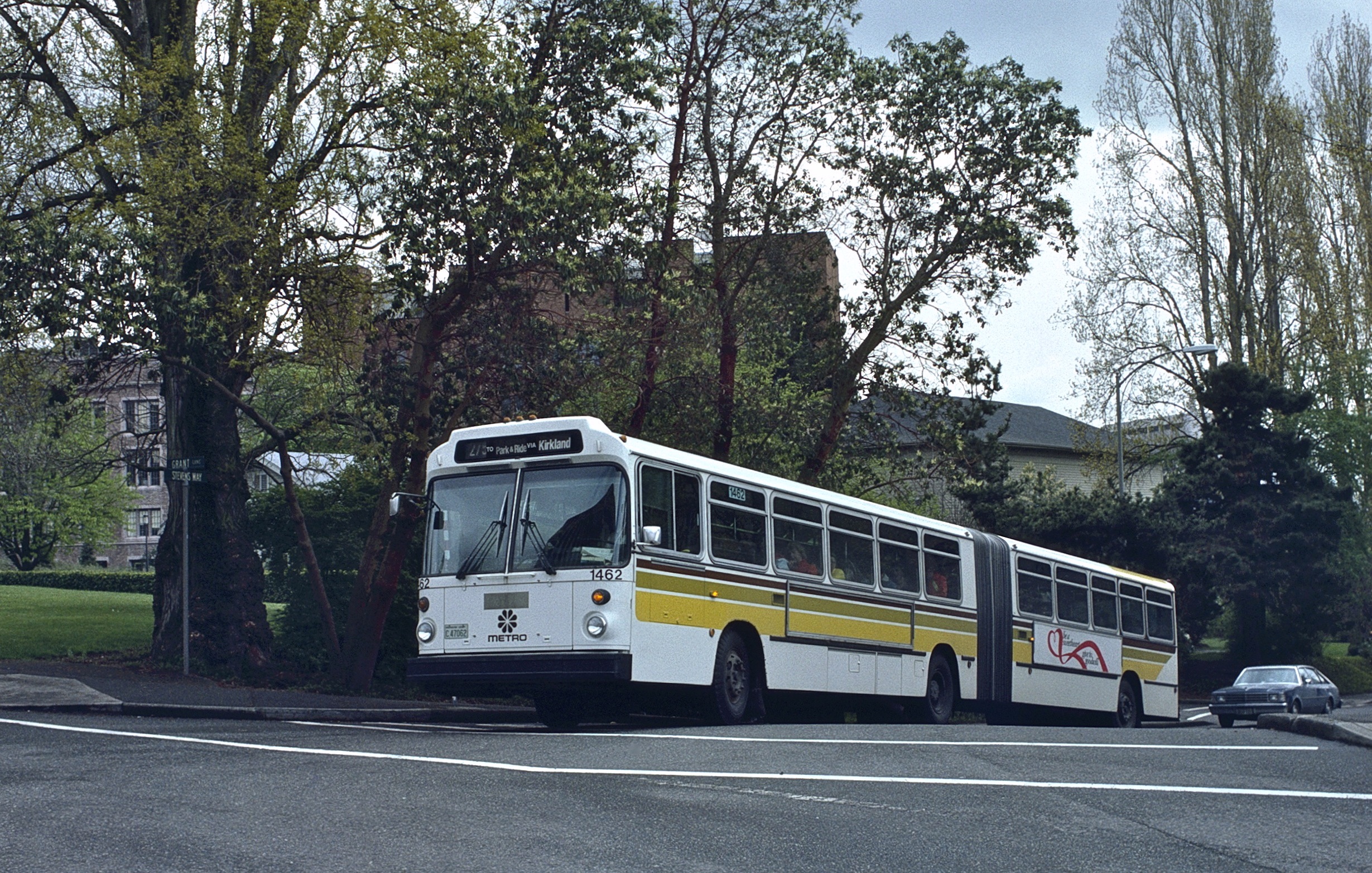
Even with these drawbacks, several US cities came forward with orders. The largest, and most committed was from the Chicago Transit Authority (CTA). CTA put in a huge order for 362 buses in 1984, with the first batch arriving in 1985. Other smaller orders followed; Seattle, Minneapolis, Houston, and New Orleans.
So what happened? In early 1988 the CTA put in an even larger order for 482 buses, and MAN started production. A few months later, disability advocates in Chicago filed a lawsuit against the CTA for awarding the contract without any stipulation for wheelchair lifts. The court sided with the advocates that this was discriminatory and placed an injunction on CTA from ordering any new buses without some method permitting disabled access. The entire MAN order was cancelled. That judgment, along with several others, contributed toward passage of the ADA two years later.
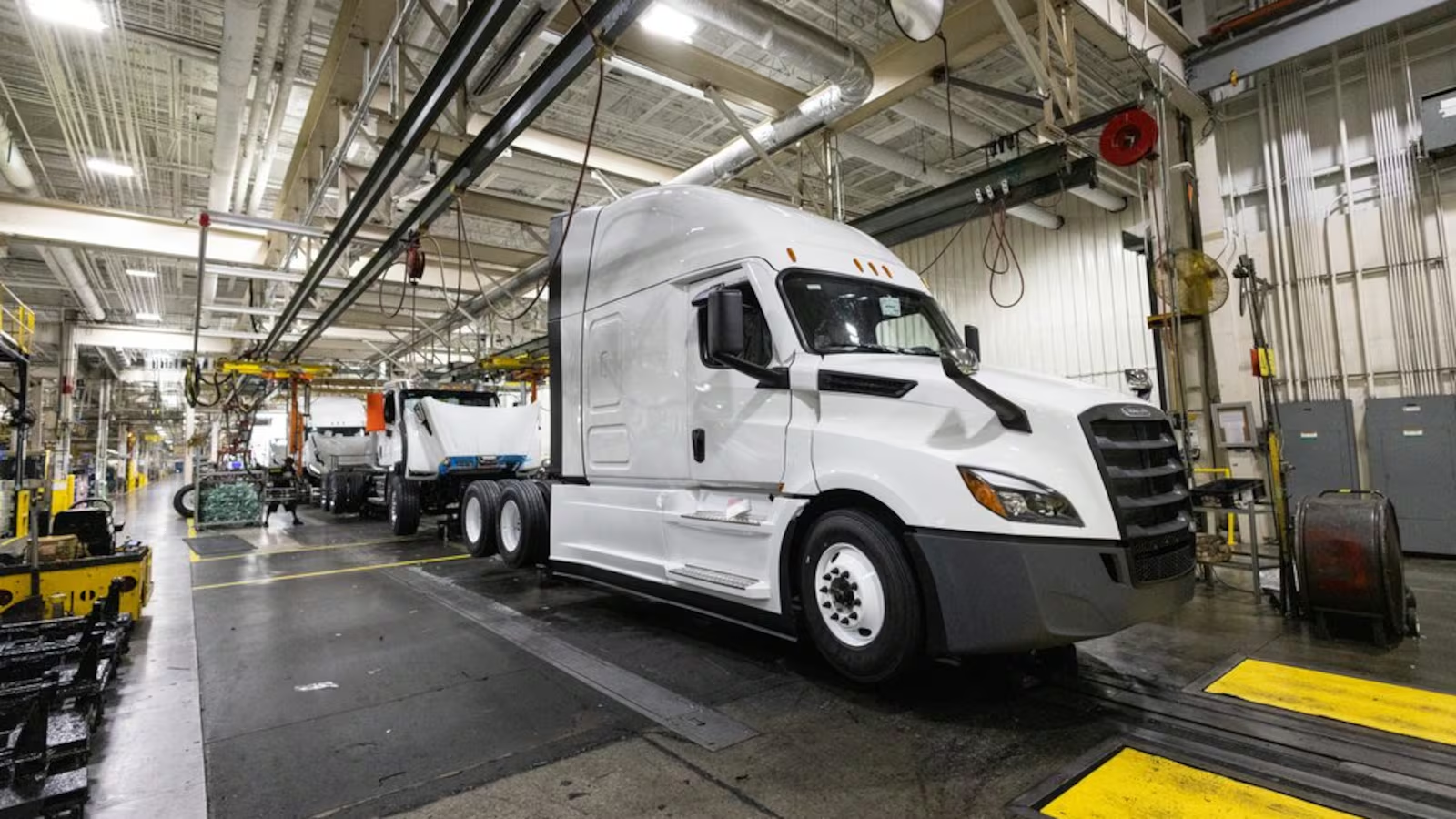
The loss of such a large order forced MAN to re-think its US operations, and they concluded there was little chance it could do so profitably. A quick decision was made to close the Cleveland plant, which ceased operations in 1988. It was subsequently sold to Daimler, and still operates today as the company’s largest US manufacturing plant for its Freightliner line of trucks.
Fun Fact 1: MAN is an acronym for Maschinenfabrik Augsburg-Nürnberg.
Fun Fact 2: CTA “got a lot of miles” out of several of their Americanas, with the last one retiring in 2004.























Leave a Reply