
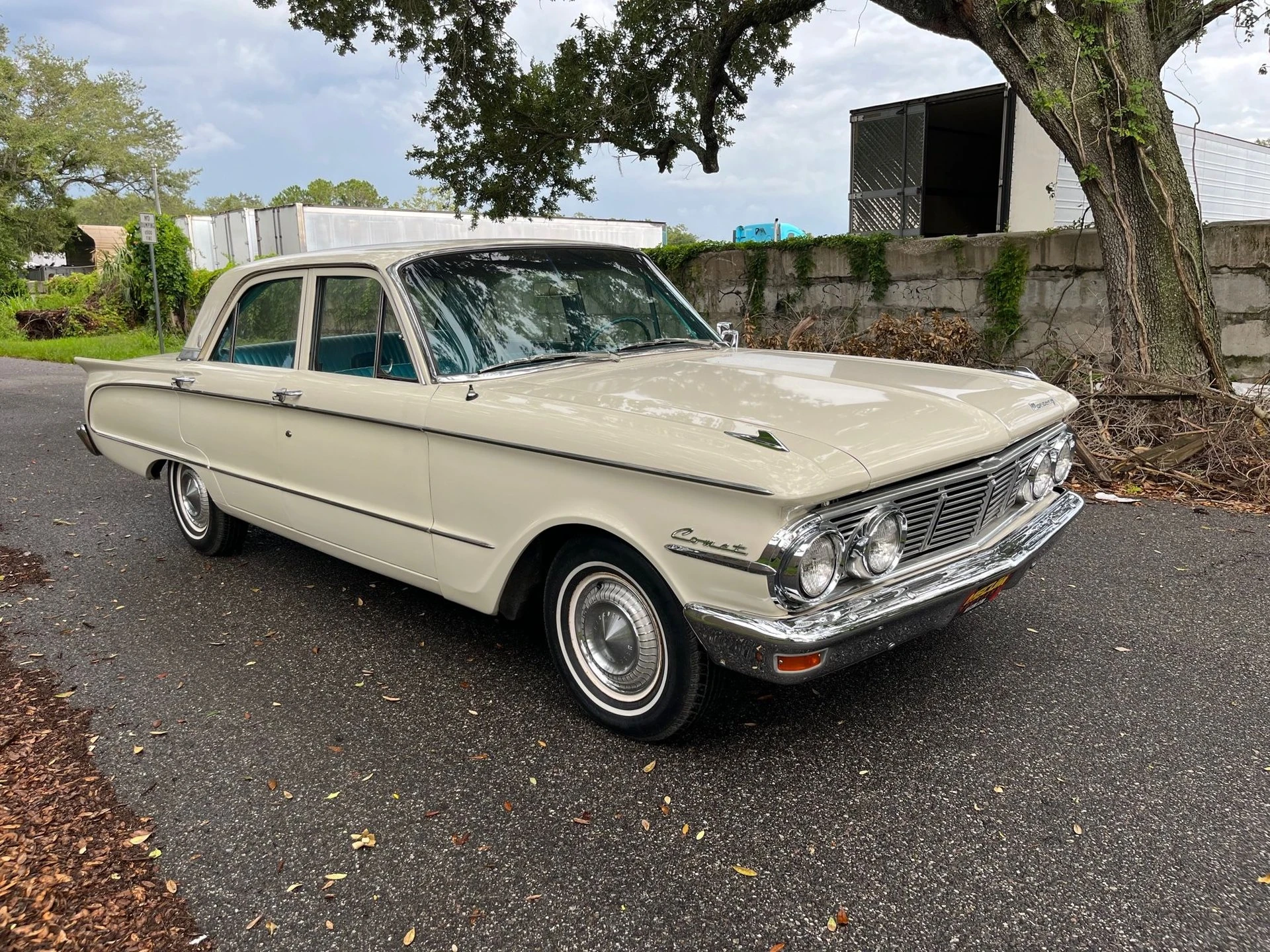
The compact Comet, the bigger, plusher version of the Ford Falcon, was Mercury’s only real hit in the early ’60s, appealing to buyers who wanted a slightly more upscale smaller car. In mid-1963, the new 260 cid V-8 became optional on the Comet, but consumer testing publication Consumer Reports thought the V-8 spoiled the Comet’s handling and economy, turning a pretty good compact sedan into a distinctly compromised one.
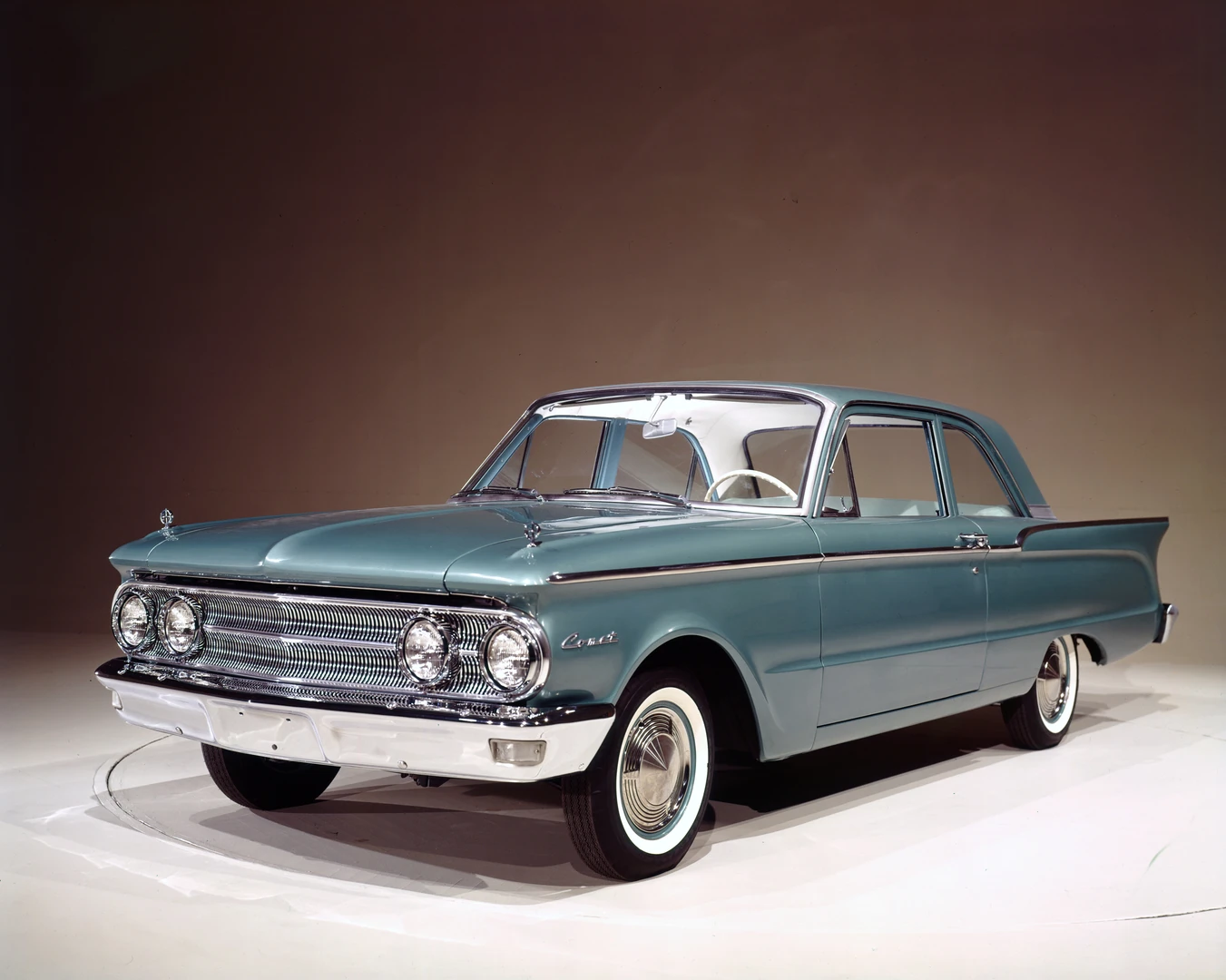
Comet was introduced on March 17, 1960. It was sold by select Lincoln-Mercury dealers (1,620 of them in 1961), but at first, it was technically a standalone make. (The Comet had been conceived as an Edsel before Ford decided to terminate the Edsel brand in late 1959.) Although the Comet didn’t carry Mercury badges until 1962, it would be fair to say it carried Mercury: Dealers sold 157,515 of them in the 1960 calendar year, more than all the full-size Mercury models combined.
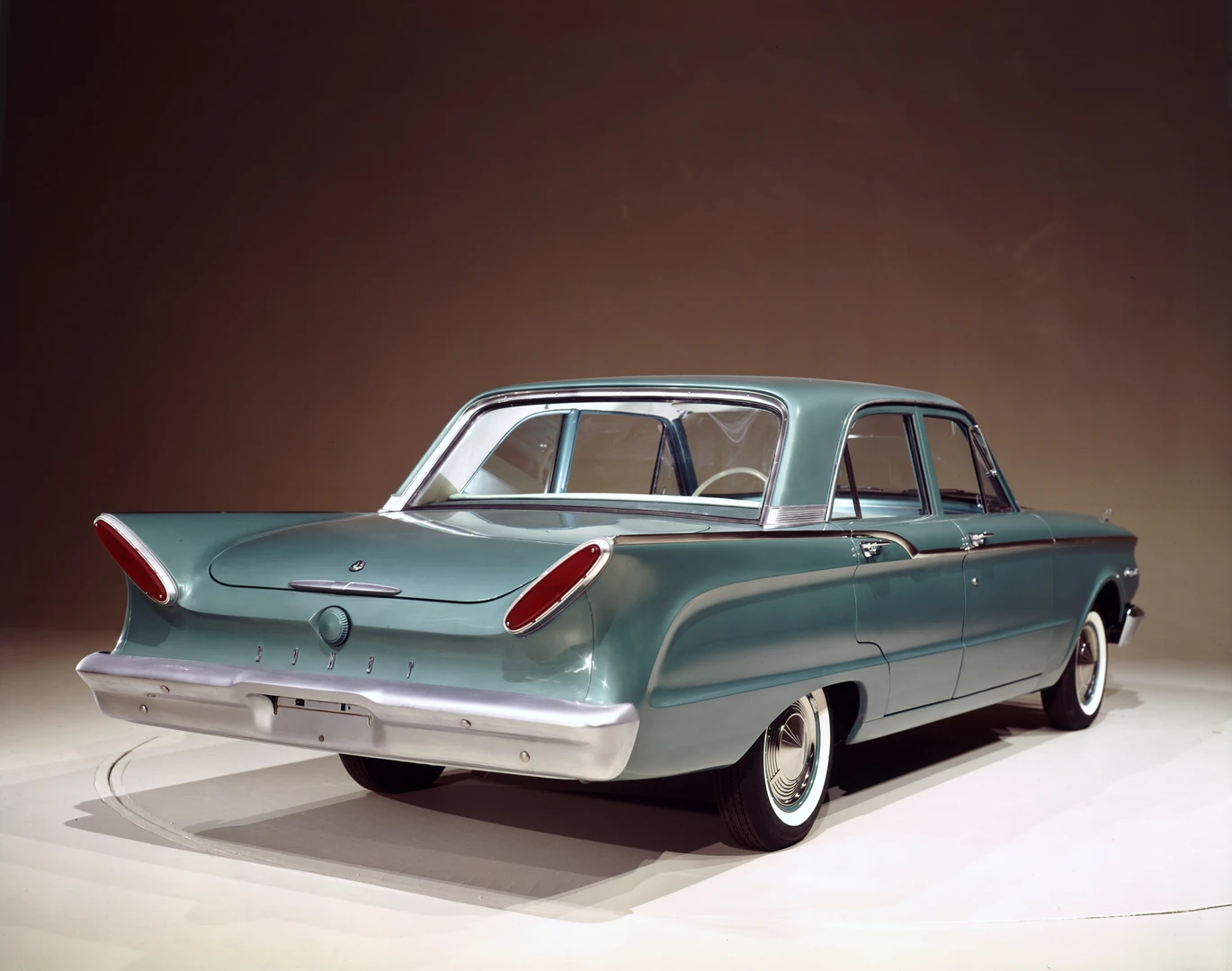
The appeal of the Comet was straightforward. Although based on the compact Ford Falcon and sharing its unitized structure, the Comet sedans were bigger on the outside (the wheelbase was stretched 4.5 inches aft of the passenger compartment), with different sheet metal and the ever-popular Thunderbird-style formal roof. Comet didn’t have any more passenger room than its Ford sibling, but it was a bit quieter inside, rode better, had somewhat nicer trim, and looked more substantial, for less than $100 more than a Falcon. For a while, this was a winning formula.
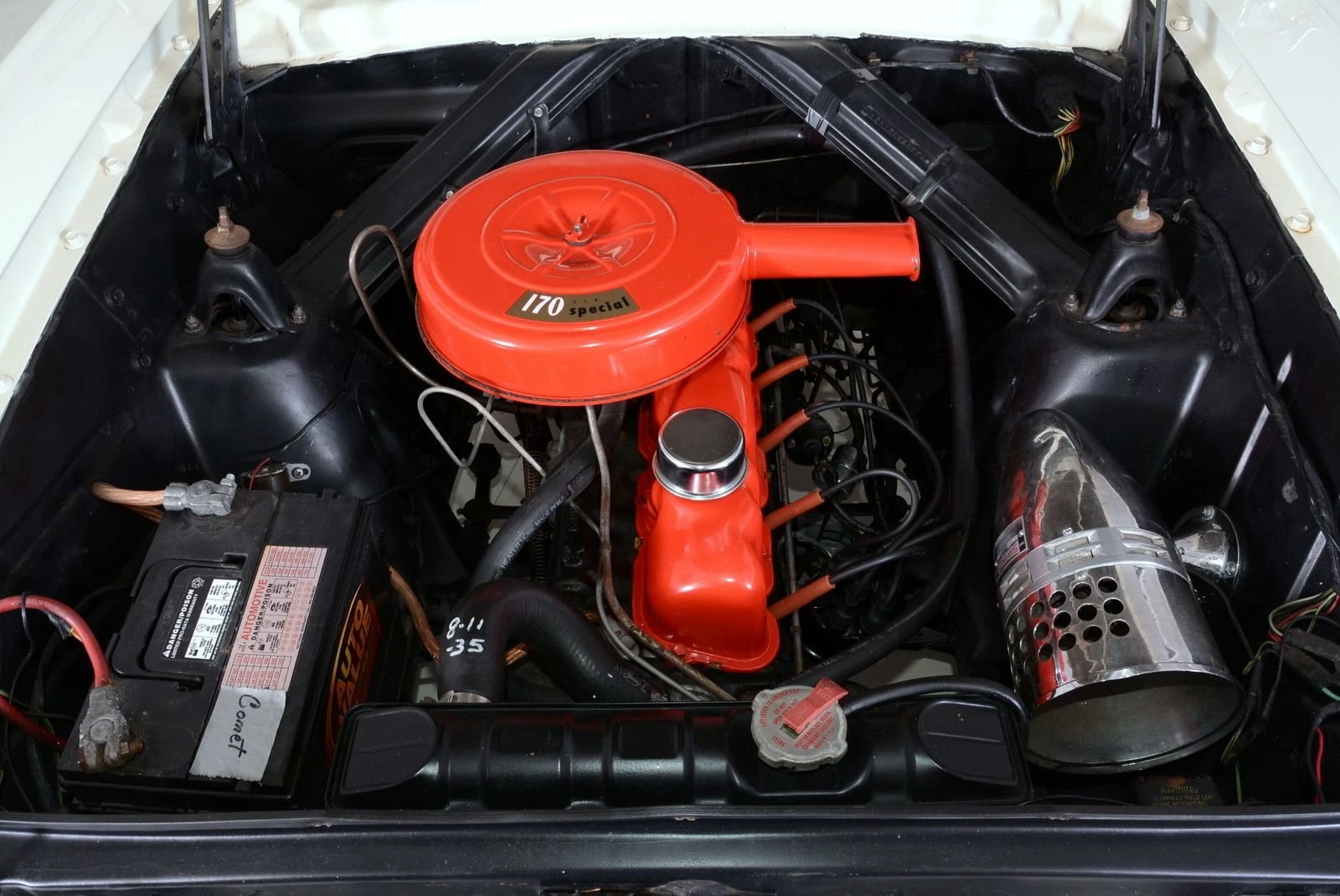
Nevertheless, performance had been something of a sore point for the Comet. It originally came with the 144 cid Falcon six, with only a shorter (higher numerical) axle ratio to make up for its 93 extra pounds. The 170 cid six, which became optional during the 1961 model year and standard in February 1963, provided more tolerable performance, but its verve was sapped by the 2-speed Merc-O-Matic fitted to most of these cars.
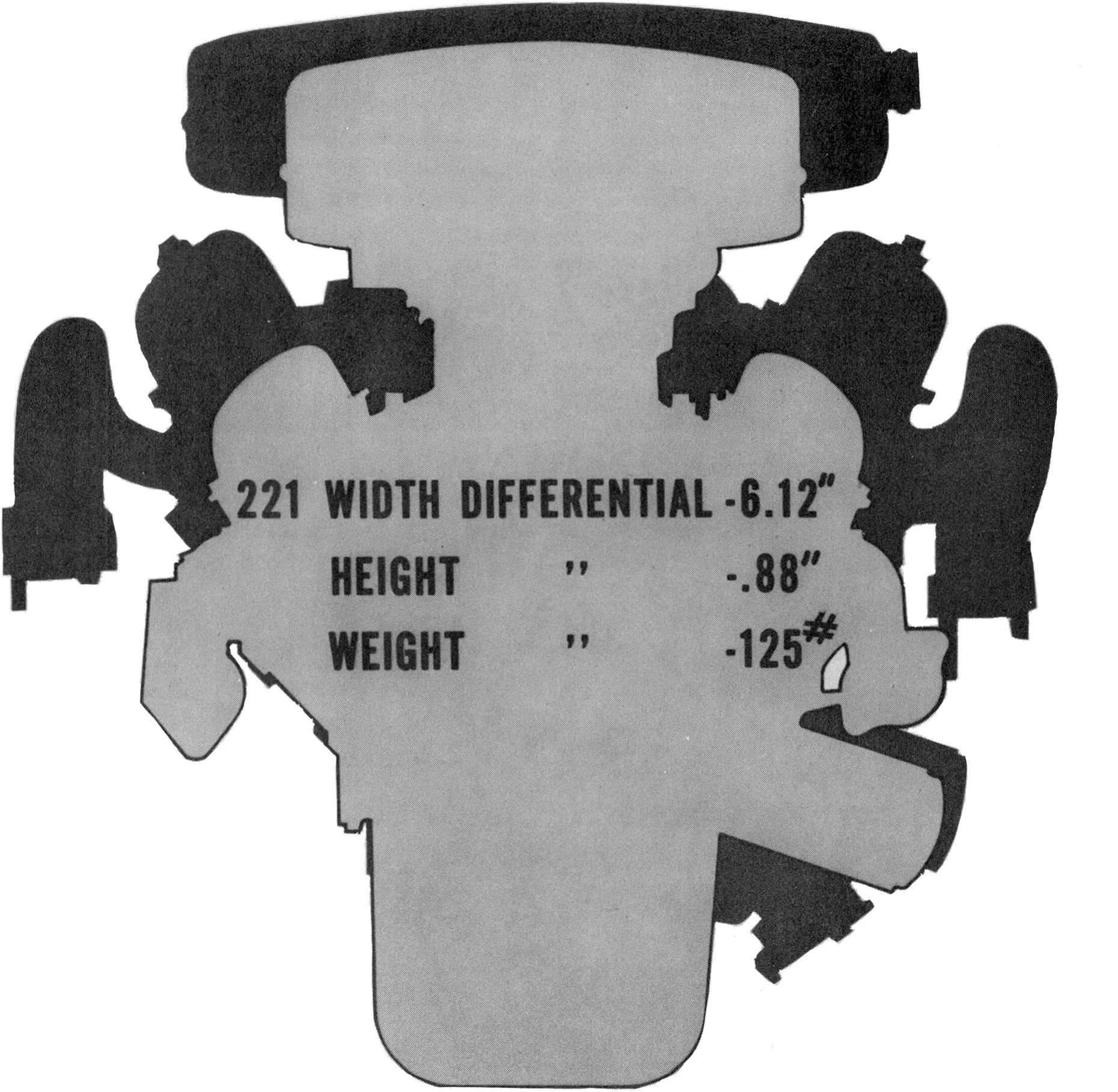
For 1962, Ford had rolled out an all-new lightweight thinwall cast iron small V-8 engine for the intermediate Fairlane and Mercury Meteor, originally displacing 221 cid and subsequently 260 cid. This long-serving engine was the lightest cast iron V-8 of its time, so there was an obvious temptation to install it in the Falcon and Comet as well as the midsize cars.
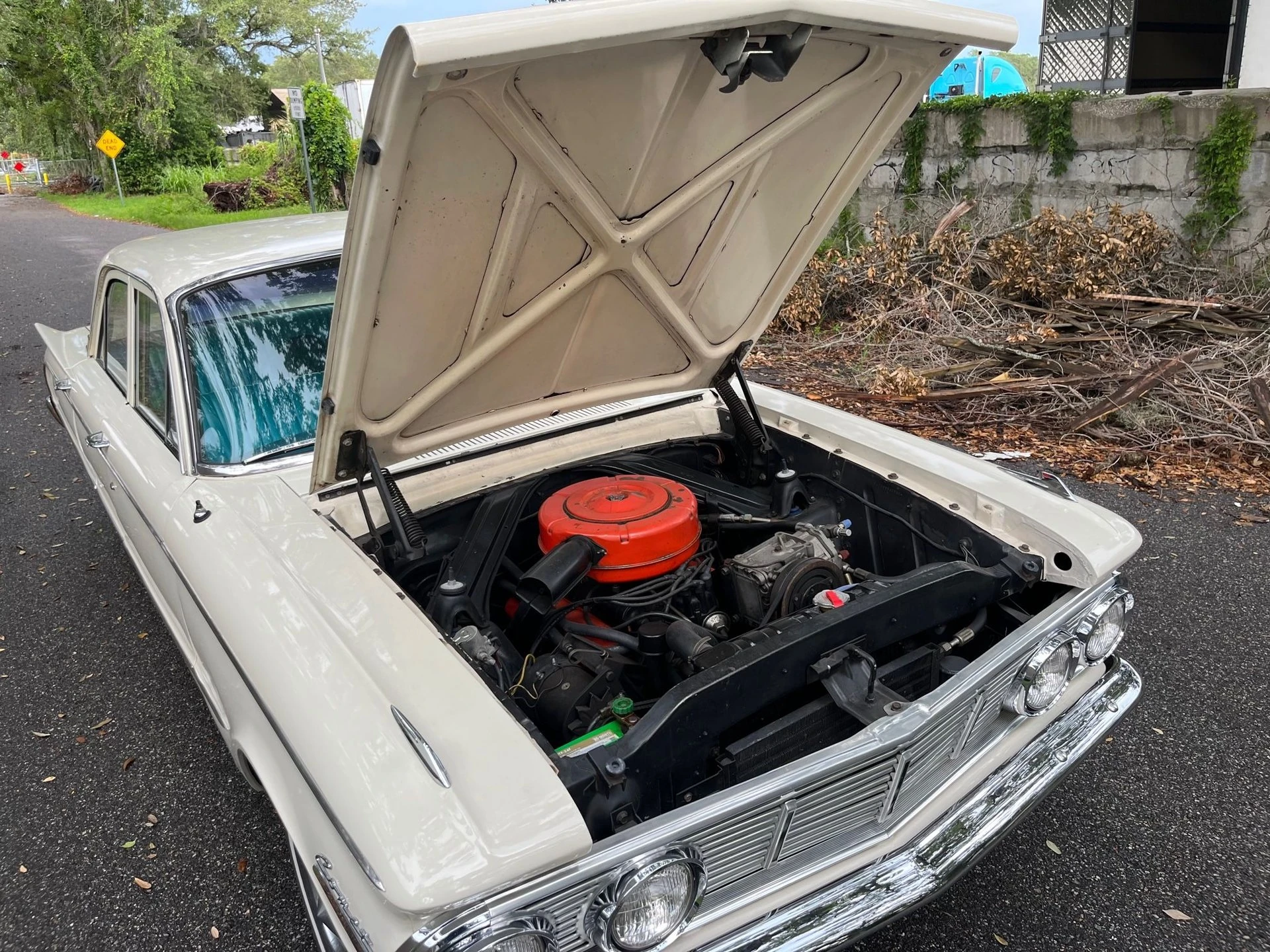
The downside of this engine swap was that the structure and running gear of the Falcon and Comet had been optimized for the lighter, less-powerful sixes, so the body had to be reinforced, the drivetrain and suspension beefed up, and the brakes and tires enlarged to cope with the power and torque of even the two-barrel 260. The 260 engine itself was about 125 lb heavier than the six, but the total weight penalty for the V-8 option added up to almost 300 lb.
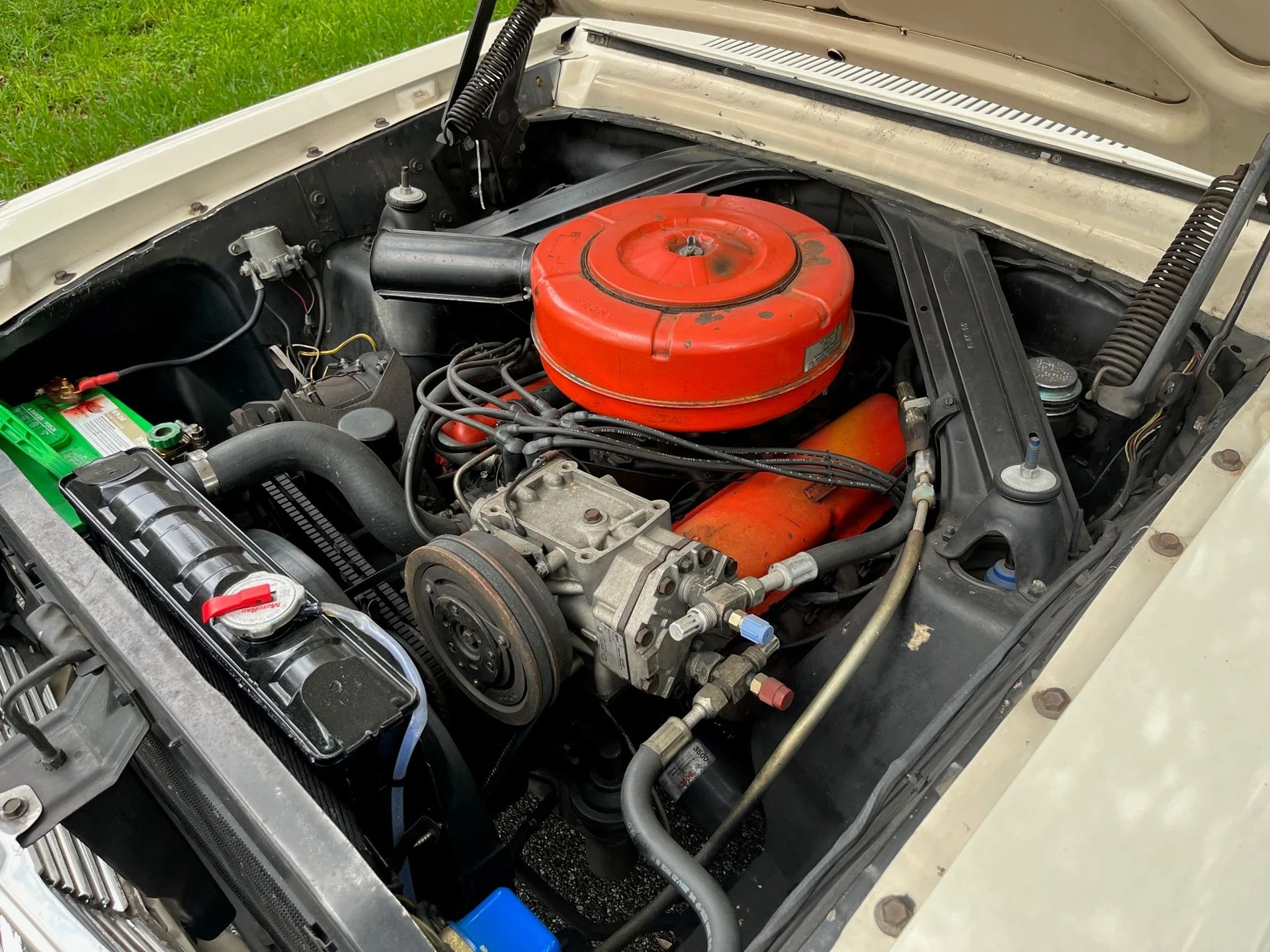
Lincoln-Mercury announced early in the 1963 calendar year that the Comet would be offered with a V-8, but the new engine didn’t become available until March. It was a $121 option, available on all Comet models.
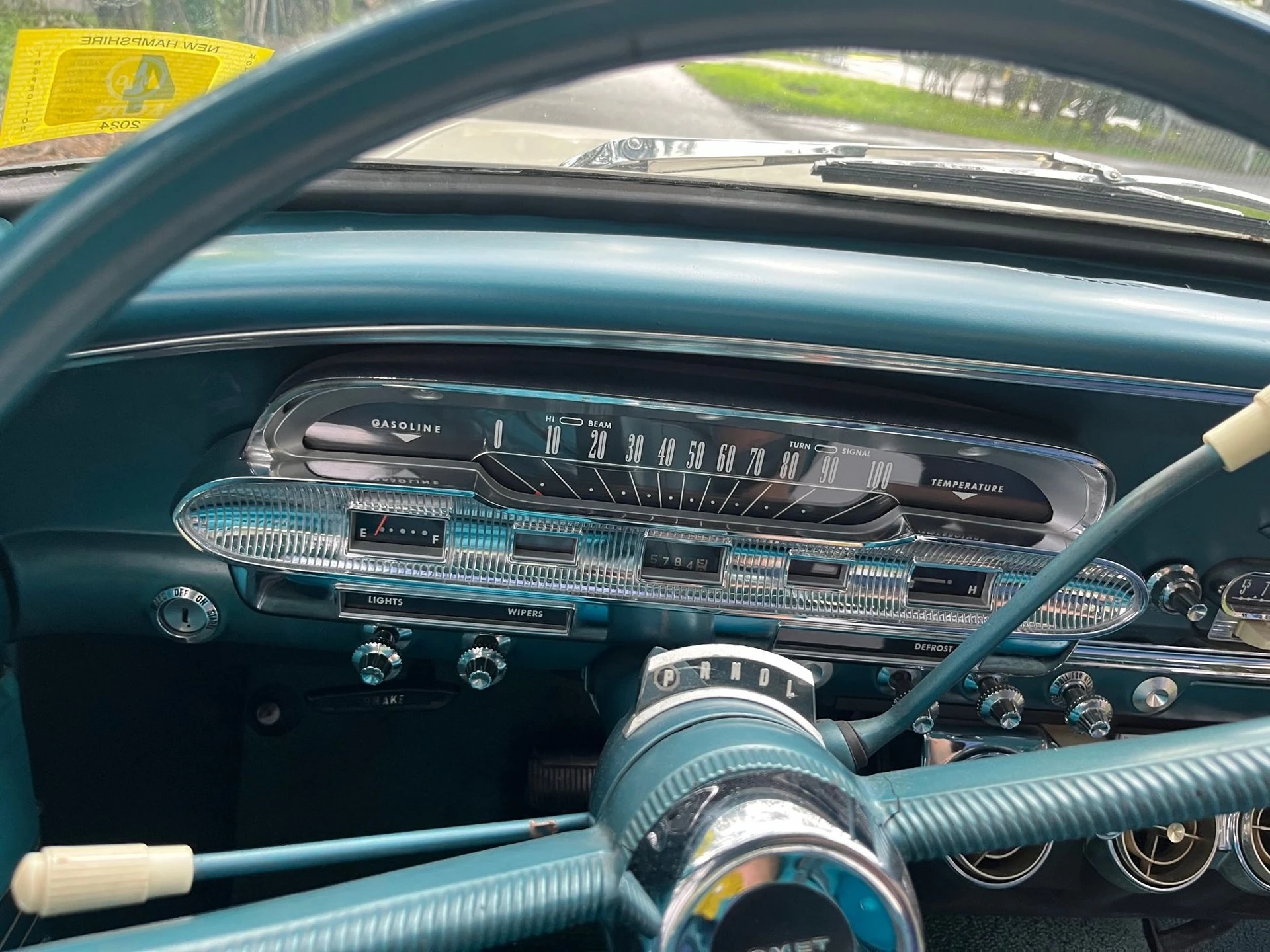
A floor-shifted 4-speed manual transmission was optional on the Comet in 1963 (on sixes as well as the V-8), but the V-8 was more frequently combined with the $181.50 Merc-O-Matic. This was just the unloved 2-speed Ford-O-Matic under another name. The 260 could cope with the 2-speed auto a lot better than the six could, but the improvement in performance with V-8 power wasn’t as great as you might think, and it came with other trade-offs.
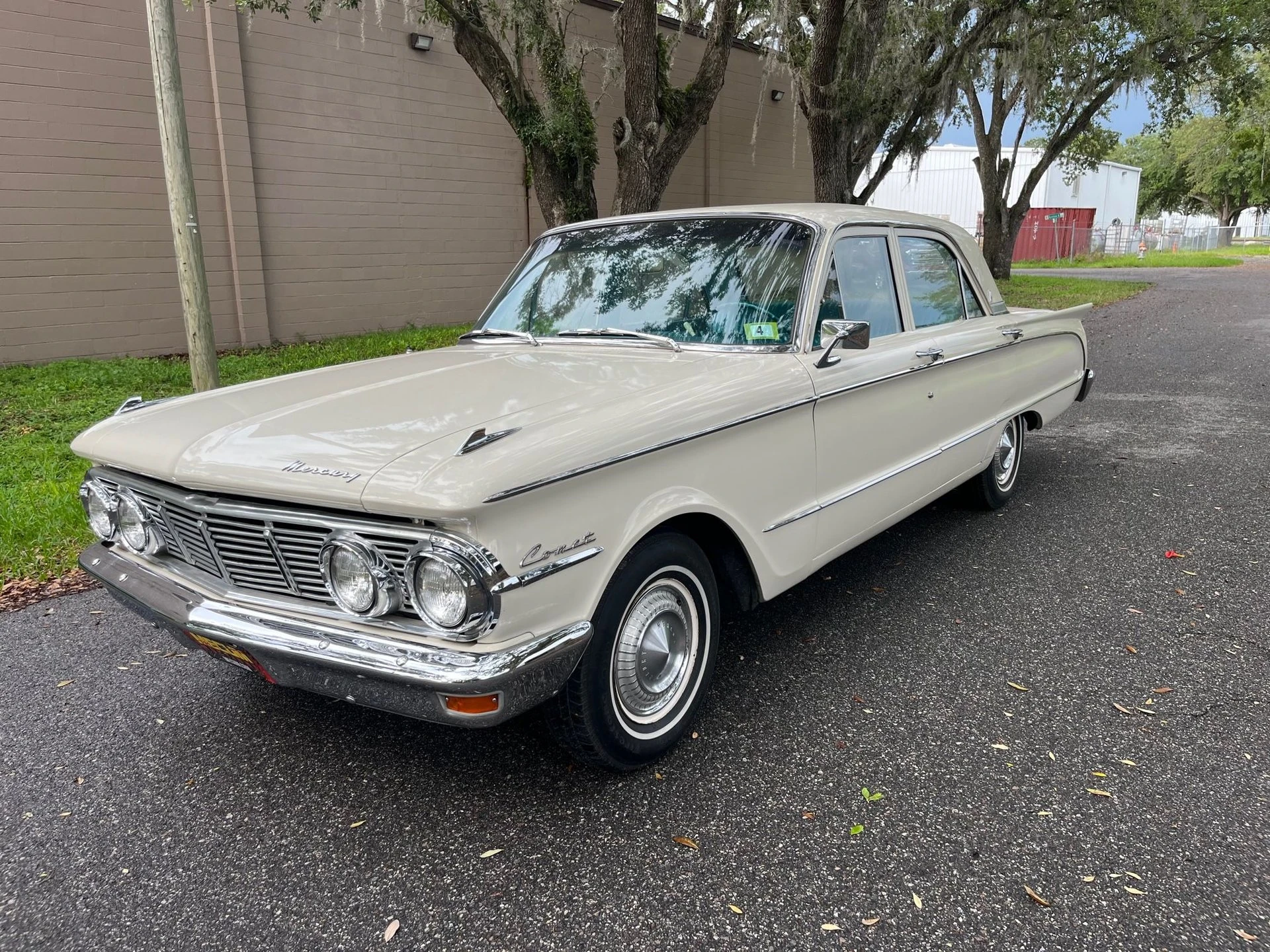
Consumers Union (CU), publisher of Consumer Reports, had generally liked the six-cylinder Comet. They thought the 144 cid six was underpowered, which it was, and they were disappointed that the Comet’s longer wheelbase and extra length didn’t provide any increase in back seat space. However, with the 170 cid six, they thought the Comet “holds its own very well against increasing compact-car competition,” offering an above-average ride, surprisingly decent roadholding (marred somewhat by slow, not-too-precise steering), and somewhat lower noise levels than a Falcon sedan.
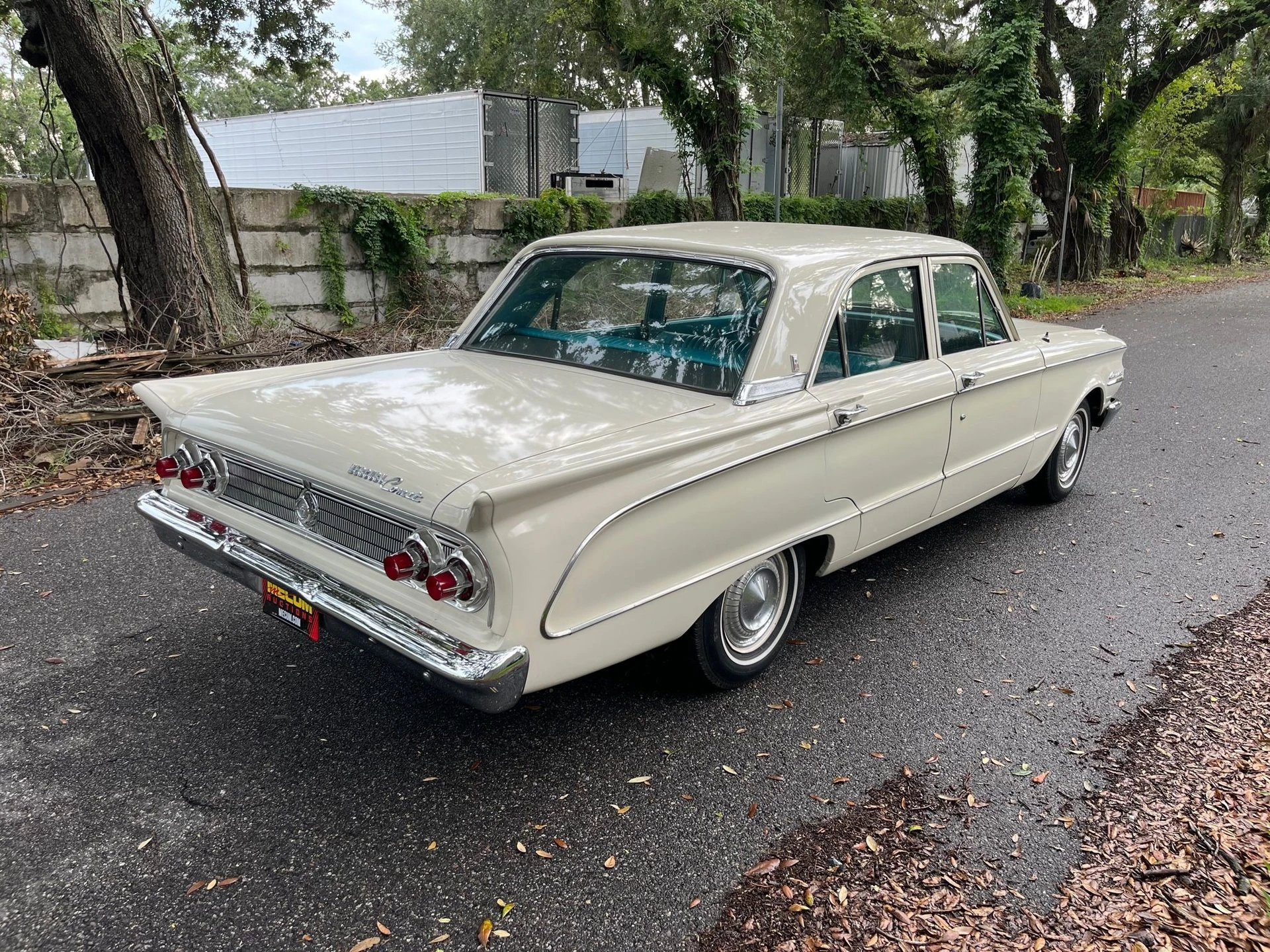
They were much less pleased with the Comet V-8, which they didn’t get the opportunity to test until later in the model year. (Unlike many car magazines, CU bought its test cars from regular dealers rather than borrowing them from automaker press fleets, so they had to wait for dealers to have a V-8 Comet for sale.) Most of their complaints stemmed from the V-8 car’s extra weight — their automatic-equipped test sedan was 285 lb heavier than the six-cylinder Comet. CU remarked:
Most of the additional weight is borne by the front wheels. As a result, the steering is heavy and the car’s response to it sluggish, destroying most of the light-handling, nimble qualities that are among the chief attractions of a compact car. (In fact, some larger cars steer with more ease and precision than the Comet.) Comet V-8’s front tires scrub and squeal on curves and corners.
To cope with the greater front-end weight, power steering, which hadn’t previously been available (or particularly needed) on the Comet or Falcon, was added to the options list in April. The CU car didn’t have it, but Car Life tried a V-8 Comet S-22 hardtop with power steering and found it a mixed blessing. “It had no discernible self-centering action after a turn, it cuts turns only to 4.4 (from 4.7 with manual) which is still a lot of winding, and its throttle-kicker switch continually ‘spooked’ staffers by increasing engine idle speed while reversing out of a diagonal parking space,” Car Life complained.
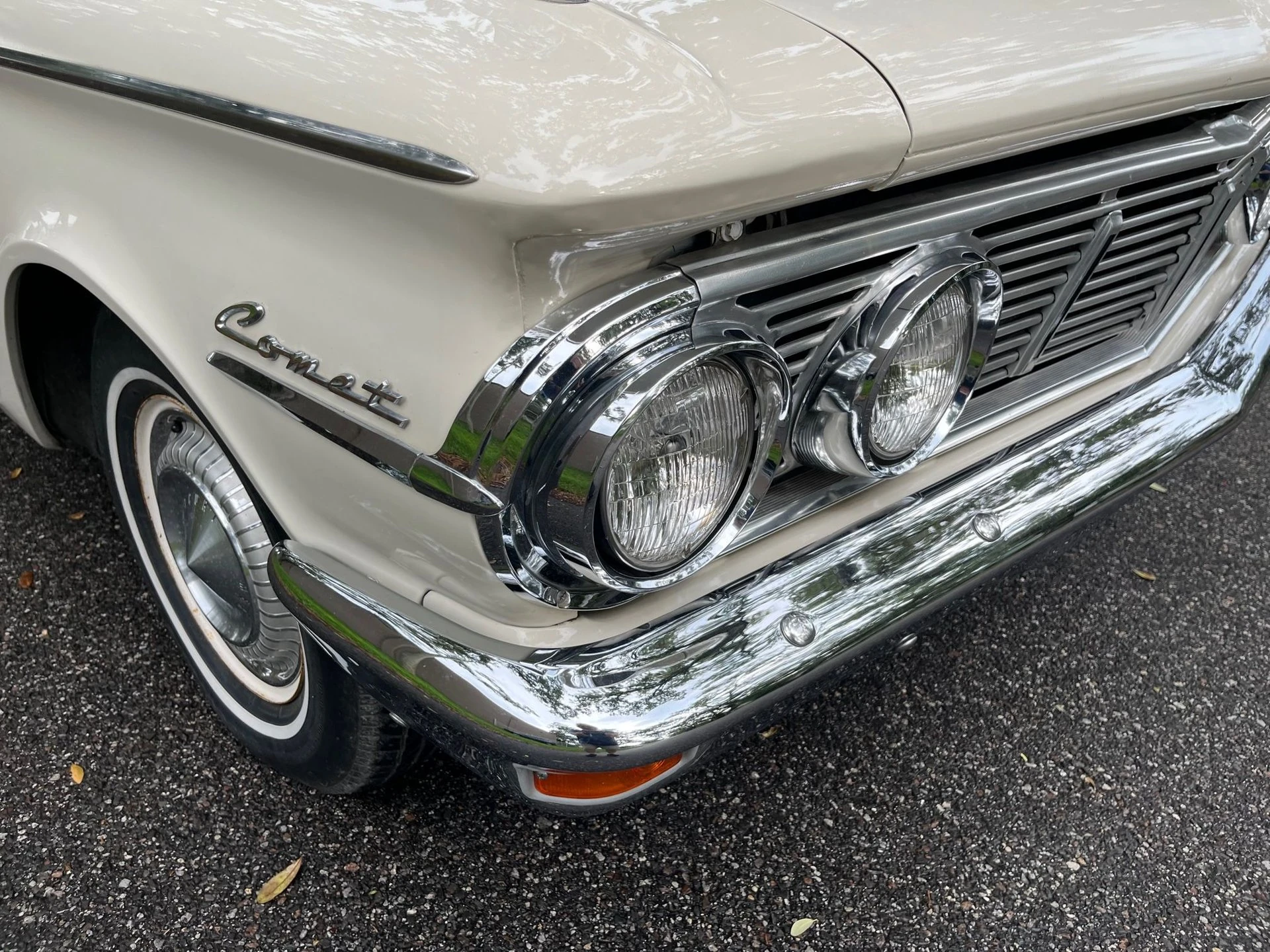
CU admitted that the stiffer, heavier V-8 car did have some advantages:
Though the Comet V-8 doesn’t live up very well to the prescription for a handy compact car, it does have virtues of its own. The beefed-up structure is very solid over all roads. The engine, though not unusually quiet, is much more so than that of the Comet 6, particularly in accelerating through the two-speed automatic transmission and at the higher road speeds. The fairly good ride of the Six has, in the V-8 model, been made stiffer and is heavily controlled, thus substituting a tied-down, secure feeling (except on big bumps taken fast) for softer, less harsh motions.
Naturally, the V-8 Comet was also quicker than the six, even with automatic. Fascinatingly, the CU testers got a better 0 to 60 mph time than Car Life: 13.4 seconds, 1.1 seconds quicker than the CL S-22 with the same powertrain. However, this performance came at a significant penalty in gas mileage, not helped by the 3.25 axle ratio, which had the engine turning almost 3,000 rpm at 65 mph. CU averaged only 15.8 mpg over 2,150 miles, a mere 0.3 mpg better than a much heavier full-size Chevrolet Impala six with Powerglide, and a lot less than the almost 20 mpg they’d averaged with earlier six-cylinder Comets. CU didn’t consider this a worthwhile exchange:
The Comet V-8 departs from the economical compact car class largely in order to achieve more powerful performance, and it is worth noting that its performance, though very brisk and able only too easily to spin the rear wheels on a loose or slippery surface, does not otherwise feel particularly excessive. Handicapped where gas mileage is concerned by its larger displacement and greater weight, the Comet V-8 gives three to four miles less per gallon at constant speed than the Six and, as the Facts and Figures show, does not quite equal in either performance or gas mileage the roomier and heavier Rambler Classic V-8, which itself shares many of the Comet other faults.
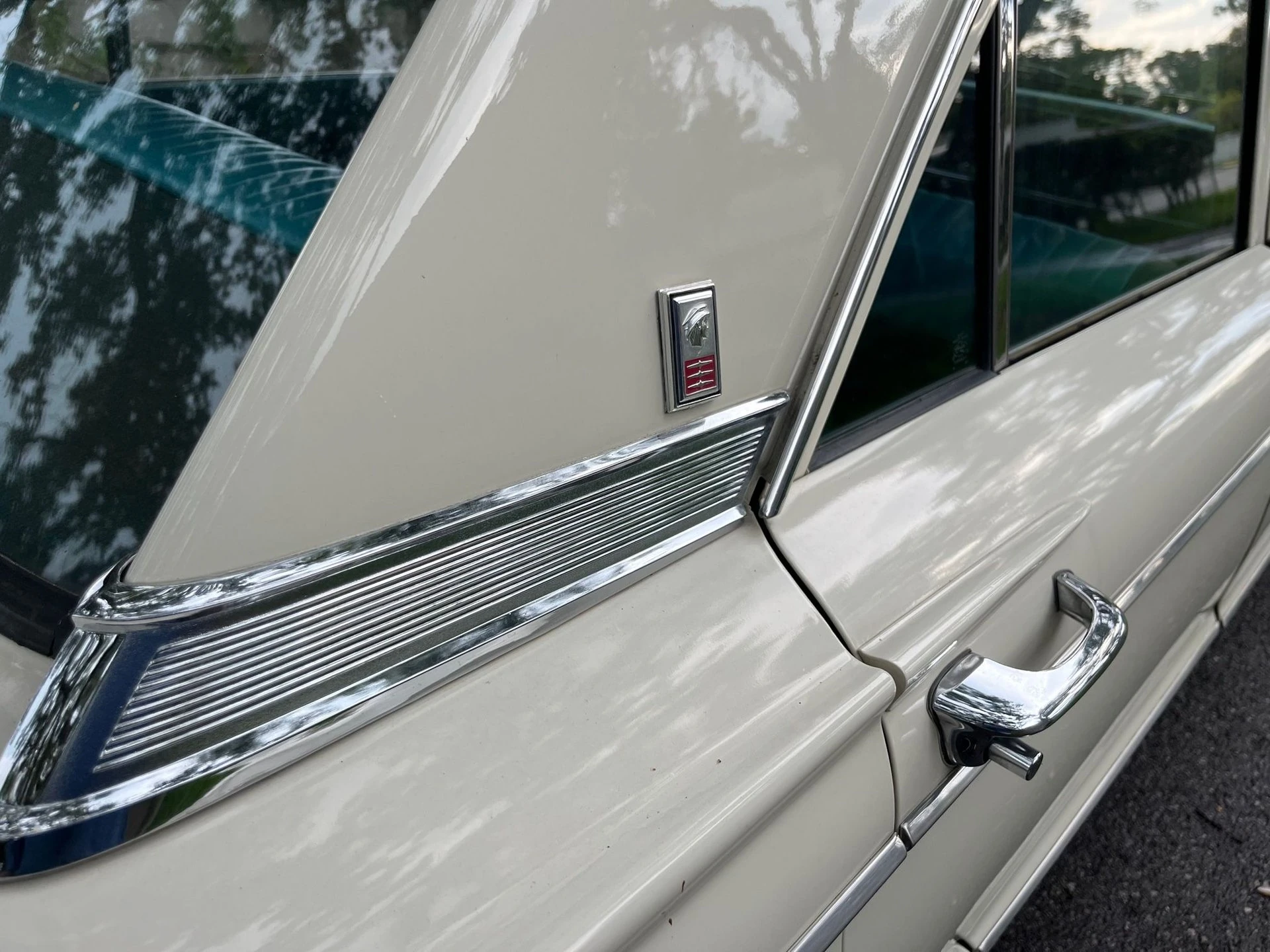
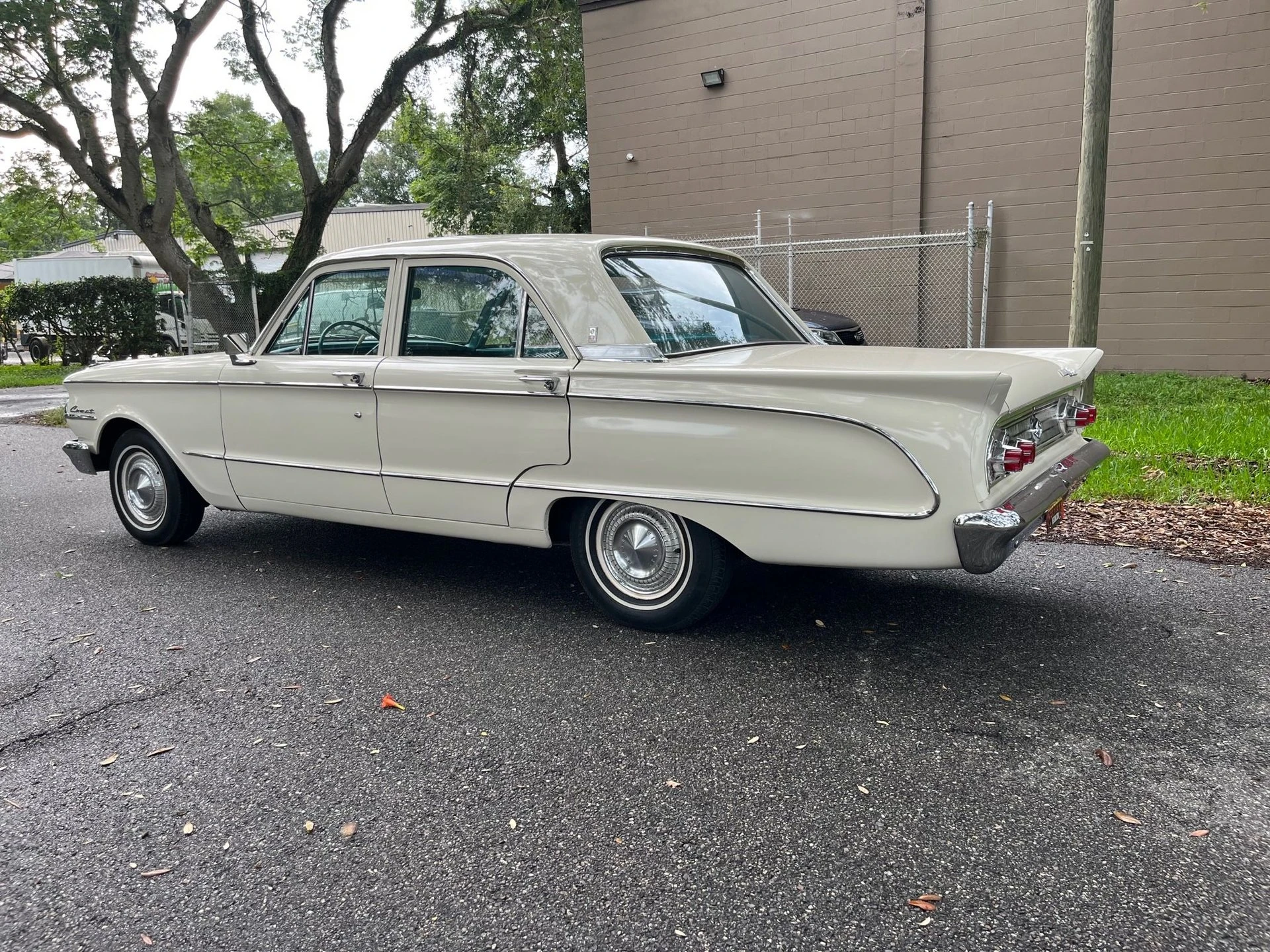
This particular Comet is slightly unusual. First, unlike the CU test car, the VIN indicates that it’s a base model, not the plusher Comet Custom, which accounted for the bulk of Comet sales at this time.
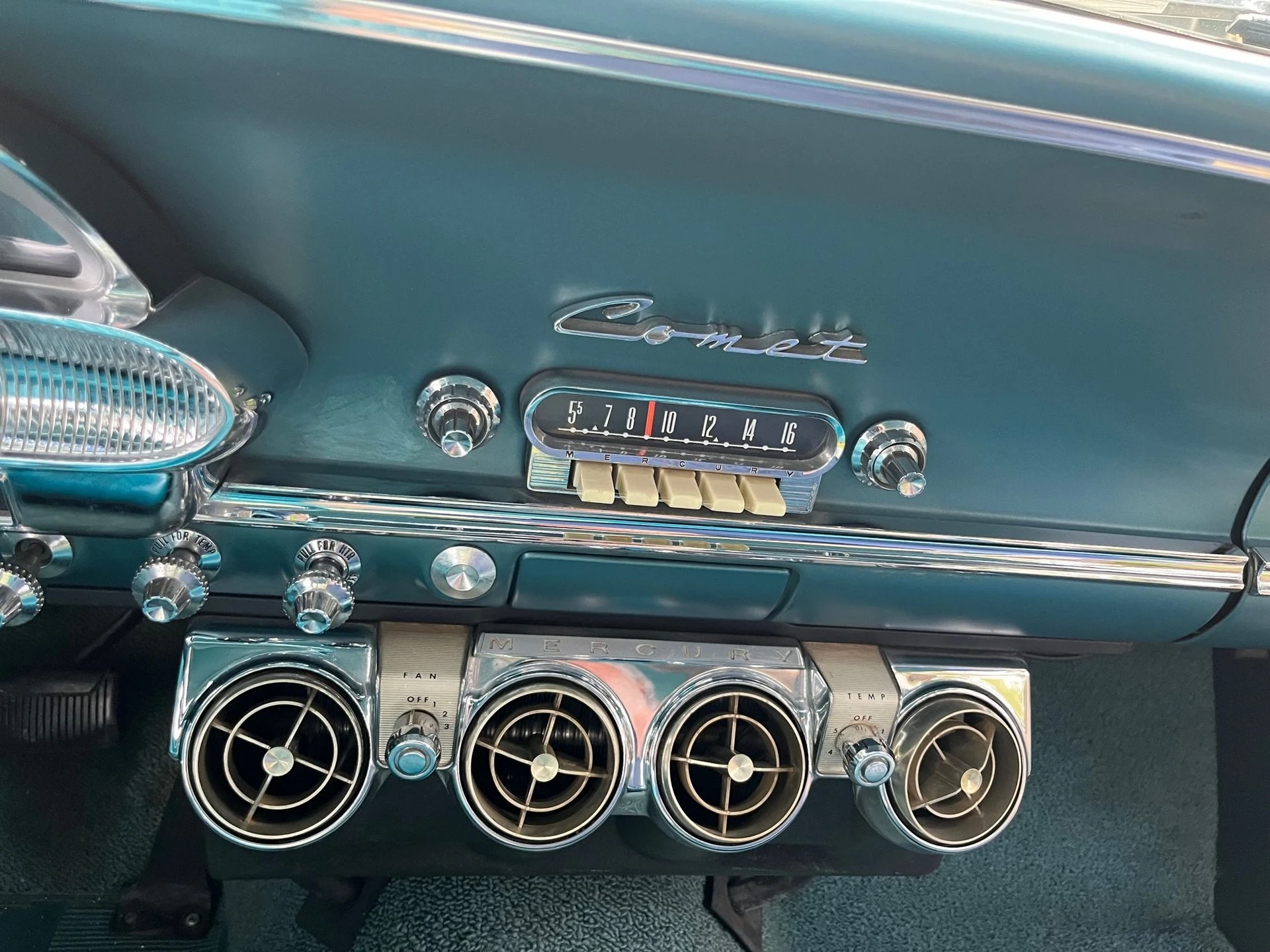
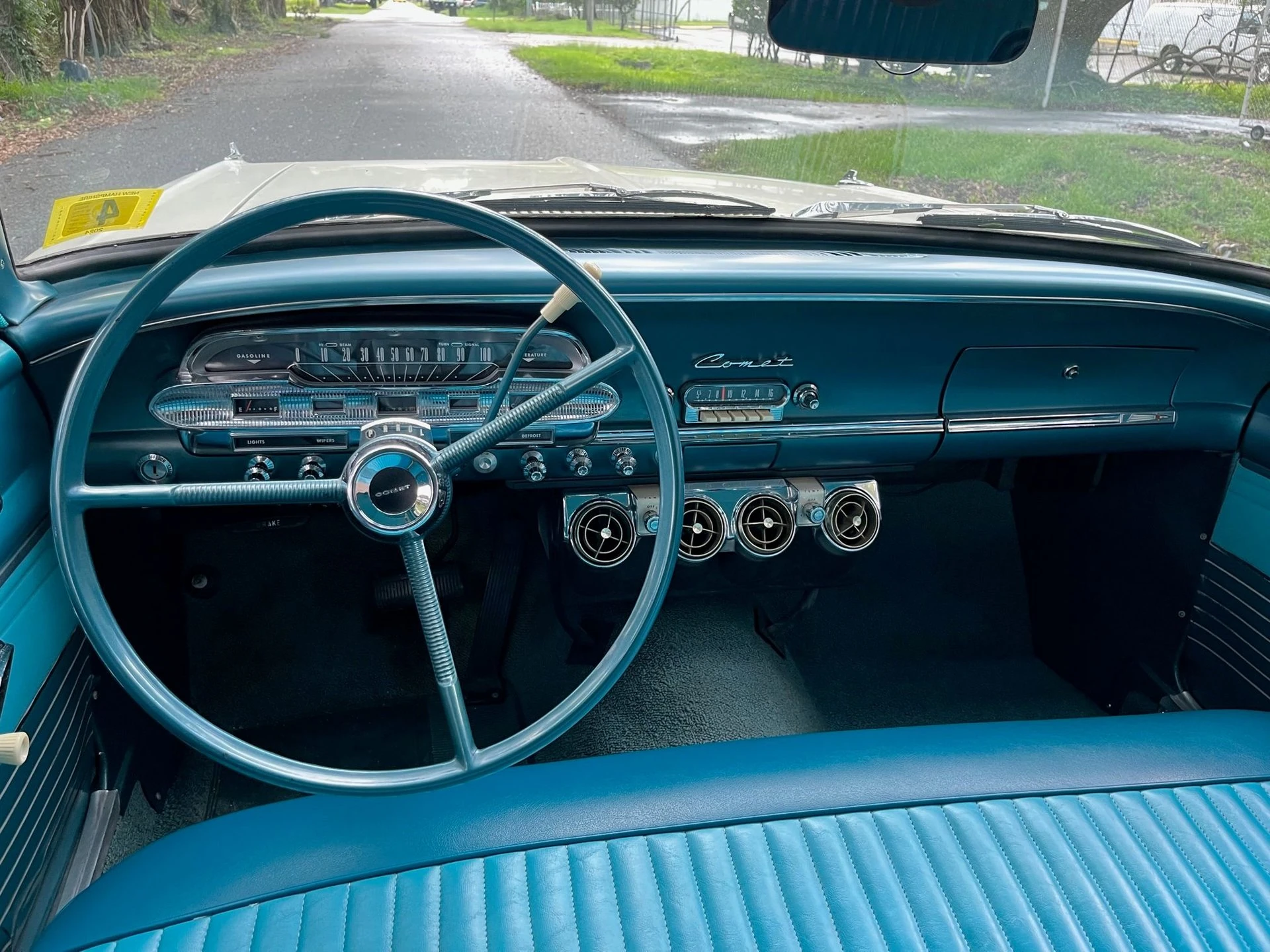
Second, it has factory air conditioning, which was quite rare on these cars. The under-dash air conditioner (the only kind offered on the Falcon and Comet in 1963) was $231.70, much cheaper than most integrated factory systems, but that was still a bunch of money for an economy car whose base price was only $2,171. Only about half of Comet buyers even ordered a radio, and just 2 percent had air conditioning. (If you were wondering, the air conditioner couldn’t be combined with the floor-shifted 4-speed.)
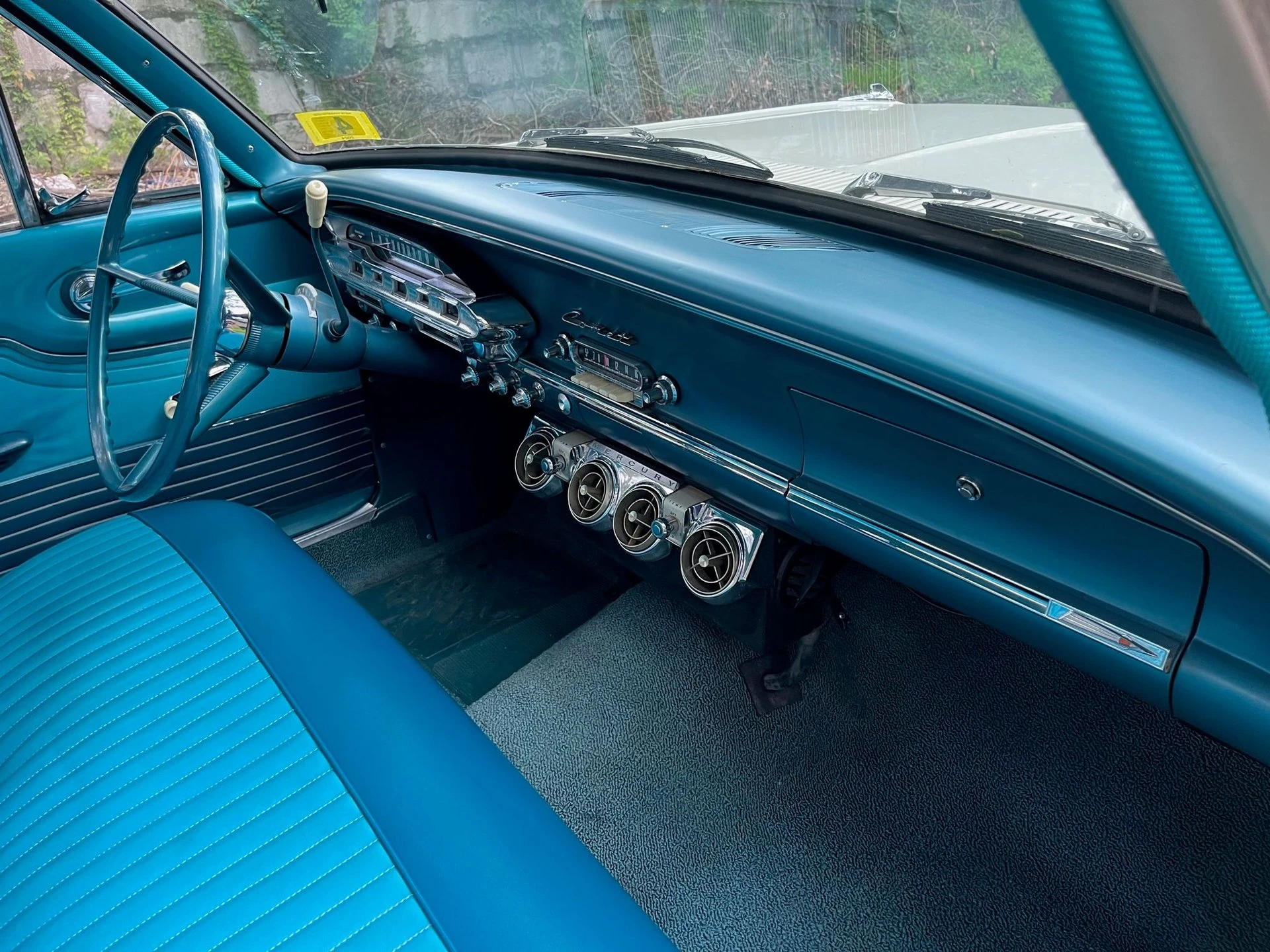
This car originally had vinyl floor matting — carpet was limited to the pricier Comet Custom and S-22 — but a previous owner added the color-keyed carpeting that would have been included on a Custom sedan. It still lacks some of the minor features included on Custom models (or in the $25.80 Convenience Group), but at a glance, it doesn’t look like a bare-bones car.
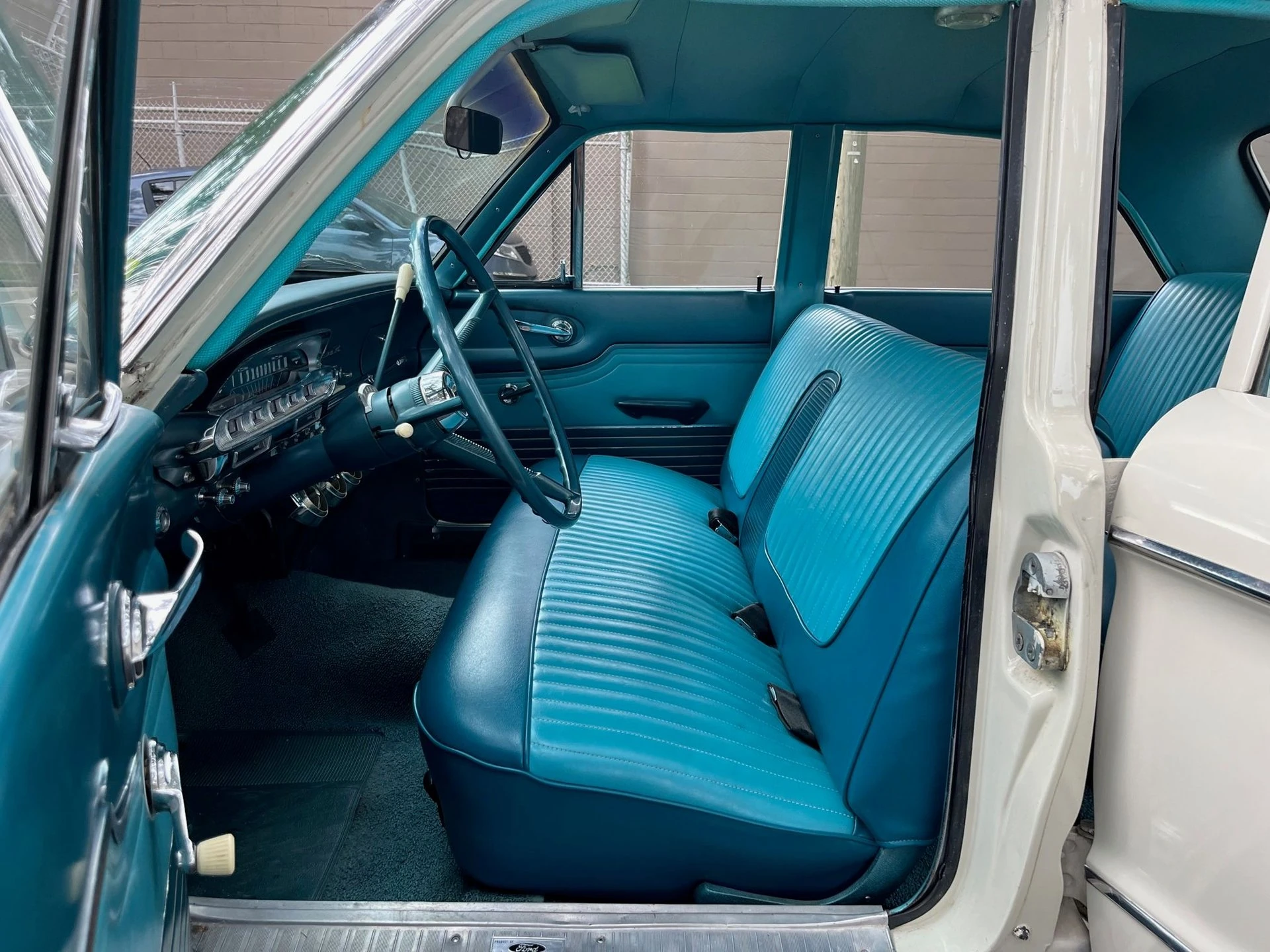
Note the proximity of the steering wheel rim to the seat. Another CU complaint about both the Comet and the Falcon was that the front seat tracks were positioned too far forward and didn’t allow the seat to go back far enough. I think this was a trick to improve the minimum rear legroom, but CU warned that it “kept tall drivers crowded against the steering wheel.”
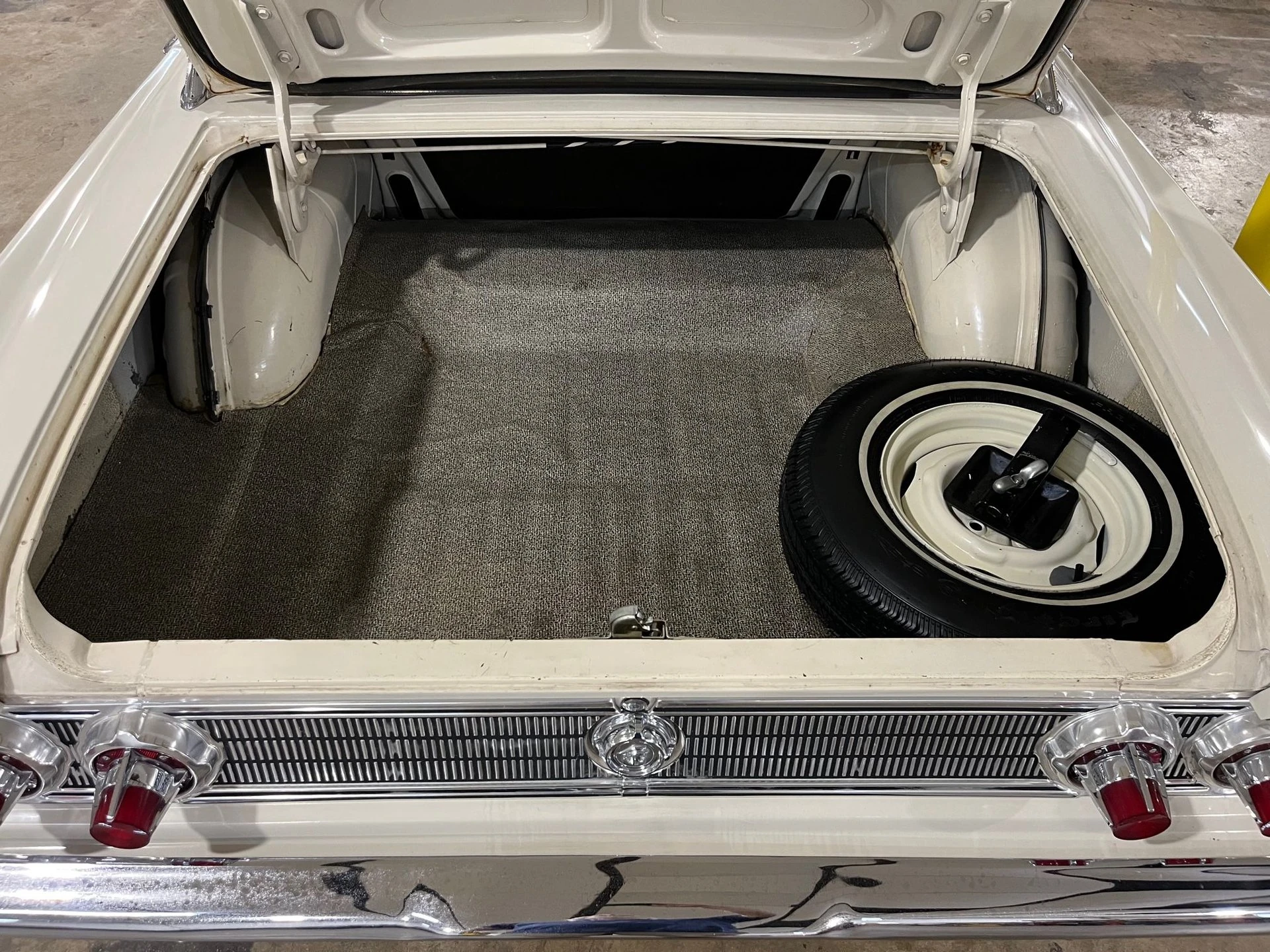
Trunk space, though greater than the Falcon’s because of the longer tail, was not exceptional, although it was adequate for local commuting chores.
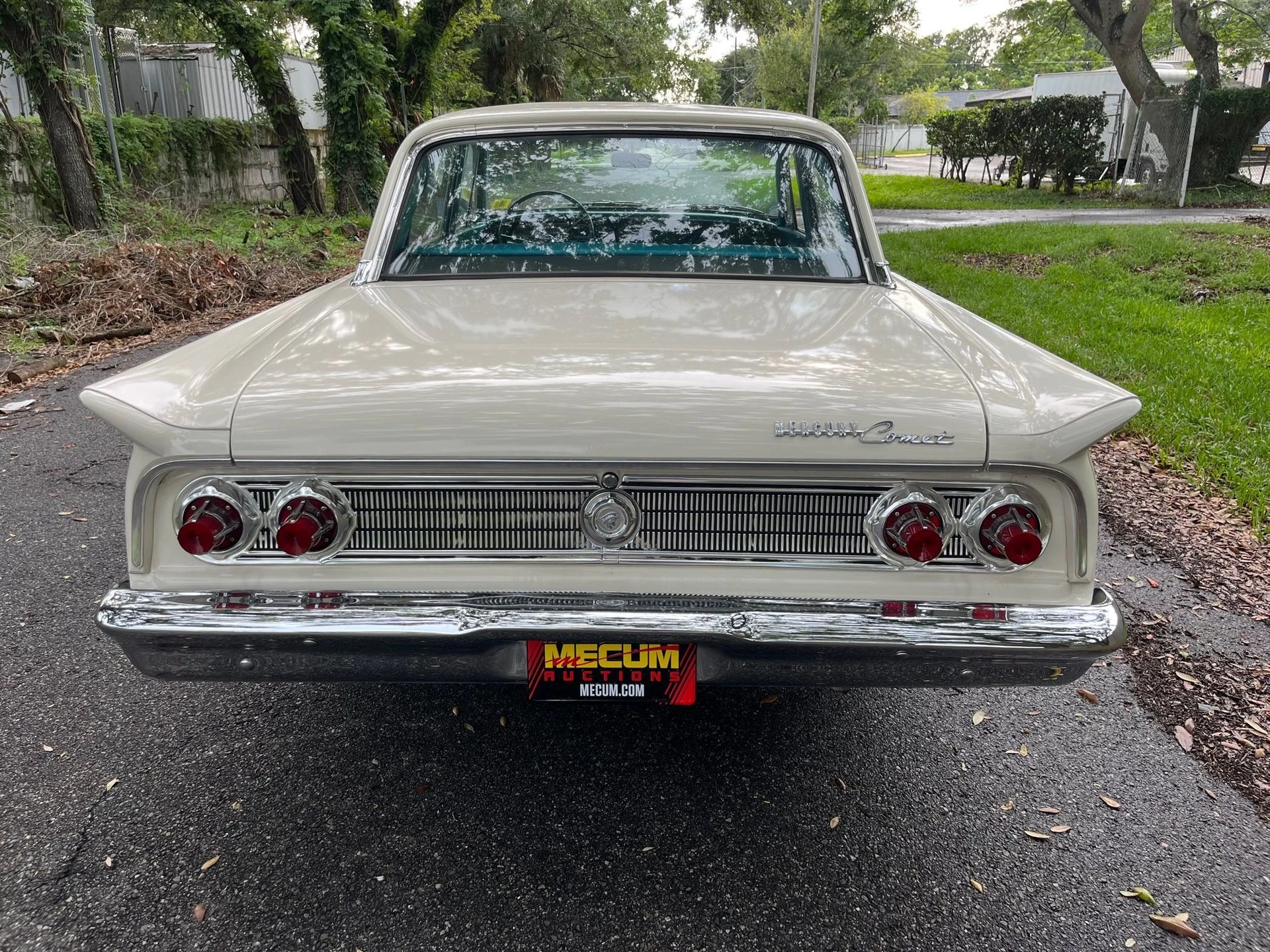
In many respects, the Comet was the ideal car for the recessionary late ’50s period in which it was conceived, a sensible family compact sedan. It was smaller than contemporary full-size cars, but not worryingly dinky or cramped (except perhaps for a driver with long legs and long arms). Even with its diminutive tail fins, it wasn’t overdecorated, but it wasn’t depressingly stark even in base form, and the 170 cid six provided a workable blend of economy and ability to get out of its own way. Consumers Union felt that the V-8 was a step back:
In brief, the Comet V-8 is one of a new class of unsatisfactory hybrids (to which the Tempest V-8 also belongs). Placing a powerful and heavy V-8 engine in a compact’s nose destroys much of the car’s economy of operation and maintenance, as well as its ease and precision of handling, and nullifies its low initial cost. Faced with the uncalled-for expenses of another horsepower race, some motorists might wish that the car manufacturers would woo them with better-designed interiors, say, or better transmissions instead of with needlessly stepped-up power.
They had a point, but the V-8 was the way the market was going. Thanks to the late introduction of the V-8 option, 80.6 percent of 1963 Comets had sixes, but by 1967, more than two-thirds of Comet production would have V-8 power. Buyers of mid-price intermediates — and the Comet had always straddled the boundary between compact and intermediate — increasingly decided that the gas mileage of a smaller V-8 and automatic was good enough. Car lines that didn’t sell a lot of V-8s, like the Falcon and the Rambler American, didn’t sell very well overall, and it wasn’t until the early ’70s that there was renewed interest in cheap six-cylinder compacts.
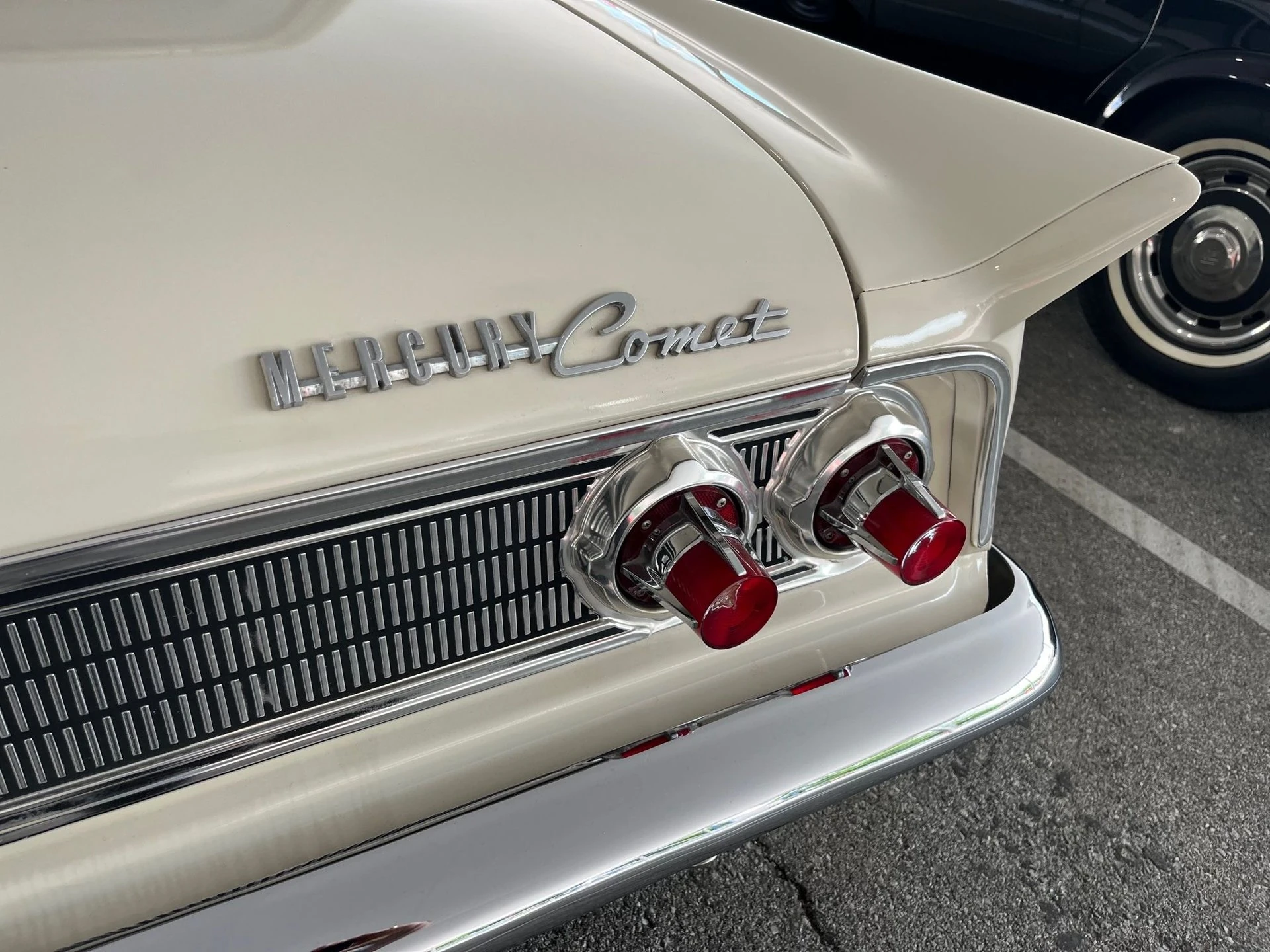
Mercury built a respectable 218,023 Comets for 1963, 67.5 percent of them the slightly fancier Comet Custom. Base four-door sedans accounted for 24,230 cars. Save for its air conditioning, this V-8 Comet was not notably rare, and while parked on the street, I suspect that it wouldn’t have drawn a single glance during the first 10 years or so of its existence. However, it marked a sea change in the U.S. market, the point where the pendulum swung definitely away from sensible economy back towards the endless search for some sizzle to sell.
Related Reading
Curbside Classic: 1960 Comet – Orphan Looking For A Home (by Paul N)
Car Show Classic: 1962 Mercury Comet (by Aaron65)
My Car Of A Lifetime: 1962 Mercury Comet S-22 (by Stephen Pellegrino)
1963 Mercury Comet S-22 Convertible – Five-Card Stud or Texas Hold-Em? (by Jason Shafer)
1964 Mercury Comet 404: Looking Pretty In Portlandia Pink – And A Bit Of 260 V8 History (by Paul N)
CC Tech: Ford Falcon, Comet, and Fairlane – How These Unit-Body Fords Were Alike (And Different) (by me)























V8 powered Falcon Sprints did well in the Monte Carlo rally the extra weight up front cant have hurt much, Comets werent sold here new the Mercury brand died out after 1948 but Compact Fairlanes with the small V8 were and sold quite well plenty have survived the engines were really good.
It was 1963 and my family had recently bought a new 1963 T-Bird. Down the street my good friends family then bought a new 1963 Comet S-22 convertible. It was a really good looking car.