
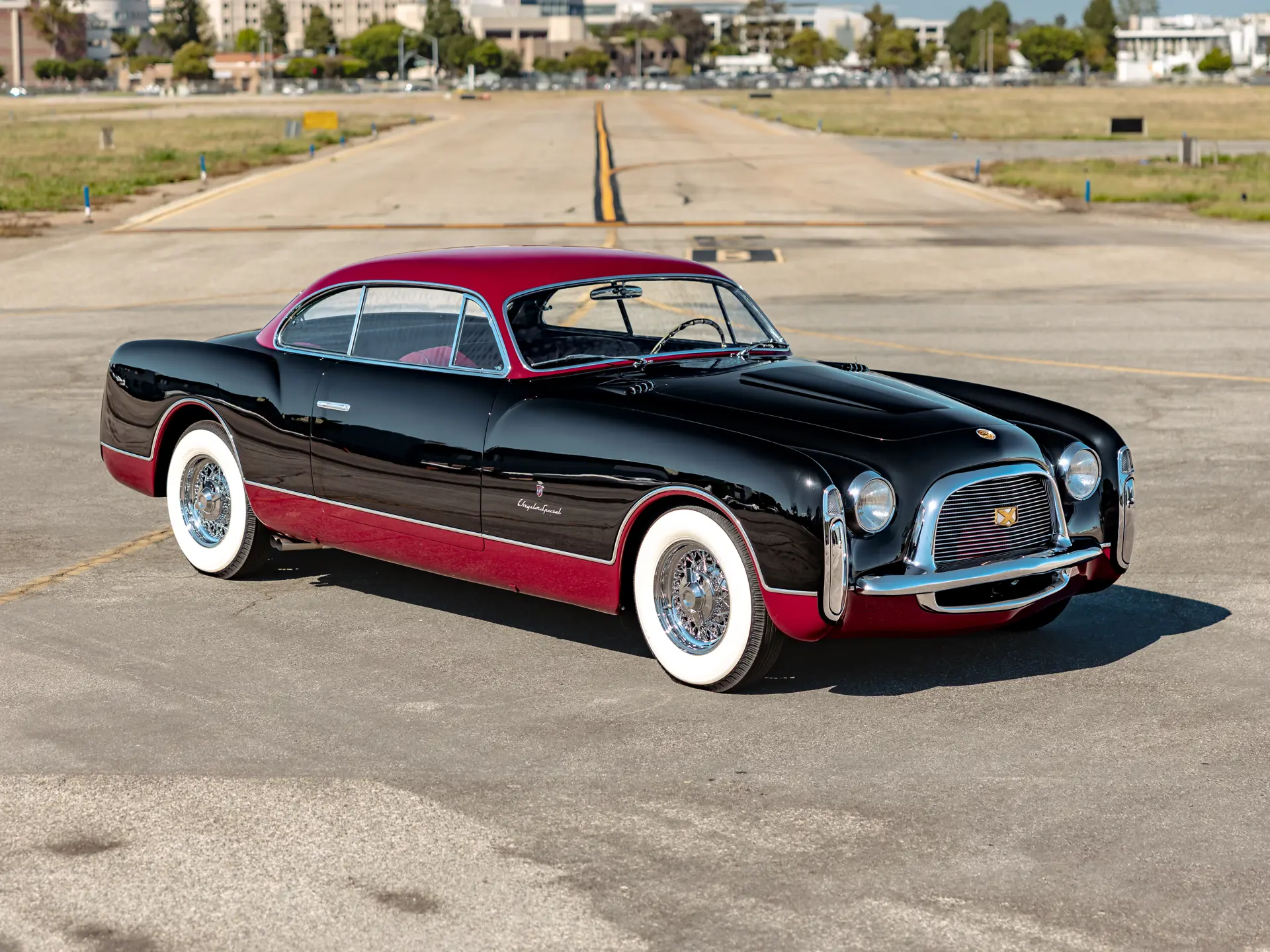
This is, believe it or not, a Chrysler. Not only is there a 1953 Chrysler New Yorker chassis underneath its sleek Italian-made skin, this car was actually designed by Chrysler Advance Styling director Virgil Exner at his home studio in Birmingham, Michigan, to be built by Carrozzeria Ghia in Italy. Only a handful of these handsome Italian-American coupes were ever sold to the public.
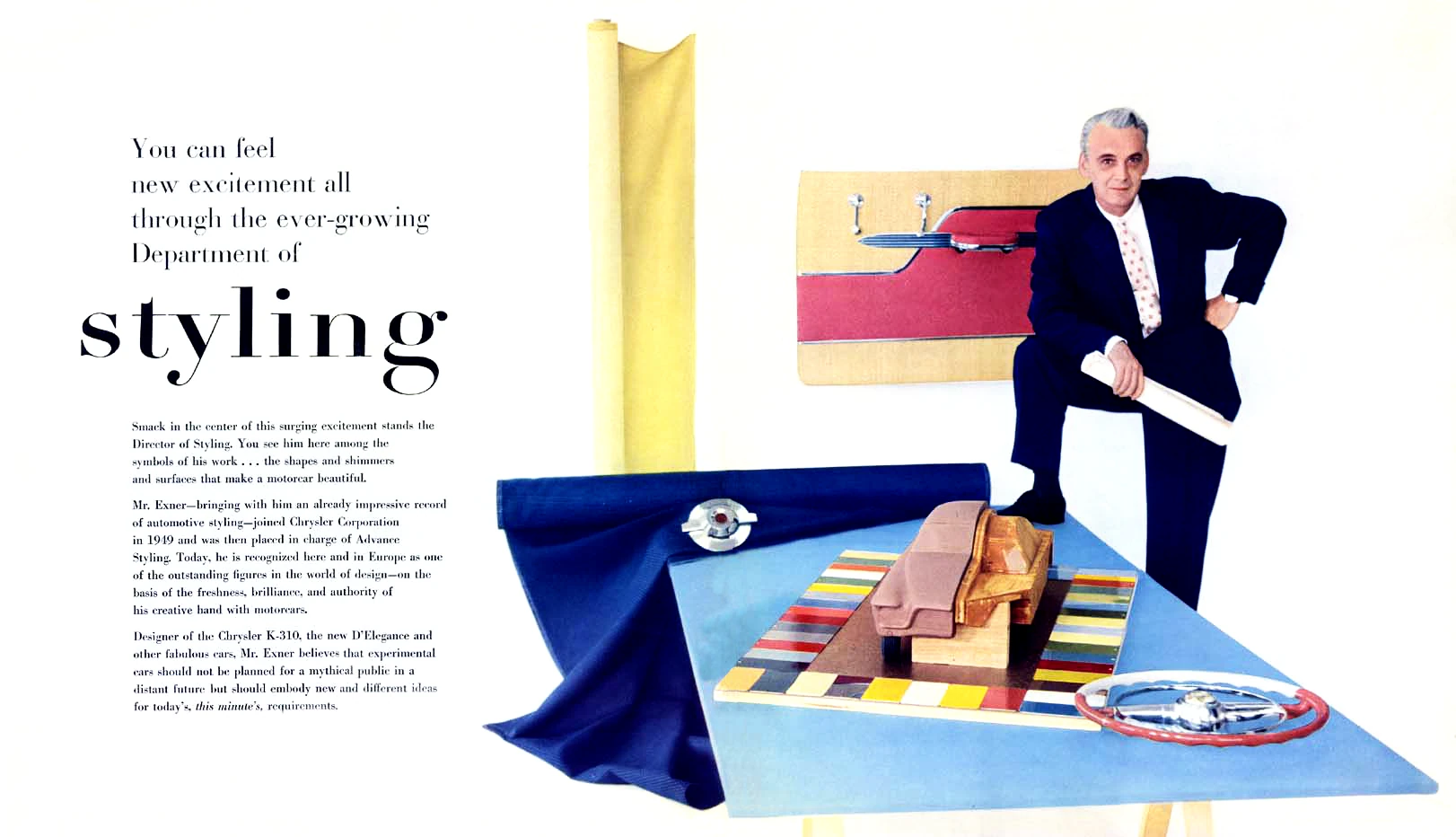
In August 1949, Chrysler Corporation hired 40-year-old Virgil M. Exner Sr., a veteran of Studebaker, Raymond Loewy Associates, and General Motors, as the new director of “Advance Styling,” with an annual salary of $25,000 (the equivalent of about $680,000 in 2025 dollars). Initially, Exner had no control at all of Chrysler production design, and was resented by the company’s existing small styling studio, but it was a unique opportunity to focus on creating advanced dream cars, not tied to any expectations of mass production. As Exner’s son, stylist Virgil Exner Jr., explained in a later interview with David Crippen of The Henry Ford:
They [Chrysler president K.T. Keller and engineering VP James Zeder] felt that it would be beneficial to start to probe a little bit further ahead. Their sales were suffering terribly, and they decided they needed to do something. So he was not made the head of all styling at that time, nor did they even have a vice-president in charge of styling. He was simply given the responsibility to initiate an advanced styling section. … [He] concentrated on, initially, a series of show car type vehicles.

Exner had a small studio in the Chrysler Engineering Building, but his family’s new house in Birmingham, Michigan, north of Detroit, also had a home studio in the basement, and it was there that Exner did a lot of his initial concept drafts and ¼-scale models. “He got more chance to be non-bothered by managerial responsibilities and the everyday work, and he could concentrate on doing something on his own,” his son explained later. “It’s very difficult, when you’re in a managerial position, to actually be drawing on the boards as well as supervising the work of modelers, designers, and administrative people.”
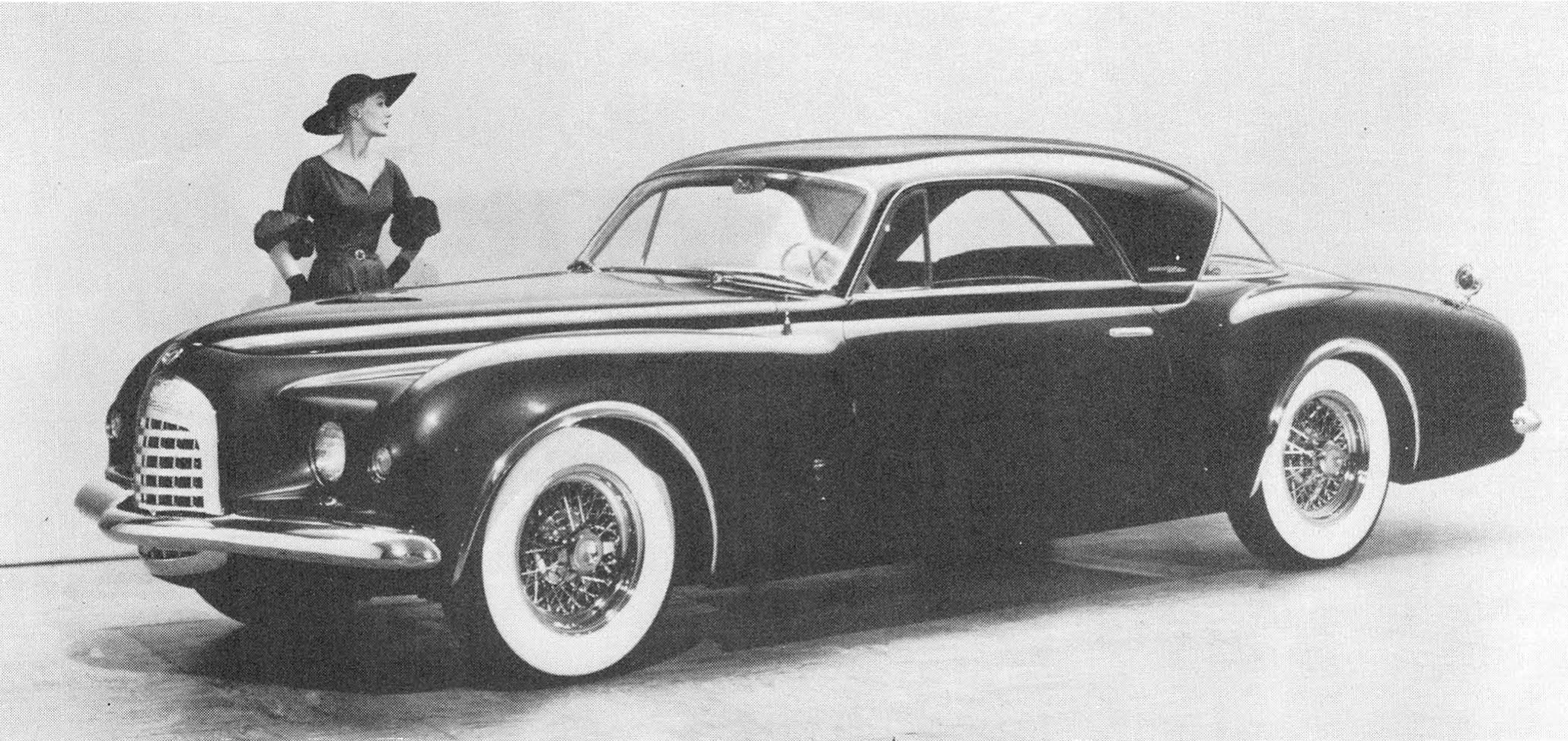
In 1951, Exner designed a concept car that in many respects would be his signature piece, the Chrysler K-310, which he described as “an entirely new American theme with a European flavor.”
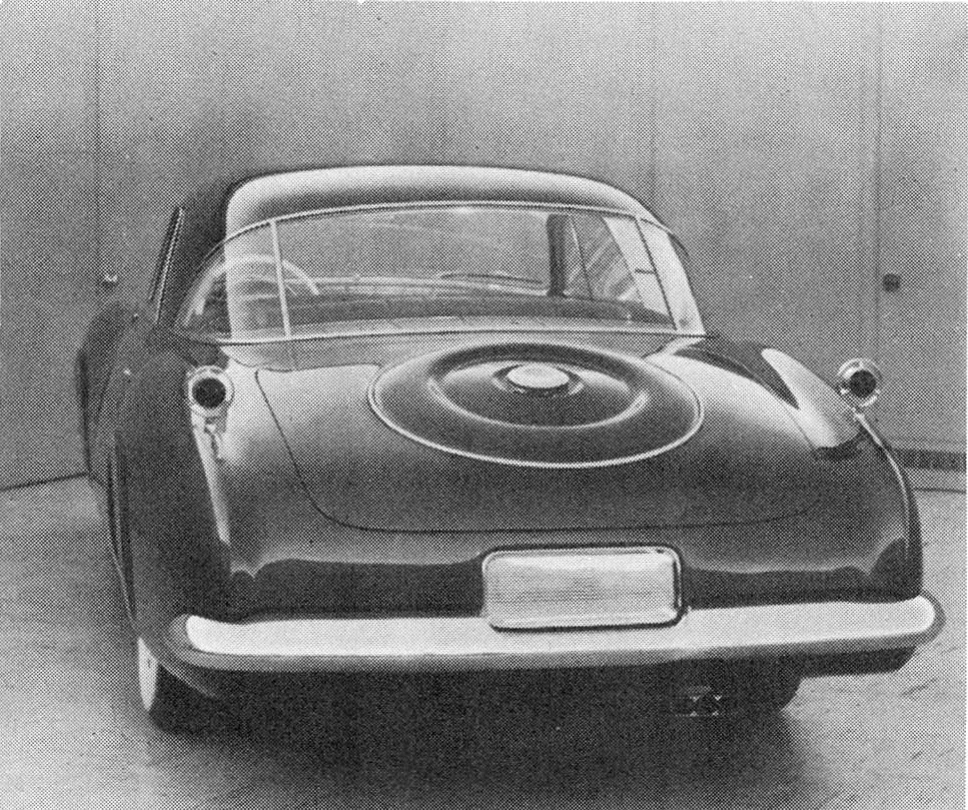
Some of the features of the K-310, like the freestanding taillights and simulated spare tire “imprint” in the rear deck (quickly nicknamed the “toilet seat”), would show up in various forms in later Exner designs.
Although it was designed in Birmingham and Highland Park, the K-310 was built in Italy, by Carrozzeria Ghia of Turin. In 1949–1950, several of the Italian styling houses, including Ghia and Farina, had been nosing around for contracts with Detroit automakers, leading to a deal between Ghia and Chrysler. The selling point for Chrysler management was that in the depressed postwar Italian labor market, Ghia could produce high-quality work at prices no one in the U.S. could match. Exner flew to Turin to supervise production of the K-310 — Chrysler had shipped Ghia a plaster cast of the 3/8th-scale model, but it broke in transit — and the show car was delivered for Chrysler management review in November 1951. It made its public debut the following April, to strong response.
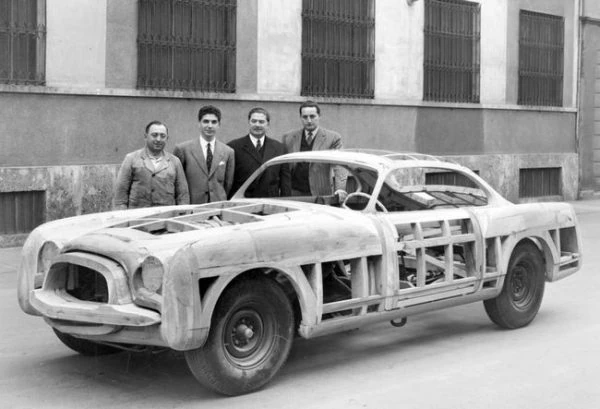
The K-310 was followed by the C-200 convertible and the Chrysler Special, which was built on a shortened New Yorker chassis with a 119-inch wheelbase. The photo above shows the buck used for forming the exterior panels of the Special.
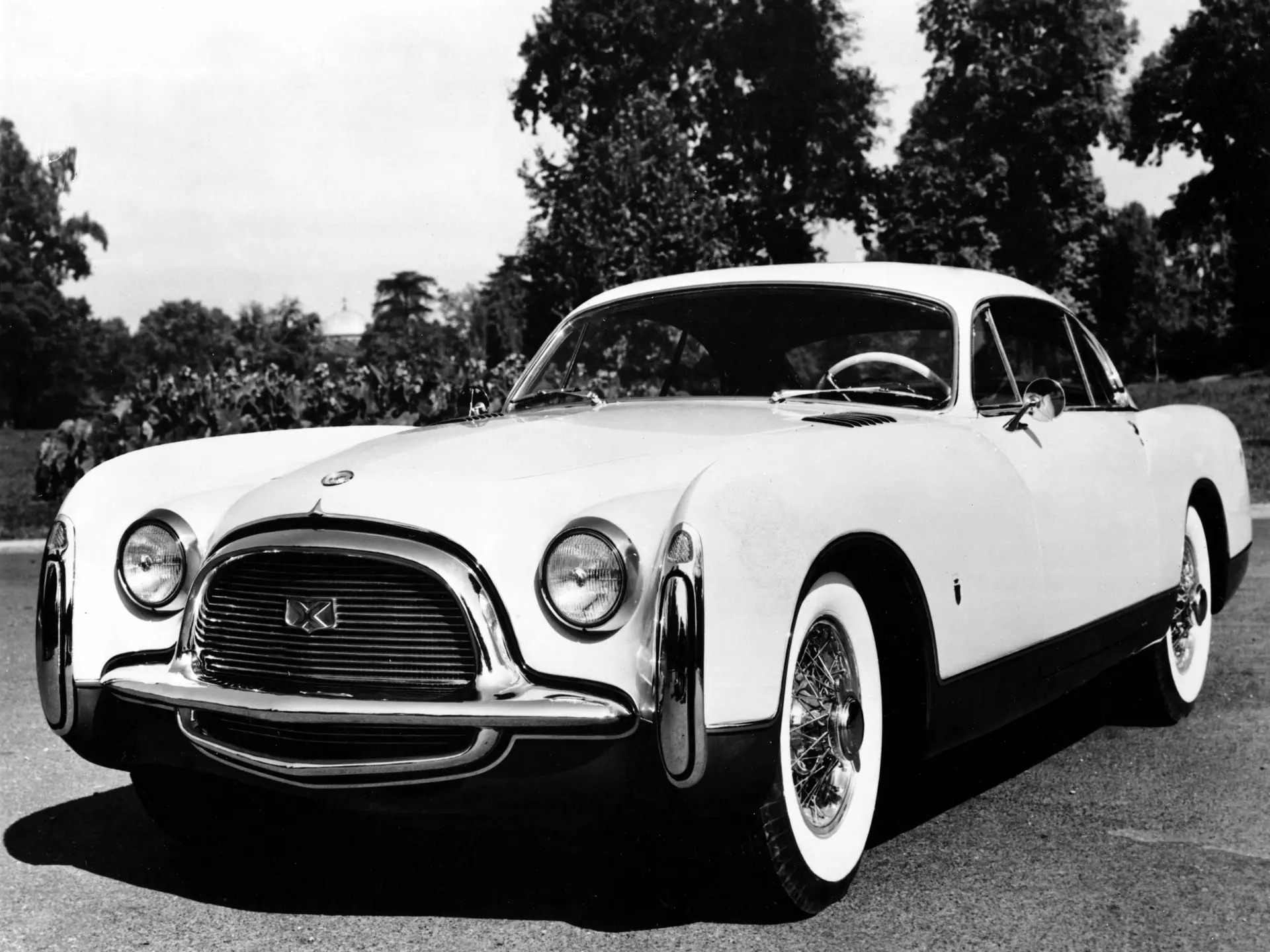
The Special debuted at the 39th Salon de l’Automobile in Paris in October 1952. John Bolster of AutoSport called it “[m]agnificently turned out and presented … a very pleasant surprise.” It looked sufficiently Italian that Motor Trend assumed it had been styled by Ghia rather than only built by the Italian firm.
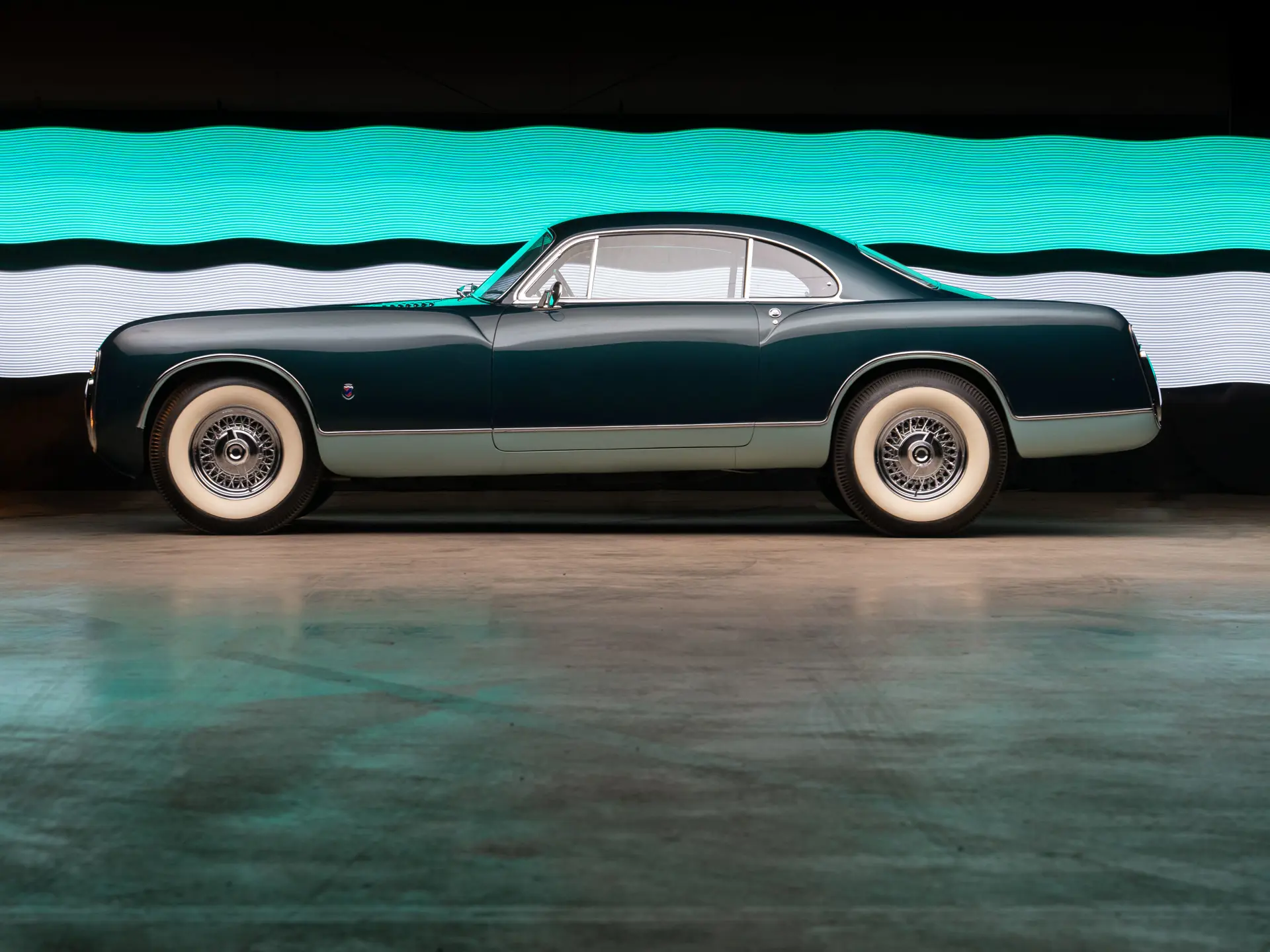
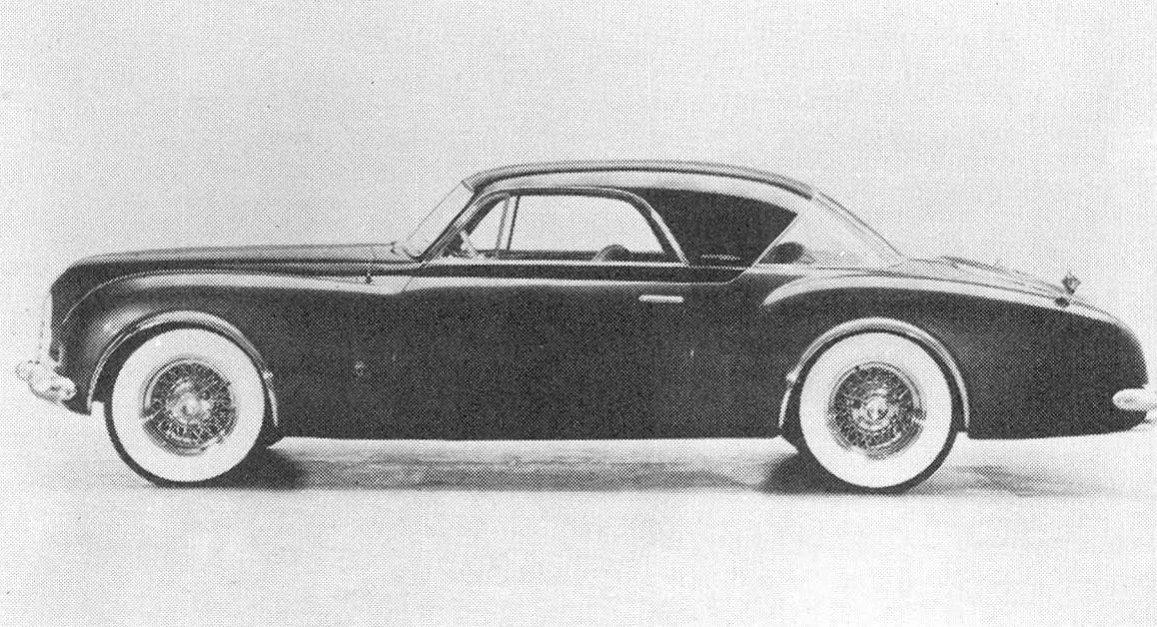
The original 1952 Special still exists today, although it’s no longer its original eau-de-nil light green and now has a 1955-vintage engine. This car differed from later iterations in its aluminum body (except the steel front fenders), shorter wheelbase, fastback roofline, and pushbutton door latches. It originally had 16-inch wire wheels.
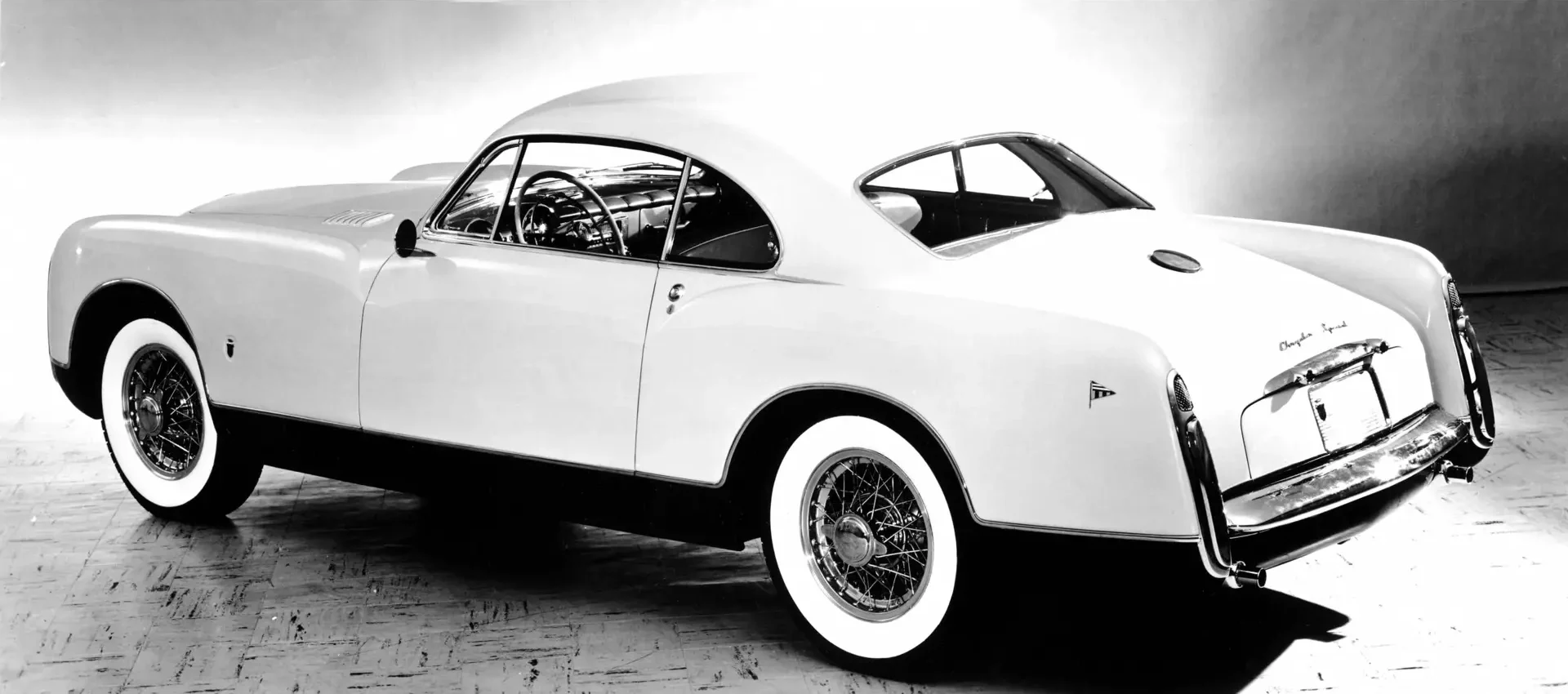
One point in its favor was that the Special did NOT have the “toilet seat” spare tire imprint on the decklid. Its spare tire and tools were on a hydraulically opened slide-out tray behind a flip-down door above the rear bumper. There was also a folding rear seat that was intended primarily as a luggage platform for a set of specially fitted suitcases.
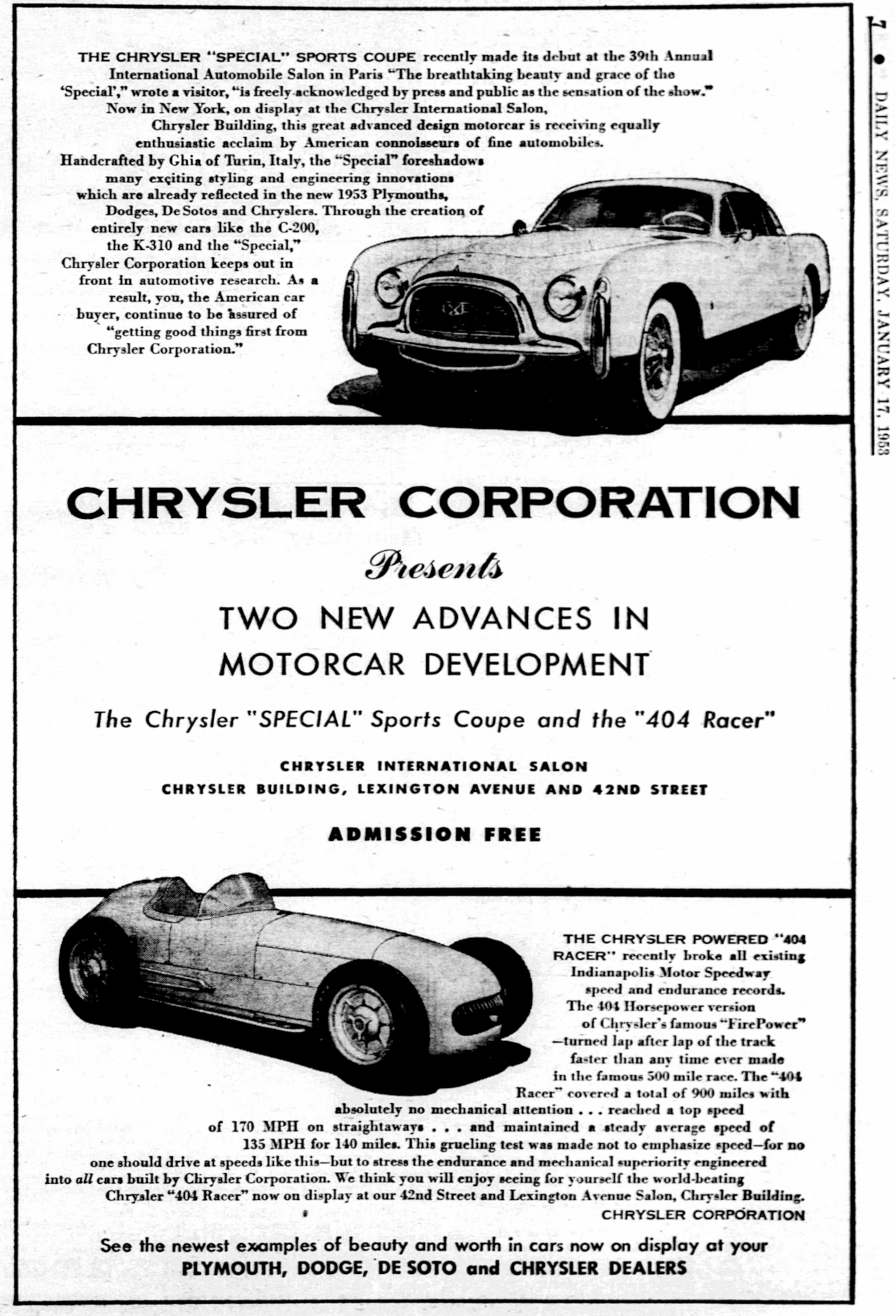
The original Chrysler Special made its U.S. debut at the New York auto show in January 1953 and then went on tour. It made a decent-size splash, garnering a lot of attention in the U.S., as it had in Europe.
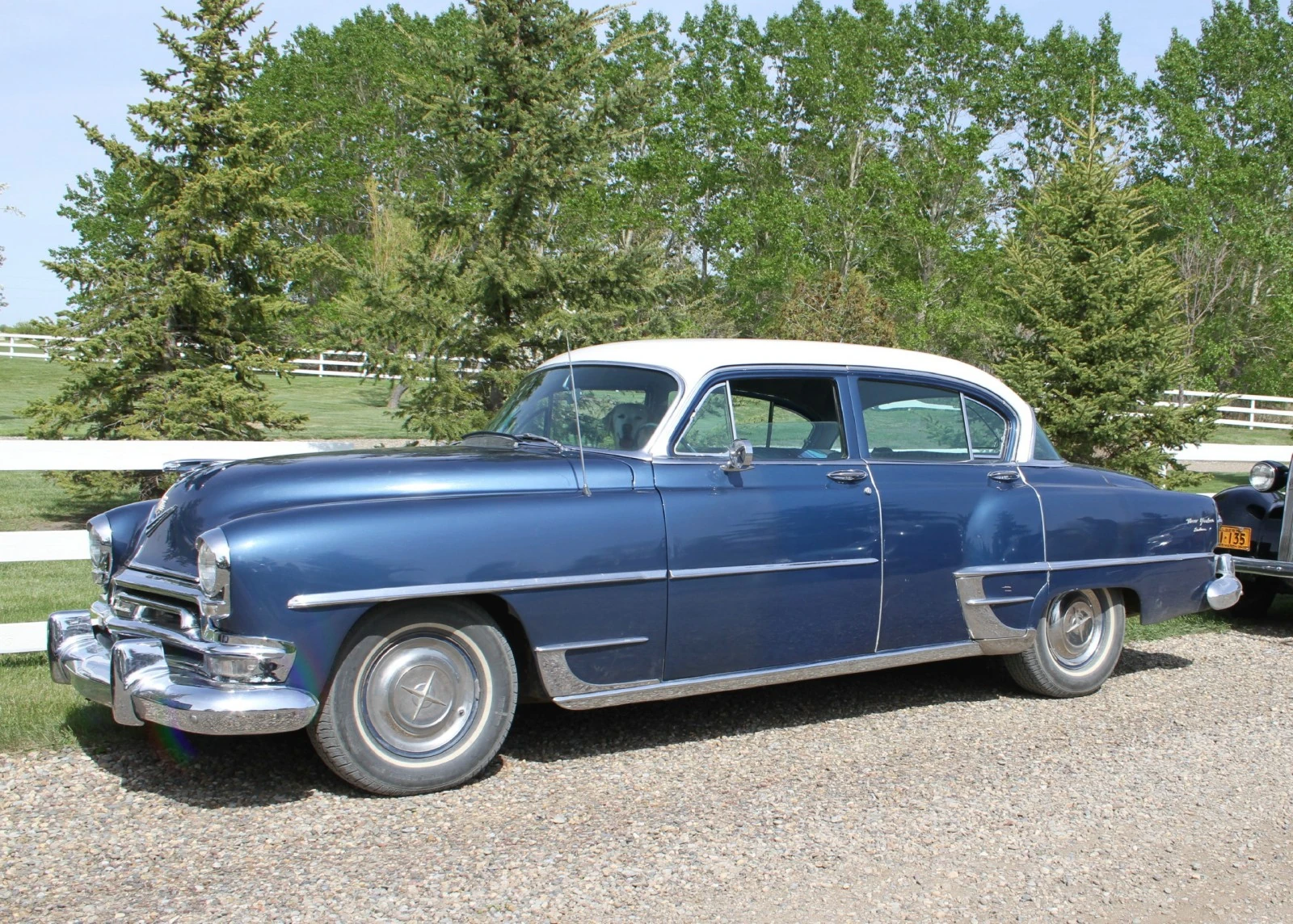
The reasons were not complex. At the time, Chrysler production cars looked like this 1953 New Yorker. Although Chrysler was getting a reputation for stodgy styling, their 1953 cars weren’t really unusually dowdy or dated by contemporary standards. Next to the knockout Special, however, they looked like some tarps thrown over a couple of saw horses.
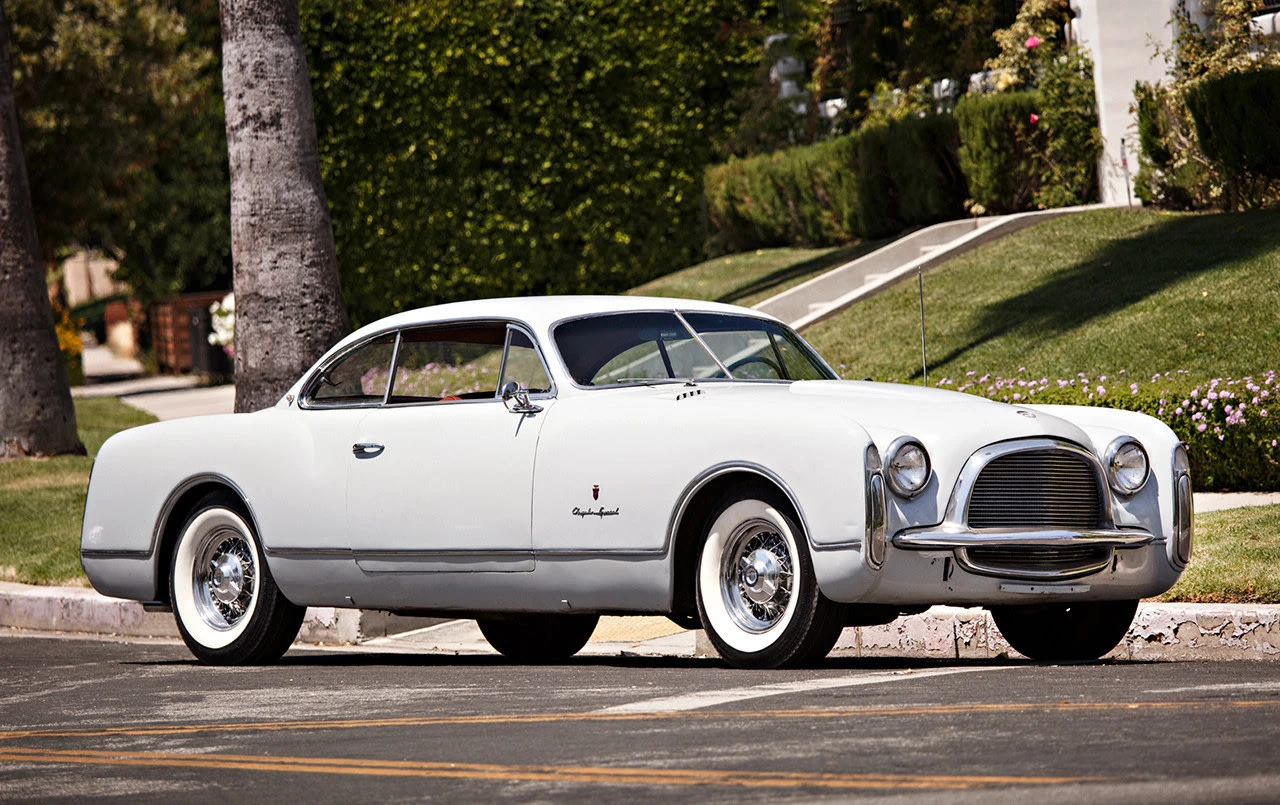
Cecil B. Thomas, president of Chrysler Export Division, was very taken with the Special, and ordered a version for himself, dubbed the Thomas Special. It was similar to the original 1952 Special, but Thomas wanted a usable back seat, so the car was built on a full-length New Yorker chassis with a 125.5-inch wheelbase, with a less-rakish roofline, conventional door handles, and steel rather than aluminum body panels. For some reason, the Thomas car also had a divided windshield, which the Special and K-310 did not.
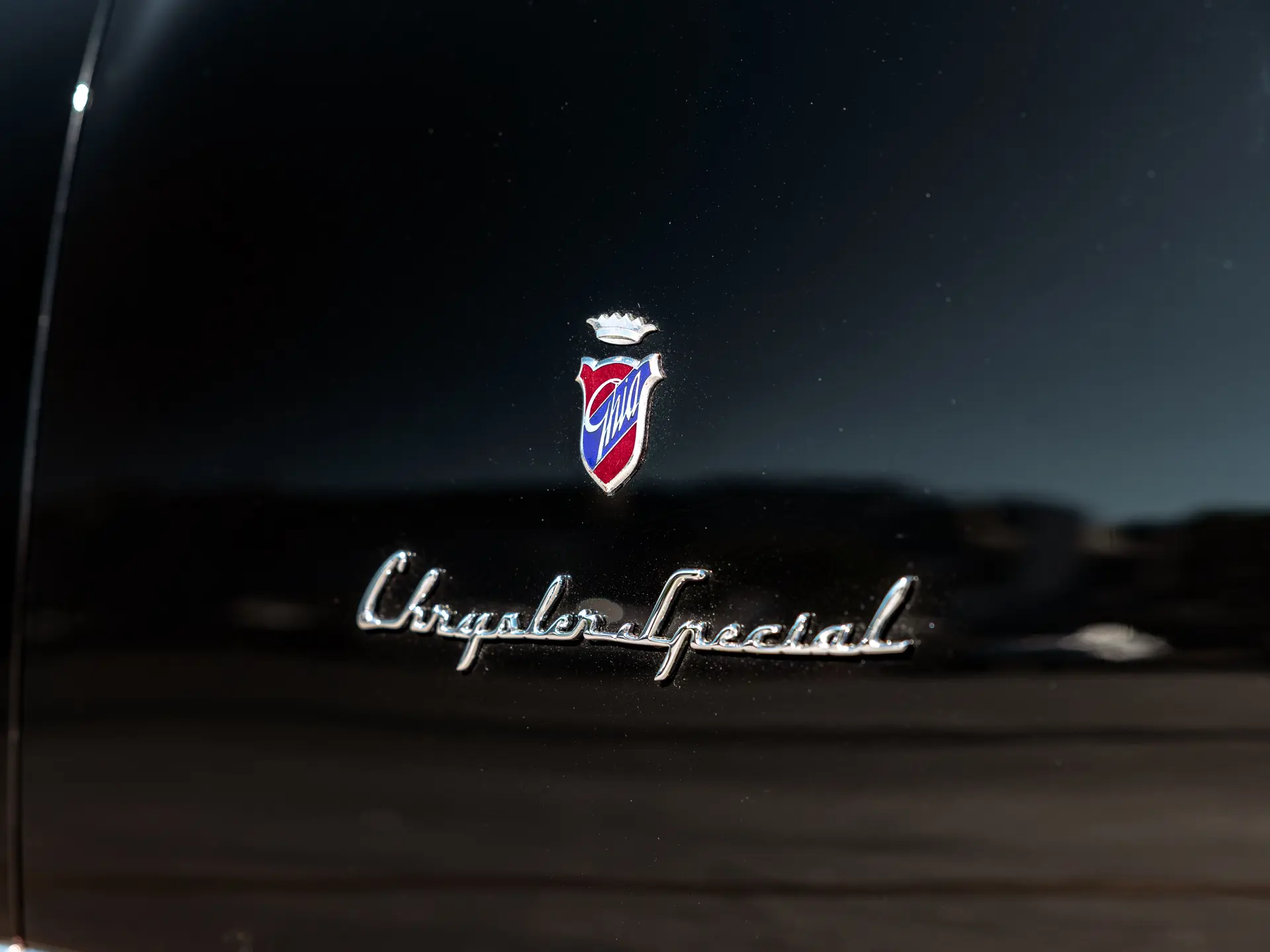
Chrysler originally had no intention of mass-producing these coupes — the cost of having Ghia build them was cheap by show car standards, but would have been utterly prohibitive for regular production cars. Nonetheless, after the Paris show, well-heeled customers began to express interest. According to a January 1953 item in the New York Herald-Tribune, Ghia had received 20 orders for duplicates, including one for Sir Sultan Muhammad Shah, Aga Khan III, who reportedly paid $9,500 (a relative worth of about $182,700 in 2025 dollars). The original 1952 Special was also eventually sold to a private buyer.
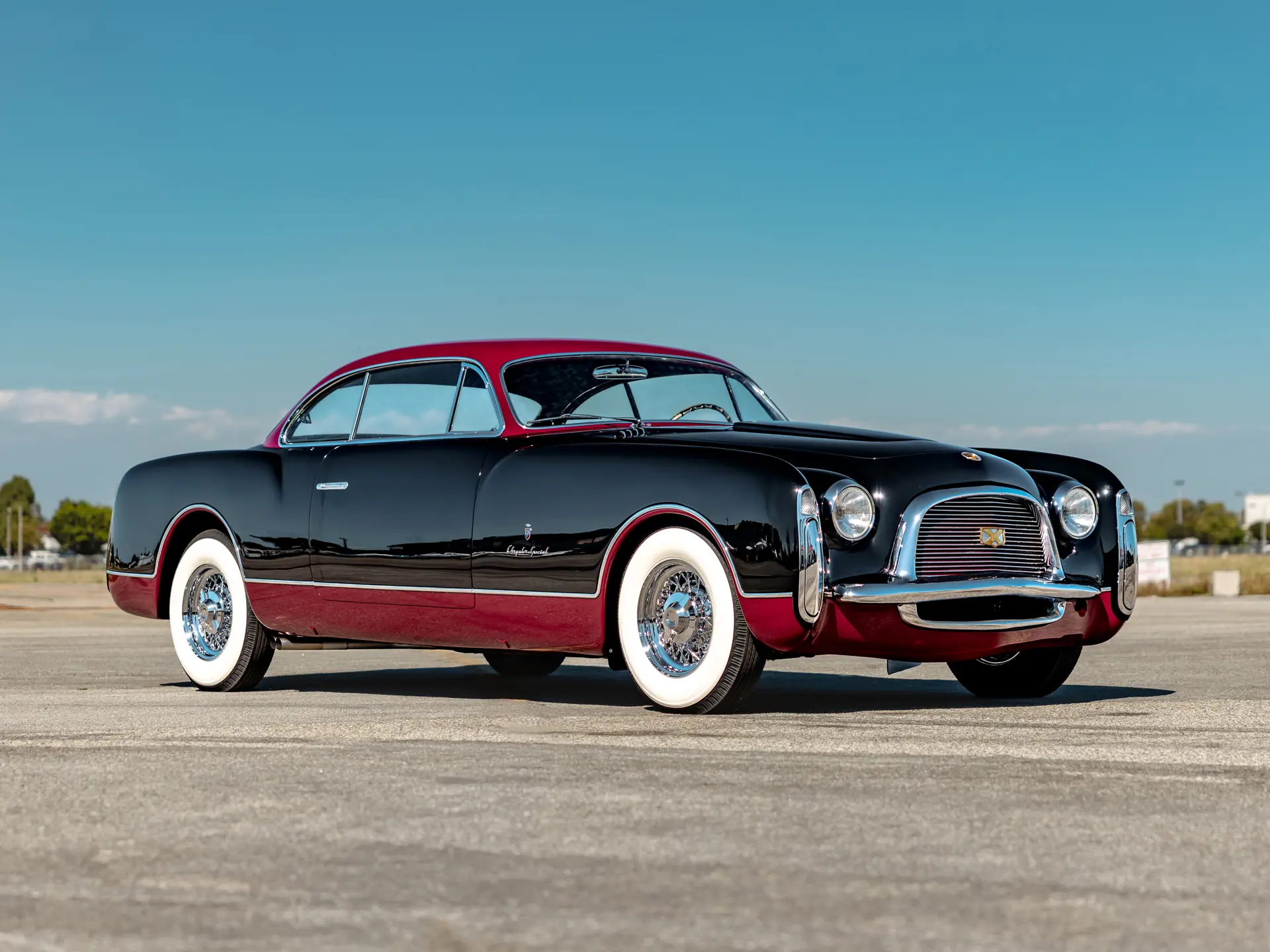
So, Ghia subsequently built a number additional Specials to sell. These were similar to the Thomas Special coupe, but with one-piece windshields and a few minor trim changes. Total production is somewhat hazy: Chrysler records indicate that Ghia built 18 in all, but sources differ on their disposition. According to Dennis Adler, Chrysler took six of them and the other 12 were sold in Europe through Chrysler’s French distributor, Société France Motors.
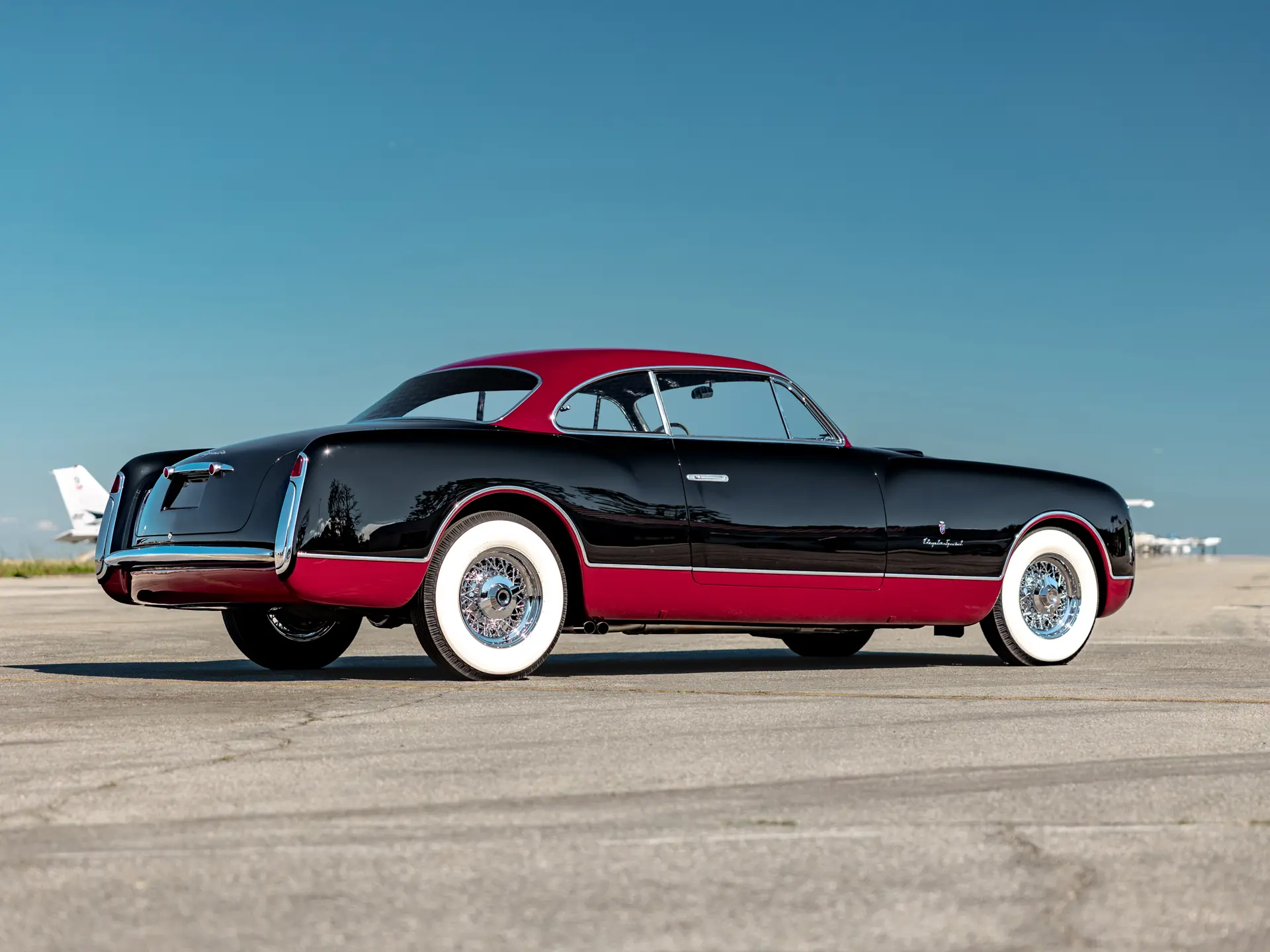
However, the build sheet for the red-and-black car pictured here indicate that it was the first completed, in mid-December 1952, and that it was shipped on December 17 to Neue Amag und Automobile in Bad Schinznach, Switzerland. The car was exhibited for months before being sold to a meatpacking tycoon in St. Margrethen, who first registered it on May 14, 1953. The Swiss car featured unusual flush door handles, which were different from the original fastback Special and not used on later “production” Specials.
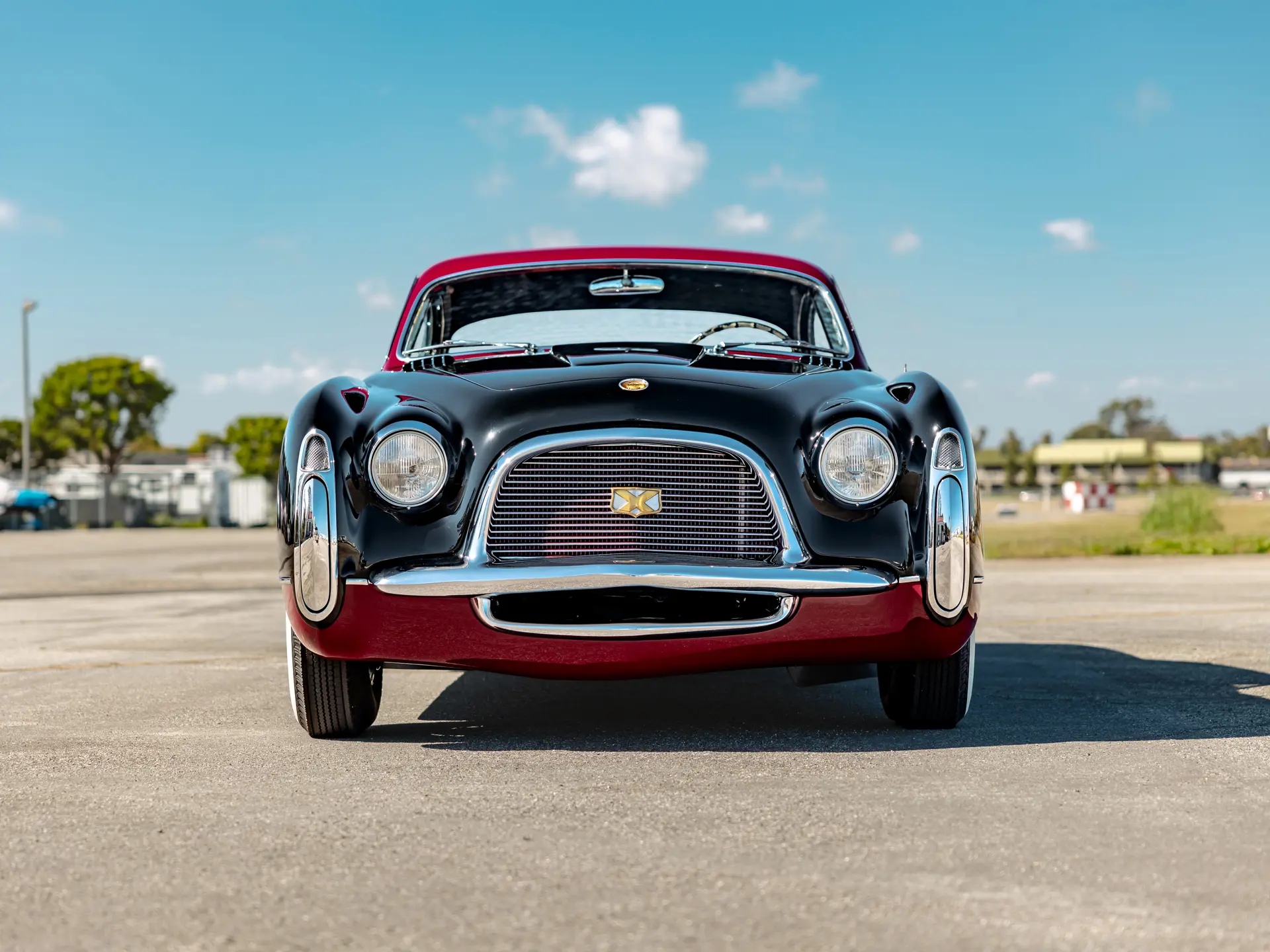
The auction listing description doesn’t indicate how much the original owner paid for the car (although that information is probably somewhere in the accompanying documentation), but the Chrysler Special was a genuine exotic car in 1953. I doubt original buyers paid less than $10,000 USD for them, and in many European countries, the road tax alone made these cars strictly for the ultra-wealthy.
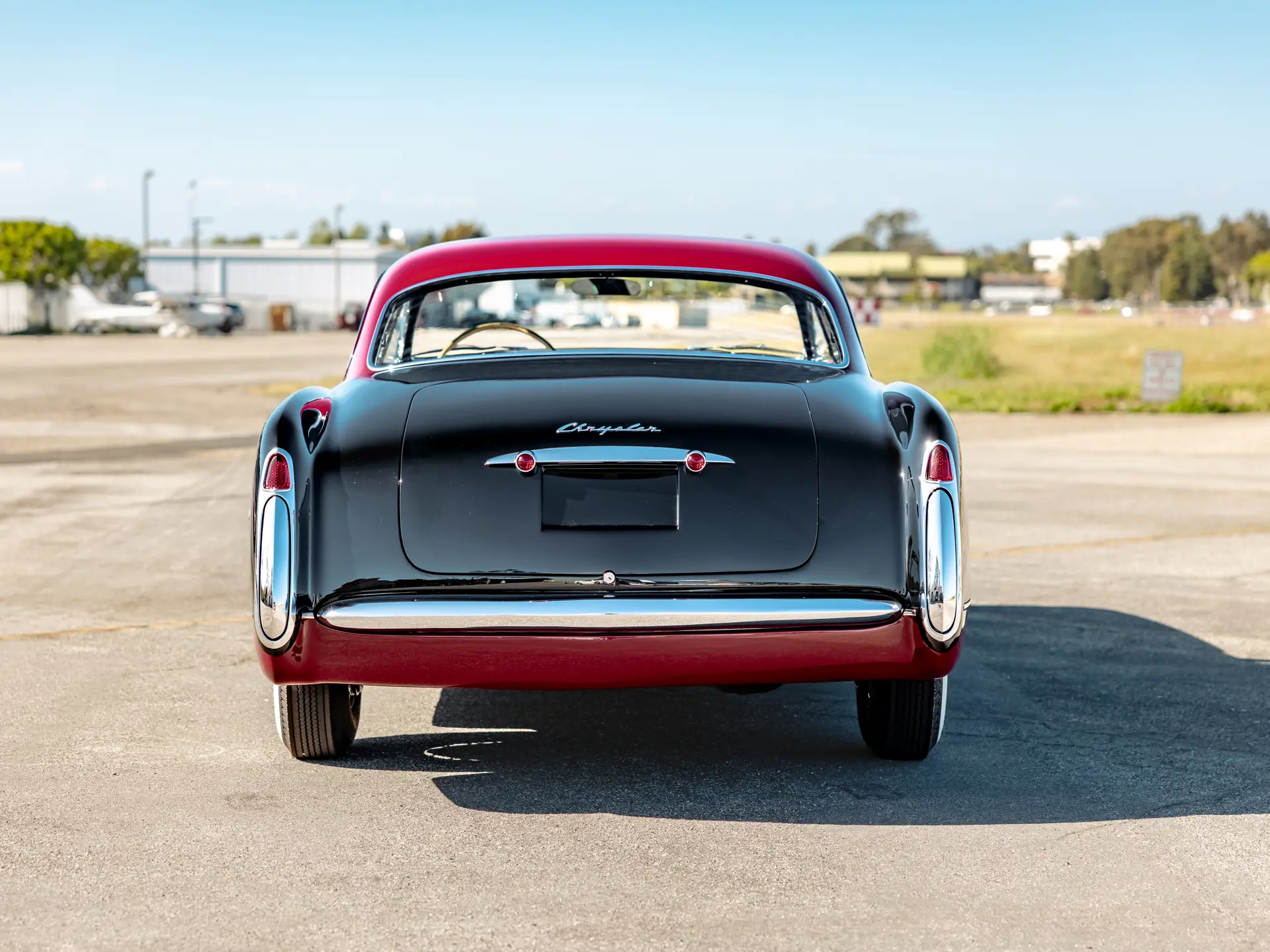
Even detailed specifications for these Specials are hard to come by. Bob Frumkin, who owned both the original fastback car and the Thomas Special, reported in a 1975 WPC News article that the long-wheelbase coupe was 204 inches long, 75.3 inches wide, and 57.5 inches high, but his specifications table claims the long-wheelbase Special was 10 inches shorter overall than the original short-wheelbase fastback car, which I find very puzzling. He didn’t list any weight figures, but since these later coupes were bodied in steel (welded to the New Yorker frame), I don’t imagine they were substantially lighter than the contemporary New Yorker, which had a curb weight of more than 4,200 lb.
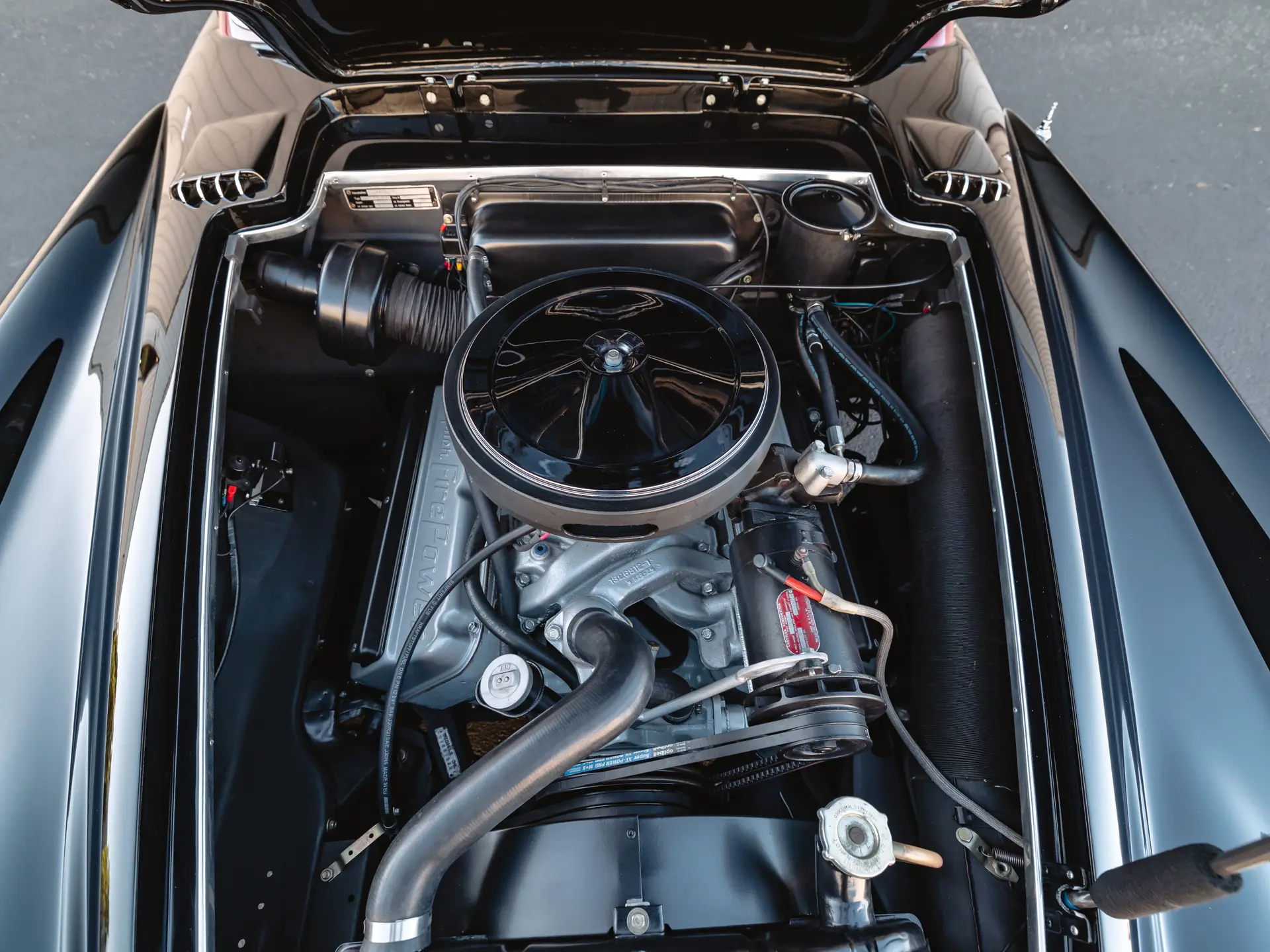
Unlike the K-310, I don’t think the Special had any engine modifications, but even in stock form, the 331 cid (5,425 cc) FirePower V-8 was one of the world’s most powerful engines in 1953. It was conservatively rated at 180 gross horsepower with a two-barrel carburetor, but Chrysler admitted that its actual gross output was 187 hp, and as-installed net power was about 170 hp.
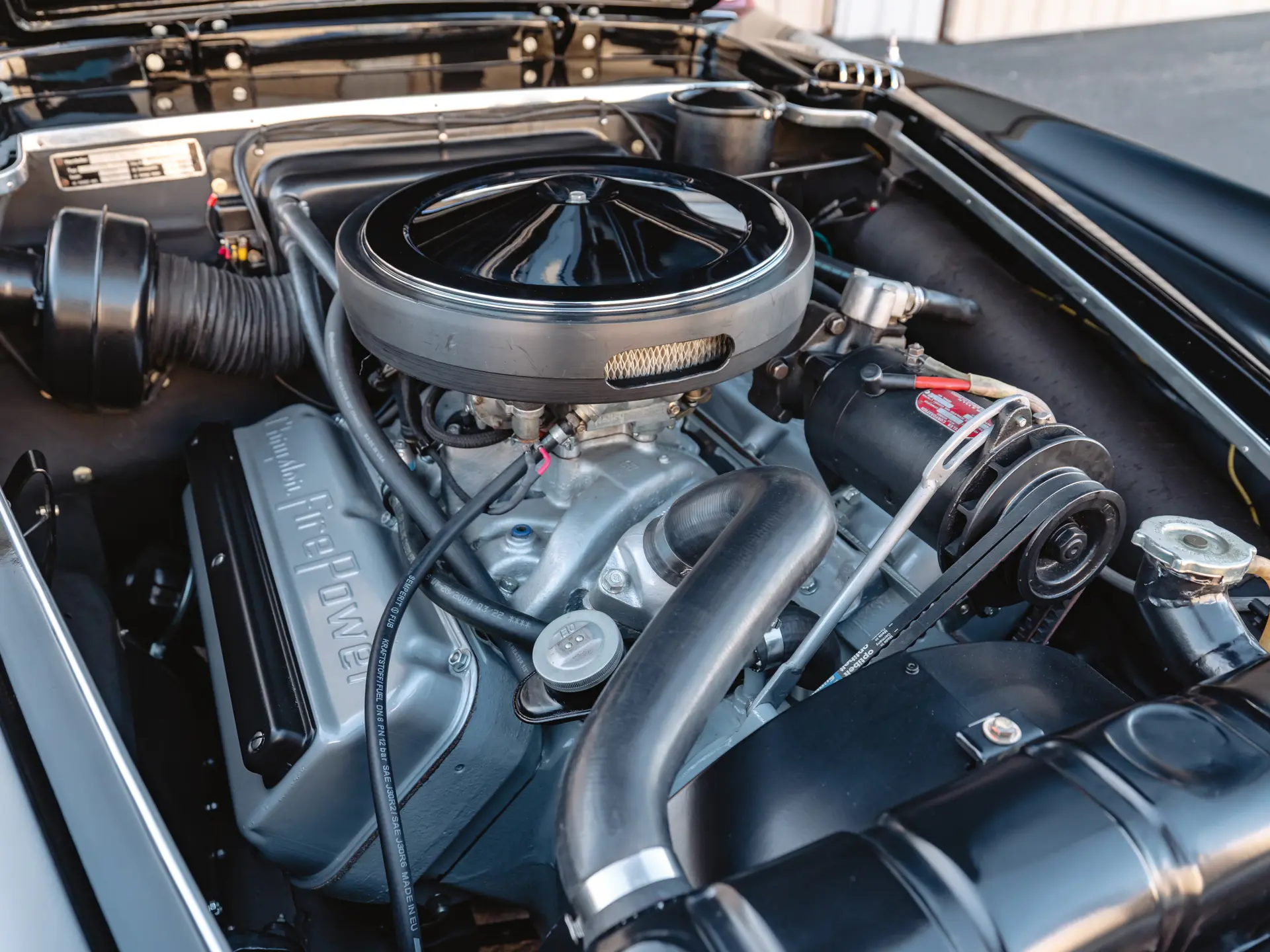
A 1953 Autocar road test of a New Yorker four-door sedan with this powertrain managed 0 to 60 mph in 13.6 seconds and a top speed of better than 105 mph, so the Special could undoubtedly at least match those figures. Such performance was very brisk for 1953, although even the sleeker Special might not have had the legs to stay with the lighter, taller-geared Bentley Continental R, which was capable of a genuine 115 mph.
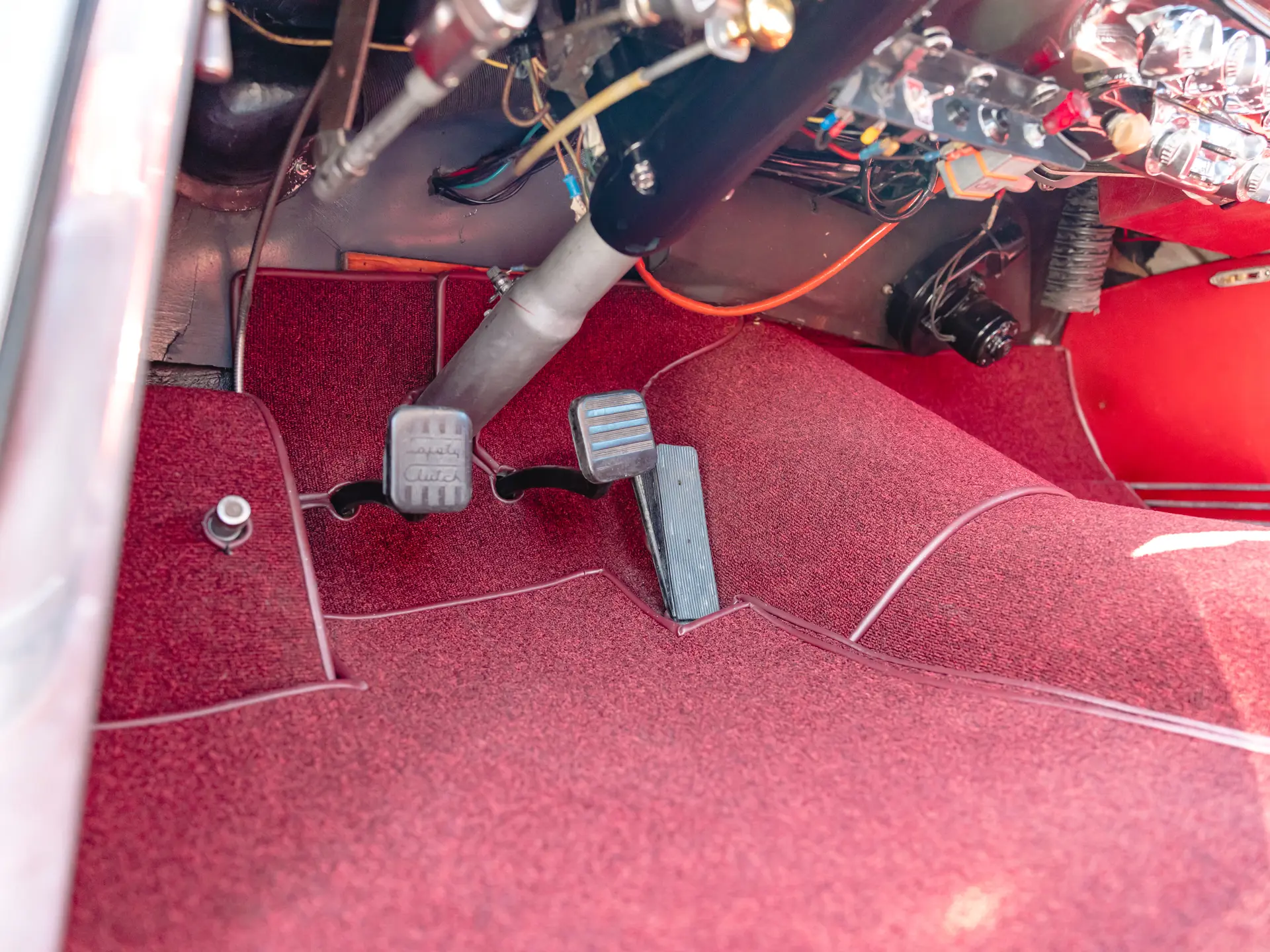
Because this Special used an early 1953 New Yorker chassis, it has the older Chrysler Fluid-Torque Drive. Fluid-Torque still had a clutch pedal (labeled “Safety Clutch”), but you only had to use it when selecting a gear range. It had a torque converter with a 2.6 to 1 stall ratio, so the clutch didn’t need to be disengaged at stoplights.
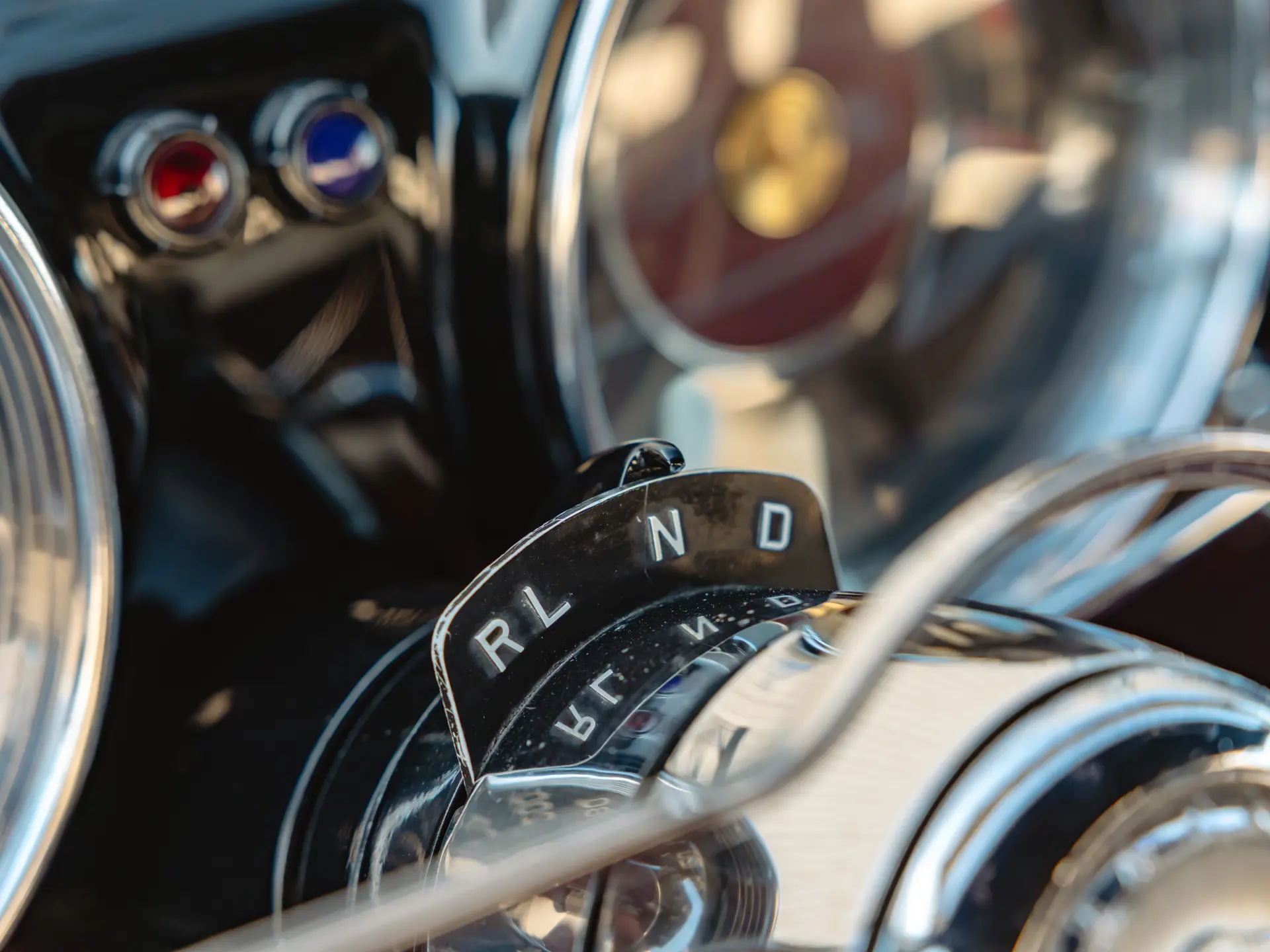
Fluid-Torque was a 4-speed transmission, but getting 1st or 2nd required selecting L, which in turn required declutching and shifting by hand. In D, the transmission shifted automatically between 3rd and direct 4th. With the torque converter, a 3rd gear start was perfectly adequate most of the time, so most people simply treated it as a 2-speed automatic. Some Specials built later in the 1953 model year got the new PowerFlite planetary 2-speed automatic instead.
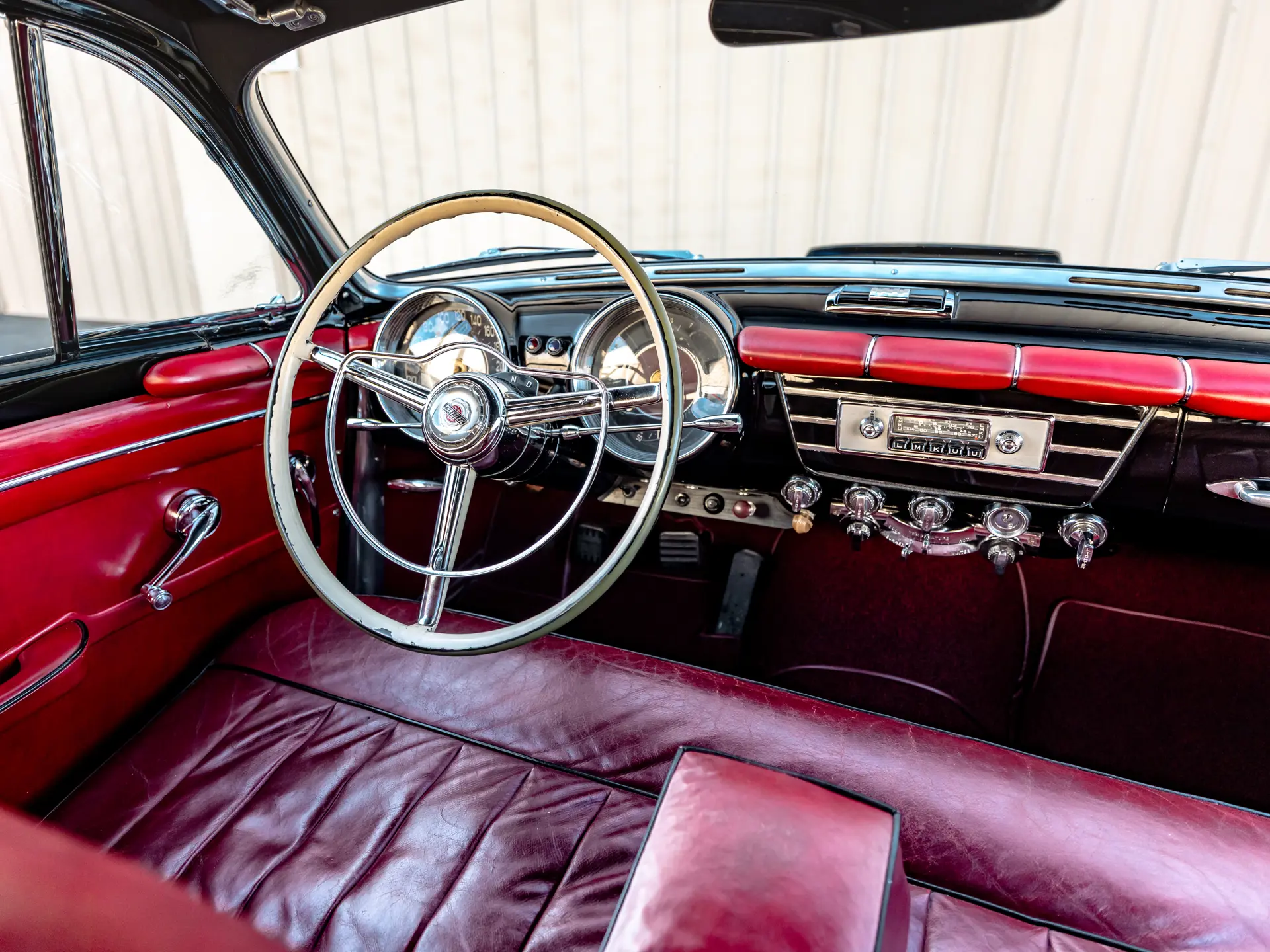
The Special featured dual instrument binnacles, with a 240 km/h speedometer on the left and secondary gauges on the right. A dashboard safety pad and leather upholstery were standard. Some cars got individual bucket seats rather than a bench.
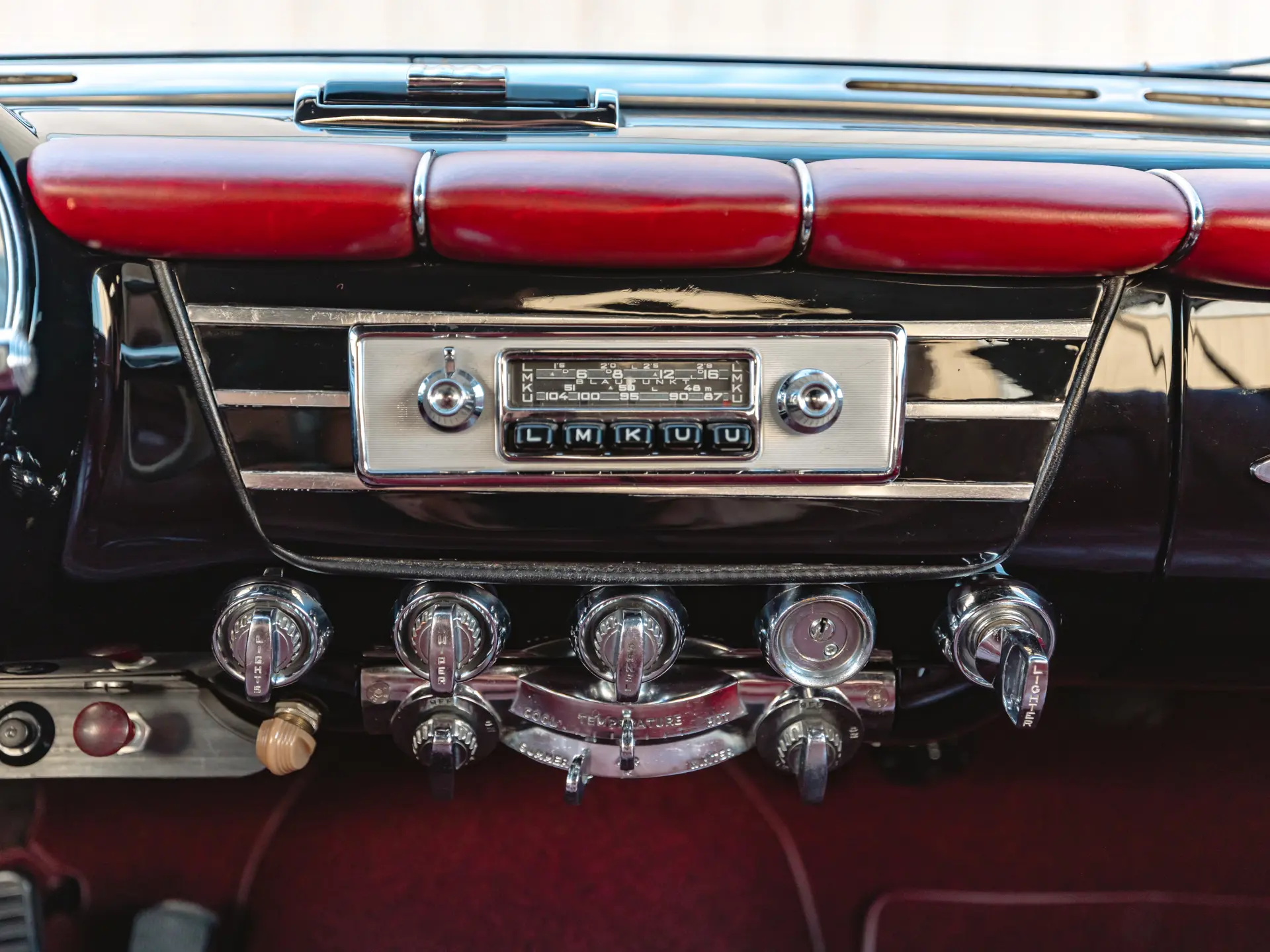
This car has a Blaupunkt multi-band radio and a heater; the latter was probably standard, but I have no idea about the radio.
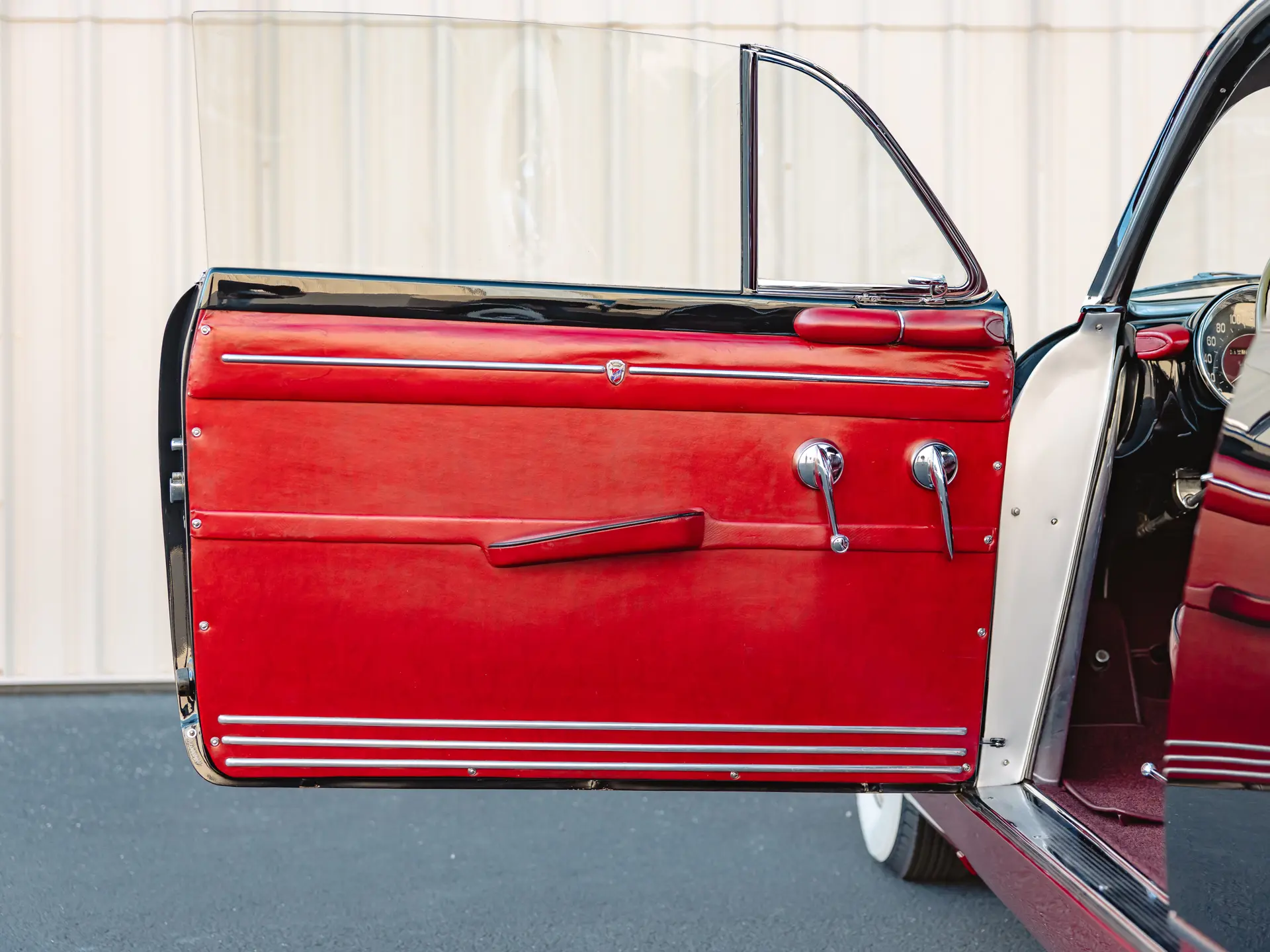
The Special had windup windows, which is a little surprising given that electric window lifts were optional even on the low-end Chrysler Windsor in 1953.
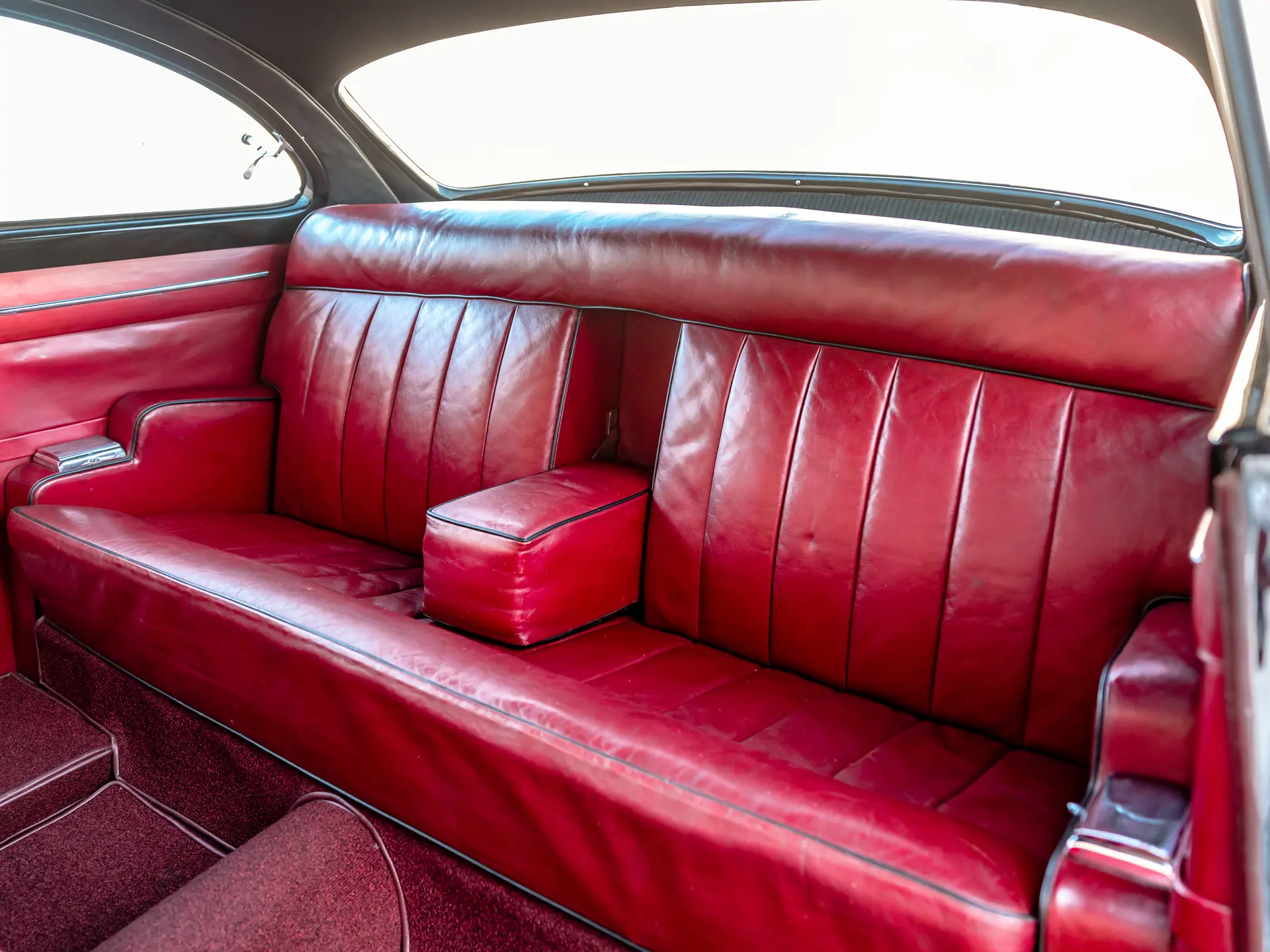
While the original 1952 show car was essentially a 2+1, the long-wheelbase Chrysler Special had a reasonably habitable rear seat — a little shy on headroom, but not to an unusual degree for a coupe. The rear quarter windows swung out for ventilation.
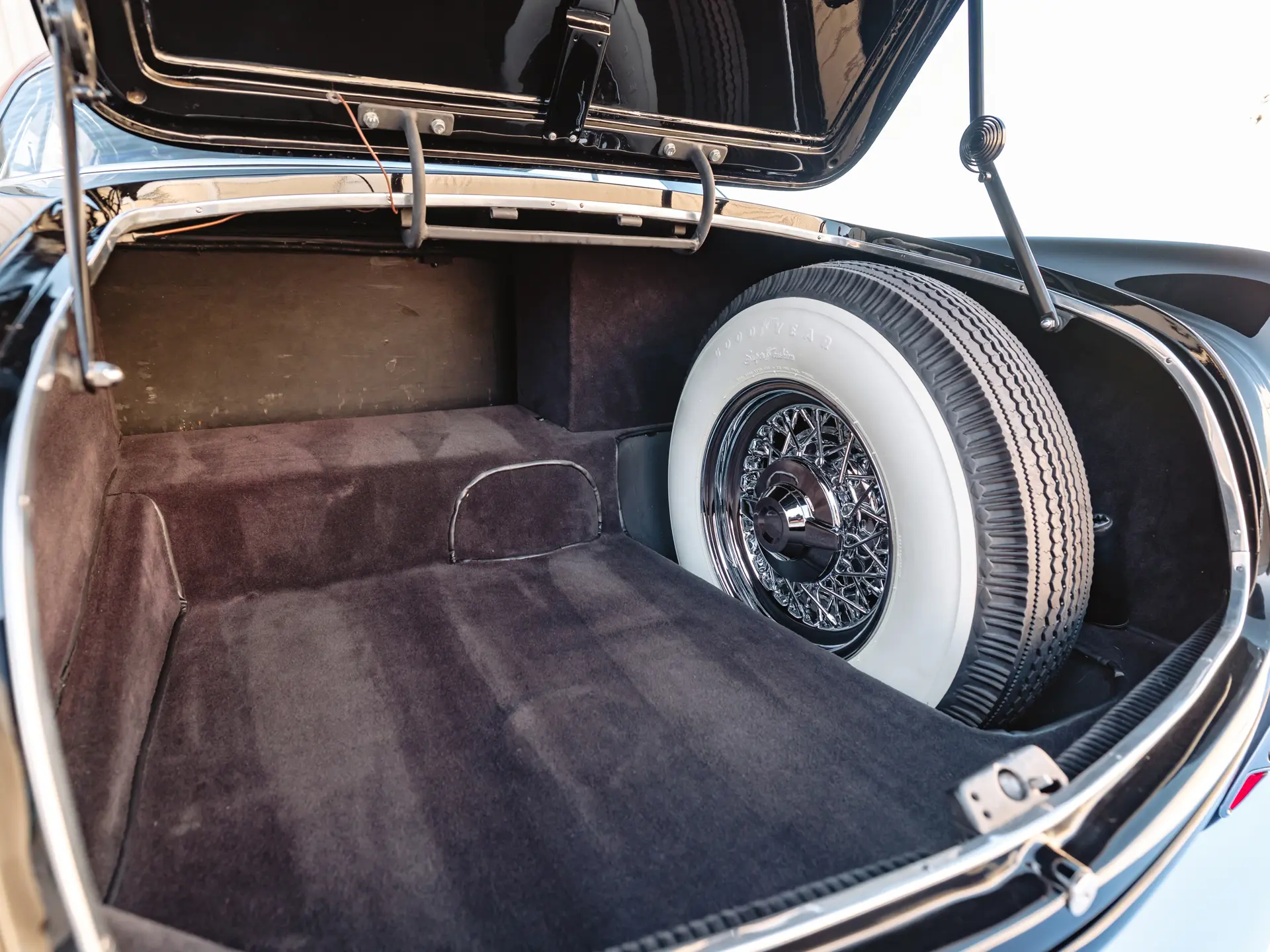
The spare tire was carried in the trunk in conventional fashion, without the elaborate hydraulically opened tray of the 1952 show car.
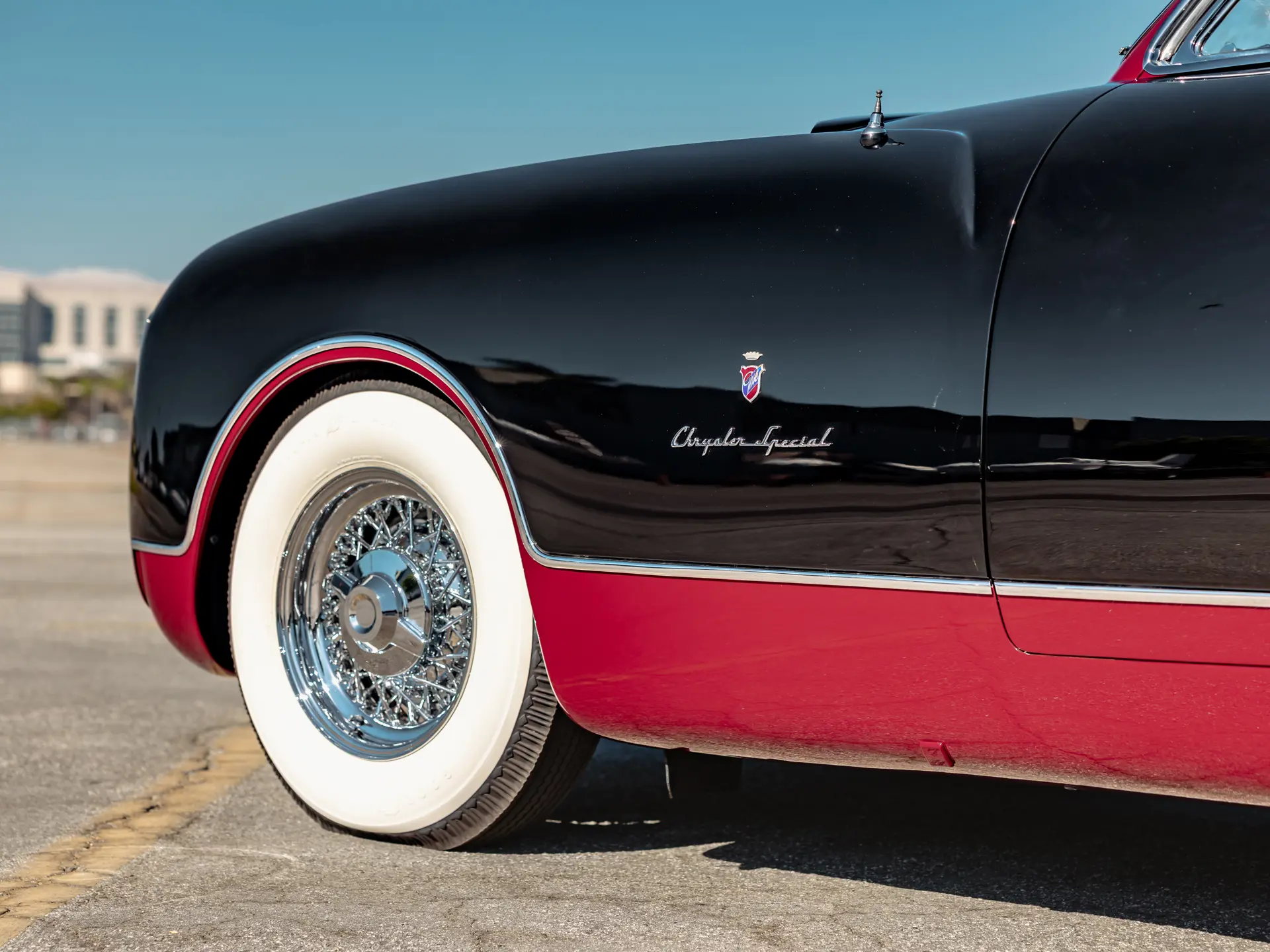
Wire wheels were 15-inch Kelsey-Hayes with knockoff hubs, which were a regular production option on other Chrysler cars at this time.
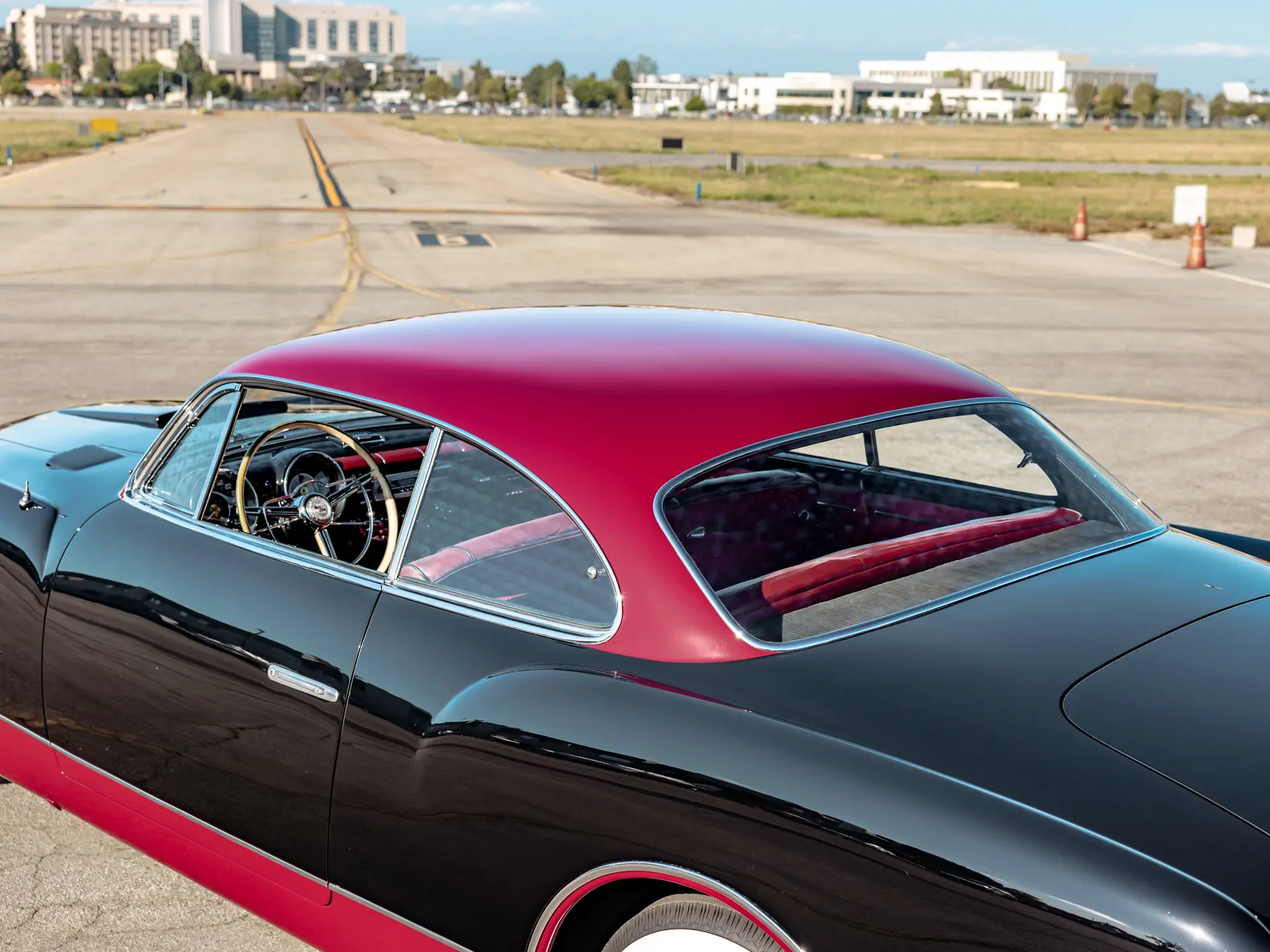
Cars like this tend to have a good survival rate, but that doesn’t mean they lead pampered lives. This Special eventually ended up languishing in a barn before its second owner bought it in 1970. It was restored and repainted in the early ’70s, not getting back on the road until July 1976. A subsequent owner acquired the car in 2017 and restored it again, also returning it to its original color scheme.
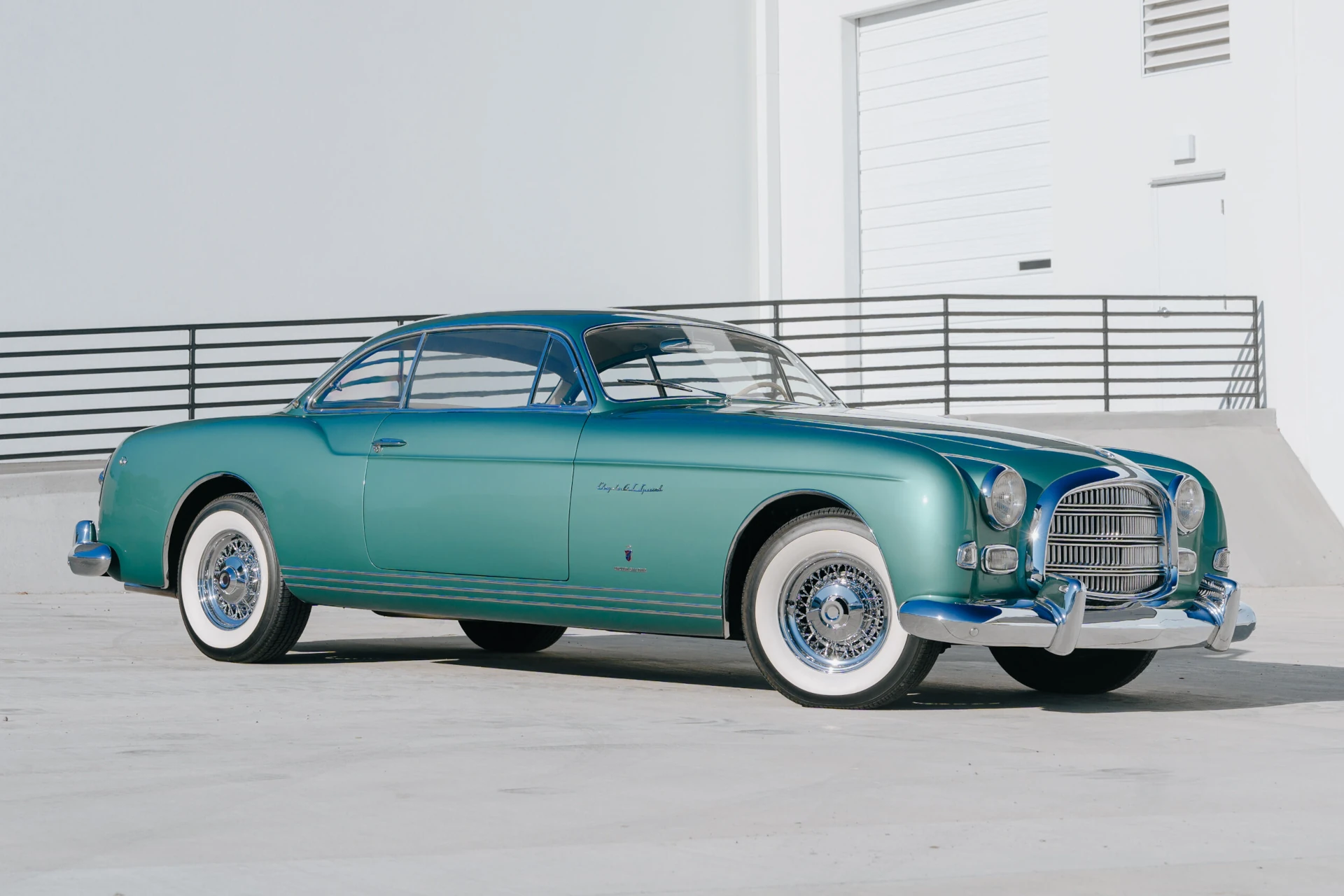
Following the 18 1952–1953 Specials, Ghia built a small run of Chrysler GS-1 coupes, again for Société France Motors. These had what would have qualified as a facelift in Detroit, with a revised front end, a prominent body-side crease, new taillights, and a new instrument panel.
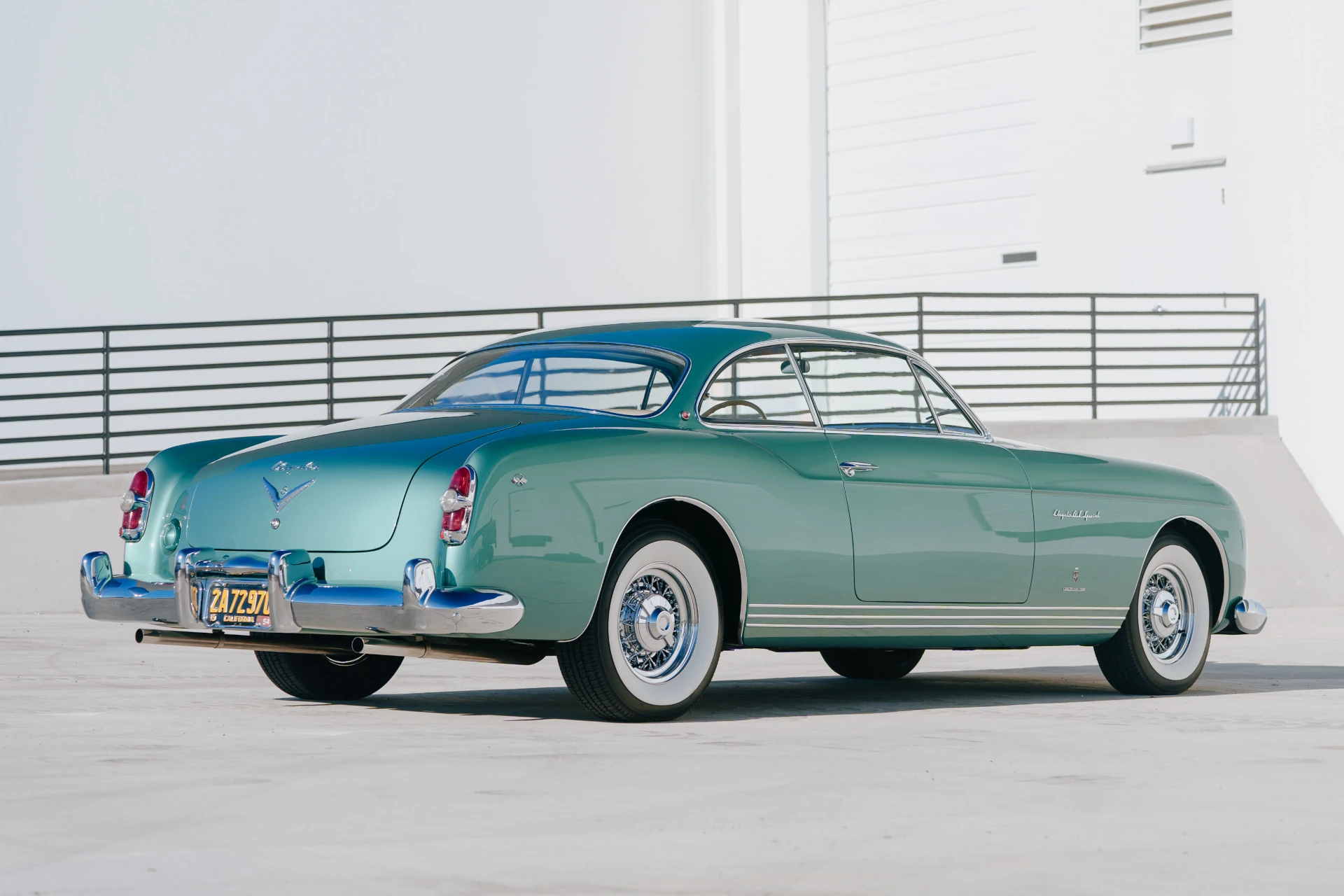
GS-1 production is unclear. Chrysler at one time estimated about 50 cars, but research by Rafael Brunet suggests that the total was probably 33: 18 in 1953 and 15 more in 1954. Some sources still repeat the claim of a 1961 Chrysler brochure, Ideas and Parade Cars 1940–1961, which gave GS-1 production as 400 cars, a preposterously high figure. (My suspicion is that that number came from some letter of understanding or memorandum stating that Ghia could build up to 400 cars, which of course is not the same thing as the number of cars they actually built.)
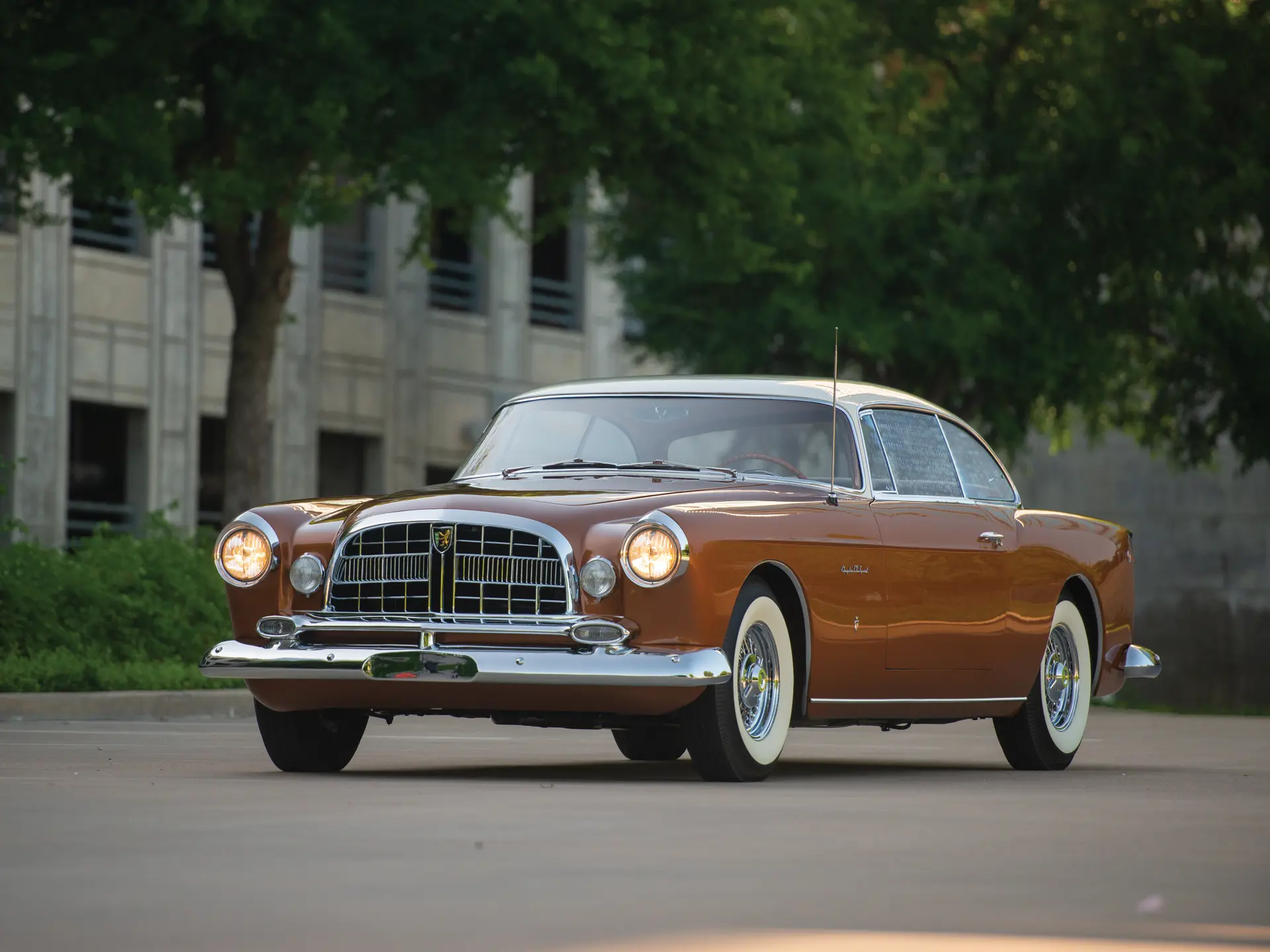
Ghia went on to build other idea cars for Chrysler, including the 1953 DeSoto Adventurer and Chrysler D’Elegance. There were also some concept cars that were completely Ghia, including a 1954 Crown Imperial limousine for Pope Pius XII, the first 1954 Dodge Firearrow, and the 1955 Chrysler ST Special. Ghia built either four or six of the latter. The one pictured above, which was shown at the 1955 Turin auto show, was originally sold to Oscar Lacroix, head of the French plastics company Gilac.
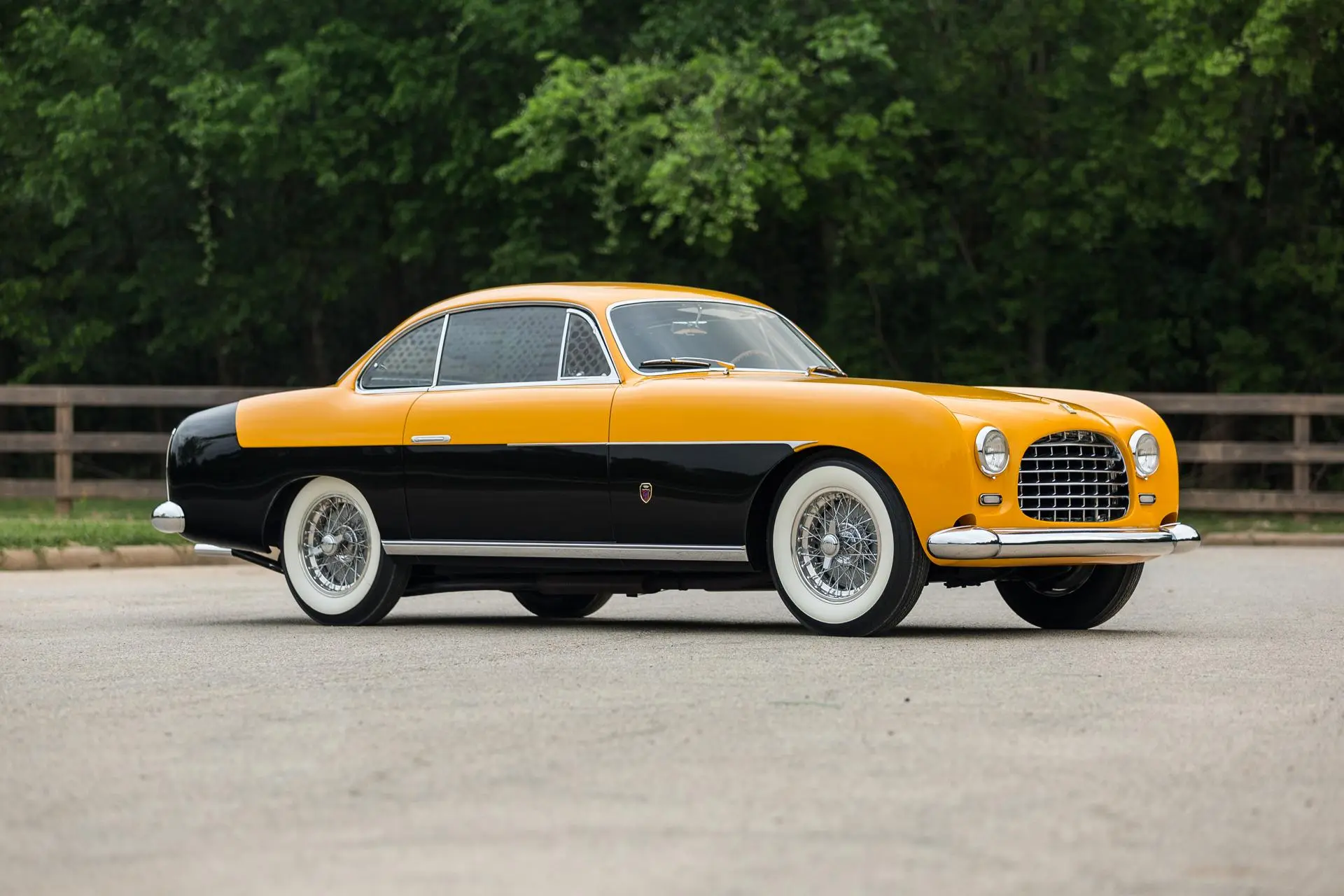
The importance of its relationship with Chrysler didn’t stop Ghia from “borrowing” some of the designs they did for Exner for other customers. The Exners have always felt that the Volkswagen Karmann Ghia was a direct lift of the 1953 Chrysler D’Elegance, and Ghia also cribbed some of Exner’s concepts for a 1952 Ferrari 212 Inter (above) that was originally sold to Argentinian president Juan Perón. Exner Sr. was apparently untroubled by this; if anything, it was probably validating to have his designs embraced by Italian stylists.
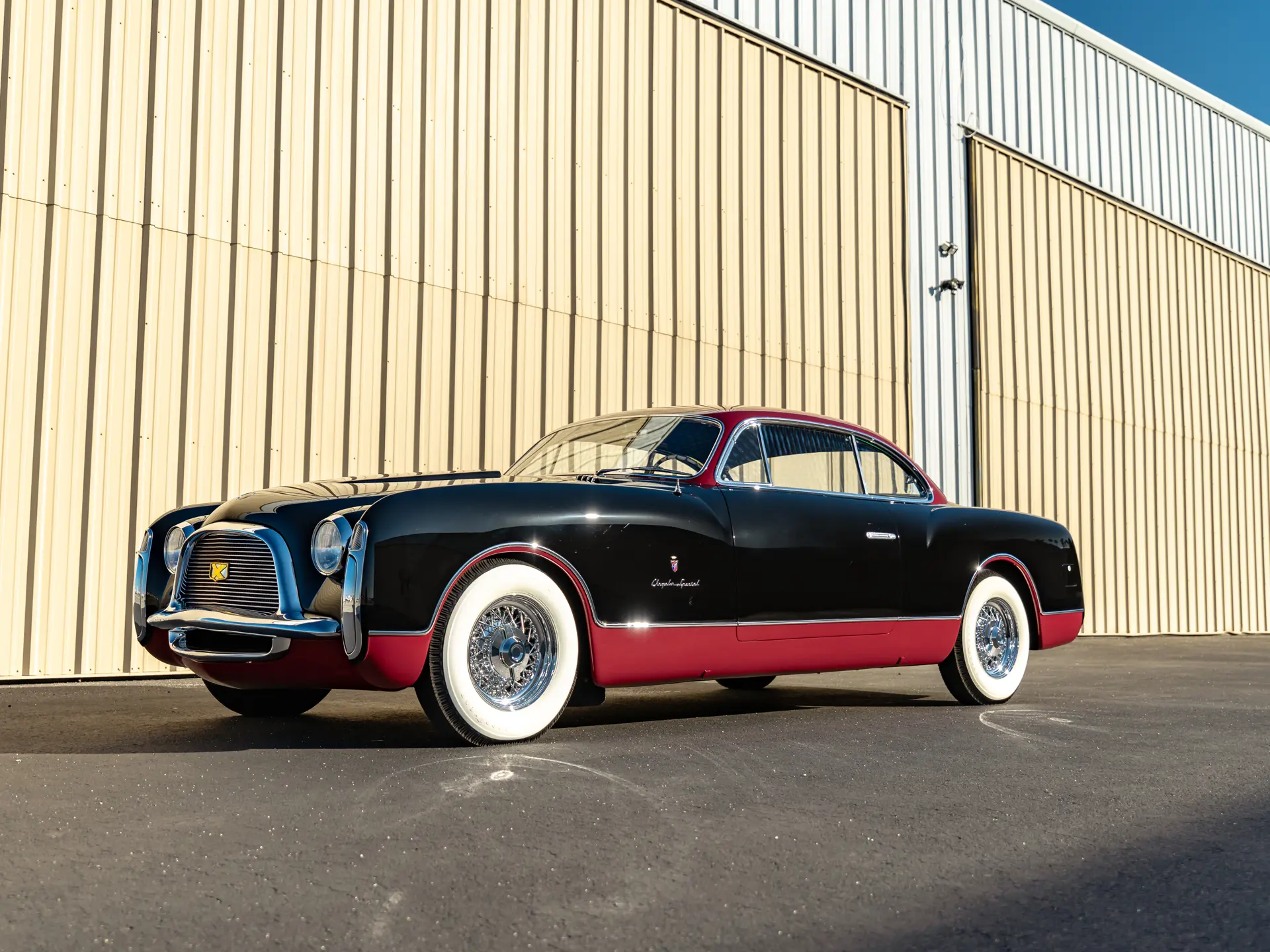
The 1953 Special is one of the most attractive designs of Exner’s time at Chrysler — for my money, it might be the most attractive, since it’s free of the fussy eccentric details and weird neoclassic flourishes that characterized the K-310 and a lot of Exner’s later designs. In 1952–1953, this was not retro in any sense: The Special was a big, handsome, modern luxury sport coupe, with a pleasingly imposing presence and lots of interesting but not overwhelming details. Since this car has been restored twice, its present standard of fit and finish isn’t necessarily representative, but Ghia’s original standards of build quality were apparently very high.
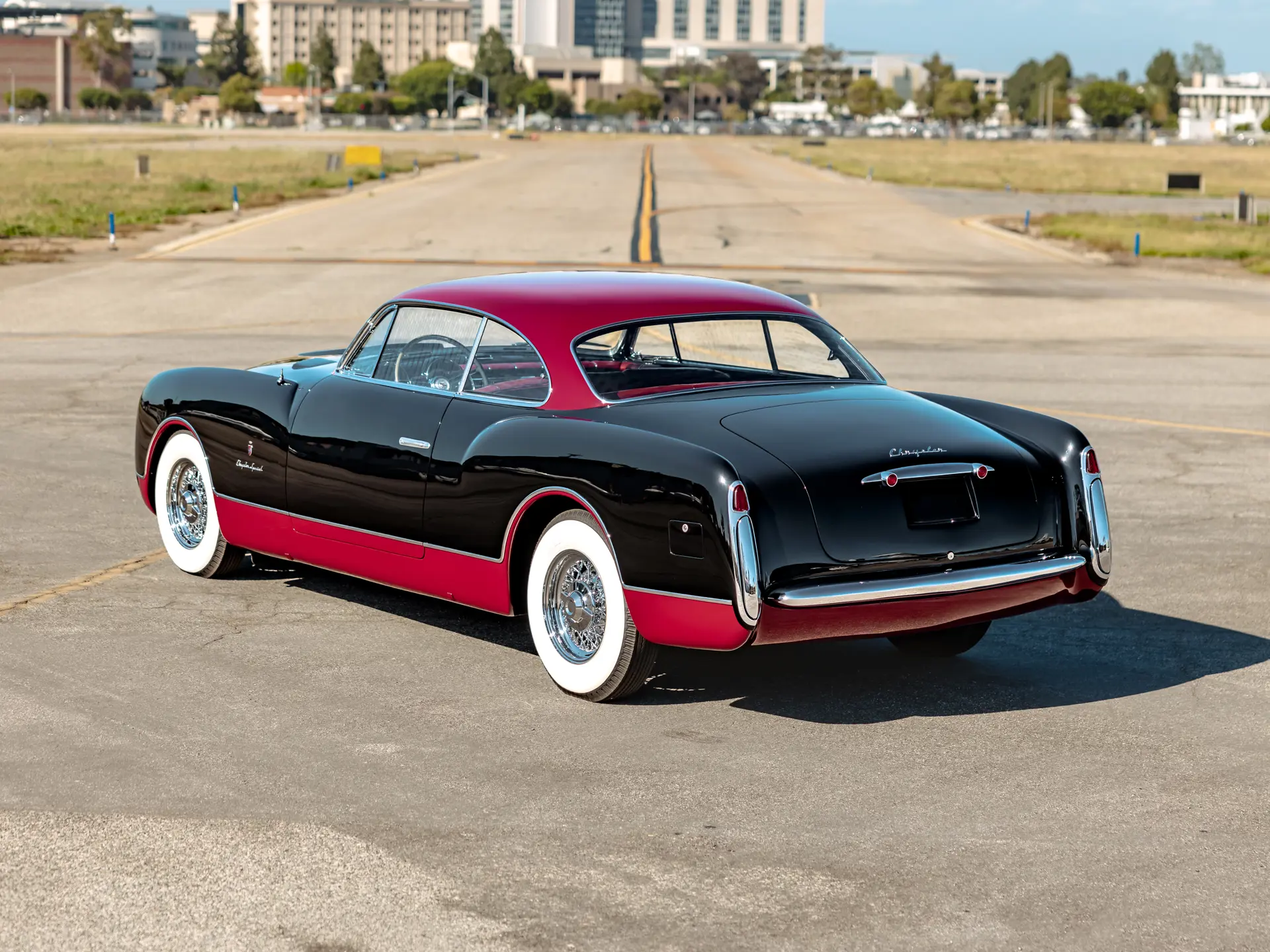
This rare Italian-American supercar is currently in Santa Monica, California — I think these photos were taken at the Santa Monica Airport — having failed to sell in a previous RM Sotheby’s auction. The seller is asking $750,000 for it.
Related Reading
Dream Cars: 1951 Chrysler K-310 – The Beginning Of The Exner And The Toilet Seat Eras (by Paul N)
Dreams For Sale: Ghia GS1 – The Early Production Chrysler Ghias (by Paul N)
Last Night’s Dream: 1953 Chrysler Ghia D’Elegance (by Paul N)
Automotive History: The Chrysler Imperial Parade Phaetons — The Royal Treatment (by J P Cavanaugh)























These were (and are) beautiful cars. It is fascinating how they were a really rare hybrid of one-off show cars and semi-customs offered for retail sale to elite customers.
The sharp downward crease where the fender blade resolves at the back of the upper front fender is also an interesting touch, and reminds me of a similar design decision on the 1971-77 Olds Toronado. The Chrysler design would have been 15 years old when the Olds was done, but designers have reached to stranger places for design ideas.
The one that is completely new to me is that 404 Racer. I had never heard of that one at all!
According to the US Bureau of Labor Statistics inflation calculator, $25,000 in 1949 equals $350,000 today, not $680,000 as mentioned ai the beginning of the article.
The number is NOT based on CPI inflation adjustment. It’s based on relative labor earnings, calculated by comparing the salary to the average salary of a production worker in 1949 and adjusting based on the compensation of a similar production worker in 2025.