
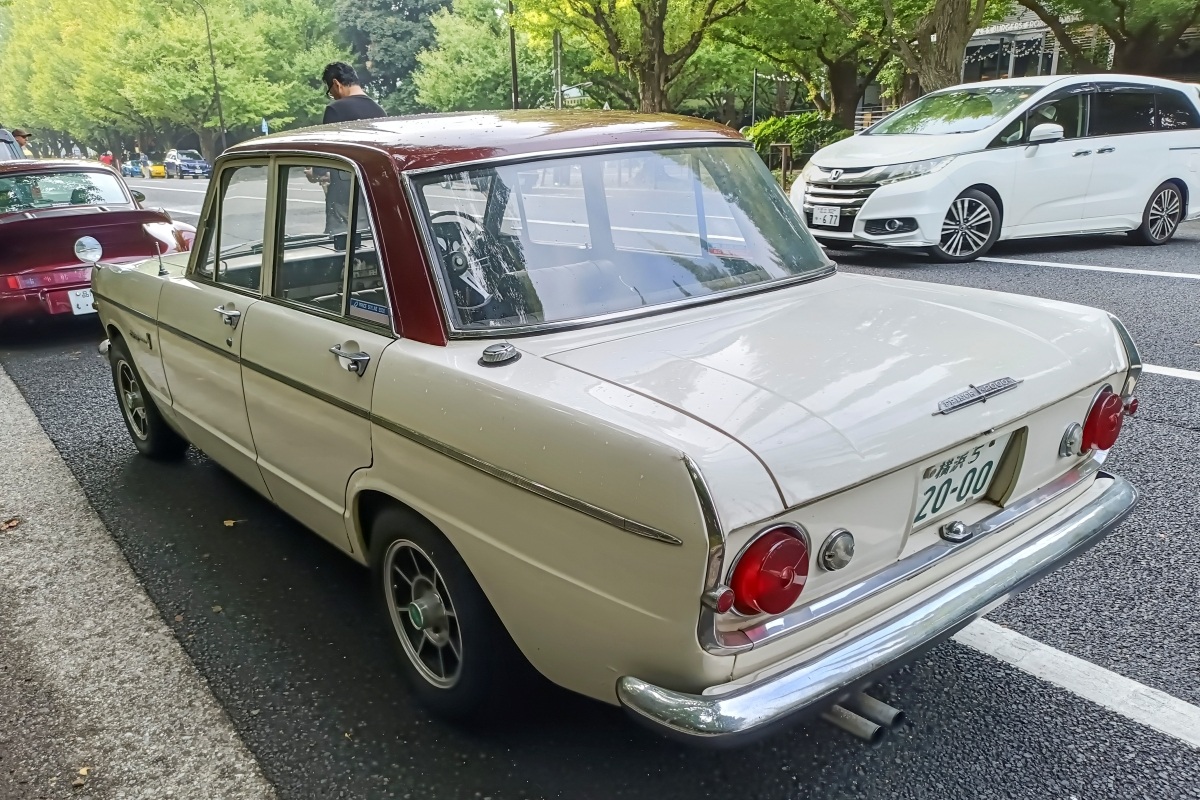
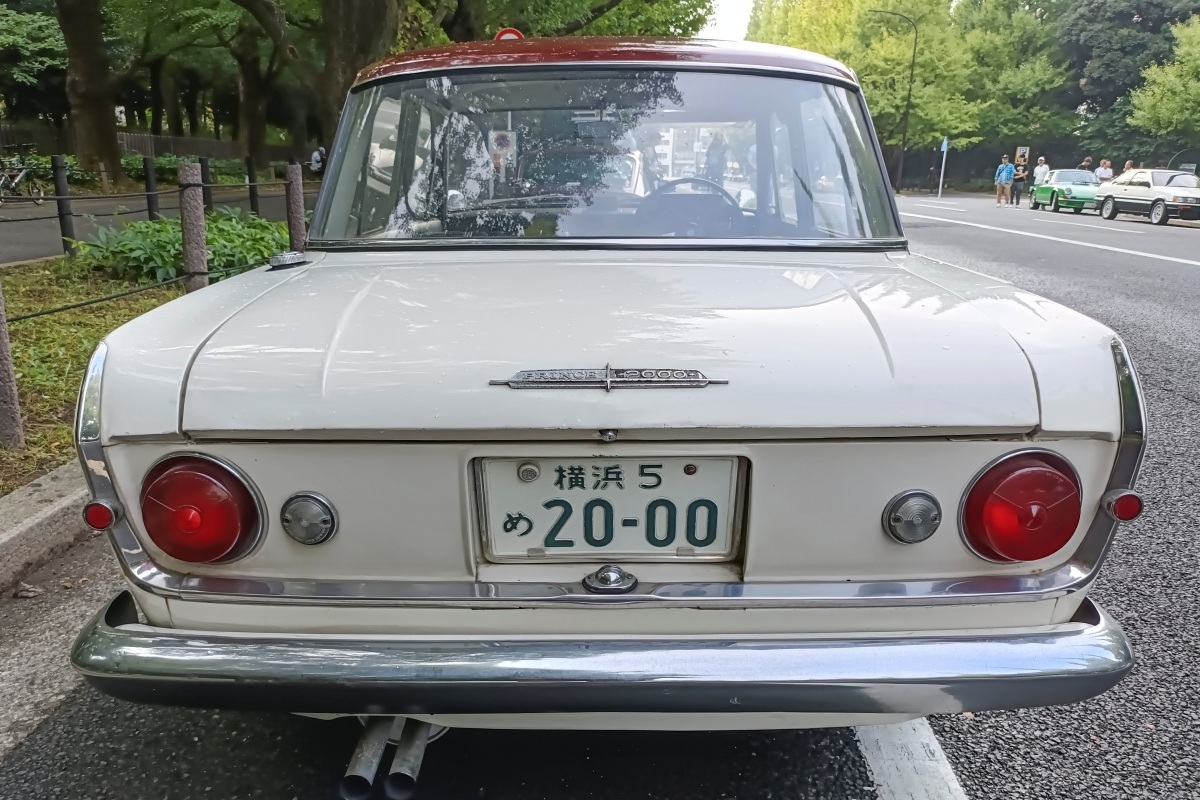
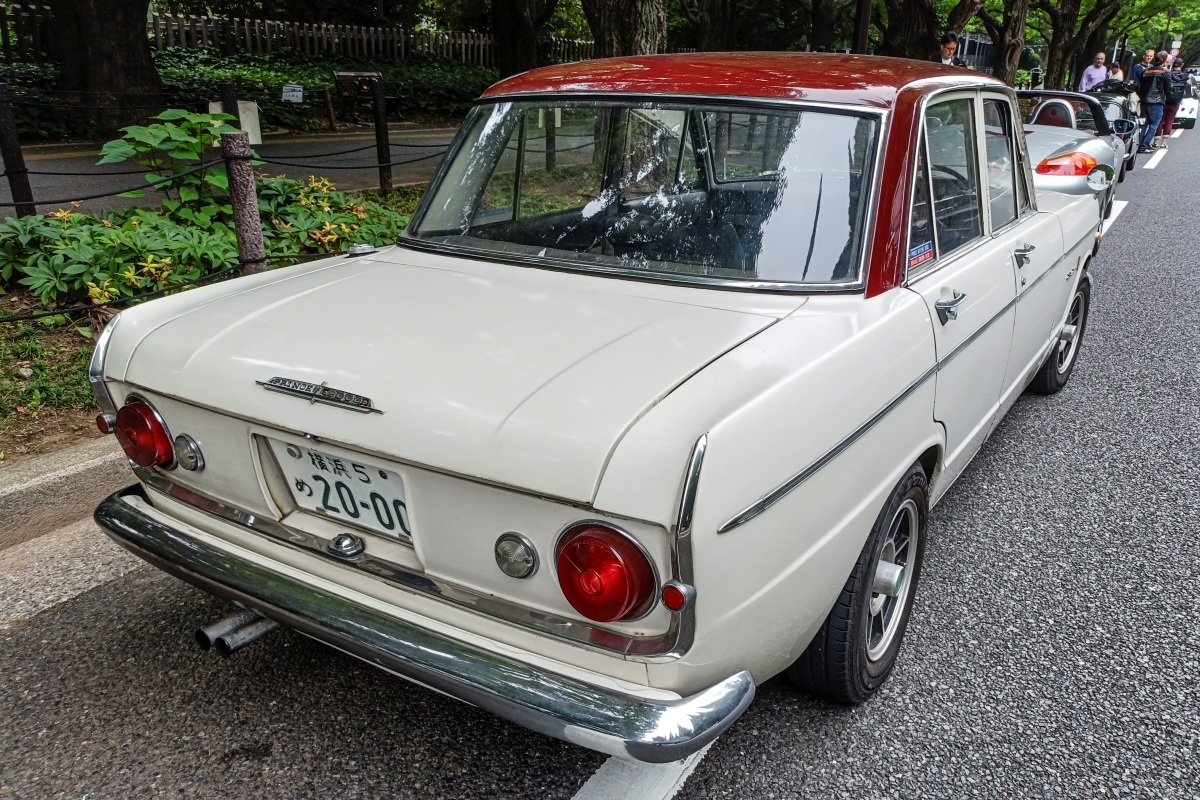
It took a little while, but we got there in the end. Back in 2019, a few months after having landed in this country, I encountered my first S50 Skyline – a late-model 4-cyl. car, which was all sorts of lovely. A couple years later, I found a 2000 GT (i.e. with the 2-litre six), but that was the tame “A” version. Finally, a grand red-carpeted welcome for the Prince of Princes, the true icon and racetrack star of the mid-‘60s, the Skyline 2000 GT-B.
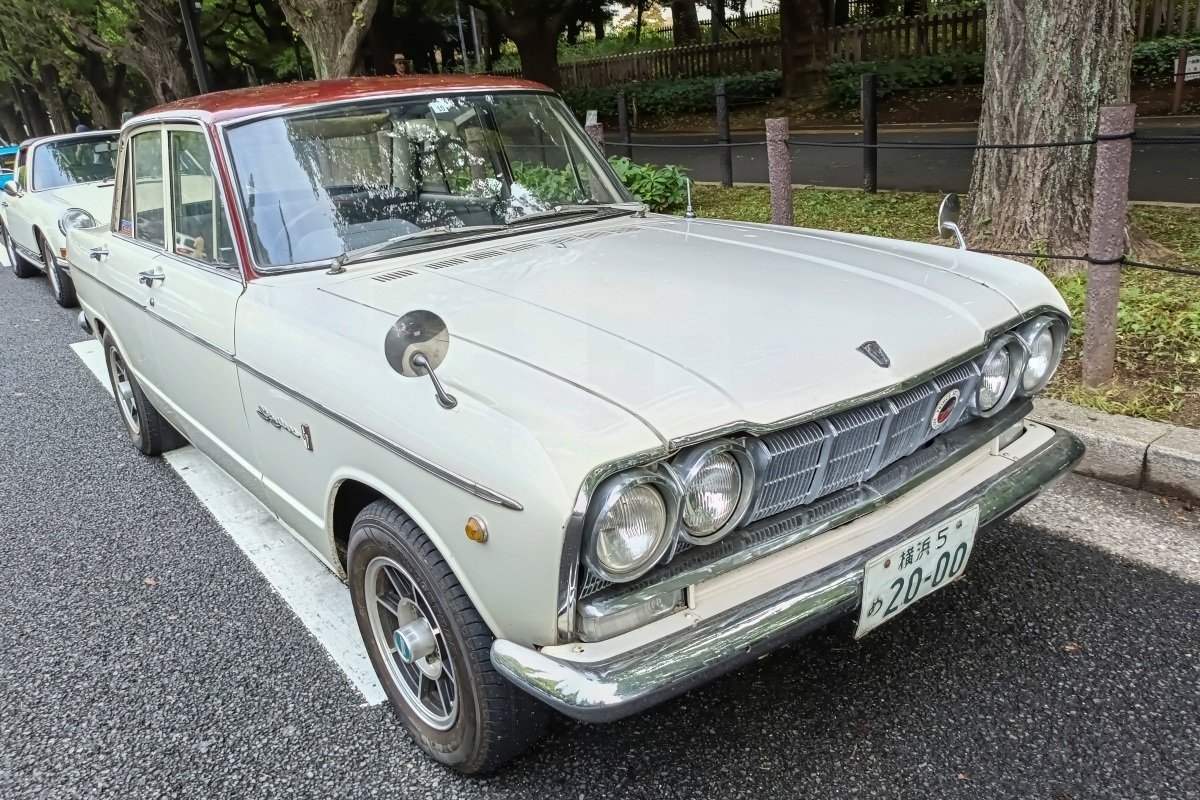
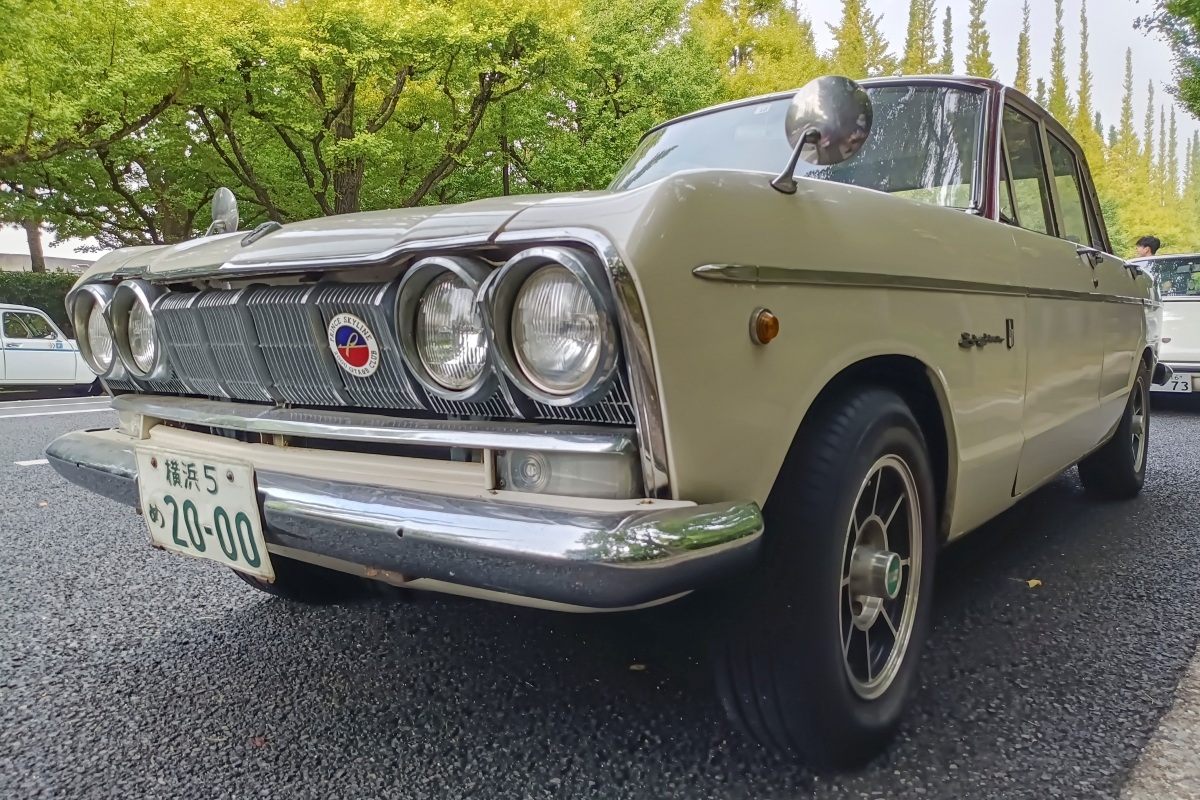
It was worth the wait. Apart from the wheels, this is a perfectly preserved example of the species. Judging by what I’ve seen on image searches online, even rare and prestigious oldtimers like this generation of Skylines is getting copiously hacked, modded and badly restored by some less than scrupulous owners and shady traders.
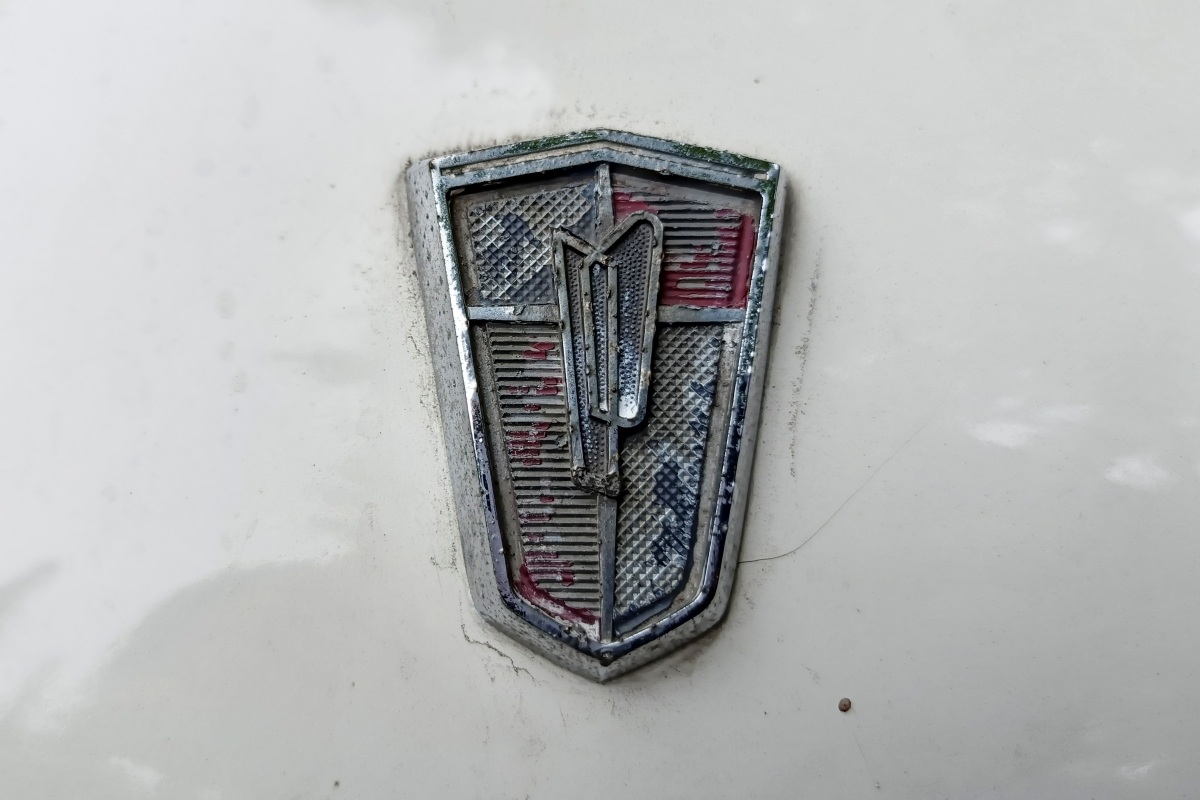
I imagine many of you will have some idea of the Prince Motor Co. and its short but brilliant stint as one of Japan’s leading automobile manufacturers. The short version is that this company emerged in the early ‘50s from various bits of Japan’s defunct aircraft industry and found its niche in the higher end of the car market. At the time, that meant a decently-sized 4-door body and a 1.5 litre engine. By 1957, this was reshaped and renamed into the first Skyline – the only real home-grown rival to the Toyota Crown.
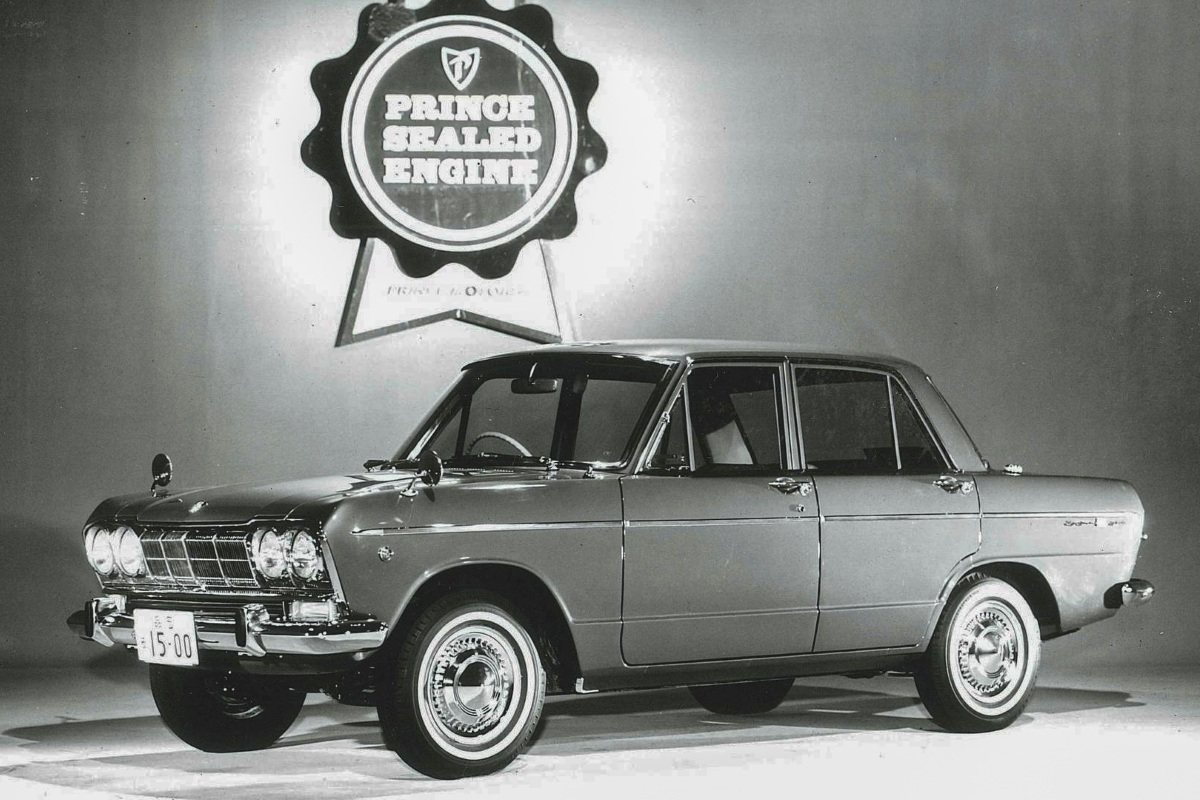
At the 1963 Tokyo Motor Show, Prince unveiled the second generation Skyline. It still had a 4-door body and a 1.5 litre engine, though it was now clearly a smaller than the Crown, as the Prince Gloria took over big car duties in the range.
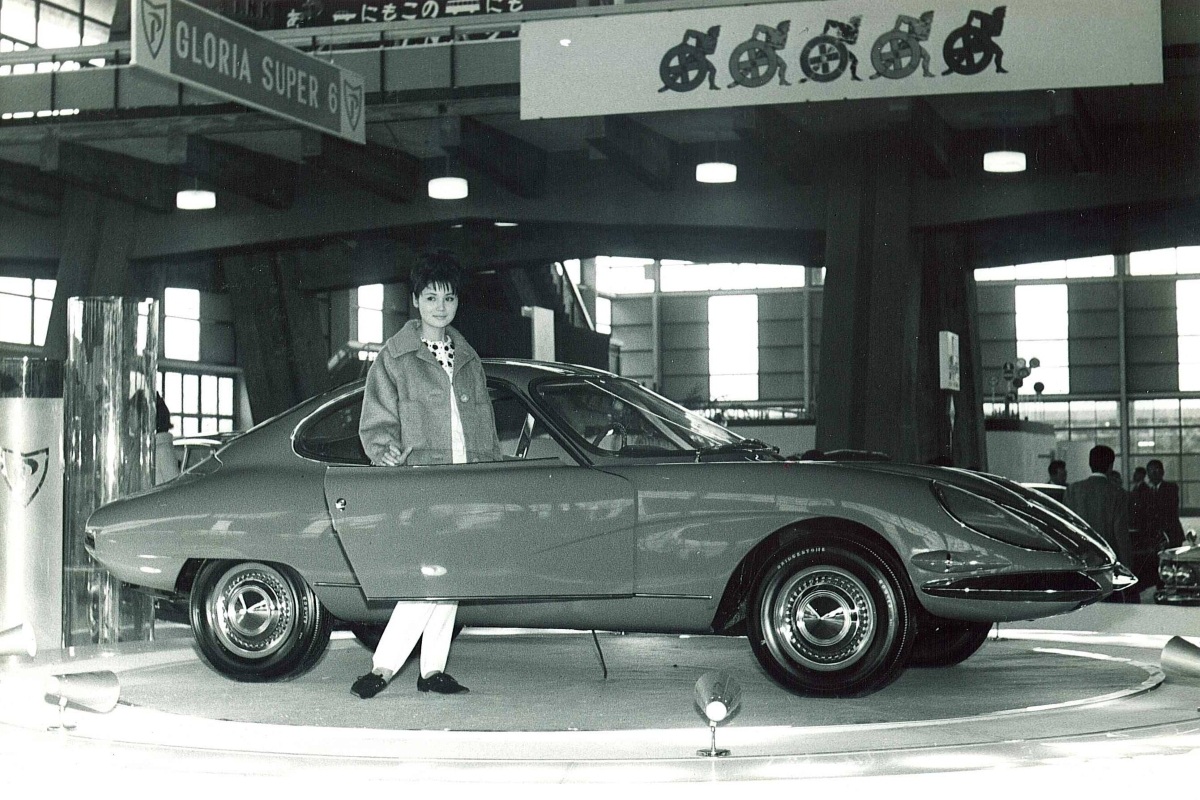
On Prince’s stand prominently featured a swoopy red coupé called the 1900 Sprint – essentially a Skyline chassis with a 1.9 litre 4-cyl. – that will remain a one-off (and would sadly be destroyed by Nissan in the ‘80s). Clearly, the top brass at Prince were anxious to hit the racetrack in some fashion.
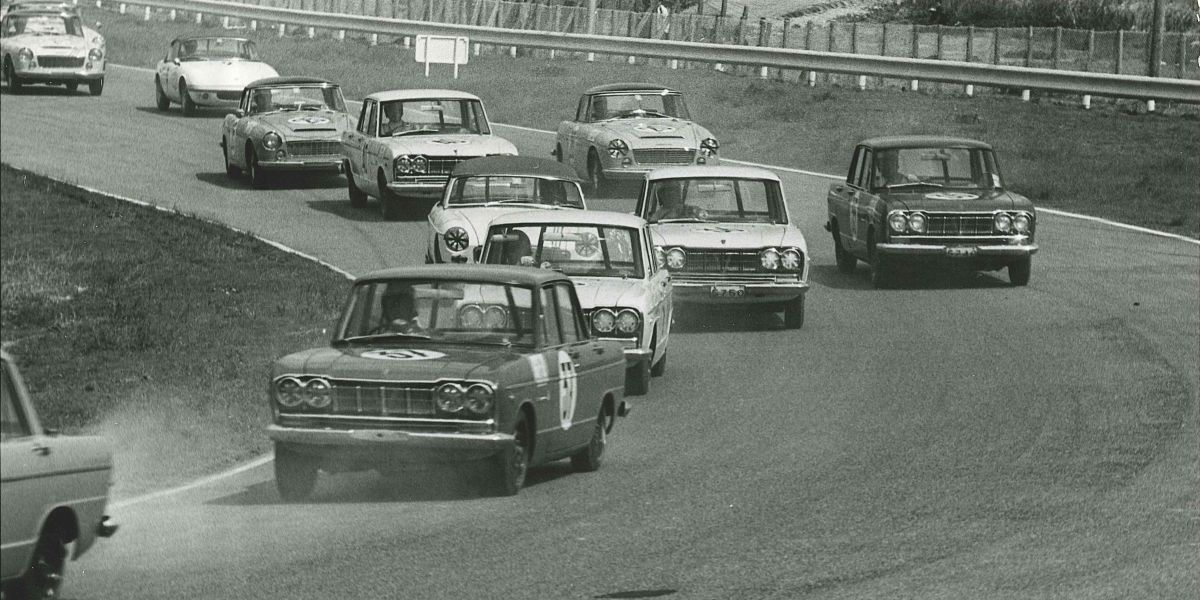
At the Japan Grand Prix GT-II Race in May 1964, Prince entered the fray with a special weapon: they simply chucked the Gloria’s 2-litre 6-cyl. into the Skyline saloon, which needed a 20cm wheelbase stretch to fit the six into the engine bay. The race was epic, with the Skyline managing to briefly overtake the leading Porsche 904 Carrera. The German car won (it was not in the same league), but Prince scored the 2nd, 3rd, 4th, 5th and 6th place.
It’s impossible to overestimate the amount of positive feedback this race had on the Skyline. Overnight, it became a symbol of national automotive pride. Prince were in the process of selling a hundred 2000 GTs they had hand-produced to homologate the model, but they soon realized there was the potential for a lot more sales.
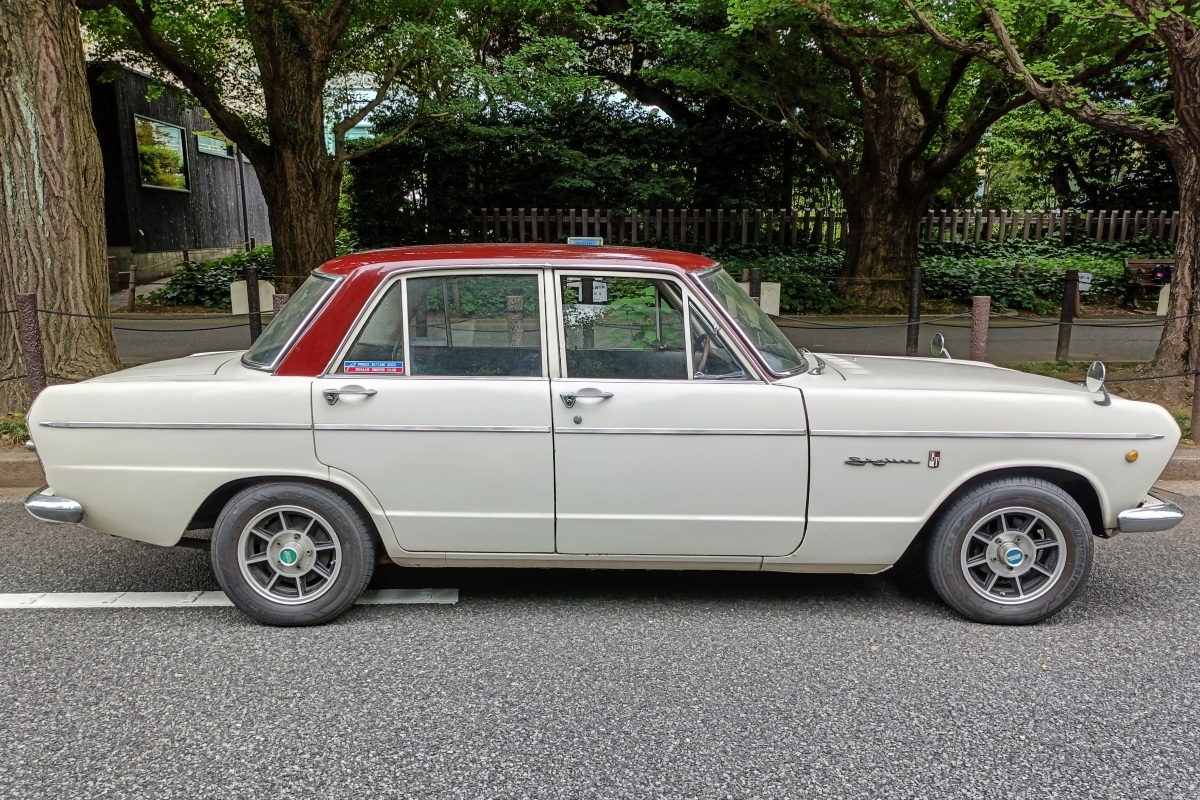
In February 1965, Prince announced the true production version of the Skyline 2000 GT. Obviously, the elongated front was still a prominent feature, but at least now they had worked out how to manufacture the car without having to weld extra box sections to a bisected unit body after the fact.
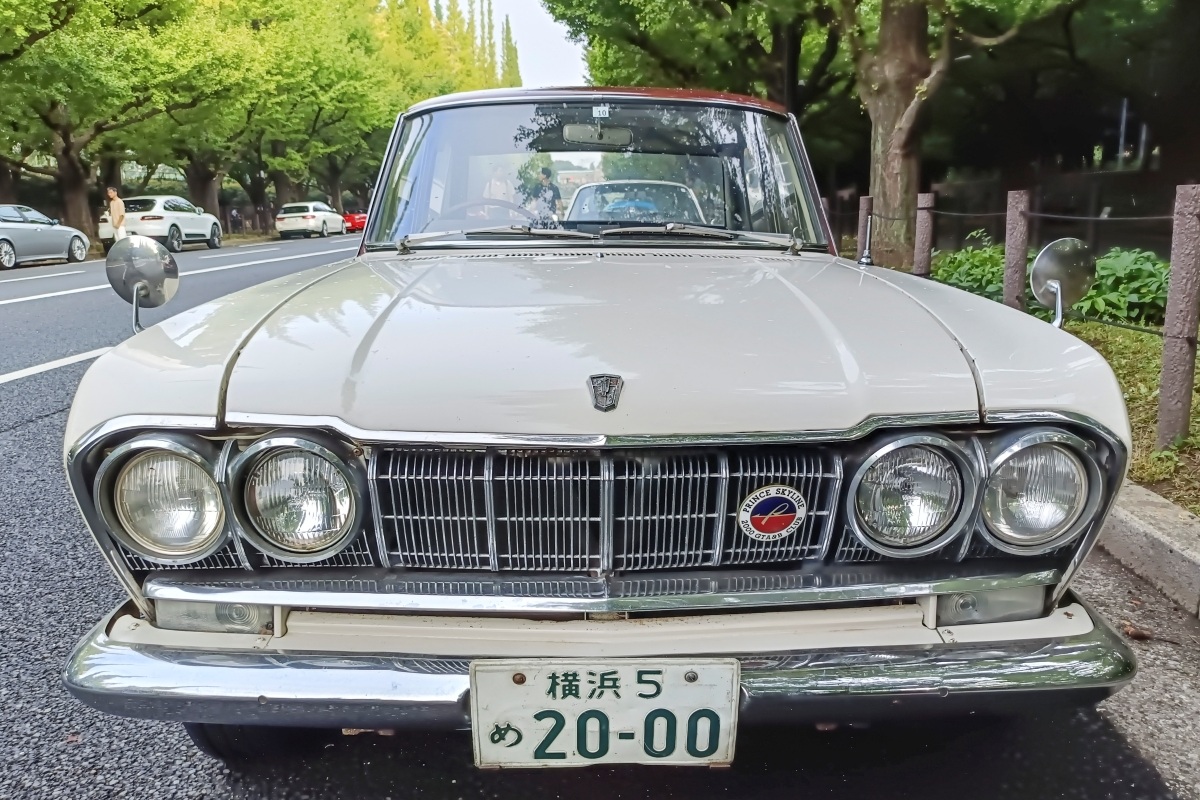
Other external cues included a different grille texture, as well as the big round taillights that would become a sporty-Skyline styling motif for the next five decades.
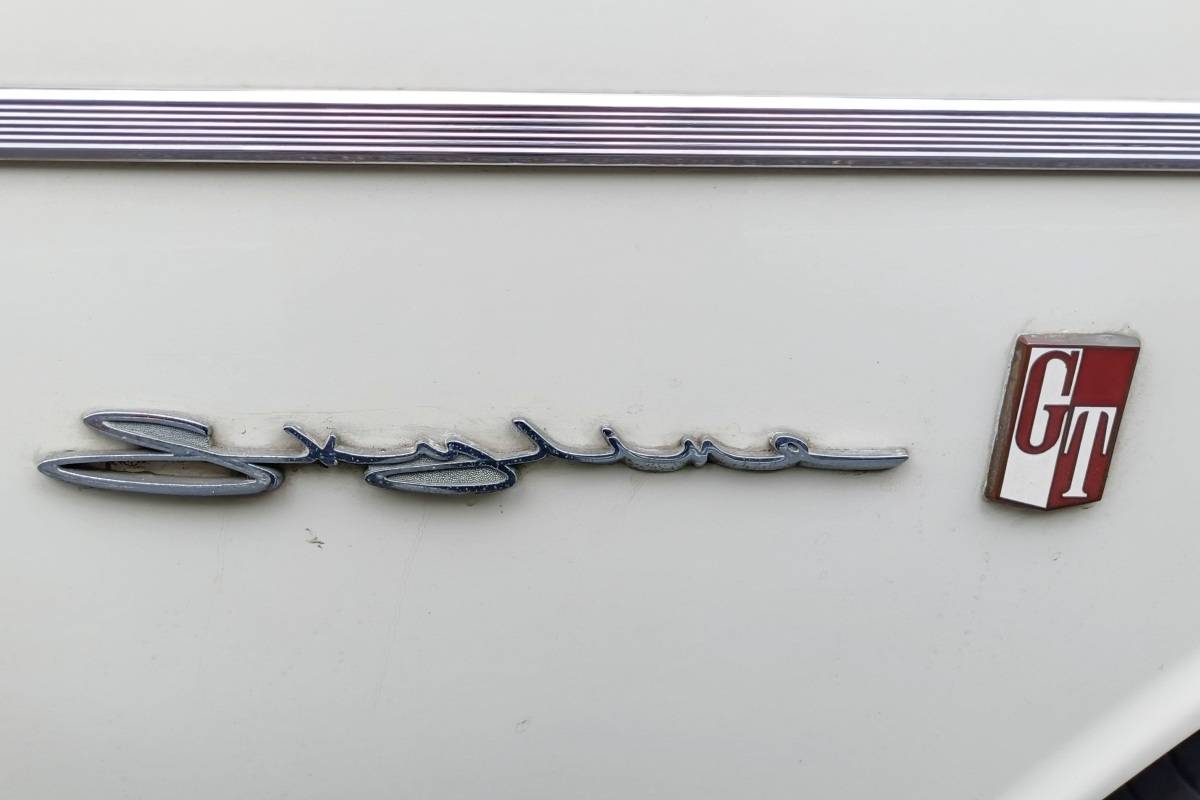
The 2000 GT was sold in two variants, logically if a little unimaginatively dubbed GT-A and GT-B. The GT-A, sold from September 1965 onward, had the same engine as the Gloria, with a single carb and 100hp. No particular upgrades were made to the chassis. Those had a blue GT badge. Red GT badges were for the hotter GT-B. This coloured-badge thing also carried on for decades on the Skyline, by the way.
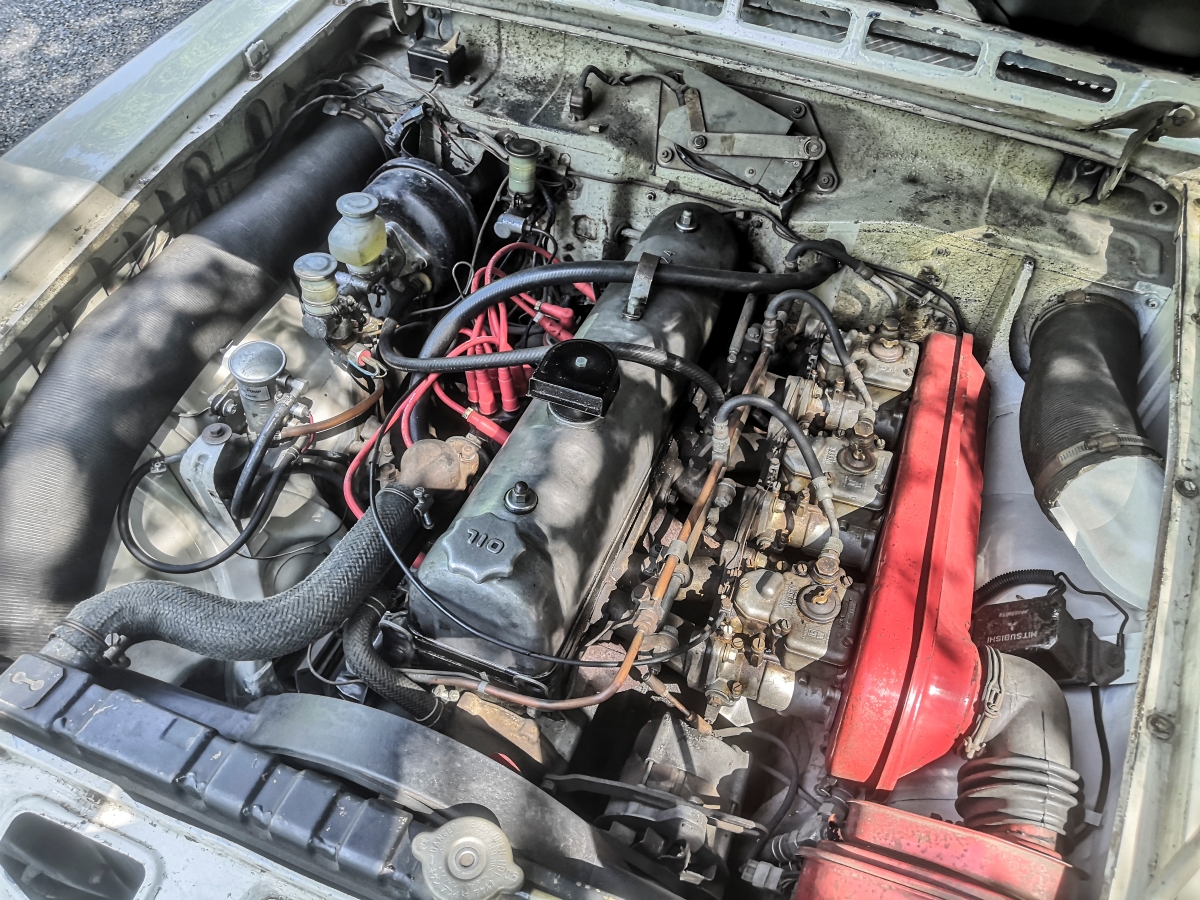
The same engine was present – the Prince G7, a 1988cc OHC straight-six produced since 1962 – but it was now fed by a trio of Weber carbs. This enabled Prince to provide the back wheels with 125hp, via a 4-speed manual gearbox (it would eventually get a fifth gear, but only in 1966). In race trim, power could be raised to 165hp.
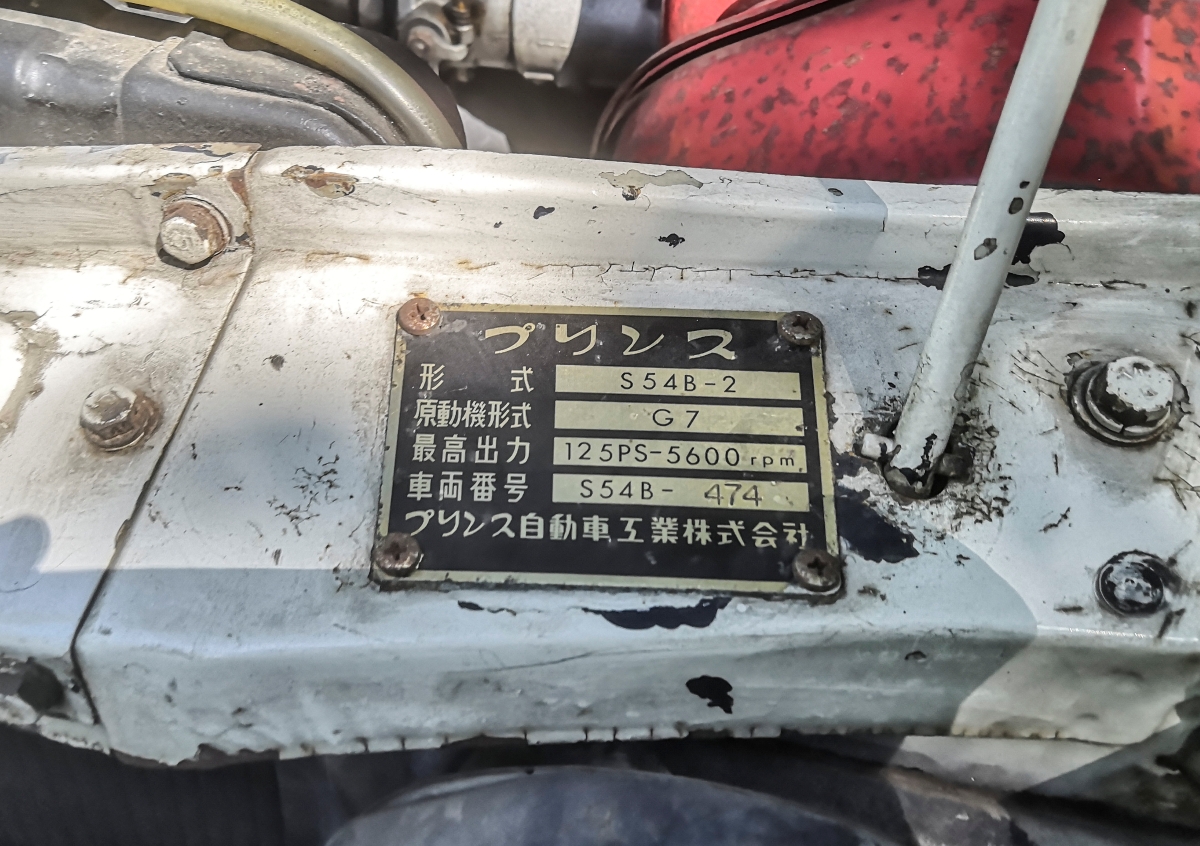
Just like later Skylines GT-Rs are just too numerous to all be the real thing, it’s not impossible to turn a 2000 GT-A into a far more desirable 2000 GT-B lookalike. The above should be proof positive that this is a genuine one, though.
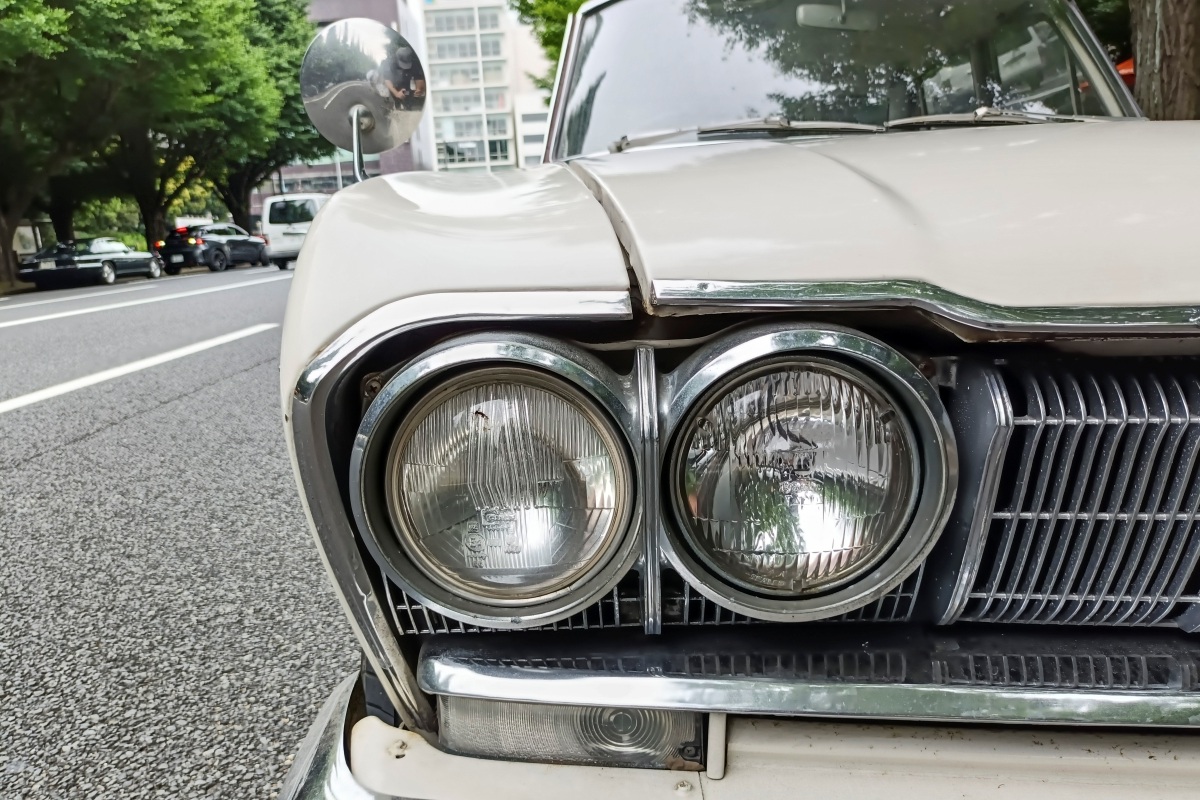
In its day, the Skyline 2000 GT-B was the fastest JDM saloon by quite a bit, chiefly due to being the only one of its kind. All domestic cars in this segment were aimed at comfort, not outright performance. By dropping a big six in a mid-sized car body, Prince pioneered the muscle car concept in Japan.
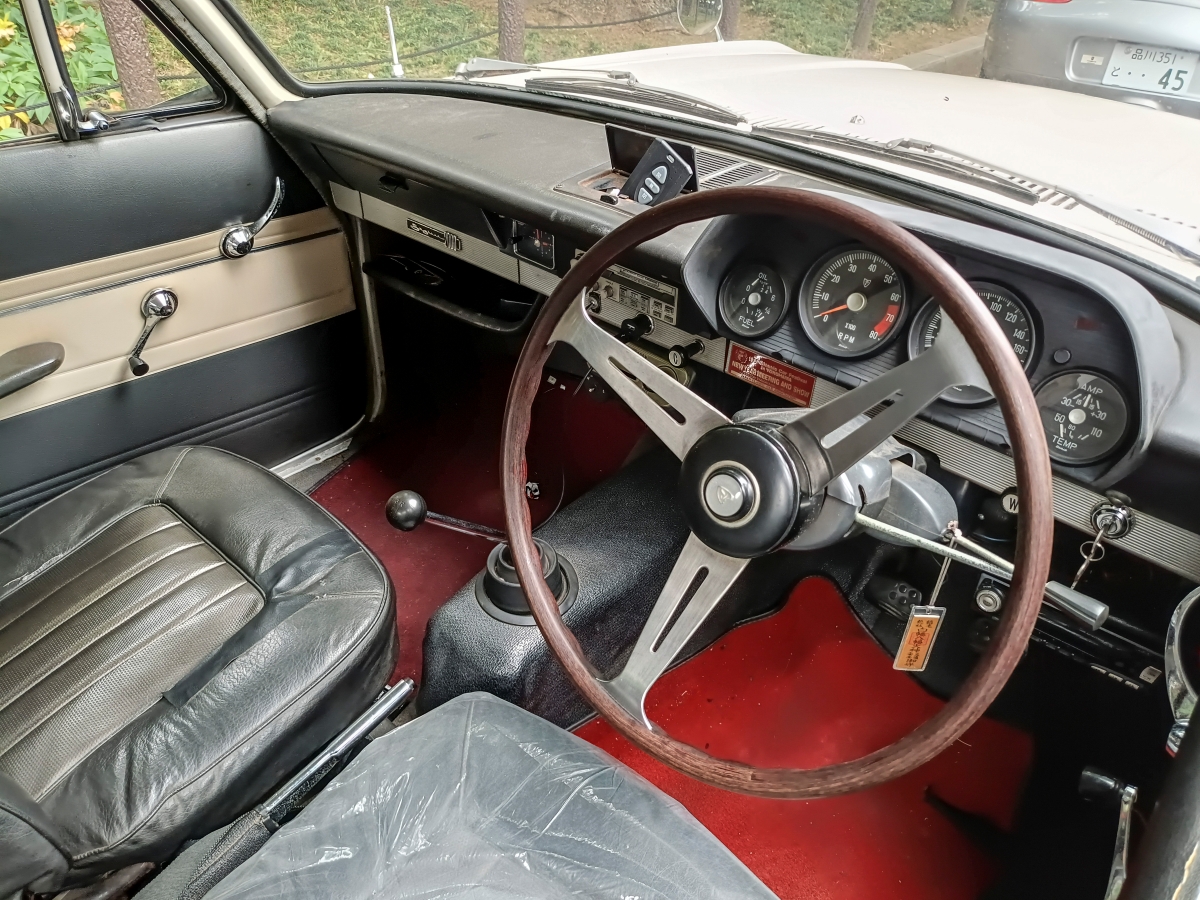
This did not mean that the Skyline’s occupants were left wanting in terms of creature comforts. The GT-B was just as well appointed as the GT-A, with full carpeting, radio, ventilation (but no heater, strangely), imitation leather upholstery and the like.
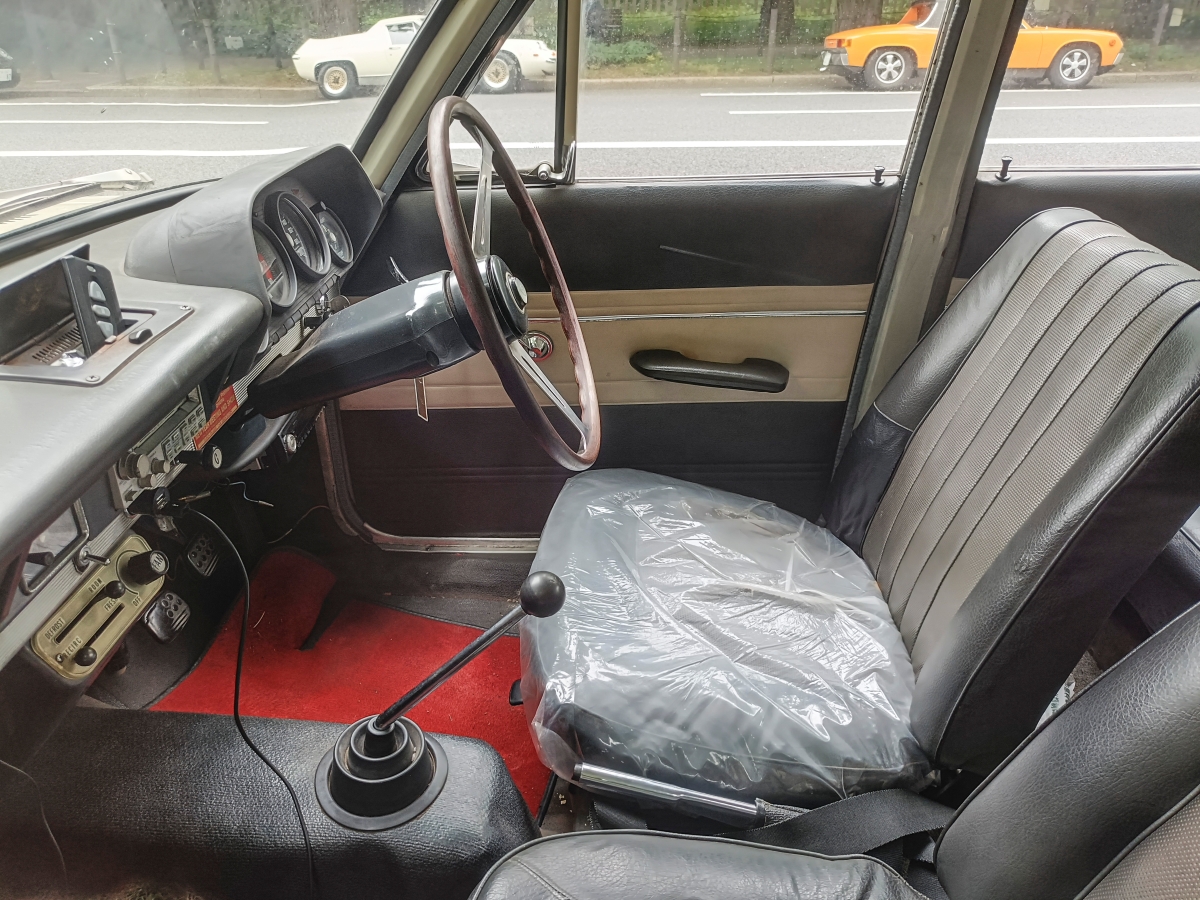
The only big criticism levelled at the Prince by one of its contemporary testers were the seats, which were not exactly up to snuff if you really wanted to drive the car fast. And the boot, which was deemed too small due to Prince fitting a larger 99-litre fuel tank that took a lot of room in there.
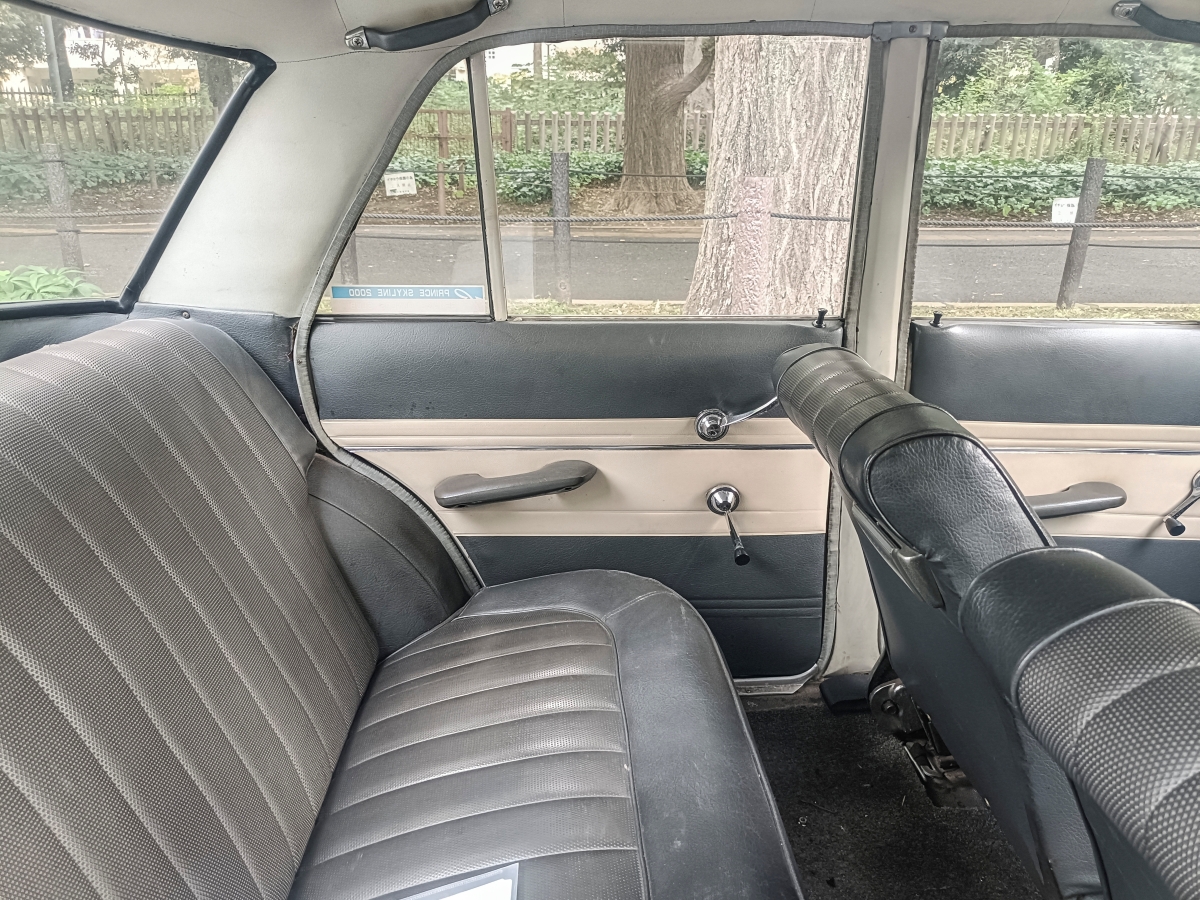
The rear seat was deemed adequate, provided that the driver wasn’t too tall. But then, it was designed for Japanese people of the ‘60s, who were not typically six-footers.
Chassis-wise, the GT-B kept the Skyline’s general suspension (double wishbones and coils up front, leaf-sprung De Dion axle in the back), but with beefed up shock absorbers and anti-sway bars. All 2000 GTs were was also provided with disc brakes in the front, which were deemed extremely satisfactory, as well as a limited-slip differential. Additional bracing strengthened the chassis and body structure to eliminate most of the flex that had plagued the early homologation 2000 GTs.
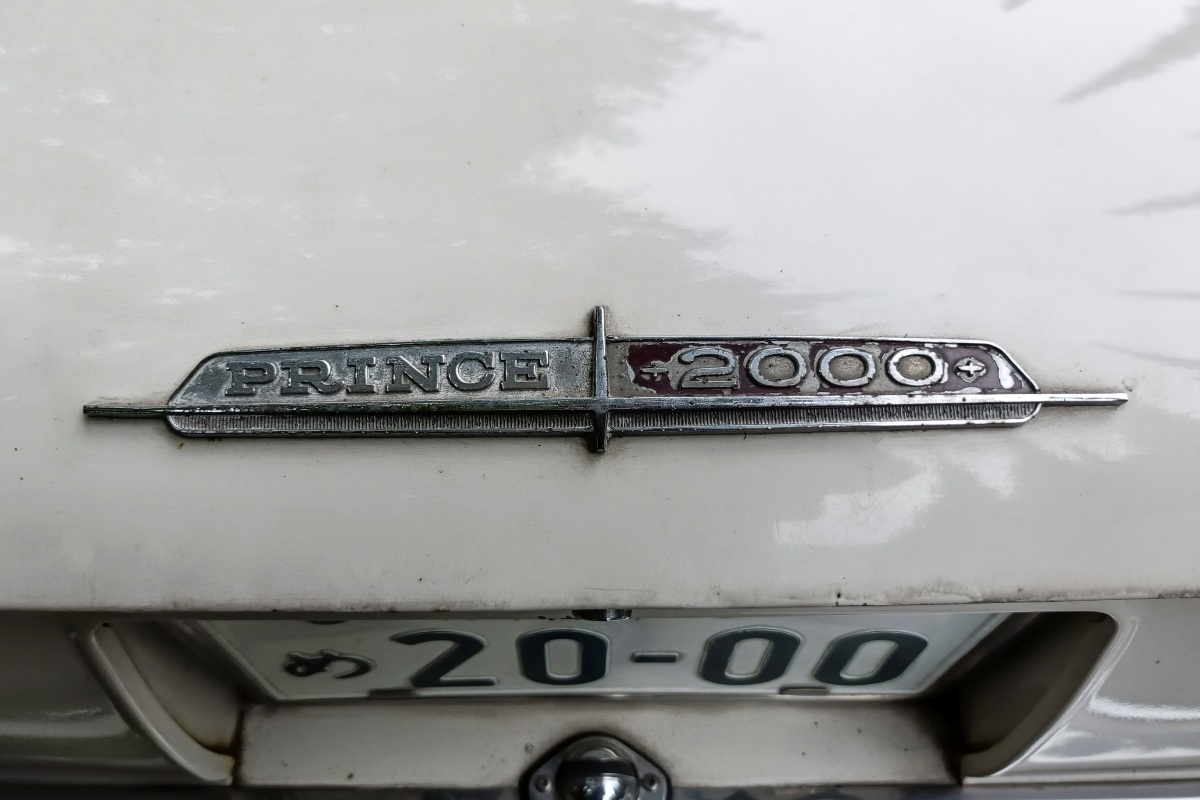
The halo effect on the rest of the Skyline range was huge, but this did nothing to prevent Nissan essentially taking over Prince Motor Co., as determined and arranged by the infinitely wise and all-powerful Ministry of International Trade and Industry. By August 1966, the merger was consummated and a tiny “Nissan” plaque was added to the rear end of all Prince-branded cars, until the marque was erased on the new model Gloria in 1967 and the C10 Skyline in 1968.
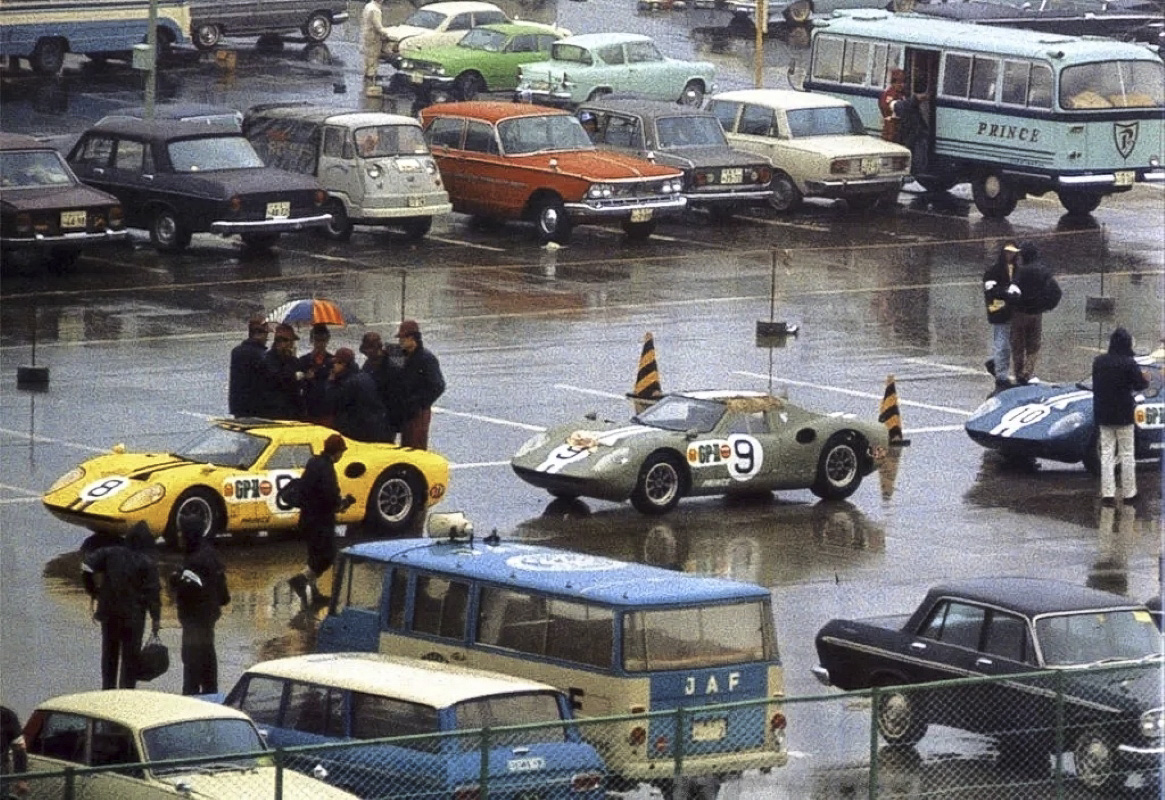
Prince still had a banner year when they were taken over: they delivered a handful of bespoke limousines for the Imperial household and they won the 1966 Japan Grand Prix outright with the R380 racer that had been made by the very same team who had devised the Skyline 2000 GT. In fact, it used the same engine, albeit mounted behind the driver in a Brabham chassis.
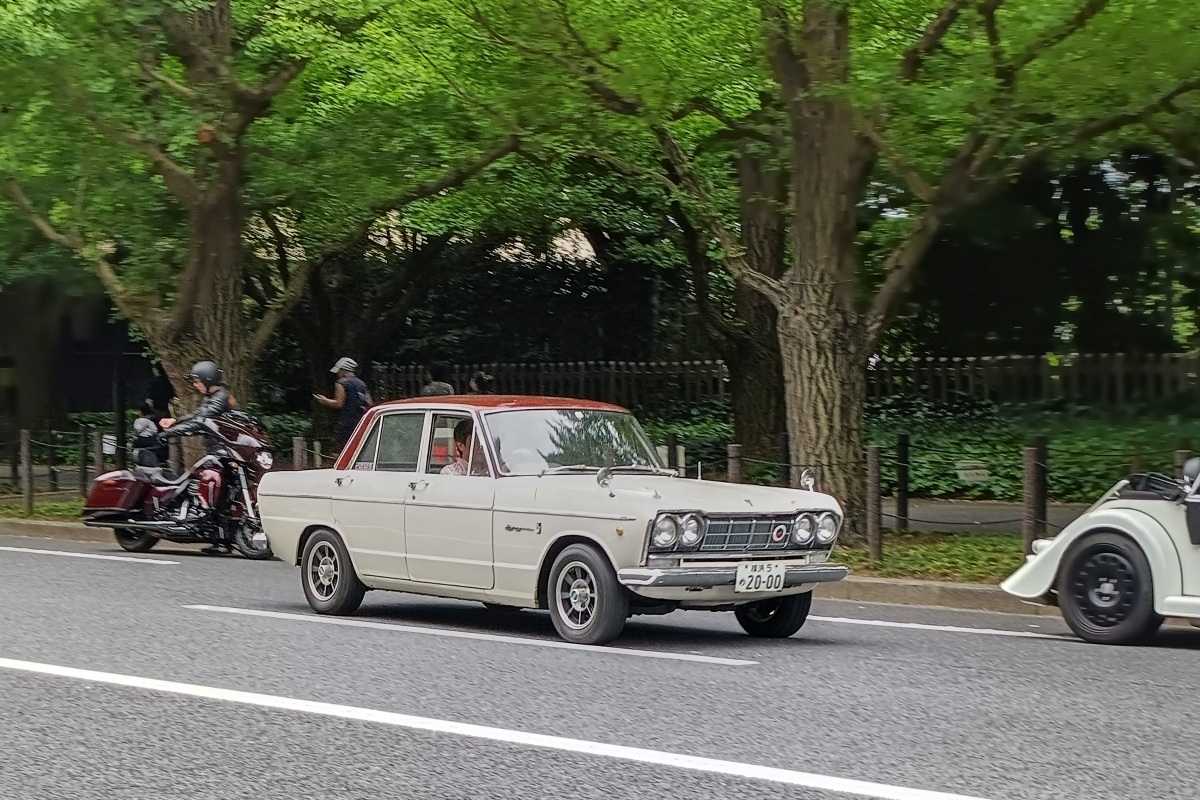
Regular 2000 GT production carried on until the spring of 1968, with a minor facelift for good measure implemented in the interim. Of course, these were expensive machines, certainly well beyond the means of the average Japanese citizen at the time, whose wildest dreams might have included a Bluebird, a Corona or a Contessa. Or a 4-cyl. Skyline.
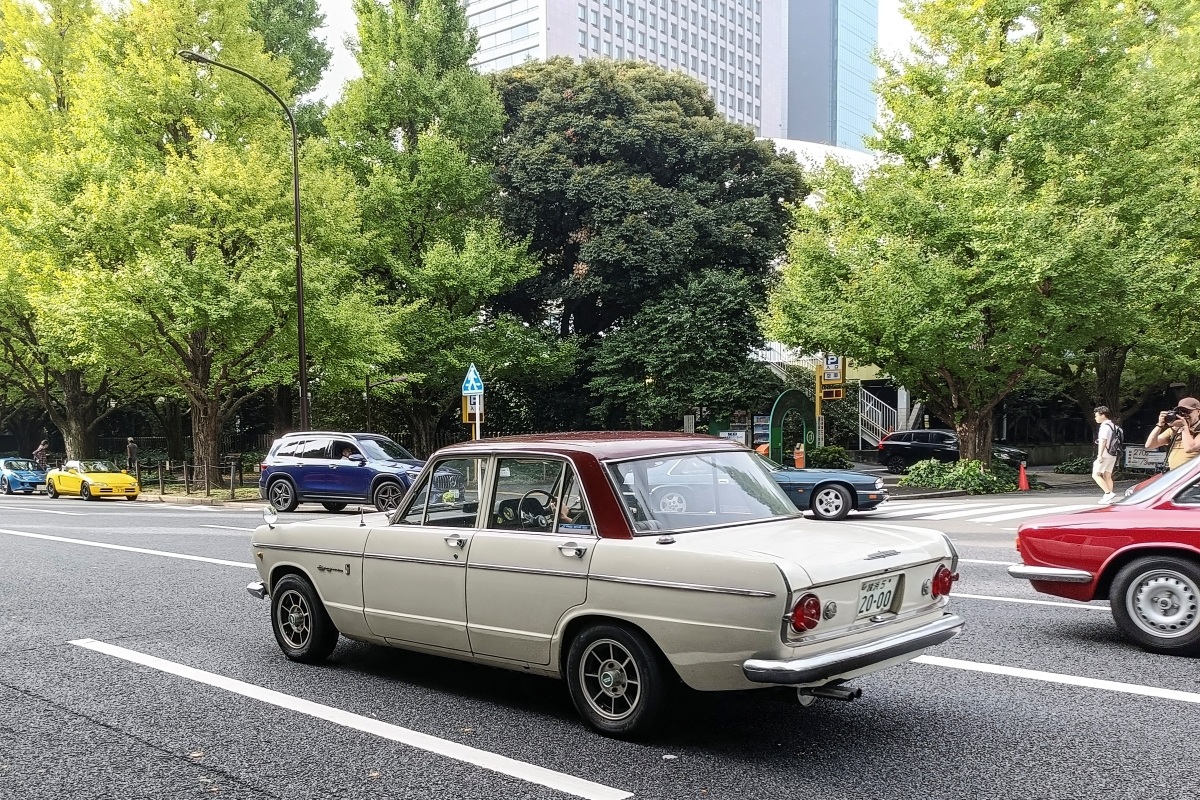
As a result, the 2000 GT is a rare car: out of over 110,000 Skylines made between 1963 and 1968, only an estimated 3443 were on the long-nose version. It’s not clear how many of those were the spicy GT-B, as opposed to the GT-A. Probably a minority.
Thanks to a gutsy decision to shoehorn a 6-cyl. into a 4-cyl. car, Prince achieved a rather great trick. The company disappeared, and eventually all of the human and technical resources were assimilated by Nissan, but its most famous nameplate is still as valuable today as it was 60 years ago.
Related posts:
Curbside Classic: 1967 Prince Skyline (S54) 2000 GT-A – Birth Of A Legend
Curbside Classic: 1968 Prince Skyline (S57) 1500 Deluxe – Positively Charming























What a car! That is a rarity indeed. I am not sure I knew how rare until you stated the production numbers. That triple carb set up is lovely.
A real Nissan destroyed that 1900 Sprint concept car. You would think by the 1980s they would have known better.
That 1966 Japan Grand Prix photo is amazing but I have to admit my eyes are drawn to that blue bus right away.
In addition to being the genesis of the long line of Skylines the basic concept of lengthening the front end to accommodate an inline six used in the Nissan 810/Maxima, which used the four cylinder Bluebird as its basis. The stylistic and conceptual similarities (once the mid-’70s fuselage era was past) to this Skyline are all-too obvious.
Nissan started doing the wheelbase in the nose stretch to fit a six trick before this Skyline’s existence and the eventual absorption of Prince when they employed it for the Cedric Special series that was introduced in Feb. 1963.