
When Honda celebrated their corporate fiftieth anniversary in 1999, the company was mostly known to the general public for making well-engineered and reliable commuter cars. They had some sporty diversions from their main line (e.g. Prelude, CRX), but even those where always front-wheel-drive and based on an existing mass-market platform.
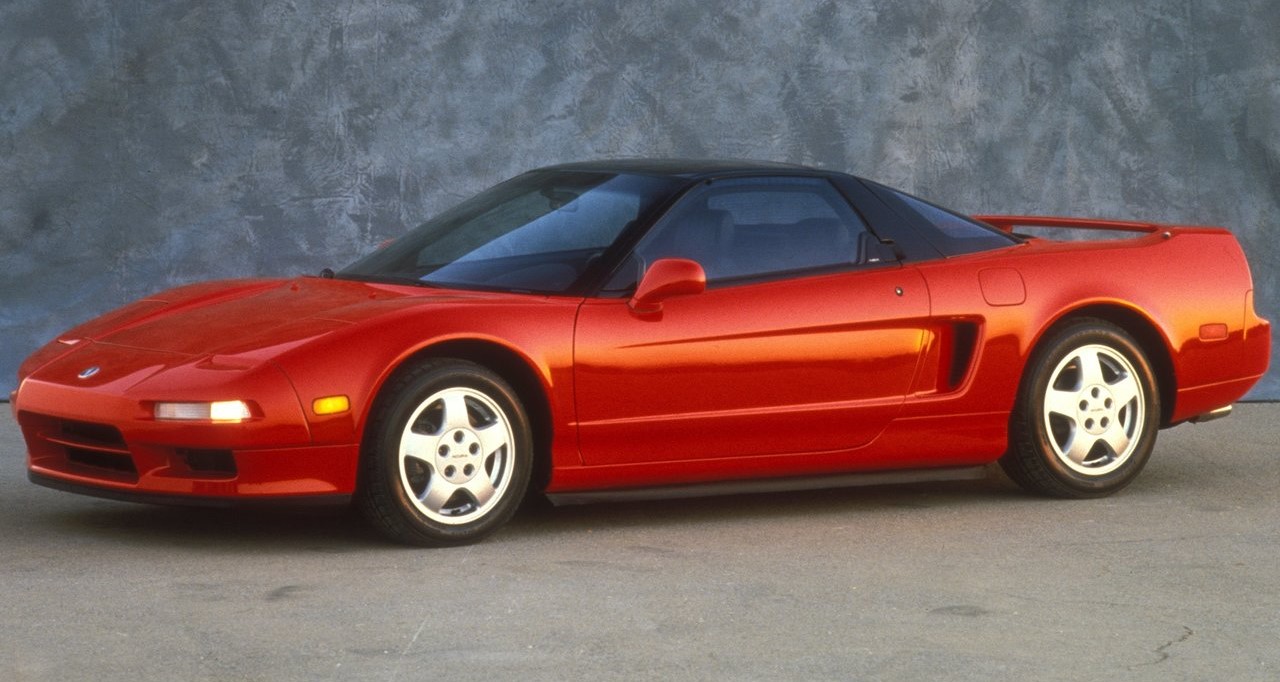
Enthusiasts were well aware of the brilliant mid-engine V6 Acura NSX introduced for 1991. The NSX sold at an exotic price and in such small numbers that many customers entering Honda dealerships probably weren’t even aware of it at all. Their success with the NSX, in execution if not necessarily sales, prompted Honda to try a new Honda-branded model in another [almost] unprecedented category for them: a rear-wheel-drive two seat sports roadster to be released during their golden anniversary. The result was celebratory and an instant classic which has held its appeal better than any contemporary competitor.
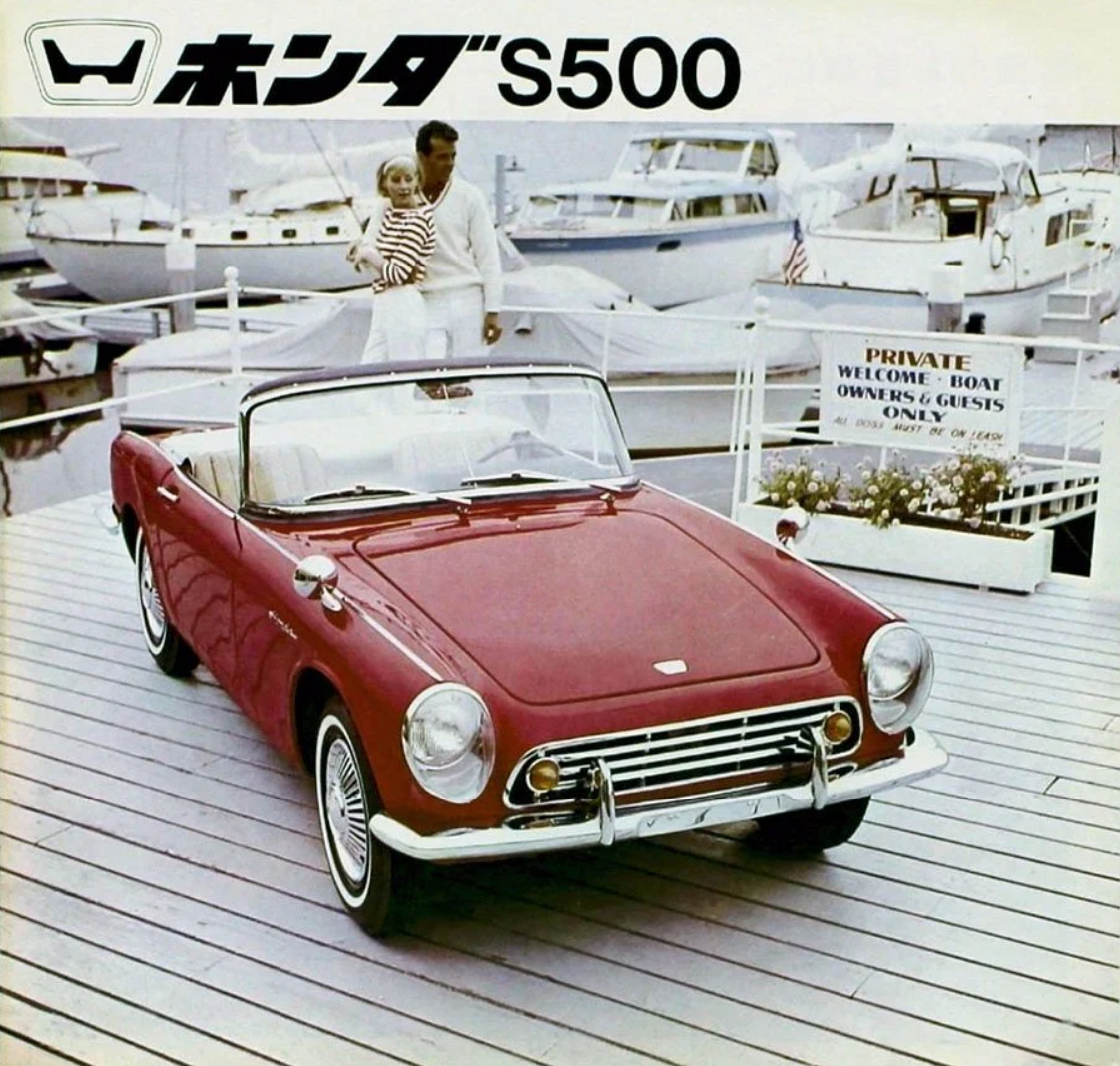
Why was a sports car relevant to their anniversary? Because Honda’s first production automobile was the well-regarded S500 roadster. Soichiro Honda was an engineer who had been involved in cars and manufacturing for over a decade when he founded his eponymous company in postwar Japan. They built their first motorcycle in 1949, becoming the top motorcycle producer in the world by 1959. The company wanted to build on its success by branching into automobiles. They started small, literally, with the T360 mini-truck in 1963, followed a few months later by the 500cc S500 sports car. The model was quickly refined into the S600, then the S800 made through 1970 (none of which were sold in the U.S.). The company also built and sponsored Formula One race cars with some success from 1964-68.
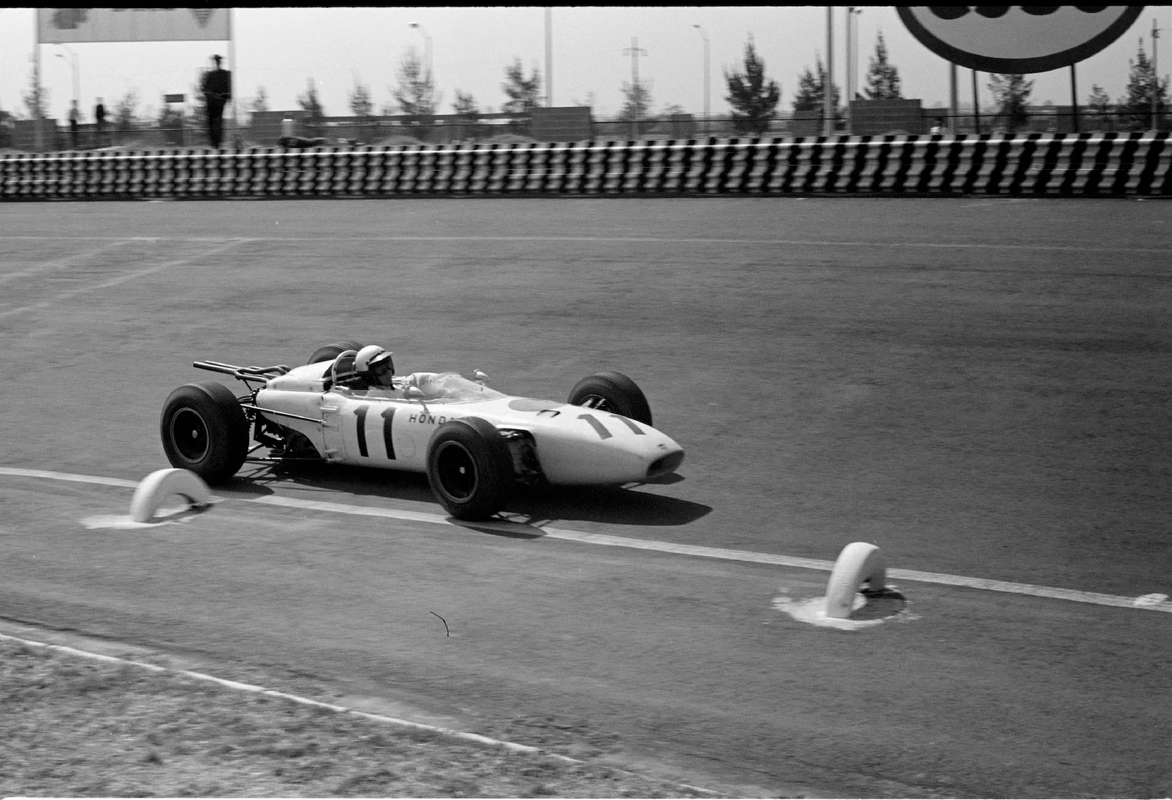
Honda decided for the 1970’s to leave racing and sports cars behind for the time being and focus strictly on the front-wheel-drive commuters they would soon become so internationally successful with. Still, Mr. Honda was a racing fan with a love for well-engineered machines. With Civics and Accords paying the corporate bills quite well, Honda got back into support for racing in the 1980s, building engines for many Formula One cars among other activities. Also in the 80s, the company began developing the Acura NSX (Honda in Japan), featuring the first production aluminum monocoque chassis in the industry and using many of the lessons learned in making racing engines, while maintaining Honda’s famous drivability and reliability. At $48k in 1991($149k in 2026 dollars), it was by design a lower-volume prestige model, though Honda would have preferred it to be a bit less low-volume over the years until it was dropped in 2005 (a new generation would return from 2017-22).
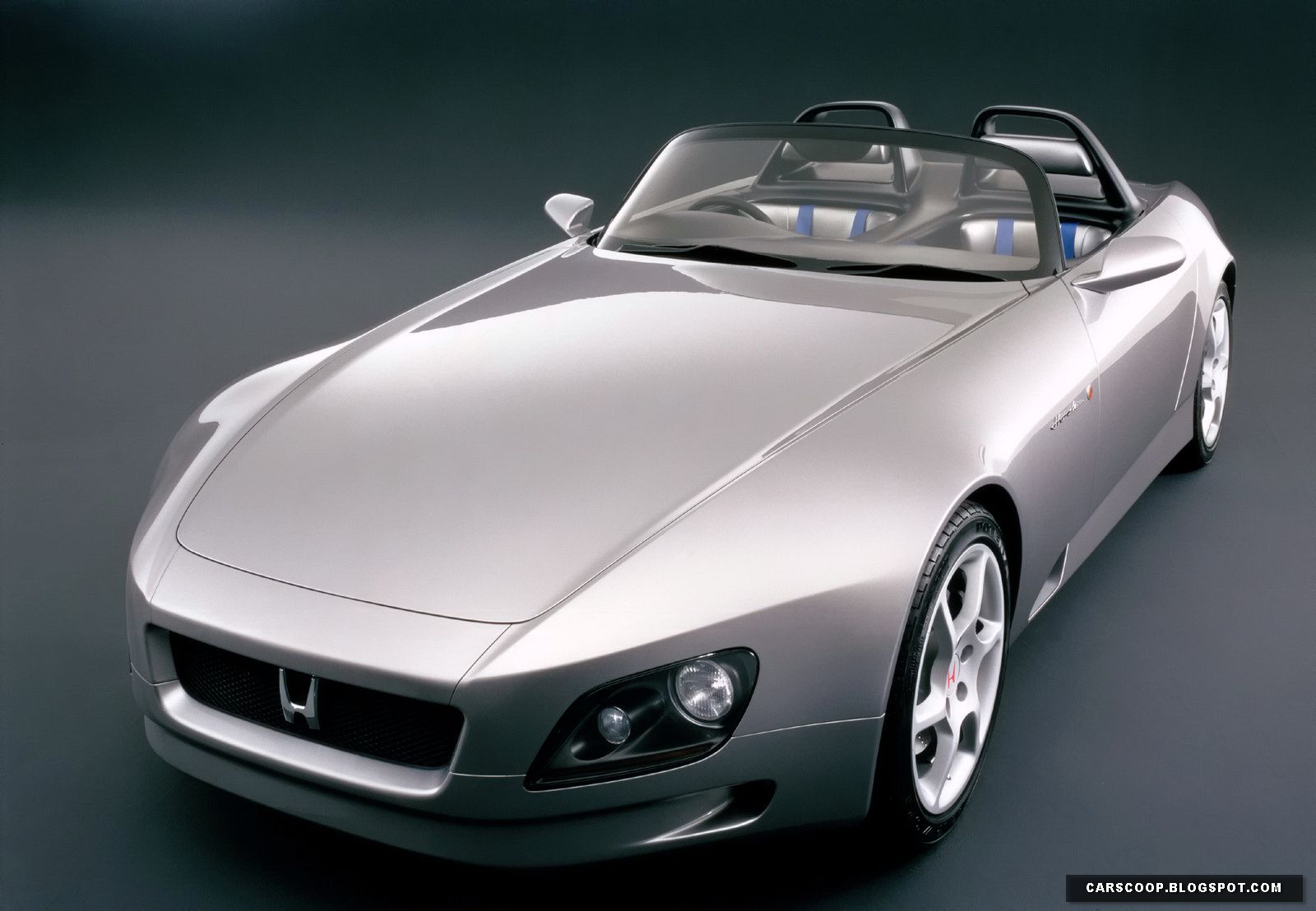
Having successfully built a high-end mid-engine sports car, Honda tasked the NSX chief engineer, Shigeru Uehara, with applying the same magic to the planned roadster. The first public evidence of their progress was the 1995 SSM (Sport Study Model) concept car. Styling was by Pininfarina. The engine was a high-revving, naturally-aspirated five cylinder, while the transmission was an automatic derived from the NSX’s. It also borrowed the NSX’s aluminum double wishbone suspension front and rear, and had a claimed perfect 50/50 weight distribution.
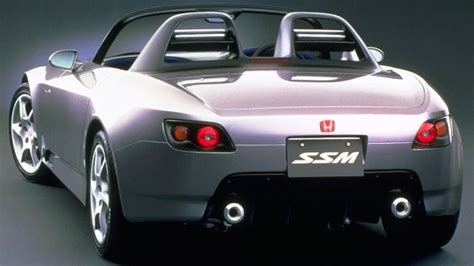
The SSM was a hit at the Tokyo and other auto shows in 1995-96. The positive response, as well as the production of the BMW Z3 and Mercedes SLK in 1995 and Porsche Boxster in 1996, cemented Honda’s plans to make a production version.
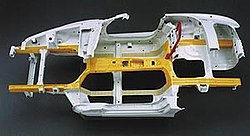
The SSM had a cockpit completely separated down the middle by a structural element, enhancing chassis stiffness. For the production car, Honda wisely used a regular interior and still achieved exceptional body rigidity with a “high X frame” in its semi-monocoque structure. This frame went down the middle of the car like a traditional X frame, but over the transmission and driveshaft then down and out to the suspension. Unlike the NSX, the S2000 body and understructure was steel, which was a cost-conscious choice, but the final car was still only 2,800 lbs.
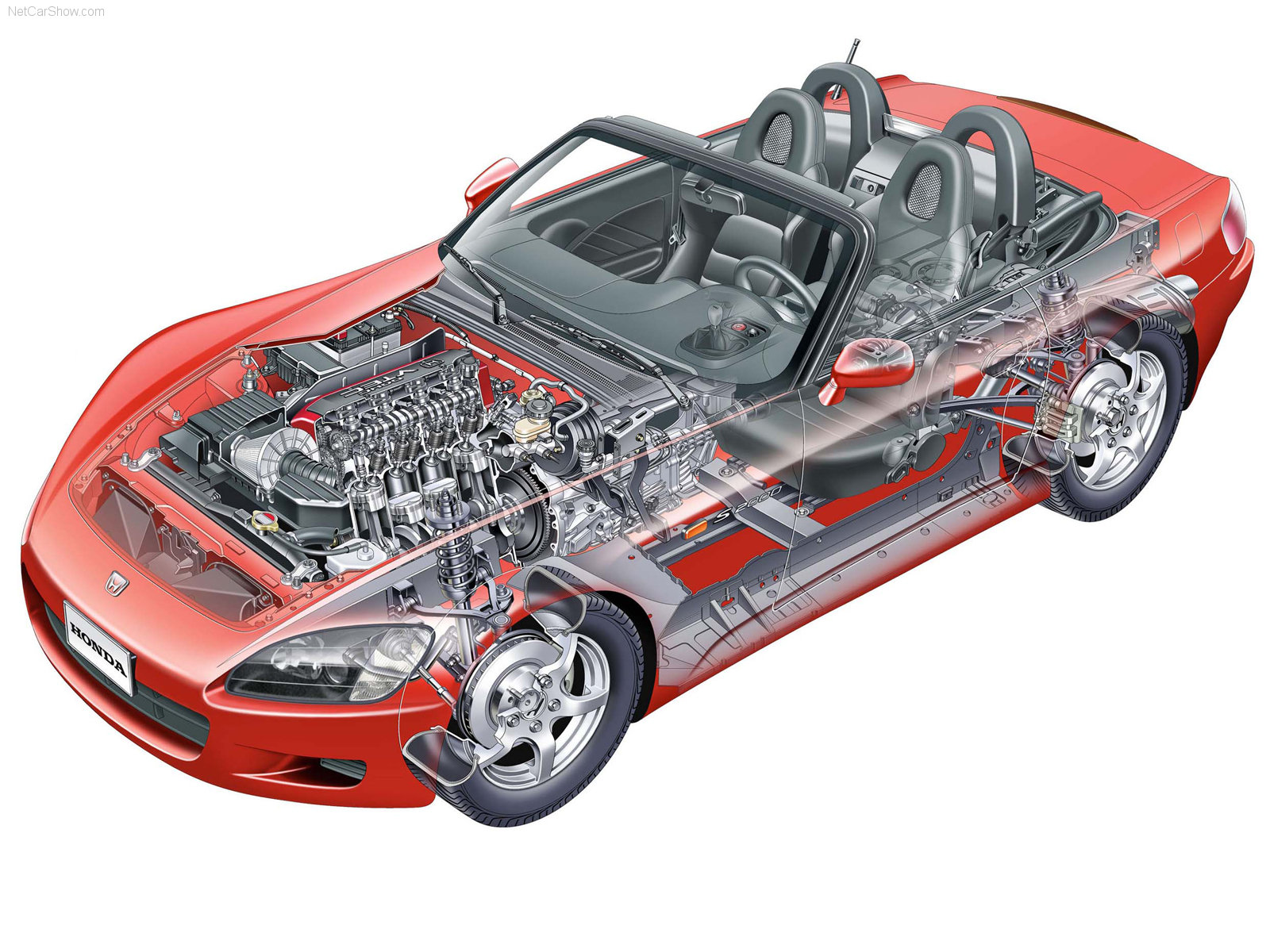 The S2000 kept the SSM’s 50/50 weight distribution with a front-mid engine placement (i.e. engine ahead of cockpit but completely behind the front axle). Also retained was the double wishbone/coil sprung suspension all around, though in ductile iron instead of aluminum.
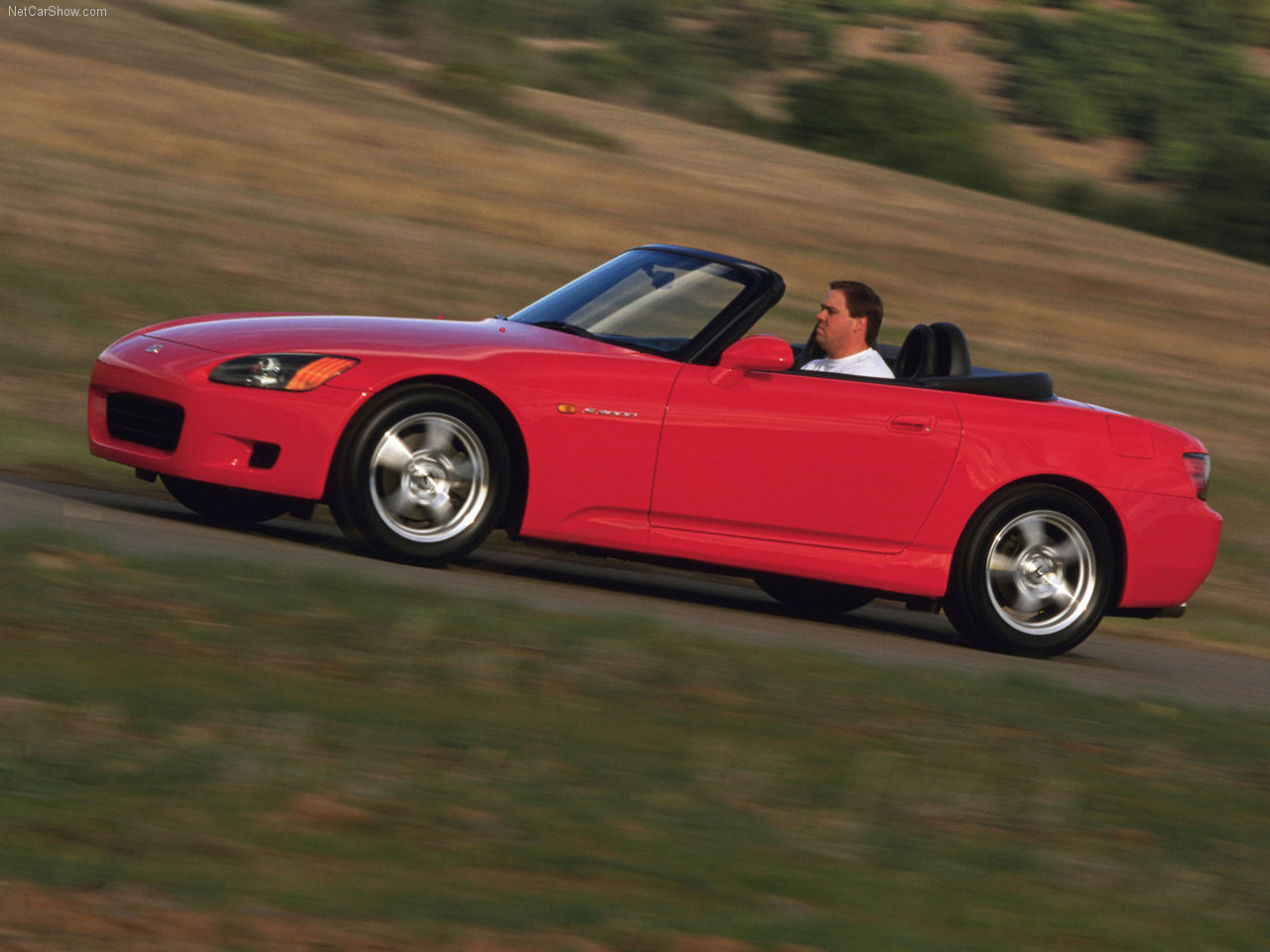
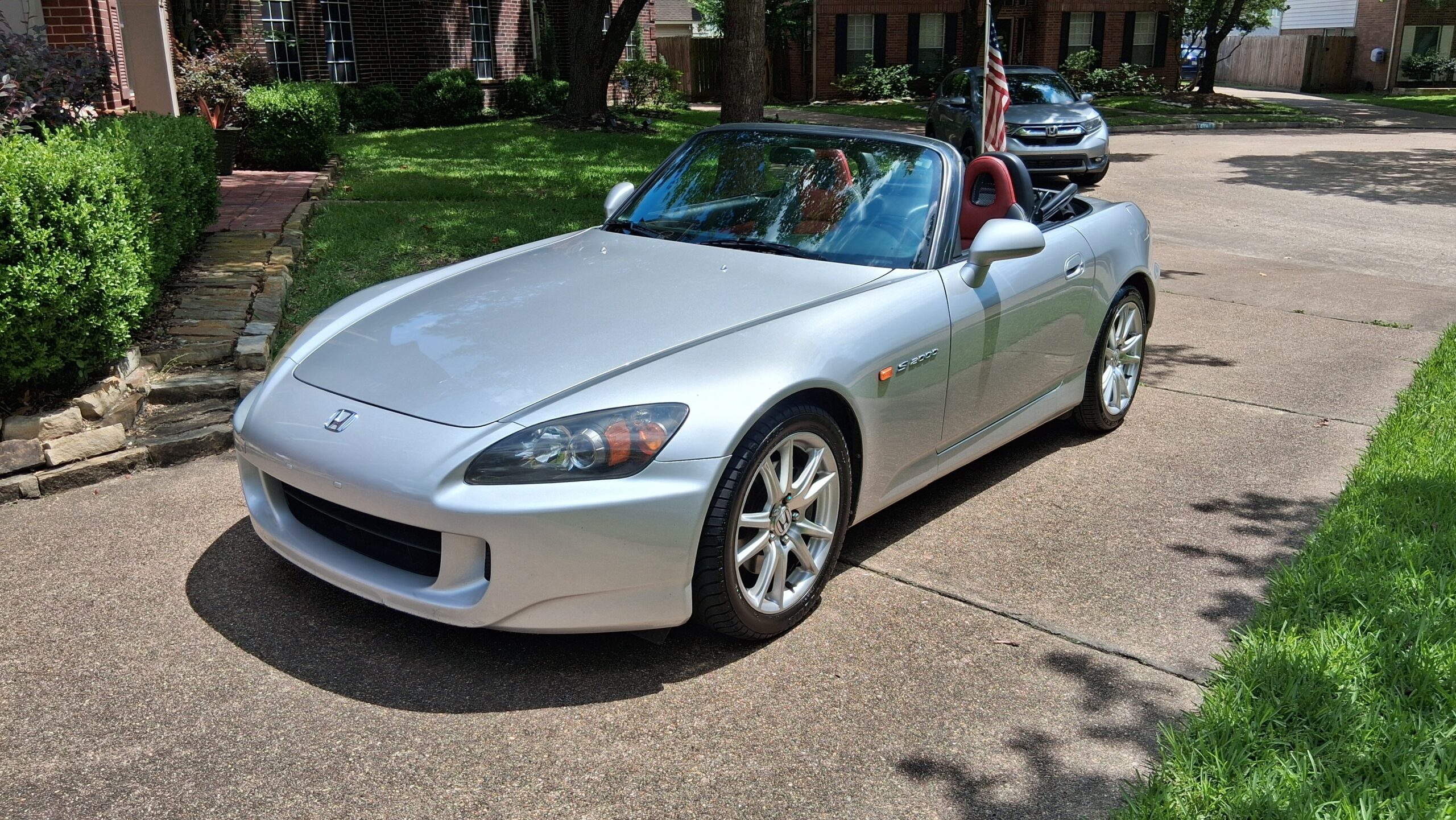
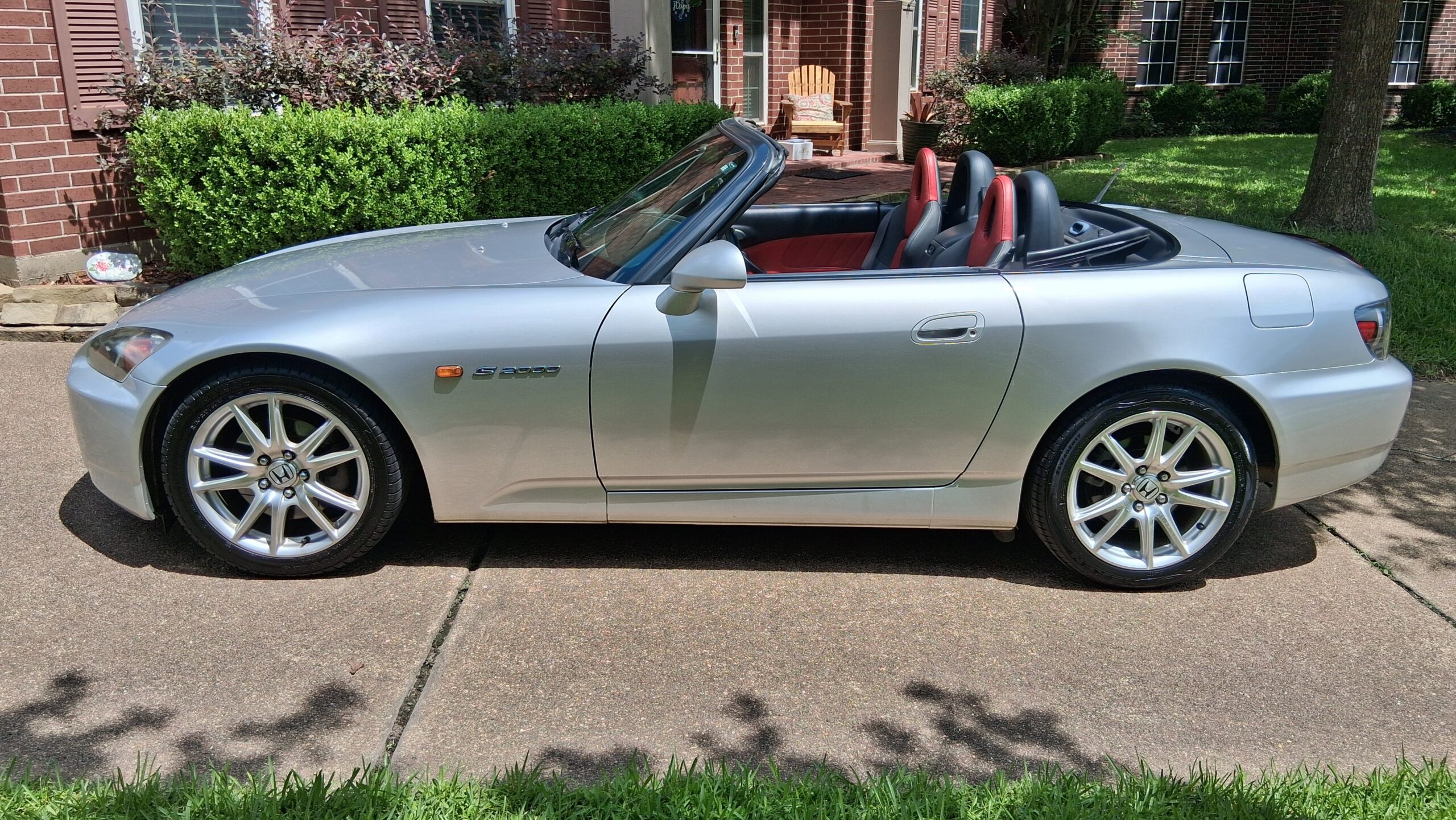
The production car retained the main styling themes from the concept, toned down a bit by Honda designer Daisuke Sawai. The most obvious changes were the front end was shortened a bit and the low headlights were positioned more conventionally. Overall, it’s a fairly understated design, which has helped it to age well.
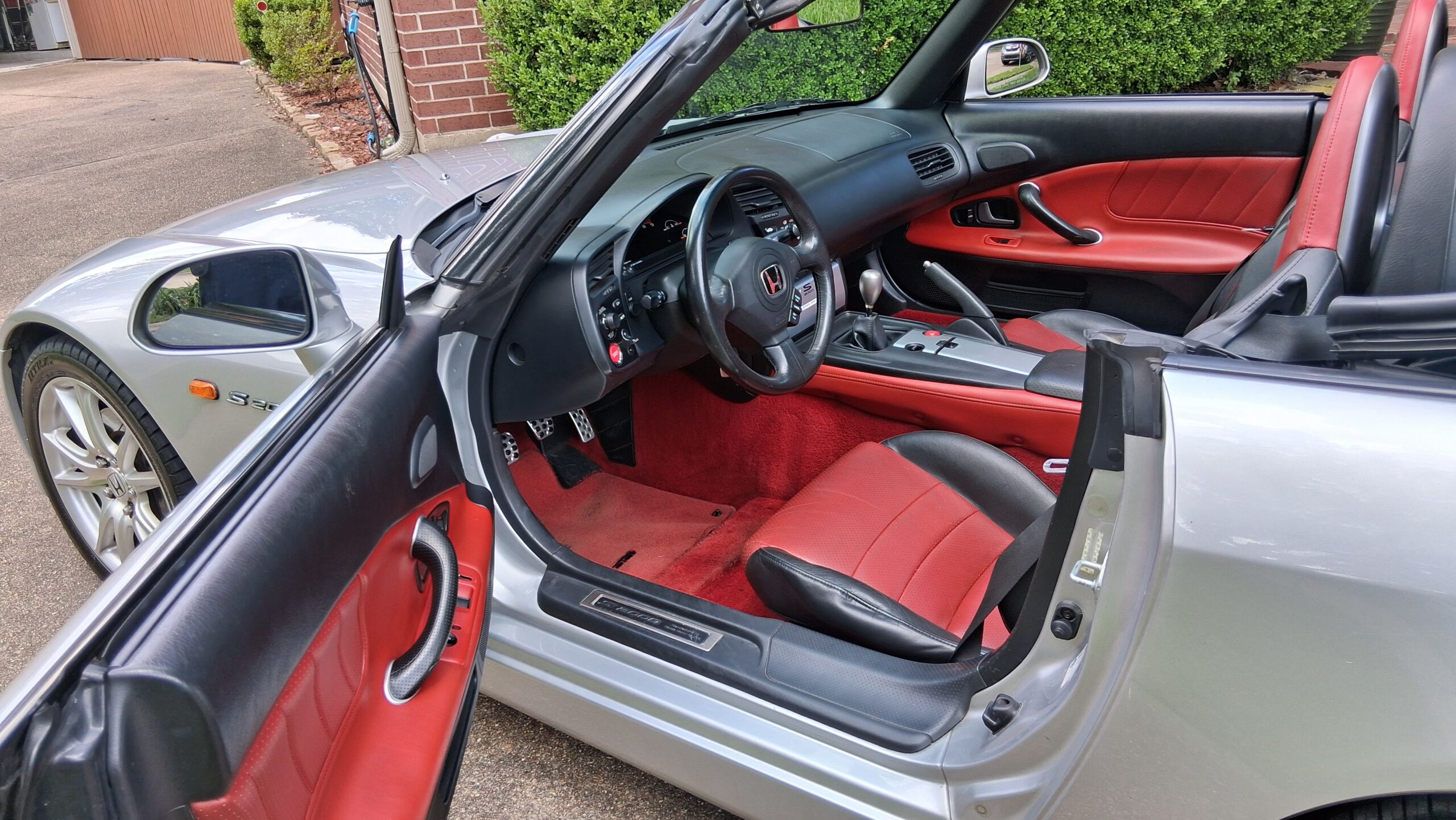
The concept car’s dual pod interior was nifty, though not really suited to the classic sports car vibe of the S2000. The interior has minimalist styling (and minimal storage) though certainly not unattractive. Very Honda. It couldn’t be confused with a luxury car, but it was a modern car with AC, power steering (electric assist), power brakes, leather seats, power windows and locks, keyless entry, power cloth top, and a CD stereo all standard. A CD changer, heated seats, and a removable hardtop were the main options. Notably absent from the options list: any automatic transmission. God bless Honda. The stereo is not powerful at all, but the engine and a smooth stick is all the HiFi you need in a sports car, right?
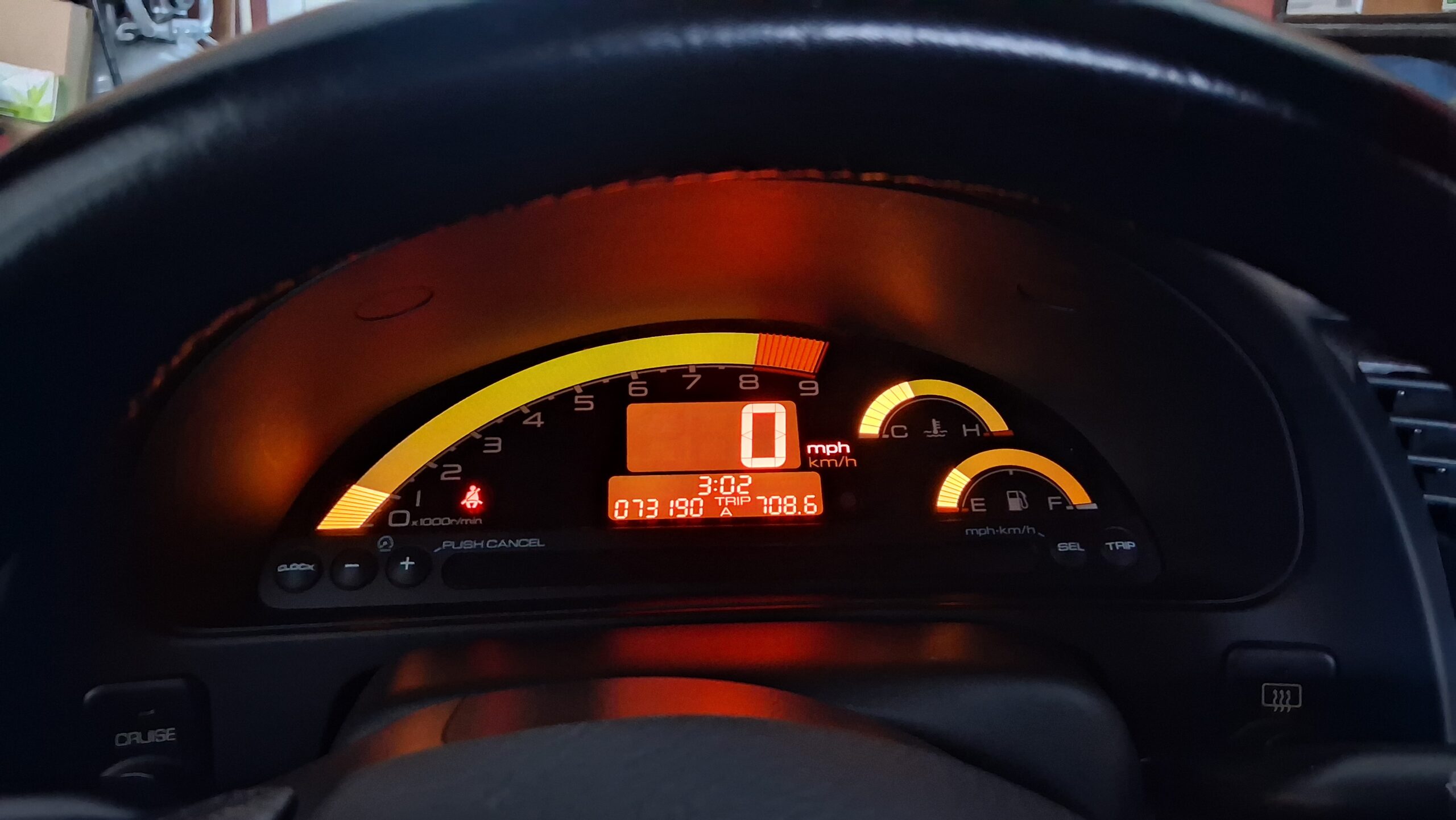
Interestingly, Honda went with an all-digital instrument panel. It seems to be out of step with the semi-retro character of the car. Seeing it, I’m reminded of another dash:
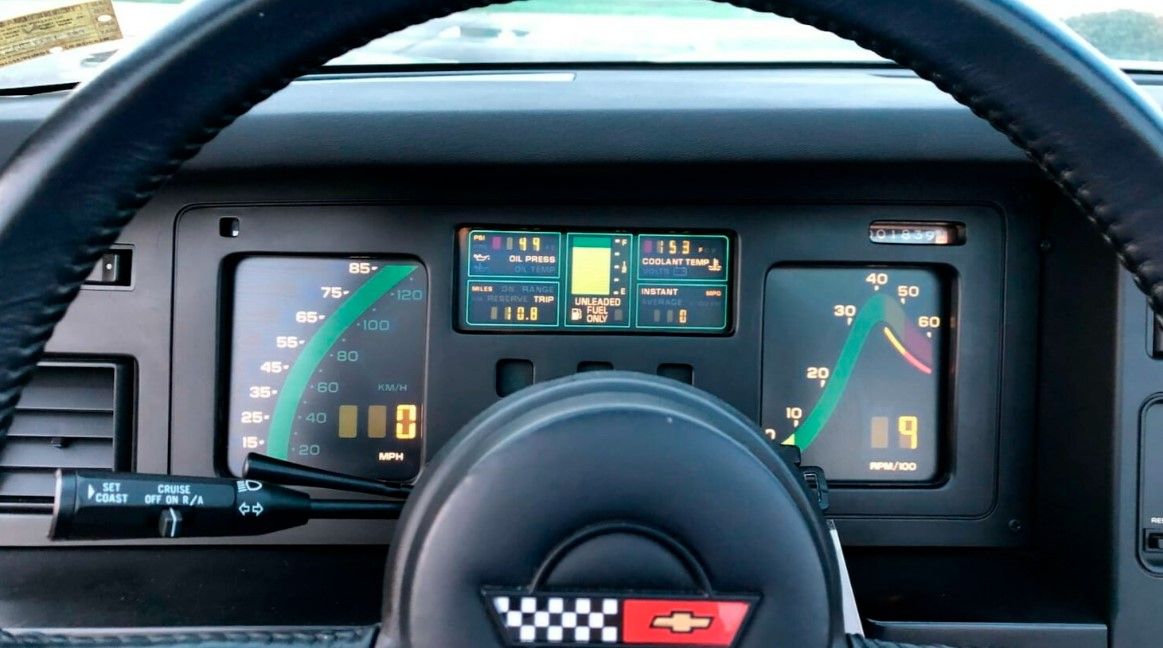
Honda didn’t catch near the amount of flack that Chevrolet did when they put a basically similar display in the 1984-90 Corvette. Perhaps the Vette was just ahead of its time! The S2000’s digital display was a holdover from the SSM concept car, very compact, and justified by the fact that Formula One cars had adopted digital displays by this time and digital dashes were popular in the JDM. It was probably a cost-driven choice not to make a separate analog dash more suited to the American and European markets
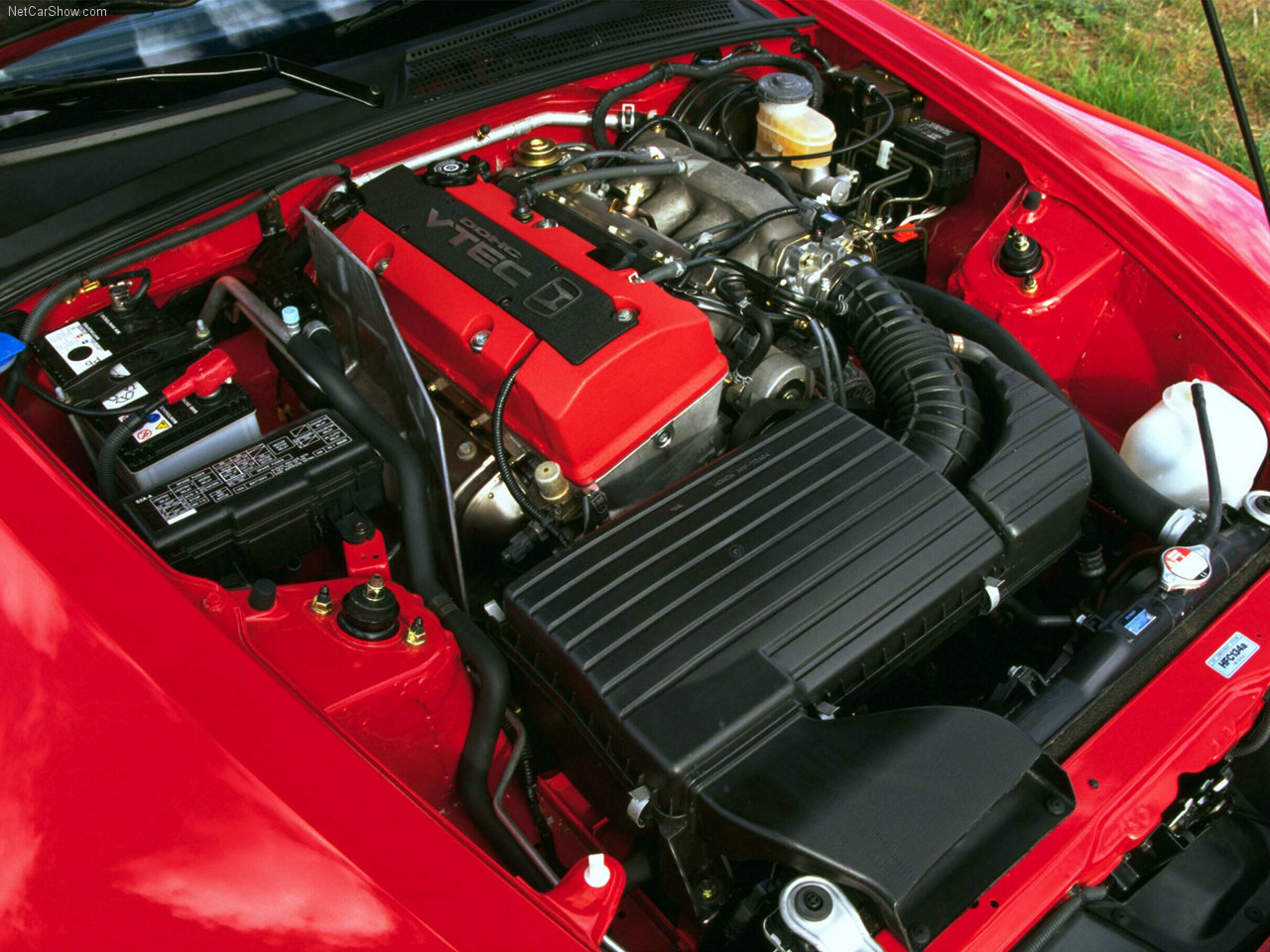
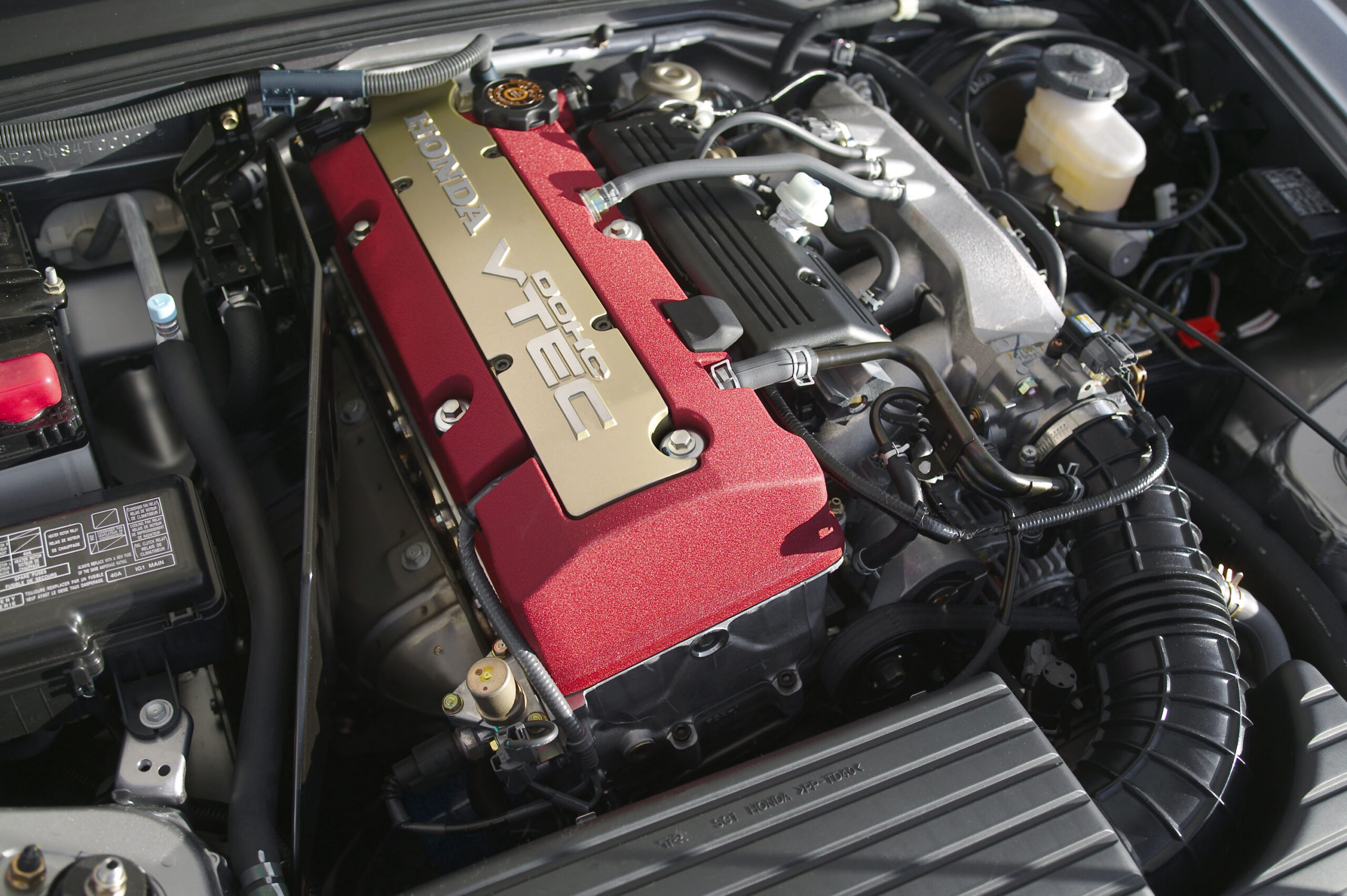
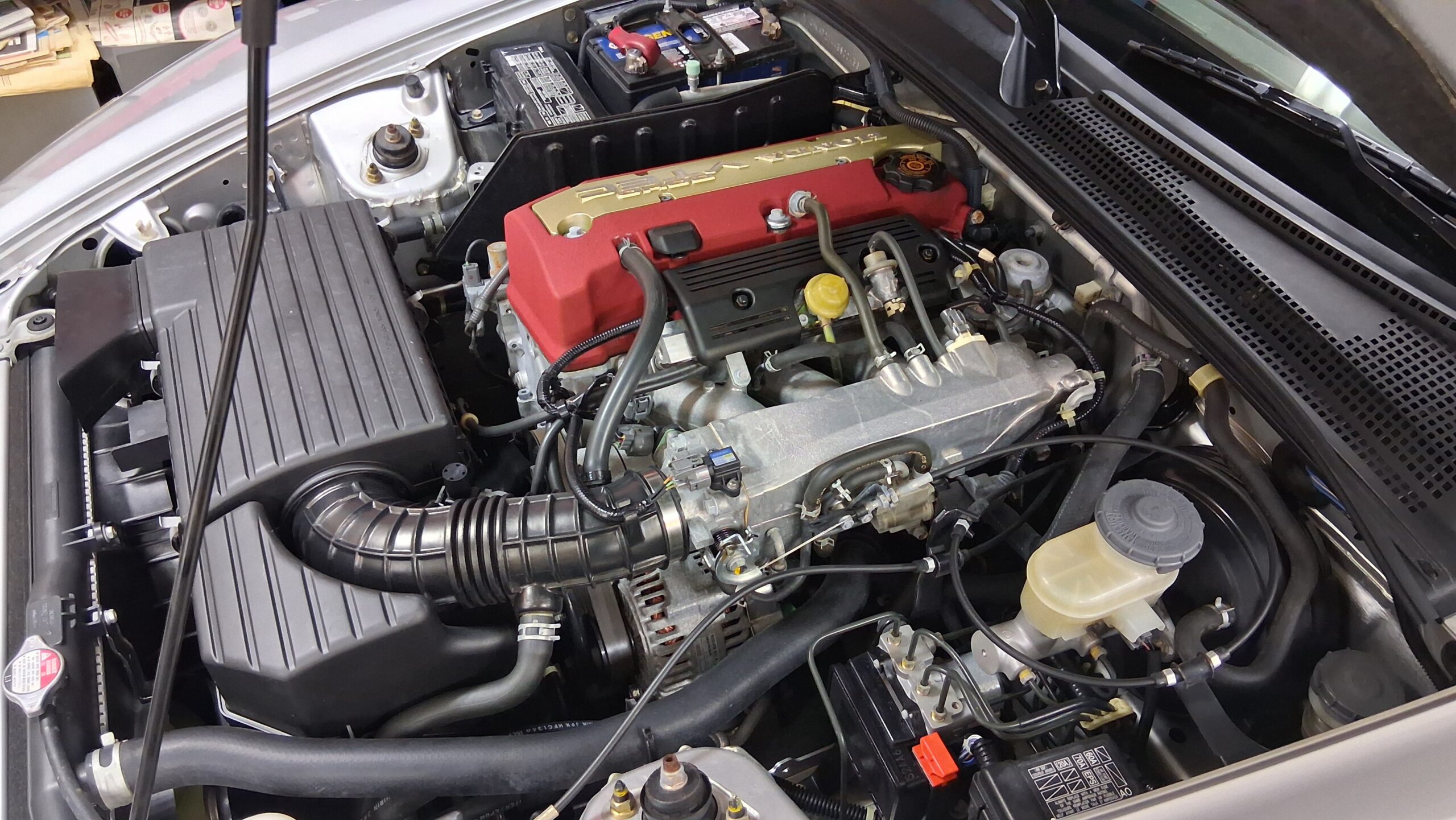
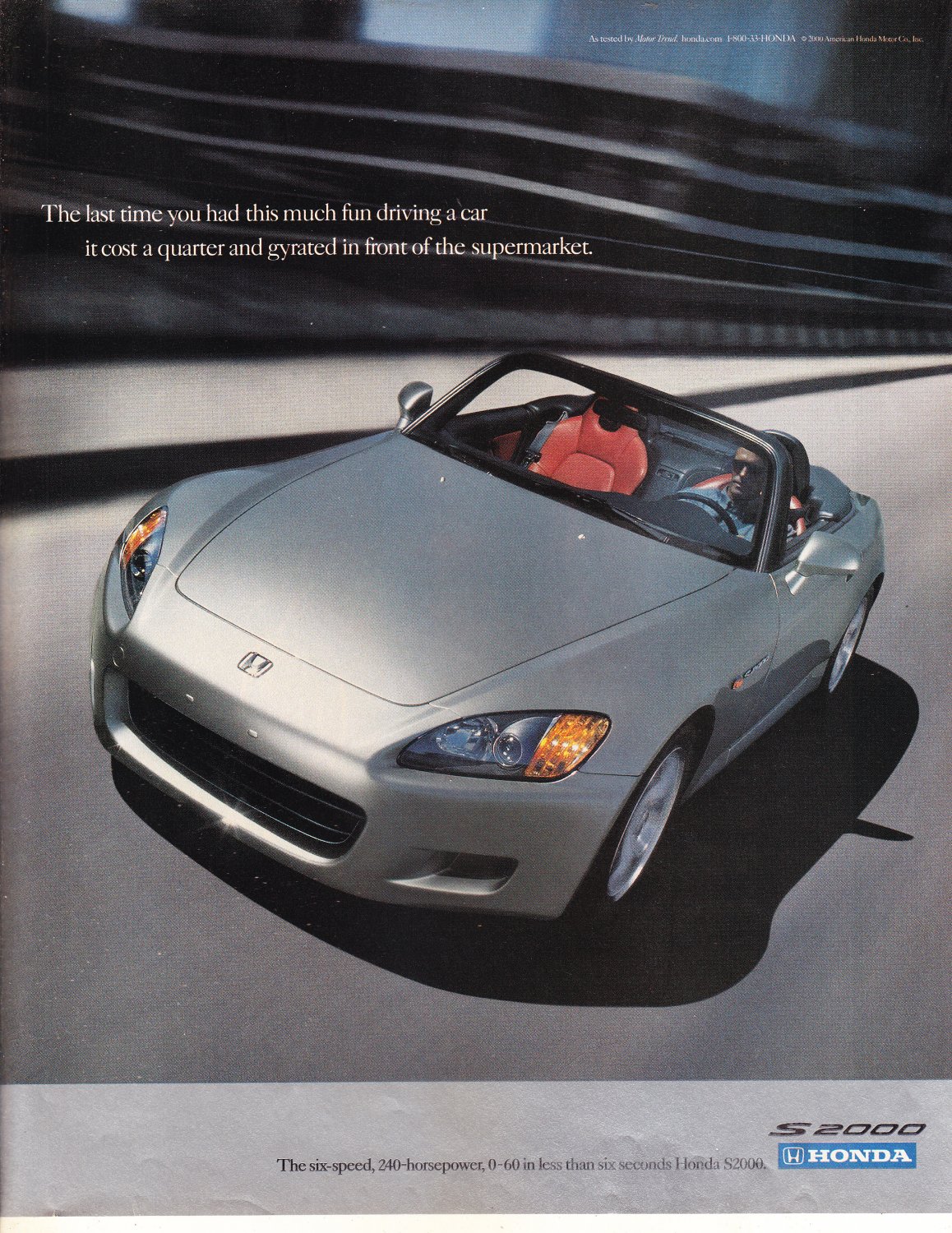
As fine as all these aspects of the car are, the thing that made the car a star when new and a classic now is what’s under the hood. The 2000 model came out with the F20C: 2.0L aluminum DOHC four (wisely dropping the concept car’s extra cylinder), naturally aspirated, and making 240hp and 153lb-ft. If that sounds like a lot of horsepower for the size and era, you’re not mistaken. In fact, at the time it had the highest specific output of any naturally-aspirated production piston engine ever, the 120hp/liter being closer to race car range than regular car range.
It held this record until the 2010 Ferrari 458 Italia’s 4.5L V8 put out 126hp/liter. That Ferrari engine still holds the record, mostly because no one is trying anymore in that category, including Ferrari. The piston qualifier is in there because of the 2003-08 Mazda RX-8 with 232hp from a 1.3L (174hp/L) rotary engine.
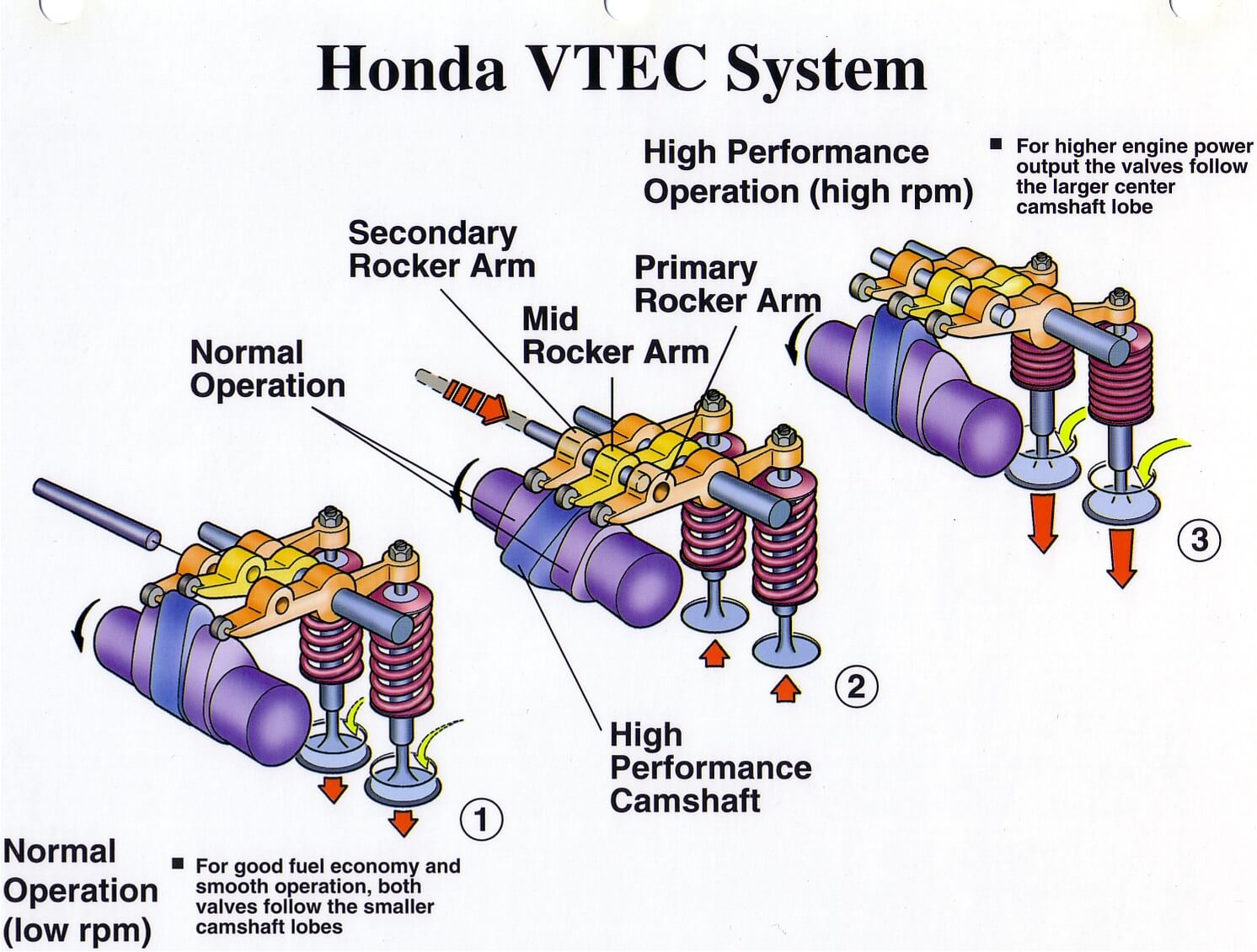
Besides generally sound engine design, which Honda has always excelled at, the F20C achieves its lofty power by several means. It has excellent breathing as well as minimal internal friction. Another is very high revs (also seen in the Ferrari). It makes peak horsepower at 8300 RPMs on the way to a 8900 RPM redline, with peak torque coming on at 7500RPM. Finally, there is Honda’s VTEC system.
This might be a good opportunity to go into what exactly VTEC is, as it’s one more acronym in an industry full of acronyms and can easily slip through underappreciated. I didn’t really understand what it was for a long time. It stands for Variable Valve Timing and Lift Electronic Control.
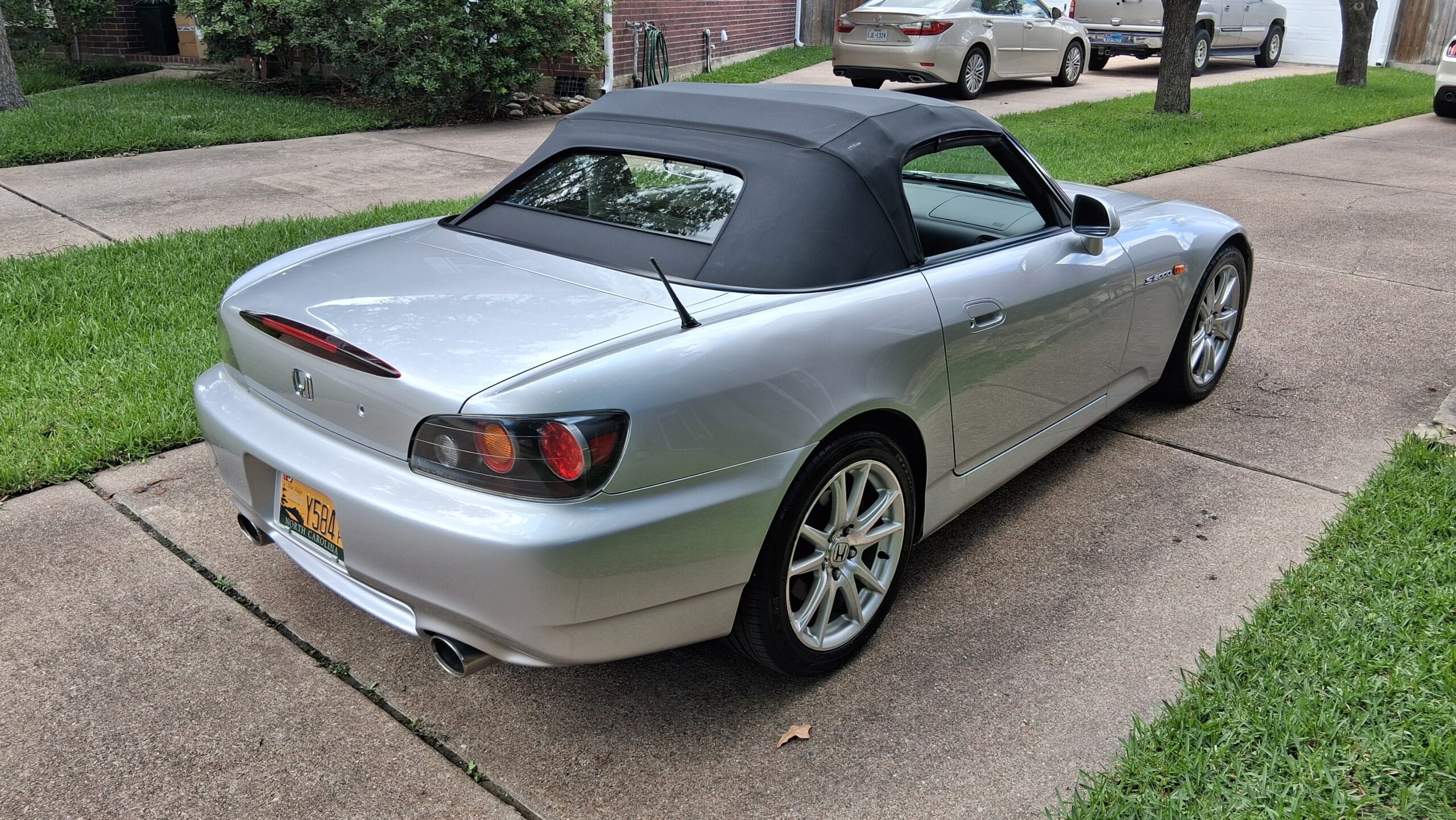























I guess it depends upon where you live and how old you are regarding the desirability of this car.
Nice work, Jon.
I always had slightly mixed feelings about these cars. I like the concept a lot, but if I’m honest, I hate convertibles, and my Prelude made me a little weary of Honda’s absurdly short highway gearing. Also, as with the Mazda FD RX-7, I had a feeling the chassis was high-strung enough that it probably exceeded my realistic skill level. I really wanted something with a fixed roof, a little more torque, and less frenetic gearing.
Thanks! One can imagine that perhaps if Honda had kept the car going with additional generations that they might have done a hardtop version, or a retractable hardtop, like Mazda did. Some people want a sports car that’s not a soft top.
As I’ll talk about in the followup article Monday, I found the car easy to drive on regular street conditions , at least the AP2.
When these came out, I was in the middle of raising kids and paid little attention – other than acknowledging that Honda had jumped onto the Miata bandwagon. I have since learned how wrong those original impressions were!
As a longtime Miata owner, in my circles S2000s were always referred to as “The Torqueless Wonder”
My first thought was once reading a description of the S2000 of “not having enough torque to pull the skin off of a bowl of pudding.”
A neighbor of mine was killed in his S2000 a few days after 9/11. It was on a twisty road, so I assume the tricky handling the AP1 is known for got him in over his head.
Everytime I see a pissant Miata it makes me long for the vastly superior Honda S2000. The original S2000’s F20C engine was a mechanical masterpiece. It held the world record for the highest specific output of any naturally aspirated production engine (roughly 120 hp per liter) for over a decade, until the Ferrari 458 Italia broke it. Honda built the S2000 from scratch on a unique, rigid “X-bone” frame. It shared almost no parts with everyday Hondas, featuring an incredibly crisp in-house 6-speed manual transmission and independent double-wishbone suspension at all four corners.
The Miata lets you maximize a slow car’s potential easily. The S2000, on the other hand, is an uncompromising, highly strung track weapon disguised as a roadster.
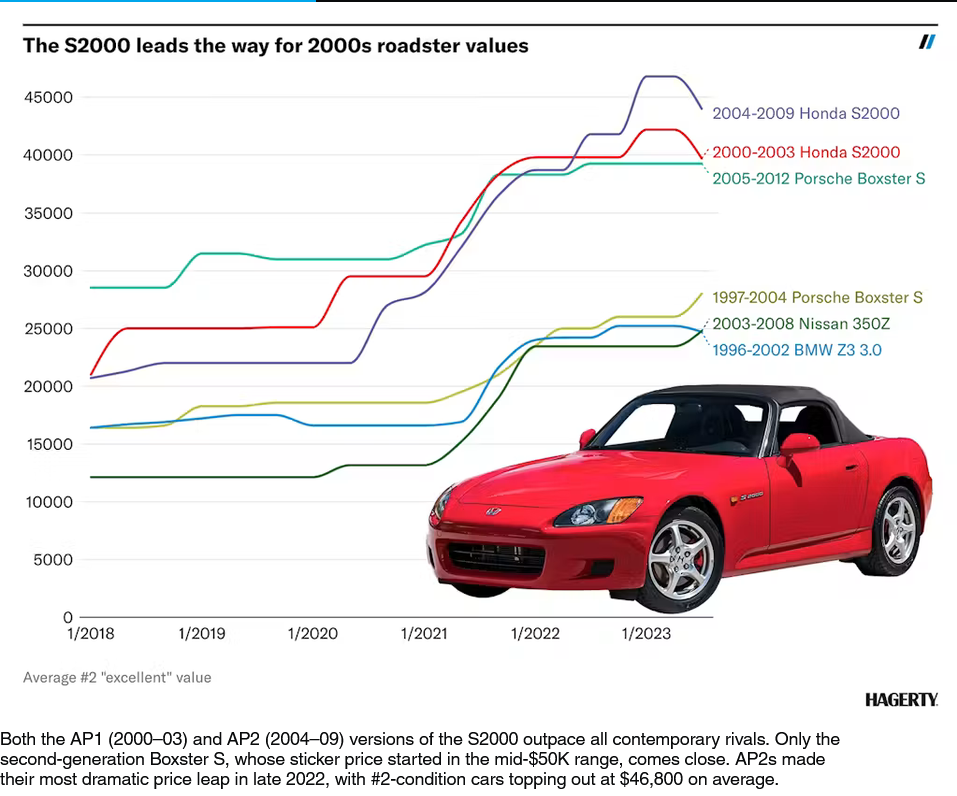
I was very impressed with the S2000 when it arrived and in different circumstances it would have been my choice over the competition. And I’m not surprised at its resale values, given its unique qualities and modest production numbers (as well as its excellent build quality).
I do love the sound of a high-revving big four; our TSX’s 2.4 K four has a 7,000 rpm power peak, and it makes a wonderful ripping sound as it approaches that. It reminds me of the wonderful sound of Offy fours back in the day.
I remember reading this apt quote from an automotive journalist: “To truly love this car, you have to drive it like you truly hate it.”
That’s a good one, never heard that!
That is indeed apposite.
My new car is now a Curbside Classic and I’ve grown older by a quarter of a century.
I rarely see these now but they always take me back to late high school, early college days. Our friend group ran into this guy from “the city” aka Toronto who would come up and hang out on weekends with a brand new S2000 like this 05 and claim to be an undercover RCMP officer (which I knew was a stretch as I had a family of cops, including my MP father and rule number one of undercover work is to not admit to it). Fun guy regardless. Anyway this one time in particular my buddy has an old beater F150 (farm kid and all) and decided to go “Jumping dunes” which for those who know Wasaga Beach was this section of undeveloped land (now has a subdivision on it) east of the Nottawasaga River that was surrounded by pine forest but, like everywhere in The Beach, was an open area of beach sand and dunes. Now the truck was fine in that but guy decides to follow us in with the S2000, right into the dunes and following our established tire tracks. Given how light the car was, it was surprisingly holding its own for a bit, until he let off the gas and it bogged. needless to say it took us about 3 hours to dig/tow him out and back to the little gravel road from River Road West. A heck of a fun night, but a lesson in keeping these cars on the black top!