
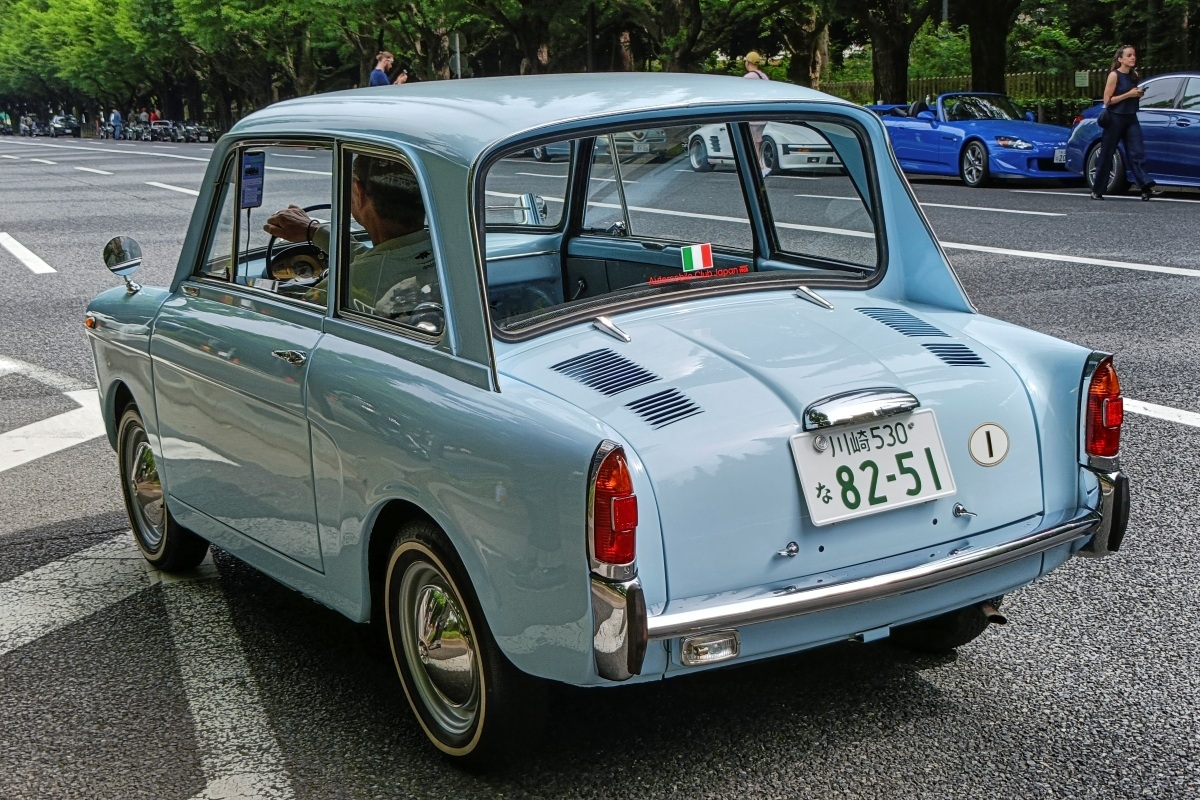
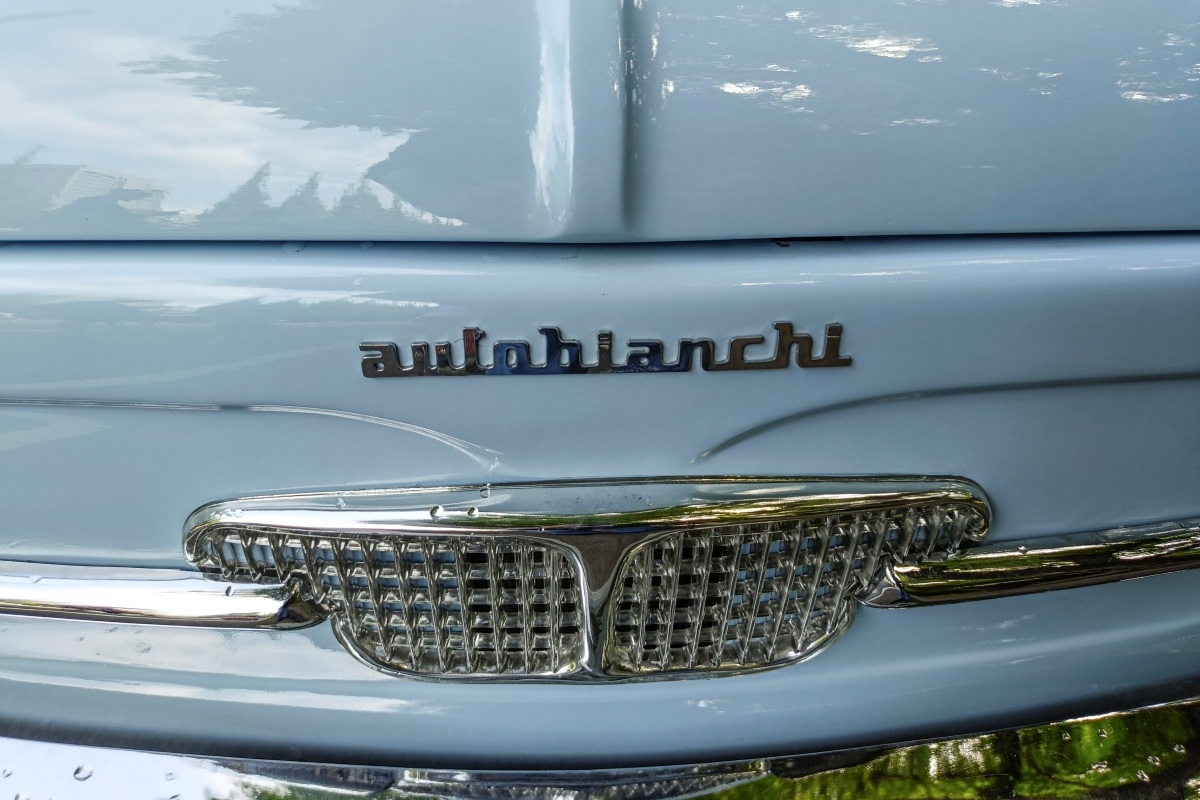
Whereas VWs always made people think of various kinds of insects, little Fiats were more mammalian in the public’s imagination. Hence the 1935-55 Fiat 500 Topolino, or “little mouse,” the original miniature Italian car. The rear-engined Nuova 500 had a less rodent-like physique, but apply a dab of chrome here and stick out some fins there, and you had yourself something rather pleasing to the eye.
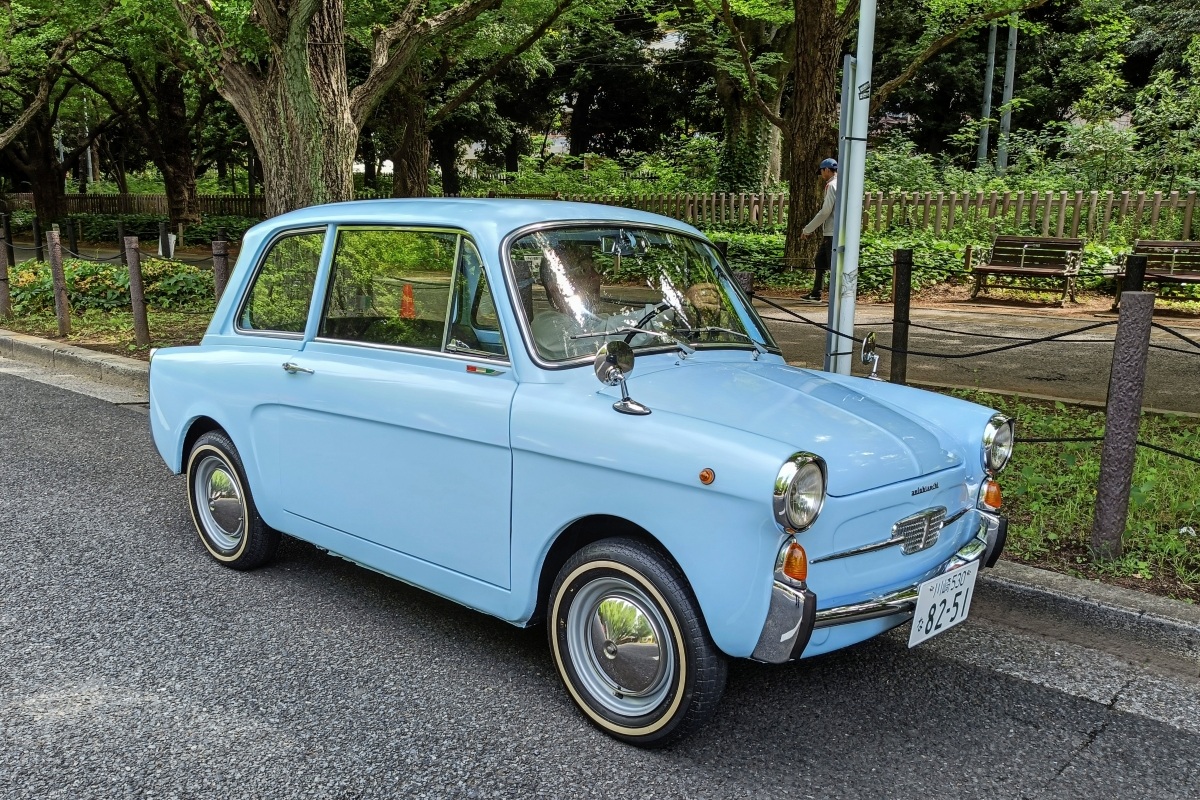
That was the entire reason for creating Autobianchi, in the early years. It was a triple alliance bringing together tyre manufacturer Pirelli’s money, Fiat’s technical know-how and former carmaker (and, to this day, top-notch bicycle producer) Bianchi’s production capacity. The partnership kind of faltered as soon as it was signed and Bianchi’s share was gobbled up by Fiat, who took control of the whole operation. Nevertheless, the idea of a super-deluxe Fiat 500 was a sound one, as sales proved very quickly.
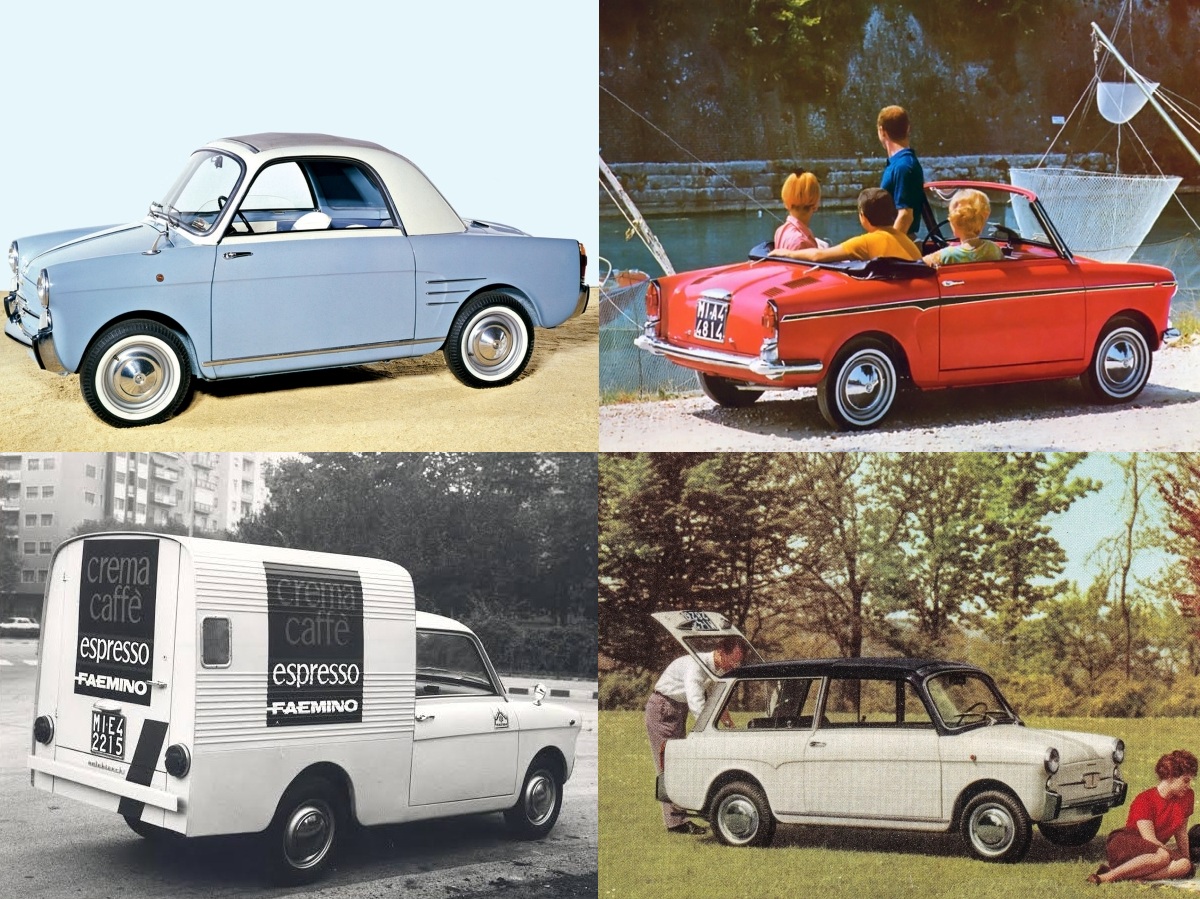
It all started with the Bianchina Trasformabile convertible coupé (top left) in 1957. This was joined in 1960 by a cabriolet and a wagon, the latter of which could be ordered as a van, either with a standard roof or a high roof.
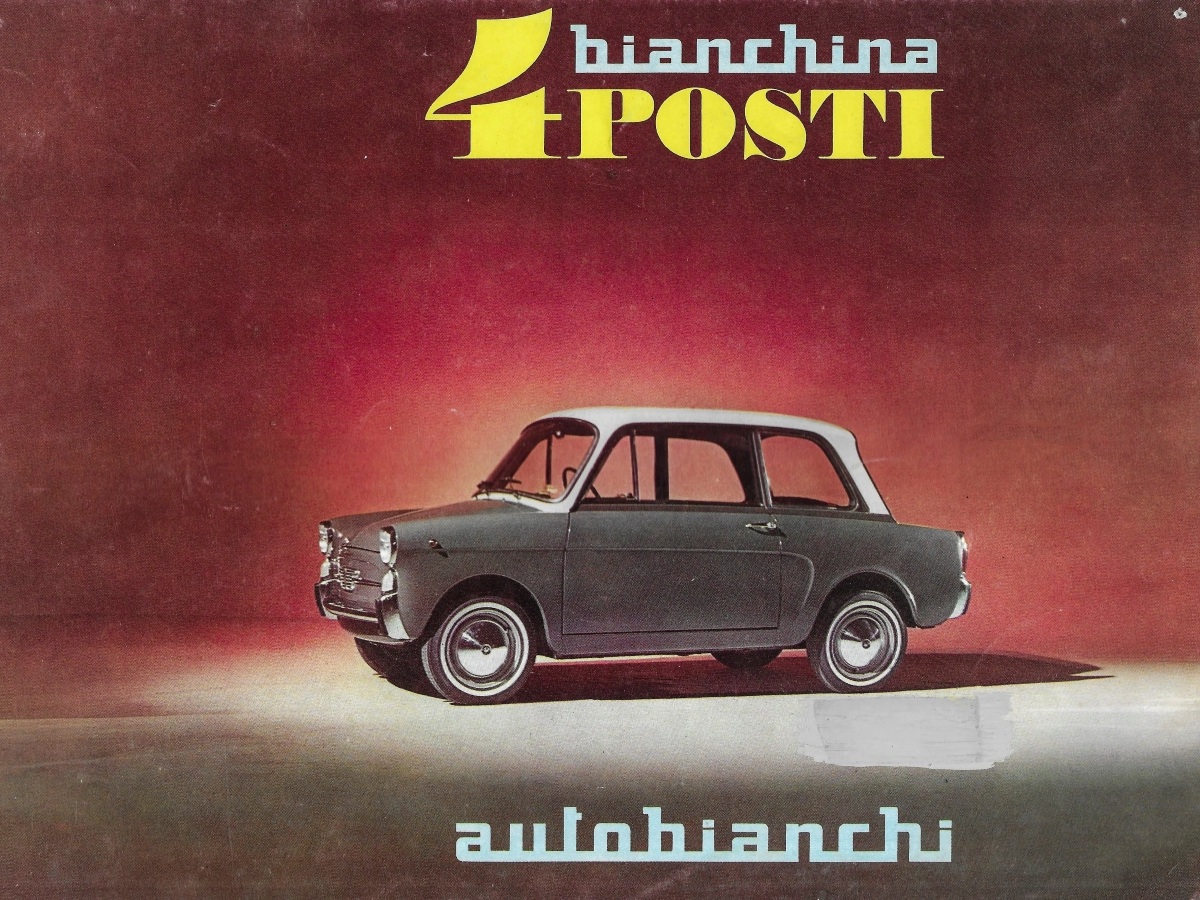
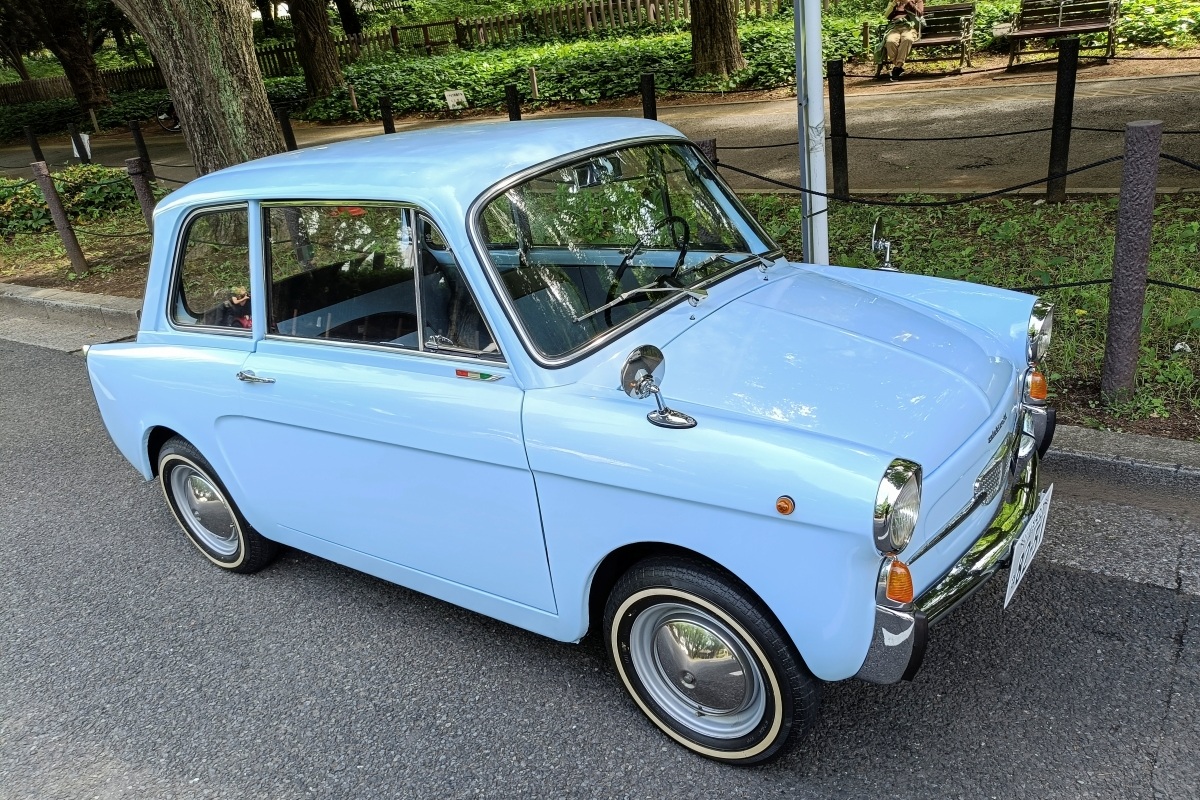
In the spring of 1962, the final member of the Bianchina family joined the range, the 4-posti berlina. Essentially, this was a cabriolet with a square roof, specially designed to eke out every centimetre of cabin space from the Fiat 500 platform (in standard 184cm wheelbase guise, the wagon / van boasted an extra 10cm between the axles). In so doing, the 4-posti elbowed out the Trasformabile and ended up having quite a bit more success, thanks to the four-seat layout.
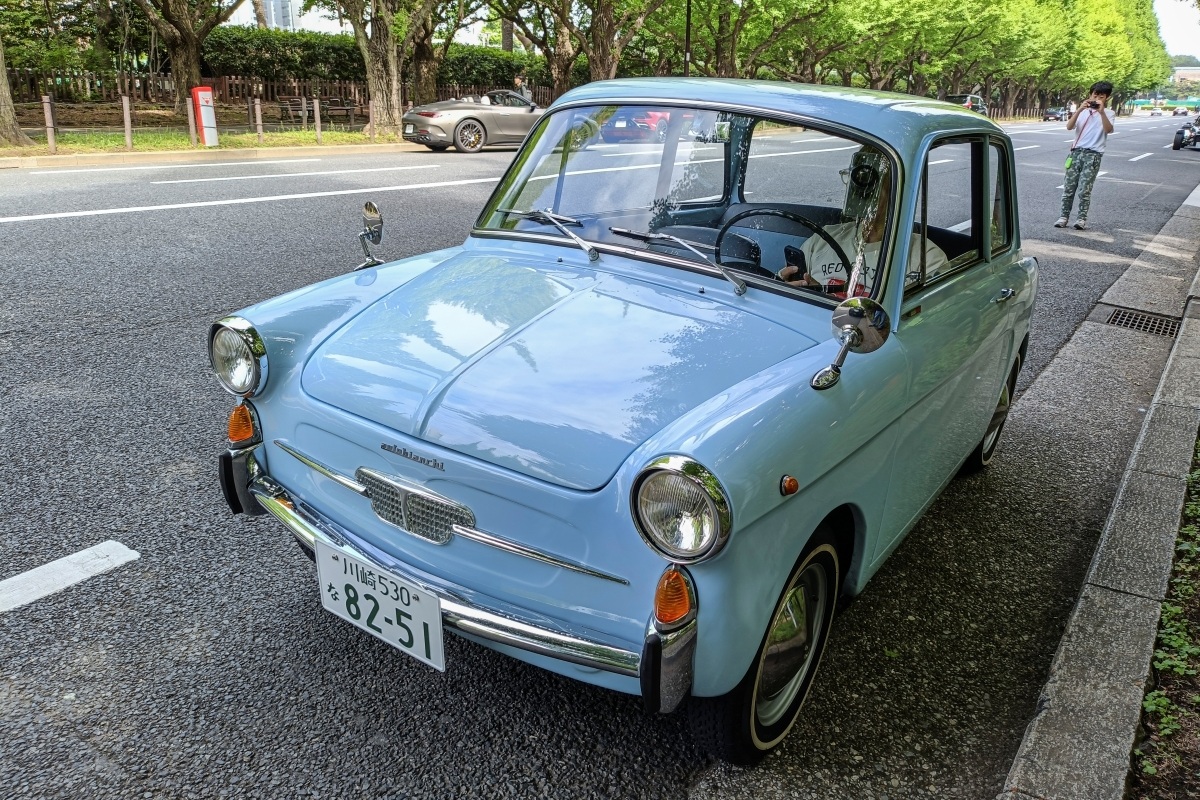
Like the other Bianchinas, the 4-Posti was designed by Luigi Rapi, then head of Fiat’s Centro Stile.
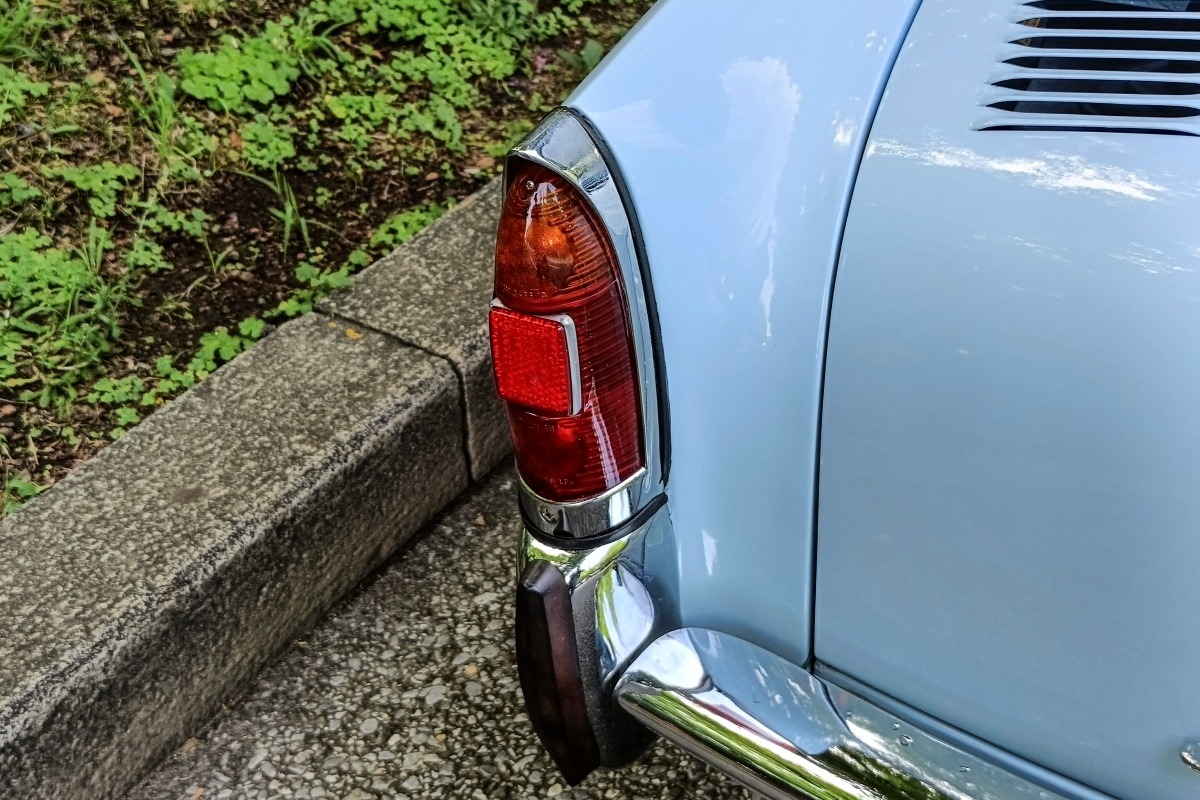
The addition of the trendy little fins was perfectly in-tune with trends in 1960, but did not necessarily age very well. Certainly by the mid-‘60s, the Bianchina would have looked a bit passé compared to, say, a BMC Mini or a Renault 4.
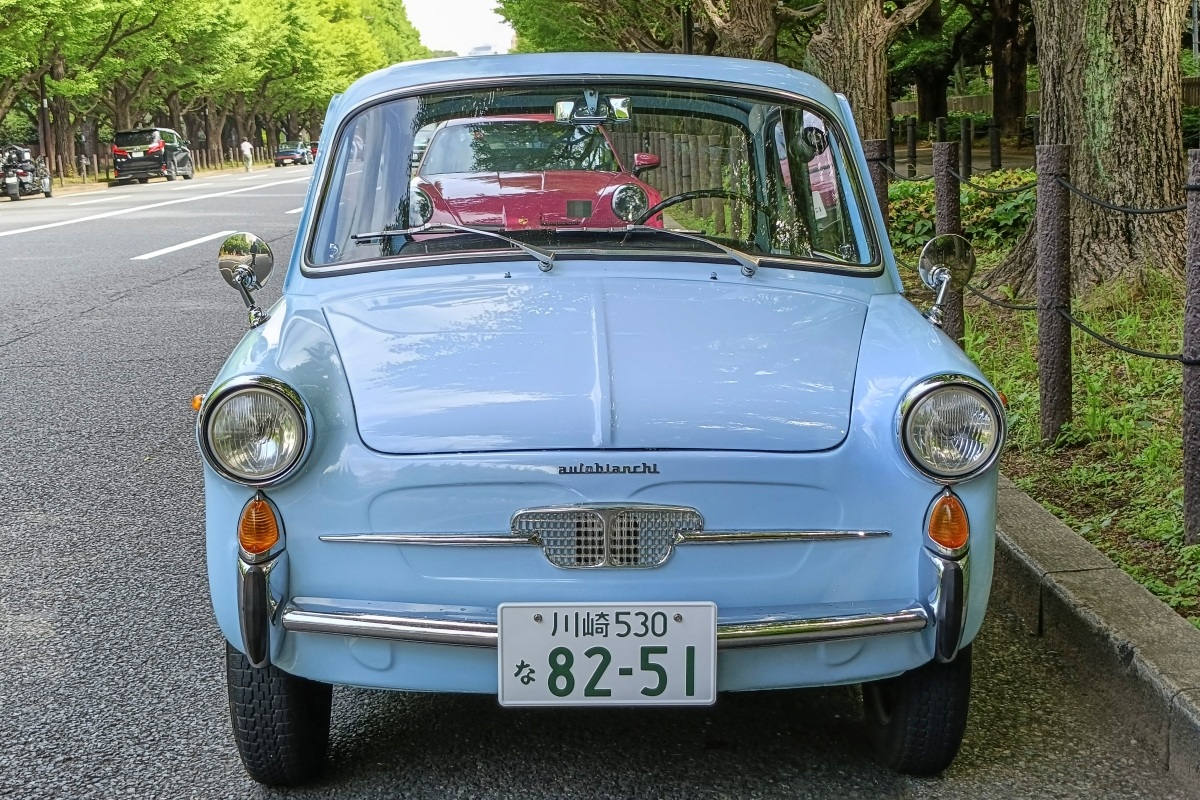
Of course, at the lower end of the market, up-to-date styling was not seen as important (see the 2CV or the Beetle), but Autobianchi’s whole shtick was to be a tarted-up Fiat, so they had to be a bit more fashion-conscious than most of their peers. And Rapi’s ornate yet tasteful treatment of the Bianchina made for a pretty result, perfectly in keeping with the brief.
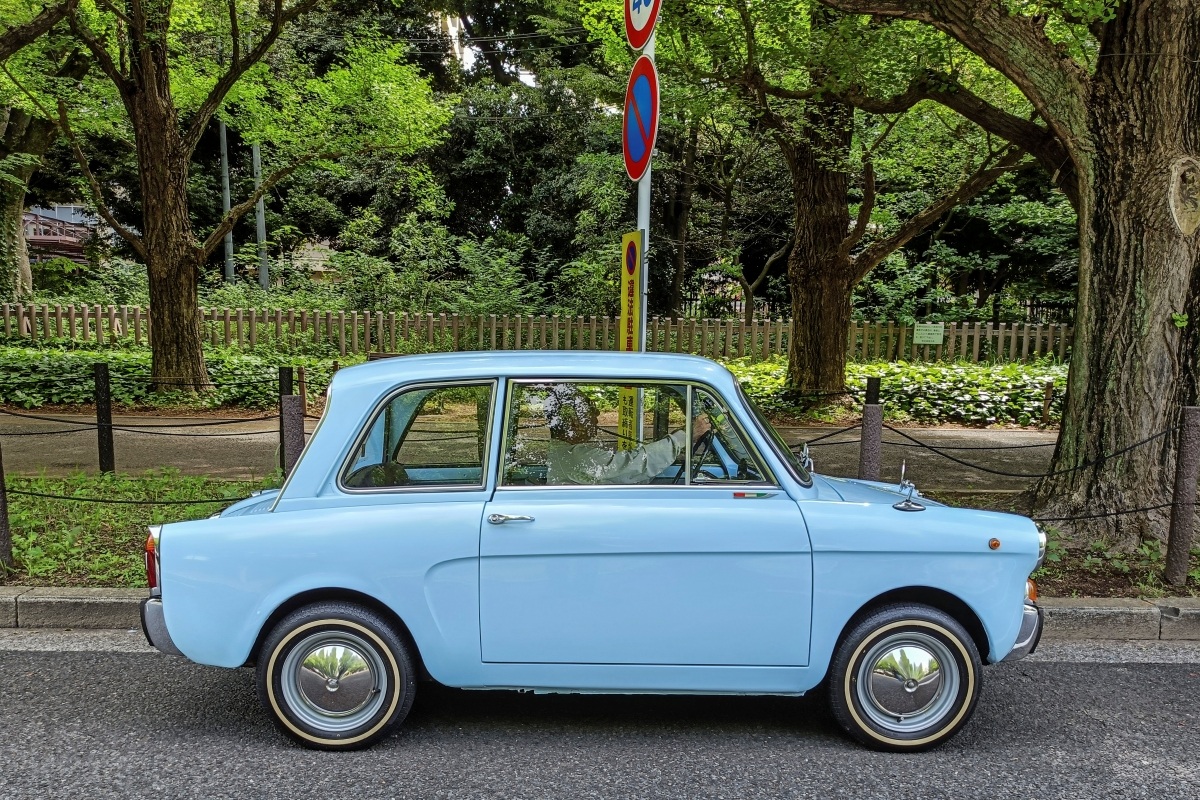
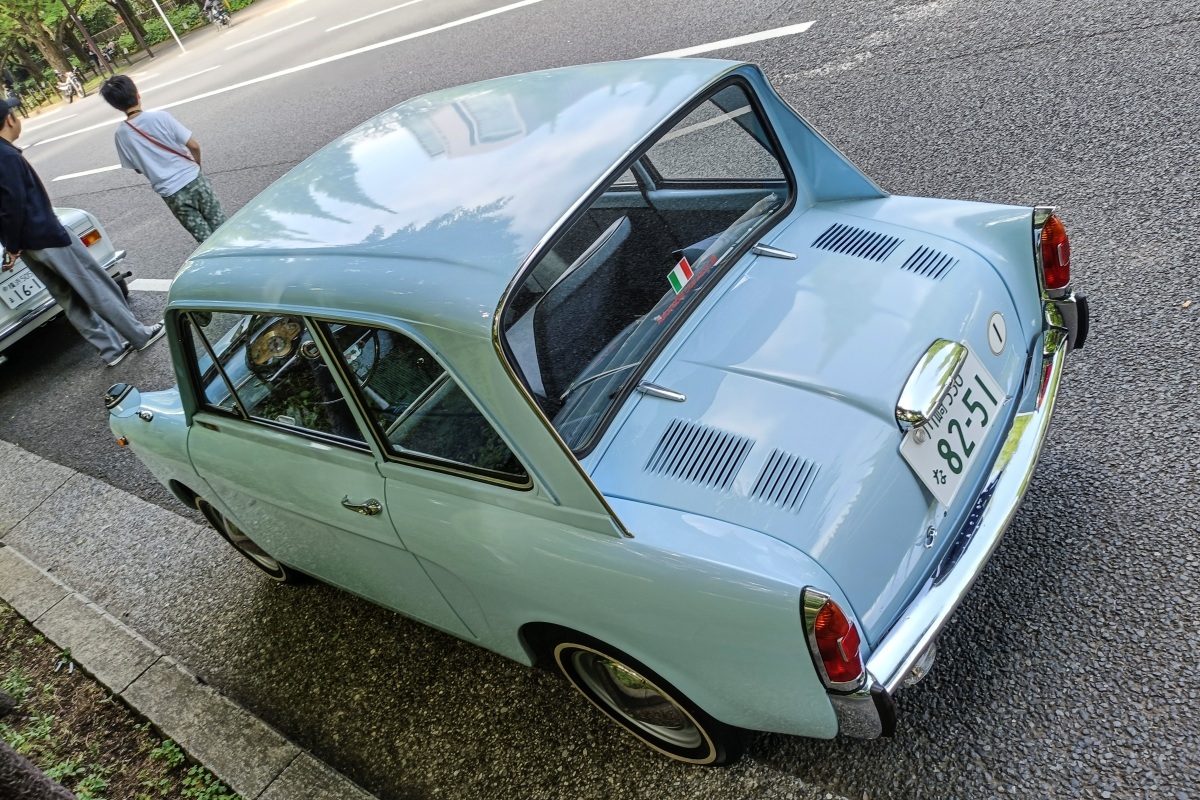
The boxiness was in stark contrast to the bubbly and chubby Fiat 500. Again, this was both deliberate from an image standpoint and useful for passenger space. The Bianchina even features a rarely seen item (in saloons of the period, certainly) in its bolt-upright backlight, cleverly disguised by the C-pillar.
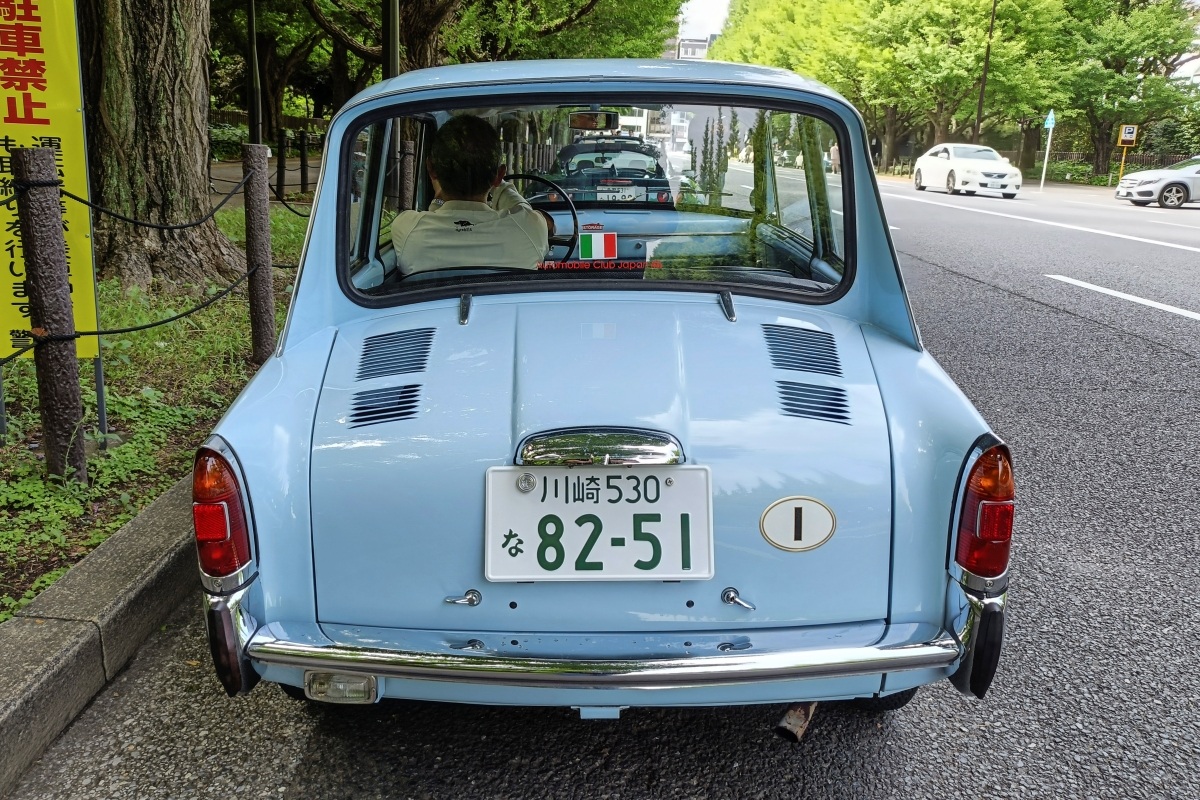
It sure makes for some of the best rear vision available on any car – the exact opposite of the claustrophobic rear ends of today’s cars, or of the streamliners that preceded this Autobianchi in the ‘30s. Just because you have an engine in the back doesn’t mean it has to be impossible to see anything behind you (looking at you, Tatra…)
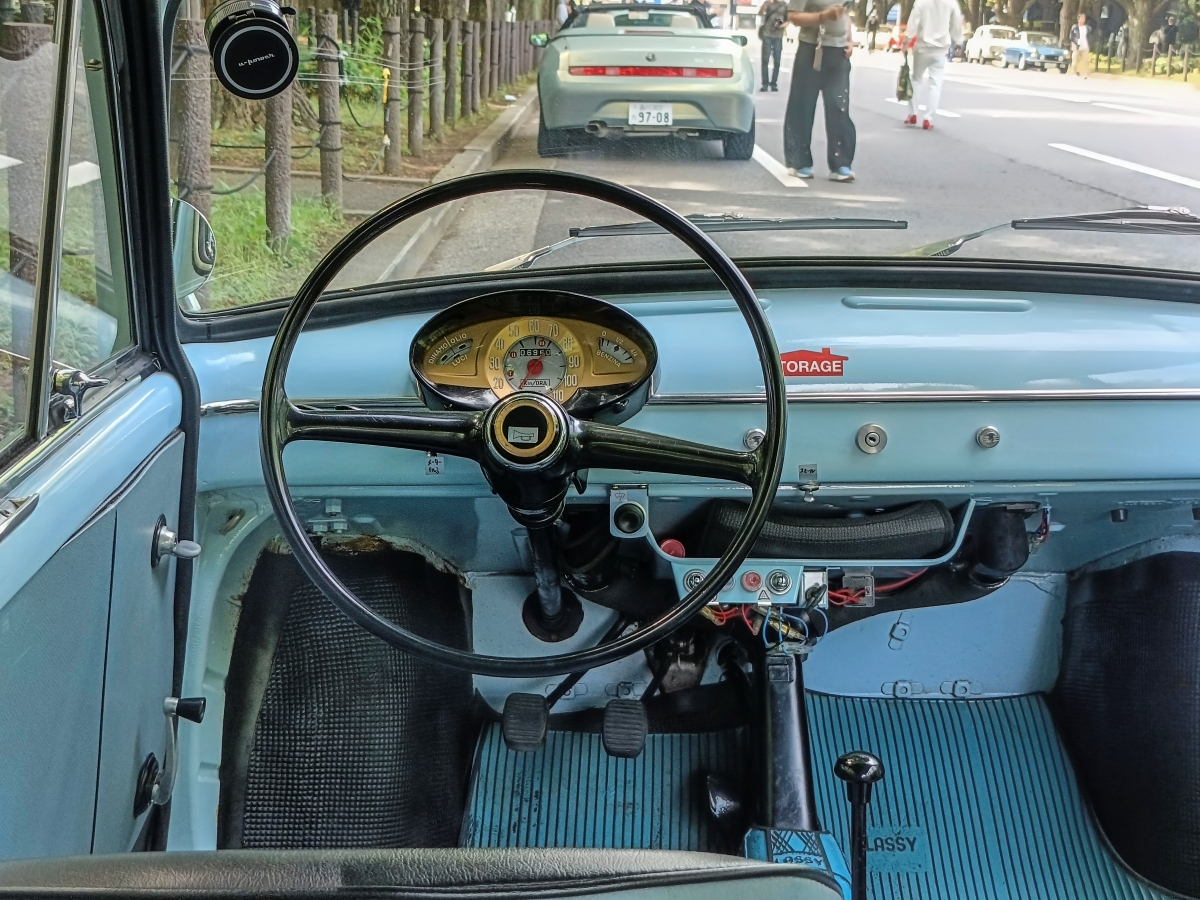
There were two trim levels on offer for these – Standard and Special. Even for a Standard, this one is missing some of its interior trim. Specials had more elaborate interiors, two-tone paint and a slightly more powerful engine, but were quite a bit more expensive and thus sold rather poorly.
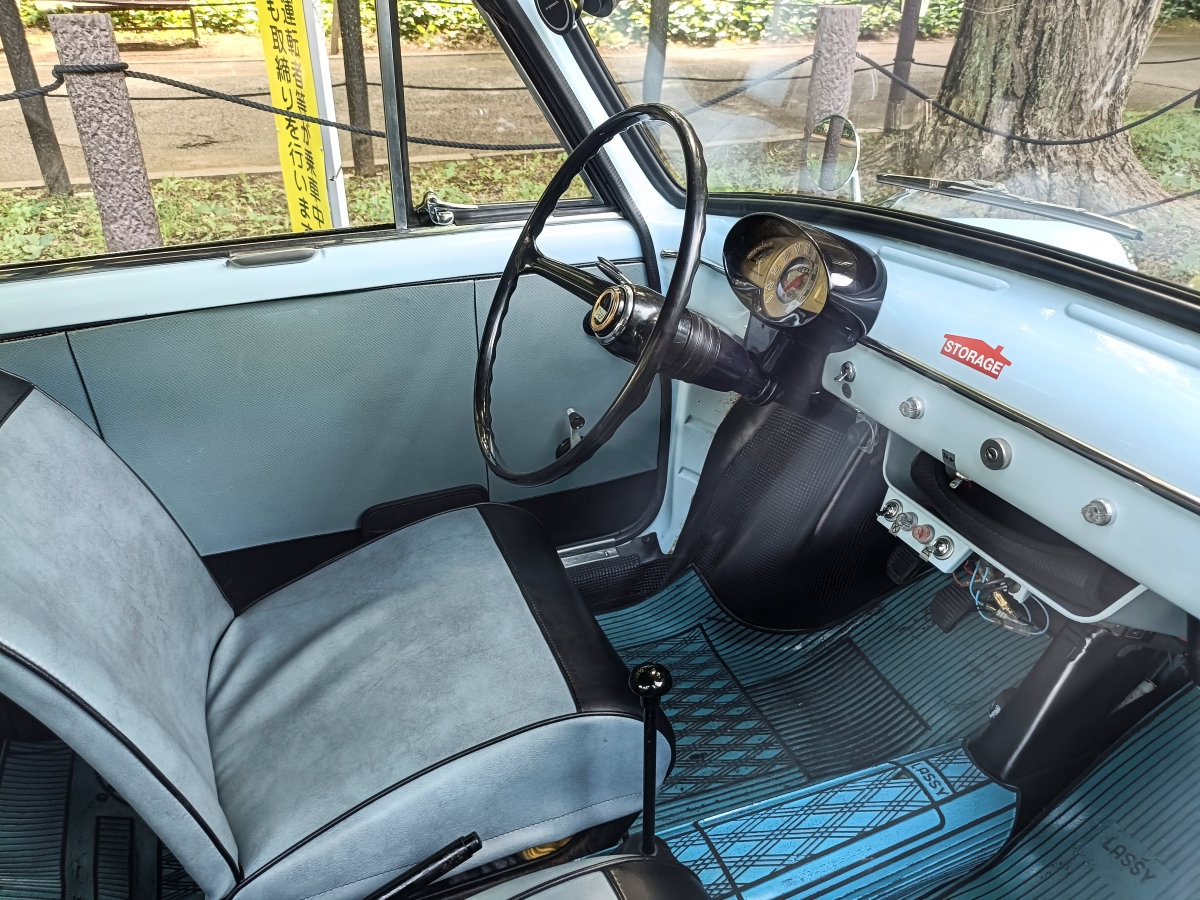
Speaking of, the motor sitting aft of the rear wheels is the famous Fiat 449.5cc air-cooled parallel twin, which by this time produced 18hp (DIN). So it was important for the living quarters to be comfortable, as one was likely to be spending quite a bit of time in there.
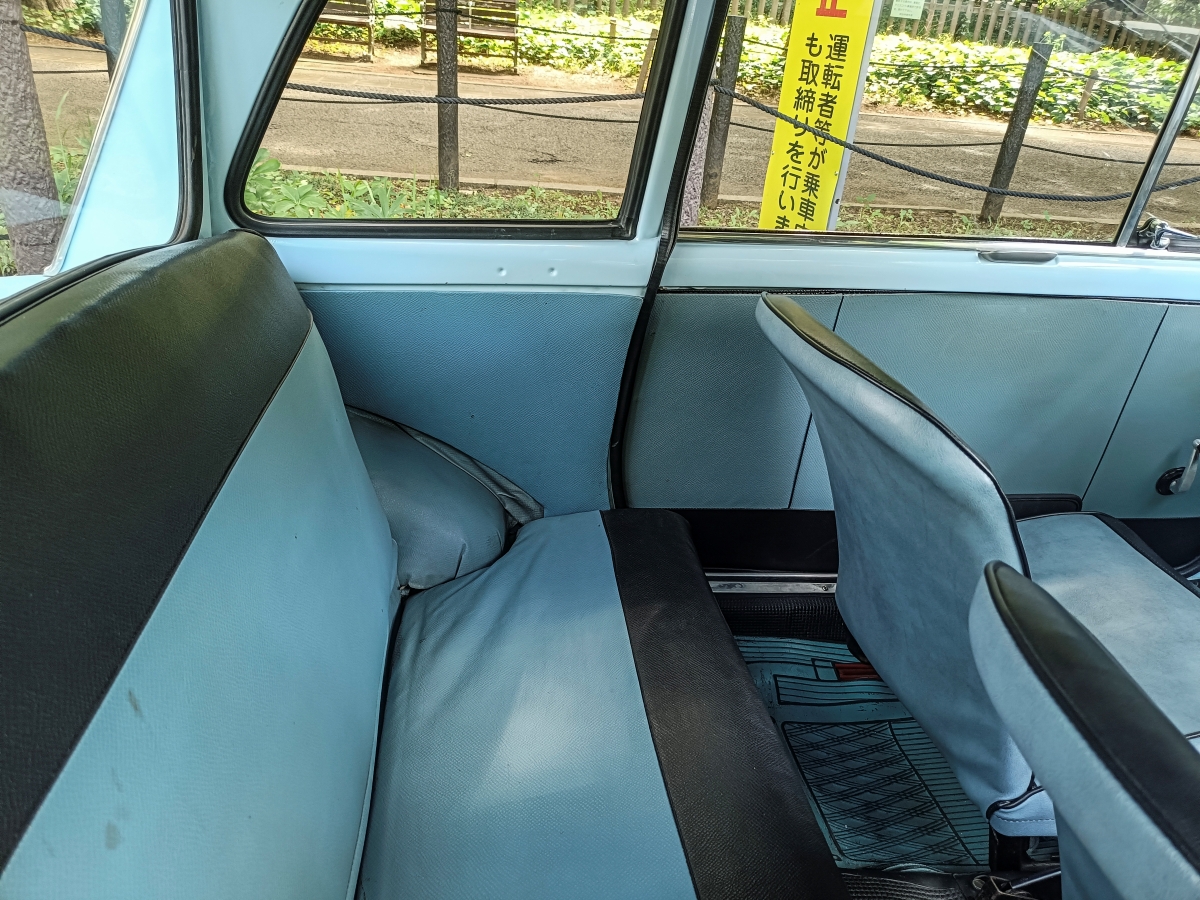
The back seat is almost human adult-sized. Well, 1960s Italian adult-sized, in any case. Quite a feat, given the car’s overall dimensions: just 302cm (119’’) in length (that’s for the whole car, not just the wheelbase), 134cm (52.8’’) wide and an almost identical 132cm tall.
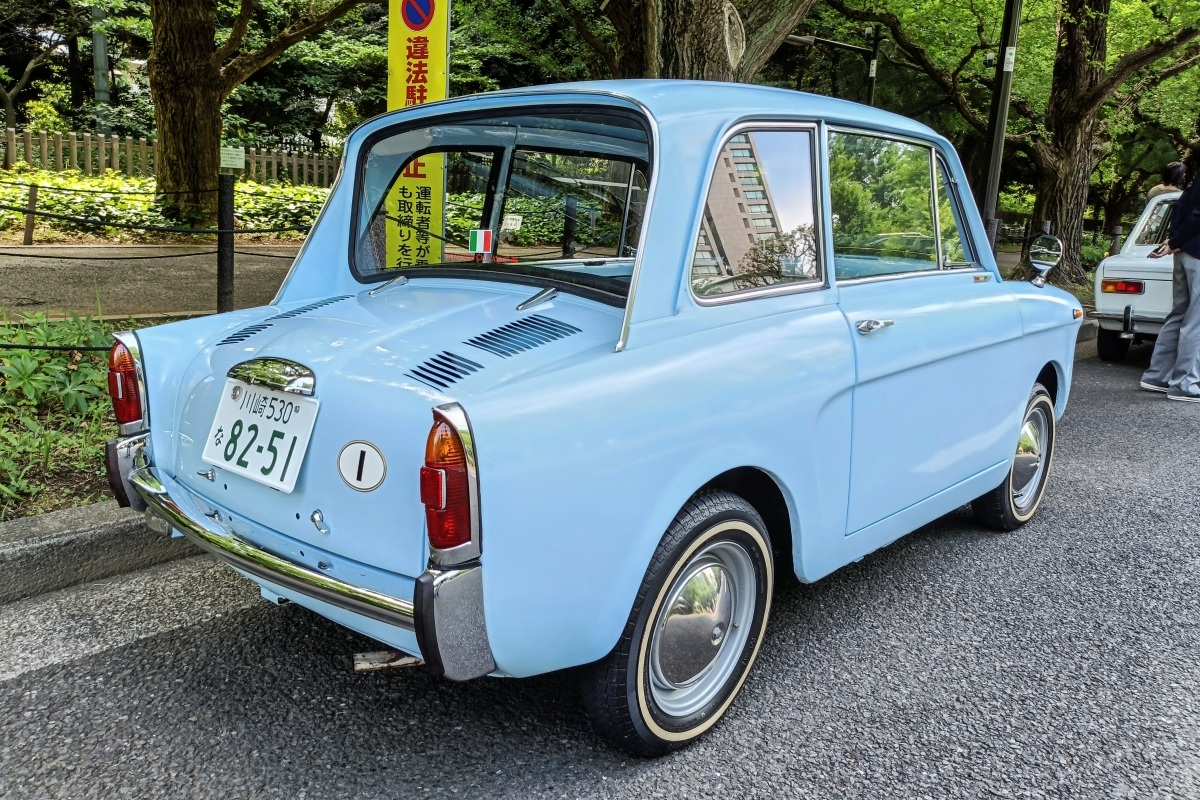
The Fiat 500 was exported far and wide, and even locally assembled in several European countries. The Autobianchi, being a more niche product, was less widely seen abroad, but it still had a fair amount of success overseas, particularly in neighbouring France. Over there, the car was deemed both chic and practical for urban use – the same cocktail that made the Mini such a hit there. But there were quite a few other options on the table at this price point. Let’s take a look at how it fared in context.
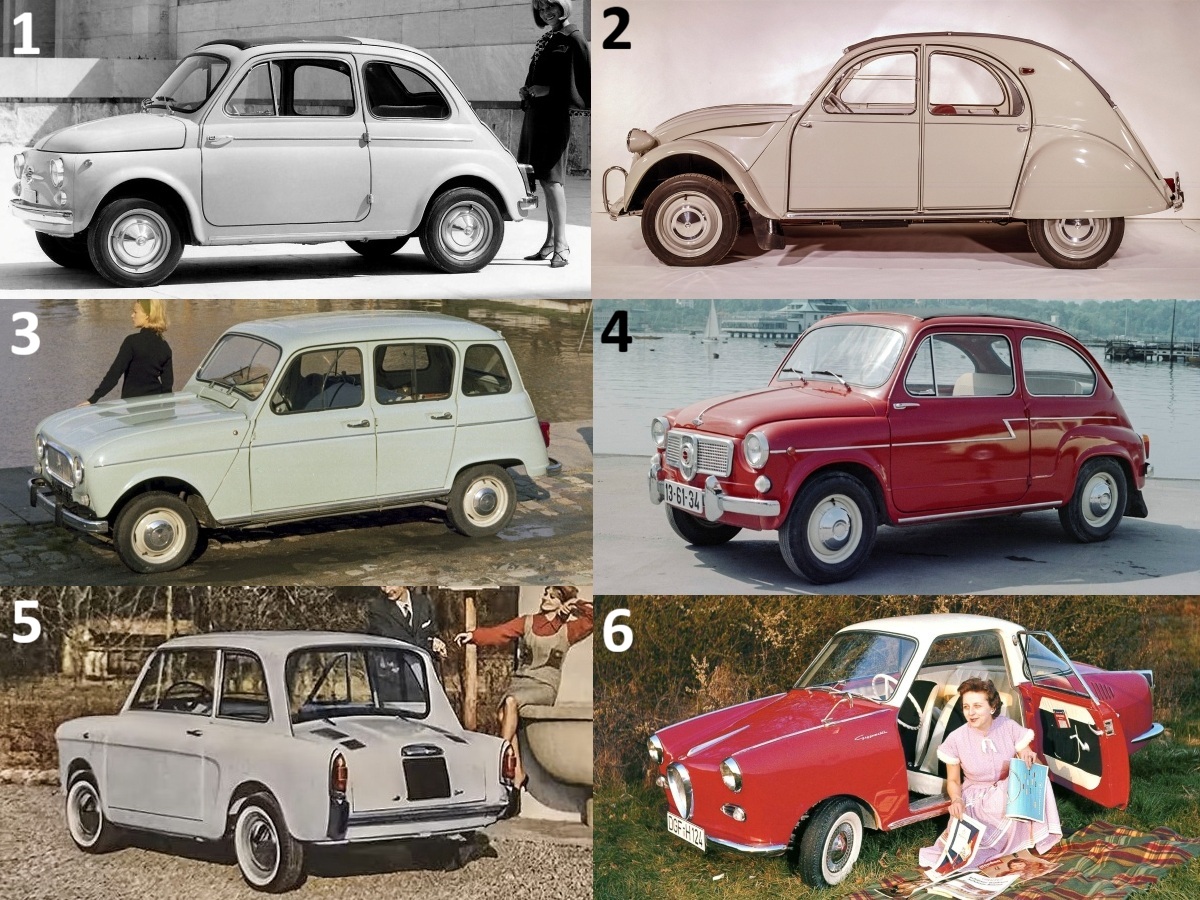
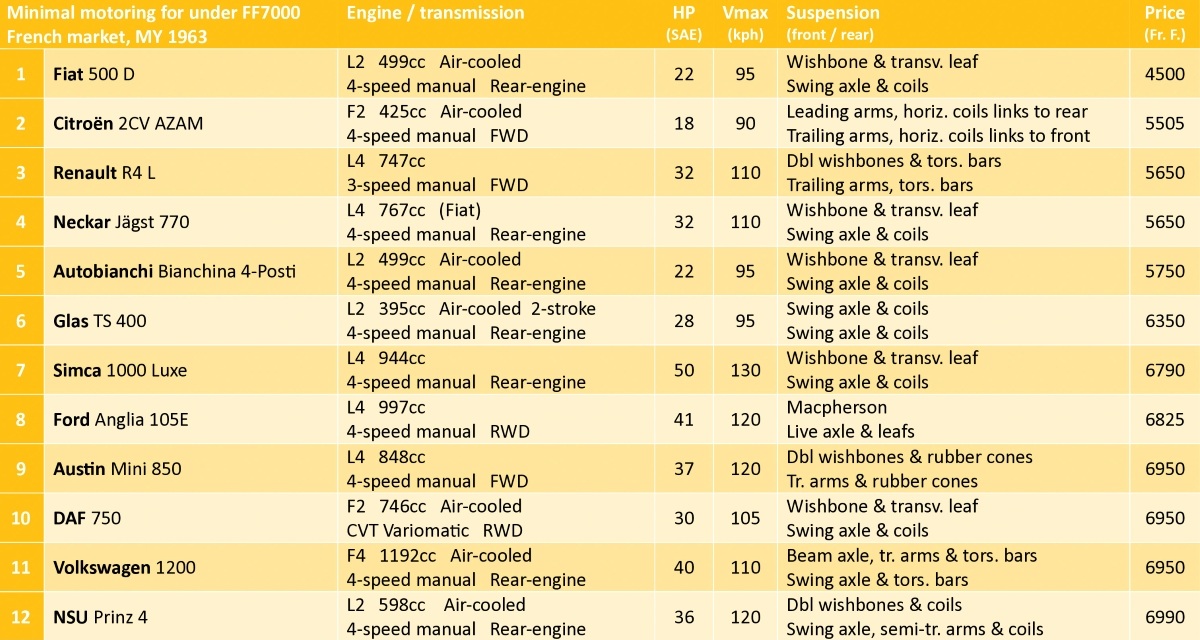
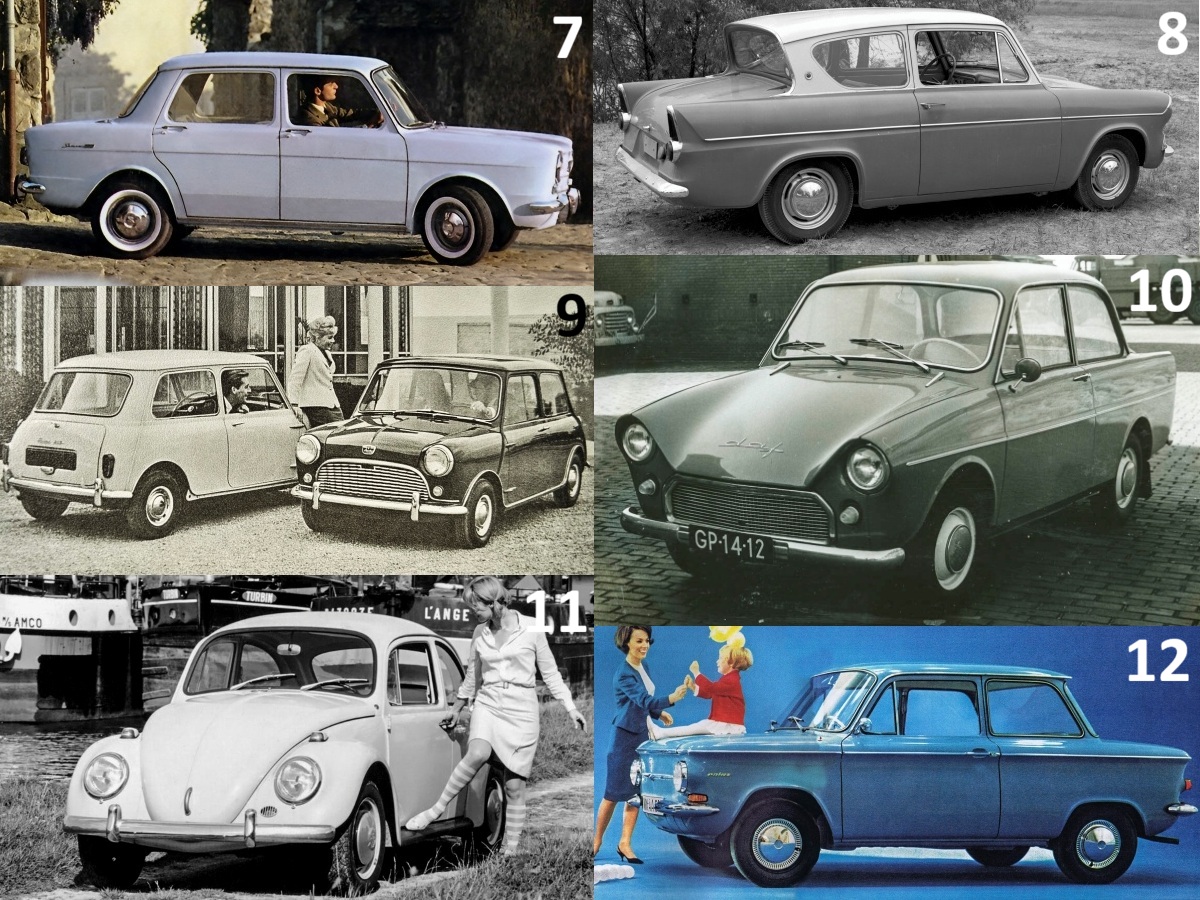
If you include the Simca as a member of the Fiat family (which it very much was, under the skin), the Turin giant had a lot of the lower end of the market under its spell. Of course, Renault and Citroën had their iconic takes on the popular car, which was a completely different approach. The VW and NSU cost a bit more – close to the price of a nicely-trimmed Aronde or a Panhard, but with built-in quality not seen in most of the rest of this table. The car that was closest to the Bianchina in spirit was probably the Glas, but it was just too odd (and cramped) to be a serious rival.
Autobianchi in the ‘60s had a clear-cut mission and it stuck to it. It was a luxury alternative to the proletarian Fiat 500 and, just as importantly, it served as the experimental division. Fiat tried their hand at GRP bodies with the Stellina and at FWD with the Primula, both marketed under the Autobianchi marque. The Primula was a sales success and was the basis for the future of Fiat, whereas the Stellina was a failure. But because it was an Autobianchi failure, damage was limited.
In 1965, a very minor facelift was granted to the Bianchina range to celebrate the fact that the chassis had changed to the 500 F, which meant everyone got the 21hp engine. Bianchina saloons and cabriolets even received faux wood to dress up their dash some more. Production carried on until 1969 for those and 1970 for the LWB versions.
The Bianchina, given how modest its development costs were, was also a pretty big success. Between 1957 and 1970, Autobianchi sold over 275k of this family of cars, including just under 70k of the four-seater saloon seen here. The one that really sold well was the Panoramica wagon – at least 160k units for that one alone. Incidentally, Autobianchi inherited the whole production line for these, manufacturing all LWB Fiat 500s until the model left the range in 1977.
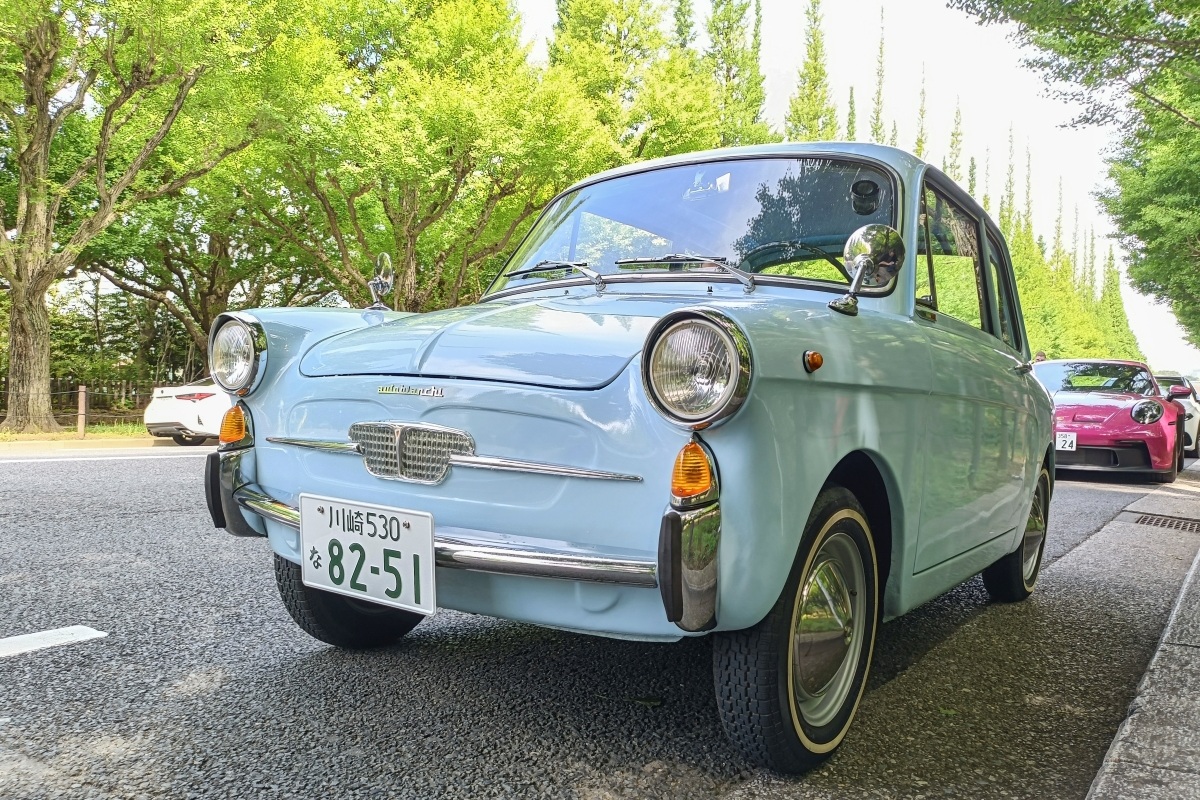
I’m almost shocked that this is the first Bianchina I’ve encountered here. It is difficult to imagine a car that would be better suited to Japanese road conditions and tastes. Instead, the Fiat 500 (both the newer one and the ‘50s model that begat this Autobianchi) are seen in throngs, leaving only the true cognoscenti to recognize this 4-Posti for what it’s worth. A little lipstick goes a long way.
Related posts:
Cohort Pic(k) of the Day: 1964 Autobianchi Bianchina – A (Literary) Bridge Too Far, by PN
Cohort Capsule: Autobianchi Bianchina Panoramica – Hey! Look At Me and Not That BMW!, by PN
Automotive History: Italian Deadly Sins (Part 1) – Autobianchi A111, Who Do You Think You Are?, by T87









That is kind of a cute little car, but boy does that interior look like it would be one of the most uncomfortable ever. I’d think it would be good mostly for just short city driving.
lolol It does look like it would be in a “60’s,Trabant”
So cute! Its main selling point “4-Posti” was very significant, as the original 500 was not a four seater at all. Its vertical twin engine and sloping roof intruded too much in the rear area, so all it had was just a little platform or padded base that kids could ride in. That really did make the Bianchini relevant, although the Fiat 600/770 seems like it would have offered more room and performance for about the same price, but of course its styling was very much out of date. Not cute.
Someone in France looking for a family prime mover would likely have ended up with the Renault 4 which looks like a lot more car both in terms of power and what it could carry.
My thoughts exactly, seems like the obvious choice from the lower-priced half of the table at least
I’ll be third one to say “cute”. I mean, the original 500 Topolino and the rear engined 500’s are also cute, but this takes cuteness to a whole new level. As for the Bianchi bikes, as an avid mountain and gravel biker Bianchi’s are mostly off my radar, and I realized I haven’t noticed any Celeste green Bianchi road bikes recently either. So I got curious, and learned that the bike company has been privately owned by a Swedish investor for several years. They still have design and HQ functions in Italy, and have actually brought some manufacturing (carbon frames, not just final assembly and decals) back home as well, but like so much of the bike industry today, it’s part of a private conglomerate and most manufacturing is in Asia. But they don’t seem as popular in the US as 50 or even 20 years ago.
Oh that’s cute! I can identify with the “STORAGE” decal on the dash, not sure what it means to the owner but whatever old car I own tends to attract boxes and becomes storage during the winter.
Those side coves are giving off a Studebaker vibe.
Just figured this out. Topo in Italian is Mouse in English.
Topo Gigio would have been proud of this car.
“T/G” was/is a big fav!!! He was priceless.
It looks like most of a Hillman Imp in profile. I’ll refrain from using the word ‘cute’. Oops. Damn!
That car, #”12″, in the list; “Prinz”, I believe, looks like a “Corvair” got wet and shrunk.
Cute # 4 ! Found this one in Cividale del Friuli this past February. It was my highlight of the day trip to this picturesque historic city.
Photo second try
From two busloads of day tripping cross country skiers, a handful of curbivores surrounded the little grey mouse. It’s owner appeared, happily opened the engine compartment. I think it contains the mighty 650 cc version of the parallel twin cylinder.
I photographed this Cabriolet in Paris in 2012. Just a month or two ago I saw on Facebook another pic of it that someone had taken recently, so it’s still a bona fide Curbside Classic
This thing must be one of the prettiest cars ever. Absolutely adorbs. I think this 4 seater looks even better than the Trasformabile, the only Bianchina I’ve seen (and in Seoul, of all places!).
So much prettier then the regular 500, which to me always looked like a peripatetic wart. More modern and much better proportioned too.
That’s a sizeable price hike over the Fiat, yet still reasonably competitive. I would think the Neckar Jägst aka Fiat 600 would have given it a hard time.
“..peripatetic wart”! Hahaha! Yes, to me too.
(Which reminds me for no good reason of the bloke who walks into the pub with a frog growing out of his forehead: the barman says “Blimey, mate, how’d that happen?” And the frog replied “Well, he started off as wart on my arse.”)
I would have to guess this was imported in recent times as a collector car? I suppose in Japan it would’ve been a hard sell compared to a similar but likely much less expensive Mazda Carol.
He leído en los road tests de todos los paises del mundo que : conducir esta categoria de microcars requiere mayor pericia y expertise que conducir un Cadillac Seville, porque los requerimientos y la “respiración” de un vehiculo de 499cc implica saber en qué consiste seleccionar la caja de cambios respetando las rpm con verdadero entendimiento de su mecánica
The ‘celeste green’ color ,a blend of sky blue, turquoise, and mint green would suit it well, paired with Campagnolo Ragno magnésium wheels.
What a sweet little delicacy this is! I think I had one wrapped in lace on my table-place at an Italian wedding once. Lovely.
As mentioned by Mr Wilding above, it has especial appeal if one does not like the appearance of the 500, which I do not (and which, being uncouth compared to him, I would describe as a homeless haemorrhoid, but I digress). Who knew what a good haircut and a new suit could do for it?
Still has that detestable paintshaker of a powerplant, mind, so the pongy original lurks close below.
Wow – what a surprise to see this from Japan!
I’m getting huge Rootes Group vibes from the style – the roofline looks Minx series 6, Superminx etc, the front could be earlier Minx, the convertibles’ side stripes are spot on for the Singer Gazelle, the rear lights etc etc etc. The mention of faux wood just adds.
Adding the Hillman Imp to the comparison list would have been valid from the UK perspective.
Cute until you try to sit in it, and realise how much taller and wider people are than we were 60 odd years ago
I wonder how well I’d fit at 6′ tall .
It is good looking to those who like tiny cars .
-Nate