
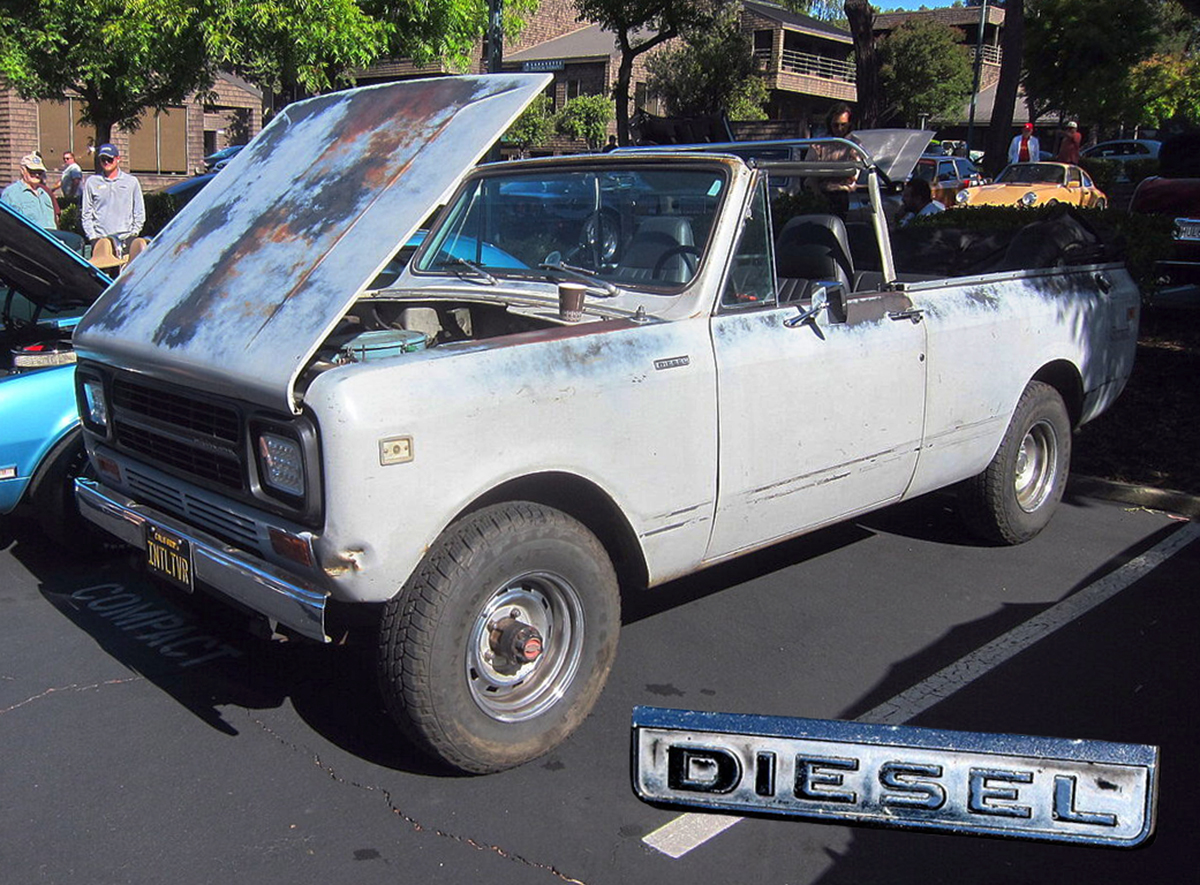
I’d never been to this Cars and Coffee car gathering in Lafayette, barely ten minutes from home, partly because I didn’t know it existed and partly because it’s usually at 8 a.m. Sunday start. But a chance exchange of online comments with a fellow USS Hornet volunteer finally gave me the nudge I needed to go. Upon arrival, I spotted several classics in the terraced parking lot. Then, I noticed a rather intriguing one: a 1980 International Scout II Traveler with its original Nissan-sourced turbodiesel engine. The turbodiesel was offered for just one model year, making this an especially interesting find—and a good excuse to dig into how rare these diesel Scout IIs really are.
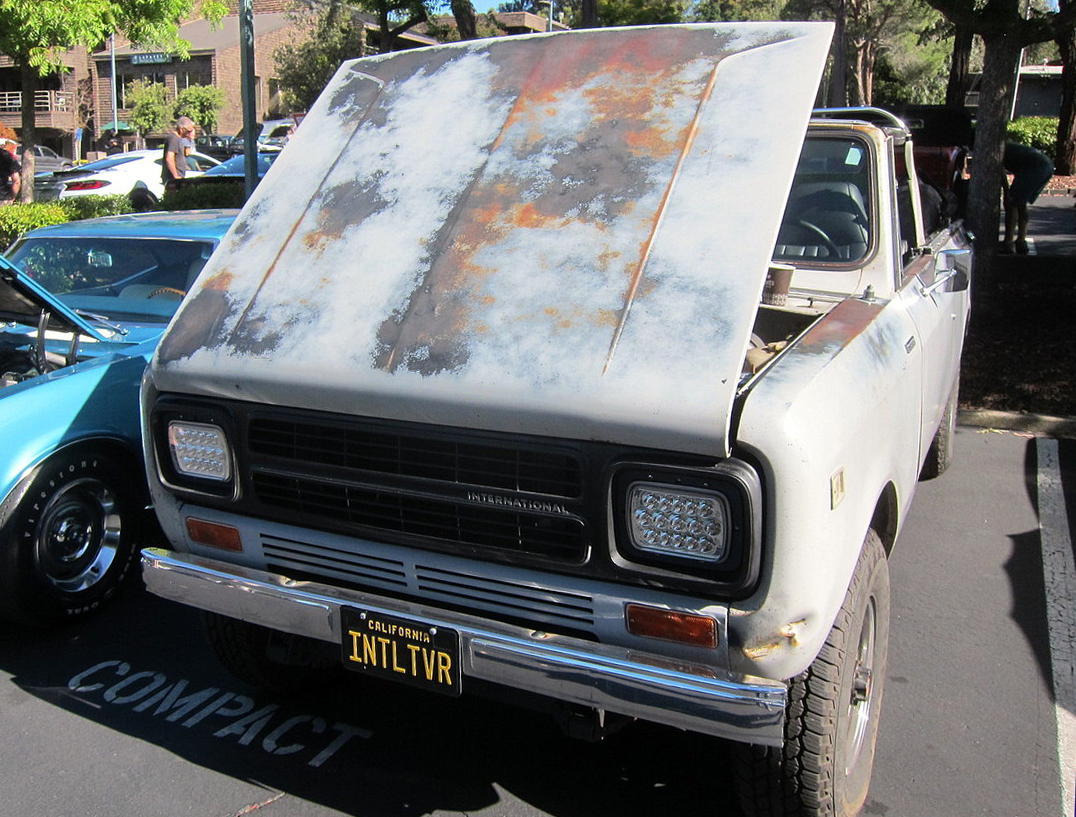
If you’re not familiar with these turbodiesels, there’s a good reason: they were offered only in 1980, the final year of the Scout II, and not in huge numbers even then. Still, the Nissan-sourced engine has acquired a certain following among Scout enthusiasts. Even Paul has mused about them and even desired one back in the day. So finding a turbodiesel still in its original home is quite a treat.
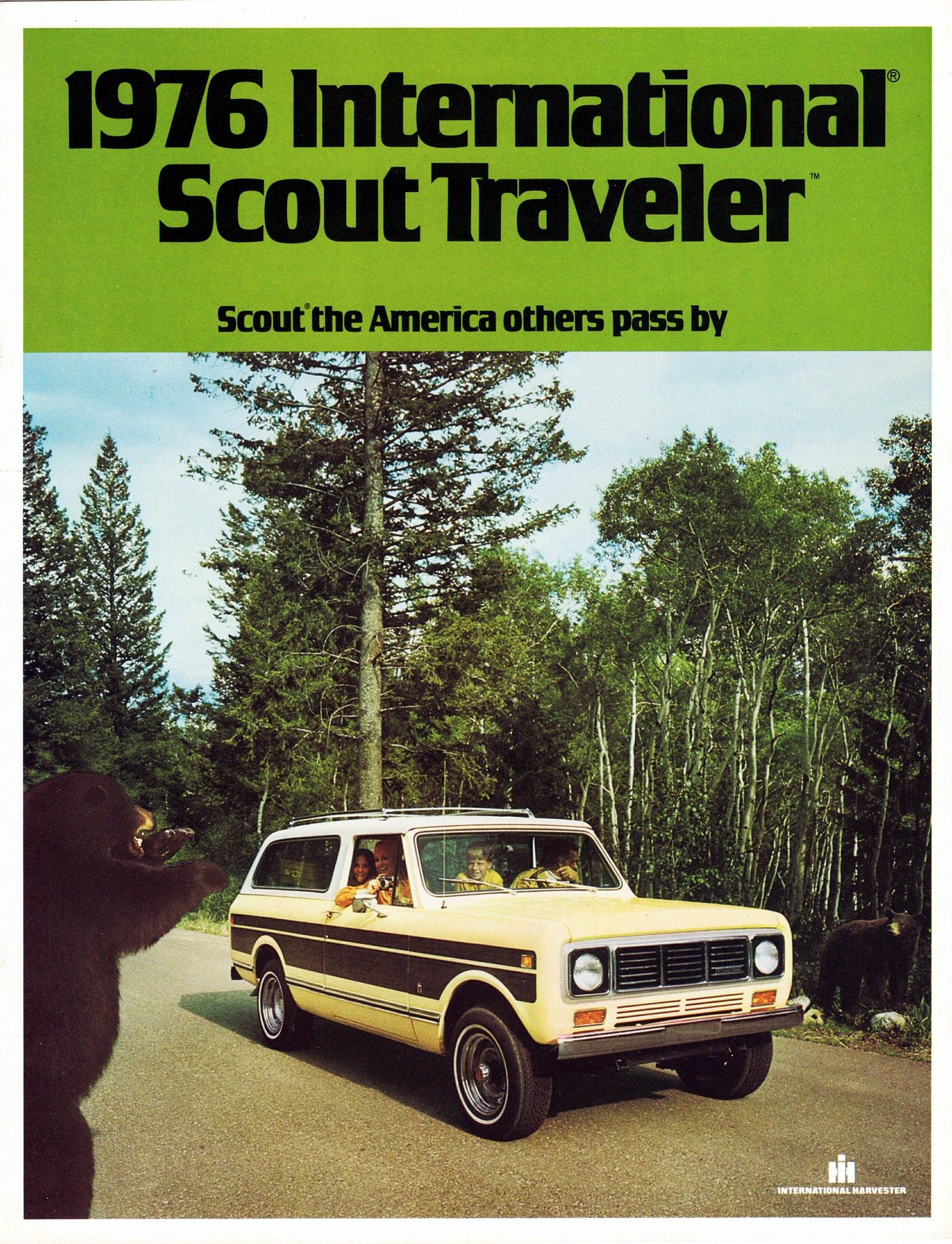
First, perhaps we should talk about what we’re looking at. The Traveler was the long-wheelbase version of the Scout II, introduced in 1976. It was 184.2 inches long on a longer 118-inch wheelbase, versus 100 inches for the Scout II, with a removable full-length fiberglass top and a rear liftgate. It was sort of a replacement for the earlier four-door Travelall, and could be fitted with three-row seating.
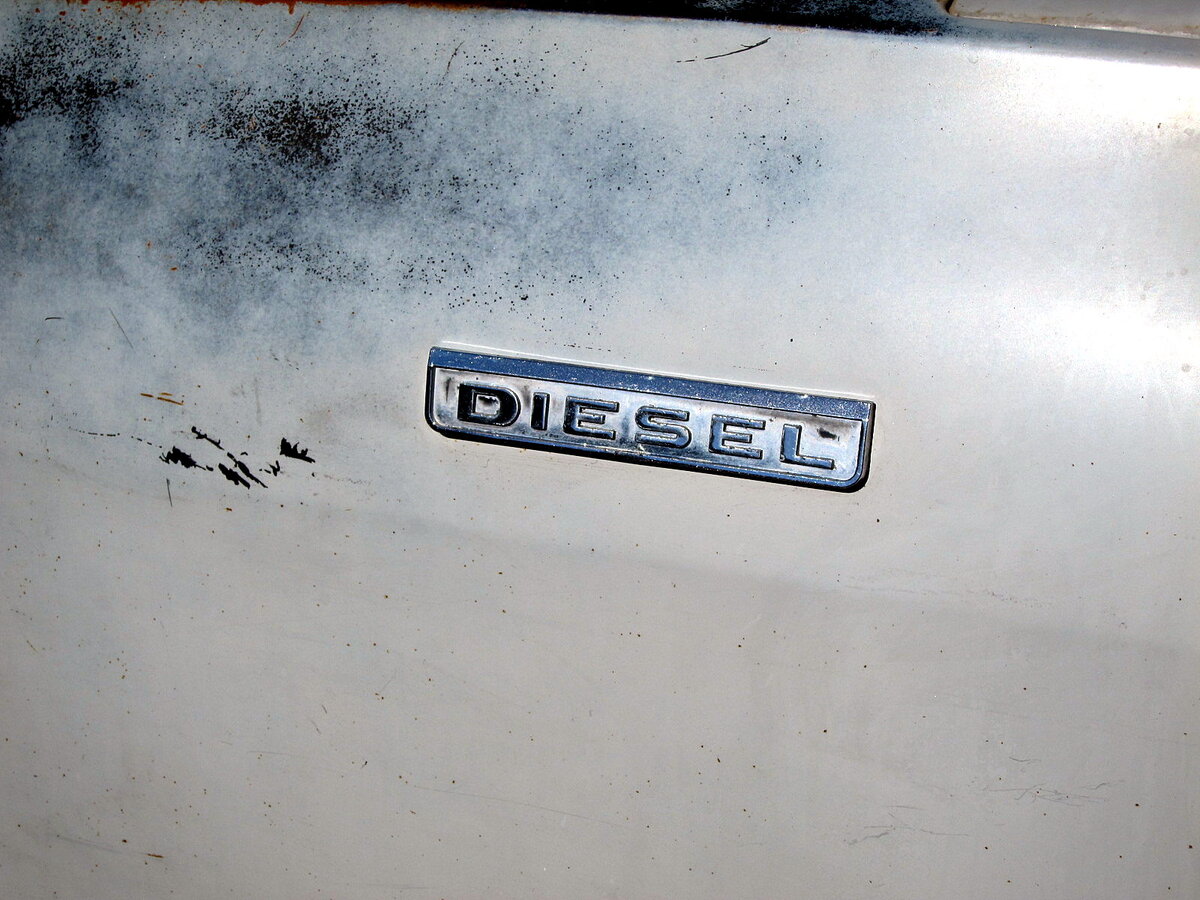
International Harvester (IH) was the first domestic truck manufacturer to offer a diesel in this class, beginning in 1976 (though before that, the Jeep CJ-5 and CJ-6 had offered a Perkins diesel as an option between 1961 and 1968). IH originally referred to the engine as the CN6-33, the designation used under a joint distribution venture between Nissan and Chrysler which dated back to 1969. These CN6-33 engines were painted yellow and carried “Chrysler Nissan” lettering on their valve covers. The collaboration ended in 1978, however, and the diesel remained available afterward, just no longer under the “Chrysler Nissan” designation.
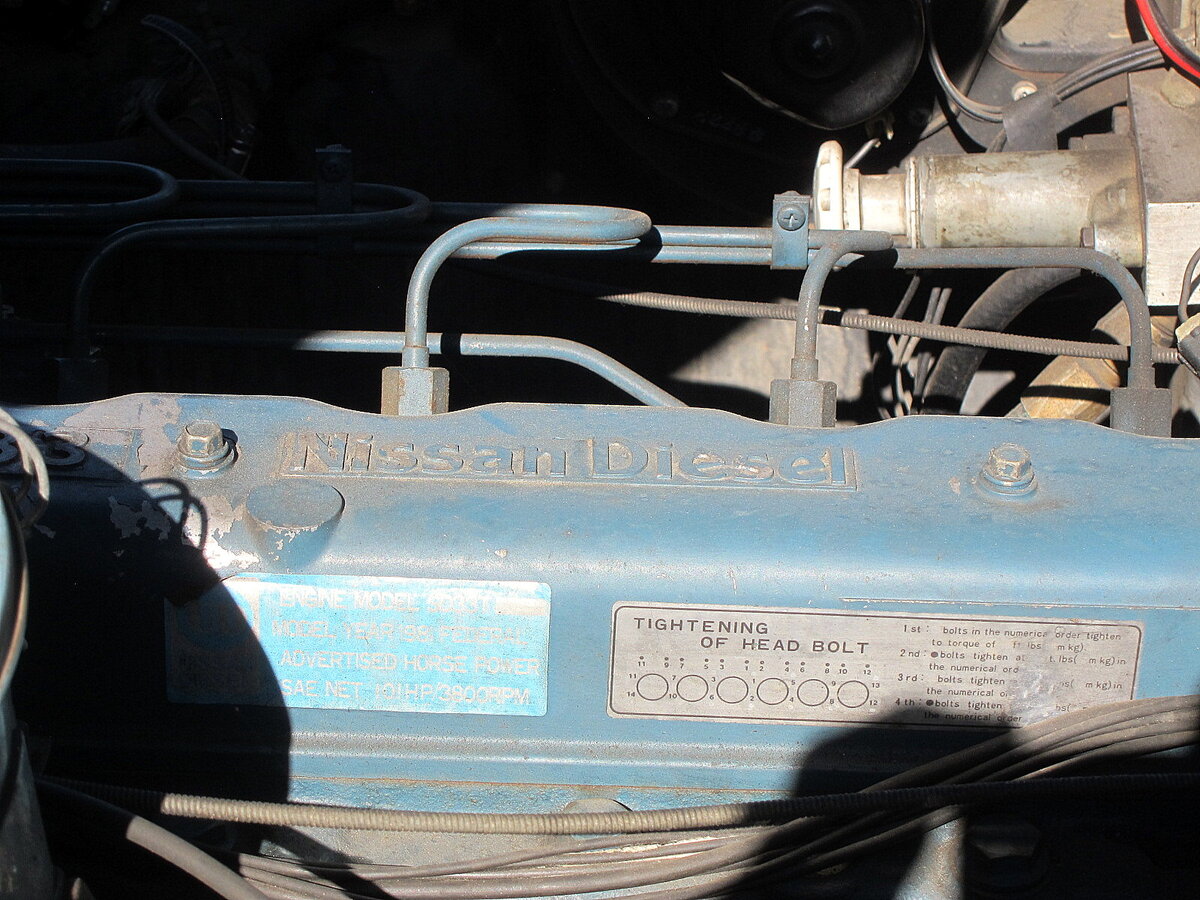
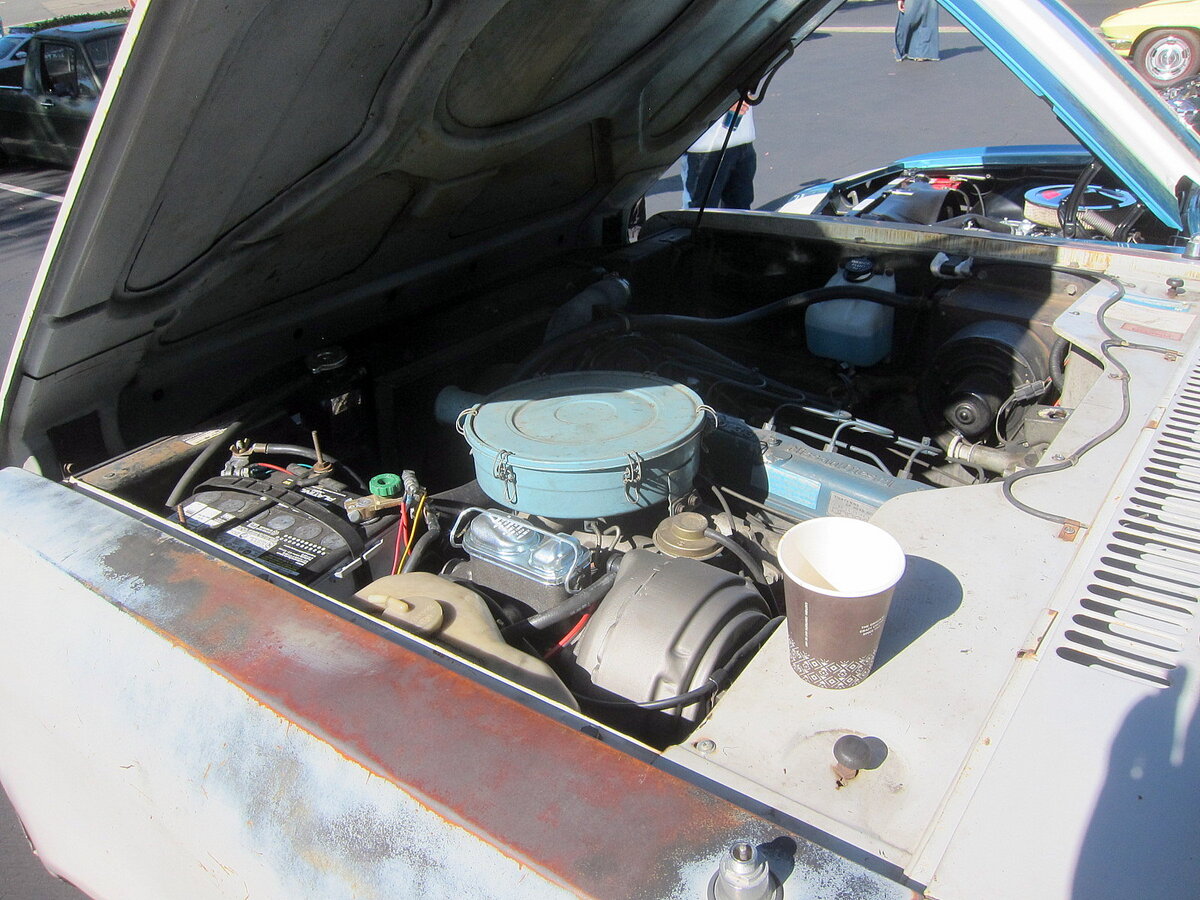
Nissan called it the SD33, and it was also used in the Nissan Patrol and in forklift and marine applications. It was a 198 cid (3,245 cc) six, and the normally aspirated IH version originally had 92 hp and 137.5 lb-ft of torque. It was a very expensive option (Popular Science said over $2,200, and Kiplinger’s Changing Times had the 1977 price at $2,643), so it wasn’t sold in large numbers. Over four years, IH built 4,222 Scouts with the normally aspirated diesel.
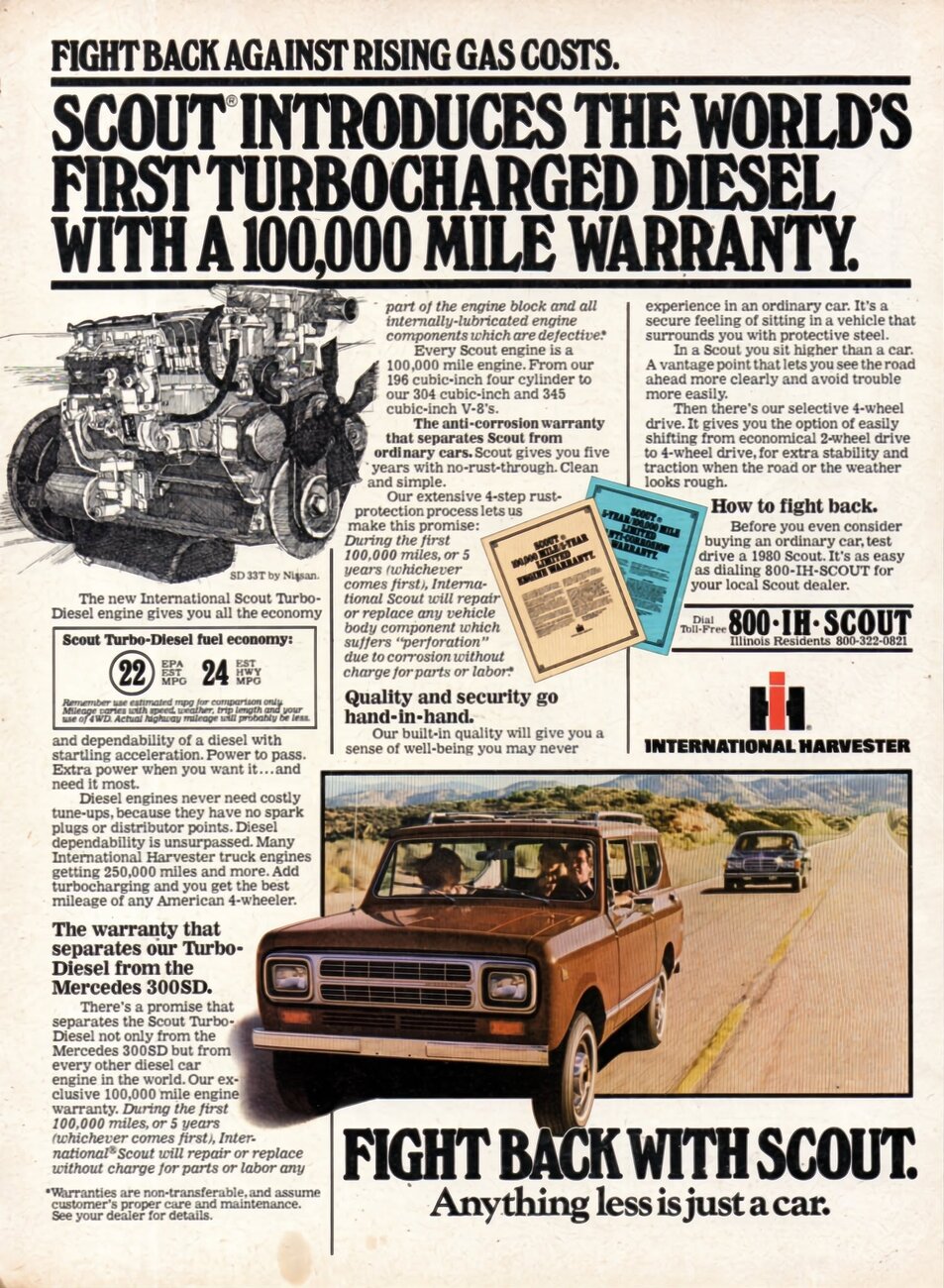
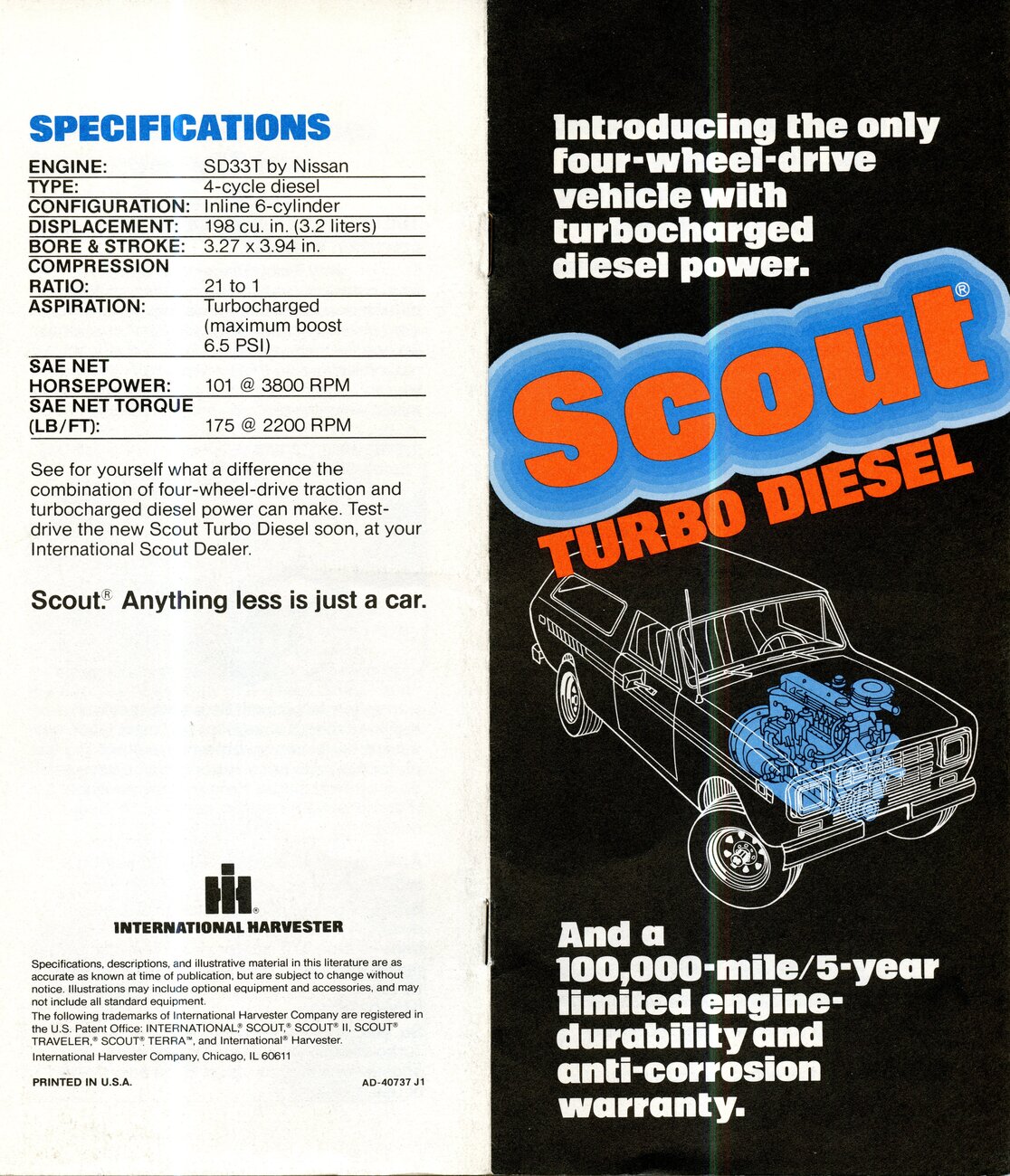
The turbodiesel, or SD33T, was new for 1980, while the normally aspirated diesel was no longer offered. The turbocharged diesel was a one-year-only offering in the Scout II, again very expensive ($2,496), with an upgraded oil system, larger-diameter crankshaft arms, a bigger oil cooler, and new piston rings. It had 101 hp and 175 lb-ft of torque.
The 1979 non-turbo SD33 had gone down to 81 hp, so the SD33T offered an extra 20 hp. It was available only with a 4-speed manual transmission. Also, for 1980, all Scout IIs were 4×4.
Truck production numbers are usually hard to come by, or just plain iffy, and Scout IIs are no different. J. “Kelly” Flory’s book puts IH’s 1980 total year production at 30,091, which sounds high, while Super Scout Specialists places the figure at 13,106. Some sources claim the turbodiesel was ultra-rare (Hemmings says 390 built), while Glancy/Allen’s Scout Encyclopedia suggests otherwise: a 5,389 unit production figure for the 1980 calendar year, with an additional 571 built in calendar year 1979. So, that would be a 5,960 total out of however many 1980 Scout IIs. I found no breakdown of Traveler production for those years.
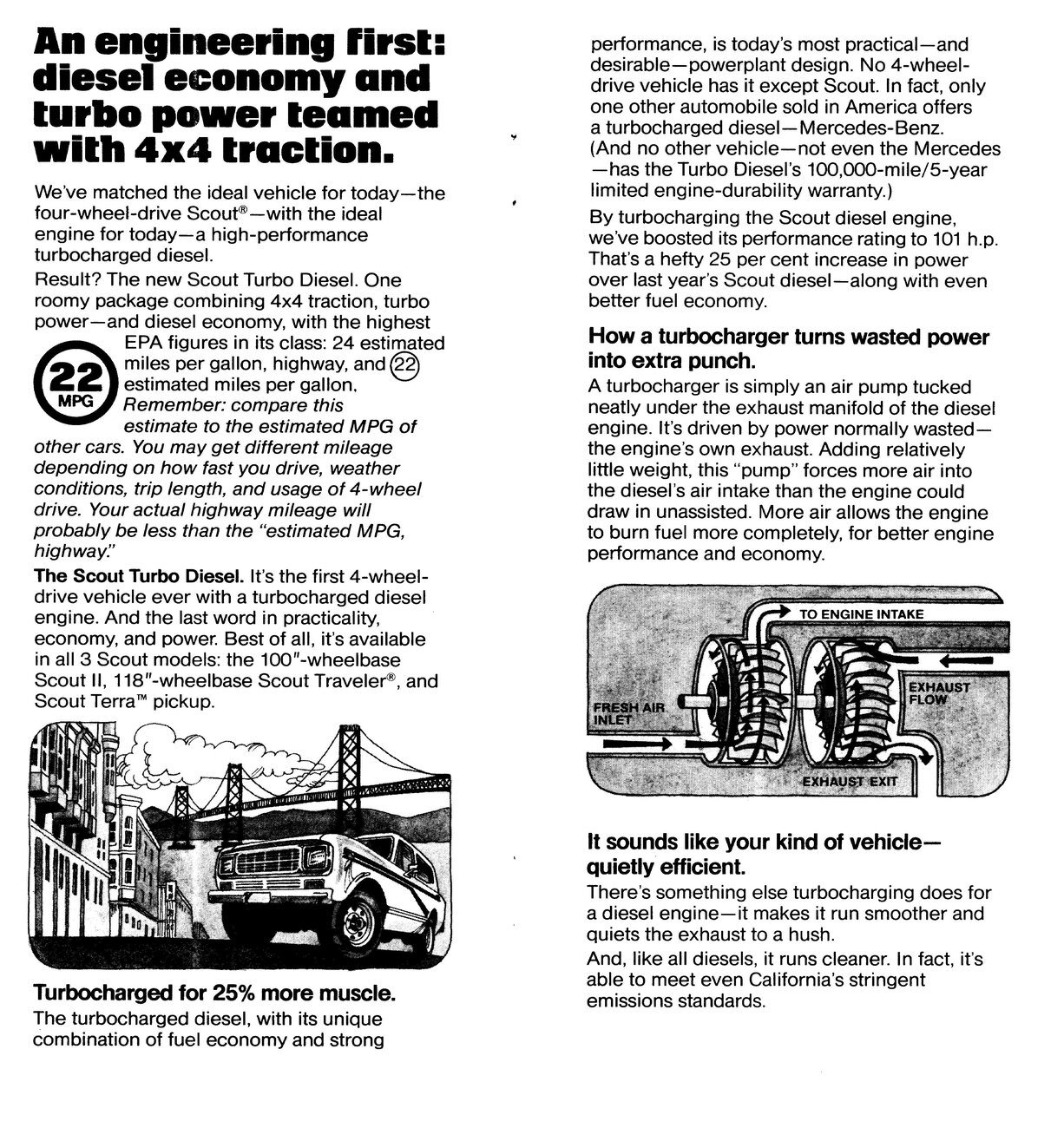 IH advertised the turbo engine very heavily, emphasizing the 100,000-mile/5-year engine warranty, and this was in the wake of the Iranian Revolution, causing gas and energy prices to be high. So, it wouldn’t necessarily be a surprise if a fair chunk of 1980 Scout II production had the turbodiesel despite its cost.
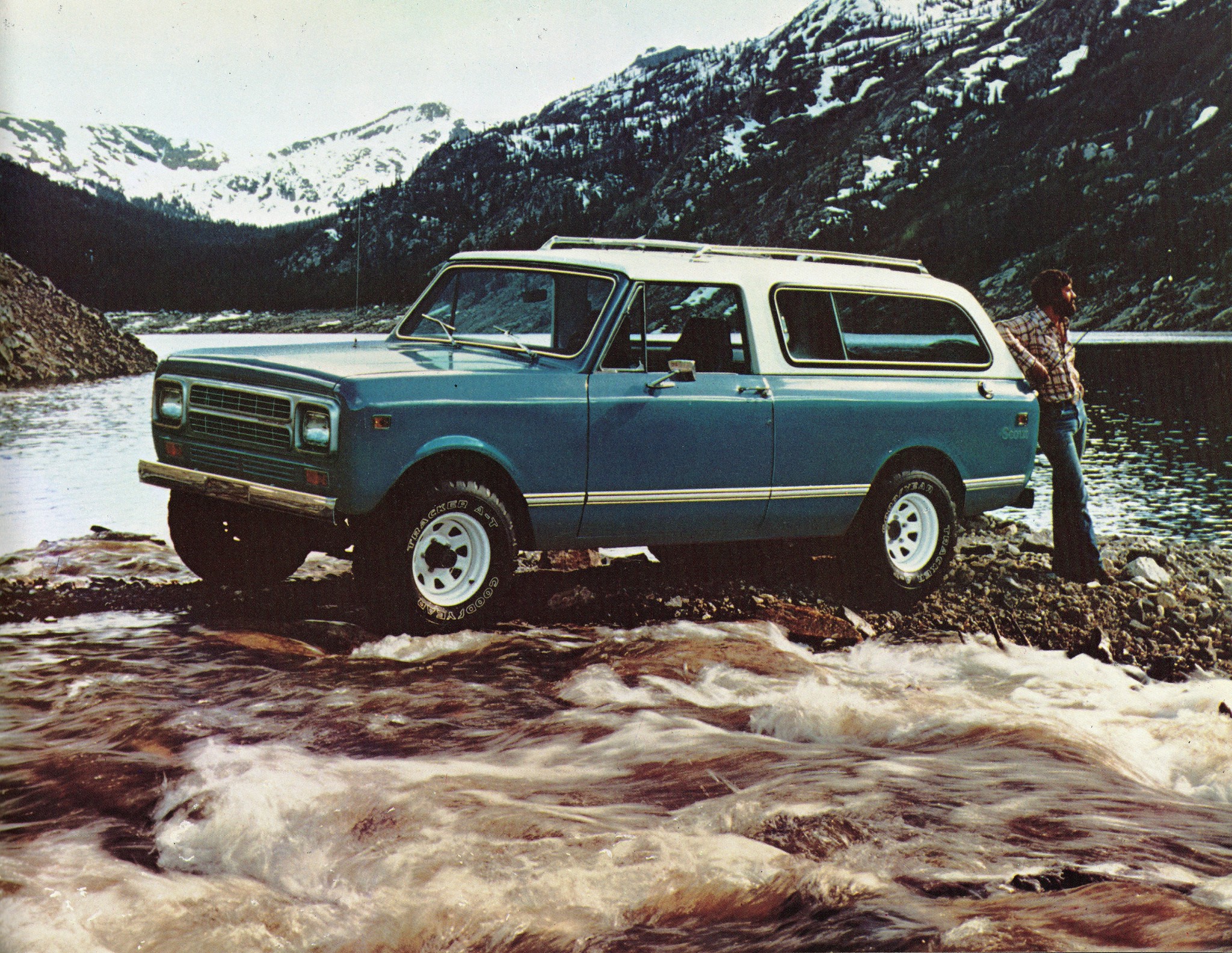
1980 was the end of the line for the Scout II, as well as International’s light truck operation. IH’s production had been shut down completely for close to six months due to a UAW strike, and after it was over in April 1980, the company decided to step away from the SUV/pickup market, shutting down the factory for good in late October. They’d had some plans for a Scout redesign for better emissions and gas mileage, but after their considerable money losses in 1980, they decided there was no future in it. Automotive News reported in November 1980 that “A deal to sell the Scout to a group of Texas investors fell through” before the factory was shut down in late October.
So, today’s Traveler is one of the end of the line, until the more recent Scout EVs.
While the original production figures are impossible to sort out, we can assume that IH’s 1980 Scout II turbodiesel crop was, at best, in the four-figure territory. Even fewer; Travelers originally so equipped.
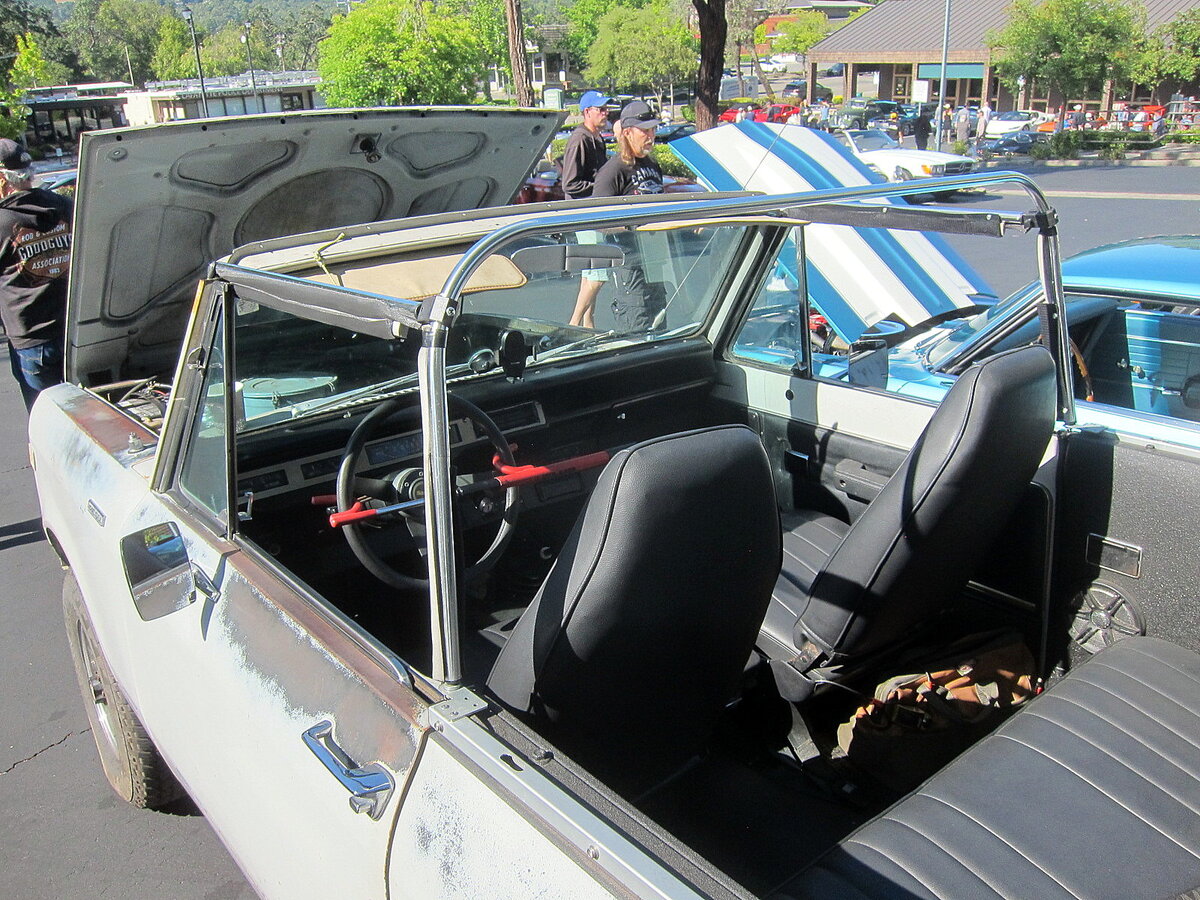
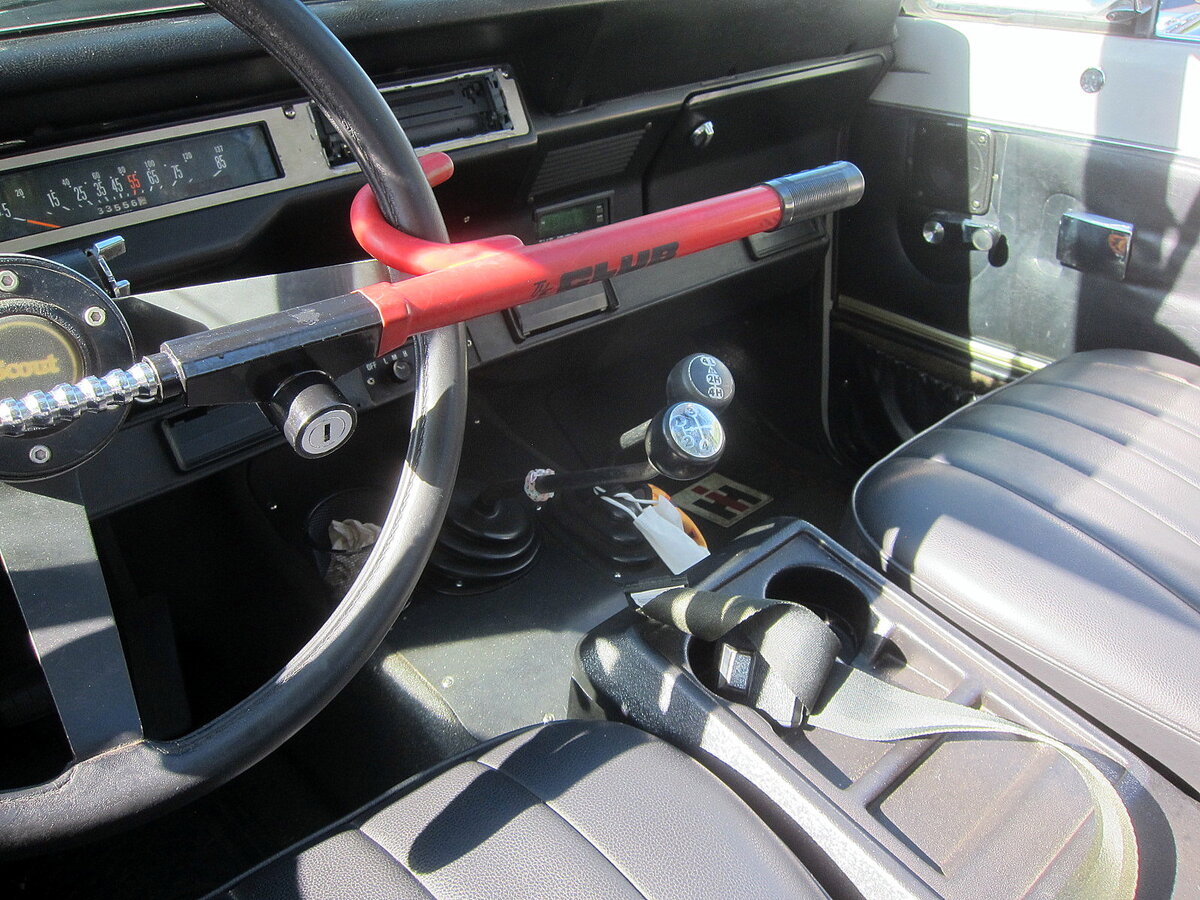
Being a rare survivor, I wandered over to check out the Traveler’s interior and take a few pictures of this early active lifestyle vehicle. Around then, I met the owner, Richard, who was wearing a Moto Guzzi T-shirt. Naturally, I asked how long he’d had the Traveler. Six years, he told me, having found it on eBay in Southern California.
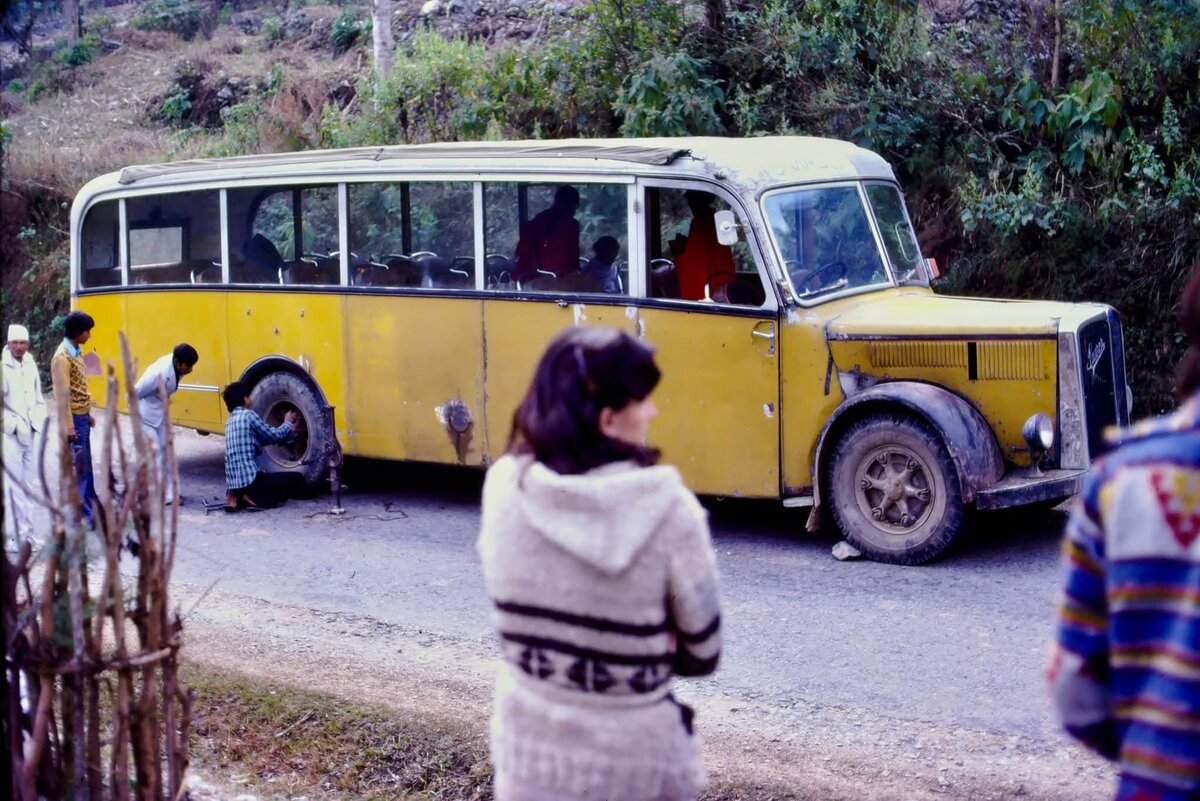
As we chatted, I learned that he was born in Belfast, Northern Ireland, in 1955, and emigrated to the United States in 1986. The owner then shared a rather memorable bit of his earlier life: he and three friends had driven a 1961 VW Kombi all the way from Northern Ireland to India. It was, apparently, a rather cozy trip, to put it mildly. A year later, he made the return journey from Kathmandu to Ireland, this time as a hired bus driver.
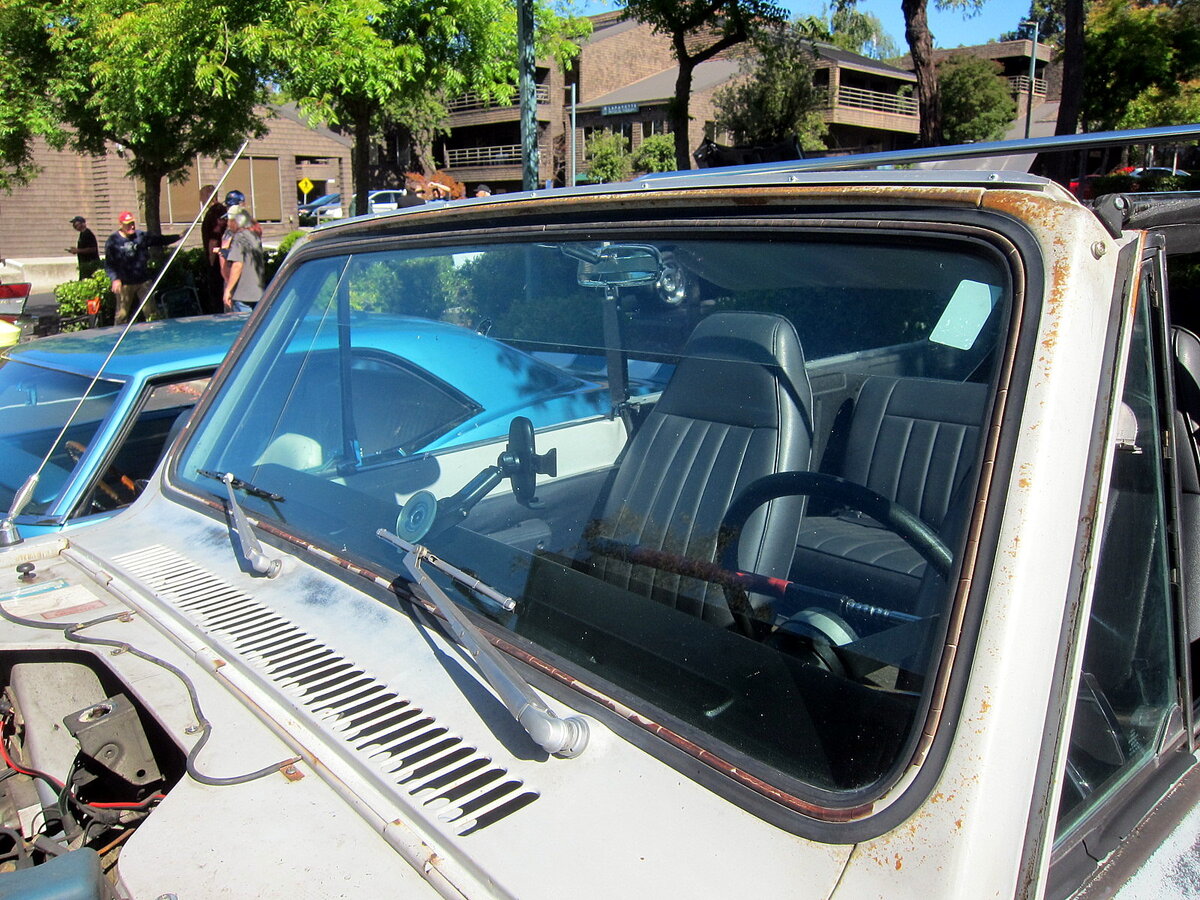
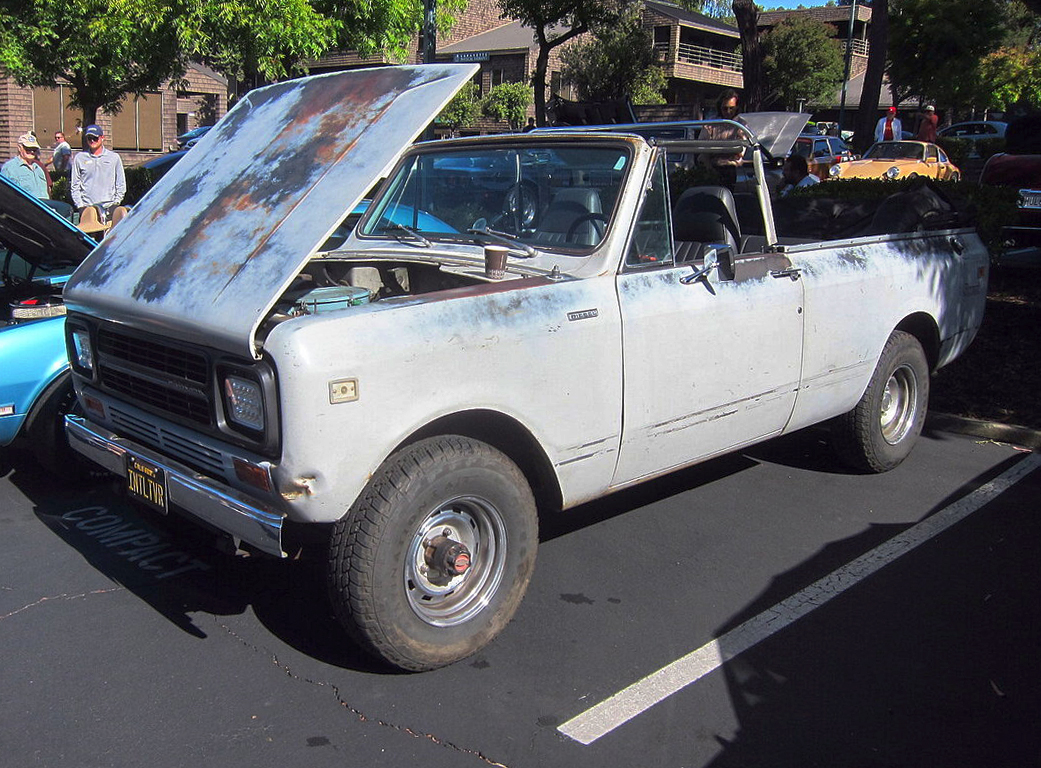
Back to the Traveler. Making my way forward, I noticed the very flat front windshield; another sign this SUV comes from a very different era.
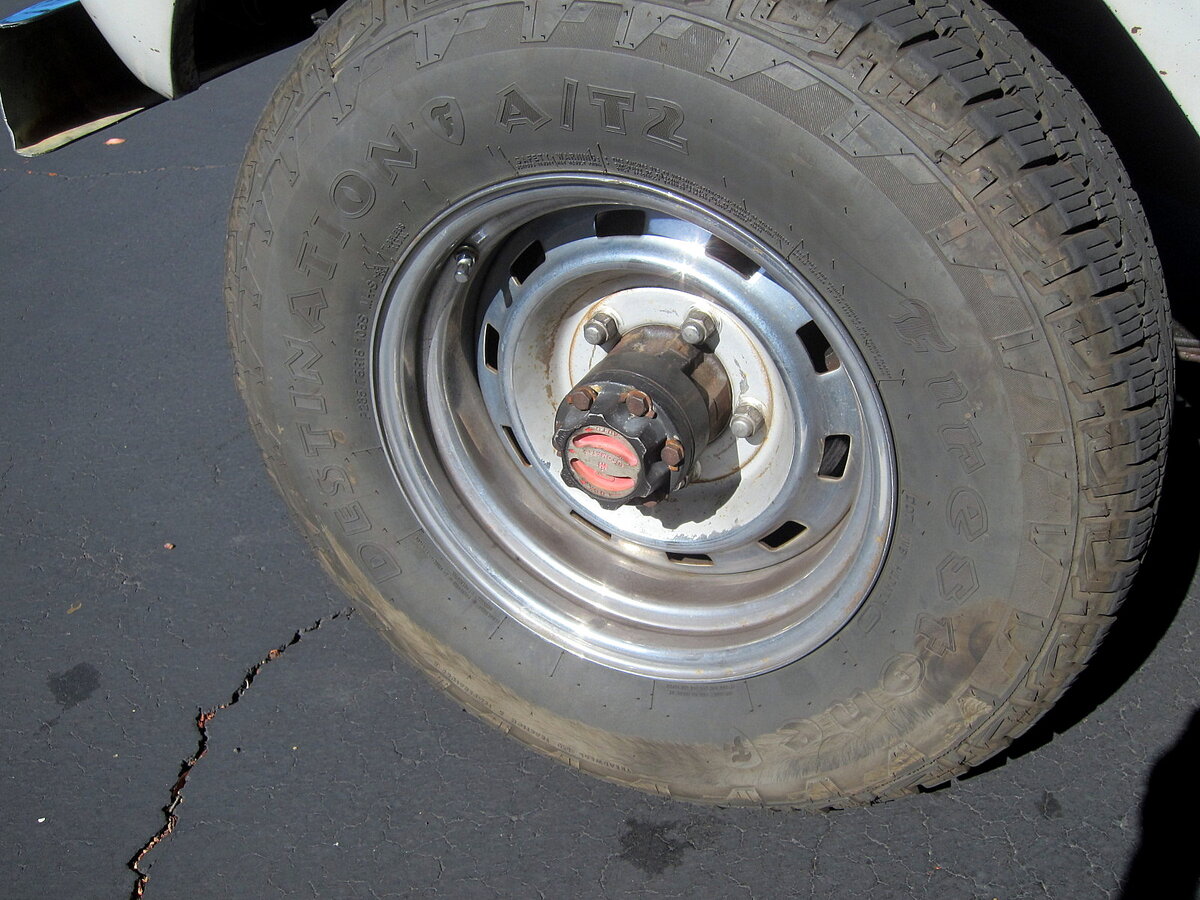
The wheels and tires that put that turbodiesel power, if you will, to the ground.
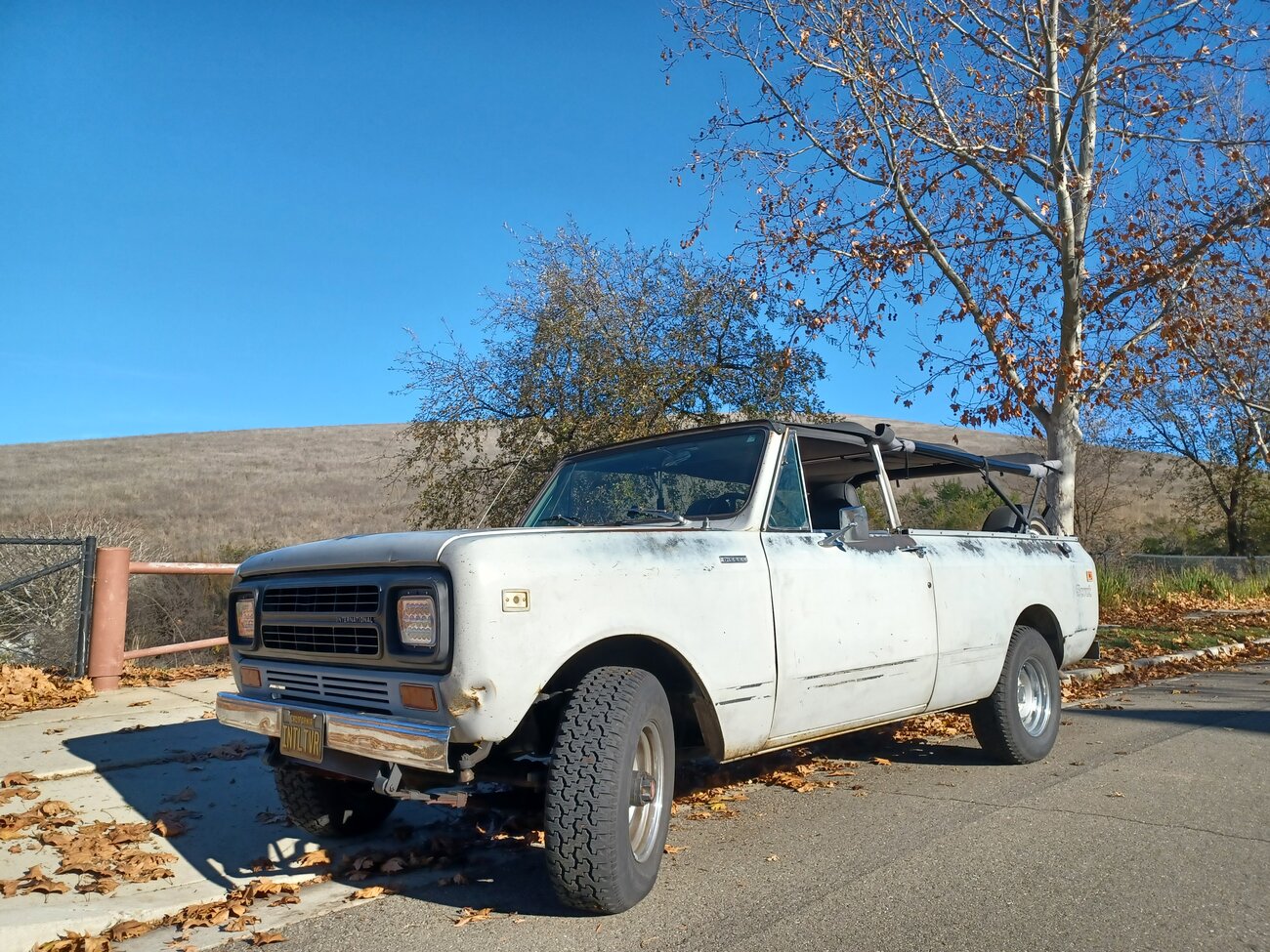
And one photo outside the Cars and Coffee gathering. As you can see, the Traveler has non-original headlights and top. As for the former, Richard still has the originals, but considered them too dim for nighttime driving, so he replaced them. The original fiberglass hardtop had a less fortunate fate: the previous owner hadn’t secured it properly, and it flew off while the vehicle was being driven, bringing its life to an abrupt end. Richard made his own soft top to replace it, and here it is fully raised. It may not be original, but it still suits the active lifestyle the Scout II Traveler promised from the beginning.
Note: With thanks to Aaron Severson for additional notes for this post.
Related CC reading:
Curbside Classic: 1976 International Scout Terra – The Hometown Truck (by JP Cavanaugh)
Curbside Capsule: c. 1978 International Scout II – A Year Of Exploring (by Joseph Dennis)
1976 International Harvester Scout II Spirit of ’76 – A Happy 200th For America’s 250th (by Aaron65)
COAL: 1978 International Harvester Scout – First Love (by Idiotking)
Vintage Ad: 1980 International Scout – “Sensible” But Not Suitable For The Eighties (by Paul N)









A 100.000 mile or 160.000 kilometer warranty is quite bold for a market which isn’t known for punctual maintenance schedule discipline, such as is otherwise common in the engine’s country of origin. But then again, someone forking that much more for wisely choosing a turbo-Diesel is likely to care for it better than average.
It’s not Richard’s headlamps that were dim. It’s rather Richards age dimming his sight. Ask me how I know
Very very cool vehicle…I love it!
I spent some time with diesel Scouts in my mining days. They were interesting but very very underpowered and the ones I drove had a wide ratio 4 speed which did not help in any way with powerband. And quite a crude vehicle. Even compared to a same year Toyota BJ40 Land Cruiser which was a lot more pleasant vehicle to operate, at least in terms of starting it, shifting it and turning it off not to mention more apparent power.
Worked at a grocery store that delivered, the boss replaced the van with a Traveler so he could plow the lot. Was a beast to deliver with, passed everything but the gas station. Wanted to buy one, but Scouts were always an endangered species in the Rust Belt.
Missed a Sport yrs later, learned not to bring the better half to look at a soft top vehicle when it’s-10 deg in January. Was peaved, even had new qtr sheet metal !!
When the Cash for Clunkers kicked in, a Scout II showed up, SD33, 4 speed, the Dana 300 all intact. Tried to buy it from the yard, but they refused.
For all the ones that got away…..
Yes, I had a significant obsession with diesels at about this time, undoubtedly influenced by my inherent affinity to efficiency as well as my subscription to the German magazine auto-motor-und-sport. And of course the second energy crisis made all things diesel infinitely attractive.
I actually went and looked at one at a dealer in LA. But it was very expensive and of course Stephanie wouldn’t even touch a stick shift, so this passing infatuation was quickly forgotten, to be replaced in a few years by a much more civilized Cherokee.
The connection with Chrysler is a bit curious, but it goes back to the late ’60s when they were still heavy into marine engines. When Chrysler finally offered a diesel in the pickups in 1978, it was the somewhat larger Mitsubishi six.
Chrysler’s conection to Nissan Diesel was indeed curious, as it also extended into the larger ‘UD’ 2-stroke diesels for quite some time. The UD’s were similar in many respects to Detroit Diesels, though they didn’t use individual unit injection pumps. I have heard that the percentage of diesel-equipped Scouts were higher in 1979 and 80 as IH was planning on dropping the Scout and they had committed to buy a certain number of engines from Nissan.
When the Traveler (and Terra pickup) came out, I was not a fan. I considered these a major downgrade from the former pickup and Travelall. Now I can see the Traveler as one of the earliest examples of an SUV size and configuration that would become universal.
International closing its Fort Wayne operations is something everyone from that time and place remembers.
FWIW, the Jeep CJ-5 and CJ-6 offered a Perkins diesel as an option between 1961 and 1968.
Thanks for that reminder. The detail has been added to the post.
When Scout production ended in late 1980 International still had several hundred new SD33T engines in stock. These were first offered to International dealers, along with most of the other left over Scout parts. The remaining engines were then sold as a lot to a company in Columbus, Ohio at the time known as Consolidated International. They specialized in buying surplus and left over industrial machinery and supplies. They marketed these engines to businesses and the general public. I remember seeing the ads in a construction machinery publication we subscribed to. A customer of our family business purchased one of the new SD33T engines and set about fitting it into one of their rough terrain yard forklifts. Unfortunately, that business went bankrupt before the project was completed. I went to the bankruptcy auction and bought that engine. It had still never been started. My plan was to install it into a 2 wheel drive 1/2 ton Chevy pickup. I had previously bought a rusted out 2 wheel drive Scout that had the naturally aspirated SD33 with a Chrysler 727 automatic attached. I attached the automatic to the SD33T and had it suspended into the Chevy chassis to measure for making motor mounts. But that is when my father was diagnosed with terminal cancer. That changed the trajectory of my life completely. I put the V8 back into the Chevy, sold it, and sold the new Nissan engine and other parts. I still wonder how it would have performed. By the way, Consolidated International later became the retail chain Big Lots.
Before they were called Big Lots they were Pic ‘N Save, always interesting freight salvage and surplus lots .
-Nate
Some US U tuber has a diesel Plymouth with a Perkins engine in going order ex Europe only one left he reckoned
Many summer job trips in a third gen Nissan Patrol LWB with the SD33T engine, back in 1984. It looked like the one below, wide tires and fender flares included. A light 4×4 truck with the body of an SUV, good times!
I love the rumble of an inline-six (turbo)diesel in the morning. And at any other time of the day, for that matter.
The SD33T was IMHO the only suitable option for the Patrol if you wanted some life AND an acceptable fuel consumption (in Germany) – the 2.8 petrol was a gas guzzler and the 3.3 N/A had enough torque for work but not for fun.
With a 160 SWB I was able to chase cars on the Autobahn with 160 kph and managed an (unintentional) 180°-spin on the spot on a wet road while attempting to turn into another street. The adventures on a young man with a fresh licence…
Unfortunately, the 160 series were pretty heavy rusters, and depending on the care their owners gave them the majority were done after 6-8 years with everything rusted away, including parts of the frame. But the Diesel engines were almost indestructible as long as you had at least refilled some oil occasionally!
For many years at a stretch, the 160-series and subsequent Y60 and Y61 were the favorite work horses here of professionals who had to tow a heavy trailer (in any form) daily or frequently. All turbodiesels, I can’t remember ever seeing or hearing a Patrol with a gasoline engine, I wonder if these were even offered at the dealerships.
That 160 with the SD33T engine was a beast.
Picture #3: Bear on side of Road
Today, the advertisement would have the bear holding an iPhone or Android.
Pictures by the bear would be down loadable from a webpage as you exit the park.