
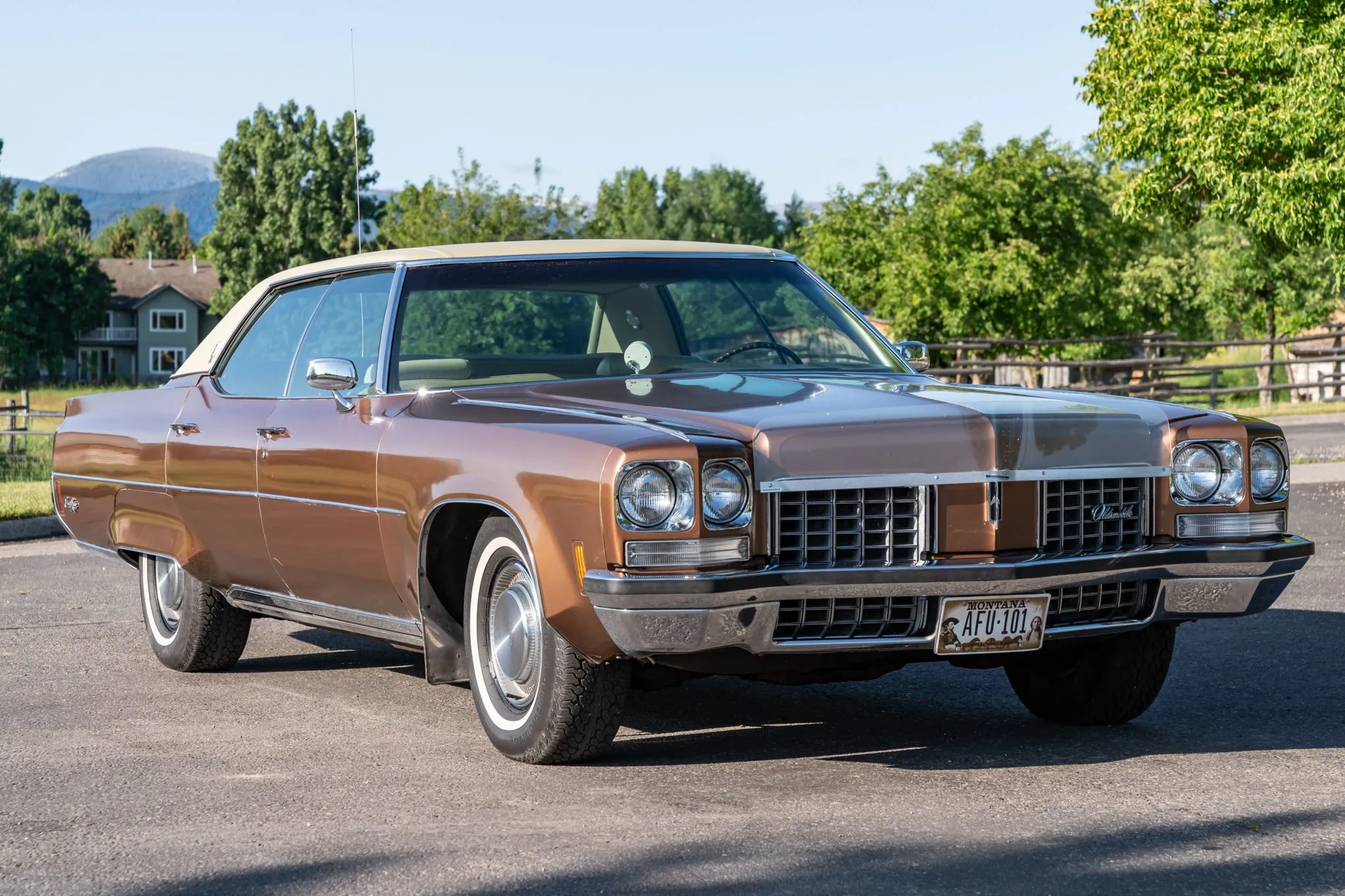
Talking about “bargains” and “value” in the luxury car league is often a quixotic effort, but back in 1972, the Oldsmobile Ninety-Eight gave you a full measure of Detroit luxury for a surprisingly reasonable price. This Montana-registered Ninety-Eight Luxury Sedan offers a good sense of what the big Olds had to offer — and for how little money.
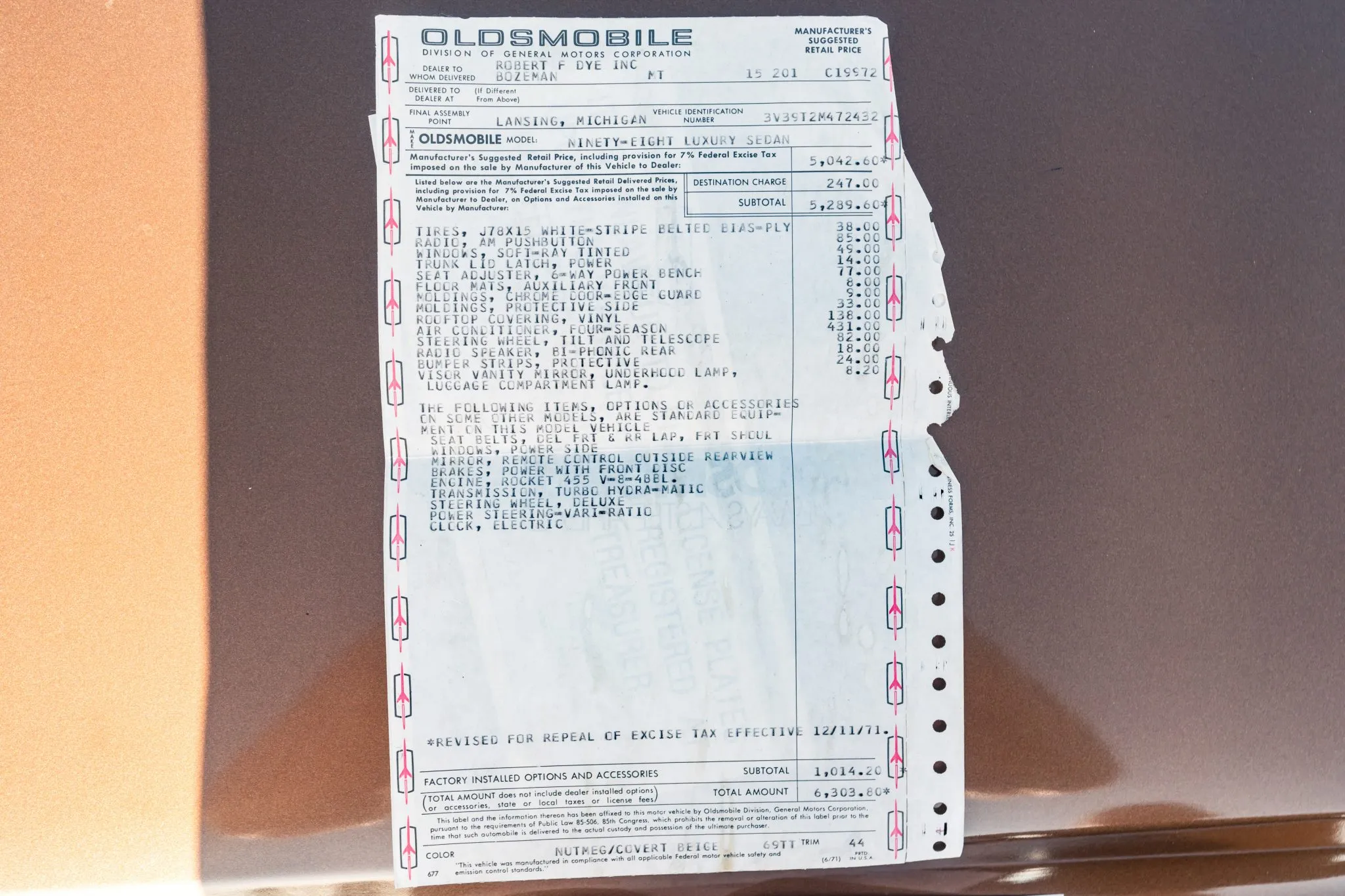
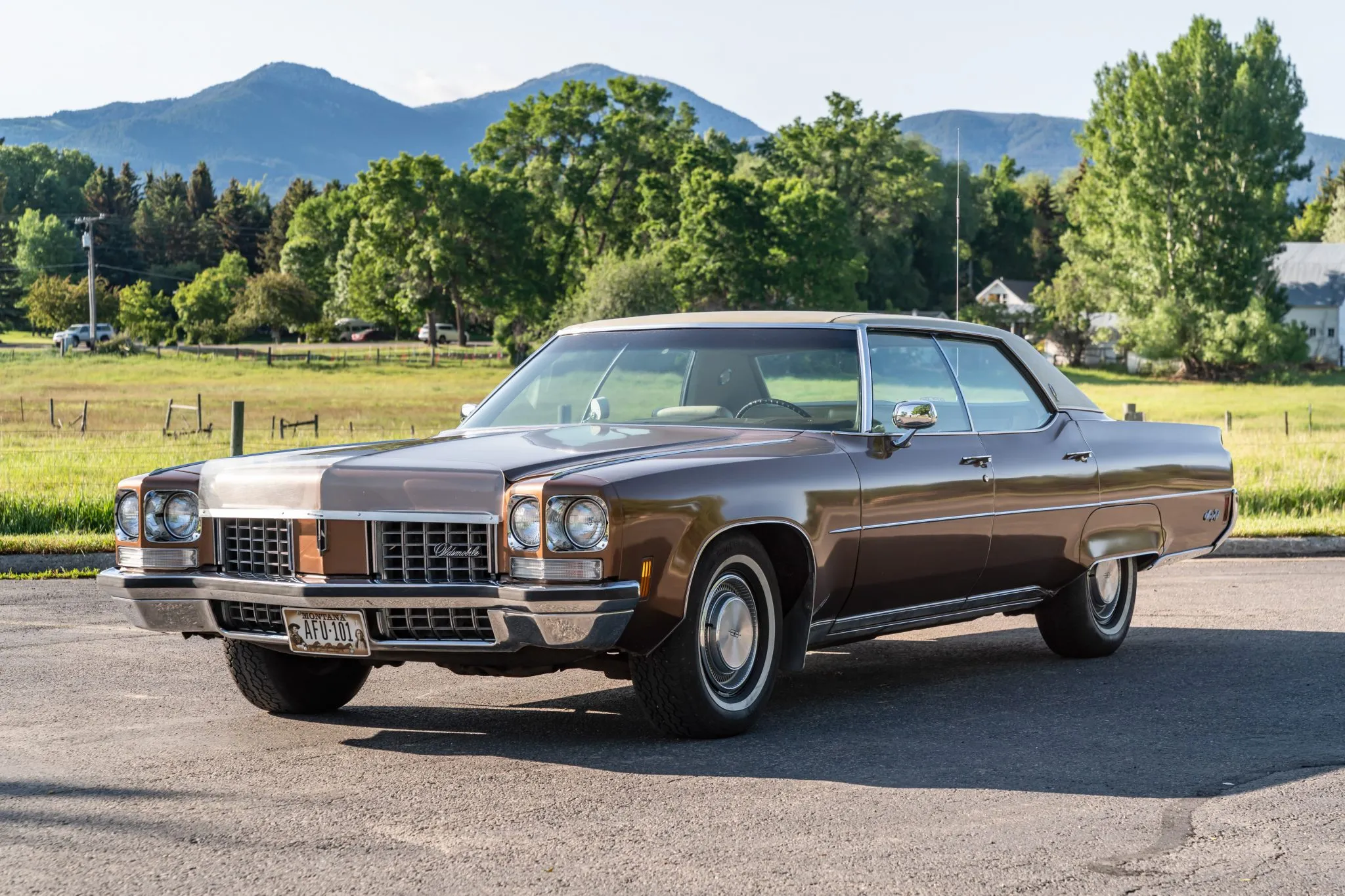
Probably the most striking feature of this Nutmeg Olds Ninety-Eight Luxury Sedan, other than the aftermarket “Deflecta-Shield” bug deflector attached above its split grilles, is its price tag. As originally sold at Robert F. Dye, Inc., in Bozeman, Montana on May 10, 1972, it had a total list price of $6,413.80, which included a load of factory options, the $247 destination charge, a $75 dealer prep fee, and $35 worth of dealer-applied undercoating. In today’s dollars, that’s a relative worth of about $53,000 — not inexpensive, but far from an outrageous amount for a new luxury car.
What made the Oldsmobile a bargain was that the starting price of a 1972 Sedan de Ville at this time was $6,390.40. That was the base price of a stripped De Ville — something that likely only existed as a theoretical possibility in 1972 — without air conditioning, tinted glass, radio, power seat, or the obligatory vinyl roof. The total price of this Ninety-Eight I quoted above included all that stuff, plus an assortment of protective moldings and a power trunk release. (Power windows were standard on both cars.) In other words, the out-the-door price of this nicely equipped Oldsmobile would have been only the ante at your friendly neighborhood Cadillac dealership.
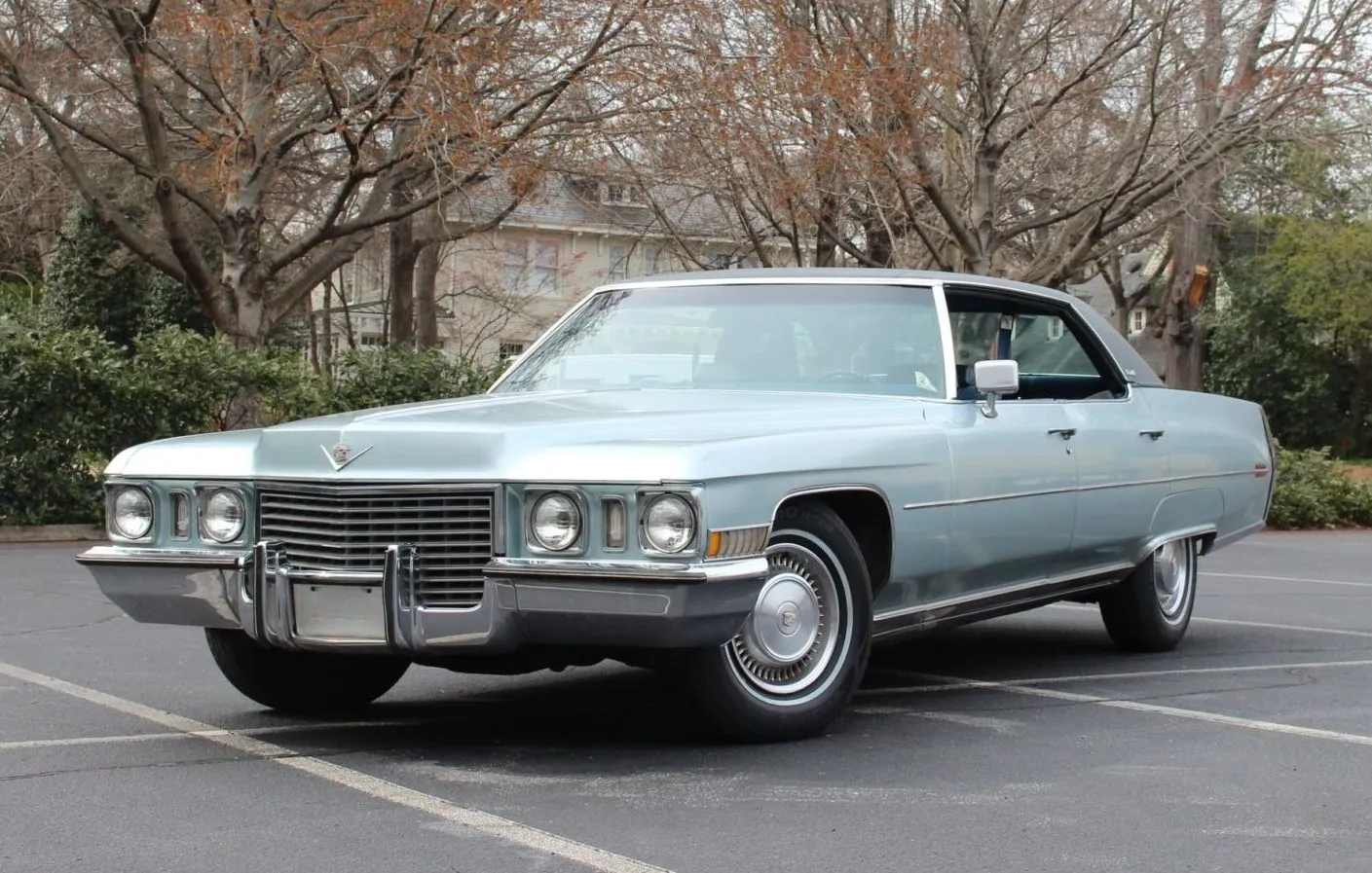
This was not a new phenomenon, of course: The senior Oldsmobile and Buick models had long offered most of the luxury of a new Cadillac for about $1,000 less. However, Cadillac had come down in the world somewhat, pinching more pennies in trim and appointments, while Buick and Oldsmobile had been pushing upward. (The Ninety-Eight was actually fractionally LONGER than the De Ville, albeit on a 3-inch-shorter wheelbase.)
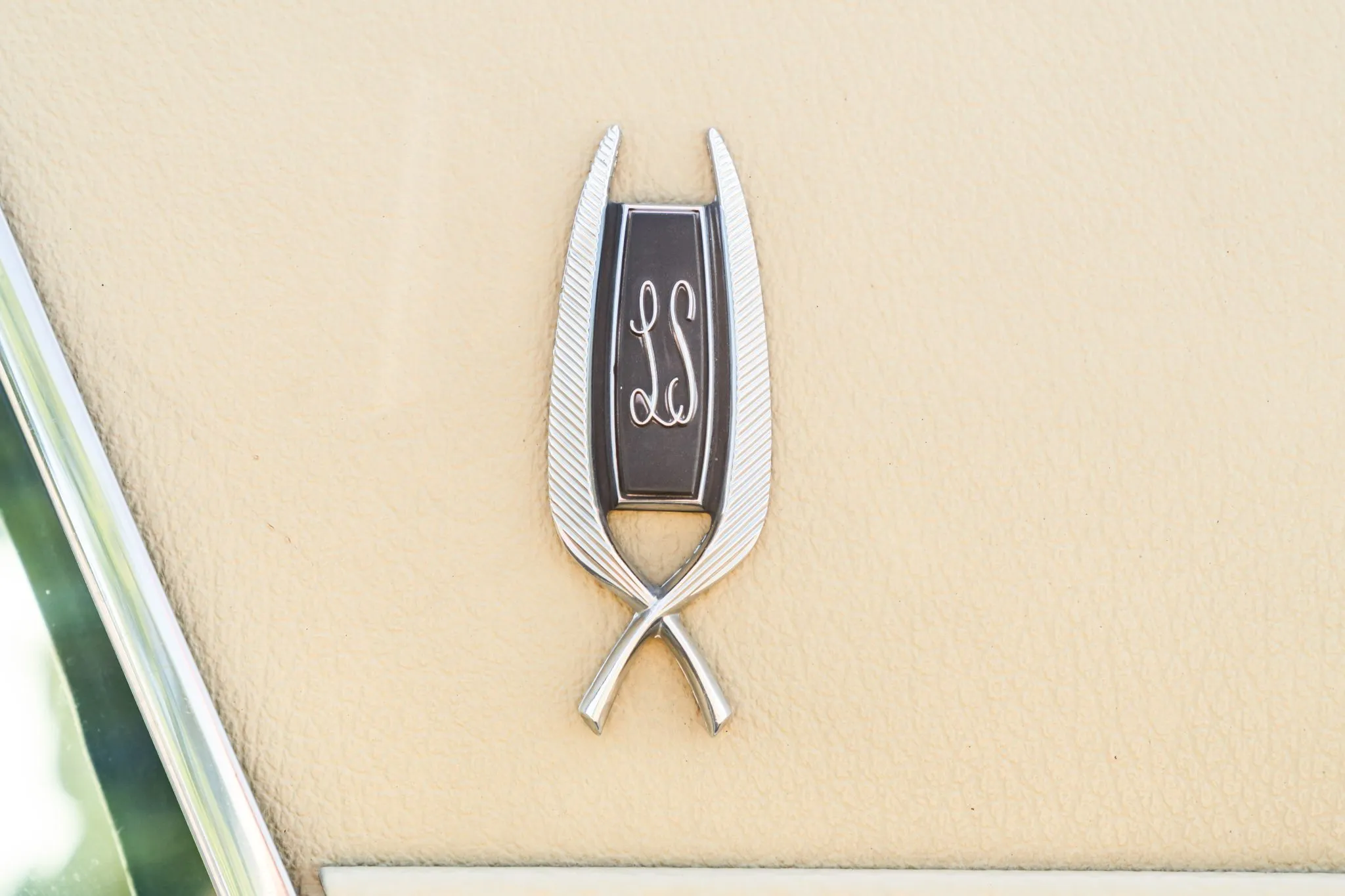
The Ninety-Eight pictured here is a Luxury Sedan, a sub-model Oldsmobile had introduced back in 1963 as the fanciest version of its fanciest line.
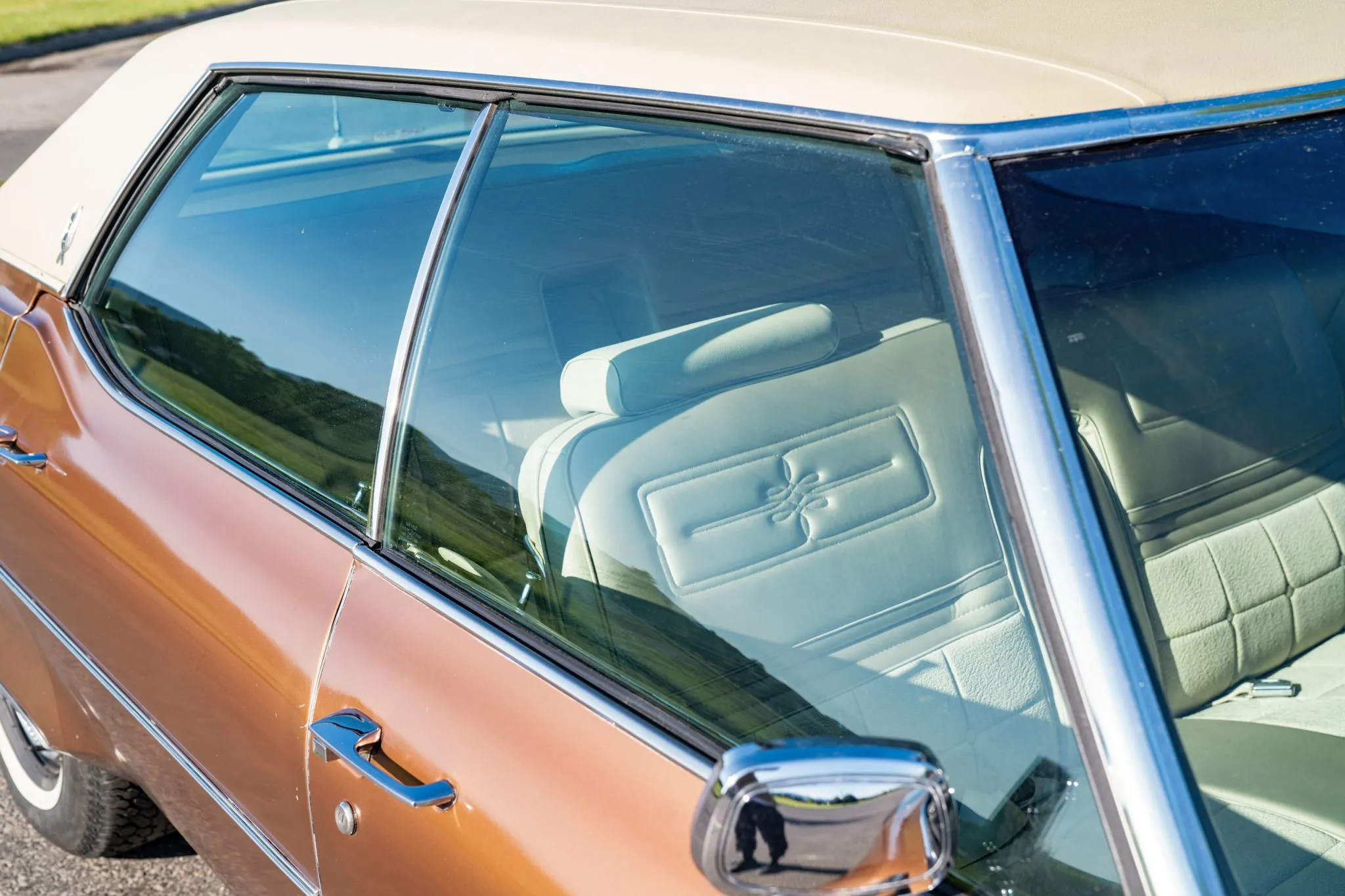
You’ll notice that while it’s called a “Luxury Sedan,” this is actually a four-door hardtop. The Ninety-Eight Luxury Sedan started off as a pillared sedan, but in 1969, Oldsmobile had added a Luxury Sedan Hardtop, and the redesigned 1971 Ninety-Eight models were hardtop-only. With the 1977 downsizing, they would all once again become pillared sedans, but that was still five years and an unforeseen fuel crisis in the future when this car was built.
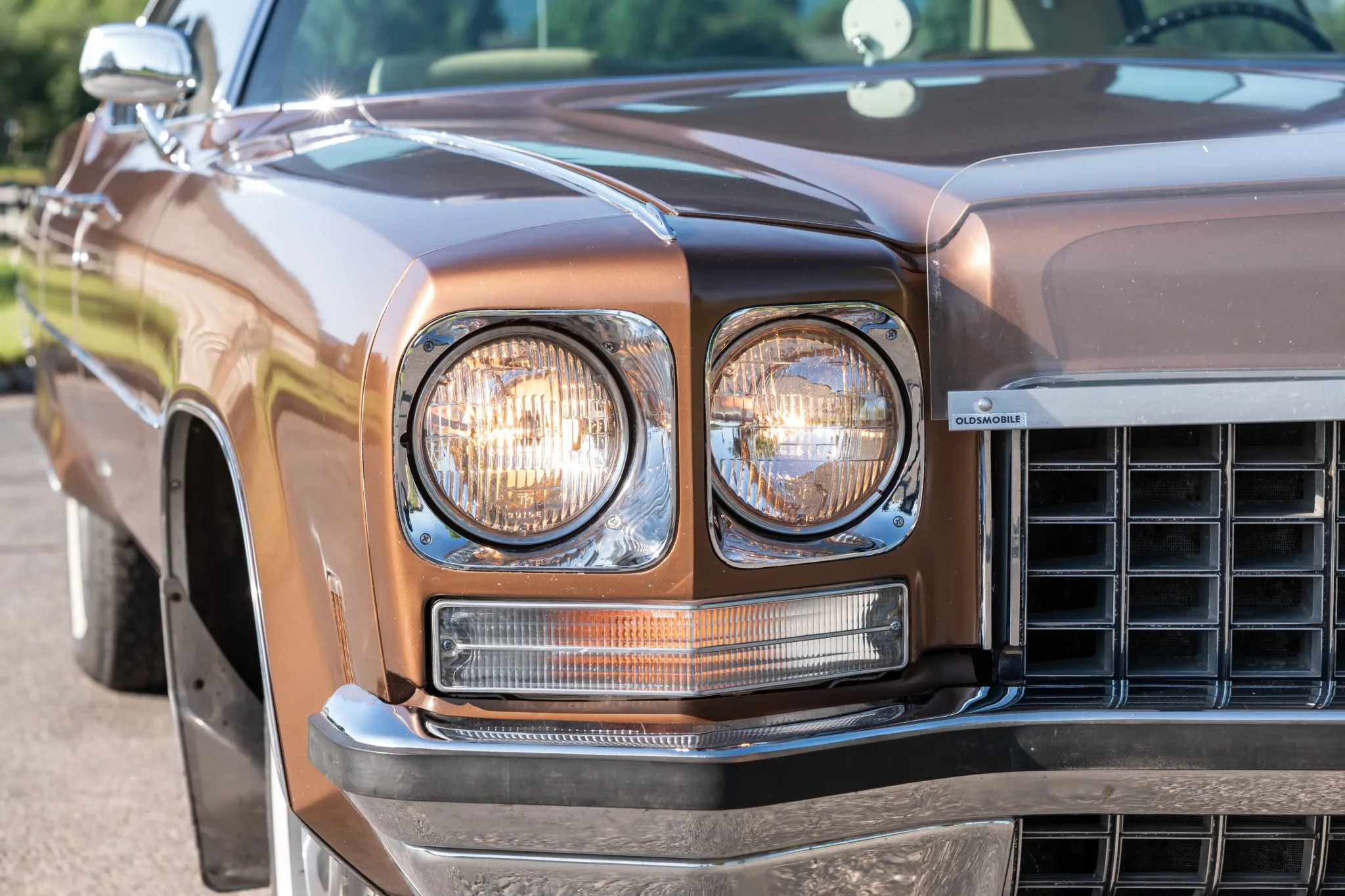
I’m not sure how I feel about the vee-shaped headlight surround, which looked like a 1966 Cadillac stacked quad arrangement turned on its side.
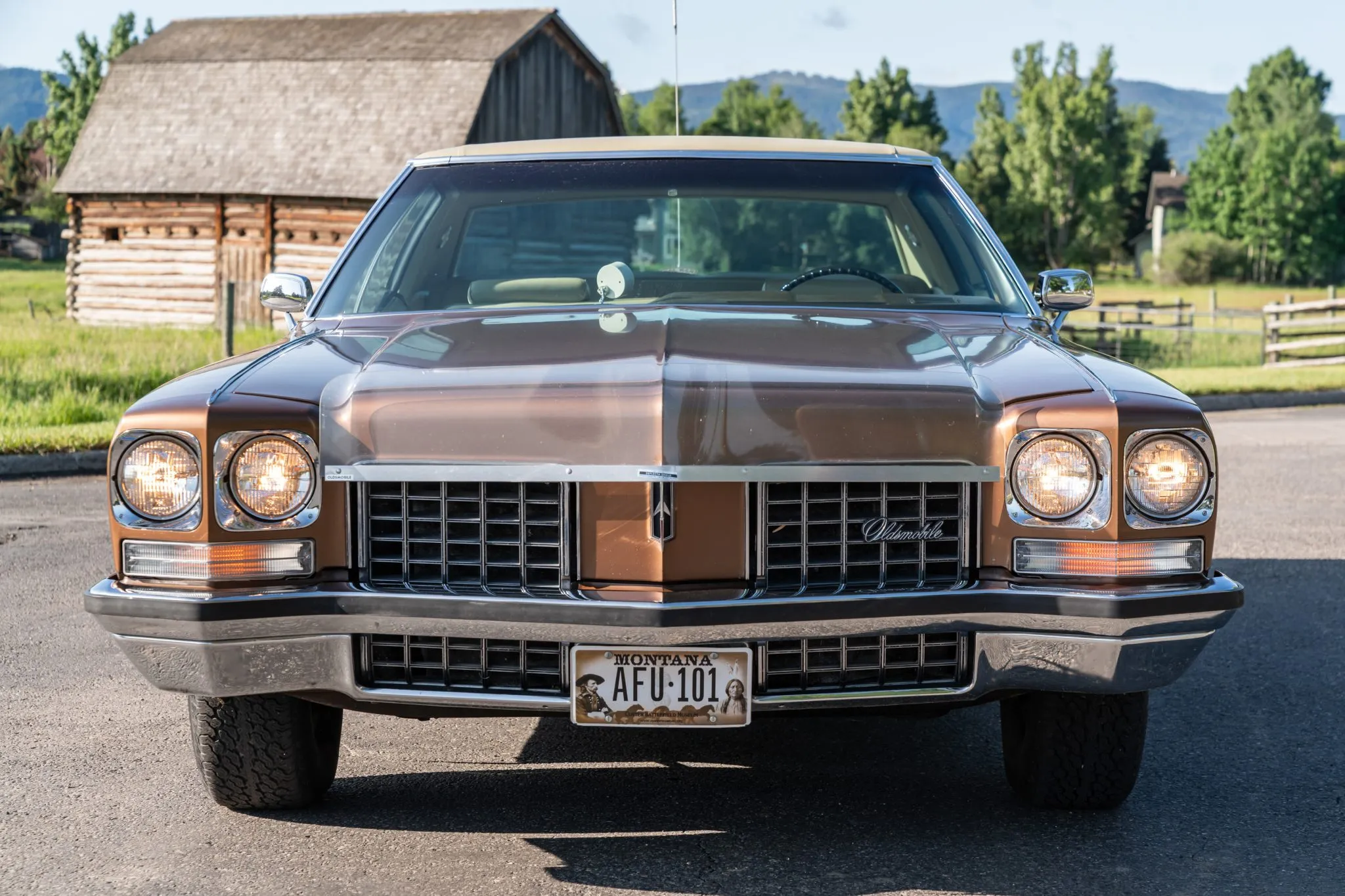
However, I think the Ninety-Eight front end did look better …
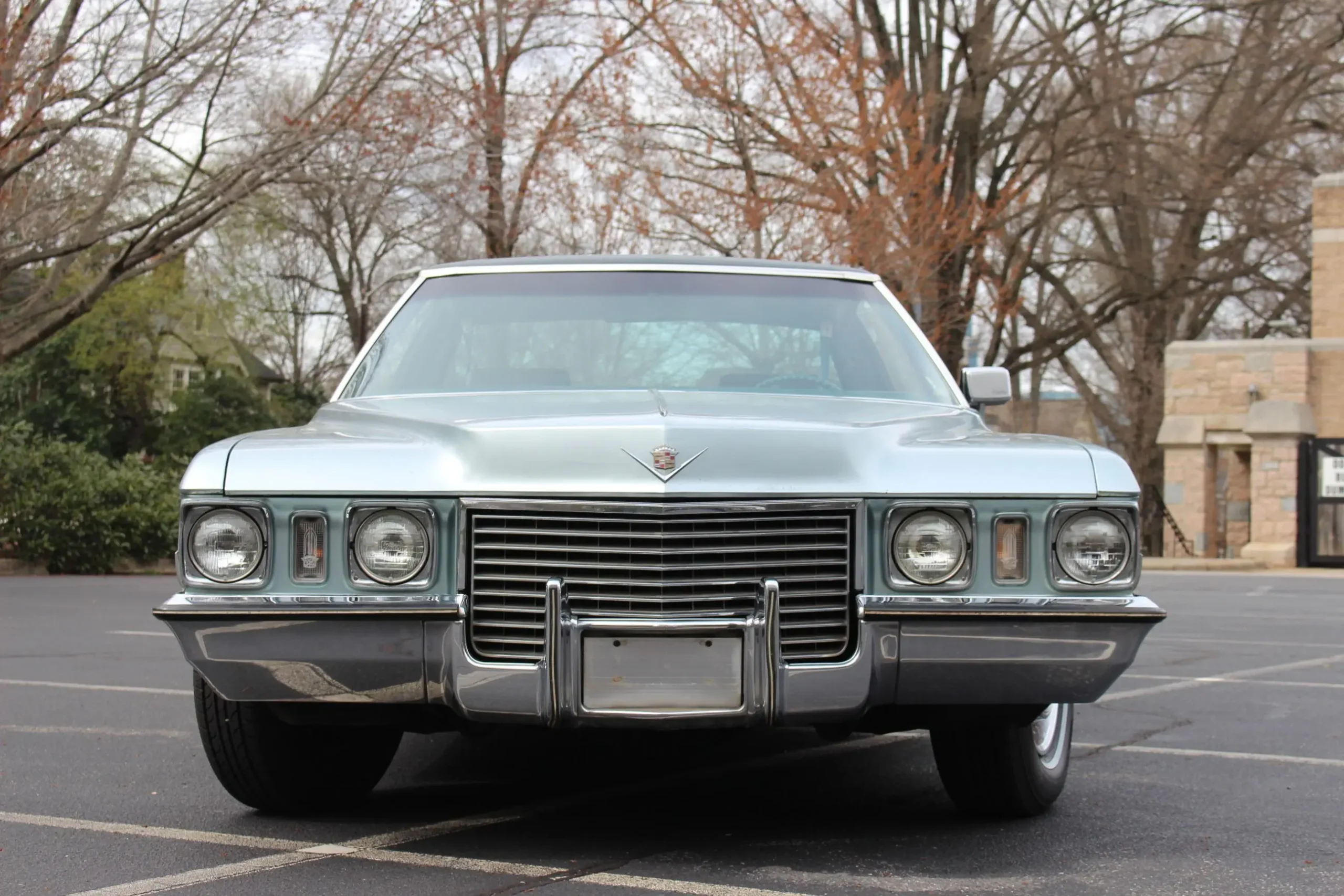
… than the front-end treatment of the 1972 De Ville (or for that matter the 1972 Buick Electra 225).
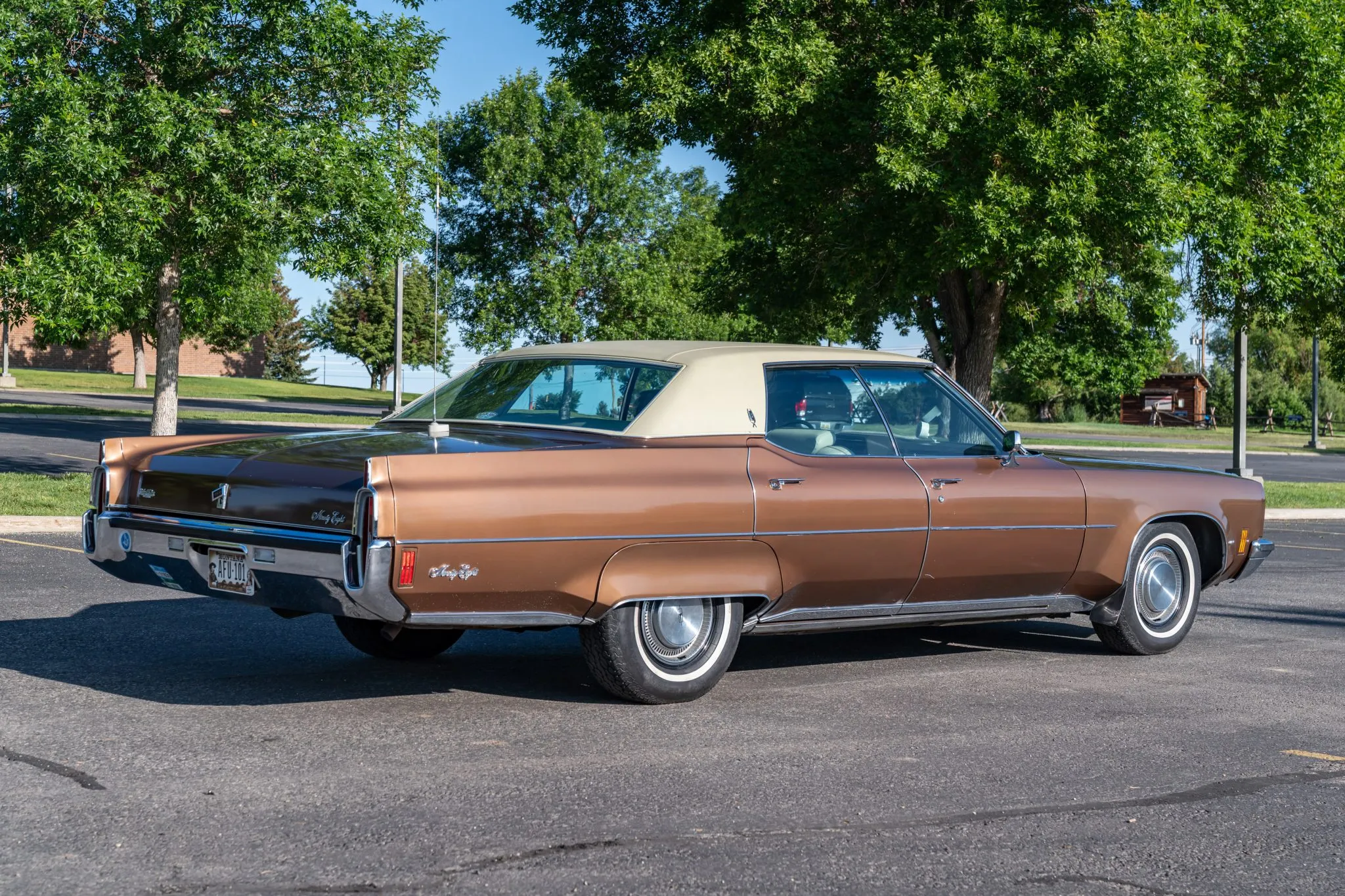
All of these early ’70s GM C-body four-door hardtops have nice proportions, and the Oldsmobile version has some interesting detailing. I don’t usually like fender skirts, but they work well with the flared fenders.
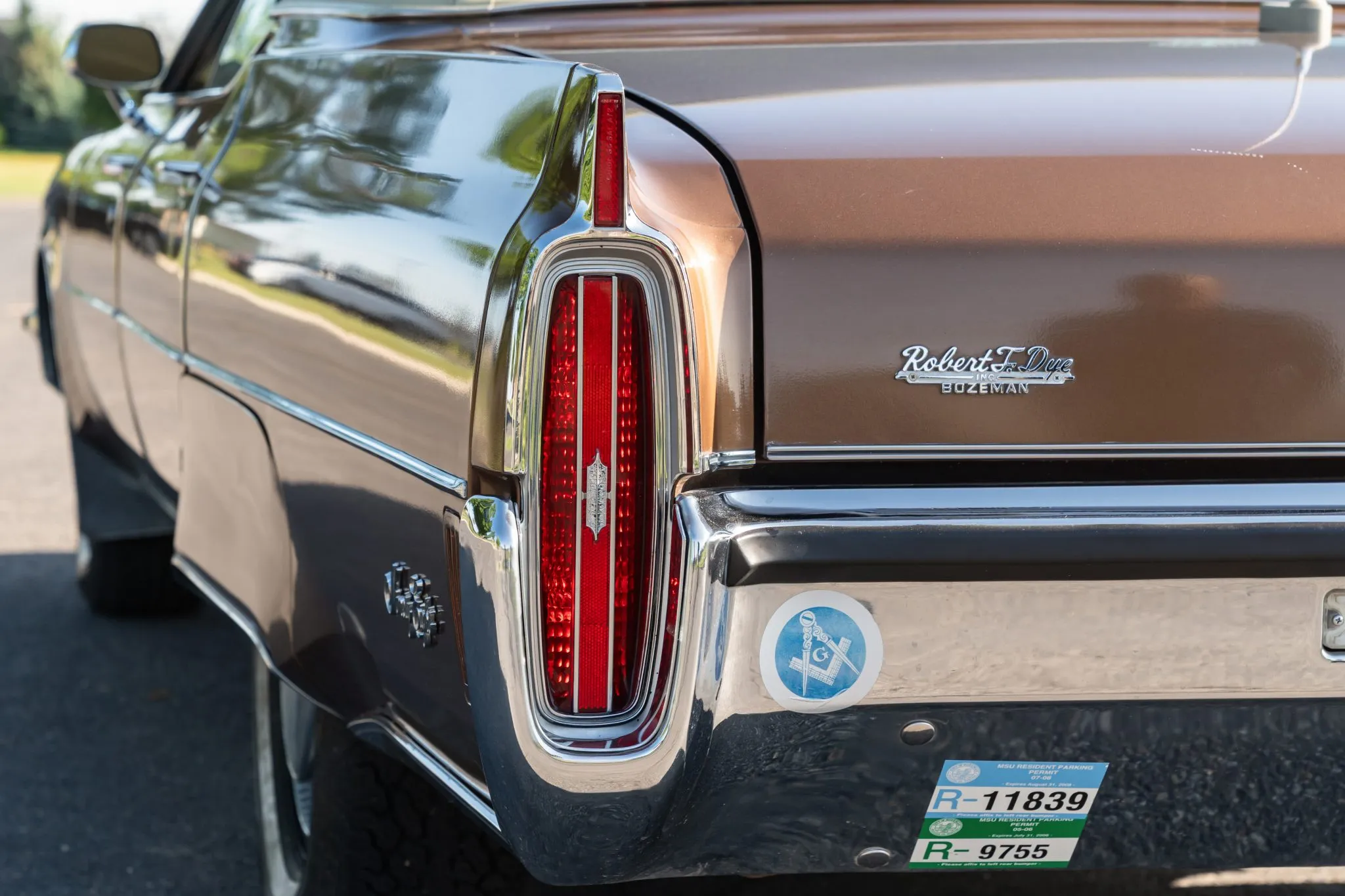
With its sort-of fins and vertical taillamps, an observer catching a brief glimpse of the Ninety-Eight from the rear might mistake it for a Cadillac, which I’m sure was just fine with most owners.
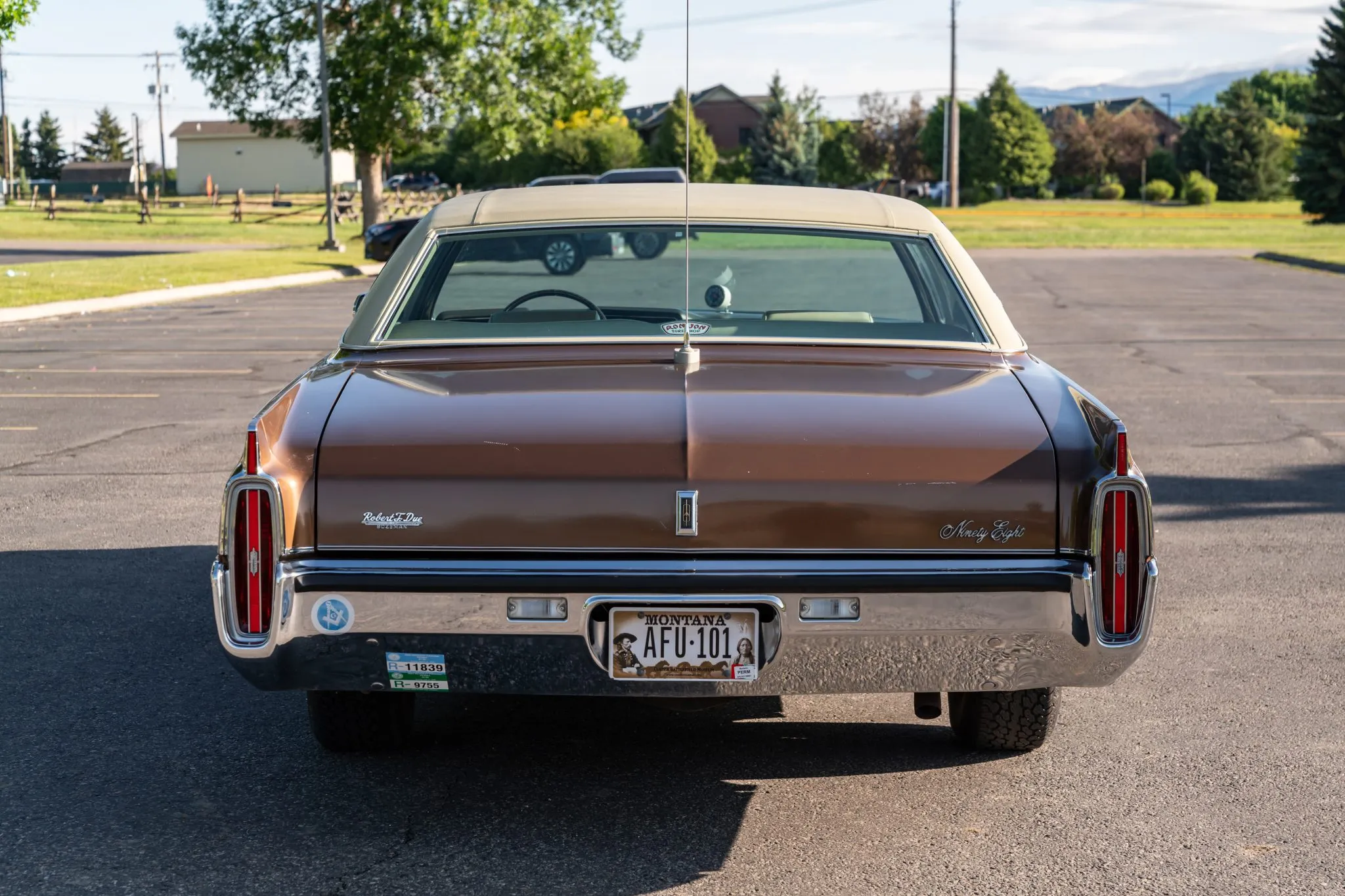
The large mast antenna, by the way, is for an aftermarket CB radio.
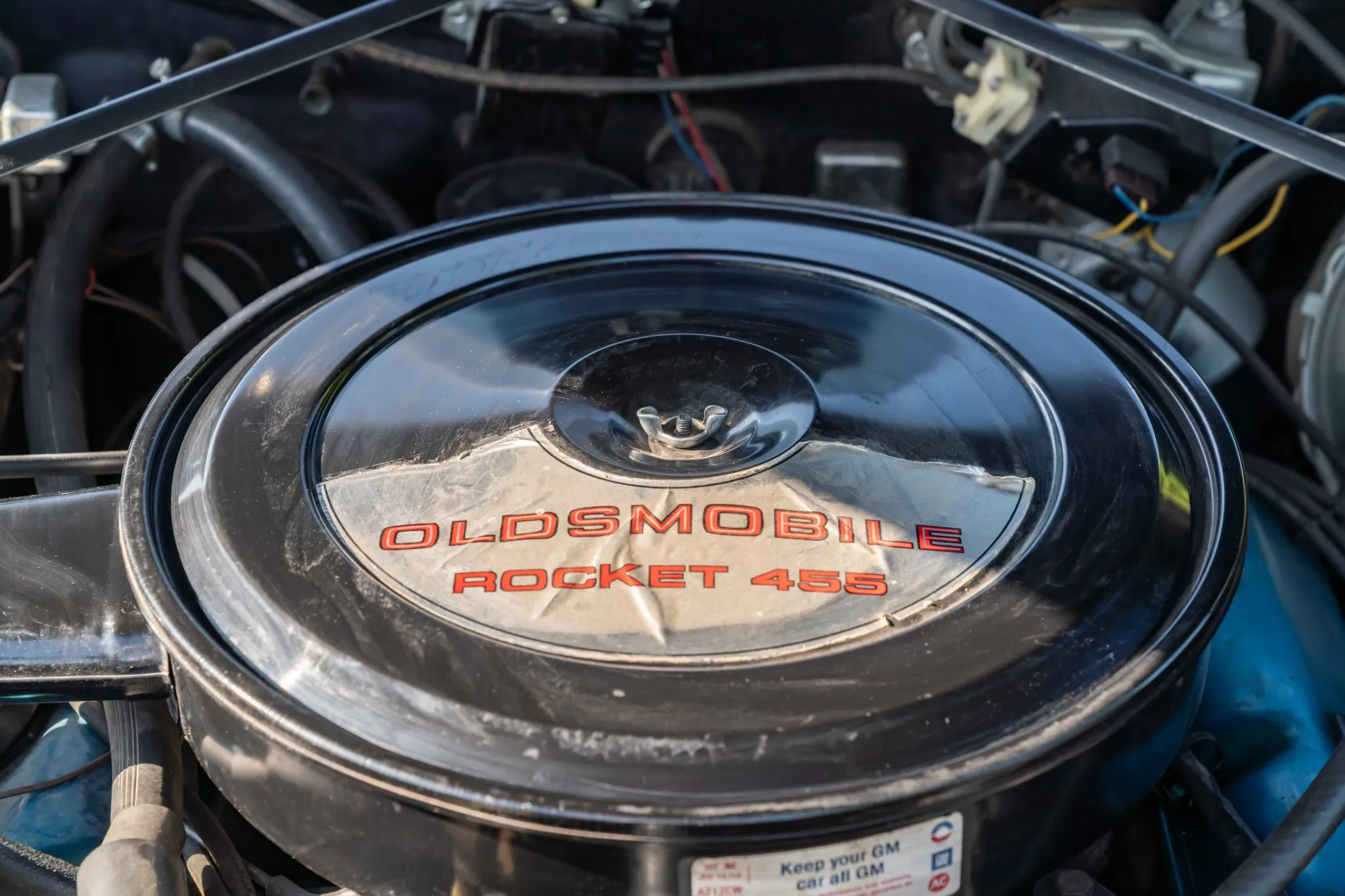
The sole powertrain in the Ninety-Eight was the Rocket 455 V-8, now with 225 net horsepower. (The same engine in 1971 had also been advertised with a 320 hp gross rating.) The Oldsmobile V-8 had 5 hp more than the bigger 472 cid engine in the Cadillac De Ville, albeit also 5 lb-ft less torque. It was paired exclusively with Turbo Hydra-Matic, usually with a 2.73 axle ratio; 2.93 and 3.23 axles were also offered. Motor Trend got 0 to 60 mph in 8.7 seconds with the 2.93 axle, with the quarter mile in 16.27 seconds at 86.2 mph — pretty good for a car of this kind back then.
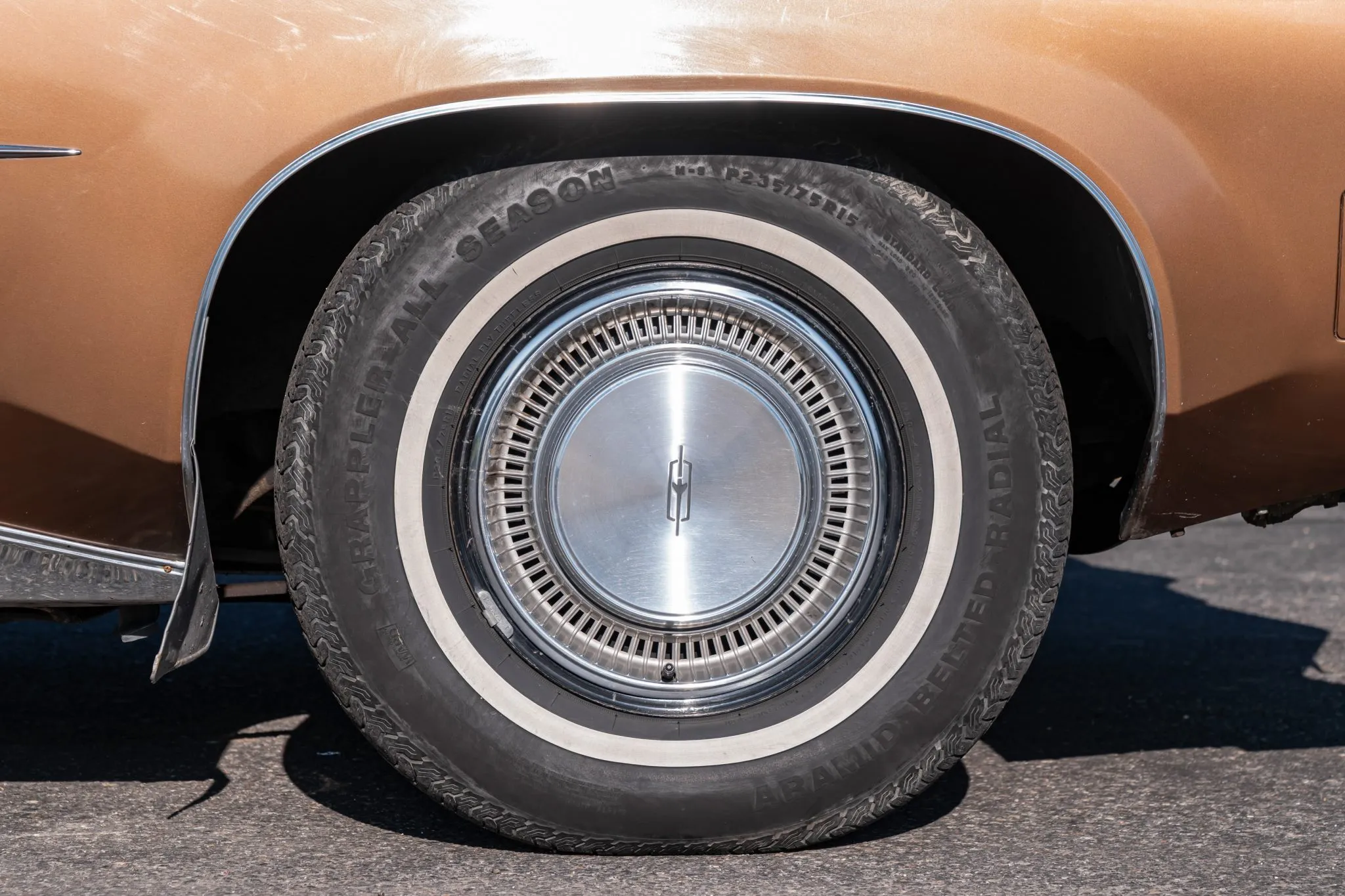
GM had finally gotten their act together on wheels and tires by this time, after years of selling cars that overloaded their tires even with no one aboard. The Ninety-Eight originally came with J78-15 tires with adequate load capacity for cars this size (later replaced with modern 235/75R15 radials). Power-assisted front discs were standard too.
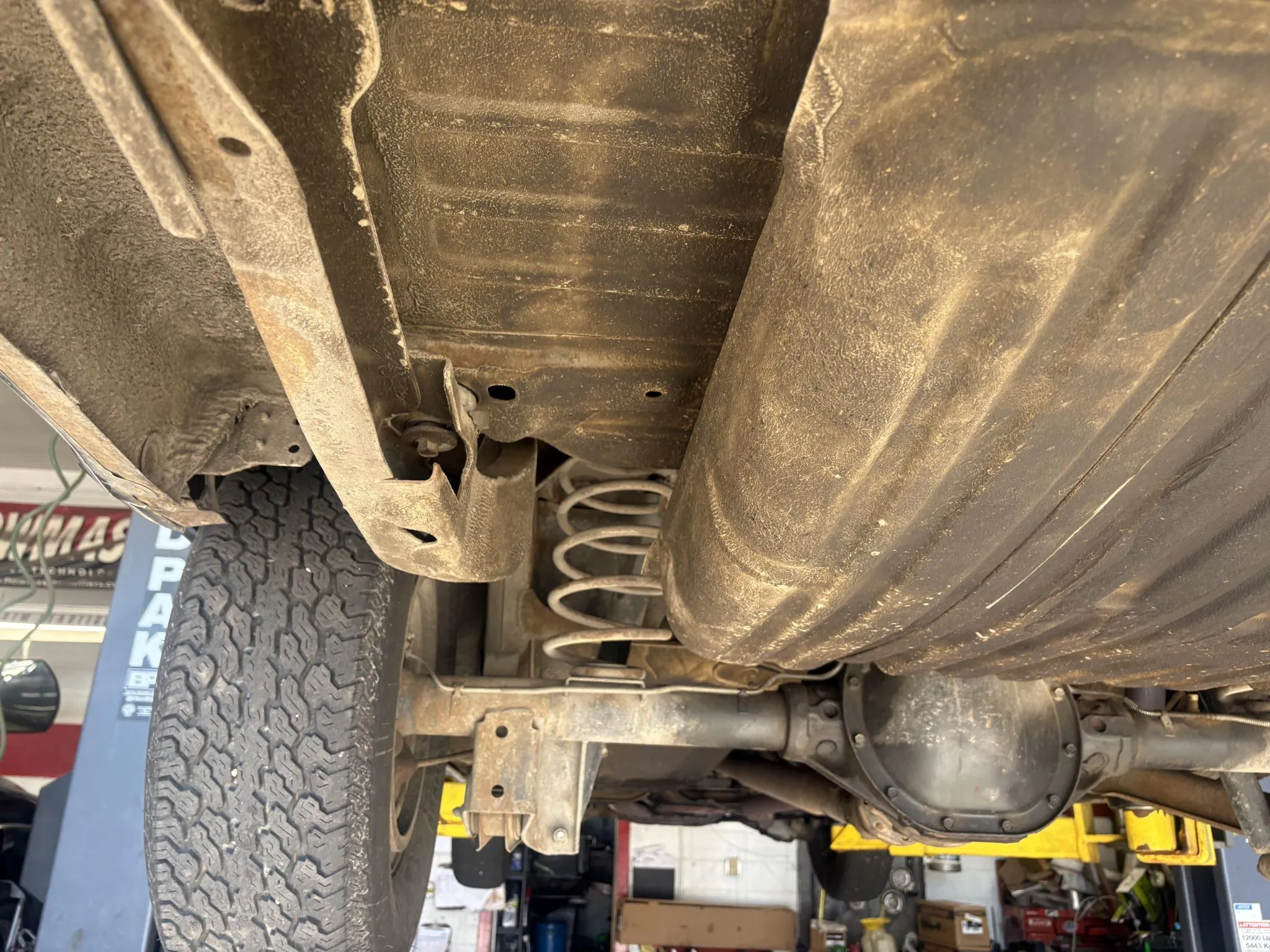
If I were buying one of these cars new, I would have been tempted by the F41 heavy-duty suspension and heavy-duty wheels ($31.00 for both), which Olds recommended for “strenuous service … and where most driving is on secondary and rural roads.” However, many contemporary buyers considered the cushy standard ride a leading Olds attraction and wouldn’t think of spoiling it with uncouth shock damping.
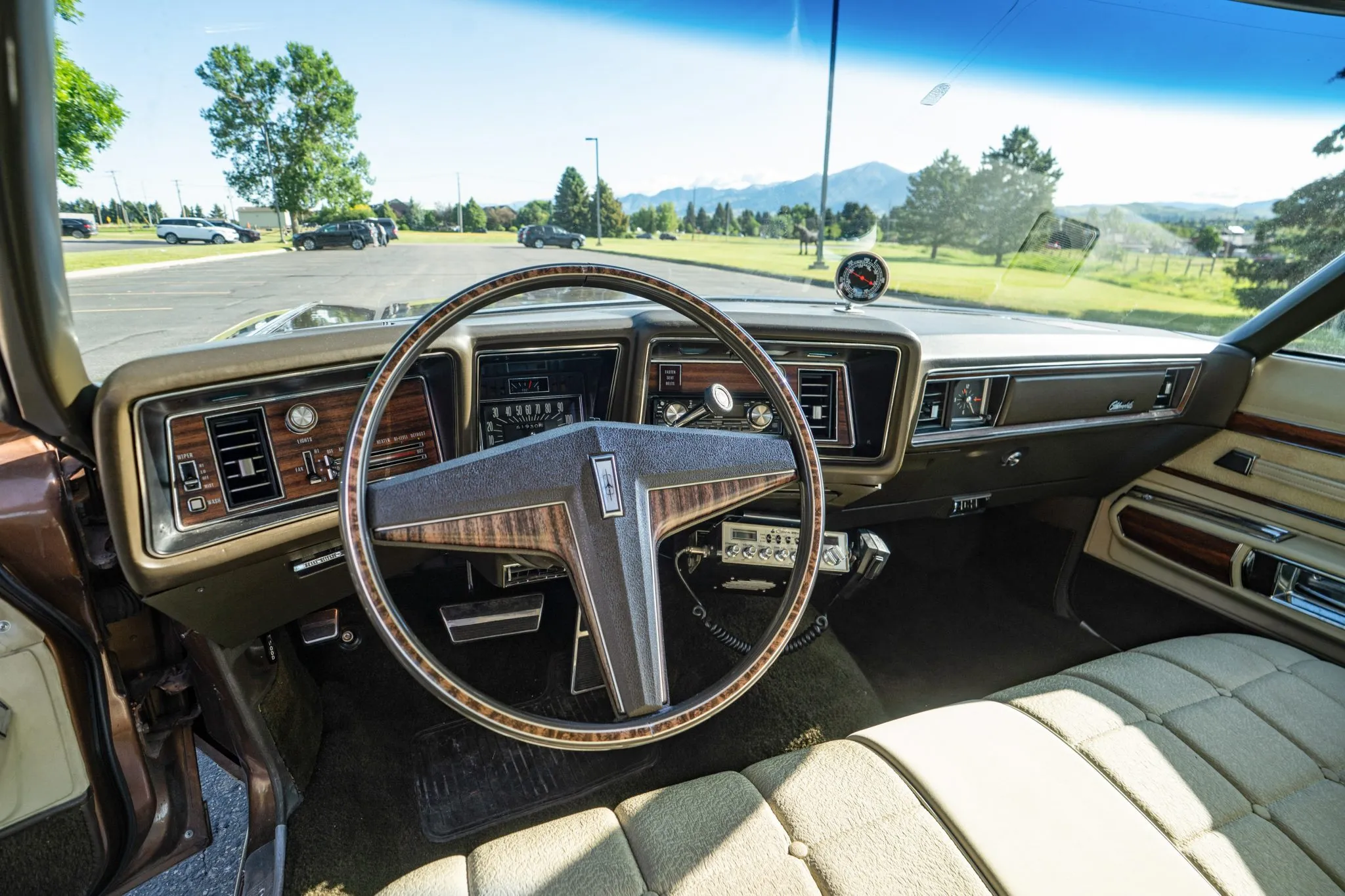
I’ve never felt the GM “cockpit-style” dashboards worked very well aesthetically; they gave the dash a cluttered Brutalist architecture vibe while preventing the front passenger from working either the radio or the heater controls. Also, why Detroit saddled so many relatively expensive upscale cars of this period with such ugly, cheap-looking steering wheels is a mystery.
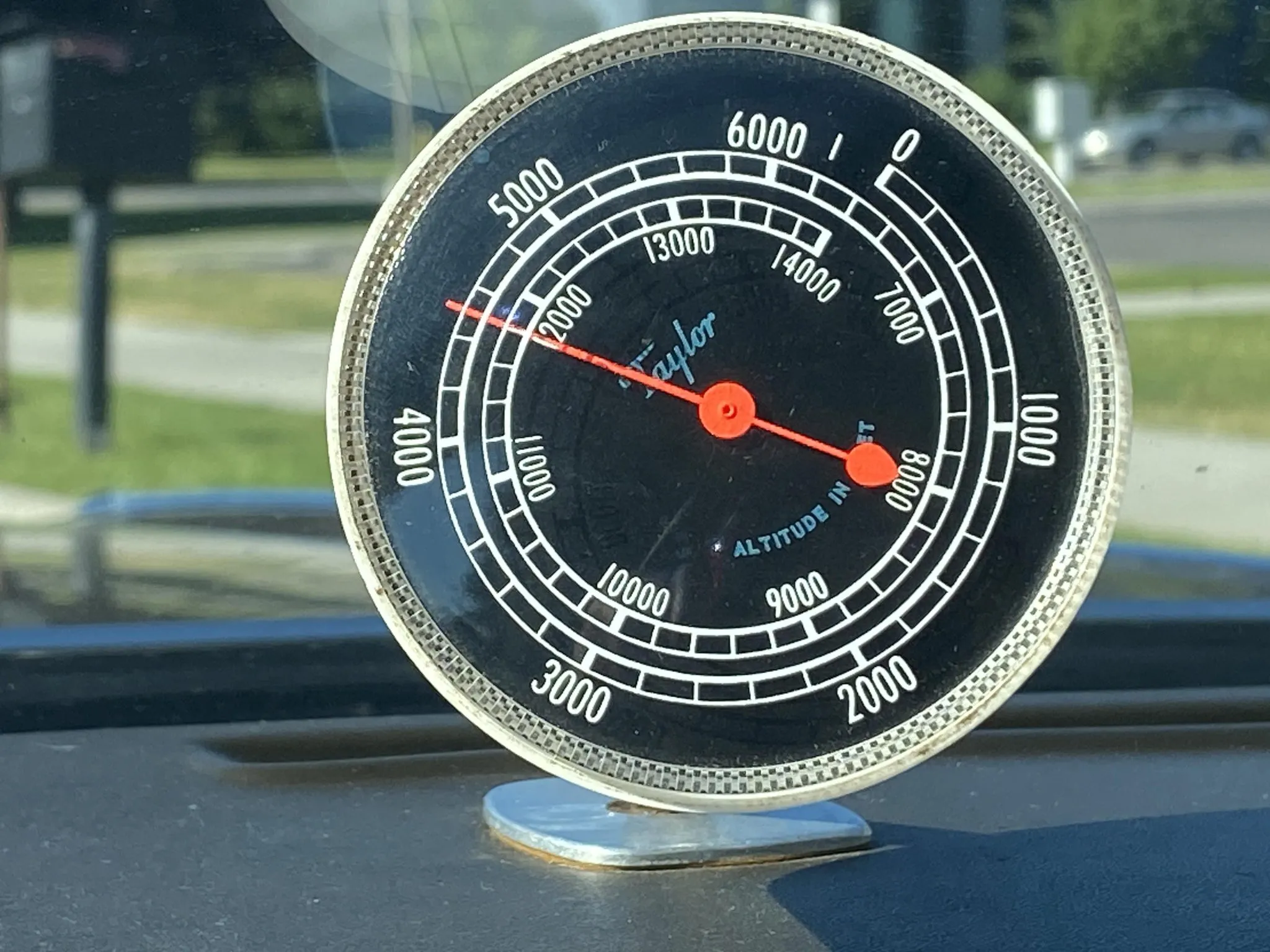
The aftermarket gauge atop the dash, which the listing incorrectly identified as a tachometer (!), is actually a Taylor altimeter.
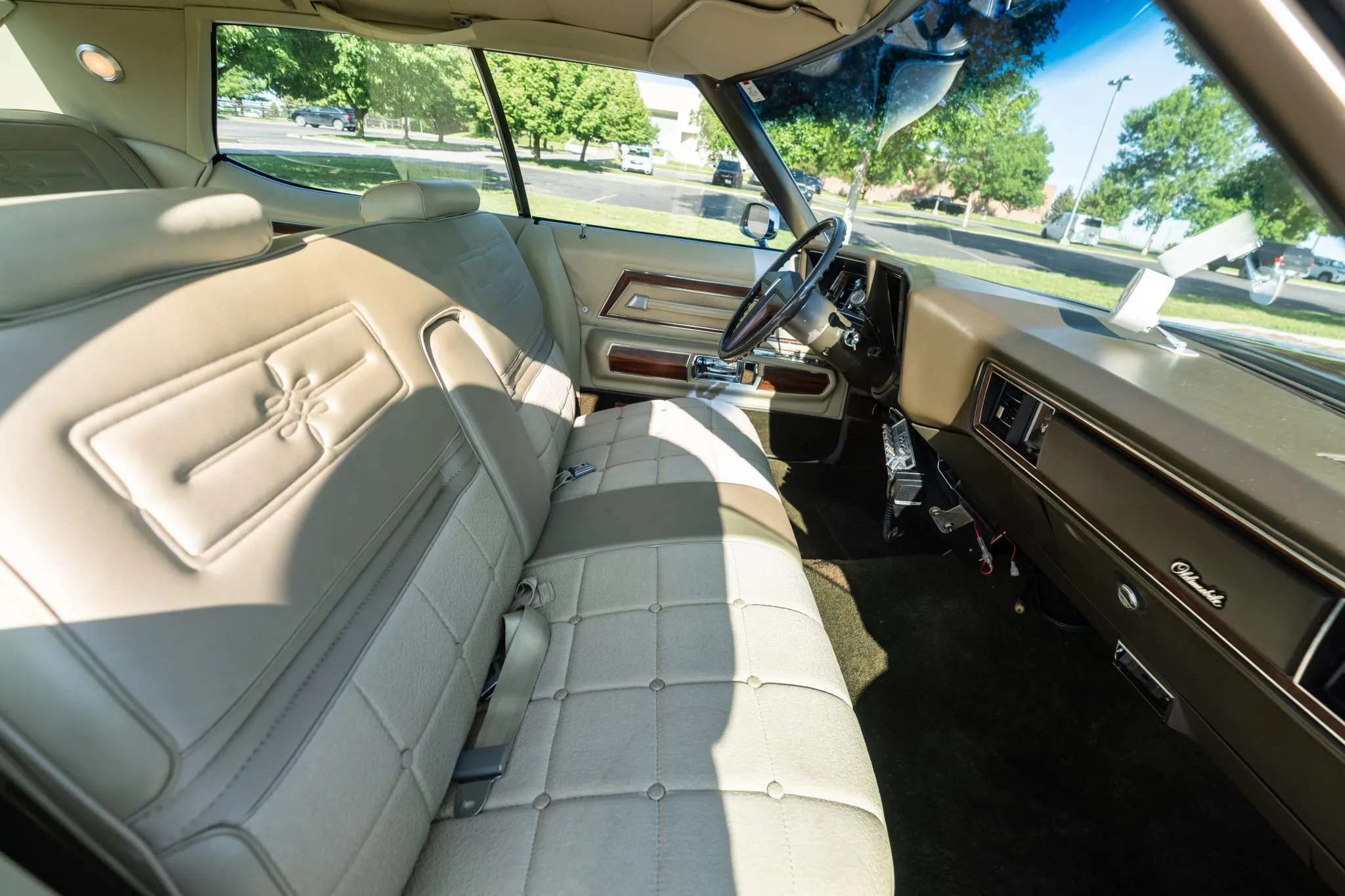
Quibbles aside, this was a very nice interior. The main selling point of the Luxury Sedan was nicer trim, and I think most contemporary buyers thought it delivered. Personally, I could do without the embossed patterns in the backrest, but the tufted biscuits-and-buttons pattern is classy and tasteful.
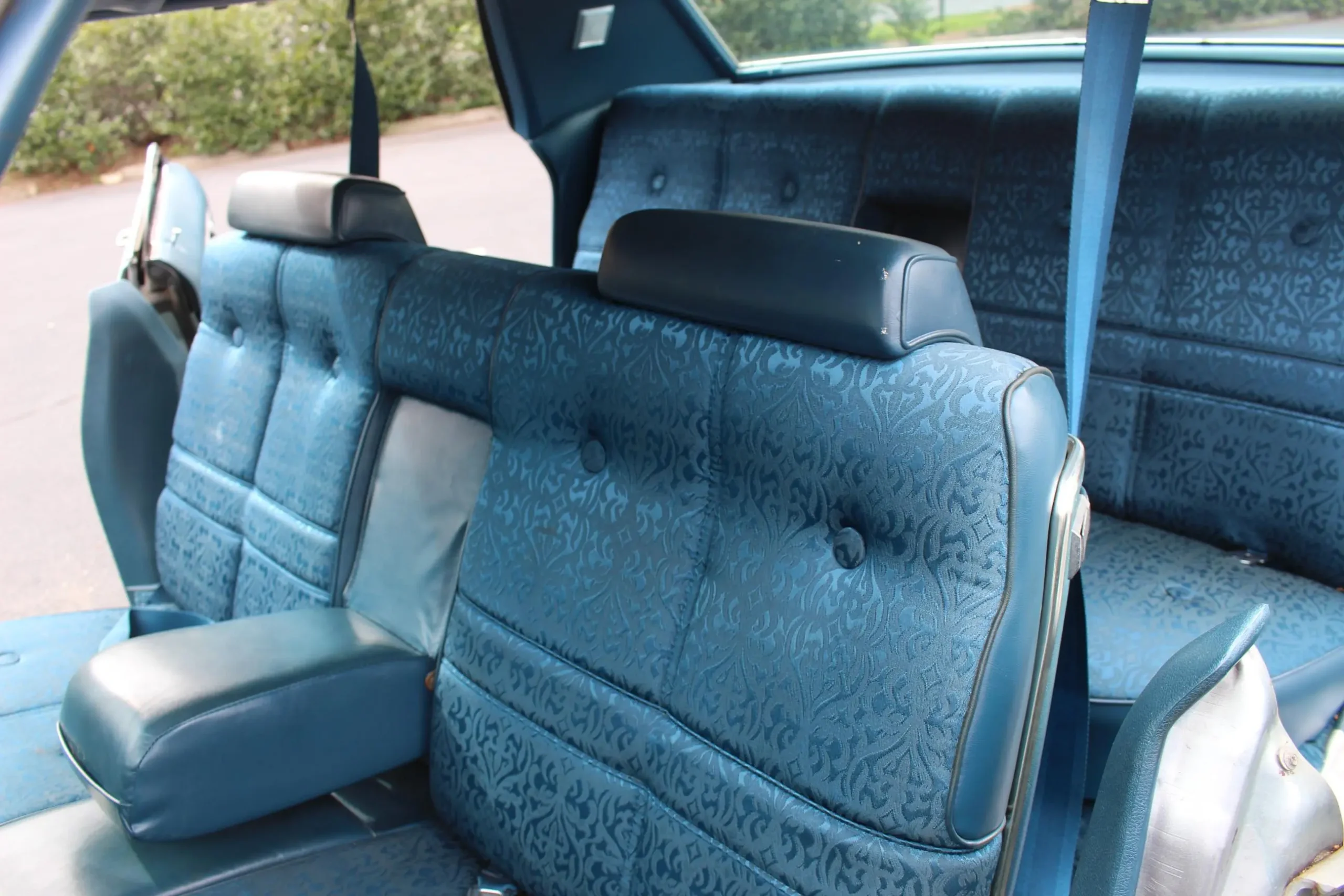
By comparison, Cadillac interiors of this time were getting louder. You got a little bit of leather on the center bolster but I don’t think it was much more luxurious otherwise. (Cadillac buyers could of course get leather upholstery, which Oldsmobile didn’t offer, but it cost $169 extra.)
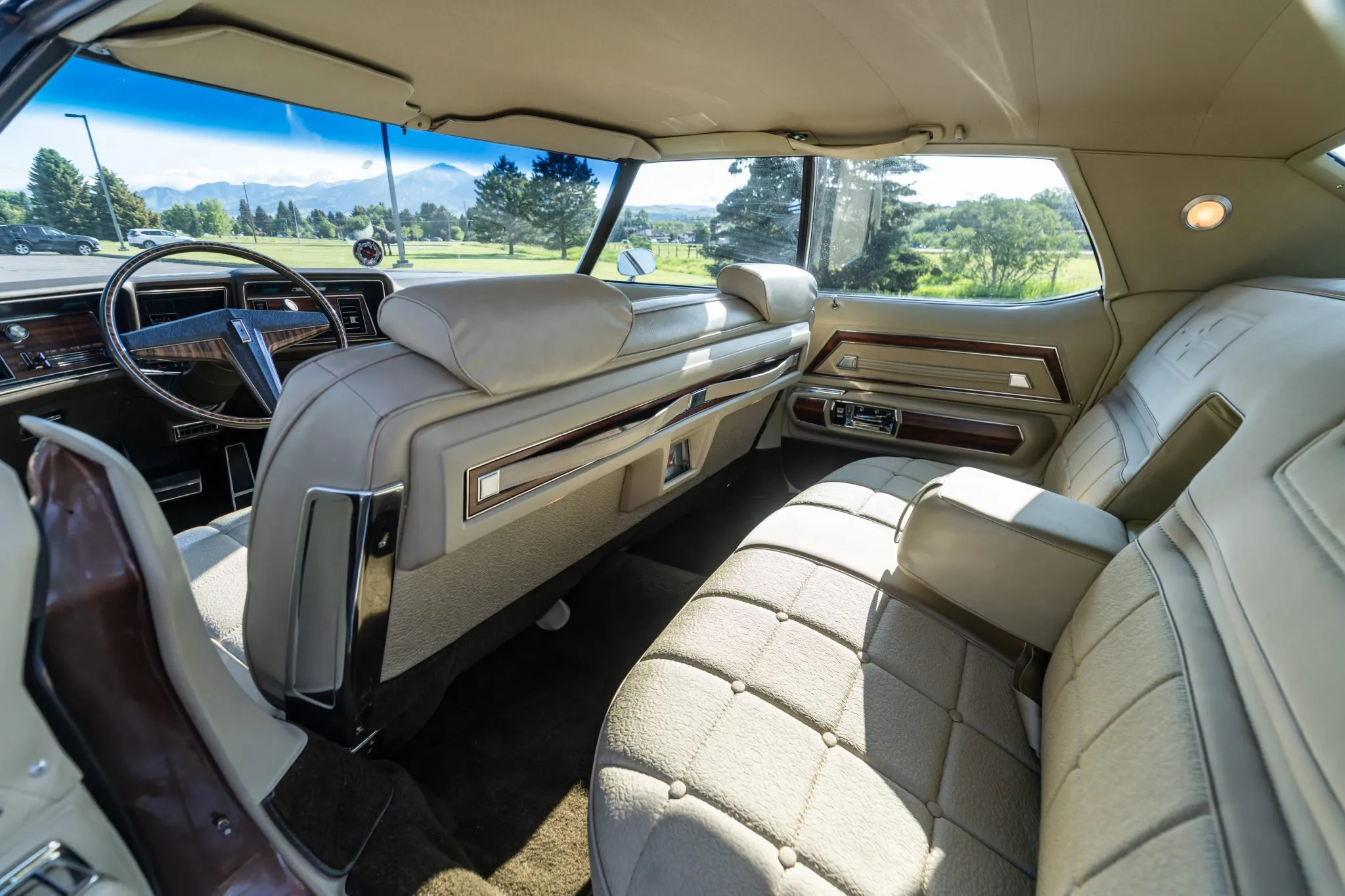
The back seat of the Ninety-Eight was particularly well turned out, although a center passenger would be bumping their knees on the center pod.
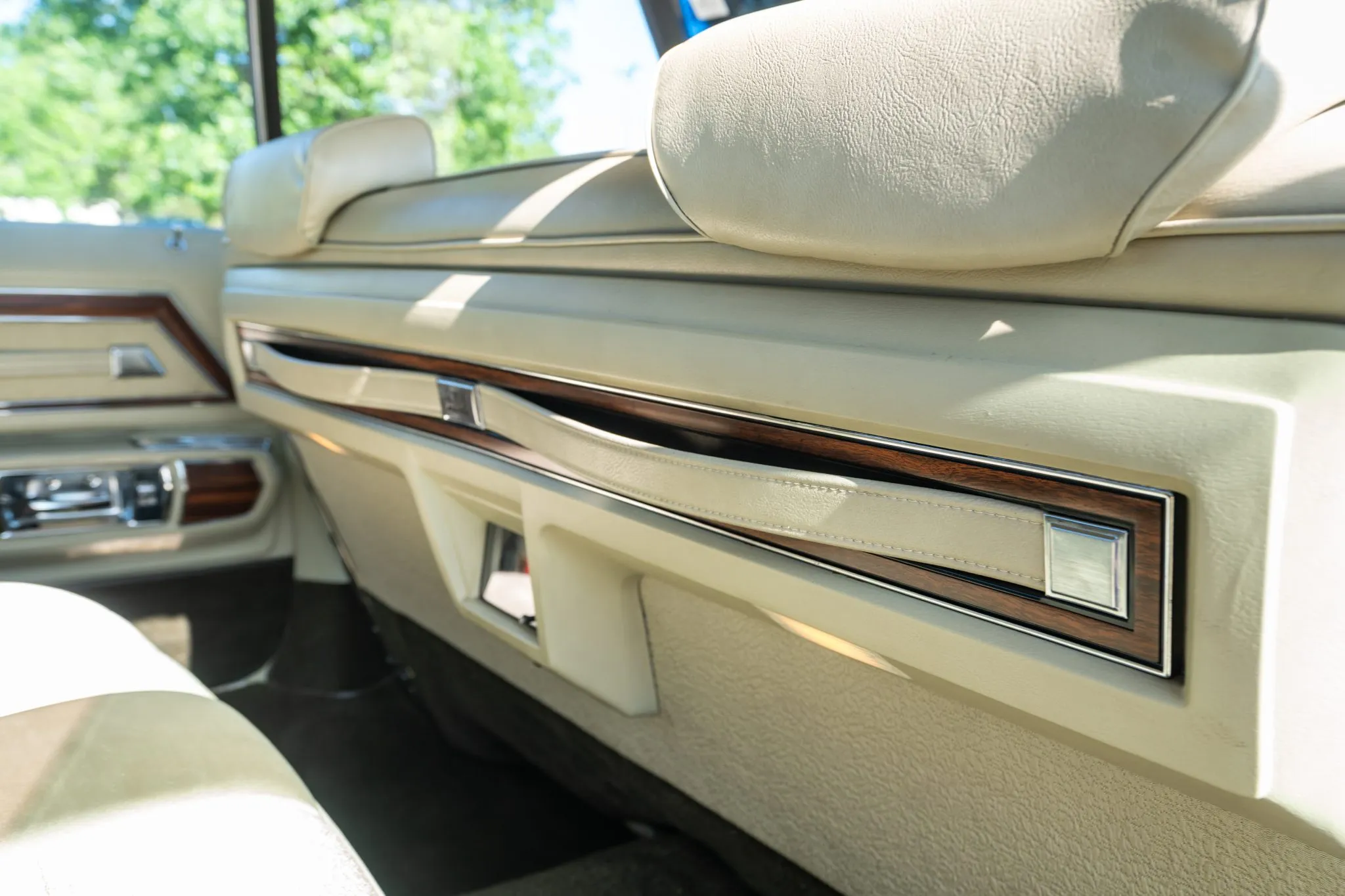
That pod contained a second electric clock for rear passengers, but for whatever reason, neither the listing for this car nor the listings for three other 1972 Ninety-Eight Luxury Sedans I found actually showed the clock clearly.
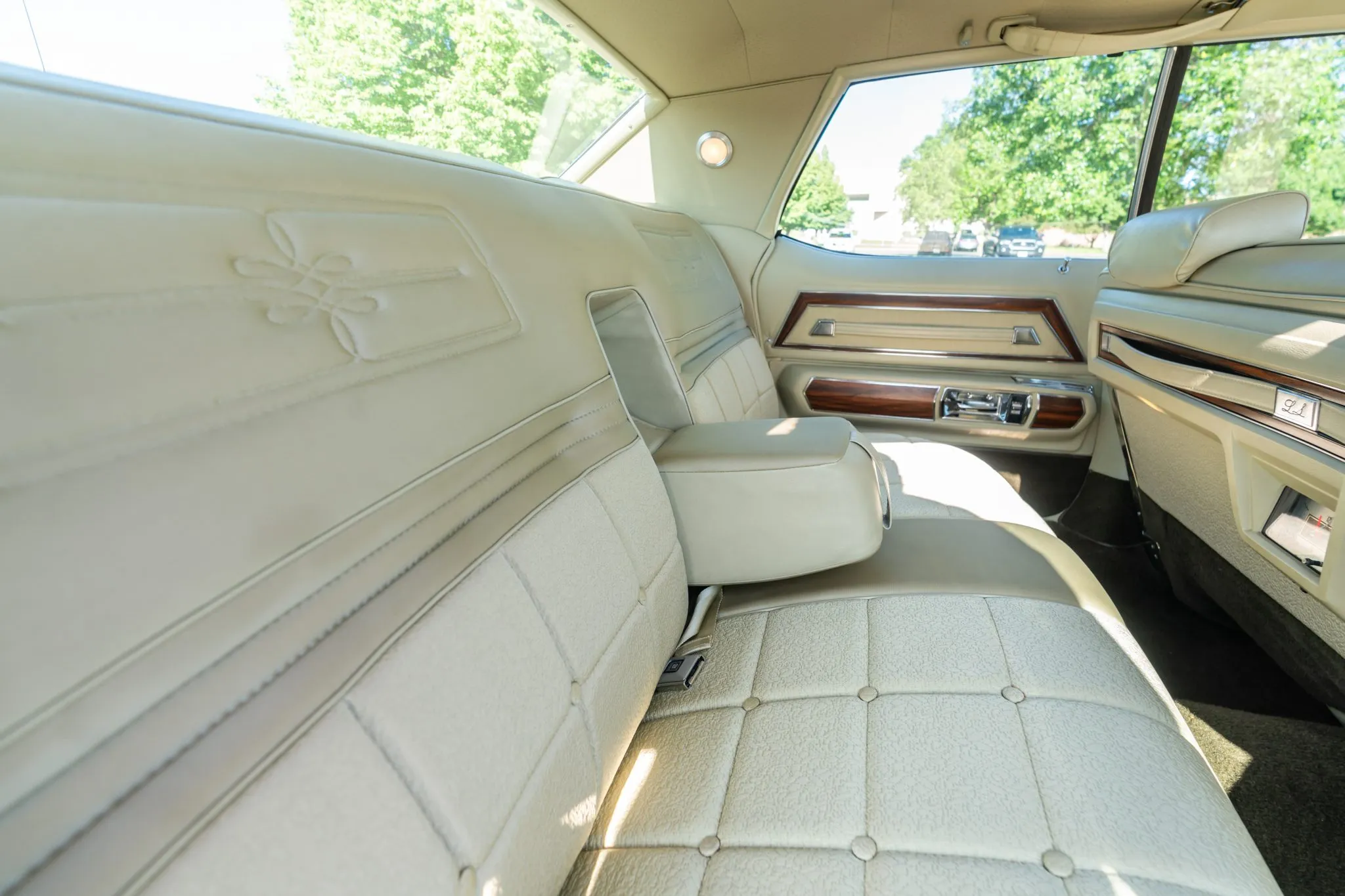
This kind of big luxury car was really what Detroit did best, or at least with the most evident enthusiasm, and the Ninety-Eight Luxury Sedan arguably represented the sweet spot between price and content. There wasn’t much available on a Cadillac that you couldn’t get for less on the Ninety-Eight (the main omissions were the automatic headlight options, although Olds offered a $12 headlight delay option); you could even have automatic climate control rather than this car’s manual air conditioning. While the Olds lacked the cachet of the Cadillac name, no one was going to sneer at you or deny you membership in the country club for driving a Ninety-Eight.
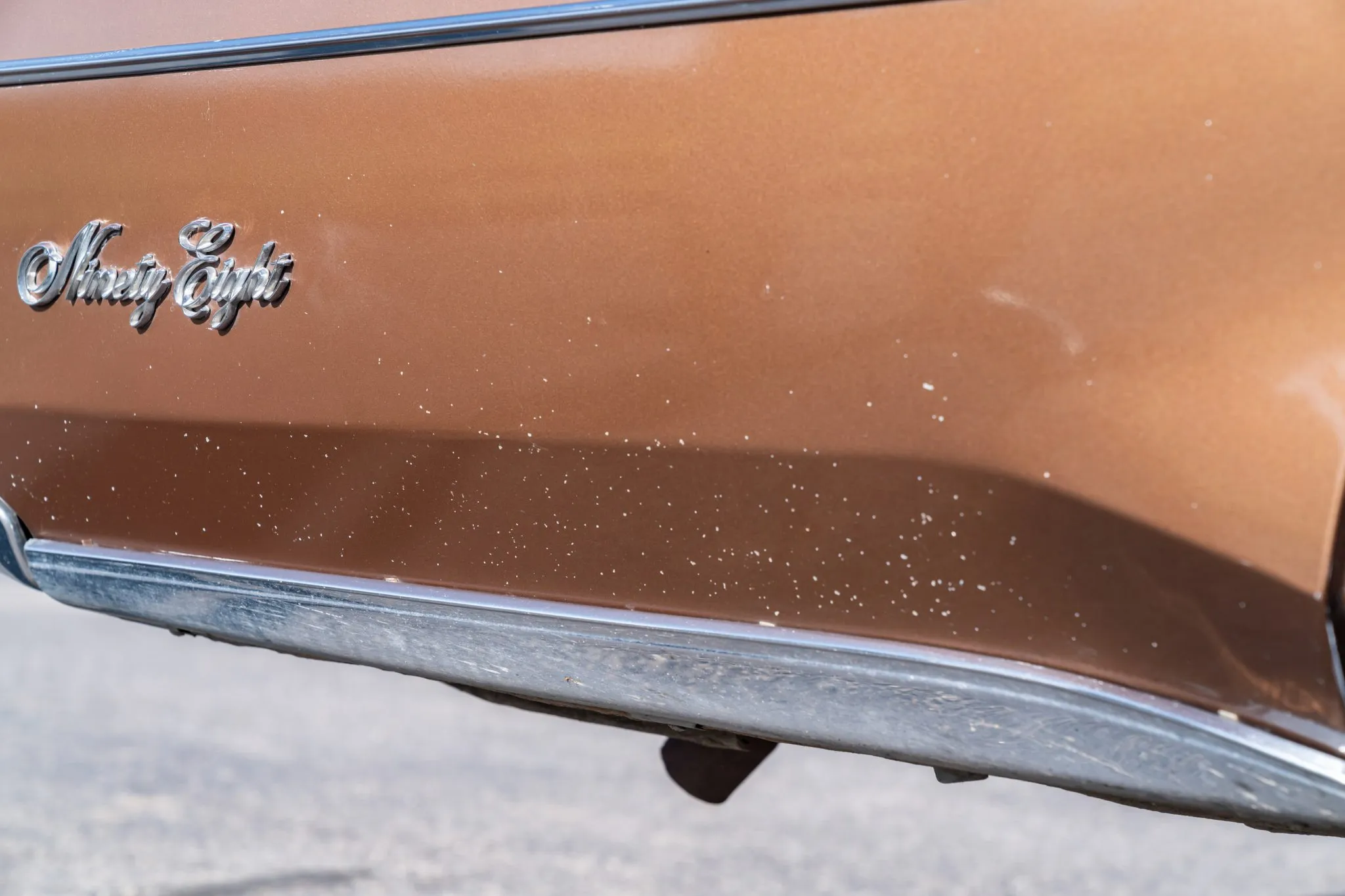
The Ninety-Eight pictured here is not a low-mileage car — the odometer read 61,930 miles when it showed up on Bring a Trailer in the summer of 2025 — and the paint has a lot of what looks like stone chips. (What was it the brochure was saying about “secondary and rural roads”?) I am also curious about why the heater core was removed and not replaced, as the listing indicates. However, the interior and beige vinyl top look to be in good shape, and it has every appearance of a car with a lot of life left in it. It sold for $11,500, which seems like a bargain, just like when it was new.
Related Reading
1963 Oldsmobile 98 Luxury Sedan – When Olds First Leapfrogged Buick On The Sloan Ladder (by Paul N)
1966 Oldsmobile Ninety-Eight Luxury Sedan: The Most Opulent Oldsmobile (by Aaron65)
Curbside Classic: 1973 Oldsmobile Ninety-Eight Regency – Nice Car, Fabulous Seats (by J P Cavanaugh)























Looks like a good application of the Sloan scale. Well equipped and appointed, but lacking some of the visual flair and high end options of Cadillac like full leather or Firemist paint (which looks fantastic in nutmeg); may or may not be a bad thing depending on point of view.
As you say Aaron, GM was well versed in the big, high profit margin cars, and these C bodies are a good example of that. Perhaps too well versed, at the expense of smaller, high volume models…
I am curious about the altimeter; was it really useful in regards to tuning the engine for height, or just a gimmick?
The altimeter is an aftermarket accessory, so only the original installer knows for sure…
I suppose the current day successor to luxury cars like this are loaded pickup trucks like a Denali with a 5 ‘ box. But the rear seats which must fold are more like leather covered park benchs than a comfortable sofa. Indeed,and I write this as the occasional user of car services, the back of a Suburban is hardly better! Bring back the glorious land yacht so epitomized by this 98.
I couldn’t agree more.
The article states this car would be like a $53,000 vehicle today. And I say, for 53 grand today, you get nothing close to what this car is.
Our automotive world needs a huge reset.
A Lexus ES 350 hybrid starts at $51,095 in the USA, pretty much exactly what the featured Oldsmobile cost.
I gazed at these pretty intently when my mother was shopping for a 72 Cutlass. These 98s were really good looking cars and I remember them being the most popular 98s in many a year. However, once I saw the Regency edition in the showroom, that one took the prize for the most decadently luxurious interior I had ever seen. The LS looked like a rental car after I saw the Regency. 🙂
This was why there was an Oldsmobile division. Frustrating that GM couldn’t let Buick, Olds and Cadillac get this size without letting Chevy and Pontiac get it too. Our roads seemed filled with cheap Chevy and Pontiac versions to such an extent that this big heavy GM body wasn’t special.
Yesterday there was posted a pretty Chevy convertible in this body that I have only antipathy towards. If you thought GM made badly styled plastic dashboards for them – the Chevy’s and Pontiac’s take were the cheapest, but yes – these dashes and steering wheels were subpar, even in an Olds, Buick or Cadillac.
GM should have limited Chevy and Pontiac to the smaller oversized intermediate cars and left these luxury barges to the luxury divisions, in my opinion.
So, this works as an Olds. These are handsome cars. They kept the split bezel design for a while and it really didn’t add to the overall look, but it at least differentiated the Olds from the other divisions. Olds stylists designed very handsome cars throughout these years. It is why a Cutlass appeared more substantial and a better value than the other GM personal luxury cars and why Olds sold millions throughout this decade.
Definitely PEAK OLDSMOBILE!
In 1972, it was an interesting choice whether you opted for a Ninety-Eight or an Electra over a Cadillac. Dimensions were close enough, and all three had “presence” on the road, in the driveway, in the church parking lot, at the country club, or at the mall, though the Cadillac name certainly carried more prestige. This car conveys that the owner is successful yet conservative with money. I don’t know the answer to this but I wonder if the choice between a Ninety-Eight over a Buick Electra was a regional thing-Oldsmobiles were more popular in one area vs Buicks, or if there was a perception of the choice between an Oldsmobile vs a Buick. I know the Sloan ladder played a role in that, but was that still a thing by 1972? I suppose today’s version of the Ninety-Eight is the GMC Yukon or the top-end Chevy Suburban, while the Buick Electra, and maybe the entry-level DeVille, would be comparable to the Yukon Denali. The Escalade is, perhaps, more similar to a Fleetwood and has the same positive and negative connotations that Cadillacs are associated with, i.e. powerful, flashy, ostentatious, luxurious.
Having owned a ’74 98 Regency, a ’75 Seville, and a ’76 98 LS, all 4 dr hardtops, imo the Olds were better put together and to me more satisfying cars. Again imo the 455 was a better V8 than the 500 in the Cad. These were the kinds of cars GM did best and the idiotic mega-pickups that seem to have replaced them are no substitute. If only our world would permit their coming back, which ain’t ever gonna happen. I wish our current garage would fit one of these ultimate highway cruisers!!
PS: I must add that after those 3 we owned a ’78 Electra, which admittedly was the better car as an everyday all-around driver, however for long distance road trips the ‘pre-77 GM C-body and Mopar’s Imperial/NYBrougham equivalent absolutely could not be beat. This ’72 is a beauty, amazing how clean that light cloth interior is after 54 years!!
I found the front end of the ’73 Ninety-Eight better looking than the ’72. Oldsmobile did a far better job integrating the new 5-mph bumpers than any other Detroit manufacturer, but only for that year.
These were beautiful cars. I love the little finlets and the V-shaped headlights are really cool looking. I had a playmate as a child whose father had this exact same car. He took us swimming in it a couple of times. I was impressed by the rear seat room because that’s how I judged cars at the tender age of eight years.