
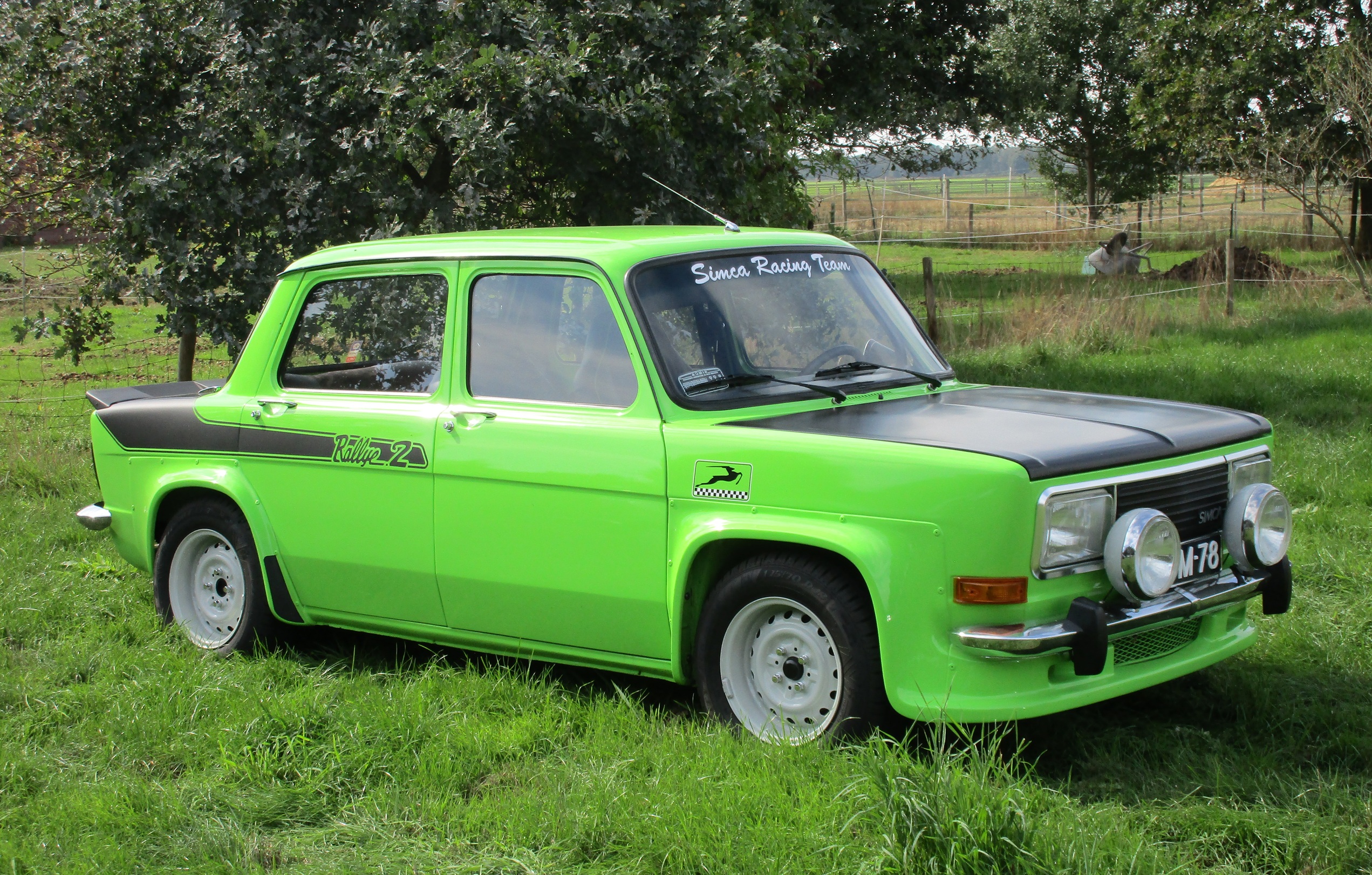
This lime green, rear-engined beastie stood out in the temporary parking area next to a Renault gathering, recently held in the south of the Netherlands. The 1977 Simca 1000 Rallye 2 with steelies was a certified eye-catcher, deserving a full walk-around.
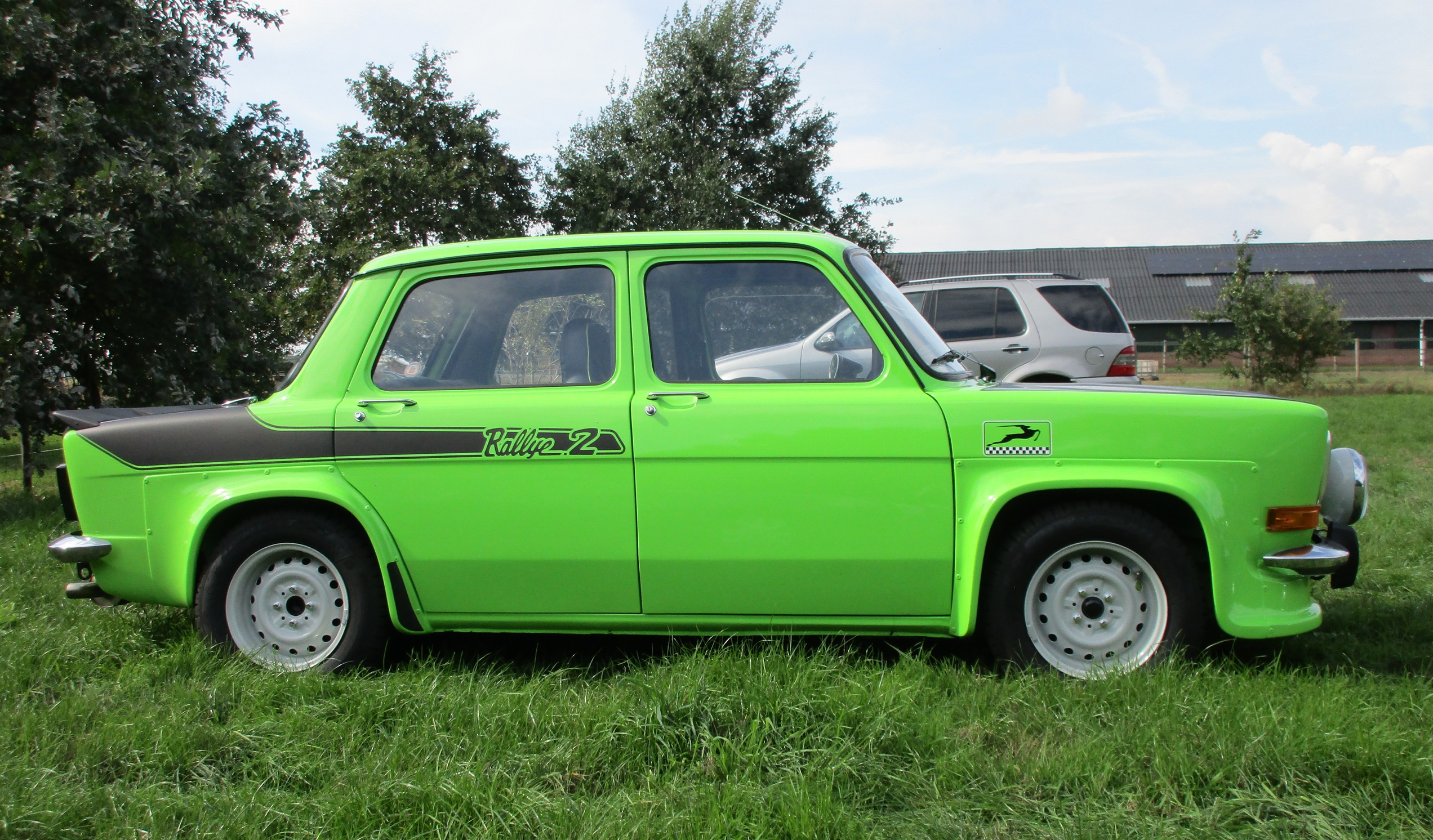
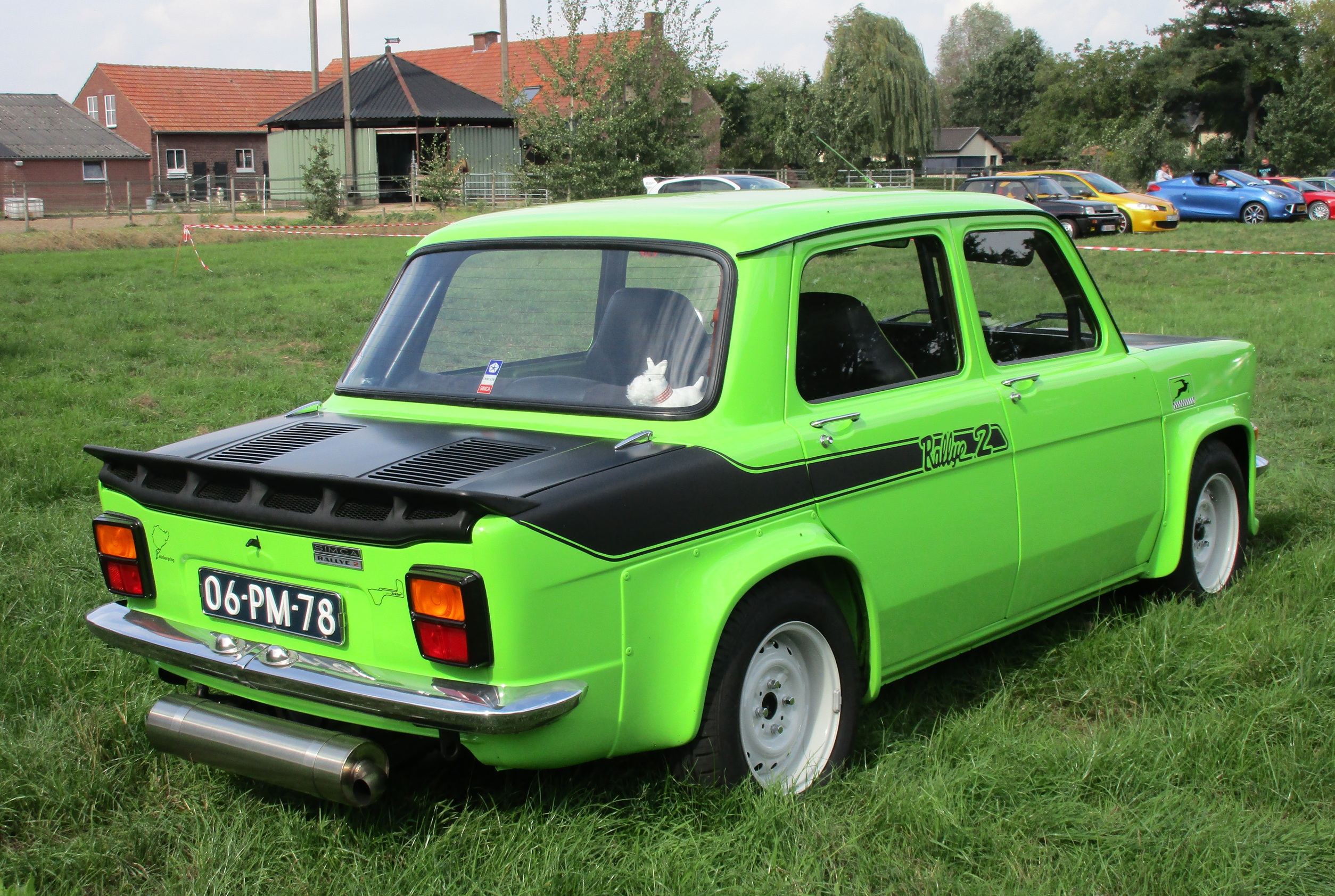
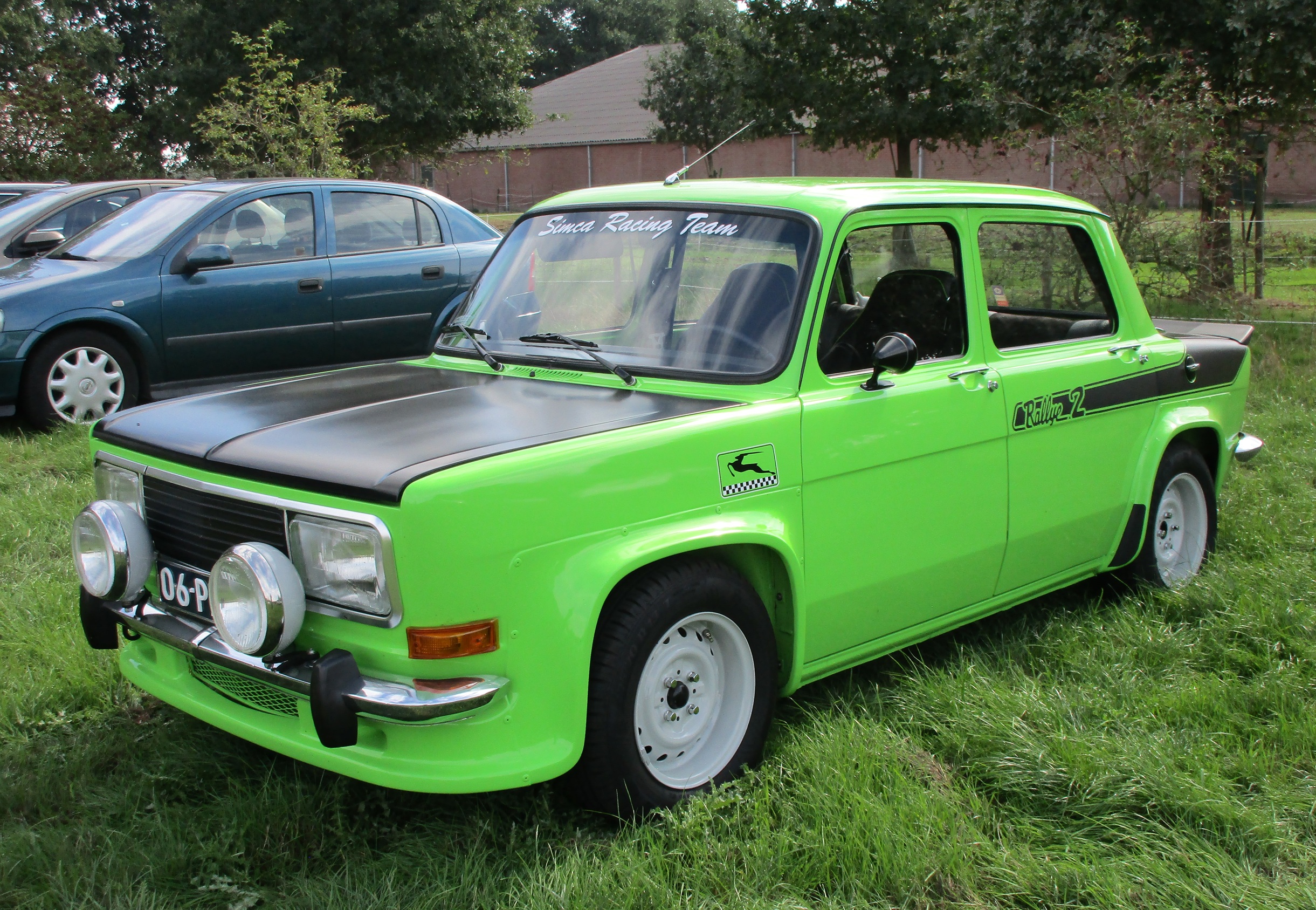
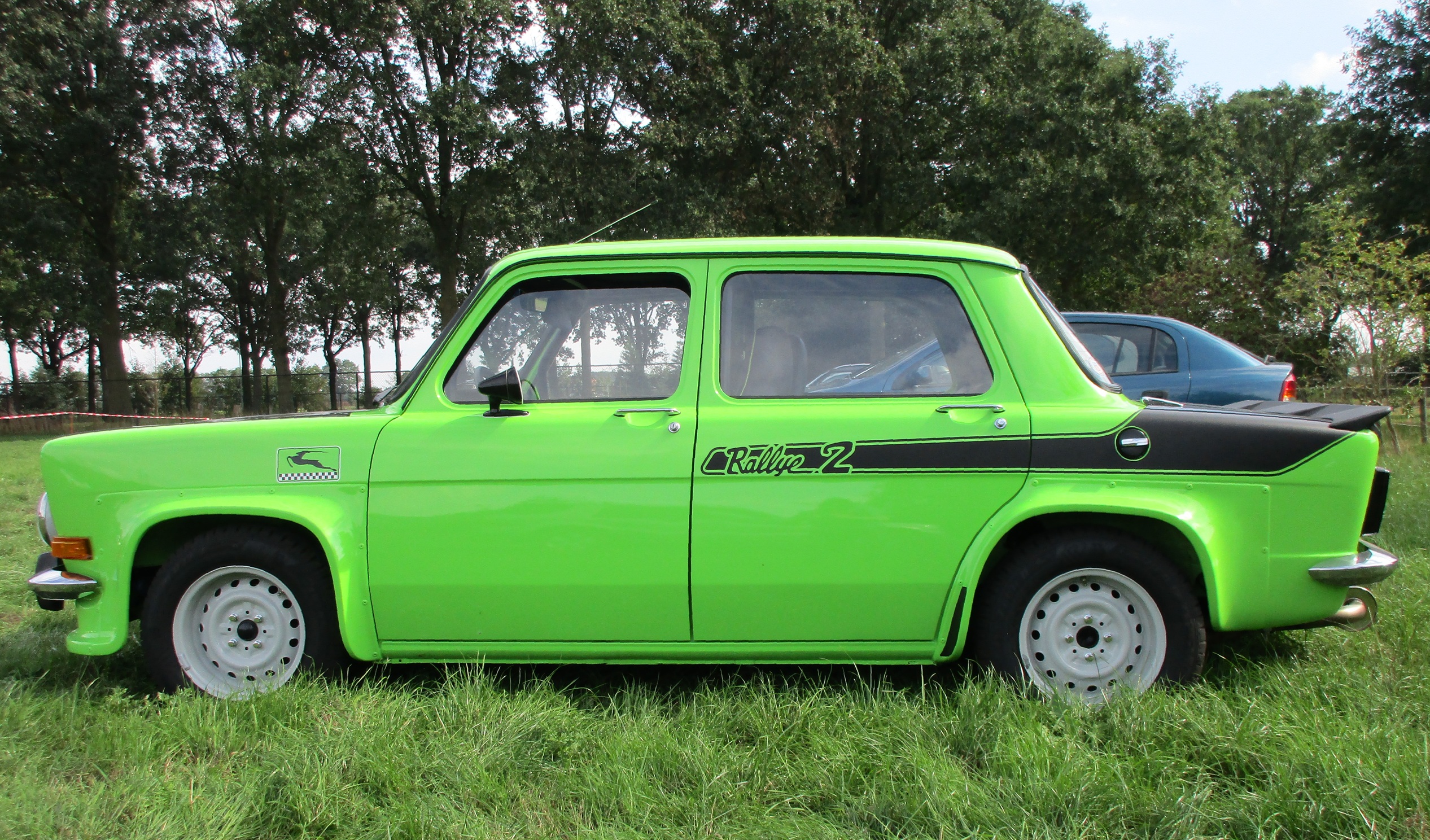
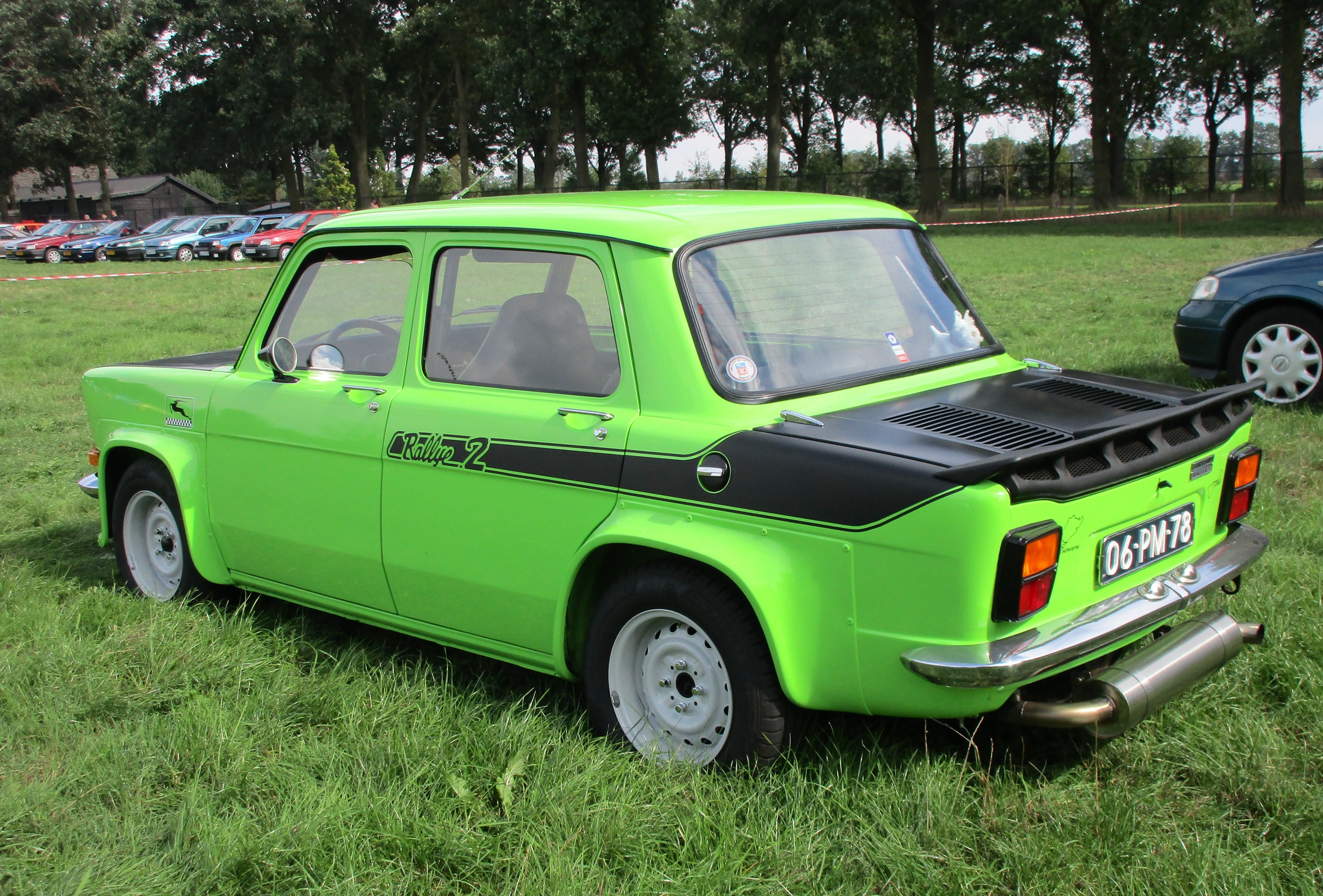
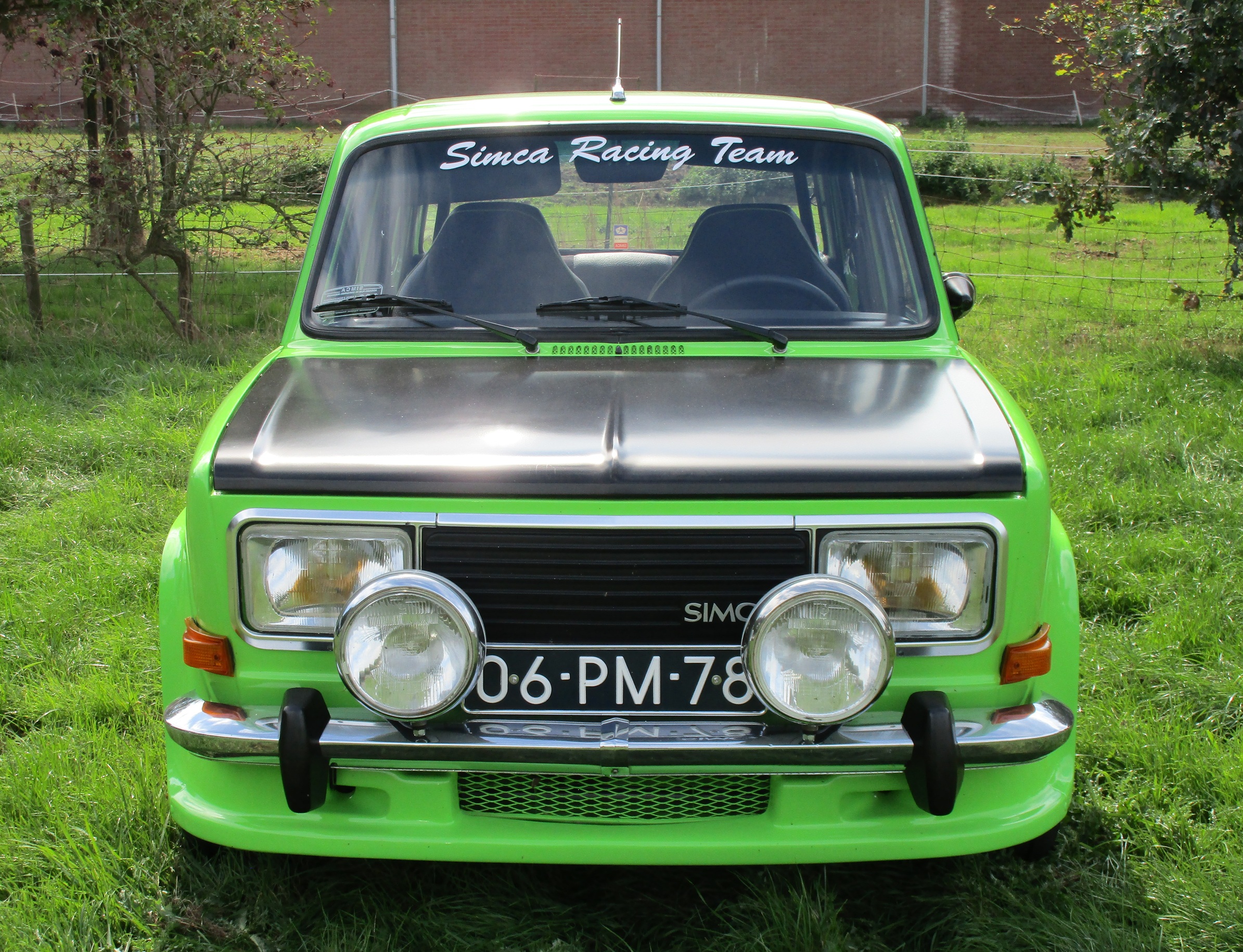
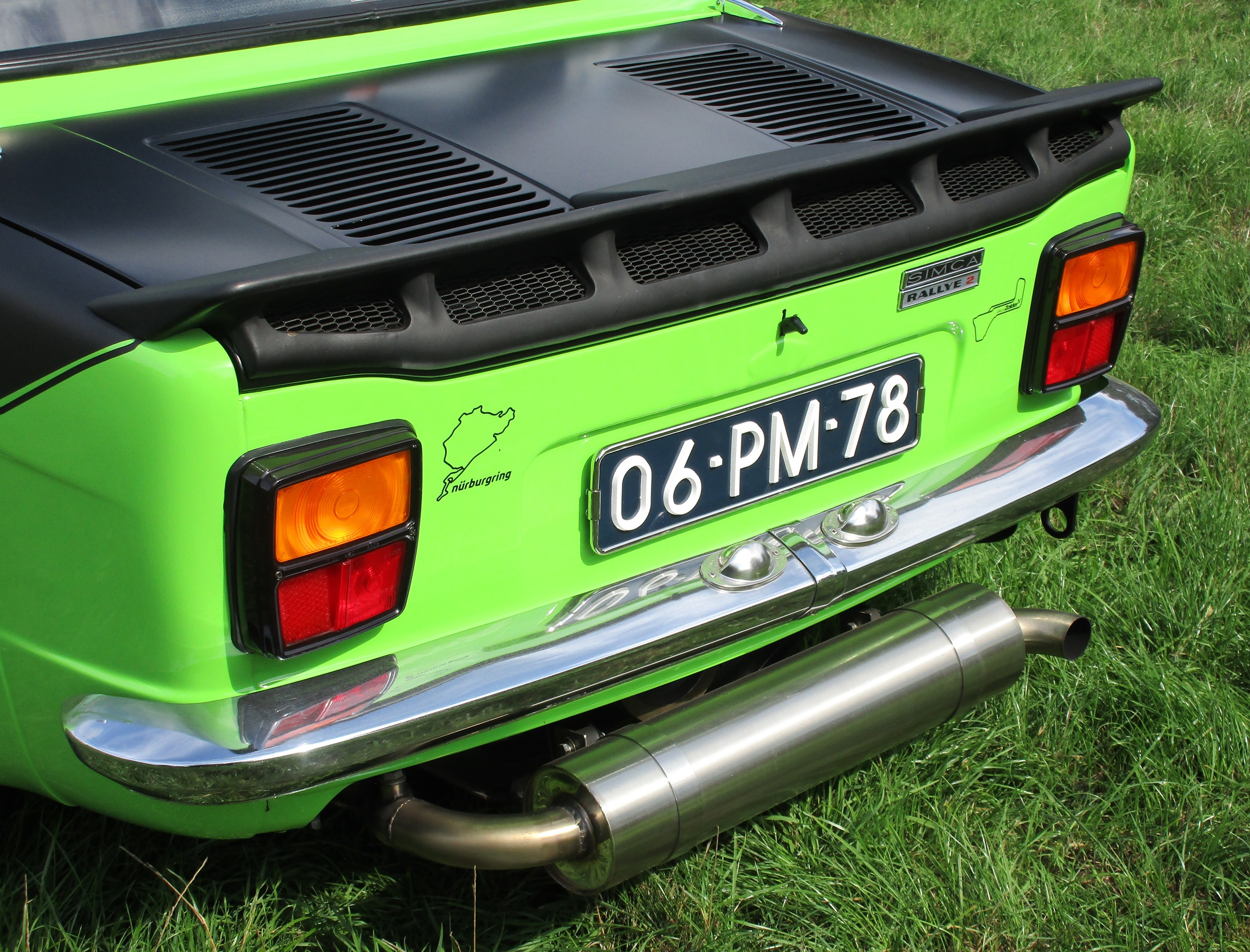
The car’s whole setup and appearance, from front to back, already suggest that the Simca 1.3 liter four-cylinder goes beyond the 86 factory horses.
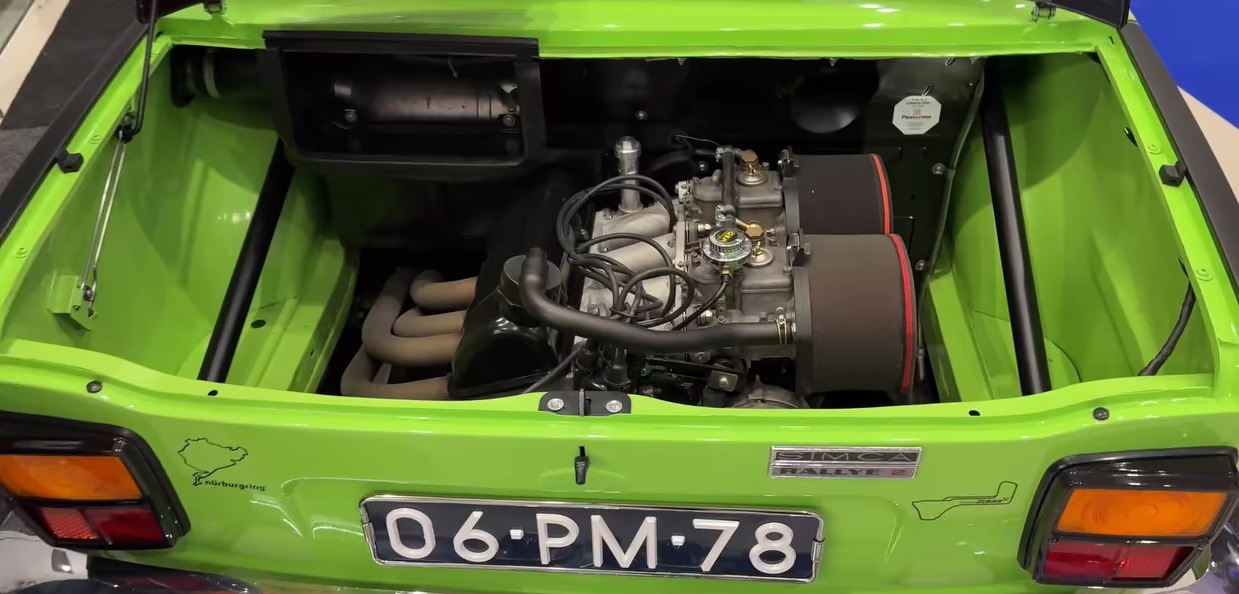
And indeed, after some searching, I found a few short videos of the very same Rallye 2. Here’s a screenshot of the ‘mildly tuned’ engine.
Speaking of tuning, Chrysler France offered a Kit Compétition Groupe II pour Rallye 2. It was a complete tuning kit (body, suspension, engine) to create a 110 hp, race and rally worthy Simca 1000 Rallye 2 Coupe SRT 77, the ‘fieldside classic’ I caught on camera is looking practically the same.
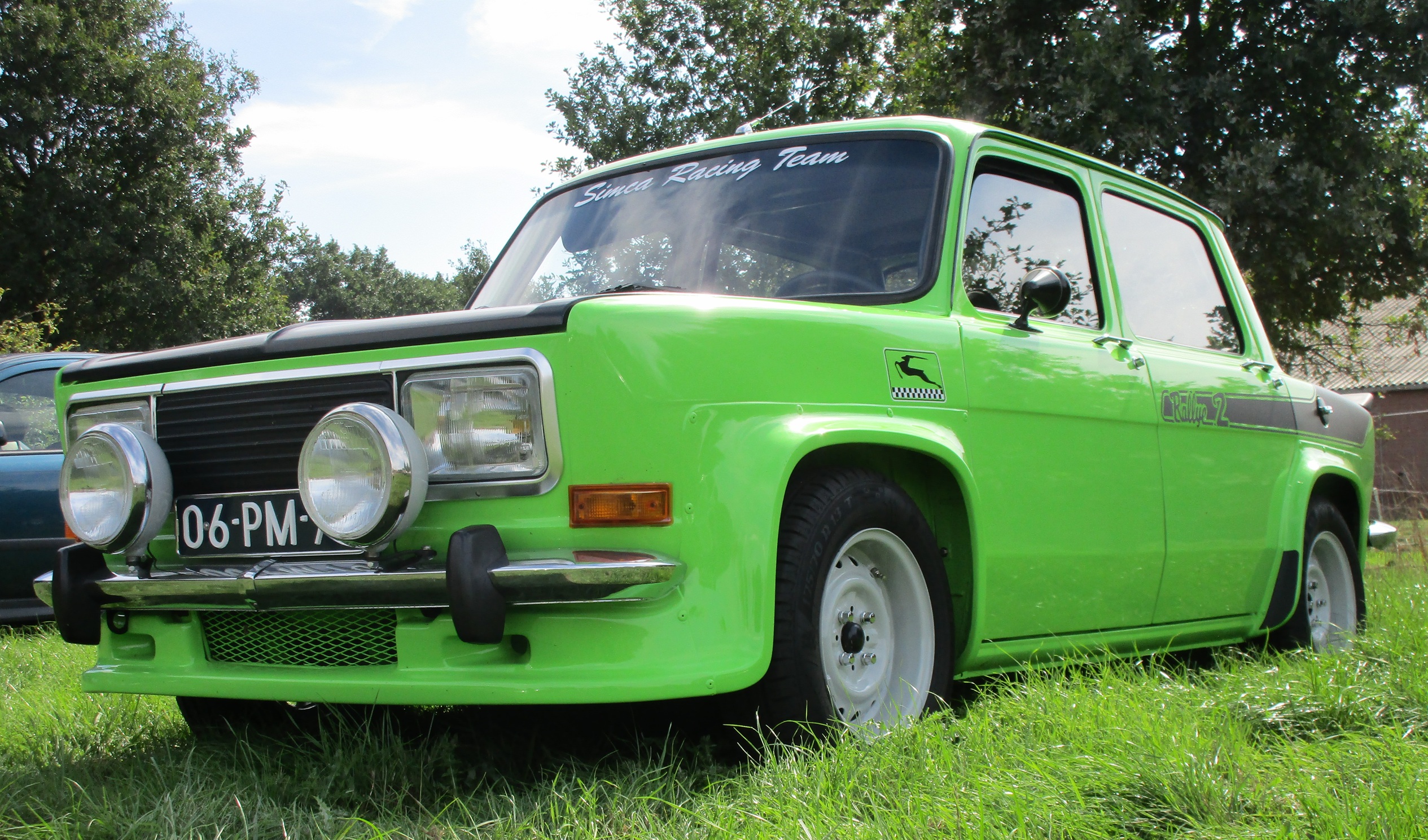
The letters SRT stand for Simca Racing Team, well played sir! Another much younger classic -parked in the same field- in a next episode.
Full Rallye 2 story and more links at the bottom of the article:
1973 Simca 1000 Rallye 2 – Hyperactive Retirement by Tatra87























Talk about lipstick on a pig, that thing looks ridiculous. We drove an 1100 version around 5 countries in Europe in 1976 and it wasn’t a fun ride, one must beware of taking that weakling (stock) car on the Autobahn, but maybe this one would be a bit better.
Compared to the article’s Simca (did you even take the time to read those few sentences?), a contemporary VW Golf GTI Mk1 was a wobbling, malaise-era land yacht.
What an outrageous little beast. This was very much in the vein of all those Abarth 850-based cars; the Simca’s Fiat connection is on full display. 1977; I tend to forget how long the Simca 1000 family was built. Definitely a bit retro by that time, which almost certainly added to its appeal. Not a lot of rear engine cars left by that time.
If to choose a Simca 1000, I would definitely prefer this version:
In Edmonton, those rear-engined Simcas were popular for ice racing in the 1960’s, along with Renault 8’s. Citroens were also popular for ice-racing at the time.
Love it, we stopped getting these cars by 77 but they were popular and the rallye parts could be had via dealers,
I can imagine tearing up a course with this wild looking cart. Awesome.
Me too!
Upright roof pillars. Makes ingress and egress easier.
Nothing like getting older (I’m 64) to discover that modern ‘coupe-like’ styling sucks when you have reduced mobility and flexibility.
@Randerson If you don’t like it, don’t slag it. This would be a ball to drive, and Johannes’ photos are fabulous.
Not with those square front wheel cutouts. Sheesh.
Form follows function in a pure form. This was never meant to be a fancy looking boulevard cruiser or Autobahn burner.
Nice find, perfect colour
It’s a Mini Mopar ! I was going to suggest a Mopar sticker for the back window, but it already has a much more appropriate one.
I love it !
110hp is a damn fine output for 1.3 litres – though doubtless torque peaks at 5K – and it would make for a hooningly wild drive, but dear god, it is an appalling looker. Maybe they thought the Soviet Union was on a winner and so employed all their finest stylists, because it looks like a wheeled suitcase that ate a Wartburg. Or perhaps just a wart.
That said, someone’s put a lot of time into this thing, and, I suppose, if you’re going to be – er – noticeable in your appearance, why not shout it out in magnificent Startle Me green.
The appropriate expression is ‘mooi van lelijkheid’. The souped-and-dressed-up Rallyes 1 and 2 were basically four-wheeled sport bikes with a steel body, and those bikes usually don’t stay under the radar either (and not only color-wise). Competitive li’l rally and race cars they were.
Don’t know about torque, but all of the 110 DIN-horses (Group 2 competition package) arrived at 7,000 rpm.