
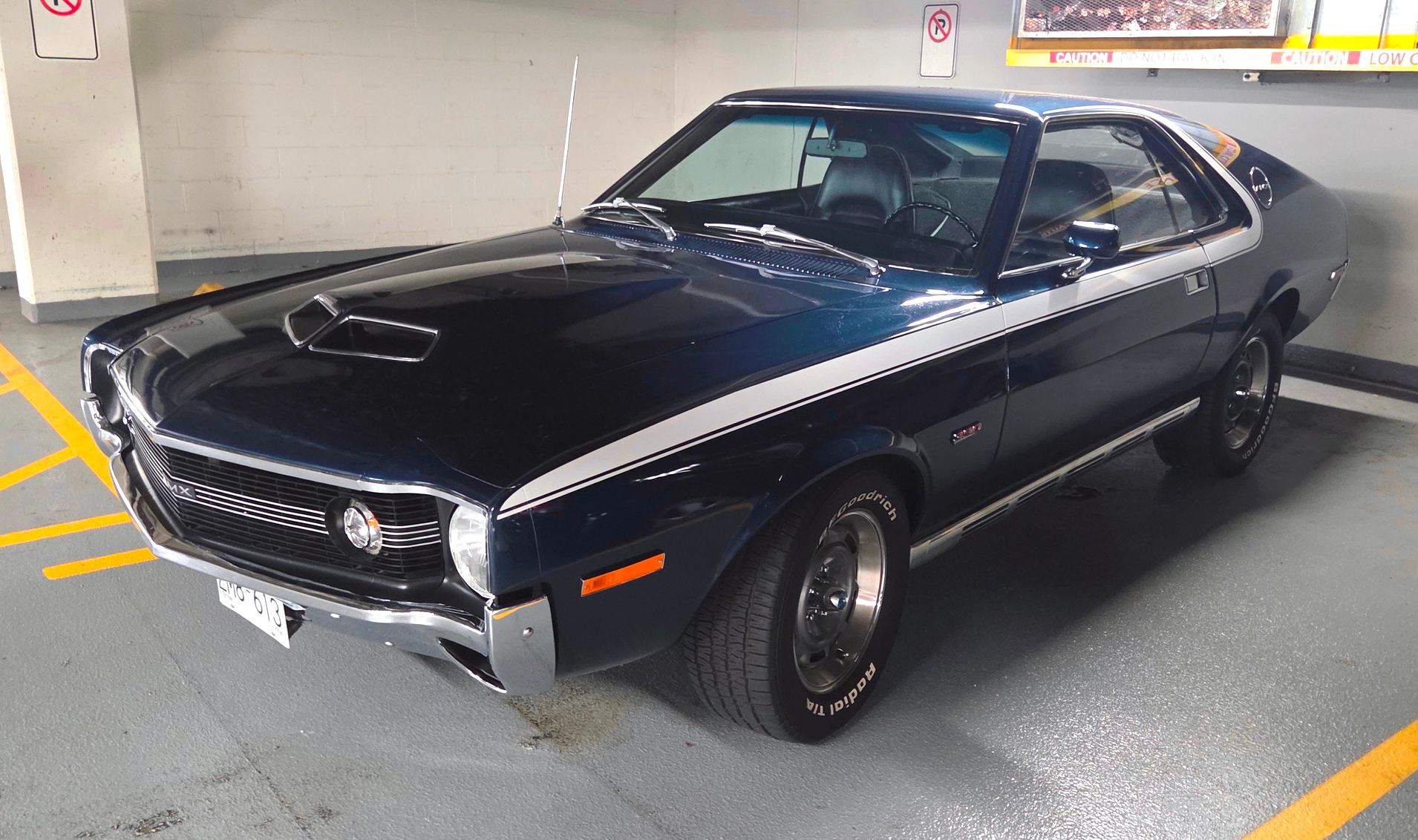
It’s time to catch up with the latest Cohort finds from our contributors. We’ll start with what may be the rarest of the bunch by original production numbers: a 1970 AMX spotted by nifticus392. This was the final year for AMC’s unusual two-seat sports car/muscle car hybrid, and the rarest of the 1968–1970 models, with just 4,116 built.
The 1970 AMX received a modest styling update, mainly a revised grille with fussier detailing. AMC’s promos gave the new face its own spin: “The AMX looks tougher this year because it’s tougher this year.”
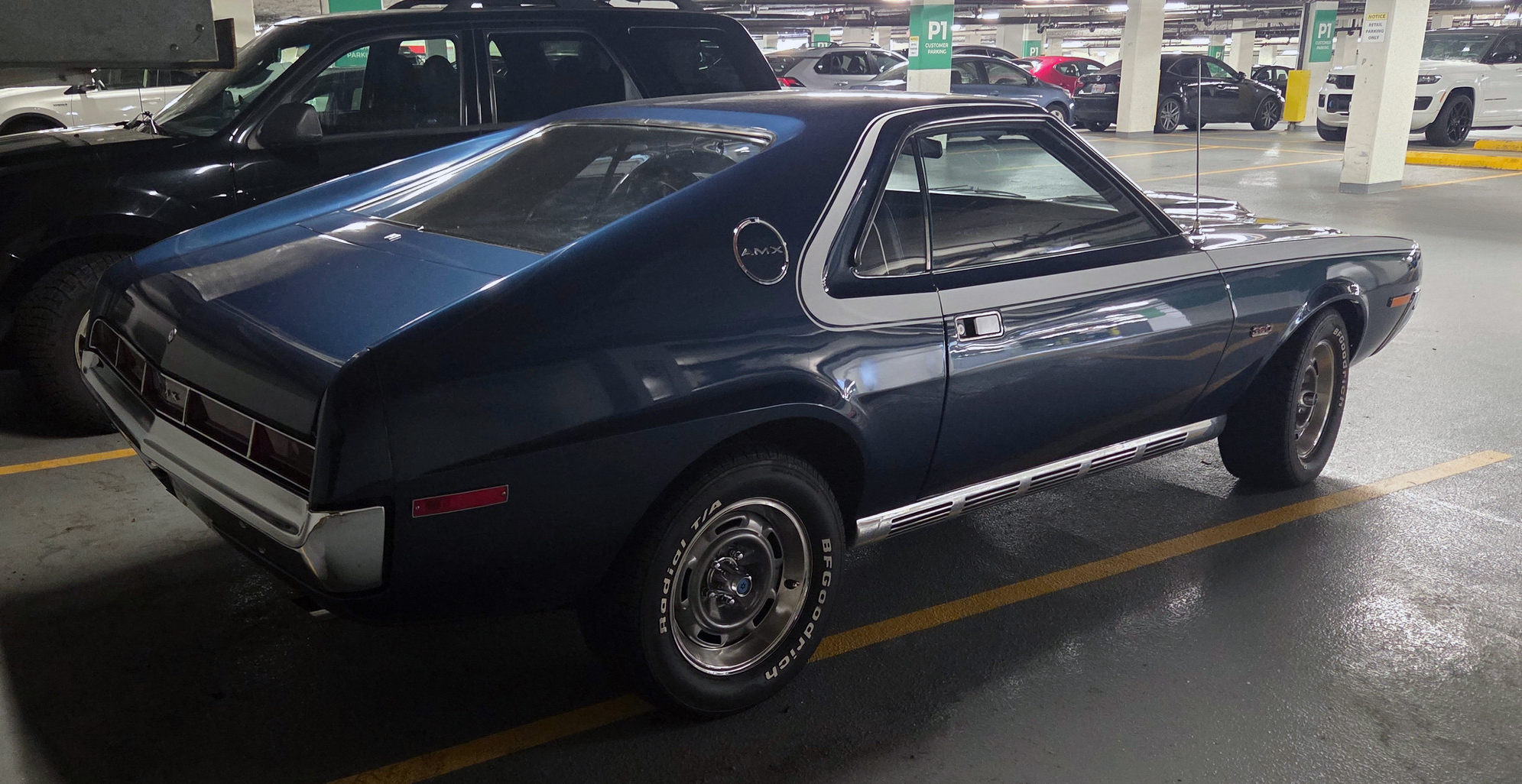
The original two-seat 1968–1970 AMX is one of those polarizing AMC products that make the automaker such rich fodder for discussion. Based on the Javelin, riding on a shortened wheelbase, and developed on a shoestring, it was meant to give perennially square AMC a more youthful image. The result was industrial-sleek and offbeat all at once. Compact it may have been, but it was also too blunt and unrefined for some sports-car purists. Think less precision instrument, more American muscle-car jackhammer.
Beyond the facelift, 1970 brought a 360-cubic-inch V8 rated at 290 hp, replacing the 343, while the smaller 290-cubic-inch engine was dropped. The 390 stuck around, available in 325- and 340-hp versions.
The two-seat AMX disappeared after 1970, but the name lived on as a trim package for several more years.
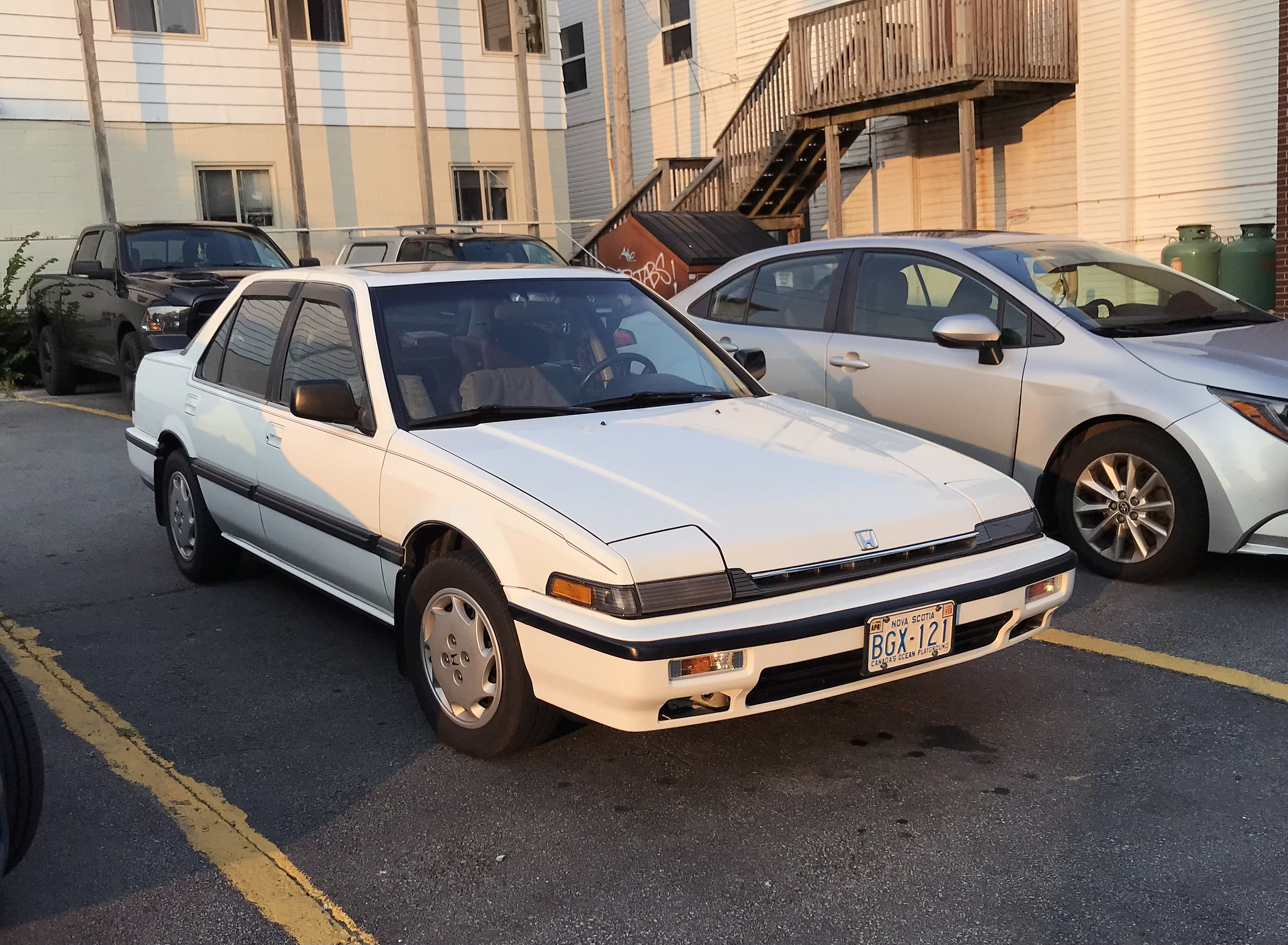
On a completely different note, here’s a third-generation Honda Accord spotted by Eric Clem. Recently, a post made the case that the 1985–1989 models represented peak Accord styling, and I’m certainly not going to dissuade that notion. I truly like these cars.
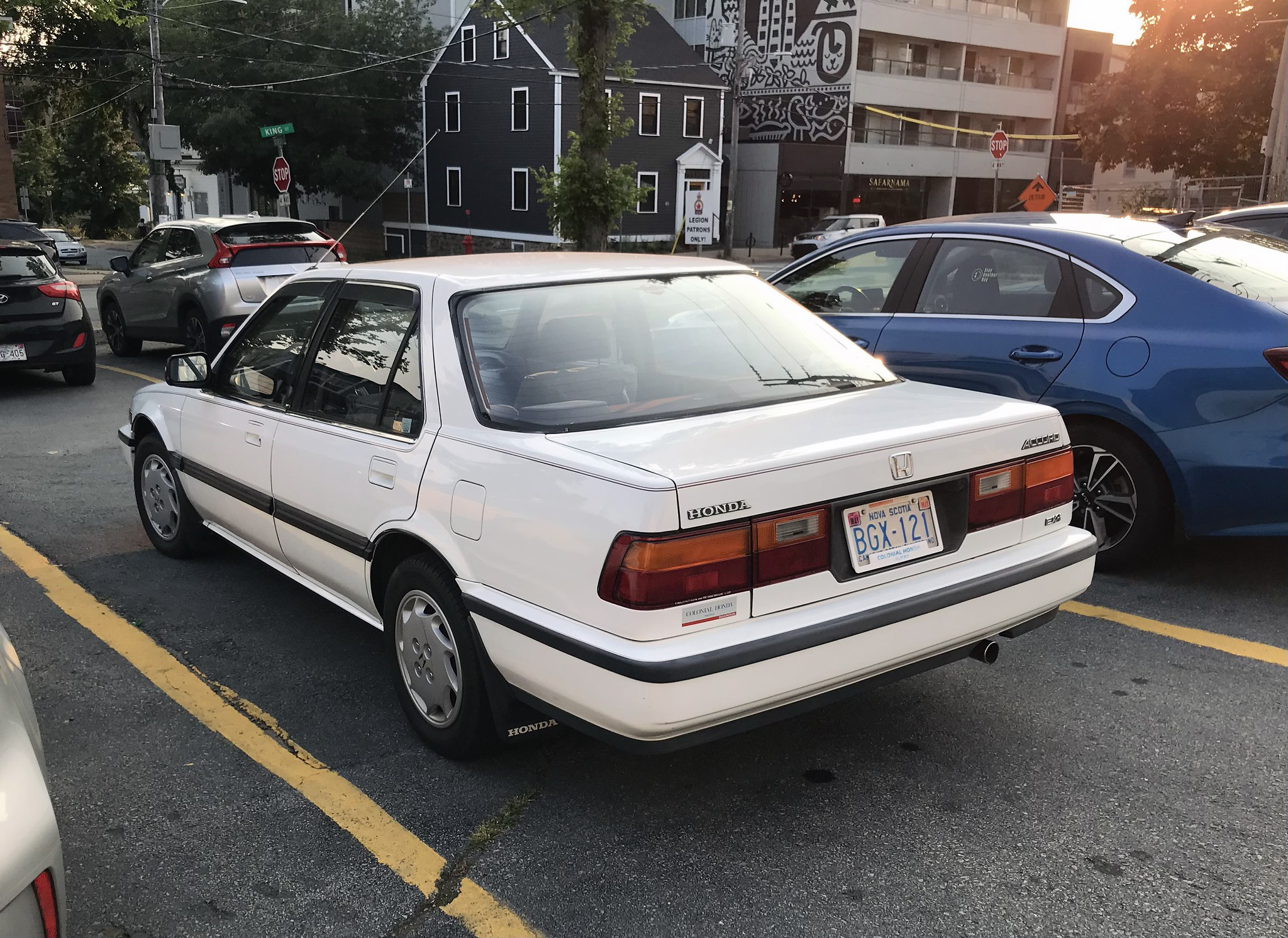
That post featured the coupé, which, as is usually the case, has the sleeker lines. Still, the four-door is a good choice, too. It retains the low hood and crisp, boxy lines that made these ’80s Hondas look just right.
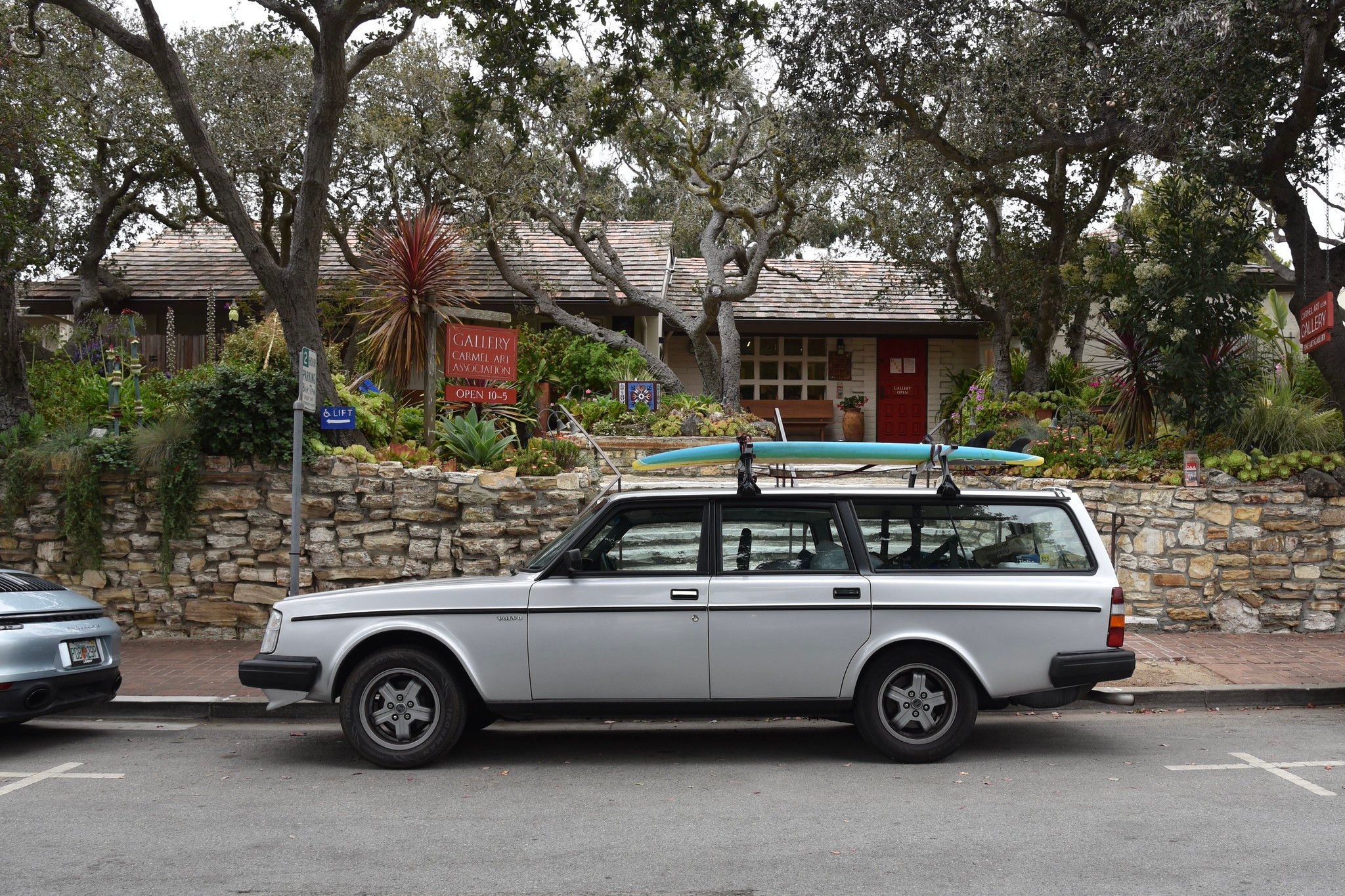
Now, how about a slightly incongruous sight? A classic Volvo 240 wagon, all set for surfing, with a board strapped to the roof. Just the kind of thing I’d expect to see in California. Oh, wait—that’s where J.C. found this one.
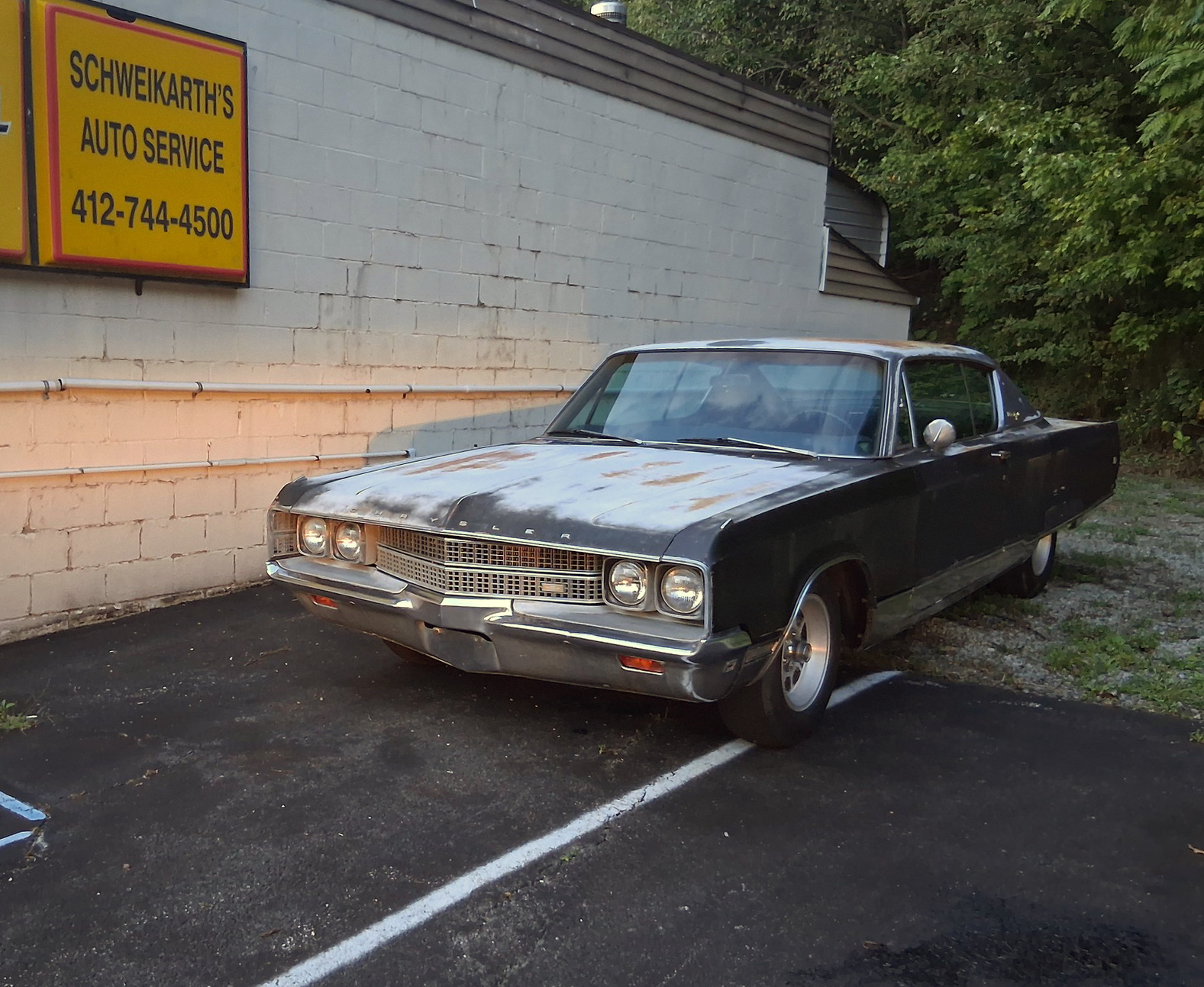
There hasn’t been much old Detroit iron among the Cohort finds uploaded in recent weeks, though I suppose that’s becoming the norm as more of these old rides end up either restored classics or garage queens. Still, here’s one that hasn’t followed either path: a neglected 1968 Chrysler New Yorker two-door, spotted and uploaded by Hyperpack.
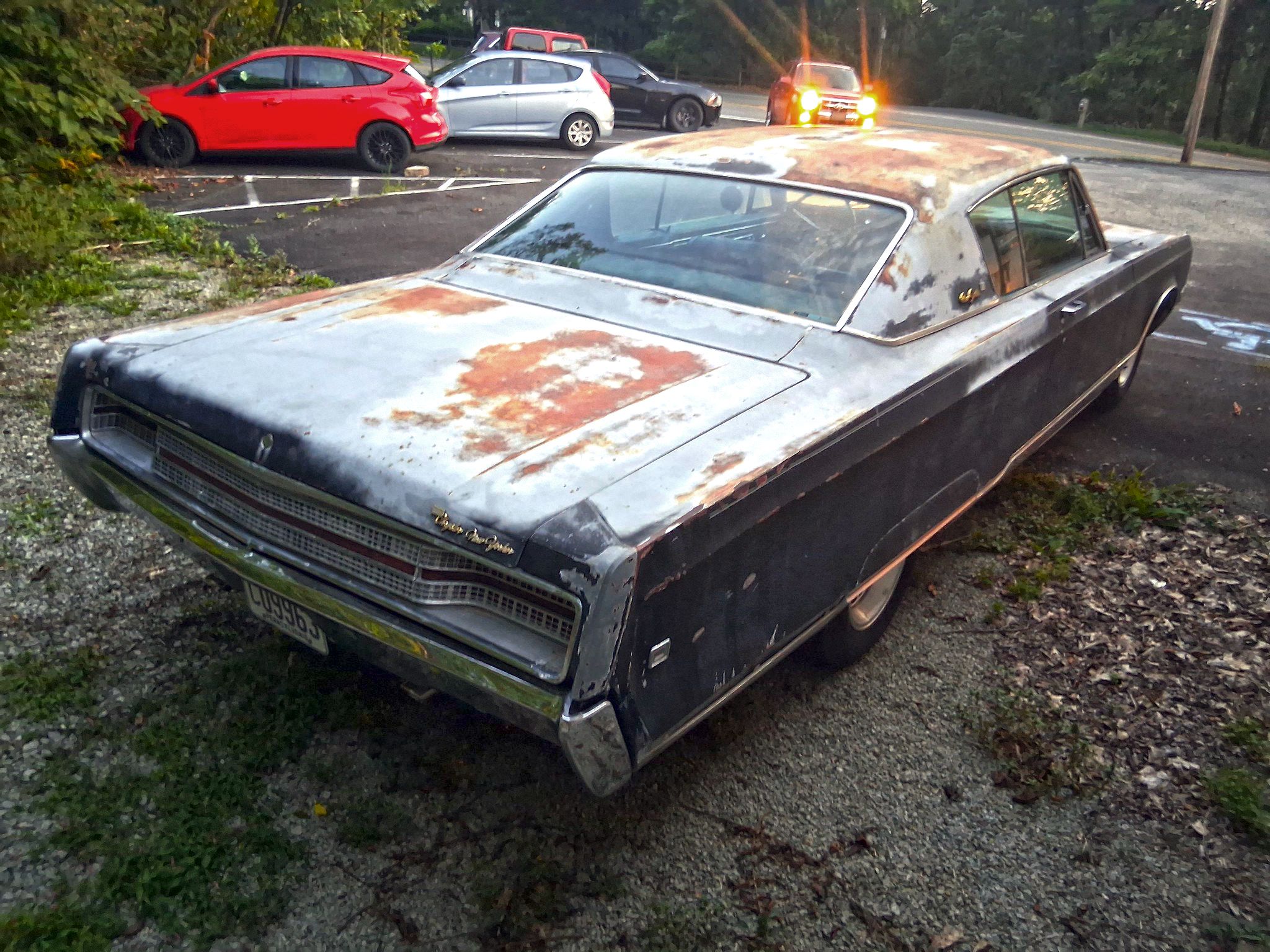
Perhaps because they’re less common, I enjoy seeing these full-size Chryslers. Their blunt, boxy styling has a certain appeal, and the 1968 coupes manage to look both sleek and menacing.
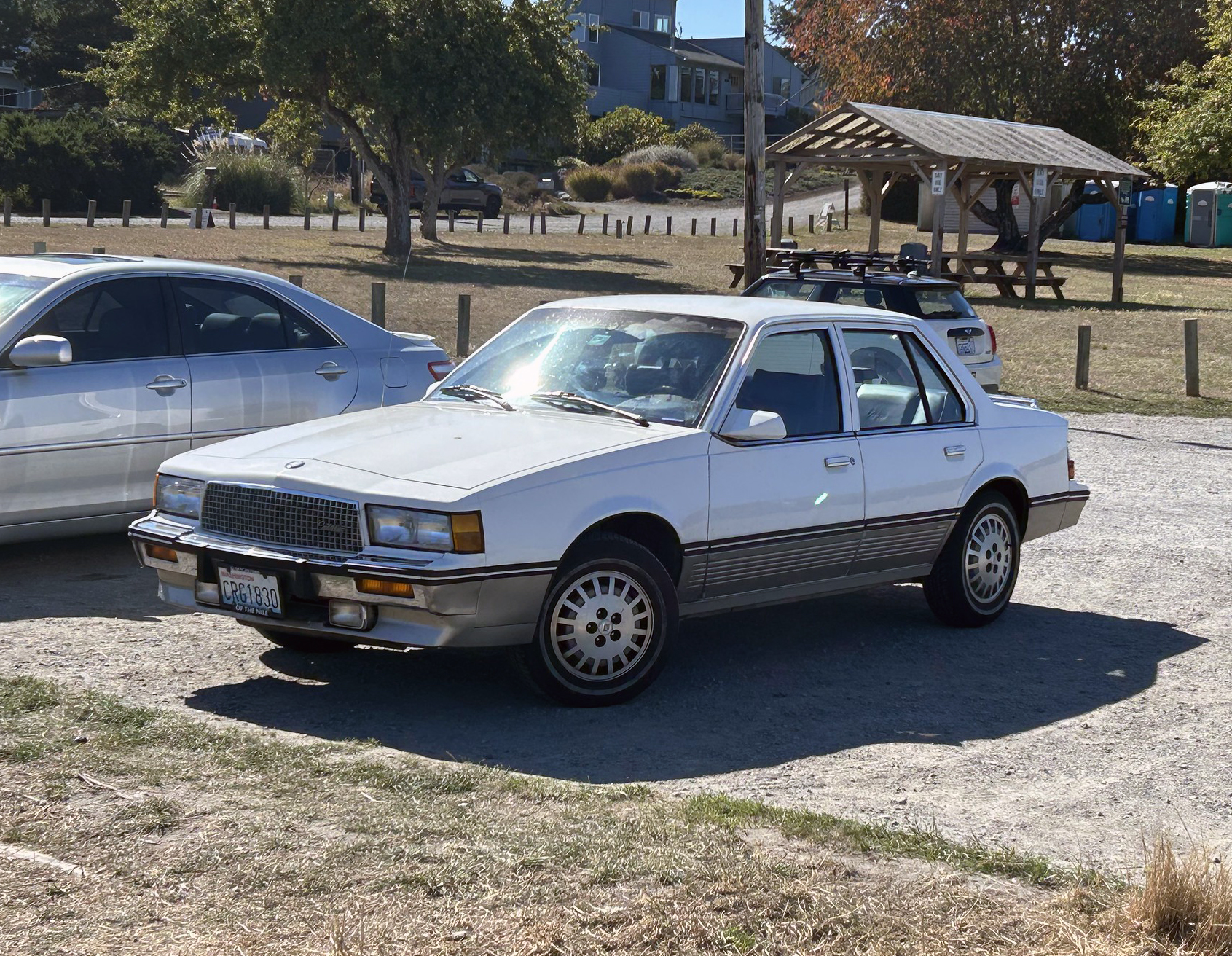
Sorry, GM fans, but how to leave out this blemish on Cadillac’s portfolio, spotted by Eric Clem? The 1980s Cimarron was another of GM’s deadly sins during its decade of hell. But given how little love these cars deservedly receive, finding a decent survivor feels like an event in itself.
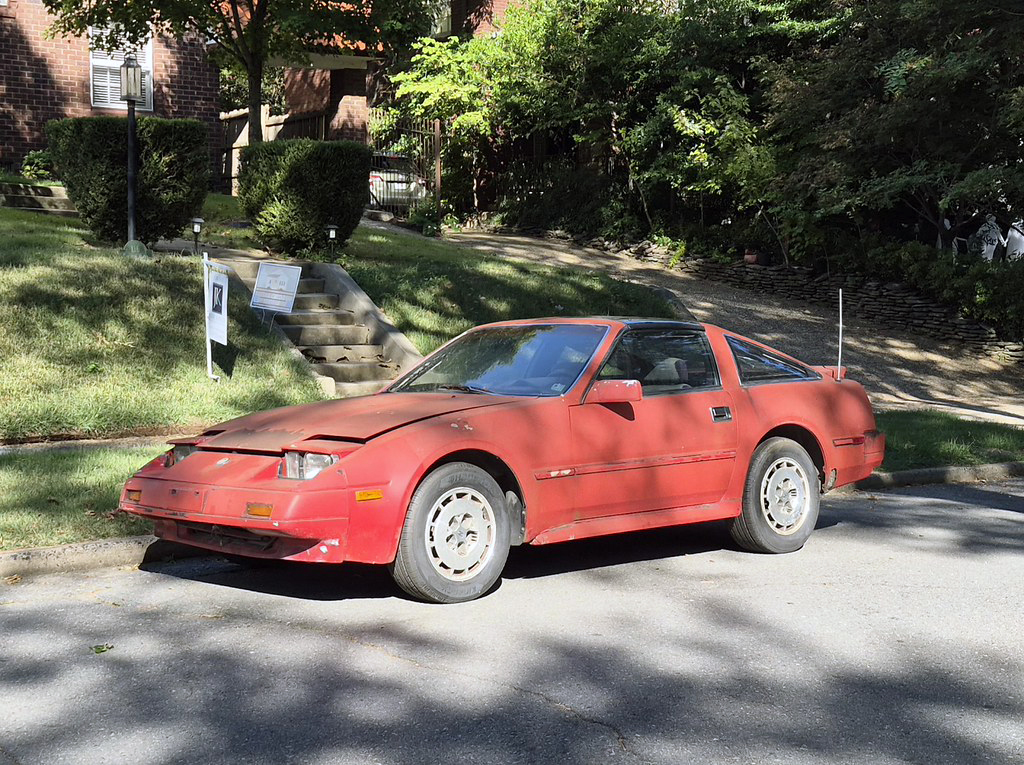
Sticking with unremarkable ’80s vehicles, here’s a Nissan 300ZX spotted by UnplannedObsolescence. Not a bad car in its own right, but it pales beside the Z-car’s earlier glory and has yet to win much affection.
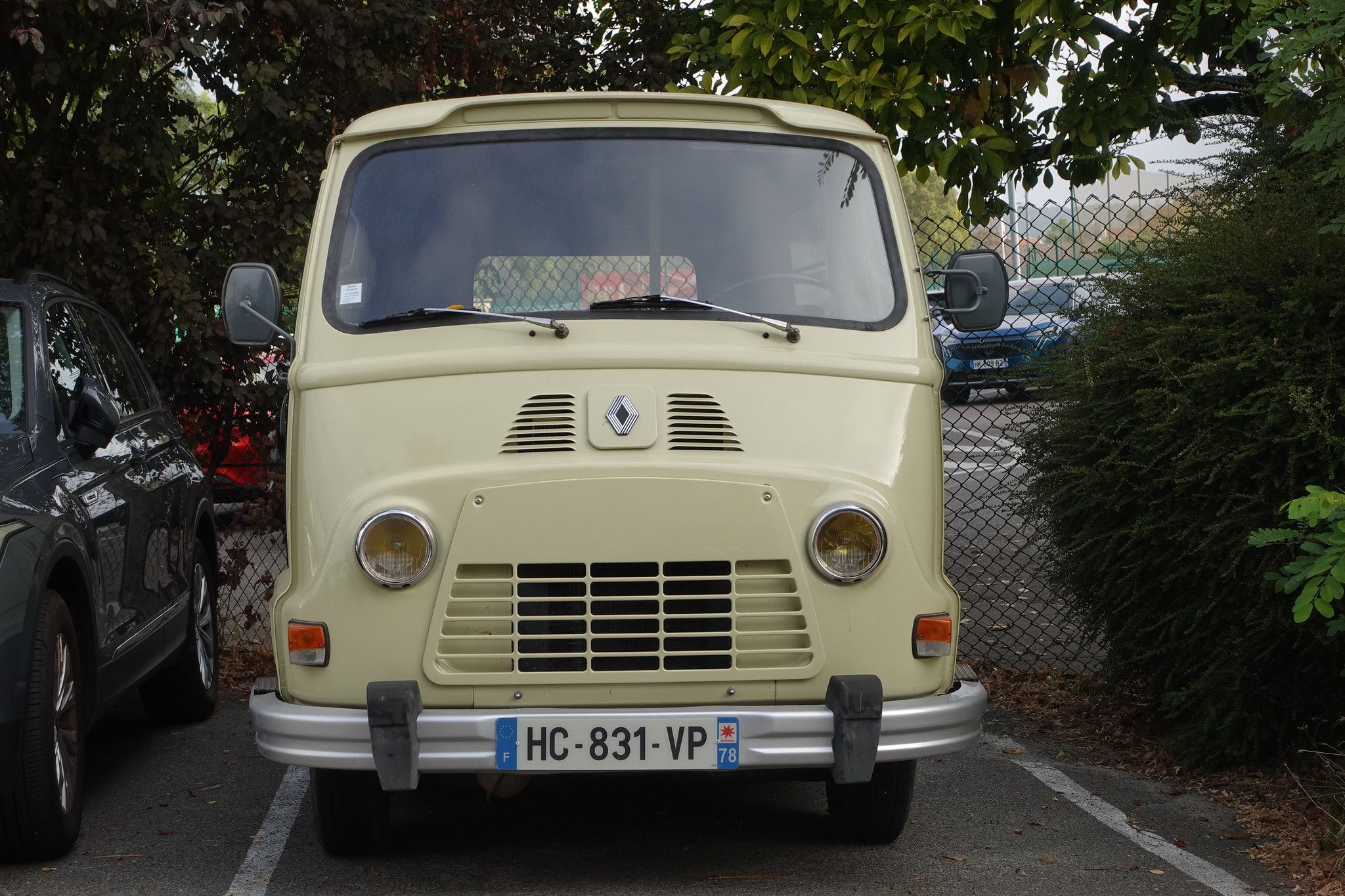
Before we get too downcast over those unremarkable ’80s models, let’s turn to this Renault Estafette van, posted by Benoit. Renault’s first front-wheel-drive vehicle, the Estafette was built from 1959 to 1980. Its simple yet characterful styling is a fine example of something French automakers seemed to excel at.
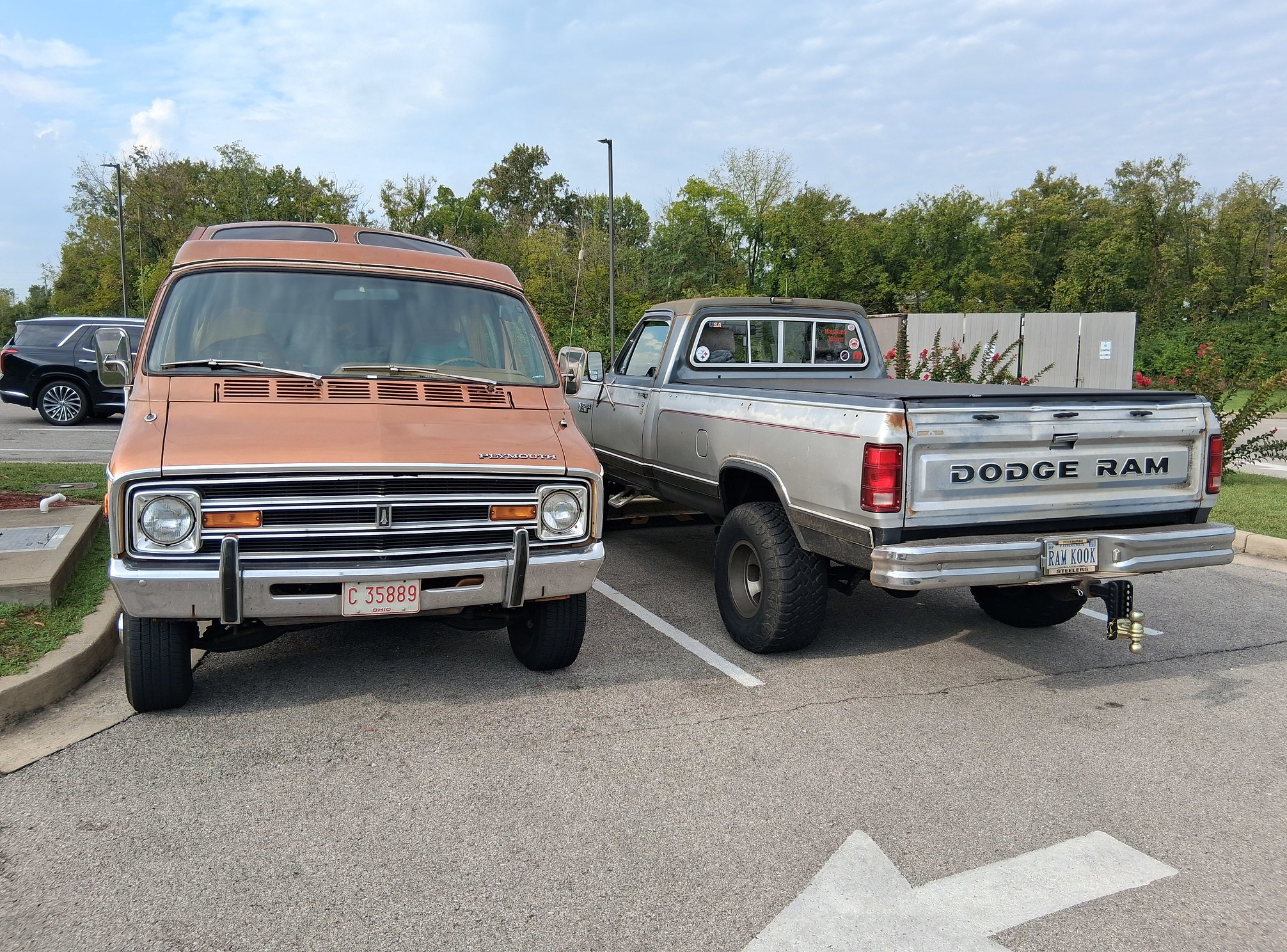
More Mopar classics courtesy of Hyperpack (his specialty): a 1970s Plymouth Voyager and a Dodge Power Ram.
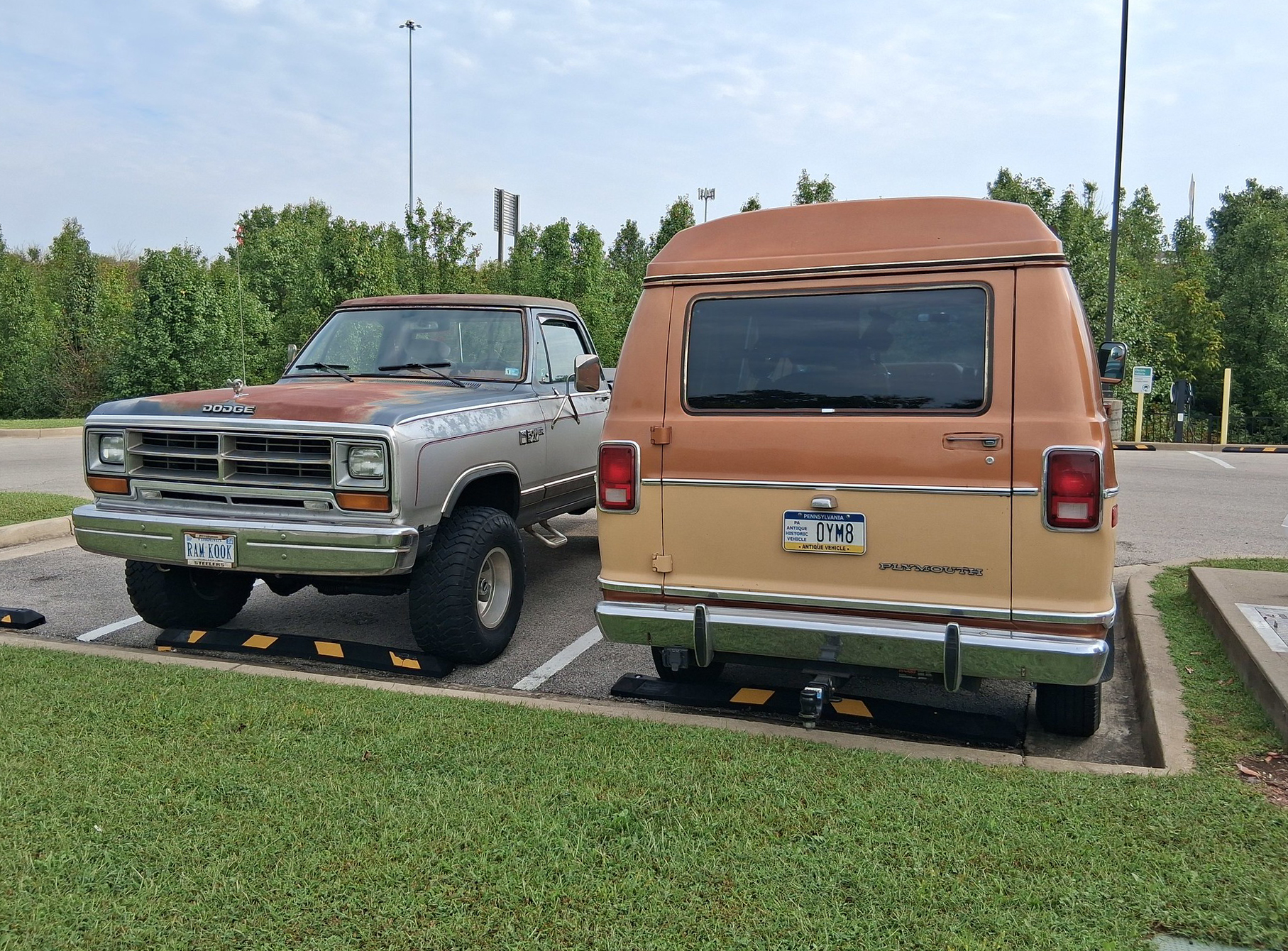
Plymouth may be long gone, but if one thinks about it, under Stellantis, today’s diminished Mopar operation is still building the same two broad types of vehicles represented here: vans and trucks.
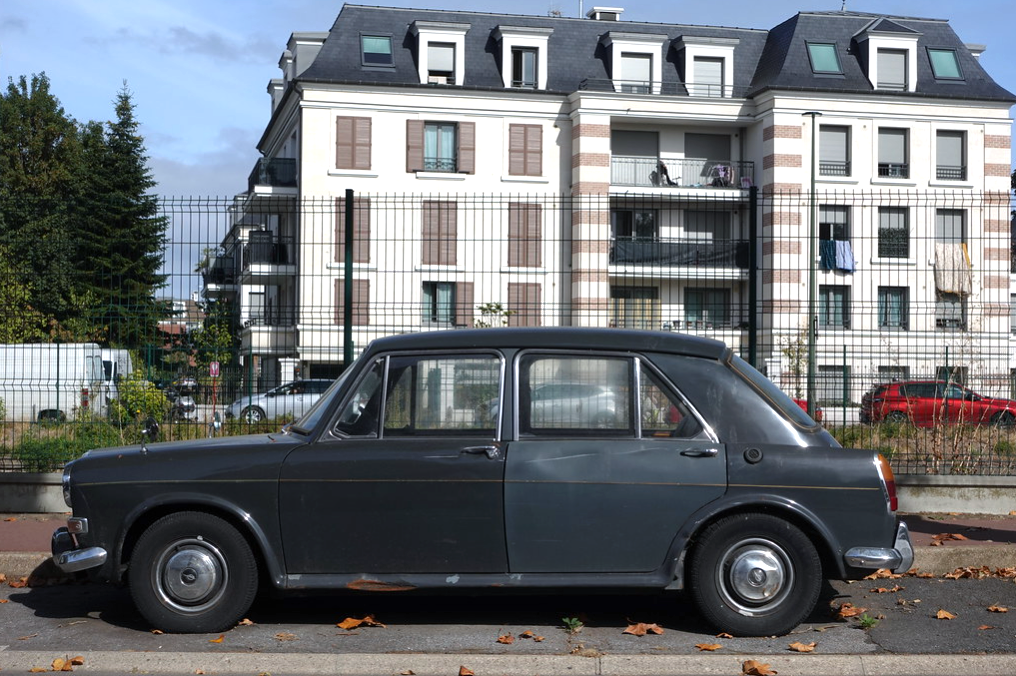
Another find by Benoit: the space-efficient ADO16, this time dressed up as a Vanden Plas Princess 1100. Roger Carr’s entry on the ADO16 can be found HERE.
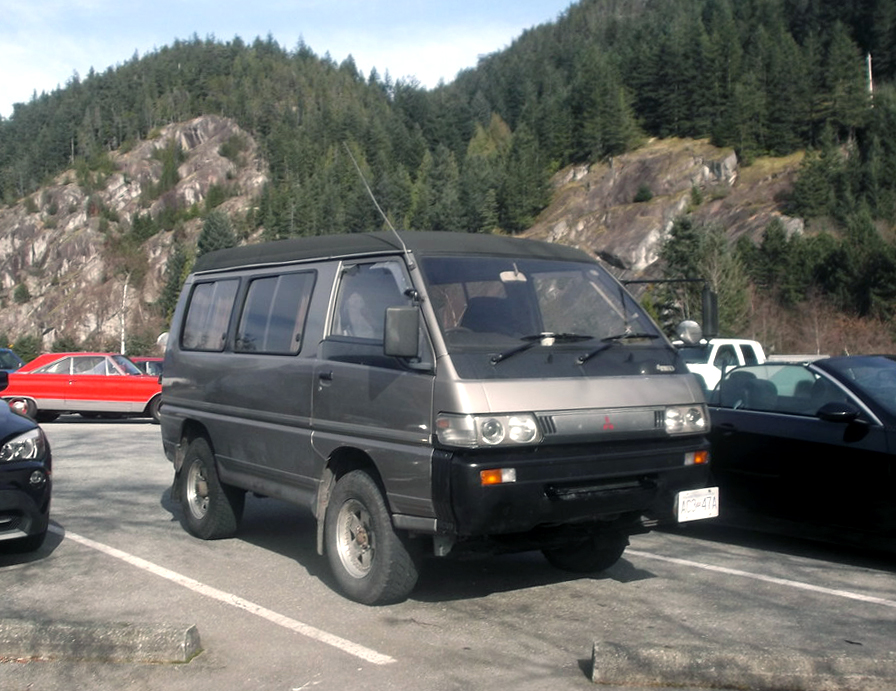
For a very different kind of classic, a third-generation 4WD Mitsubishi Delica van, posted by canadiancatgreen.
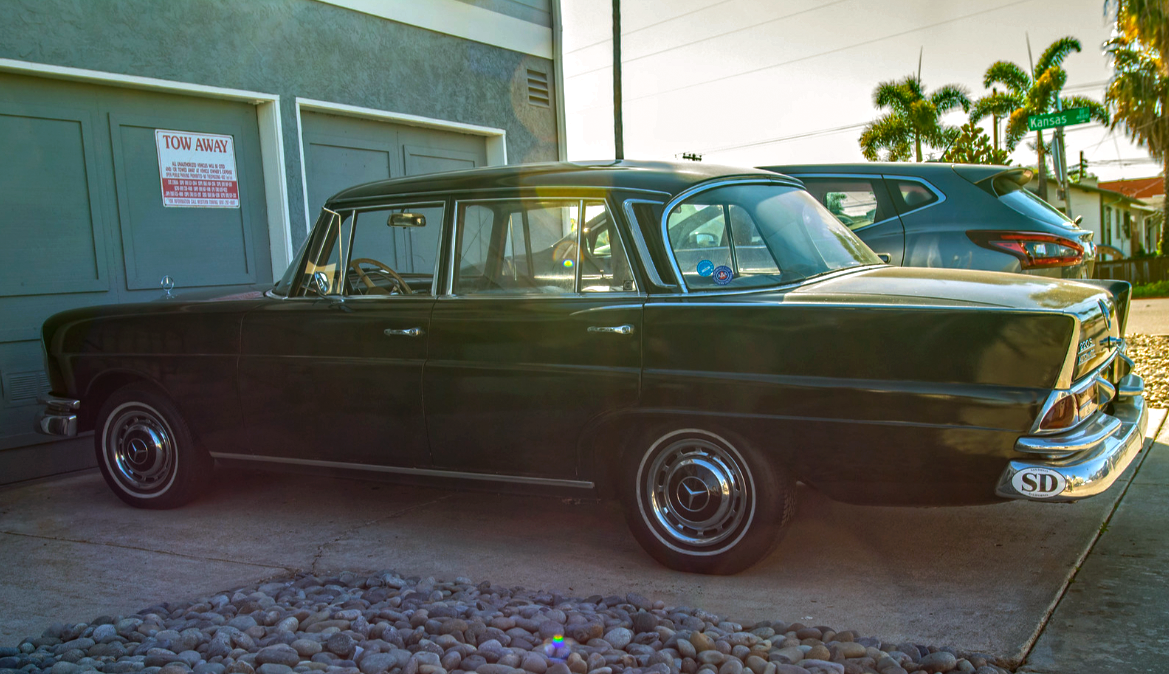
When’s the last time you came across a Mercedes-Benz fintail? These were commonplace in my childhood, and I miss when they were around. This 220 was posted by Ned Fielden.
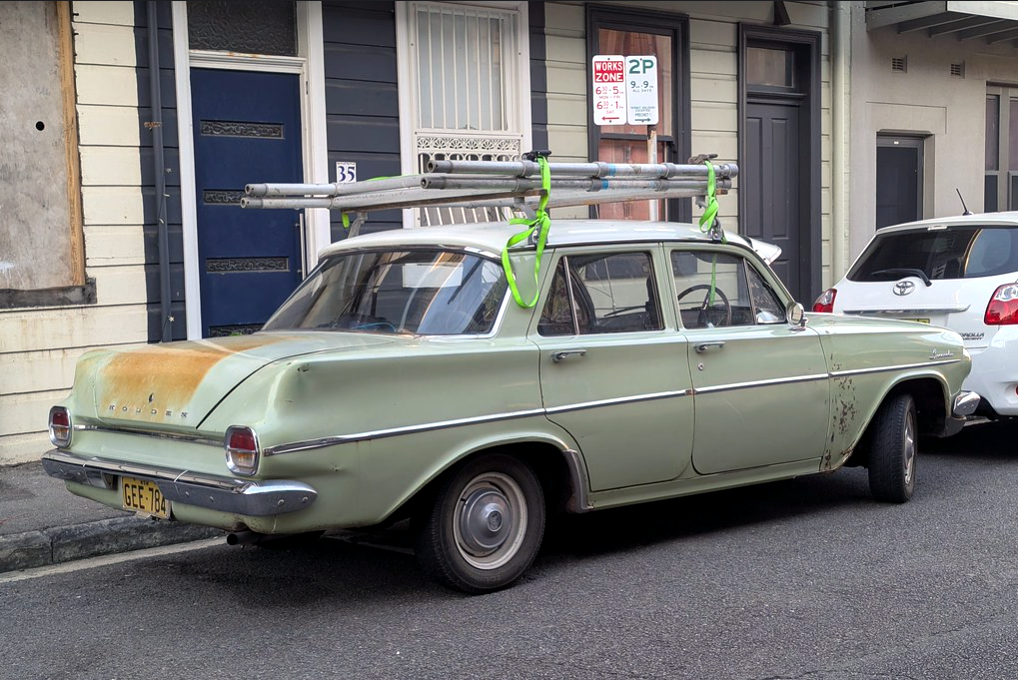
From a U.S. perspective, the American-influenced styling flourishes that U.S. automakers’ overseas subsidiaries applied to their cars can make for entertaining, if curious, sightings. Here’s a 1963 Holden Special (EJ), found by car_spot_aus, and the shrunken US-influenced flourishes are easy to see and savor.
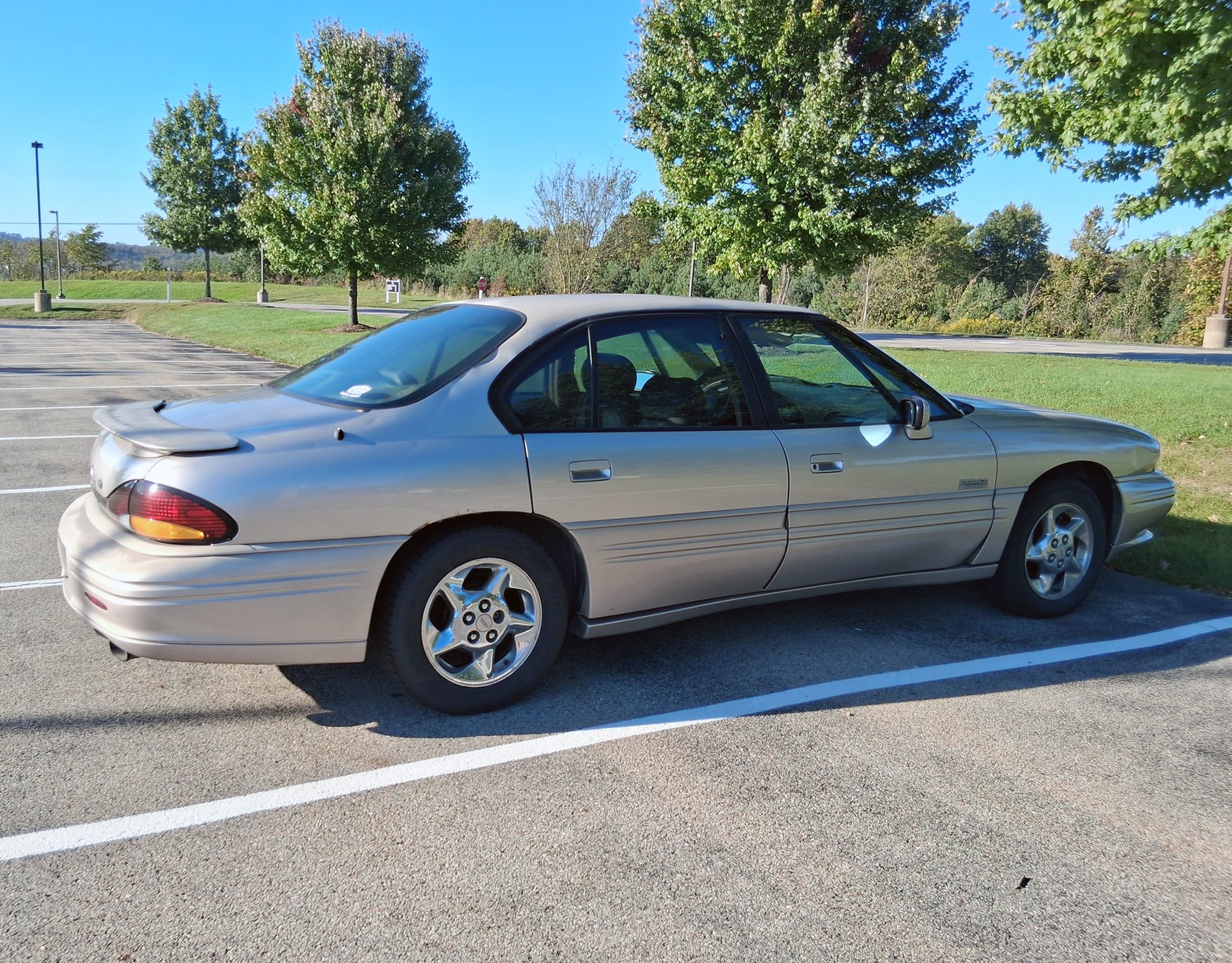
Let’s move into the 1990s, a decade that’s been curiously absent from this gallery so far. Here’s a 1998–1999 ninth-generation Pontiac Bonneville SSE, posted by Hyperpack.
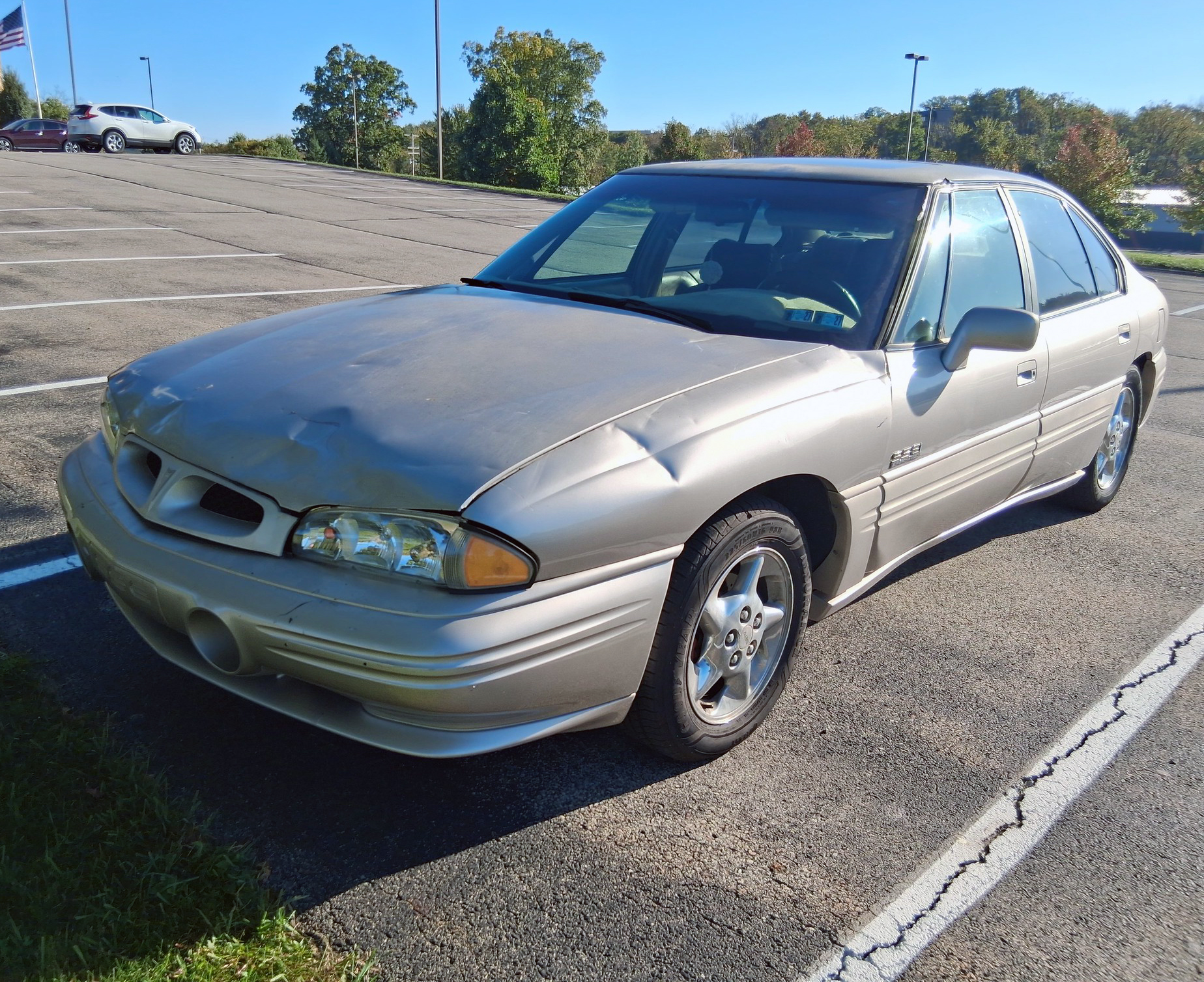
More substantial than its predecessor, it looked like a step forward for Pontiac’s flagship sedan. Still, I never quite warmed to these Bonnevilles. I’d like to think someone out there feels differently.
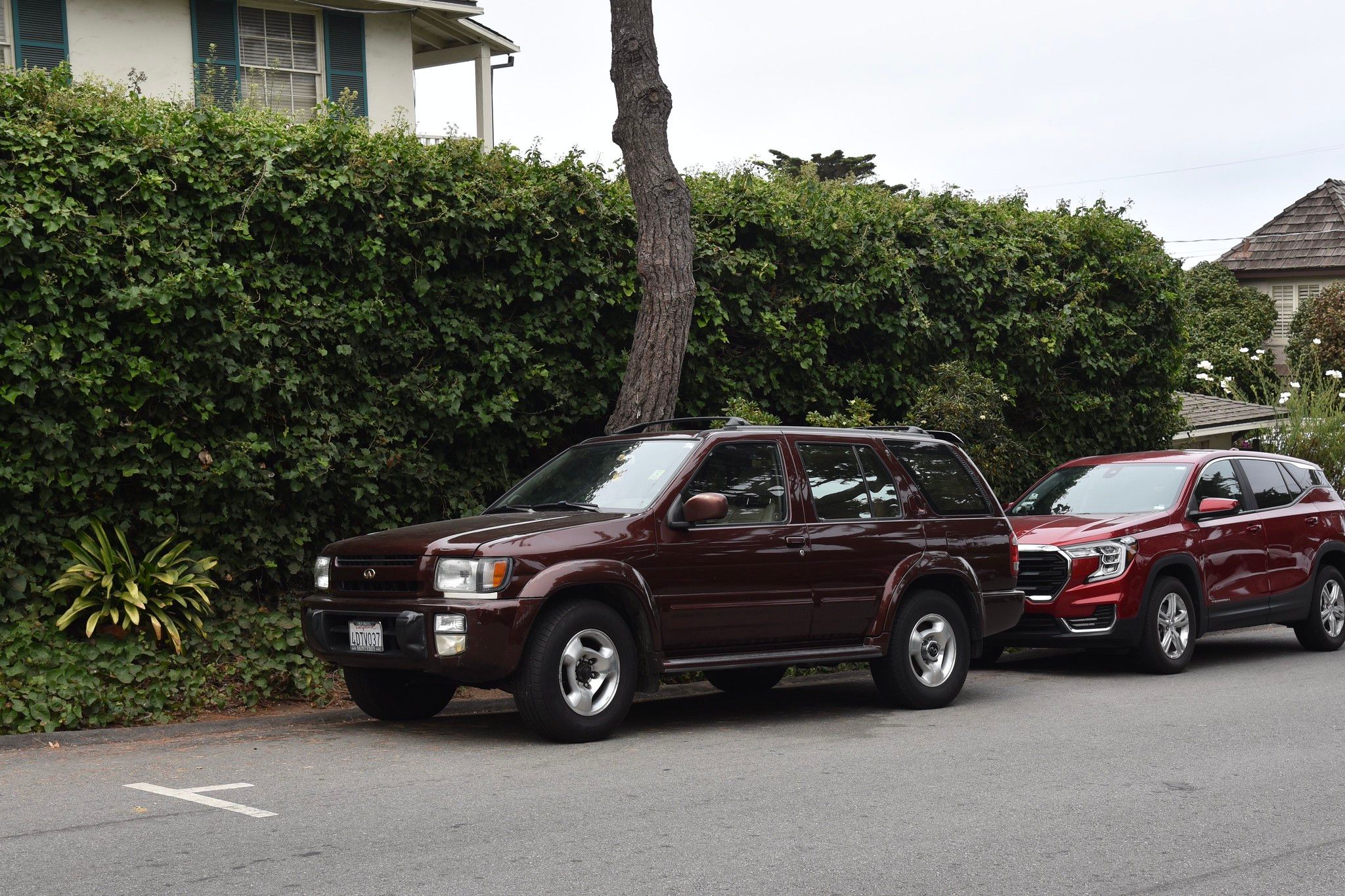
Let’s stick with the 1990s, more or less, for the remainder of the gallery. Here’s a 1997–2003 Infiniti QX4, posted by J.C. These shared much with the Nissan Pathfinder, and to my cynical eye, they were little more than glorified Pathfinders. Still, Infiniti wasn’t doing much business then, and I swear the QX4 was the brand’s most common offering around my California surroundings.
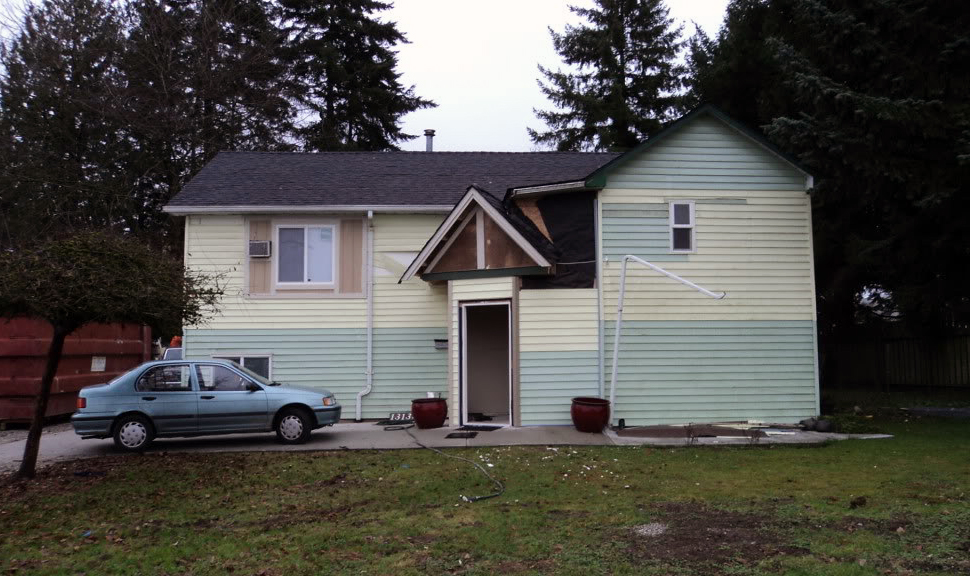
The plain simplicity of wooden homes has always made a fine backdrop for CCs, and today’s variation on the theme comes courtesy of another image from canadiancatgreen. This time, the driveway holds a 1990–1994 Toyota Tercel. Perhaps not quite as romantic as the CCs of the 1960s and ’70s, but these are the CCs of our own time. And caught in the right location, they can still make for images worth preserving—and memories worth keeping.























I’ll give that Bonneville some love. When this generation first came out in the fall of 1991, my then wife and I flew out to California and a brand new ‘92 Bonnie was our rental car, albeit in SE trim. Even in rental spec trim, it was a great handling car for California’s mountain roads.
I would late buy a Pontiac that used the SSEi’s engine in the form of a ‘97 Grand Prix GTP Coupe. What a great car.
My pick of this lot is the lede AMX. Beautiful car in a perfect color!
I’ll second that love for the ’92-’99 Bonneville – I think it was a good interpretation of the Big American Car. Everyone once in a while, GM got that combination right (I consider the last generation Impala to be a similar example).
Lil, blu, “Tercel”! 🙂
I love that 1988-89 Accord – it’s hard to imagine that car’s almost 40 years old. Has original late 1980s license plates too (the NS Bluenose plate was introduced in 1989/90). Given that, and the immaculate nature of the car, I assume that’s a one-owner car that’s been pampered. Looks like it has seat covers on it too, so I assume the original upholstery is in great shape, too.
Also… that Plymouth Voyager van! Remarkable survivor, and in two-tone beige, no less!
That Renault Estafette actually had me saying out loud “What the heck is that?” My first thought before I read the text was something from further east, behind the iron curtain.
I can understand the immaculate 240, and the beautiful condition of the Accord, but how did a J-car manage to survive this long at all? Even if it is a Cadalier.
The old EJ is less of a surprise. While I haven’t see one in use for ages, the old forties-leftover Holden six was in its last appearance here; not very powerful but long-lived. The next model would see a new engine in a facelifted body, and something of a new image for Holden.
There’s something of the Morris Marina coupe’s profile in the rear quarter of the AMX, or maybe it’s better to say that the other way round.