
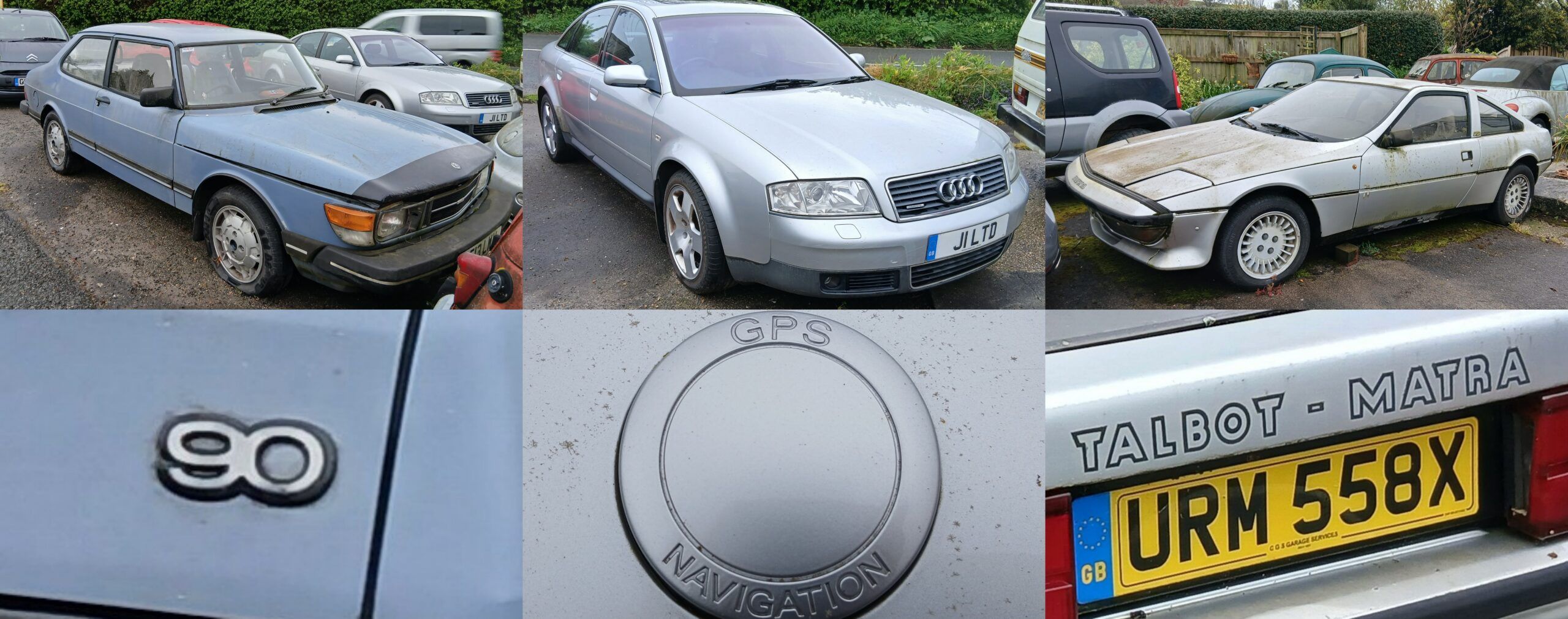
My Alfa Romeo Spider was due for its annual MOT, the UK’s periodic safety and roadworthiness inspection for cars three to forty years old. Having recently moved on from my usual Alfa specialist, I took it to a local independent garage, and this place certainly lived up to both descriptions. In fact, it felt like a throwback to the village garages of decades past, the kind of place where you never quite know what might be resting around the yard. A quick wander while the Spider was being tested proved just that, turning up an unlikely trio: a 1982 Matra Murena, a 1985 Saab 90, and a 2000 Audi A6.
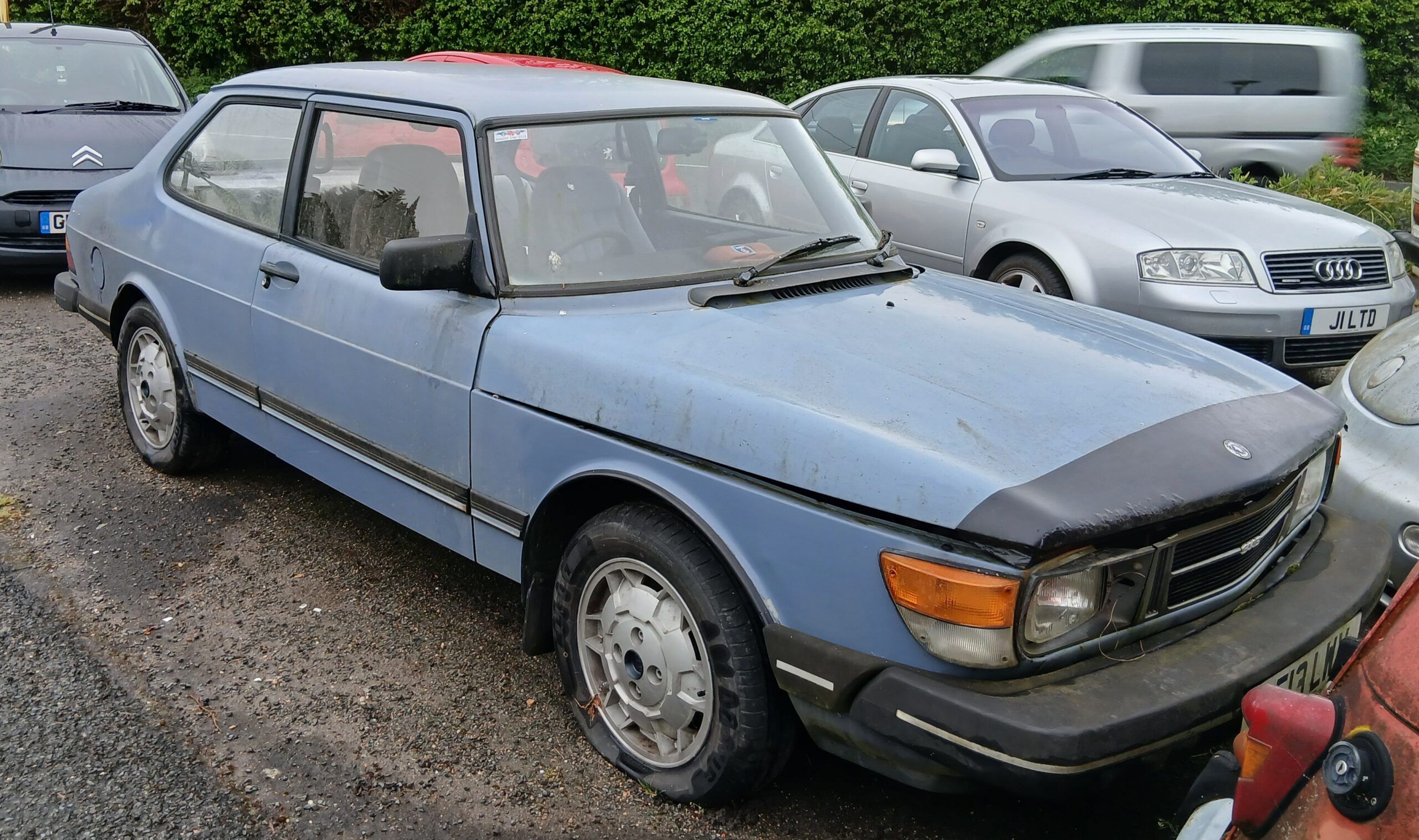 First up, the 1985 Saab 90, a variation on a CC favorite. The 90 was a bit of an unusual take even for Saab – the front half (to the B pillar) was 1968 Saab 99 and the rear was 1978 Saab 900 saloon.
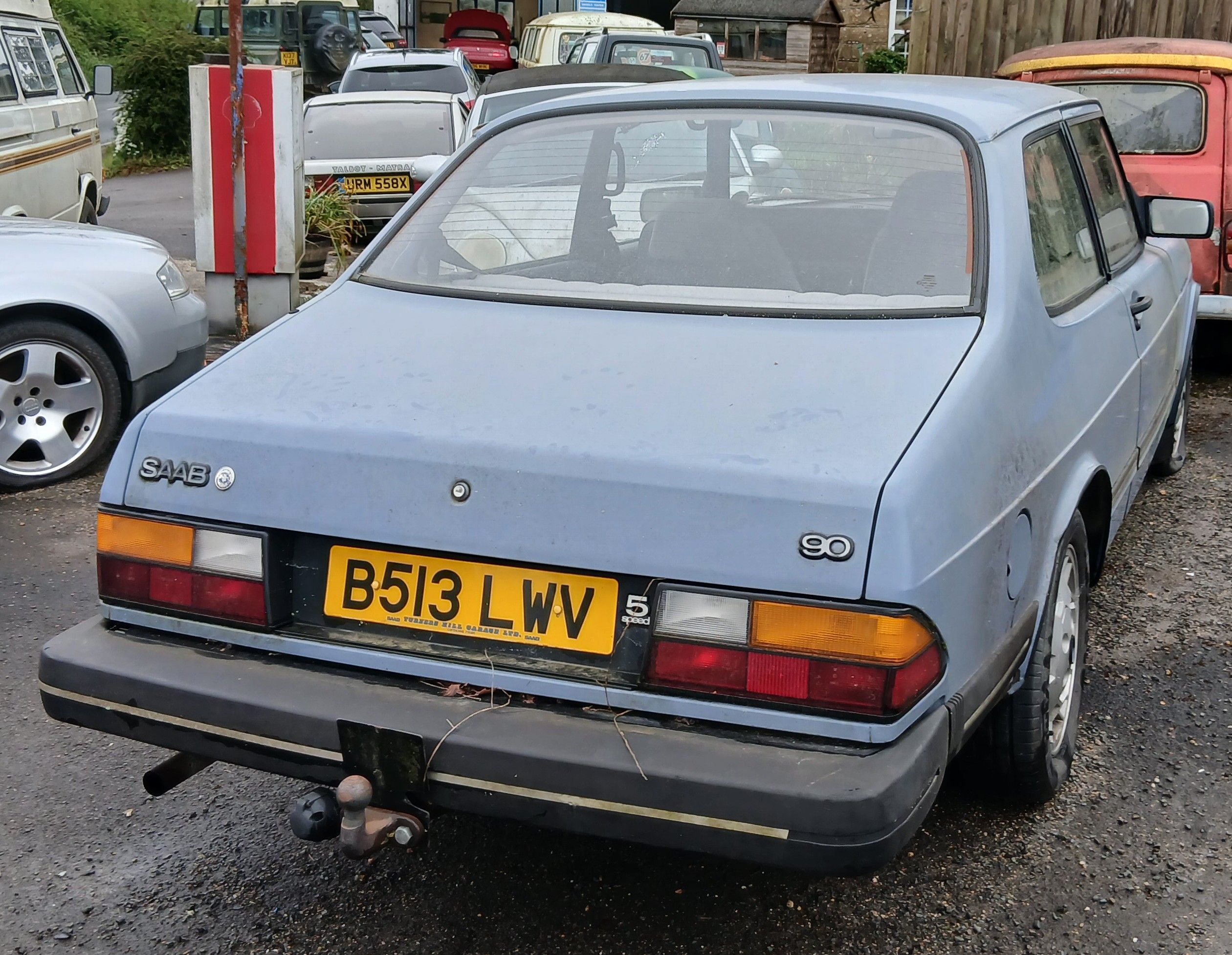
It was planned as a replacement for the Saab 99, which ended in 1984 and maybe even to tempt Saab 96 owners wanting to trade up. It was aimed especially for Nordic markets, though most of Northern Europe got it as well, albeit in small numbers.
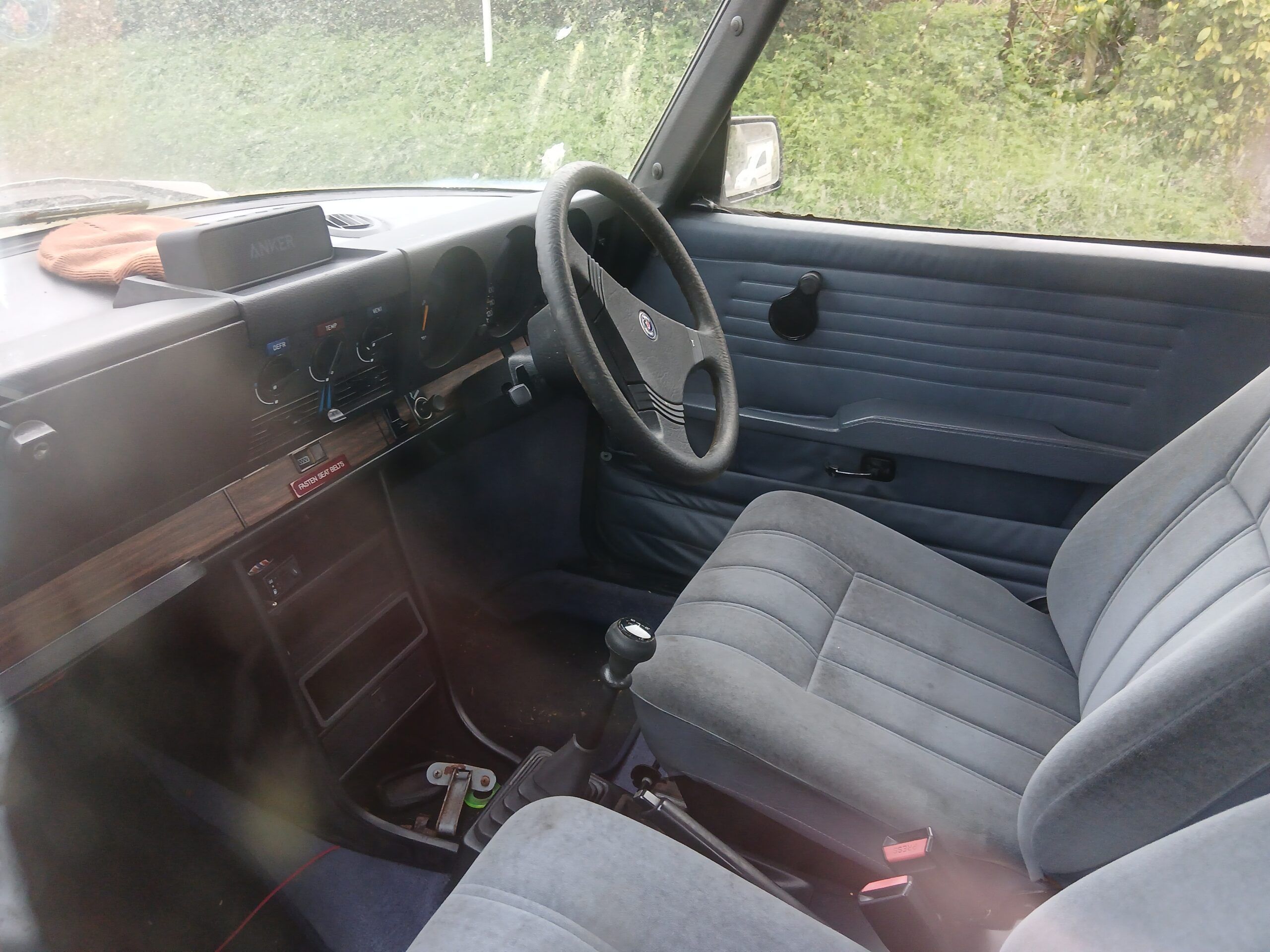 The interior was pure 99.
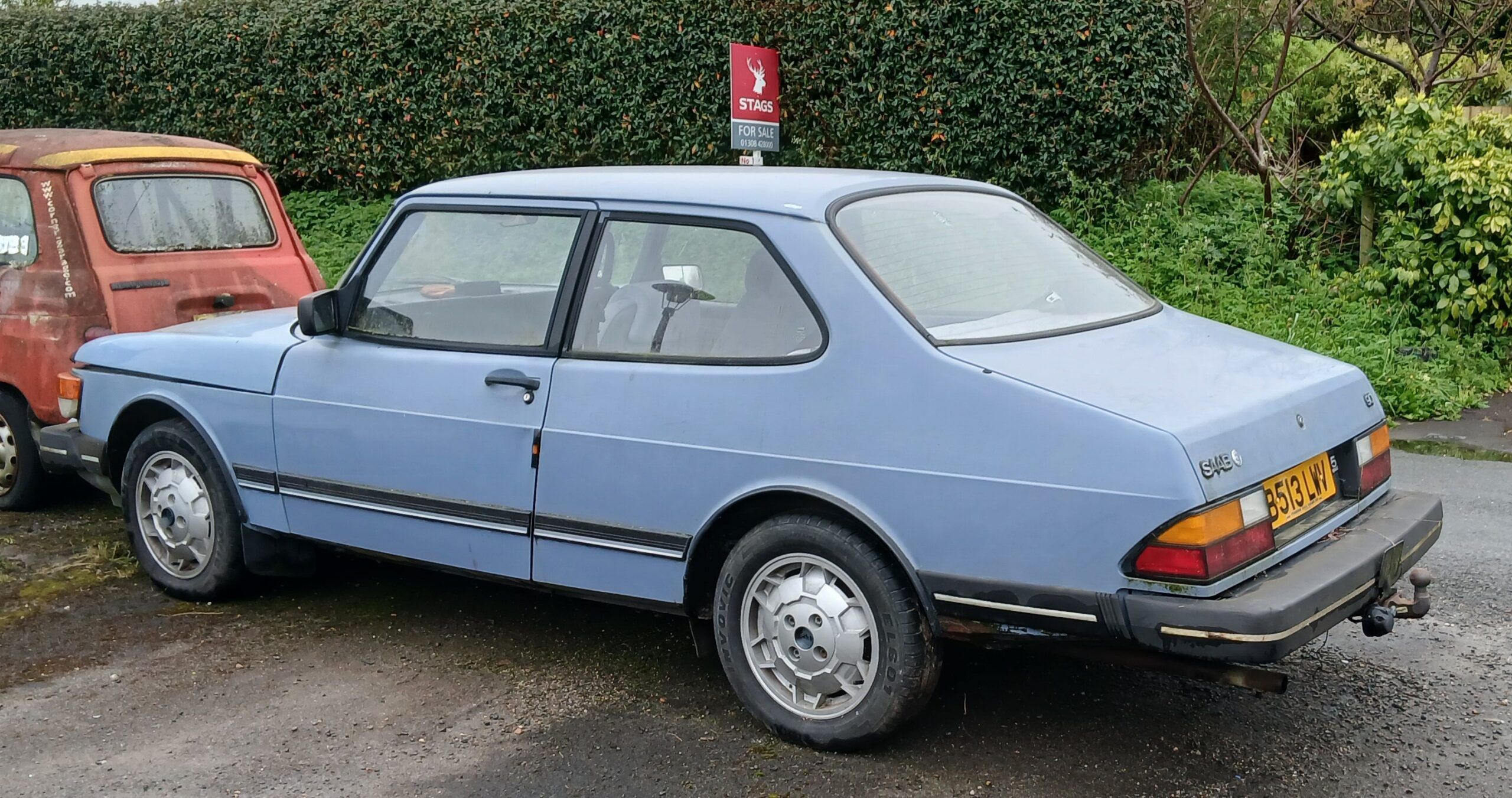
Power came from Saab’s familiar 2 litre four cylinder engine, without the famous turbocharger, so only 100bhp. Assembly was completed by Saab-Valmet in Finland, and ran until 1987 when emission regulations made the engine impractical without significant costs.
Around 25,000 were built and there may be 40 in the UK, most of them registered as off the road.
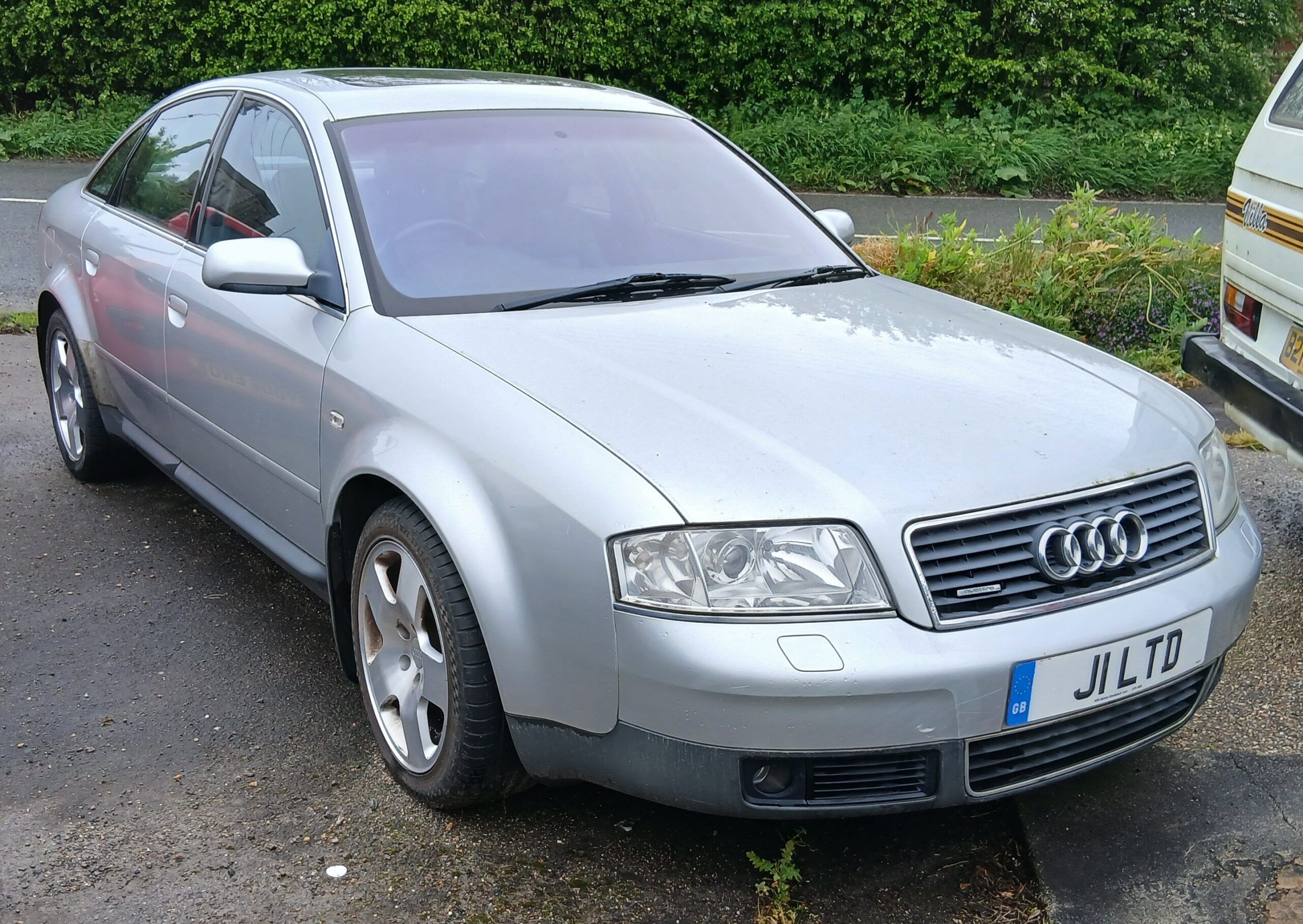
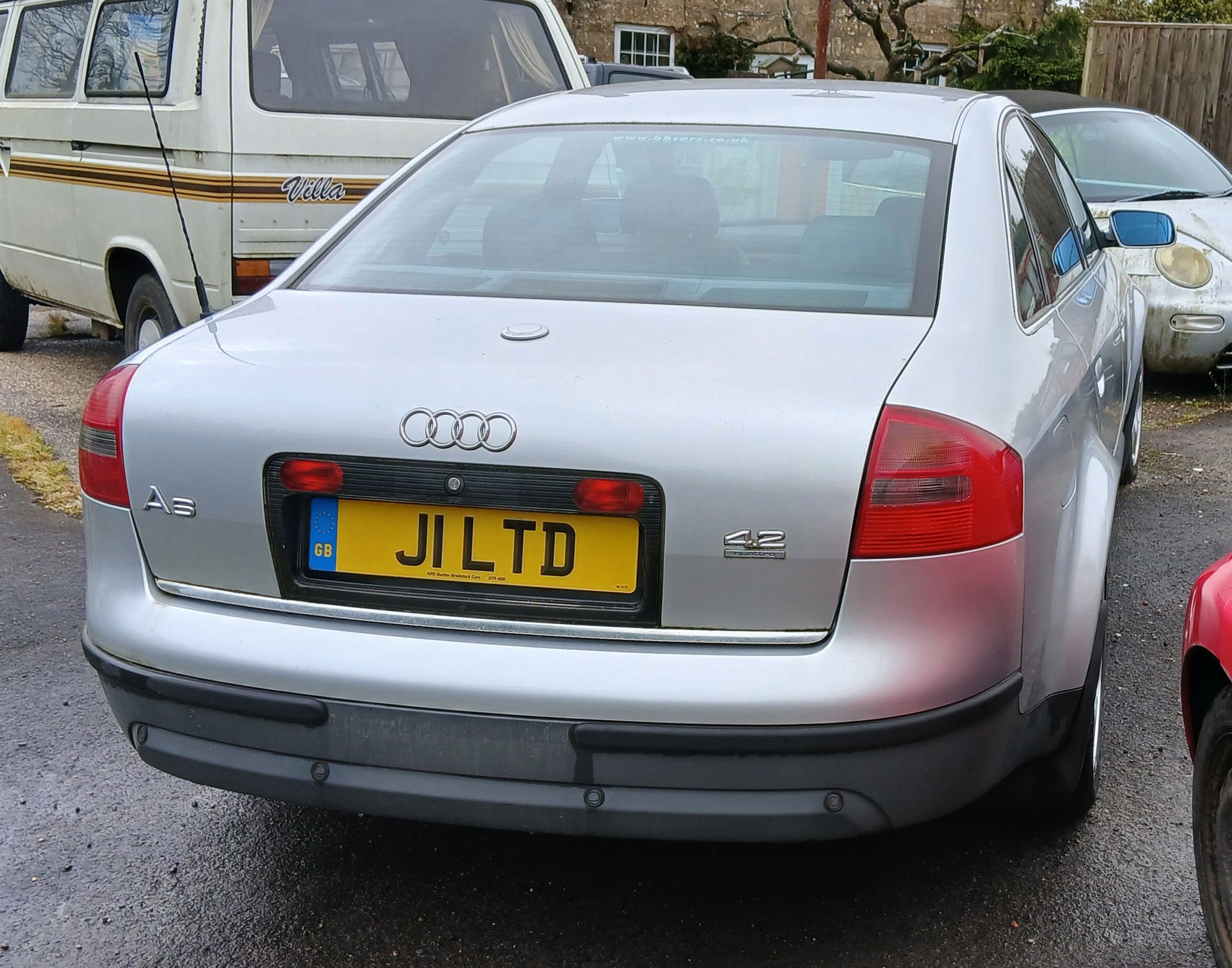
Close by another unusual entry – a 2000 Audi A6 (C5 generation). Like many Audis in the UK of that era, it’s silver but also had two features that caught my attention.
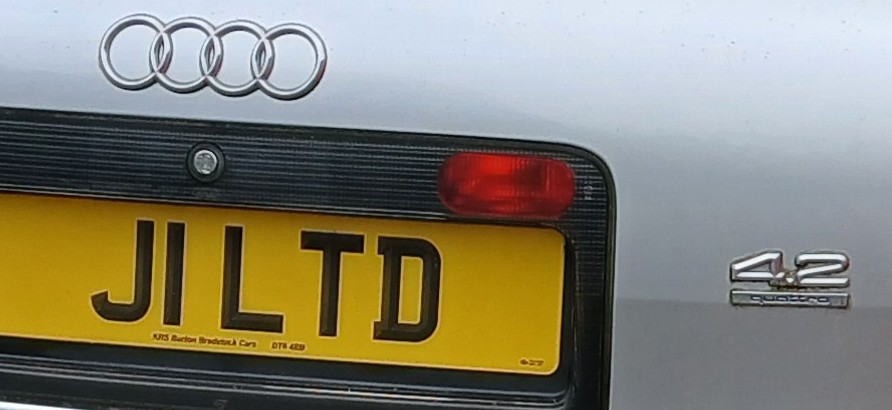
Most A6s sold in the UK at this time came with either 2.0 or 2.4 litre four cylinder petrol engines or 1.9 four cylinder or 2.5 litre V6 turbo diesels. There was also the offer of a 2.7 litre V6 petrol engine but the really rare option was the 4.2 litre V8, an option that sold perhaps a few hundred in Europe.
Around 300bhp (depending on market), Quattro four wheel drive, a revised body structure ahead of the firewall and fully specified interior. So, a very rare model and with an even rarer option.
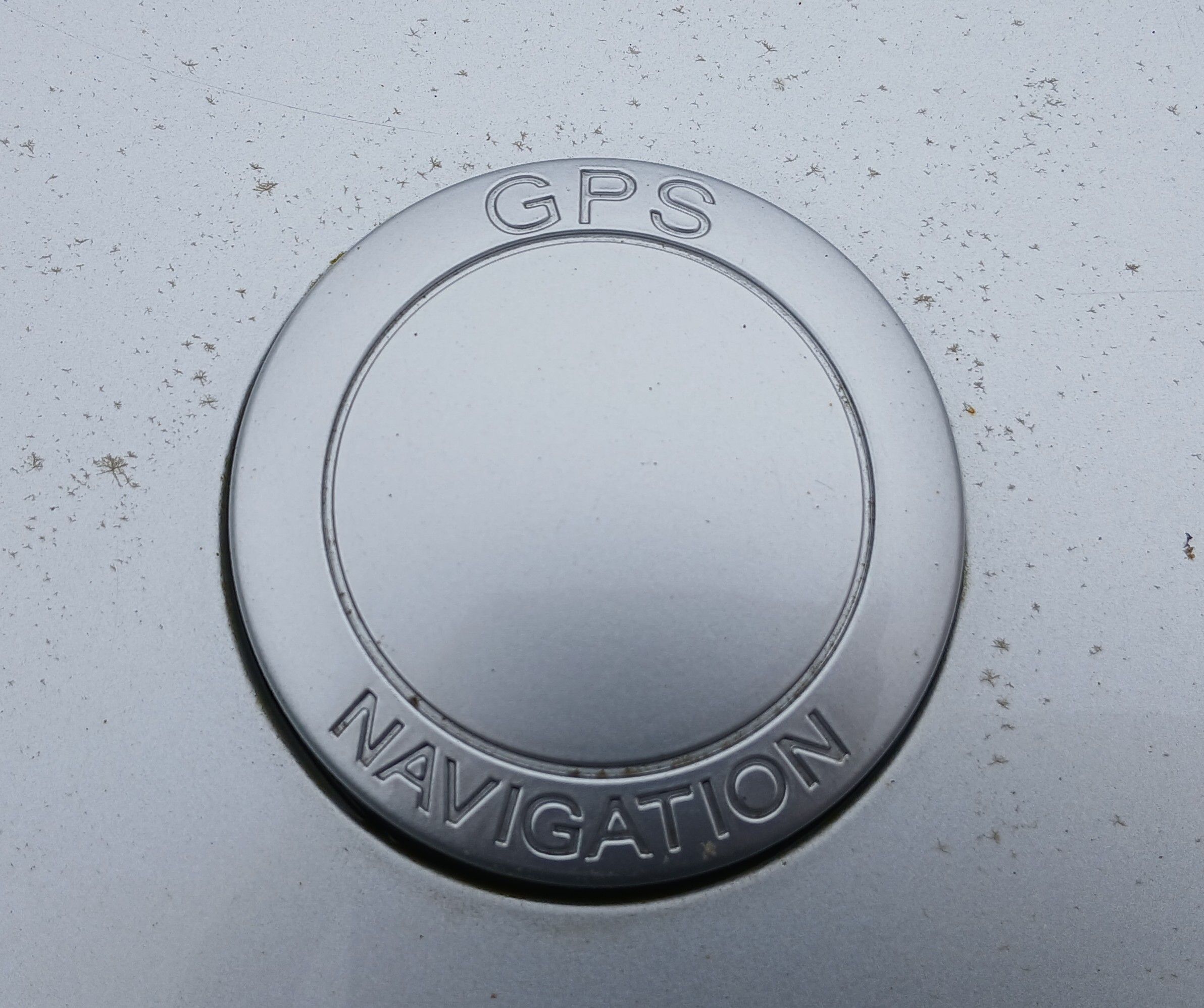
This car also proudly carried an additional badge on the boot, declaring that the car was fitted with GPS Navigation driven from a CD-rom mounted inside the boot itself.
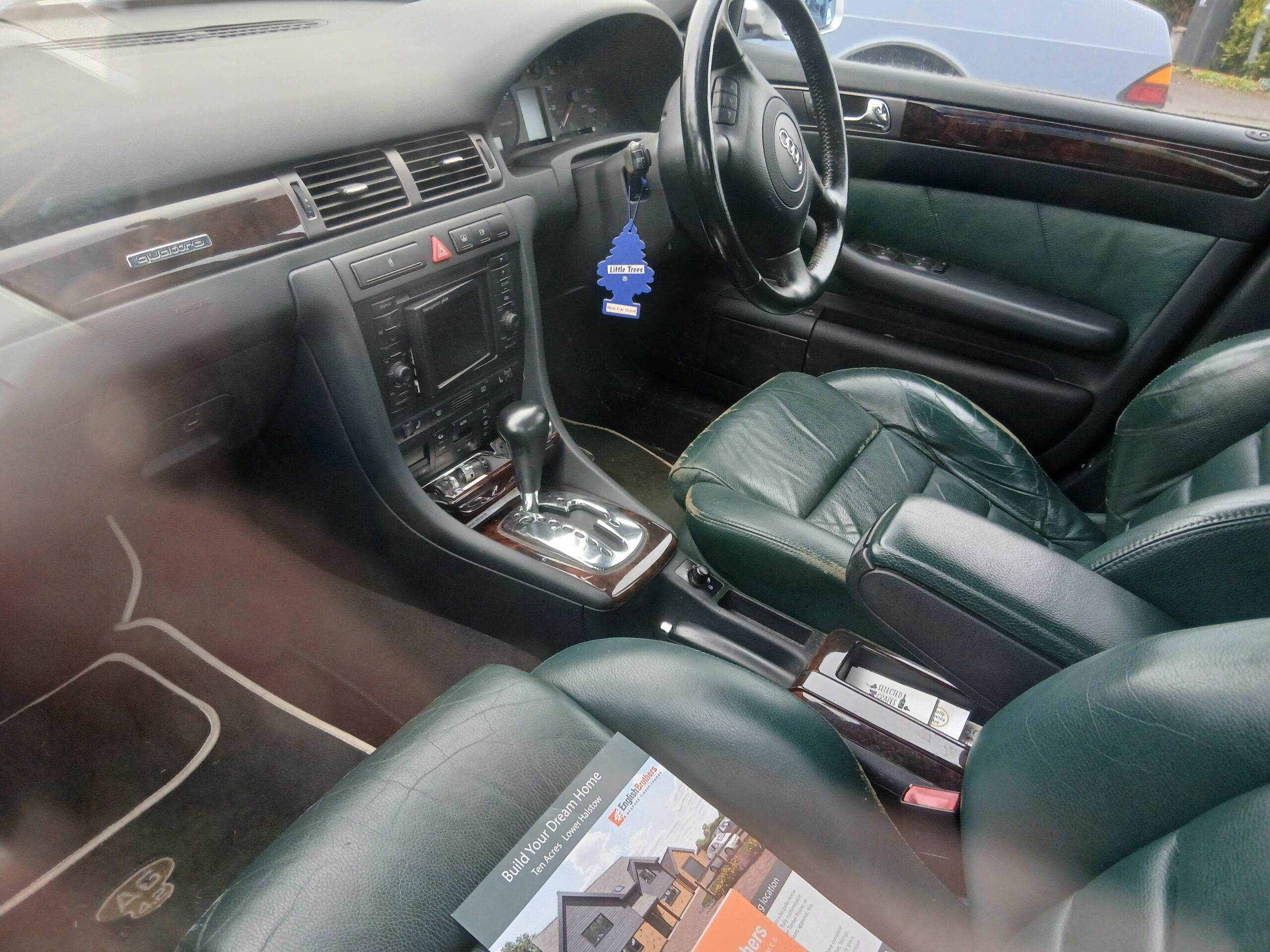
This option cost something well over £1000 at the time, most of which would be lost come trade in time.
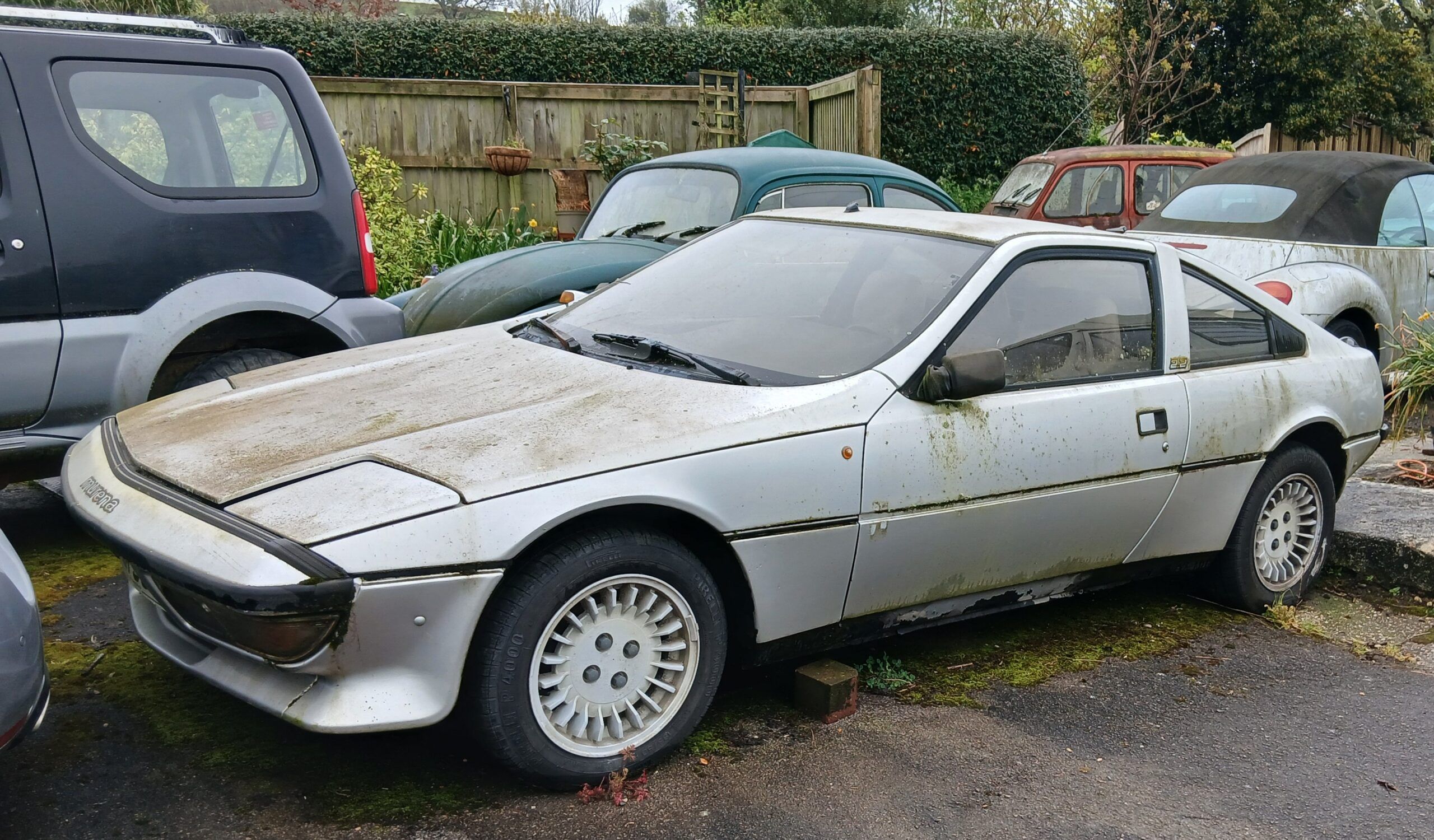
And thirdly, another CC, if not favourite, then well recognised character – a 1982 Talbot-Matra Murena. A quick revision – this was a mid engined sports car built by Matra as the successor to the Bagheera, and the earlier Matra Djet and 530 series, using a Simca/Chrysler France/Talbot engine and gearbox, from the Simca 1100, Chrysler Alpine and European market Omnirizon, mid mounted and driving the rear wheels and clothed with a composite body.
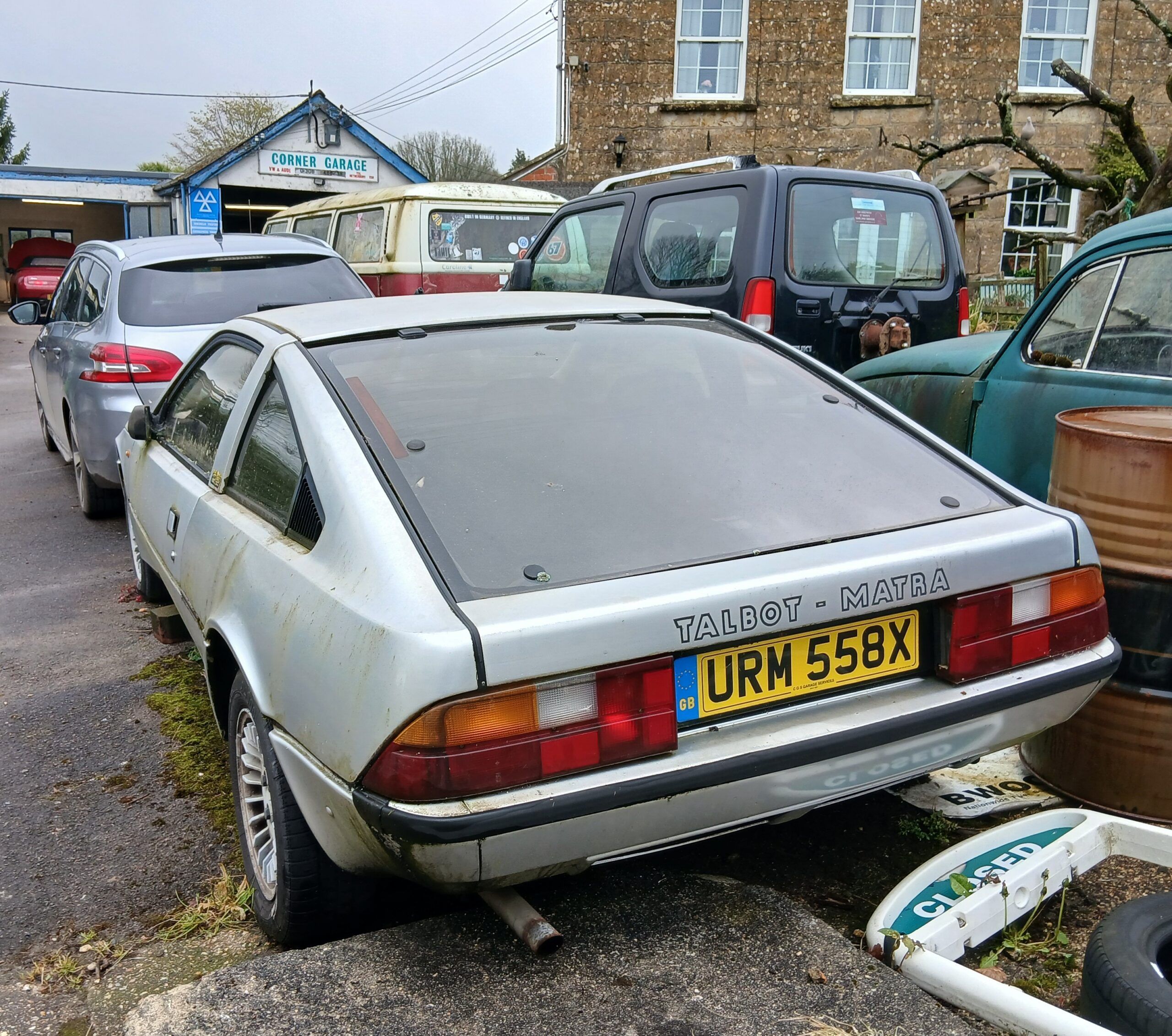
This was a basic recipe Matra had been using since the mid 1960s. The Bagheera had severe corrosion issues around its structure, so the Murena was zinc plated and the engine options extended up to 2.2 litre, as fitted to this car.
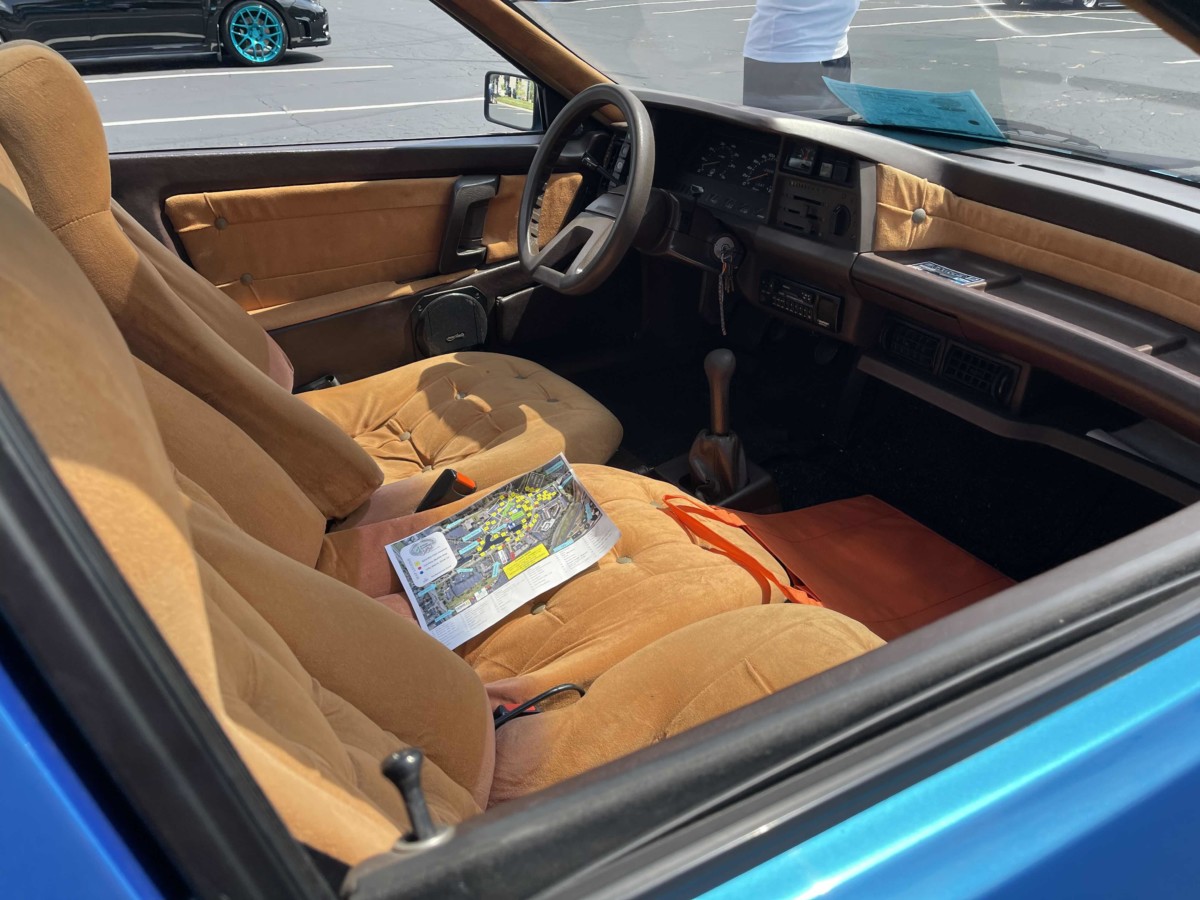
The other big novelty of the Murena (and Bagheera) was the three abreast seating, obviously intended for, well, I’m not sure to be honest. The interior was clearly of its time and French, which are not criticisms in my book. This shot is from a CC post by Tom Halter, but all Murenas were LHD.
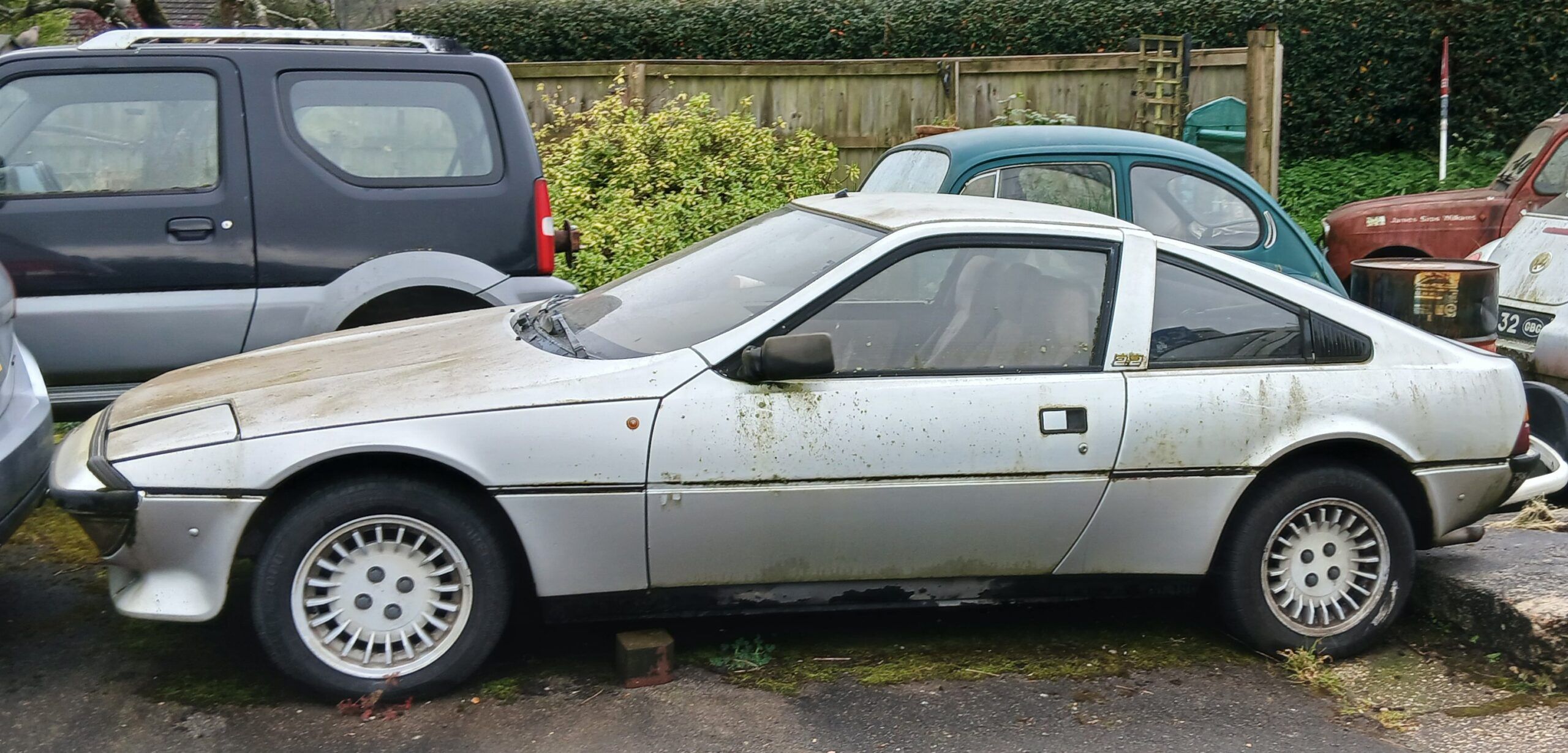
Of course, this car was originally planned as a Matra-Simca (ie, Chrysler France) product but came after the Peugeot takeover of Chrysler Europe and suffered as Peugeot had little interest or real investment in it. It was replaced on Matra’s assembly lines by the first Renault Espace, a Matra built for Renault.
This car has been sitting at this spot for many months, probably years and shows no signs of moving any time soon. I’d actually quite like to get it going…























I guess the forward placement of the front axle of the Murena was to make room for three pairs of feet. Most mid-engined cars have tight footwells for two people as a result of the wheel well intrusions. The reason their designers accept this compromise is because you need some weight on the front wheels for them to steer the car responsively. The weight distribution chosen by the Murena designer(s) reminds me of French front wheel drive cars configured with the engine behind the front axle. Handling dynamics just weren’t a priority even in cars where one might have thought they would be.
The base 1.6 Murena had a F/R weight distribution of 48/52, which is exceptionally well balanced for a mid engine car. The 2.2 had a 41/59 F/R distribution, which is still very typical for a mid engine car. So no, Matra did not make a trade-off of inferior handling in order to accommodate three sets of feet.
In a period review of the Matra Bagheera, one of the car mags suggested that the three-across seating was designed for a Frenchman, his wife, and his mistress. I was a little too young at the time to know if the writer was being serious or tongue-in-cheek.
I rather like the “Corner Garage’s” mini junkyard, I see other interesting oldies in there too .
-Nate
What a great selection in that yard.
That Talbot-Matra Murena is an amazing find. Such an unique car in so many ways. This model is actually my middle son’s favourite car. That looks like a great candidate for restoration.
Hi Roger. What great finds. The C5 is in my opinion peak Audi – look at that form and that interior. I hadn’t seen one in years on our salt-encrusted Toronto streets but coincidentally, I chanced upon a glorious and immaculate RS6 just this morning. Silver of course, and the web tells me it would be a 2003 or 2004. The owner came by just after I went on my way and hearing it start from a distance, these were clearly not fake RS6 badges. I wish I had had the opportunity to speak to him and take a snap.
Do I see a Renault 4 in front of the SAAB ?
That’s what it is.
Yes, and stickered up etc for motorsport…..!
4.2 quattro is quite normal badging on those A6 cars possibly thats what got sent here to justify the price, not the only European brand that does that to NZ, That Matra would be worth getting revived just for the rarity of it 3 abreast and not a bench seat and tree shift it has a certain charm but being a PSA product I bet theres no parts backup after15 years of driving and repairing PSA products I’m used to that though.
2.5 TDI was the most common badge on these here.
Nice collection Roger!
A quick AI search revealed that ther is a company called J&I Limited in the UK.
The search noted: “(J&I Ltd Builders & Temporary Works): A UK-based construction and structural alterations contractor established in 1997, located in Gravesend, Kent, serving London and South England (J&I Ltd).”
Given the apparently personalized vehicle registration, the Audi may have been a company vehicle belonging to this firm.
P.S.: Purely speculative.
Isn’t the 2.2 Matra engine a stretched Chrysler 180/2-Litre unit?
Yes, the Chrysler 180, 2 Litre, Peugeot 505 Turbo and Talbot Tagora.
And even the 200 Citroen BX rally car homologation specials
No four-bangers in A6’s sold in the US – we got just the 3.0L V6 for 1998-99 powering either the front or all four wheels, with Avants were AWD-only. Starting in 2000 a turbocharged variant of the V6 became available as did the 4.2 V8, though not in Avants or with FWD.
Audi interiors were so beautifully detailed back then (in real life, didn’t look like anything special in photos). What happened?
No Saab 90s here either – the 99’s last year in the States was 1978, after it was replaced entirely with the 900.
How did they advertise that 90? “For a significant discount less, you can buy part of our 900”? I did not know that the car even kept the old (and rather ungainly) 99 dash. Must’ve made SAAB some money, this model.
Like others here, i think that C5 Audi is timeless. Any model of them is no longer seen here any more, let alone the 4.2’s, because they all suffer the VW issue at some stage: hopelessly expensive mechanical failures. Perfect bodies sitting in weeds all about, though I’ve certainly never seen one with that gorgeous green interior.
What happened to your Alfa specialist?
The Alfa specialist is still doing his stuff as before. It’s just that we’ve moved 150 miles away
The 90 is a cool model we never got but I would have loved. After a ’73 and ’77 99 we got a ’82 900 T a ’87 900, ’87 and 92 9000s, some 1999 and 2000s 9-3s and 9-5s. But of all of them the attractive , readable, and functional 99 instrument panel was my favorite. Only the very rare 2010/2011 9-5 had a nicer panel imo.
The tail lamps on the Murena make me think mid 1980’s Chevy Camaro!
The ‘Build Your Dream’ brochure on the seat of that C5 seems eerily prescient…
Wonderfully eclectic mix of timeless classics.
Very nice styling on the matra, looks like a baby delorean…!!!
Great finds!
The “badge” on the trunk of the A6 is actually the GPS antenna…why Audi had chosen this place is sure something the responsible engineer or designer can explain, as other manufacturers had chosen the roof as location for this device (e.g. the “shark fin” on many BMW’s).
The Saab 90 was something of a “Plan B”, as Saab had no own dedicated entry model at that time (and also not much cash to develop its own; see also the Saab Lancia 600 and Saab Lancia Horizon), and as the Saab folks were convinced that the 99 was still good enough and the 900 being good…voila, the Saab 90. Its rather quick end after just two years was due to the facts that the 90 was no big seller and more stringent emission regulations which would have required some modifications which the sales didn’t justified (have I mentioned that Saab Auto was basically always low on cash?).
The Murena is another sad story…at least in Germany, the people were still aware of the desaster of the Bagheera which earned the negative price of the Silberne Zitrone (“Silver Lemon”) 1975, awarded by the German auto club ADAC. To be fair – the Matra’s deserved some cautious awareness as the manufacturing quality of each model ranged from “average” (rare) to “abysmal” (more often than good for any manufacturer). Good that Matra’s rockets (one of the major business fields, cars were rather a pastime enterprise) were built to way higher standards…