
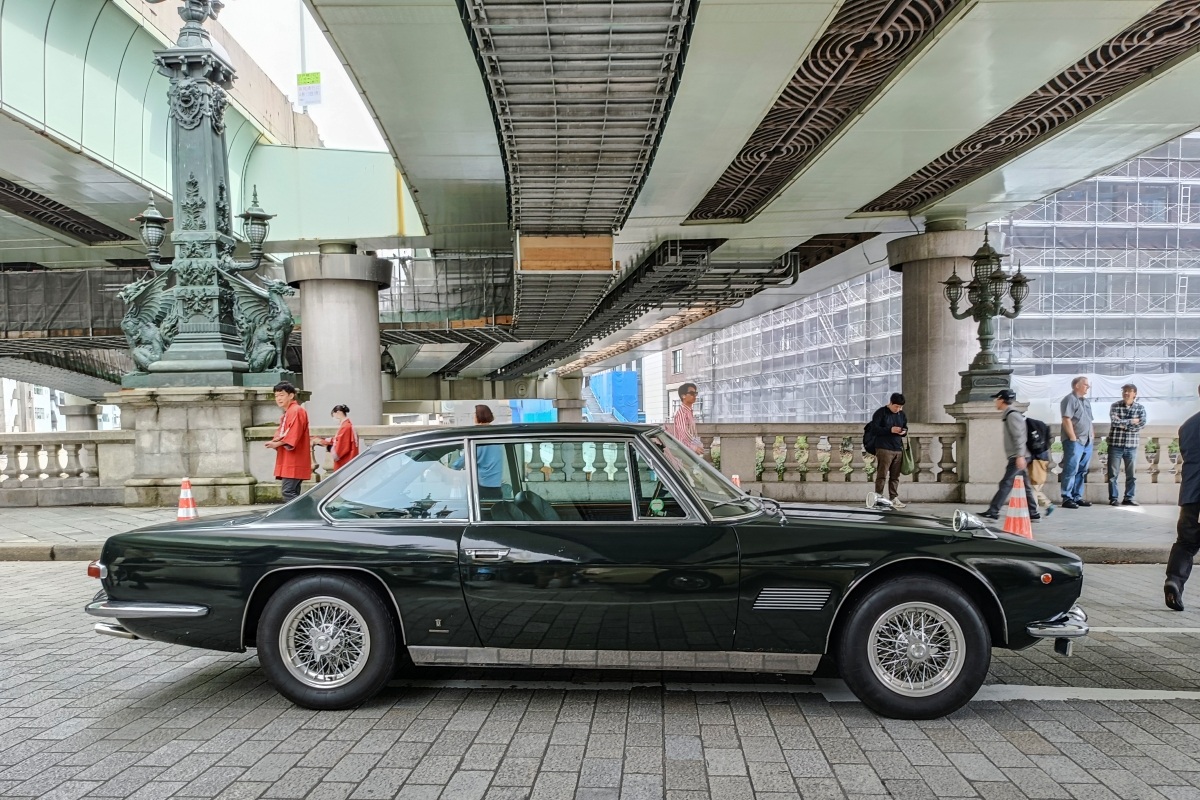
Big luxury coupés are a bit of a guilty pleasure, aren’t they? Let’s go ahead and indulge, then. Have a slice of this Maserati, there’s plenty for everyone. Nice and heavy with a V8 in the front, four leather seats and a slab of varnished wood to put a few gauges in, all wrapped up in understated elegance. A feast for the senses.
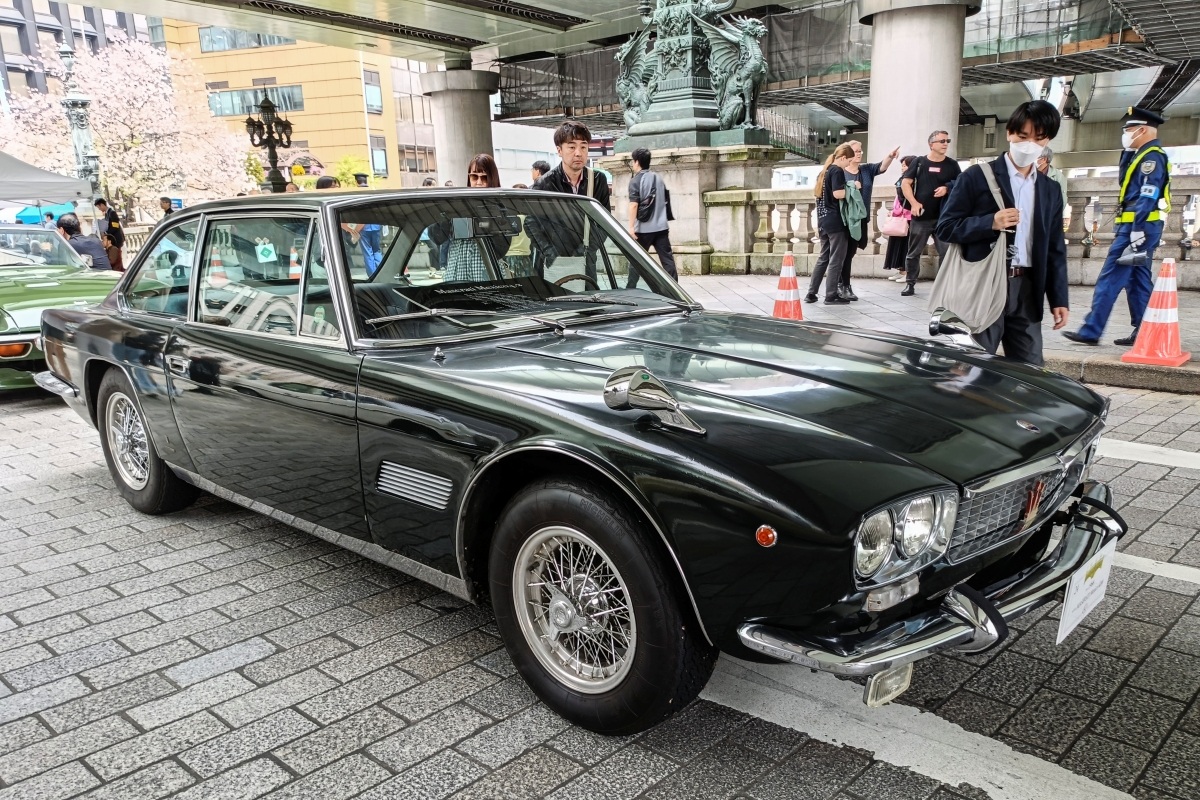
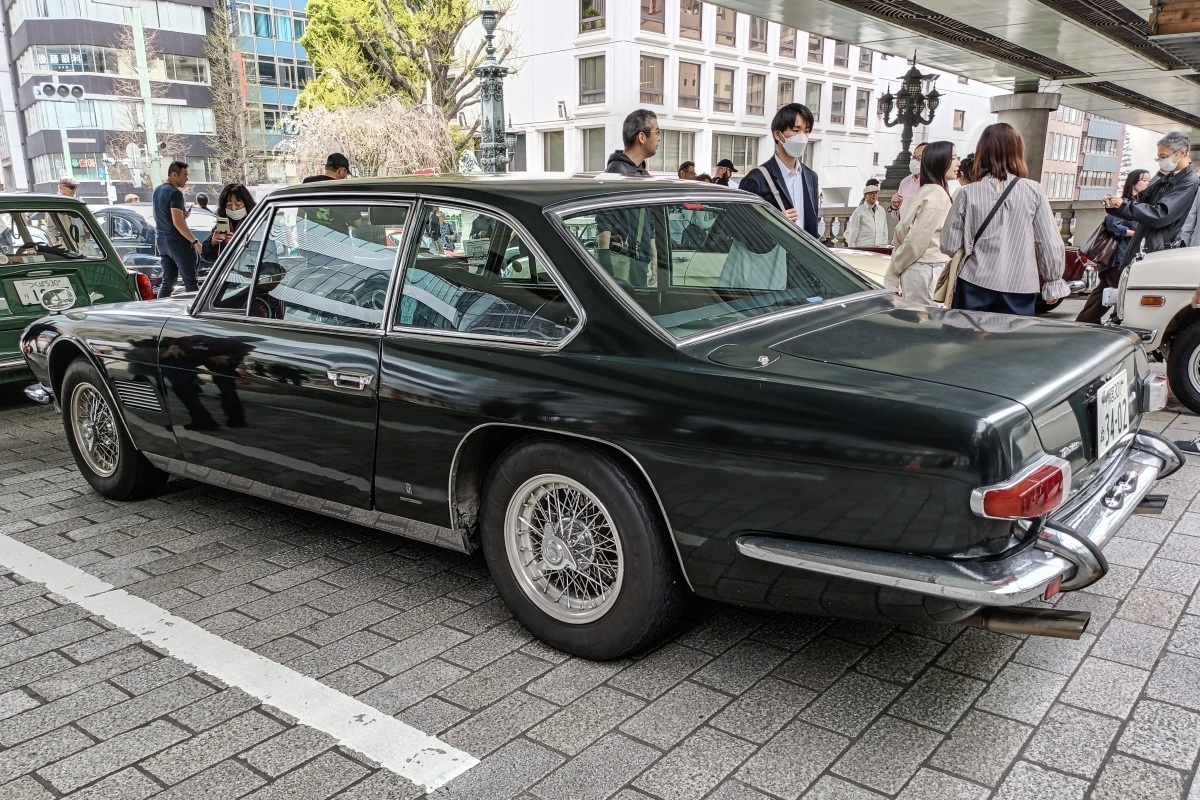
We’re back at the Nihonbashi Classic Car meet, an event that takes place on the first Sunday in April on this historic bridge in the centre of Tokyo. I naturally go every year – there are always a few nice surprises. This year was no exception and this Maserati, for me, was without contest the car of the show.
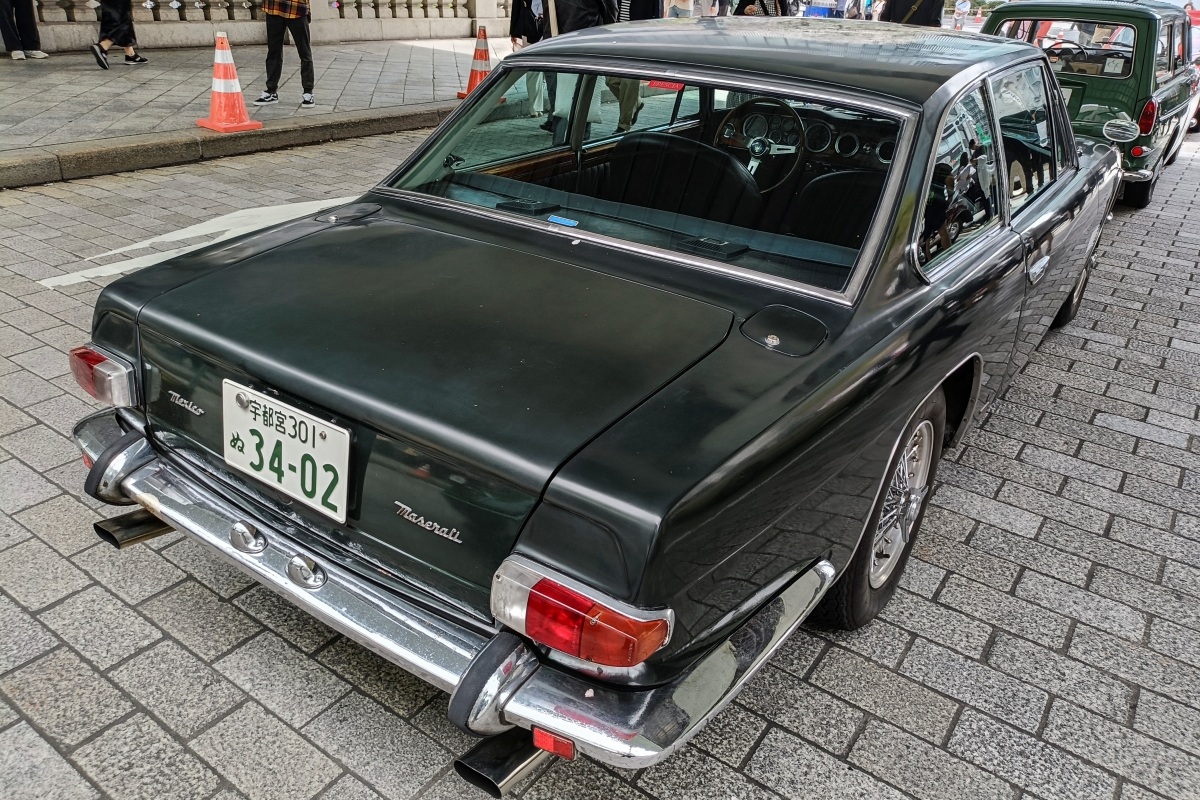
However, I don’t know about you, but my recollection of Maserati’s range in the late ‘60s was a little on the foggy side. Mistral, Quattroporte, Ghibli – those, I could picture in my mind’s eye. This one, beautiful though it was, did not really ring much of a bell. But then, you don’t run into old Maseratis every day.
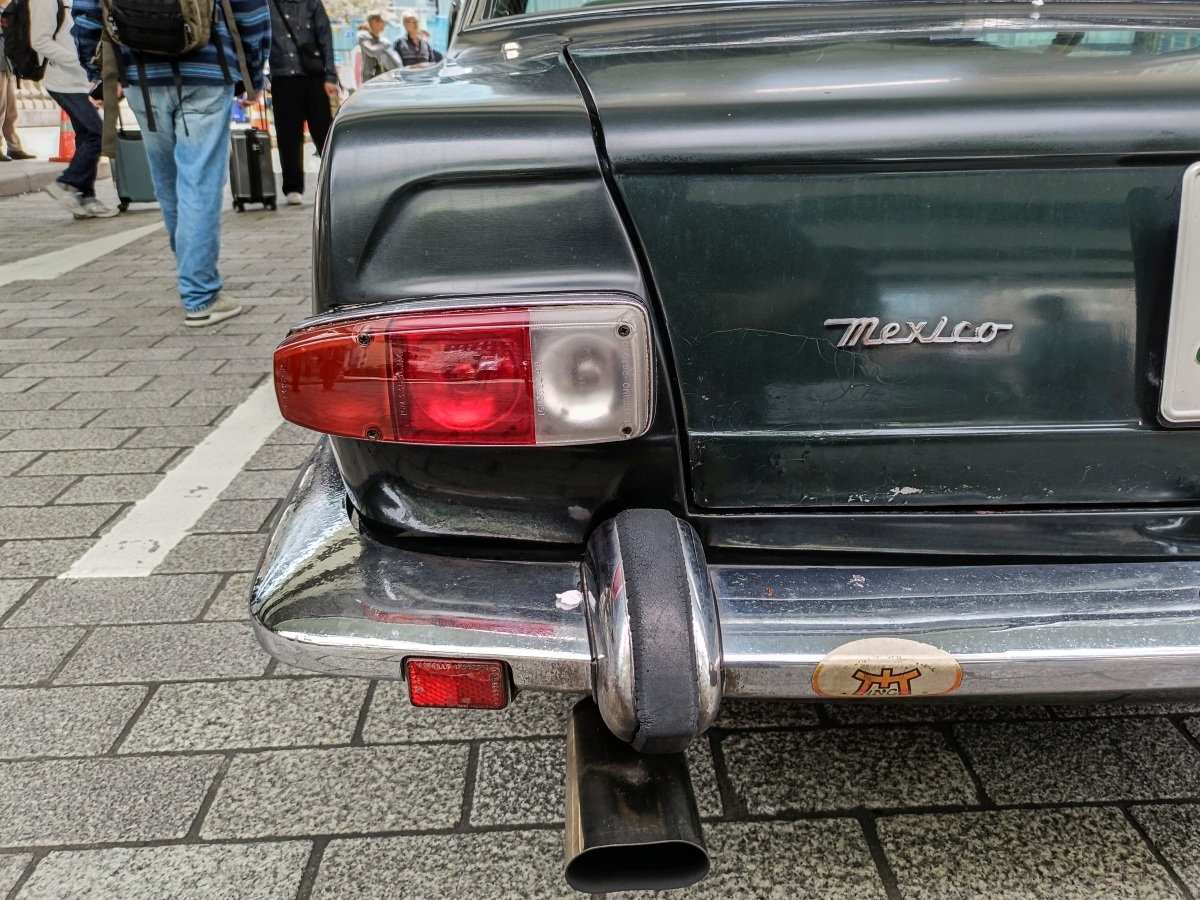
It looked the part – something designed by Frua or Michelotti, probably. And there must have been a huge engine in there, but which one? The legacy straight-6 or the newer V8? And lastly, why, of all things, was it called Mexico?
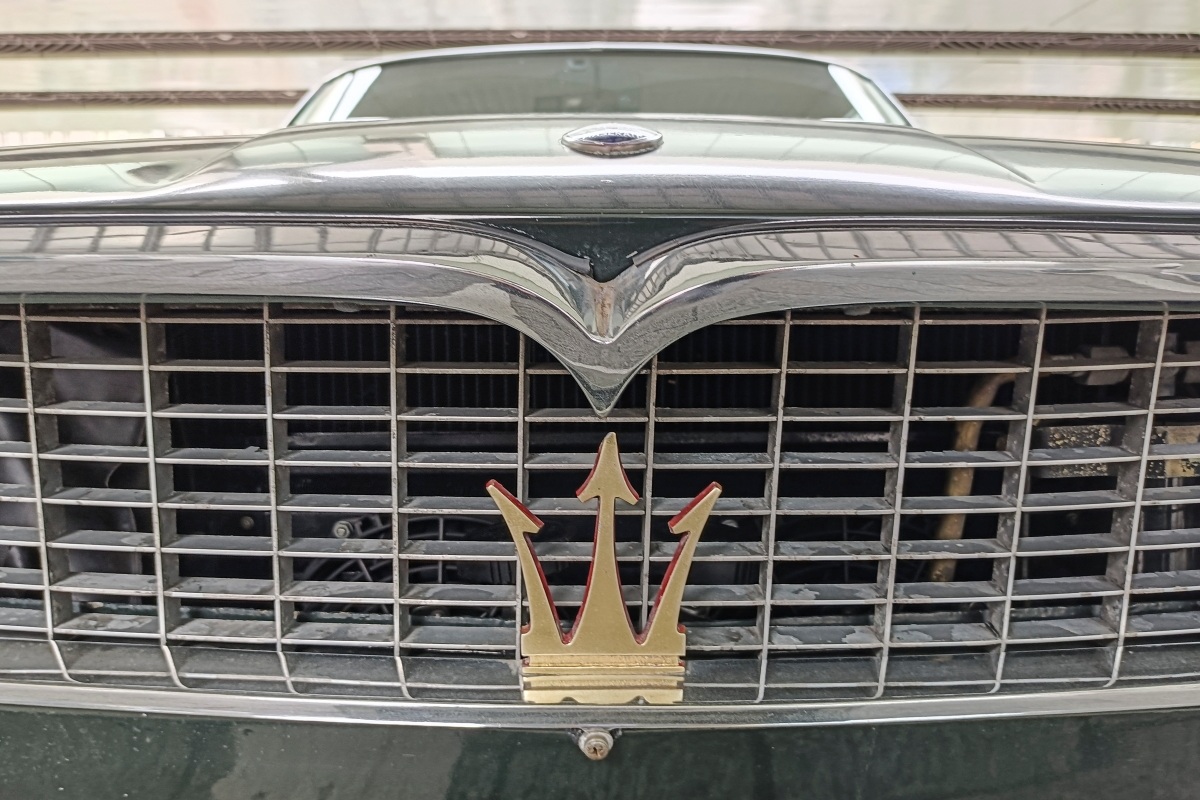
It all started in 1965. One of the ultra-exclusive 5000 GT coupés, bought new by Mexican president Adolfo López Mateos, now belonged to another Mexican citizen, Francisco Diez Barroso. The 5000 GT had a bad accident and was shipped over to Modena with orders to re-build the car.
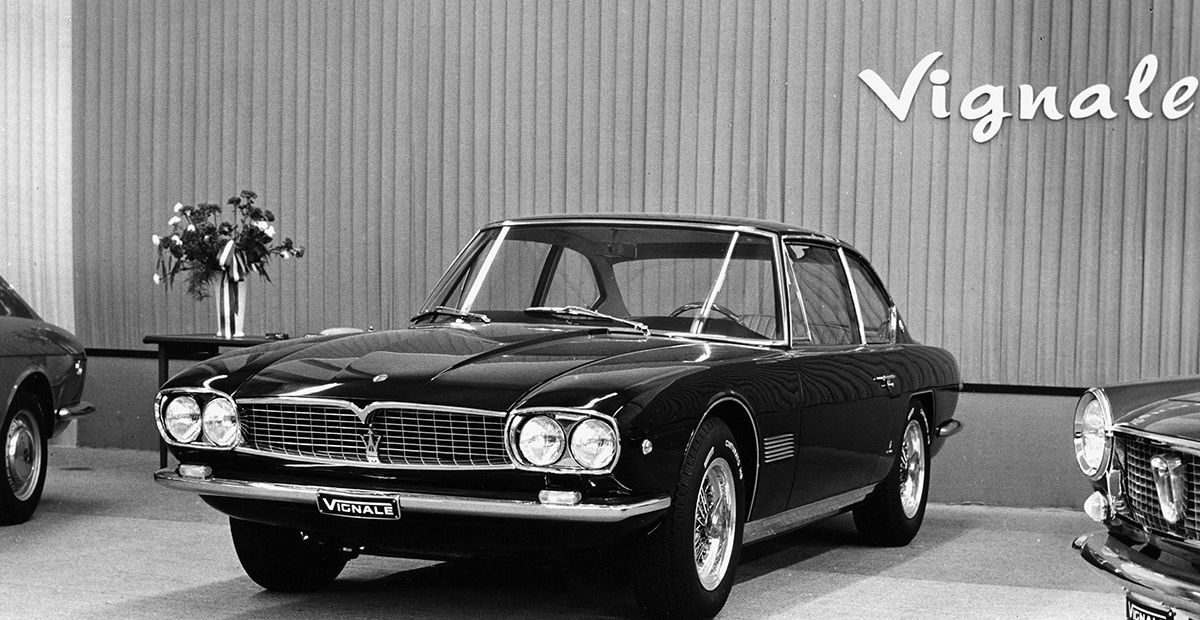
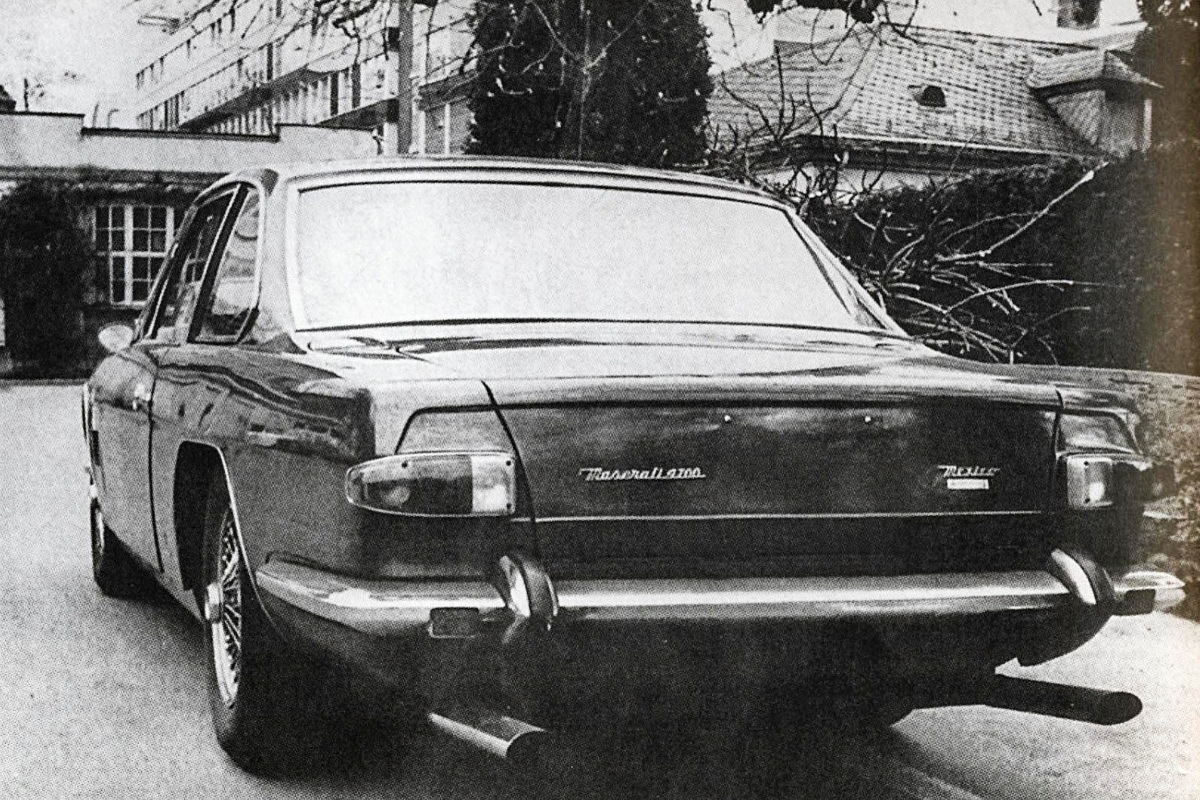
At around the same time, Maserati were planning to launch a new coupé derived from the Quattroporte. Maserati called upon Vignale, which was by then employing Virginio Vairo as their head of styling. I hadn’t heard of him either, but the man was obviously gifted: having been exhibited at the Turin Motor Show in late 1965 and at the Geneva show in early 1966 (where it was photographed above), the prototype coupé elicited enough positive reviews to convince Maserati that a production run could be envisaged.
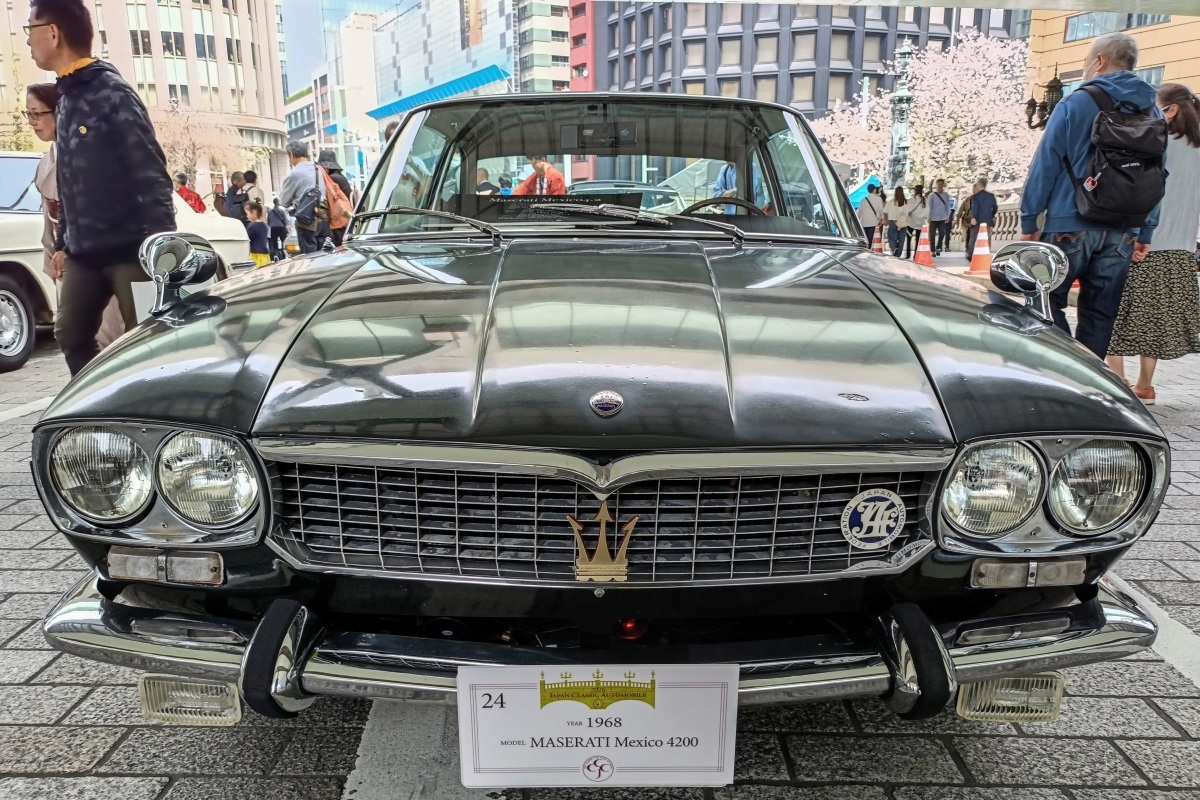
Even before the Turin show, Francisco Diez Barroso had seen the prototype and decided to buy it. The only trick was that it needed to have his wrecked 5000 GT’s chassis number so that he wouldn’t have to pay considerable custom fees when repatriating the car back to Mexico. Maserati duly obliged, in exchange for keeping the car until the spring of 1966, by which time Vignale could start producing a few bodies.
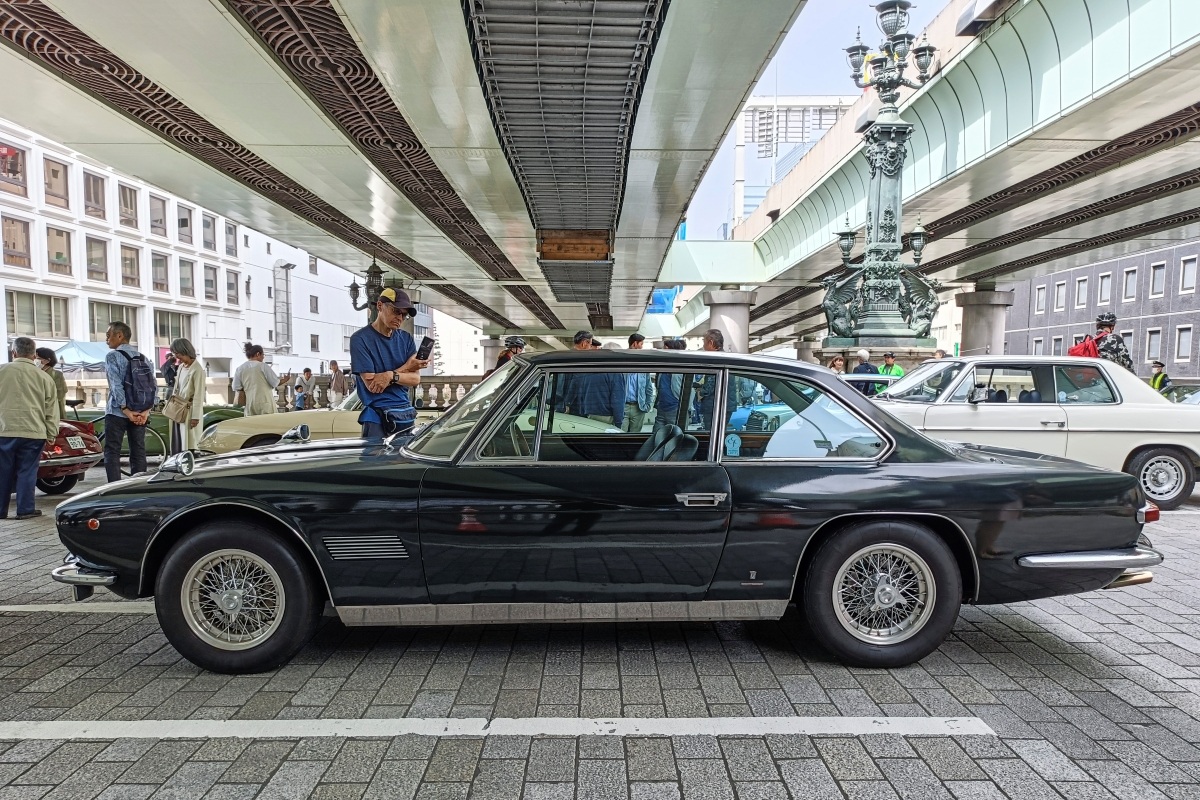
By the time the Paris Motor Show came around in October 1966, the new model was ready to be officially unveiled. There were a few minor external differences from the prototype, but by and large, Vignale had managed to keep the car very true to its initial form.
In the interim, John Surtees had won the 1966 Mexican Grand Prix on a Cooper-Maserati – a noted return to form for both the British F1 team and the Italian marque. This conjunction of racetrack glory and the oddly convoluted 5000 GT story gave the new model its name.

Which is not what I thought before I researched this piece, I can tell you. I figured it had to do with the 1968 Olympic games, for some reason. I’m not sure why Maserati would have cared, but that was my working theory. I had forgotten that Maseratis were not all named after winds (Mistral, Khamsin, Ghibli…): some, like the Sebring and the Indy, were named after racing events.
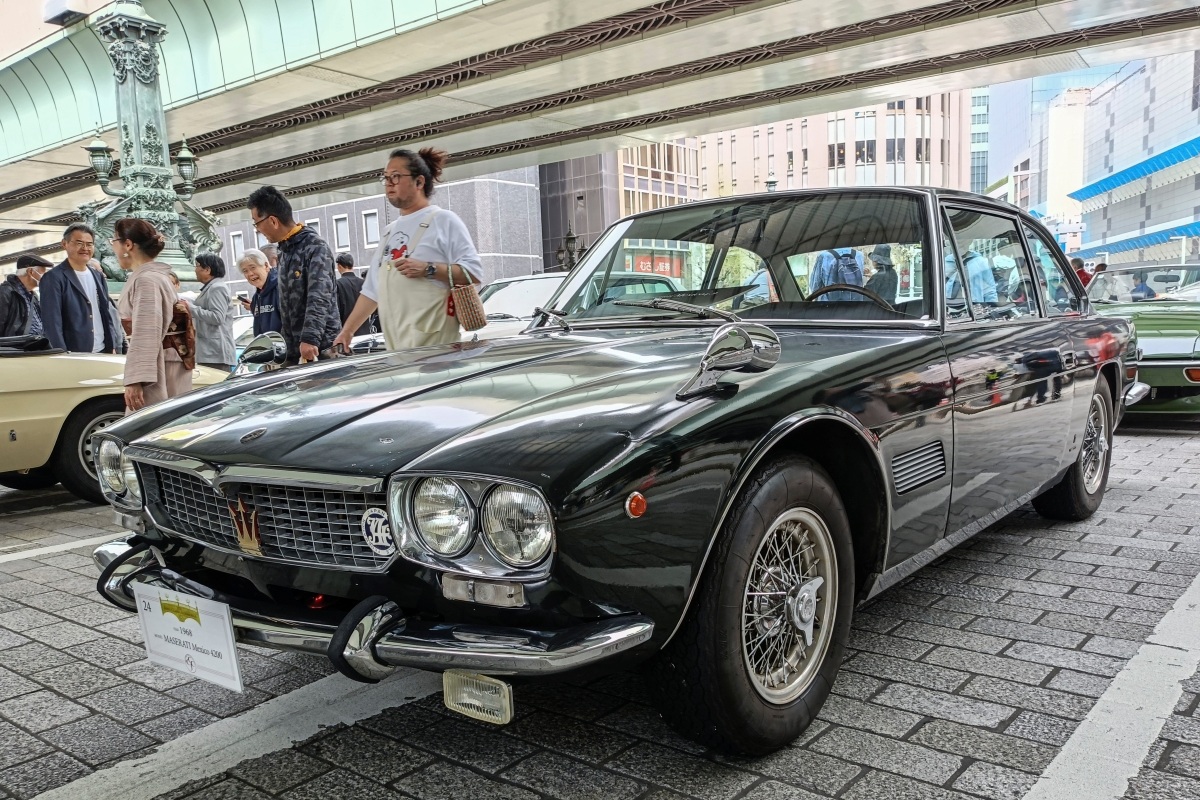
So what did the Mexico consist of, deep down? Maserati simply took a Quattroporte front subframe and shortened the steel monocoque by 11cm to create a four-seater coupé, keeping the QP’s suspension pretty much as was. They did add ventilated Girling discs on all four wheels – a first for the marque.
Initially, the only engine available was a 4.7 litre DOHC V8, good for 310hp SAE (290hp DIN), mated to either a 5-speed ZF manual or a 3-speed Borg-Warner automatic. The Quattroporte’s so-called “4.2 litre” engine (275hp SAE / 260hp DIN and actually a 4.1 litre, if we’re being pedantic) was added to the mix, effectively becoming the default option, by 1969. But it seems some got the 4.2 even in 1968, like our feature car.
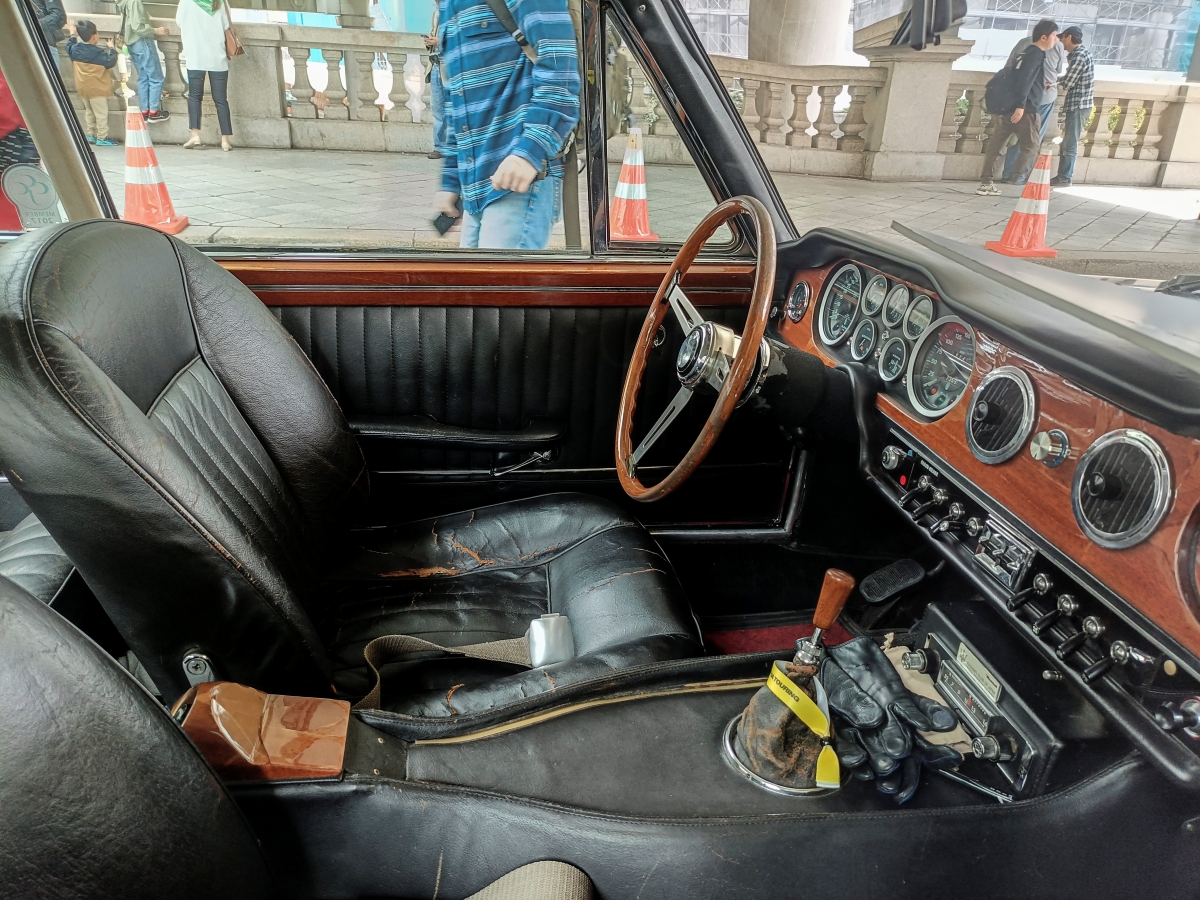
Given its QP lineage and sky-high retail price, the Mexico was given the full deluxe treatment by Maserati and Vignale. Leather upholstery and A/C were part of the package as standard, along with power windows. After all, the intended market was chiefly over the Atlantic, just north of the country that gave the model its name.
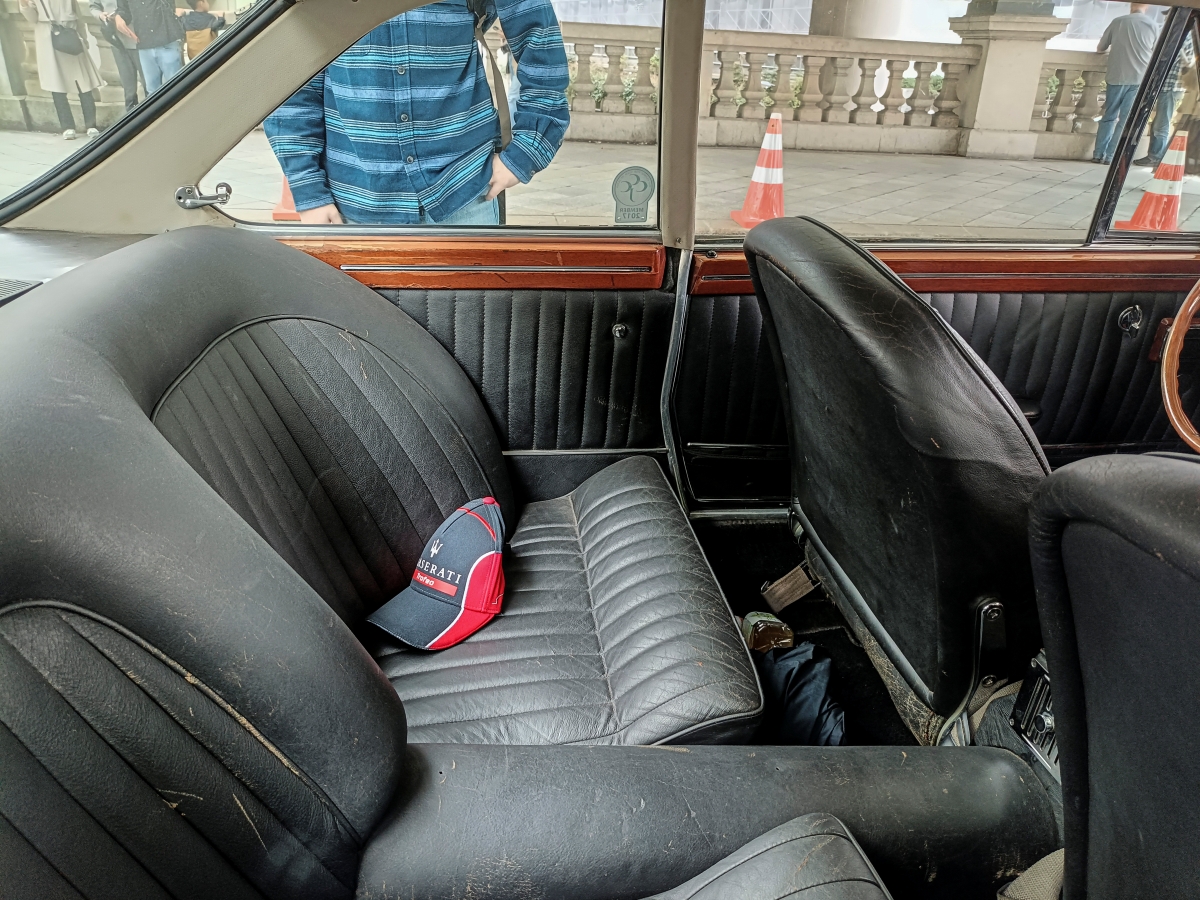
The back seats look like a snug fit, but they do seem to be able to accommodate a pair of full-grown adults. Not all Maseratis made in the late ‘60s could say the same thing.
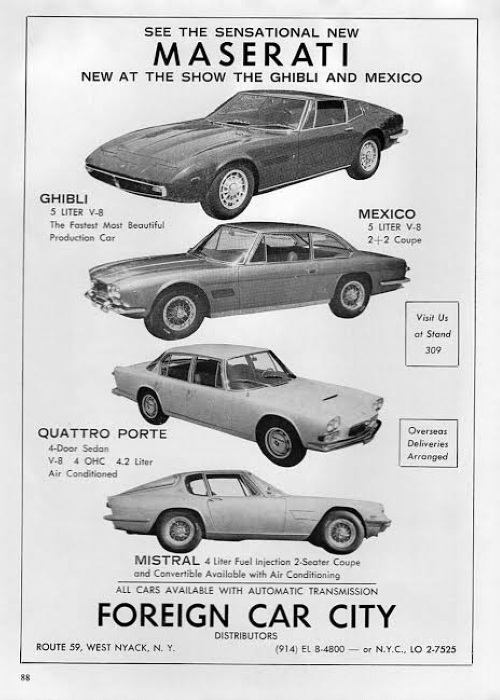
Looking at the range circa 1967, when the Mexico was a recent addition, its positioning seems pretty clear: this was the luxury GT four-seater, for folks who did not fancy the Quattroporte’s large body and quirky styling.
The Mexico was one of the more expensive European coupés of its time. And in this blessed era, the very apex of the market was chock full of amazing contenders. I think we’ve all earned the right to have a deep dive in the world of late 1969, just to check out the Mexico’s esteemed opposition.
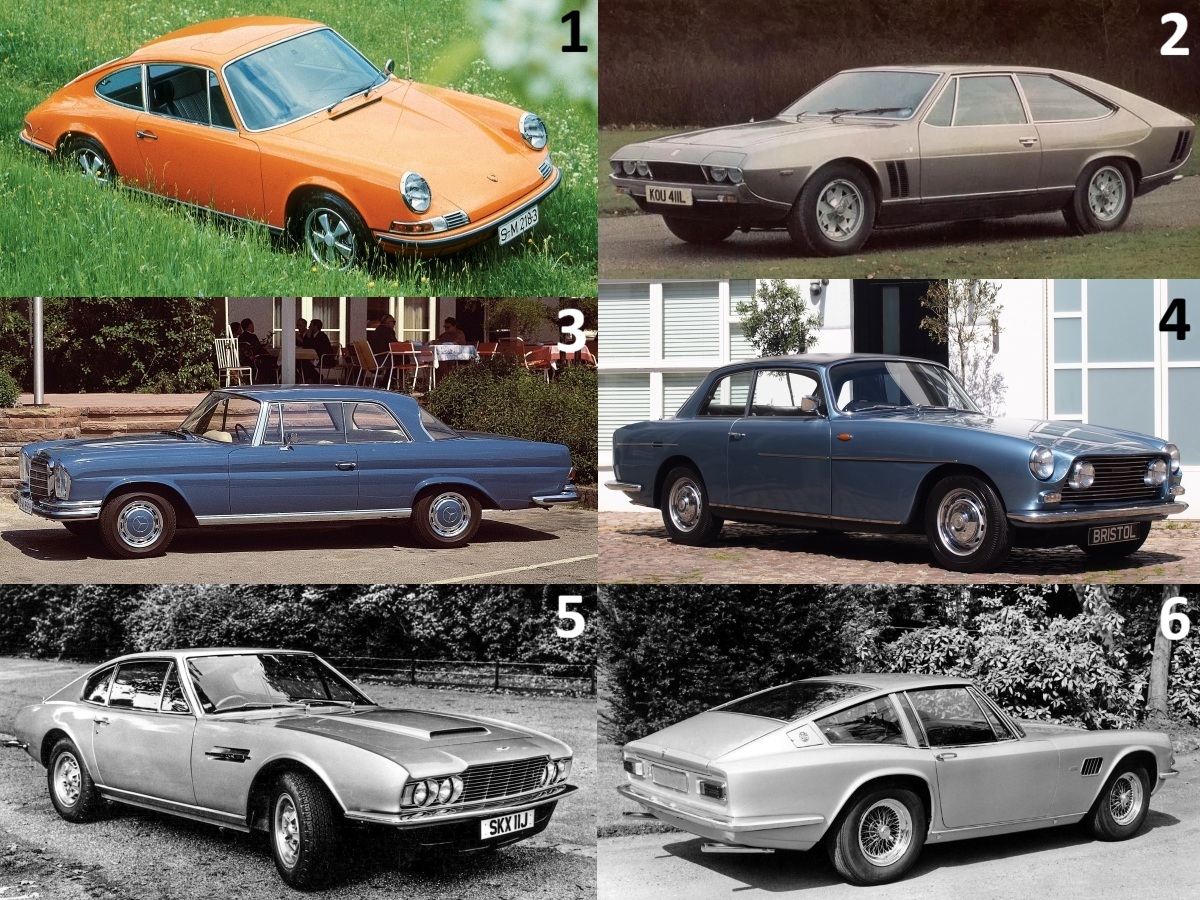
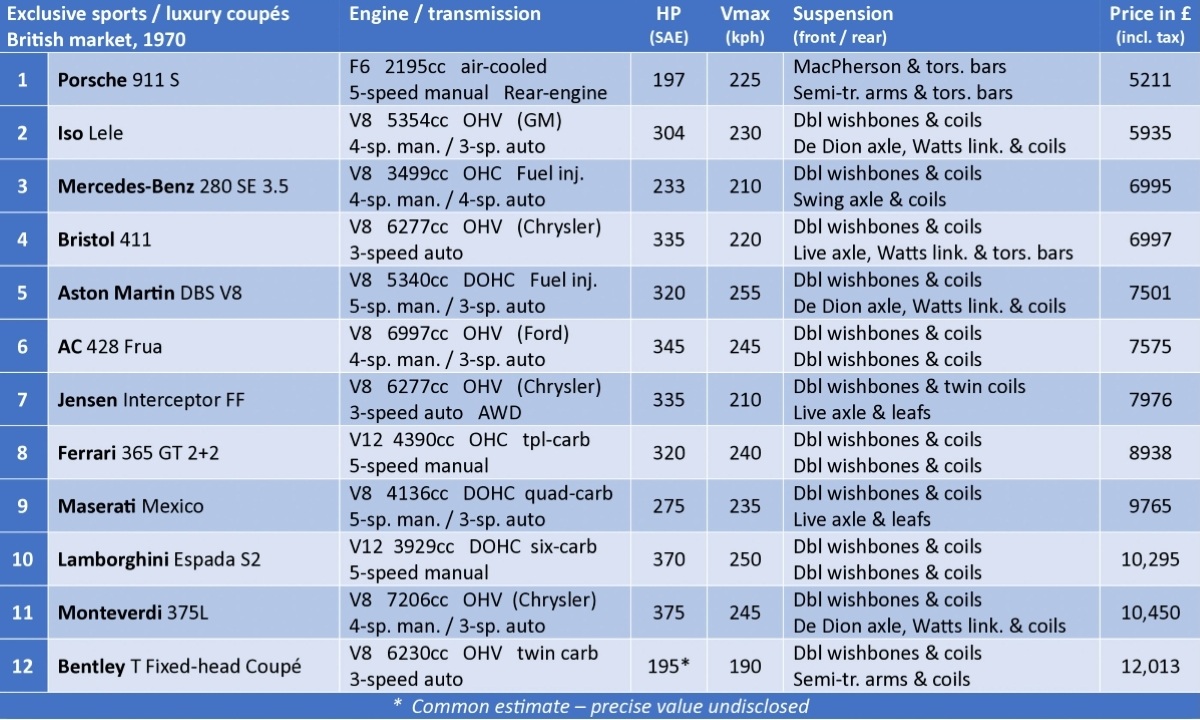
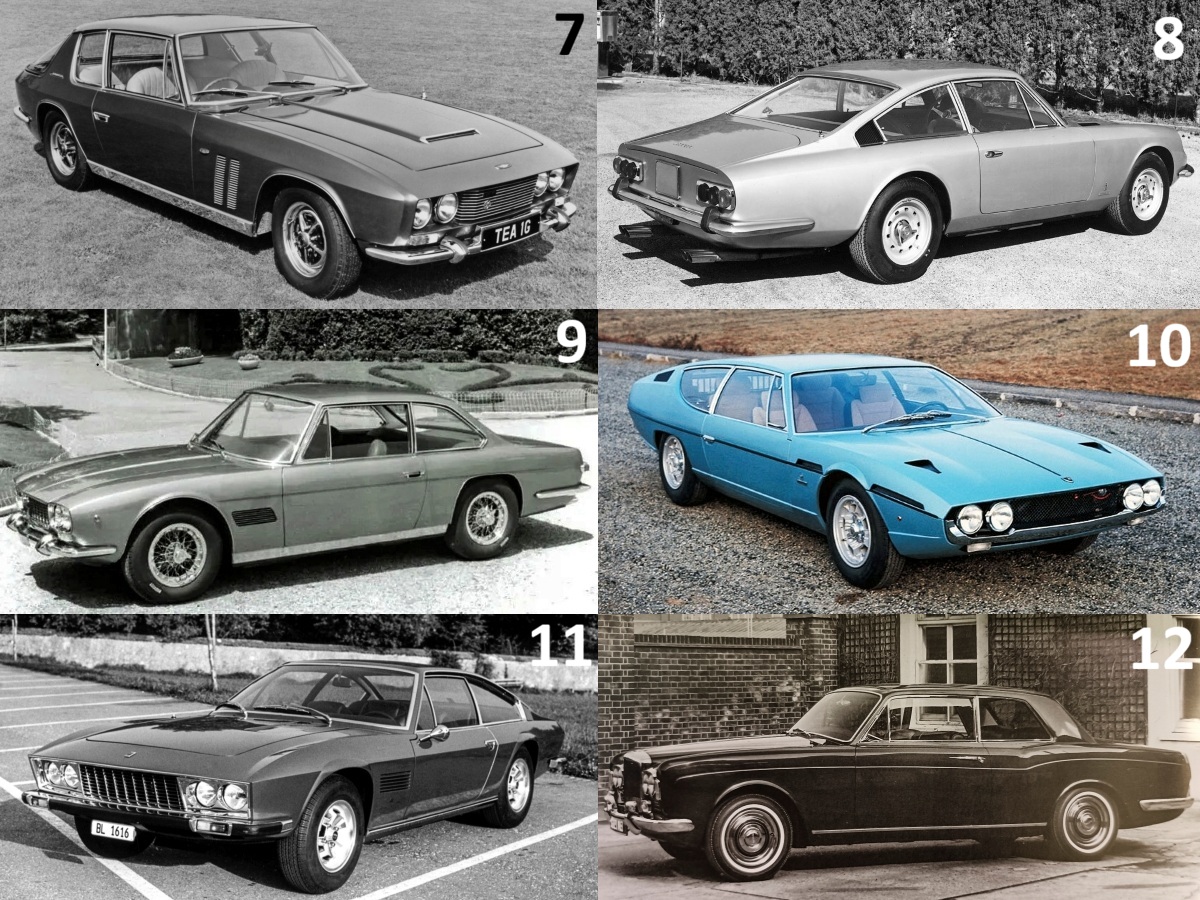
It’s always preferable to have money, but was there a better time to be a millionaire than the late ‘60s? The gargantuan Espada, the amazing Monteverdi, the bonkers Jensen FF, the sublime AC Frua… Our Maserati almost looks banal in this star-studded company. But it doesn’t look out of place.
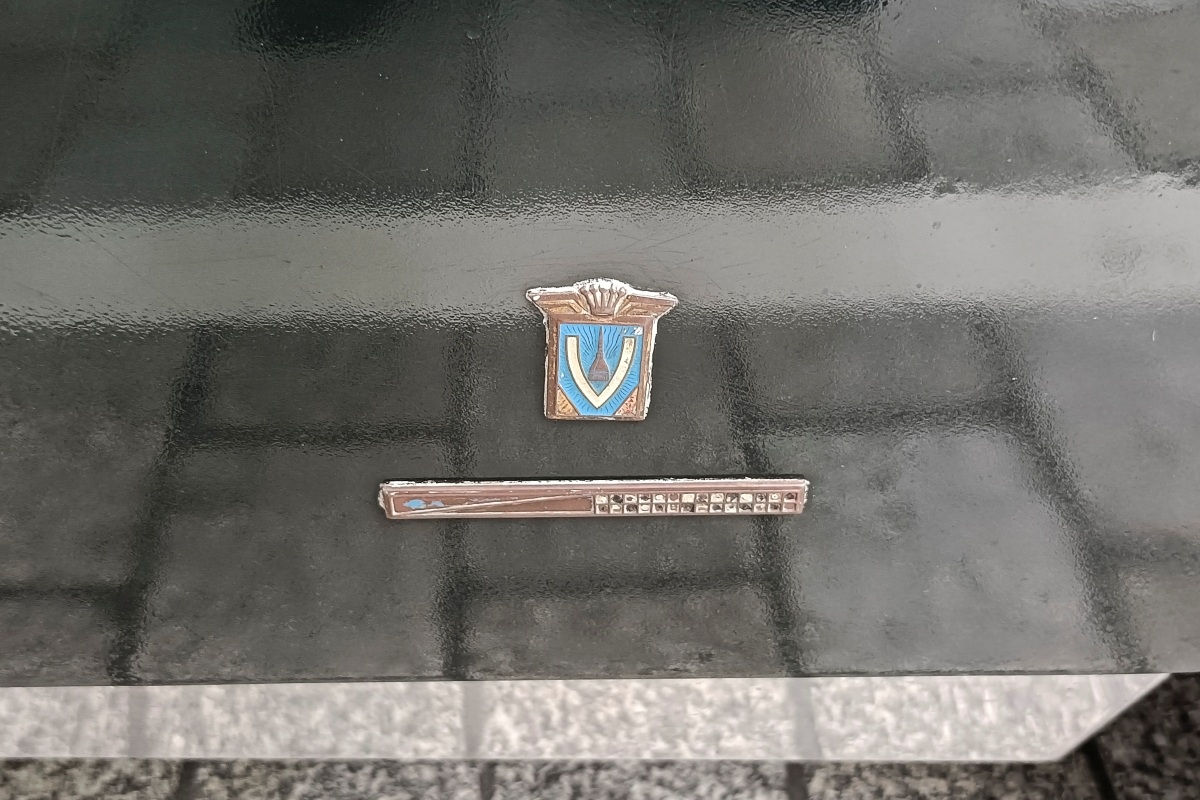
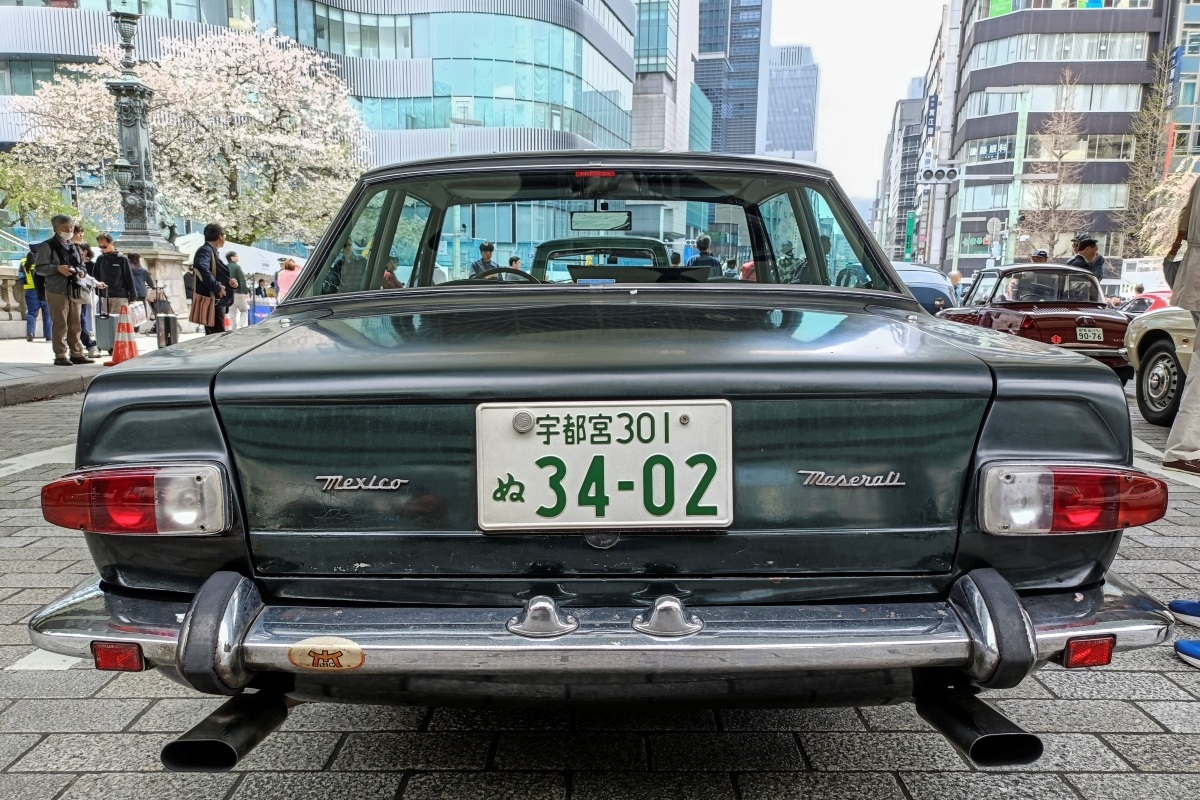
The Mexico’s discretion is down to this badge, I feel. Vignale built some of the most outrageous one-offs of the ‘50s, but by the ‘60s, with Michelotti gone to play solo, the coachbuilder toned it down. They also tried to produce more volume, like what Pininfarina and Bertone were doing, but never quite managed to reach that level of recognition. In 1969, Alfredo Vignale sold his company to De Tomaso (who owned Ghia by this point), who then sold it to Ford, who shut it down.
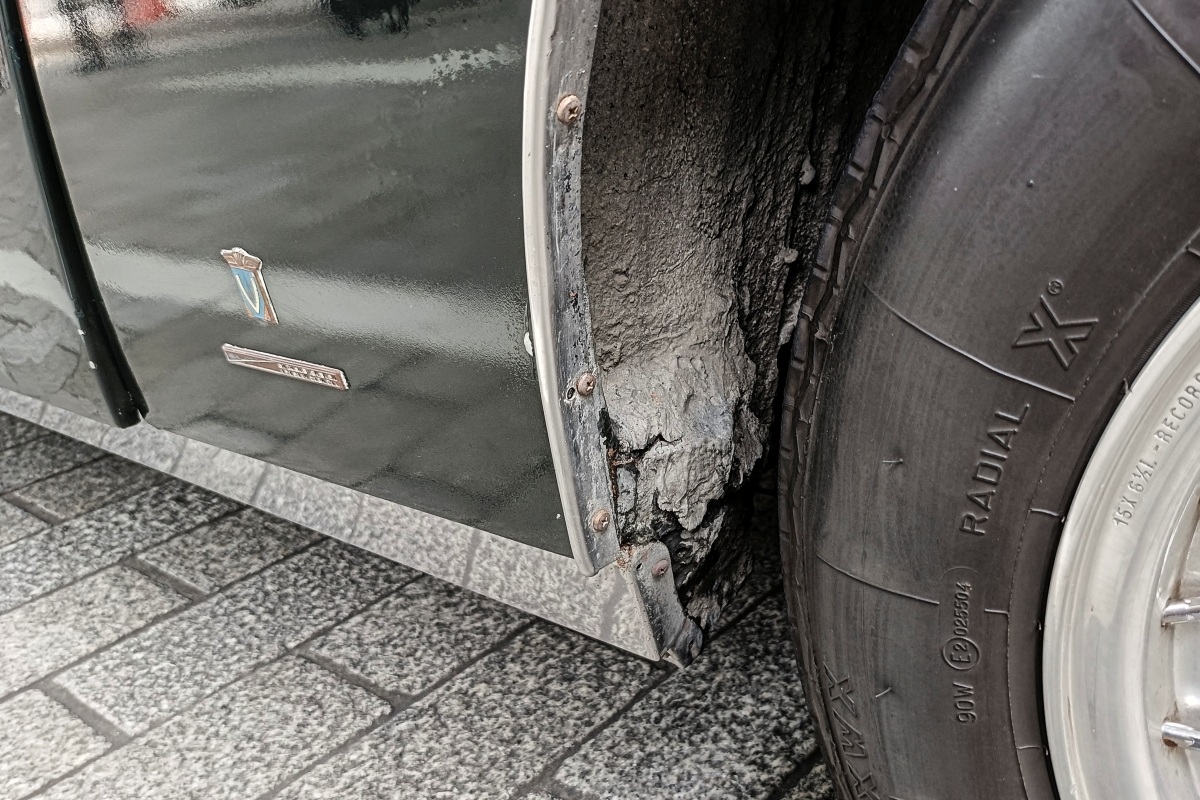
It may not have escaped you that this Vignale emblem is located on a panel with a lot of orange peel. This Mexico, as exclusive and rare as it is, looks like it’s almost entirely original and unrestored – save perhaps for that very panel. Looking at the wheel wells, the tin worm is definitely still feasting on this Italian dish. They’re only original once, but they will turn to dust if nothing is done.
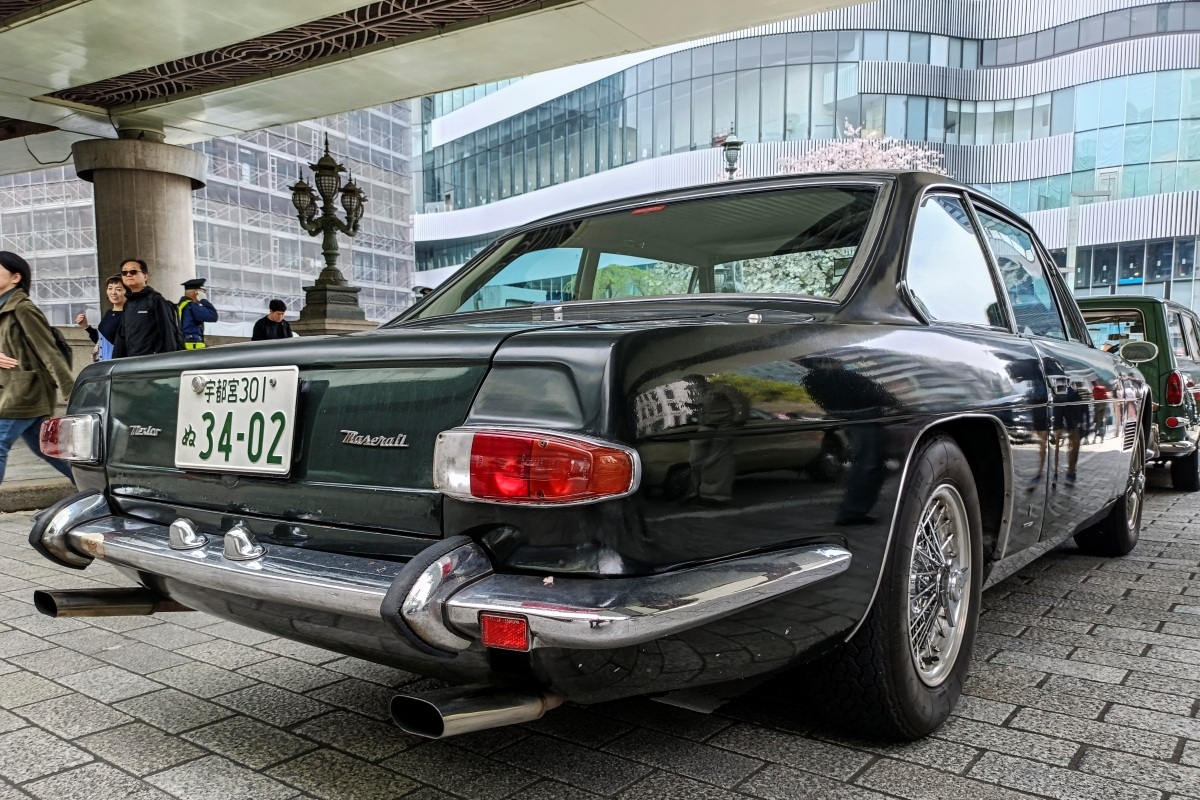
According to a well-informed Japanese source, this car left the factory in February 1968 and initially stayed in Italy. It was imported second-hand in Japan in 1973, joining a handful of its kin in this part of the world, of which only two reside in this country.
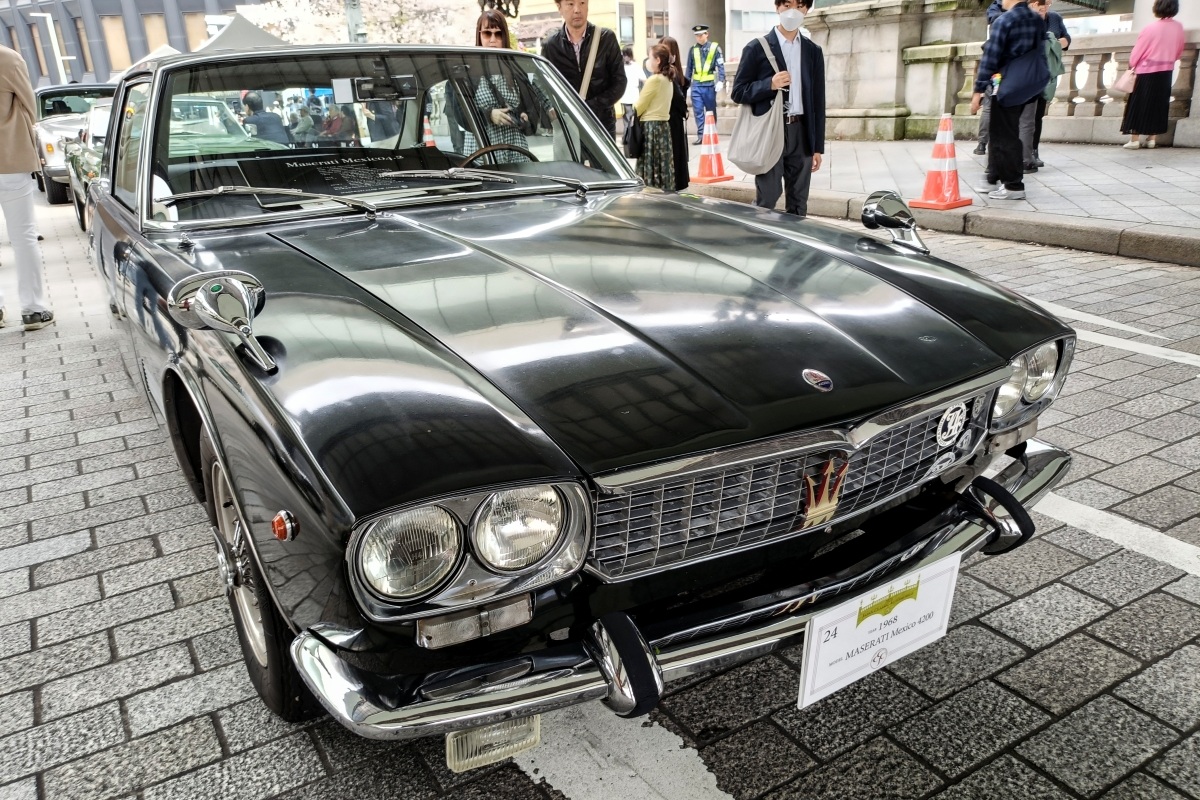
There are a lot of production numbers floating about for the Mexico. I’ve seen estimates as high as 560 and as low as 250, but I’ll go with the 481 number from Mexico-registry.com – might as well trust that resource, as it does contain a wealth of information on the matter. Three hundred Mexicos received the smaller engine our feature car apparently has; only 20 were fitted with the 3-speed automatic and nine were produced in right-hand drive between late 1966 and late 1971.
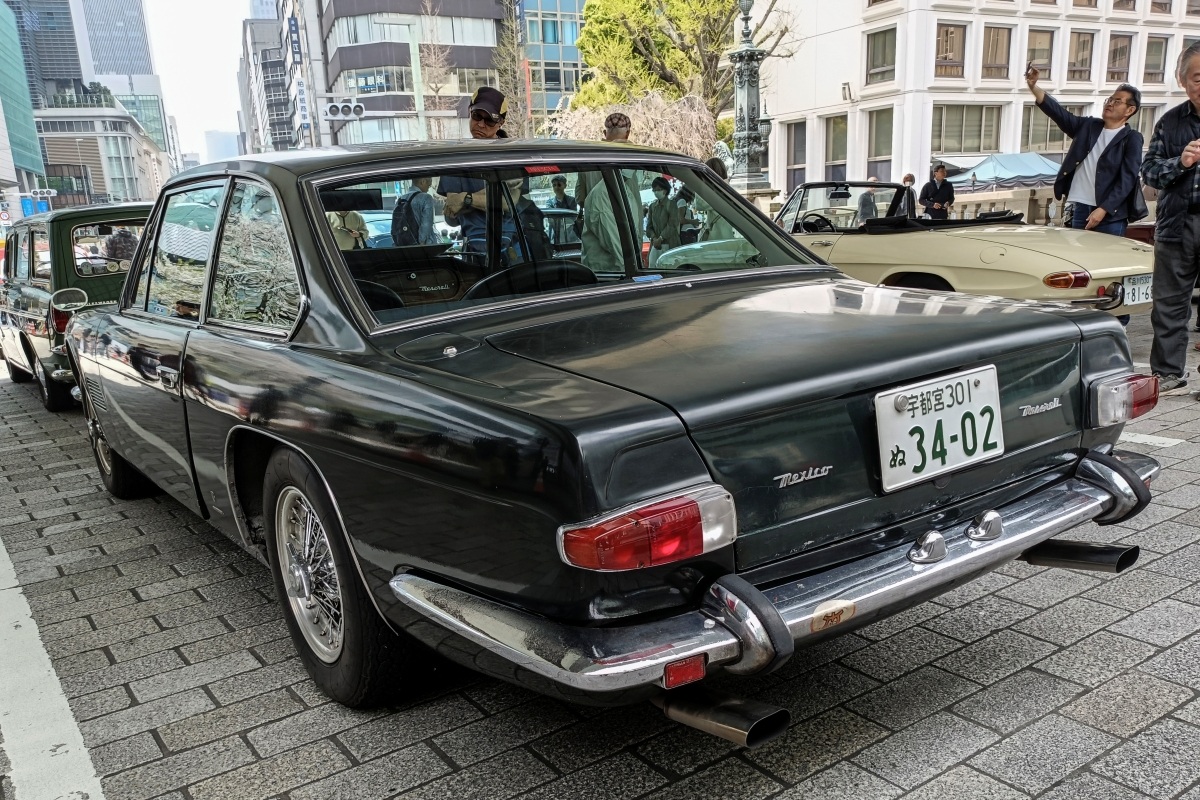
These are magnificent in the metal, to be sure. Contemporary critics were harsh about the styling of the rear end, but I don’t find anything particularly objectionable. It’s as if the Quattroporte had lost a bunch of weight, which is pretty much the Mexico’s definition. It didn’t set any sales records, leaving the limelight to the sportier Ghibli and Indy, but it still elicited a steady trickle of orders from a discerning and very well-heeled demographic. This particular one is miraculously preserved, but I do hope the owner will give the chassis the attention it needs. The rust never takes a siesta.























An elegant and sumptuously trimmed coupe, but I’d rather the perfection of the Ghibli.
I’d also forgotten about these.
The tin worm looks very familiar from the ten-year-old Quattroporte my dad fixed up in the late Seventies, You can address it now or address more of it later.