


The Metropole Druten car and truck museum in the Netherlands is the only museum within walking distance of my place. How convenient! Late October, some owners of old and not so old heavy trucks and tractors showcased their classic vehicle in the yard next to the main building. The weather was far from nice, but as they say, you can’t have it all.
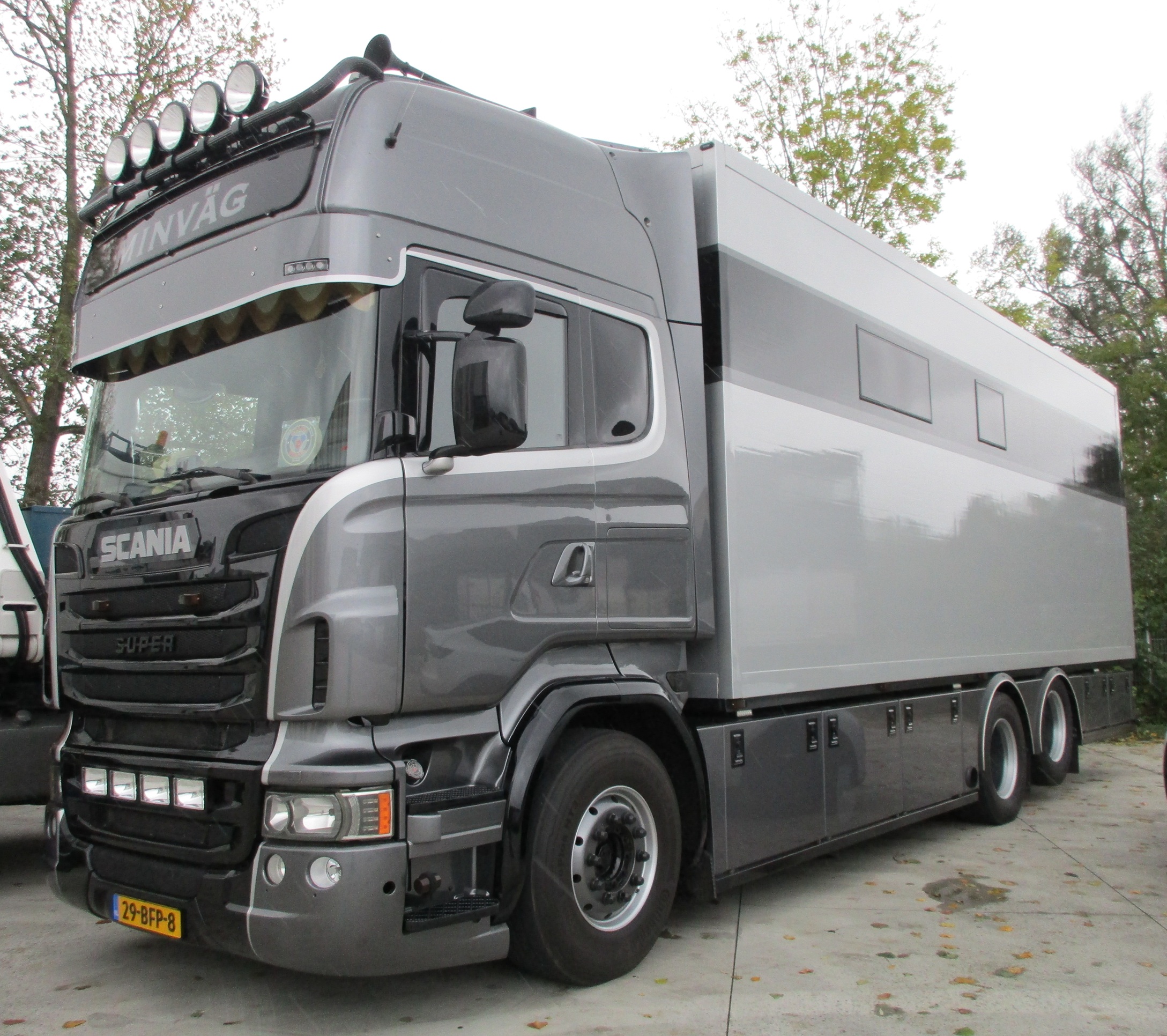
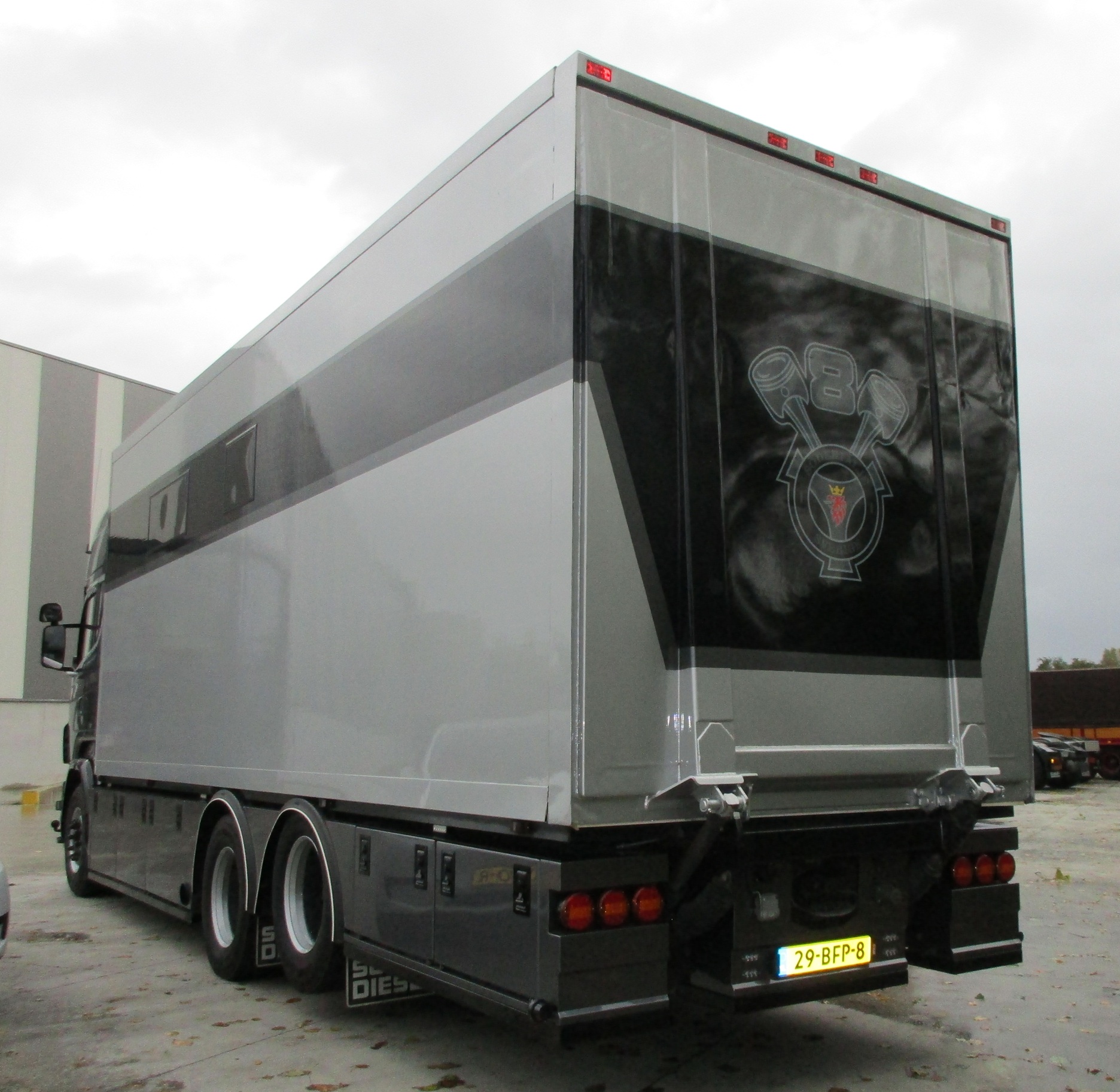
Let’s start the walk-around with this 2015 Scania R520 V8 6×2 truck.
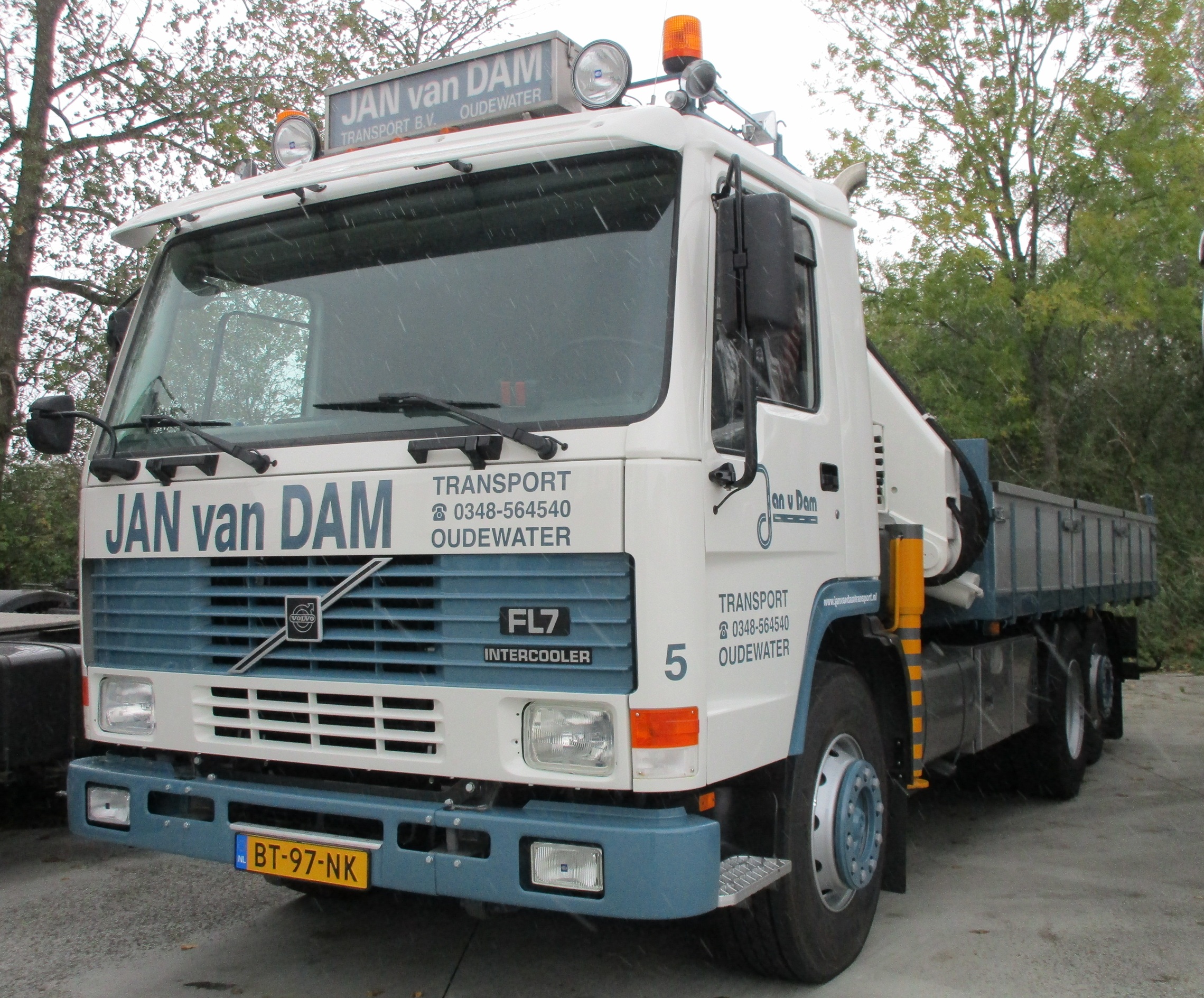
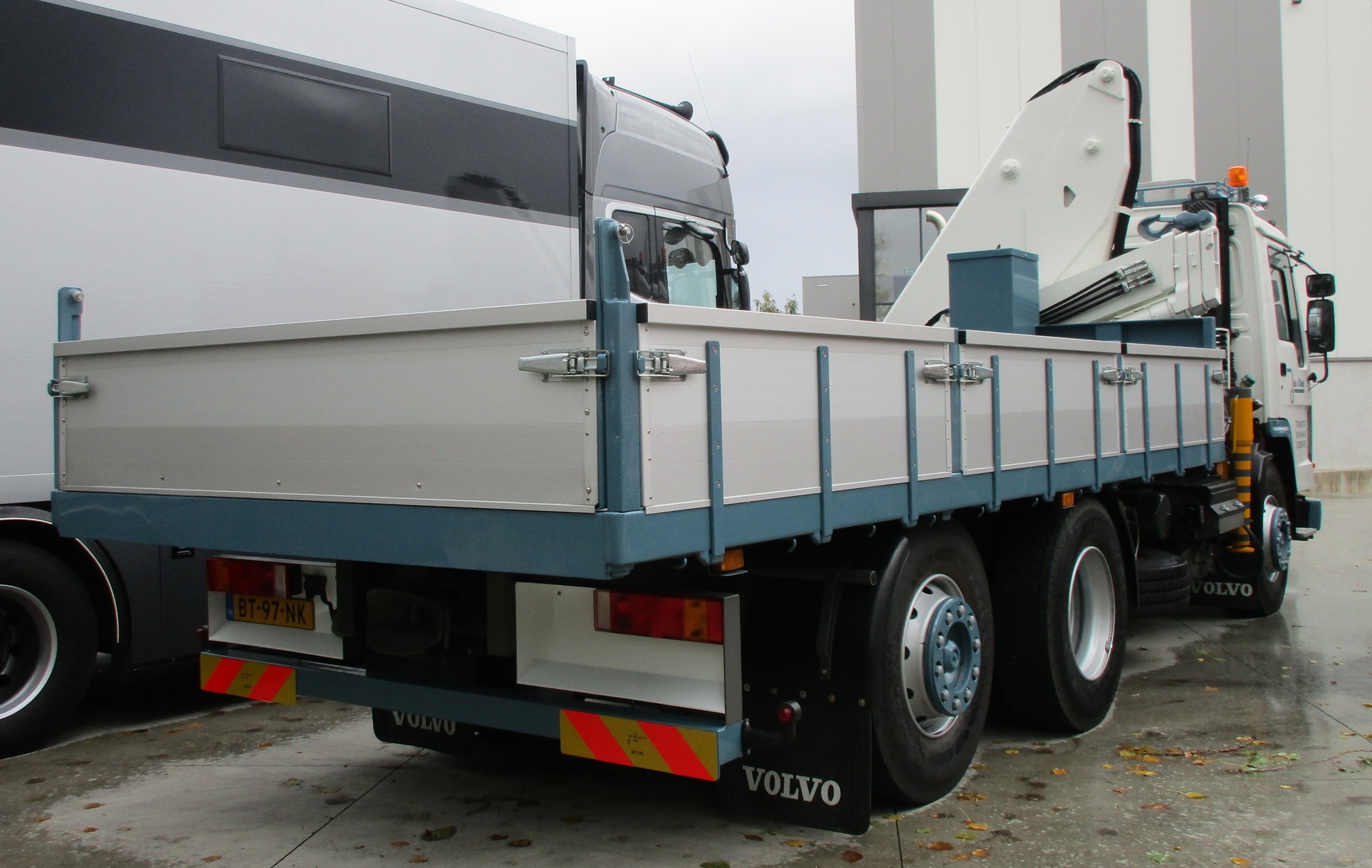
1986 Volvo FL7 6×2 dump/flatbed truck with a knuckle boom crane and air suspension on all axles. In the mid-eighties, the FL-series superseded the Volvo trucks and tractors with the ‘Club of Four’ tilt cab.
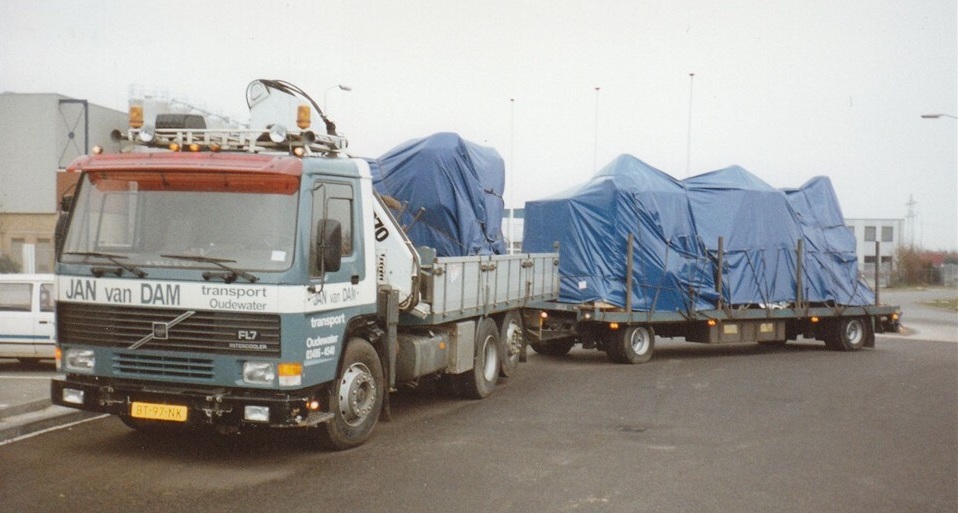
The same Volvo in its original Jan van Dam livery, hard at work. This truck marked the starting point of the company’s current successful specialism, transporting machines and machinery. No wonder it got a thorough restoration.
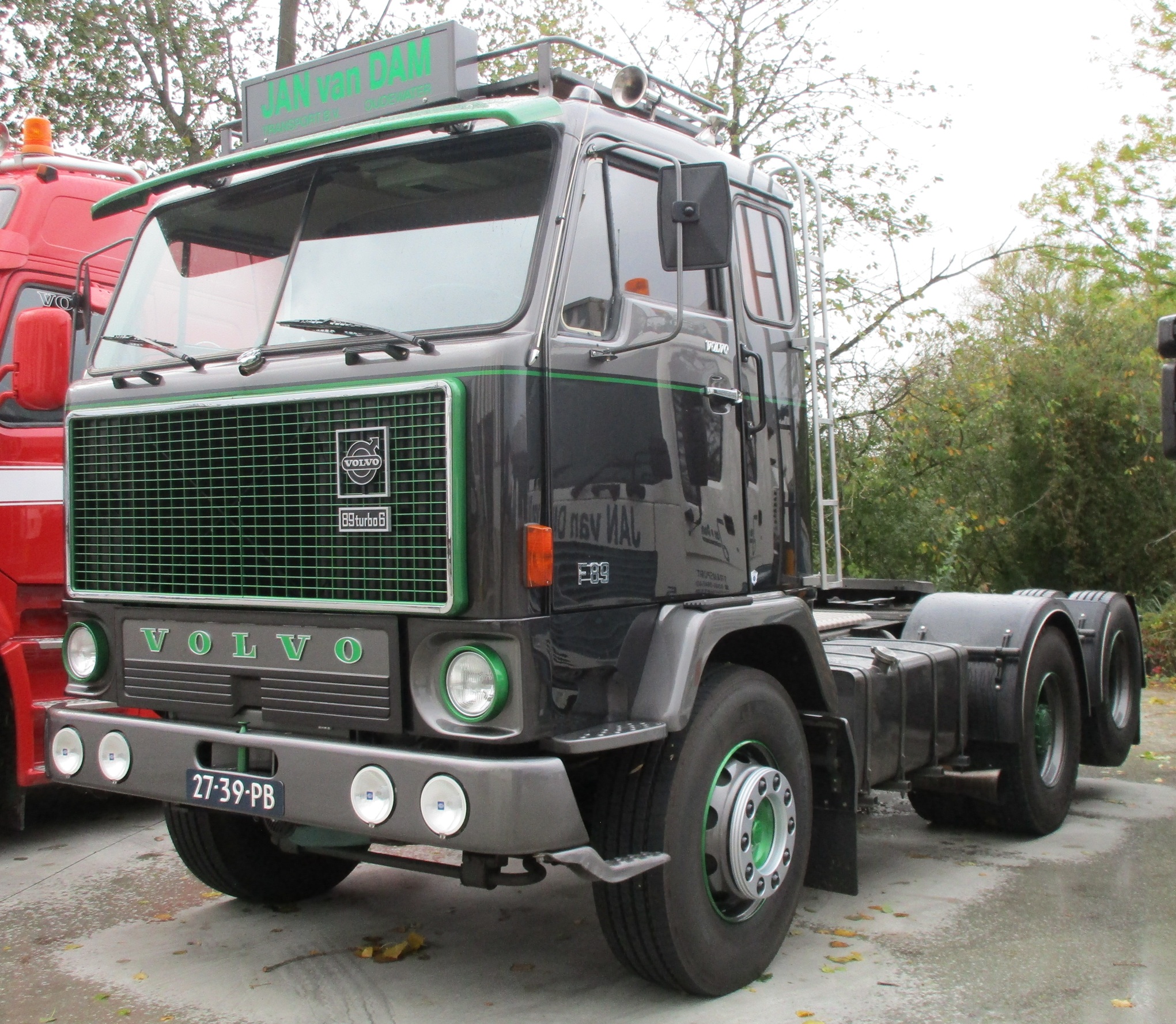
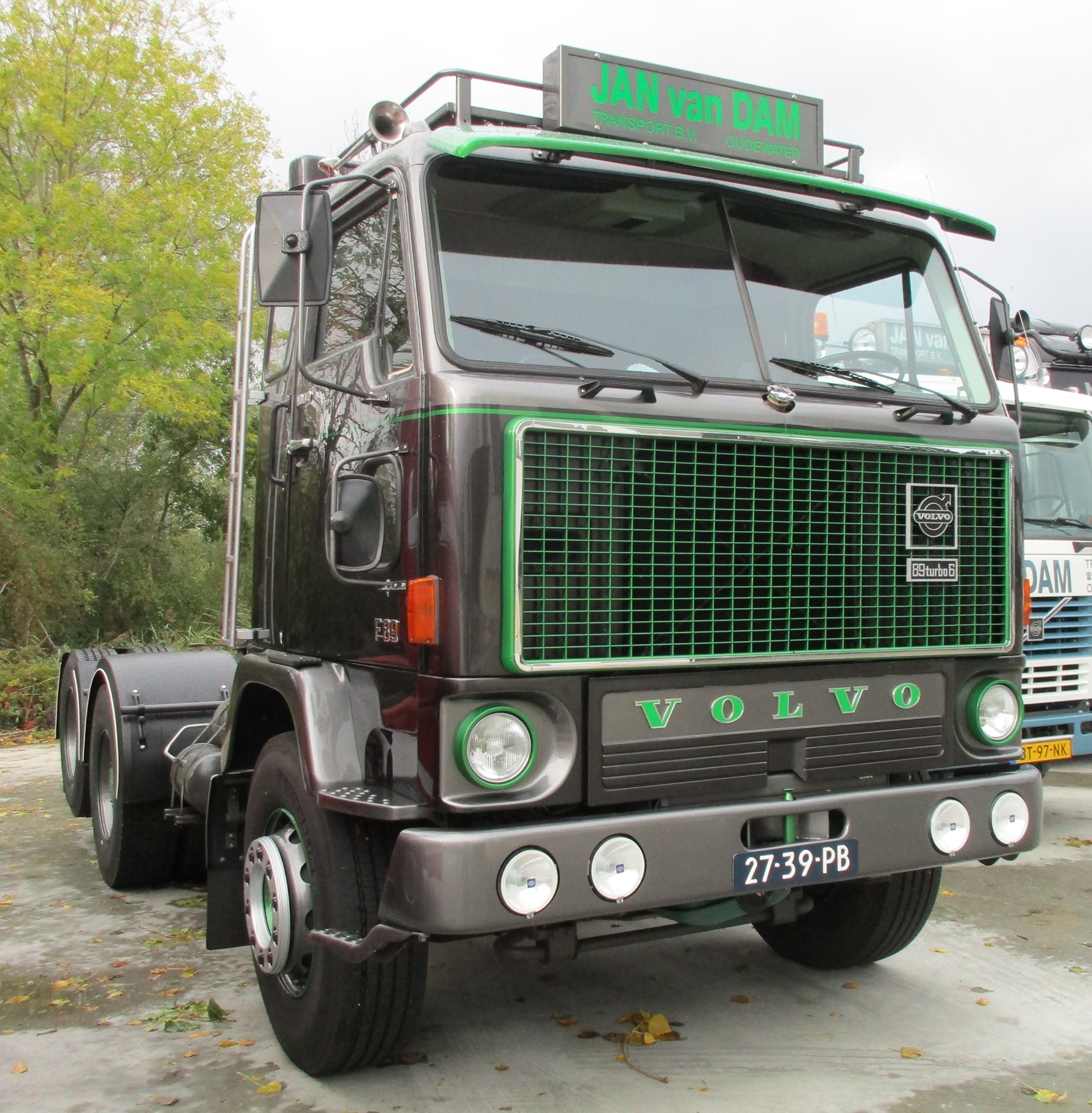
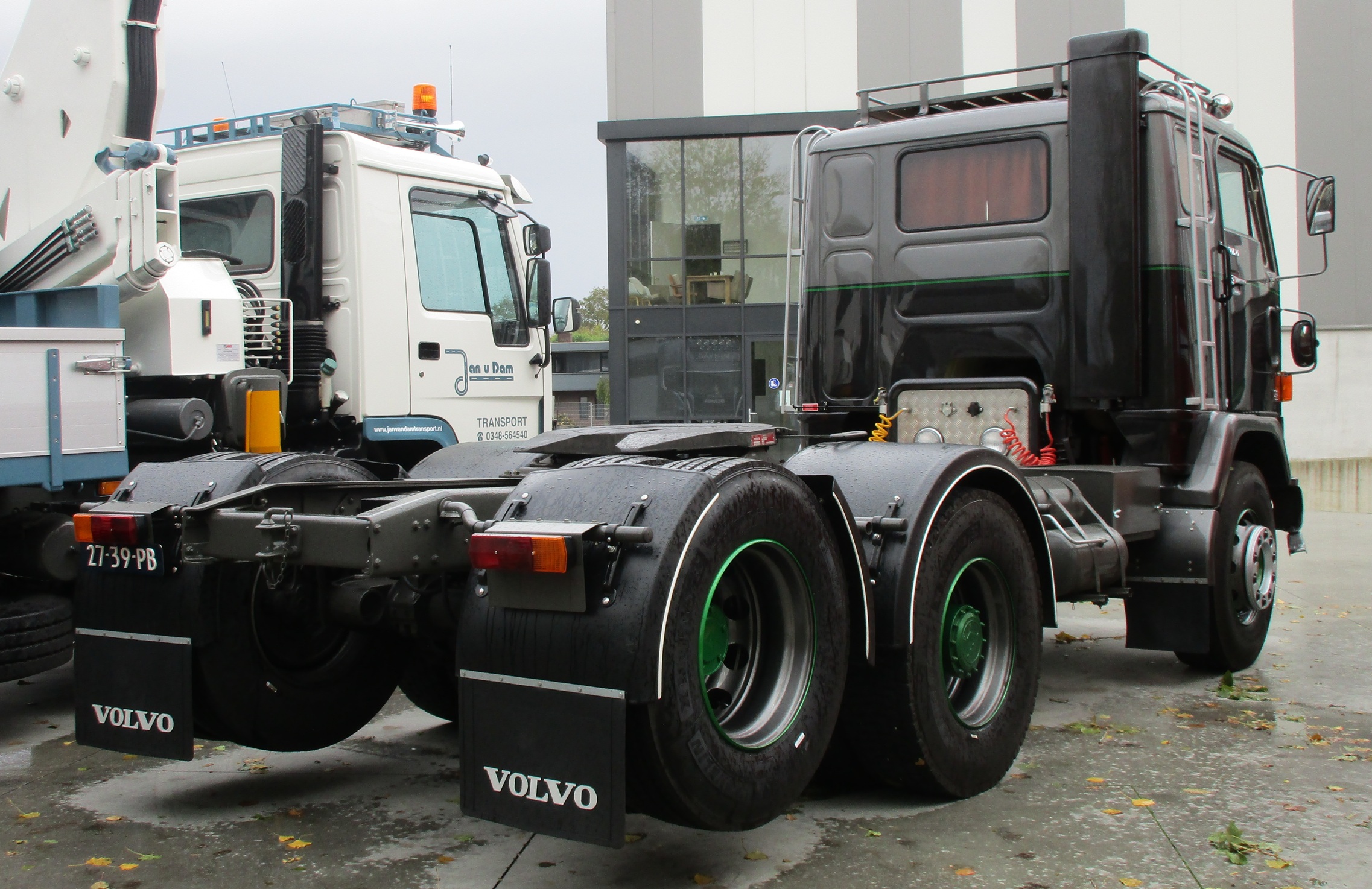
1976 Volvo F89 6×2 tractor. The F89 was introduced in 1970 and got the then new TD120 engine, a 12 liter turbodiesel with a maximum power output of 330 hp.
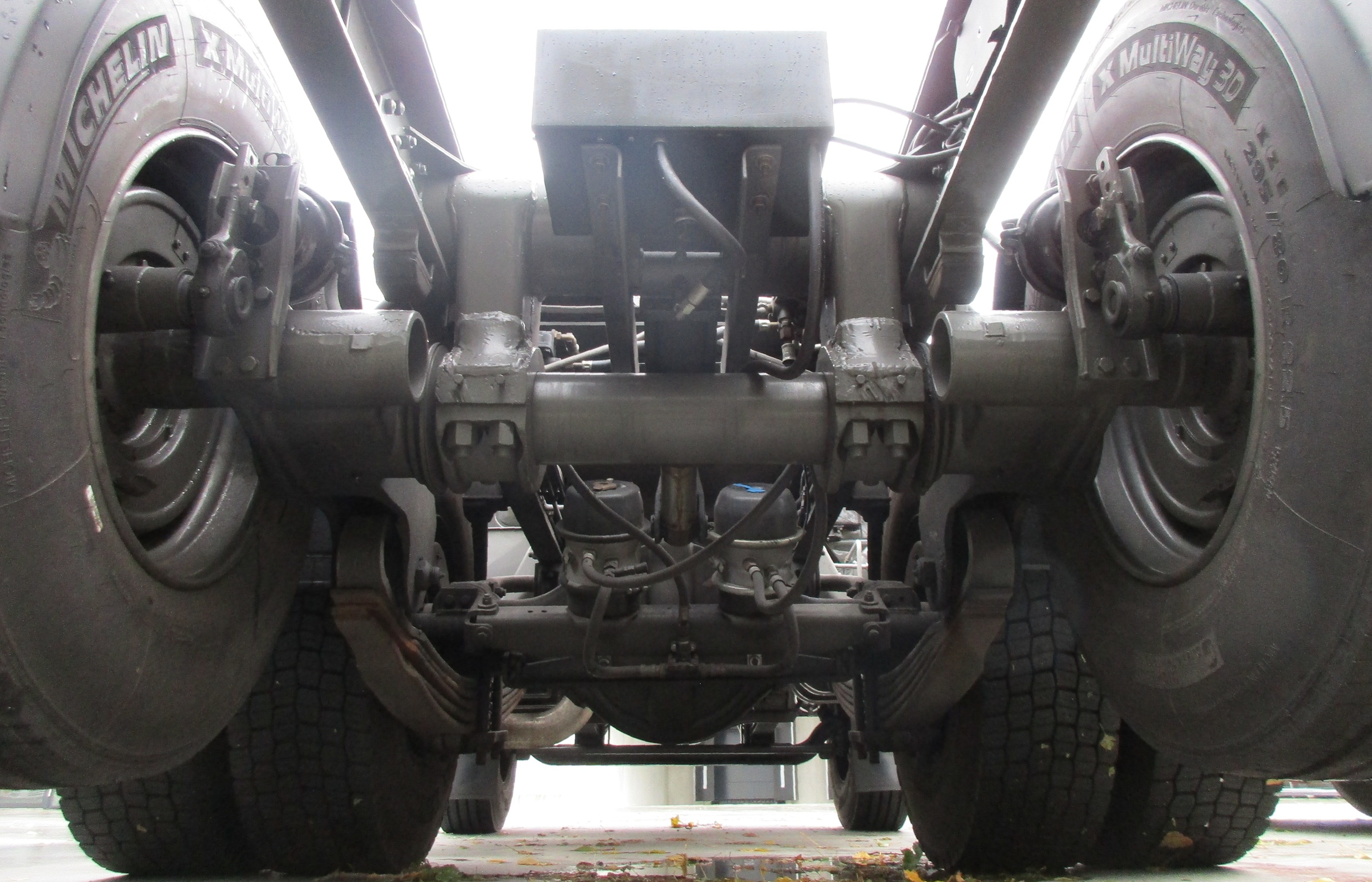
The tractor’s heavy-duty liftable tag axle, clearly from the pre-air suspension days.
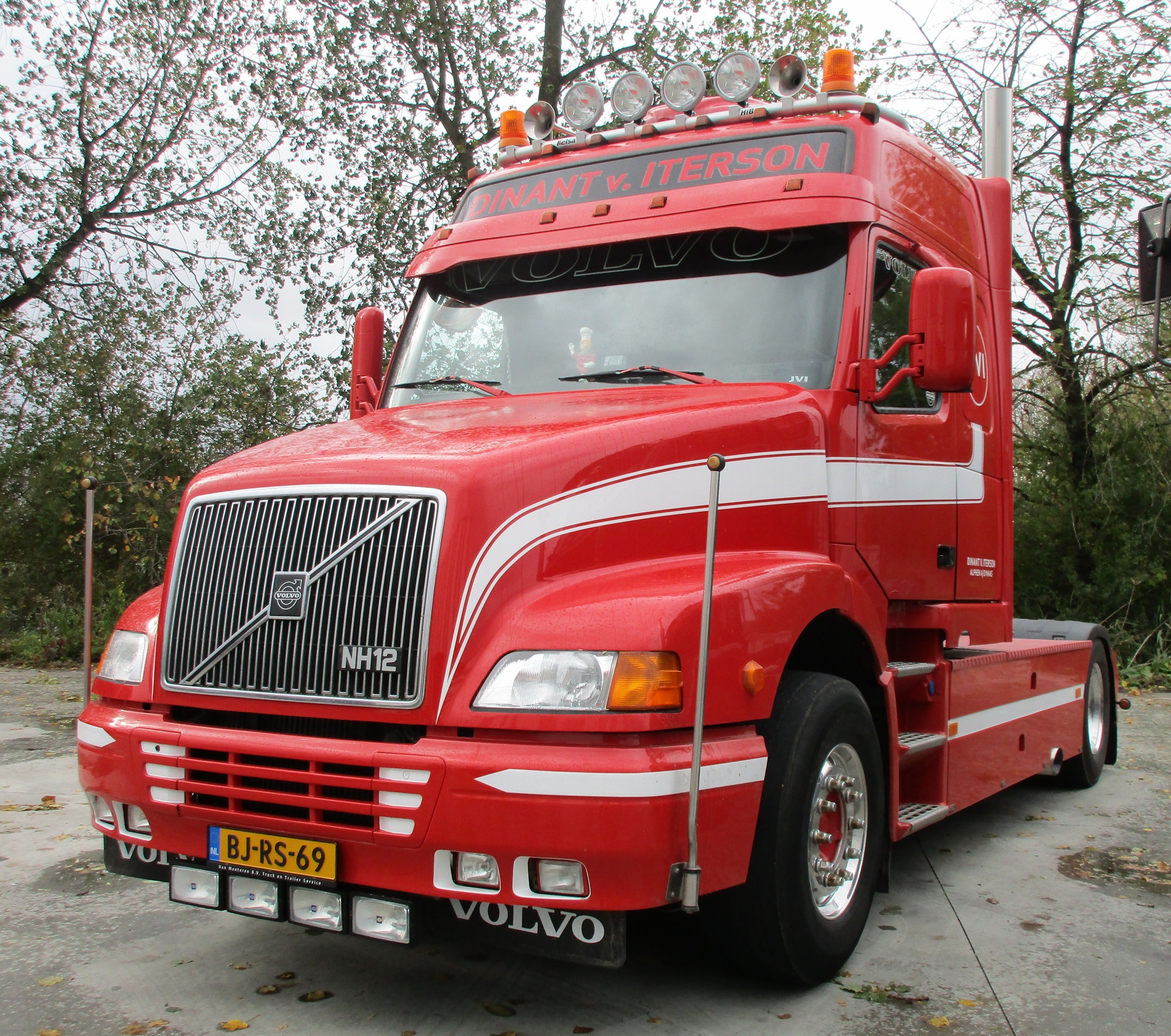
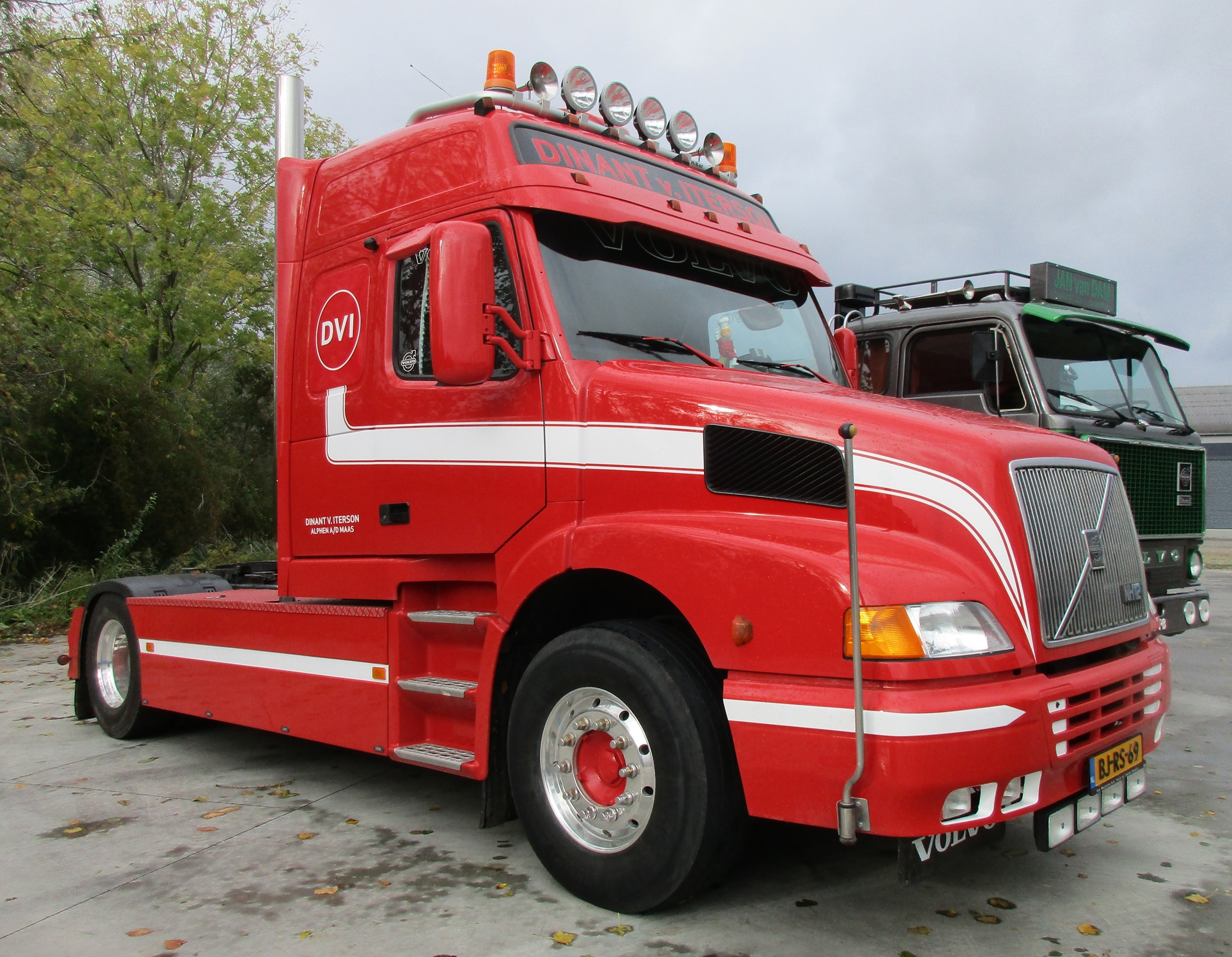
Quite rare then and certainly now, a 2001 Volvo NH12 4×2 tractor with the tall Globetrotter cab.
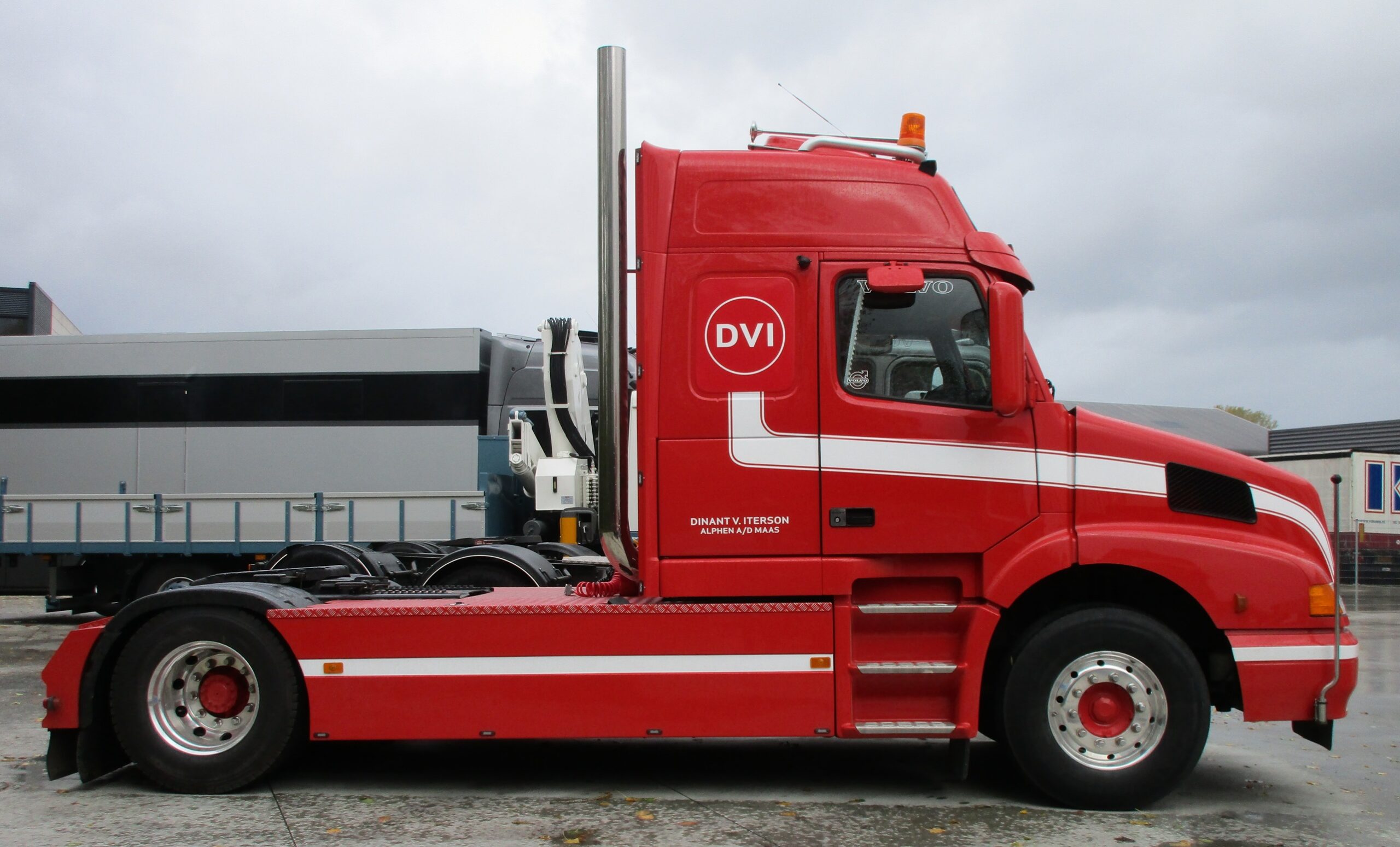
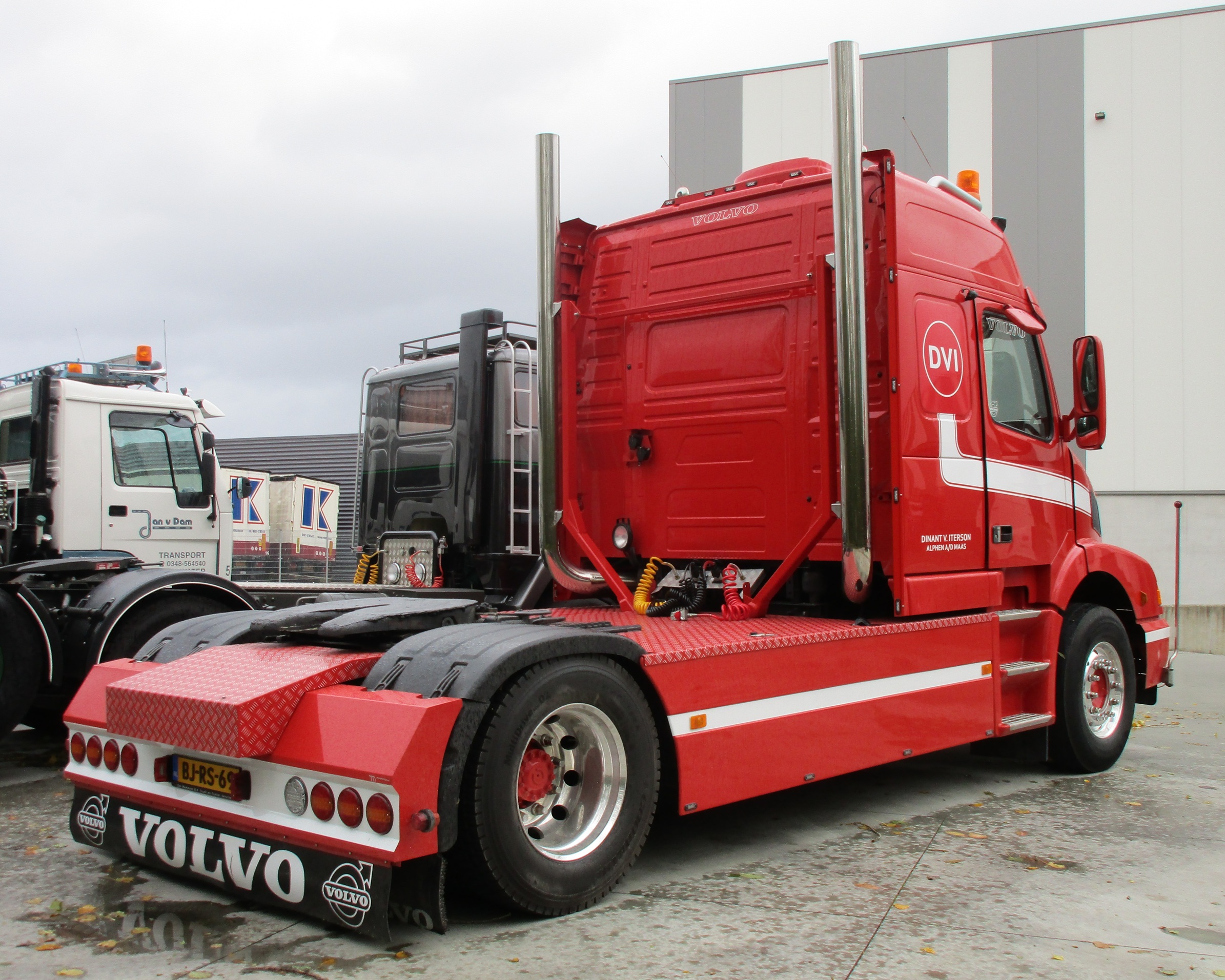
The NH-series, built in Brazil, was Volvo’s last conventional model offered in Europe. It was primarily aimed at the South American market and was based on the truck maker’s contemporary FH cabover.
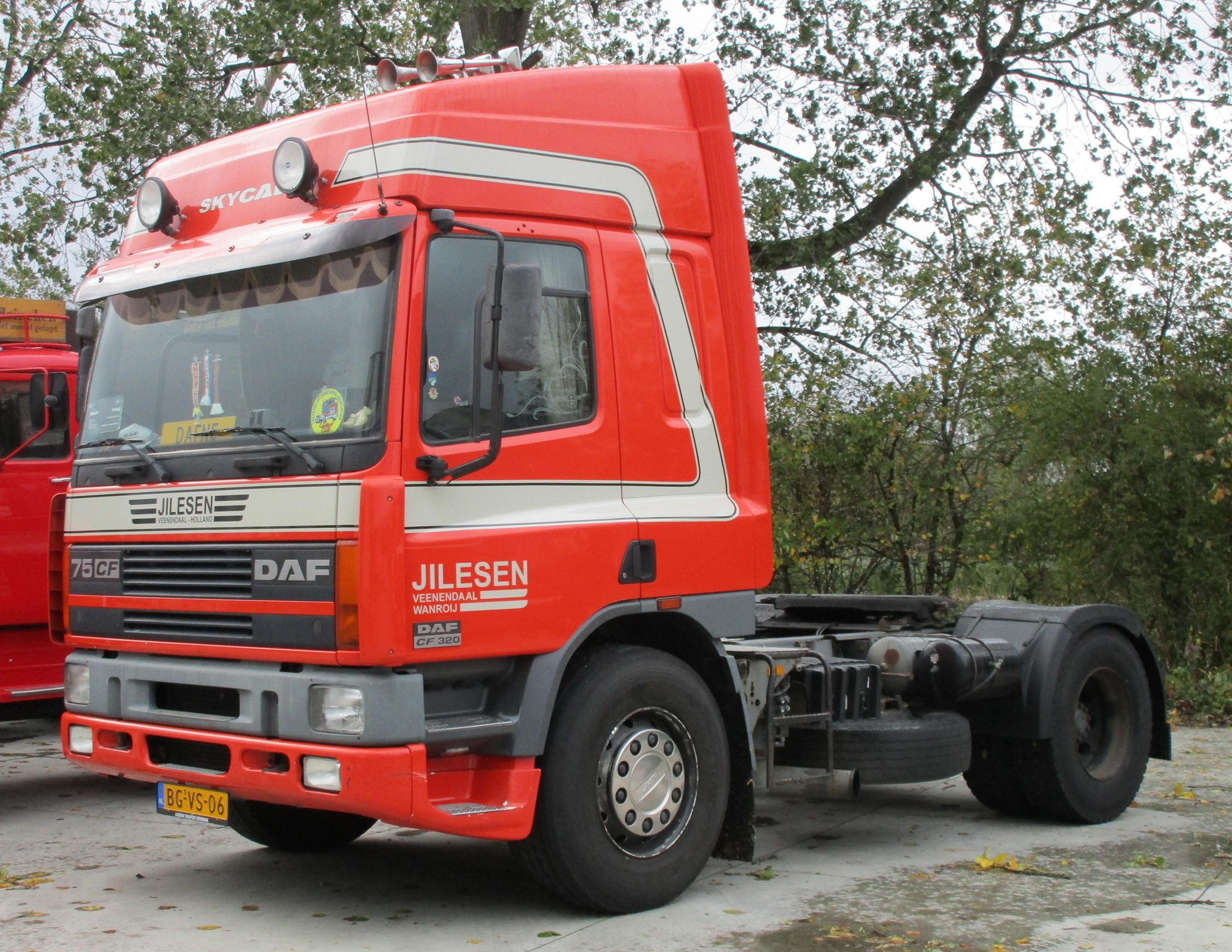
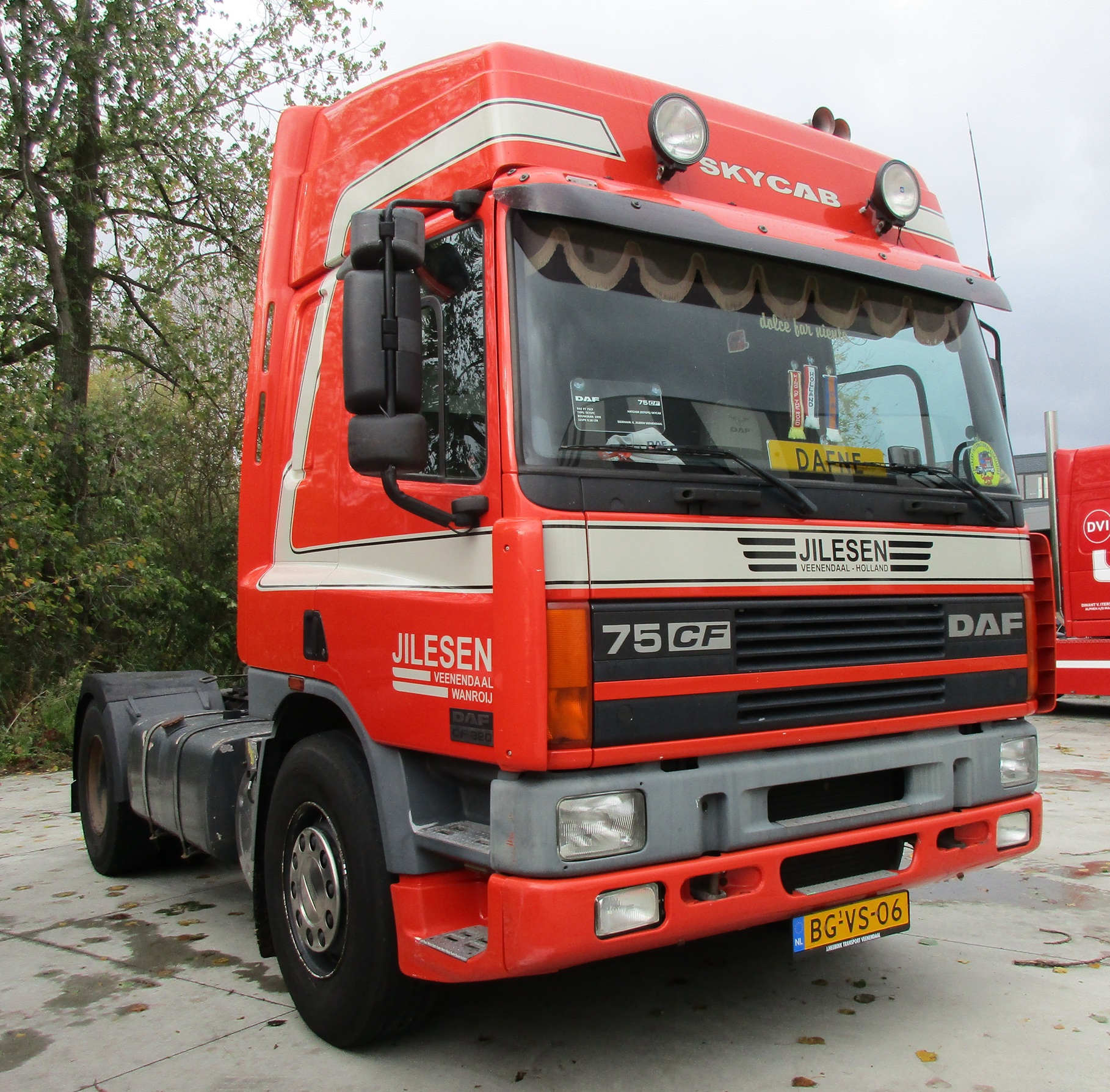
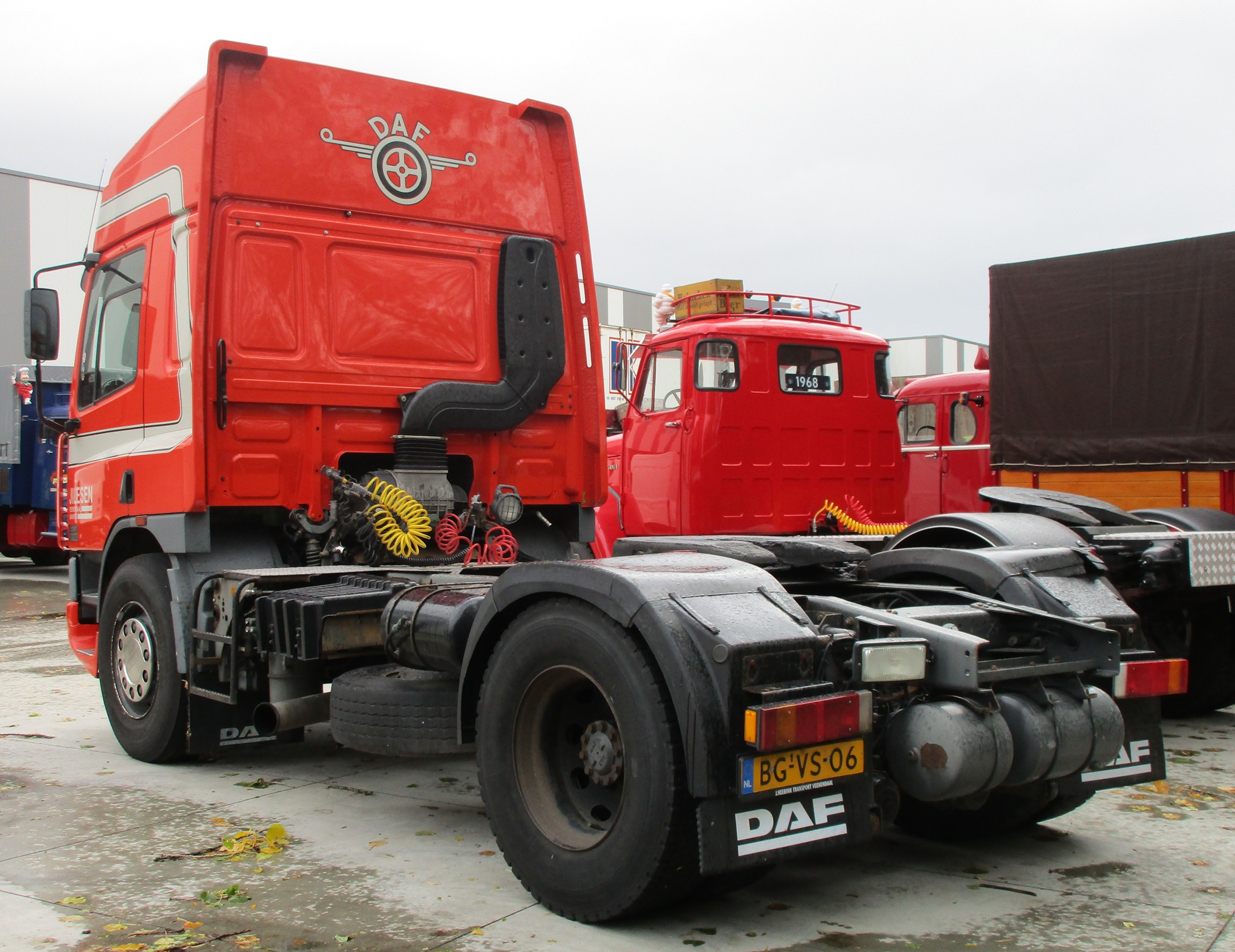
1998 DAF FT 75CF 320 4×2 tractor with an aftermarket SkyCab raised roof, made by Hatcher Components from the UK. Back then, DAF didn’t offer a factory raised roof -a Space Cab- on this series of trucks and tractors yet.
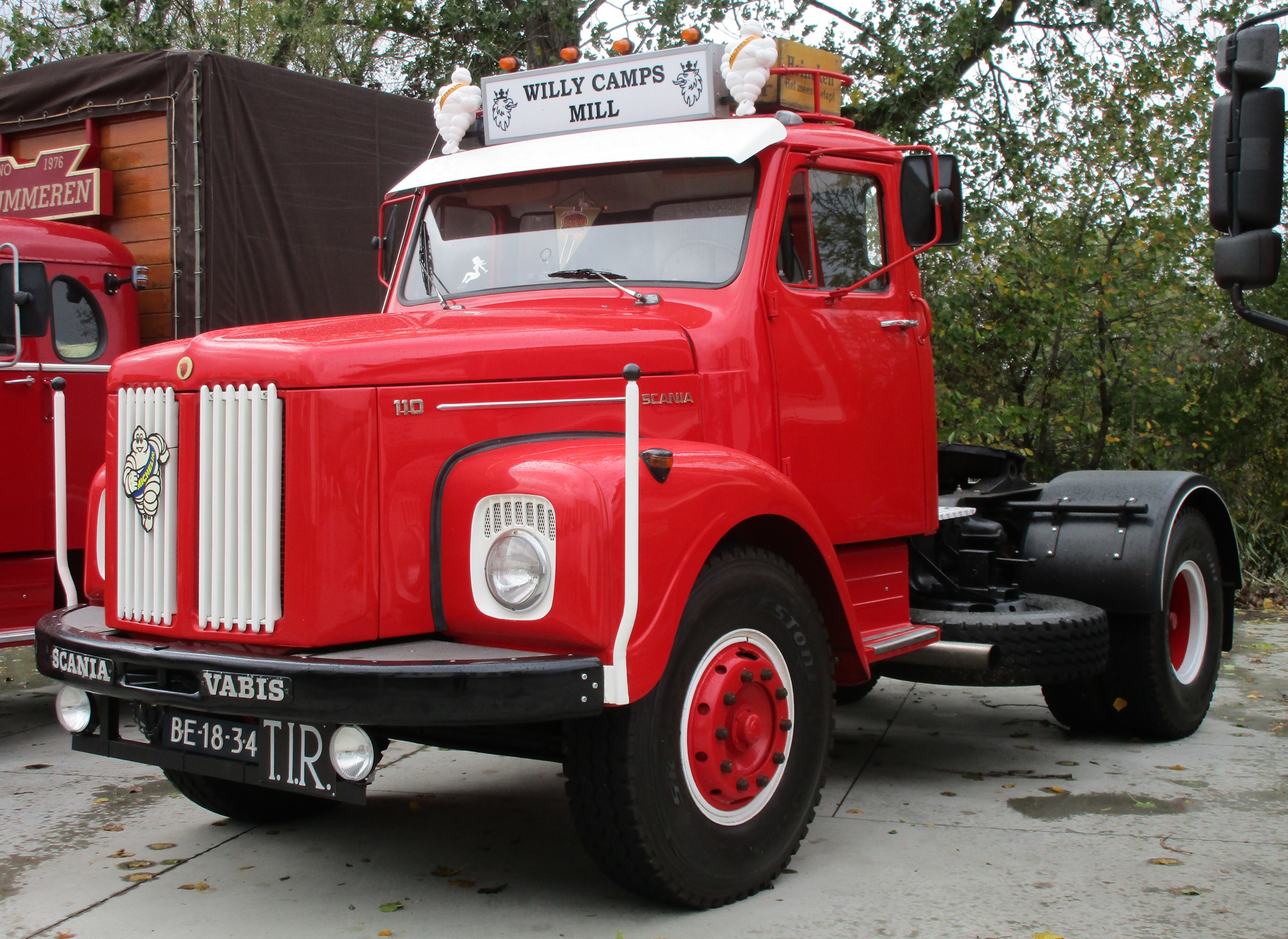
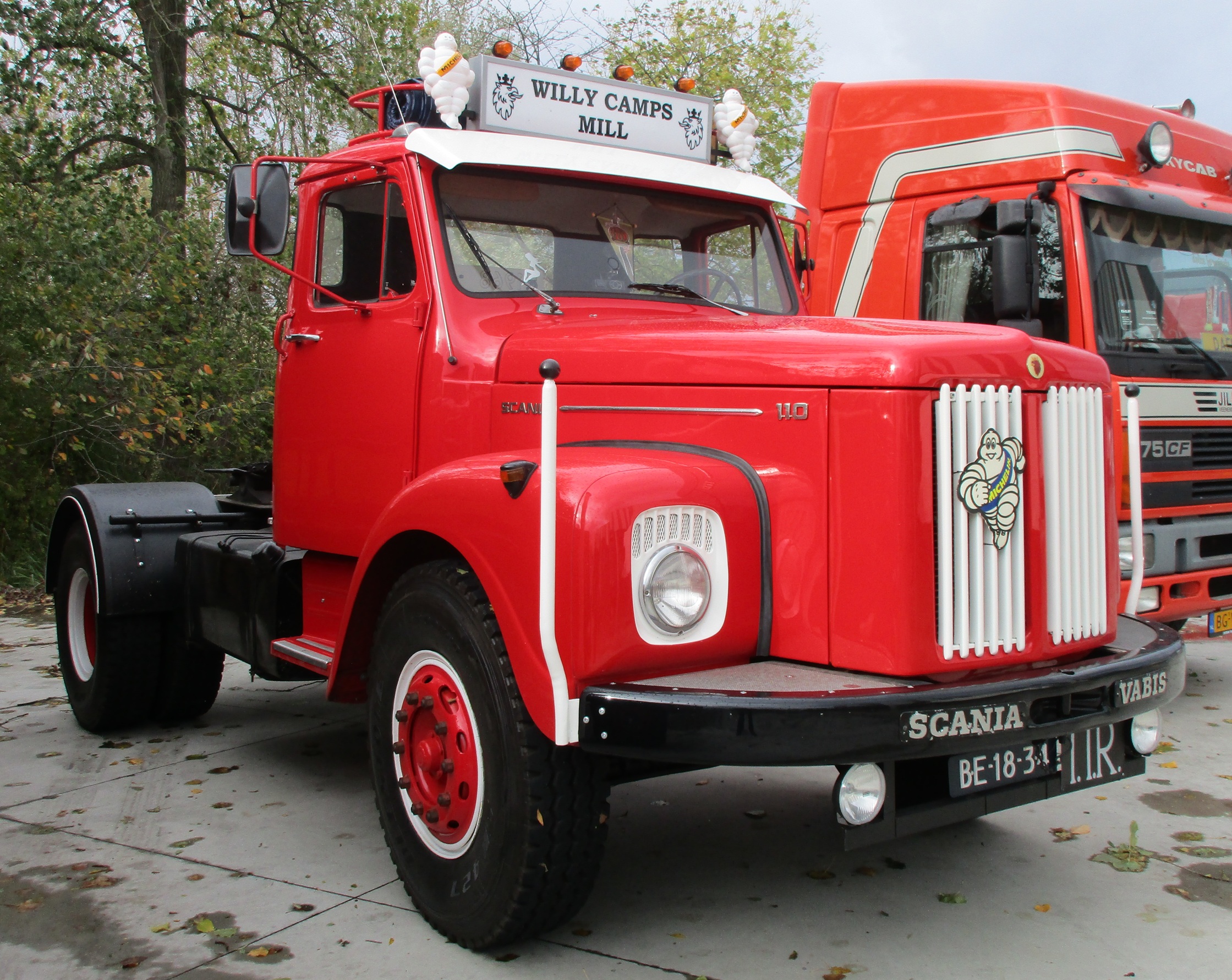
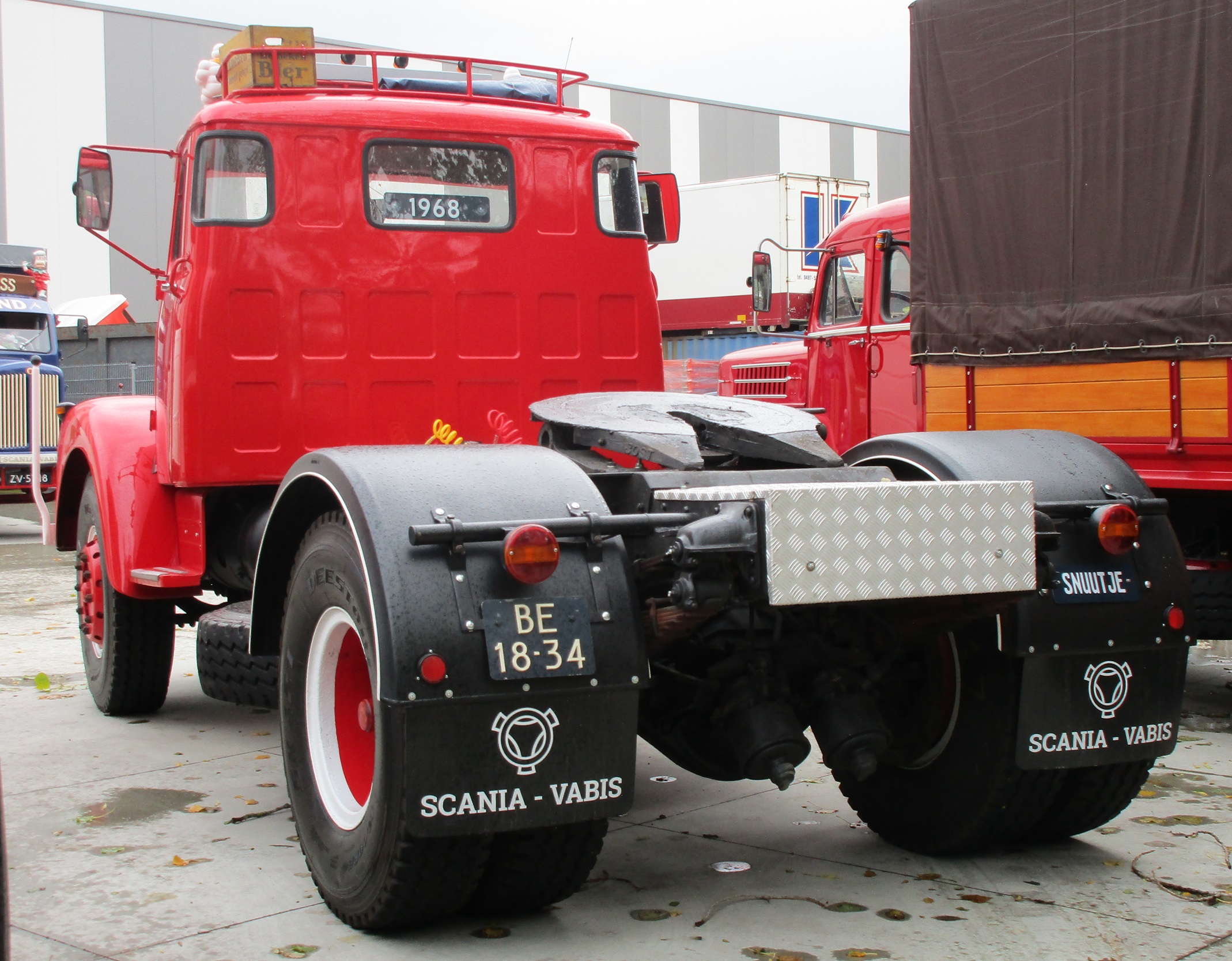
Willy’s splendid 1968 Scania L 110 4×2 tractor. Mill doesn’t mean mill, it’s the name of the owner’s hometown. There is a mill in Mill though, it was built in 1856-1857.
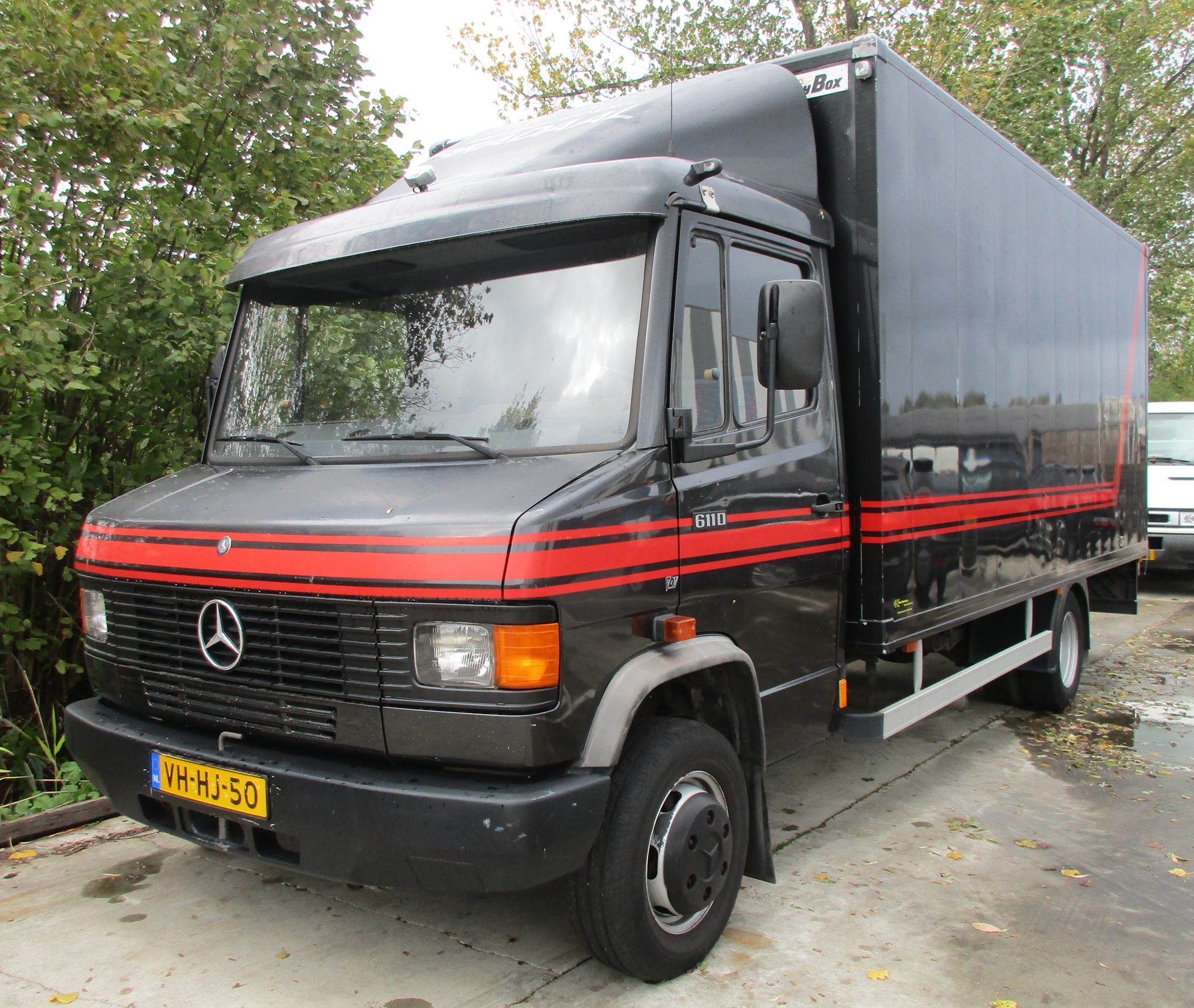
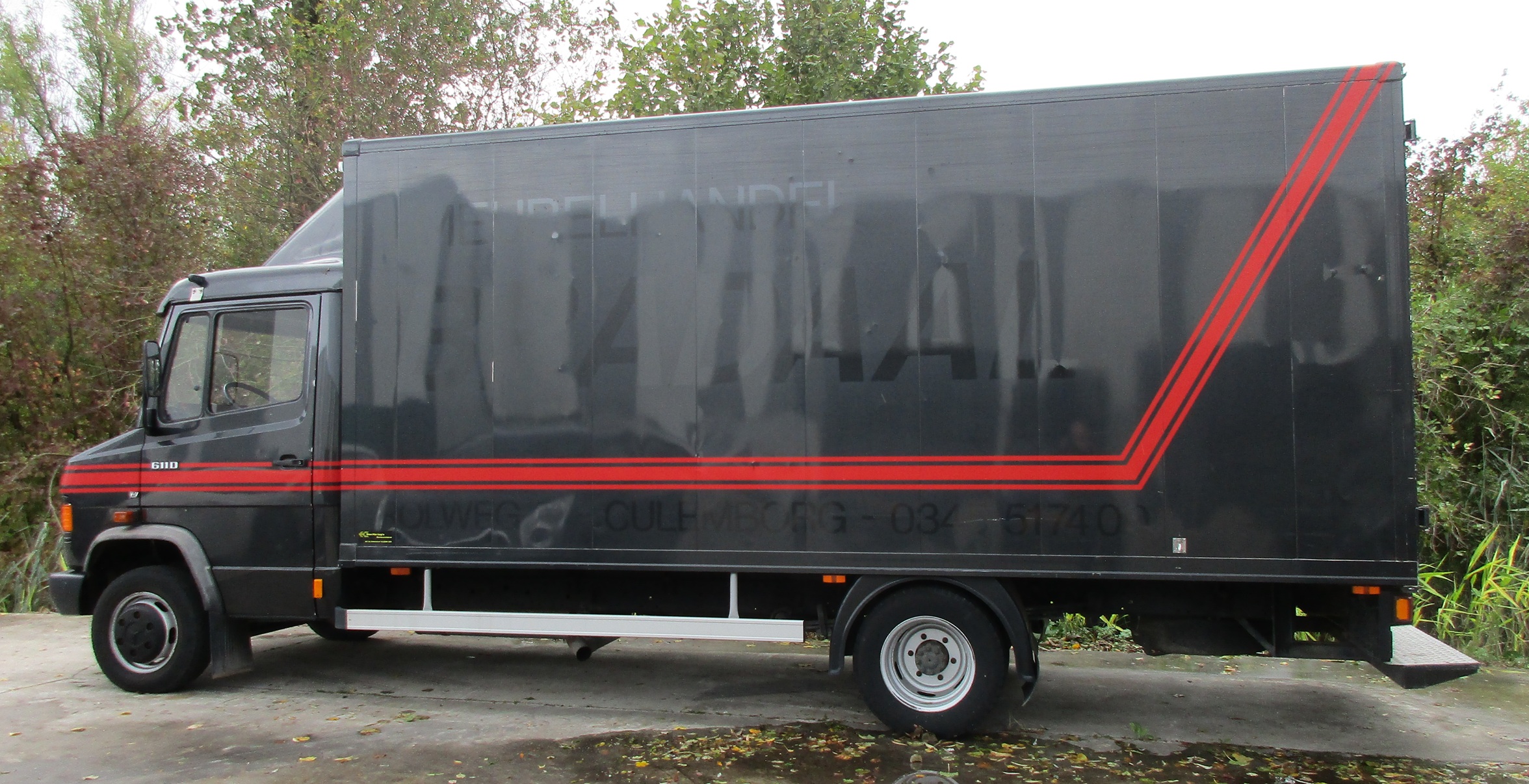
Not participating in the gathering, this 1995 Mercedes-Benz 611D box truck, a second gen T2-series. It must have worked for a furniture store, as ‘meubelhandel’ is still readable on the body.
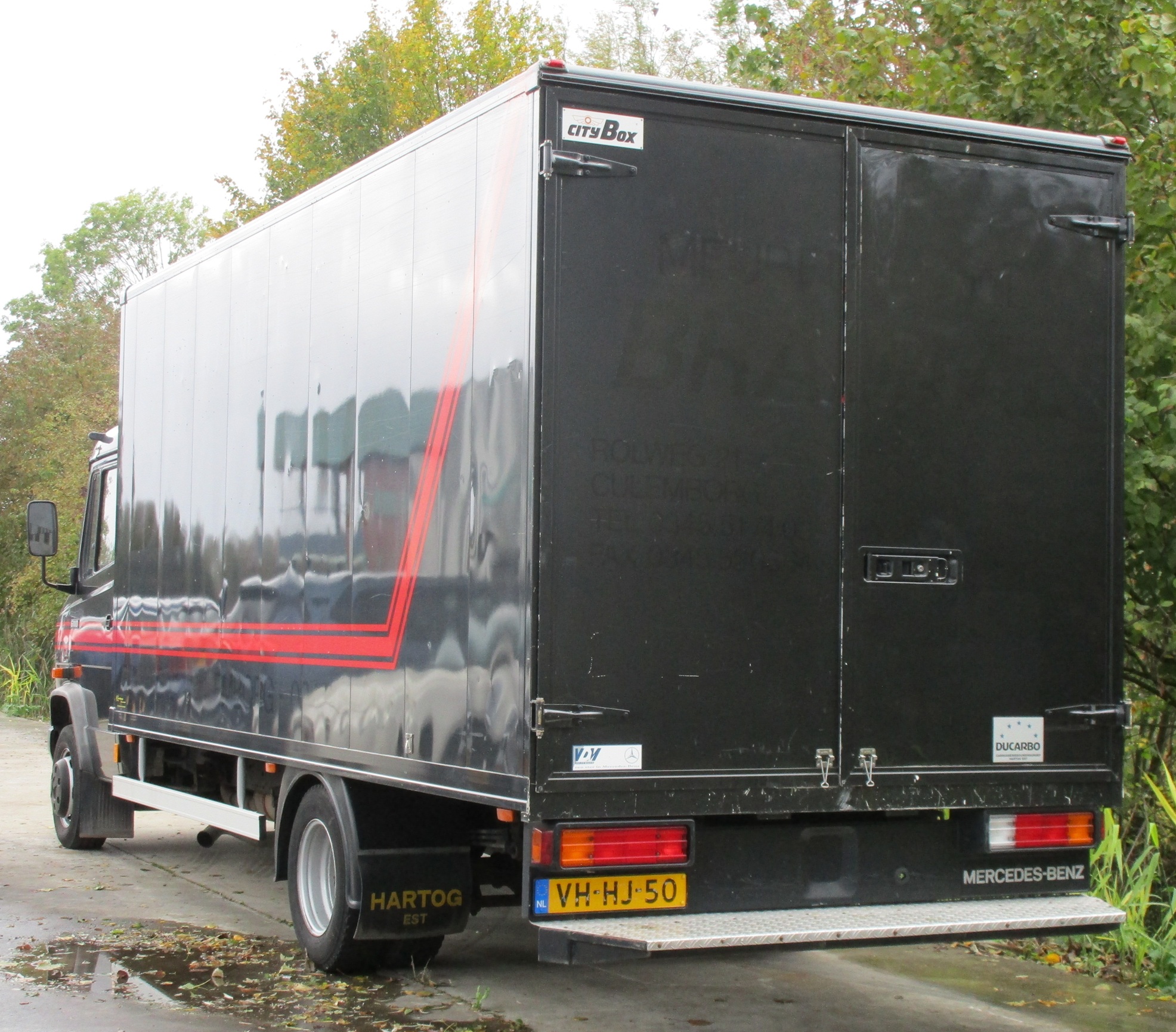
The rear mud flaps tell us that the truck’s box body was made by Hartog-Est.
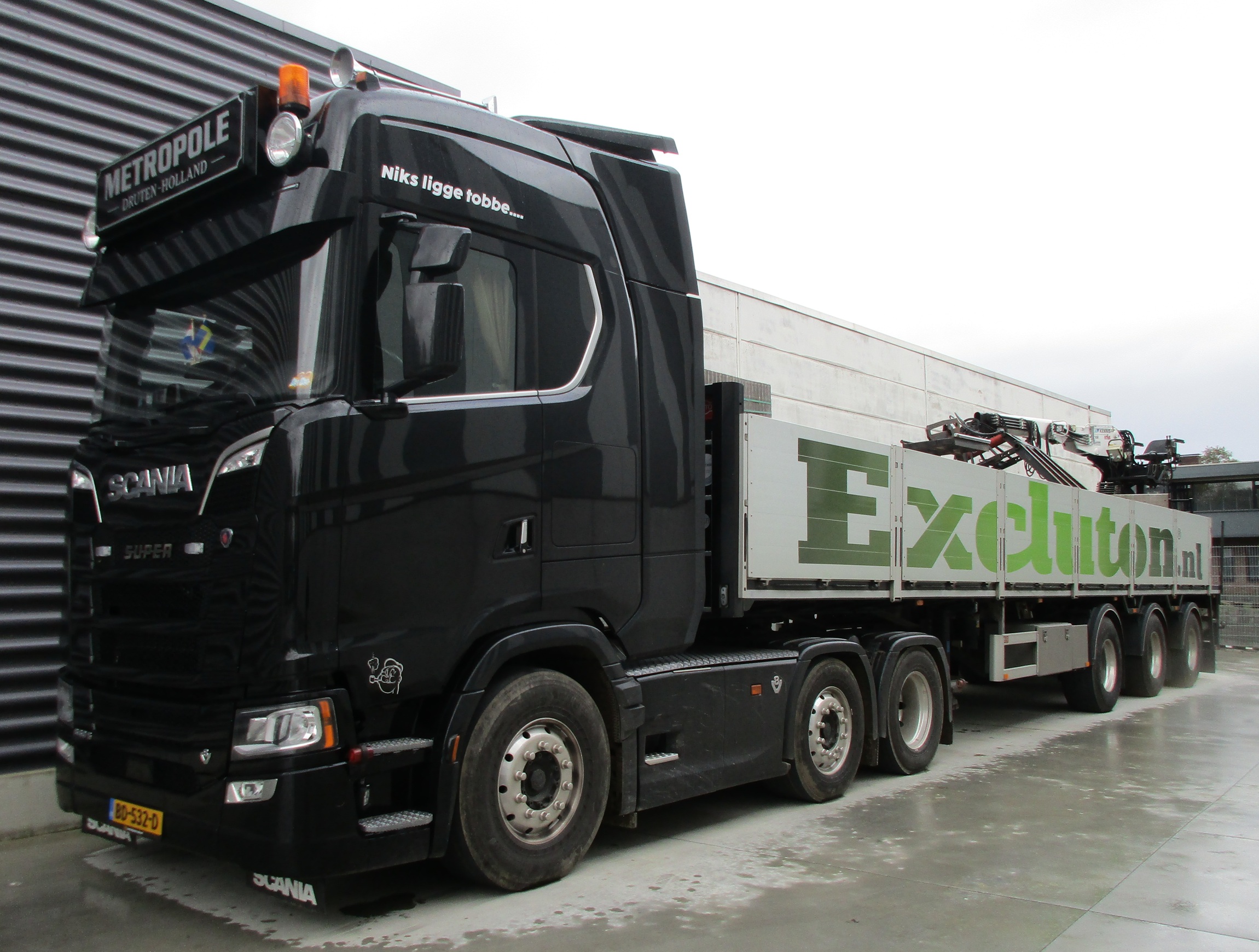
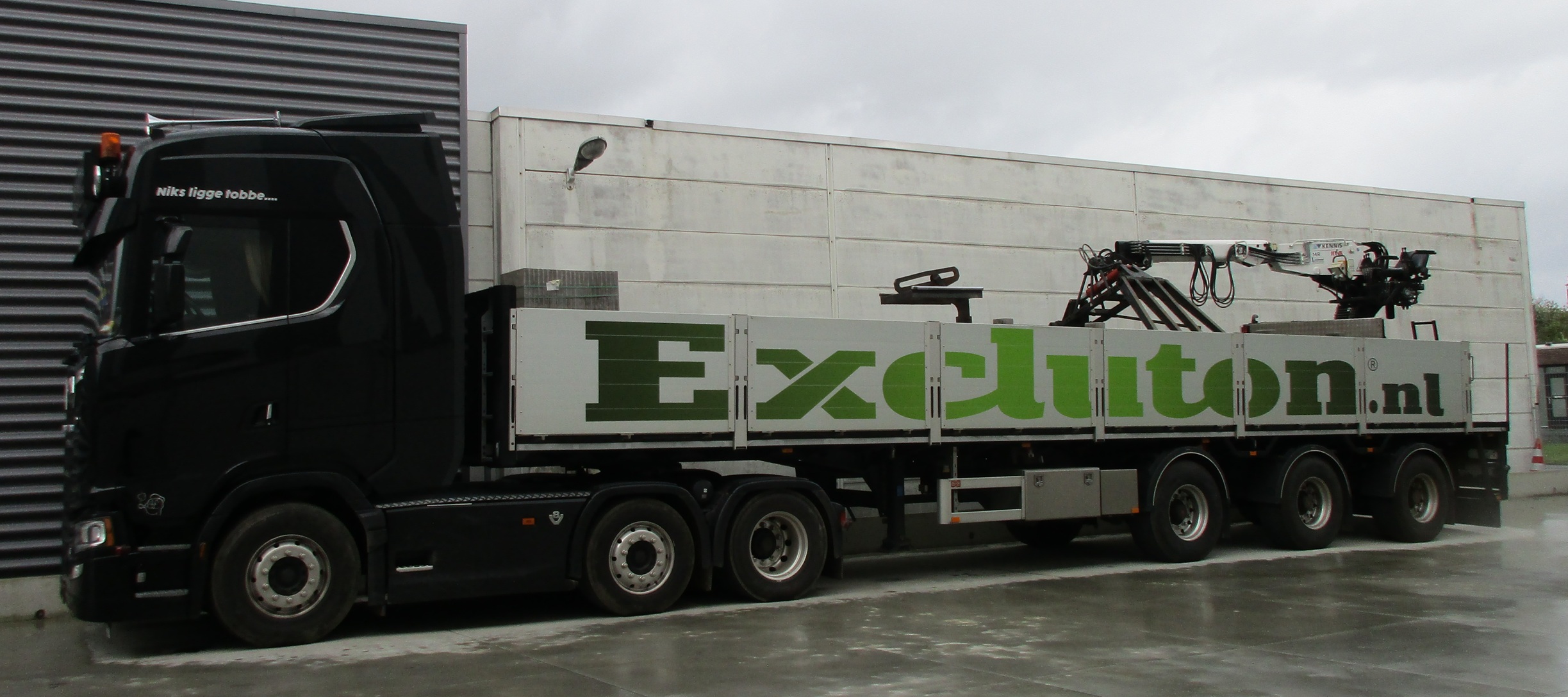
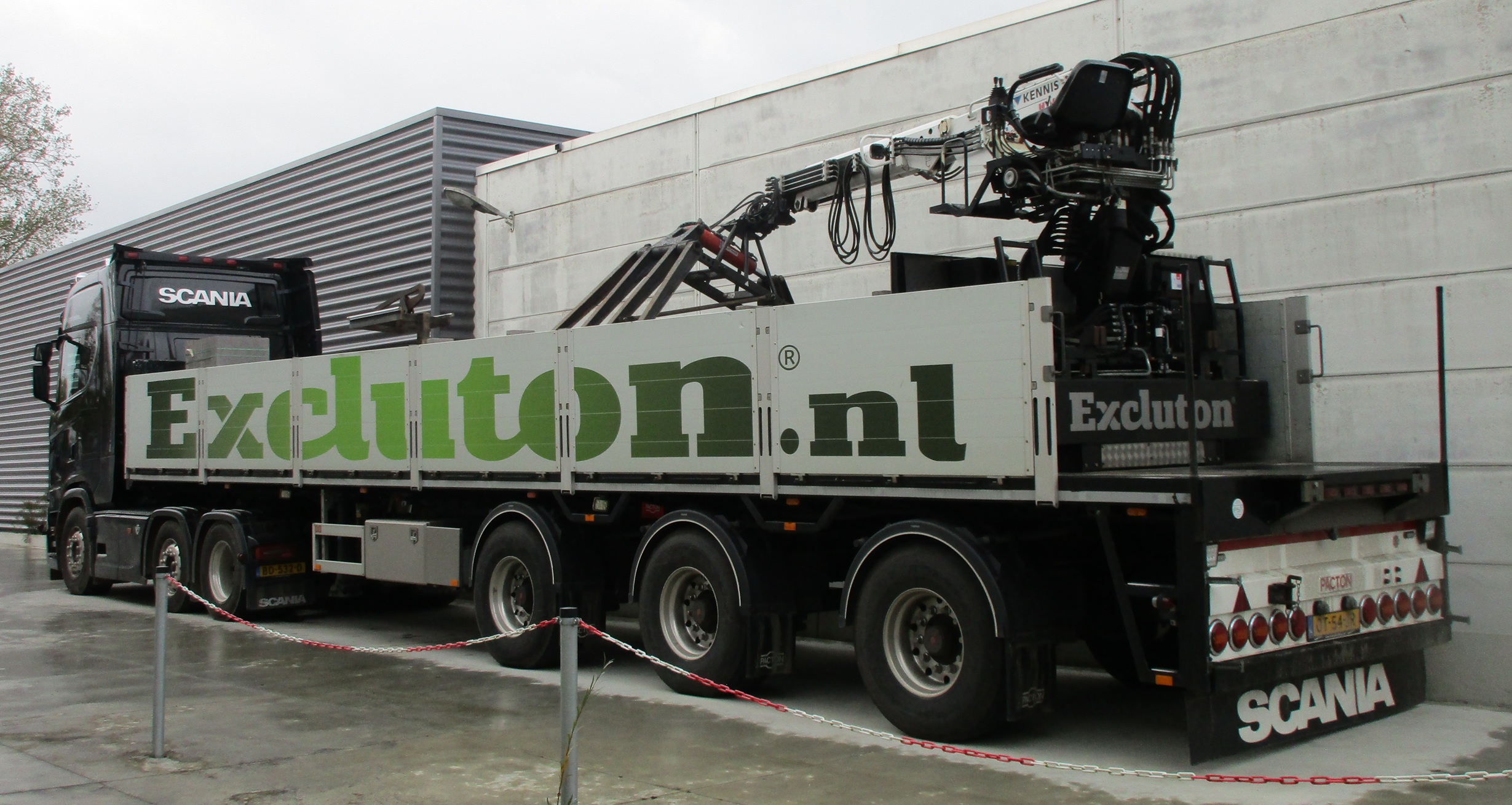
Parked in the back corner of the yard, a quintessential Dutch brick hauler, oh-so ubiquitous in my neck of the woods (river delta, thus brickworks). The 2026 Scania S660 V8 6×2/4 tractor is in charge of a 2022 Pacton tri-axle semi-trailer with a Kennis rolloader crane and a mechanical, rod-controlled steering system on the trailer’s second and third axle.
The owner of the Metropole museum and event center used to be the owner of the Excluton company, a manufacturer of concrete end products, so that explains the Scania-Pacton connection.












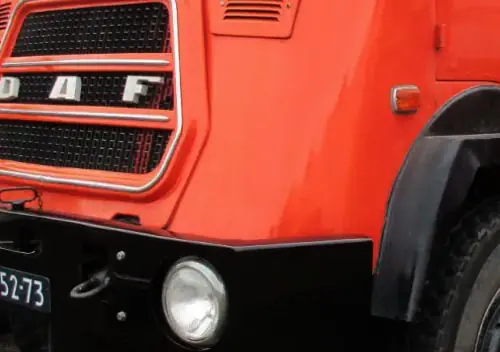




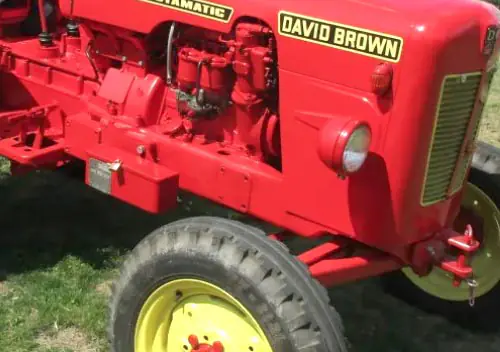


Fun to see all these cool haulers that we never see in the US. IIRC the Scania V8 had US origins back in the day?
Robert Bray’s Mack-Scania V8 article:
https://www.curbsideclassic.com/blog/engines/the-legendary-mack-v8-diesel-engine-1962-2003-big-power-with-a-distinctive-sound-and-its-scania-v8-offspring-is-still-going-strong/
As an aside, Scania already built 8-cylinder diesel and turbodiesel engines way before the Mack connection. I’ll get back to that later.
The NH-12 is very interesting, it looks like it has the basic cab and hood from Volvo’s North American VN series.
It certainly does, but as mentioned in the article, the NH was based on the FH cabover as offered in Europe and other parts of the world. According to Swedish-Wiki, the NH was available up to a gross combination weight rating of 67 tonnes (147,700 lbs). No idea if the VN(L) ever went that far.
Here’s the first gen Volvo FH, introduced in 1993. The number in the model designation (FH12, NH12) refers to 12 liter engine displacement.
They’re all beautiful, but the Volvo NH12 caught me by surprise. It’s very similar to the V-series we have here in the States.
Was that truck sold in Europe? You don’t really see many long-nosed trucks over there.
The V-series is North America only, as far as I know. Down Under, maybe?
So many with single screw and a lazy axle, rare sights though the trucks are familiar, driven some of those.
Nice trucks! The tag axle on the F89 is certainly interesting.
How it works: https://archive.commercialmotor.com/article/30th-april-1976/62/how-it-works-bogie-lift
Thank you for that. Interesting that it is a hydraulic system, not air as seen these days.
Truck maker Sisu from Finland was the pioneer, their hydraulic tag axle lifting system dates back to the early fifties. So around 1965-1970 it was already proven technology. For the three Scandinavian truck manufacturers, anyway.