
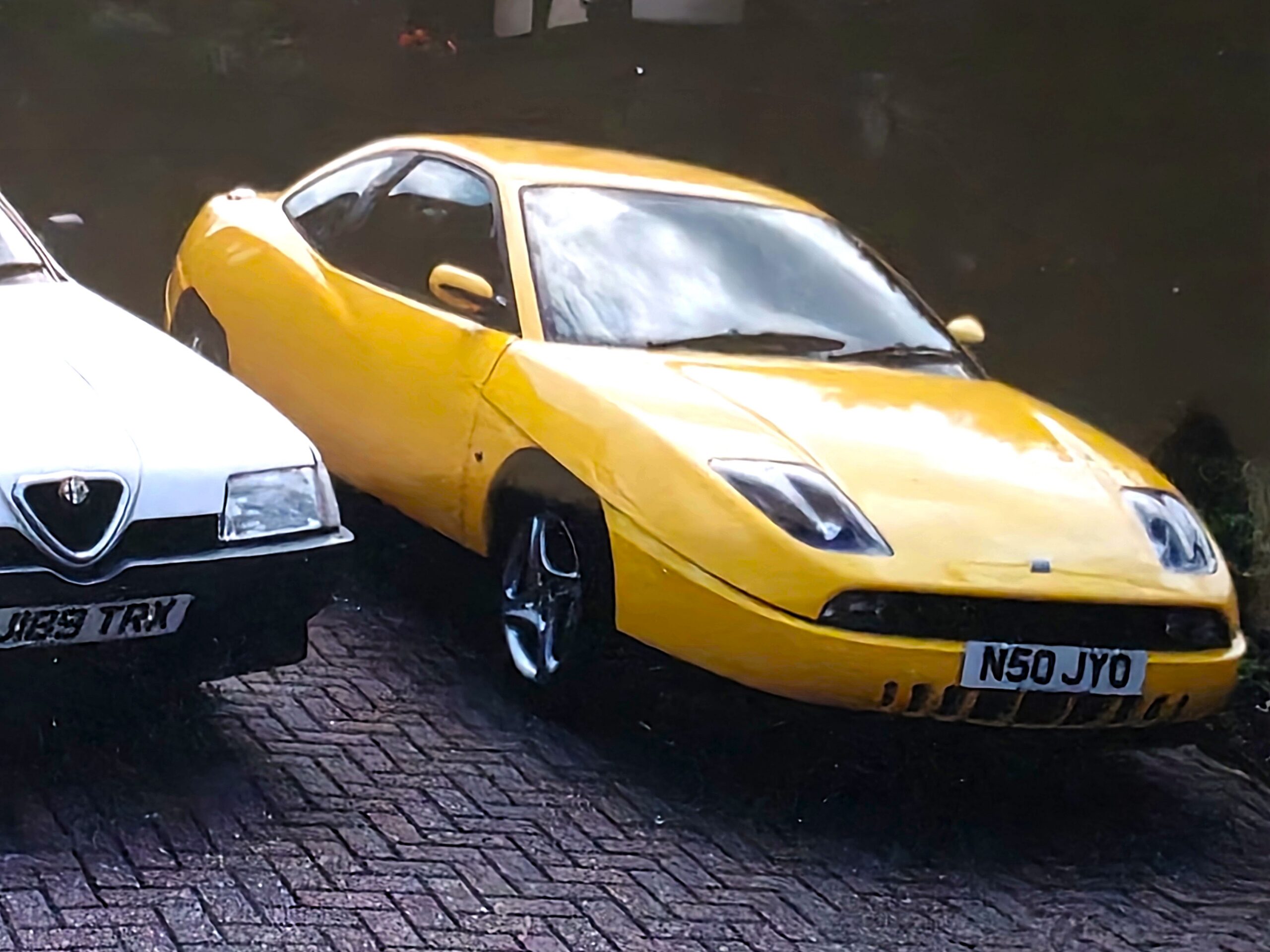
By now it was 1997 and I wasn’t going to be too worried to see the back of my SAAB 900 SE Turbo. The sooner the better as far as I was concerned. Two and a bit years was quite long enough! The question was what to replace it with? With two children, now aged five and one, the only clear thing was that I needed another decent sized hatchback. So I bought new a ’97 Fiat Coupe 20v Turbo. In yellow.
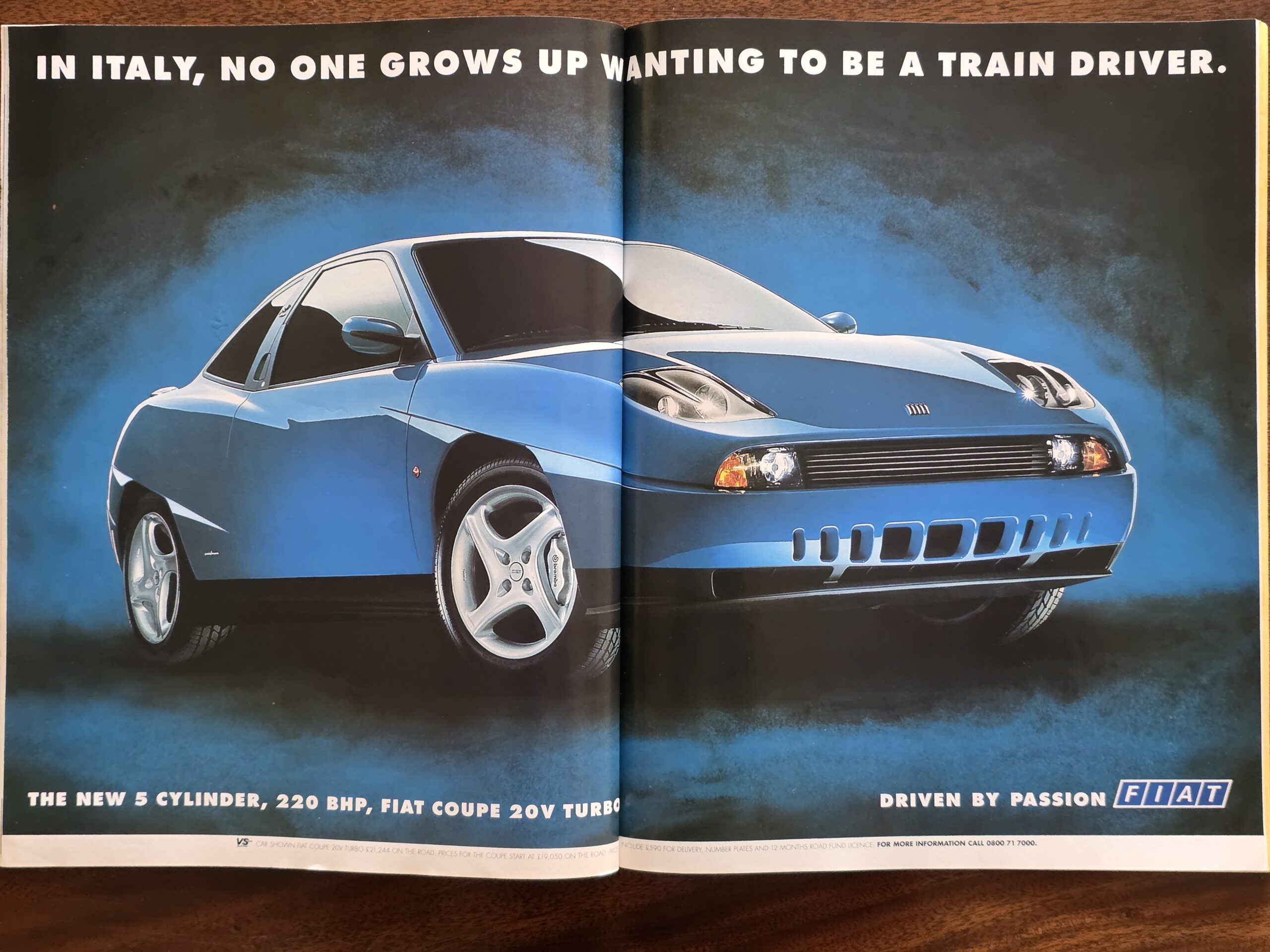
There have been a few cars now where I’ve seen a launch image and it’s stuck in my mind with a label attached that reads “You really, really ought to have one of them…” The Fiat Coupe was probably the first car that fell into that category. It was an advertising poster which was also reproduced in magazines and it spoke to me – which I suppose is the point of advertising. If I was going to buy a silly car, then an Alfa Romeo GTV (916 series) might have appeared the logical choice ,but the back seat is minimal and the boot even more so. The Fiat is quite the contrast.
Fiat have always been brilliant at space efficiency. I knew this as my mother had run a Fiat 128 for several years. For a small box like car it was incredibly spacious inside – I have it in mind whether true or not that it had one of, if not the highest, ratios of passenger space to overall volume of any car (No doubt Curbivores will know the facts!) It was also more than suitably vivacious on the road. That was Fiat’s reputation. The early press reports made it immediately clear that the Coupe lived up to that reputation.
The Fiat Coupe was launched in early 1994 with a 2-litre 16 valve four with 139 bhp or 190 bhp with a turbo. It didn’t arrive in Britain until well into 1995. It was the introduction of the 5 cylinder 20 valve turbo at the end of 1996 that got my attention. If I’d ignored the warning in the press about the SAAB Turbo, this time I was going to take notice of what was said about the 20v Coupe. What Autocar Magazine concluded in their road test of 20 November 1996 was “Fiat has come up with something unique in the contemporary market. This car is very nearly as fast as a Ferrari 348 to 60mph and from 30-70mph, yet it costs no more than a fully loaded Ford Mondeo. It is also capable of seating four adults and transporting them down a motorway for hours on end whilst sipping fuel at an unusually frugal rate”. In short, they loved it, noting that the Pratola-Serra 2 litre five cylinder was a huge leap forward over the 16v four which it replaced in terms of power whilst being vastly more economical – and that almost everything else had been updated for the better too. They called the performance “ground breaking“, noting that no other car they had ever tested with front wheel drive had managed to reach 60 in 6 seconds dead. It really did sound like my sort of car but I would have to be patient a while longer.
When we had set our business up in 1992 it had been under the umbrella of the land development company for whom my business partner Simon had previously worked. That was why I’d been able to jump straight into an Alfa 164 before actually earning a single penny. Along the way we’d recruited some staff and wanted to expand with branch offices, but we had grown beyond the needs of our parent company and after a slightly terse conversation with the Chairman one morning it had been agreed we should buy our way out and part company. That would give us complete independence but meant financing a move to new office premises and taking full responsibility for ourselves. However much I would like to have been rid of the SAAB earlier, it had to wait its turn until the business settled down in its new guise and the bank balance justified it.
The Fiat arrived on a wave of turbo torque with a five cylinder warble in August ’97 to coincide with the new registration suffix and it carried my personal number N50 JYO from the start. I’d bought N50 (my initials when read as NSO) JYO (my wife Janice’s initials) when it was issued in 1996. The rule is that you can’t put a number on a car that is older than the issue year, so I couldn’t attach it to the SAAB; it had to go on retention (for another fee of course). The Fiat would have been ‘P’ registered otherwise.
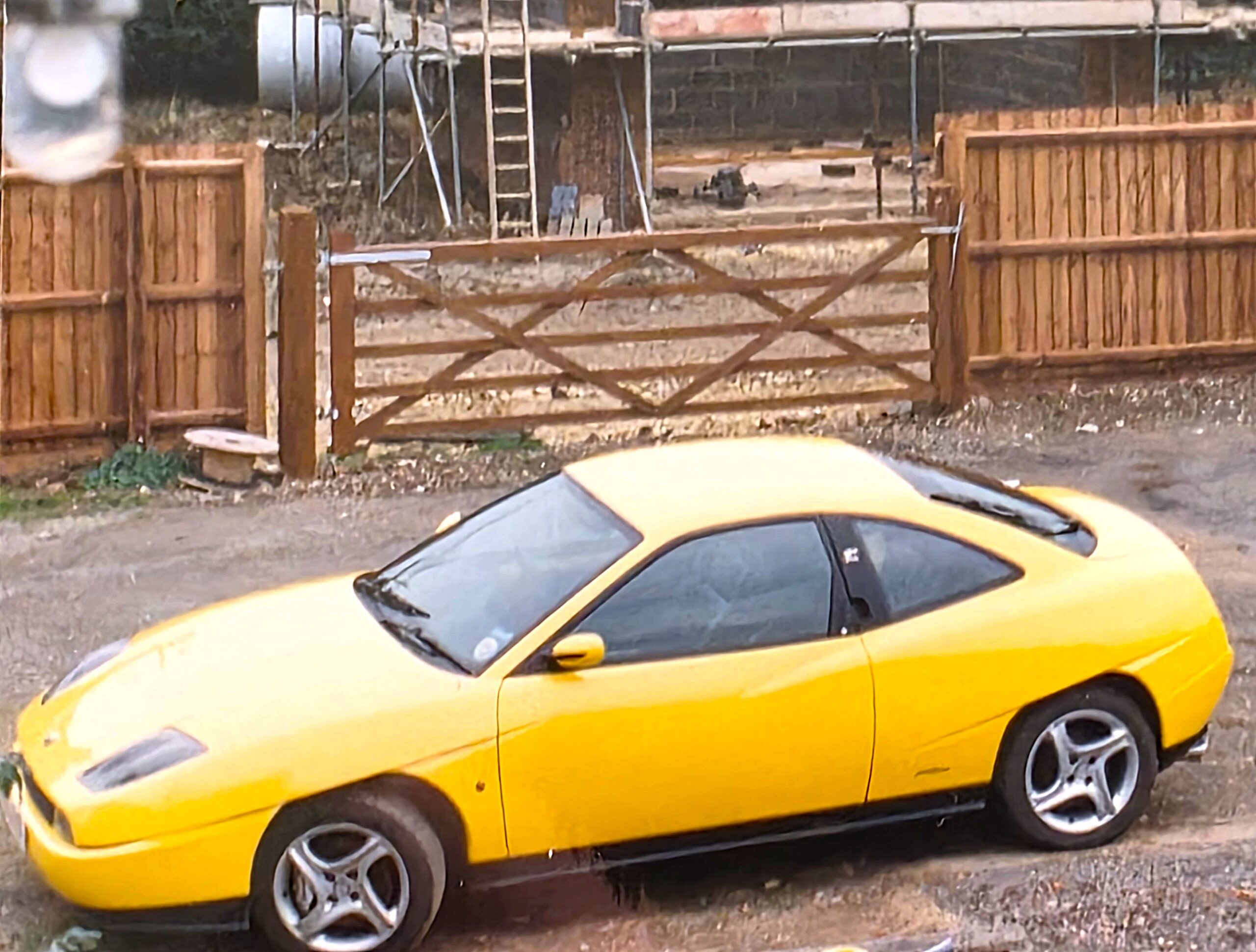
I think the styling is distinctive, to say the least! It says Pininfarina on the flanks but they only styled the interior; the body was the work of Chris Bangle and Centro Styling. Objectively you could argue the nose is heavy and maybe mismatched to the tautness of the rest but the tail is, in my view, just perfect. As the press had said, the rear seats could genuinely accommodate adults and made it easy to fit child seats and the boot was decent with a folding seat back too. I once amused (or astounded) a guy at a DIY store by feeding several 2m long planks into a car that didn’t look as though it would take much more than a shopping bag.
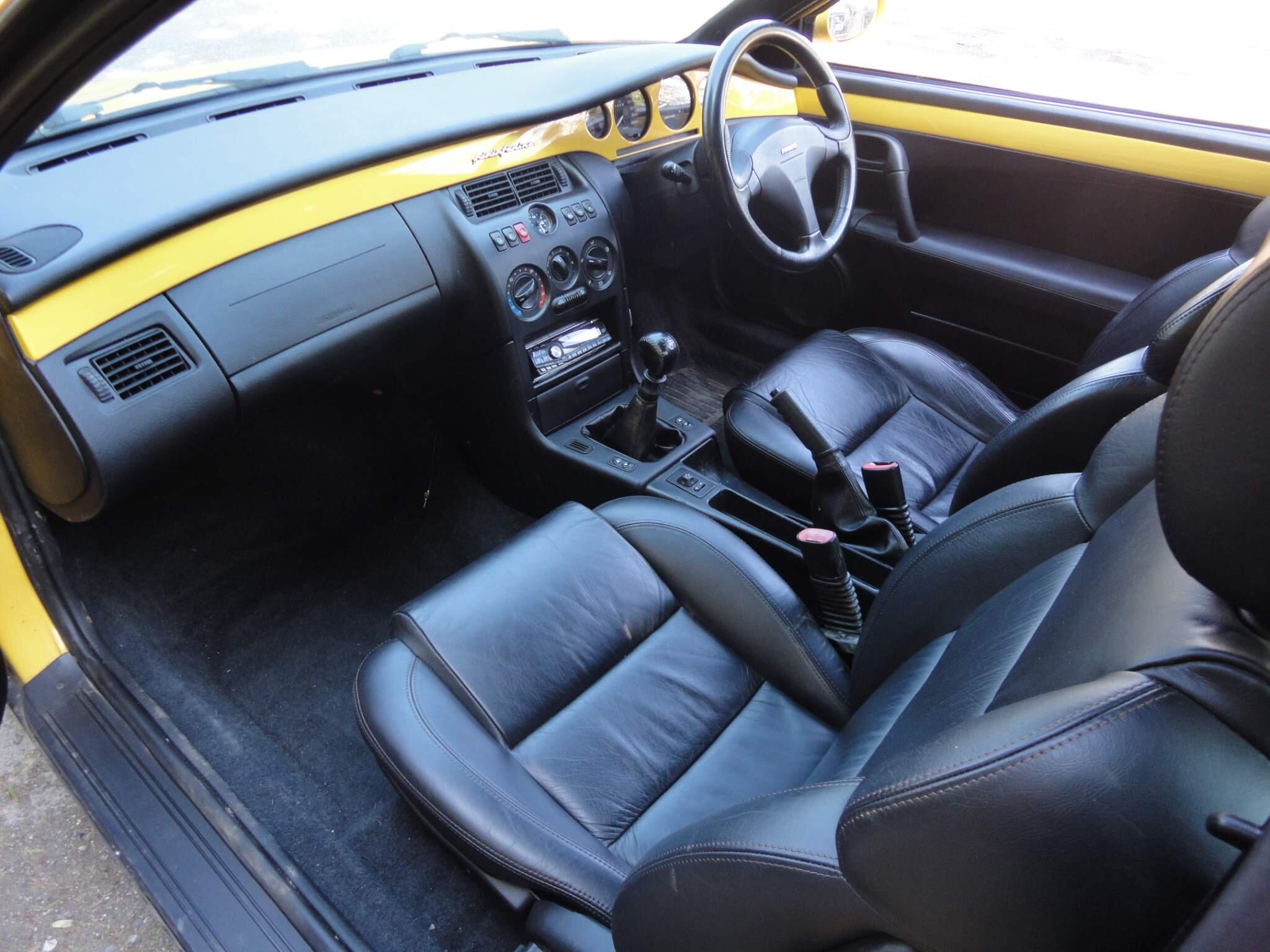
There was remarkably little resistance from Janice to my choice; we had her Alfa 164 after all and our Citroën D Super 5 was at last finished in 1996, so we had that for high days and family holidays too, as well as the Citroën Ami and 2CV Van for camping. I’d specified the car with leather and air conditioning. Leather was becoming a thing and it seemed terribly posh; air con I’d learned to love with the Alfas so seemed preferable to the alternative of a sun roof.
My business was now fully independent and we were free to take it in the directions we wanted; we had two lovely children and the D Series was finally on the road and everything I’d hoped for. The Fiat was merely icing on the cake. Life was good especially now that SAAB was done and dusted.
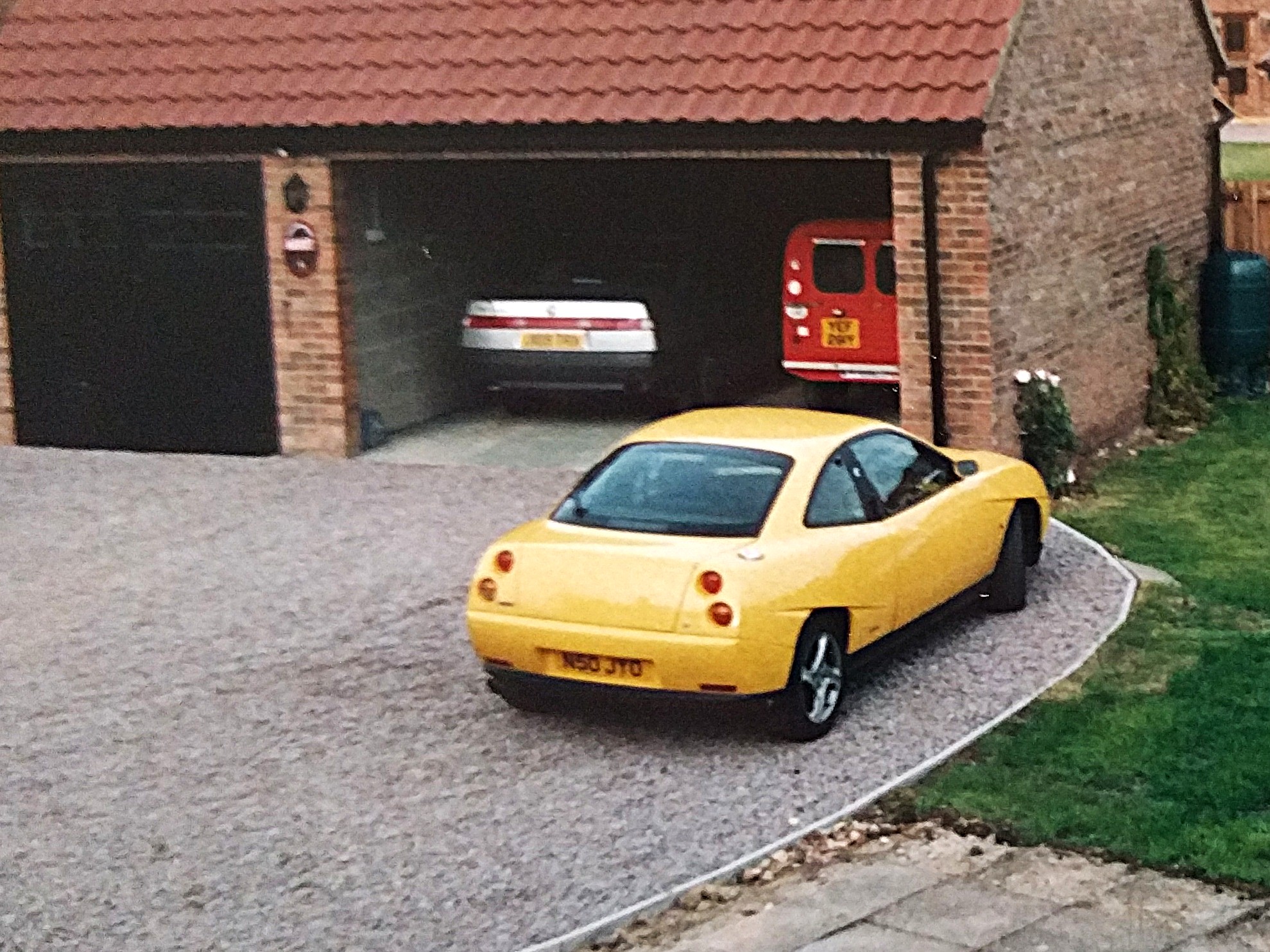
The Fiat made a good impression with clients too. It was as much a talking point as had been the Alfa 164 and the Citroën CX before it. It wasn’t the car that some clients expected me to turn up in and you could never miss a yellow car in a car park or a rendezvous on site with someone you’d not met in person before – long before the days of on-line calls and social media. I think there were envious glances from some whose company car choice was either a Vauxhall Cavalier or Ford Mondeo. It certainly didn’t do the business any harm and true to what the press said, it proved to be a comfortable mile muncher and good on gas.
Just after I collected N50 JYO Autocar Magazine pitted an identical yellow ‘P’ registration 20v Turbo against a Honda Integra Type R. The Integra hadn’t figured on my radar but the Fiat won, albeit only by a whisker. I suspect the Fiat was a better choice for a daily drive for the next 80000 miles, but the Honda was described as having build quality and reliability “as sure fire as the sunrise and sunset”. The Fiat’s build quality was fine but there was something in the electrics. An Italian car with electrical issues? Who would have guessed that! As the mileage piled on the car would occasionally just switch itself off. Usually it happened when it was stationary and it would restart OK or maybe after two or three twists of the key. It happened to Simon one time when he borrowed the car to impress a prospective lady friend (and I had the use of his Jaguar XJ3.2 – X300 series). Then one day I was driving out of our village and it just died. It would not restart and it got towed to the dealership in Bedford. They ended up changing the whole front end wiring loom because they just couldn’t find where the break was occurring – all under warranty.
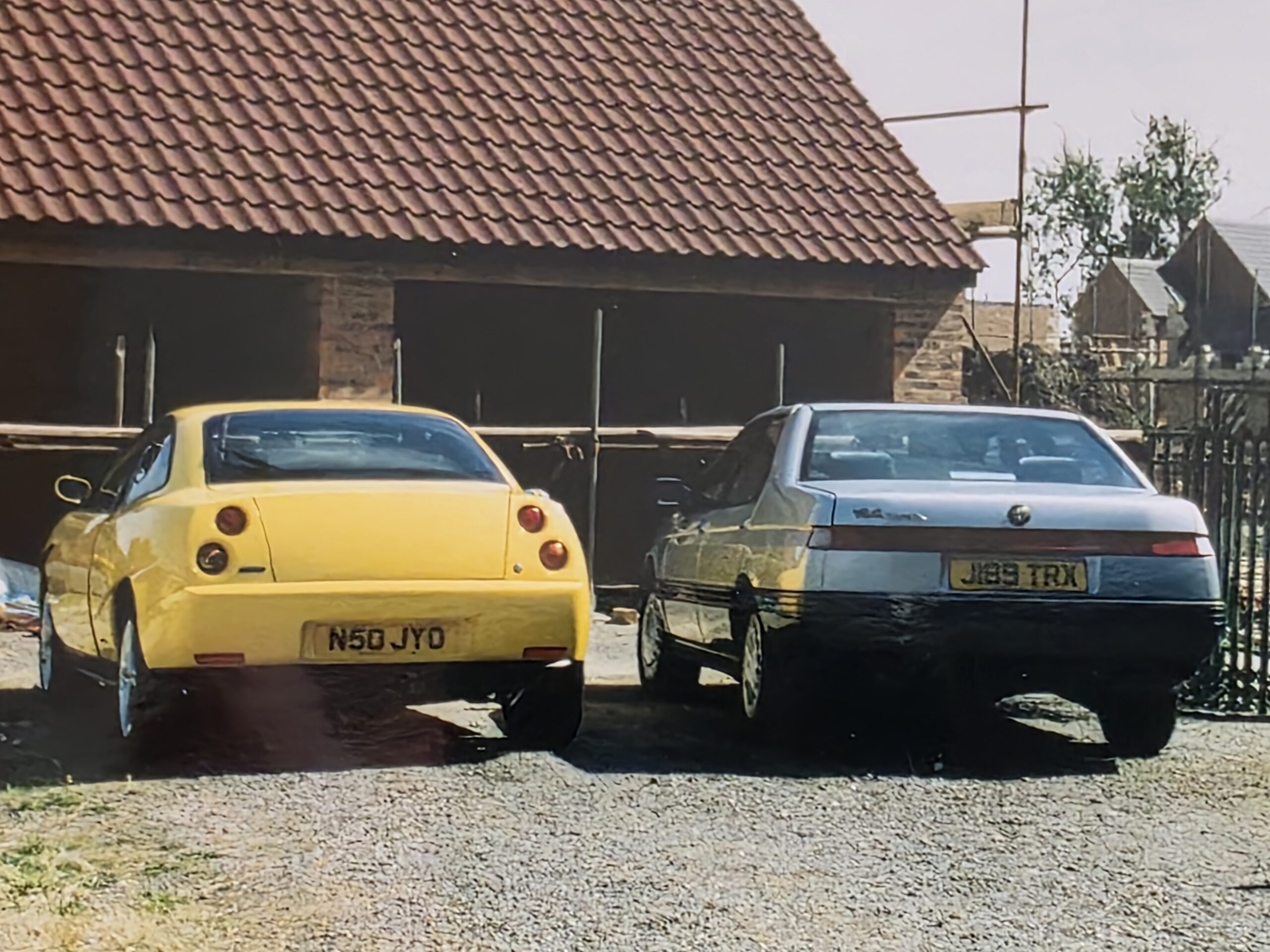
None of that detracted from my opinion and enjoyment of the Fiat but with an expensive engine out cambelt change looming on the horizon at 80000 miles, it was soon going to be time to move on and I thought we’d better do so before the Millennium Bug destroyed the world. Besides, the children, now eight and four, had both, strangely, grown legs and needed more space; we’d moved to a house that needed a full restoration inside and out and Janice’s Alfa 164 was in its ninth year. 1999 was going to be car shopping time again.























I wasn’t attracted to the exterior of this model but the inside has some class and your reasons for buying it do make sense.