
With the Millennium Bug threatening and my Fiat Coupe approaching an expensive cambelt service it seemed, however much I loved it, that it might be a good idea to move on sooner rather than later. When I was younger I’d been a huge fan of motor rallying and a devotee of the Lancia World Rally Team. Those days were long gone and the World Rally Championship was in the hand of the Japanese. By 1999 Colin McCrae had won the Manufacturers Championship for Subaru three times whilst Richard Burns was at Mitsubishi.
On the road the battle was on: Mitsubishi Lancer Evo v. Subaru Impreza Turbo. The press loved them and it was a rare week when one or other didn’t get some sort of mention, if not a full scale article in one journal or another. You picked a side. I picked Mitsubishi when in May 1999 Ralliart announced they were importing 200 examples of the Galant VR-4 (EC5A – 8th generation), all to be sold to special order.
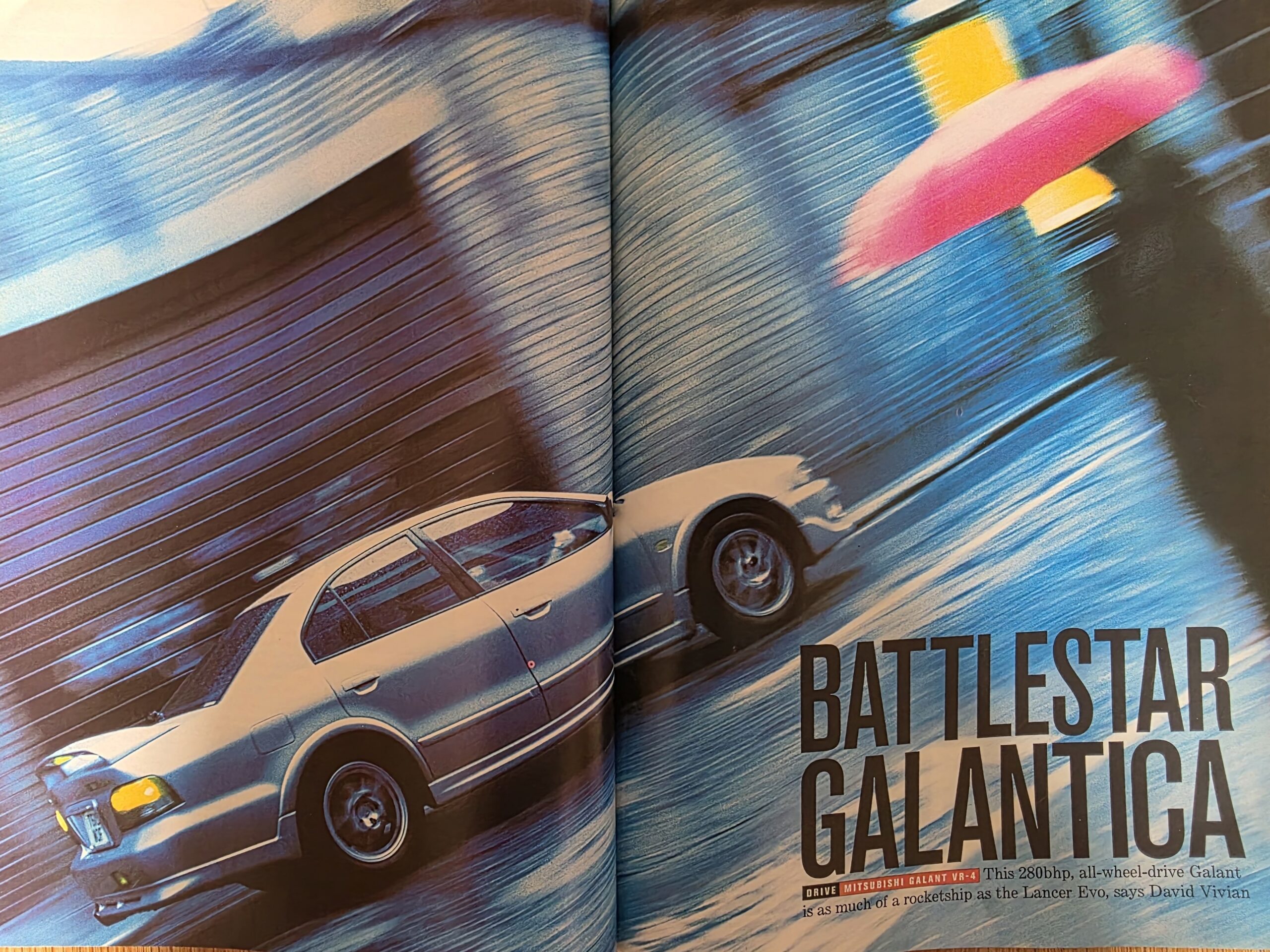
Its press was glowing. Described in an Autocar magazine article (a copy of which I still treasure today) as the equal of the Evo VI, Impreza Turbo and Skyline GTR (R34) they concluded it was a comfortable, practical all-rounder which trumped them all. Where could I sign?
I wasn’t quite 40 but you have to be sensible about these things. The Evo VI was launched in January 1999 and maybe it didn’t matter that it wasn’t much bigger inside than the Fiat Coupe? I had learned that I didn’t necessarily need a ‘sensible’ car; a car that was a talking point and memorable to my clients was a sensible business tool in a competitive world. I tried one and was blown away. I thought the Fiat Coupe was quick but this was something else. And then it rained… the Evo was phenomenal.
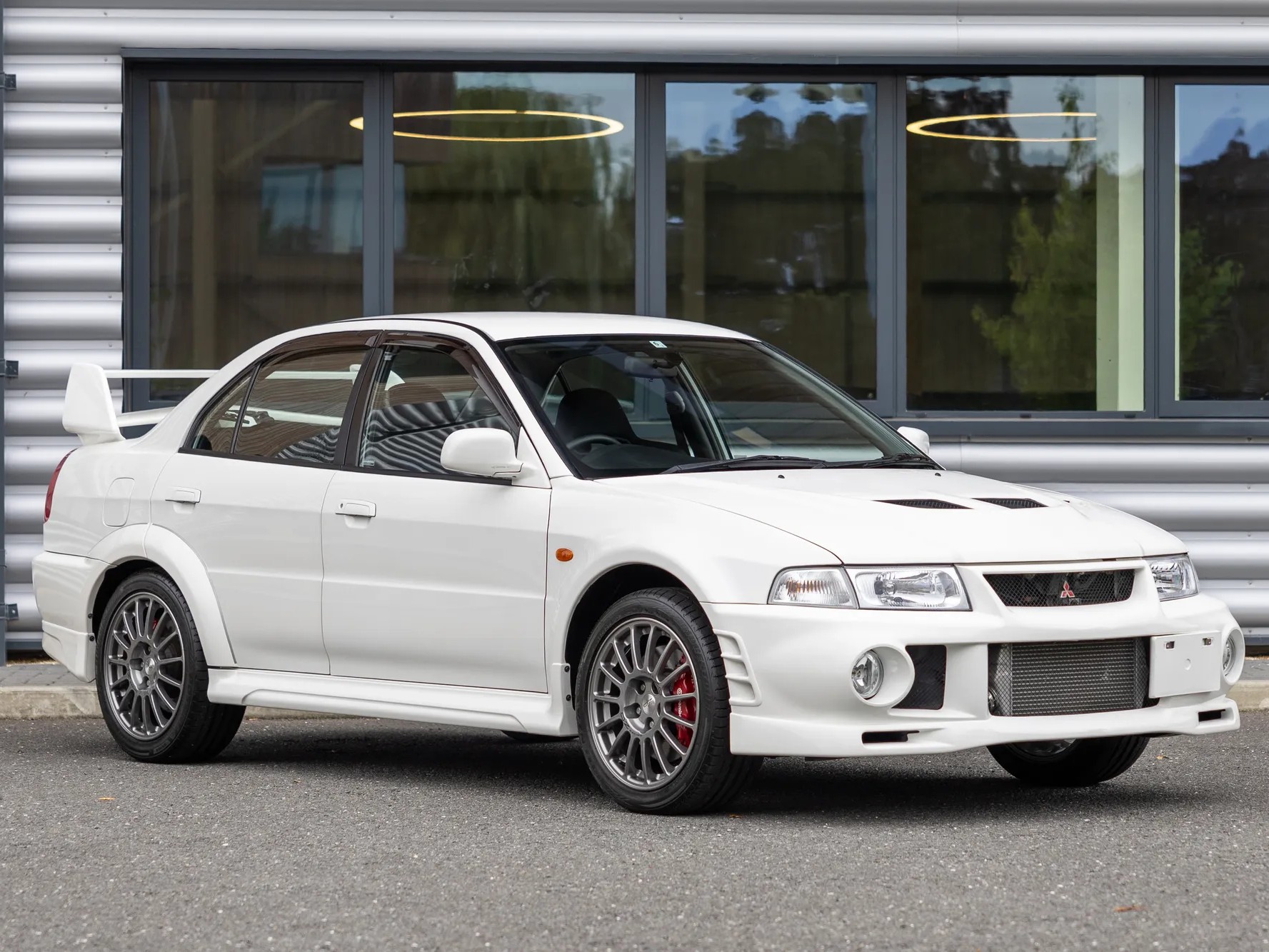
Evos sold in Britain were all personal ‘grey’ imports arranged by Mitsubishi Ralliart. The Evo VI was a fair bit more expensive than I wanted to budget for but the dealer (ironically also the SAAB dealer who had done the repairs after I bumped my 900 Turbo) had a three month old car he could sell me. Its first owner had gone from a clean licence to a ban in those twelve weeks. I like to drive fast but that rang an alarm bell and I had to admit that the car was noisy and stiffly sprung, even the supposedly road friendly GSR version. Could I really manage 60000 miles in that particular mobile office? I wanted to, but I had my doubts.
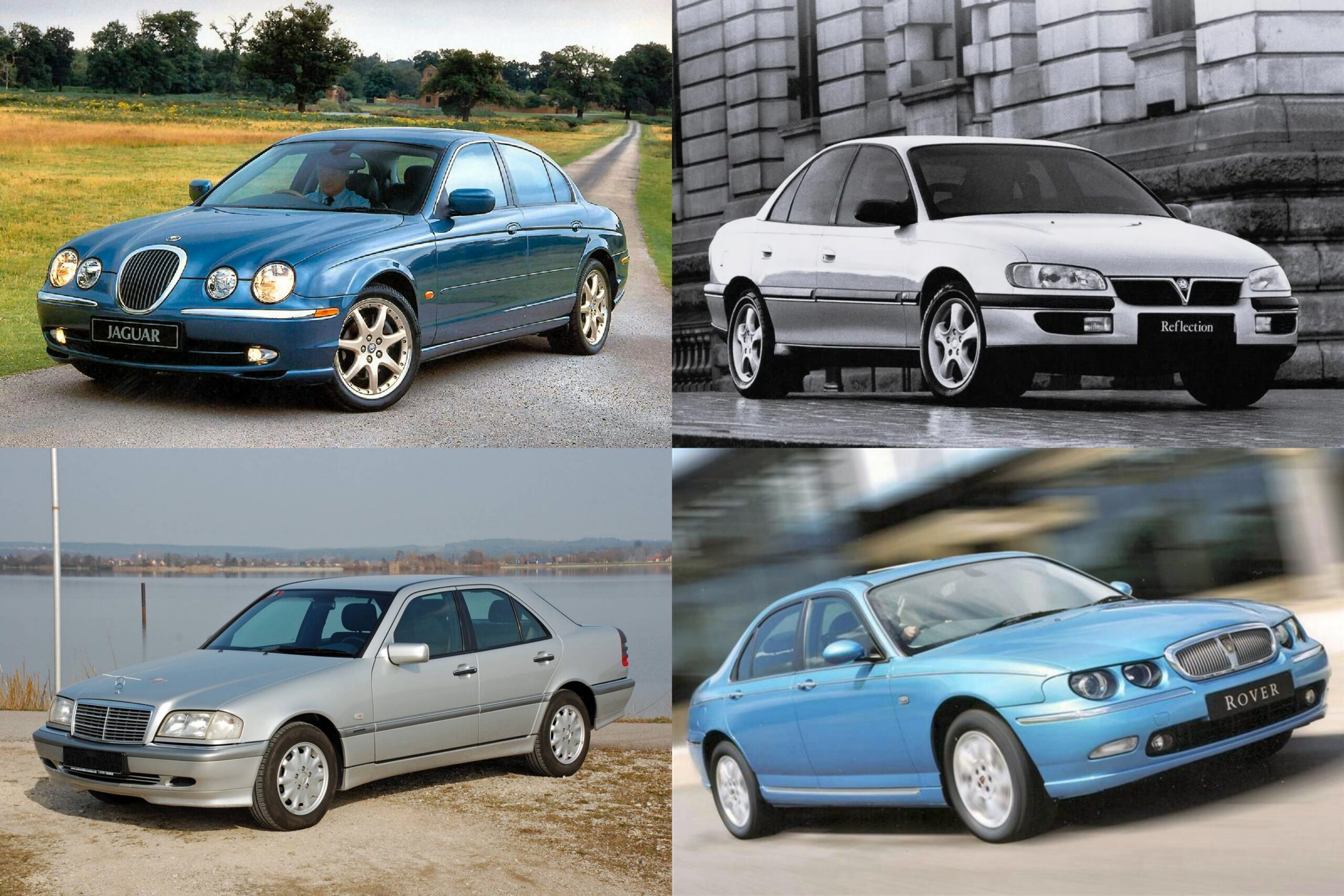
I tried to take my mind off it by testing the sensible alternatives. When my father was 40, he had bought a Jaguar Mk2. I’d told myself at the time (I was 10) I’d have a Jag when I was 40. I tried an S-Type but quickly decided I could put Jaguar ownership off perhaps until I was 50 (Spoiler Alert: I’ve never owned one, I probably never will). I tried a Rover 75 (which was much better than the Jaguar in my opinion) and even a Vauxhall Omega. I also had my first experience of a Mercedes C Class (W202) which, frankly, impressed me, especially with its ride quality. Could I see myself in any of these? Not a chance…
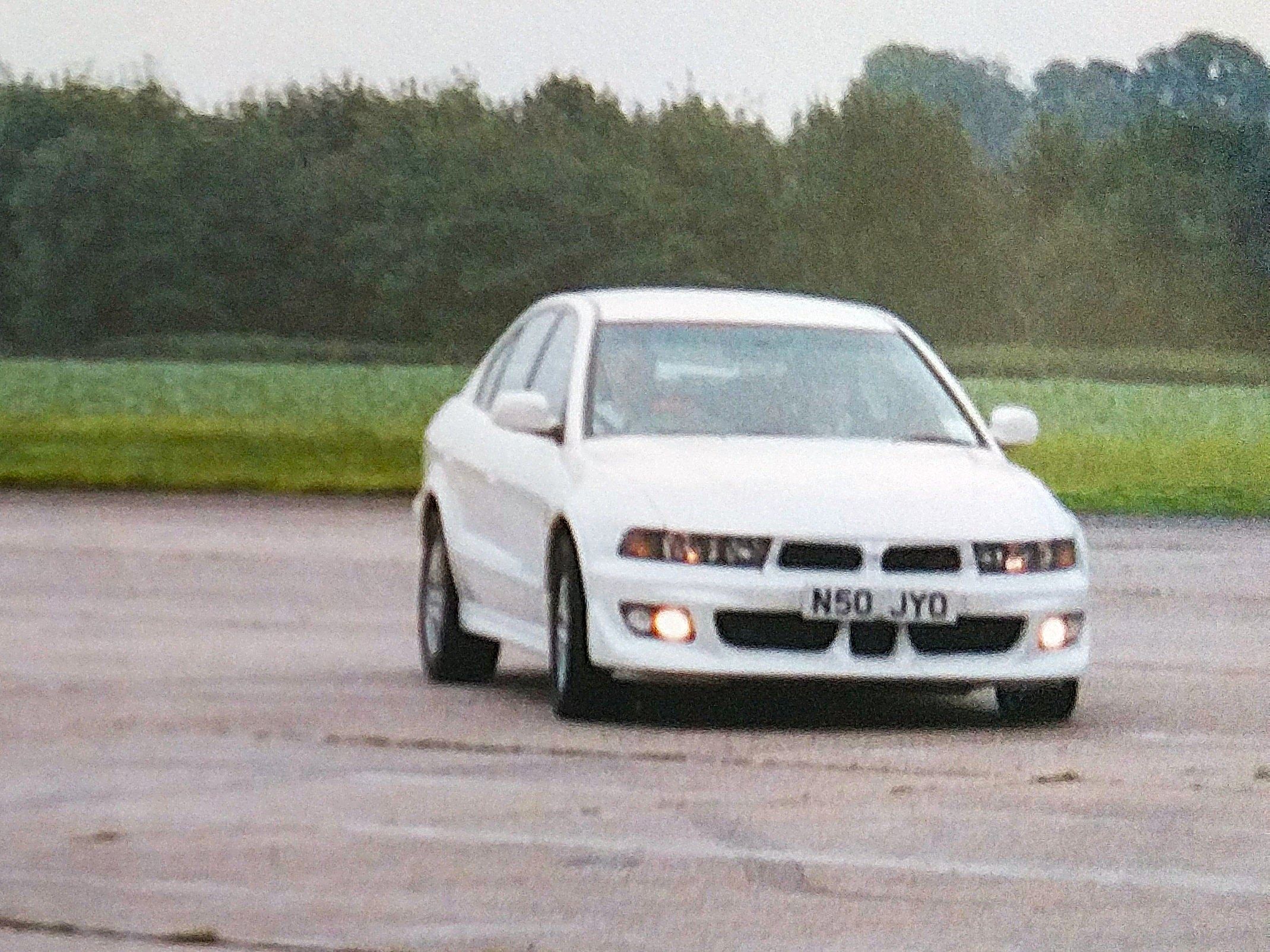
But on reading the driving impressions of the VR-4 my wife and I hot footed over to Dudley in the Midlands to Ralliart’s headquarters, and I did indeed sign up, there and then. Delivered as a Type -S with the 5-speed INVECS II automatic transmission, it was actually cheaper than the Evo VI even with UK specific Recaro seats (cloth instead of the standard leather), Momo steering wheel and Brembo brakes, more of which anon. It looked fantastic in pearl white – very Japanese I thought. Delivery was remarkably prompt and I got my registration plate N50 JYO transferred onto it.
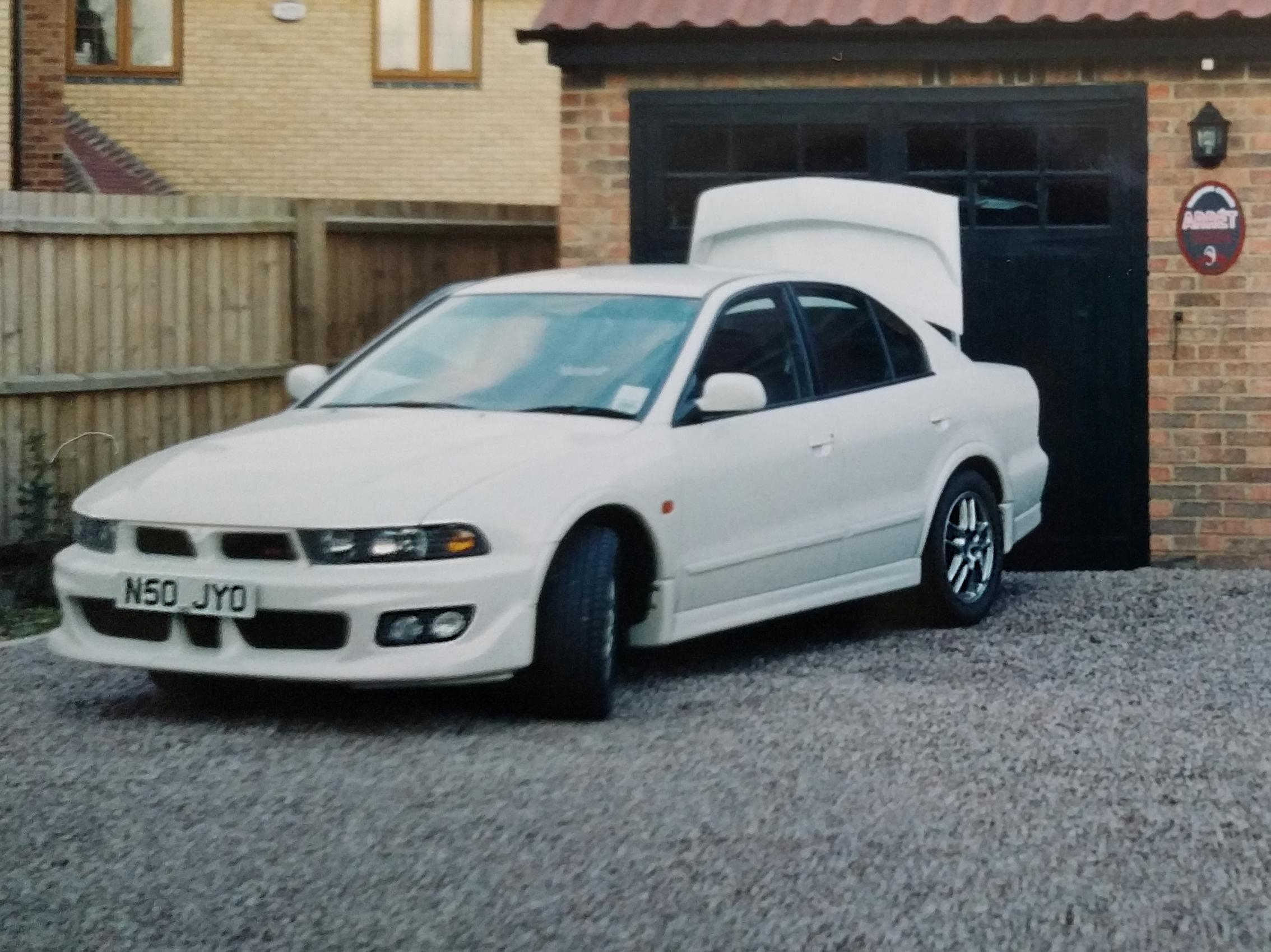
Apart from being good looking the EC5A Galant really was roomy and comfortable too. It drove with a maturity that the Evo didn’t have, perhaps because it wasn’t quite so extreme. You could see where they had strengthened the body to enhance rigidity and that was before you got to the trick engine, suspension and four wheel drive. There was just one caveat, or maybe two. One was that to fit the rear drive shafts and Active Yaw Control (AYC) torque vectoring differential the fuel tank size was reduced to just 45 litres (10 imperial gallons). That wasn’t so clever with a 14.6 miles per gallon thirst. When I got a client 200 miles away it made a round trip into a three pit stop affair! The other was that the trick differential needed an oil change every 4500 miles.

Did I mention thirst? The VR-4 had a 2.5 litre V6 twin turbo which was supposed to be limited to 280 bhp in accordance with the ‘Gentleman’s Agreement’ which prevailed at the time, intended to limit runaway power outputs. I think some of those 280 horses probably let a few friends in for a drink (of my petrol). The transmission was in on the act too. Fuzzy logic meant it was supposed to learn driving styles but as far as I was concerned, as soon as you even twitched your foot it would drop two or three gears. Even if you knocked the lever over to manual – and fifth was honestly all the gear you ever really needed – you might see 19 mpg on a good day. But 6.5 mpg on the track. Or maybe that was just the way I drove..?
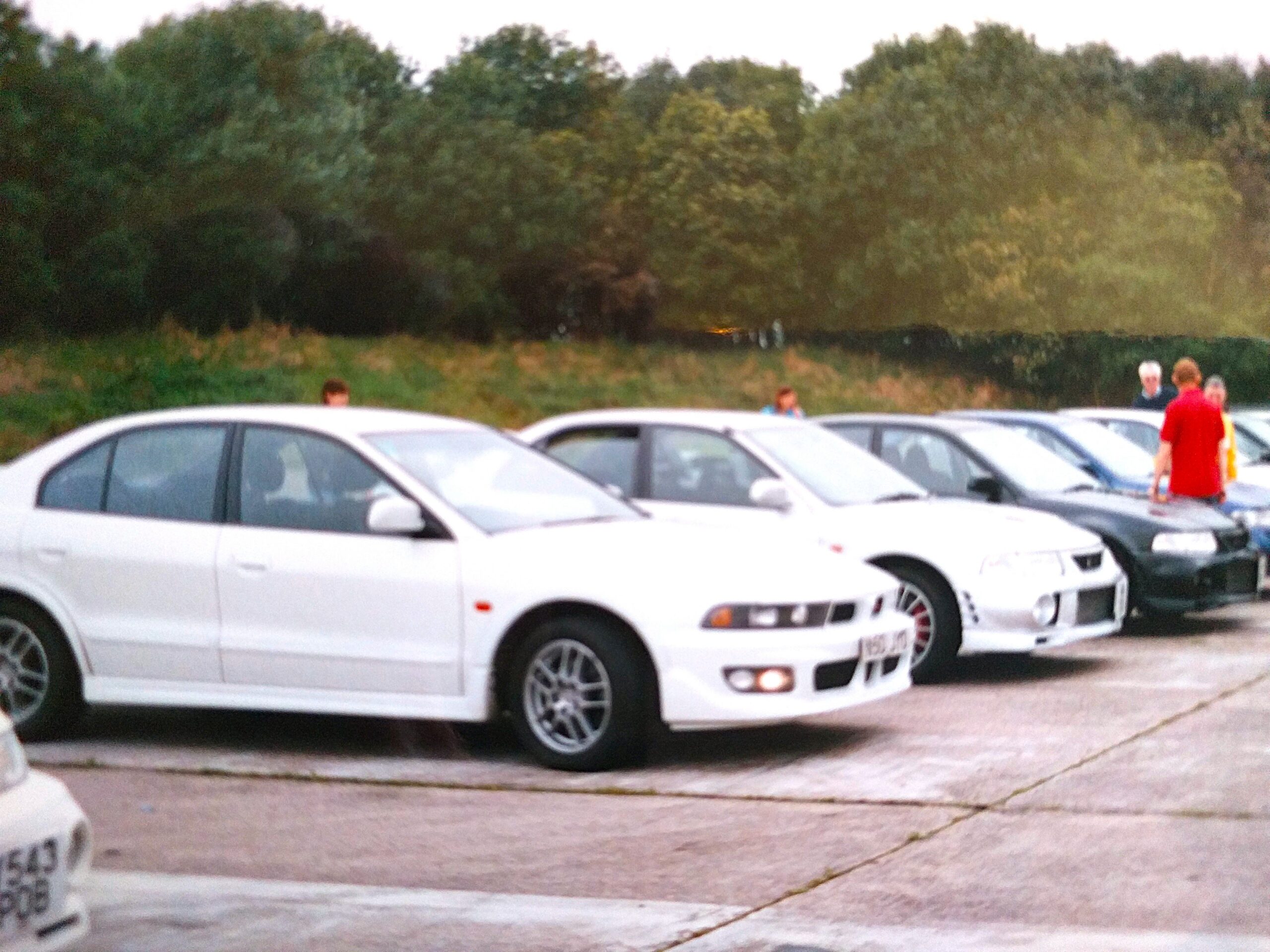
As the supplier was Ralliart, responsible for the rally team, they organised several customer events which we happily participated in. A trip to Bruntingthorpe, a former Wartime Airfield gave me a taste for track days. It proved to be a good way to get through petrol and tyres too, whilst it showed up the one real failing of the car. The brakes might be Brembos but they weren’t nearly man enough. Enthusiastic road driving could induce fade and at Bruntingthorpe they would manage the end of the runway twice before calling quits on the job they were there to perform.
That aside I loved watching the lights on the dashboard for the AYC. This was really the heart of the Mitsubishi and you could feel the AYC doing its work. It was surprising how often it could be triggered even in the dry and it made wet roundabouts so secure – the VR-4 was light years faster than most cars in the rain. We take electronic traction control for granted now but back then it was crazy tech!
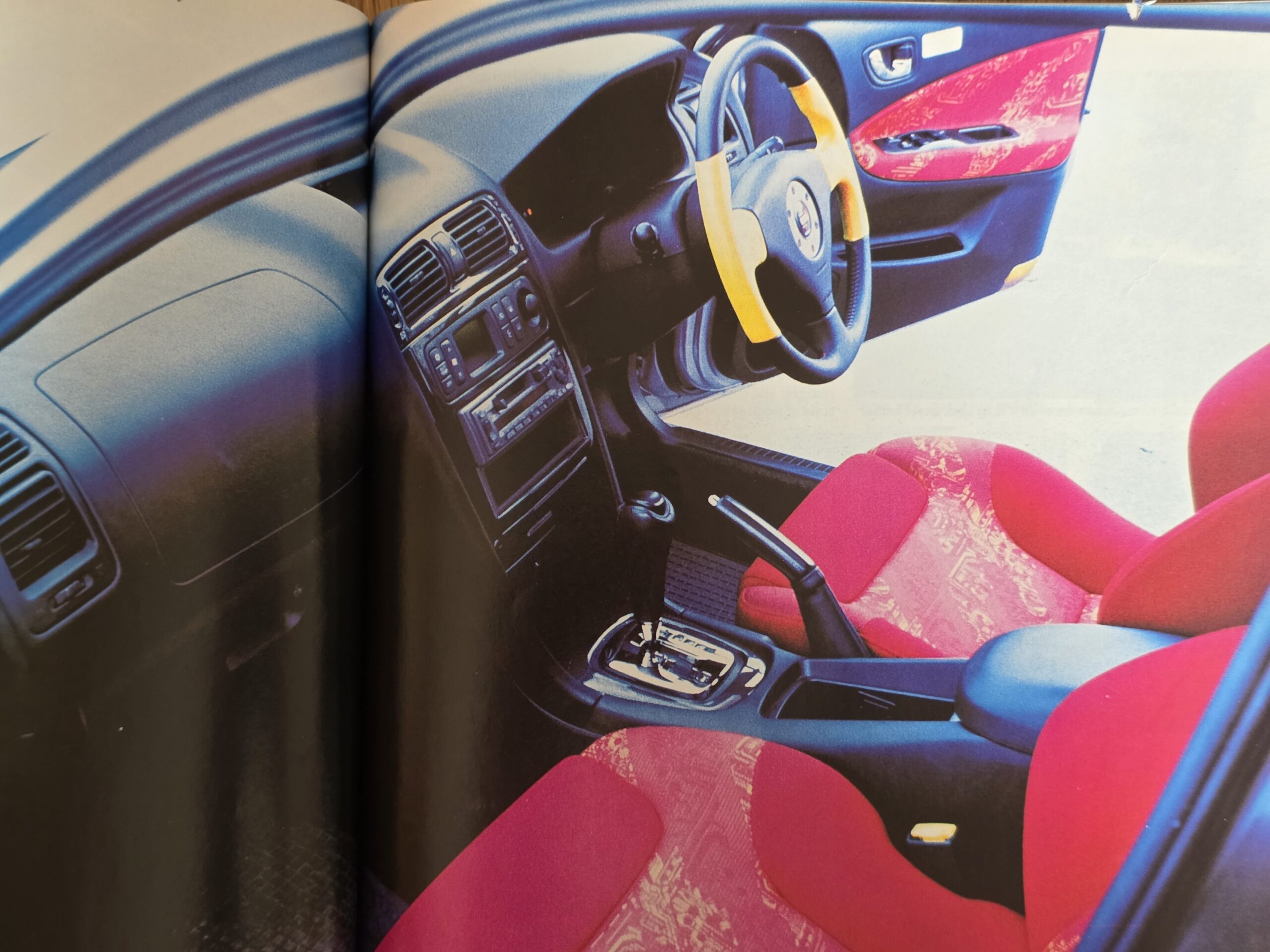
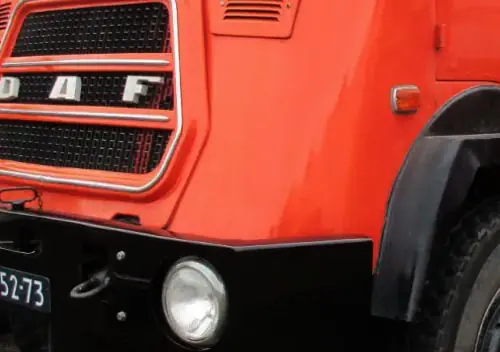
The VR-4 was my first automatic although my mother had a DAF 44 with its rubber band variomatic transmission at the time I learned to drive. I’d return to automatics again in the future but not before I’d broken this one. Perhaps the track work was too much for it? Apparently Ralliart imported three spare INVECS gearboxes for stock. I had the third, so it sounds like it was a weak point and I wonder what happened to the fourth car to have a gearbox fault?
But, after the gearbox incident and given the fuel consumption and service costs (it was needing routine service attention every six weeks!) by the summer of 2001 it was clear that it was costing me in both time and money. Since starting my company in 1992 ‘my’ cars – the Alfa 164, SAAB Turbo, Fiat Coupe and now the Mitsubishi had been bought and run by my company which also paid all my fuel costs. However the advantages of a fully financed car were rapidly diminishing, outweighed by increases in personal taxation. However much I liked the VR-4 (which was a lot), I began to think it maybe was time to duck out rather than keep the car for the full three years. Janice had also changed car by then (which I will explain next time) but I knew it would be a challenge to try and find something which matched the qualities of the Mitsubishi and I imagined that I would likely have to sacrifice some performance for sensible running costs. The Government was using the tax system to incentivise diesels but I wasn’t quite ready to fall so far but I thought there must be something out there that might suit me and my pocket?
Then in the autumn of 2001 I found myself near Cambridge with an hour or two to spare before a meeting I was due to attend. What could I possibly do to fill the time?
Related CC reading:
Classic CARmentary: 1999 Mitsubishi Galant ES – Peak Mitsubishi
Classic CARmentary: 1999 Mitsubishi Galant GTZ – Mitsubishi’s Last Great Family Sedan













Hmm – perhaps you would have been better off with an ordinary, run-of-the-mill Mitsubishi Galant saloon. A car that was pleasant to drive, didn’t break the wallet, and—to top it all off—was also neatly styled.
You let your hair down; a good thing to do, especially at your age. These were wild times, what with the Subaru – Mitsubishi battles raging.
Oh yes these cars are a weapon a guy I worked with on milk has a VR4 Wagon in manual I got a ride back to the work zone in it when the company supplied Holden failed, fast and quite comfortable but as you not it sucked gas like it was going out of style, being a ex JDM car it had the obligatory 180kmh speed limiter fitted to Japanese performance cars that can be deleted if you dare, the car I rode in hit the limiter in numerous places on that trip, we had a company fuel card though so keeping it fueled was painless. If you get catched at 27kmh past our stupidly low speed limit you are an instant pedestrian for 28 days and the car gets towed and very easy to do in a VR4.