
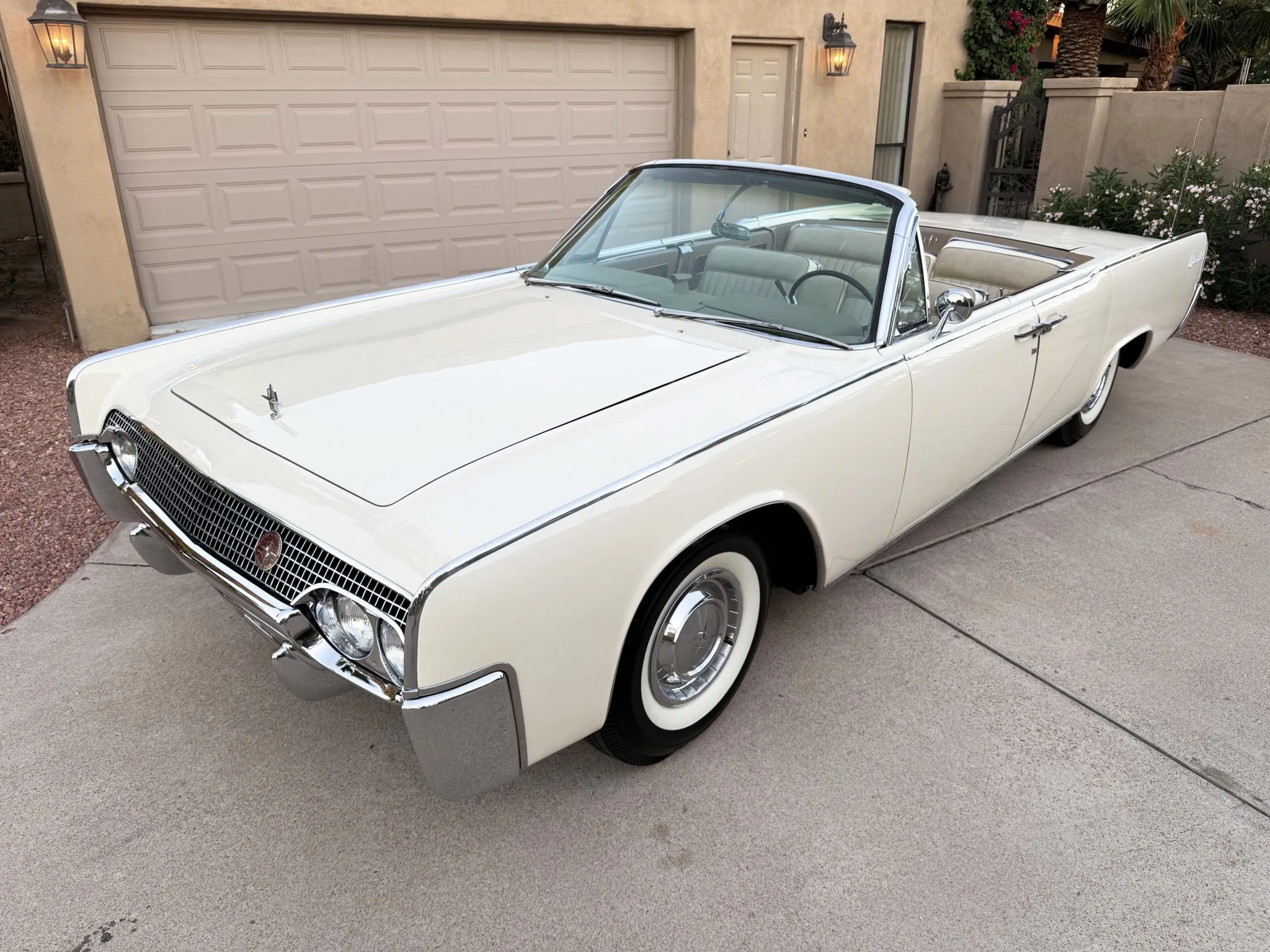
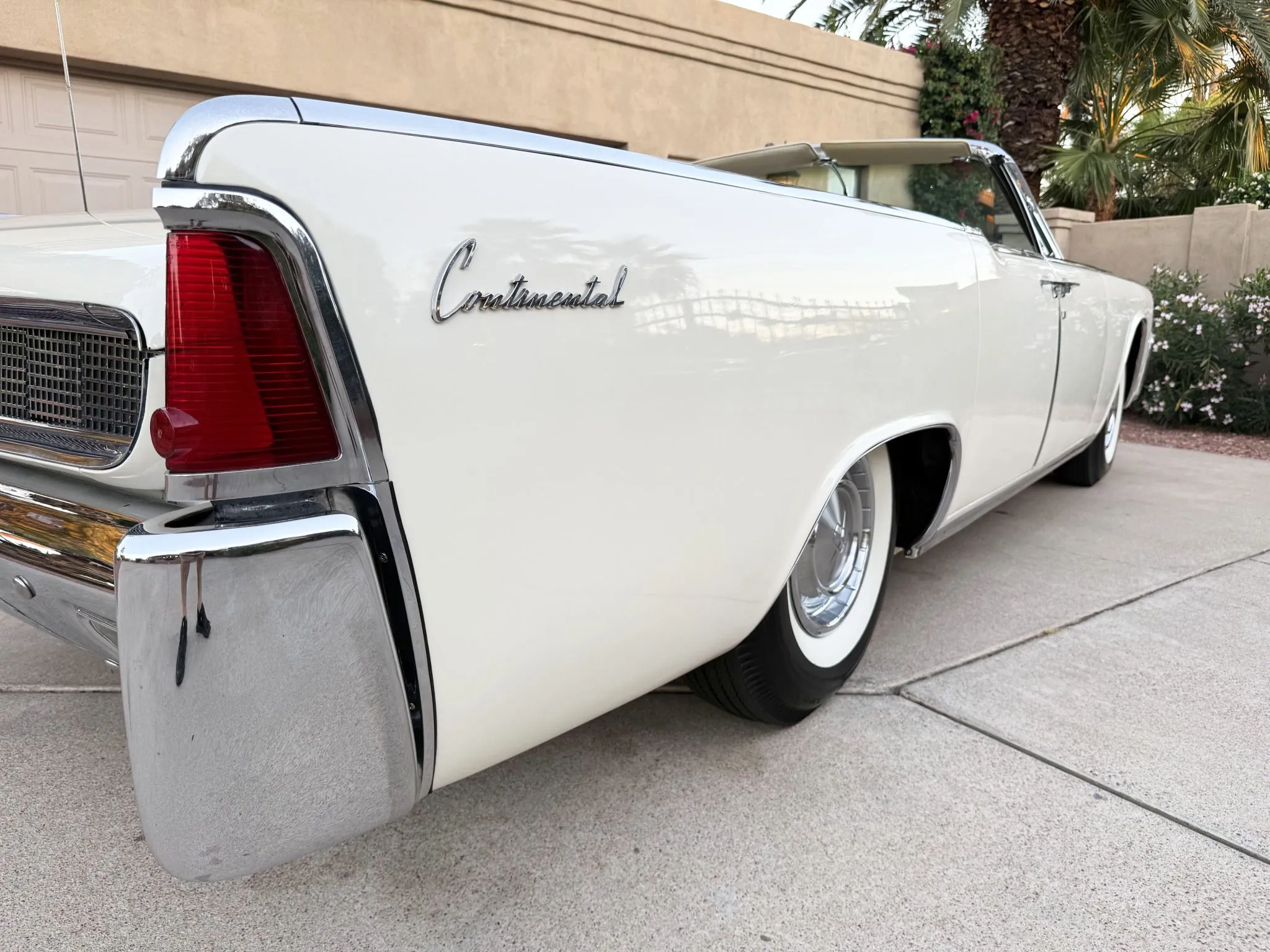
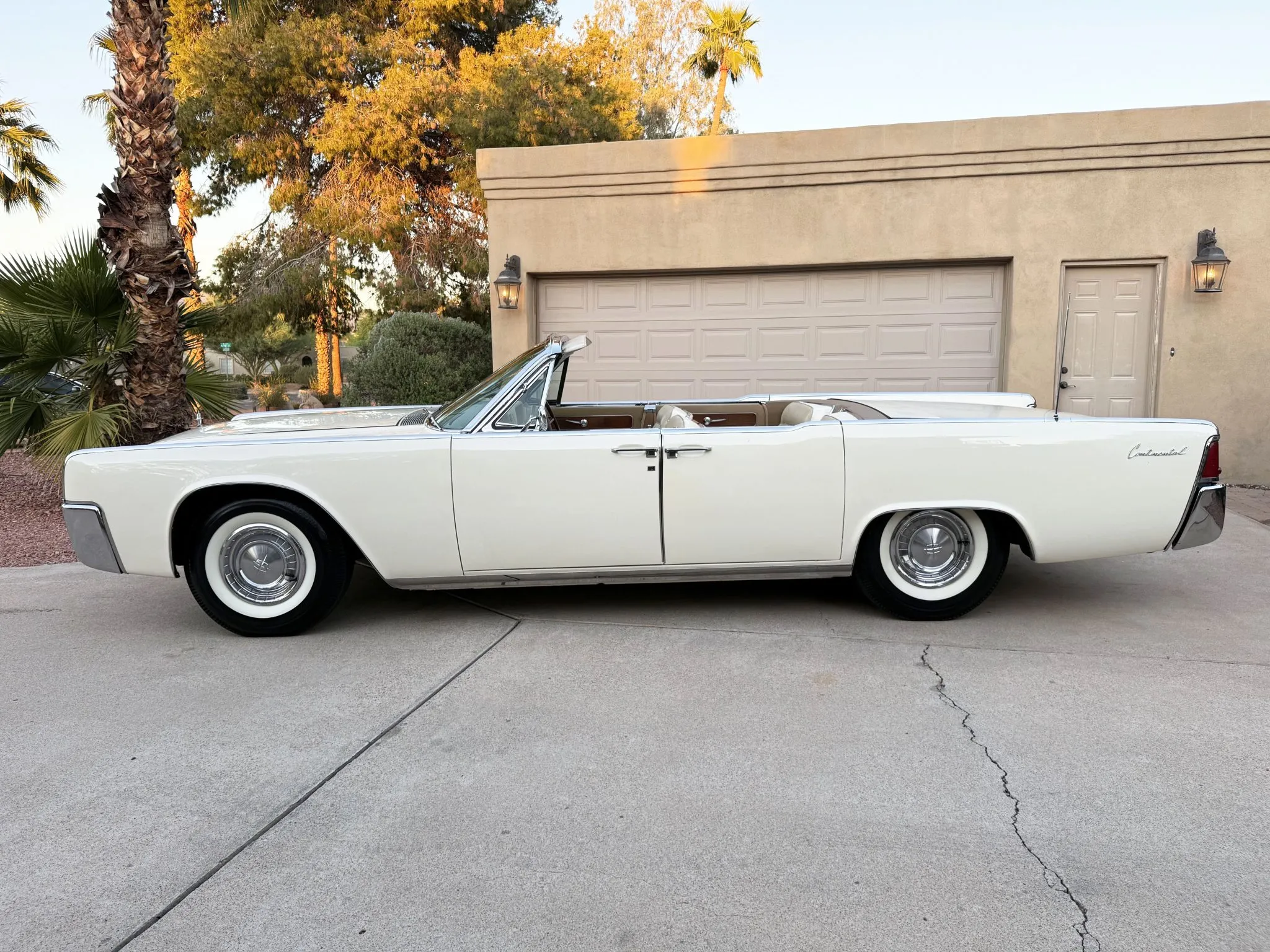
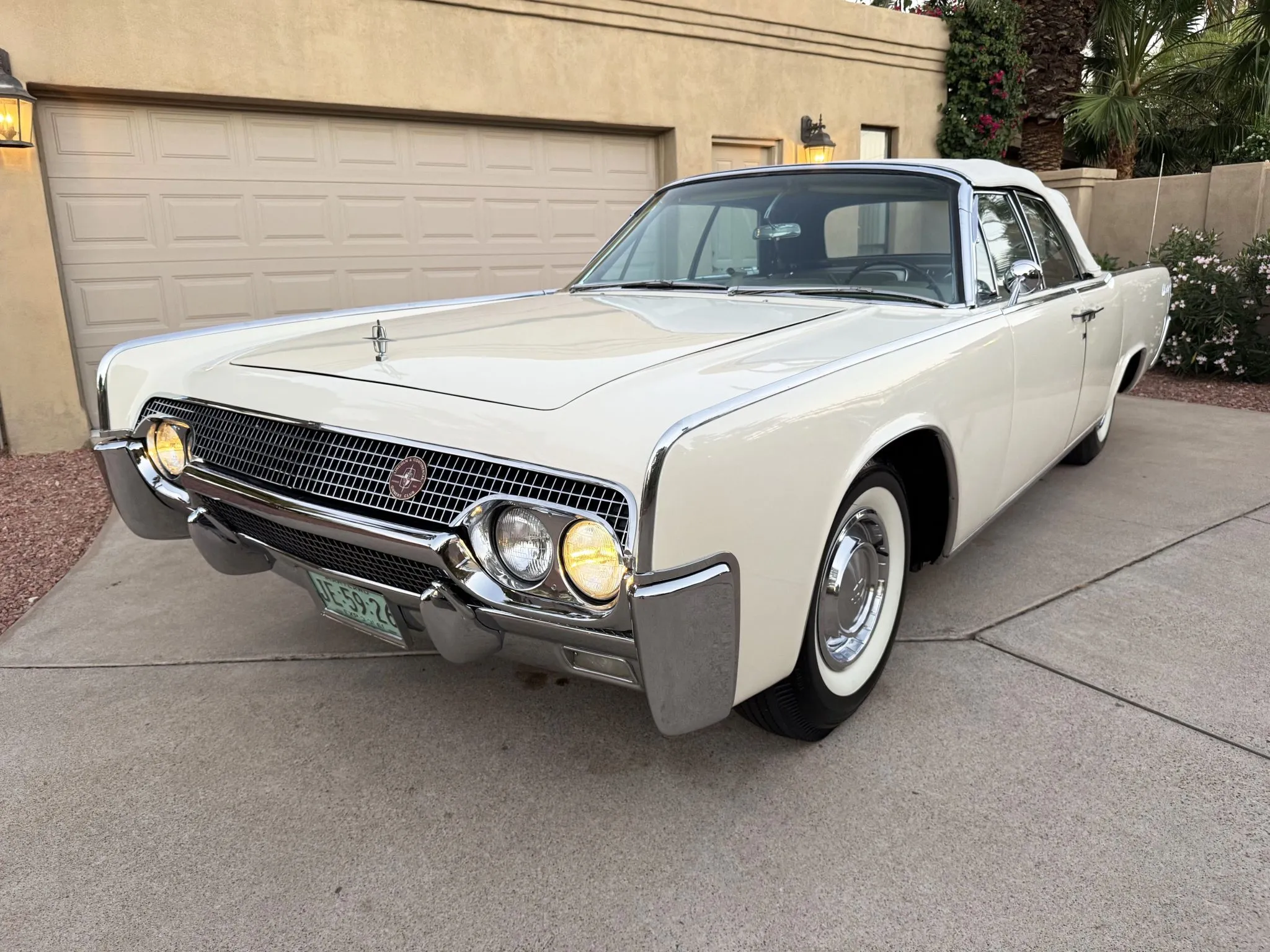
Although it accounted for only a small fraction of Lincoln production during its run, the 1961–1967 Lincoln Continental convertible remains highly popular with collectors, in part because it was unique: Unlike contemporary Cadillac and Lincoln convertibles, the Continental convertible was a four-door with reverse-hinged back doors, just like the Continental sedan. Here’s how — and why — that unusual arrangement came about.
The 1961 Lincoln Continental was really a Hail Mary effort. When it was developed in 1958, the Lincoln brand was hanging by a thread: Ford Motor Company group vice president Robert S. McNamara didn’t like the era’s gigantic full-size Lincolns, he wasn’t happy with the proposals that had been fielded for the forthcoming 1961 models, and he found the brand’s years of financial losses hard to justify. After hearing division heads’ plans, he announced that he’d decided to terminate Lincoln rather than continue to throw good money after bad.
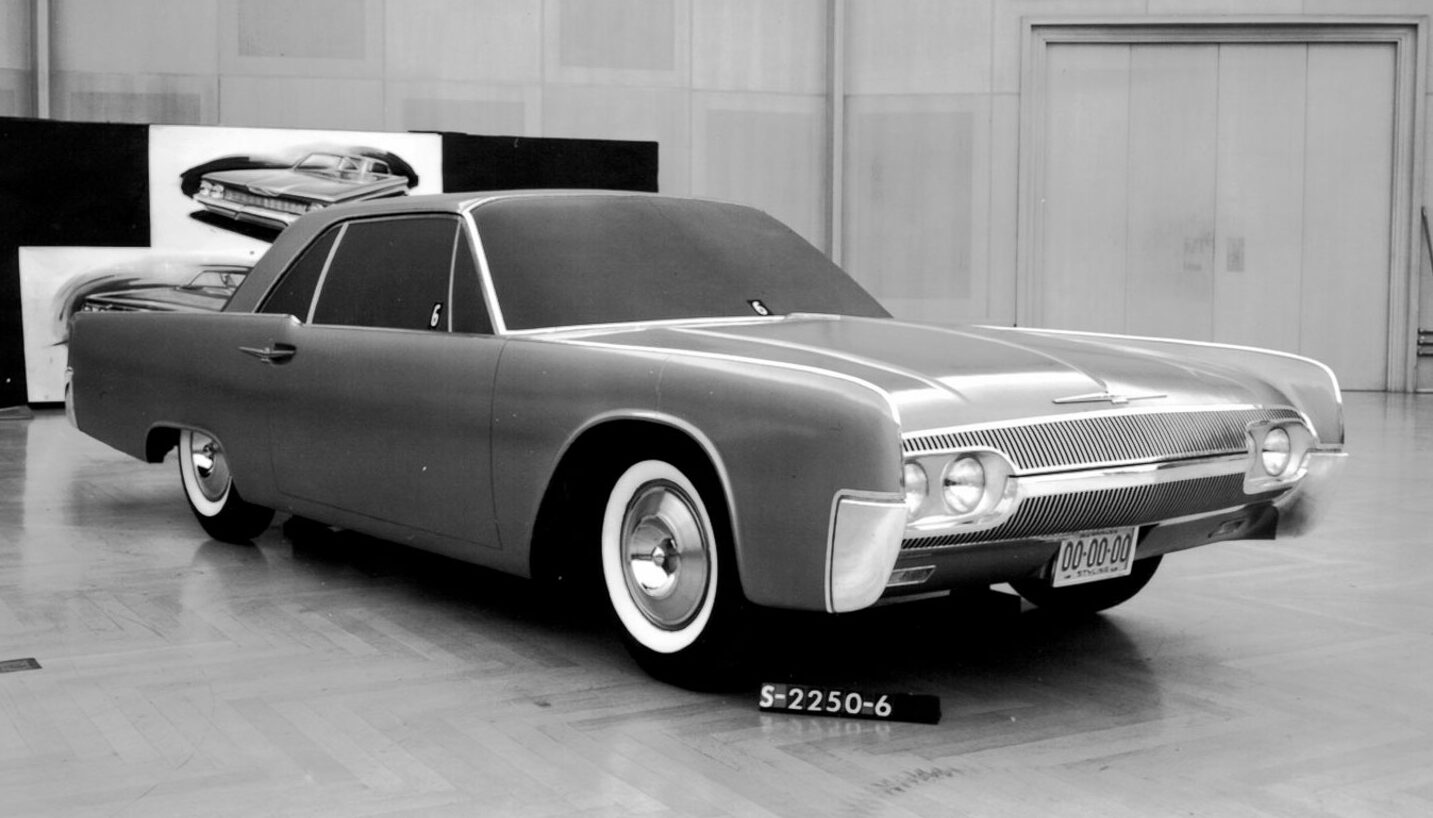
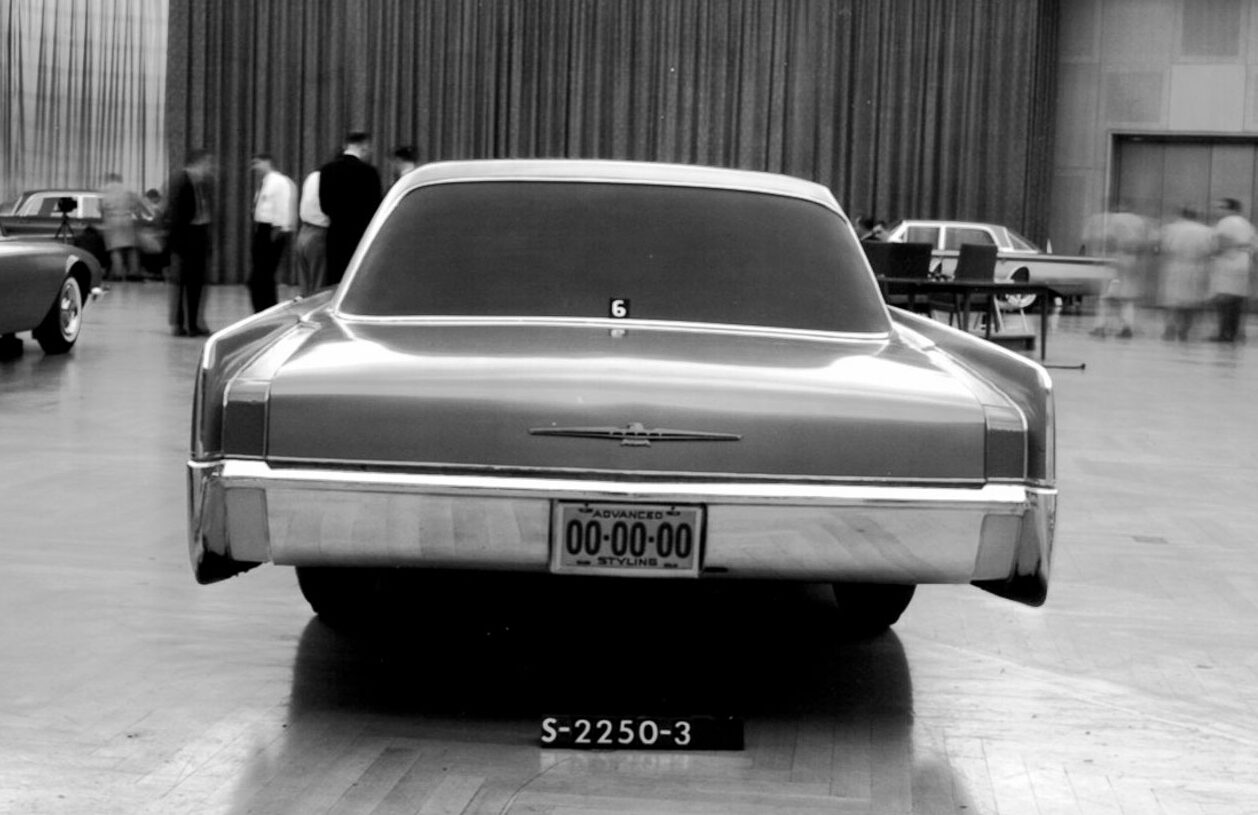
That Lincoln survived was due in large part to McNamara’s liking for a styling concept designer Elwood P. Engel had recently created as an alternative proposal for the 1961 Thunderbird. Although that proposal had already been rejected in favor of the design that became the production “Bullet Bird,” nearly everyone who’d seen the Engel concept had liked it. Several people had suggested it might make a worthy successor to the 1956–1957 Continental Mark II, remarking that it was “too nice to be a Thunderbird.”
McNamara told Lincoln-Mercury general manager Ben D. Mills that he was prepared to give Lincoln one more product cycle to turn itself around. However, McNamara set four tough conditions: 1) He wanted the Lincoln to be based on Engel’s Thunderbird proposal; 2) that design had to be enlarged enough to make what had been conceived as a two-door hardtop coupe into a workable four-door sedan; 3) the enlarged version could not be “significantly bigger” than the original concept; and 4) the results had to be profitable to build, which meant keeping the tooling costs way down.
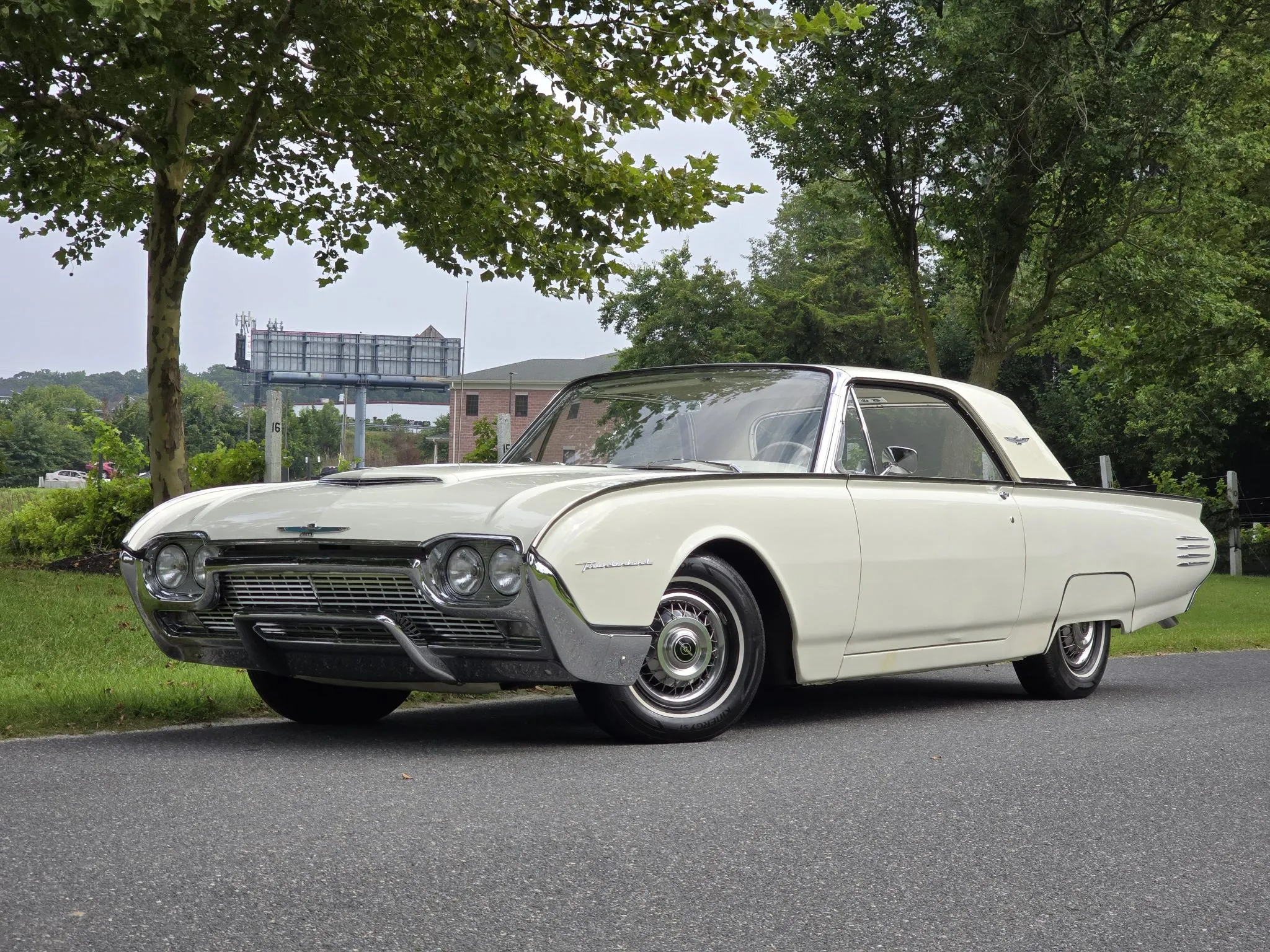
These were very tall orders. The contemporary Thunderbird had four seats (something McNamara had championed while head of Ford Division), but it was still a “selfish” low-slung, close-coupled two-door hardtop or convertible, whose interior was characterized by its prominent driveshaft tunnel and center console.
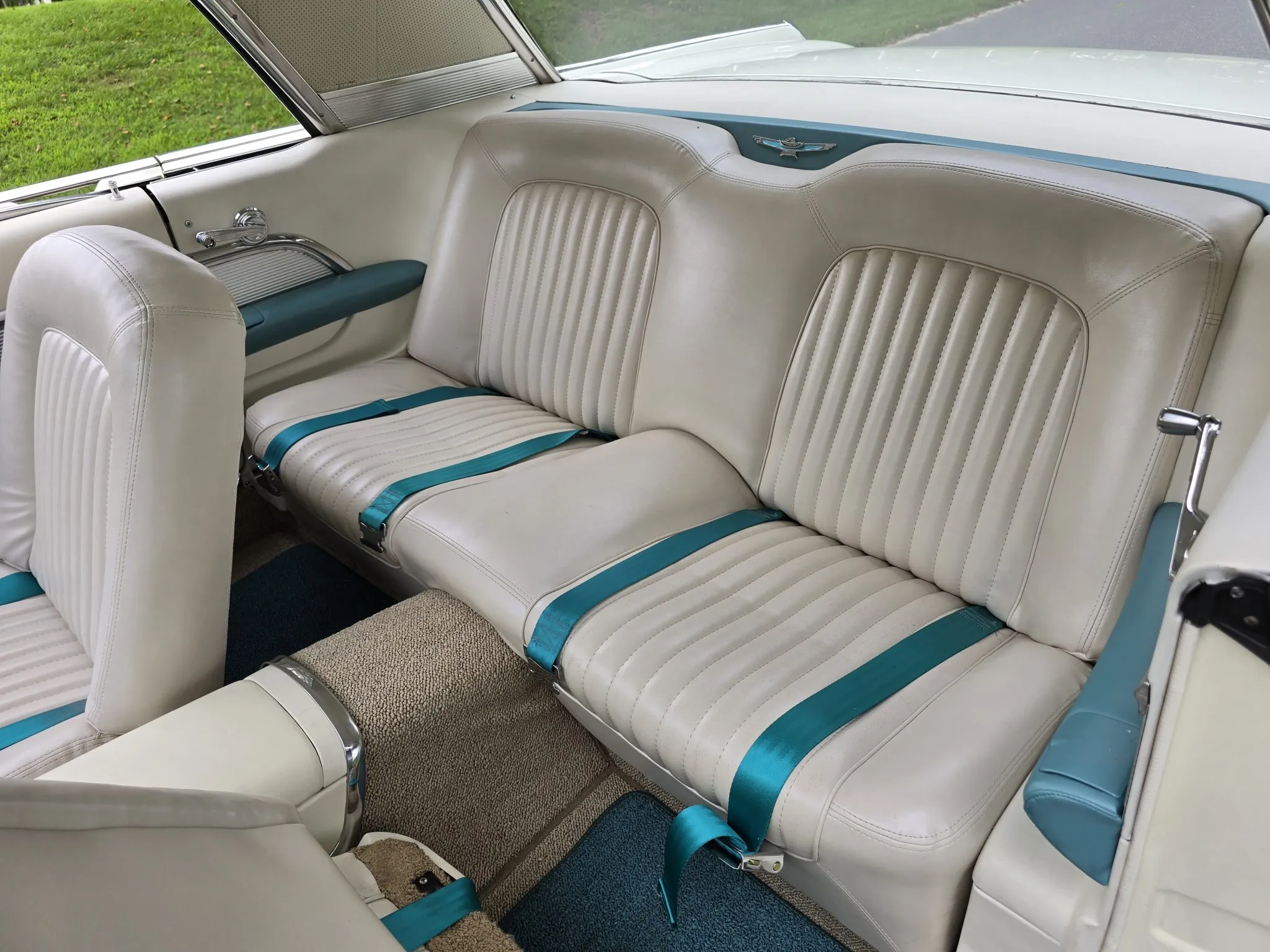
The T-Bird “package” also wasn’t that terribly big as domestic cars went; the production ’61 Thunderbird was 205 inches long on a 113-inch wheelbase. Its interior, measured from the accelerator pedal to the hip point of a rear passenger, was 5.4 inches shorter than the interior of a 1961 Cadillac Coupe de Ville and about 13 inches shorter than a 1960 Lincoln. It wasn’t the ideal starting point for a six-passenger sedan.
To create the 1961 Lincoln, Lincoln-Mercury engineers stretched the Thunderbird package as much as they dared — by 10 inches in wheelbase. This still made the interior rather tight for a luxury sedan. The production Continental ended up with 4.6 inches less rear legroom than the 1960 Lincoln.
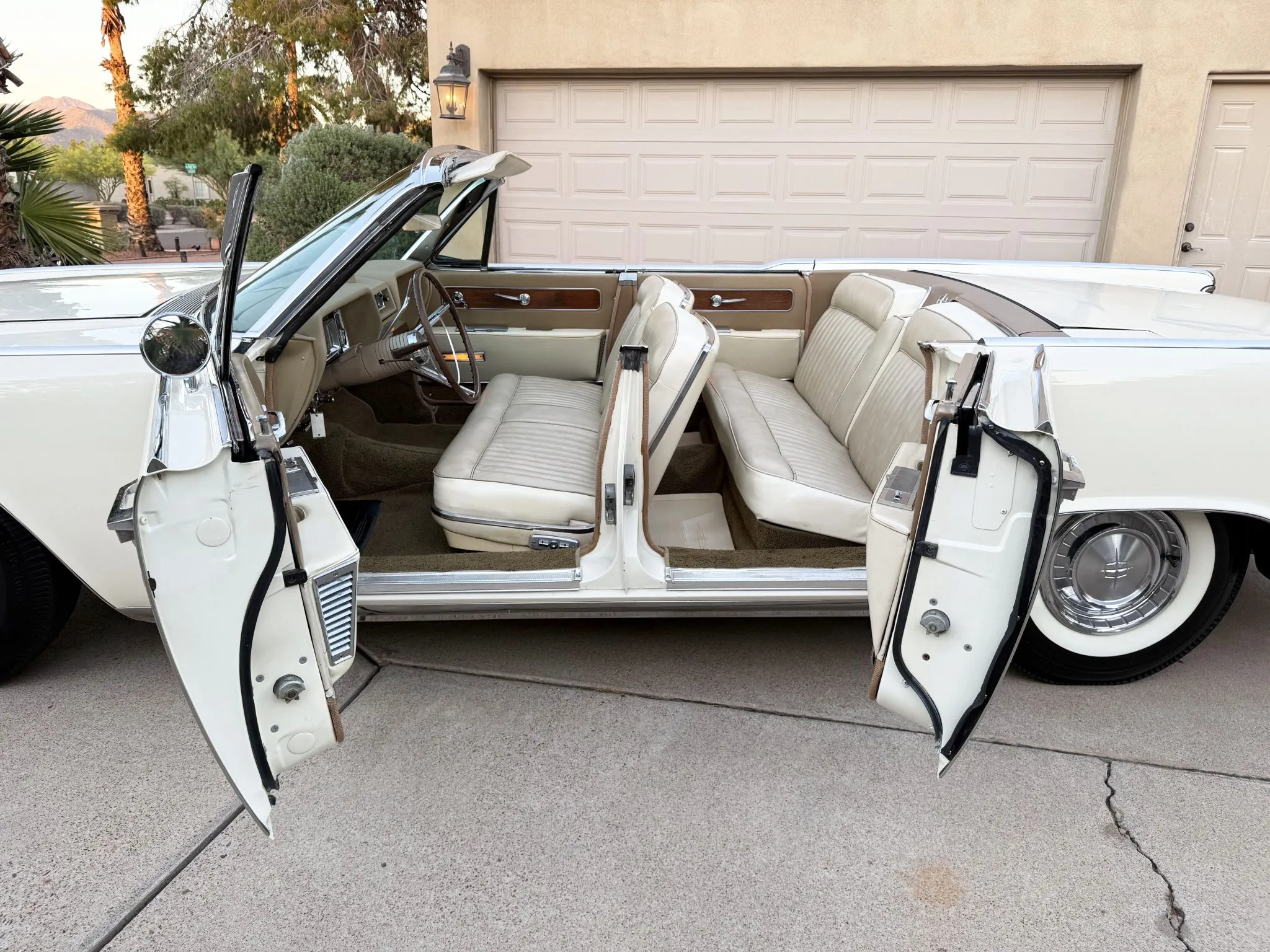
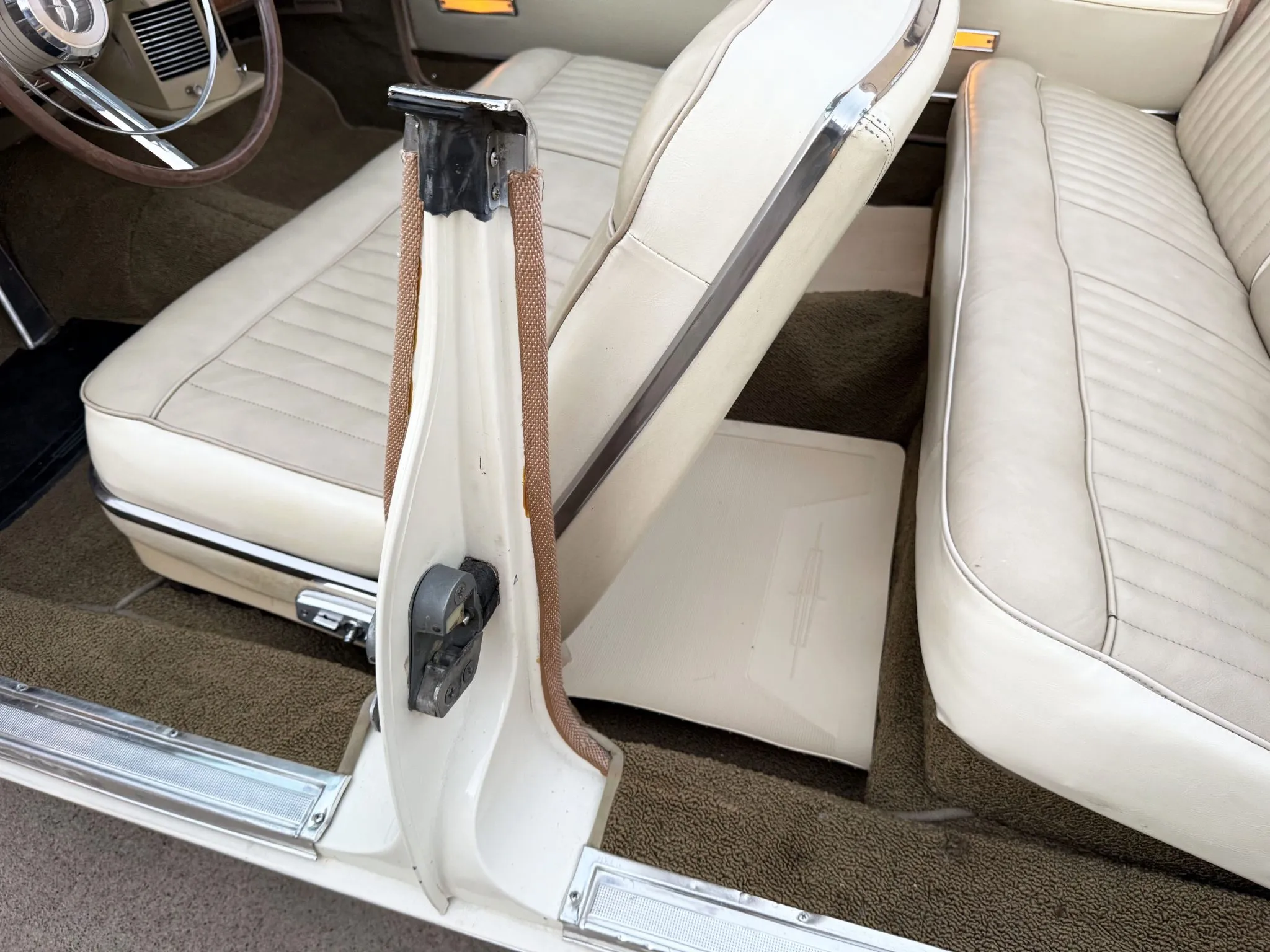
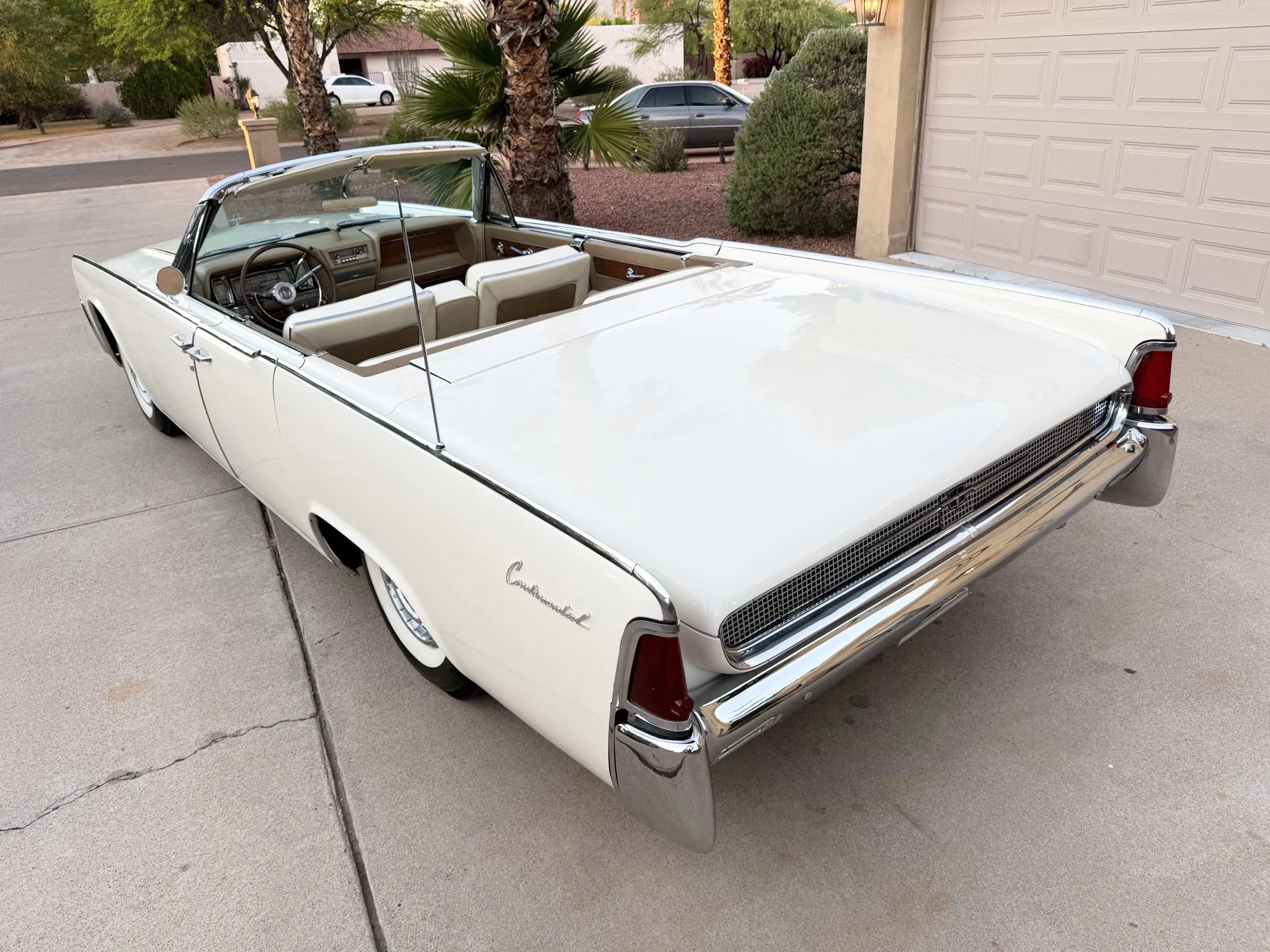
On top of that, executive engineer Harold Johnson realized early on that with conventional front-mounted door hinges, the rear door openings would be too narrow for passengers to easily swing their feet in and out. His solution was to hinge the back doors at the rear, a configuration that had been very rare on domestic cars since World War 2. (The Continental Division had contemplated doing something similar for the abortive Continental Mark III Berline, albeit with the doors latching to each other rather than to a center pillar.)
Since the 1961 Lincoln was conceived as a two-door hardtop, creating a two-door version would have been straightforward, at least from a design standpoint. (Ford management had already seen and liked what the Engel concept looked like with two doors!) However, the prospect of putting a two-door version into production seemed to fly in the face of McNamara’s directives about costs and profitability.
McNamara had said specifically that he wanted a four-door sedan, so that was a must. Back then, it was customary back for luxury car lines to offer a range of body styles — at the time, Cadillac had three different four-door hardtop roof styles plus a two-door hardtop and a two-door convertible — but each additional body style would mean additional tooling costs. Offering two-door styles in addition to four-doors would mean unique doors and different glass. Each of those additional expenditures increased the very real risk that McNamara might decide the whole program was too expensive and pull the plug.
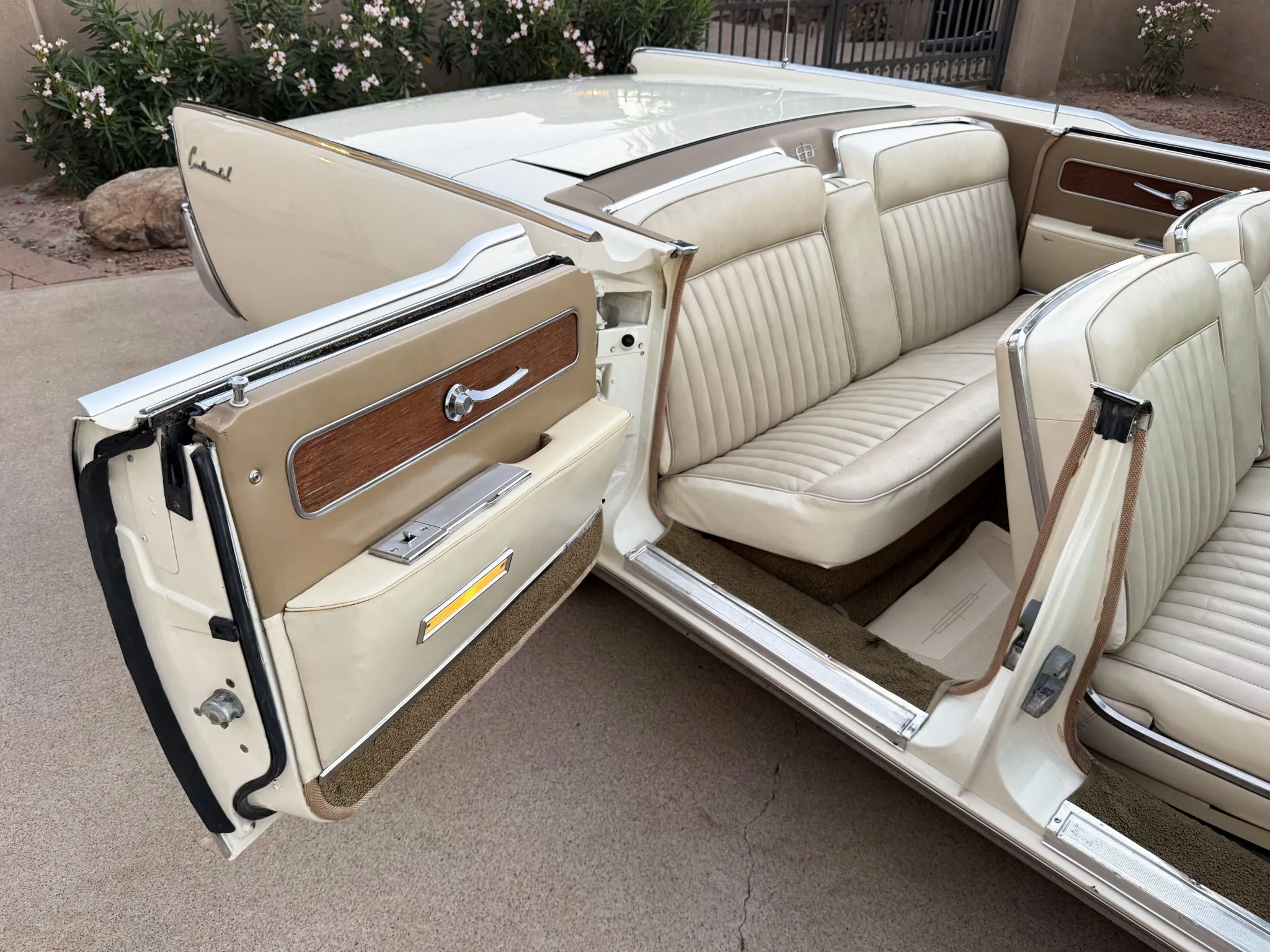
While a two-door was off the table for the moment, Lincoln-Mercury decided they could still afford to offer a four-door convertible, which could share its doors and lower body sheet metal with the sedan to keep the additional tooling costs to a minimum.
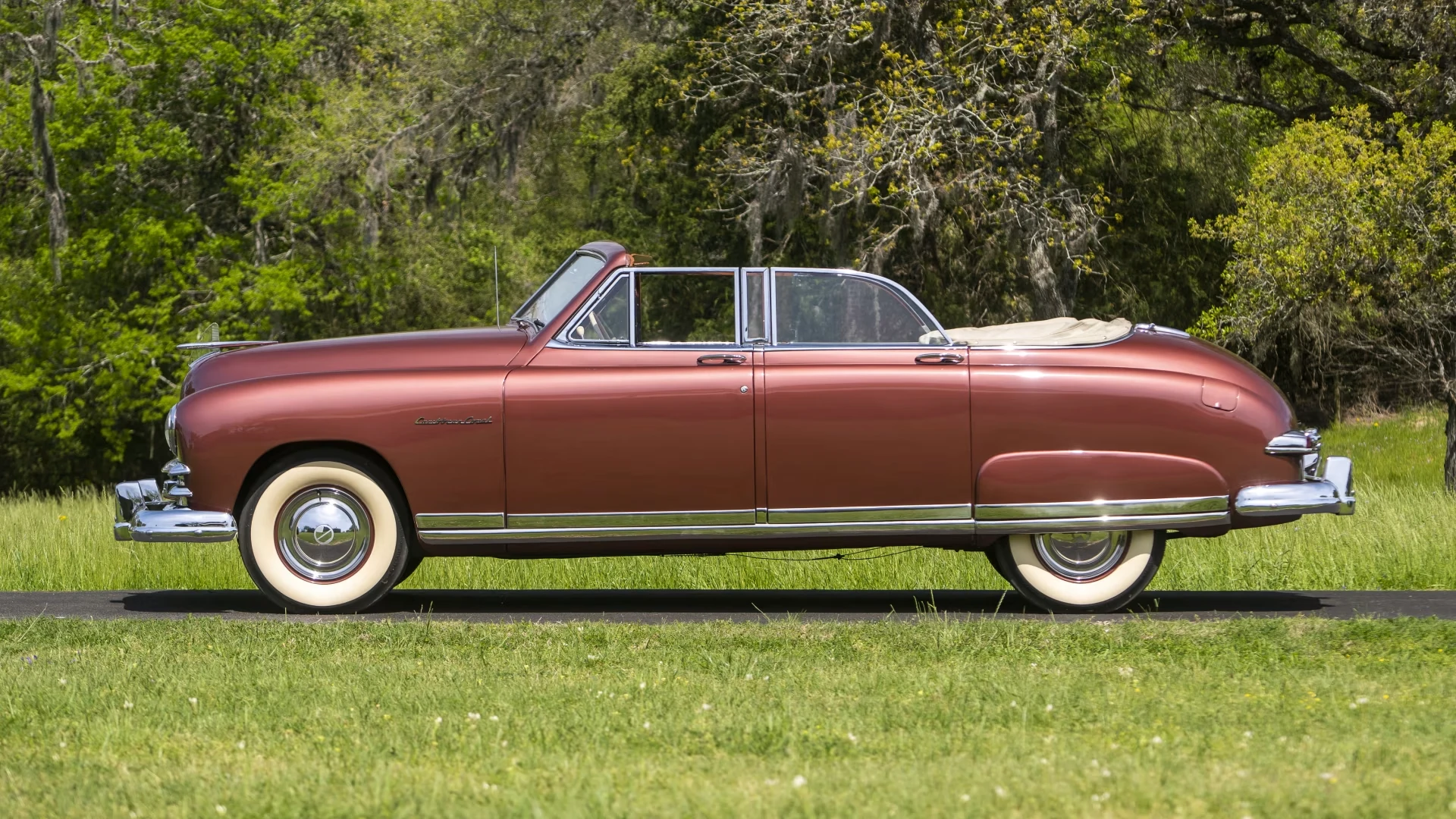
Four-door open cars hadn’t been common since the early ’30s, and I don’t know that people who’d owned or ridden in older four-door touring cars or phaetons remembered them very fondly, but there had been a few convertible sedans since then. From 1949 to 1951, Kaiser-Frazer had offered Kaiser and Frazer four-door convertibles, also contrived to minimize the additional tooling expenditure. These were quite rare in production, but they’d had some value as traffic-builders for dealers.
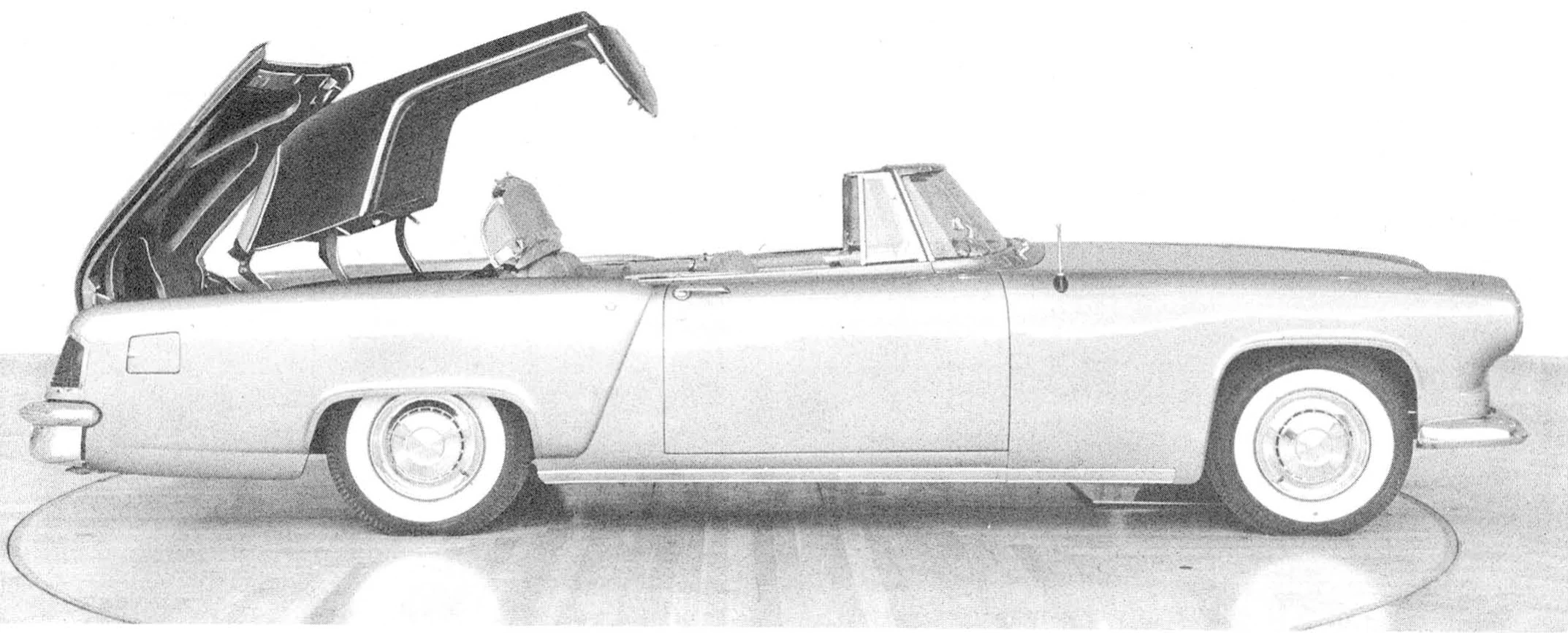
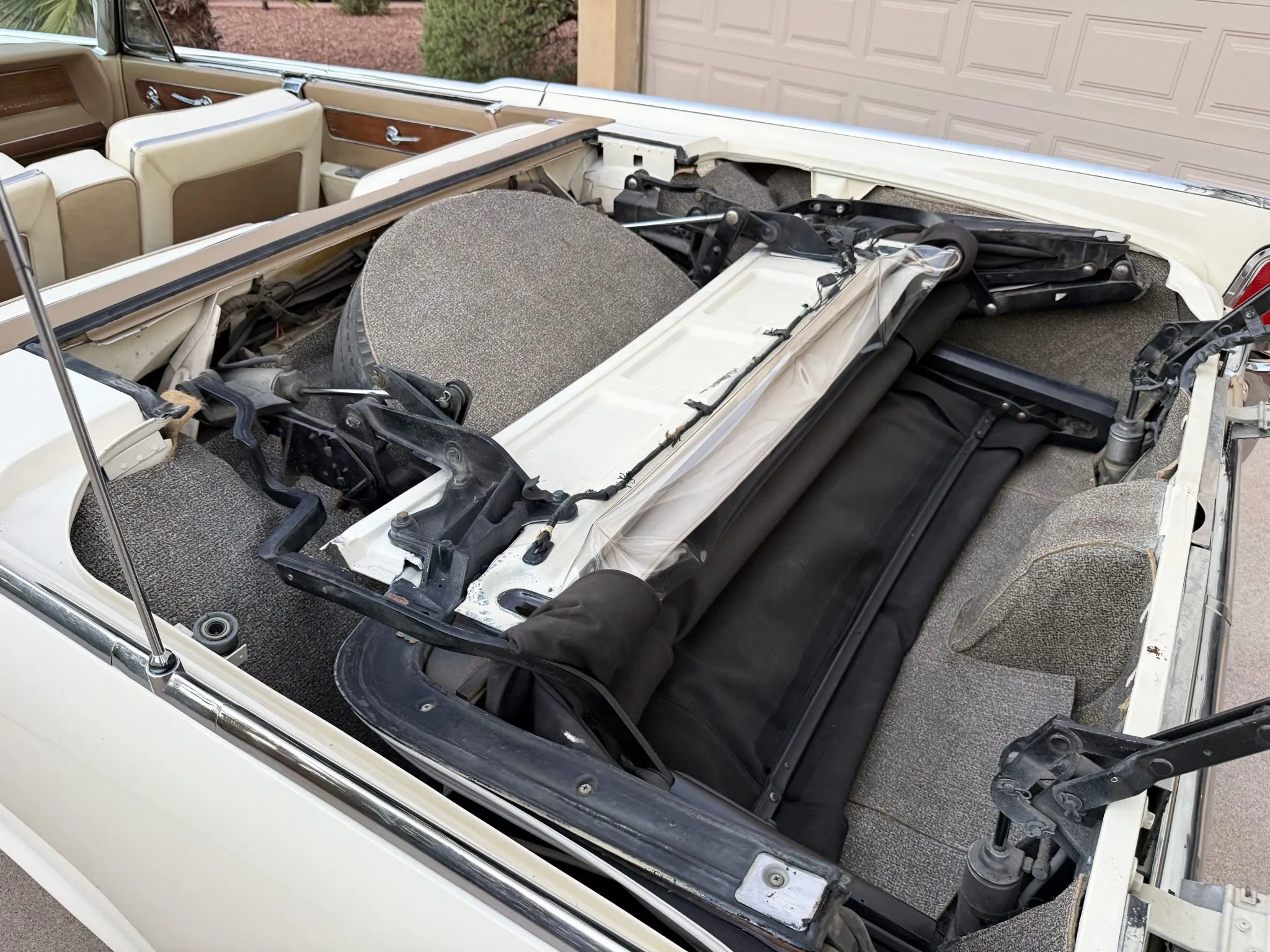
The top mechanism for the Lincoln convertible was adapted from the system used in the 1957–1959 Ford retractable hardtop, which had also been planned for an abortive Continental Mark II convertible. This system was complicated, but it leveraged existing hardware and previous development work, which represented a useful cost savings. I think the additional advantage it presented for Lincoln was that it simplified the problems of finding a place for the convertible top well, since when retracted, the top was stowed beneath the rear-hinged rear deck.
The top mechanism was controlled by four hydraulic cylinders, each with its own reversible electric motor and pump; three solenoid valves controlled hydraulic pressure application. There were eleven relays and five circuit breakers.
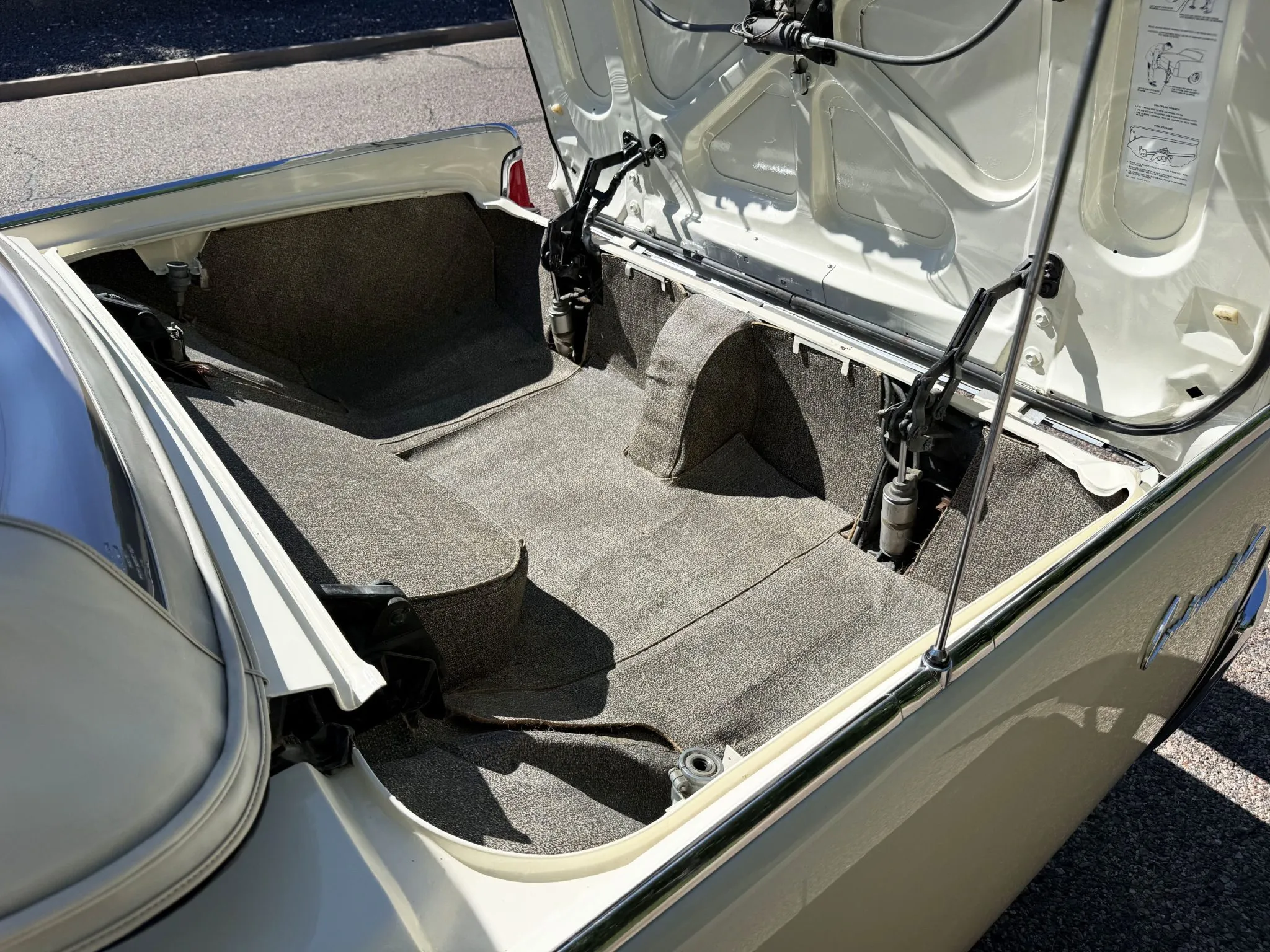
A consequence of this bulky top mechanism was that it left little room for luggage. The 1961 Continental sedan wasn’t generous in this regard, with only 10.5 cu. ft. of usable luggage space, but the convertible had just 7.5 cu. ft. with the top retracted, no better than some later pony cars that were more than 2 feet shorter overall.
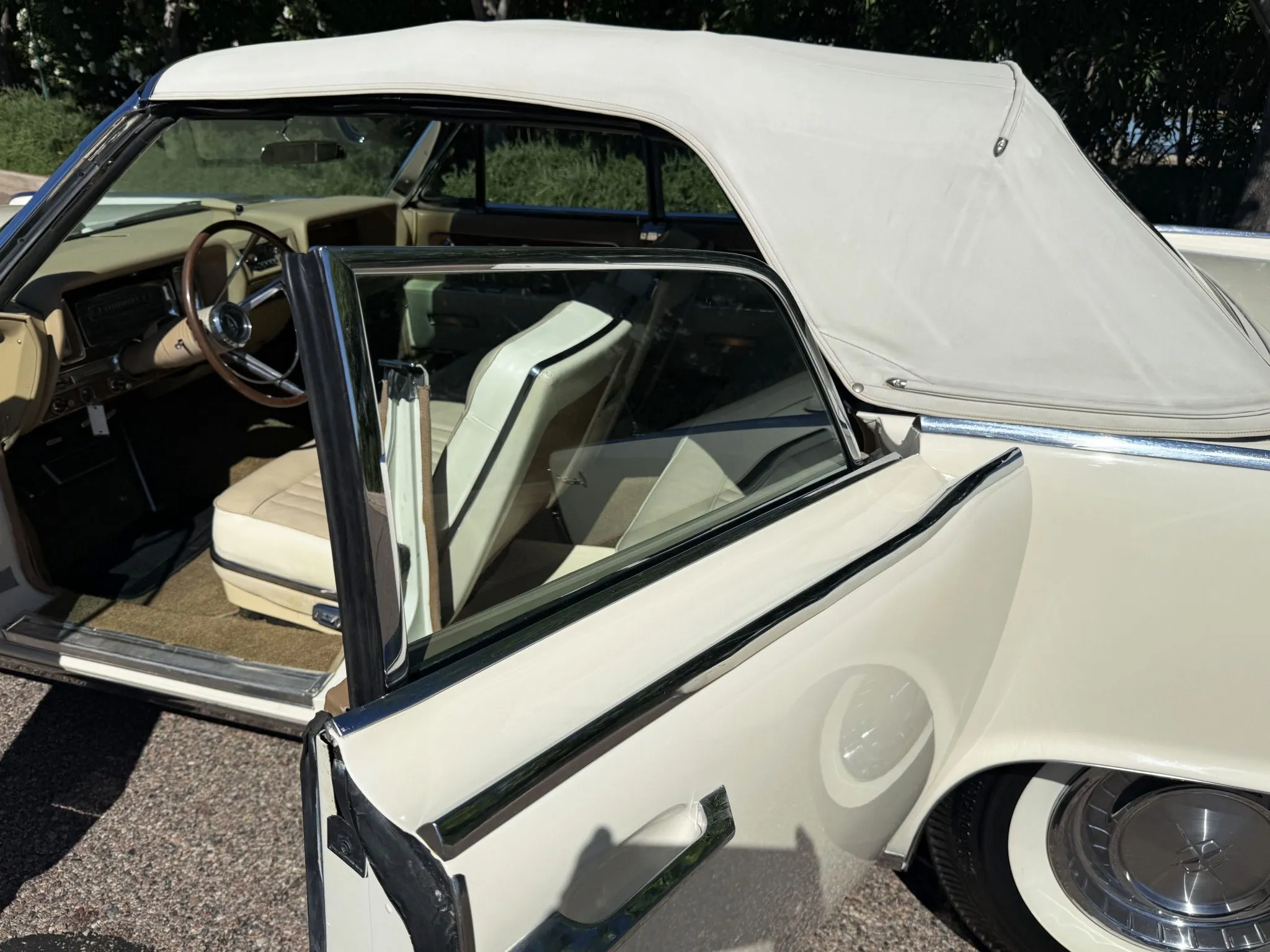
An additional complication appeared during development of the convertible: The rear side windows couldn’t safely clear the top if a rear door was opened with the top erected. Since electric power windows were to be standard on the 1961 Lincoln, the eventual solution was to rig each rear window to automatically lower 4.5 inches when the door was unlatched, keeping the window and the convertible top safely apart.
The 1961 Lincoln would be built alongside the Thunderbird at the Ford Wixom assembly plant, and the two cars shared some structural commonality. Both had unit bodies, which made them very stiff, but created various challenges for controlling noise, vibration, and harshness (NVH). D. Richard Veazy, who developed the low-slung driveline for the 1961 Lincoln, called the NVH issues “extremely nasty to deal with,” noting that each stage of development seemed to reveal new problems.
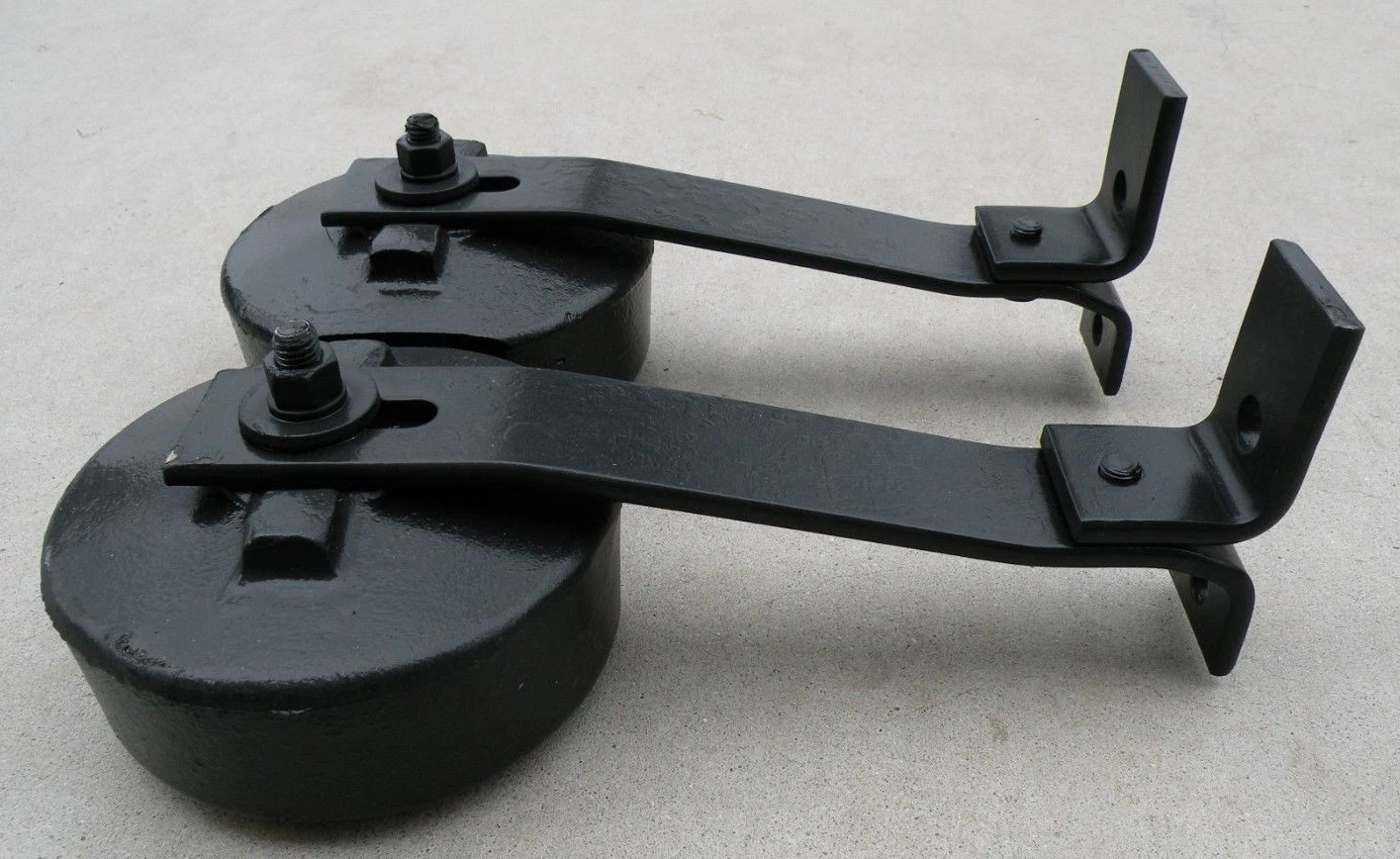
Although the unitized four-door convertible body was still quite rigid without a roof, development testing revealed harmonic vibrations at certain speeds between 51 mph and 62 mph. Lincoln-Mercury solved these by adding harmonic damping weights at each corner of the car, each carried on a small quarter- leaf spring. Each assembly weighed around 25 lb, and served to damp the offending vibrations.
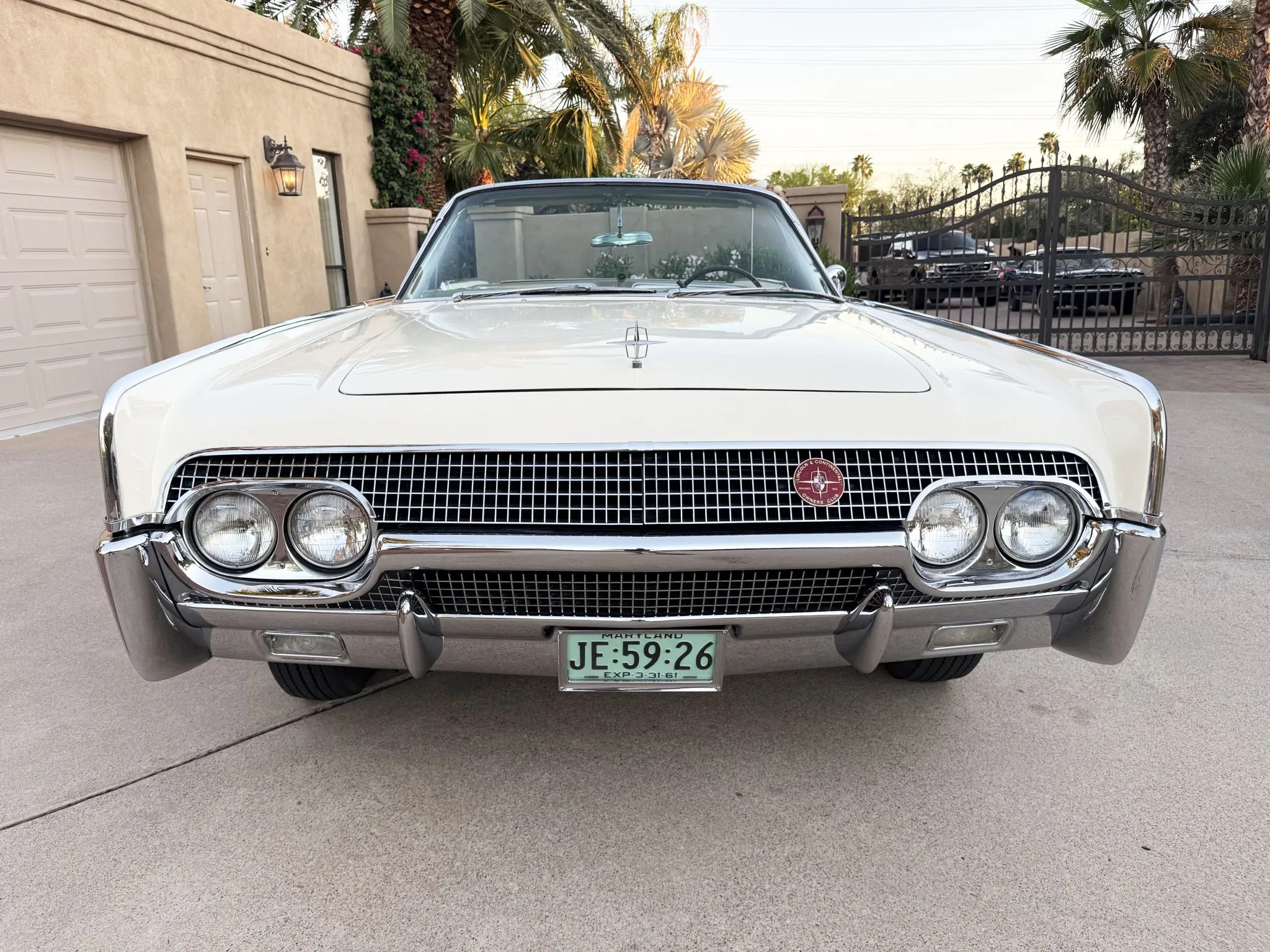
As it finally entered production for the 1961 model year, the Lincoln Continental convertible had a base curb weight of 5,403 lb, some 288 lb heavier than the Continental sedan. About 15 lb of that was due to the larger tires, 100 lb was due to the damping weights, and the rest was the complicated top mechanism. Ordering air conditioning, a $504.60 option, added a further 103 lb. Lincoln advertising actually boasted of the new model’s prodigious weight, proclaiming, “The Lincoln Continental is over 350 pounds heavier than other convertibles in the luxury car field which contributes to its exceptional roadability and supreme riding comfort.”
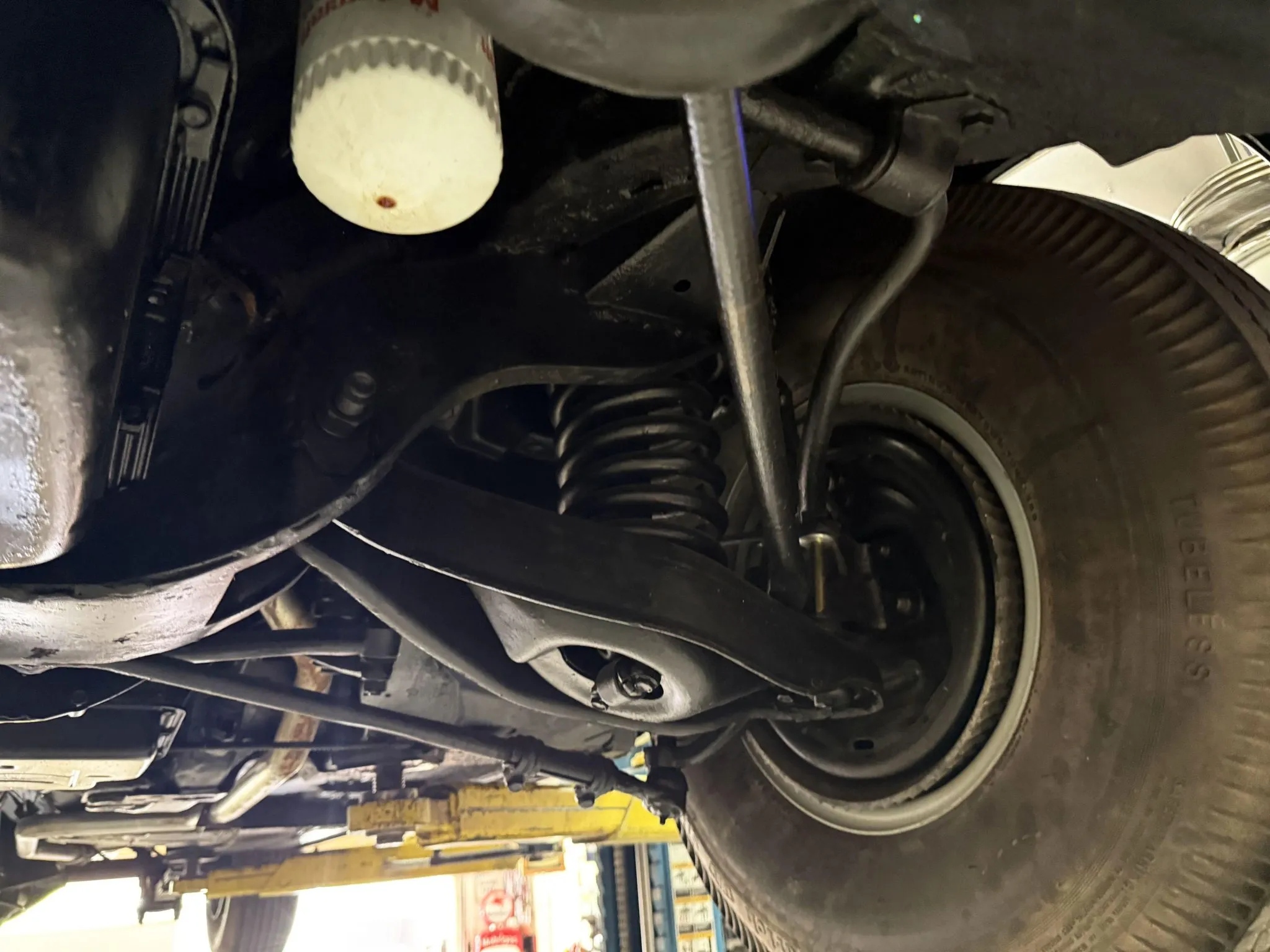
To cope with the additional mass, Lincoln-Mercury specified finned aluminum front brake drums with cast iron liners for the convertible, but the swept area was still only so-so for a car this heavy. Front disc brakes, which became standard for 1965, were a big improvement.
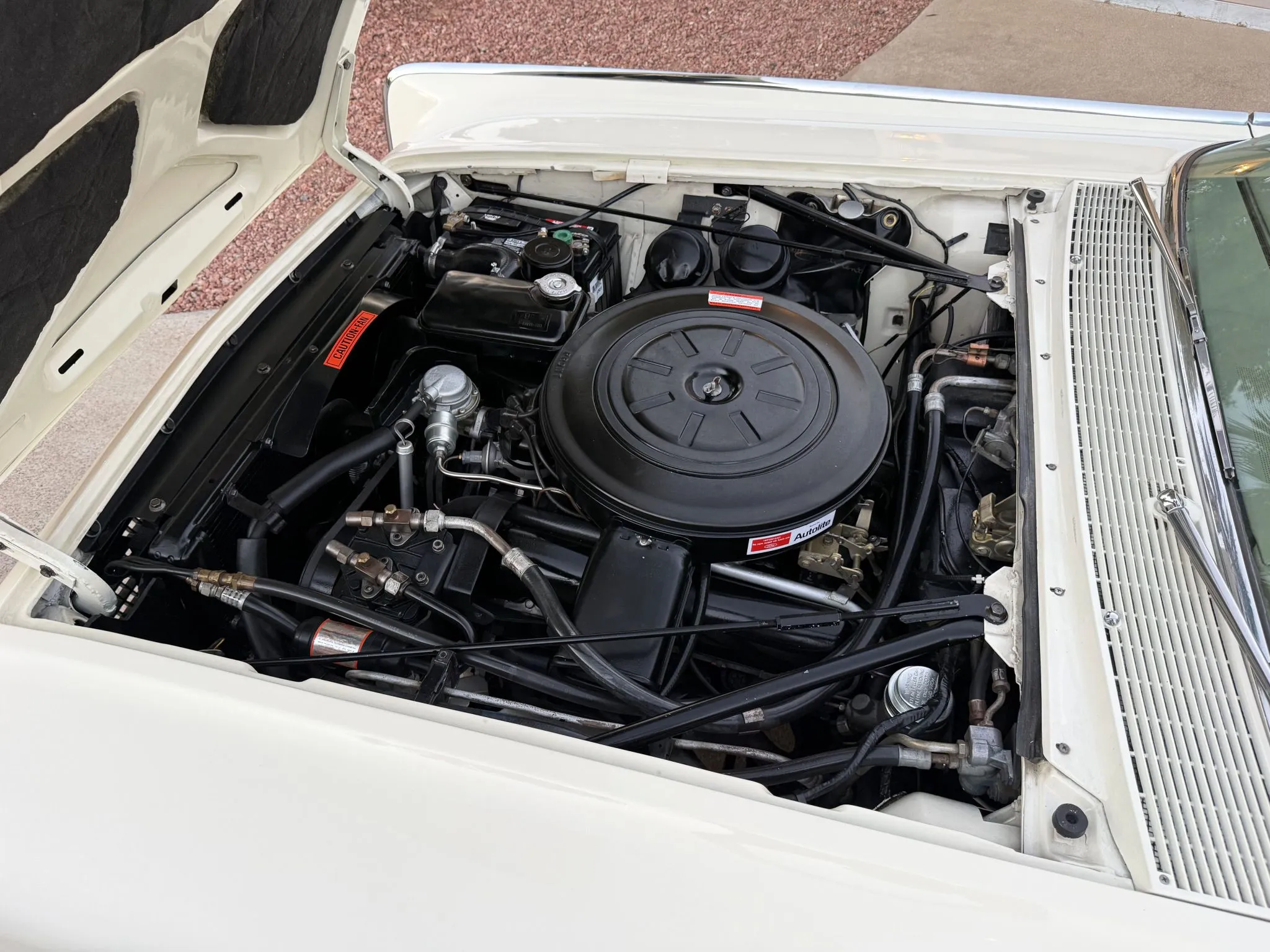
Acceleration was originally on the leisurely side. In 1961 and 1962, the big 430 cid MEL engine had a two-barrel carburetor, which limited its output to an unexceptional 300 gross horsepower (although dual exhausts were standard). The standard dual-range Turbo-Drive 3-speed automatic was linked to a tall 2.89 axle, sacrificing some pep for quieter running and slightly less piggish fuel economy. With this combination, 0 to 60 mph times were upwards of 12 seconds, which was adequate, but not terribly sporting.
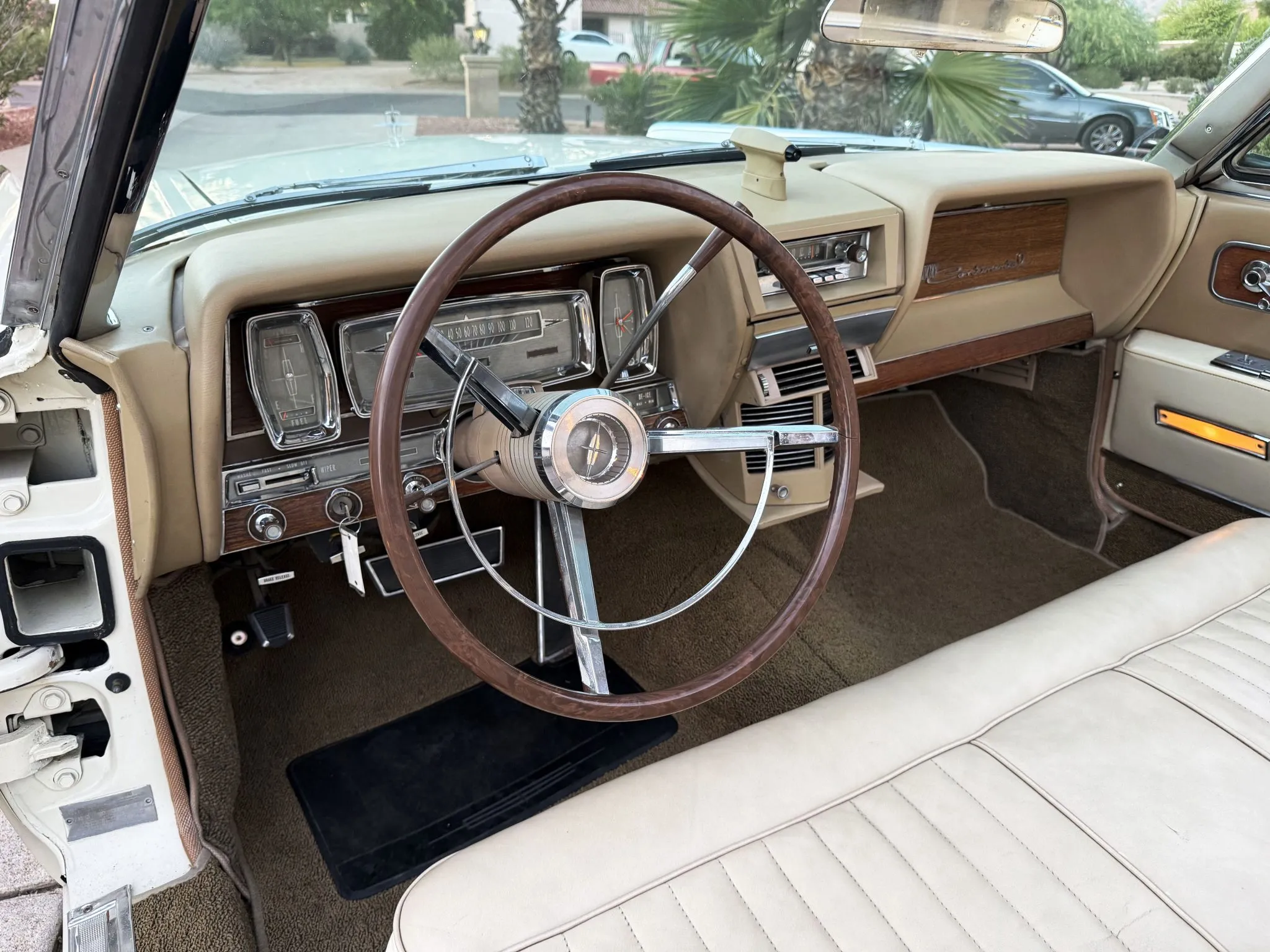
Like the sedan, the Continental convertible was lavishly equipped. Even a radio and whitewall tires were standard, so the major options were limited to air conditioning, tinted glass (required with air conditioning), a 6-way power seat, and speed control. This car has most of those, plus auto-dimming headlights.
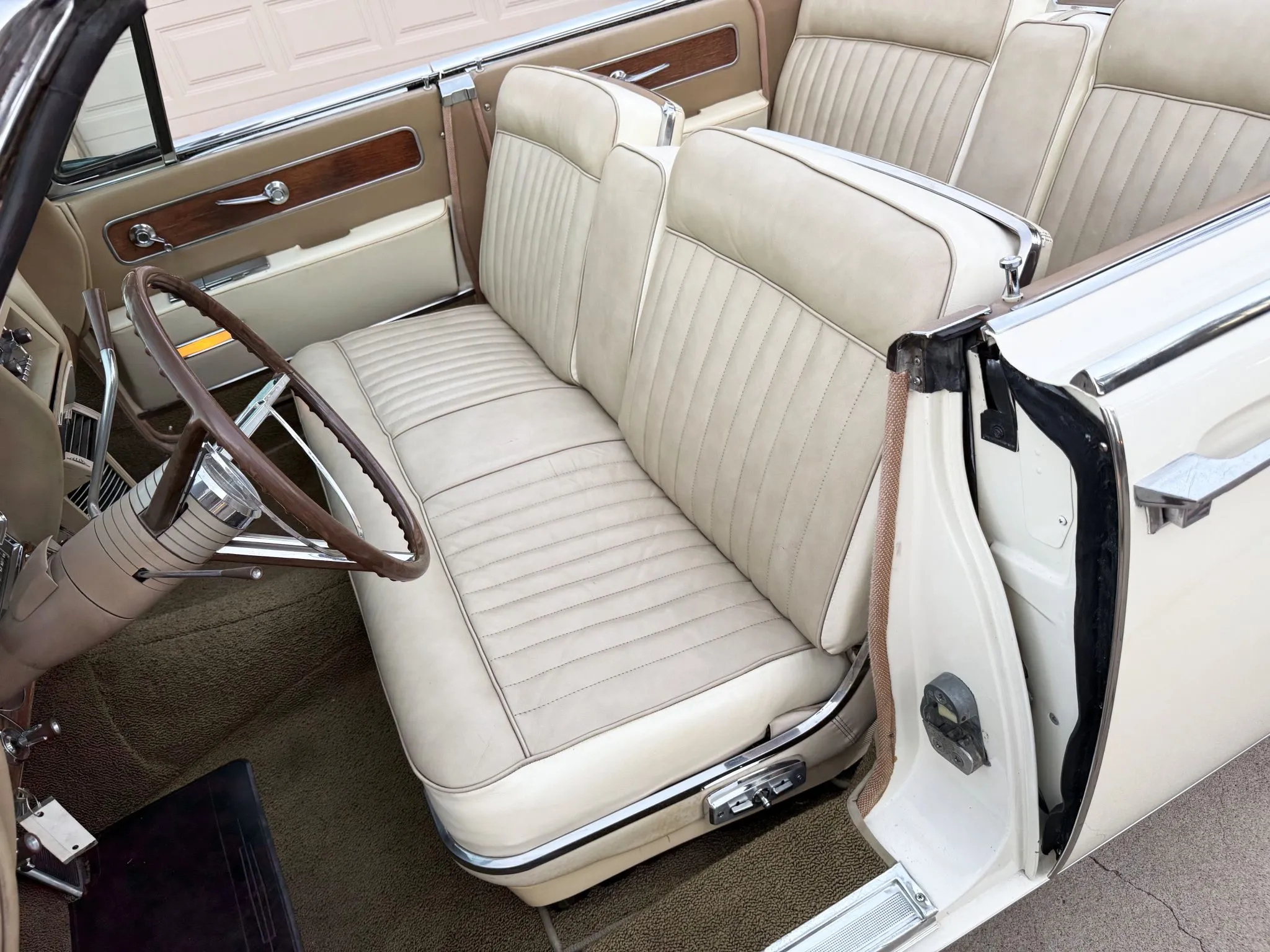
As with other contemporary high-end ragtops, leather upholstery was standard on the Continental convertible. (It cost an extra $100.00 on sedans.) Walnut paneling for the dash and doors was standard, but you could substitute brushed metal as a no-cost option.
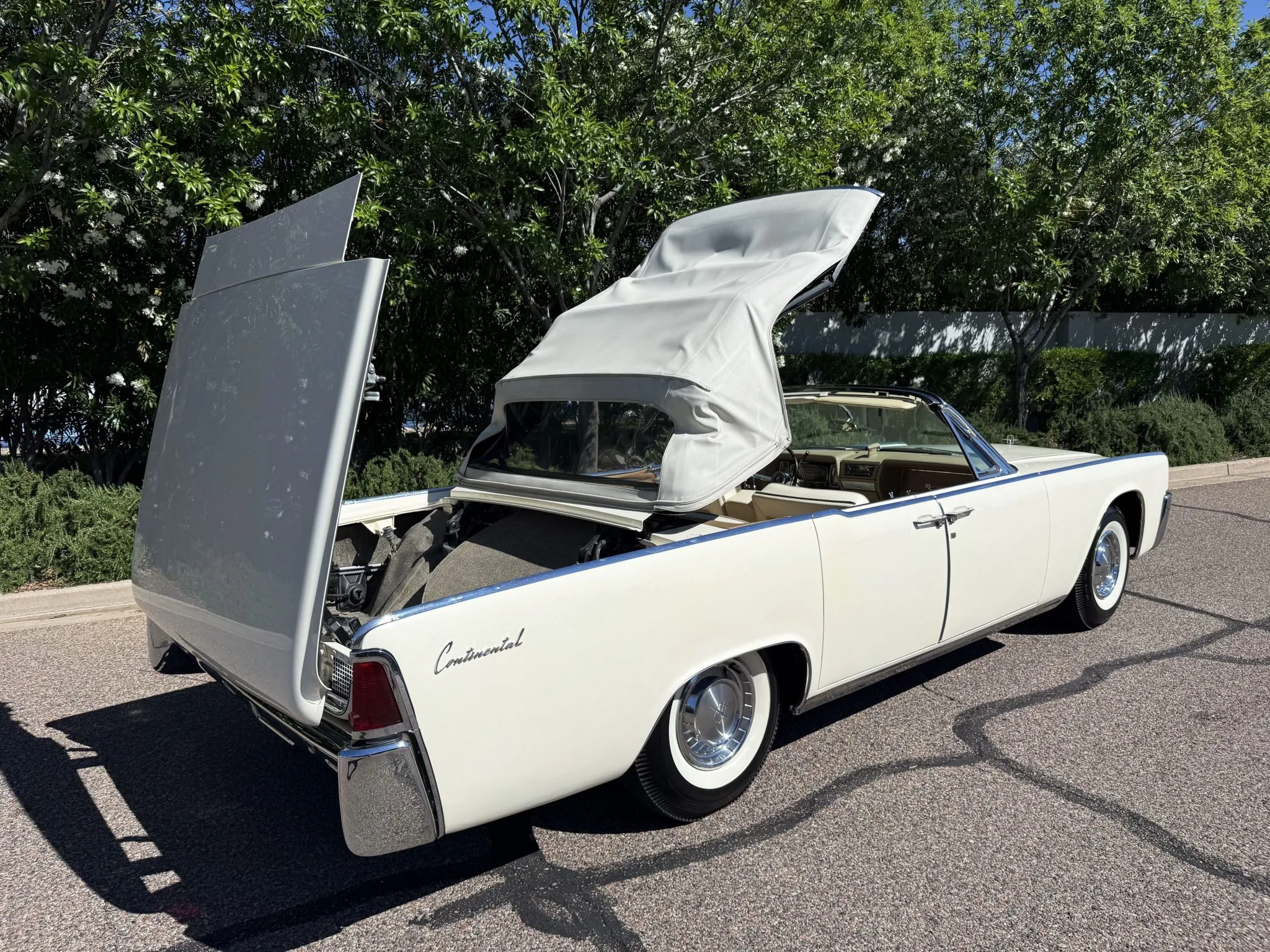
Lincoln-Mercury claimed the Continental had “The most completely automatic top on any convertible.” However, raising or lowering the top was still a fairly complicated affair. You first had to stop the car and lower all of the side windows. The instruction manual then explained:
To retract (lower the top), unfasten the rear window at the zipper and roll it up. Use the straps with the snap buttons provided to hold it in position. Pull out on the top control switch and hold it until the deck lid has fully opened. Then, making sure that nothing is stored in the luggage compartment that could interfere with the top after it has been lowered, pull out and hold the top control switch again, until the remainder of the top retracting cycle is completed.
To erect (raise the top), push in the top control switch to open the deck lid and raise the top assembly into position. After the deck lid closes and locks, release the top control switch. There are snap buttons provided at the lower front corners of the top quarter sections. These snap buttons go into sliding type fasteners located on the intermediate rear side rails. When the top is erected, it is necessary to manually push the snap buttons into the fasteners. The snap buttons slide out of the fasteners automatically when the top is retracted.
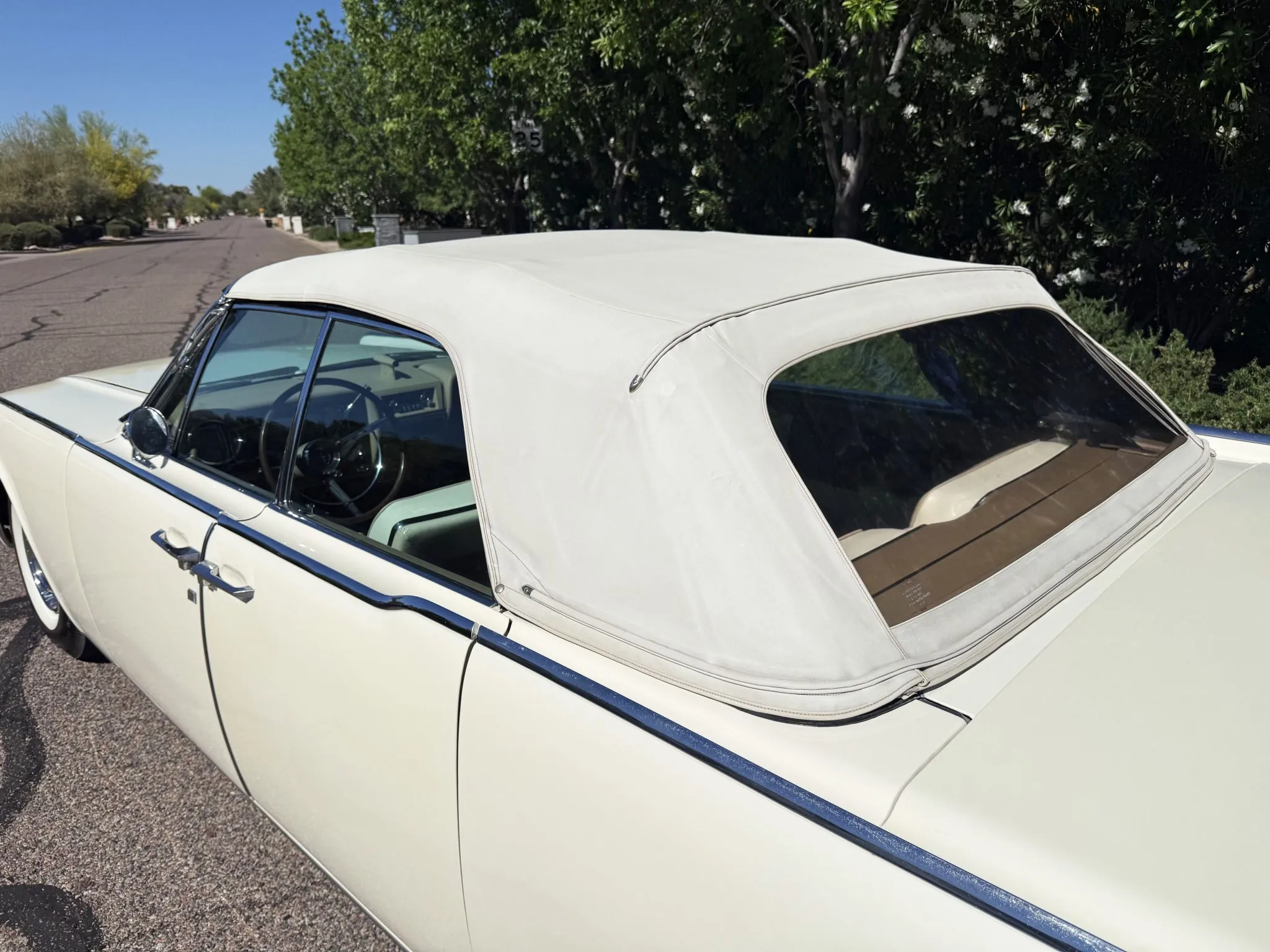
The top instructions for 1961 Cadillac convertibles, which also came with power tops, recommended pausing several times when lowering the top to fold the top material into place by hand, but you didn’t have to roll down the side windows or unzip the rear window unless you wanted to, and you didn’t have to fuss with snap retainers except when attaching or removing the top boot. On the other hand, the Cadillac mechanism wasn’t nearly as impressive in operation, and Cadillac buyers got a flexible plastic rear window rather than glass.
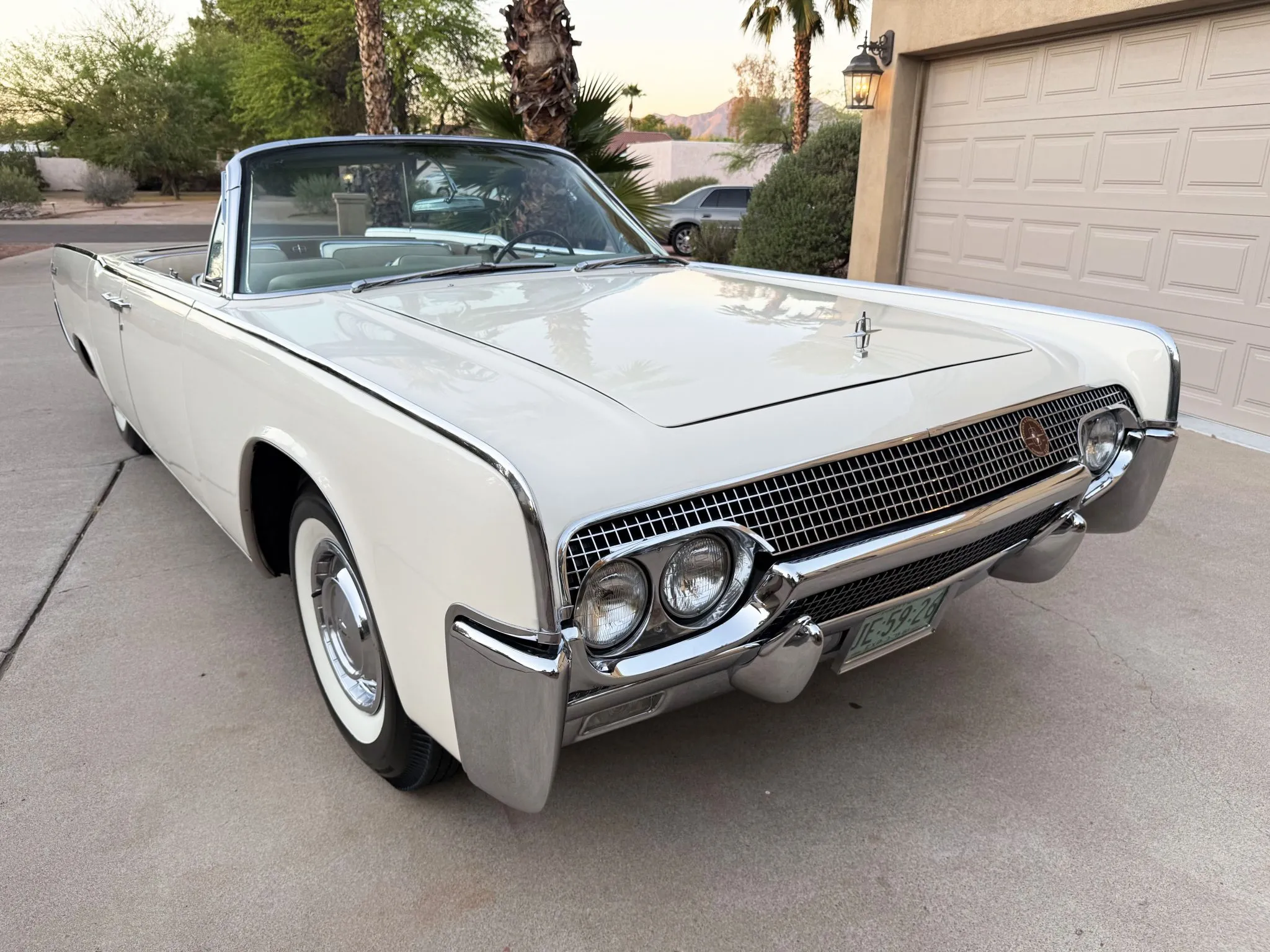
With its extensive standard equipment list, even the 1961 Lincoln Continental sedan was expensive, starting at $6,067. The convertible was an extra $646, starting at $6,713. With air conditioning, tinted glass, and a power seat, the sticker price ran to $7,390.20, a relative worth of about $103,000 in 2025 dollars. Both the convertible and sedan boasted what Consumer Reports dubbed a “do-or-die quality-control program” and a 24-month/24,000-mile warranty, much longer than the contemporary norm.
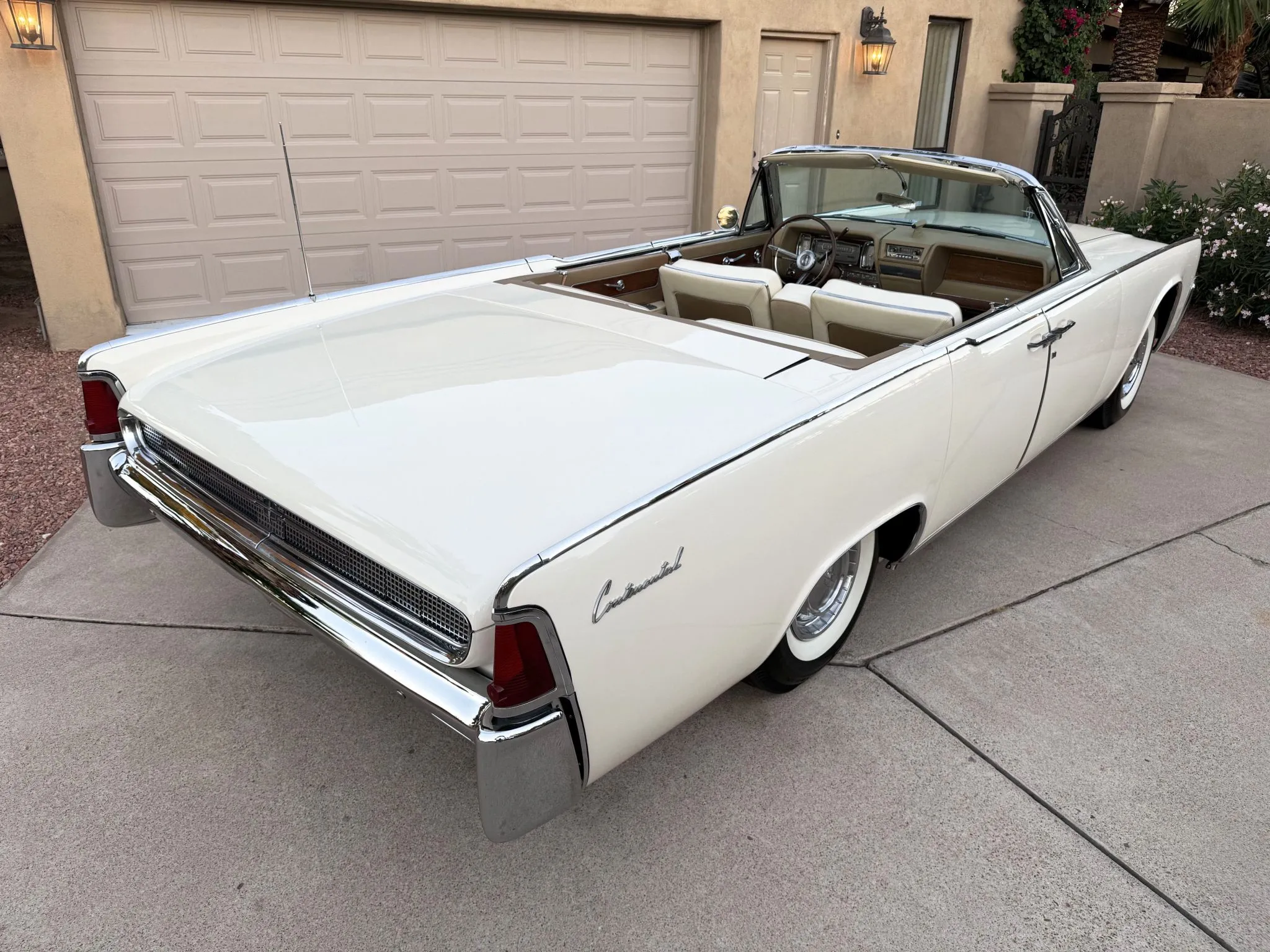
Considering its price, it was no surprise that the Continental convertible was never a big seller. Model year production of the convertible relative to total Continental production was as follows:
- 1961: 2,857 of 25,164
- 1962: 3,212 of 31,061
- 1963: 3,138 of 31,233
- 1964: 3,328 of 36,297
- 1965: 3,356 of 40,180
- 1966: 3,180 of 54,755
- 1967: 2,276 of 45,647
Only 21,347 convertibles in seven years was peanuts by Detroit standards — by comparison, Cadillac sold 16,950 convertibles just in the 1961 model year — so you can understand why no other automakers rushed to follow Lincoln’s example with their own four-door convertibles.
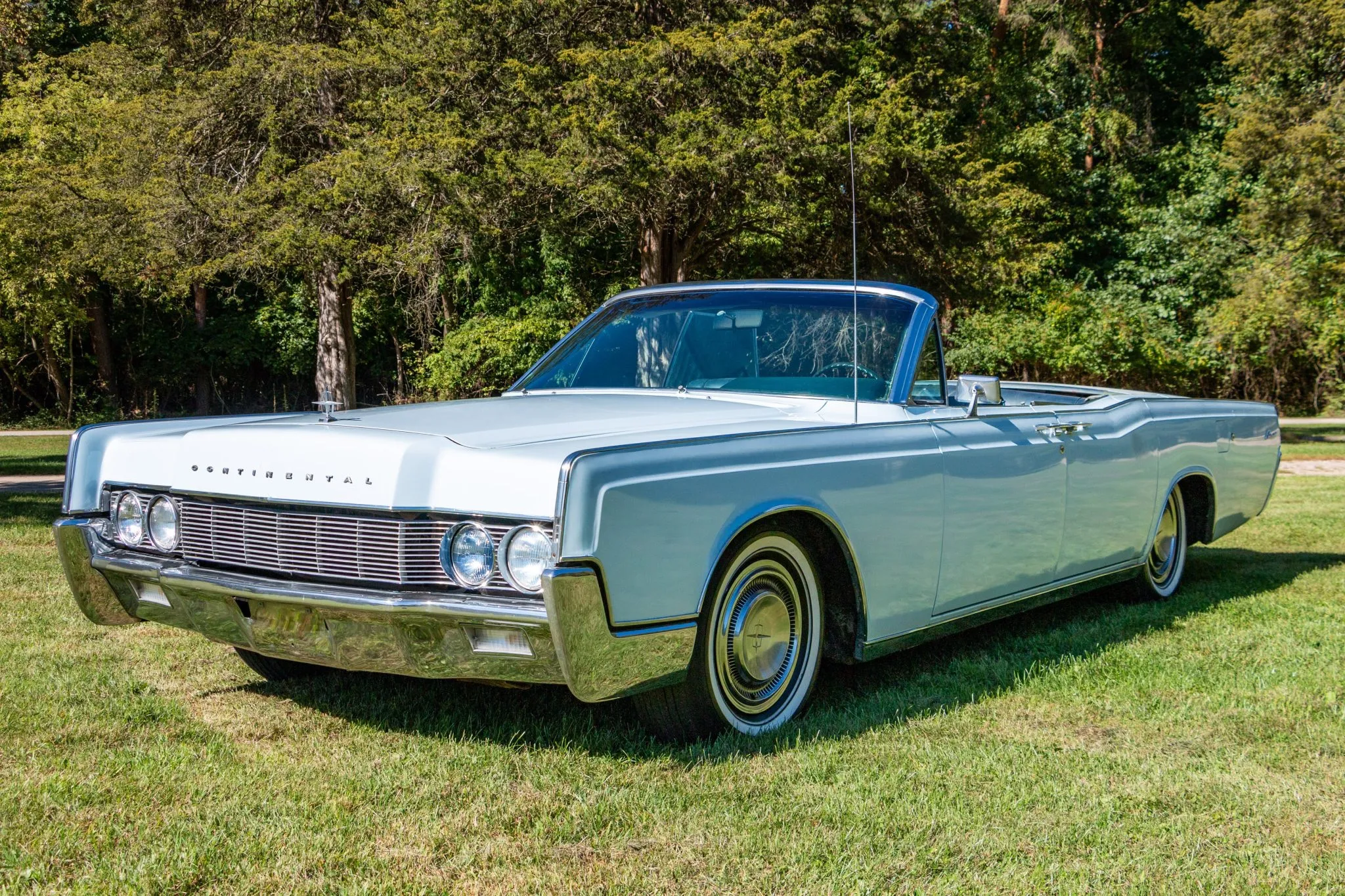
Lincoln-Mercury finally pulled the plug on the Continental convertible after 1967, a year after a two-door hardtop was added to the Continental line for the first time since 1960.
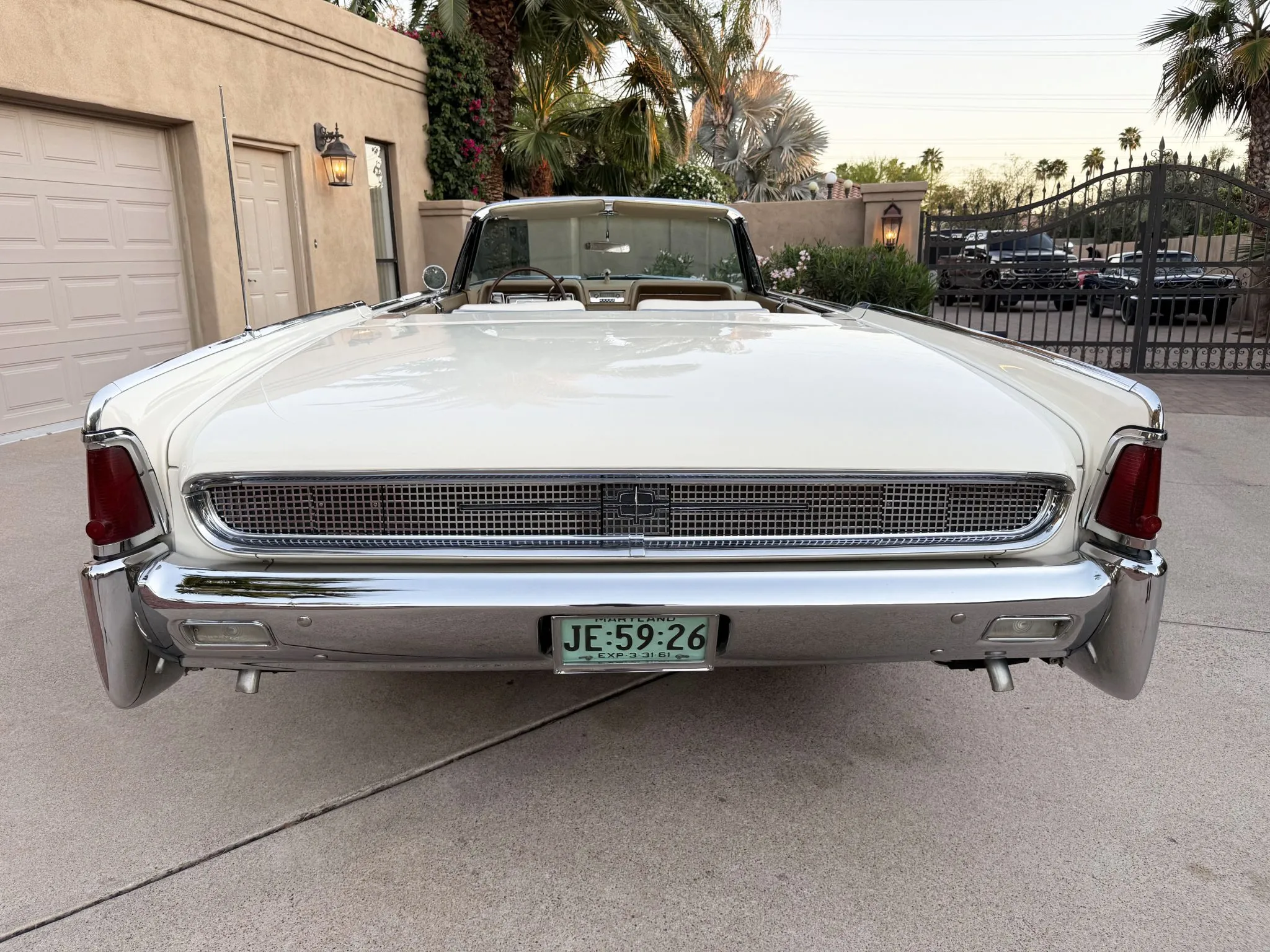
Nevertheless, being unique and novel also made the Continental special, in a way a contemporary Cadillac Series 62 or De Ville convertible was not. The Lincoln still turns heads even of jaded car show attendees, and it remains a conversation piece, especially when the top is erected or retracted. Looking through online sale and auction listings for 1961–1969 Continentals finds the convertible disproportionately represented, and nice ones can fetch impressive prices. The Solana White example pictured here sold for $124,000 on Bring a Trailer in April 2026.
Related Reading
Vintage Car Life Road Test: 1961 Lincoln Continental Sedan – “The Best-Looking American Car Built Today” (by Paul N)
The Missing 1961 Lincoln Continental Hardtop – It Was Cancelled At The Last Minute (by Tom Halter)
Junkyard Classic: 1962 Lincoln Continental – Ashes To Ashes, Dust To Dust (by Jim Klein)
1963 Lincoln Continental Sedan: When Interior Upholstery Choices Mattered More Than 0–60 Times (by me)
Lincoln Continental Vs. Cadillac Sedan De Ville – Which Held Its Value Better In The Early 1960s? (by me)























This was an interesting dive! One other possible reason for choosing to develop the convertible sedan instead of a 2 door was that in the 1958-60 generation the (2 door) convertible outsold the 2 door hardtop each year. This would have been one more reason to avoid the expense of tooling a 2 door.
Also, it is my understanding that the 1958-66 Thunderbirds also used the same basic convertible top mechanism that these Continentals used, which almost certainly provided additional cost savings in design and construction of the components
Finally, the convertible sedan body style had a brief run of popularity in the late pre-war years, with most manufacturers offering one. When it had been offered, it had been one of the most expensive body styles of any line it had been in, so I think these might have been more of the image the stylists and product planners had in mind as opposed to the Kaiser/Frazer cars.
The self-lowering rear door windows were not designed to clear the top. It was designed to clear the front door window as the rubber gasket was on the rear window and made the seal from behind. The rear windows automatically slid rearwards an inch or so besides lowering halfway for the gasket to clear the front door window, not the convertible top.