
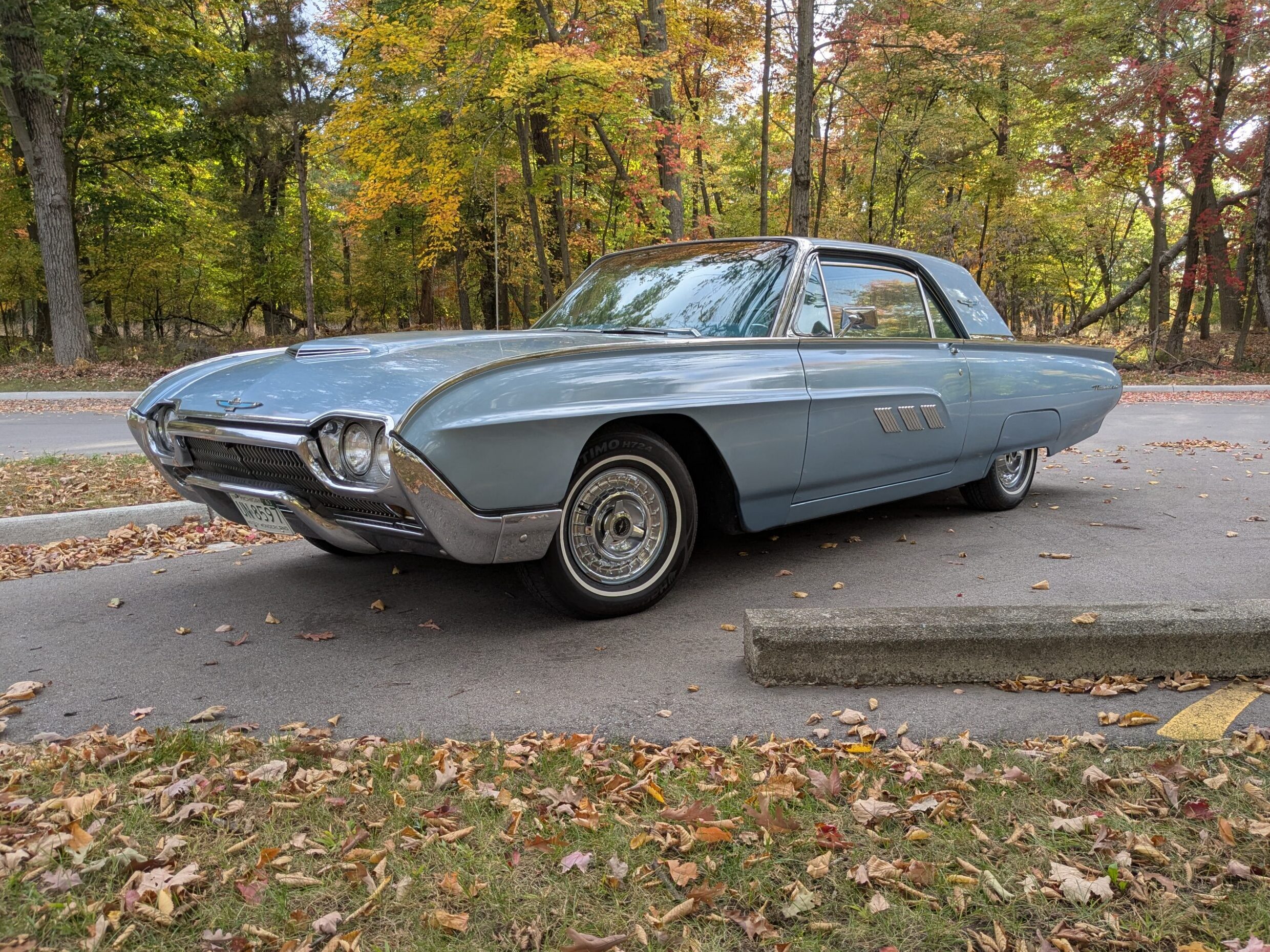
If you’ve ever owned an old car, you know the noise, that slight tick-tick-tick-tick under acceleration that lets you know that exhaust work is going to be added to the to-do list in your shop. Some engines are more susceptible to exhaust leaks than others, and the Ford FE is one of them, but before I began the unenviable task of unbolting exhaust manifolds in the tight confines of a T-Bird engine bay, I wanted to make sure.
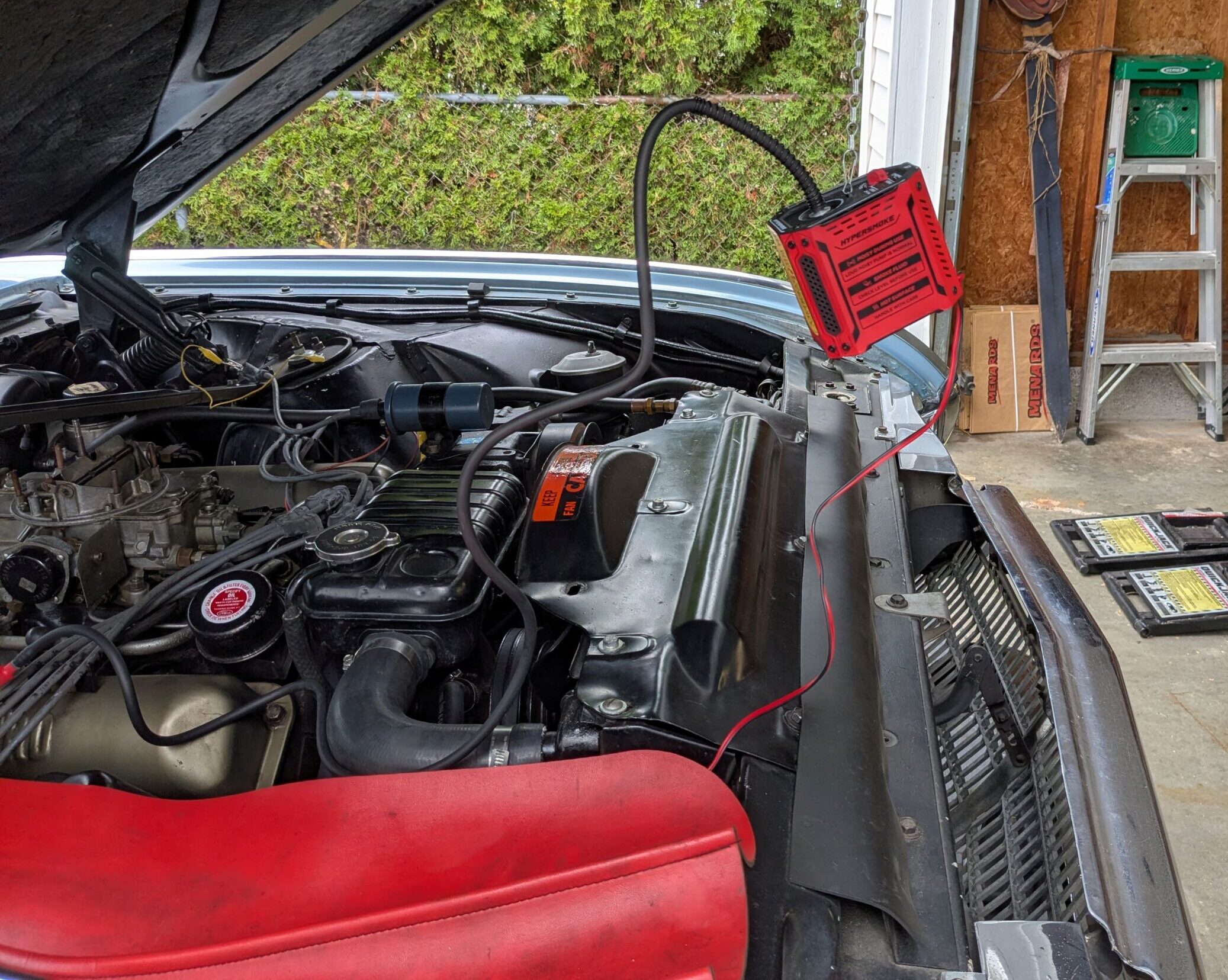
And I didn’t want to perform the time-honored, hand-burning tradition of feeling for the leak with one hand while goosing the throttle with the other, so I pulled out the smoke machine I bought when I was searching for vacuum leaks on my Volvo 1800’s B18B. After being clipped to the battery’s terminals, it heats an element and turns the “smoke fluid” inside (it’s refillable) into smoke. All that’s left to do is direct the smoke into the right spot to check for leaks.
Here’s the smoke machine in action on my Volvo. Soon afterward, I sent the SU carburetors out to be rebushed, not that I needed the smoke machine to tell me they were loose.
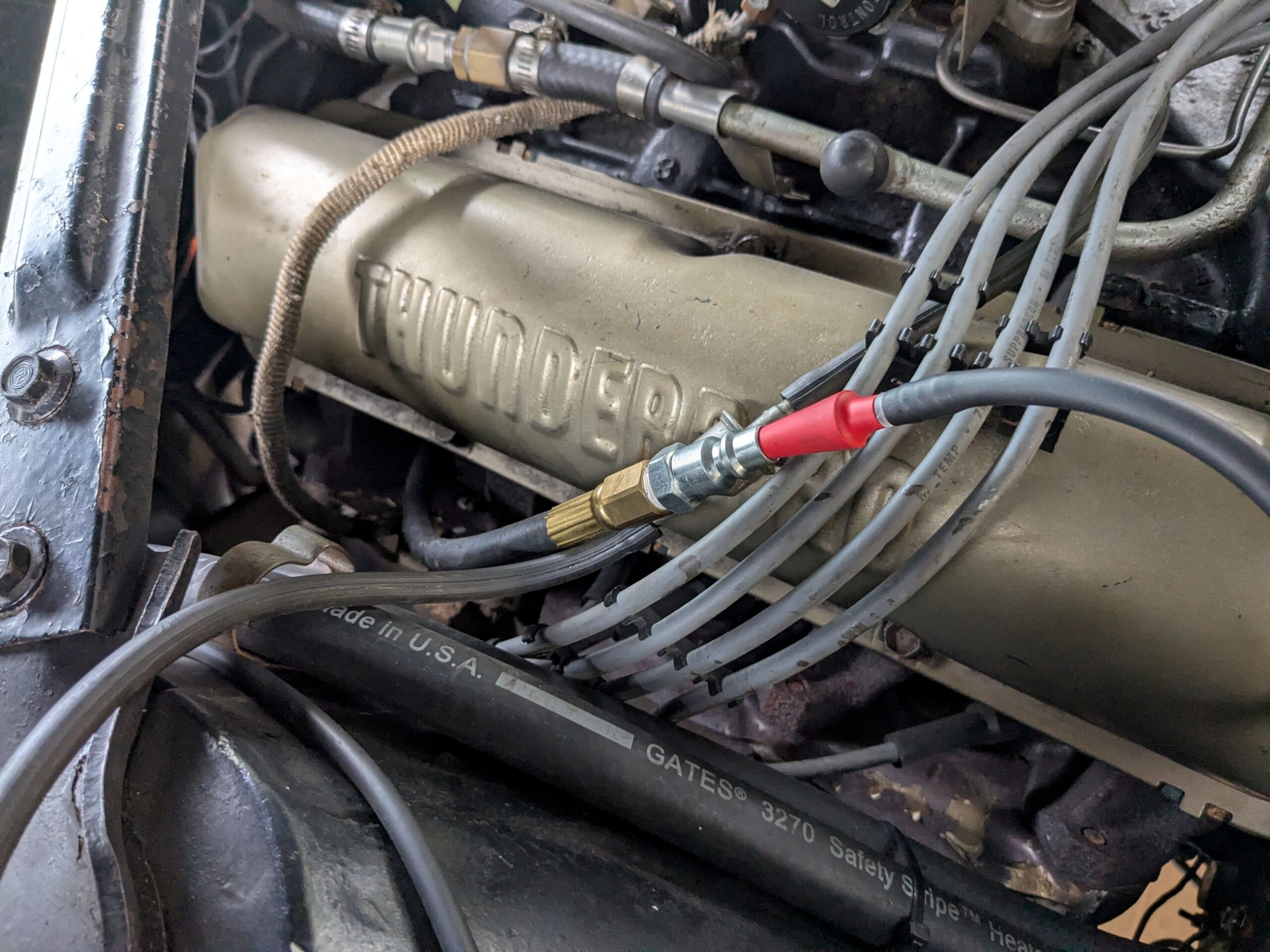
In the case of the Thunderbird, I could hear the ticking at the rear of the passenger side exhaust manifold, but I wasn’t sure if it was the manifold itself or the exhaust donut where the manifold bolts to the Y-pipe. I have a hose that threads into a spark plug hole that I use for pressurizing cylinders for a variety of reasons, such as removing valve springs to replace valve seals or listening for the telltale compressed-air hiss past bad valves or rings. In this case, I hooked it up to cylinder number four to direct the smoke into the exhaust manifold directly from that cylinder.

I did, however, have to make sure that the exhaust valve was open, so instead of pulling off a valve cover, I pulled out my Depstech borescope, which has an articulating camera that I can adjust to look up toward the valves inside the cylinder.
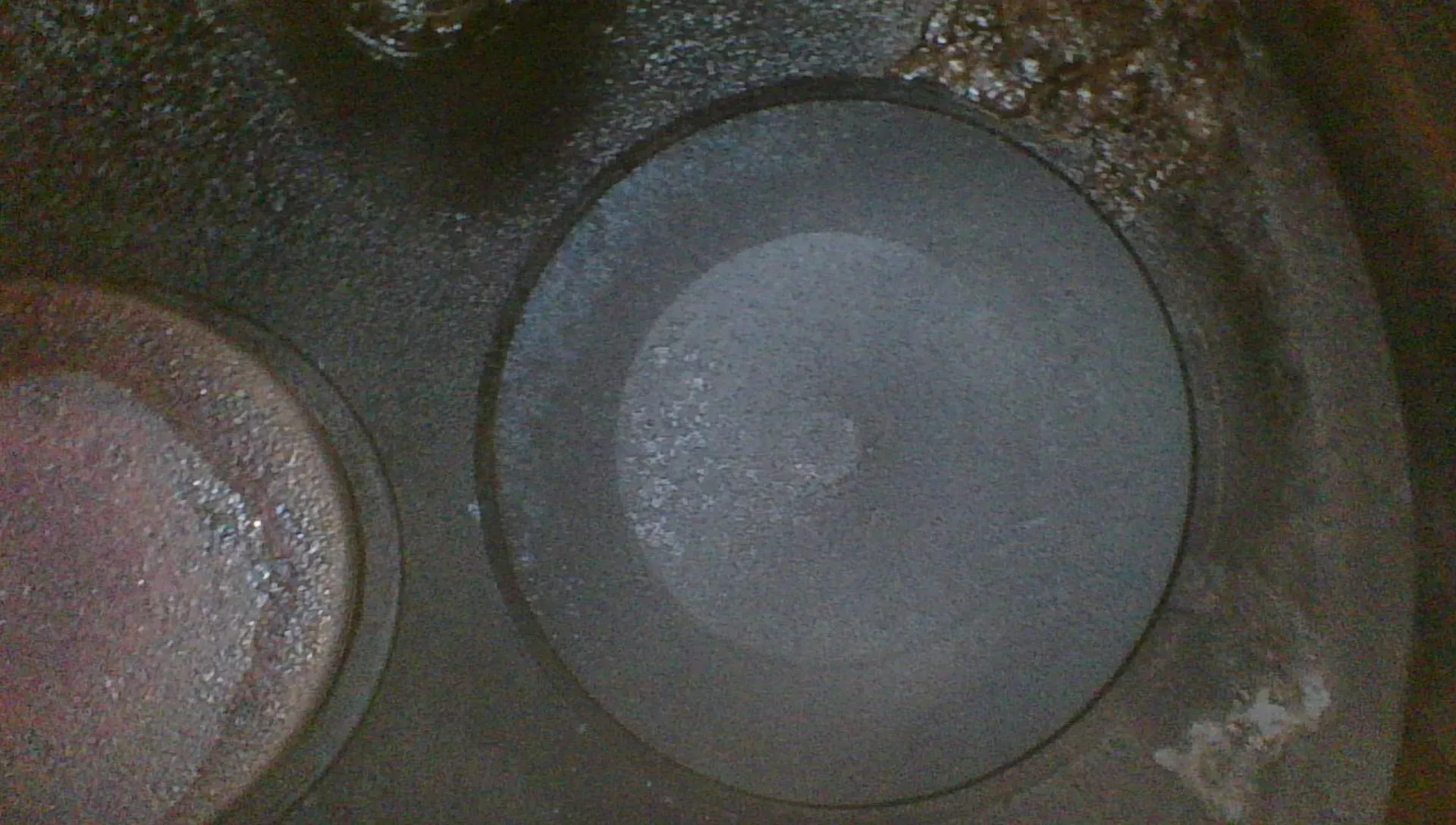
Once I get working, I sometimes forget to take pictures, and indeed I didn’t take a picture of the T-Bird’s cylinder-four combustion chamber; however, it looked something like this. I disconnected the coil wire and grounded it so I could bump the engine on the starter and open the exhaust valve (after removing the camera from the cylinder, of course).
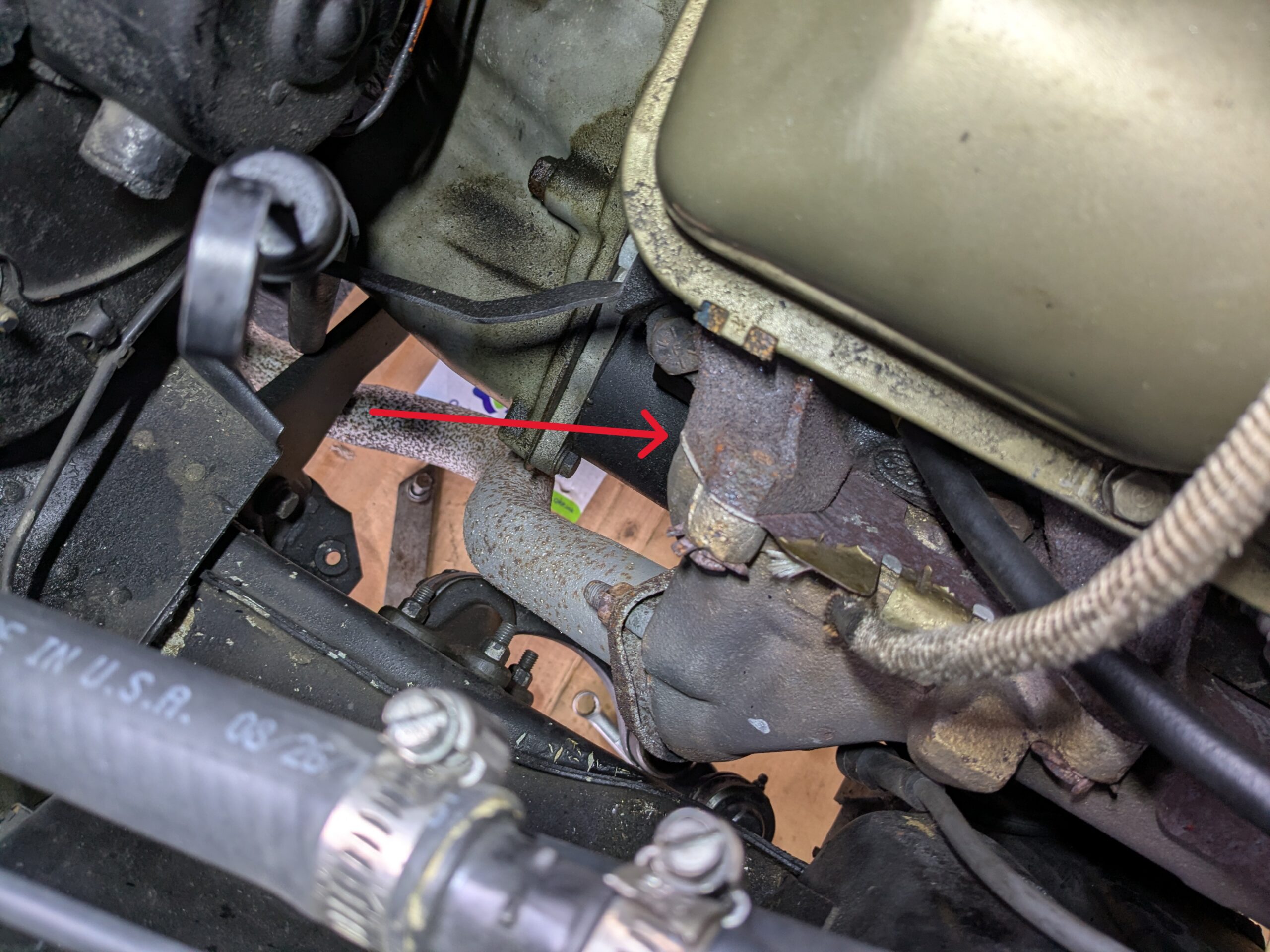
Once the valve was open and the smoke machine attached, I found the slightest wisp of smoke coming from the rear of the exhaust manifold (the camera didn’t pick it up), which is exactly what I was afraid of. Ford FE engines are fairly well known for this kind of leak, and it wouldn’t be a big problem except for how disastrously inaccessible anything in a 1963 Thunderbird’s engine compartment is. I will certainly have to unbolt the mount and jack up the passenger side of the engine, and at that point, there’s no point in not doing the driver side, which is even harder to reach (the air conditioning compressor, power steering pump, and steering box are all in the way).
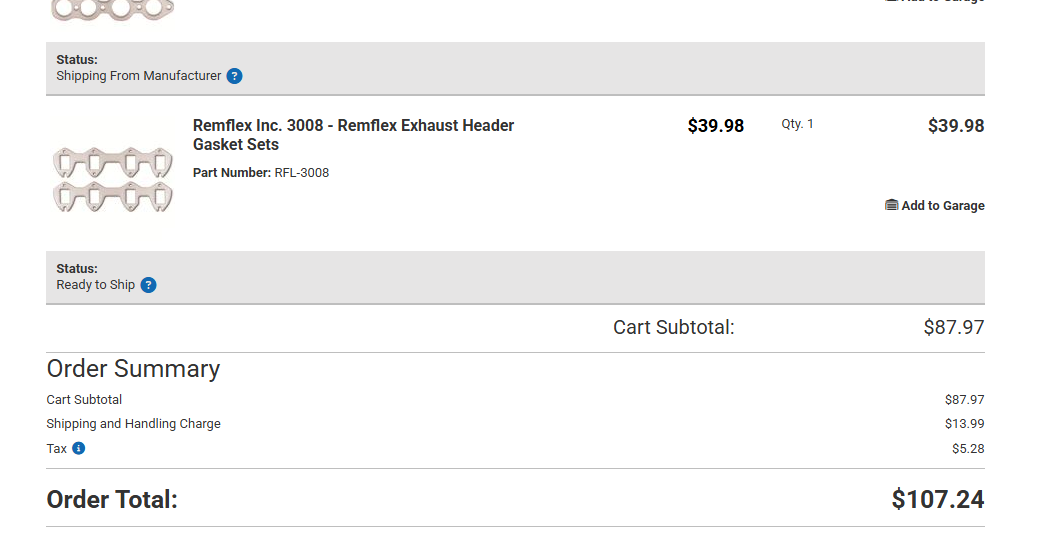
With that bleak outlook, I ordered a pair of excellent Remflex gaskets so I don’t have to deal with it again anytime soon. I also ordered some for my straight-eight Buick, which also has an exhaust leak. That engine didn’t use gaskets from the factory, but as you might imagine, 73-year-old iron isn’t always as flat as it once was, so most owners use gaskets these days. Unfortunately, that huge manifold moves around quite a bit during heat cycles, destroying most gaskets quickly; the Remflex stands up five times better than anything else I’ve tried.
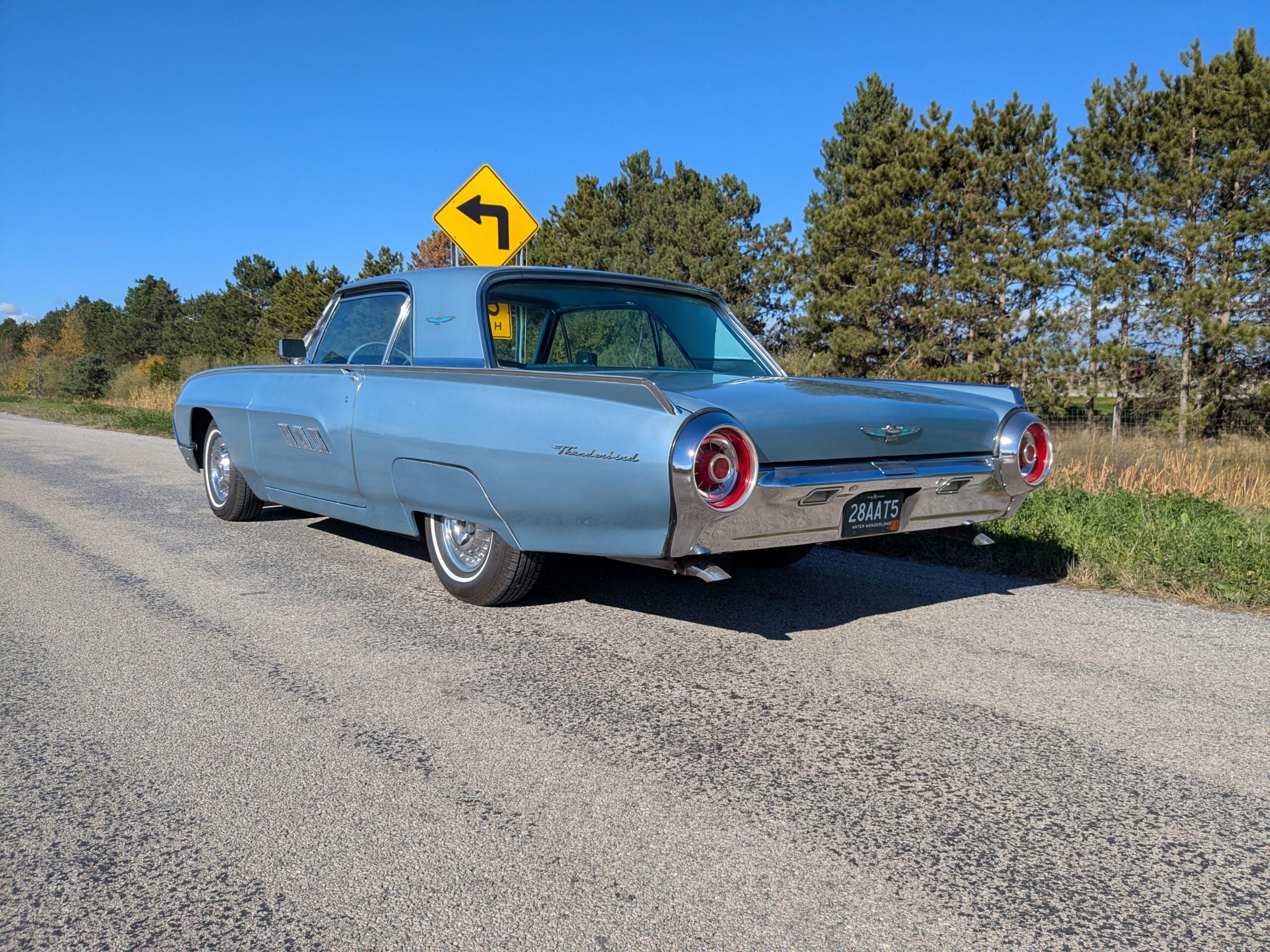
However, neither the T-Bird nor the Buick is the first on the list this winter, as I plan to pull the Volvo 1800’s rear axle and have it gone through by the local driveline shop; it’s a Dana 30, so it’s a lot like a Jeep differential, and the shop said they’d have no problem with it. But when that’s done, I’ll be once again complaining about the travesty that is a Bullet Bird engine compartment. Wish me luck.
Related Reading
Deciphering The Build Sheets Of A 1960s Ford Thunderbird And Lincoln Continental (by me)
COAL Road Trip: 1963 Ford Thunderbird – Honoring FoMoCo And Buying Trouble In Return (by me)
















Ugh – it amazes me how some of the biggest cars could have the tightest engine bays – and in the pre-CAFE days when it was not a priority to cram the most stuff into the least space. I still remember my surprise in learning that 3 of the 8 spark plugs on the 440 of my 77 New Yorker required me to get underneath the car to access. Of course, that is child’s play compared to the job you are looking at. I don’t envy you!!