
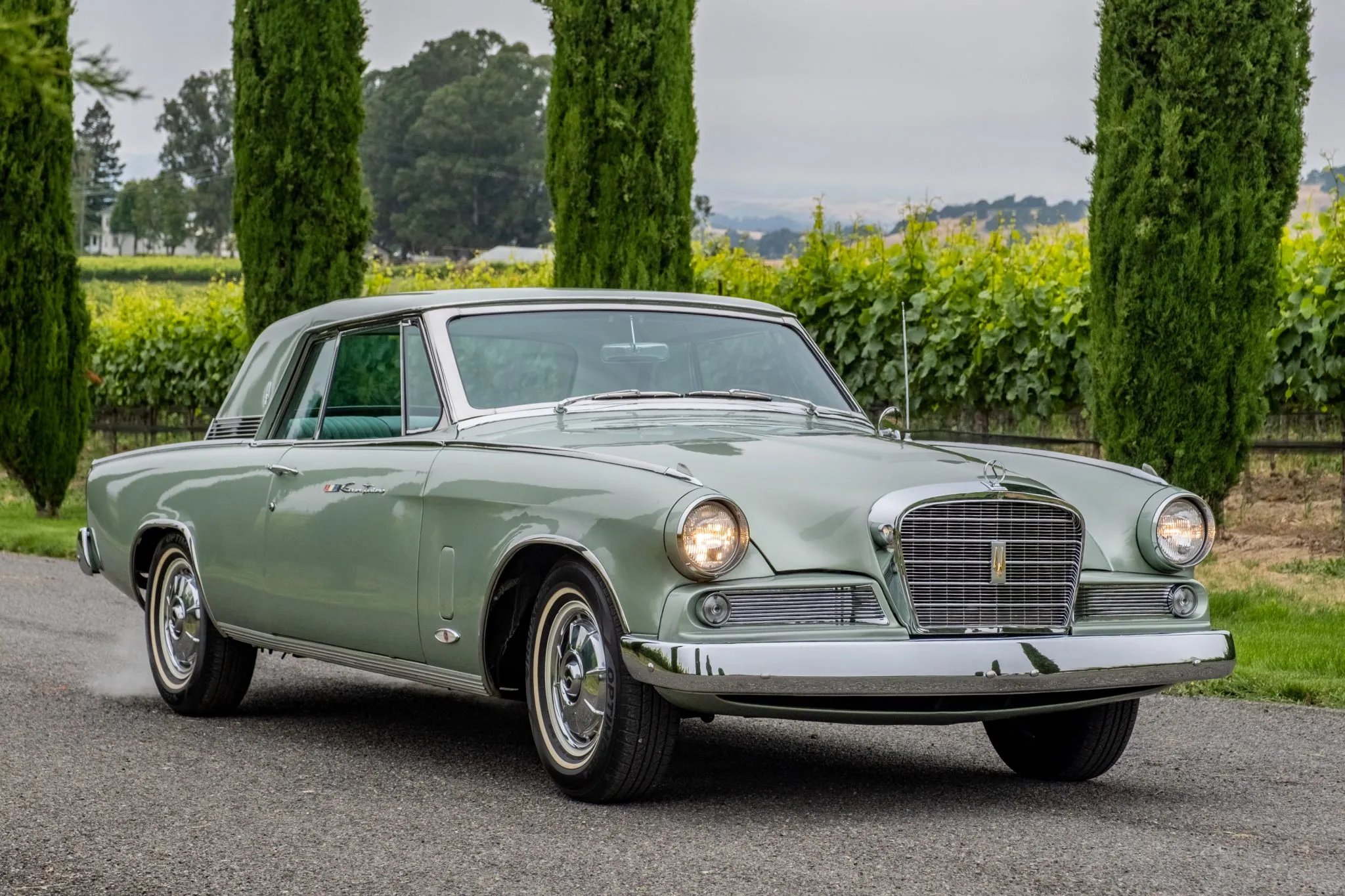
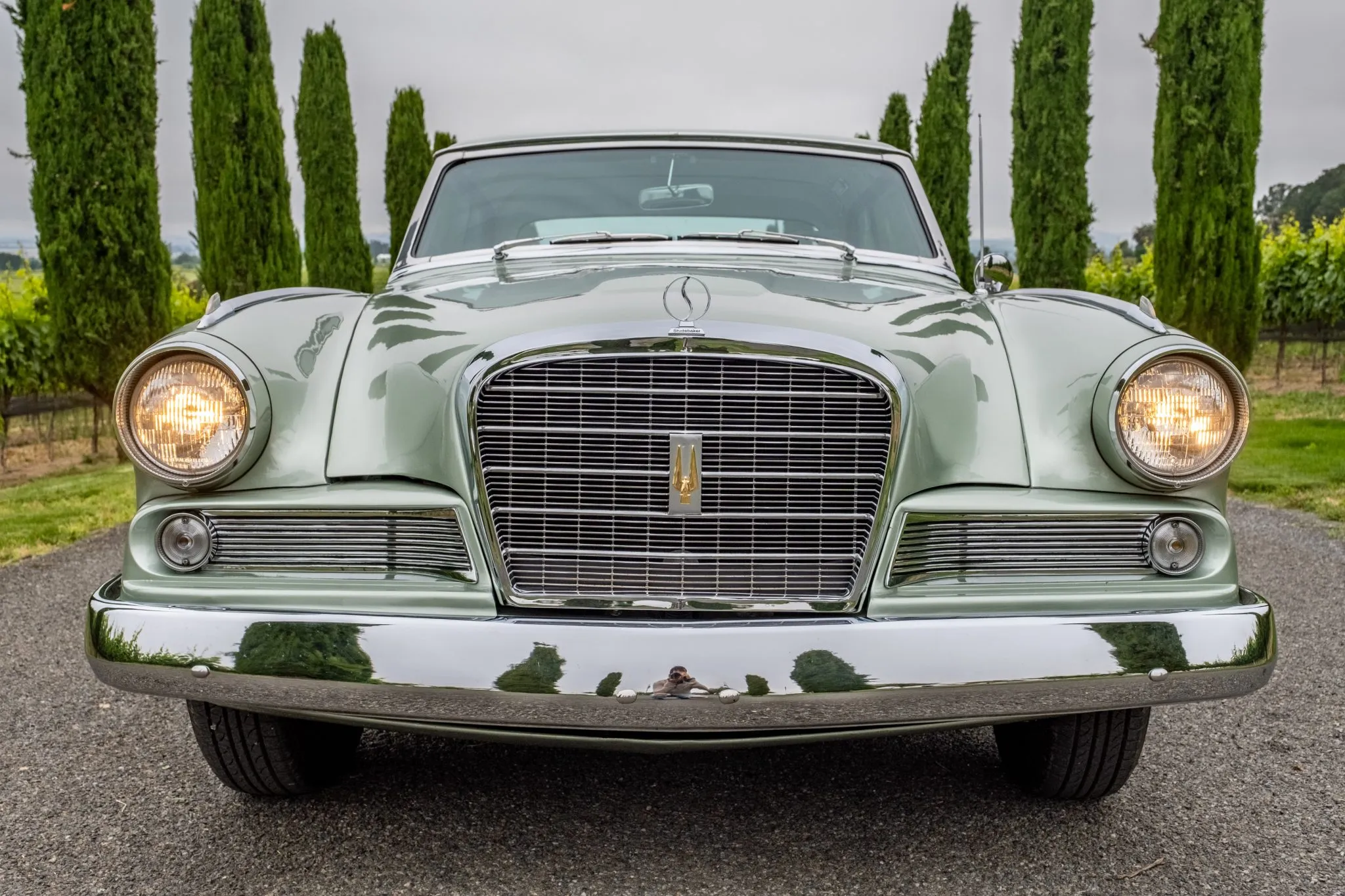
The Studebaker Hawk got a new lease on life with Brooks Stevens’ dramatic 1962 restyling, but by the 1964 model year, that lease was running out: The Hawk would be gone before January 1964. During that final half-year, only 70 GT Hawks were built with the optional R2 supercharged engine, and only one of those cars — this one — was painted this attractive Horizon Green Metallic.
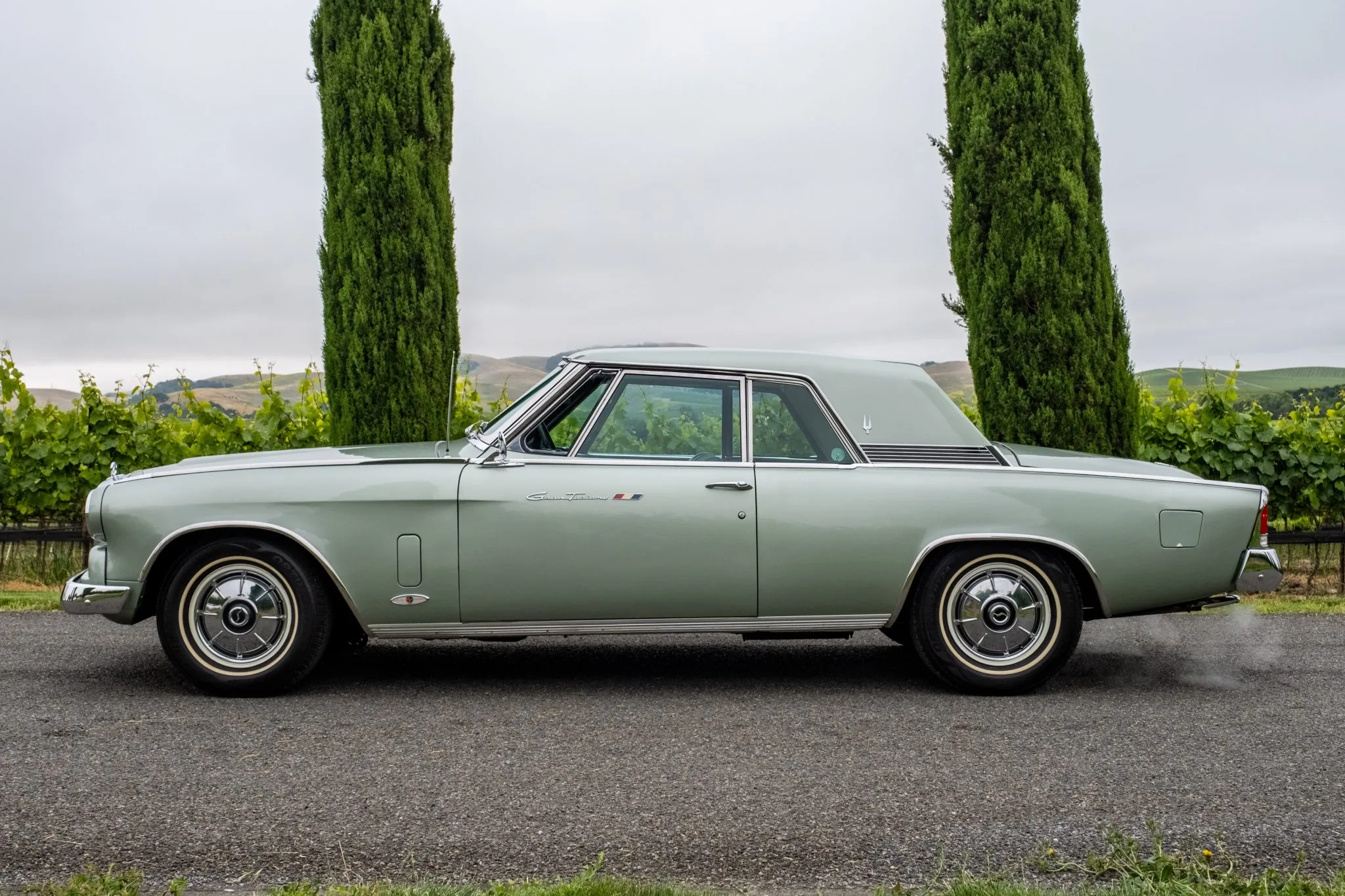
Whether or not you like the styling of the 1962–1964 Studebaker Gran Turismo Hawk, it’s undeniably an impressive piece of work. Studebaker didn’t have the money or the inclination to tool for an all-new body, so Milwaukee-based designer Brooks Stevens worked out an astoundingly clever facelift that made the aging Hawk look fresh.

I’ve shared this sketch before, but it’s worth revisiting to marvel at its ingenuity. It was done on the cheap (Stevens actually managed to reduce the Hawk’s production cost by stripping away a lot of the dubious add-ons the body had acquired over the years), and it mostly worked. (The 1964 Hawk got a new decklid that also eliminated the rear grille shown above.)
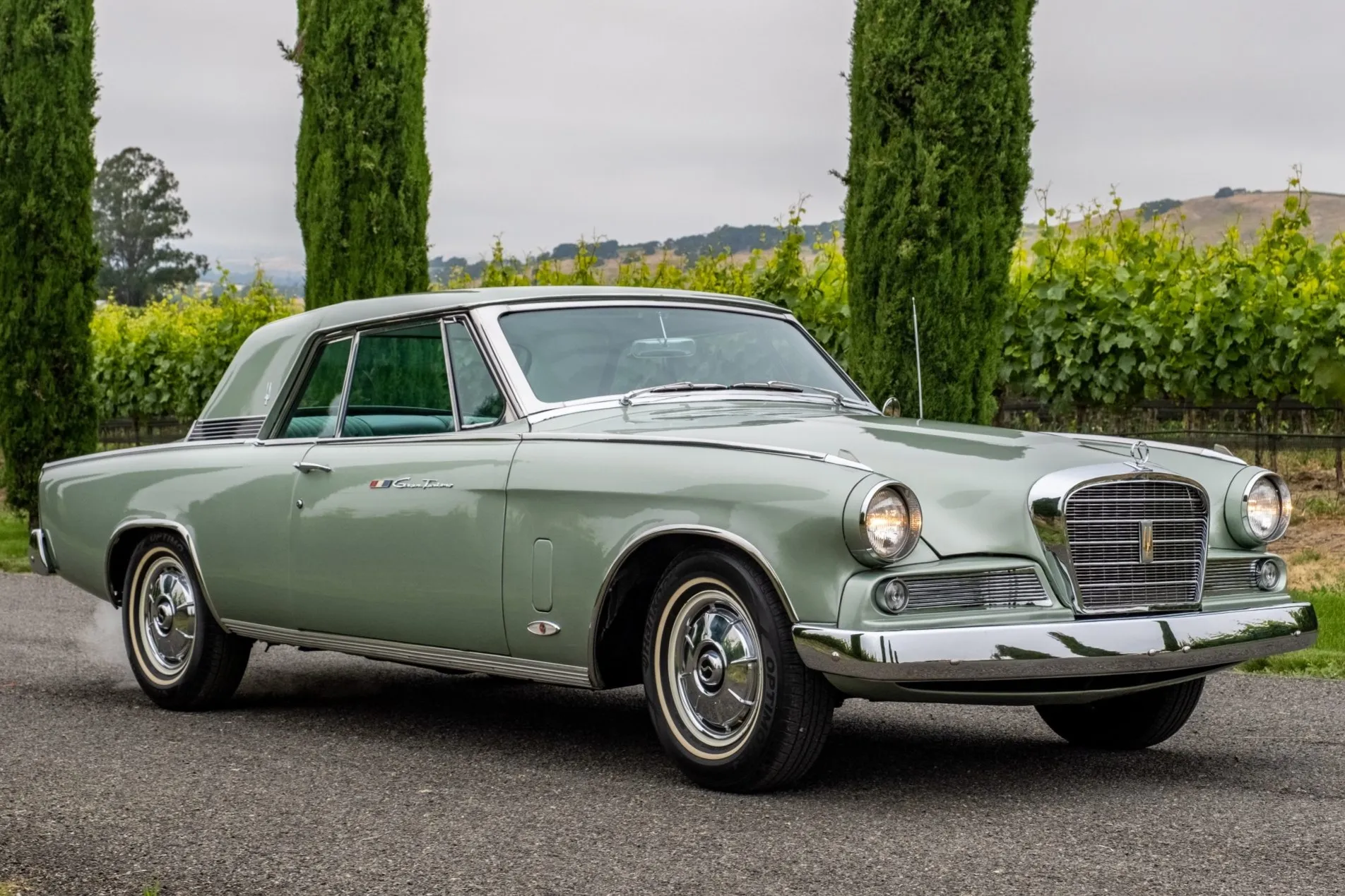
Studebaker advertised the Gran Turismo Hawk as “timeless elegance … Elegant perfection in a magnificent European-type road car … truly an automobile for connoisseurs.” Despite the makeover, the Hawk couldn’t entirely hide its age, but it was attractively furnished inside and out.
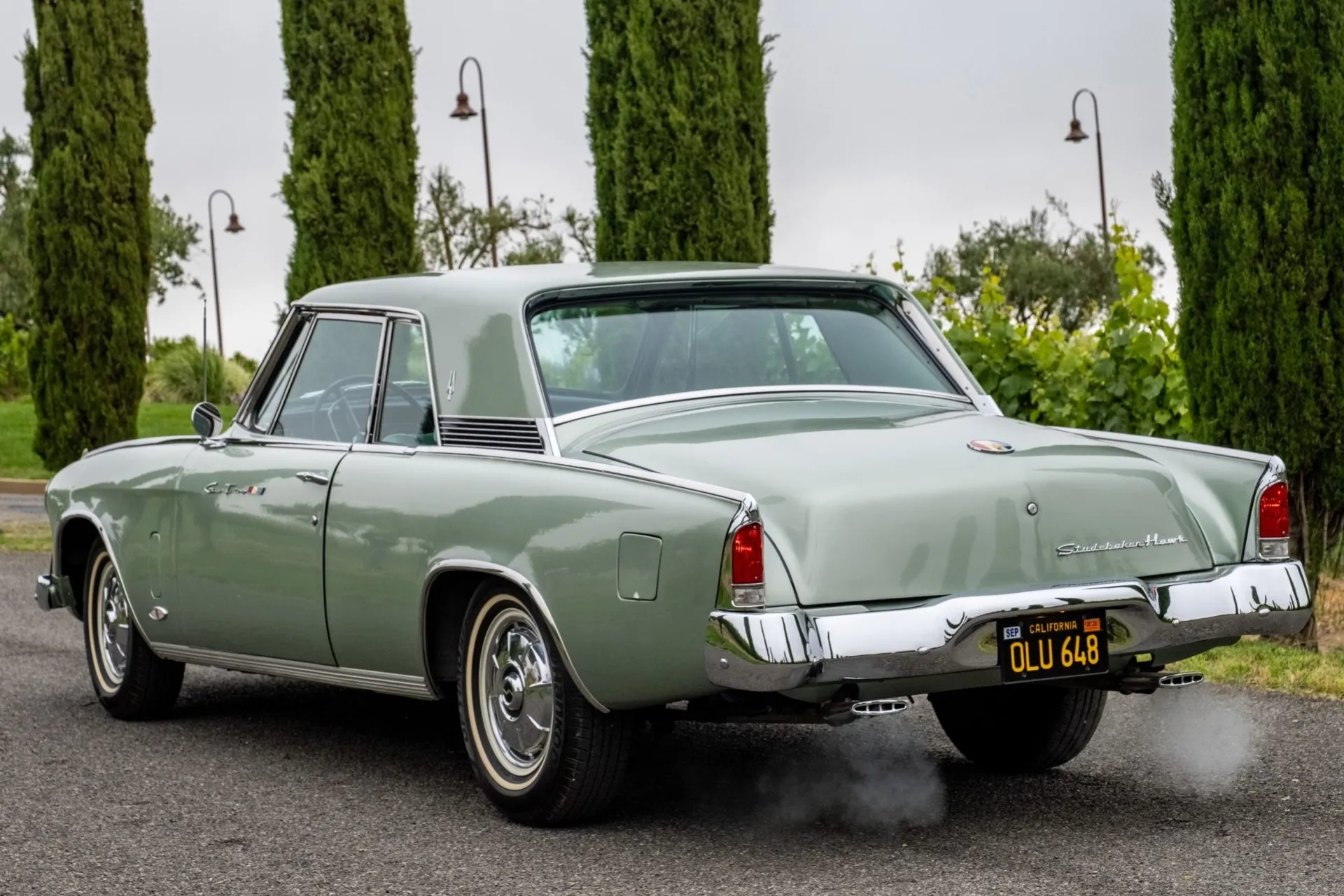
In standard form, the Hawk’s claim to “luxury sports car flair” was mostly stylistic. With the standard Thunderbolt 289 V-8, automatic transmission, and standard suspension, the GT Hawk was strictly adequate in performance, handling, and ride; its standard drum brakes were also overtaxed by the car’s weight. However, the options list offered a variety of improvements, including front disc brakes (still not available from the Big Three), a 4-speed manual transmission, and more powerful engines borrowed from the new Studebaker Avanti. For $240 extra, Studebaker dealers would even sell you a set of Halibrand magnesium wheels.
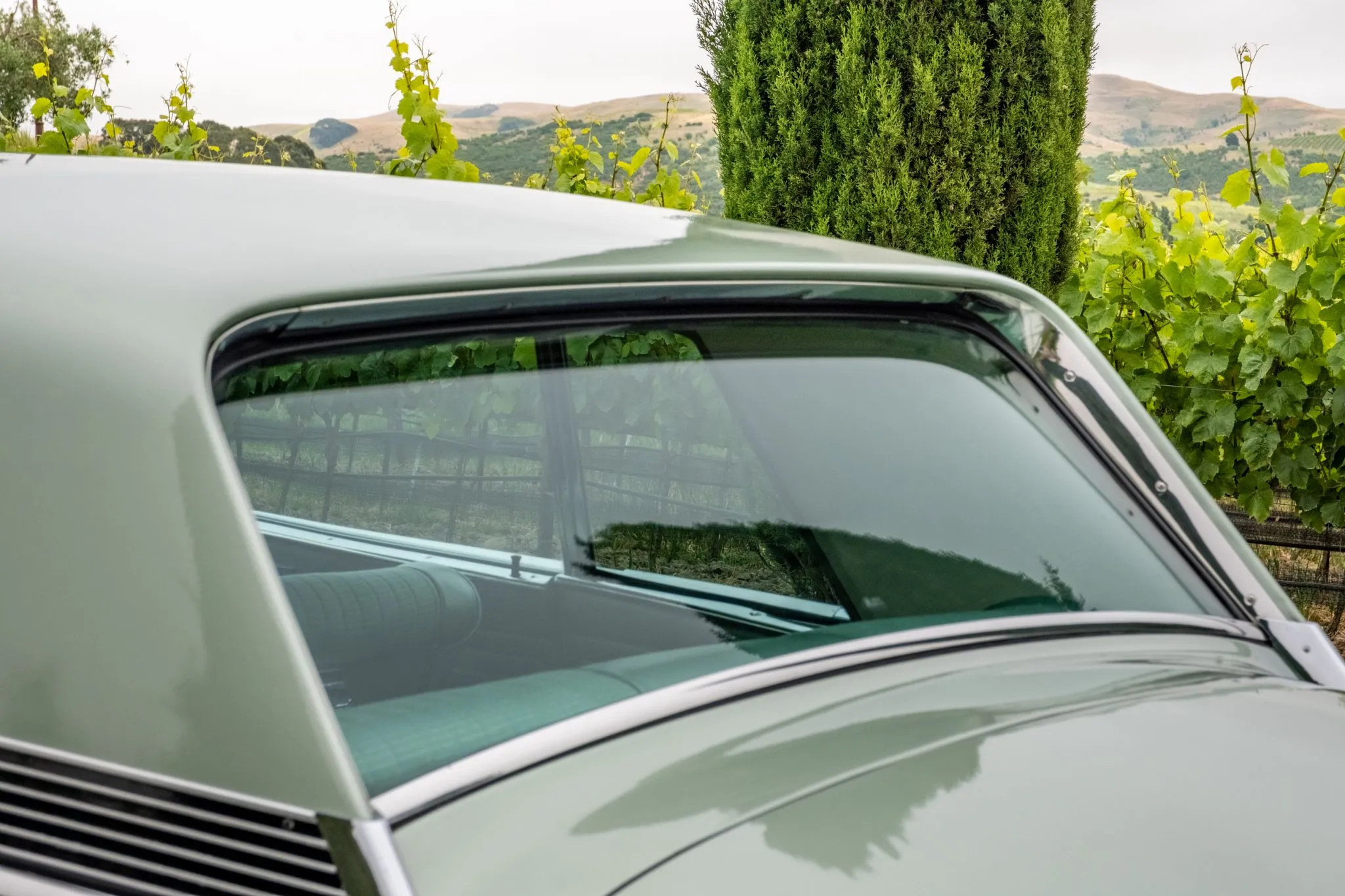
During this period, Studebaker had been running specially prepared cars at the Bonneville Salt Flats. In January 1963, a GT Hawk with the supercharged R2 engine achieved a speed of 140.23 mph in the flying mile. That car wasn’t quite stock, of course, but later in the year, Studebaker announced that it would offer Super Performance Packages for the Hawk and the Lark, with hotter engines, disc brakes, heavy-duty suspension, a limited-slip differential, and other performance equipment.
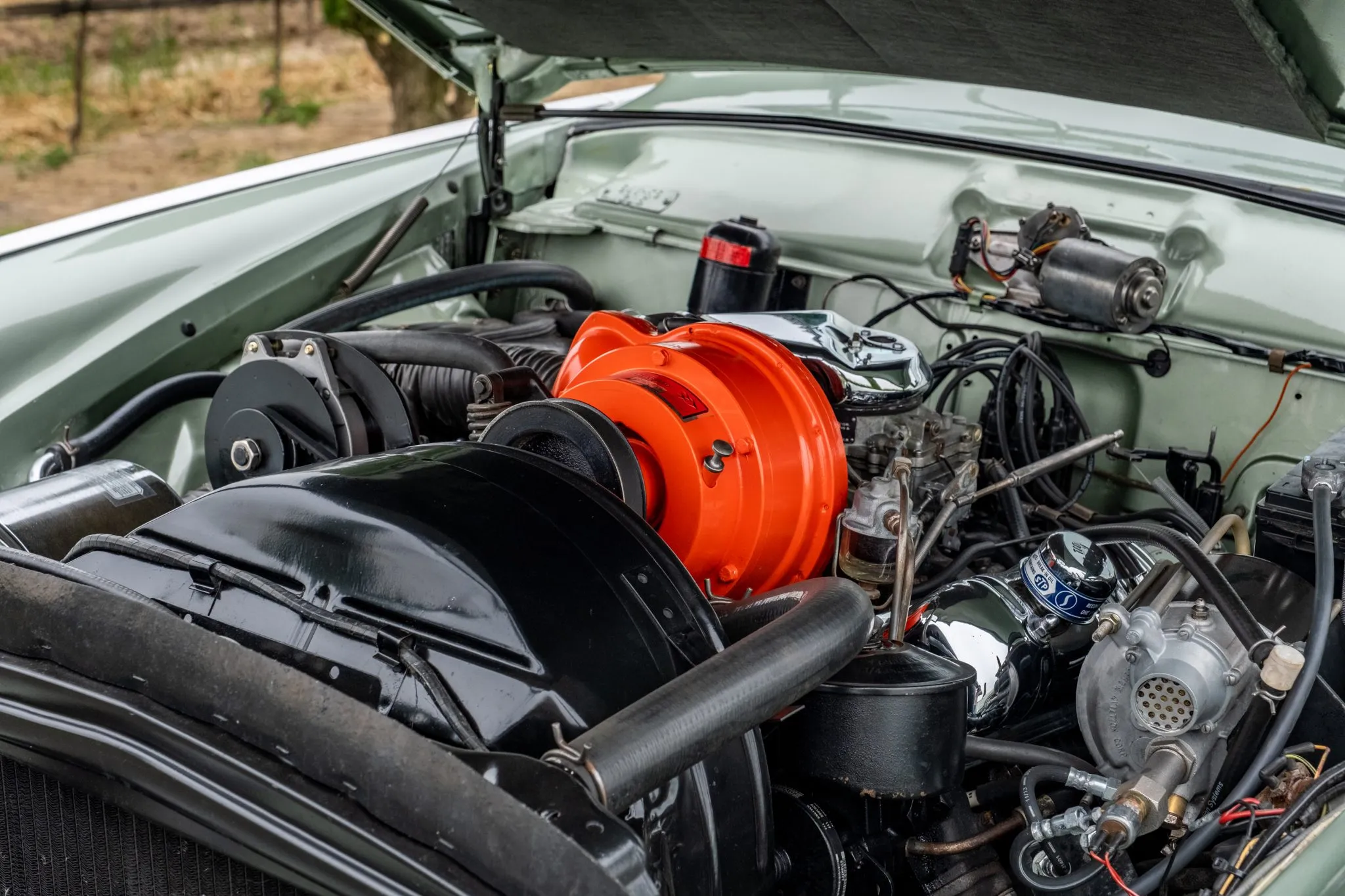
This GT Hawk wasn’t ordered with the so-called “Super Hawk” package, which would have been $581.70, but the original buyer, who ordered this car from Hamer Motors in San Fernando, California in August 1963, specified the R2 Avanti Supercharged Jet Thrust engine as a standalone option, along with Power-Shift automatic and front disc brakes. The car was eventually retrofitted with most of the other Super Hawk equipment, including the heavy-duty suspension and Dana Twin Traction limited-slip axle, but it wasn’t ordered that way.
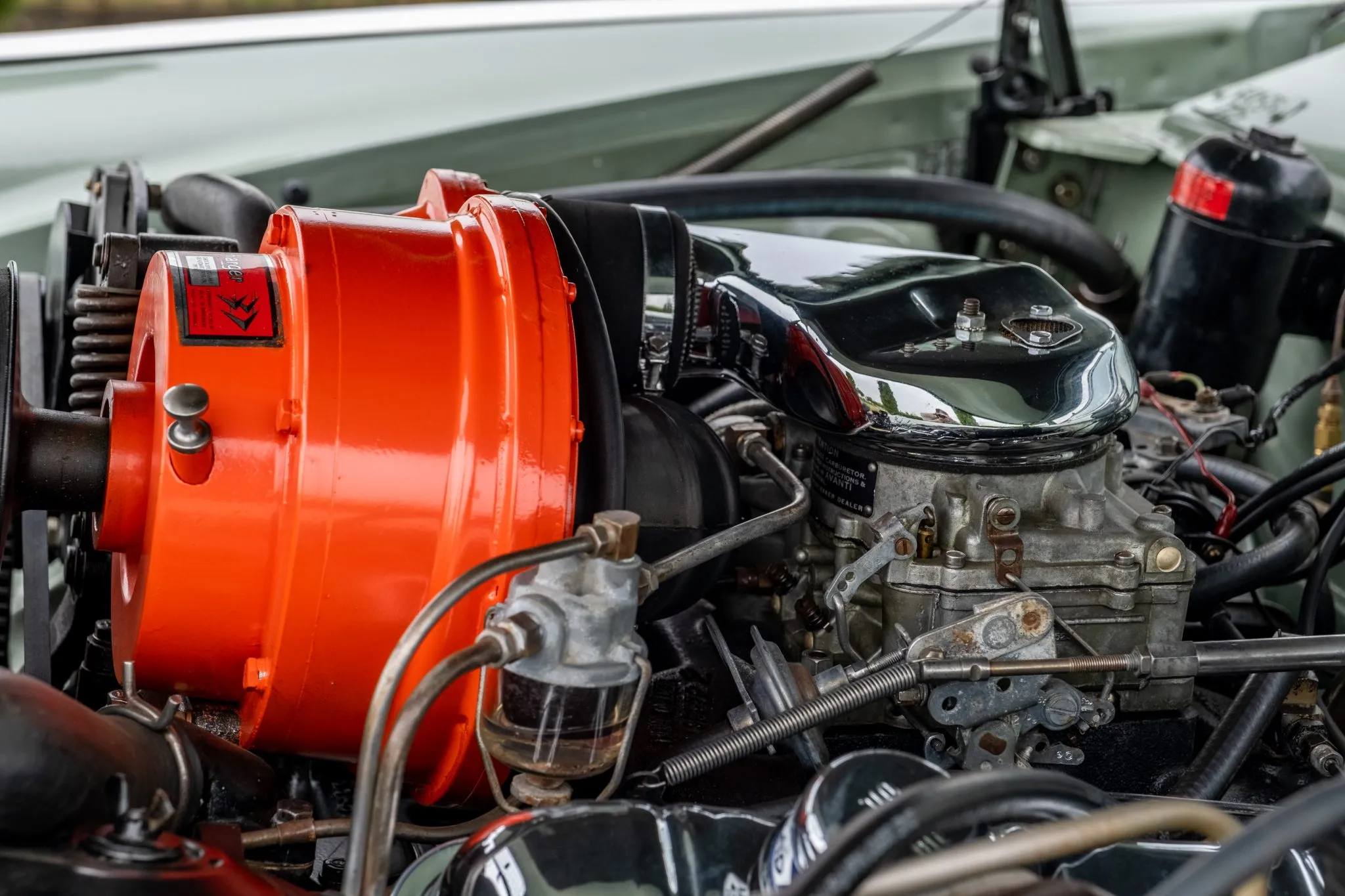
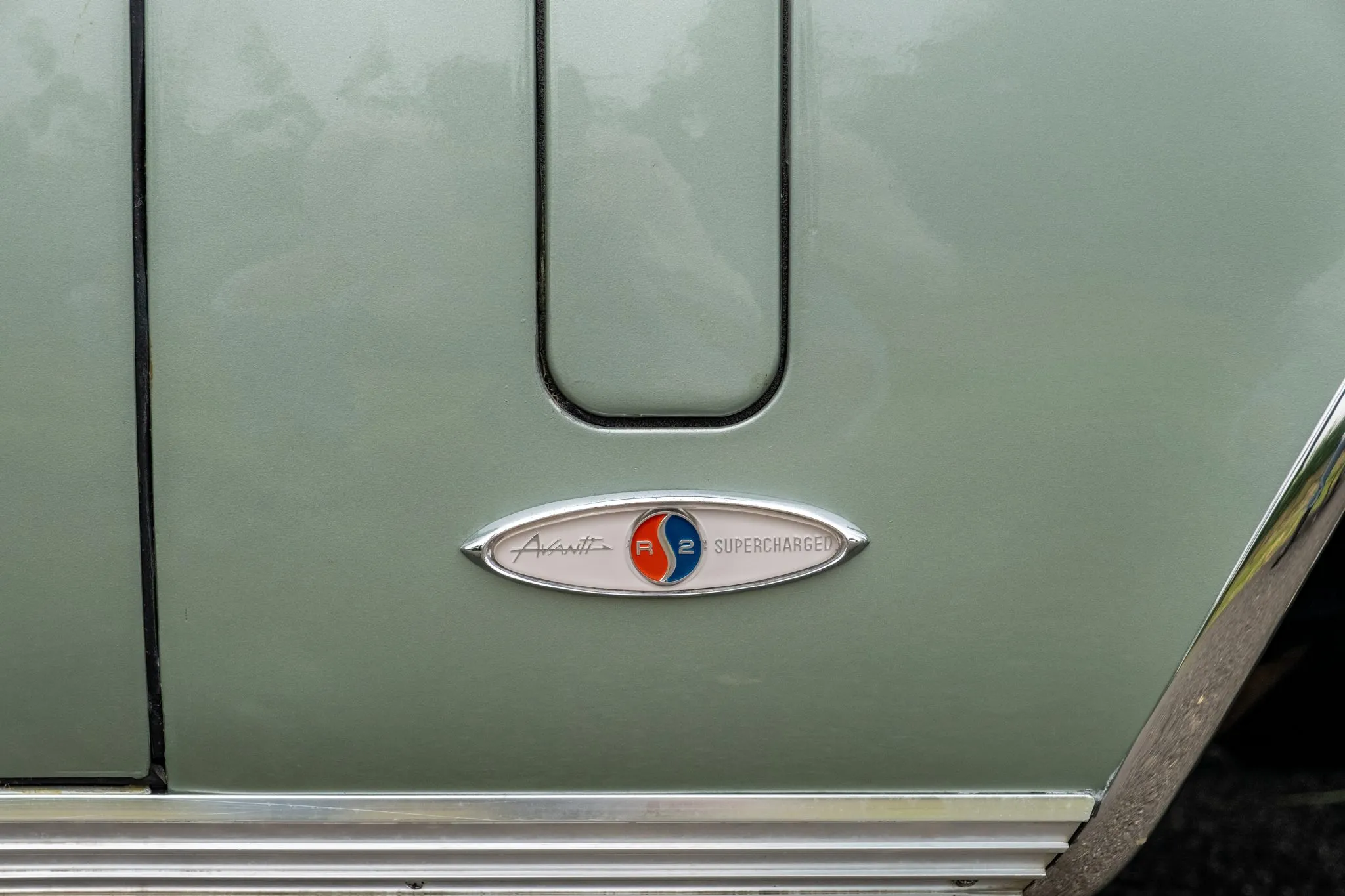
Alone, the R2 engine listed for $410 on a 1964 Hawk. The R2 was a version of the familiar Studebaker 289 cid V-8, massaged by Andy Granatelli (who at this time was a Studebaker vice president) for more power and equipped with a belt-driven Paxton SN-60 supercharger, blowing into a special four-barrel carburetor. The supercharger’s modest boost (4 psi between 4,000 and 5,500 rpm) gave it around 50 extra horsepower.
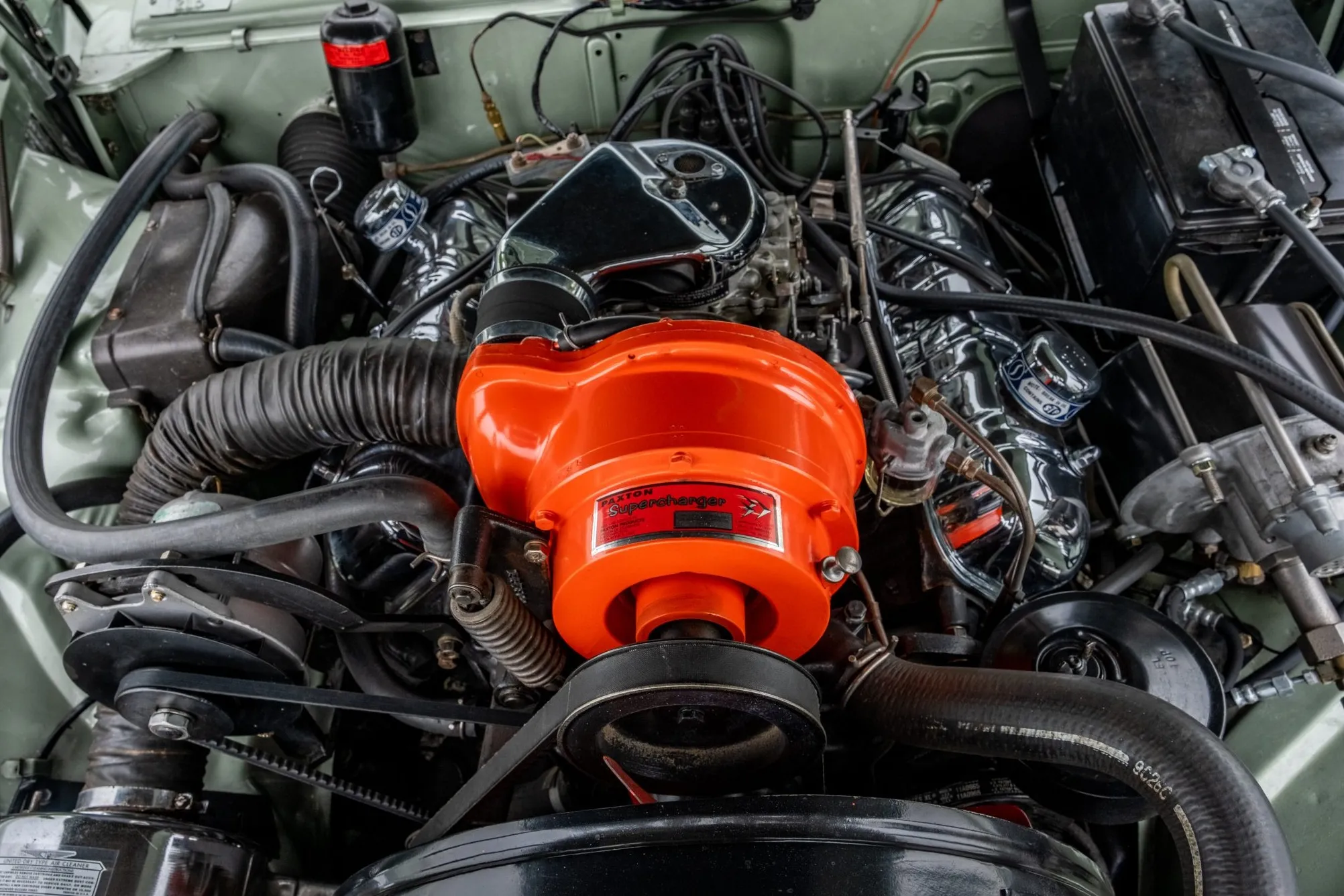
Studebaker preferred not to publish horsepower ratings for the Jet Thrust engines, but racing officials, who classified stock cars based on advertised horsepower, forced the issue by late 1963. The eventually published gross figures were 240 hp for the normally aspirated high-compression R1, 289 hp for the supercharged R2, and 335 hp for the supercharged 304.5 cid R3. (The latter was technically optional for the GT Hawk, for a hefty $1,402.70, but I don’t think any R3 Hawks were actually built for 1964. Studebaker cognoscenti may have some further insights on that point.)
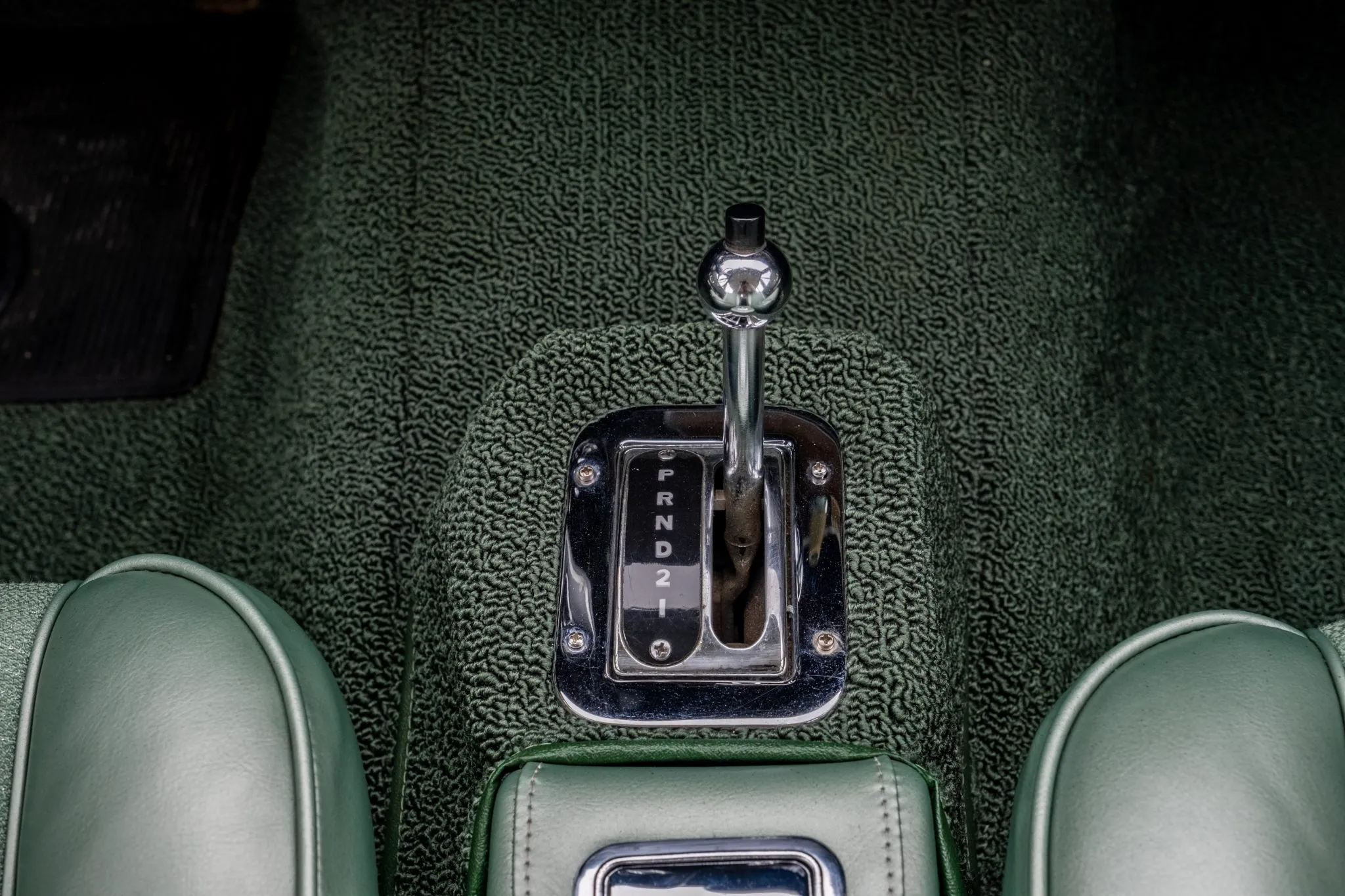
Depending on engine, the Hawk could be ordered with various transmissions, including 3-speed plus overdrive, 4-speed manual, 3-speed Flight-O-Matic, or floor-shifted Borg-Warner 3-speed Power-Shift automatic. This car has the latter, which was a rather punishing $273.00 extra. Other than the floor shifter, the big selling point of Power-Shift was that selecting “1” or “2” gave you full manual control over the lower gears, with no automatic shifts. Its downside was that in “D,” it would always start in 2nd gear, meaning that it was effectively a 2-speed automatic unless you were willing to shift by hand.
How well did it go? The June 1963 Motor Trend tested a Super Hawk, equipped much like this one except with a 3.73 rather than 3.54 axle ratio and Butylaire tires on Halibrand wheels, recorded the following good-but-not-spectacular performance figures:
- 0 to 30 mph: 3.5 sec.
- 0 to 60 mph: 8.5 sec.
- Standing start quarter-mile: 16.8 sec. at 85.2 mph
- Observed top speed: 117 mph at 5,700 rpm
They averaged 10.1 mpg, dropping as low as 9.3 mpg in town and getting up to 14.8 mpg on the highway. Gas mileage was hampered somewhat by the car’s weight; the car Motor Trend tested, which had power steering and power brakes (necessary with the front discs), but no heater and no radio, weighed 3,780 lb at the curb. The gearing didn’t help — the 3.73 axle had the engine turning 3,333 rpm at 65 mph.
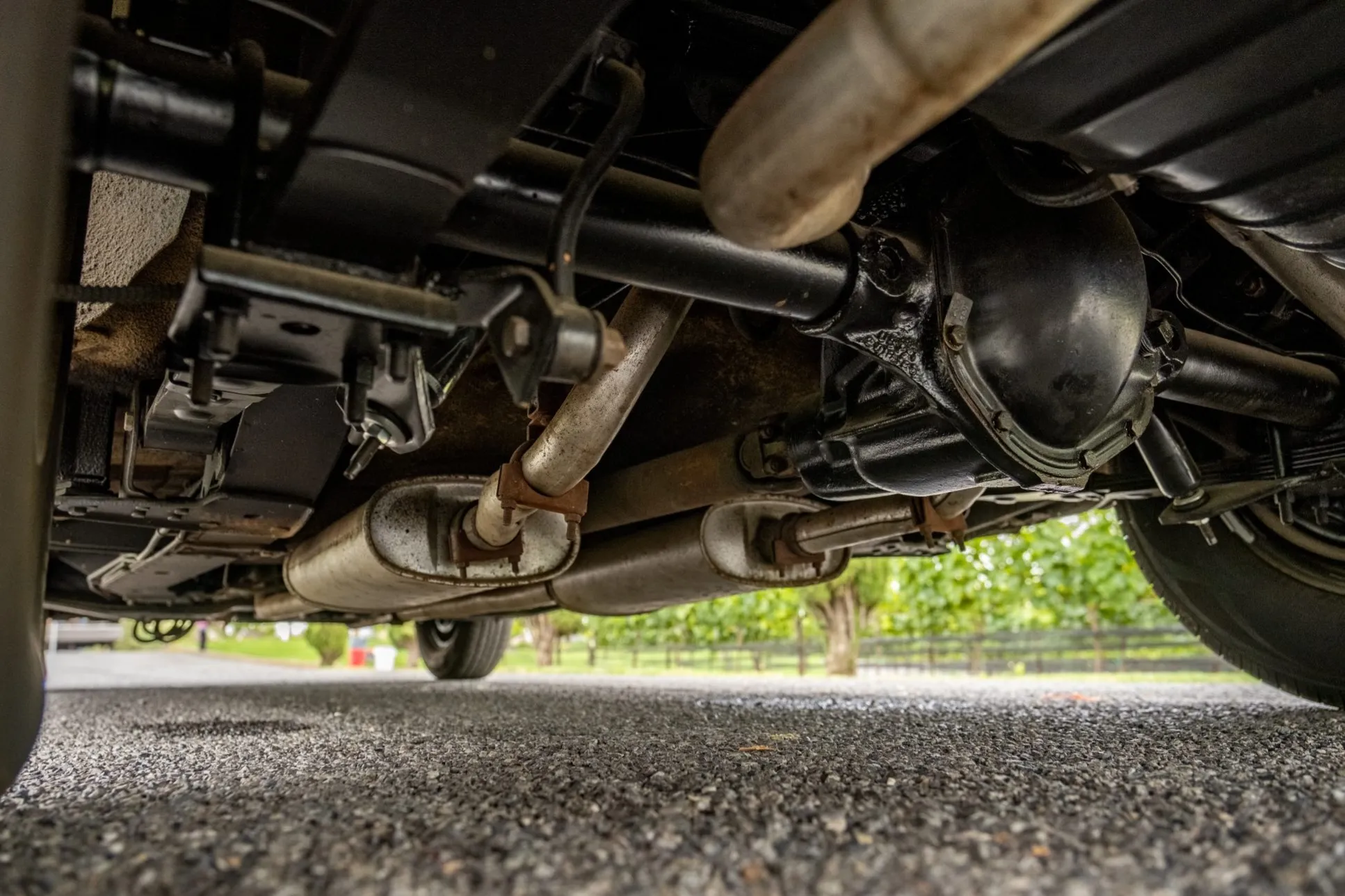
With the complete heavy-duty suspension kit — which included front and rear anti-roll bars and rear traction bars as well as firmer springs and shocks — Motor Trend found the Hawk “a very satisfying car to drive on all points.” It understeered quite a bit, and the power steering was rather slow at 4.6 turns lock-to-lock, but the Hawk stuck pretty well, and its ride was pleasantly firm without being uncomfortable. The disc/drum brakes gave good stopping power, although the testers found the brake pedal set too high.
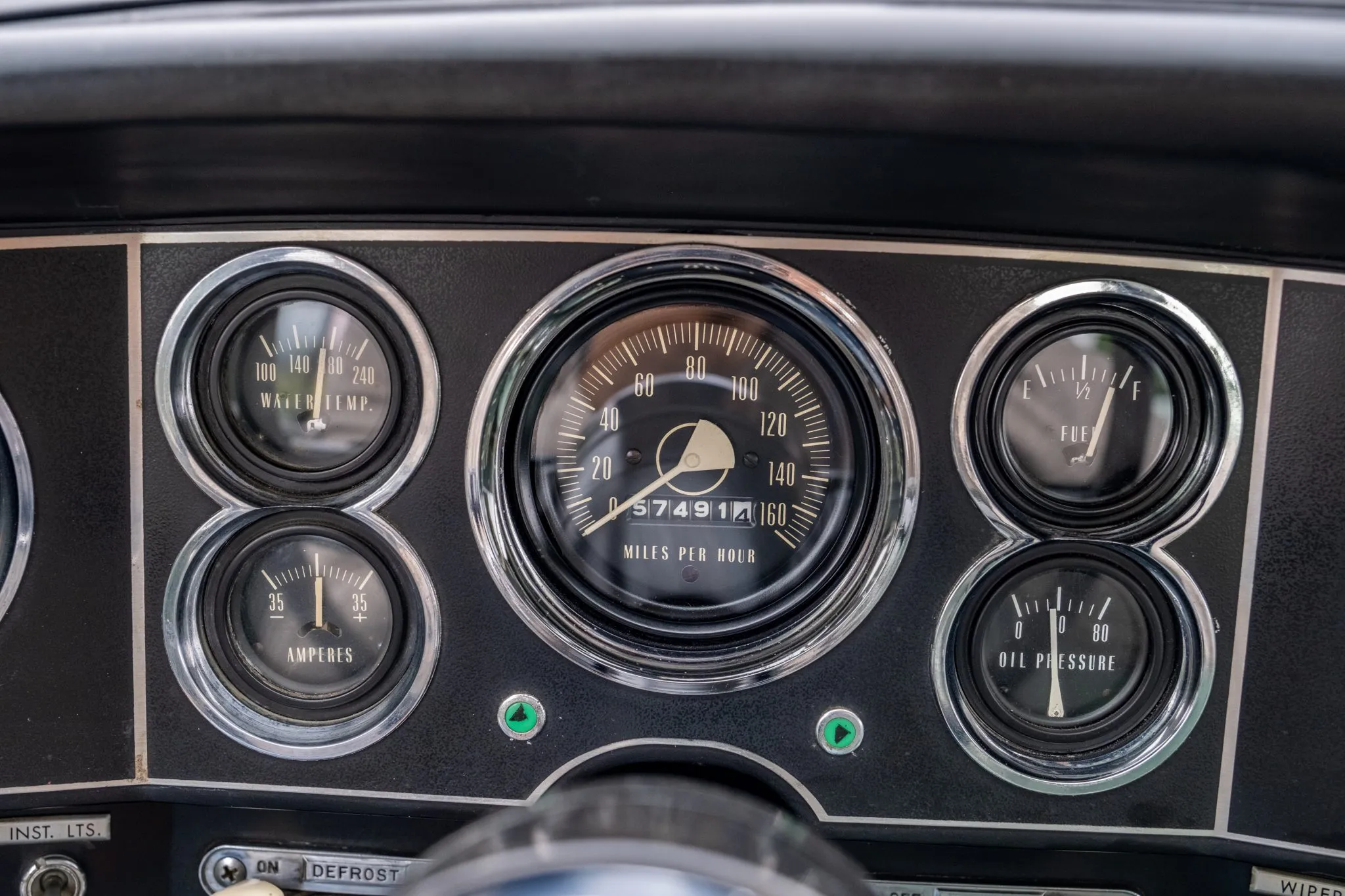
One of the pluses of the GT Hawk was that it offered a complete set of instruments rather than warning lights. The 160 mph speedometer was normally part of the Super Performance Package, and was retrofitted to this car.
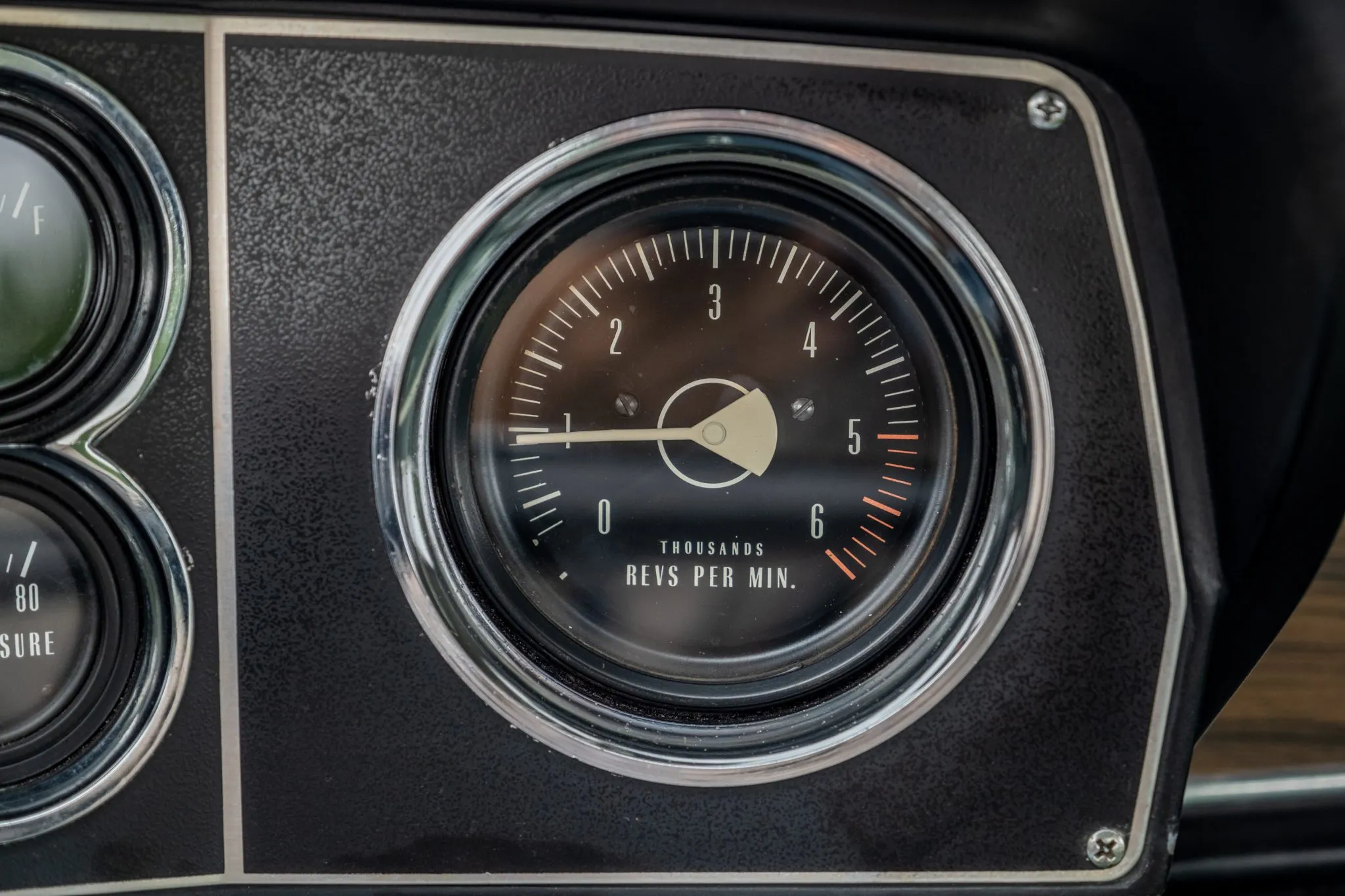
The tachometer was also retrofitted, although it was available as a standalone option for $53.80.
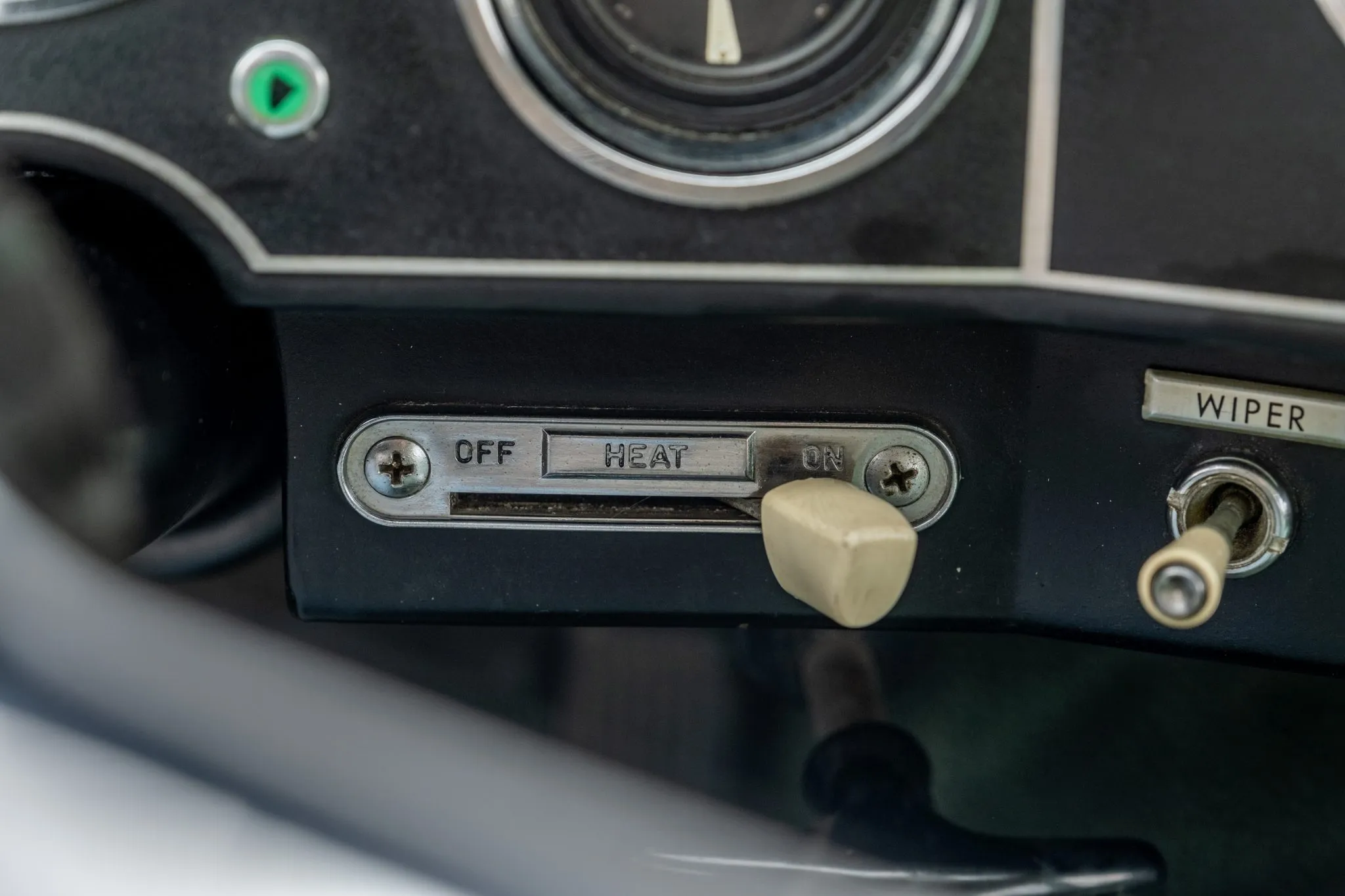
Studebaker’s “Climatizer” heater/defroster was optional on the GT Hawk, for $87.95. Ford and GM had made heaters a delete option on all models by this time, but AMC, Chrysler, and Studebaker still charged extra for them. Air conditioning was optional on the Hawk, but it couldn’t be combined with the supercharged engines.
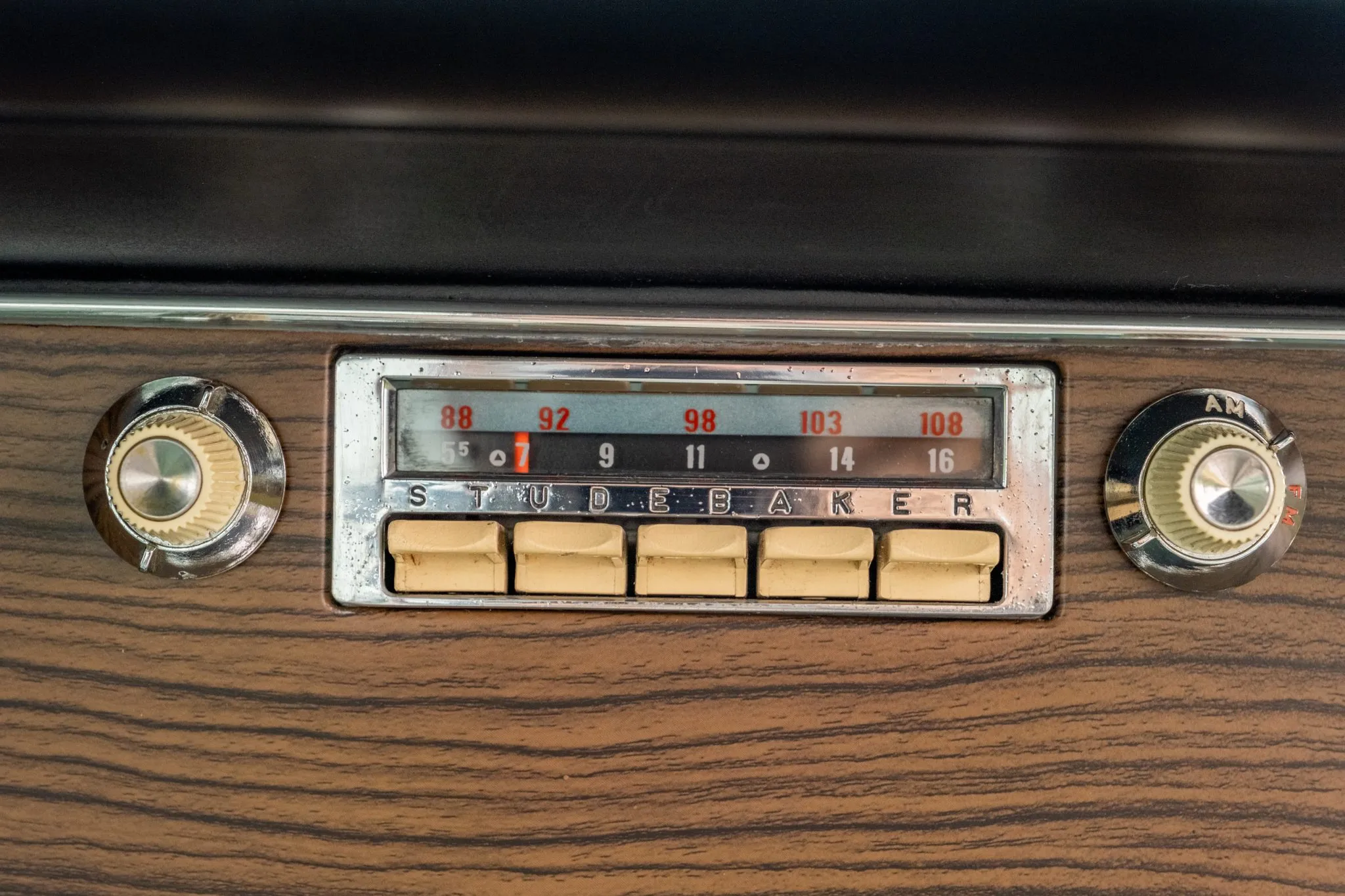
This car also has the AM/FM radio, which was $145, the most expensive radio option.
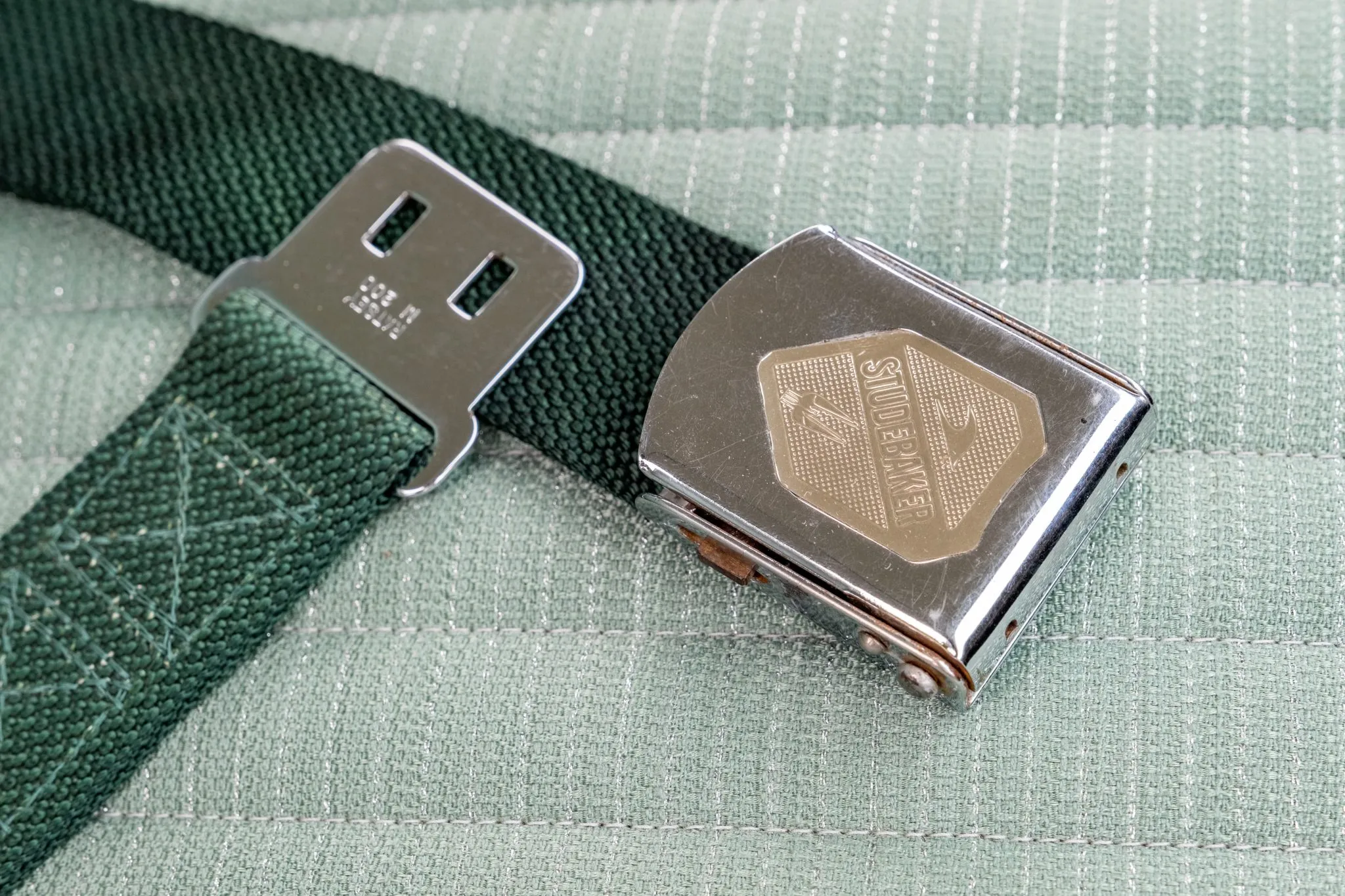
Seat belts were also still optional at the start of the 1964 model year, for $9.75 per belt. Almost half of U.S. states now required them, at least in front, although there wouldn’t be laws requiring their use until the 1980s.
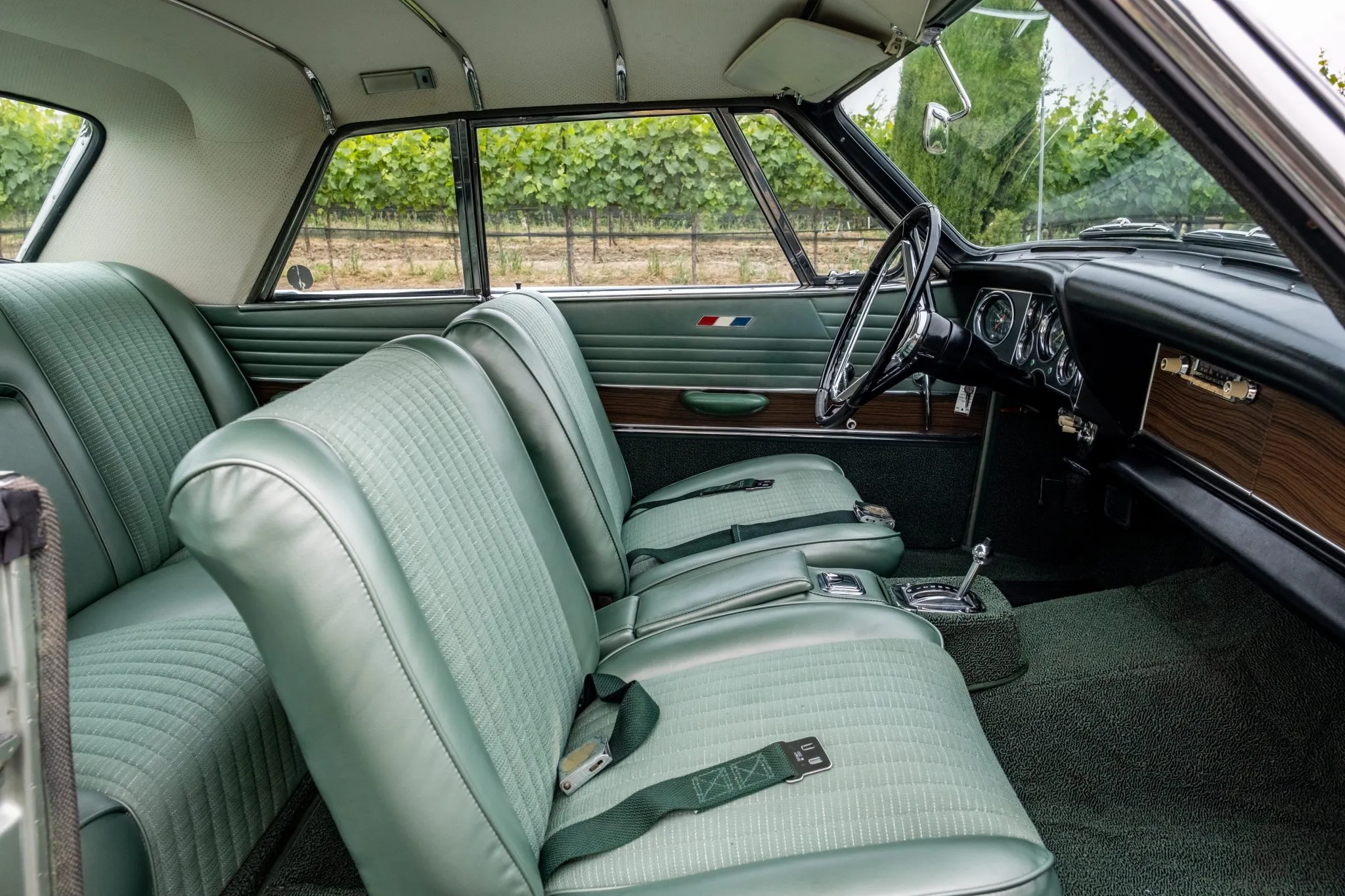
While Studebaker didn’t have the capital for much in the way of tooling changes, they were able to put some money into interior decor. Even Consumer Reports noted that the GT Hawk was very nicely trimmed. The attractive green color scheme of this car’s cloth-and-vinyl upholstery certainly doesn’t hurt on that front.
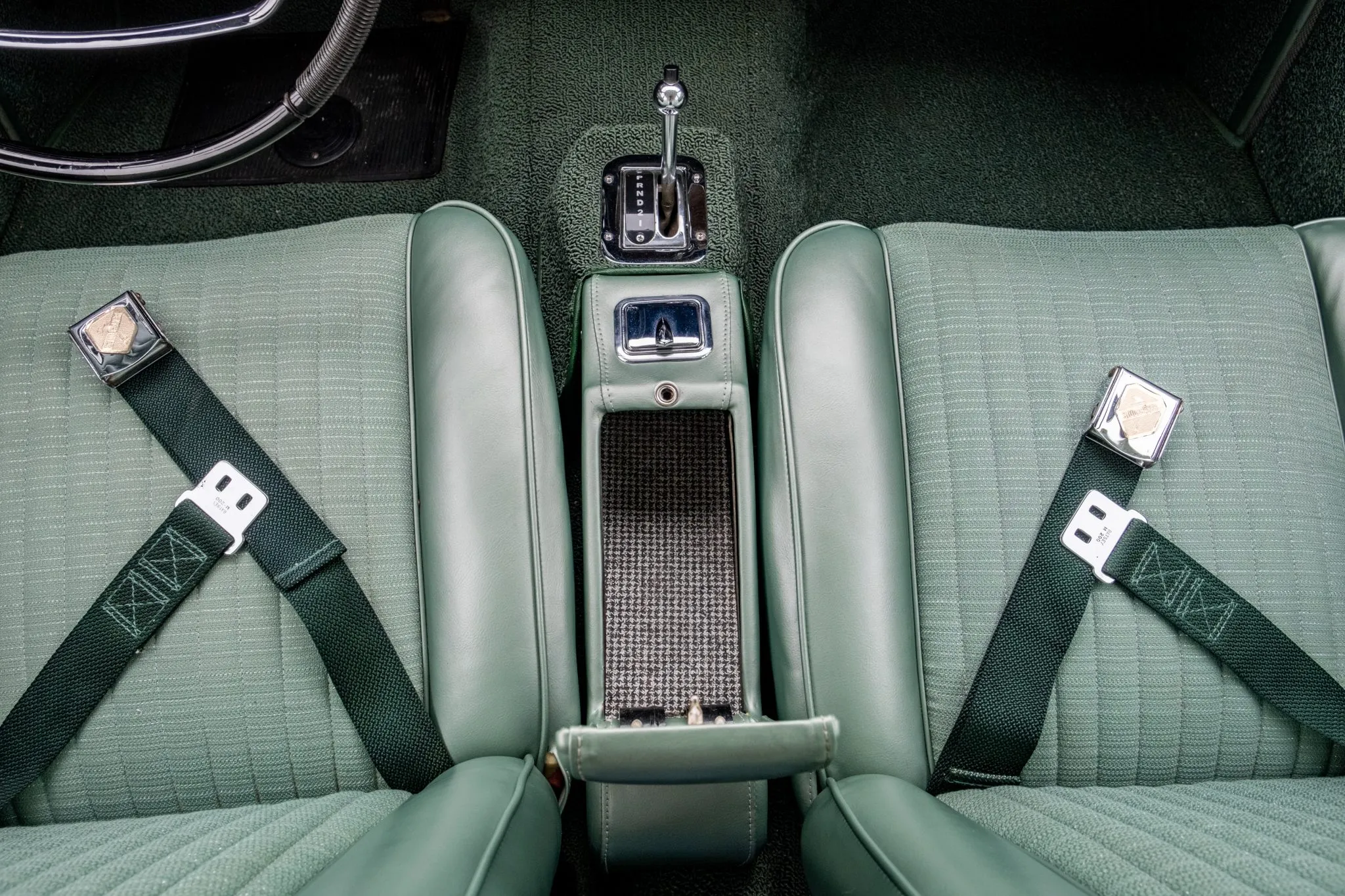
Bucket seats were standard, along with a center console with an ashtray and storage bin.
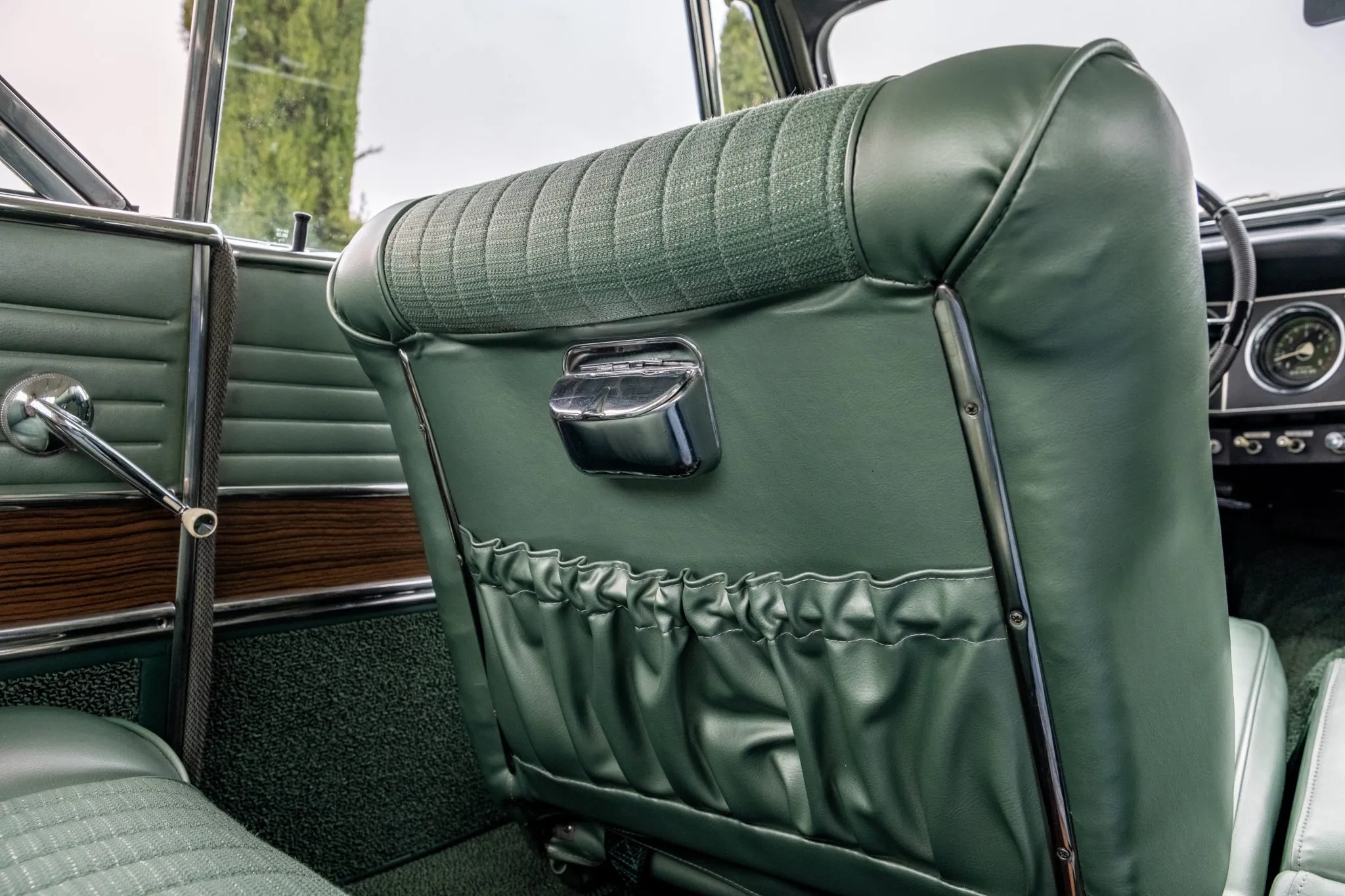
Each seat back had a map pocket and a separate ashtray.
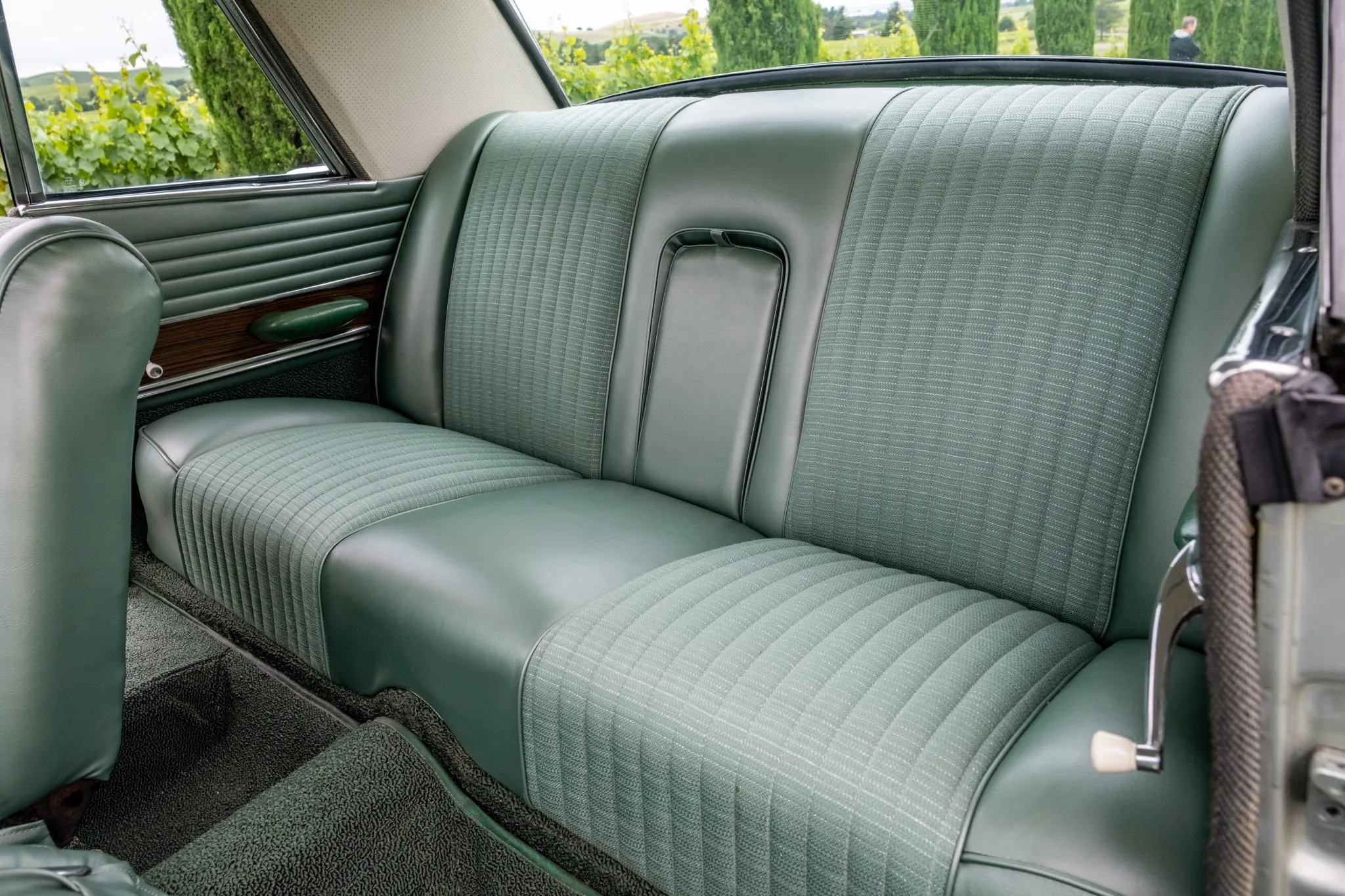
There was also a folding armrest in back, although there wasn’t an outstanding amount of legroom. Legroom in the GT Hawk was significantly better than the Avanti, a function of the Hawk’s longish 120.5-inch wheelbase, but worse than a four-door Lark.
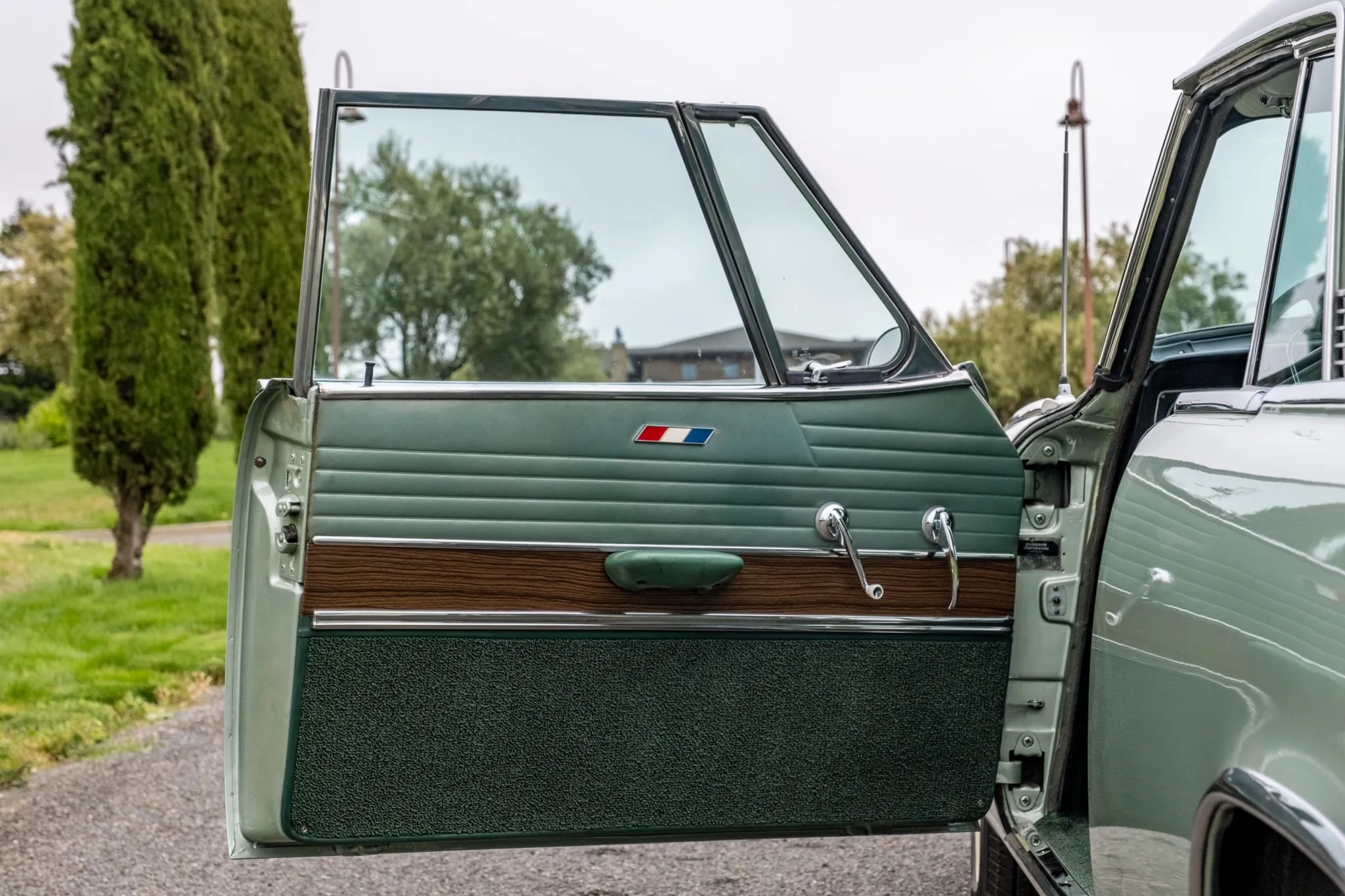
A more troublesome point was that there were a lot of luxury options that simply weren’t available on the GT Hawk at any price. Power windows, power door locks, power seats, a power antenna, a power decklid release, and an adjustable steering wheel, which were commonly ordered on the personal luxury cars with which the GT Hawk was notionally competing, weren’t offered and never would be.
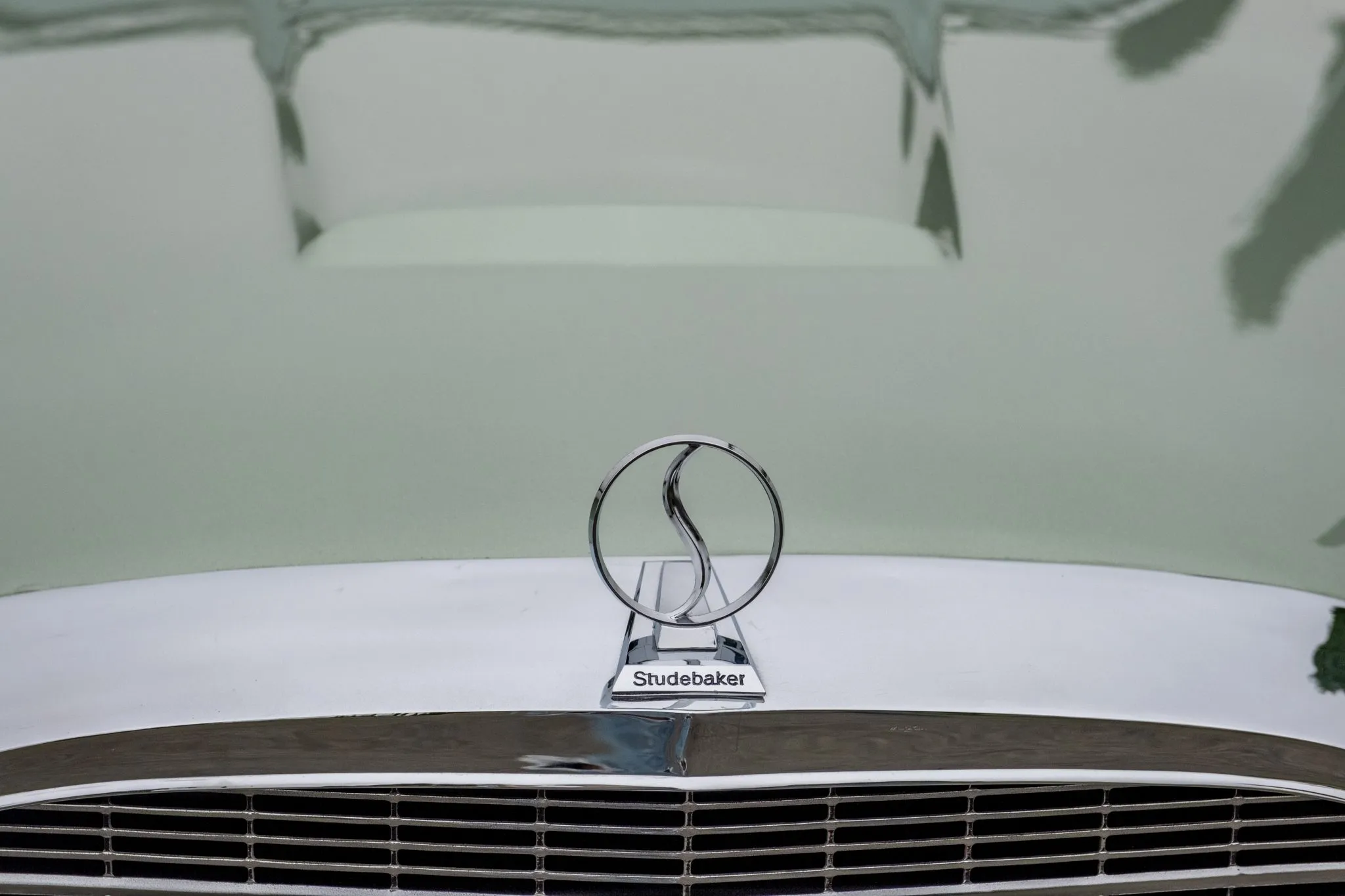
The other problem was that the Studebaker brand was not long for the world, and everyone but die-hard loyalists knew it. A lot of people had been assuming since about 1956 that Studebaker was going to collapse any day, which didn’t do resale values or dealer confidence any favors. Studebaker went into the 1964 model year with a stockpile of about 3,000 leftover ’63s that dealers hadn’t taken. At the low end, you could wrangle some steep discounts on a Challenger or Commander sedan, but the sticker price of a well-equipped GT Hawk like this was over $4,000, which was a riskier bet. (As things turned out, the Kelly Bluebook trade-in values of a two-year-old ’64 Hawk were hardly catastrophic, but I assume that was a concern for people contemplating buying one of these cars new.)

Studebaker’s board of directors was not very keen on staying in the automotive business. The corporation had diversified into other holdings, most of them less capital-intensive and less volatile. For a while, Studebaker had been sustained by the enthusiasm of its president, Sherwood Egbert, who a go-getter whose unfamiliarity with the auto industry left him blissfully unaware of how difficult it would be to bring about the kind of turnaround he was hoping for. At his direction, Brooks Stevens had put together a proposal for a more extensively restyled 1965 Hawk (above), which Egbert had still hoped they could build.

However, Egbert, though only in his 40s, was diagnosed with cancer, and spent significant parts of 1963 on medical leave. After he was hospitalized again in November to undergo more surgery, the board voted to replace him with Byers Burlingame as of November 12. Burlingame, who had been effectively in charge for much of the year, found that there was just no more capital to be had — financiers had zero confidence in the Studebaker brand, and the board wasn’t interested in spending any money to further revamp or even continue the Hawk or the Avanti. On December 9, the company announced that its main plant in South Bend, Indiana would cease operation on December 20.
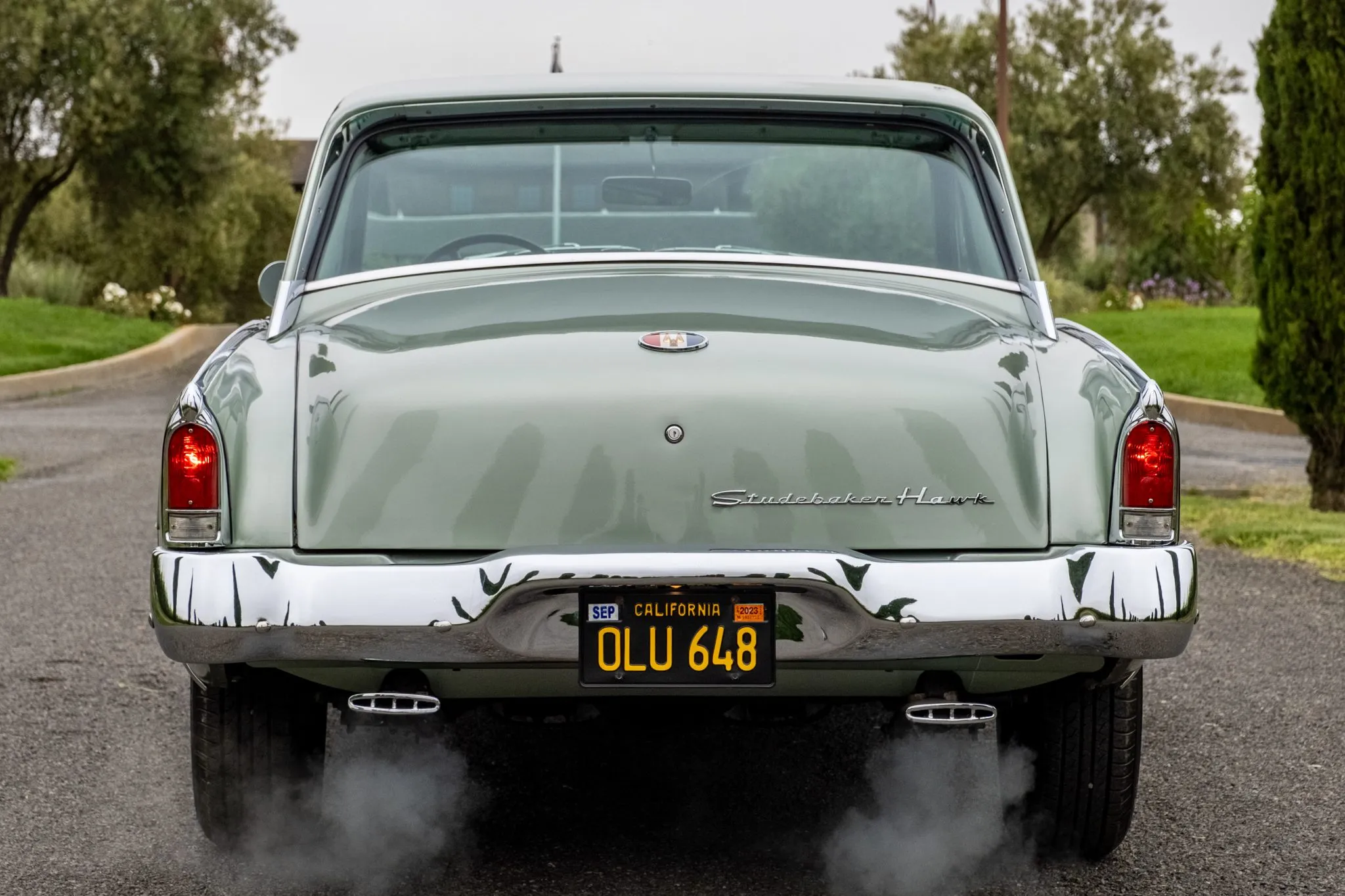
Production of some Studebaker models would continue for a while at the Canadian plant in Hamilton, Ontario, but Hamilton wasn’t set up to build the Hawk or Avanti, and there was no interest in transferring the tooling. So, the Hawk expired along with South Bend. Production of the 1964 GT Hawk totaled only 1,767, including 283 export cars with six-cylinder engines. Only 70 ’64 Hawks had the supercharged R2 engine.
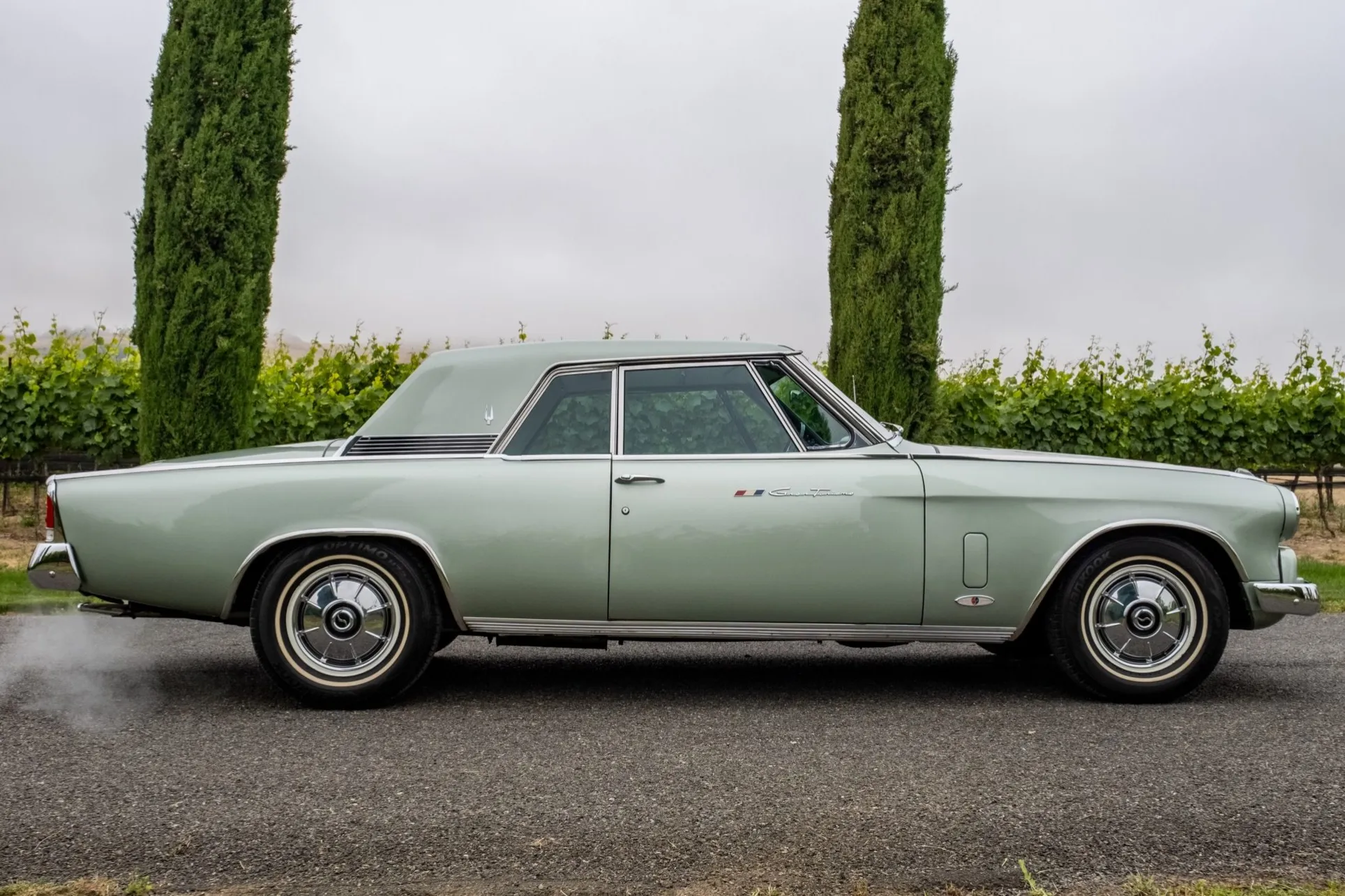
The original owner of this Horizon Green GT Hawk — the only 1964 R2 Hawk in this lovely color — held onto it for 34 years. It’s passed through several collector hands since then, most of them driving the car very little. When these photos were taken, the odometer read 57,491 miles, which was only a bit more than the car had when the original owner sold it back in 1997. The car sold for $56,500 on Bring a Trailer in July 2023.
Related Reading
Curbside Classic: 1962 Studebaker Gran Turismo Hawk – A Beautiful Death (by Paul N)
1962 Studebaker Gran Turismo Hawk – Irrational Exuberance (by J P Cavanaugh)
Vintage Car Life Road Test: 1962 Studebaker Gran Turismo Hawk – Does It Live Up To Its Name? (by Paul N)
1963 Studebaker Gran Turismo Hawk: A Supercharged Example Of One Of Studebaker’s Most Elegant Cars (by Aaron65)
Museum Classic: 1964 Studebaker Gran Turismo Hawk – Suggestibility And Vintage Car Ownership (by Aaron65)























Very interesting, well written article. Rare for me to see a GT Hawk these days but always a car that I thought of as exquisitely styled for the period. Maybe the best continuation car of all time.
Studebaker sticking with what was essentially the 1953 Loewy coupe to the bitter end reminds me a little of Henry Ford and his Model T. The difference was Henry did it because he was obstinate; Studebaker, OTOH, simply didn’t have the money to do anything else.
On a personal note, my maternal grandfather worked on the Studebaker assembly line, I think something quite unglamorous as removing truck hoods from the stamping die. When my father decided he needed (and could afford) a new car for his growing family in the fall of 1963, he chose a basic 1964 Valiant 2-door sedan. Man, did he catch hell for that from my mother’s side of the family, even though Studebaker would shutter its South Bend factory doors not long after the purchase.
The 64 model is my favorite of the GT Hawks because of the detail changes – especially the new, cleaner decklid. I also like seeing Hawks in less common colors. This color, the dark green and a brown are not often seen on these final Hawks, and each looks great.
I agree that the interiors of these cars were very nicely done. Until this moment I had never noticed the small carpet-clad tower in front of the console where the shifter mechanism lives. What an unusual solution to the need for a console extension. Also, thanks for clearing up a misconception I had – I had understood that the PowerShift automatic was a first gear start (unlike the regular Flight O Matic), but you are indeed correct that it was not.
Someone local to me found a “full-package” R2 64 moldering away in a barn and treated it to a frame-off restoration. I remember him sharing photos of the process, and it (originally painted in a much more common red) was stunning when finished.
An American Bristol 407 that usually has cancer around the side vent covers.