
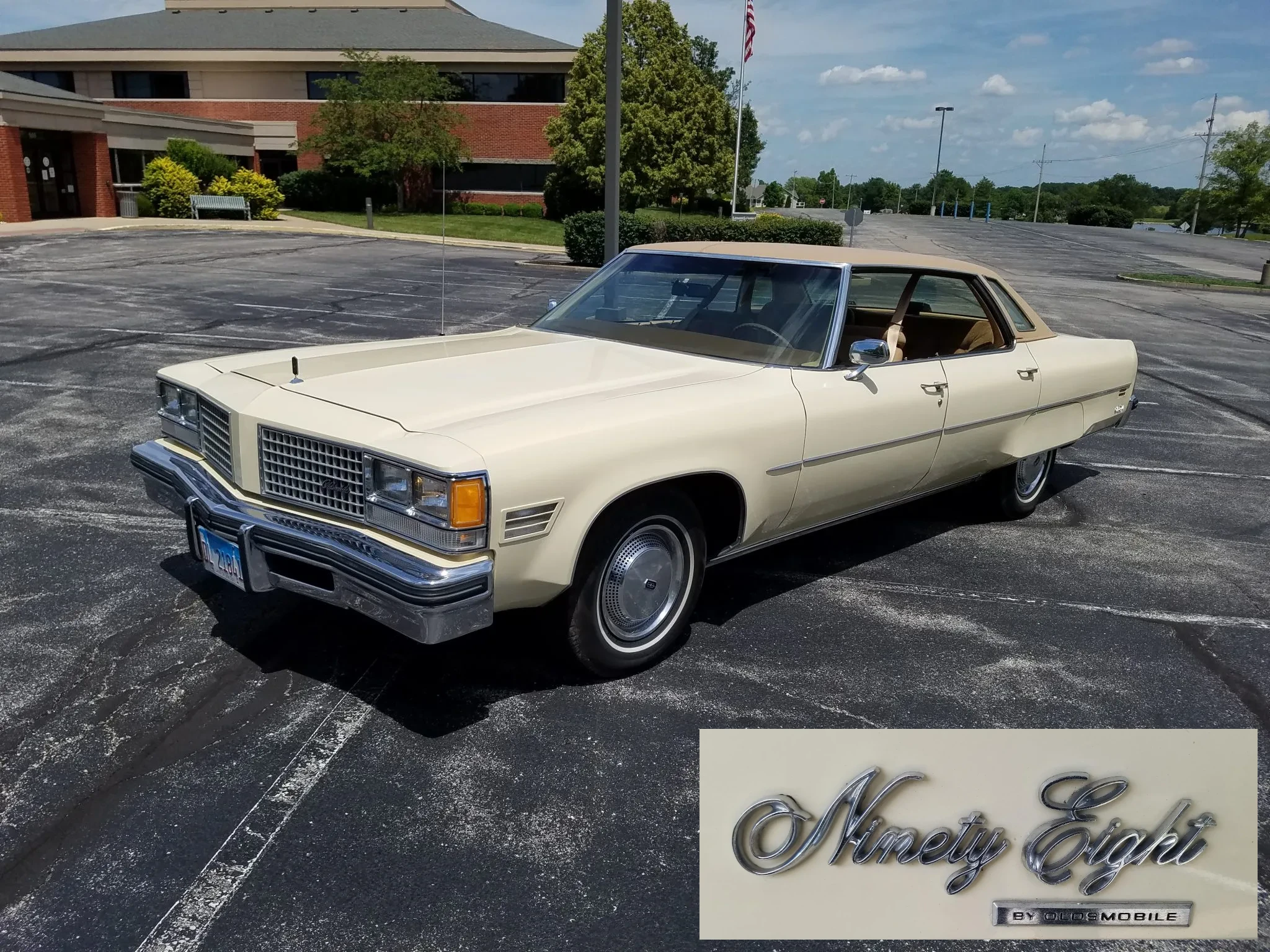
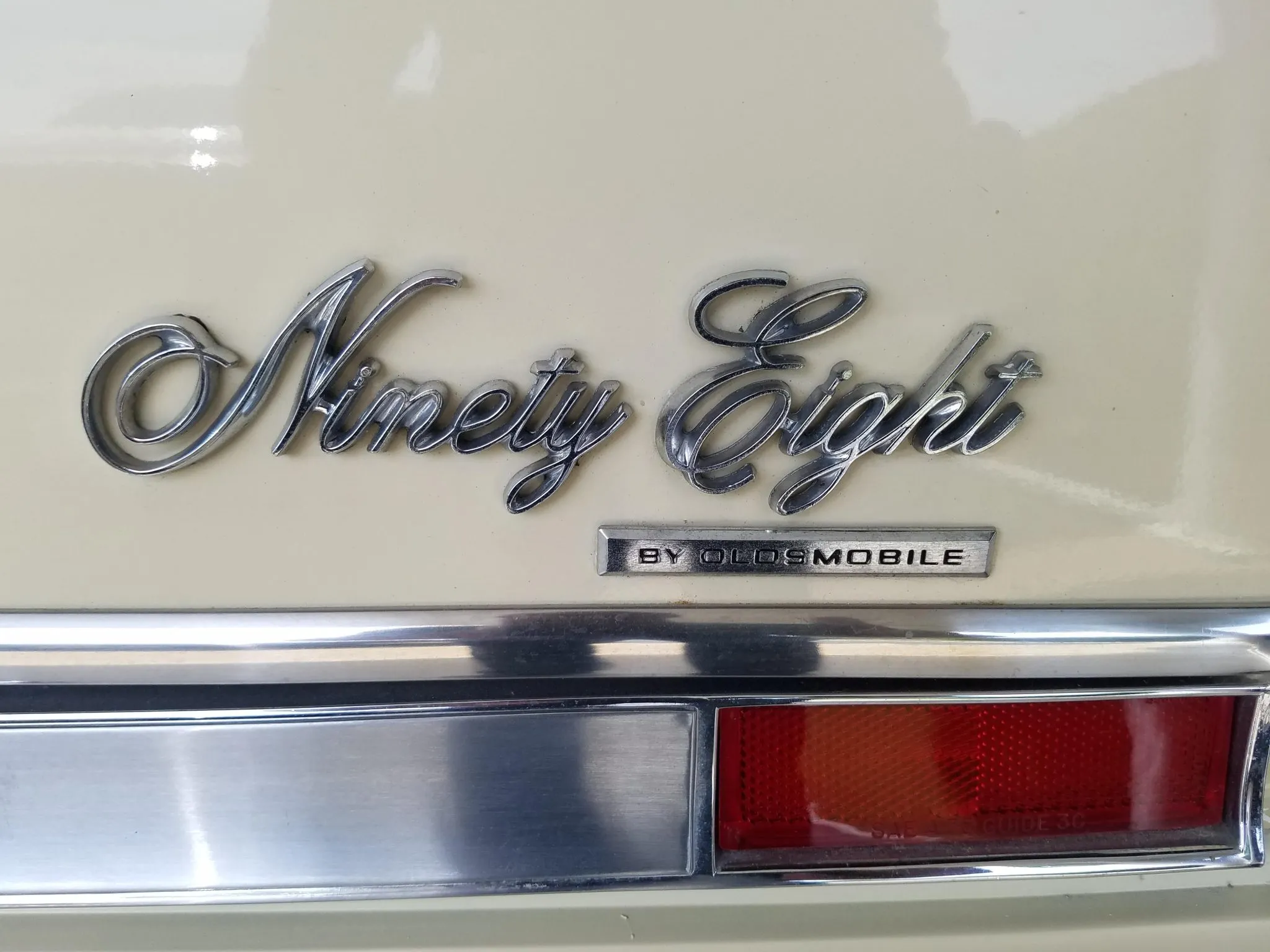
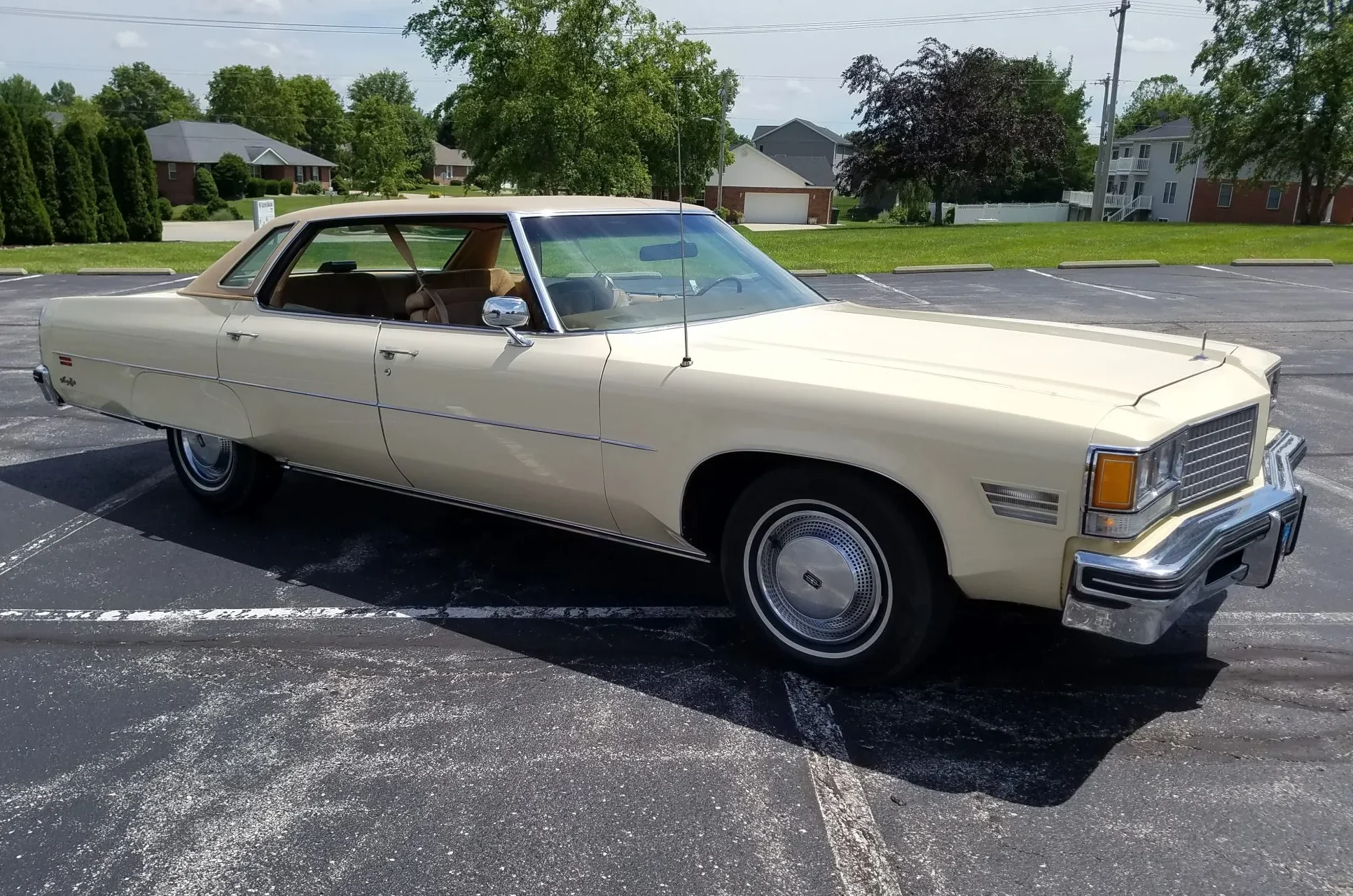
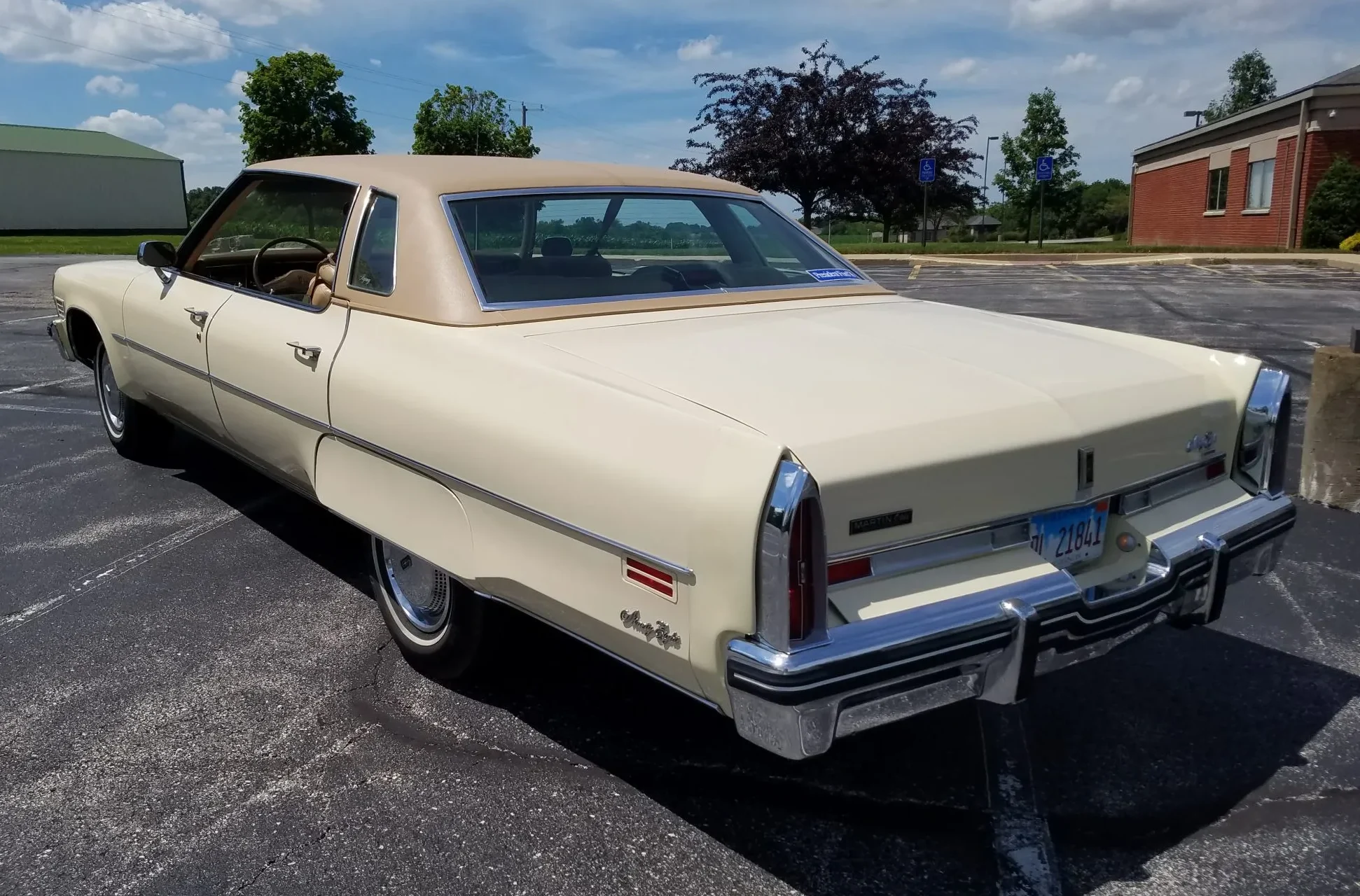
In its final year before downsizing, the Oldsmobile Ninety-Eight was a very big car with a very big price tag. This four-door 98 Regency Sedan had an original MSRP of $8,816.85, about enough to put you behind the wheel of a new Cadillac Sedan de Ville. Yet, despite the sticker shock, when adjusted for inflation, this Oldsmobile was actually cheaper than its counterparts of the early ’60s.
In the 1970s, almost everything cost more than it had just a few years before. The rate of inflation, which had averaged only about 2.4 percent in the 1960s, climbed rapidly in the wake of the 1973–1974 oil embargo — the overall inflation rate rose to 11.0 percent in 1974 and 9.1 percent in 1975. By the end of 1975, it took about $15.60 to buy what $10 had bought in early 1969.
New car prices, which had mostly increased very slowly in the ’60s, now soared. In 1962, the cheapest full-size Oldsmobile 88 sedan had started at $2,997; by 1969, a comparable model was up to only $3,205, and a big chunk of that increase was due to added safety and emissions equipment. At the start of the 1976 model year, the cheapest Delta 88 sedan was a whopping $4,918. The flagship Oldsmobile 98 four-door hardtop started at $4,258 in 1962; in 1969, a pillarless four-door Ninety-Eight Luxury Sedan started at $4,675. By 1976, the Ninety-Eight Luxury Sedan started at $6,419, and the even plusher Regency Sedan started at $6,690.55.
Naturally, Americans grumbled about the rampant inflation. Comics joked about needing to discuss financing options with their local butcher. Georgia’s senior senator, Herman Talmadge, announced that he’d traded his Olds Ninety-Eight for a new Cutlass in the interests of frugality and was frustrated by its poor gas mileage.
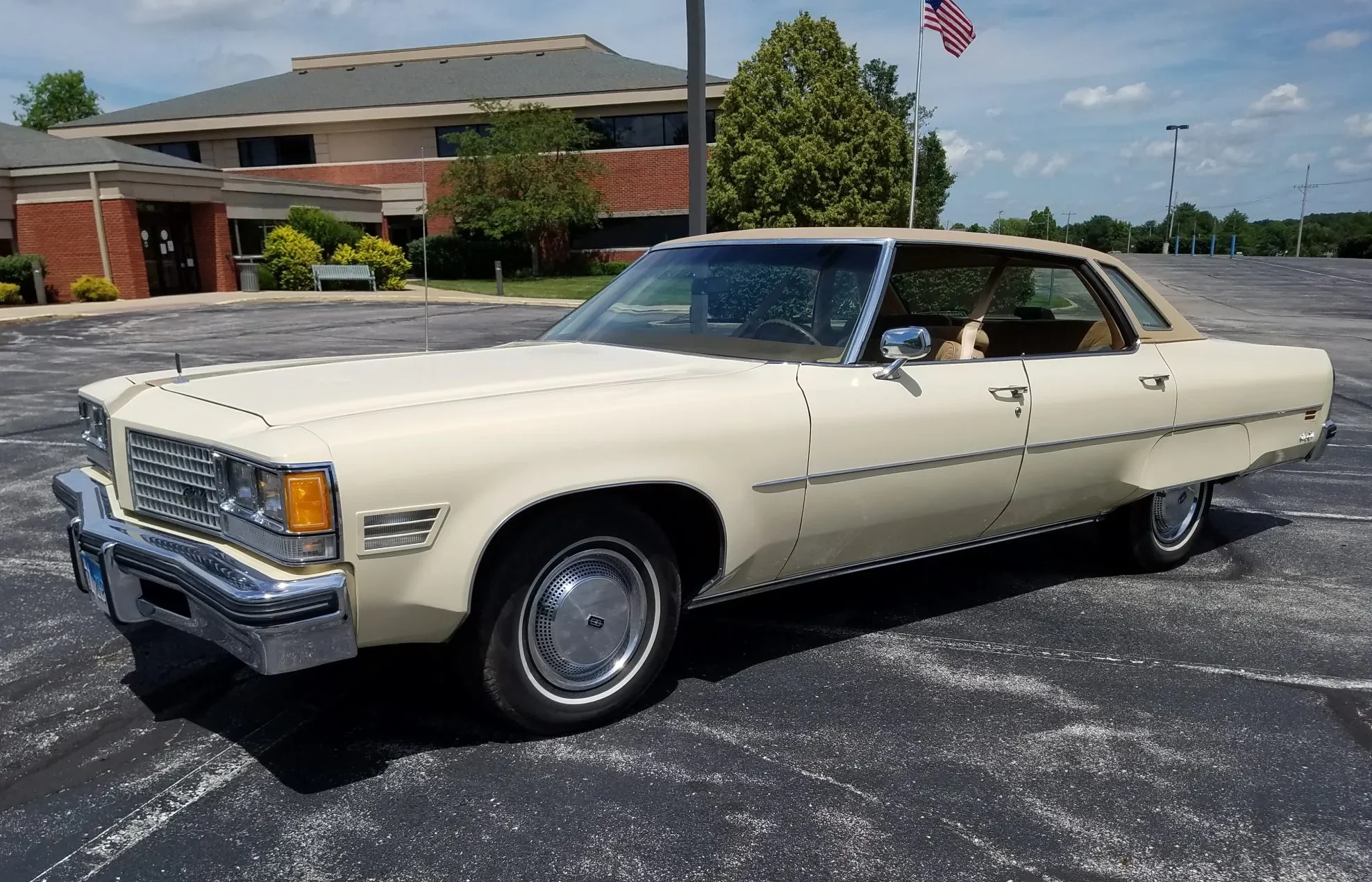
By the time this Ninety-Eight was built in late January 1976, the oil situation seemed to have stabilized for the moment, although prices were still higher than before. People who could afford a new car shook their heads at the higher prices and signed on the dotted line anyway. Big car sales, which had fallen sharply during the 1974 model year, were returning to a more normal footing.
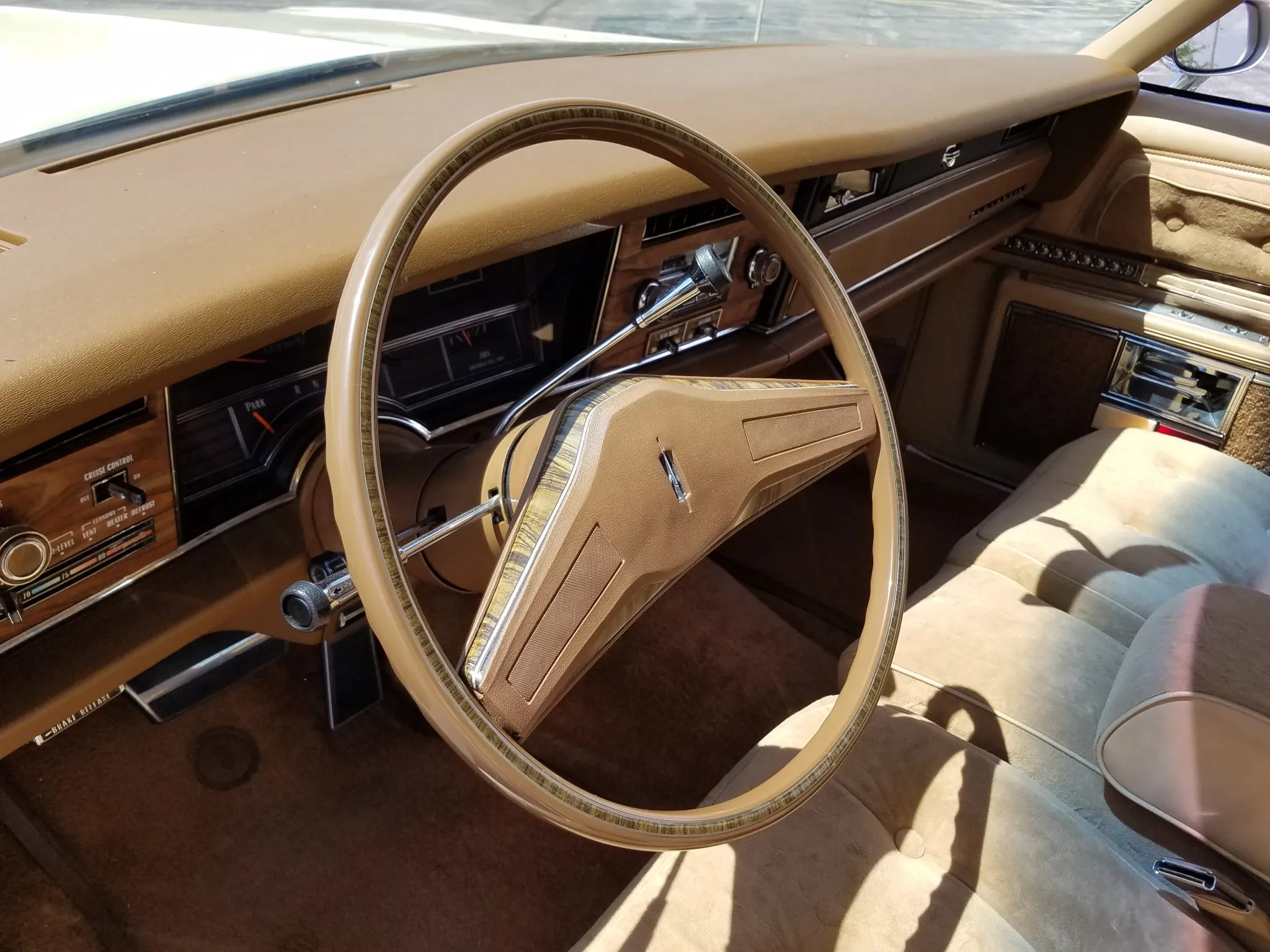
Consumer publications now took a very dour attitude towards these giant full-size cars, arguing that the intermediates and the better compacts provided most of the same capabilities while being less thirsty and much easier to park. Consumers Union (CU) hadn’t even bothered to test these big GM C-body cars in at least three years. However, many “Greatest Generation” buyers continued to regard big, soft, luxuriously trimmed hardtops like this as the pinnacle of automotive attainment. Oldsmobile built a total of 104,479 98s for the 1976 model year, including 55,339 Regency Sedans like this one.
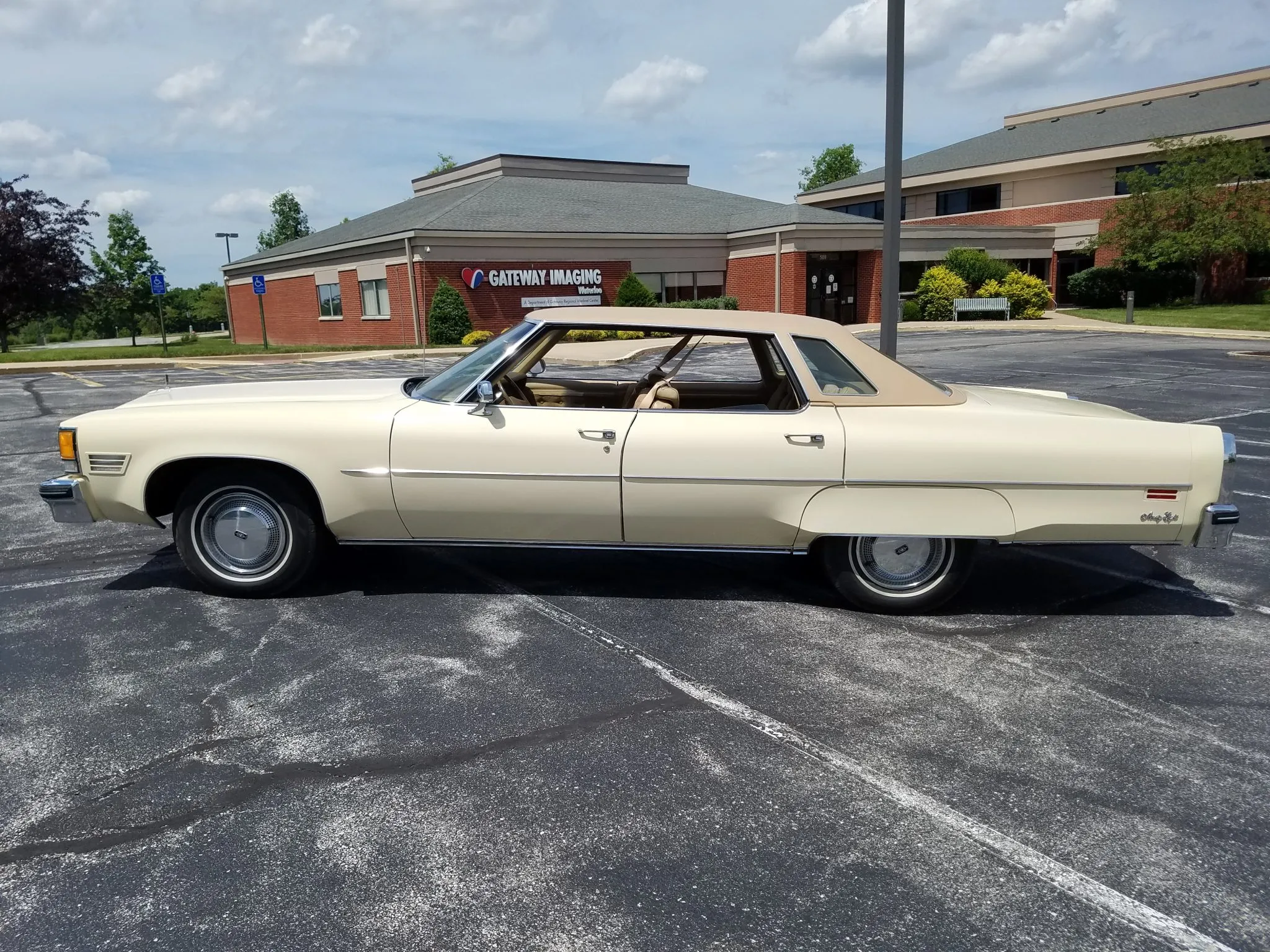
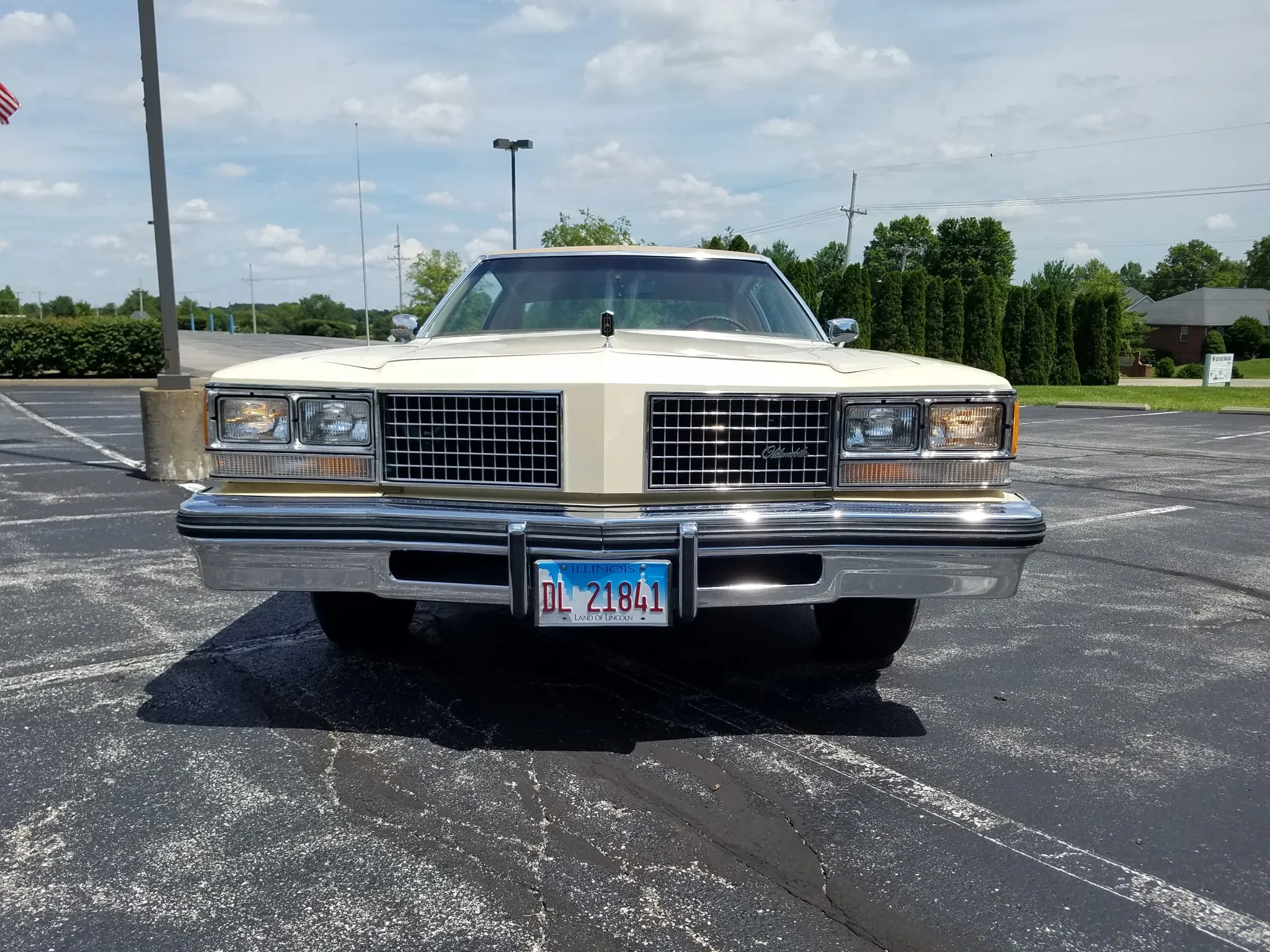
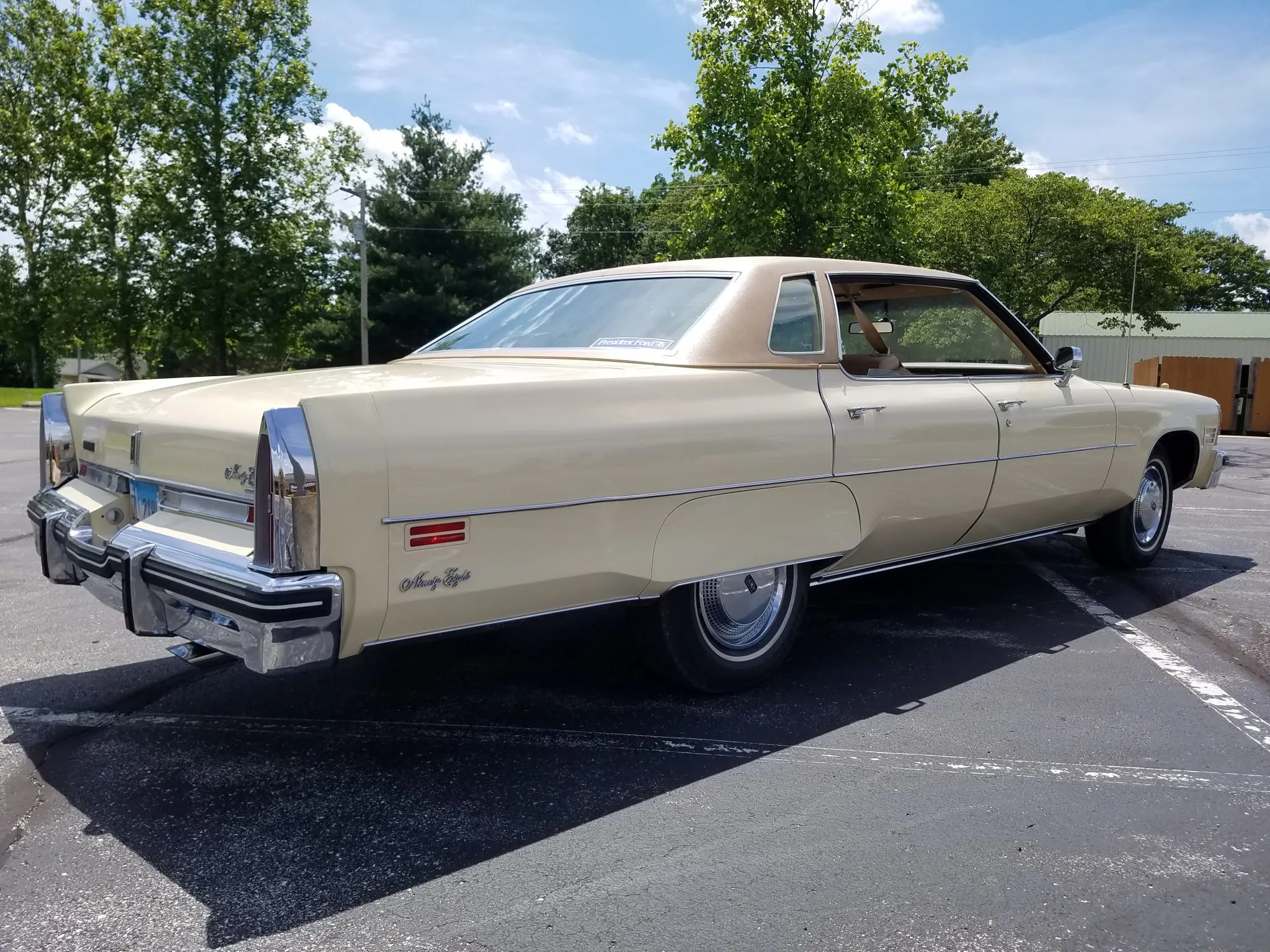
Stretching 232.2 inches on a 127-inch wheelbase, the 1976 Ninety-Eight was as big as it was ever going to get, and it was already common knowledge that GM would shortly downsize its full-size cars. “Not a wise investment,” Consumer Guide said of the ’76 jumbo edition, although both they and CU acknowledged that the Oldsmobile had a better-than-average repair record and tended to be solidly built. I think its styling, which had looked pleasingly crisp a few years earlier, was also now showing the effects of too many facelifts, but this was after all the sixth year of this body shell, a lifespan GM would previously have considered almost unthinkable for a mainstream car.
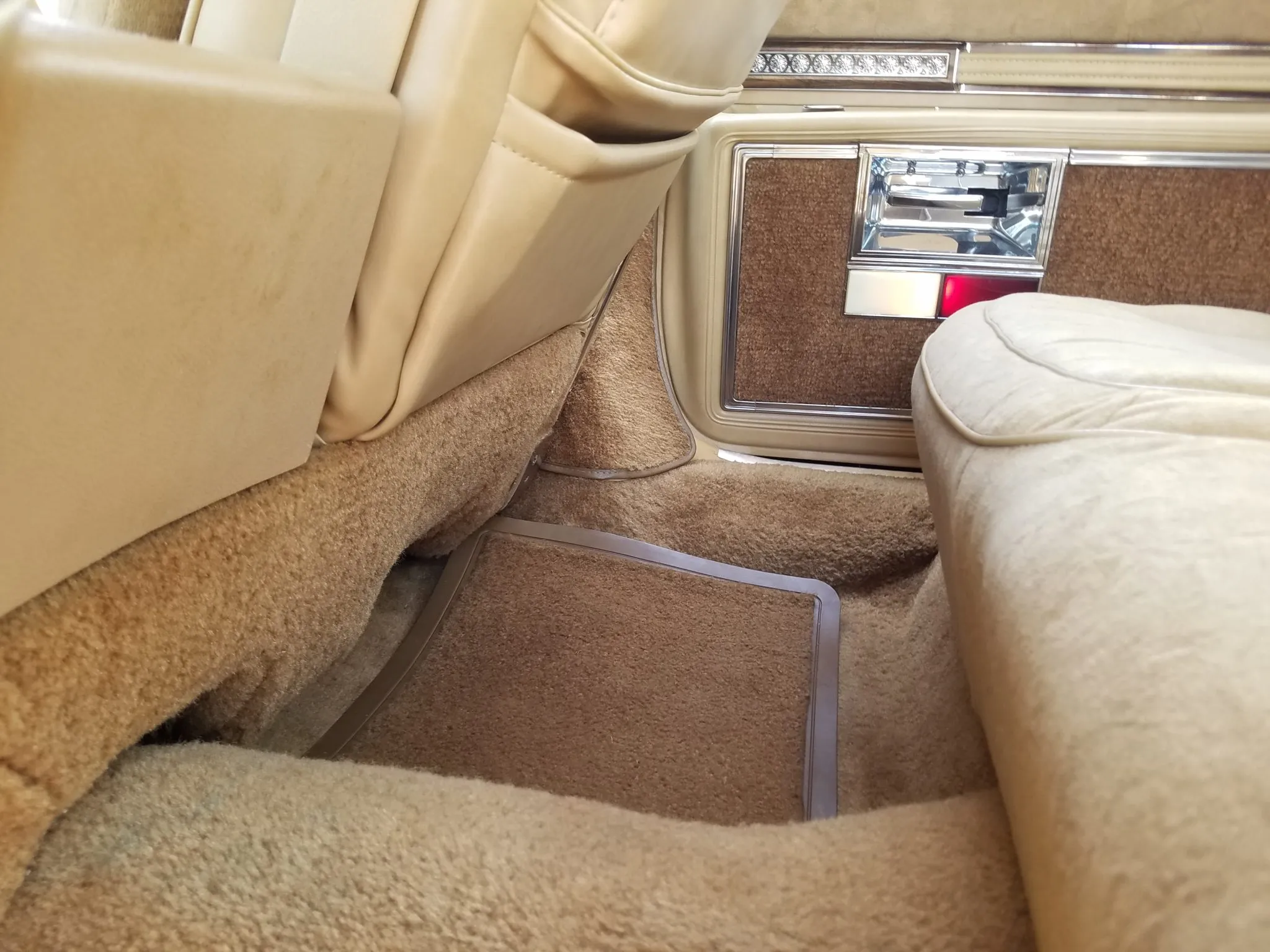
The long-wheelbase Ninety-Eight offered plenty of room, including in back, although its packaging efficiency was poor — it was much bigger on the outside than it needed to be for the space it offered. (One of the reasons buyers subsequently embraced the 1977 downsized cars is that they really didn’t sacrifice much if any usable interior room while being less thirsty and more maneuverable.)
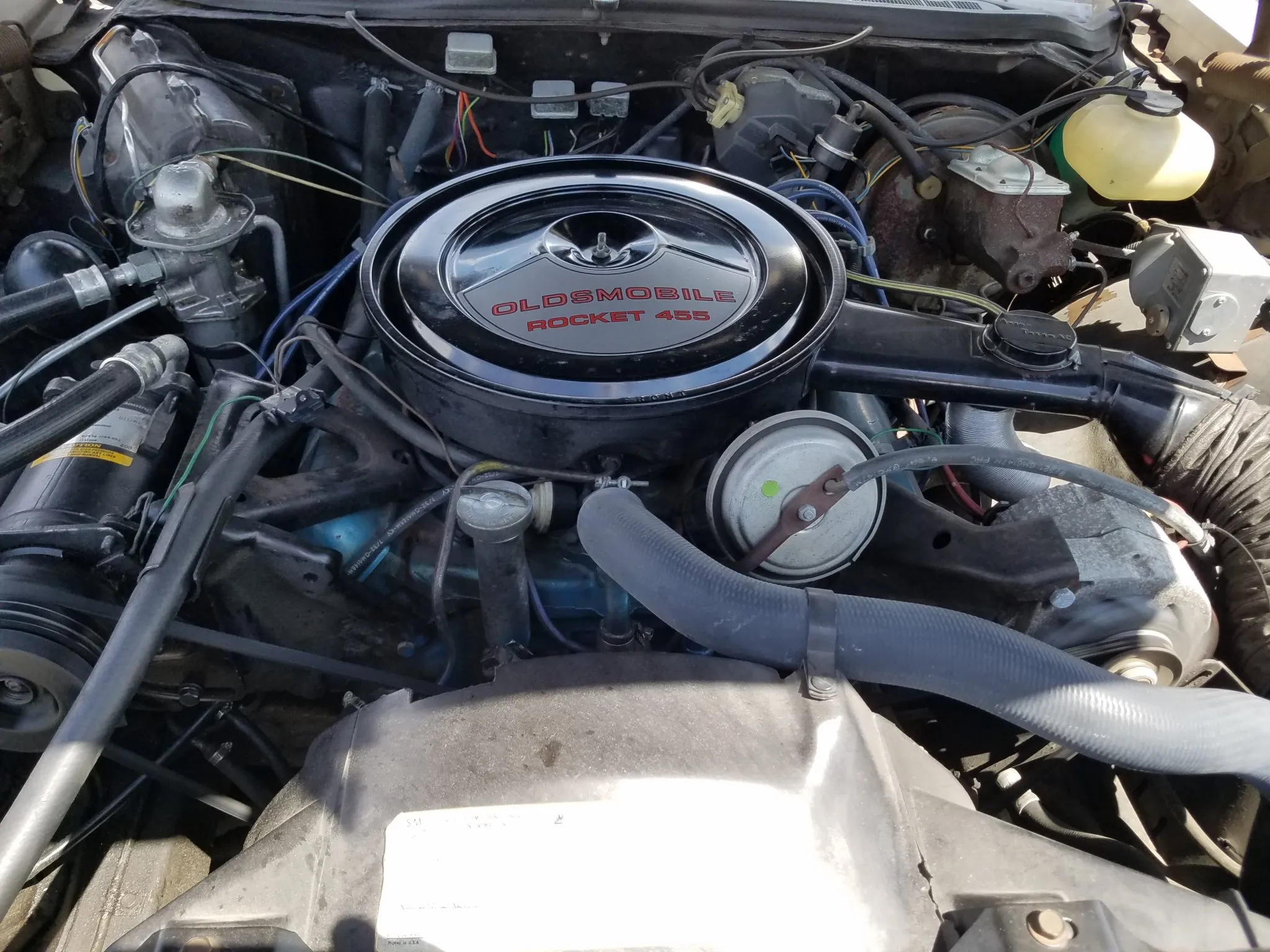
The big 455 cid Rocket V-8, standard on the Ninety-Eight, had also seen better days. It still had plenty of torque, but only 190 net horsepower, and it was now paired with a 2.41 axle ratio so that you could conceivably eke out 13 mpg on the highway. This was a 5,000 lb car, so acceleration, which had been brisk at the beginning of the decade, was now a bit leisurely.
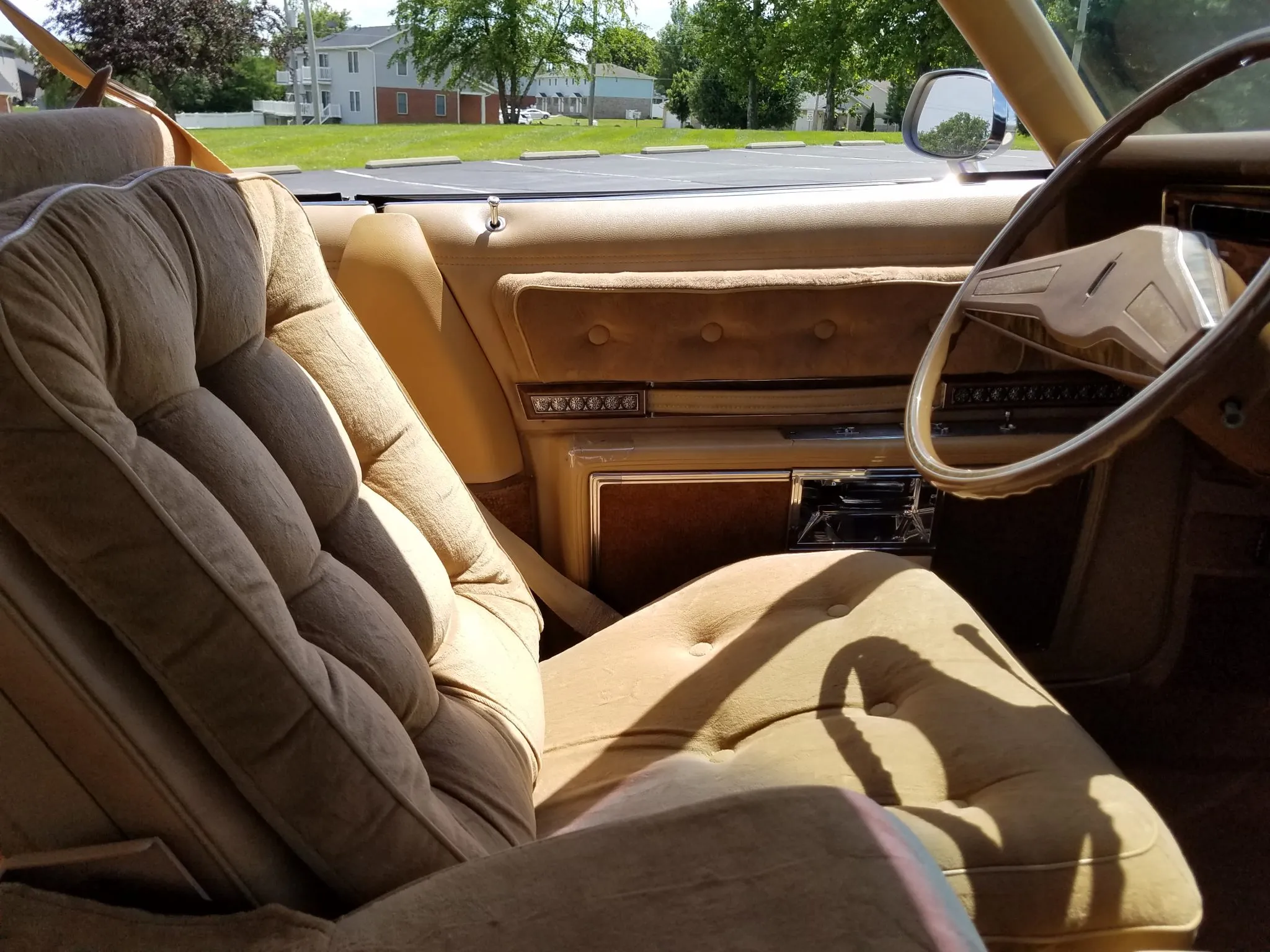
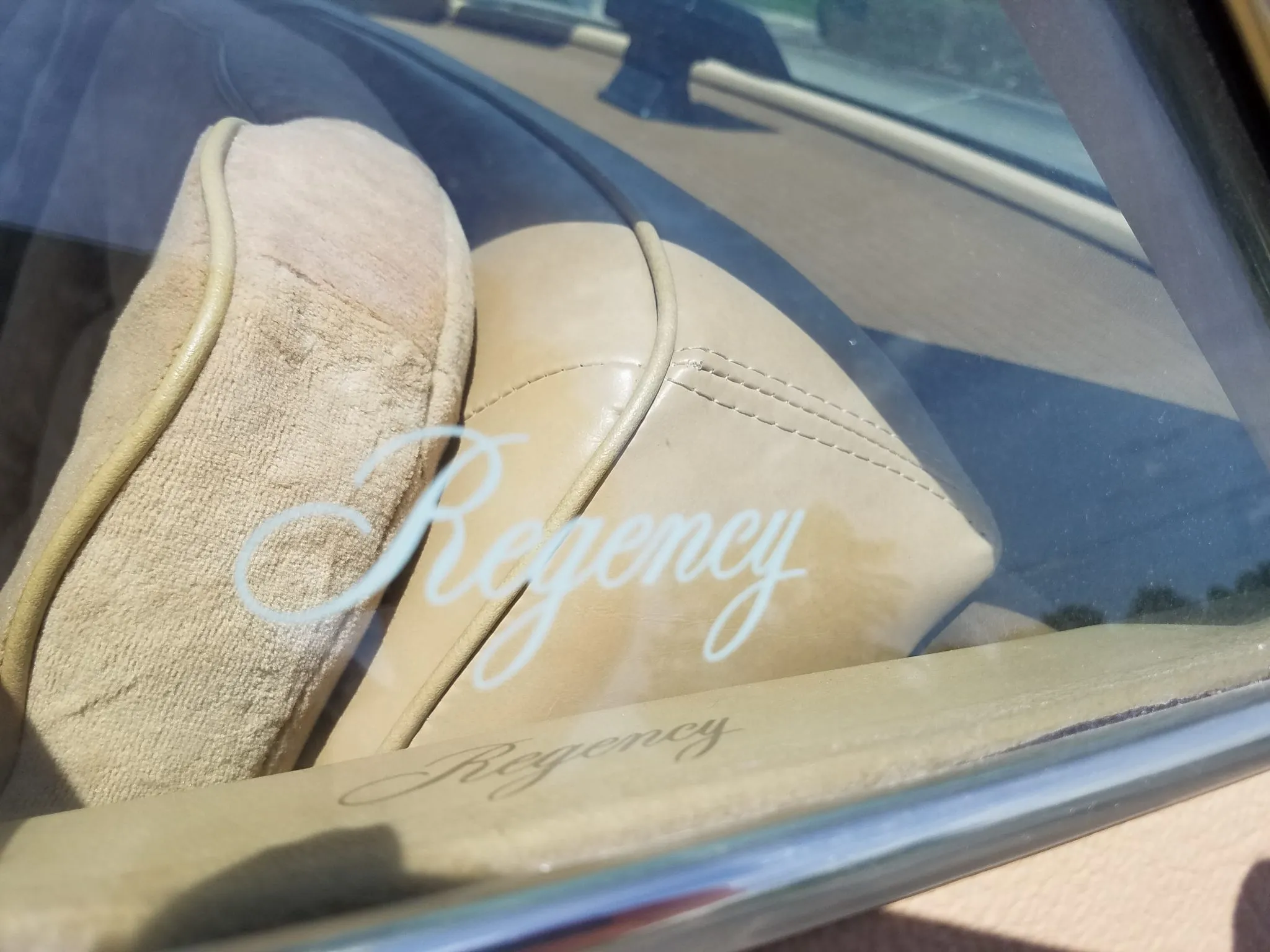
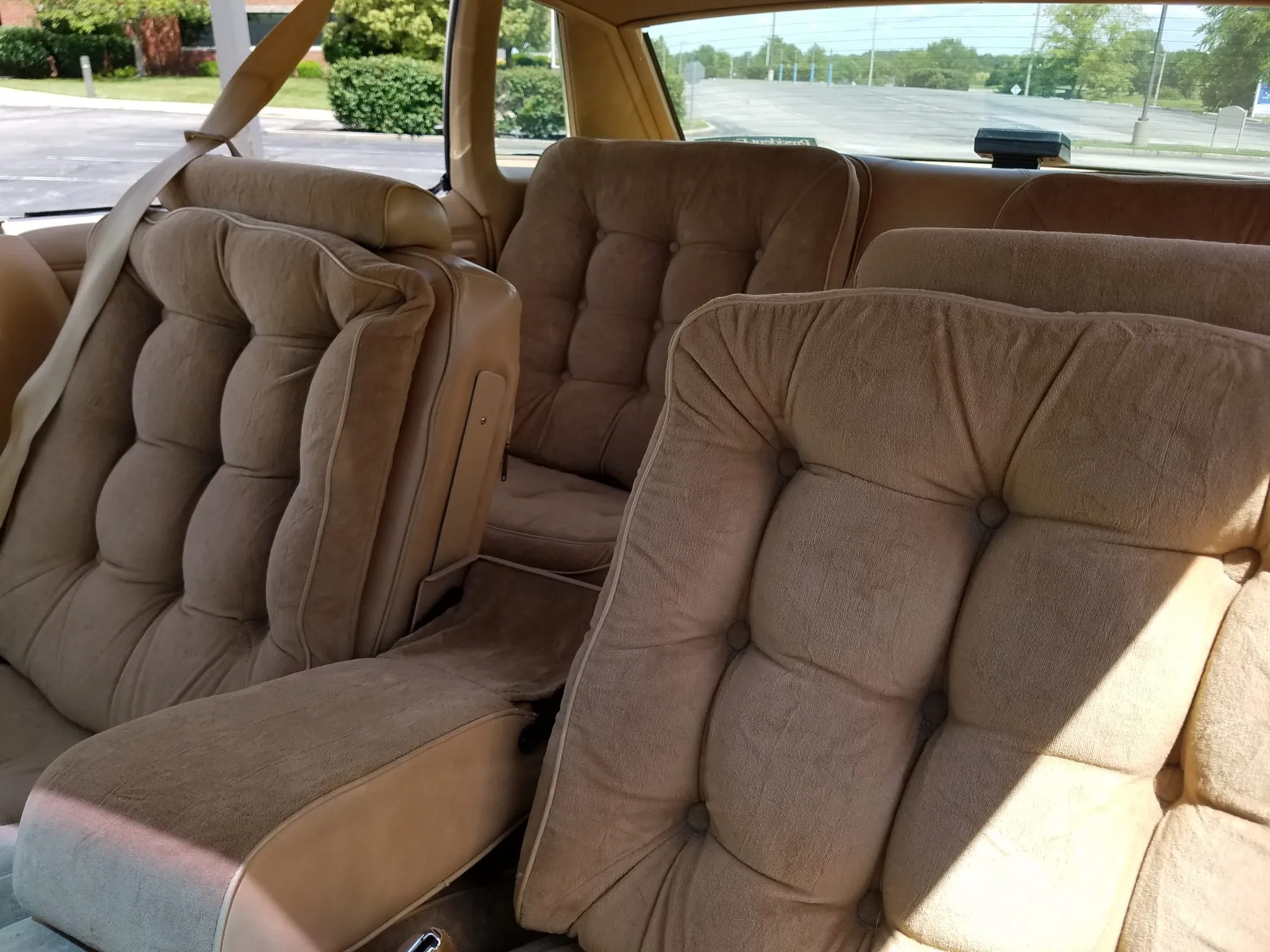
Any Ninety-Eight was plush, but the brochures boasted that the 98 Regency was “the most comfortable and thoroughly luxurious car ever built by Oldsmobile.” The key feature of the Regency was a 60/40 split bench seat with velour upholstery in a loose-cushion tufted-button style. (You could also get real leather upholstery, but it cost extra.) This one has 6-way power adjustment for the driver’s side.
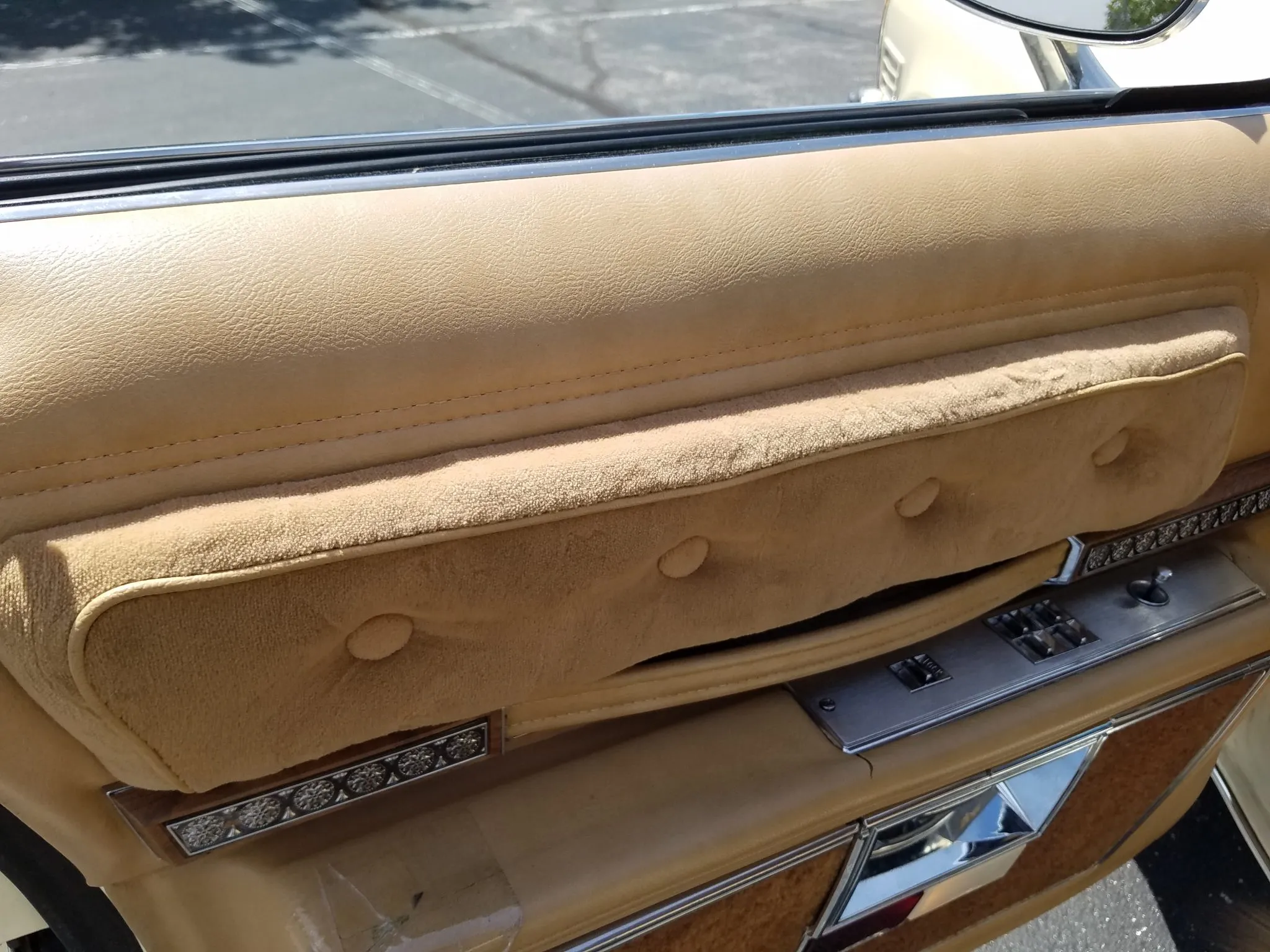
This loose-cushion look extended to the door panels. You either liked this kind of thing or you didn’t (I’m not a fan, personally), but you couldn’t accuse Oldsmobile of going halfway with it.
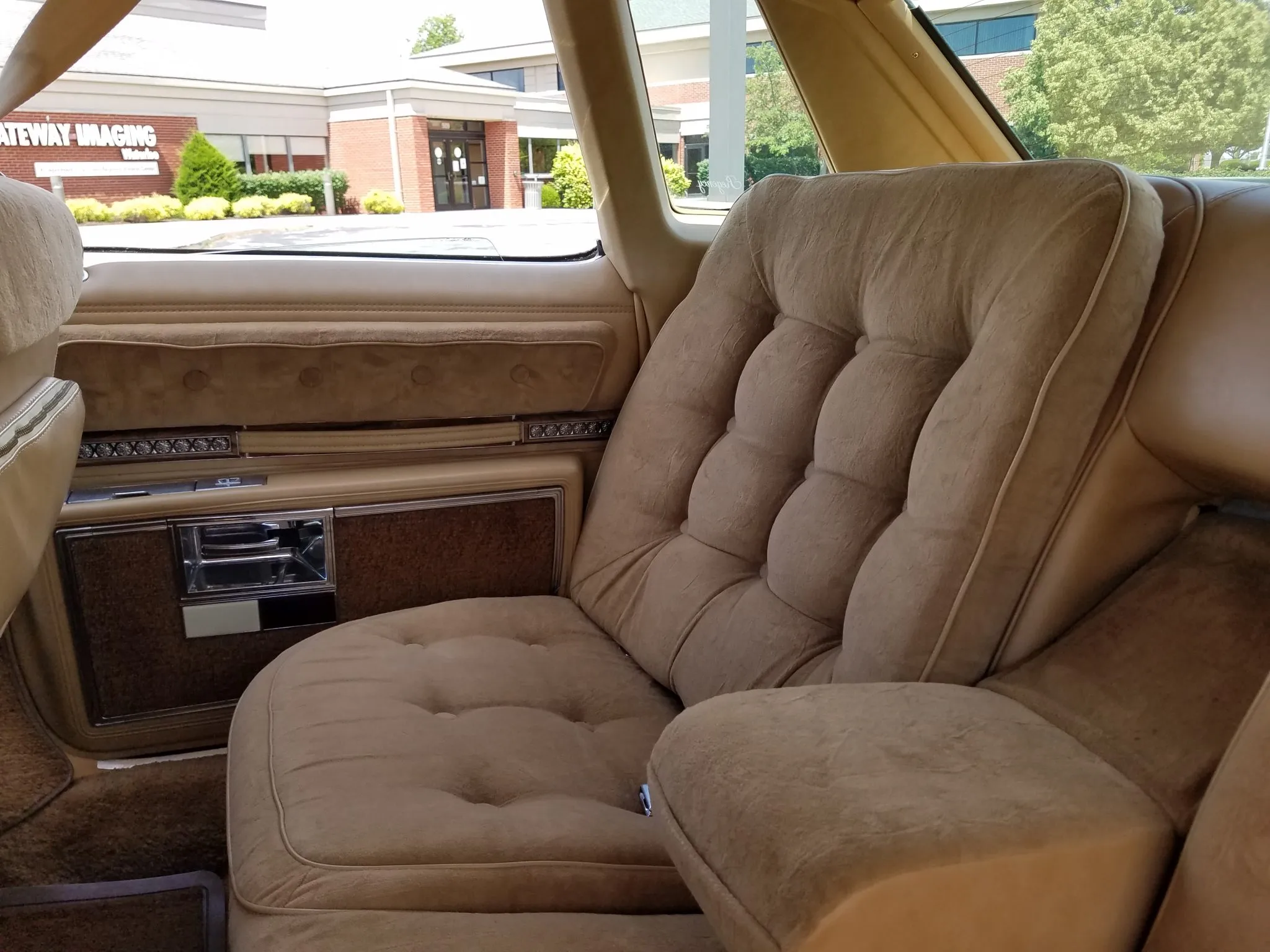
The back seat was divided into two luxuriant armchairs, although unlike the similarly velour-encrusted Cadillac Fleetwood Talisman, the center armrest/divider was folding rather than fixed.
This was about as posh as anything you could get in a Cadillac showroom in 1976, and it came with a Cadillac price tag. The customer who originally bought this car from Martin Oldsmobile in Colonia Heights, Virginia, on March 1, 1976, took a whopping $1,869.30 of optional equipment. With the $257 destination charge, the sticker price of this car came to $8,816.85, not including local tax, title, and license. At this time, the base price of a Cadillac Sedan de Ville was $8,814, although that didn’t include the destination charge.
Compared to a Mercedes-Benz or other high-end European luxury car, $8,800 was really pretty reasonable, but I think a fair number of cash-strapped Americans of the time would have regarded it as a horrifying amount of money to pay for an Oldsmobile. Not too many years earlier, you could have gotten a very nice Delta 88 for exactly half that price, and if you had bought a Ninety-Eight in the 1960s, you probably hadn’t paid more than $6,000 for it.
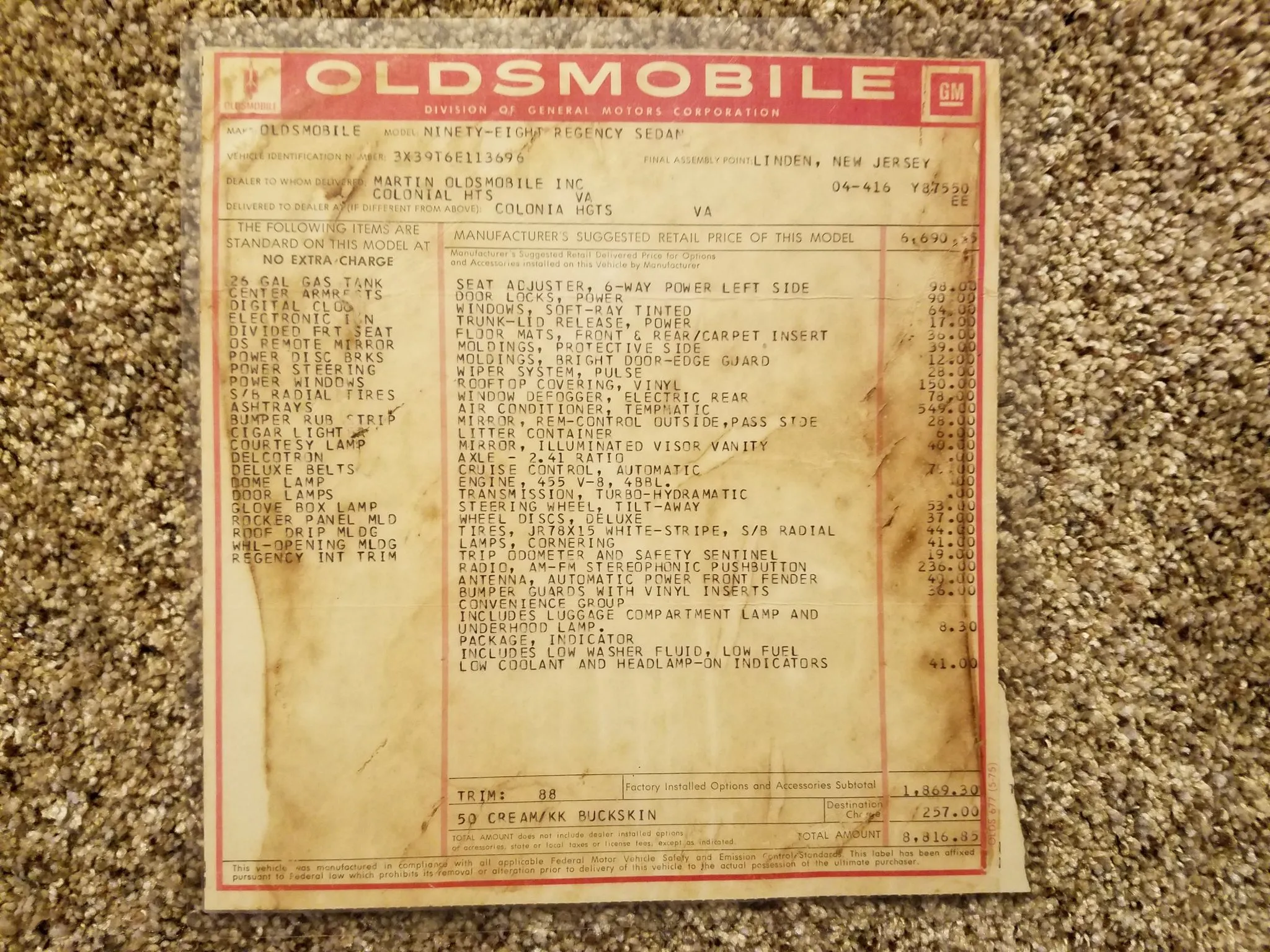
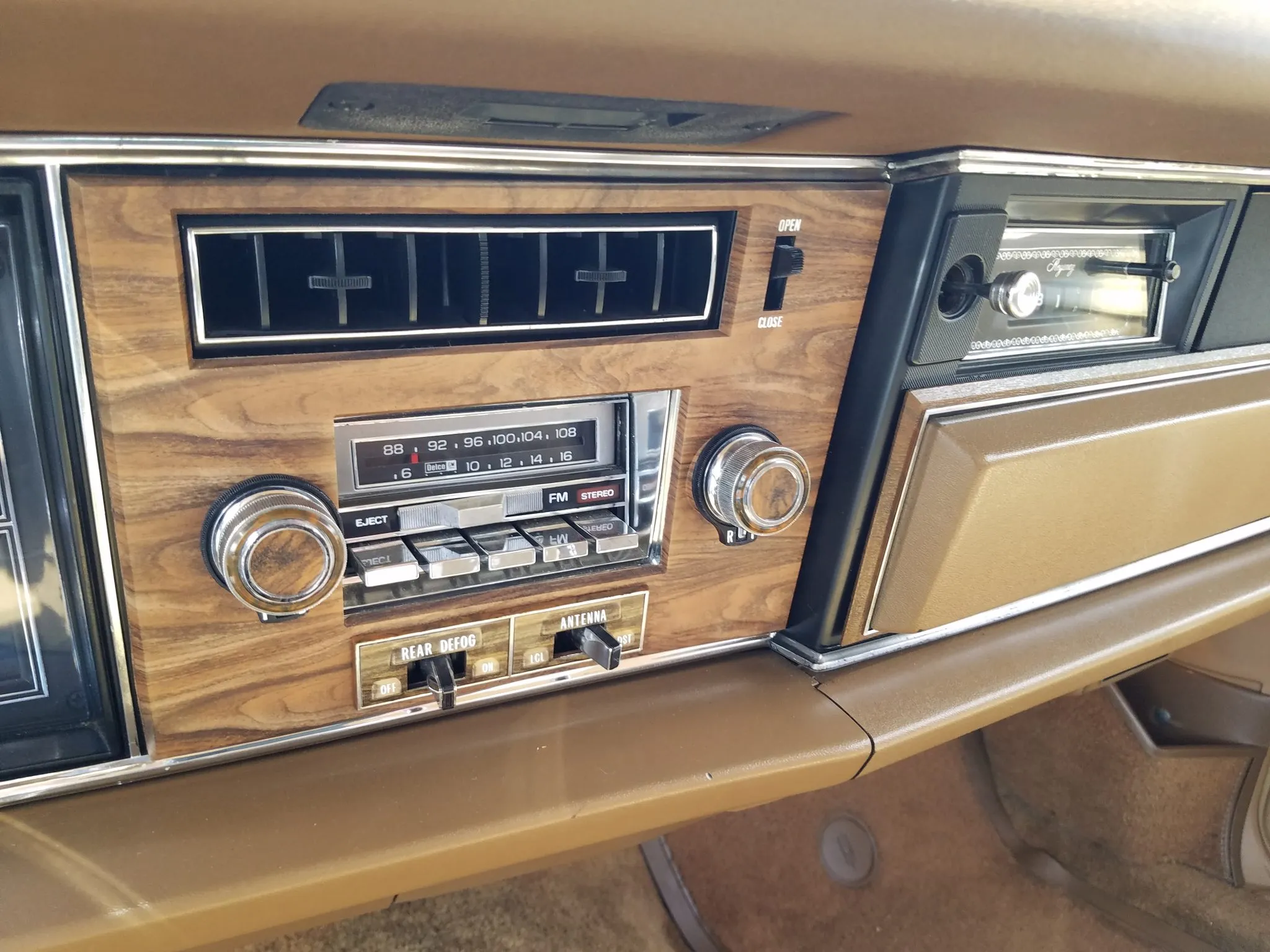
By this time, Cadillac had really stepped up its game in terms of standard equipment (automatic climate control, AM/FM radios, power windows, power door locks, and tinted glass were now standard on all Cadillacs, and the De Ville and Fleetwood Brougham got a standard power seat), but Oldsmobile still had not. Ninety-Eight buyers got power steering, power brakes (with front discs standard since 1971), Turbo Hydra-Matic, and power windows. Beyond that, here’s how the $1,869.30 list of options broke down, in descending order by price:
- Tempmatic air conditioner: $549.00
- AM/FM stereophonic pushbutton radio: $236.00
- Vinyl roof: $150.00
- 6-way power driver’s seat: $98.00
- Power door locks: $90.00
- Cruise control: $79.00
- Electric rear defogger: $78.00
- Soft-Ray tinted glass: $64.00
- Tilt-Away steering wheel: $53.00
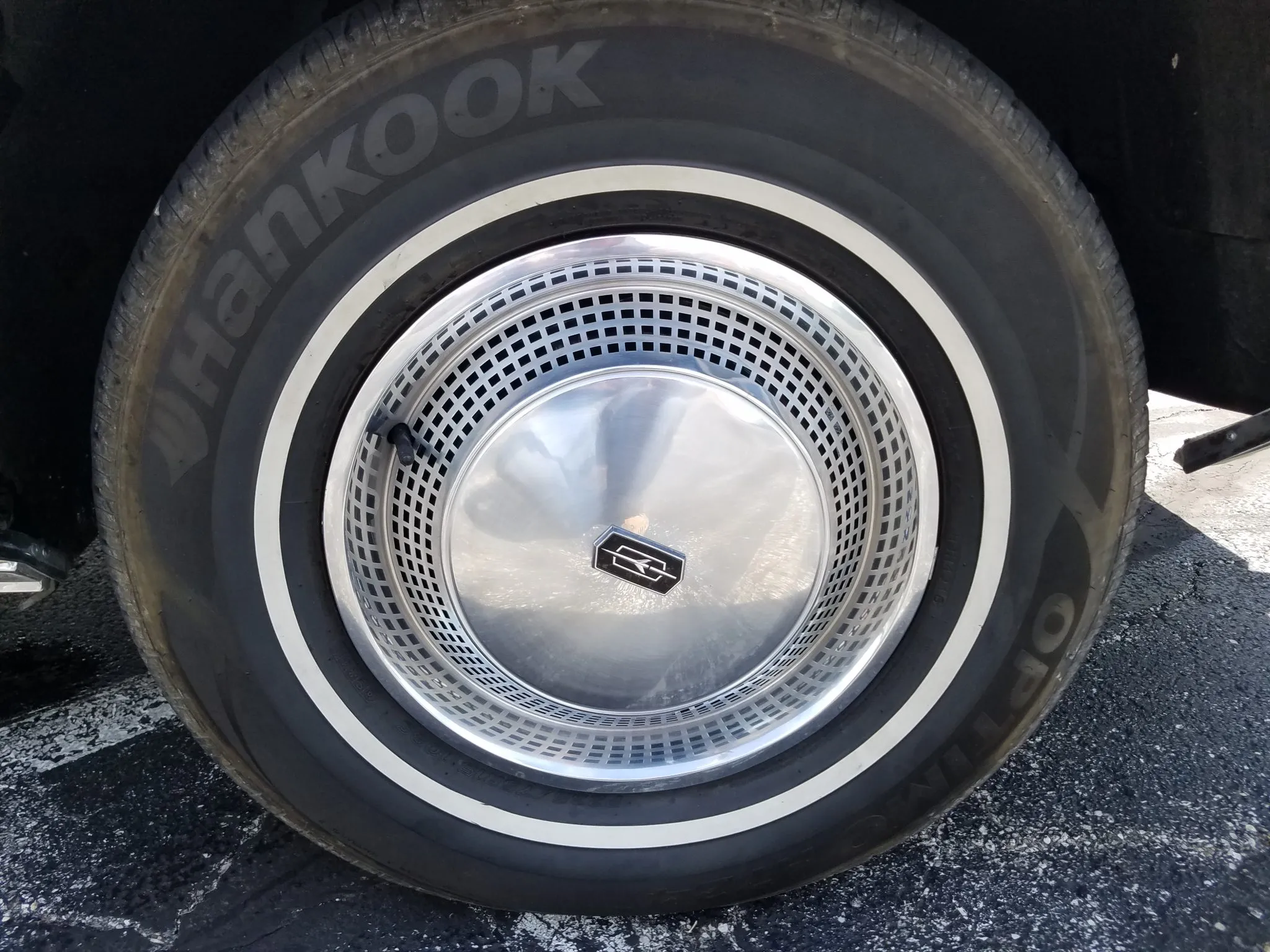
- Whitewall tires, J78x15: $44.00
- Cornering lamps: $41.00
- Indicator package (warning lights for low washer fluid, low fuel, low coolant, headlights on): $41.00
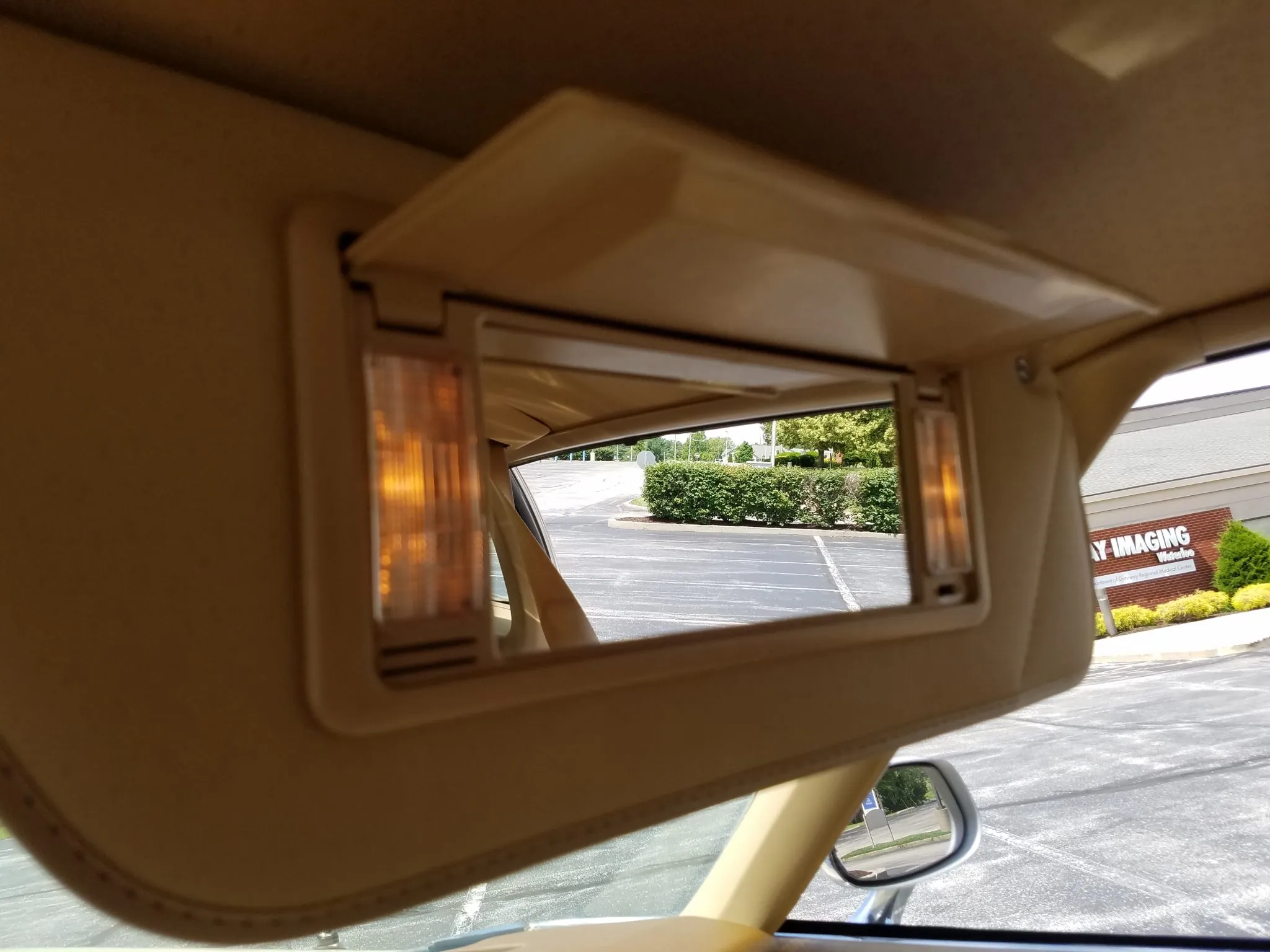
- Illuminated visor vanity mirror: $40.00
- Protective side moldings: $39.00
- Deluxe wheel covers: $37.00
- Bumper guards with vinyl inserts: $36.00
- Floor mats with carpeted inserts: $36.00
- Remote passenger-side mirror: $28.00
- Trip odometer and Safety Sentinel speed warning: $19.00
- Power trunk lid release: $17.00
- Bright door-edge moldings: $12.00
- Convenience group (under-hood and luggage compartment lamps): $8.30
- Litter container: $6.00
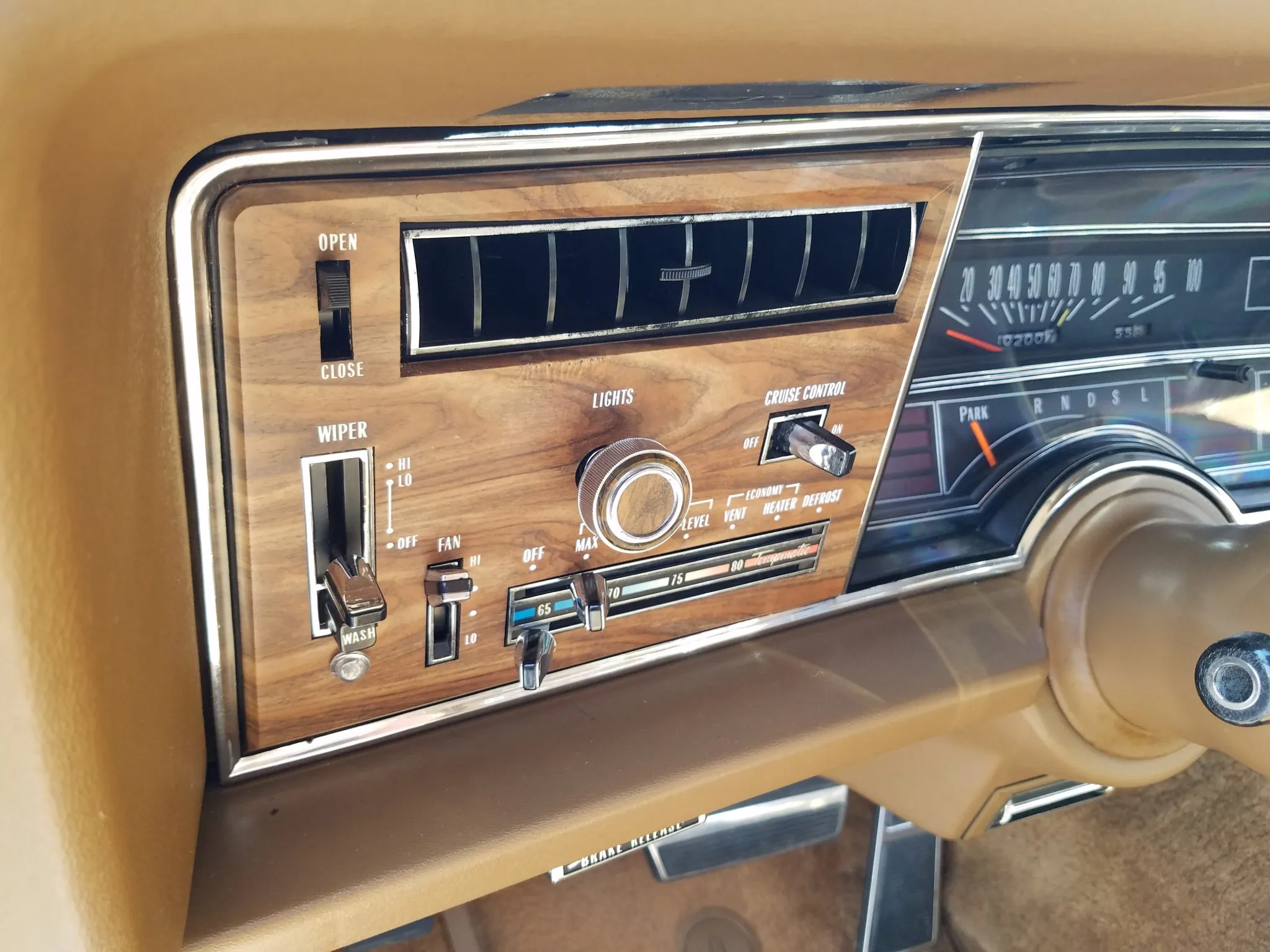
This list still wasn’t every available option by any means. Among the available items this well-equipped Ninety-Eight still lacked were a theft deterrent system, an anti-spin axle, leather upholstery, and the soon-to-be-discontinued Air Cushion Restraint System with dual airbags. (By this time, it would have taken considerable arm-twisting and an extended delay to order the ACRS, which would also have added about $300 to the bill.)
Optioning a Sedan de Ville to match this 98 Regency feature for feature would have cost more, but the gap had shrunk considerably. Cadillac management apparently decided it had shrunk too much, because just weeks after this Oldsmobile was built, Cadillac raised the base price of the Sedan de Ville by $451, to $9,265, while Oldsmobile stood pat. Higher prices didn’t prevent Cadillac from selling 173,570 De Villes for 1976, plus 8,300 of the unloved, somewhat cheaper Calais, so affluent buyers apparently regarded the price escalation as an annoyance rather than a deterrent.
Of course, most buyers didn’t pay full sticker price for domestic makes, even in this class. According to the dealer invoice, the original buyer of this car received a $1,541.85 discount, bringing the final out-the-door cost to a more palatable $7,559.50, including sales tax and license fees.
For that, the buyer got a car that was at least a match for a Cadillac Sedan de Ville in every quantifiable respect. If it lacked the snob appeal of the Cadillac badge, driving a Ninety-Eight was also somewhat less likely to make the owner look like a status-craving dingbat (what the British would call “a flash git”).
As I looked at the window sticker for this Regency, I started wondering, “How much more expensive WAS this car than its ’60s predecessors, really, if you adjusted for inflation?” The answer was surprising.
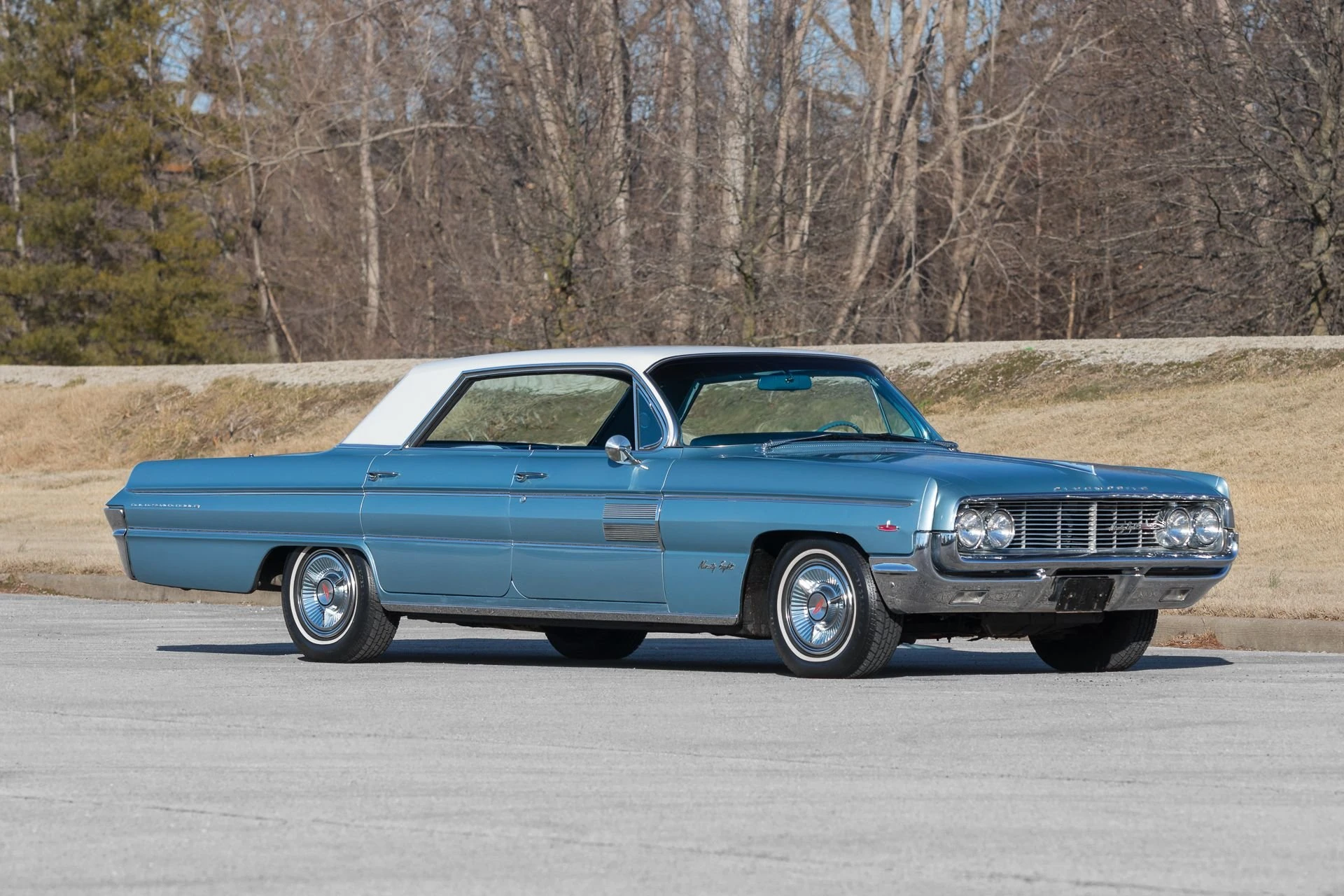
Back in April 1962, Car Life had tested a well-equipped Olds Ninety-Eight Holiday Sports Sedan that cost about $5,093 as equipped. The car magazines could be a little sloppy with prices, but I have complete factory options lists for the 1962s, so I went through them to add up the cost of all the optional equipment it would take to equip a ’62 four-door hardtop as close to the 1976 Regency as possible. That came out to about $5,260, which didn’t include freight, or any of the safety equipment and features on the ’76 that weren’t available on the ’62, like front disc brakes and radial tires.
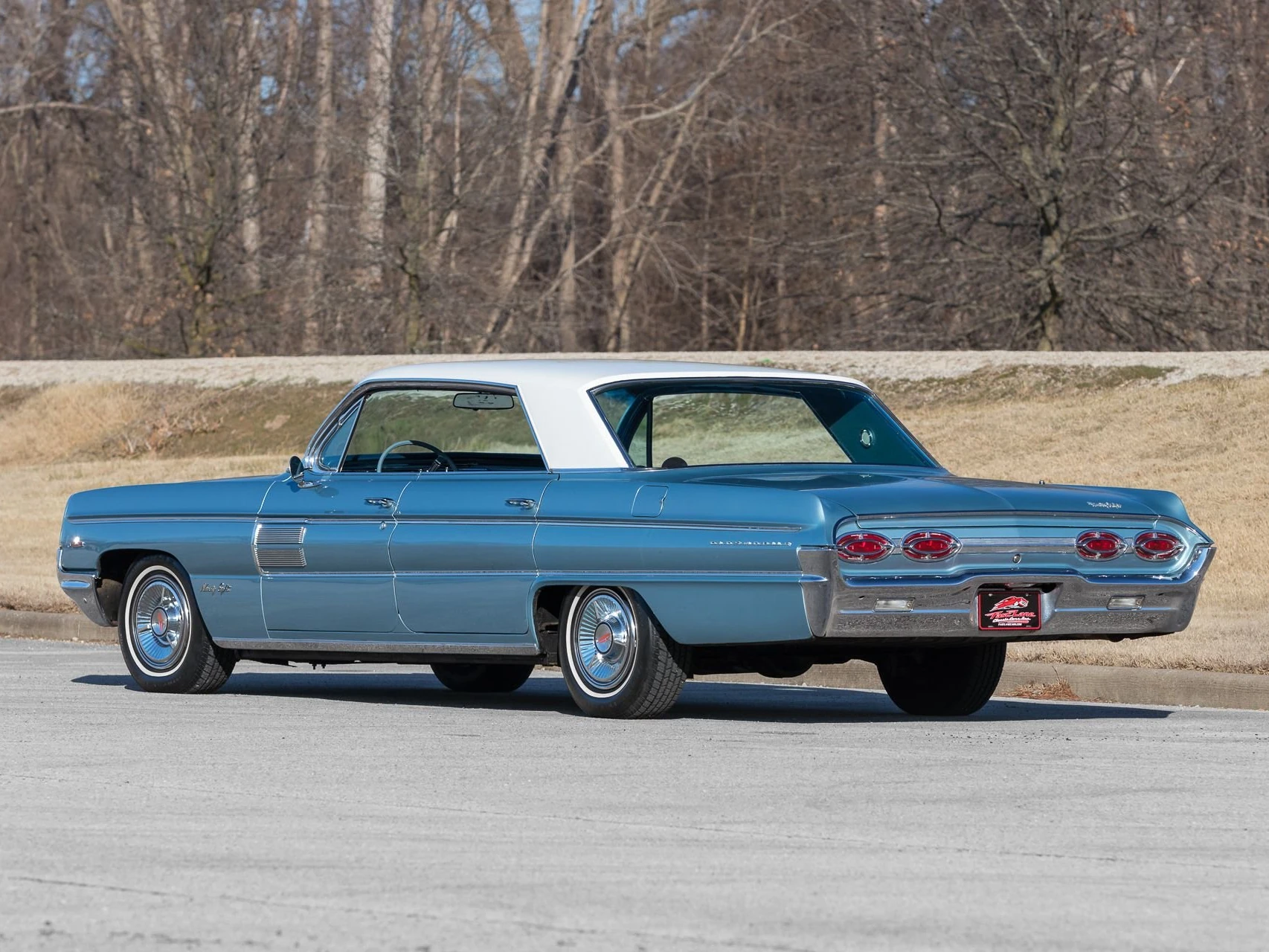
If you adjust based on the consumer price index (CPI), that $5,260 price tag in April 1962 was the equivalent of about $9,736 in March 1976. Adjusting based on relative worth (relative value in total consumption) — the cost of a purchase relative to an average household’s total expenditures — the equivalent price would be closer to $10,800 in 1976 dollars.
In other words, when adjusted for inflation, the very large sticker price of this very large car was actually over 10 percent cheaper than its seemingly less-expensive Kennedy-era predecessor. The 98 Regency also represented a significantly smaller chunk of a typical household’s total cost of living.
This wasn’t to say every household in 1976 could have swung the payments on a car like this (mine certainly couldn’t!), but for those who could, cars like the 98 Regency, Buick Electra Limited, or Cadillac De Ville were more affordable than they had been 10 to 15 years earlier, even with the higher prices. Little wonder, then, that so many people kept buying so many of these cars, at least for a while longer.
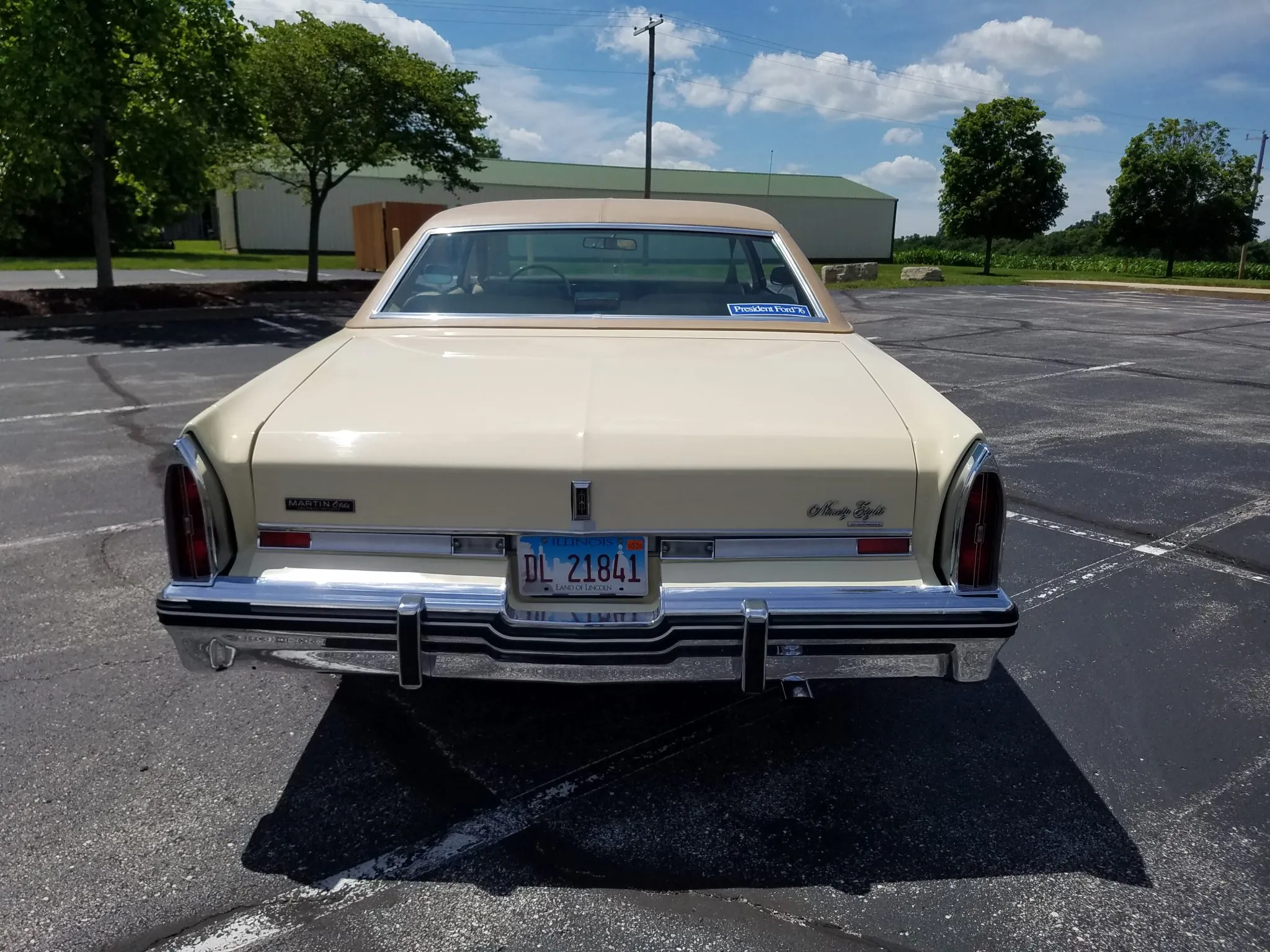
If you’re wondering, when adjusted for CPI, the $8,817 price of this 98 Regency in March 1976 was the equivalent of about $53,235 in October 2026; adjusting for relative worth, it was more like $58,066. That’s about what you’d pay for a 2027 Lexus ES, which isn’t an outrageous amount of money for a new luxury car these days — the cheapest 2027 U.S. Mercedes-Benz E-class sedan now starts at $66,650. As for the featured car itself, it sold for $9,400 on Bring a Trailer in June 2024.
Related Reading
1946 and 1968 Oldsmobile 98 Sedans: Cadillac Luxury From GM’s Mid-Priced Brand (by me)
Curbside Classic Capsule: 1972 Oldsmobile 98 Coupe – A Cheaper Coupe DeVille (by me)
1972 Oldsmobile Ninety-Eight Luxury Sedan: A Full-Size Luxury Bargain From Big Sky Country (by me)
Curbside Classic: 1973 Oldsmobile Ninety-Eight Regency – Nice Car, Fabulous Seats (by J P Cavanaugh)























I might argue that the fact that this car was cheaper than a comparable 1962 was an indication that the Sloan ladder was failing. It used to be a point of pride that you had Oldsmobile money. Making one more affordable was blurring the line between the brands and making the marque less prestigious.
Cadillac was right to raise their prices and it didn’t hurt their sales much. Given that the European prestige brands sold for more, there was headroom for American luxury brands to raise prices instead of seeking out less wealthy customers. This loss of prestige probably wasn’t GM’s fault though, they were likely pressured by dealers to get more cars out the door.