
The use of quotations marks for the word “mass-produced” in this title is all relative. The first Ferrari road car, the 166 Inter (1948-50) was made in about 38 units. There were a dozen other models made in Maranello throughout the ‘50s, and they were all extremely small runs. Some were made for racing, so that was entirely justified, but as Ferrari’s renown grew, the need to cash in on it became ever more pressing.
That would mean stepping up production from 100% artisanal to something a little more reasoned. Two things were evident, from the jump: the engine needed to be the legendary 3-litre “250” Columbo V12, a Ferrari mainstay since the early ‘50s, and the car’s styling had to involve Pininfarina.
Since the early ‘50s, the Turin-based carrozzeria had become the most important purveyor of external designs for Ferrari, though some bodies were not made by PF, whose own transformation from artisan coachbuilder to industrial body-maker was taking place.
Pininfarina’s new Grugliasco factory was up and running by 1959, mostly churning out Alfa Romeo Spiders. But from then on, what large generalist firms like Peugeot, Fiat or GM would consider minuscule production runs for niche models could be handled by PF from planning and design to body construction and finishing.
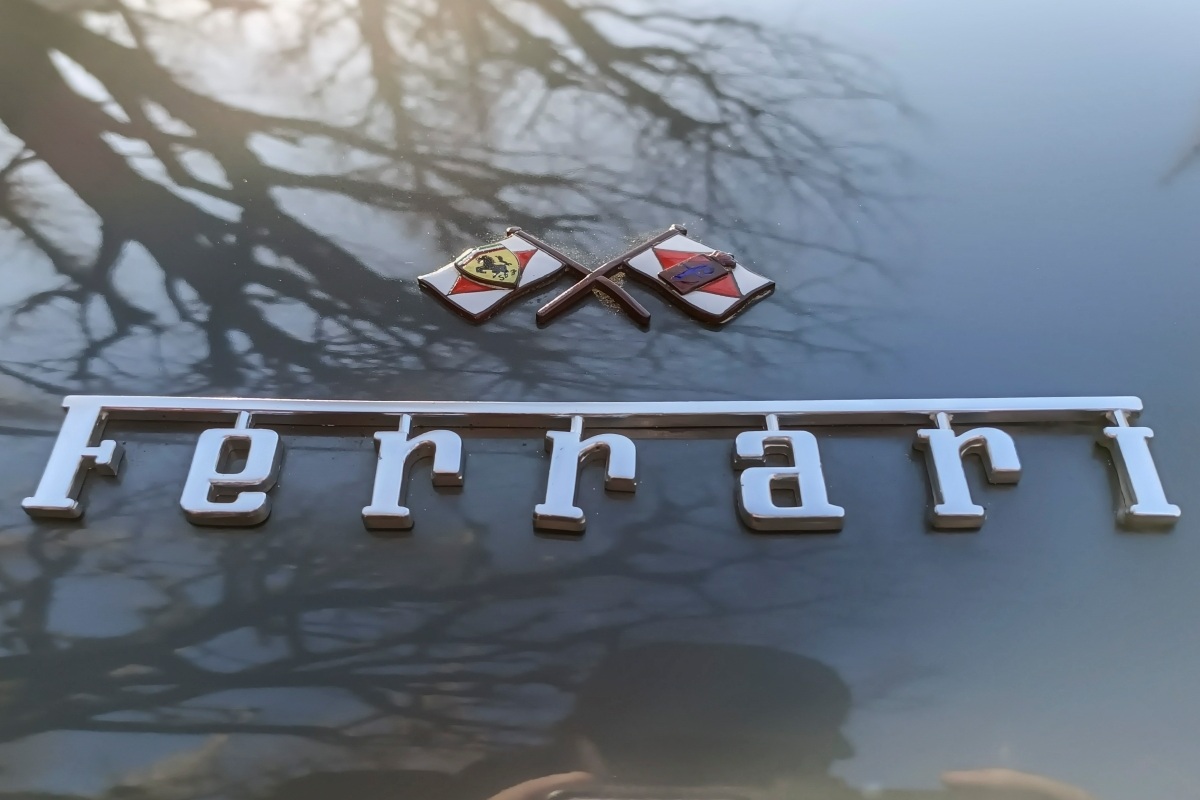
As far as Ferrari were concerned, the main issue was to generate some income to keep the business afloat. Sixty-unit production runs were not unprofitable, but going for a much higher number might allow for the marque to broaden its footprint beyond the über-rich. Some models, like the America series, would remain super high-end and exclusive, but the 250 chassis could be fashioned into a more user-friendly Ferrari for the merely super-rich.
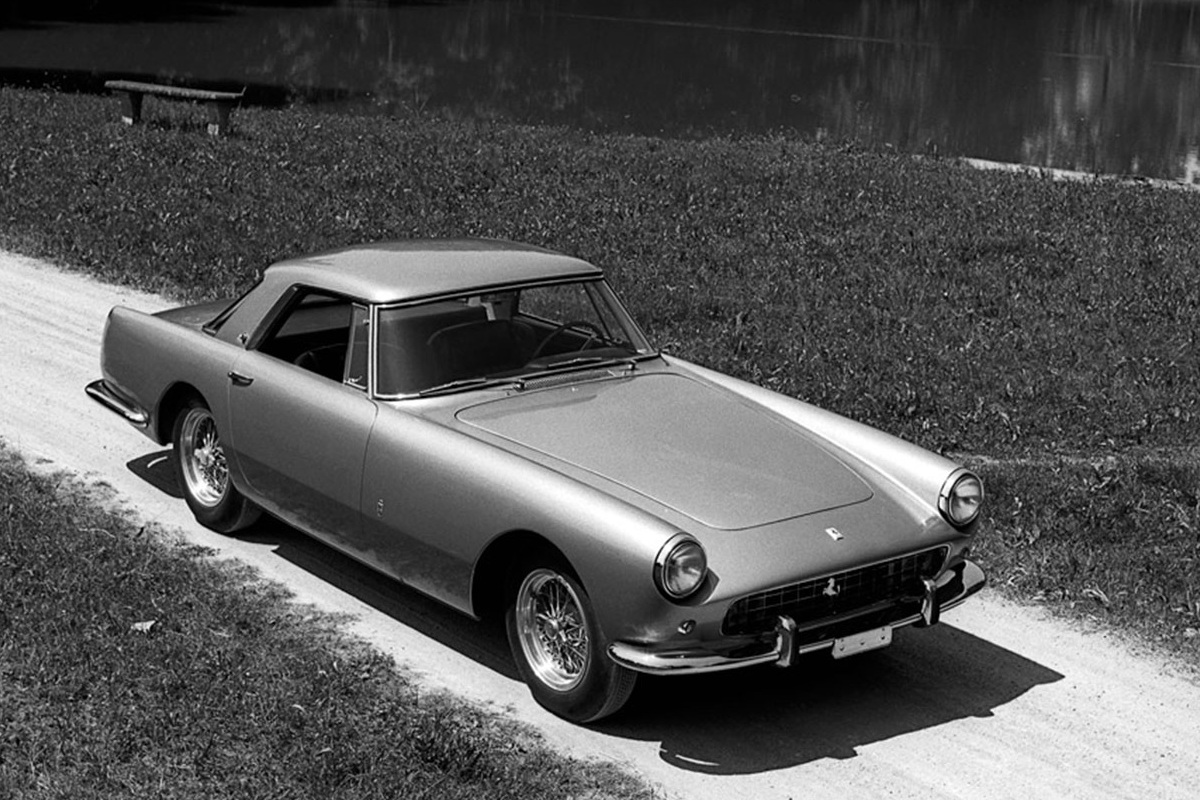
The 250 GT coupé and cabriolet, designed and made by Pininfarina between 1958 and 1961, were a good first attempt at this more affordable Ferrari. Taken together, the two 250 GT variants totalled about 530 units – a major step toward “mass-production,” compared to the usual Ferrari runs.
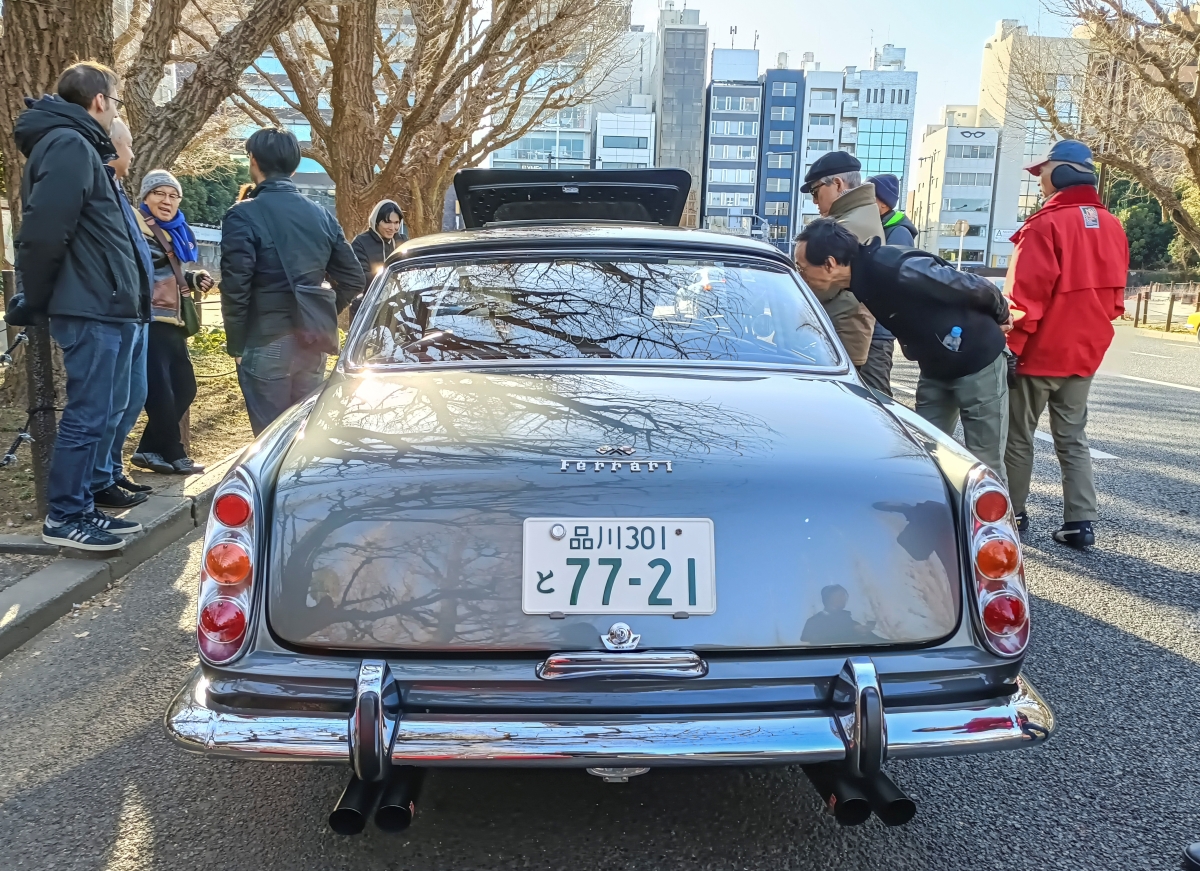
One thing that remained to be addressed was the car’s habitability. Two-seaters like the 250 GT were necessarily going for a smaller audience. To ensure that the next “off-the-peg” Ferrari would sell even better, it was crucial to create a four-seater, or at least a 2+2. Hence the V12 was moved forward by 20cm and the chassis was, of course, the long version (260cm wheelbase).
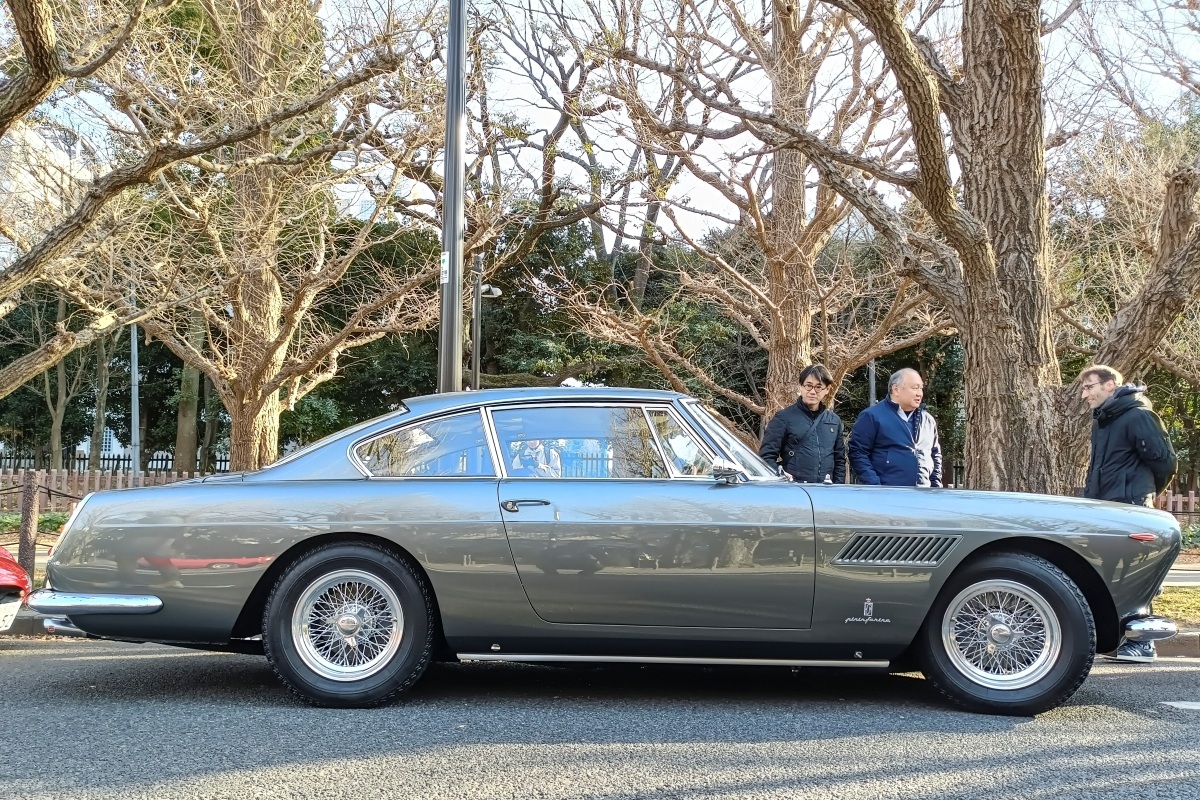
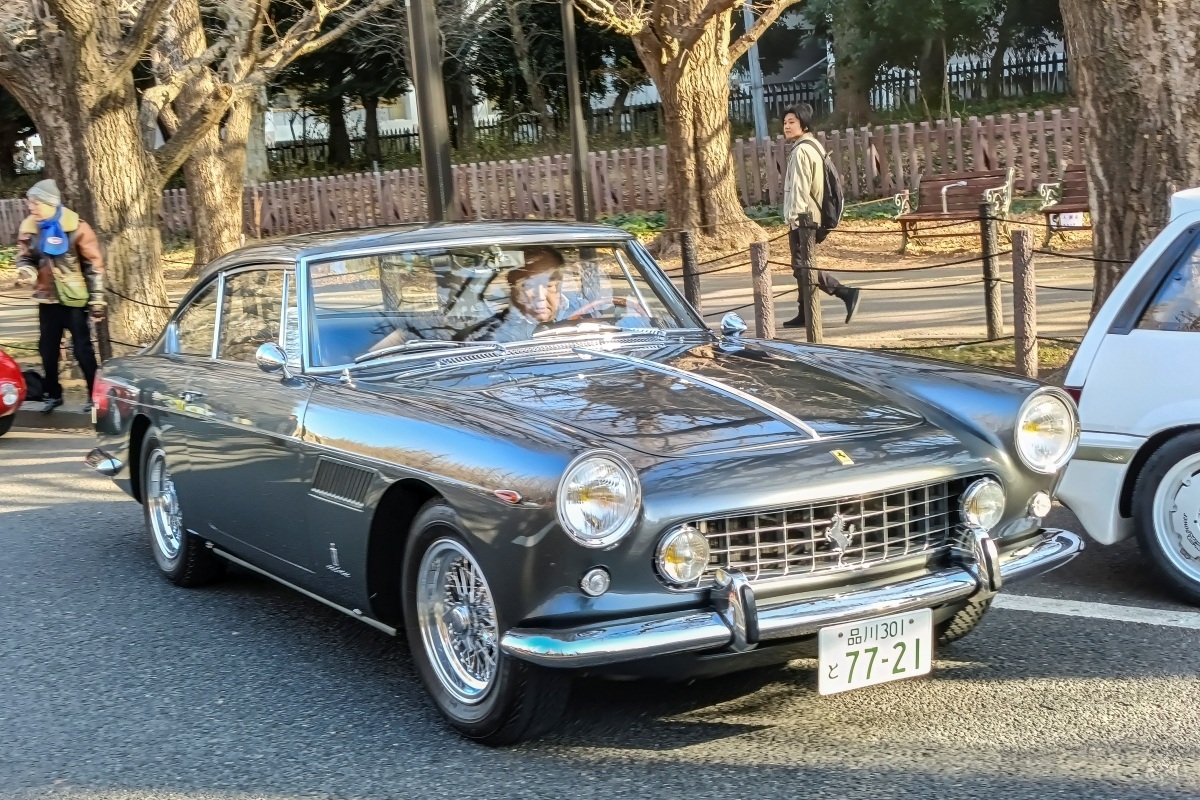
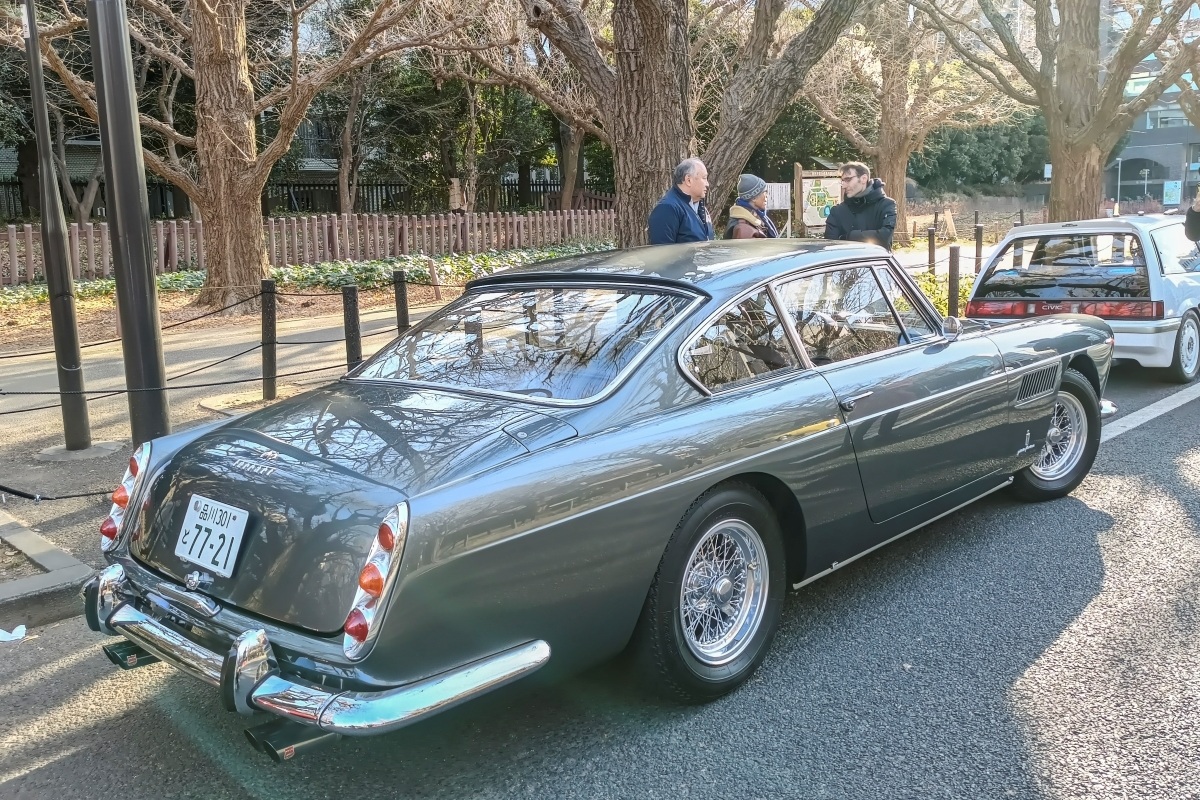
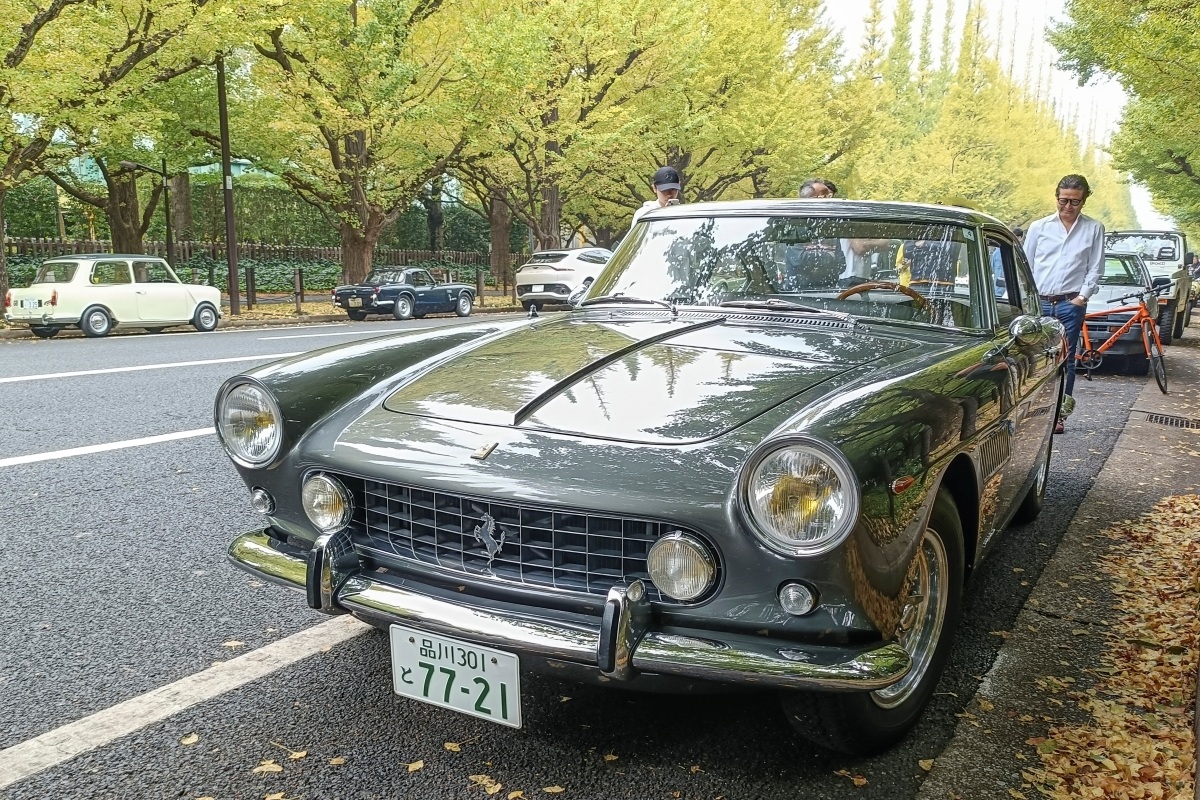
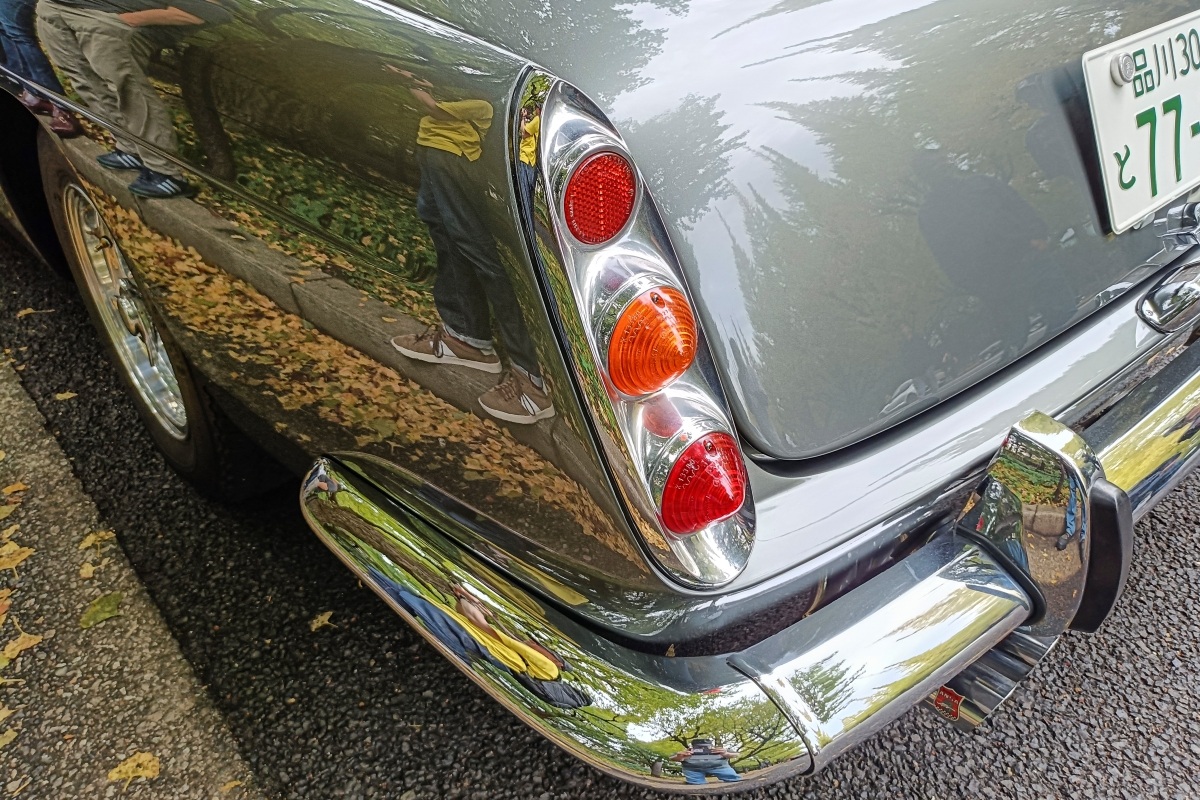
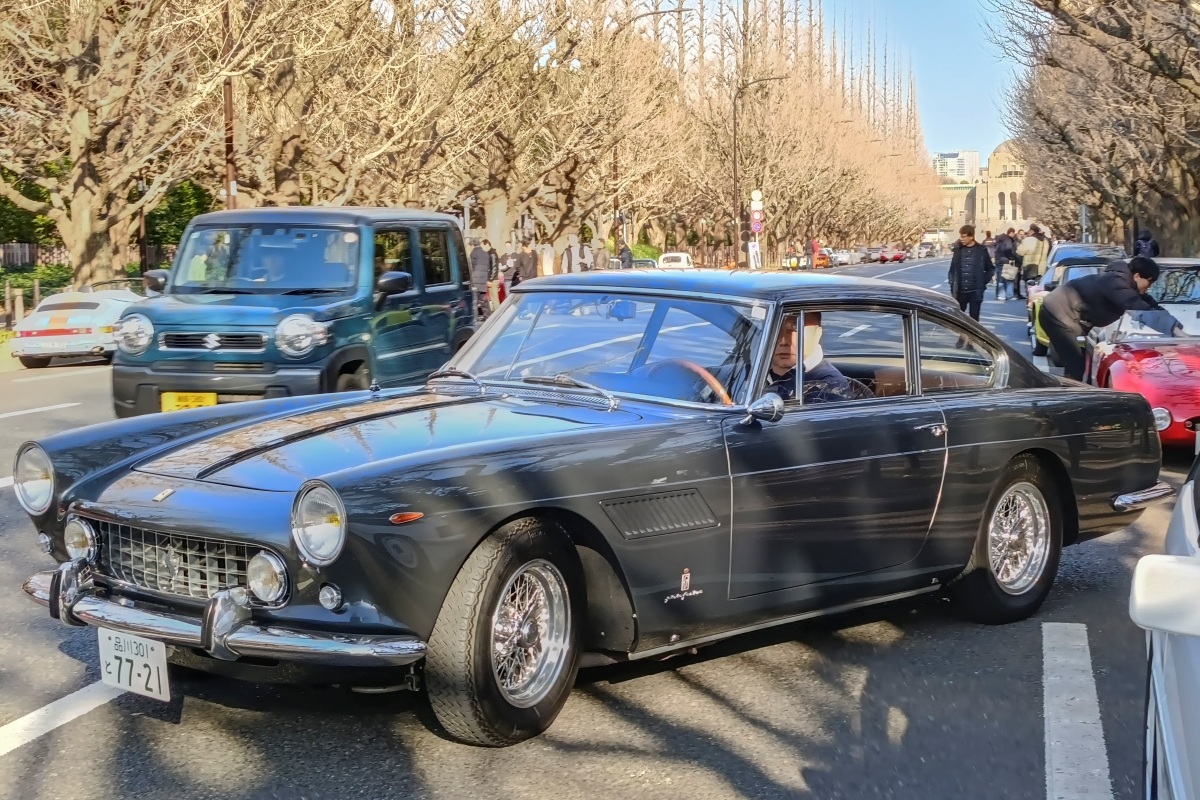
The 250 GTE (also known as the 250 GT 2+2) was launched at the Paris Motor Show in October 1960. Immediately, the car’s looks were universally praised. Pininfarina kept it nice and restrained, styling-wise. The broader the appeal, the better the sales. The subdued colour of this example only amplifies that. I never thought gray would work so well on a Ferrari…
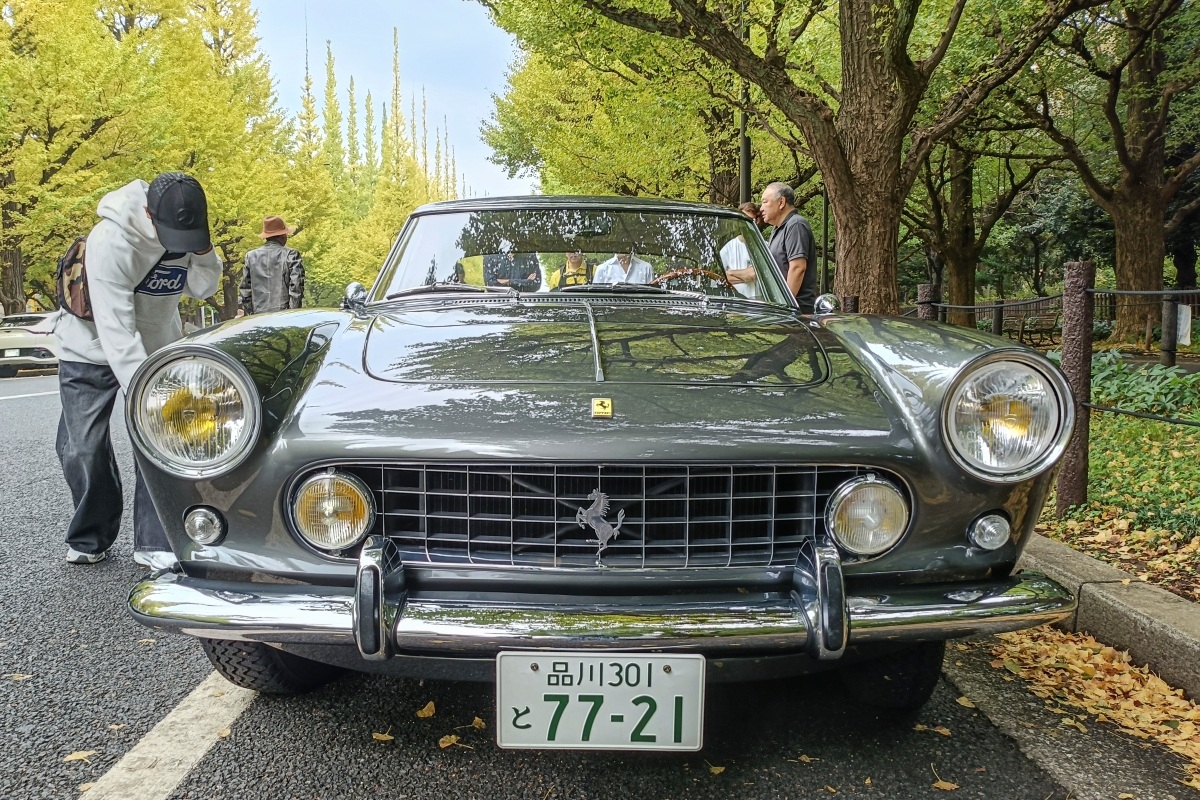
The traditional eggcrate grille was occupied by a set of fog lights, quite neatly tucked in there. For MY 1963, these lights migrated to the indicators’ place, under the main beams. Those were the Series III cars.
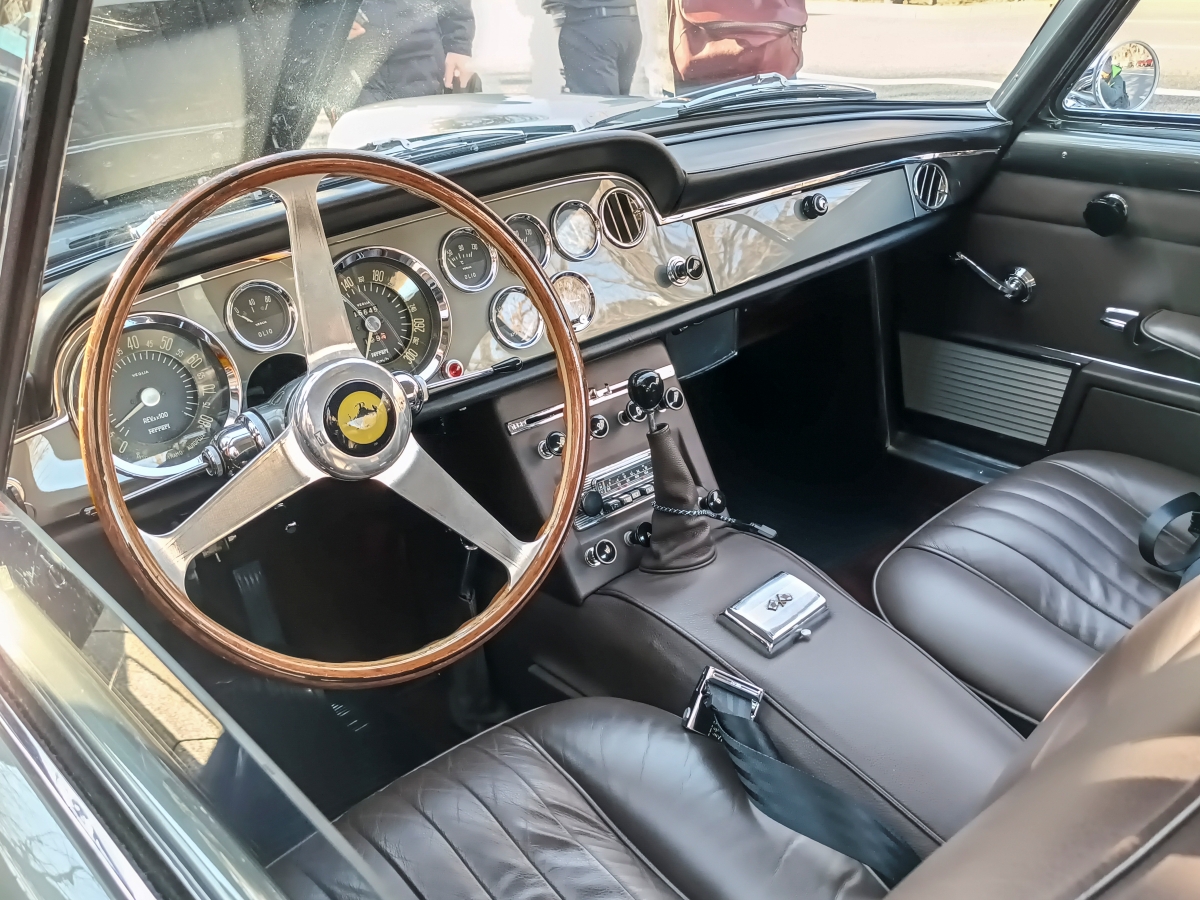
Our feature car is a Series II, all of which were built within 1962. The air vents on the dash attest to this.
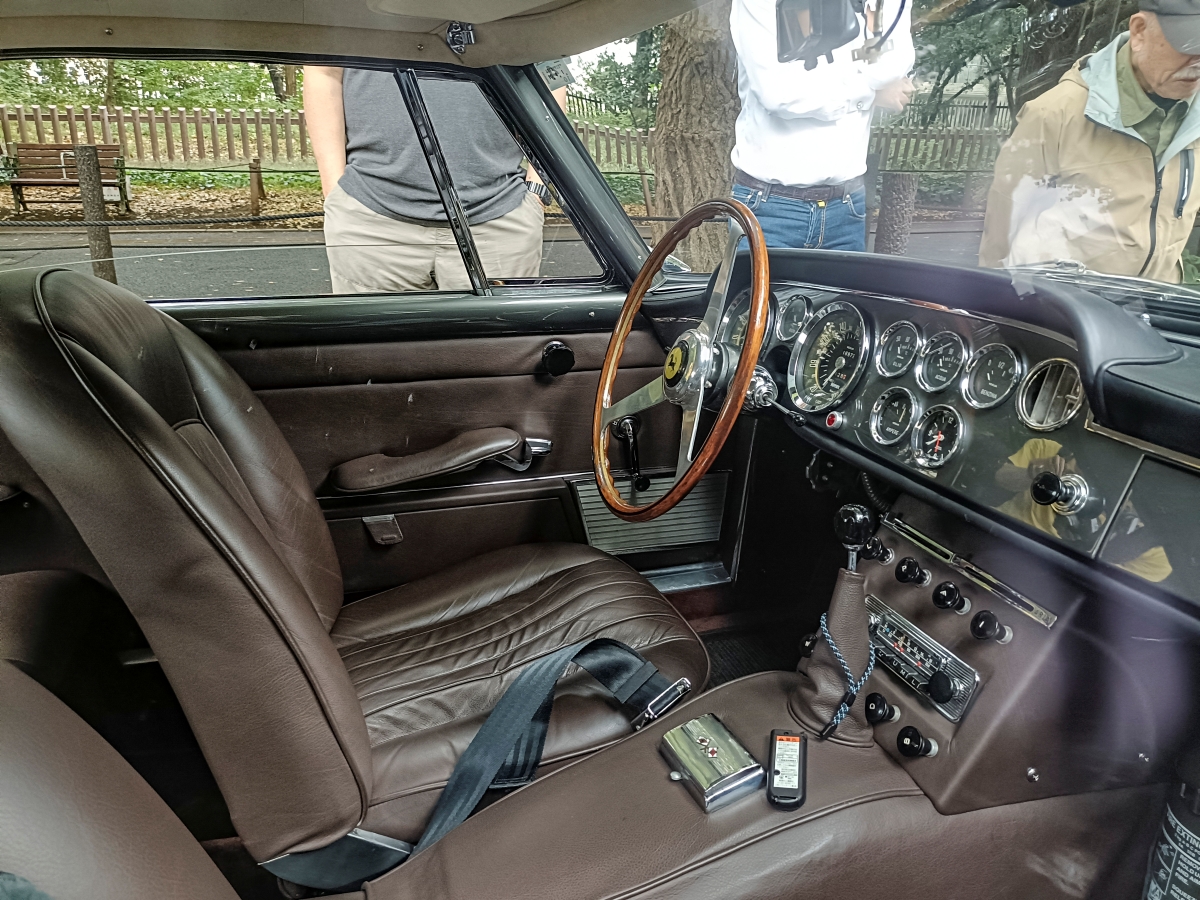
They may have been mass-produced, but they were still Ferraris. Eight dials are surely a minimum to keep the driver informed of what is going on under the hood.
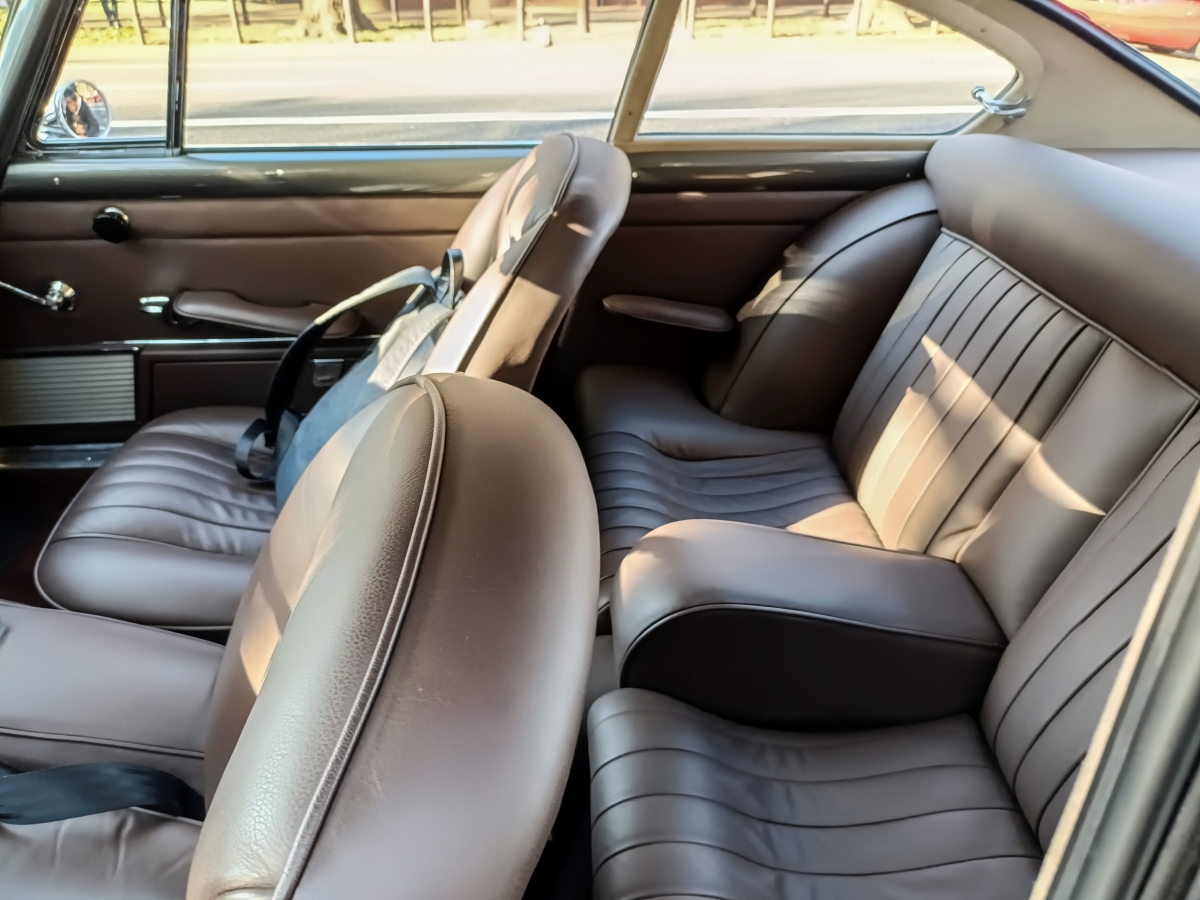
Quite cozy back here, isn’t it? Well, it’s not like you had much more legroom in a Lagonda Rapide, a Facel-Véga HK500 or a Maserati 3500GT. In fact, these seats are on the generous side, for a 2+2.
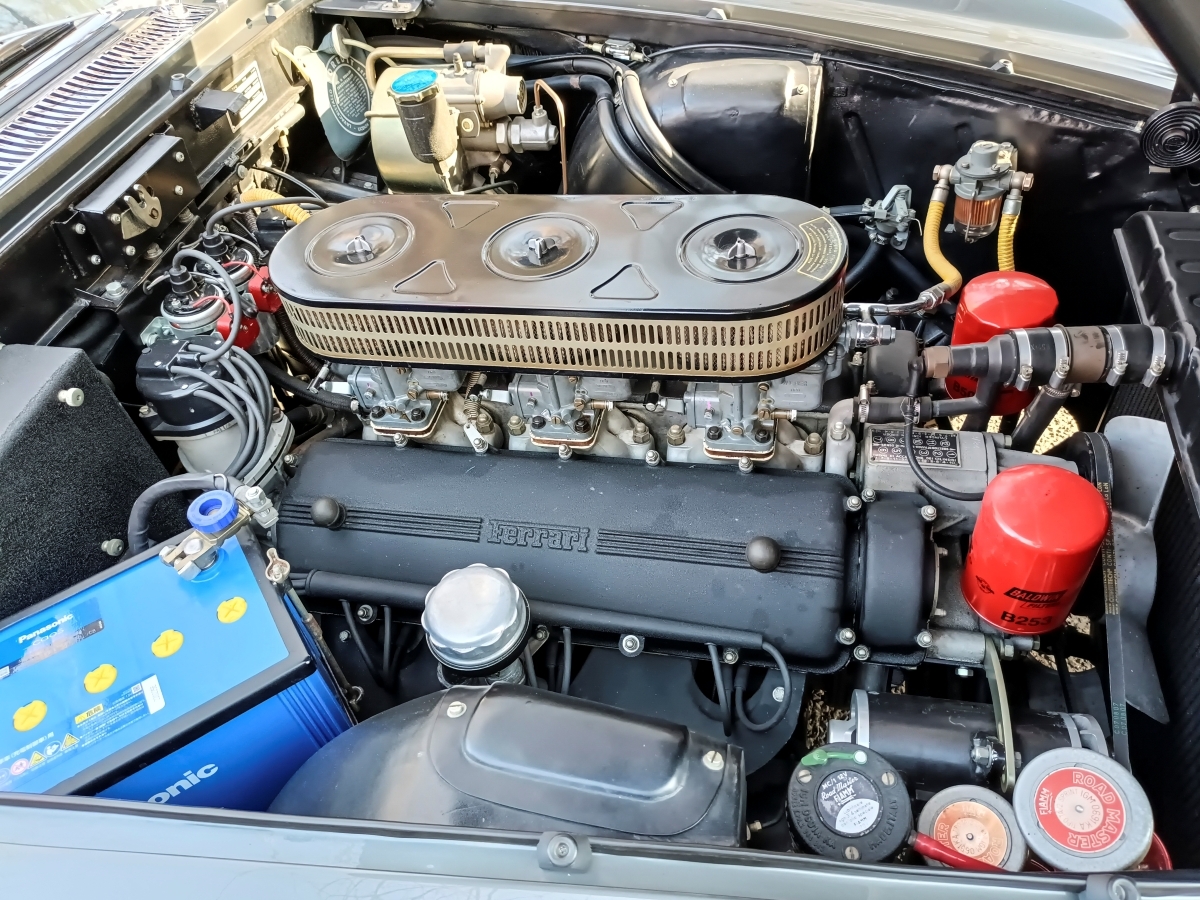
The heart of the matter was, of course, the Columbo engine. The 2953cc OHC V12, fed by three Webers, produced 240 hp in this car, enabling it to reach a top speed of 230kph (143 mph). It was mated to a 4-speed manual plus overdrive.
The suspension of these older Ferraris is surprisingly straightforward, with a leaf-sprung live axle still being the order of the day. With disc brakes on all corners, the 250 GTE could at least stop correctly.
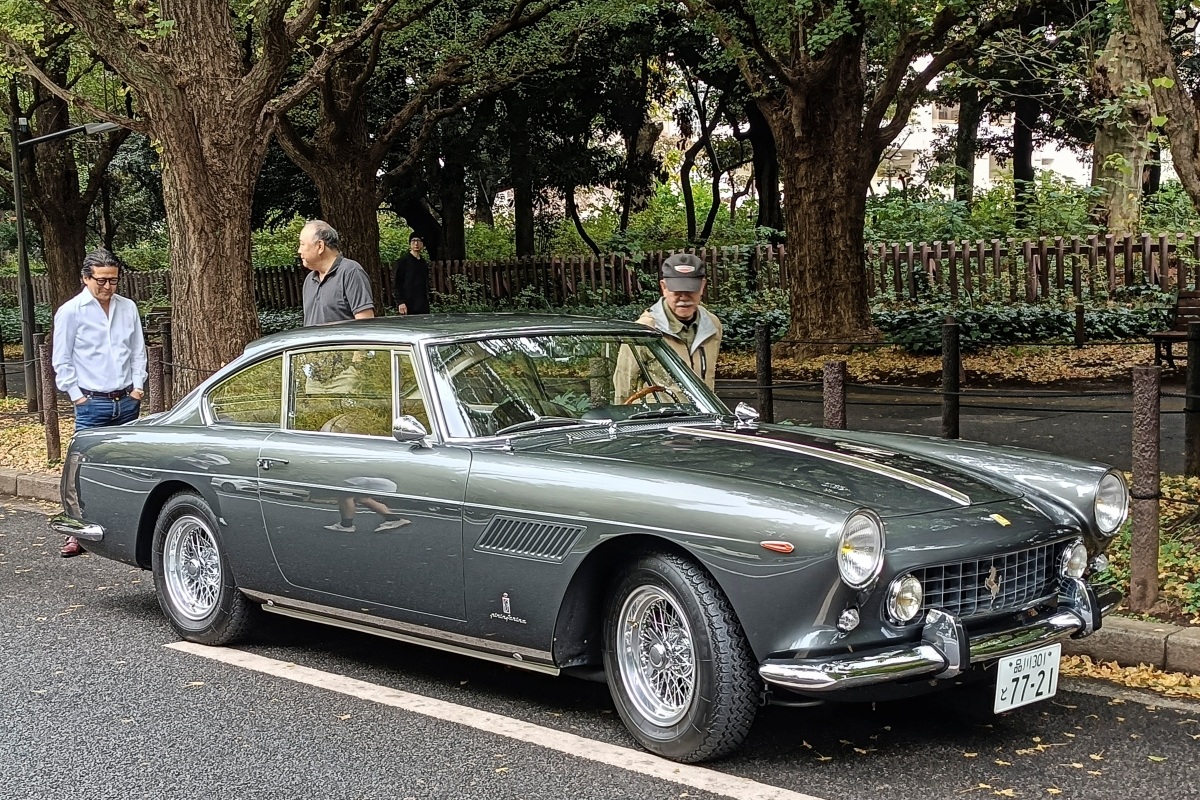
Between 1960 and 1963, Ferrari sold about 935 units of this car, plus another 50 units of the 330 America, which was the same chassis and body, but with a 4-litre V12. So this design came dangerously close to the four-digit mark – by far the most popular Ferrari to date. This unfortunately led to a great many 250 GTEs, in the ‘80s, to be used as parts cars for some of the rarer and far more valuable members of the extensive Ferrari 250 family, like the GTO or the California Spider.
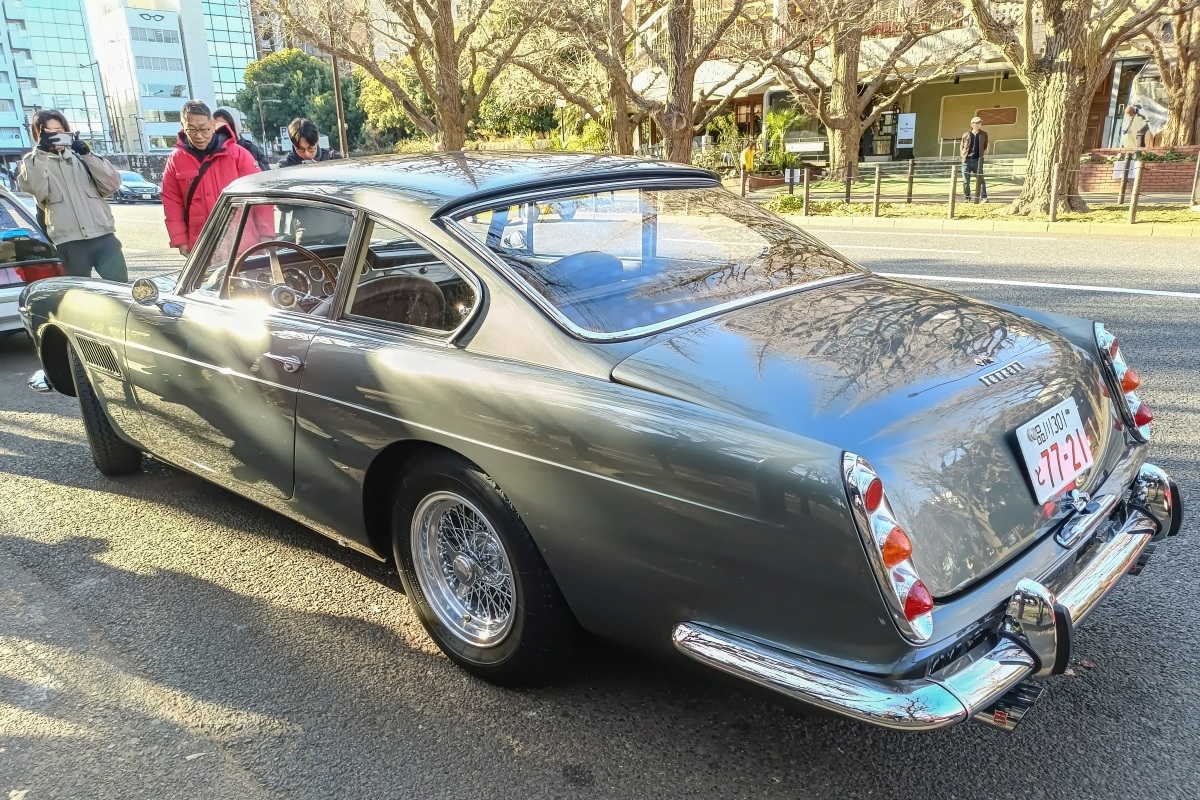
Of course, that was then, back in the dark unenlightened ages. Now that their numbers were culled by a lot of blowtorch-wielding prancing donkeys, the ones that escaped have become genuine collectors’ items. Personally, I find these a lot more interesting to look at than any GTO or California. Rare and valuable though they may be, they’re just too much for me. This car has a lot more class than most Ferraris I can think of, so-called mass-production be damned.






Just a beautiful, graceful looking car! These early ’60’s Ferraris are the best looking ones ever made to my eyes. They are still practical and useful as a transportation device. Not extreme at all, they remind me of another ’60’s icon; the Aston Martin DB5. I guess that I was imprinted at an early age back when these cars were new and showed up in movies and magazines. As a geezer my preferences aren’t going to change.
Sometimes less is more in auto design as well. Agreed, a timeless classic in an understated elegant color is hard to beat.
This is a beautiful car, especially its proportions. I’m inclined to like 1960s designs anyway, and many of them have a long rear overhang (like this car) that shouldn’t work but often does.
I have ridden in two Ferraris; in fact one of them, red and V8 and mid-engined and paddle shifted, I even got to drive for about ten miles. But the first one, where I just rode as a passenger, was a colleague’s uncle’s blue 2+2. I think it was a slightly newer 275, but the proportions, the V12 sound, the truly handcrafted feel of the interior, made even the cramped +2 backseat a pretty wonderful place to be. If I had to have only one of those experiences, it would not be behind the wheel of the 355, it squeezed into back of a real V12 Ferrari.
Lovely. Sadly several were cut up to make 250GTO replicas, but since they have gone up in value I think that practice has stopped.
Tom Yang runs a great website for these older more “common” Ferraris
https://tomyang.net/
Gorgeous car, when “normal sports cars” weren’t just badge engineered crossovers built to appease investors and still gorgeous 2 doors built in limited numbers to not denigrate the brand’s pedigree… how refreshing.
This car is slightly famous in that it was used as a police car in both real life and in the movie Poliziotto sprint, which is quite an entertaining for a CC fan The climatic car chase is between a Citroen DS and this 250 and though it hurts to watch them get thrashed, it’s quite fun to watch them get thrashed
https://m.youtube.com/watch?v=otQRe1yoYW8
Huh! You point out something that I’ve never stopped to notice: for its first 10 or so years, Ferrari actually made very few cars. And even the thousand-ish of these over a number of years is hardly a threat to congestion levels. Remarkable. Seems like so many more.
I long thought there was something the tiniest bit dull about these GTE’s, but I reckon now that that was due to nothing but hindsight. Quite a few other mass-produced things, like the Fiat 124 coupe, took on the looks, thus, for one (like me) who necessarily views the Fazzas years after their newness, the original’s sweetness is diminished.
But not on this example, which is in a concours state. That brown leather interior is so good it’s making me hungry.