
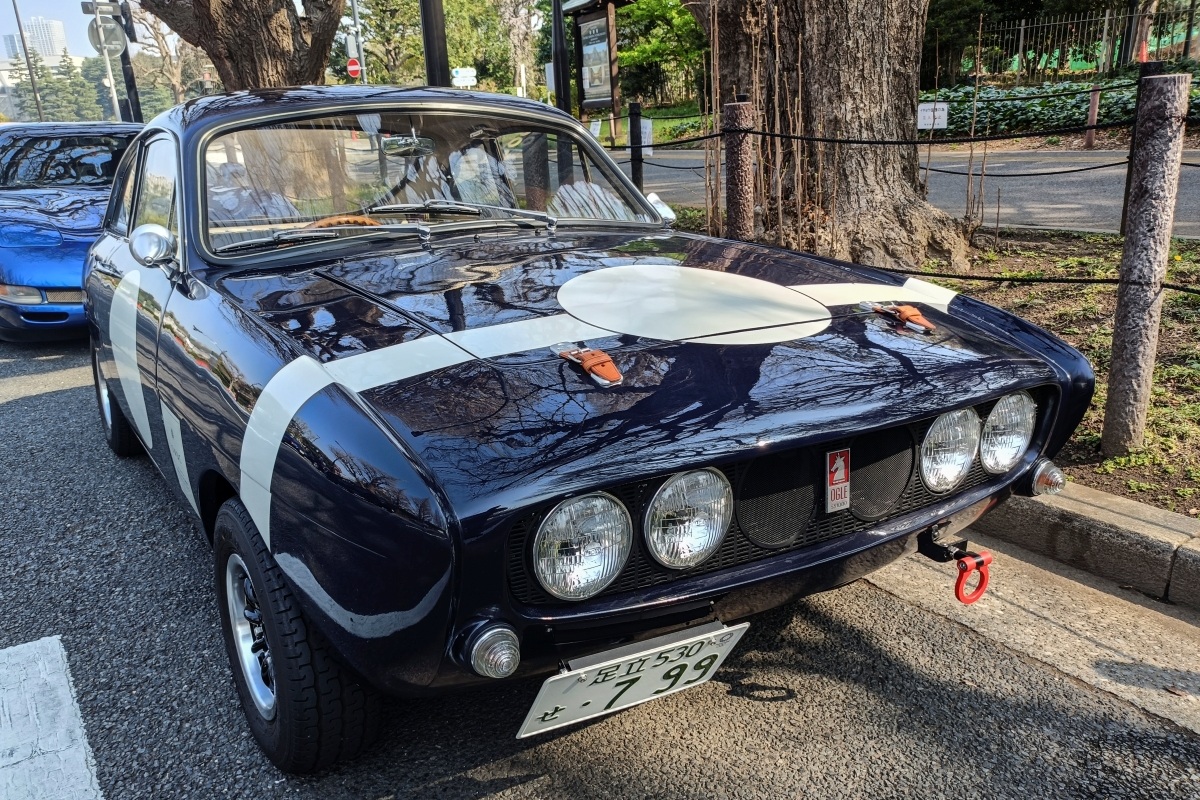
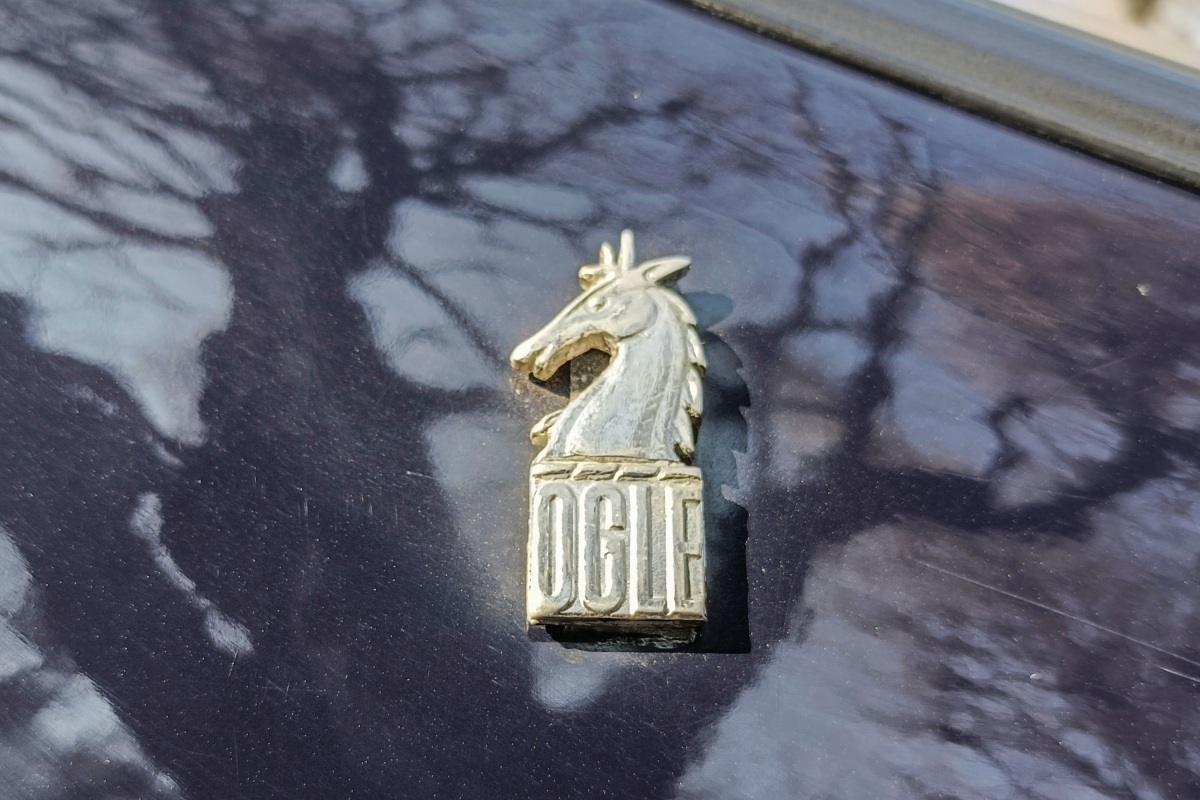
It’s always an honour to be the first to post about a marque on this website. CC has been around for 15 years now, so there aren’t many we haven’t done, at least of the postwar and non-EV kind. Those of you of a more Britannic persuasion may have heard of Ogle, but probably few have seen one in person: most sources claim 66 cars were produced only. So ogle it at will, it’s a rare sight.
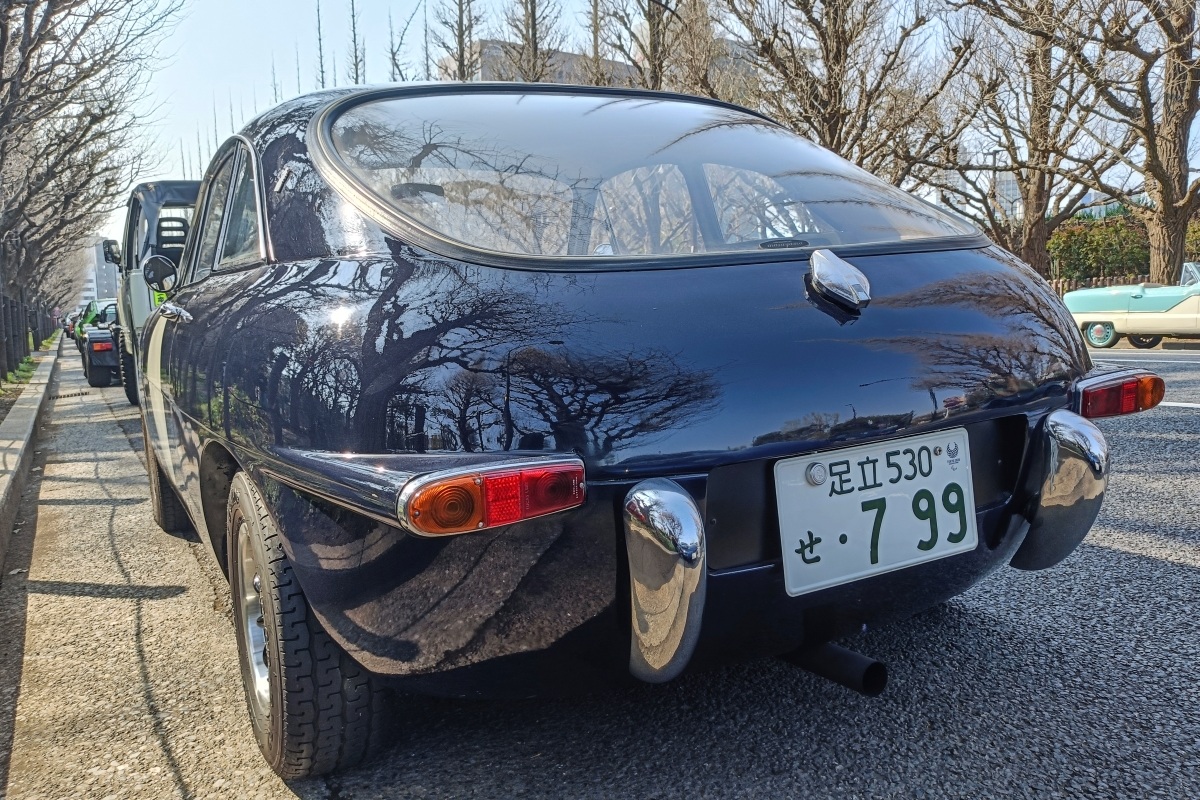
You wouldn’t call it pretty. The word “striking” does come to mind, as does the word “oddball.” But put yourself in the shoes of its creator, David Ogle: if all you do is design something middle-of-the-road and conventional, who are you going to win over? It’s the conundrum of the startup performance car constructor since the dawn of the automotive age.
The Ogle story started a young David Ogle founded his little industrial design consultancy firm in the mid-‘50s. His initial clients were chiefly radio set and record player manufacturers, but by 1959, the allure of automotive design proved impossible to resist. But they took it one notch further by investing in a brand-new production facility. Ogle was going to branch out into the coachbuilding business.
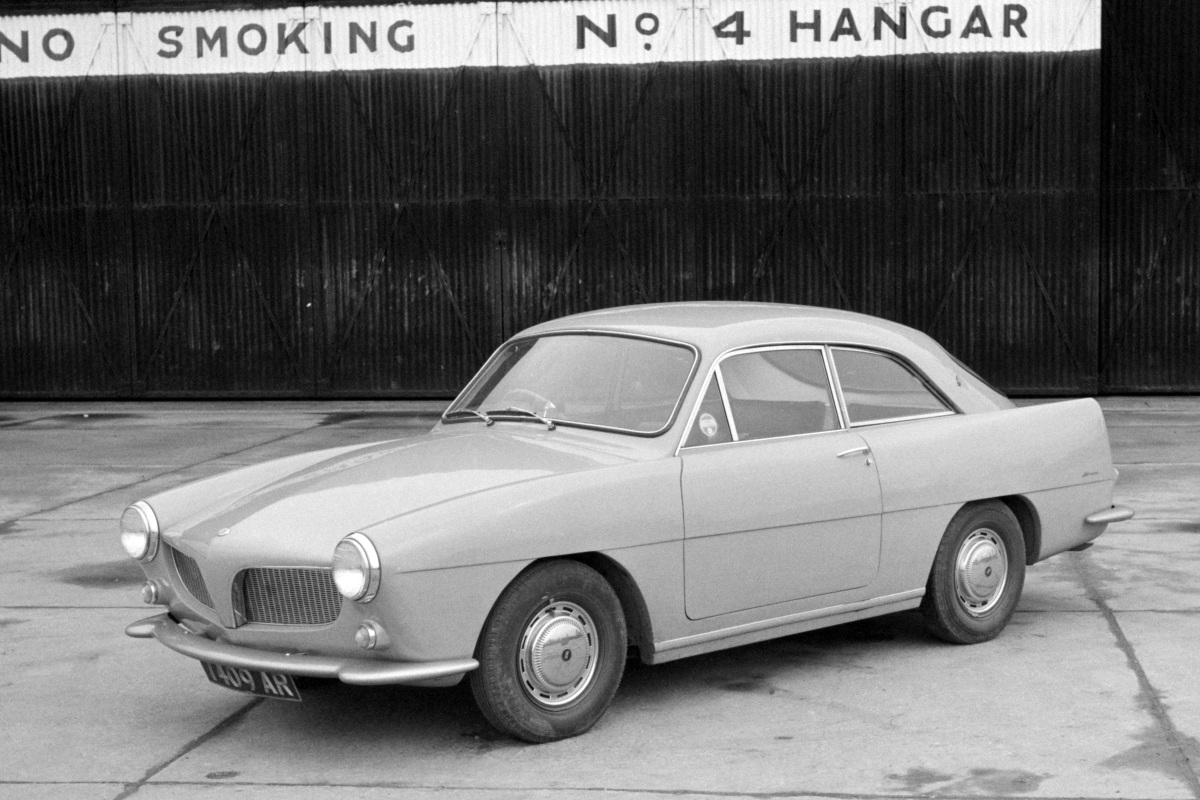
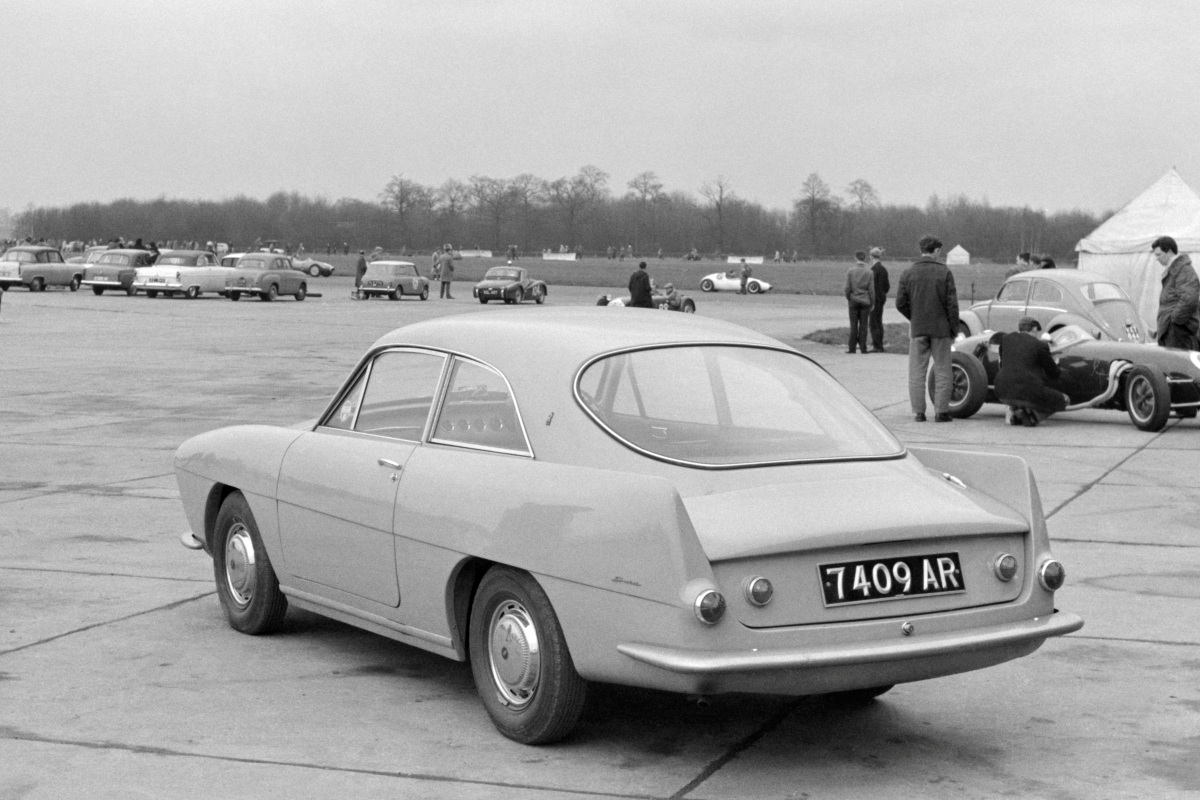
The first car Ogle designed was this one in 1960. They used the Riley One-Point-Five chassis, but because BMC wouldn’t play ball, it ended up being far too expensive to be on anybody’s radar. But as a proof of concept, it was sound: the fiberglass body was very well-made and the interior appointments were up to snuff.
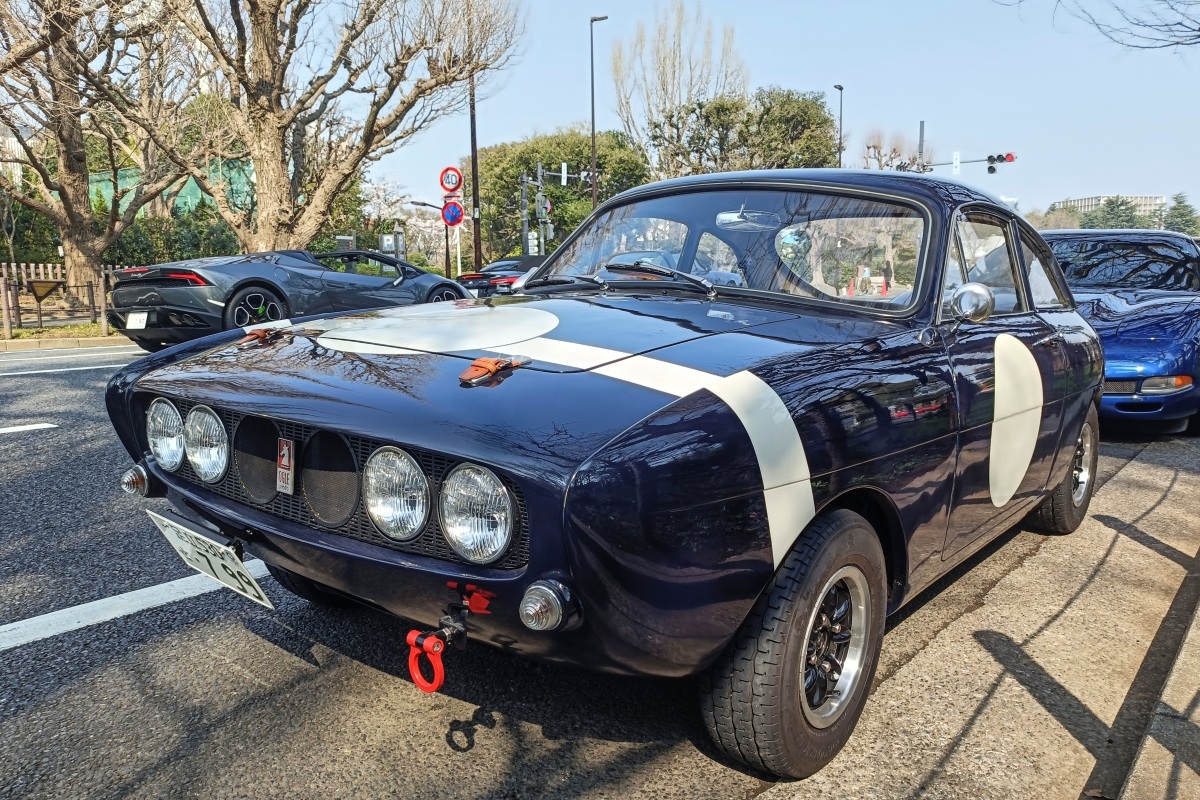
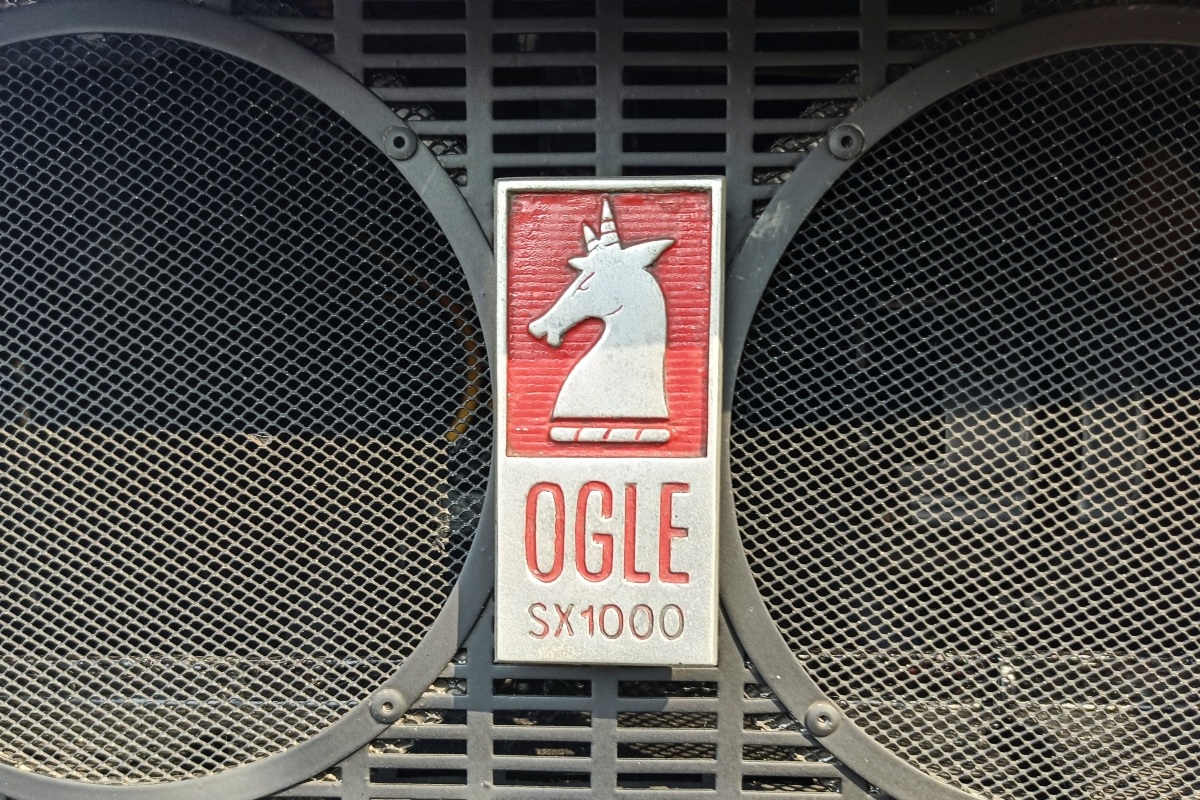
All the fledgling manufacturer needed was a cheaper base and a more cooperative corporate partner. Soon, BMC figured that this Ogle concern was perhaps not so much a threat as a potential win-win situation. Hence the SX1000, also known as the Ogle Mini, was the second car designed and produced by Ogle.
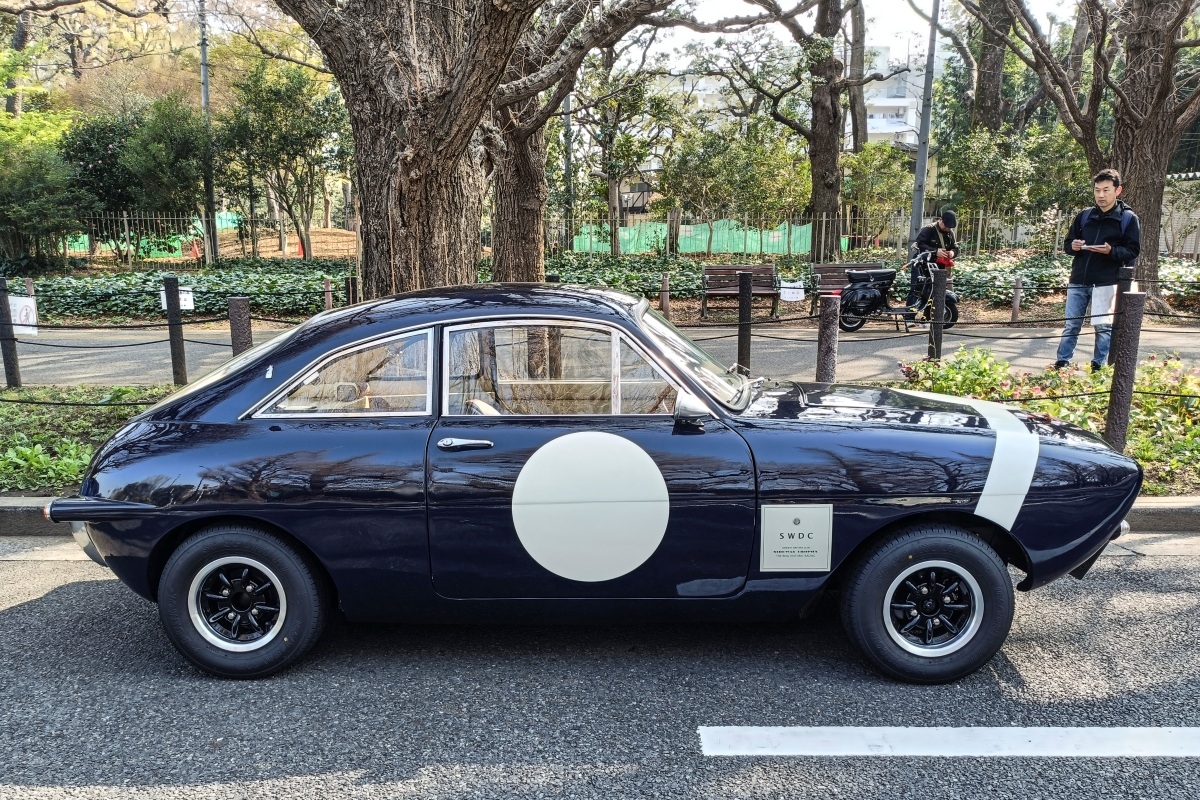
Series production, if the term can be used, kicked off in December 1961. The idea was to use a Mini estate platform, which was a wee bit longer, the Cooper 997cc 4-cyl. twin carb engine producing 56hp and the standard spec suspension, but clothe it in Ogle’s interesting fiberglass body.
The total package, possibly because it was rather well finished, ended up weighing a little more than a factory Mini Cooper, but perhaps the SX1000’s shape gave it better aerodynamics: period tests achieved top speeds in excess of 95mph, about 10mph better than the regular Mini.
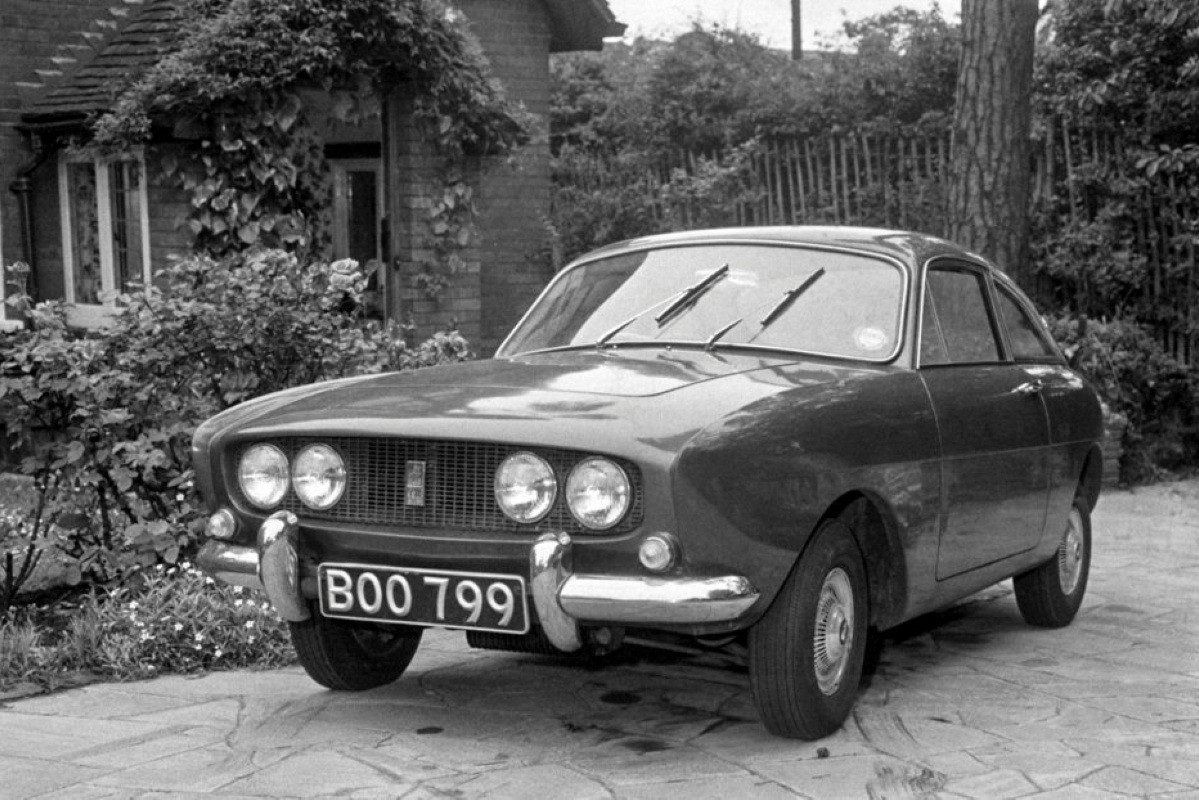
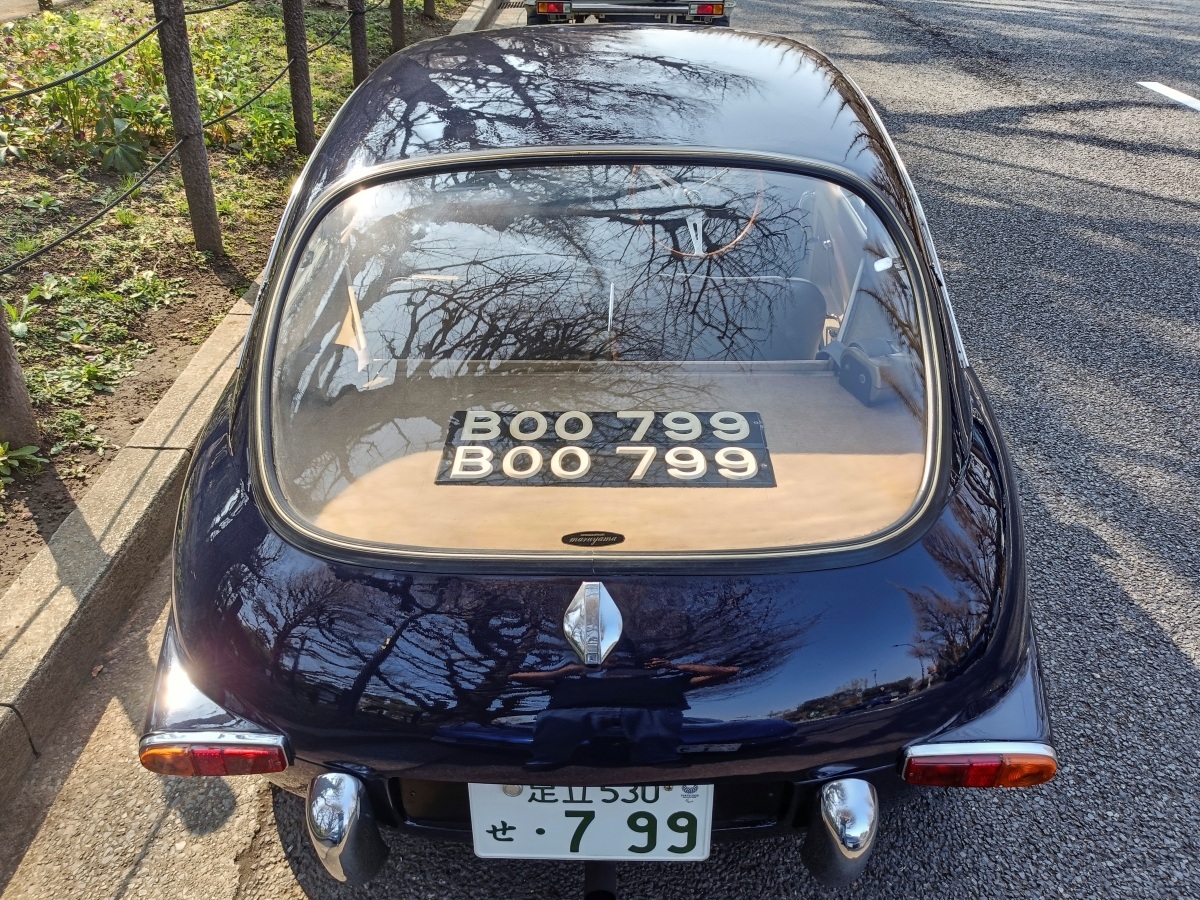
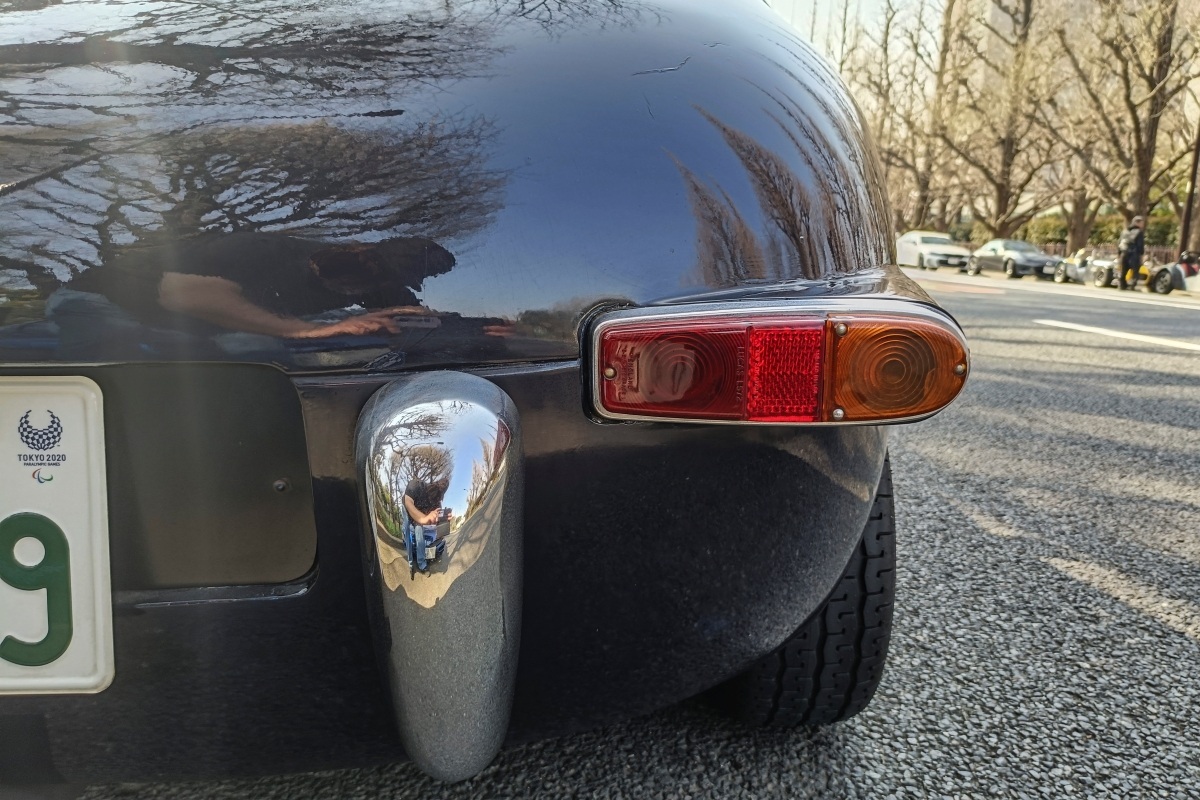
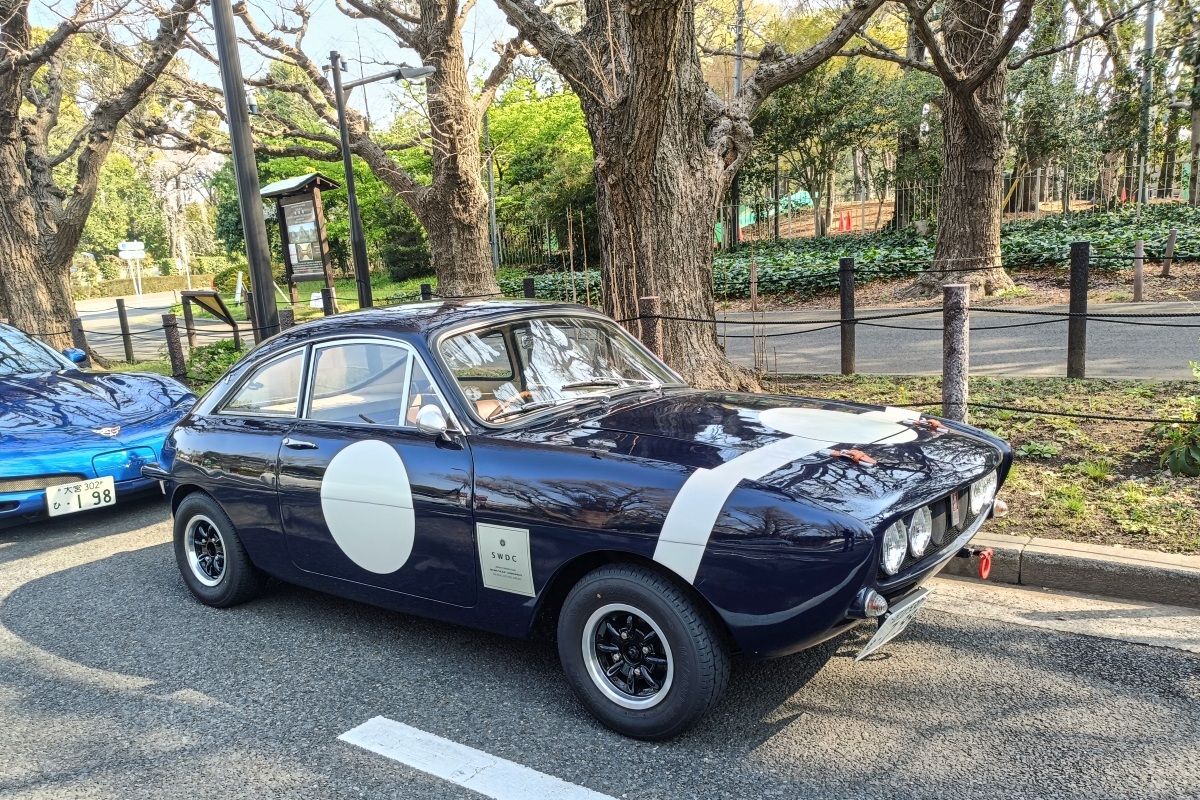
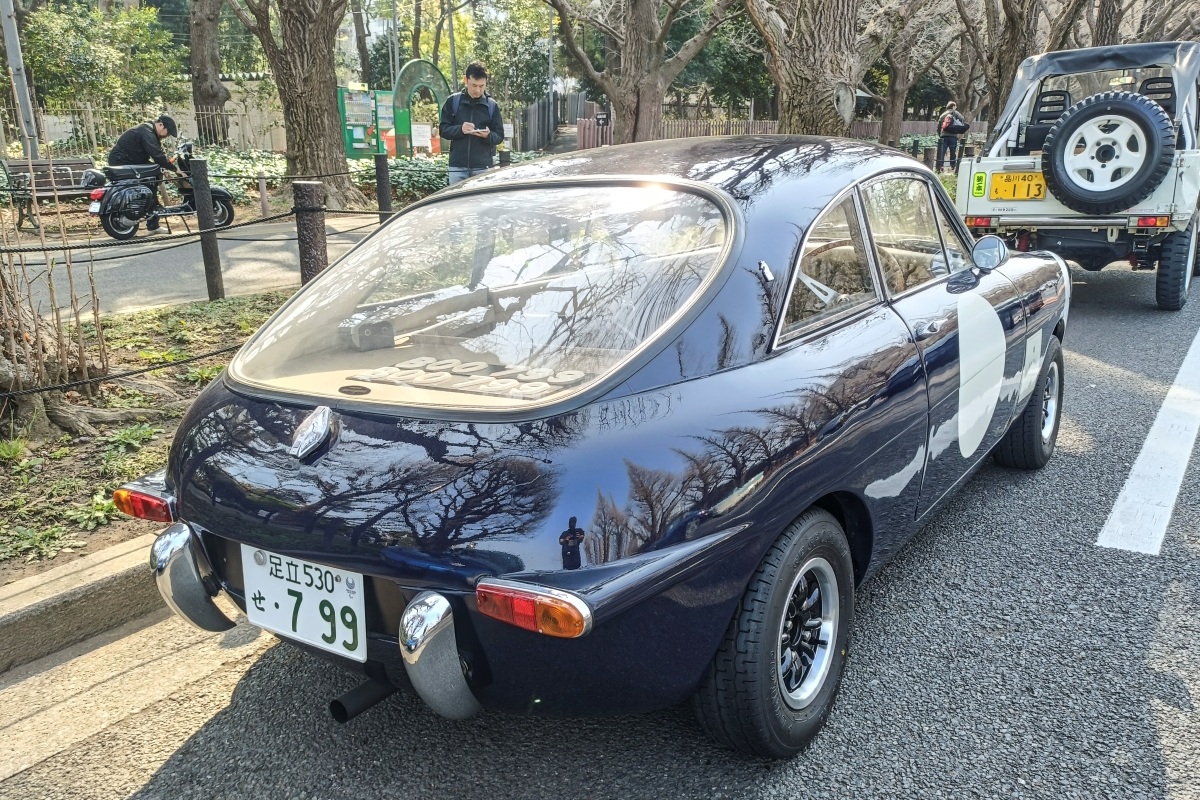
It seems this particular car is the very same used in some of Ogle’s promotional materials. This car, registered as B00 799, is alleged to have been owned by none other than Sir Striling Moss, who was definitely photographed with it back in the day. It was a “Super” version, characterized by its larger bumper with overriders – an item that is unfortunately no longer present on the car today and accentuates the SX1000 front end’s already pronounced overbite.
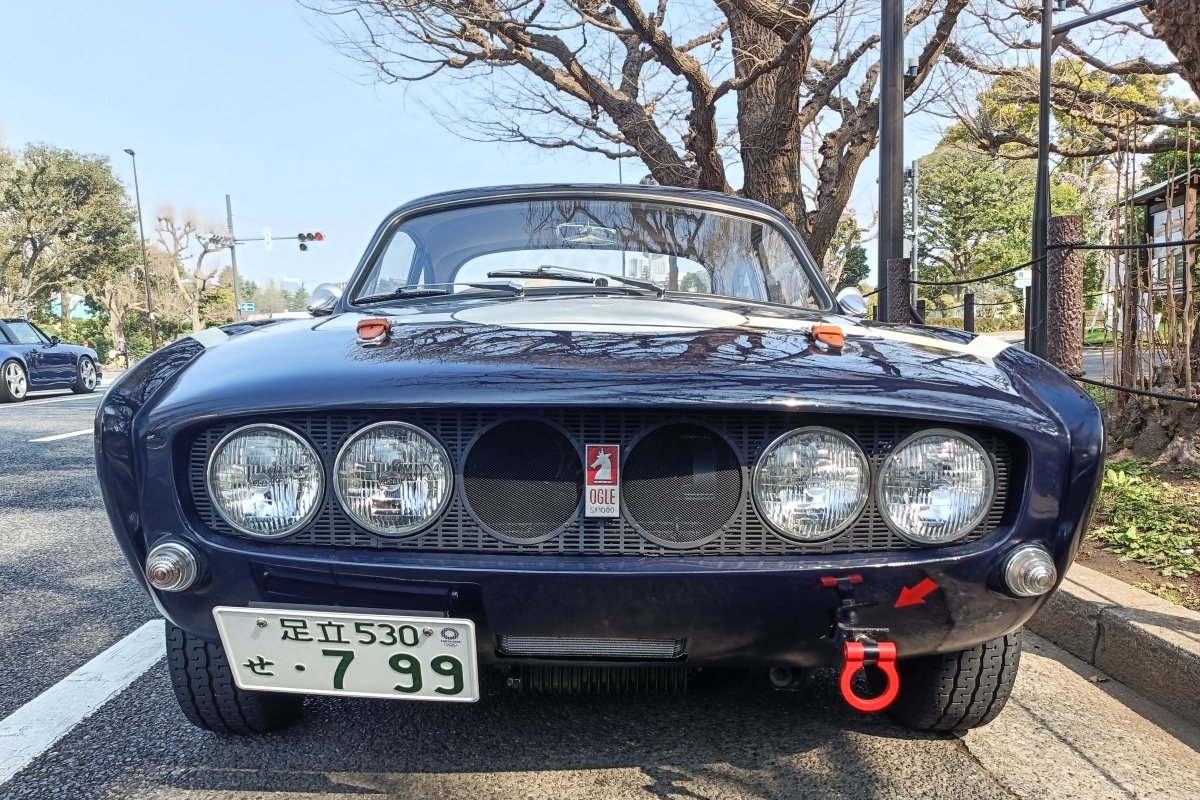
There are several other bits and bobs that are different from B00 799 as it appeared in 1962, some of which can be expected from a rare 65-year-old machine. It has been in Japan for the past three decades at least – possibly the only one of its kind here.
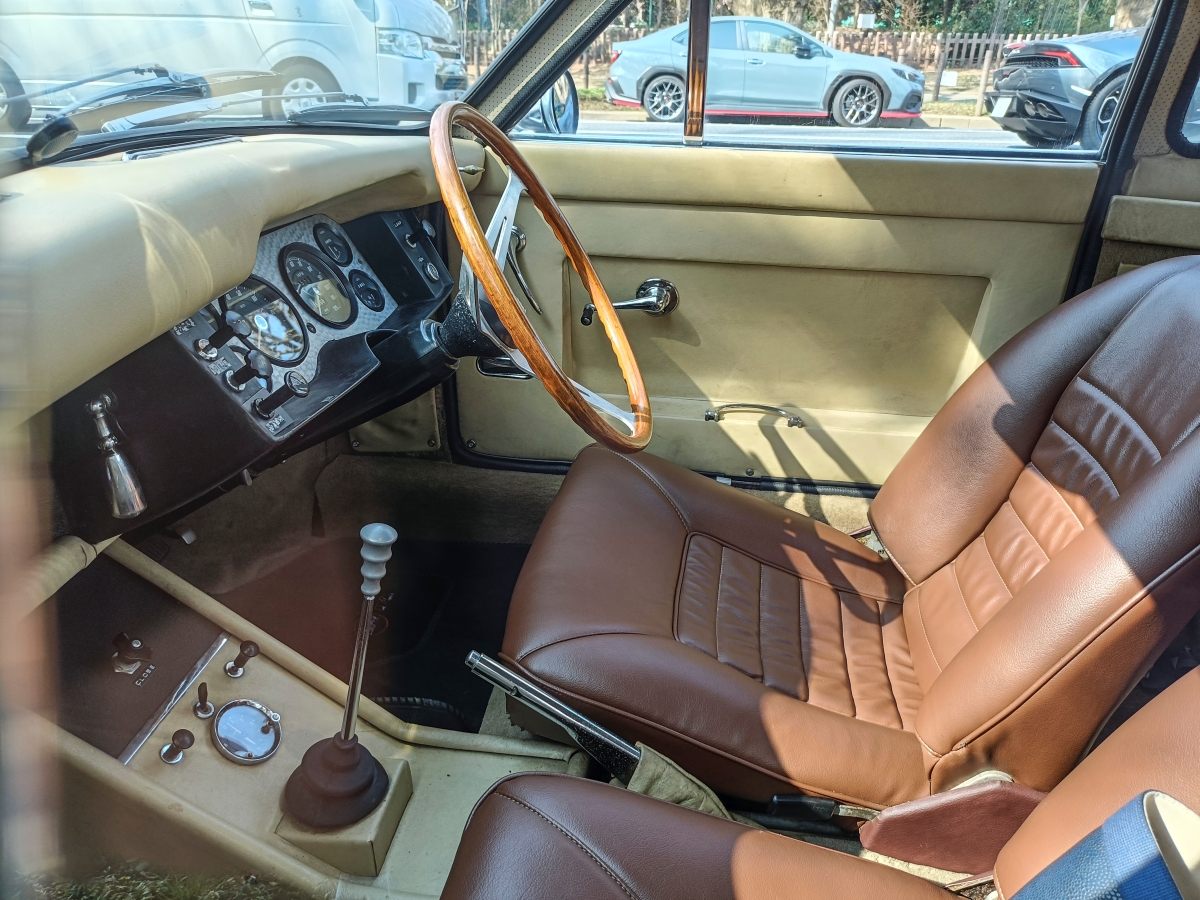
All but five SX1000s were RHD. The interior, assuming this car was restored as competently as possible, is definitely a cut above the Mini. Which is not unexpected given the amount of money Ogle charged for this little coupé: £1069 19s. 9d. – call it £1070. That’s £80 more than an MGB or a Sunbeam Alpine and dangerously close to an Austin-Healey 3000. The bog-standard BMC Mini Cooper, for its part, retailed at just over £640…
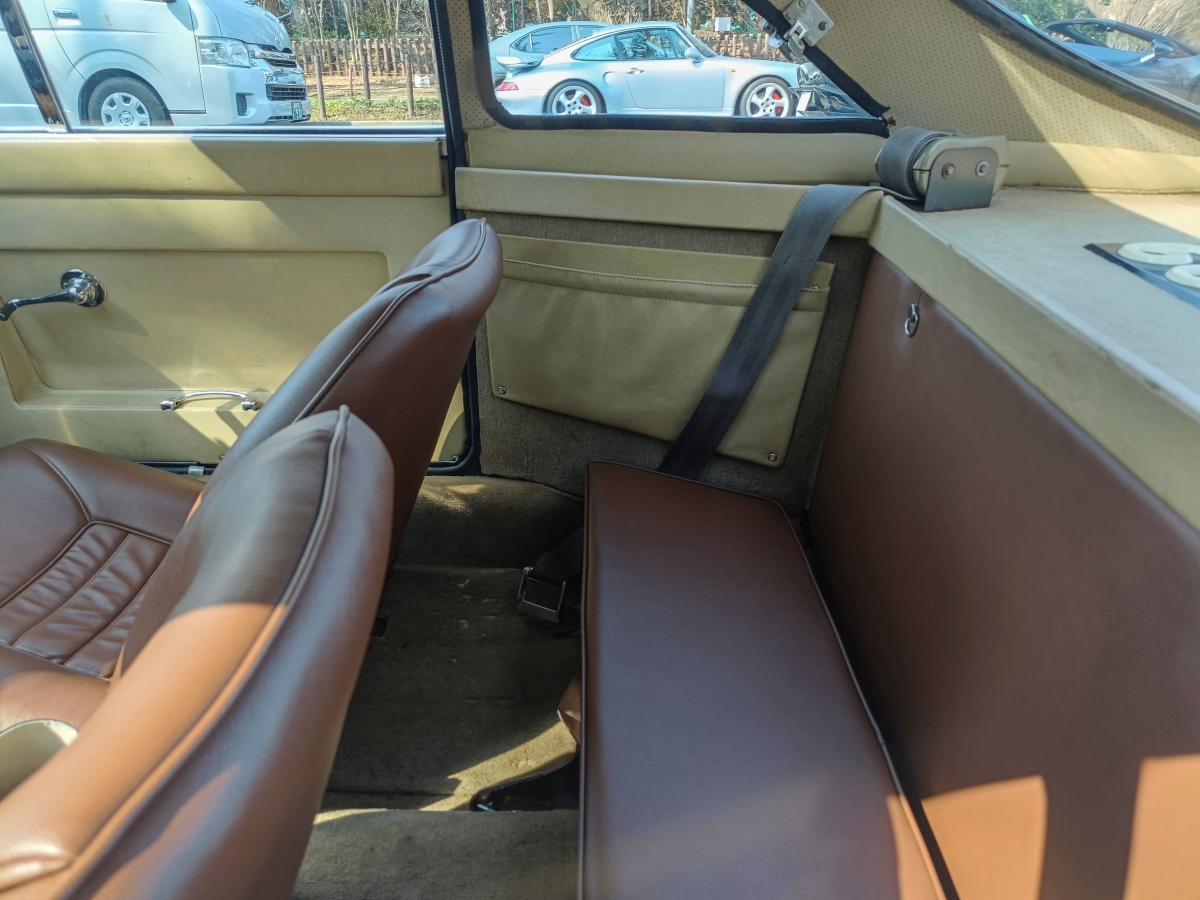
It even had rear seats of sorts. The Ogle is incredibly cramped back there, despite using the longer wheelbase Mini platform. The killer is the headroom: there is none to speak of, as the car is extremely low. This microscopic bench was really for emergency use only and more intended for luggage; the car was sold, in a feat of honesty rarely found in the motor trade, as a two-seater.
The SX1000’s price was steep, but it was apparently appreciated for its quirkiness and impressive top speed, so orders did trickle in. And then disaster struck. On 25 May 1962, David Ogle was in the midst of driving to Brands Hatch to test a new lightweight version of the SX1000 when he lost control at 85mph and collided with a van head-on. He was only 41.
I guess David Ogle must have been the main champion for the SX1000 program, as the company decided to halt production in the immediate aftermath of the accident, though it took a while for all cars to be finalized and sold off. Some say 69 units were made, most peg it at 66, but it all depends whether prototypes are included or not. Add a half dozen One-Point-Fives and that’s the entire Ogle production in a nutshell.
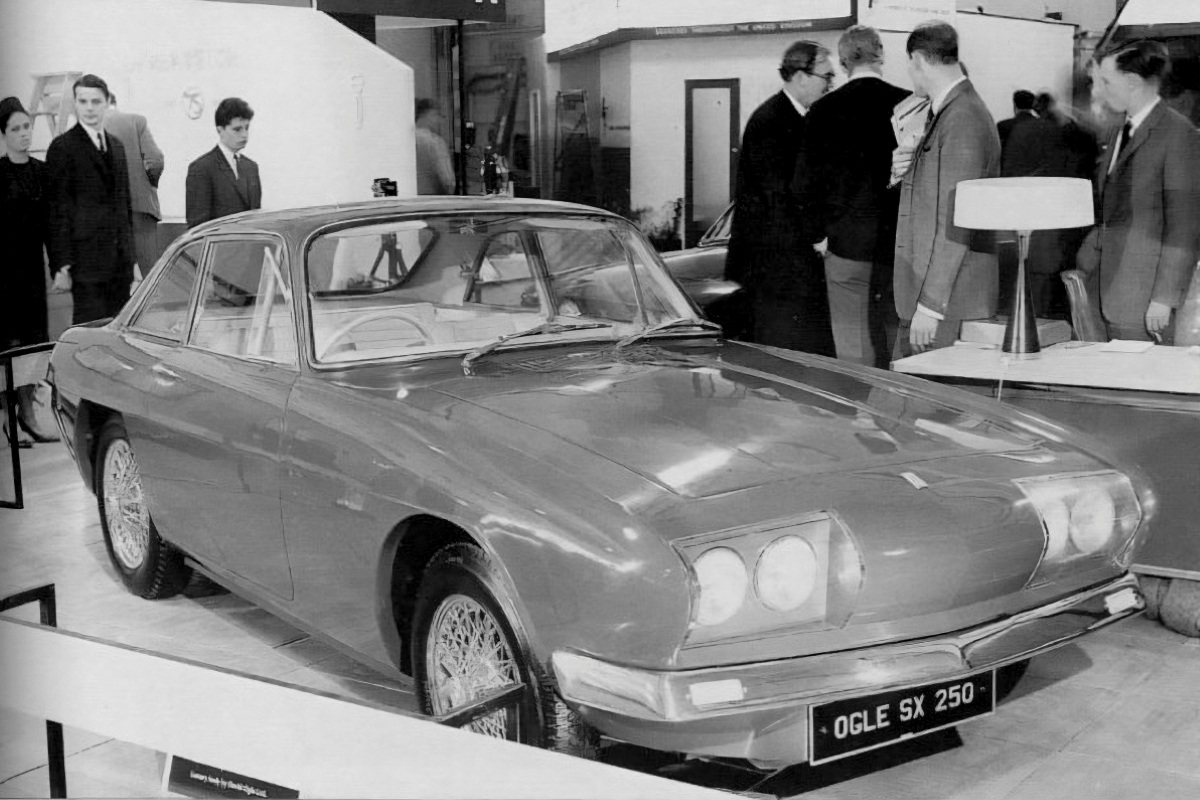
It was not, however, the end of Ogle’s involvement in automotive design: in 1964, the Reliant Scimitar debuted, featuring an Ogle-designed body. It had been penned by David Ogle himself, though the initial plan had been to use the Daimler SP250 chassis and to dub the car SX250. Daimler passed, but Reliant saw the opportunity. Tom Karen, who had taken charge of Ogle Design in mid-1962, adapted the design to Reliant’s specs, including the later shooting brake version that became the Scimitar’s calling card. Other automotive ventures would include the Reliant Rebel, the Bond Bug, the Anadol A1, a few one-offs and a number of bikes and trikes.
Ogle Design drifted away from the automotive world in and, by the ‘80s, they became more involved in both the aerospace and medical sectors, specializing in prototype manufacturing. They are still active. It was probably a wise move to leave car design behind – after all, their main clients were Reliant, who betrayed their moniker by going out of business.























Interesting car, I’ve heard of them but dont recall seeing one like Bristol they used Hillman tail lights, but little else is instantly recognized Mini van base is obvious from the side view I kinda like it.
It is definitely an interesting design. I did not realize they made so few of these.
I bet that number plate all by itself is probably worth a decent chunk of cash if it were to go back to the UK given how nuts they are about odd number plates.
The Ogle’s rear seat is absolutely roomier than my old Mercury Capri. Either one person sitting sideways or two without legs – the front seatbacks pretty much touched the rear cushion.
It’s not bad looking, IMO. In profile view it resembles an elongated and lowered Pinto.
The interior looks very nice and the greenhouse is attractive as well. My complaint is with the rounded front and rear portions. The back is too bulbous. I think it would be better looking if it were a touch longer or straighter up and down. You can almost see the back of a Jaguar coupe there, but I agree that would be unnecessary weight if extended. The front end tucks in too quickly; overbite as you said. I’ve heard the name Ogle but don’t recall ever knowing anything about the cars so this article was helpful.
Well, at least it’s clear now where the basic shape of the Austin Allegro came from…
Quite a find and a great account (as ever) from T87.
Fun fact – Tom Karen was asked by a family friend to provide some work experience and mentoring for a young designer back in the 1980s, as he was trying to start his design career. Subsequently, the mentee went on to have a a successful career. His name? Sir Jony Ive, of Apple Mac and iphone fame.
That’s one I’ve never heard of. Has anyone done a CC on Gordon-Keeble? Another little known UK maker of quite interesting specialist automobiles. You’ll not likely find one on a curbside.