
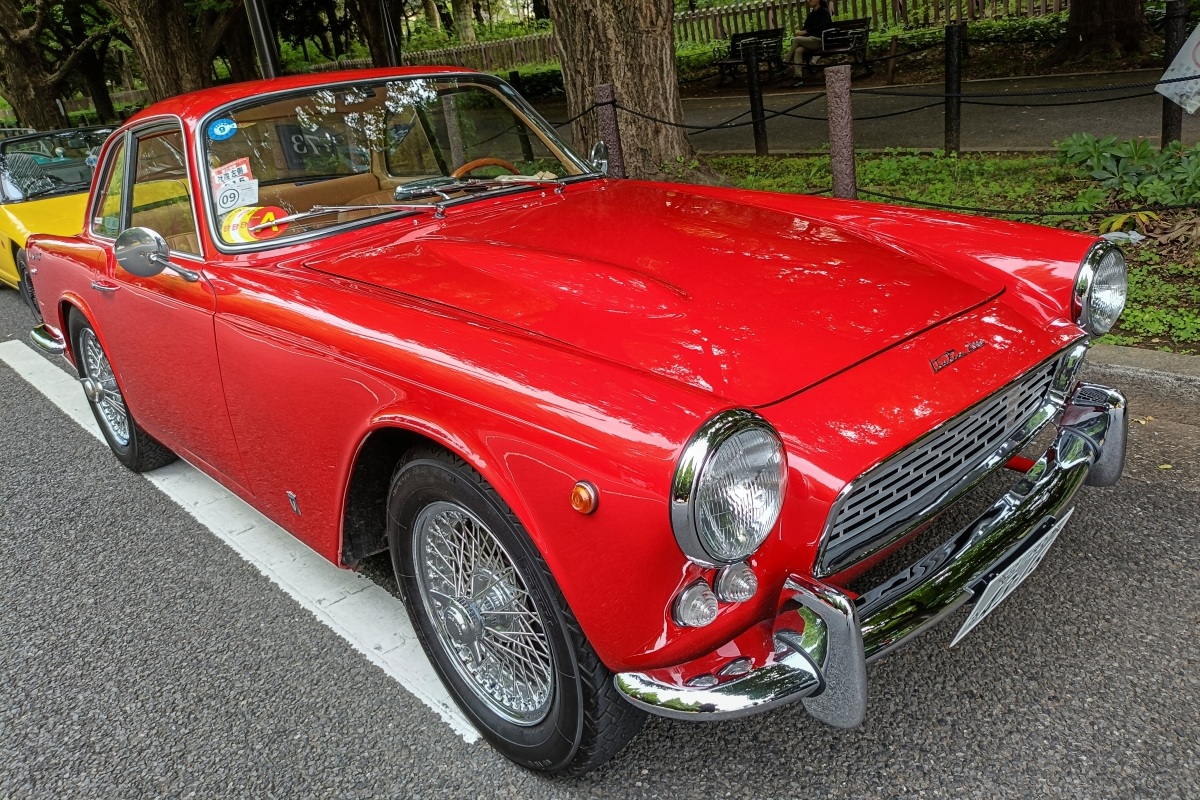
What do you get when you mix a very capable British sports car chassis with top-notch Italian coachbuilding? You’d have thought the answer might have been “success,” but if the Triumph Italia is anything to go by, “financial ruin” would be far more accurate. It wasn’t through lack of trying, though.
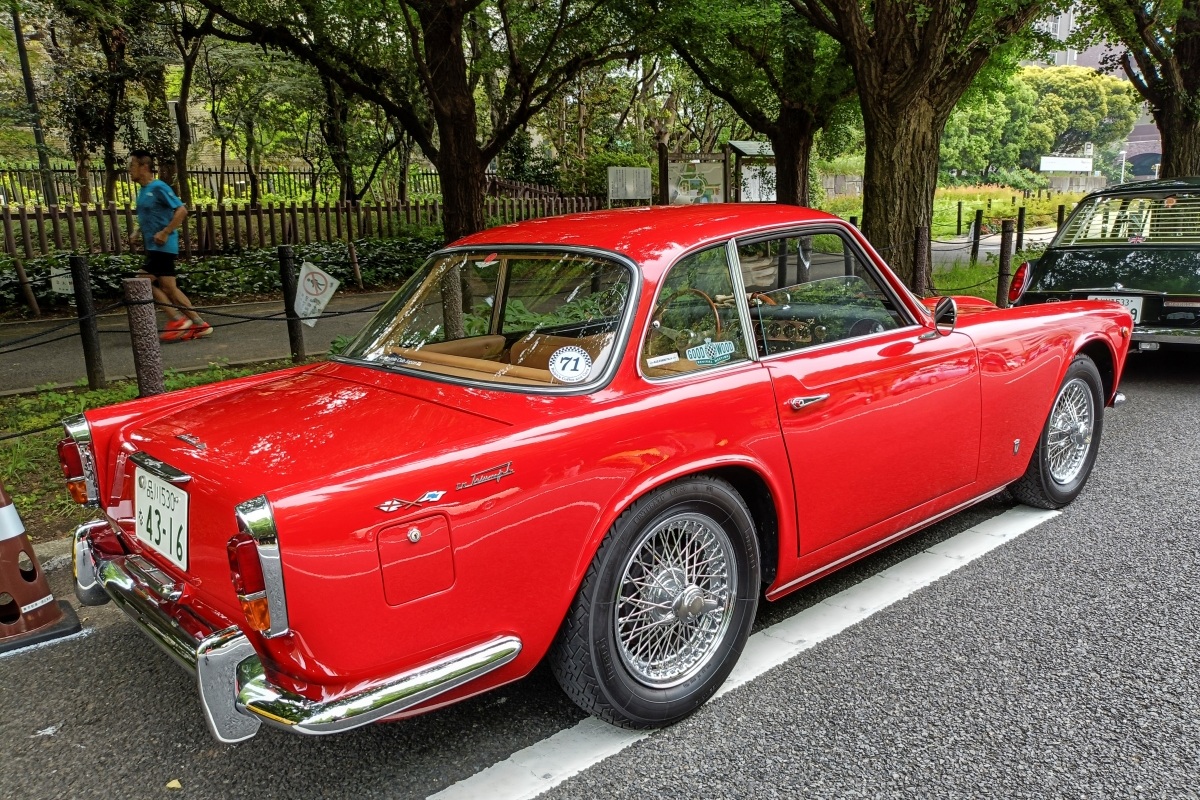
In the late ‘50s, Triumph were selling as many TR3 roadsters as they could possibly get out the door. The model had a lot going for it, including a fine 2-litre engine, a relatively low price and classic styling courtesy of Walter Belgrove, Standard-Triumph’s in-house designer. But said styling was getting a tad long in the tooth, being directly derived from the TR2 of the early ‘50s.
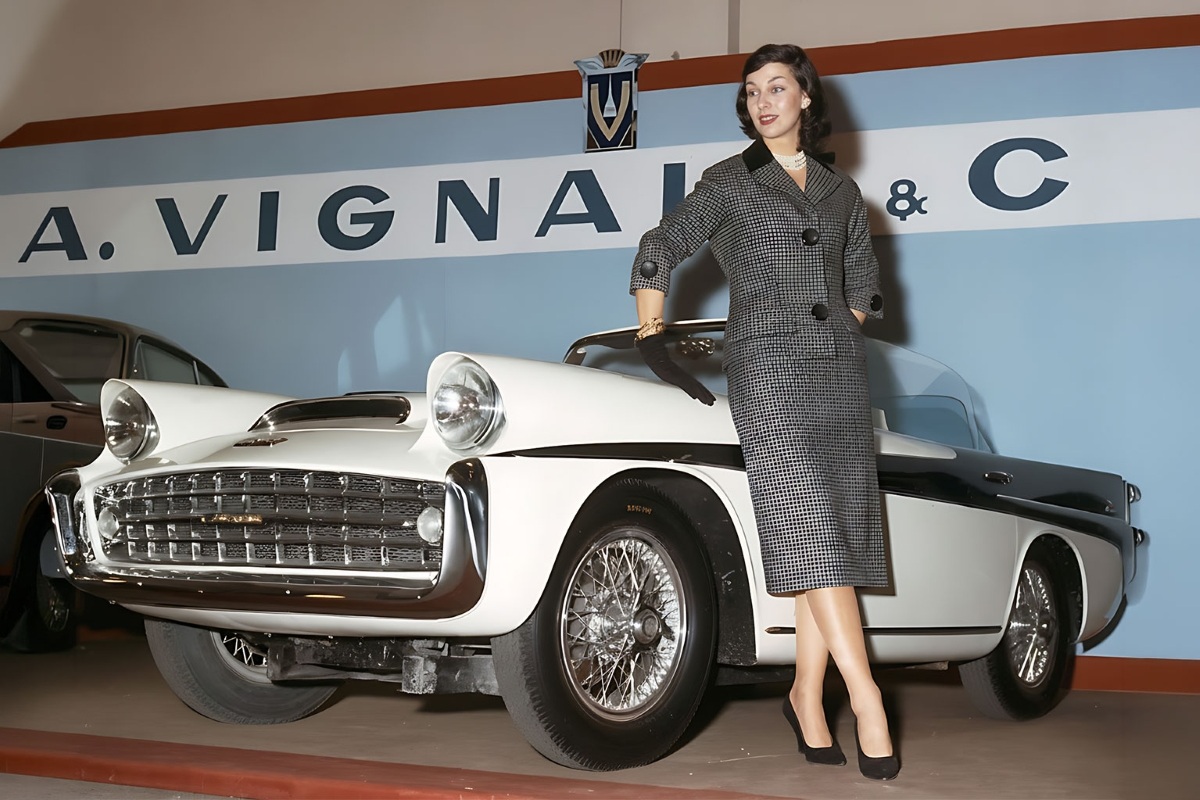
In 1957, a spectacular one-off TR3 Special was featured prominently and admired in a few European motor shows that year. It had been bodied by Vignale and styled by Giovanni Michelotti, who was then the carrozzeria’s star stylist.
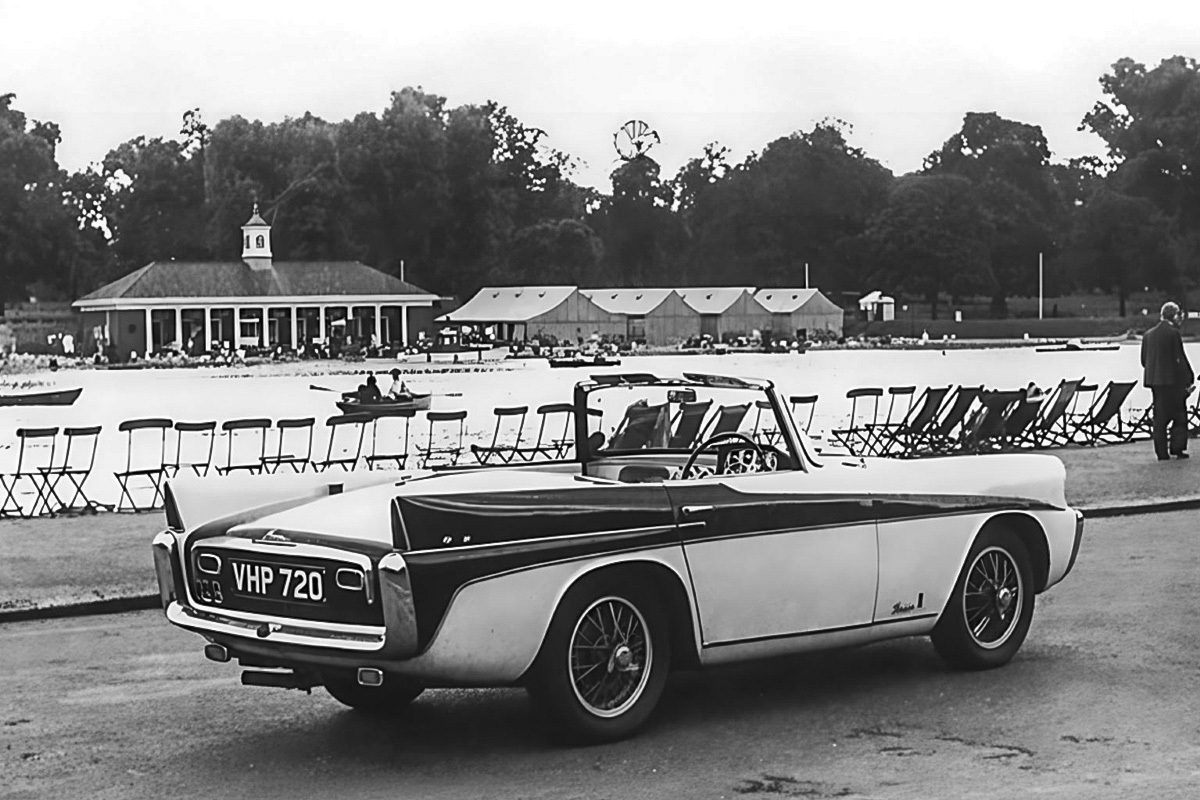
If nothing else, this was the car that netted Michelotti his long-term contract with Triumph, which was to shape the marque’s output for the next couple of decades. It also served as a direct source of inspiration for the Italia project, which was hatched by Dr Salvatore Ruffino.
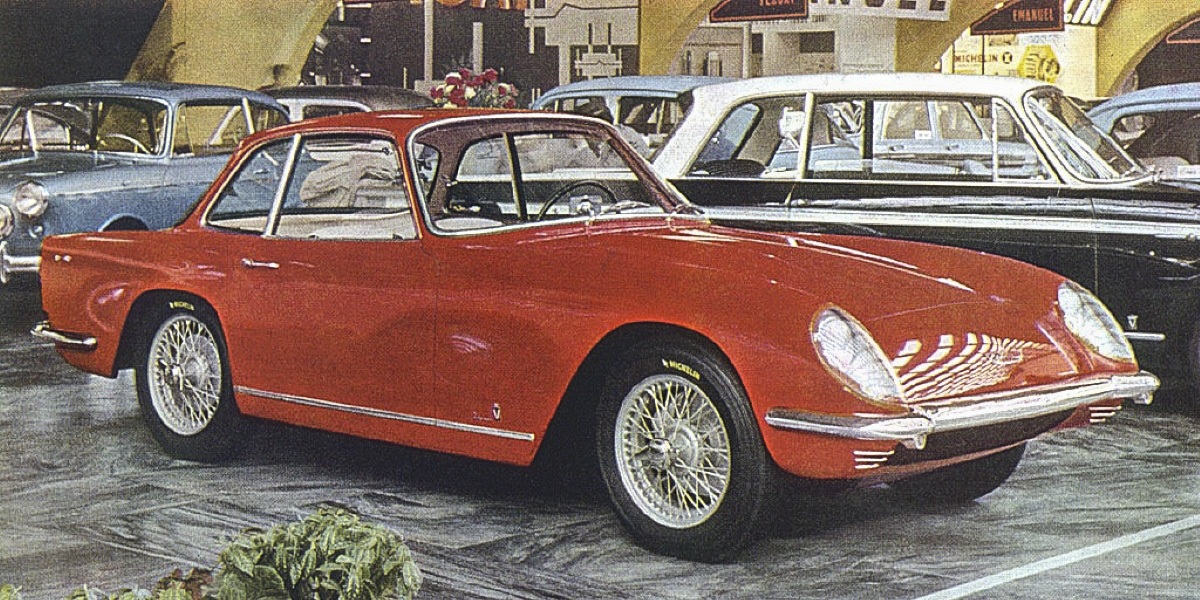
In 1957, Dr Ruffino had just bought the Standard-Triumph concession for Italy and immediately set about getting the TR3, the range’s most charismatic model, a spot of local tailoring to turn it into a trendy coupé. After having considered a rival project from Zagato, he signed a contract with Vignale (and thus Michelotti), who duly obliged with the above prototype, shown at the 1958 Turin Motor Show.
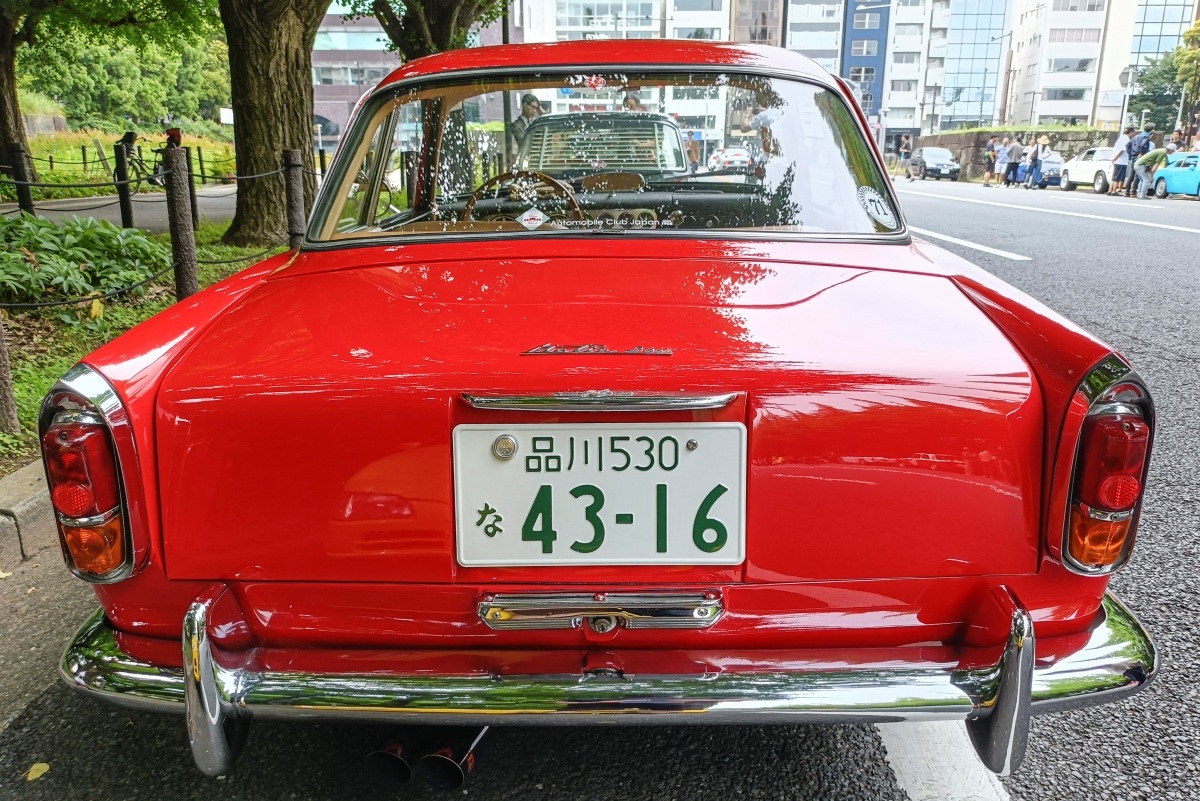
It was already dubbed Italia 2000 Coupé and it was a rather different animal from the TR3 Special seen the previous year, style-wise. Obviously, given that Ruffino was keen to manufacture this one in fairly large amounts (the plan was 1000 units, which is not nothing for a coachbuilt car), Vignale and Michelotti designed the body to be ready for such a purpose. One-off cars are not made the same way as production models.
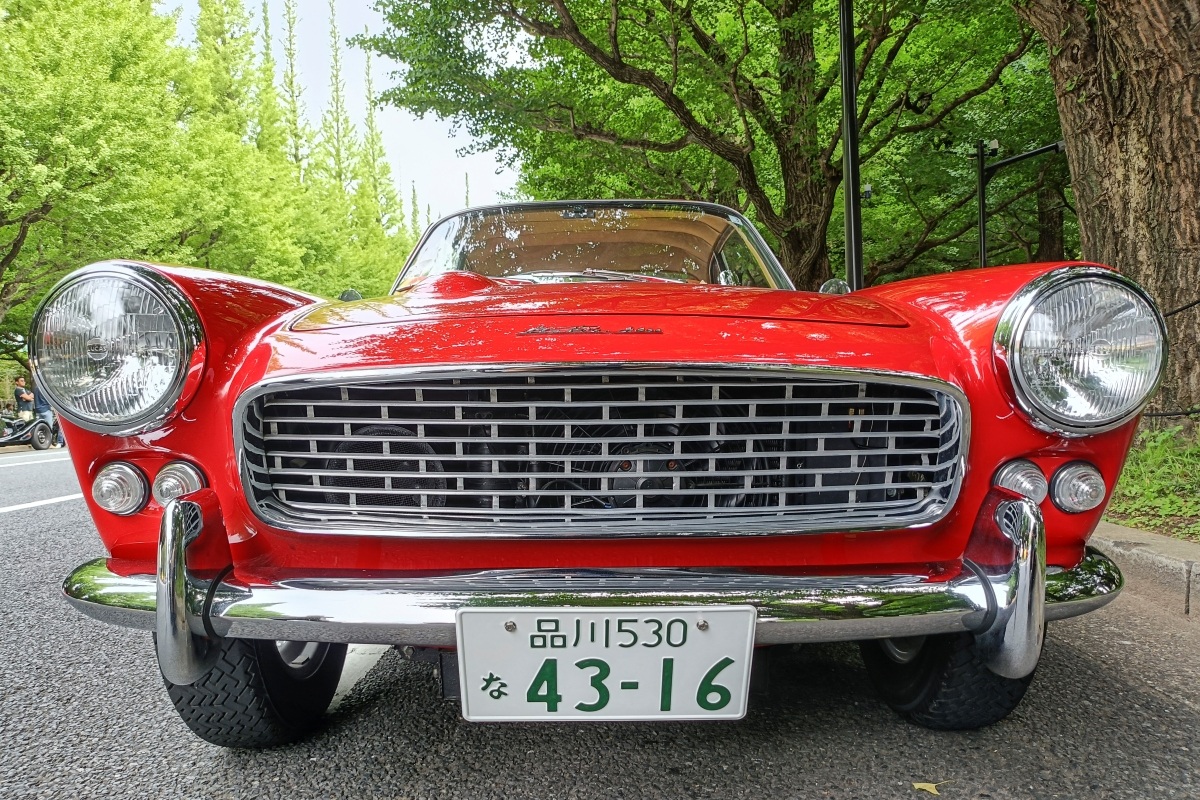
By the time a second prototype was made in the first weeks of 1959, the front end had been completely redesigned, too. This was apparently done to help solve handling issues noted on the first prototype. I haven’t been able to figure out the exact story behind this (it seems a bit odd), but the end product is just as beautiful this way.
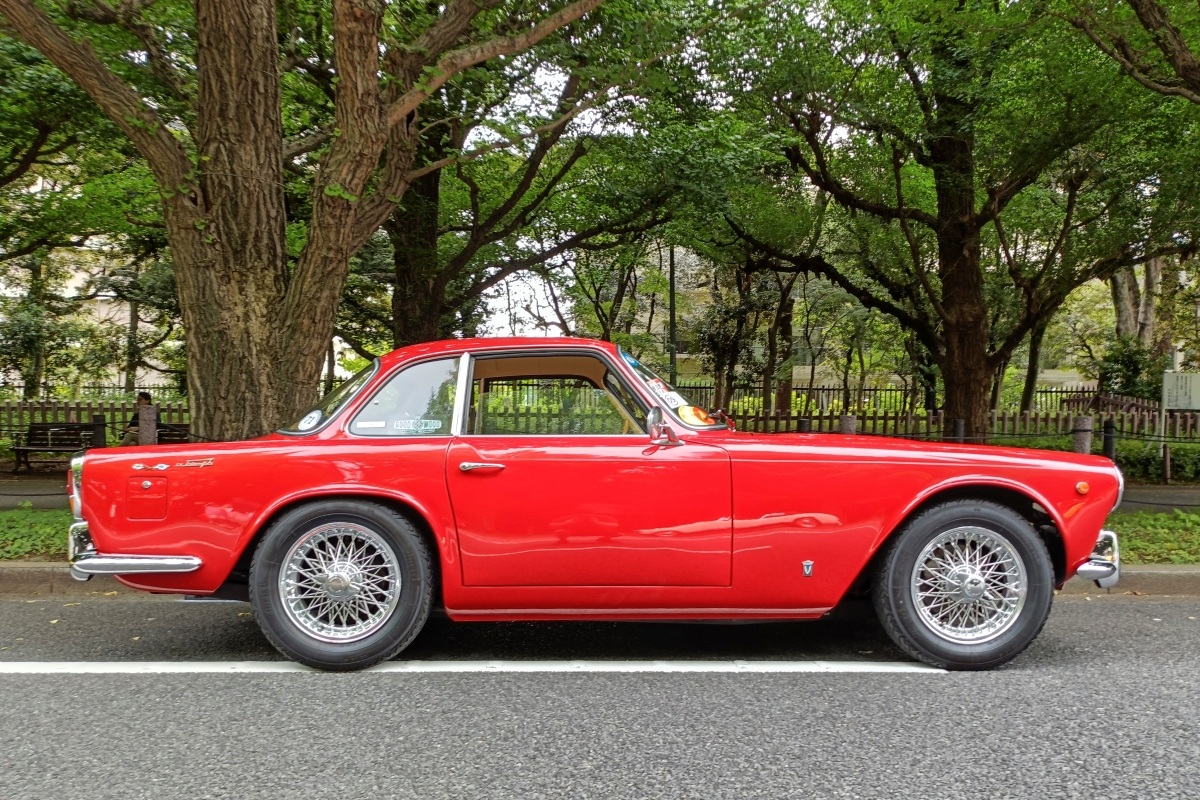
The enterprising Standard-Triumph importer for Italy created the Ruffino S.p.A. Industria Construzione Automobile, based in Naples, to manufacture and market the car. Triumph sent over a batch of TR3A chassis directly to Vignale in Turin, where a small production line was set up in a corner of the coachbuilder’s works to manufacture the Italias.
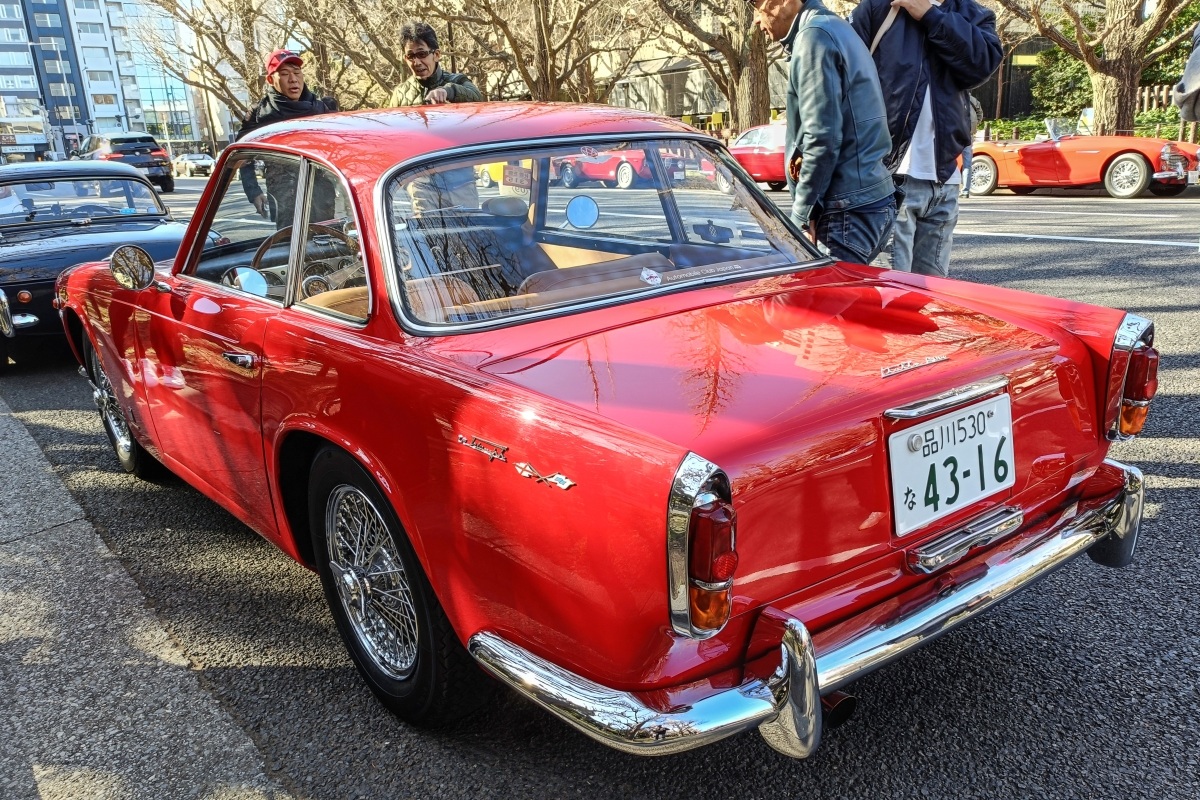
In late 1959, Ruffino reached an oral agreement with Standard-Triumph that each dealer worldwide would carry at least one Italia. This represented about 720 cars right there, and Ruffino had some American contacts who were also keen to be in on the action, hence the initial notion of a thousand cars.
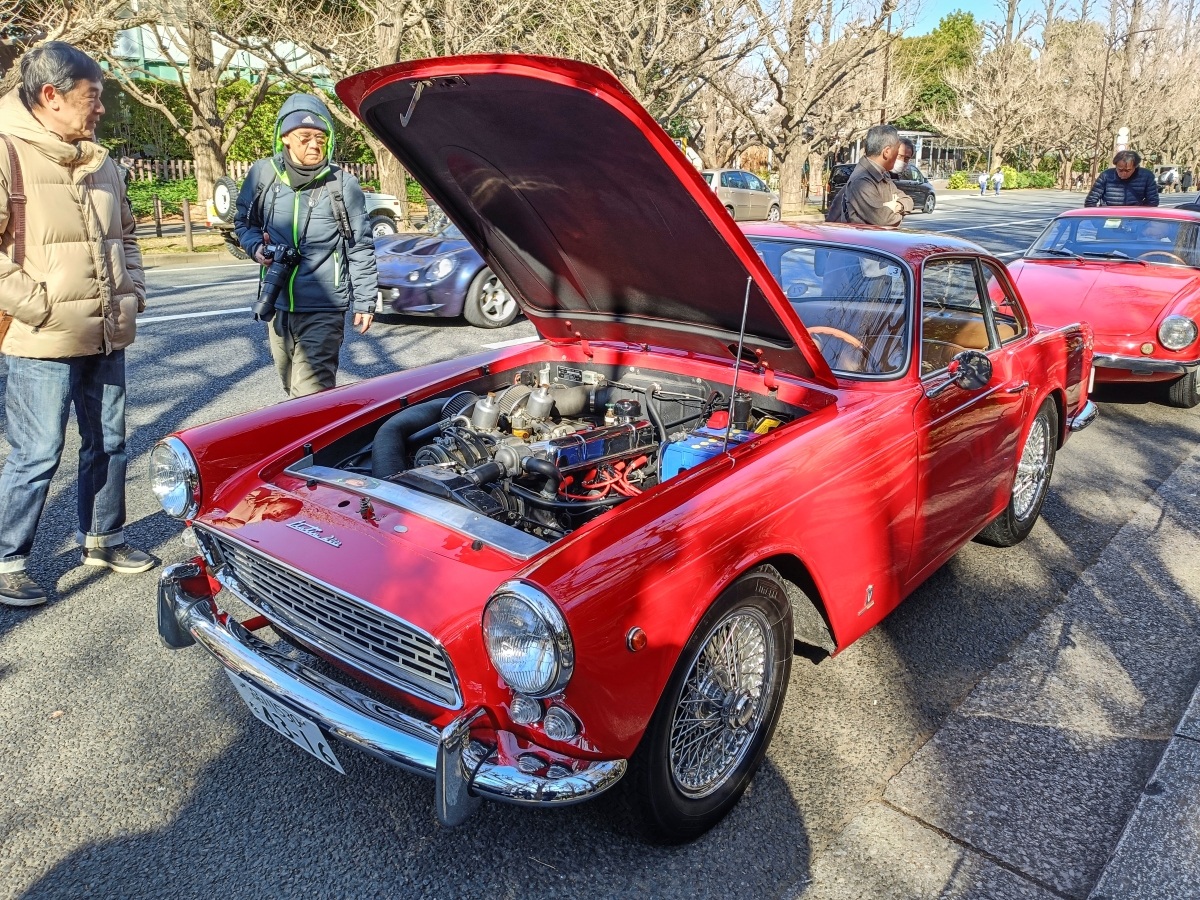
The entire venture depended on keeping the chassis as close to the Triumph TR3 as possible, to minimize expenses and keep the manufacturer’s warranty. The aforementioned handling issues required fitting an anti-sway bar up front, stiffer shock absorbers and a slightly beefed-up rear suspension. There were very minor differences to the engine, such as a modified radiator to fit the Italia’s lower bonnet line, but everything else was exactly the way it was when it left Coventry.
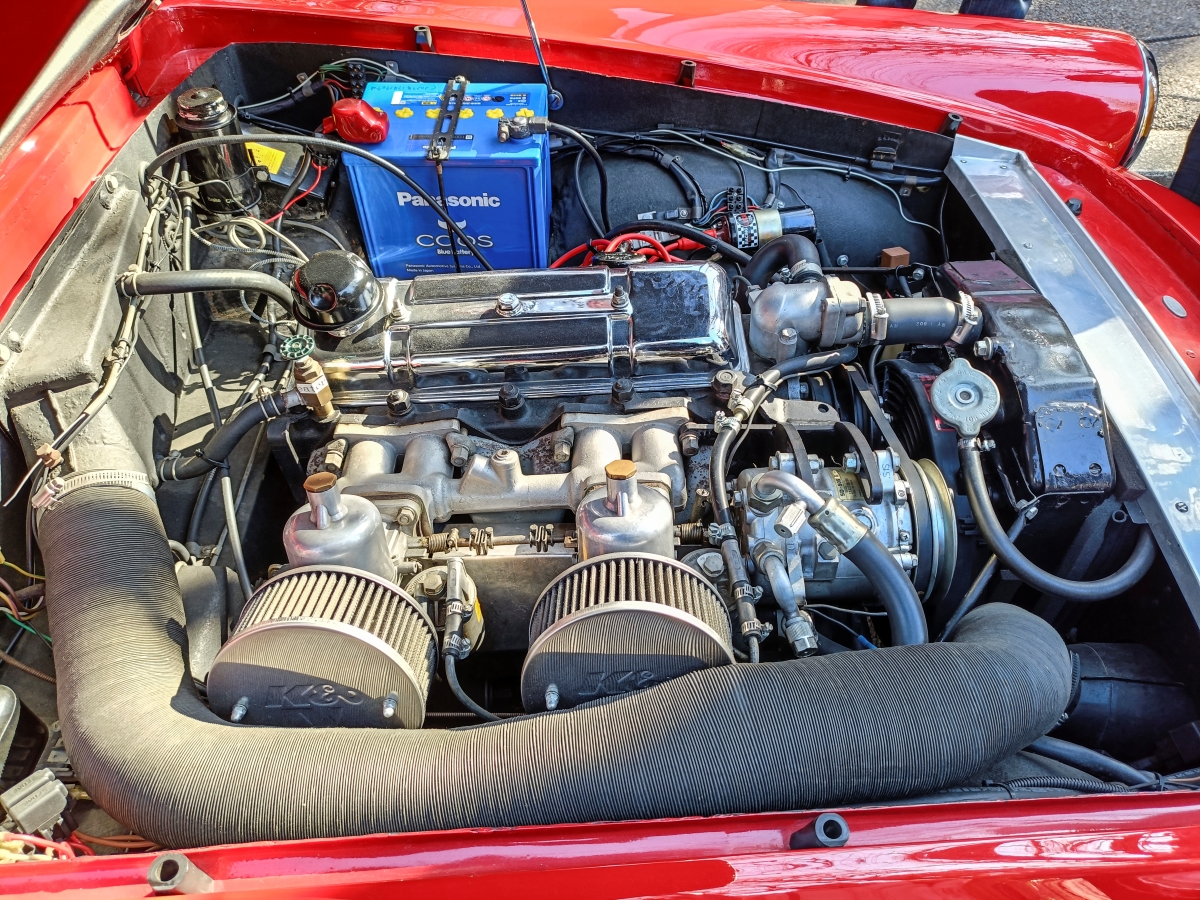
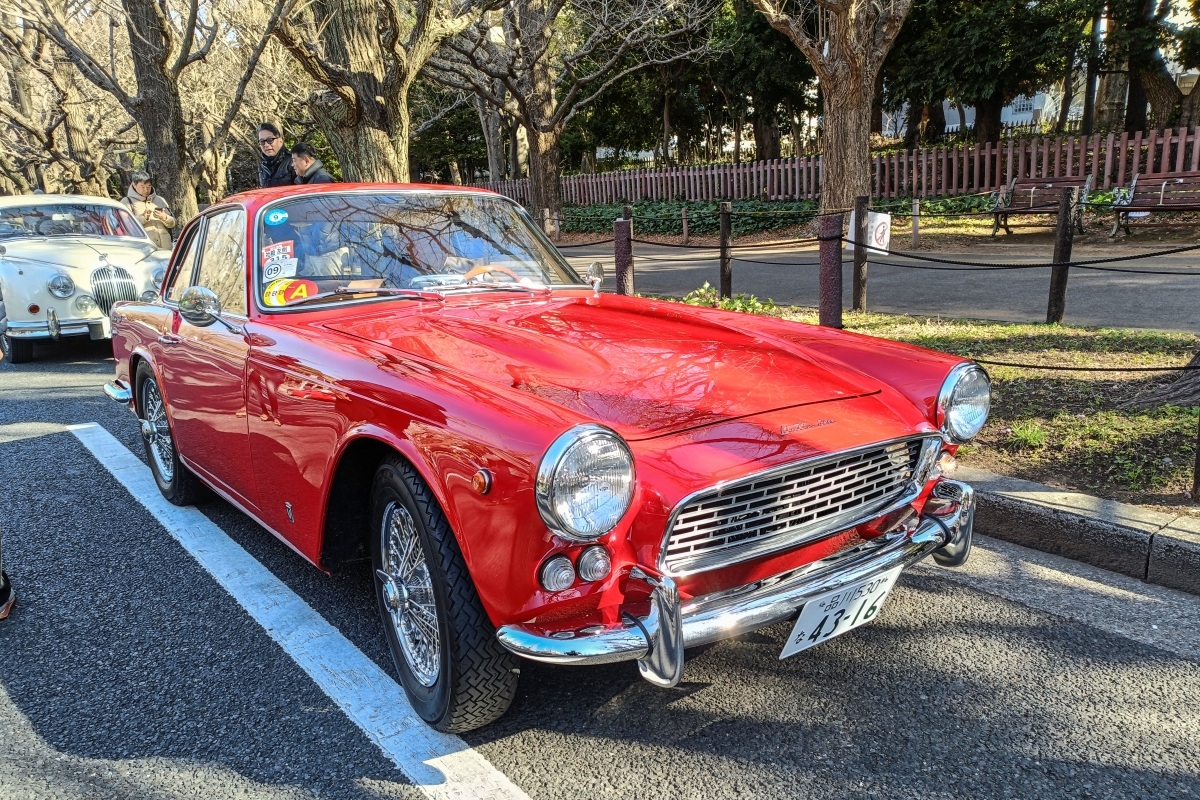
The initial engine was the same 95hp 1991cc 4-cyl. with twin SU carbs as used on the regular TR3A. Our feature car is a late model using the revised TR3B chassis, so it has the 2138cc engine producing an even 100hp. All chassis sent to Italy had wire wheels and most of them (this one included) were fitted with the optional overdrive 4-speed transmission.
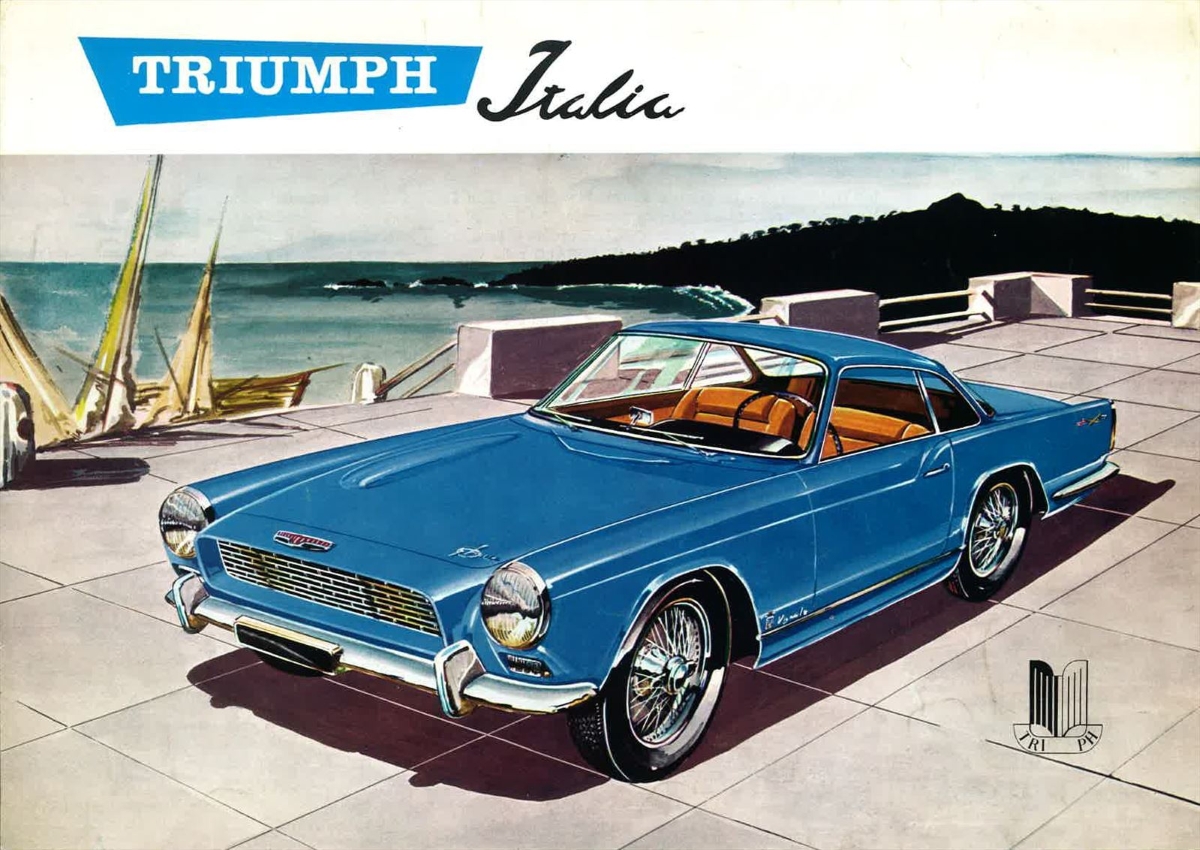
The first PR materials for the car were printed, but soon it became clear that the British side of the endeavour was not in the best of financial health. By early 1960, Standard-Triumph reneged on the deal, even as the firm began entering merger talks with Leyland. The Italia would not be marketed as a Triumph, nor would it be sold by Standard-Triumph the world over.
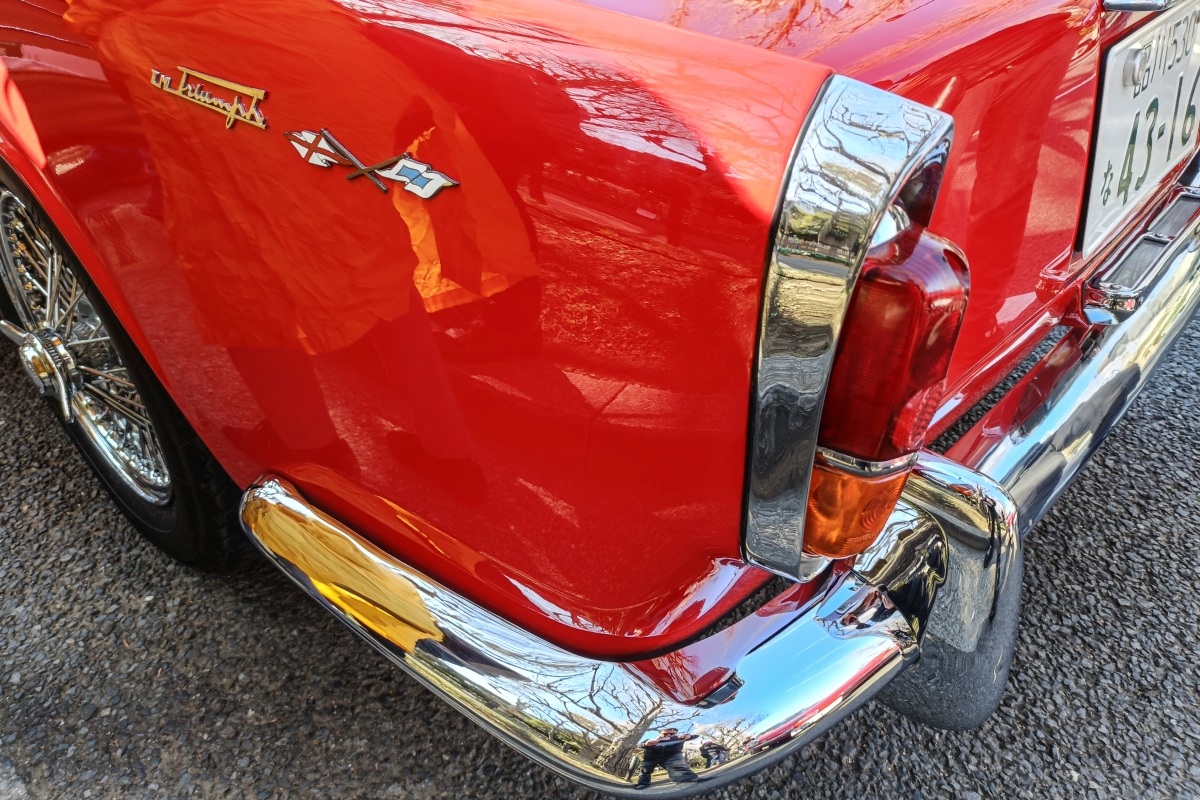
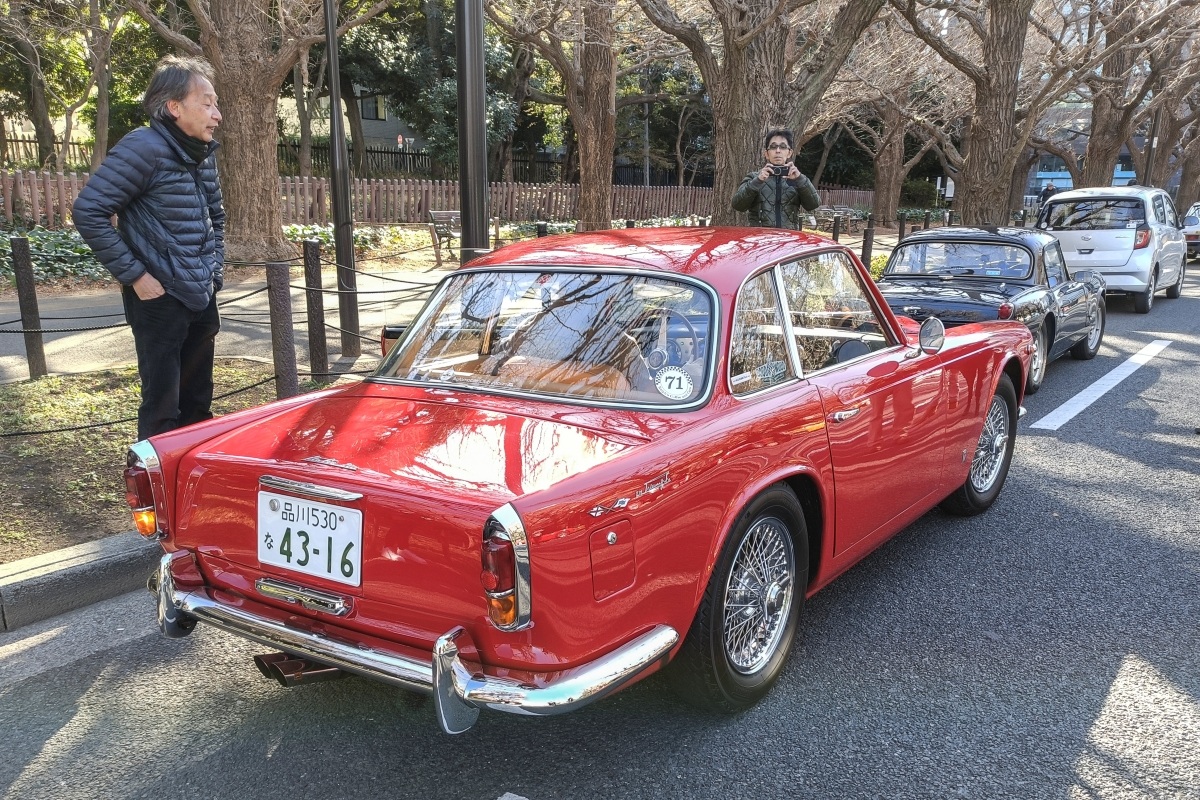
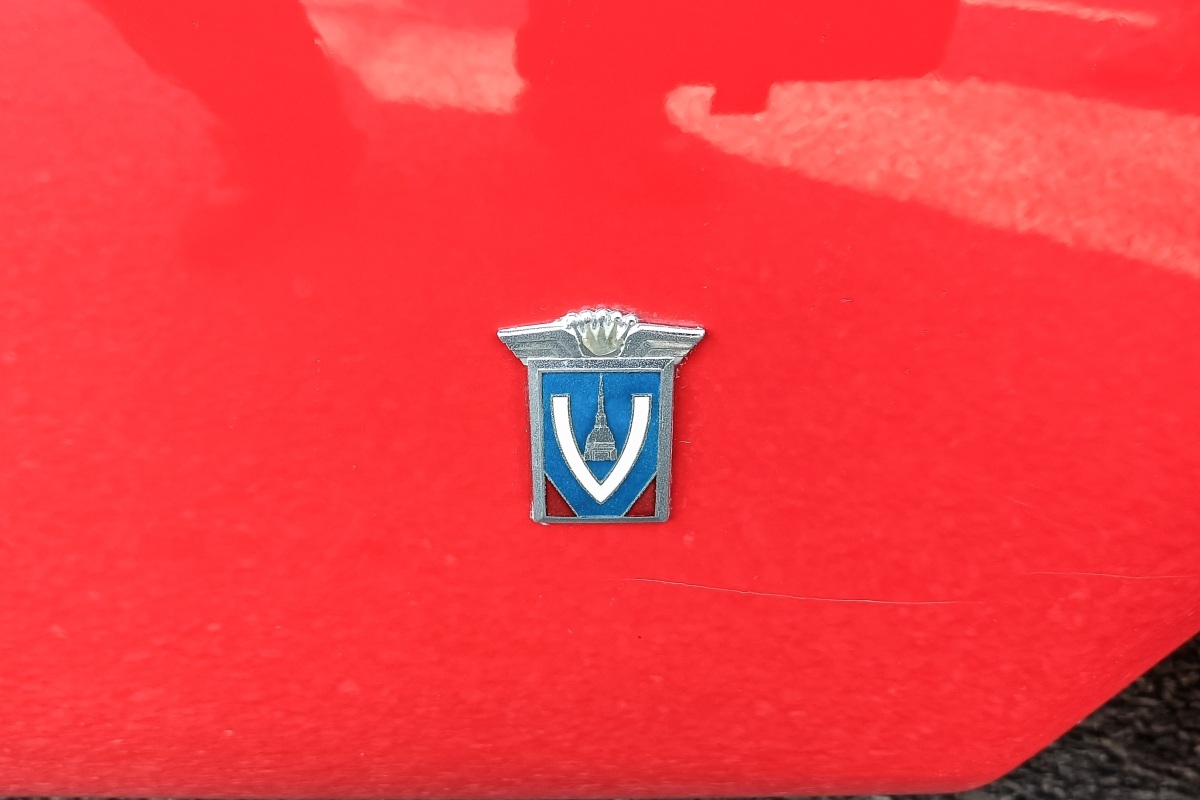
This is why the Triumph name does not appear on the front of the car, nor the bootlid; it’s only visible on the rear fender as TM Triumph (Telaio et Motore Triumph, or “Triumph chassis and engine”). Officially, it was to be known as the Italia 2000, only regaining its full-length name retrospectively and/or in certain markets. In Italy for instance, given than Ruffino was the distributor, the Italia was available via Triumph dealerships, but abroad would be a different and much more complex story.
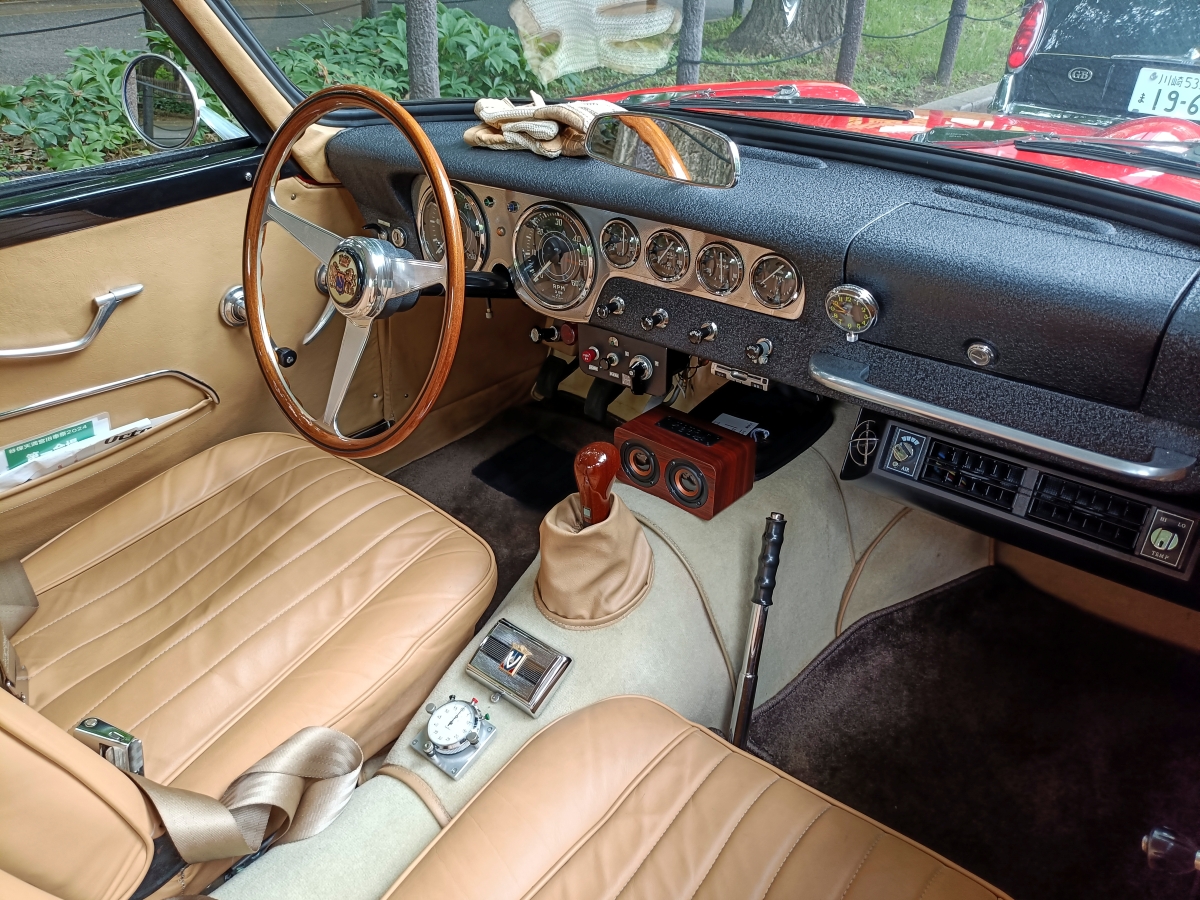
Still, the car did not go unnoticed. It was built and finished with the utmost care by the best craftsmen in the peninsula, a veritable four-cylinder Ferrari.
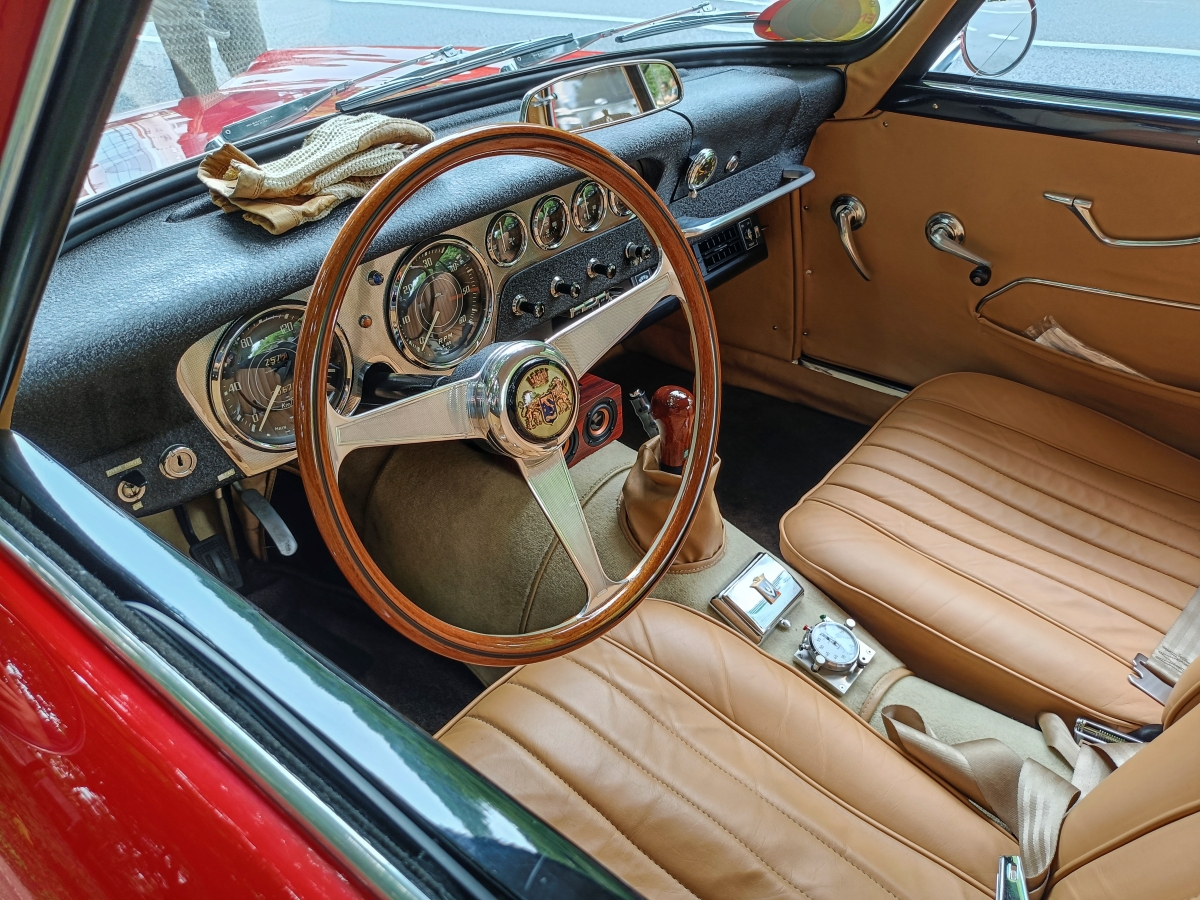
Only a handful of cars were right-hand drive – the British market was clearly no longer a major priority now that Standard-Triumph had welched on the whole affair. Even though this meant a much smaller production run, the project went ahead.
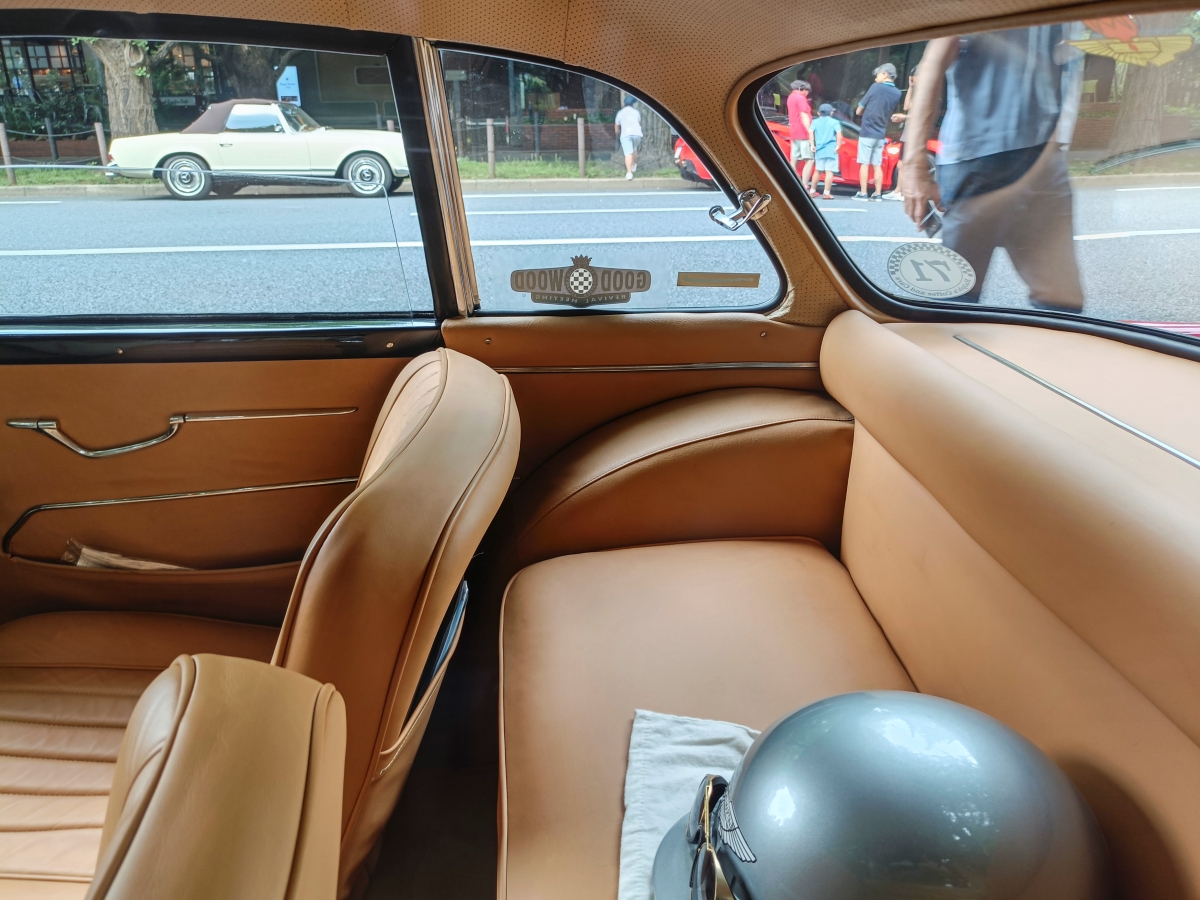
I’ve seen some sources calling this a “ledge,” and even that is being generous. For once though, honesty prevailed: nobody ever dared calling the Italia a 2+2.
For the all-important American market, Ruffino signed a contract with a Mr Stutz Plaisted of Stutz Plaisted Imports out of Salem, MA. One might say that first name predestined Mr Plaisted to a career in the automotive world. Had his last name been misspelled as “Plastered,” the thorny issue of drunk driving would have reared its head. strictly hypothetical, of course…
The majority of Italias made therefore ended up in Massachusetts, as the 40-50% premium commanded by the fancy Vignale coachwork compared to the production Triumph TR3 was quite a tall order in Europe. This became even more evident when Triumph launched the TR4 in late 1961.
By early 1962, the writing was on the wall. Even with help of its doubtlessly energetic, proactive and comically-named US importer, the Italia 2000 was just not selling in large enough numbers to justify its continued existence. Ruffino pulled the plug and it apparently took three years for the last cars to be sold off, each apparently via some deep discounts and the signature of a waiver indicating that there were no spare body parts available.
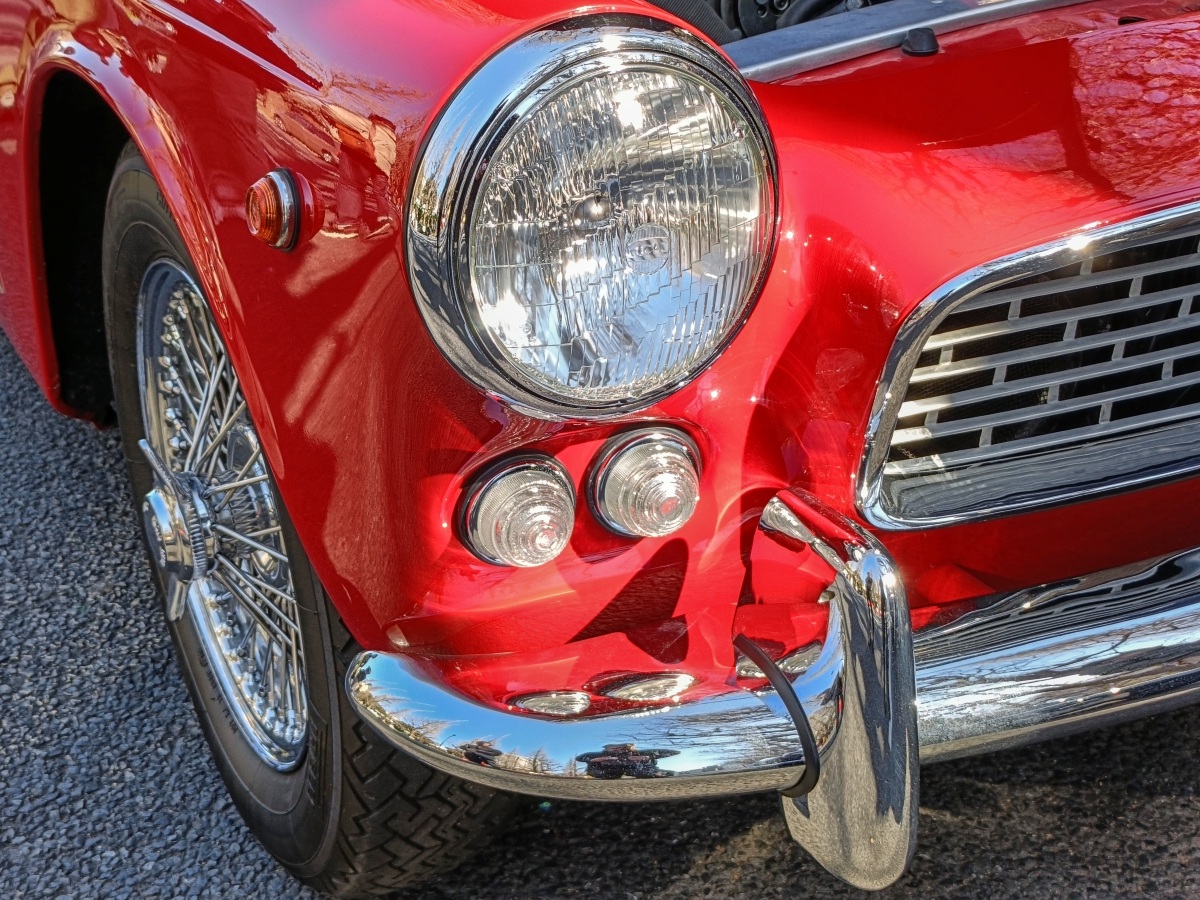
This has obviously remained an issue to this day. It is said that the minuscule stock of windscreens is now completely exhausted. Well, there are a few parts cars around, but clearly things are going to get worse before they get better (and there’s not much of a chance of that). At least the engine and chassis are easy and cheap enough to keep the remaining Italias roadworthy.
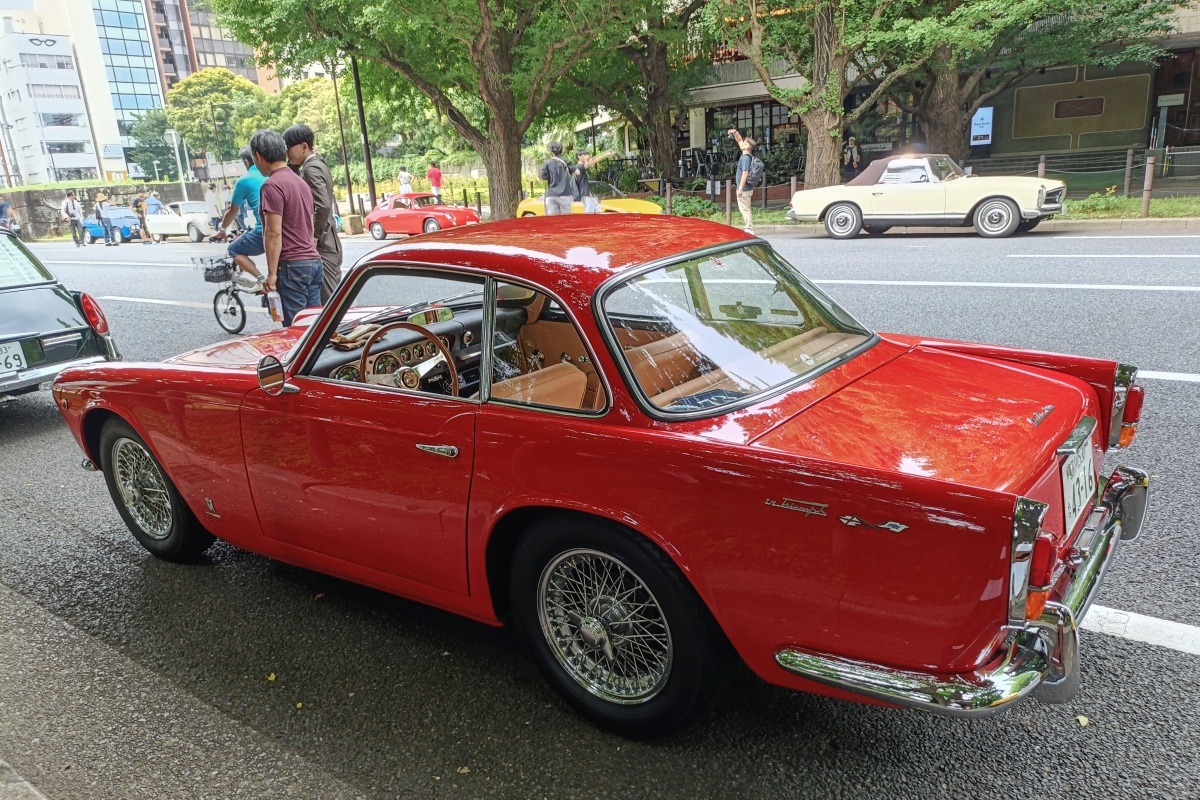
As one might expect, there is some vagueness as to production numbers. Some sources claim 330 cars were made (including the two prototypes, which were literally sent to Coventry); a book on the Triumph TRs that I consulted recently cautioned that the true number was closer to 300. Whatever the case may be, the model underperformed and it put everyone concerned into a great deal of debt, save perhaps for Vignale. It was certainly beneficial for Michelotti, for whom this was the first of a long series of production Triumph designs.
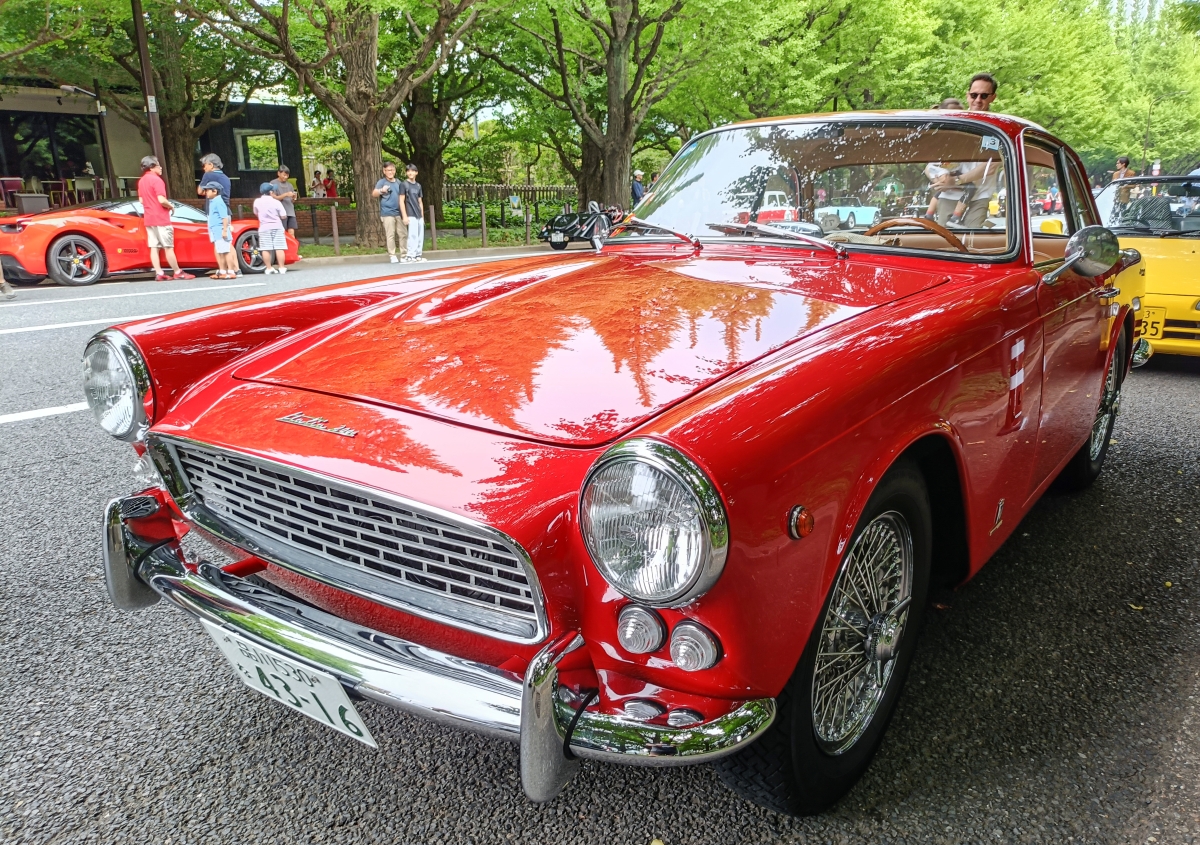
In person, the car is an absolute delight of balance and late ’50s Italian elegance. I would have thought that, to the well-heeled and the fashion-conscious, its extra cost was well worth it in 1960-61, given how old-hat the TR3 would have looked at the time.
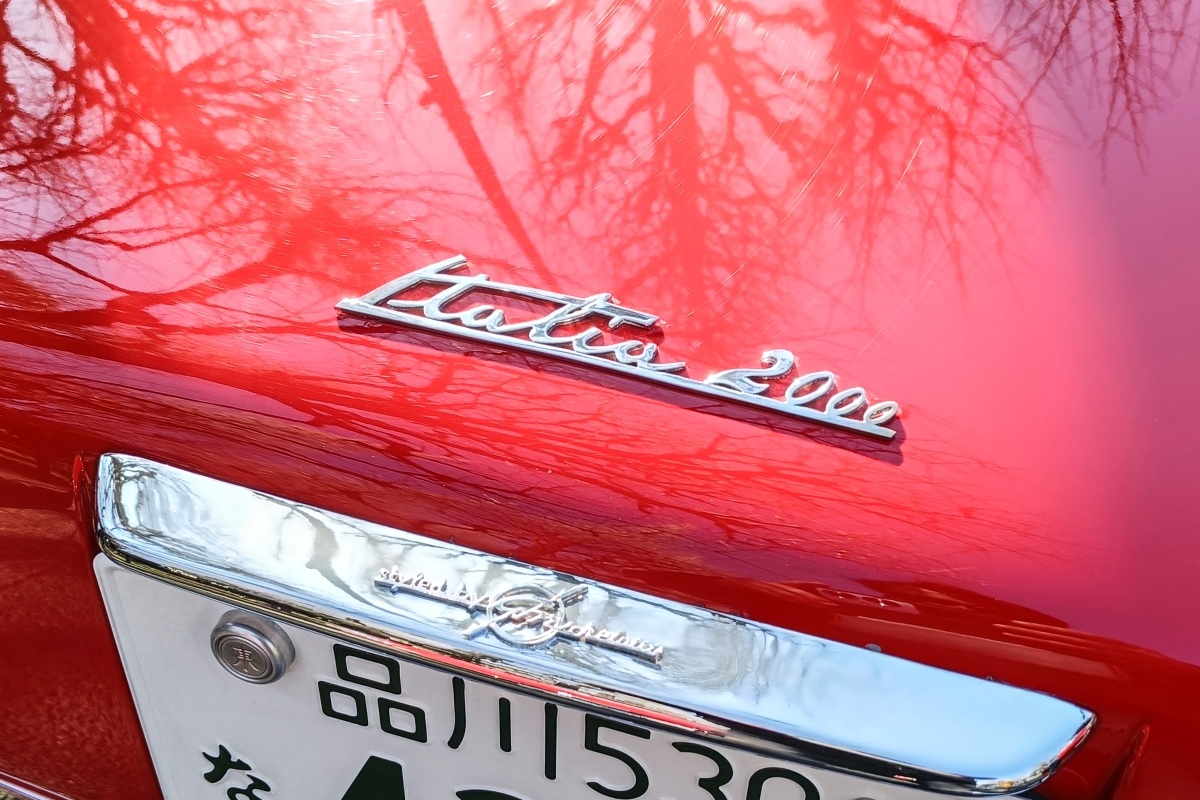
Once the TR4 came out however, the Italia was a far more tenuous proposition. But it was never seen as mediocre. Maybe this is why the popular British chassis + highbrow Italian body concept was revisited soon after the Italia’s untimely demise, with such cars as the Sunbeam Venezia or the Sprite-based Innocentis. Interesting though those also were, the Triumph still gets my vote as the classiest of the bunch.






Leave a Reply