
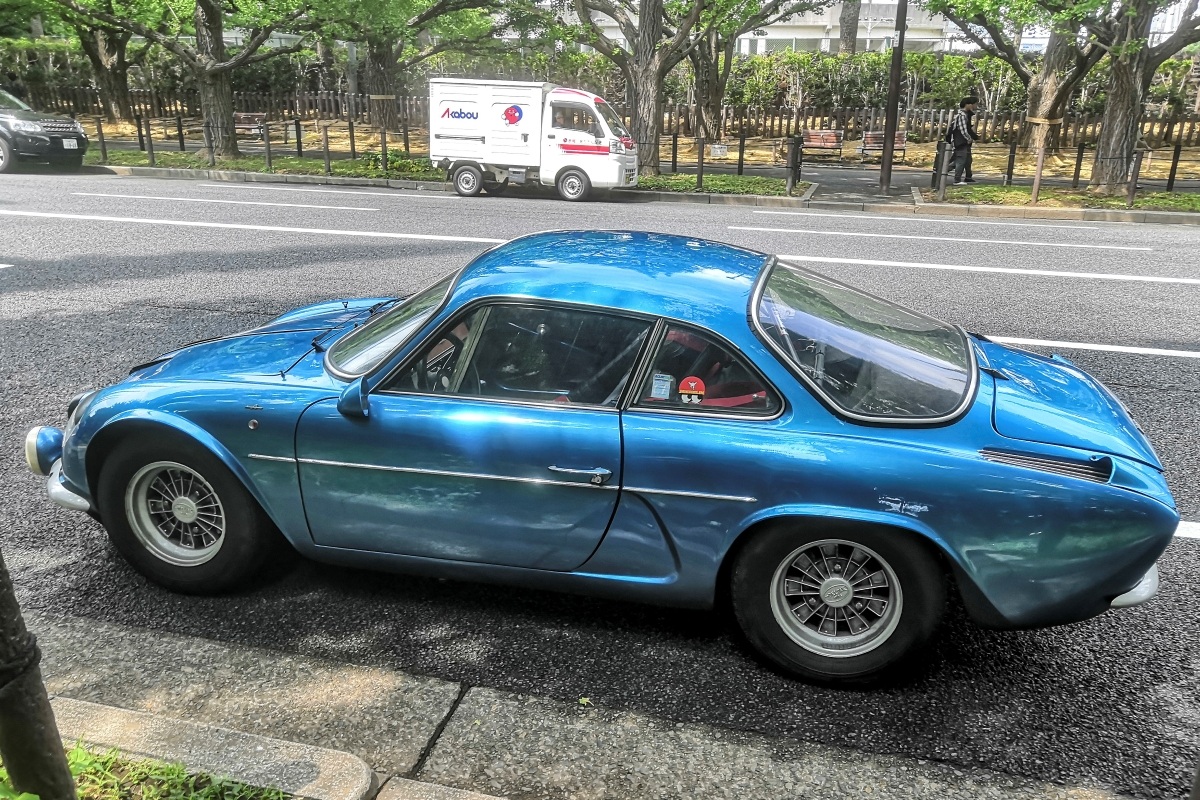
Most times, when writing up a significant CC post about a car that’s barely been covered on the site before, you want to find the archetype. A mid-range, mid-production run model in the right colour and condition. Here, I got three out of four: this Alpine A110 Berlinette is a mid-production run model, it’s in great condition and the correct shade of French Racing Blue. But it’s definitely not a normal A110.
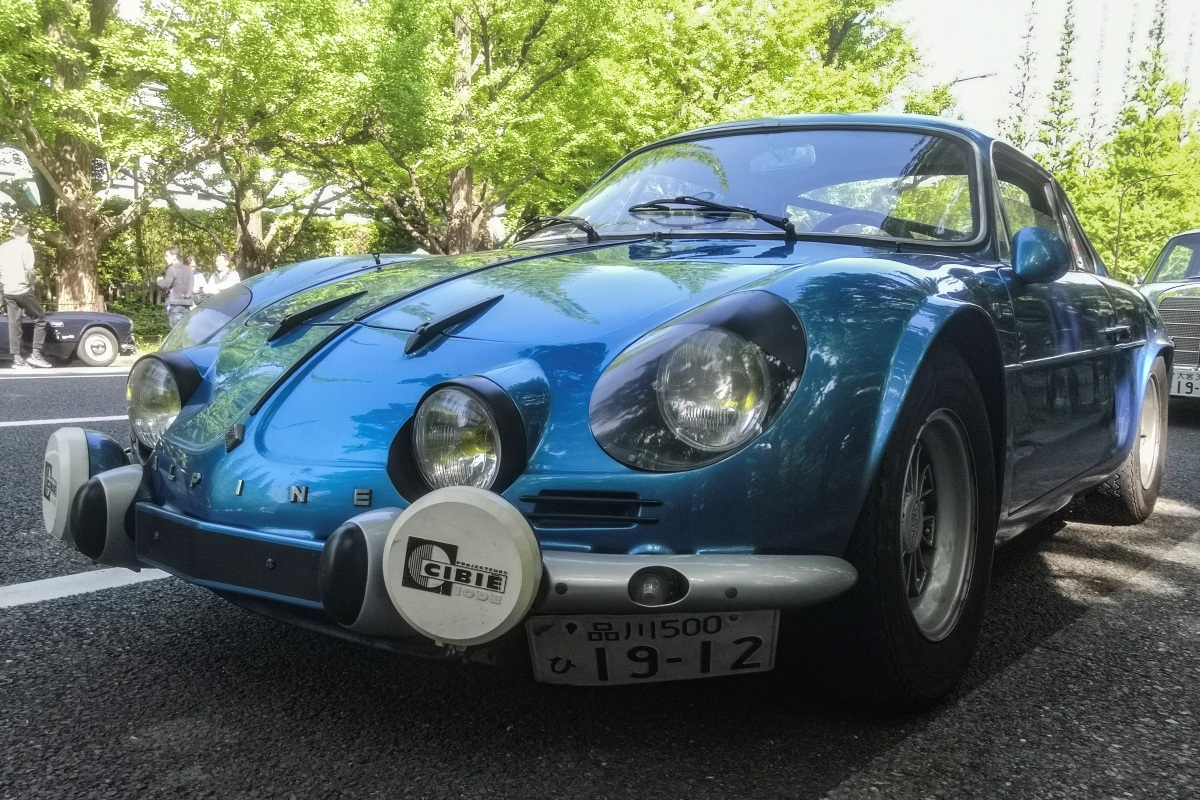
Whereas nearly all A110s could be qualified as sports cars, this one is a very odd Group 4 WRC version with a non-standard (but original) 1.4 litre engine. So much for finding an archetype of the species. Ah well…
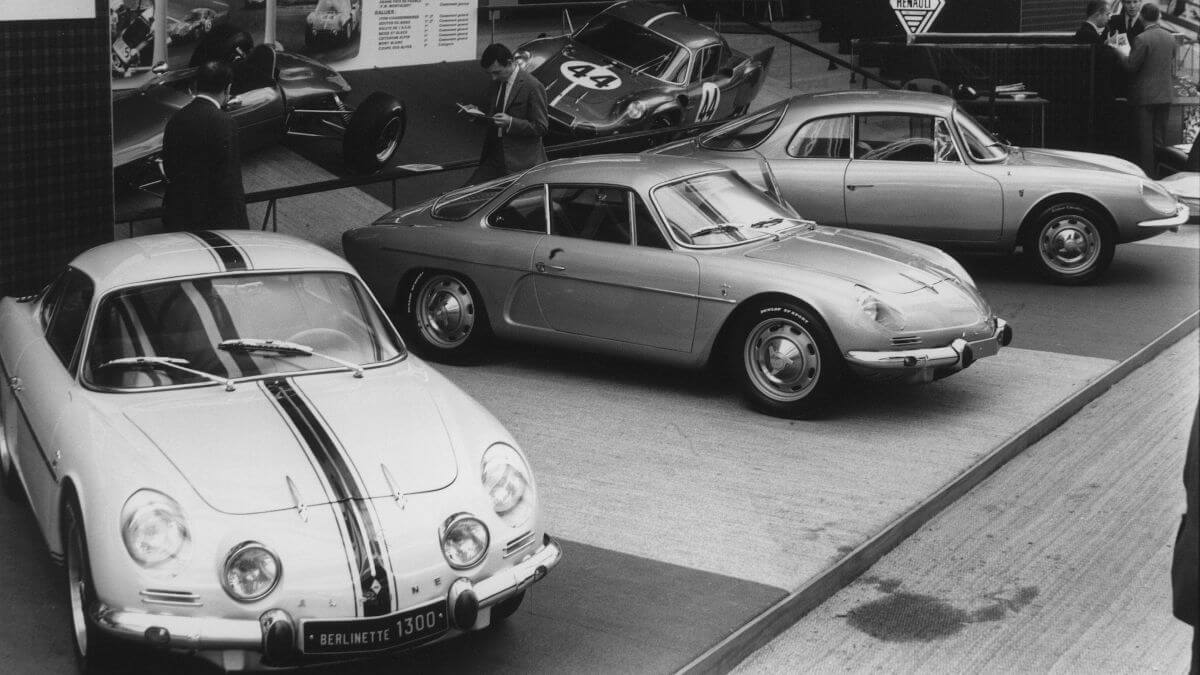
We’ve covered the early years of Alpine before – a valiant effort from a young Renault dealer called Jean Rédélé, who basically took bits off a 4CV platform and turned it into a sexy GRP coupé, back in the mid-’50s. The same Renault rear-engine/plastic body formula would basically be used until Alpine’s first demise in the late ‘90s. The A110, featuring the R8’s new Cléon 4-cyl. engine, arrived in 1962, using the Alpine bodies (berlinette “Tour de France”, 2+2 coupé and cabriolet) already present in the range.
The berlinette immediately became the default variant of the ‘60s Alpine. It was this body that could be ordered with the hottest engines and was best suited for racing, which after all was the marque’s main goal. Initially, the A110 used the smallest Cléon (956cc), but by 1964 a 1.1 litre version was already available. Then came a 1.3 in late 1965 and, from early 1969 onward, the R16’s 1.6 litre was added to the options list.
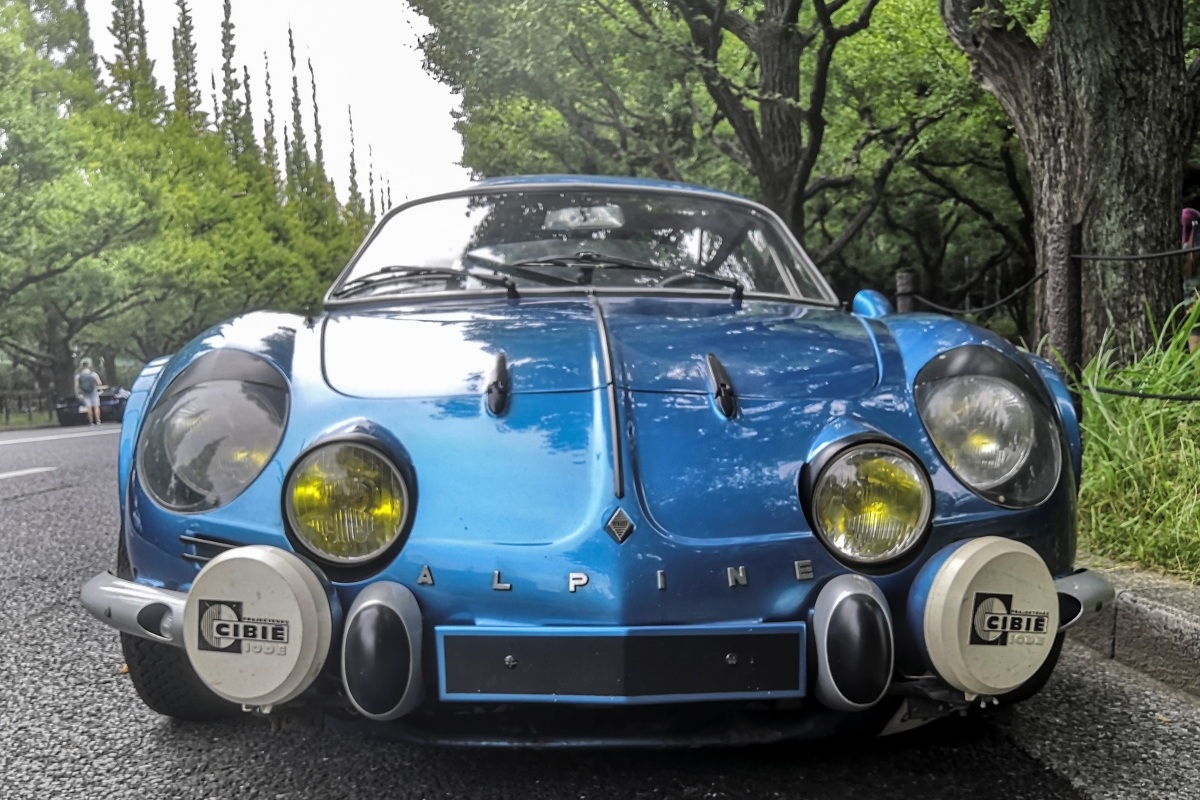
As far as civilian A110s are concerned, that was pretty much as far as it got until the model disappeared in 1977. Except there was a 1.4 litre variant made in Spain in 1977-78. And there were a number of small runs for Alpine’s racing department, such as the car we’re looking into today.
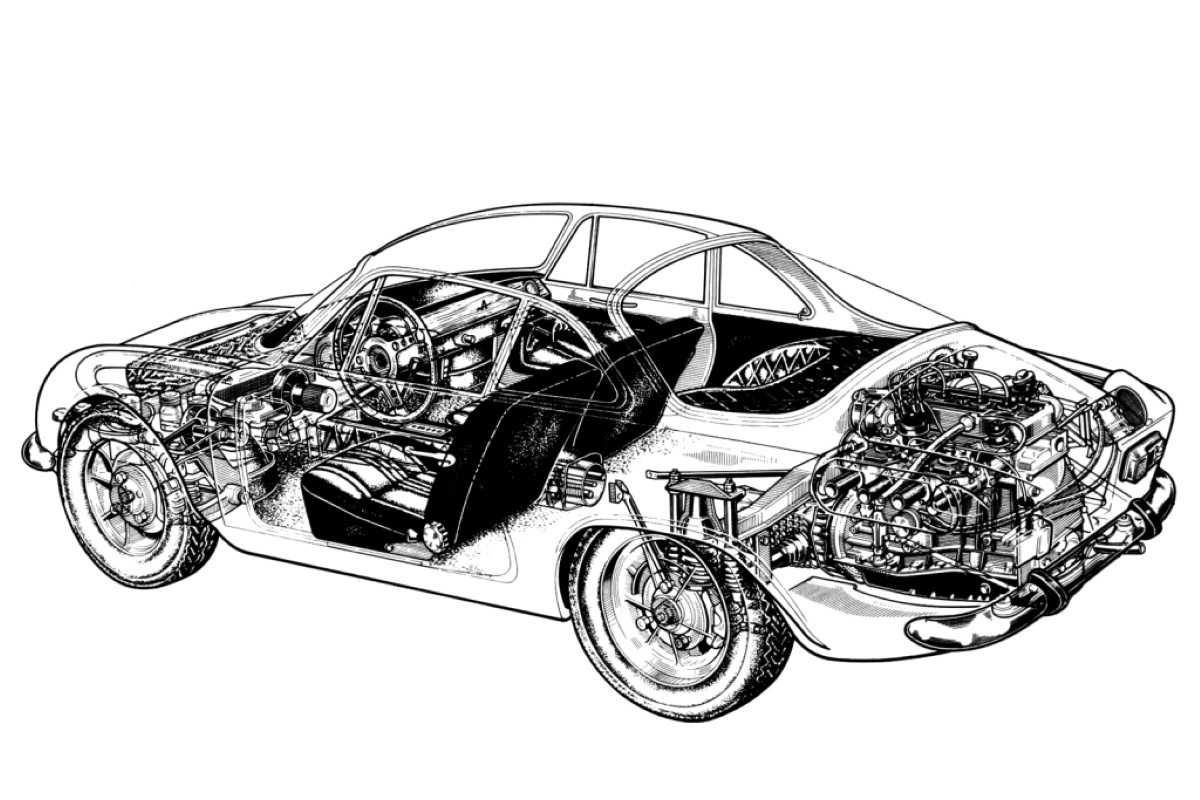
The A110’s backbone chassis largely used standard-issue Renault R8 elements for its suspension (double wishbones in front, swing axle in the back, coils all round), albeit with Alpine-specific tuning and shocks, of course. The R8 had disc brakes on all four wheels, so the A110 used that as well.
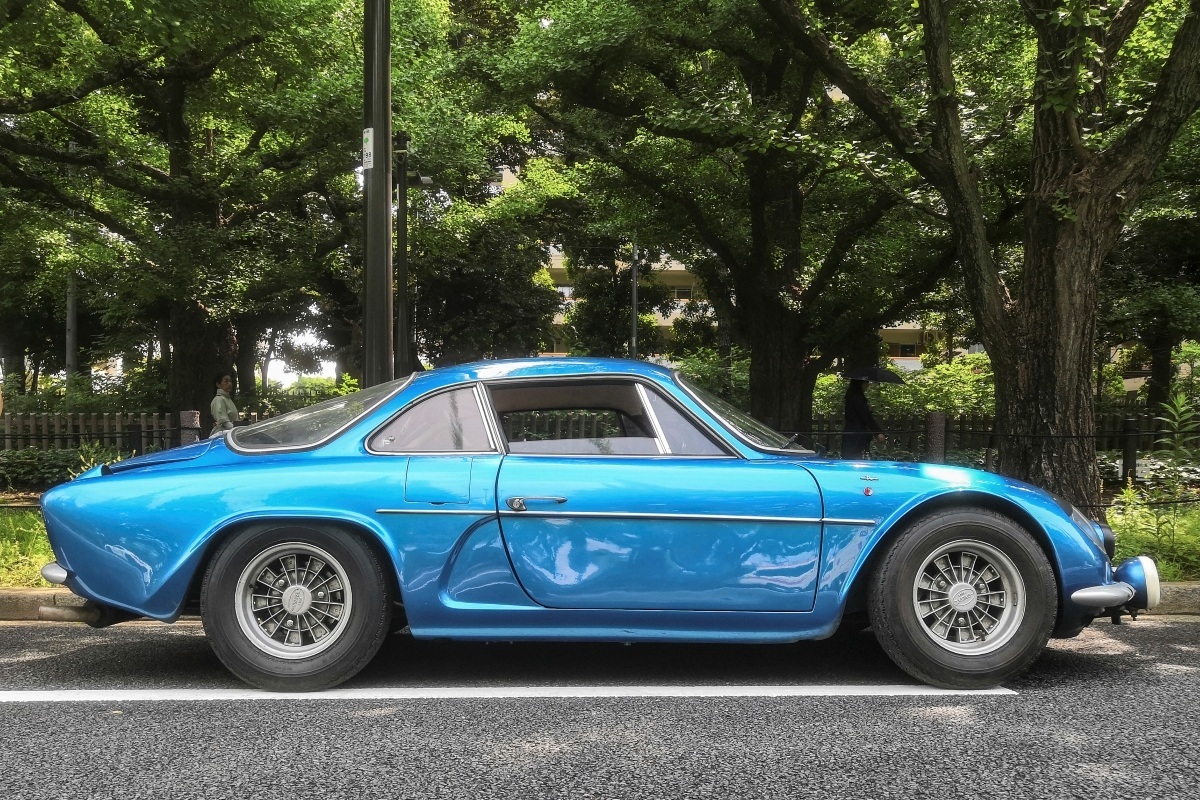
As far as European rally racing was concerned (not yet called WRC), the berlinette’s chassis dynamics were more than capable. What Alpine needed, by the mid-‘60s, was a slightly larger engine. Renault had just started production of the R16, which had an entirely new all-alloy 1470cc motor, with larger variants to follow soon, but Alpine hedged their bets.
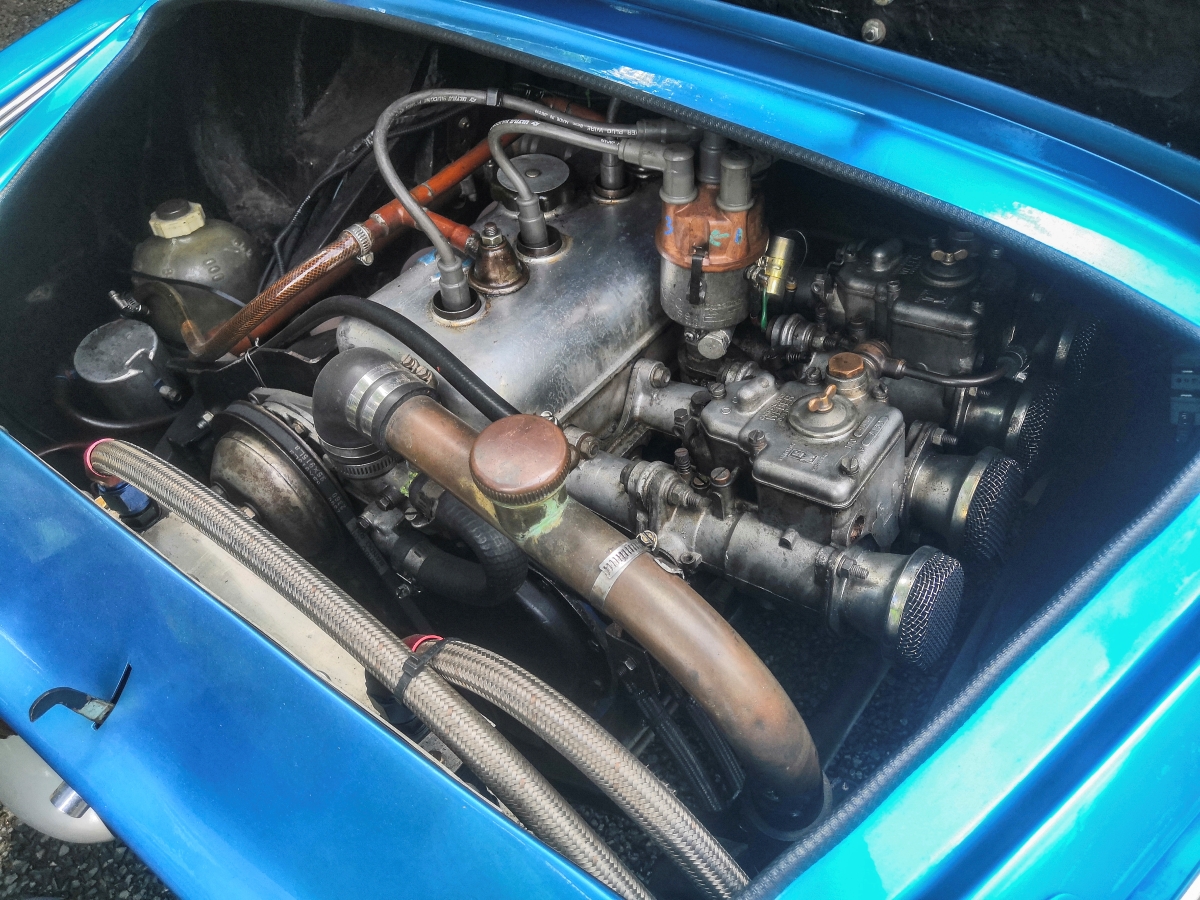
The 1470cc engine did end up in the back end of a few A110s by 1968, but it had been transmogrified with a DOHC head. On 1969 came a 1.6 litre version with a SOHC head, also reserved for racing. But the first “big” racing engine for the A110 rally cars, seen from 1967 onwards, was the 1.3 litre Cléon used in the fearsome R8 Gordini, but enlarged to 1440cc and featuring a new hemi head. It also picked up a couple of larger Weber carbs on the way and is mated to the standard Renault 5-speed manual transmission. Between 125-145hp could be squeezed out of these engines, which is not bad for a 1.4 litre OHV design of the period.
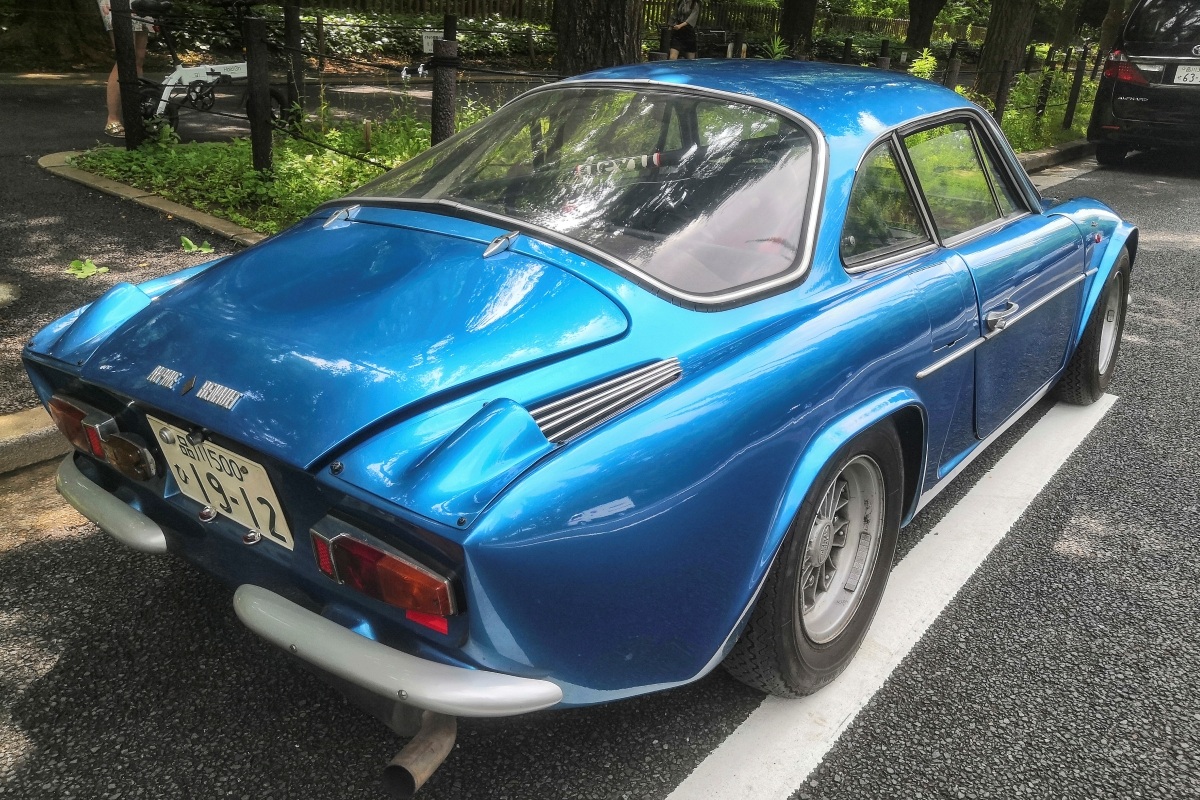
For a couple of years in the late ‘60s, this 1440 berlinette was one of the best rally cars in Europe. An identical one to the above won the famous Coupe des Alpes both in 1968 and 1969 (fittingly, for an Alpine), along with a host of other events on dirt tracks, on tarmac or on ice.
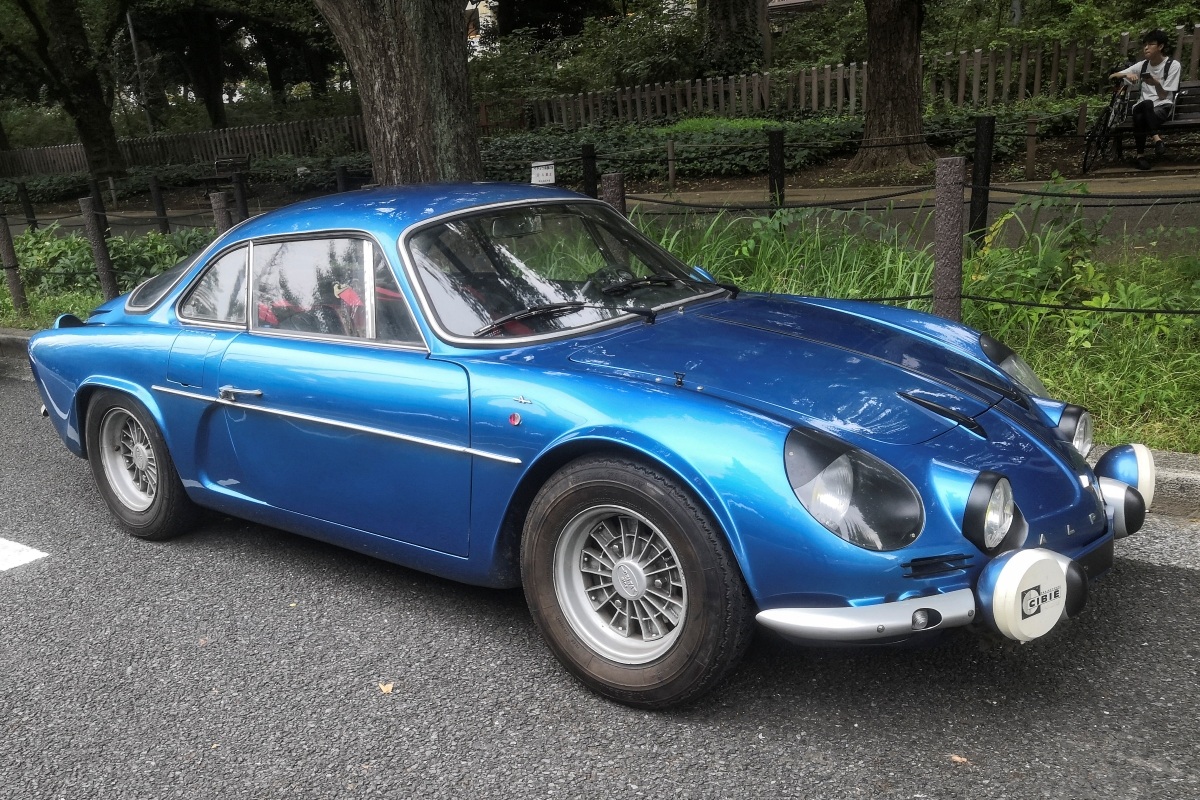
The other variants, the 1470 and the 1600, were also campaigned, but with less success (at least in those years) – possibly due to reliability issues. Though heavily modified from its R8 Gordini origins, the 1440cc engine was doubtless simpler and more solid than the other two.
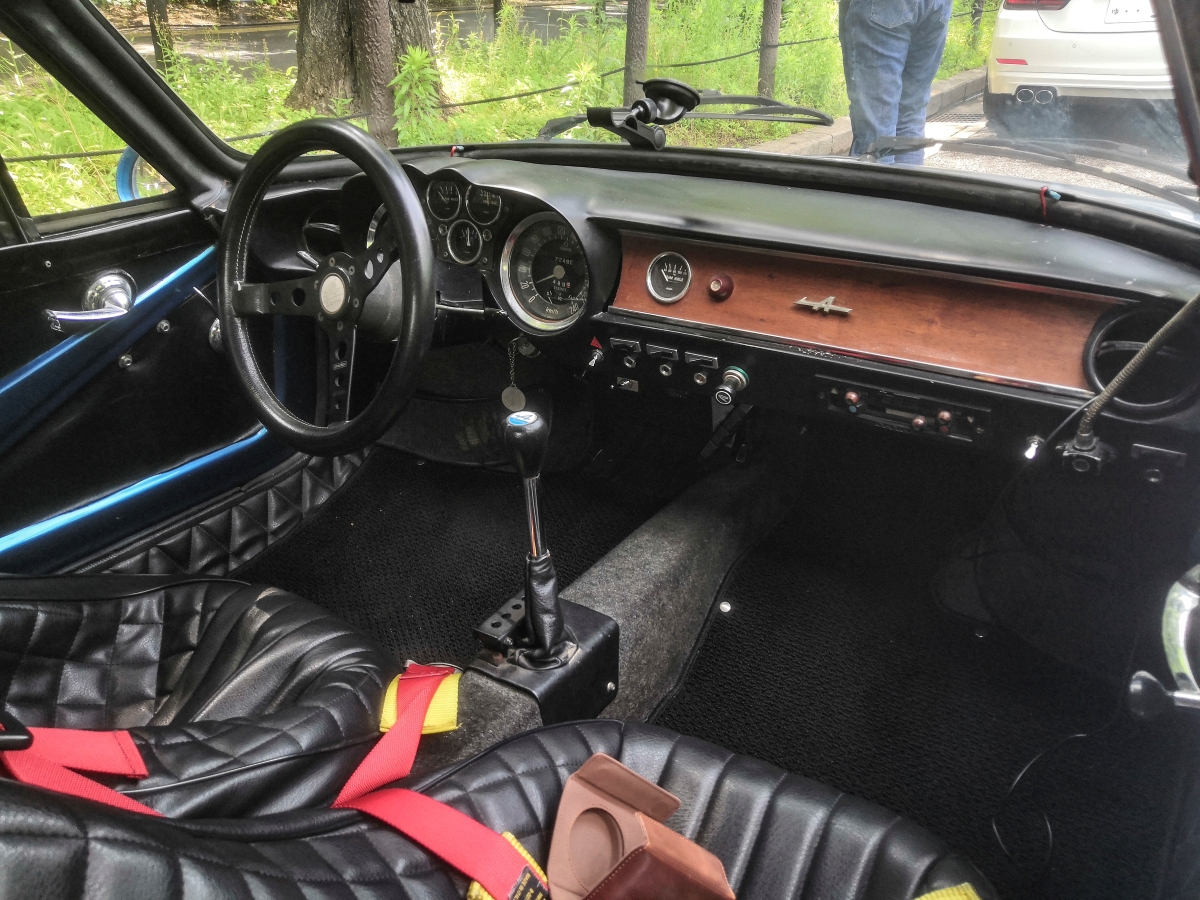
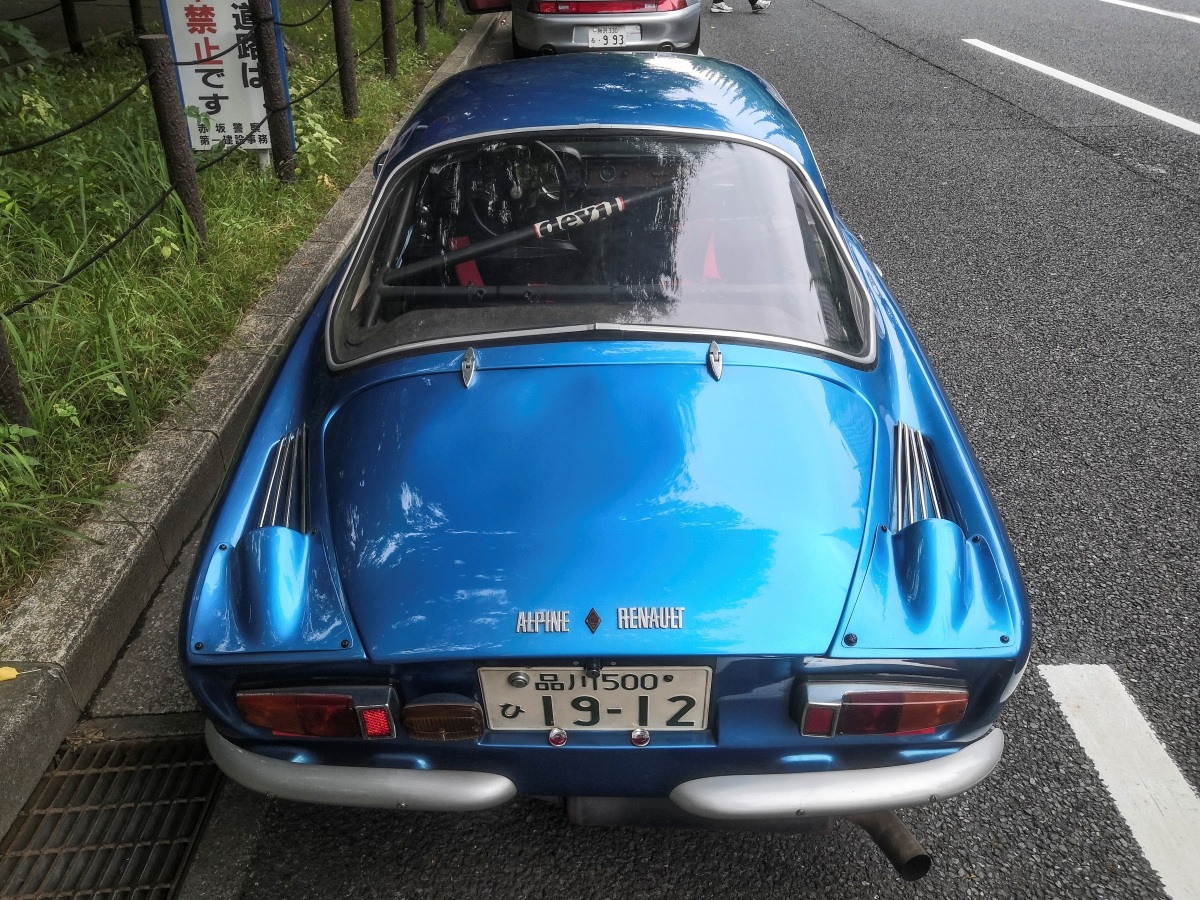
The dash is not a million miles from what a regular production late ‘60s Alpine would look like. Everything else has been stripped down to the bare essentials, as befits a rally car. This plus the GRP body kept the Alpine’s weight under 700kg.
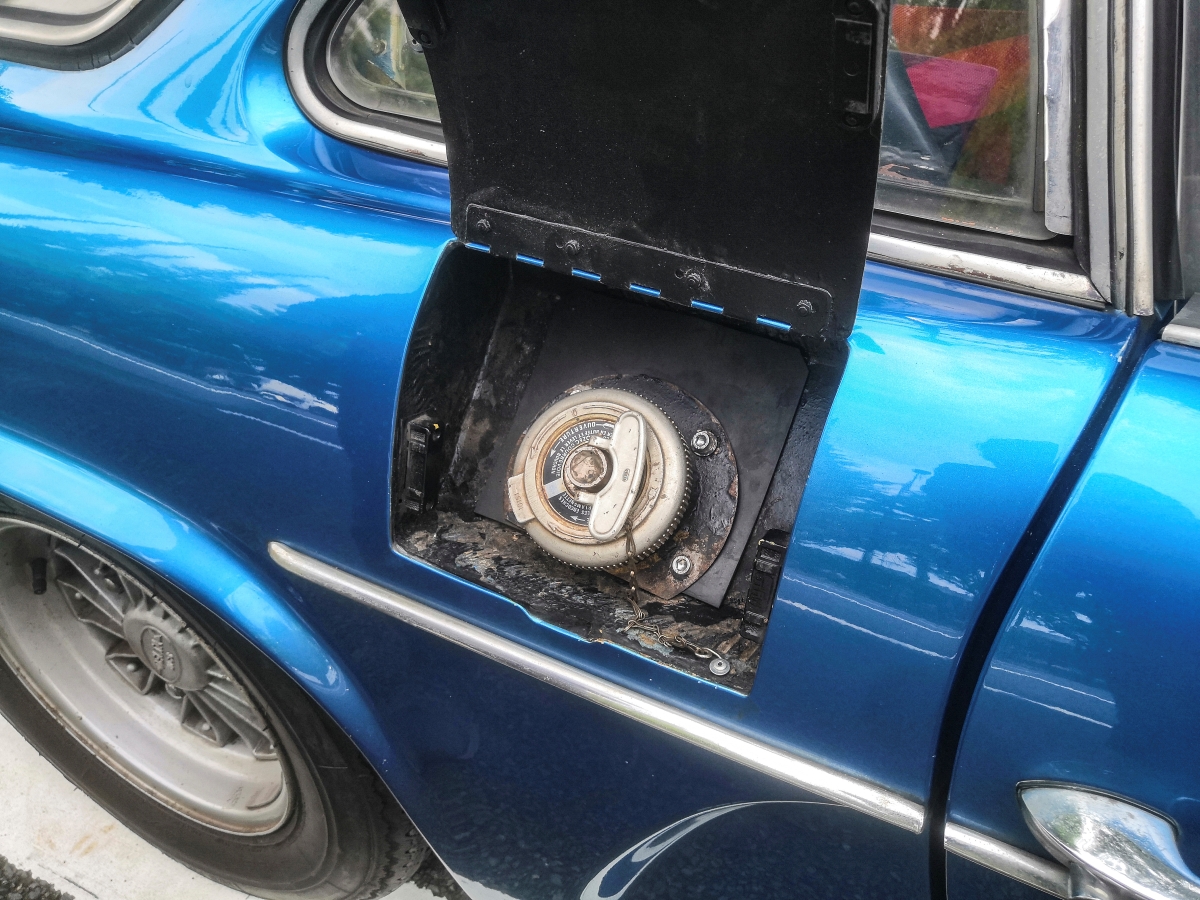
One significant difference with any normal A110 is the fuel filler flap situated just aft of the passenger door. It’s here because a much larger fuel tank was fitted, situated where the so-called rear seats used to be.
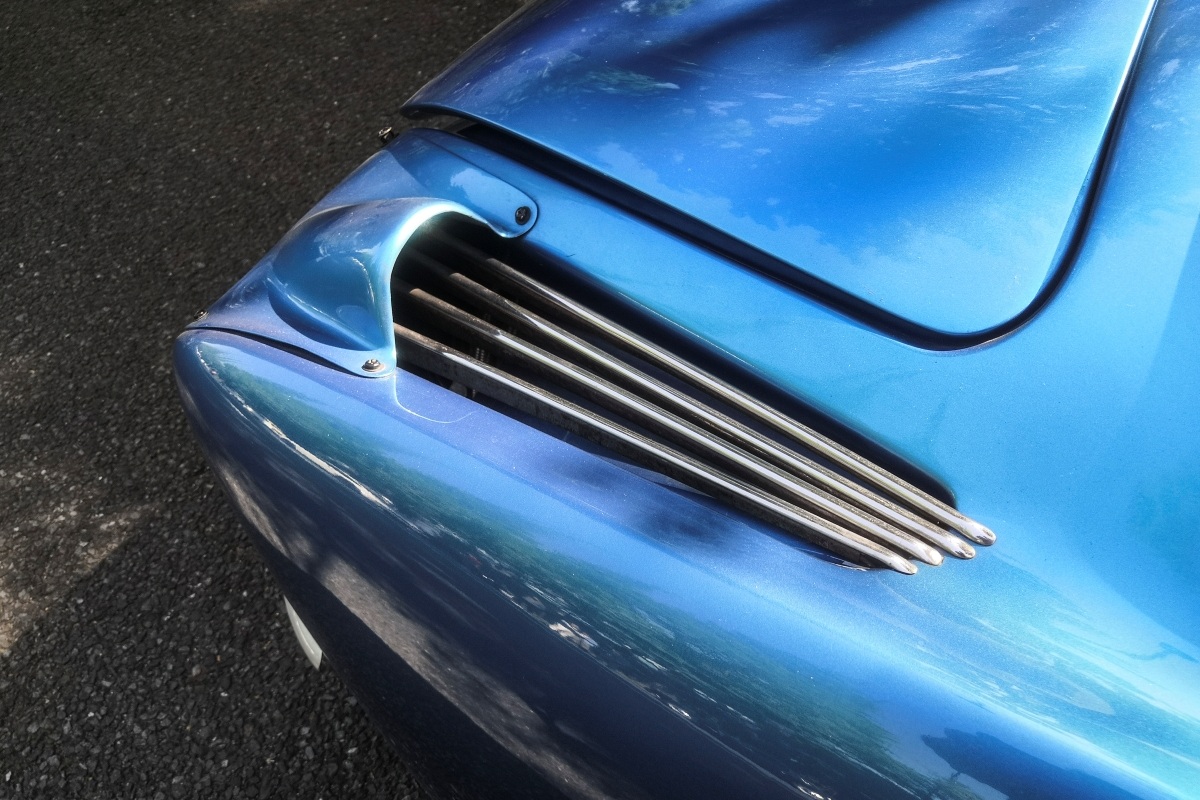
Cooling was still deemed adequate enough with these pretty intakes on either side of the engine compartment. Rally-ready 1600s, on the other hand, had their radiator in the front, giving the nose a noticeably altered look.
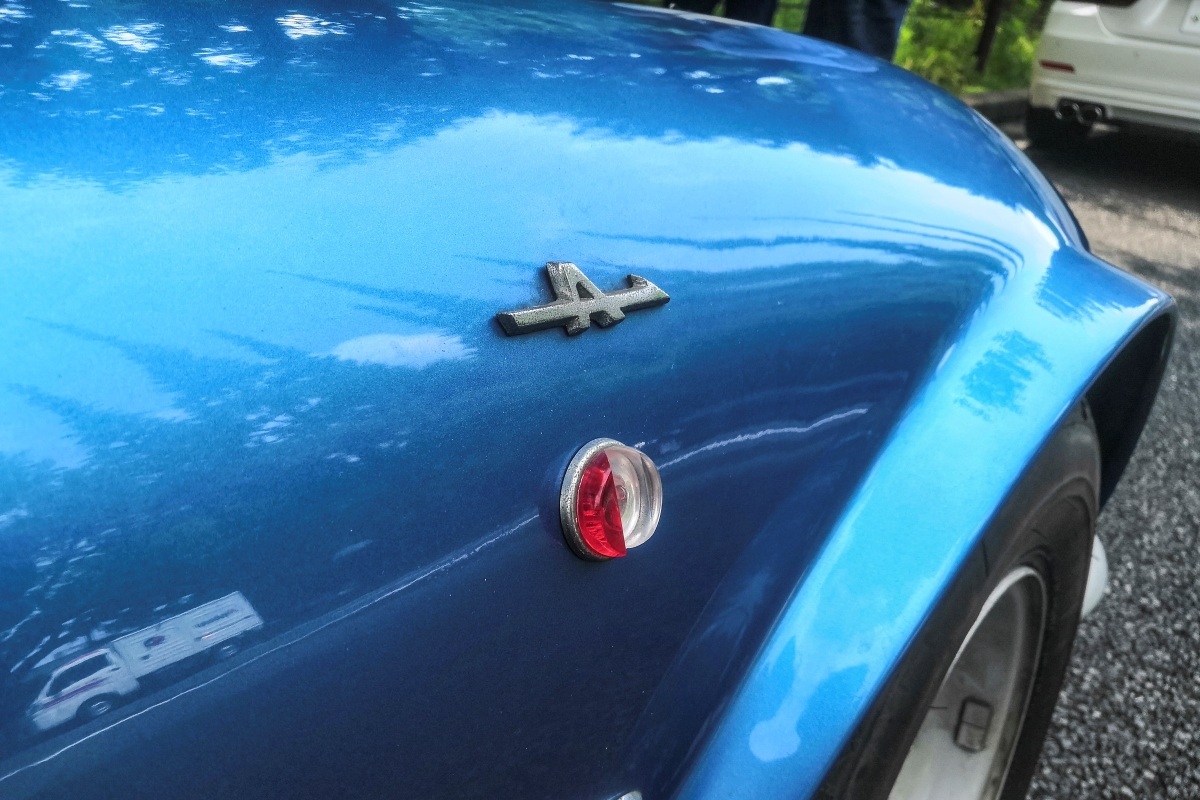
In the ‘70s, as competition kept heating up, Alpine used a 1.8 litre on the ultimate A110 racers; the first WRC crown went to an Alpine A110 1800 in 1973 and the car kept being very competitive until the late ‘70s. Those later Group 4 Alpines were given some rather ugly body kits with massively flared fenders, à la Porsche 911 Turbo. This 1969 car does have extended wheelarches, but they remain pretty discreet.
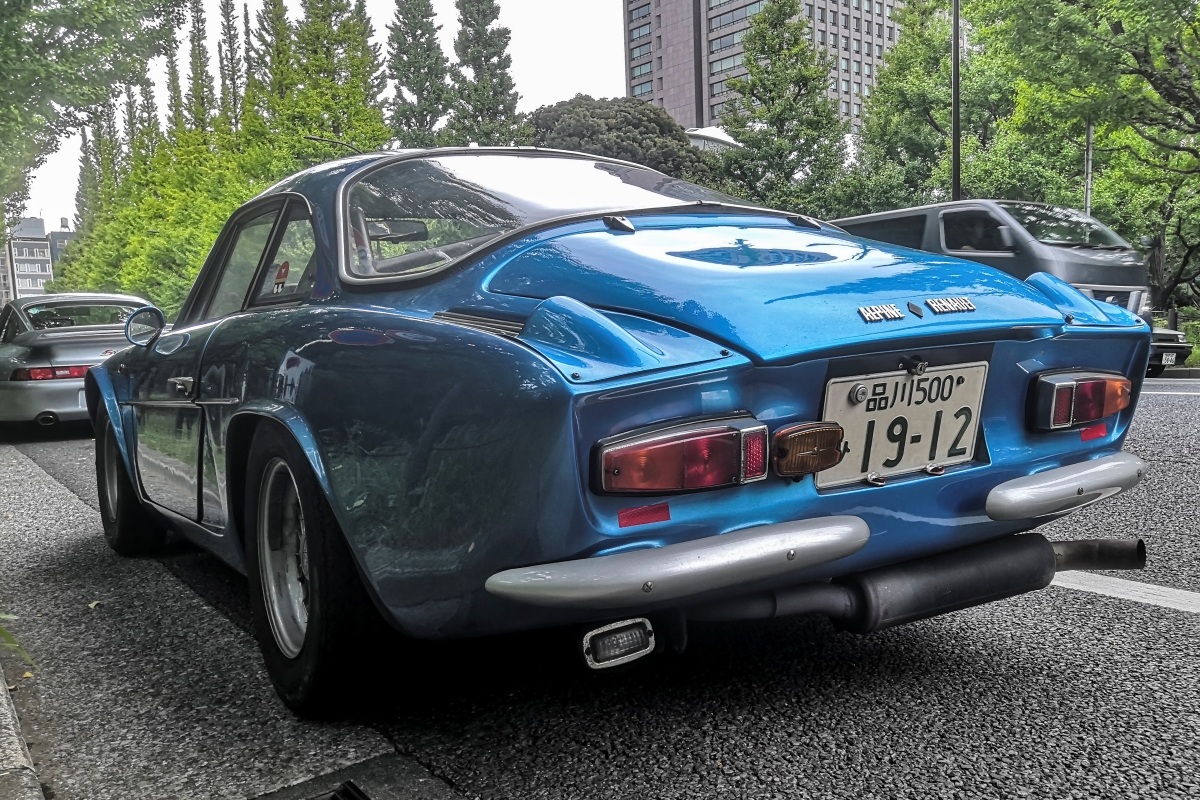
If we include all variants and foreign assemblies (aside from the Alpine’s works in Dieppe on the Normandy coast, Renault built these in Spain, Brazil, Bulgaria and Mexico), just under 9000 A110s were made between 1962 and 1978. I’m not sure how many of the 1440 version were put together – I think this car’s owner told me that this was one of about 20 units made. This one was a spare car that never got a chance to race – the 1440cc variant was made obsolete by new Group 4 regulations for 1970, so its reign was a short one.
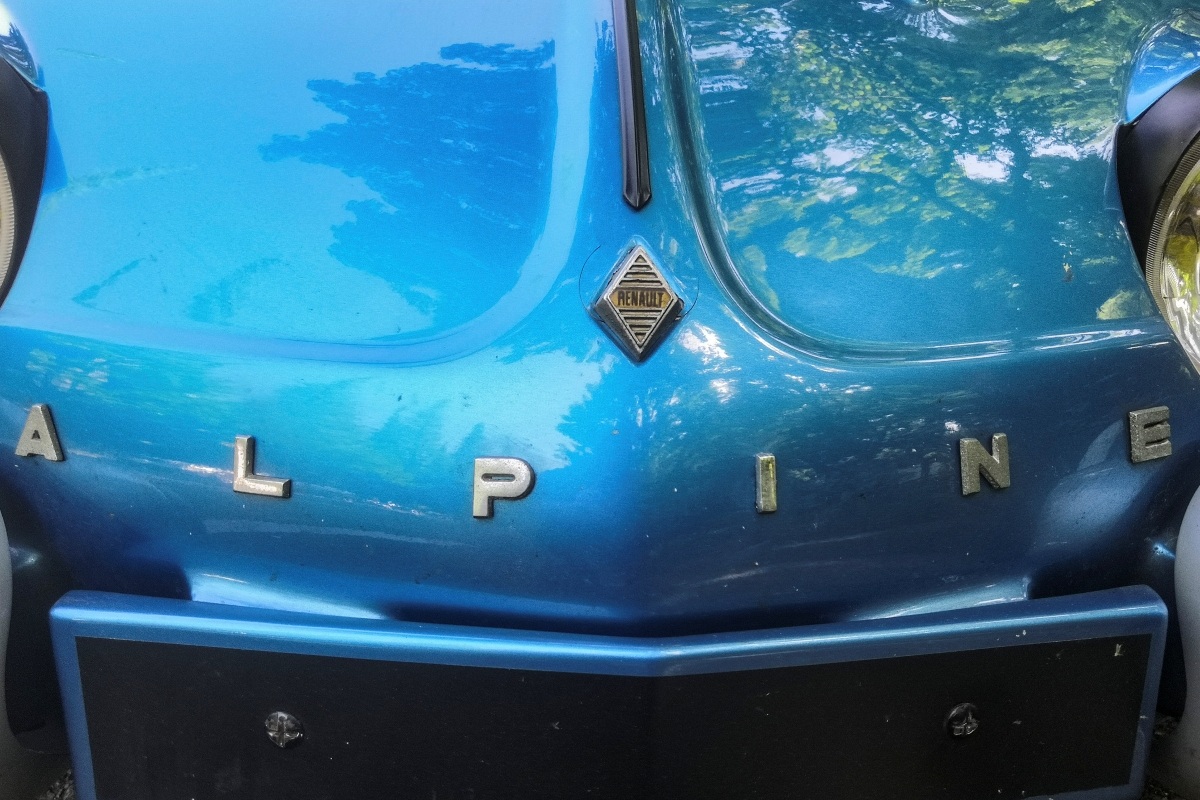
Someday, I’ll find a common-or-garden A110 and write up a little something for CC – there are other things to be said about this car; it’s the main reason Alpine became a relatively big deal, at least in its home market. The production numbers are minuscule compared to Porsche, the eternal rival, but the little plastic Renault still had its moment on some of the toughest proving grounds in motor sports.
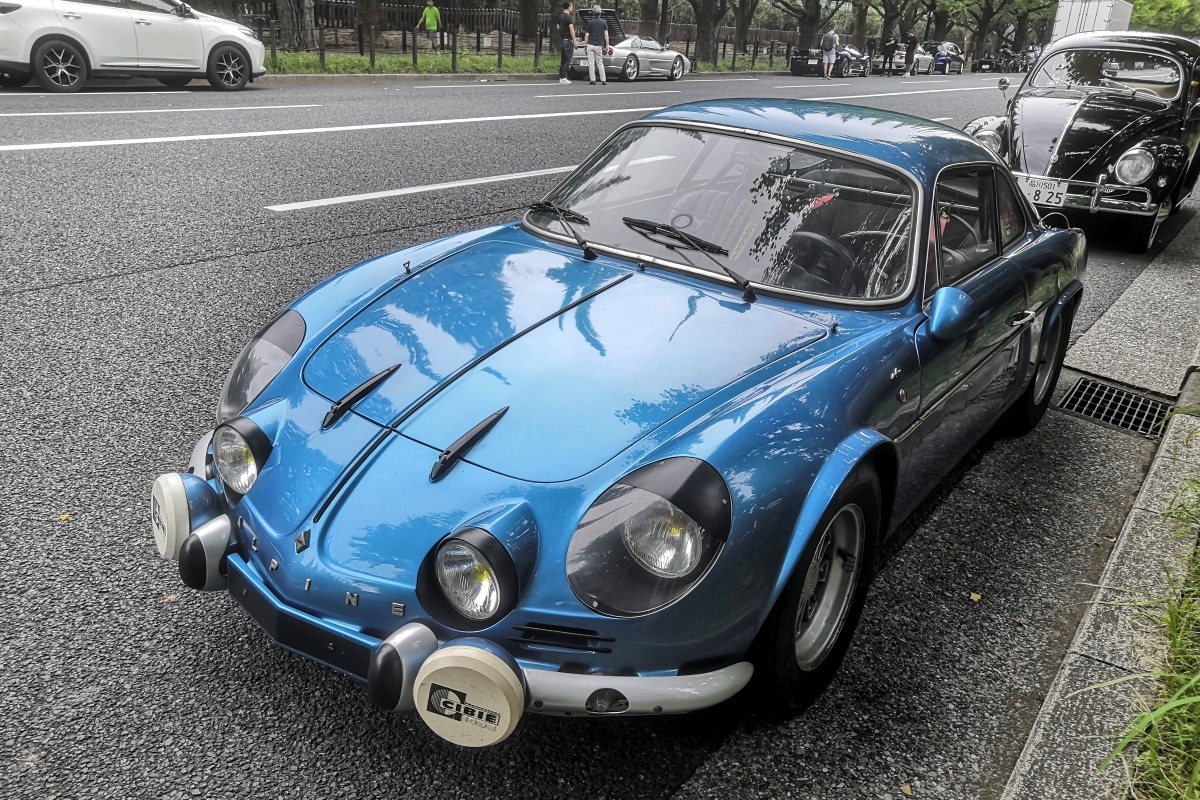
Hence why present-day Alpines reference this model and not the A310 that succeeded it. The A310 was sharply designed and, once it got a V6 in its tail, blisteringly fast. But only the A110 berlinette could be called iconic.
Related post:
Curbside Classic: 1963 Alpine A110 GT4 – In The Family Way























Superb curbside classic! I’ve always been impressed with what Alpine was able to wring out of these originally humble Renault pieces. I assume the swing axles stayed all the way through the 110’s life, including being competitive in racing well into the 1970s? Calling Justy Baum!
Speaking of, I bet the F/R weight distribution on these is close to an all time record, in terms soft favoring the rear.
Paul, the swing axles were replaced on the late examples by a double wishbone rear end. I think it was called the SX. A friend had one and they run notceably less negative camber than the swingers…
What is not evident in these pictures is how small these really are – they’re absolutely tiny, even for a late ’50s/early ’60s design!
Absolutely lovely, especially in this color and one of my dream cars – thank you Mr. Tatra!
‘What is not evident in these pictures is how small these really are – they’re absolutely tiny’
Indeed!