
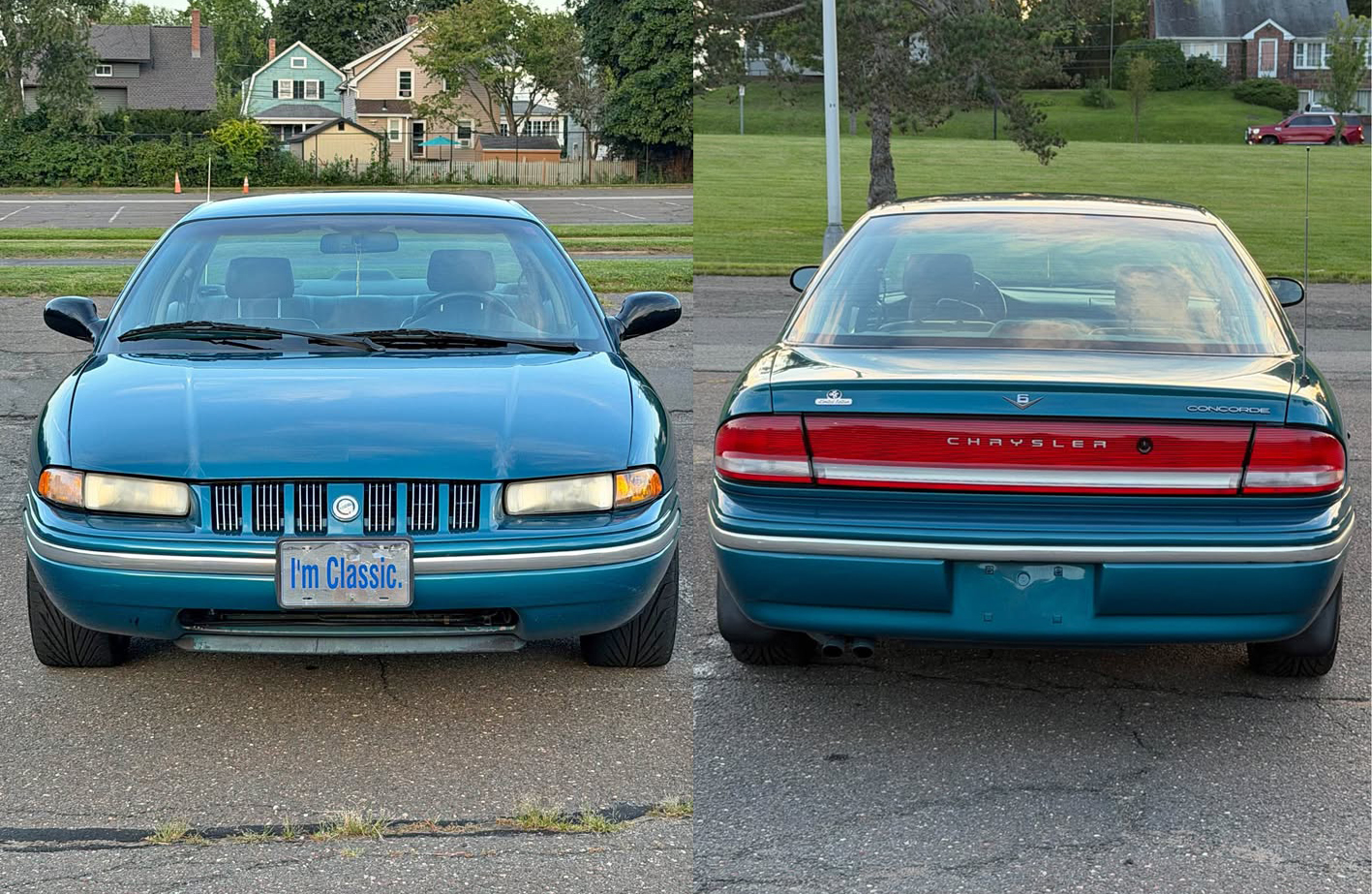
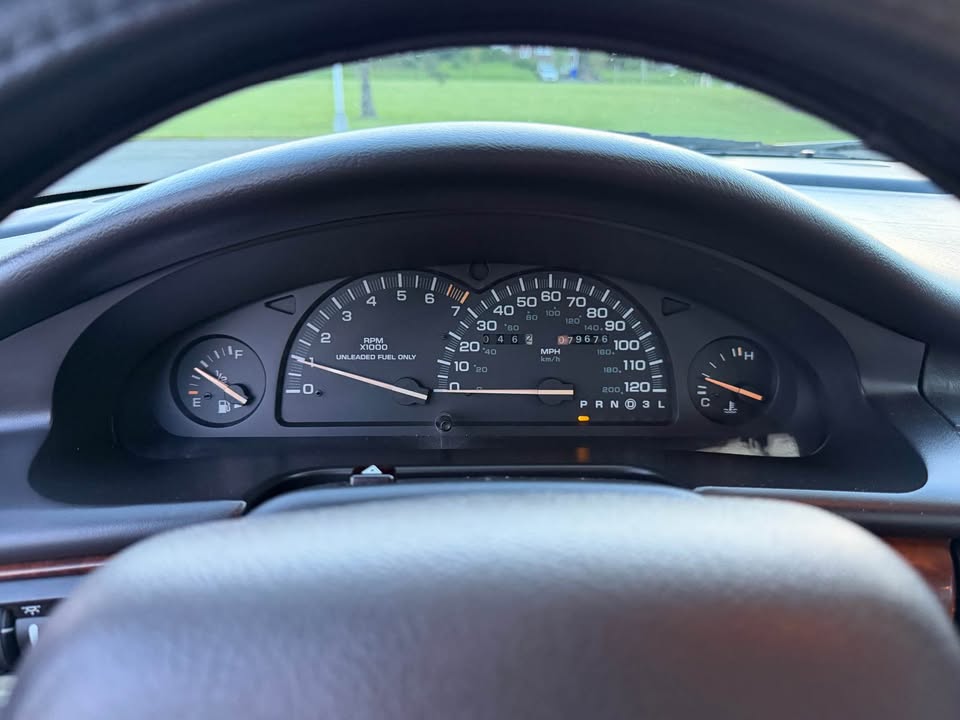
I was browsing Facebook Marketplace, which is what I tend to do when what I’m watching on television is not terribly interesting. It’s something that, unfortunately, happens more often than I care to admit. On one recent night, however, it led to a “Hey, I know that car!” moment: a 1995 Chrysler Concorde I’d seen several months earlier in motion, and not just any Concorde, but a remarkably well-preserved example with just 79,000 miles on the clock, now looking for a new owner.
As some may remember, I featured this Concorde as an In-Motion Classic several months ago. There was some speculation as to the actual size of the wheels – and a discussion about aftermarket wheels in general – as well as what may be under the hood. And now, for a very reasonable $4,200, it could be yours!
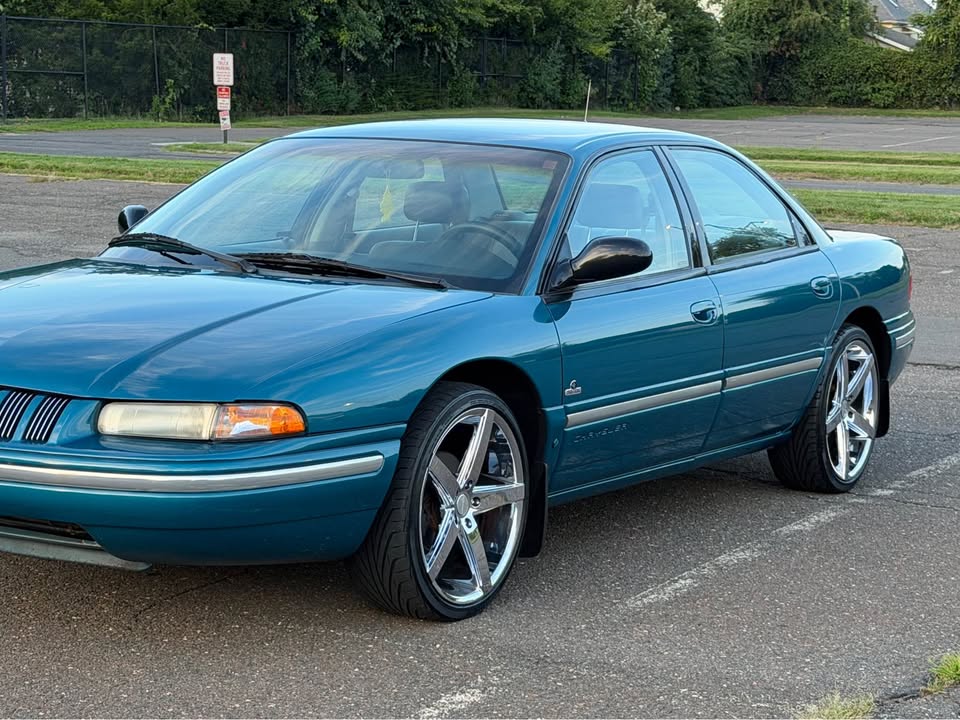
It turns out that, as mentioned above, it’s a 1995 model and a rare example in that it’s in nearly showroom condition. Here’s the description from the listing:
1995 Chrysler Concorde – Future Classic / 79k Miles! A genuine 90s classic preserved in incredible shape with just 79,000 miles. Pristine leather interior (no tears or cracks) AC & Heat work perfectly Drives super smooth with zero issues Sleek mid-90s styling that still turns heads Hard to come across these 90s cruisers in survivor condition like this. Message me for details or a test drive! * Leather Seats * 79,000 Original Miles. * AC. Heat. * 22 Inch Rims and Tires. *New Stereo *Strong Engine *Great on Highway. Leather Interior. No Tears. AC, Heat, No Issues.
Clearly, the owner feels a strong need to convey the condition of the car by repeating in the second half of the listing most of the things stated in the first half. It’s either his enthusiasm for the car or a tacit admission that most potential buyers’ attention spans are incredibly short.
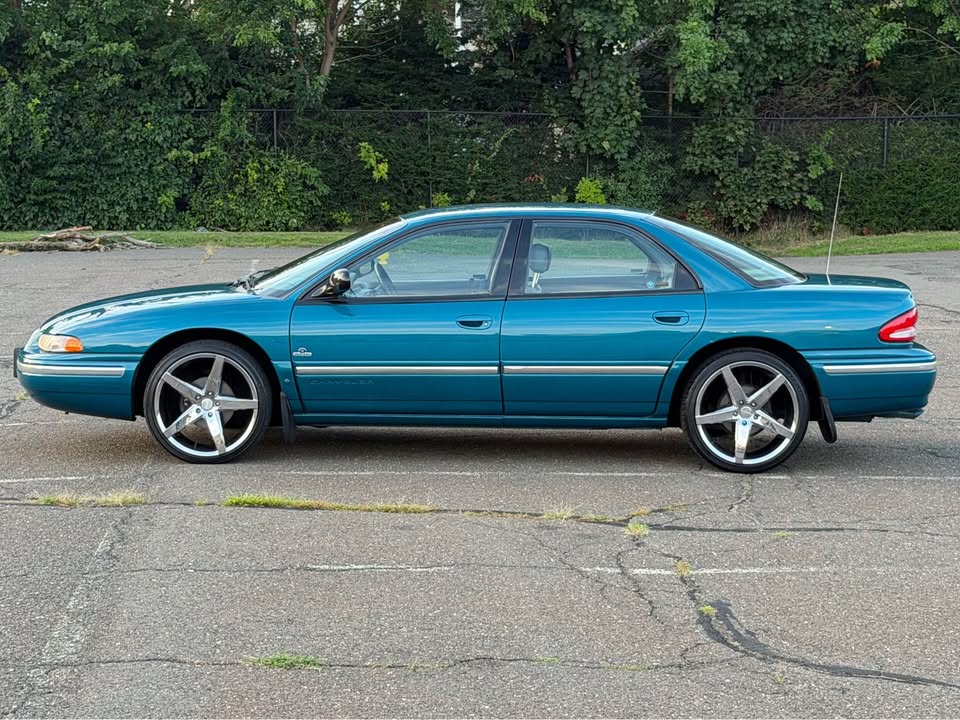
Regardless, the one thing I was correct about was that this car clearly spent most of its life tucked away in a cozy garage. Although the interior of the Concorde and its LH-platform mates looked great, the material quality was quite poor. It didn’t take long for the dashboards to crack and warp, knobs and buttons to lose their markings and/or fall off and the leather seats to deteriorate. When I worked for a telecommunications company back in the early 2000s, our fleet included a Dodge Intrepid ES of this generation. While it was a lot more fun to drive than the Luminas and Regals that comprised most of the rest of the fleet, the inside was a bit of a horror show as the car was always parked outside. The cheapest interior material in the fleet award still went to the first-generation Lumina, however.
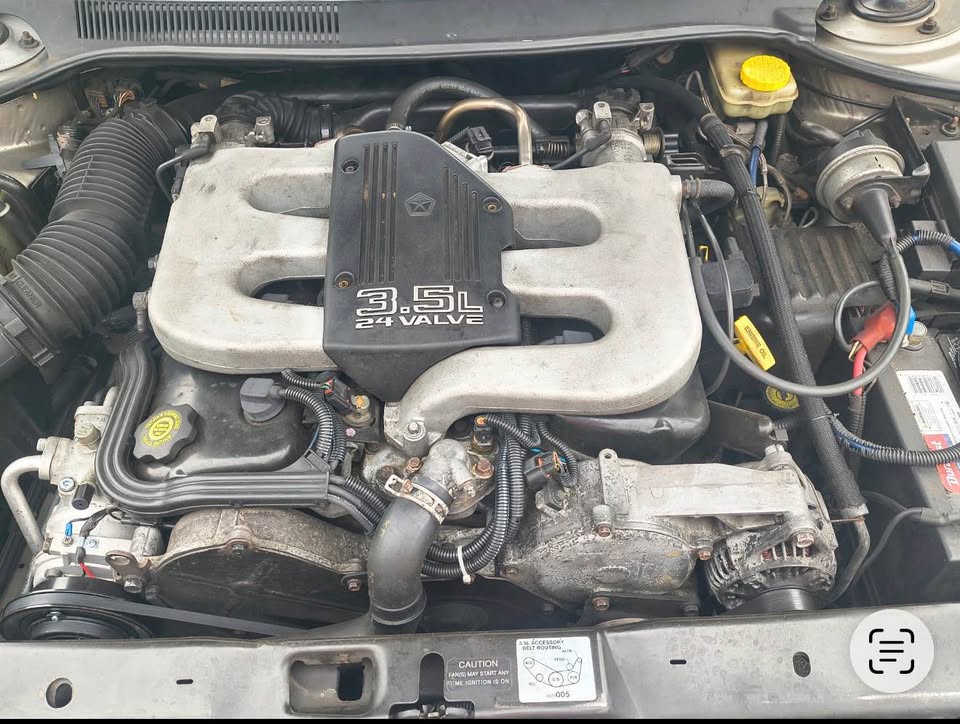
I’m happy to have been wrong about the engine. This Concorde does indeed have the 214-horsepower, 214 cubic-inch (3.5 liter) SOHC 24-valve V-6 introduced with the LH cars for 1993. Although not a clean-sheet design — the block shared a lot of its architecture with the relatively new Chrysler 3.3-liter OHV V-6 that powered various minivans, C-body cars, and the base Concorde — it is not notorious for any specific malady. Though highly praised when introduced, it was considered a bit rough, and, while its power was good for the mid-‘90s (and later increased to around 250 hp), it was considered underpowered and inefficient compared to the competition when the engine was finally retired in 2011.
Contrast this with GM’s “Twin Dual Cam” engine, another case of a “high-tech” engine that was based on an existing OHV version – in this case, the 2.8-liter V-6 that dated back to 1979 – which had numerous issues with leaking and overheating and was ignominiously put to rest in 1997 after a brief seven-year run. For the record, the 2.7-liter DOHC version of the 3.5, which powered the base version of the redesigned 1998 Concorde, is notorious for oil sludge contamination.
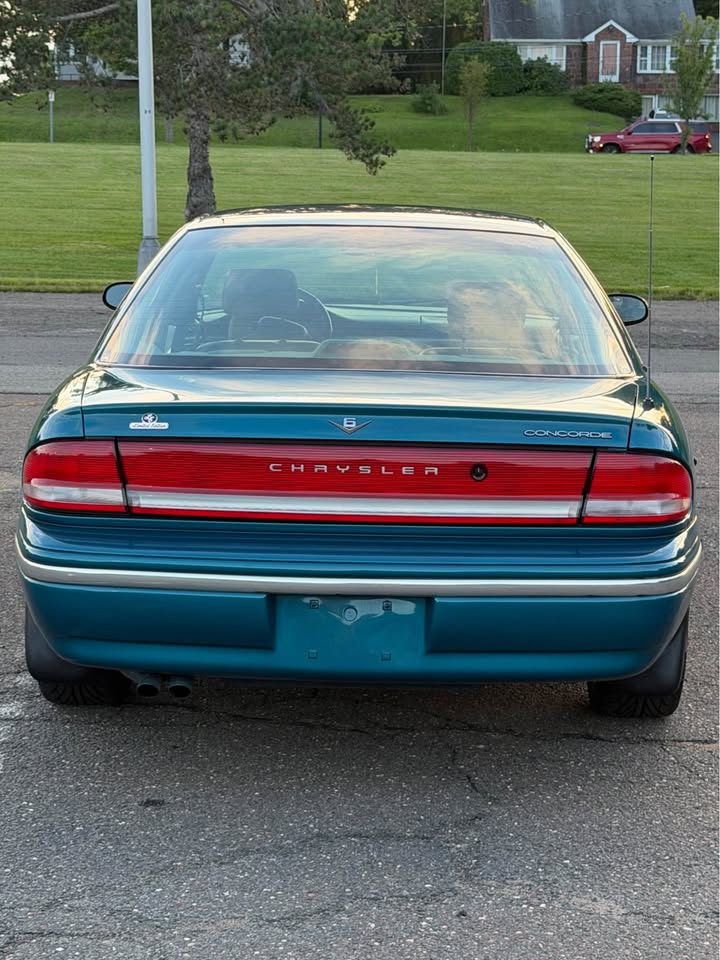
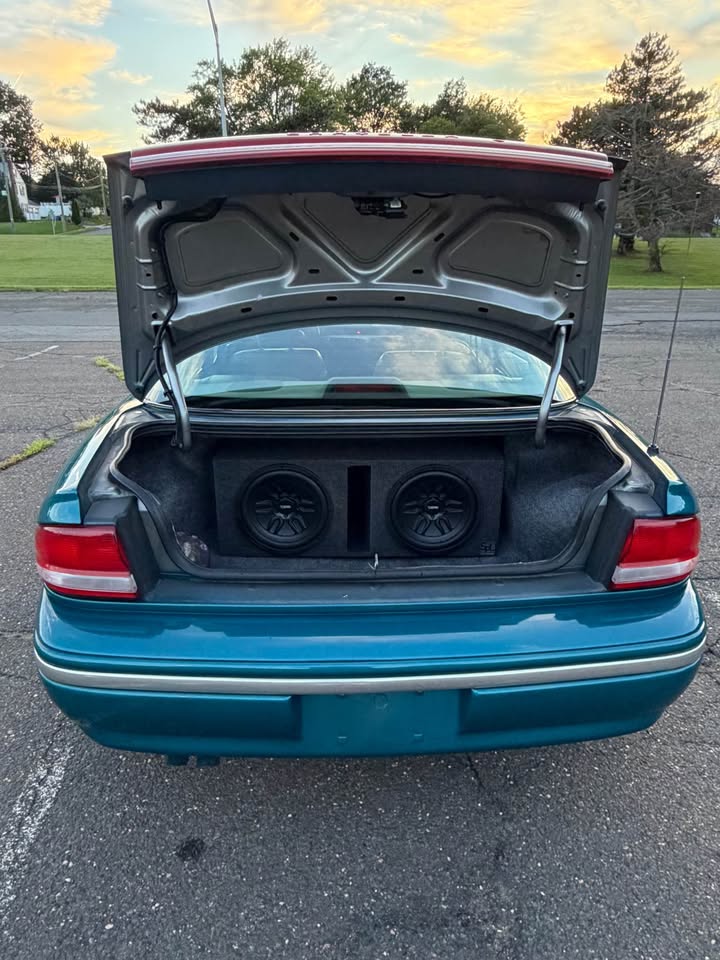
Besides the wheels, there are also a few other easily reversible changes made by the owner. I’m not sure if the Limited Edition badges on the doors and trunk lid were dealer specials or added later, but the V6 badge in the center of the trunk lid definitely is an owner add on. And, hopefully, the new owner likes a lot of bass, because those subwoofers in the trunk are huge.
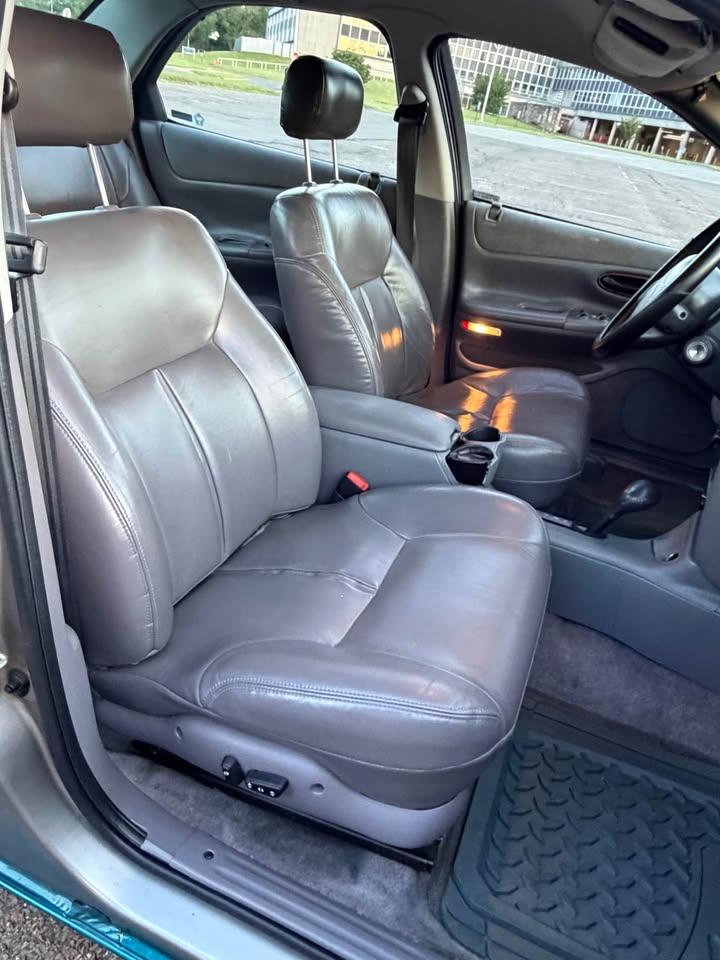
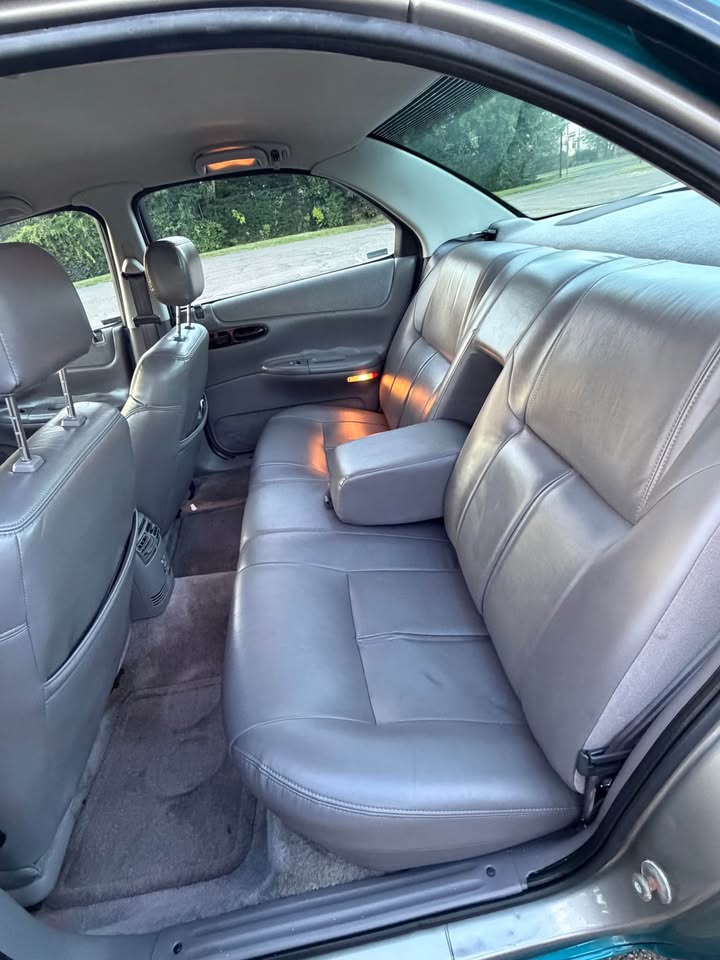
Personally, I was pleased to see that the interior is just as nice as the exterior. Furthermore, those leather seats look positively sumptuous. I can see four or five people being very comfortable riding around in there.
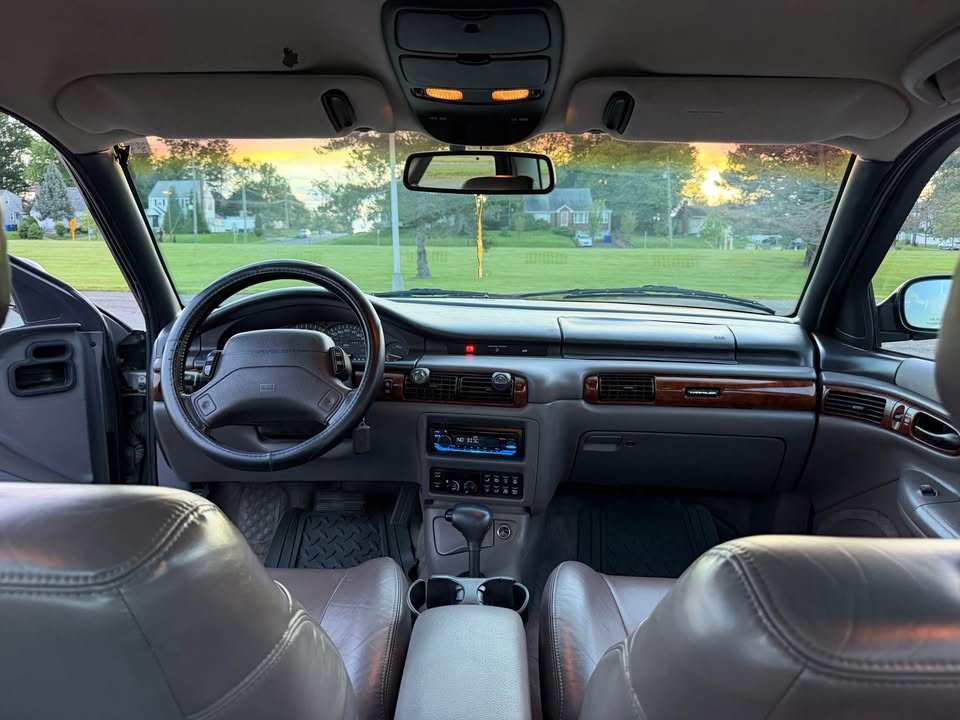
In the ‘90s, Chrysler was big on confusingly structured option packages. With the Concorde, they actually classified its standard equipment as an option package, Pkg. 22B! To order the 3.5-liter V-6, which was a $725 standalone option, you also had to order one of the more expensive packages, either Package 26C or 26D. Pkg. 26C ($630) added automatic temperature control (manual A/C was already standard on the Concorde), a power driver’s seat, illuminated entry, and remote keyless entry. Pkg. 26D ($1,755) included all of that plus variable-assist power steering, the overhead console, an automatic day/night mirror, an Infinity cassette audio system, and a security alarm. This car also has leather seats, a $1,069 package that added a power passenger seat to the power driver’s seat included with Package 26D, plus a leather-wrapped steering wheel and shift knob.
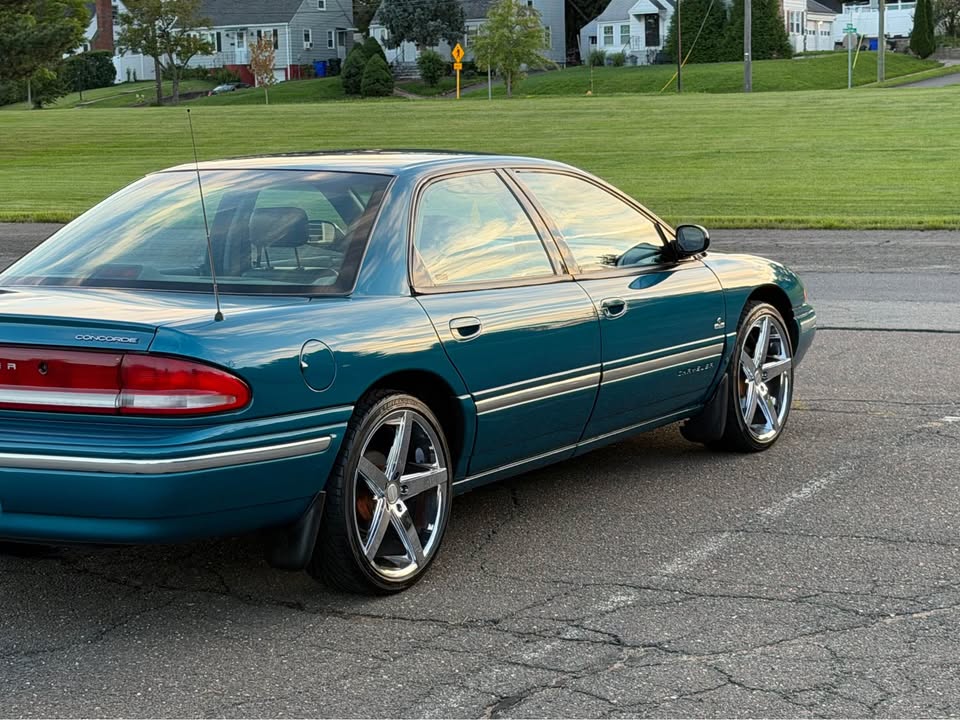
What I’m hoping this car didn’t originally have is the Wheel & Handling Group, which included beautiful 16-inch “Spiralcast” aluminum wheels as well as variable-assist speed-proportional steering and touring tires.
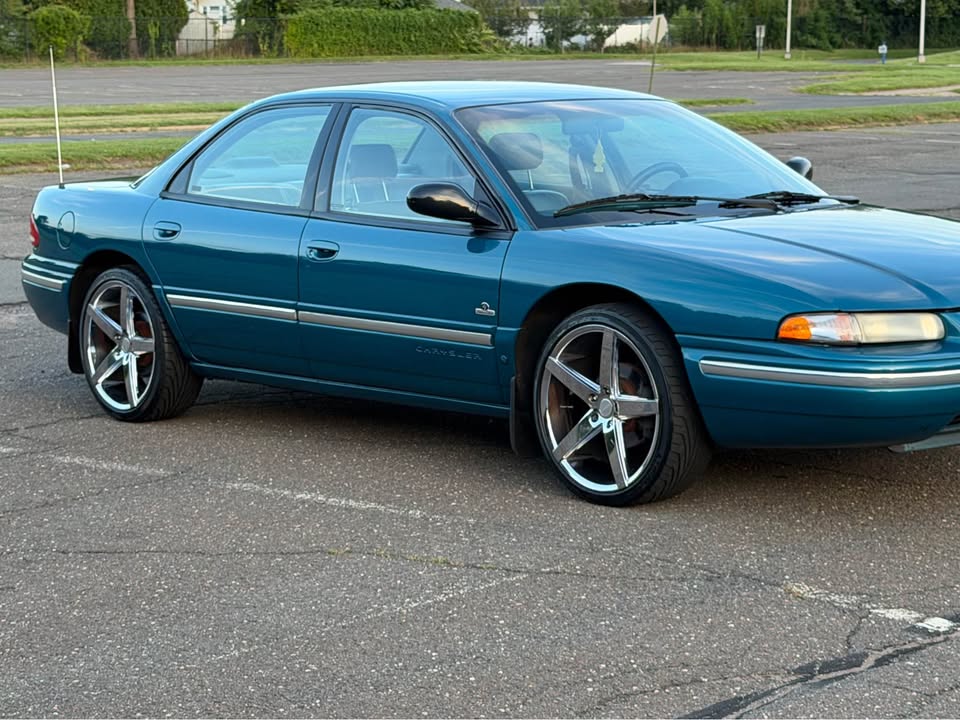
All in, including the $535 destination charge, the original sticker price of this car was at least $24,634 in 1995 ($55,224 in 2026). That was about $4,200 less than a base Buick Park Avenue (which had a lot less equipment unless you ordered one of the pricey option packages) and over $10,000 less than a Cadillac De Ville or Lincoln Continental. To me and hordes of other people, this represented great value. Chrysler sold 269,113 of these LH sedans in 1995 (60,613 Concorde, 178,679 Dodge Intrepid, and 29,821 Eagle Vision), plus 57,555 of the bigger New Yorker and LHS.
It’s easy to see why the Concorde and its platform mates were so popular when they were introduced. Seeing one on the road back then was like a glimpse into the future. As badass as the 300 was, it was a step backwards – a step from which the Chrysler brand may never recover.
Related Reading
Vintage Ad: 1993 Chrysler Concorde – Using Rodents To Advertise Cars?
In-Motion Classic: First Generation Chrysler Concorde – The Wheels Don’t Look Bad
Curbside Classic: 1993 Eagle Vision – DeSoto 2.0
Junkyard Classic: 1997 Eagle Vision TSi – One Of The Last To Be Shoved Out Of The Nest























Let’s get away with the uglies first – those wheels and subwoofer need to go, NOW
Other than that, it looks like a good survivor, and in a very nice color. I always liked the LH cars and while they could not match the Japanese in quality, they were a good value and in my opinion better than the H bodies; Ford had nothing comparable.
Price is a bit too high, typical problem of aftermarket “upgrades”: the seller is assuming that those rims and audio equipment have value for the buyer….
I had a 3.5 in a 2010 Dodge Journey and it was maybe the best V6 I’ve ever had. It was NOT rough at all. Very smooth and quiet. It was the 250HP version.
One of these with a 3.5 will run for a long, long time. A relative owned an Intrepid of this generation and powertrain and saw it well past 200k miles. Also, an old man down the street from me was still driving a really nice looking Concord as of a couple of years ago when he either died or moved.
I never understood how the 2.7, which was supposed to have been a derivative of this engine, was such a durability disaster compared to these 3.5s.
The 2.7 was only very loosely based on the 3.5. It had different bore centers, was built in a different facility, and had many differences. Higher operating temperatures and a modest oil capacity and a water pump that had a habit of leaking coolant into the oil and perhaps most importantly, an EGR system that was conducive to sludging.
These were the schnizz when they were first introduced; Mopar was on a roll with the J cars, these, and the new minivans. It was their apex. Friends of mine traded in their Tempo for a Concorde when their 2nd child came along. Sadly it was jampacked with constant failures with the electronics and transmission. Chrysler bought it back, and they got a Maxima. Within a few years they were in a Mazda minivan with all the kids’ flotsam….