
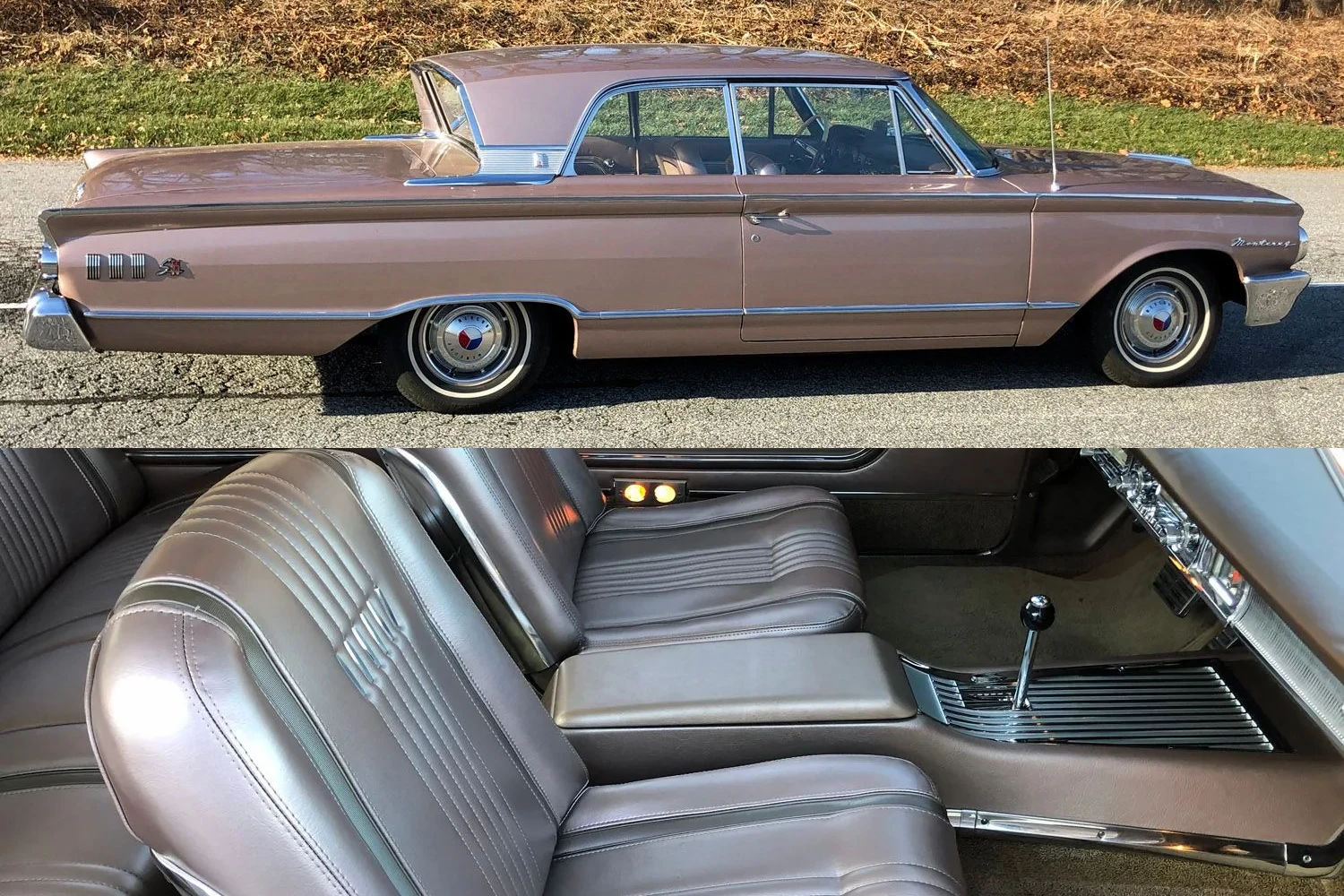
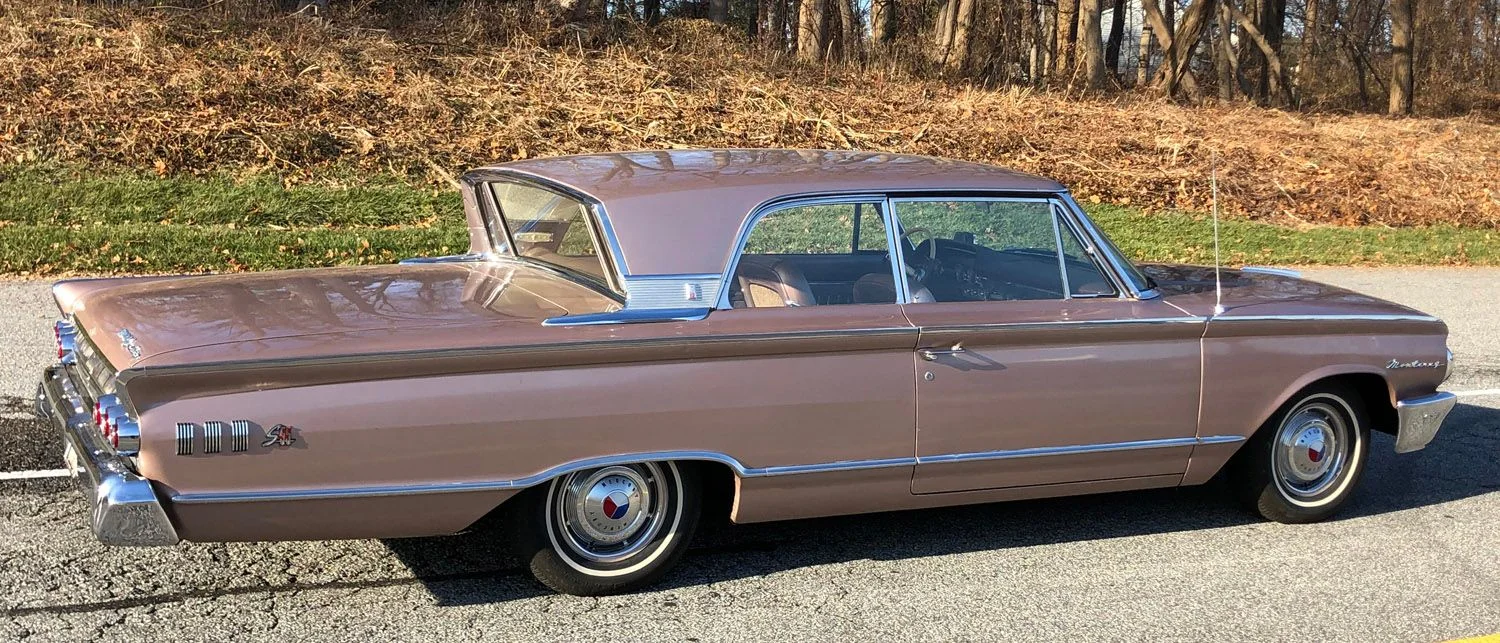
While the 1967–1968 Cougar remains most people’s favorite Mercury, the brand’s most distinctive models were certainly the 1963–1966 Breezeway cars, with their reverse-slant C-pillars and retractable rear windows. Although most Breezeways were sedans, there was also a two-door hardtop, which in 1963 was offered in sporty S-55 trim, with bucket seats and a center console. This Pink Frost survivor is one of those rare two-door bucket-seat Breezeway S-55 cars, which were only available for a single year.
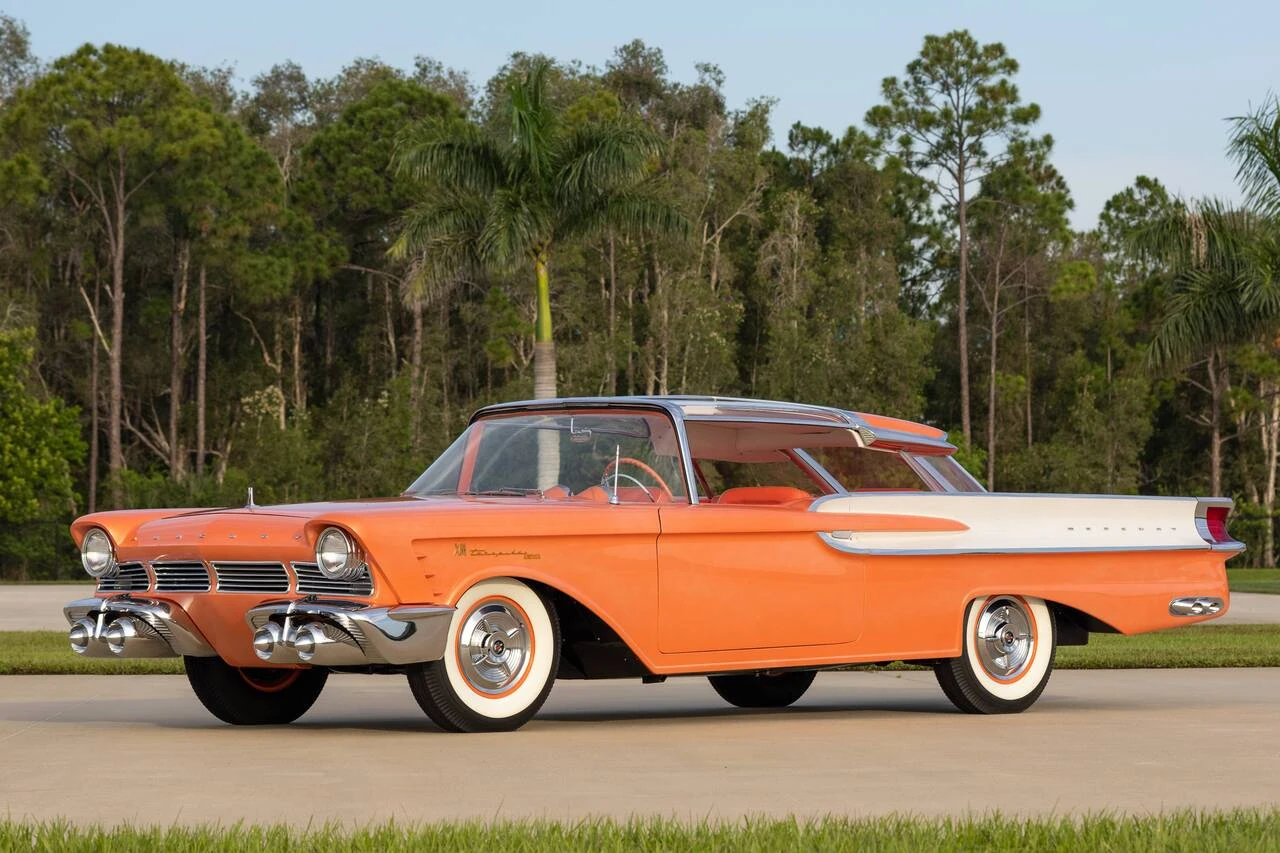
Mercury Breezeway styling can be traced back to a 1956 concept car called the XM-Turnpike Cruiser, designed by John Najjar and Elwood Engel and built in Italy by Carrozzeria Ghia. It was a two-door hardtop with a whole array of 1950s Jet Age gimmicks. (This is the actual XM-Turnpike Cruiser, which was eventually sold to a private buyer and has fairly recently been restored.)
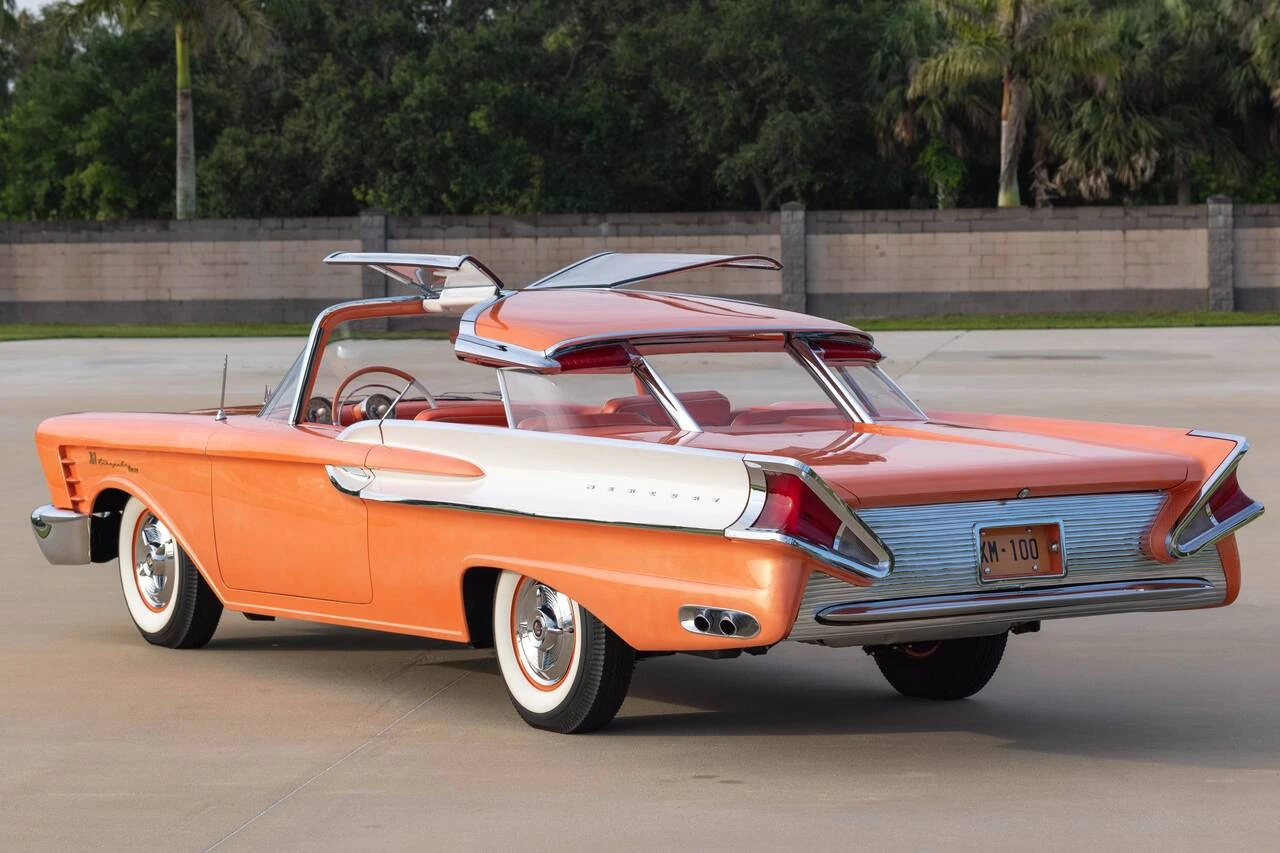
From the rear three-quarter view, you can see that the XM-Turnpike Cruiser didn’t actually have reverse-slant pillars — the roof section aft of the “butterfly” panels seemed to float on the curved rear quarter glass and inset rear pillars. Although the center section of the glass broadly resembles the production Breezeway, the back glass was fixed, not retractable.
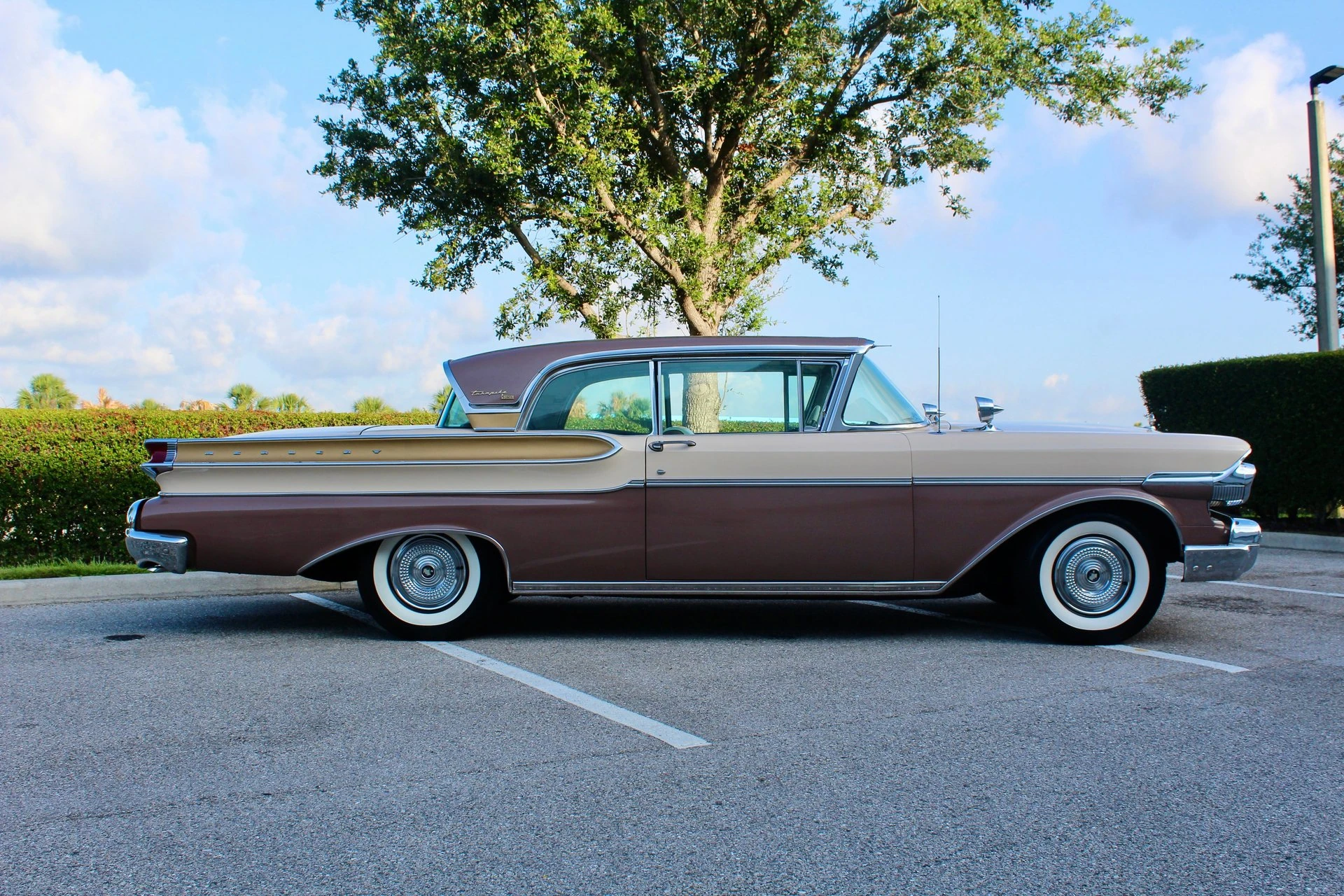
Mercury Division general manager Francis C. (Jack) Reith loved this design and decided to put a variation of it into production as the 1957–1958 Turnpike Cruiser, flagship of a disastrous attempt to push Mercury upmarket. (This revised roof design was also adopted for the 1958 Continental Mark III.)
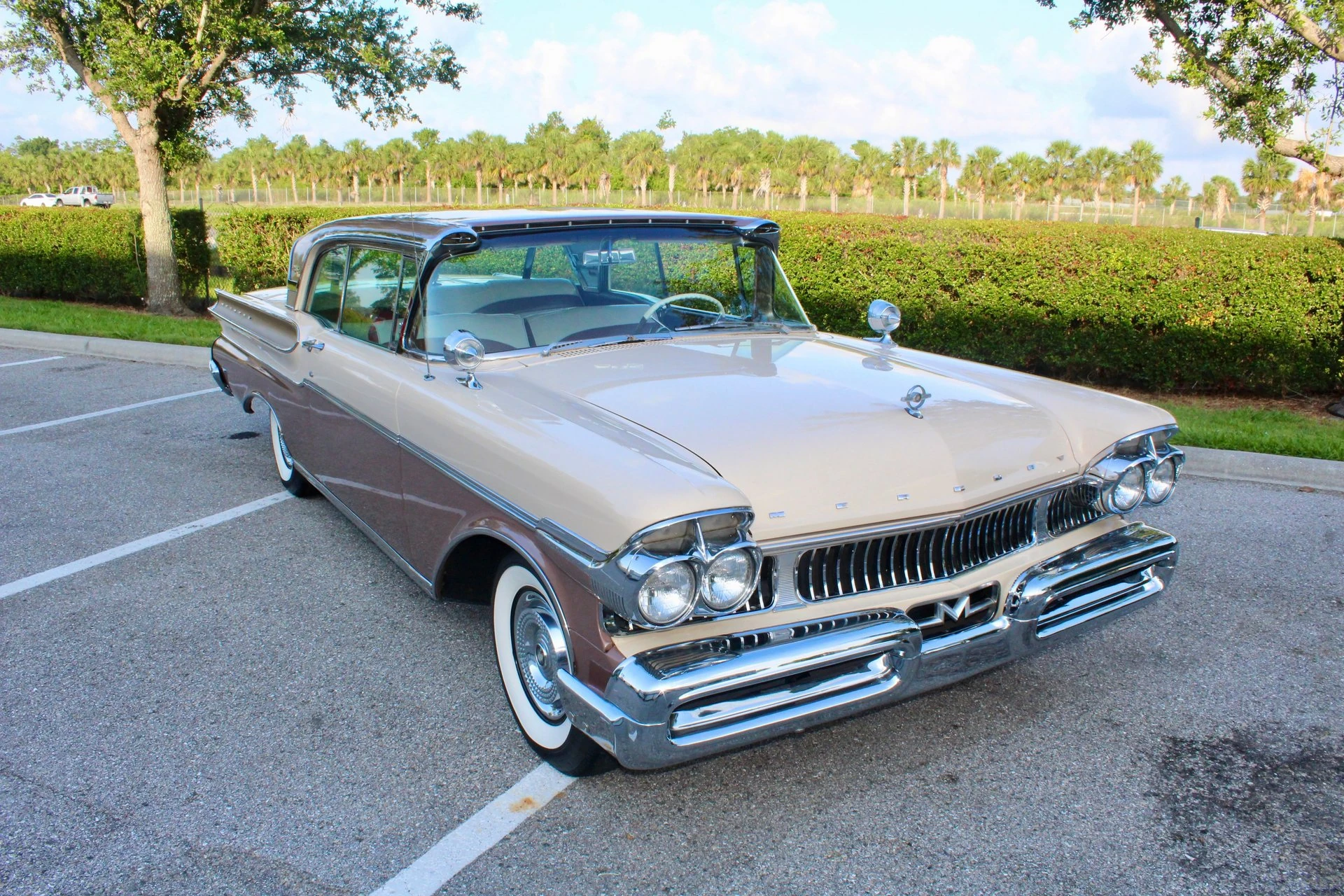
One of the many gimmicks of the Turnpike Cruiser was “Breezeway Ventilation”: Cabin air was drawn in through vents above the windshield rather than through the cowl.
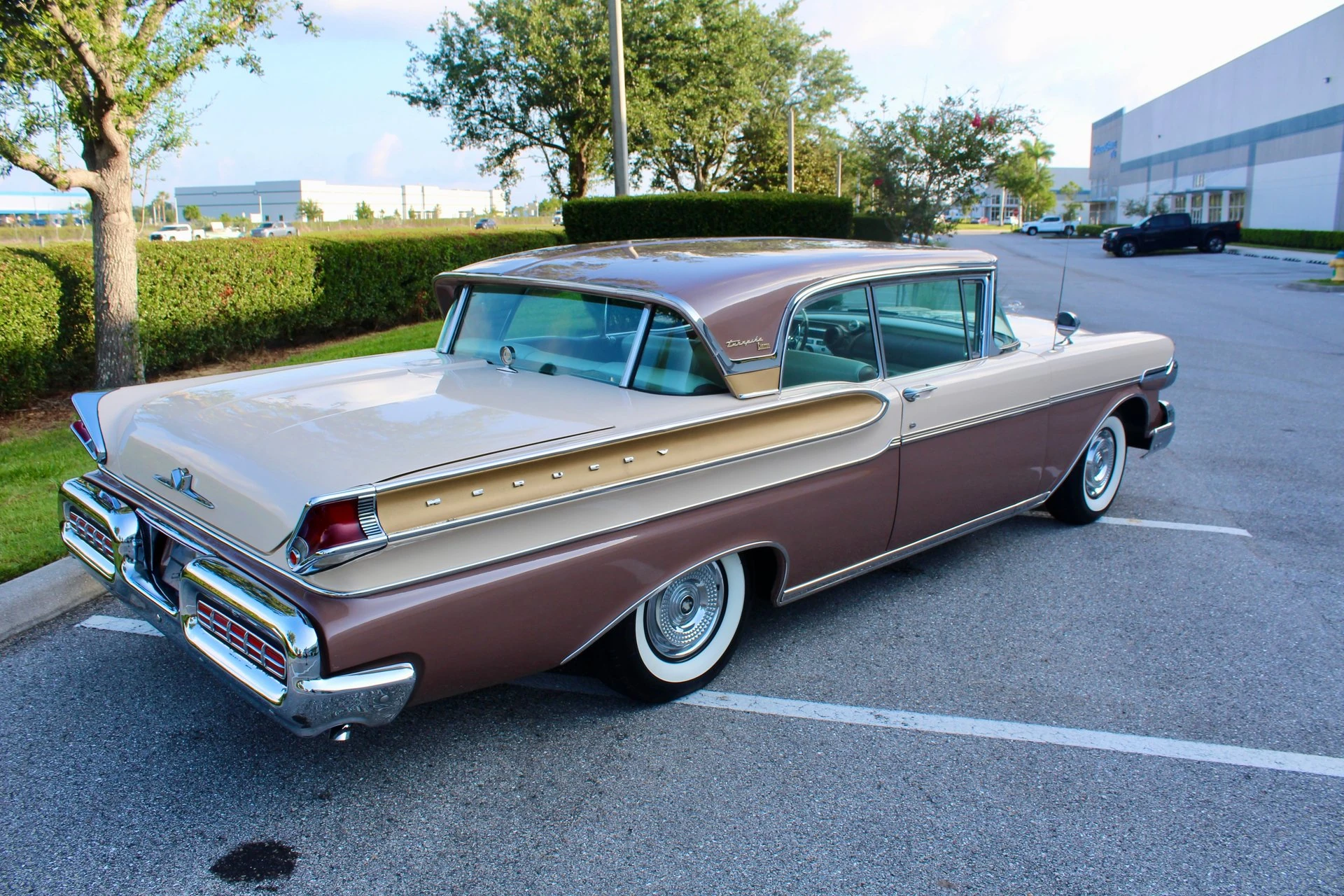
On the Turnpike Cruiser, the center section of the backlight was also retractable, allowing “a gentle, refreshing flow of fresh air to pass through the car.” It was power-operated, using the same mechanism as the power tailgate window available on station wagons. In addition to better ventilation, Mercury claimed that this roof provided better rear headroom and shaded rear passengers from the sun. It was an interesting idea, but the Turnpike Cruiser was a commercial flop, and was withdrawn after 1958.
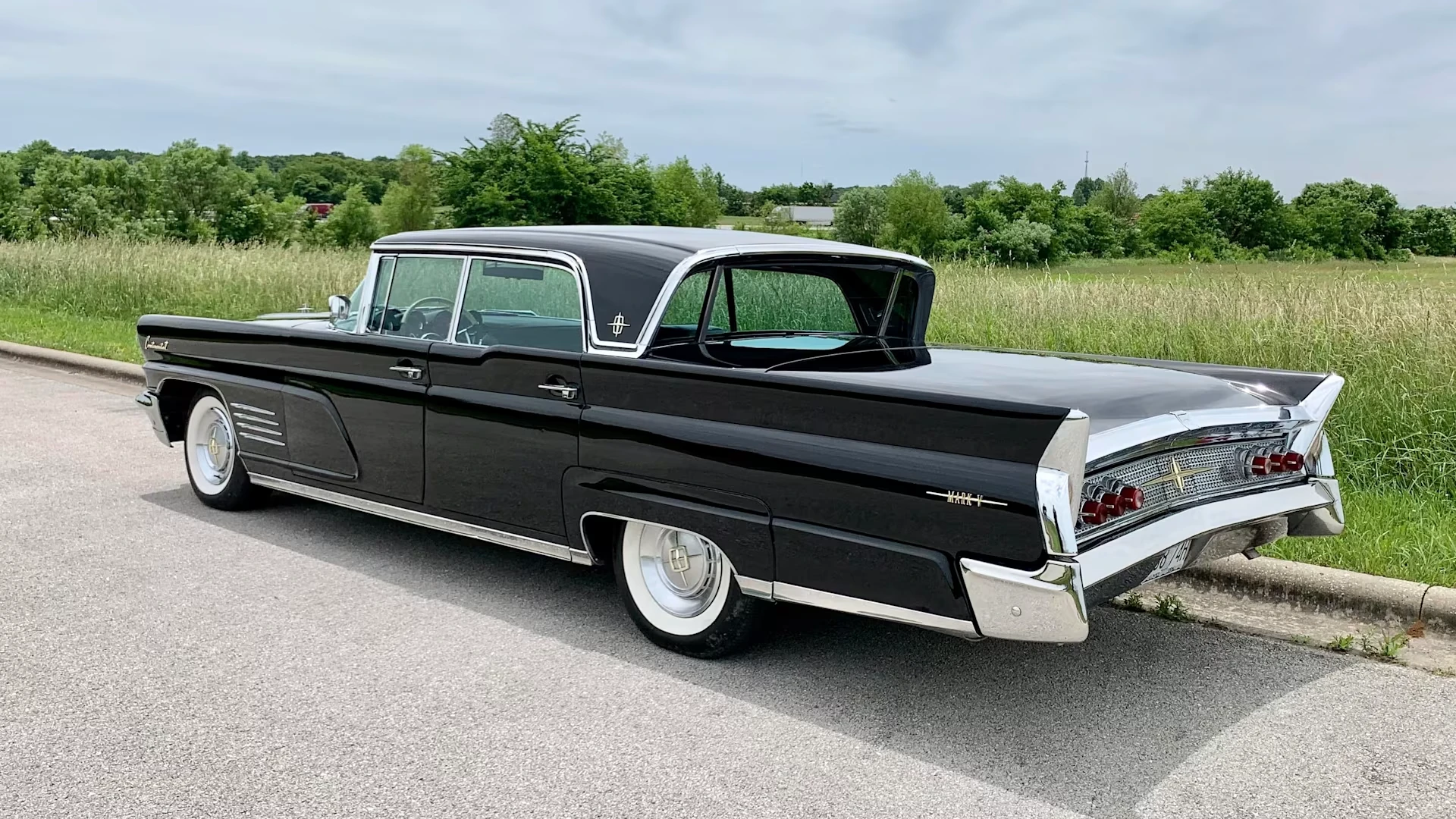
However, the Continental version (also with a retractable rear window) stuck around through 1960.
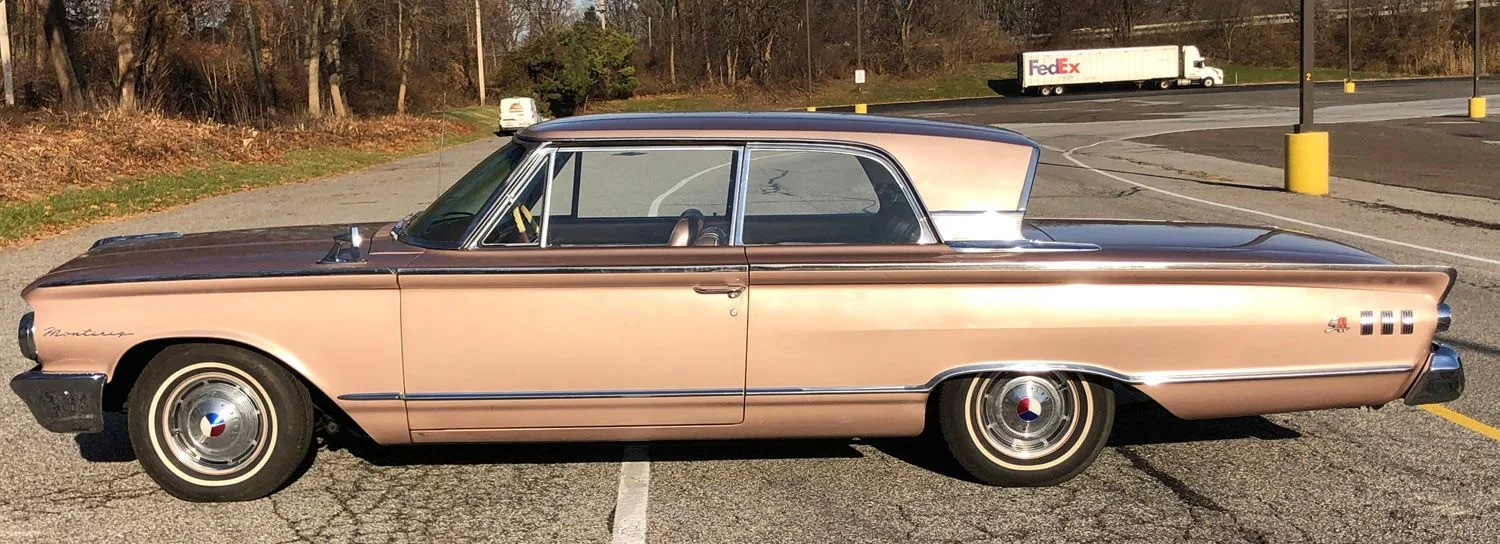
I’ve never been clear on what motivated Lincoln-Mercury general manager Ben Mills (who succeeded Jack Reith when Lincoln and Mercury were reunited in 1957) to sign off on reviving the Breezeway roof for the 1963 Mercury line. Whatever its practical advantages, it hadn’t sold well the first time around, and it was associated with a very bad period for Mercury. Jack Reith’s Ford career had ended under a cloud (he went to the Crosley Division of AVCO Corp. for a while, but died of an apparently self-inflicted gunshot wound in July 1960), and the Mercury brand was still teetering, sustained mostly by the success of the compact Comet.
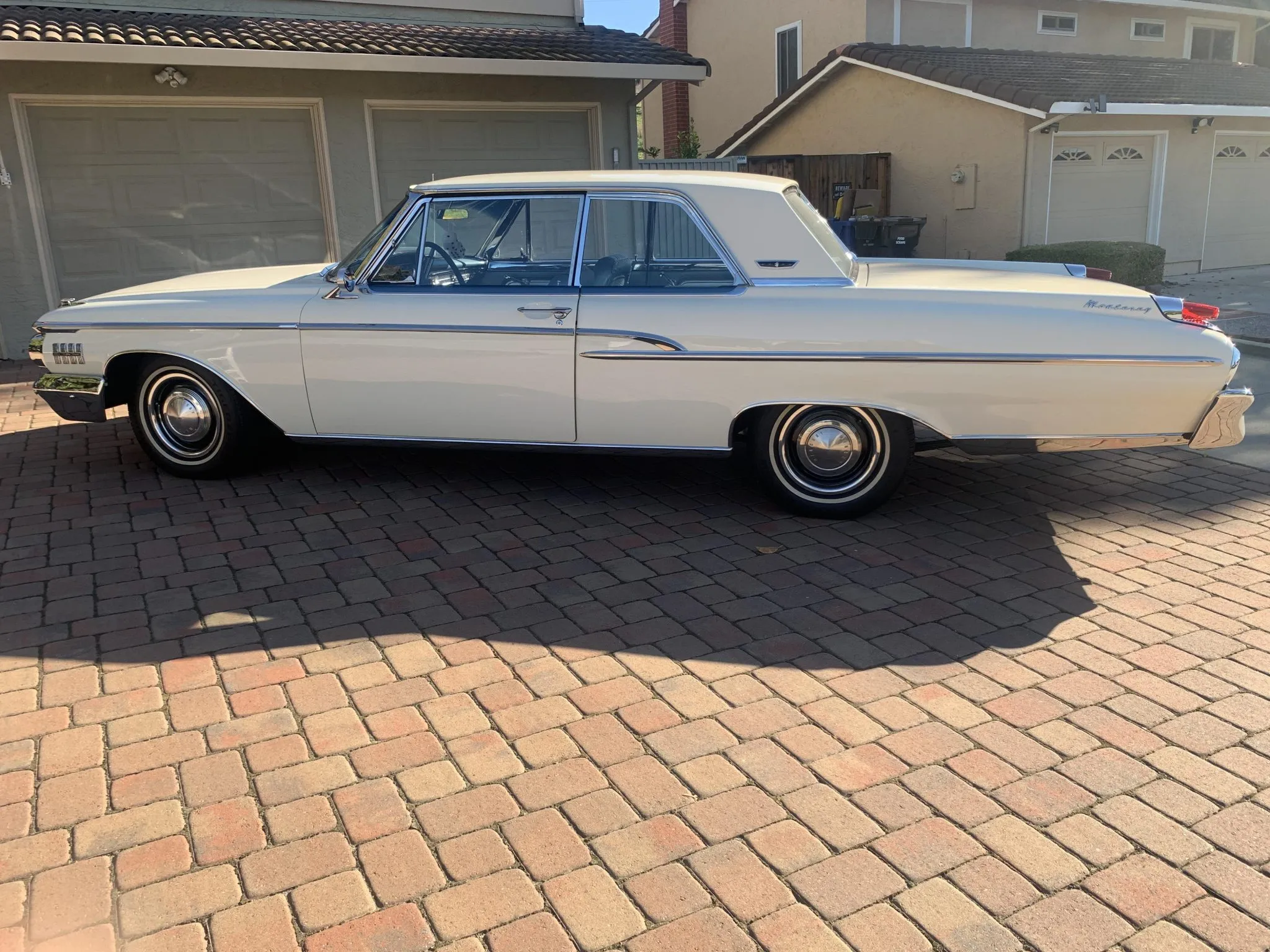
Still, I suppose Mills felt he needed to do something. Sales of the full-size Mercury line were still languishing at about one-third of their mid-’50s level, and the midsize Meteor (initial Mercury version of the intermediate Fairlane) was a flop. The spring 1962 launch of the Monterey S-55, a buckets-and-console hardtop or convertible similar to the Galaxie 500/XL, hadn’t helped much: It sold only 4,087 cars through the end of the 1962 model year.
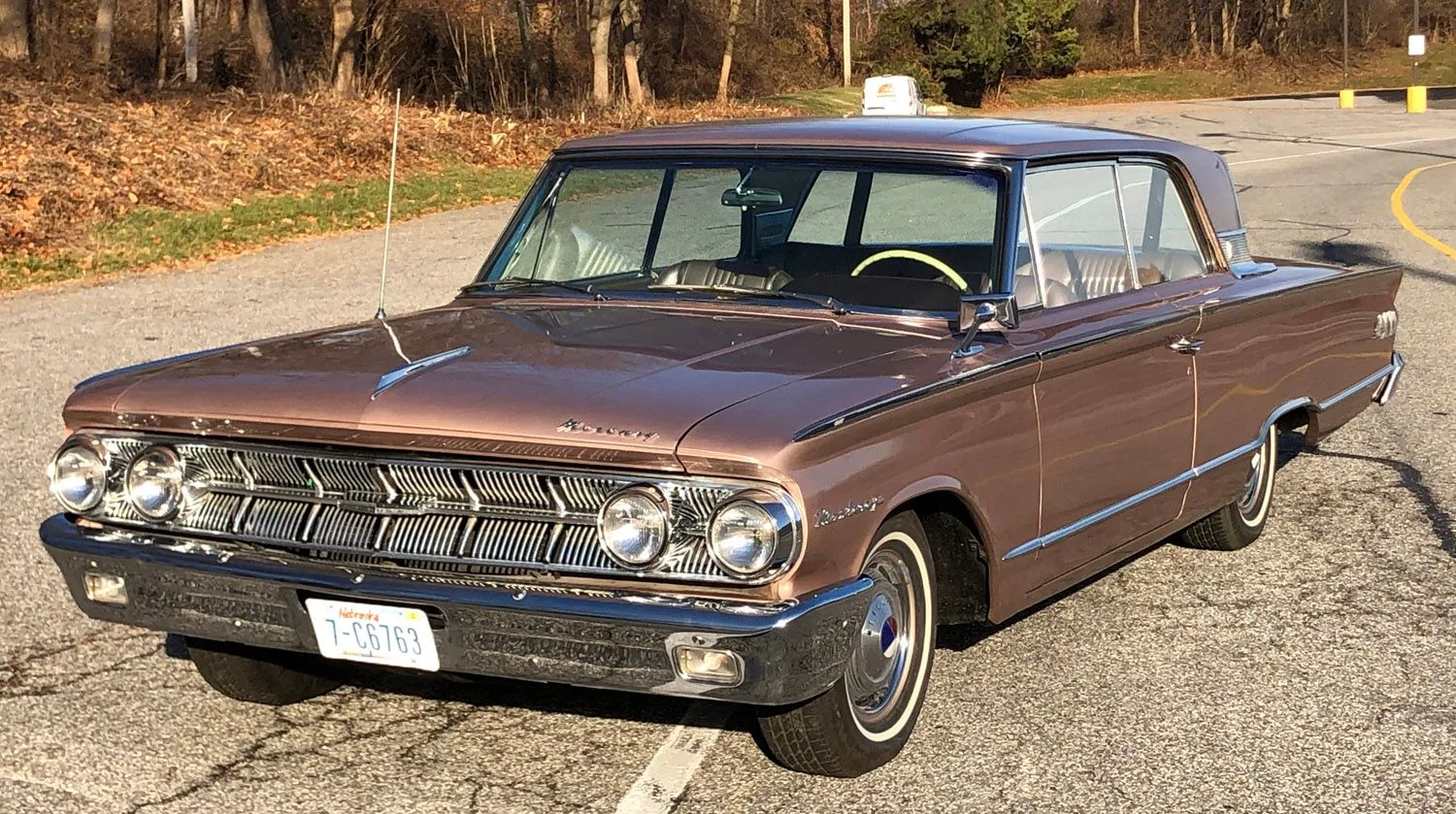
I tend to associate the Breezeway design with four-door sedans, since those sold much better than the other body styles and survived for longer, but in 1963, there were also two-door sedans and two- and four-door hardtops. (Mercury also offered convertibles and Colony Park station wagons this year, but those obviously didn’t share the Breezeway roof.)
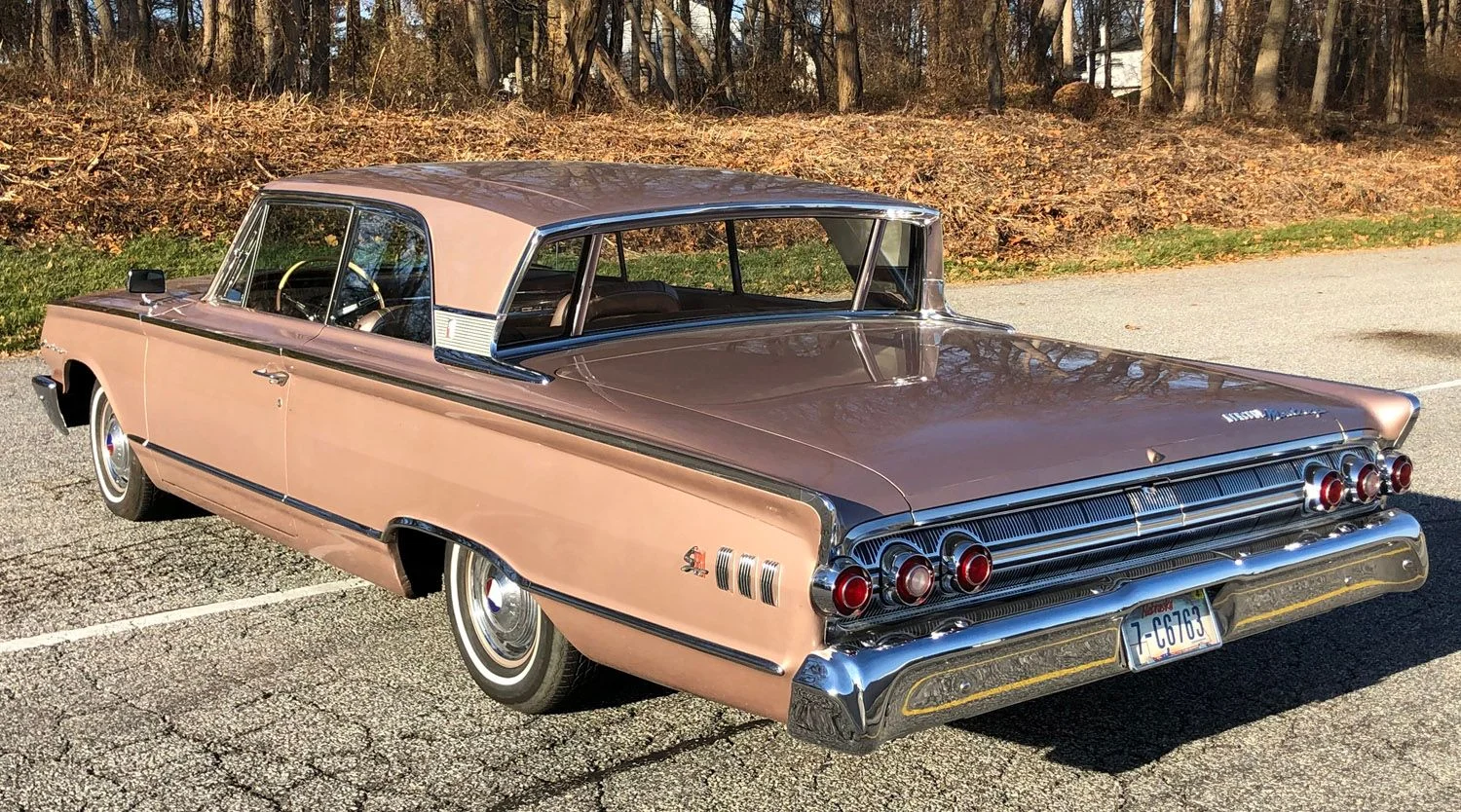
The Monterey Breezeway two-door hardtops were not shockingly rare, but with only 17,435 built this year across three model series, their sales qualified as “grim.” Because they were overshadowed by the mid-year introduction of the fastback Marauder hardtop, they seem to be especially obscure today.
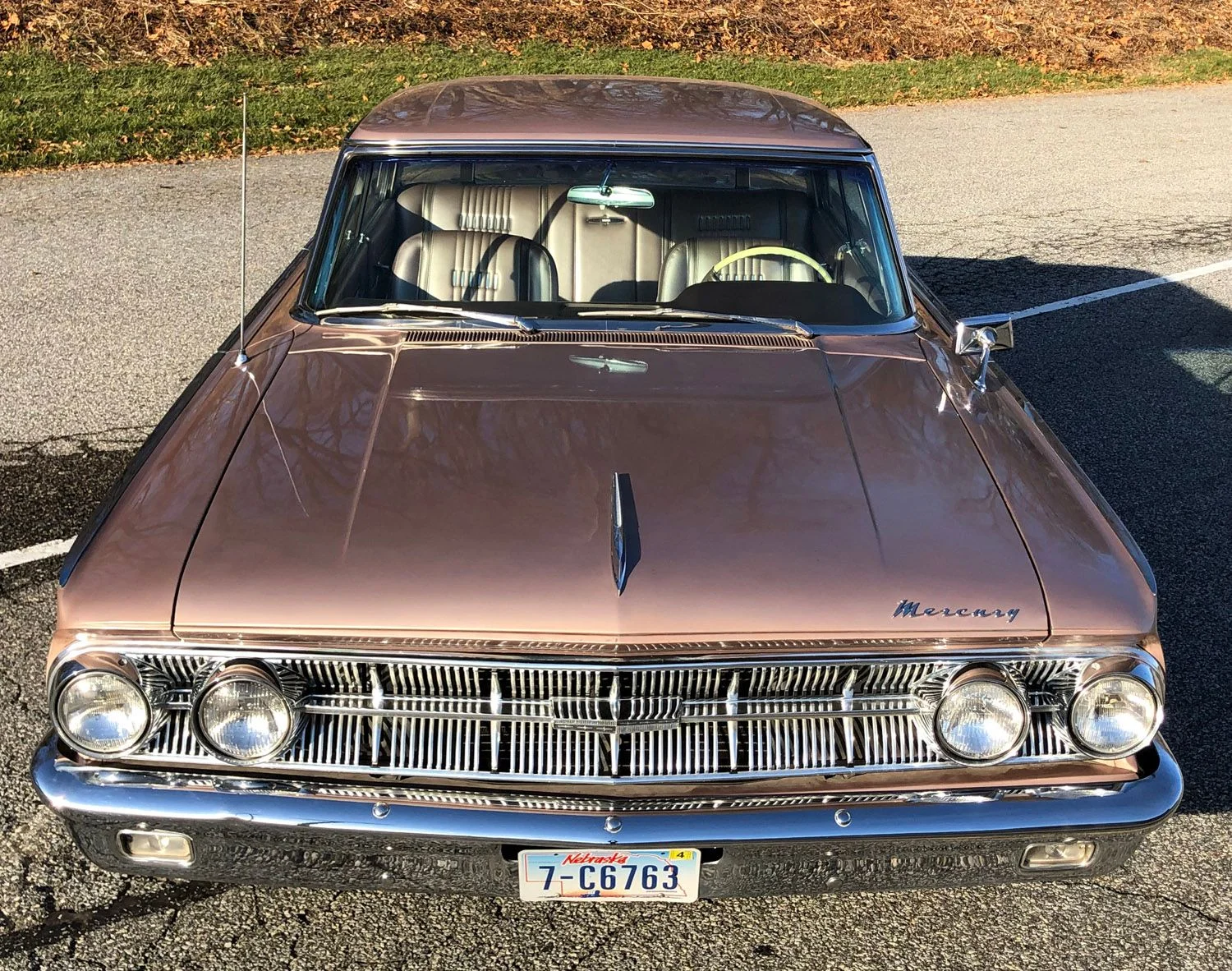
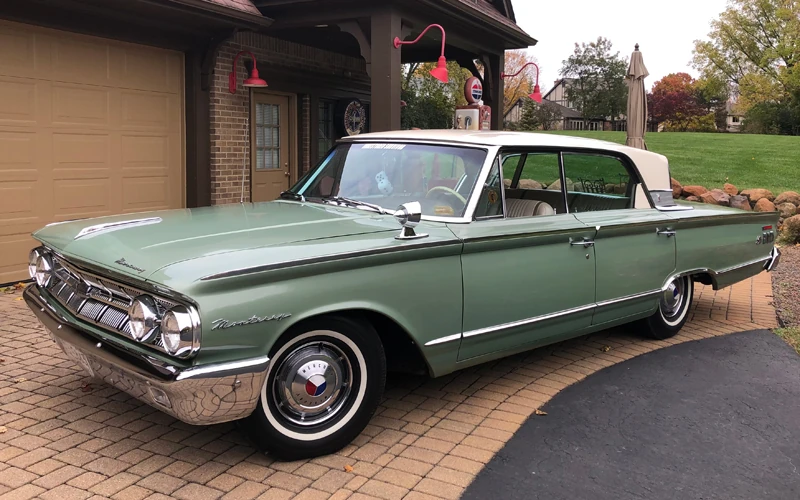
Even discounting its unusual Pink Frost metallic paint, this S-55 two-door hardtop is a strange-looking car, with a recognizably ’50s roof shape married to a variation on the soberer 1963 Ford Galaxie shell.
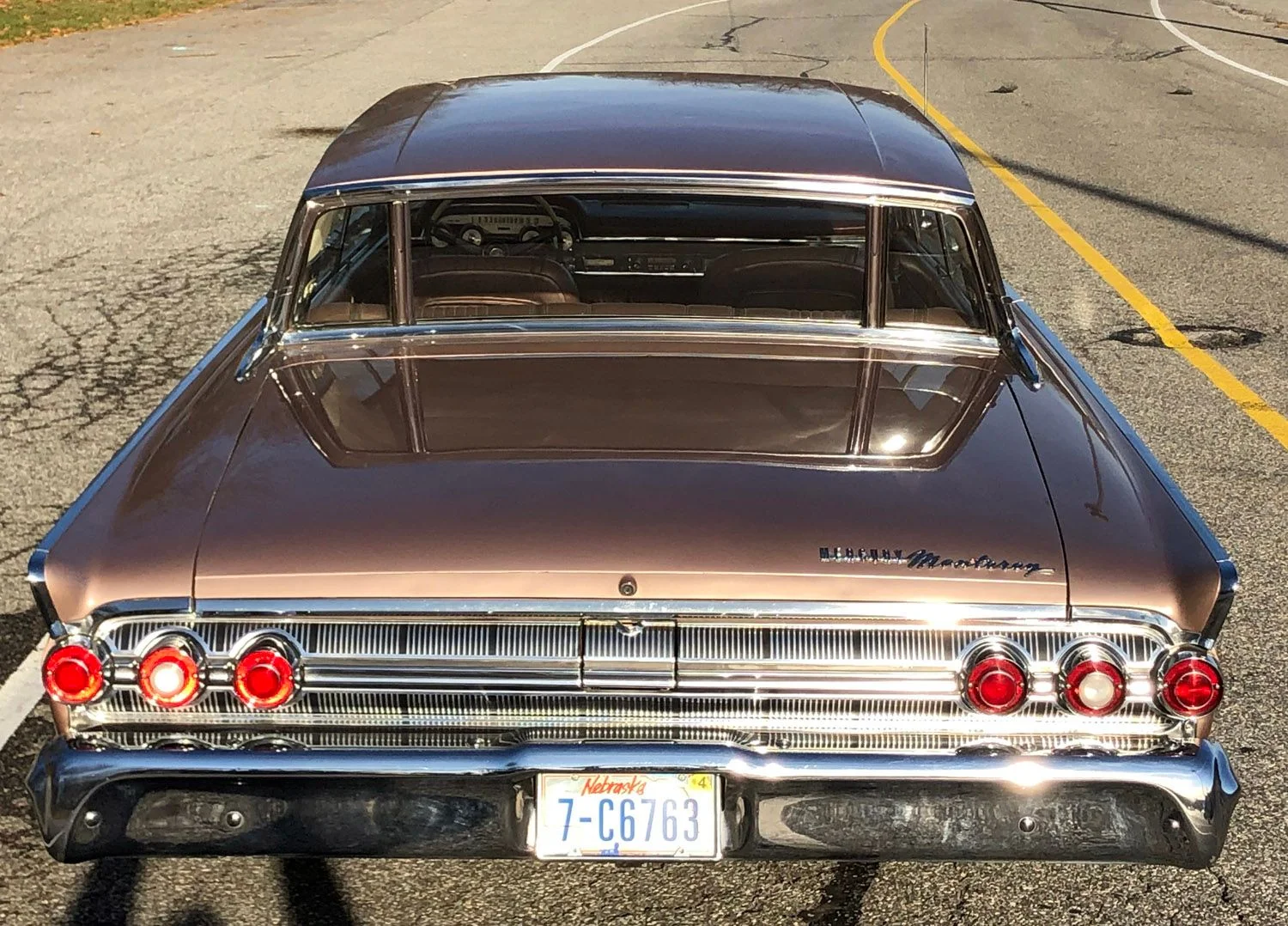
The 1963 Monterey was far less gimmicky than the earlier Turnpike Cruiser, but that was part of the problem. Whatever you thought of the ’50s Turnpike Cruisers, they were of a piece. In isolation, the roof seemed that much stranger, more out of place.
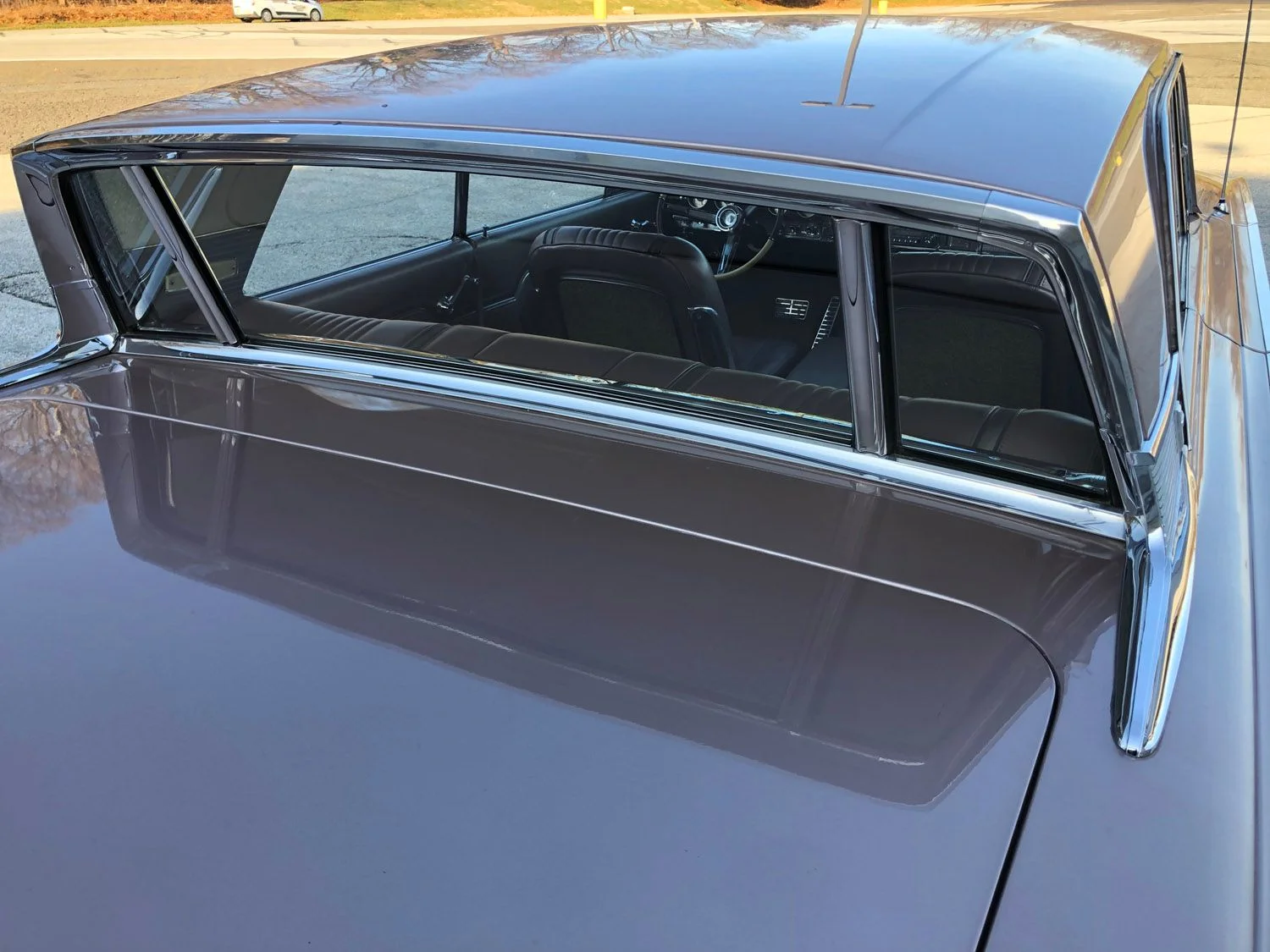
The effect is not unlike what the Vegas strip would look like if you bulldozed all but one casino and replaced the rest with generic office buildings. I’m reminded of Shelley’s Ozymandias: “Nothing beside remains. Round the decay / Of that colossal wreck, boundless and bare / The lone and level sands stretch far away.”
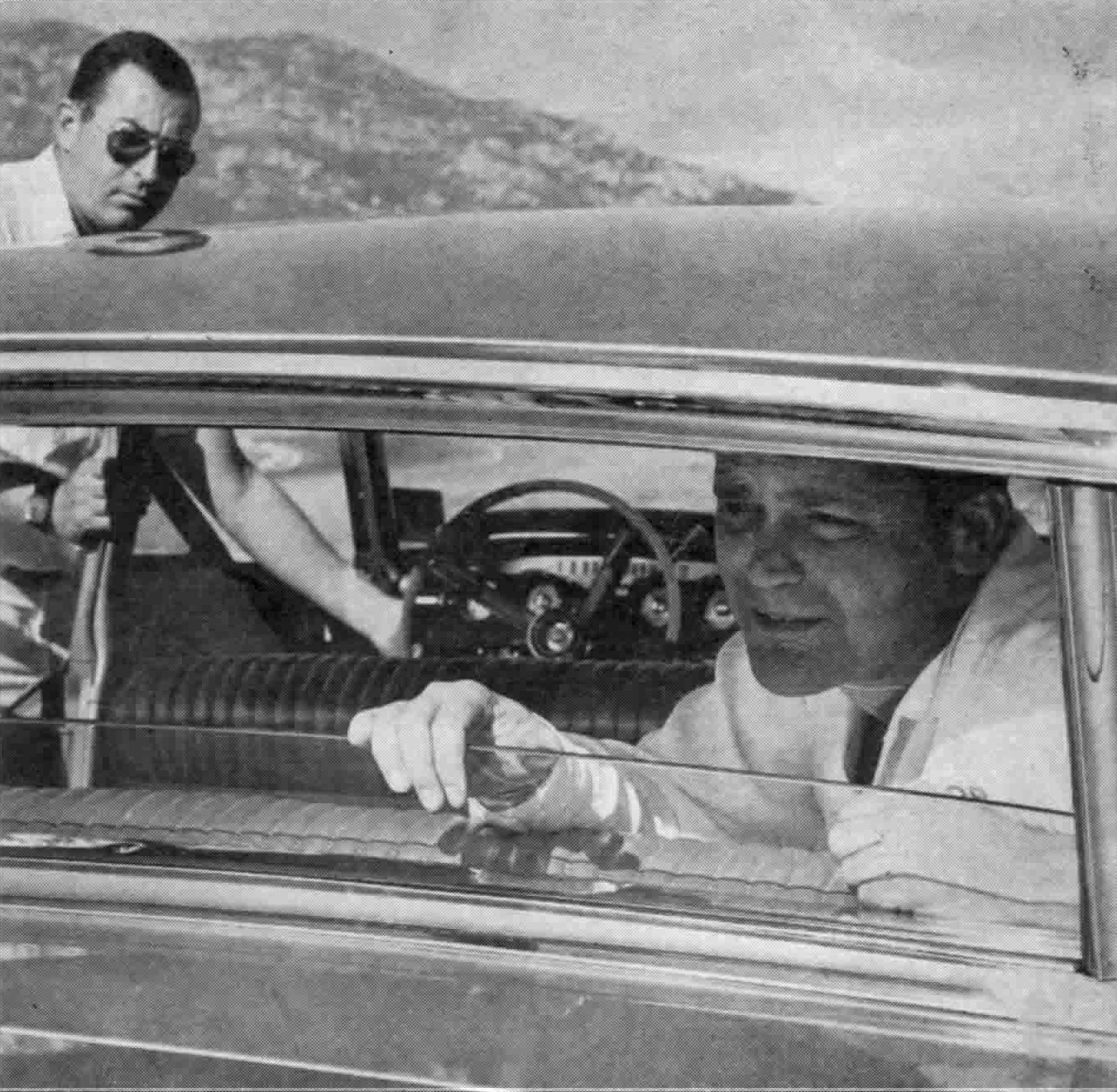
The Breezeway roof had the same claimed advantages as before: better headroom and less solar heating for rear passengers, and good ventilation for all. Car Life said the Breezeway “rear window provides the best ventilation and rearward visibility we’ve yet found on a ’63 car,” while Motor Trend (whose editors are pictured above) explained:
We found the ideal way to keep a supply of fresh air flowing through the Mercury was to open one or both of the dash-controlled cowl vents with the rear window part way down. The additional wind noise that goes with open side windows or wind wings didn’t occur. We did find that to open the rear window all the way at highway speeds was to invite swirling, uncomfortable drafts.
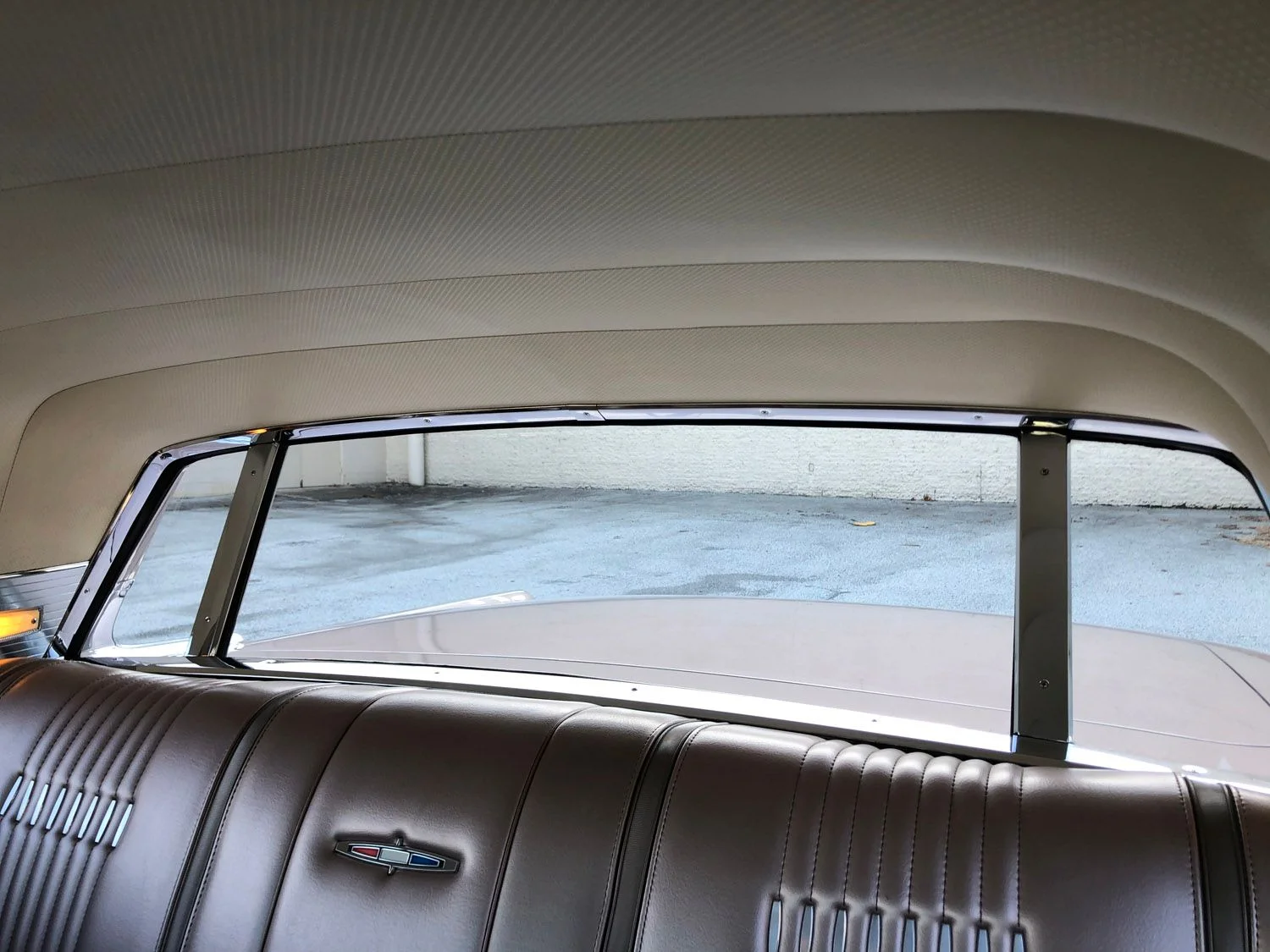
The concern with opening rear windows (or a station wagon driven with the tailgate open) is always the risk of drawing exhaust fumes into the car under some driving conditions, causing carbon monoxide poisoning. None of the contemporary reviews I’ve seen (including from Consumer Reports publisher Consumers Union, which was usually alert to safety hazards) seemed very worried about that, but it had been a problem with the Turnpike Cruiser, at least at higher speeds. Breezeway fans insist it doesn’t draw exhaust fumes into the car, but since carbon monoxide is odorless and invisible, that’s not entirely reassuring.
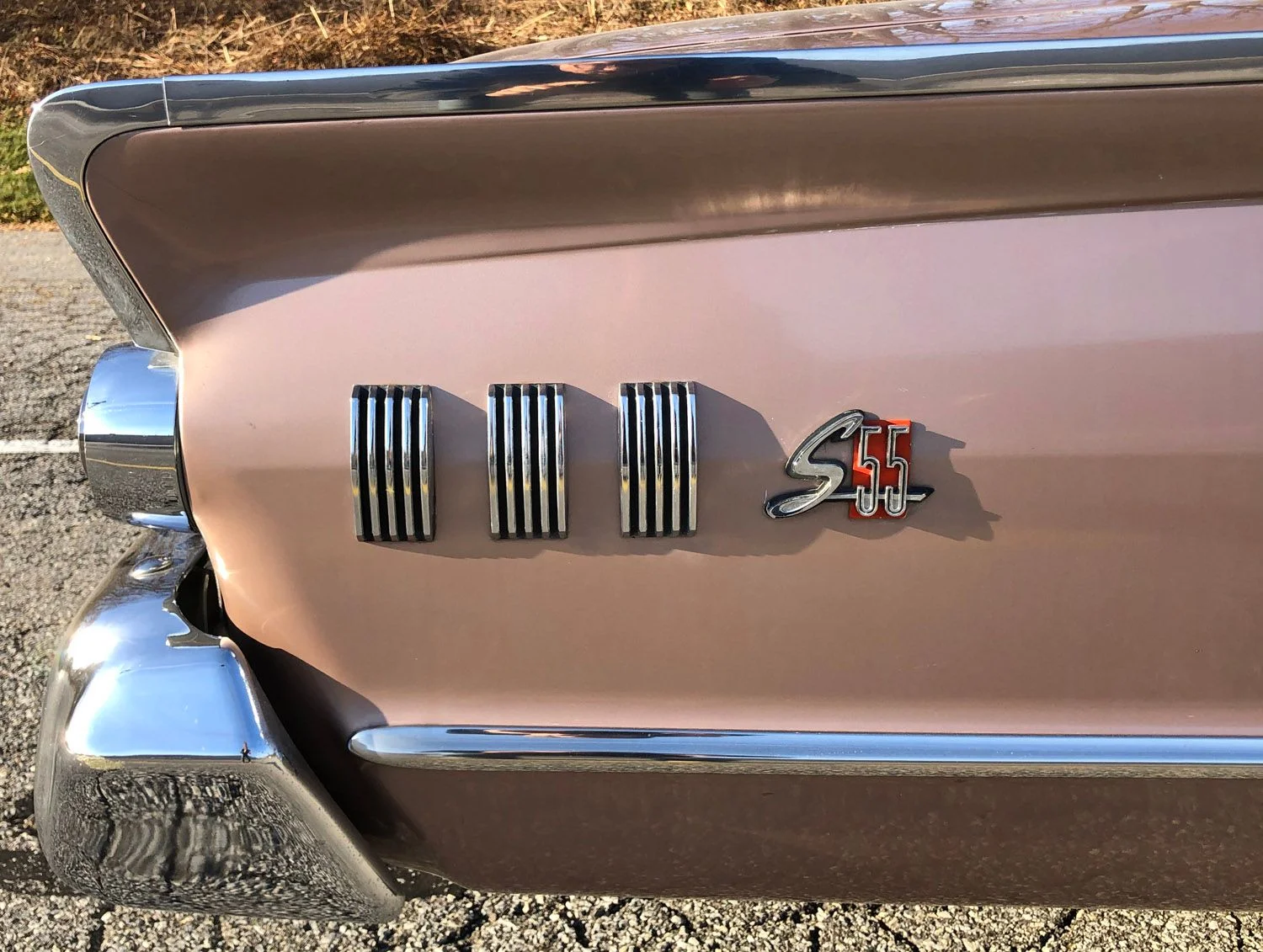
CO poisoning or no, the Monterey S-55 came with the usual fancy trim, beginning with the S-55 badges on the rear fenders.
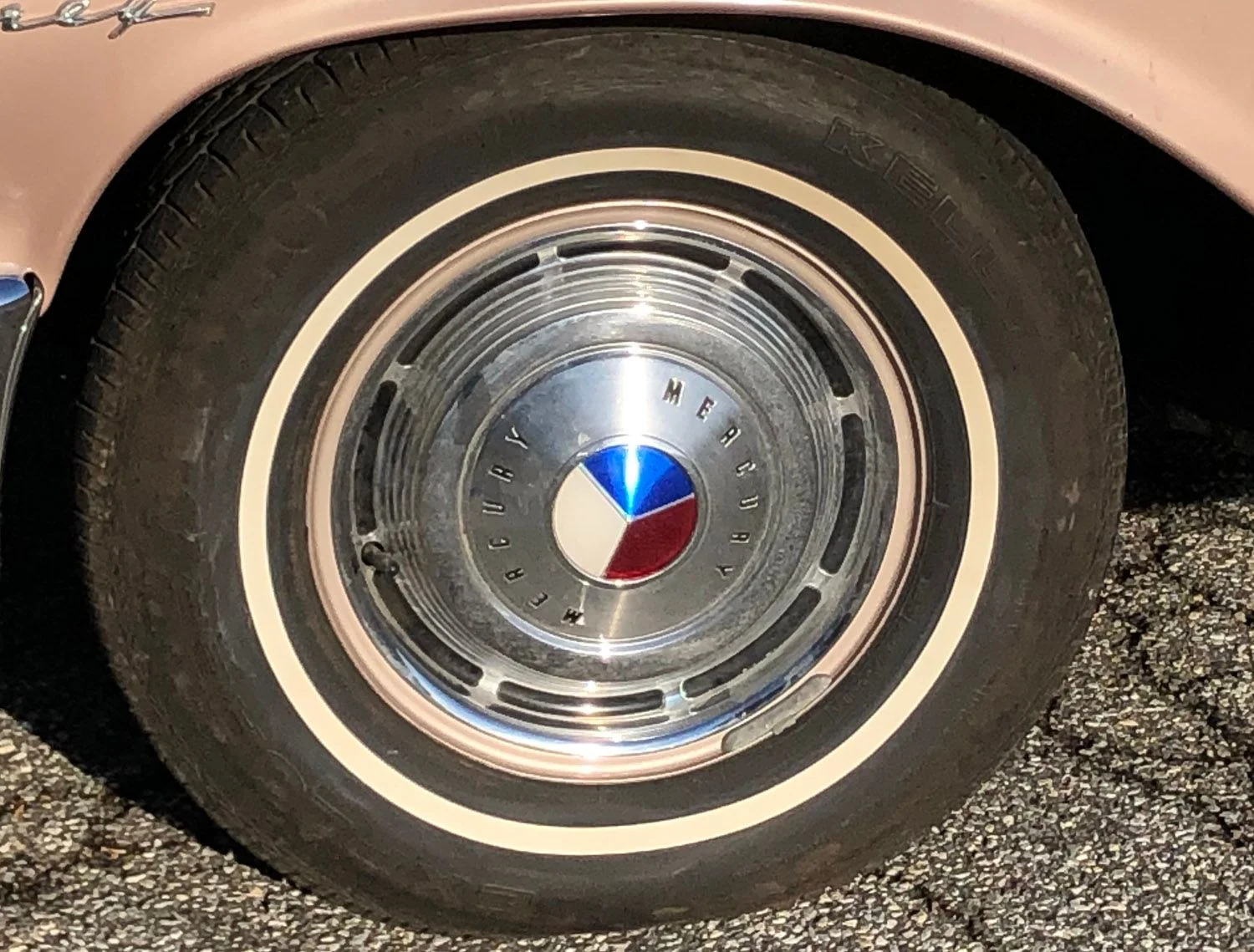
The S-55’s standard equipment included wheel covers, although whitewall tires were extra.
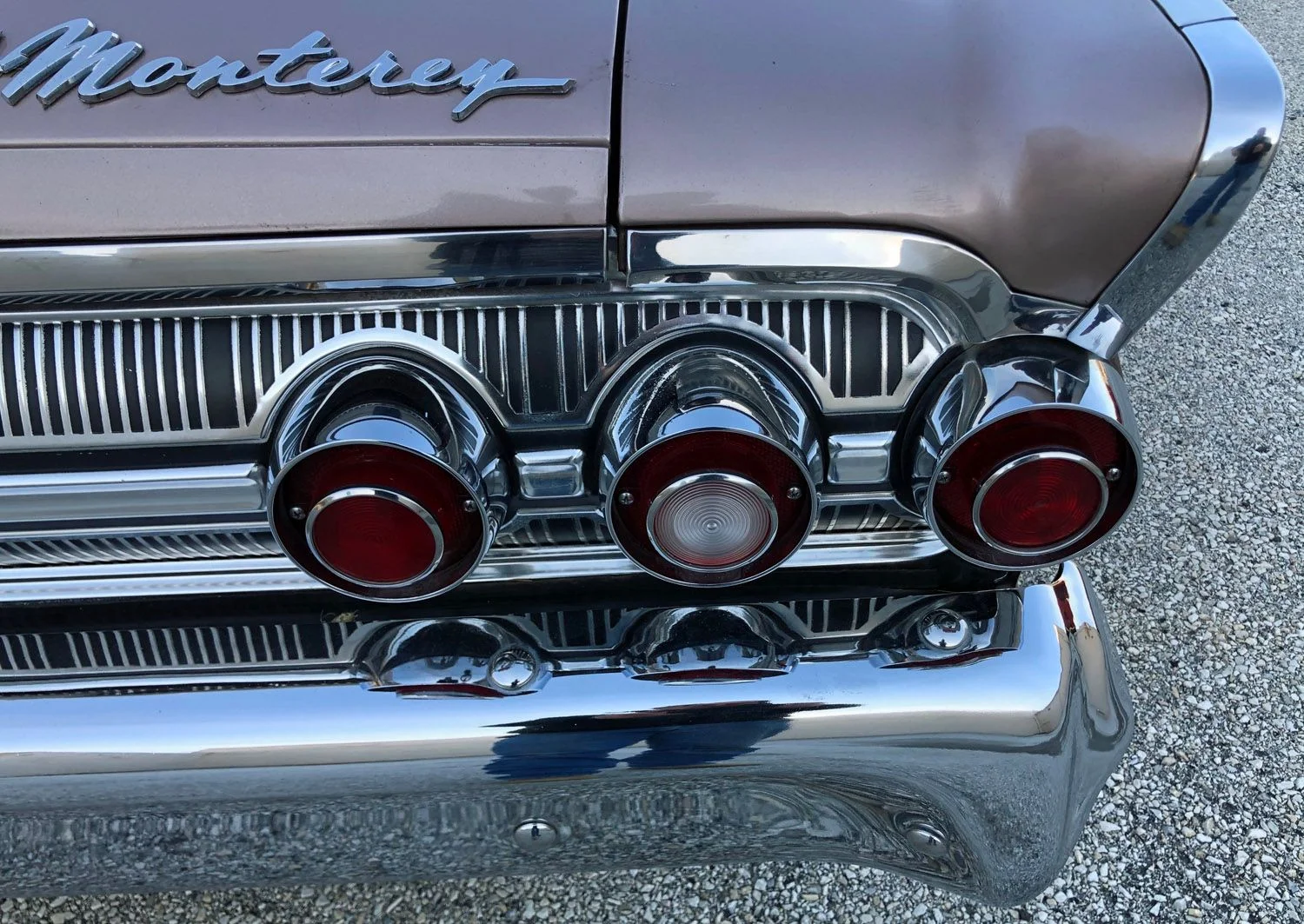
Backup lights (the center taillight) were standard on the S-55, Monterey Custom, and Colony Park in 1963; they still cost $10.70 extra on a base Monterey.
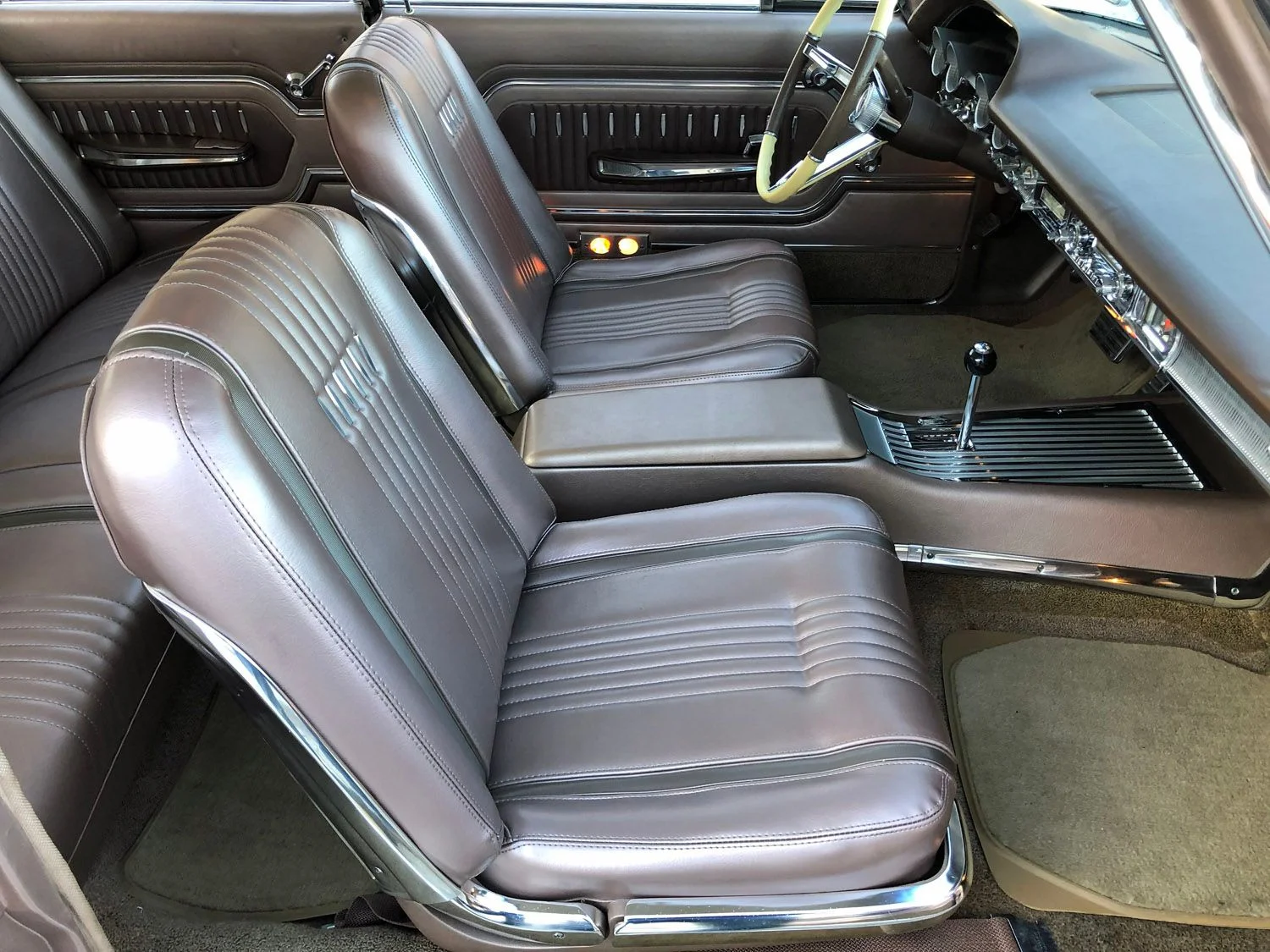
The big attraction of the S-55, as with the Galaxie 500/XL, was the fancy all-vinyl interior, which featured vinyl-upholstered bucket seats, a center console, padded dashboard, and abundant bright metal trim.
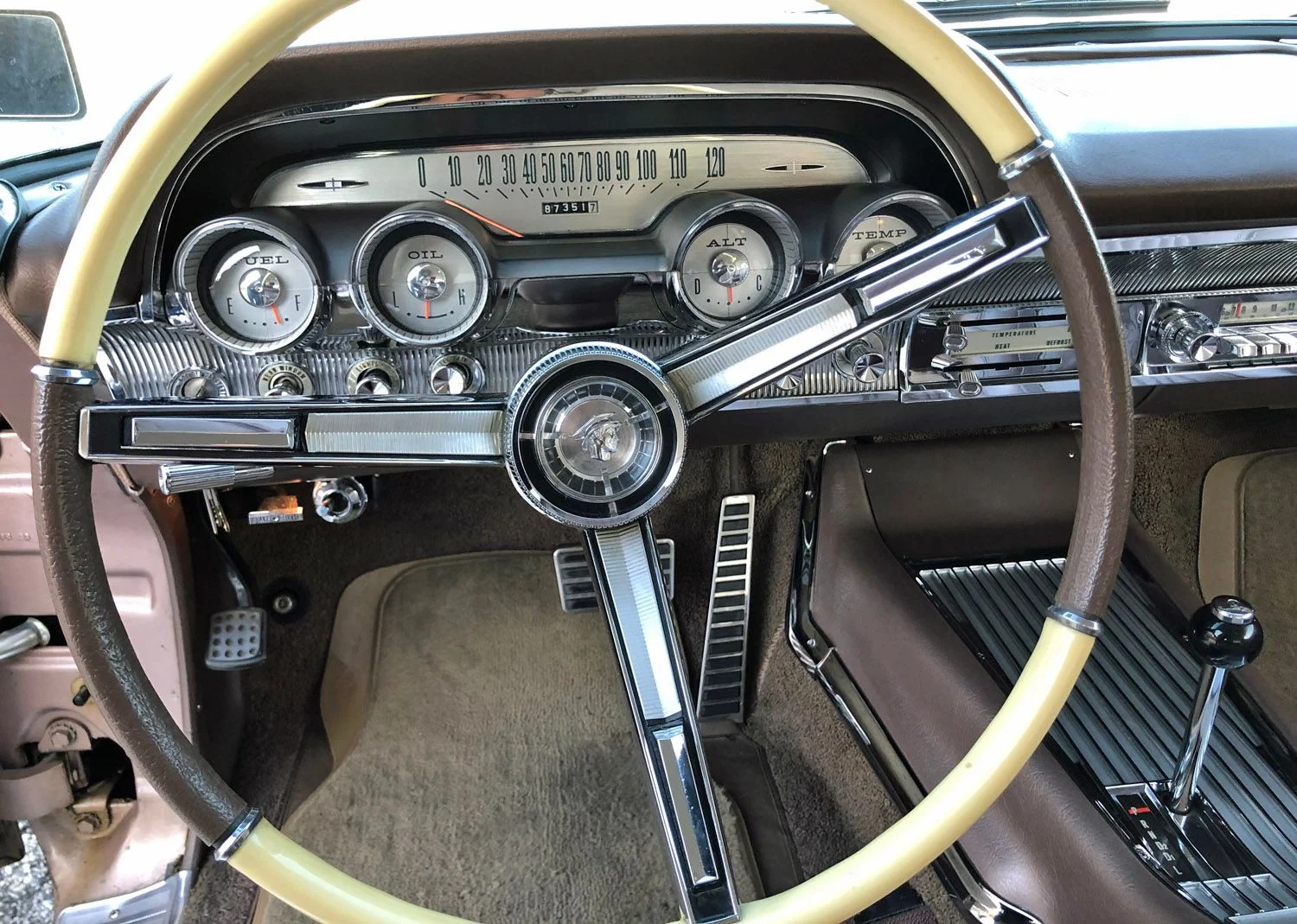
An S-55 was hundreds of dollars more than a Galaxie 500/XL, but that did buy you a fancier instrument panel with gauges rather than lights for oil pressure and amperage. I don’t know how much fun all this brightwork would be on a sunny day, and some contemporary testers were very sour on it; Car Life complained that “the overall effect is of Wurlitzer nickelodeon.” Incidentally, the control for the power rear window is on the left side of the dashboard, under the fuel gauge.
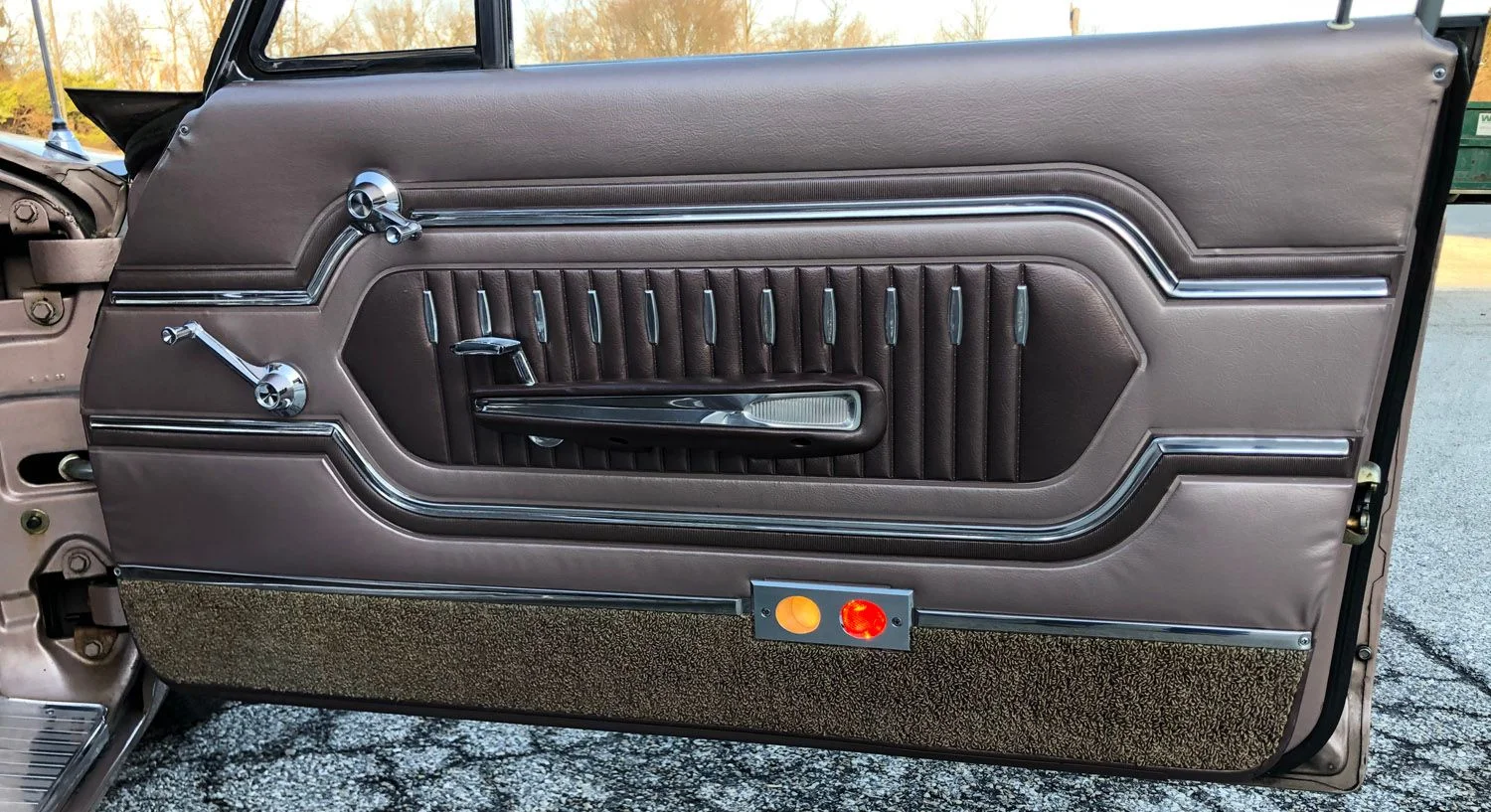
Curiously, neither the early 1963 Monterey brochure nor my 1963 Auto Bluebook price guide indicates that power windows were available on the Monterey, even at extra cost, but Motor Trend‘s four-door Monterey sedan had them, so they were available at least part of the year. Note the red and white courtesy lights on the door, a special S-55 feature.
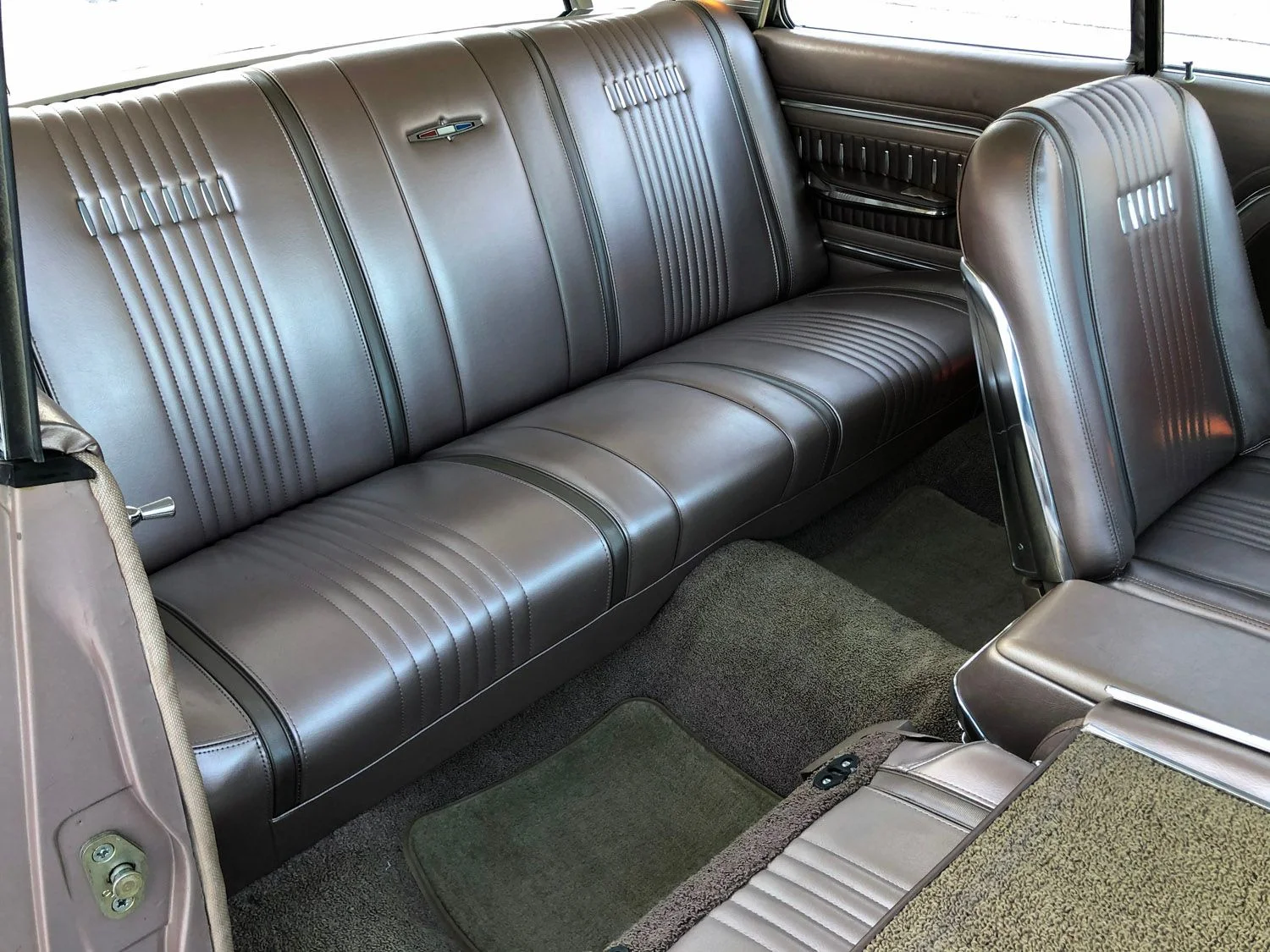
The claims of improved headroom with the Breezeway roof weren’t borne out by the AMA specifications, which show the two-door Monterey hardtops having very slightly less head and legroom than a Ford Galaxie two-door hardtop. There was a decent amount of space in back, however, and Mercury didn’t try to sculpt the rear seat into pseudo-buckets to exclude a rear center passenger. (Note also that unlike the console in the 1963 Oldsmobile Starfire and Ninety-Eight Custom Sports Coupe, the S-55 console didn’t extend any farther back than the front seat backs, so it didn’t interfere with rear passenger foot room.)
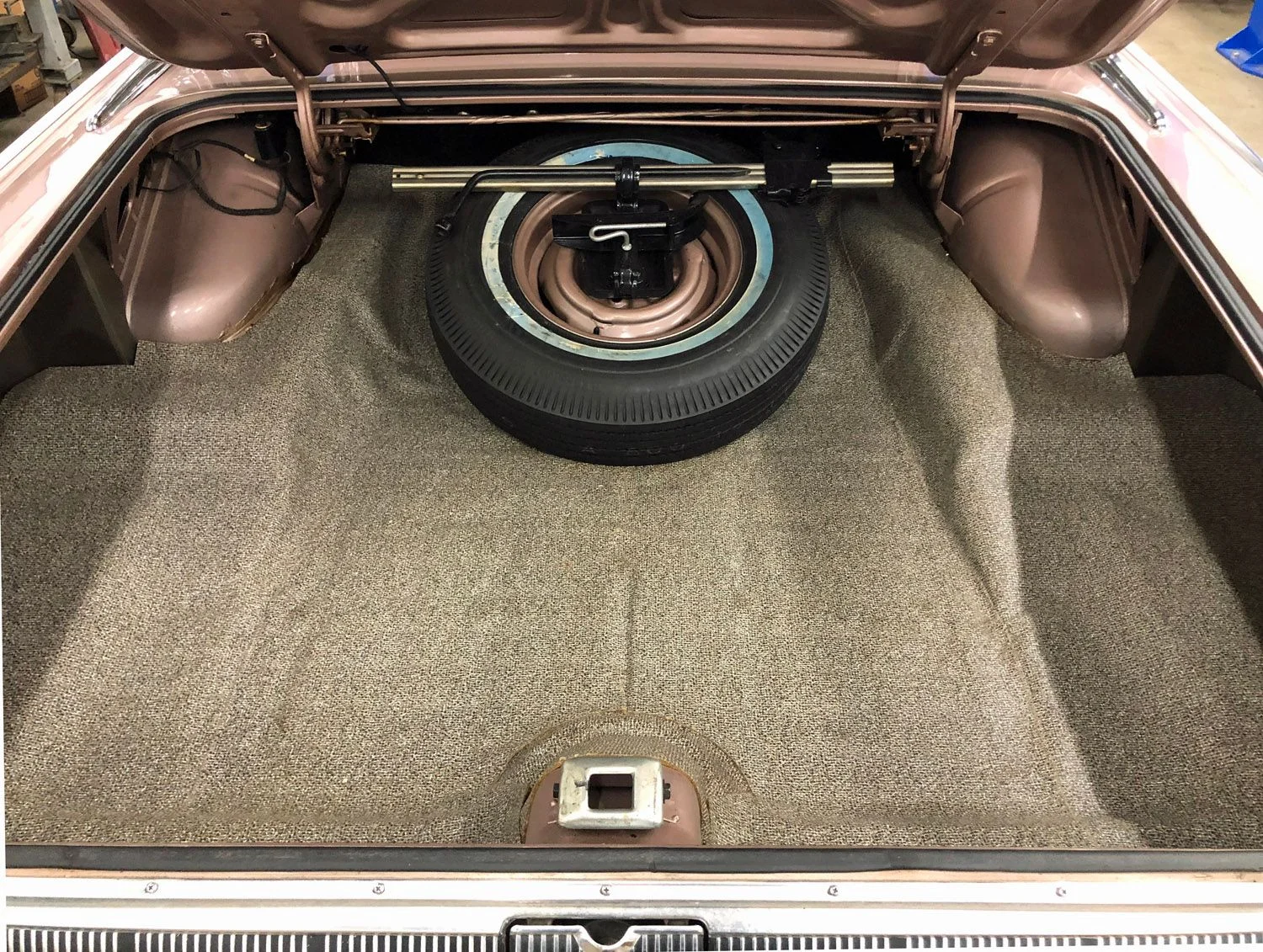
As in the Galaxie, the trunk was enormous in length and width, but rather shallow. Mercury claimed 16.2 cu. ft. of usable luggage capacity.
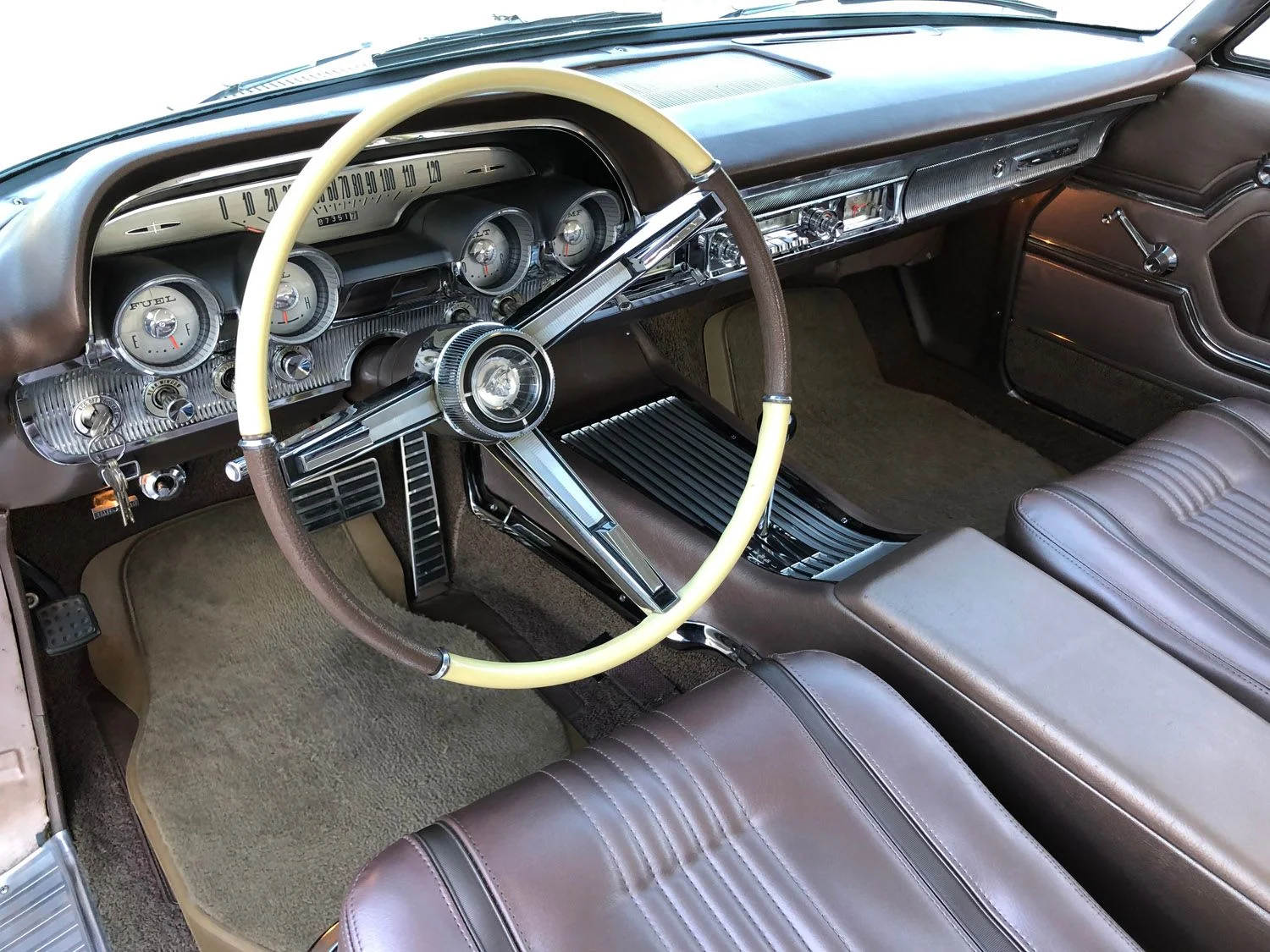
I mentioned earlier that the S-55 was rather expensive: a two-door hardtop like this started at $3,650, which didn’t include this car’s power steering ($106.20), power brakes ($43.20), or pushbutton radio ($58.50).
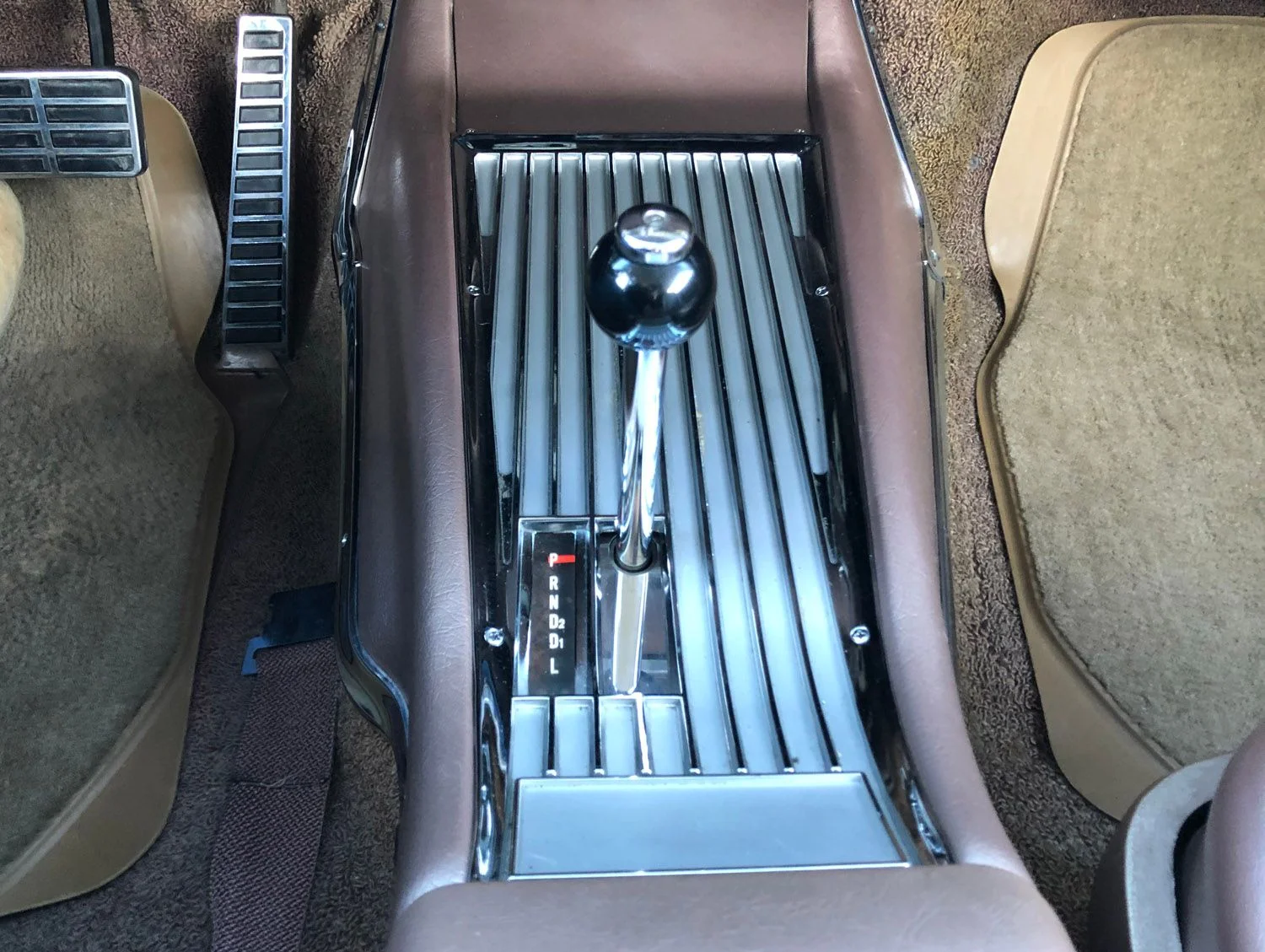
However, the price DID include your choice of 4-speed manual or console-shifted 3-speed Merc-O-Matic, which cost $220.90 on other models. Note that the quadrant has D2 and D1 ranges; like the mechanically identical Ford Cruise-O-Matic, this transmission could start in either 1st or 2nd gear. It was a better choice than the rare 4-speed; Car Life found that the console “puts the 4-speed shift lever too far away from the driver for good, clean shifts.”
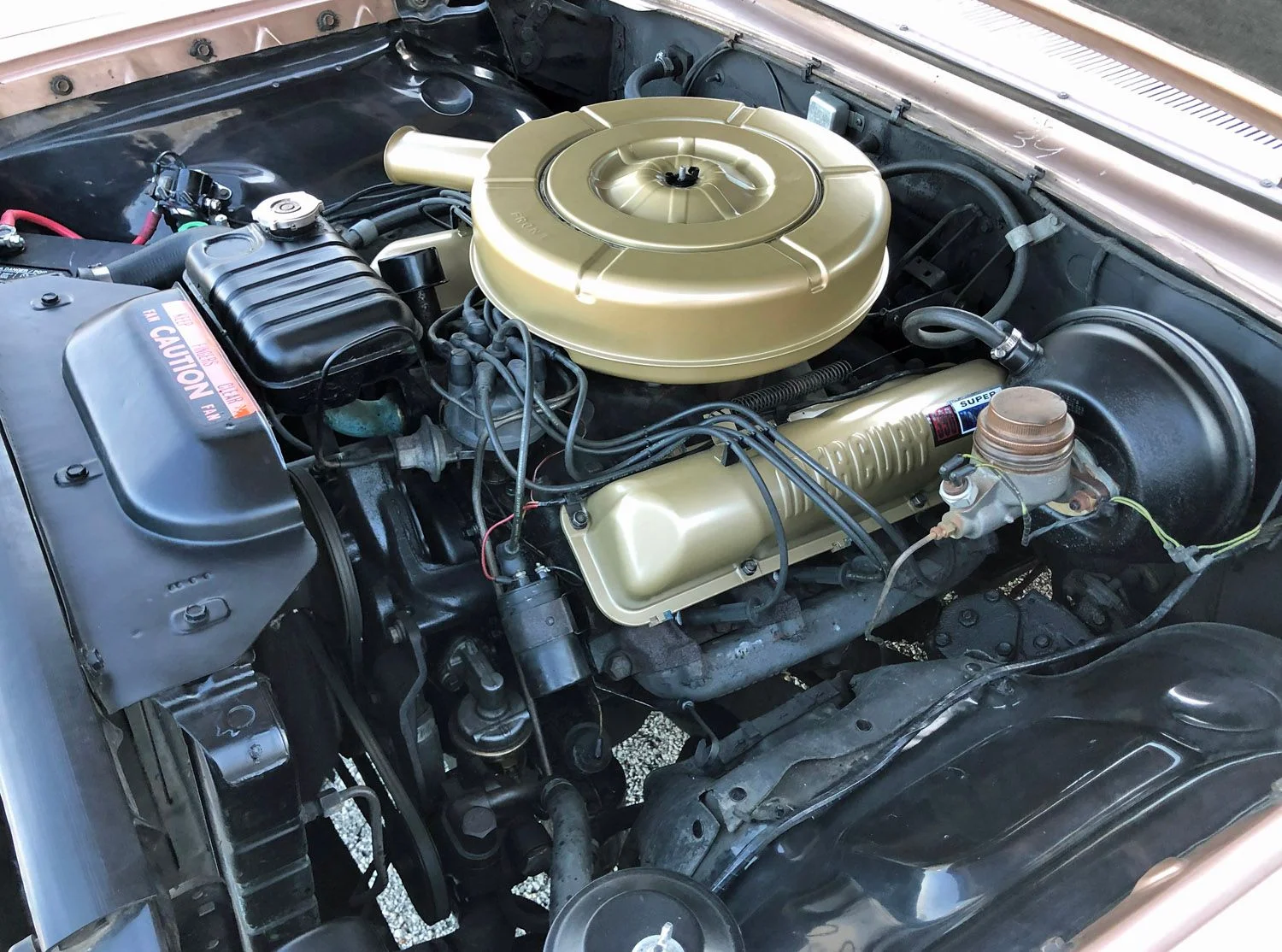
In 1963, Mercury didn’t offer either sixes or small V-8s in the full-size line; buyers who wanted a six were far more likely to buy a Comet. The base Monterey and Monterey Custom came with the two-barrel 390 cid FE engine, with 250 gross horsepower, but the S-55 came with the Z-code 390, with a four-barrel carburetor and 300 hp. The Z-code engine was $51.50 on lesser models. You could also have the 406, making 385 gross hp with a four-barrel carburetor or 405 hp with three two-barrels, replaced mid-year by the R-code 427 with 425 hp. However, these hot engines were available only by special order, were very expensive, weren’t available with power steering or power brakes, and came with a much stiffer suspension, so they were installed in tiny numbers.
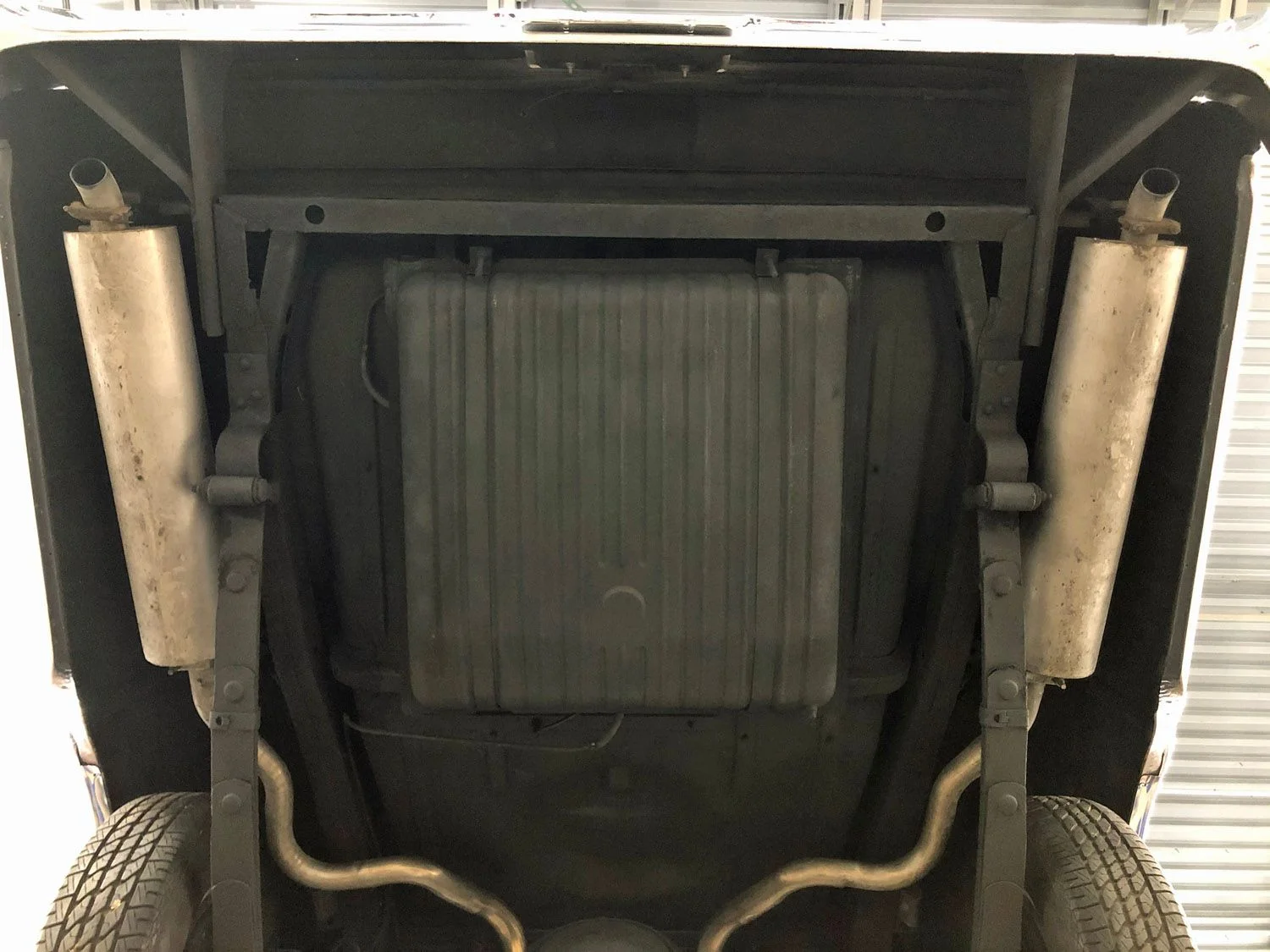
With the Z-code 390 — which included dual exhausts — mated to the standard Merc-O-Matic and 3.00 axle, Car Life found the S-55 was capable of 0 to 60 in 10 seconds and ran the quarter mile in 16.4 seconds. That was no match for the 4-speed R-code 427, of course, which got to 60 mph in 7 seconds flat with a 4.11 axle, but the four-barrel 390 provided okay performance for a car like this.
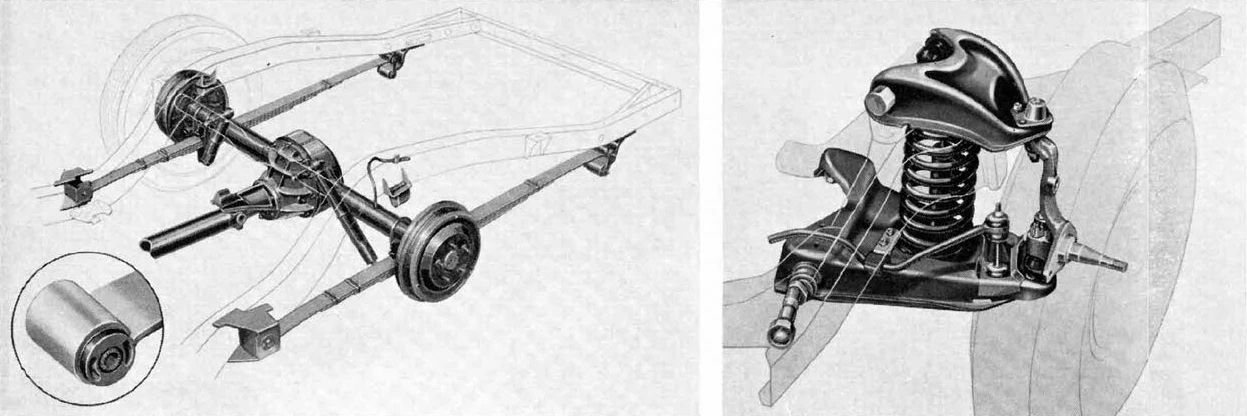
As before, Mercury used some tricks to improve the ride quality of its basically conventional double wishbone/leaf spring suspension, including a cranked compliance link for the lower front wishbone and “Cushion-Link” front shackles for the rear springs. Previously, Consumer Reports had praised this setup for providing noticeably less harshness over small bumps than an equivalent full-size Ford, but for 1963, Ford had adopted the same features, so the Mercury no longer had any substantive advantages in the chassis department.
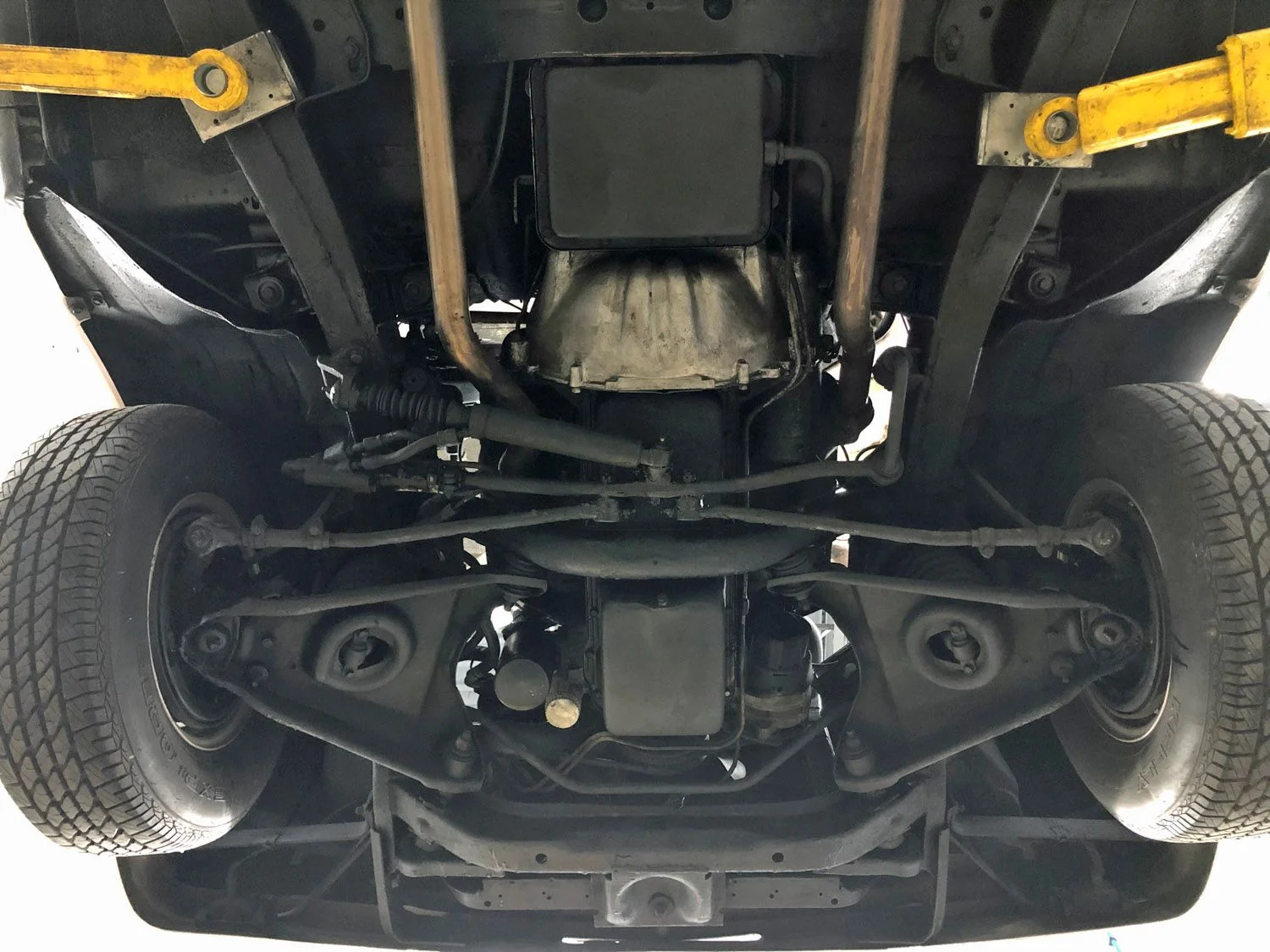
Mercury still used softer springs than Ford and had over 200 lbs more sprung weight, but that wasn’t necessarily a virtue, causing a mushy ride and rather sloppy handling even by the standards of the time. Consumer Reports, which was normally critical of heavy-duty suspensions, suggested that the H-D option was a must for the Mercury wagons. It probably would have been desirable for the S-55 as well, but I don’t think it was commonly ordered. (The normal heavy-duty suspension retained the compliance links, which were deleted on the extra-heavy-duty “non-anti-harsh” suspension included with the 406 and 427.)
Although it wasn’t introduced until about two months after the other 1963 models, Mercury also added an S-55 four-door hardtop to match the four-door 1963 Galaxie 500/XL. The four-door S-55 started at $3,715, and sold poorly — total production for 1963 was only 1,203.
The Breezeway S-55 two-door models didn’t sell very well either, with model year production totaling just 3,863 cars. The S-55 convertible sold only 1,379 units.

Mid-year, Mercury introduced the first Marauder, which was an S-55 hardtop with the new slantback roof, added to support a return to NASCAR competition. Despite its late introduction, production totaled 2,317 cars, better than either the four-door or the convertible.
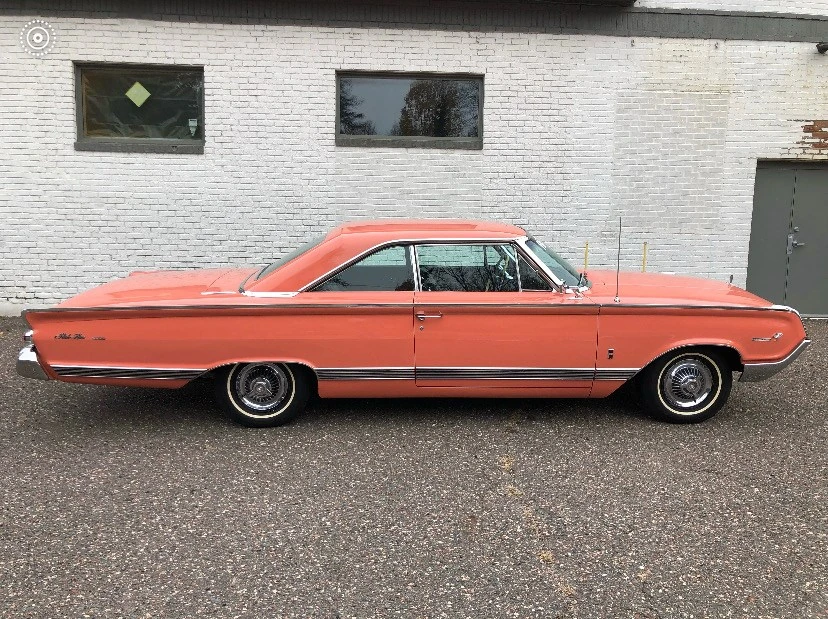
Mills apparently decided the writing was on the wall and discontinued the S-55 after the 1963 model year. For 1964, Mercury reintroduced the mid-price Montclair and senior Park Lane series and added Marauder two- and four-door hardtops to each series. The equipment of the previous S-55 model was shifted to a new $369.50 sports package option, available on two- or four-door Park Lane Marauder hardtops (meaning you could no longer get bucket seats on any of the Breezeway cars). That plan lasted only one year; for 1965, Mercury tried offering the individual pieces as separate options for the Monterey instead. As I’ve previously discussed, the S-55 was revived for 1966, to no great commercial success. It reverted to option package status again for 1967 and was finally dropped for good after that.
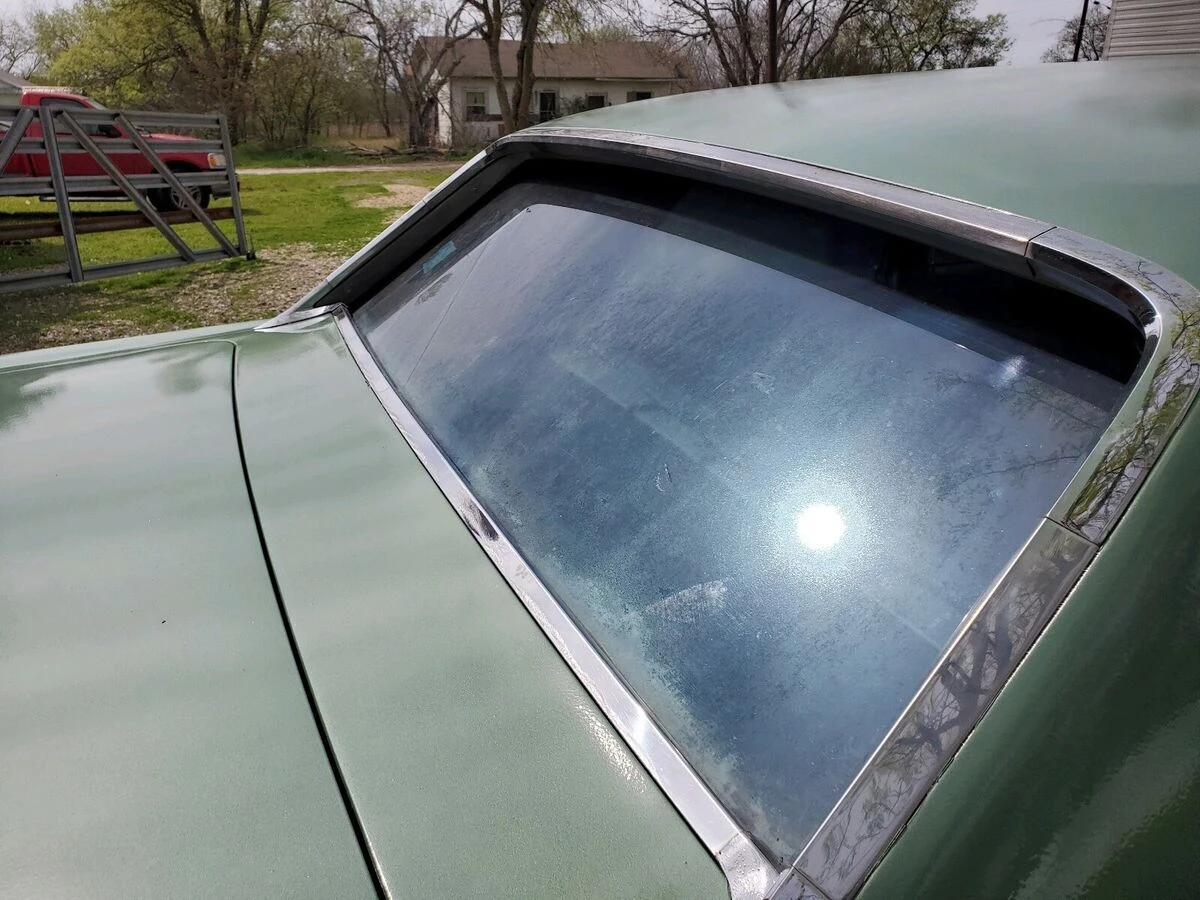
The Breezeway roof stuck around in its most recognizable form through 1966, but after 1964, it was available only as a four-door sedan. For 1967 and 1968, Mercury offered a subtler version with a recessed rear window that could retract a few inches. By that time, Ford’s improvements in flow-through ventilation (used on the Thunderbird and four-door hardtops) had made the Breezeway window basically obsolete, and Mercury buyers didn’t seem sufficiently attached to it to keep it around beyond 1968.
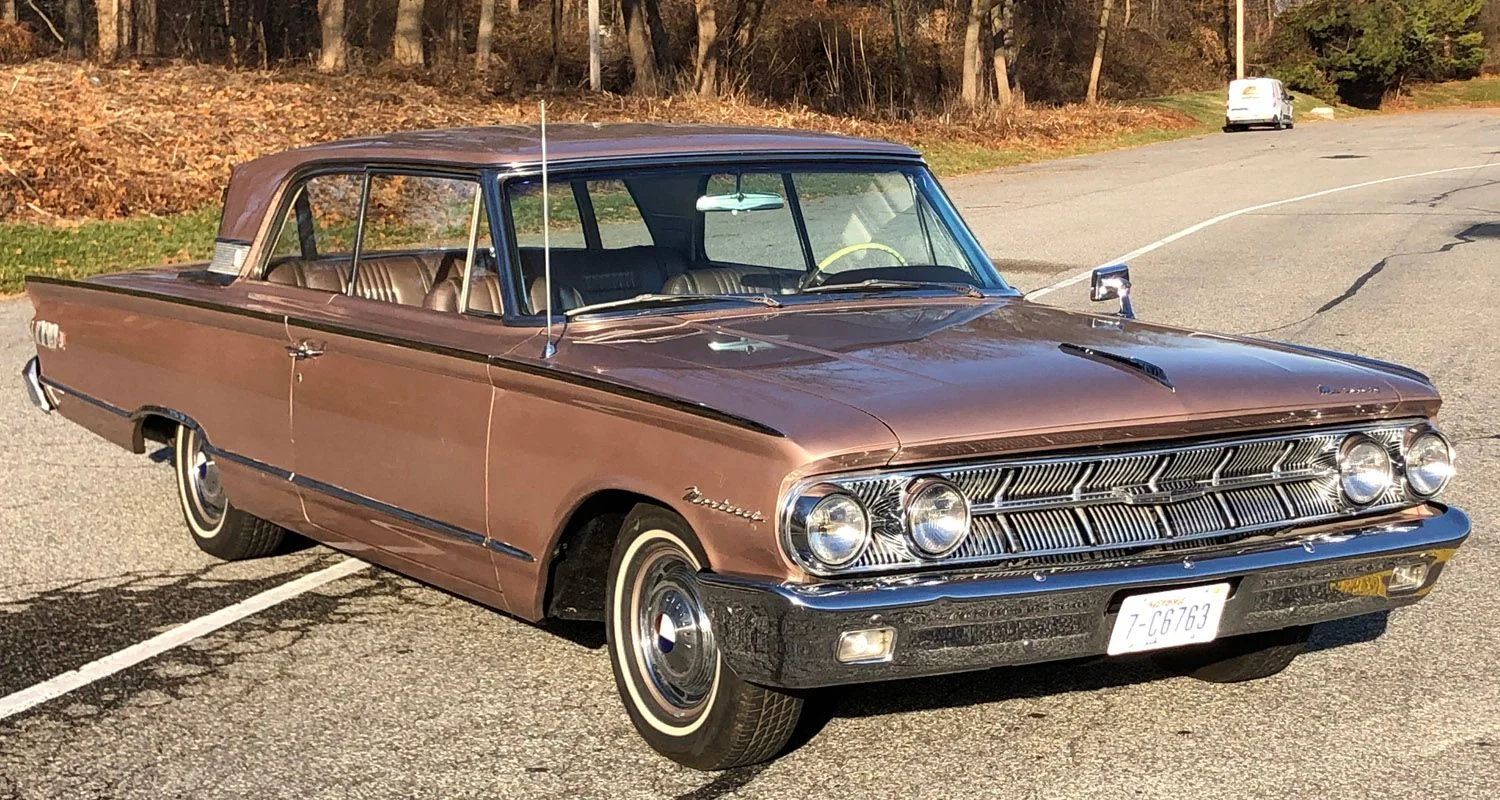
People often insist that the Mercury brand failed because it wasn’t sufficiently different from regular Ford products in styling and content, but Mercury’s periodic efforts to differentiate itself more or move upscale often had very mixed results. This S-55 Breezeway two-door hardtop was certainly different, but not necessarily more desirable for it, and I think a lot of Mercury fans would rather have the sleeker Marauder.
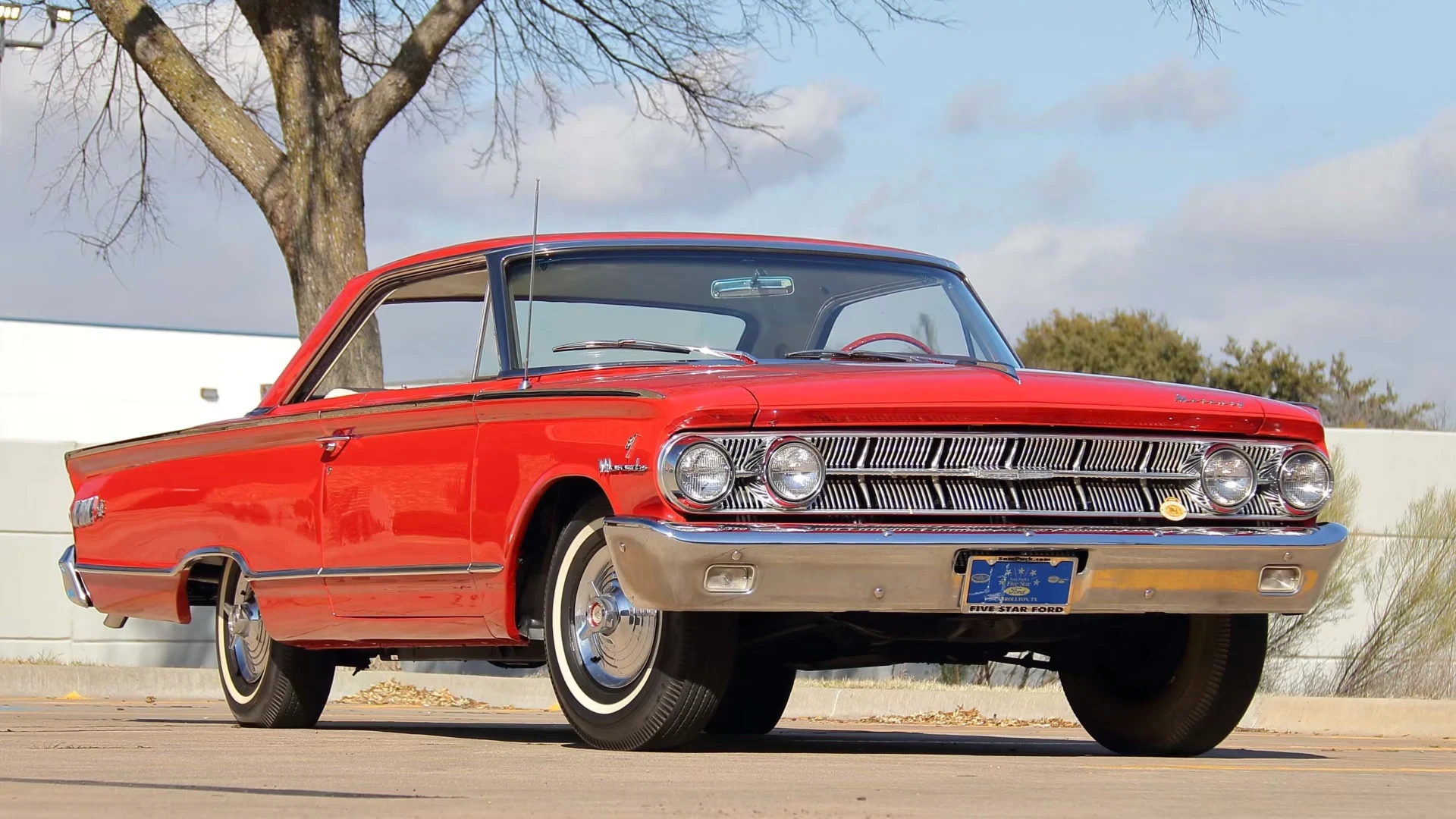
Wouldn’t you?
Related Reading
1962 Mercury Monterey S-55: Big, Bold, Late Space-Age Luxury (by Stephen Pellegrino)
Curbside Classic: 1963 Mercury Marauder S-55 Convertible – Making Sense Of It All (by Jason Shafer)
Curbside Classic: 1963 Mercury Monterey Breezeway – The Cure for the Heatwave (by Laurence Jones)
Curbside Capsule: 1964 Mercury Monterey Breezeway – A Case of Mistaken Identity? (by Ed Stembridge)
Curbside Find: 1965 Mercury Park Lane Breezeway Sedan – Boxy Breeze (by Rich Baron)
Car Show Classic: 1965 Mercury Park Lane Breezeway Sedan – The Old Neighborhood (by Aaron65)























My parents had a 1963 Monterey coupe in the same pink color. Ours had the standard bench seat. Dad smoked a pipe and the smoke would drift up to the ceiling and right out the back window which we usually keep open about two inches. It was a reliable car that served us well.
A picture depicting that would have been a good advertisement for Mercury.
There is a dealer film on youtube that shows the breezeway window in action. It calls the Monterey “the smokers car”.
What s a “compliance-link”? The steering linkage, that teeny anti-roll bar, or the front pivot somehow? (I don’t know ford suspensions). Thank you.
The little rod extending forward from near the inner pivot of the lower front wishbone was the compliance link. It was mounted between the control arm and the frame side rail, and it was articulated so that it would cause a cranking action in response to vertical bumps, essentially splitting the forces in multiple directions. If you look at it closely (the part outlined in red), you can see the crank arm.
Thanks a bunch for this—and for a fine, chock-full article. I was very, very interested in Ford/Mercury when these were the latest offerings, and I digested all the ads and brochures. But, somehow the phrase “compliance link” doesn’t ring a bell at all. Nice essay!
I have the crank, the throw looks like a cam lobe. I don’t see that the shaft with the threads (stud?) can twist, whatever it goes thru acts directly on the throw? This makes it sloppier up-and-down but not side-to-side? Neat engineering gimmick in the land of bloat. Thank you.
First, great use of an English Romantic poetry reference, always appreciated.
Second, although CO is odorless, 1960s car exhaust is whatever the opposite of that is, so I imagine Breezeway owners are right. 🙂 The window itself is so far away from the tailpipes that it probably wouldn’t be a problem unless there were some weird vortex at the back of the car; obviously, it’s an issue with station wagons. Even with the tailpipe exiting from the driver’s side of my Dart wagon, I can catch a whiff of fumes with the back window down. Luckily, I only have that window down when I’m transporting something too big to fit in the back.
I’ve seen an R-code 427 slantback in a book so at least one was built.
We had a neighbor who had a 4 door slantback. I was fascinated by it but thought it looked weird. Later on when I saw the ’58 Lincoln I was amazed that Mercury copied a lot of it for ’63.
The slantback roof was a “googie” artifact used on the Citroen Ami and Ford Anglia, I don’t know who did it first or was there a show car first?
“Slantback” refers to the roofline of the Marauder shown in the post, not the Breezeway roof. (The red Marauder is an R-code car.) Car Life tested a 1963 Monterey S-55 Breezeway with the R-code engine, which might be the one you’re thinking of. There were 83 427-powered Mercury full-size cars in 1963, including 58 R-code.
As it says in the text, the reverse-slant window was derived from the 1956 XM-Turnpike Cruiser. The designer, Elwood Engel, applied it to the Anglia 105E, which arrived for 1960. The Citroën Ami was a year or so later.
sorry\
replace slantback with reverse slant.
I guess Ford styling was pretty enamored with it, I think used on Ford Prefect too. Citroen followed surpisingly.
I think it was in the book “Super 60s Fords” which has a lot of oddballs like a ’67 Country Squire with a 427/4 speed which Iacocca had to sign off on.
thanks for the deep dive into a styling cul-de-sac
Consul Classic had it before the Anglebox
Another car that looks much better as a 4-door. It’s no prize, either, but the 2-door Mercury Breezeway looks way more awkward.
I would imagine the final nail in the coffin was the advent of widespread, affordable auto A/C. Like convertibles, it simply made any ventilation and/or cooling the roll-down rear window offered superfluous.
Combine that with the odd look and what was surely added cost (that might not have been that far off from that of optional A/C), well, it was just pointless. Today, it’s more of curiosity that draws attention due to its relative rarity, akin to the 1963 Studebaker Wagonaire with its novel (but not very useful) sliding rear roof. In fact, I wonder if the Wagonaire had some influence on Ford bringing back the Breezeway for 1963.
Thinking the “4dor”, iteration is the better proportioned, look as well. Still can’t dislike the “2dor”. The “C/D” pic of the man getting fingerprints on the back window has me cringing.
It’s far beyond the scope of this post, but it has always fascinated me how GM could sustain *three* brands that sat between the cheapest and most expensive brands, but Ford Motor Company could barely sustain *one* “in-between” brand. (And certainly not two of them, see: Edsel)
It always surprises me to see cars with such emphatic tail fins built well into the 1960s.
Cadillac, Olds and Buick were still using vestigial fins at the same time as this.
Ford also introduced the new 1962 Fairlane with tailfins. Tailfins were removed from Galaxies for 1962, and removed from Fairlane for 1964.
I continue my lifelong fascination with these cars. Which is not the same thing as finding them attractive.
I am amazed at the traction that pink (and pink-ish) paint colors had until well into the 60s.
Such a cool car.
But the rear overhang 😬
The Breezeway roof was a simple attempt to maximize the uniqueness of Mercury with minimal expense on other tooling. Ford also started the 1963 model year with only boxy T-Bird style roofs on the Galaxie line. The Sports Hardtop roofline was a midyear addition. The Breezeway was a gimmick, but general preference for the Sports Hardtop style made the gimmickery of the retractable rear window a moot point.
Ford otherwise spent so little to differentiate Mercury that Mercury used Ford doors with an applique to complete the upper fin line from front to back. 1963 wagons were exclusively Colony Park with a woodgrain applique on the 1962 wagon shell to create the tailfin. The empty 1962 taillight tunnel is under the 1963 wagon tailfin applique.
I had a ’64 Mercury Monterey with the Breezeway window. It was my first car and I loved it. I had it for 8 years but sold it after I graduated from college and needed a more dependable car.
I like the breezeway sedans, I don’t think I’ve ever seen a coupe so equipped before .
-Nate
Other than the long, long rear overhang, I find the featured car very attractive, including the exterior and interior colors.