
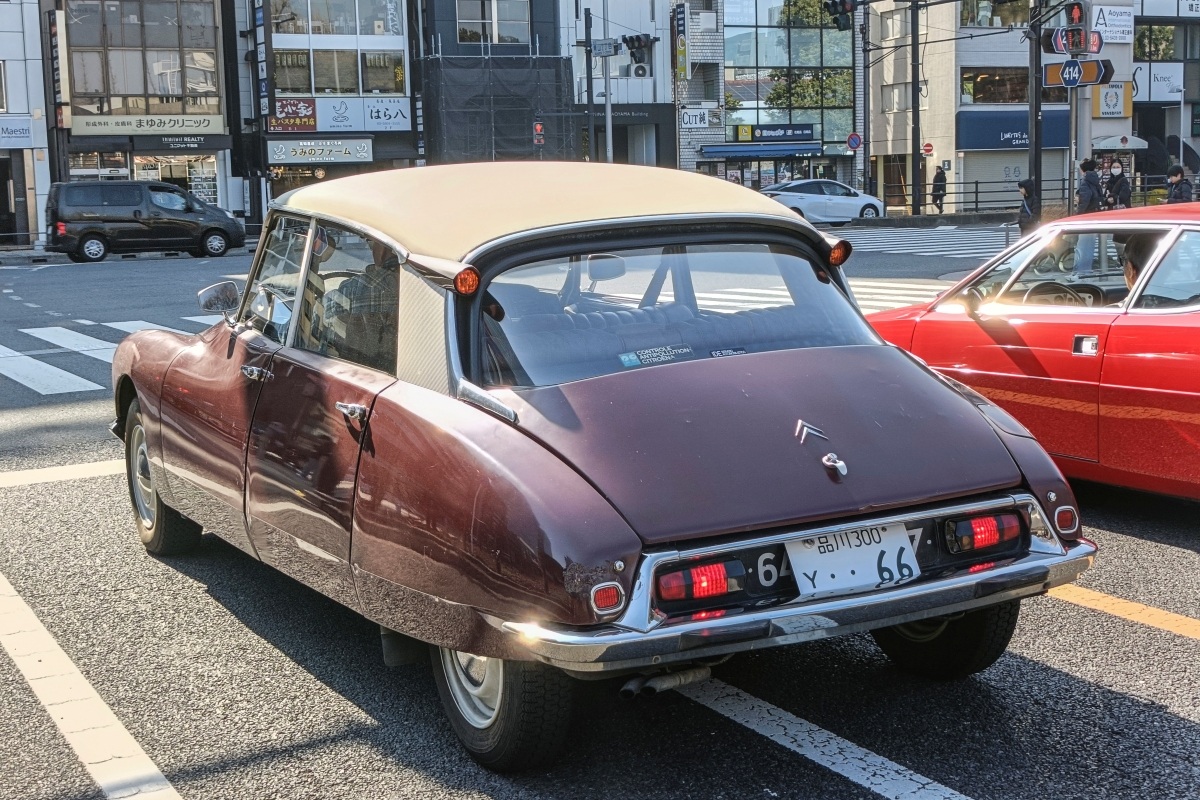
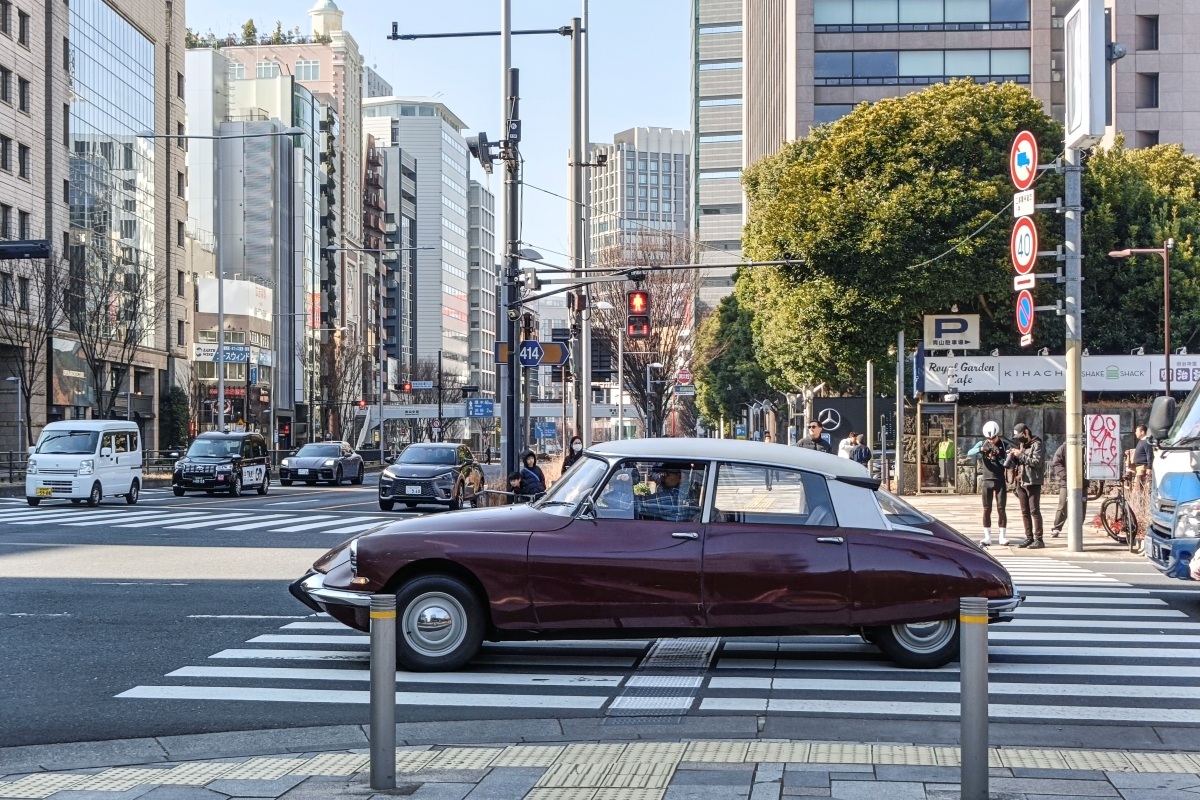
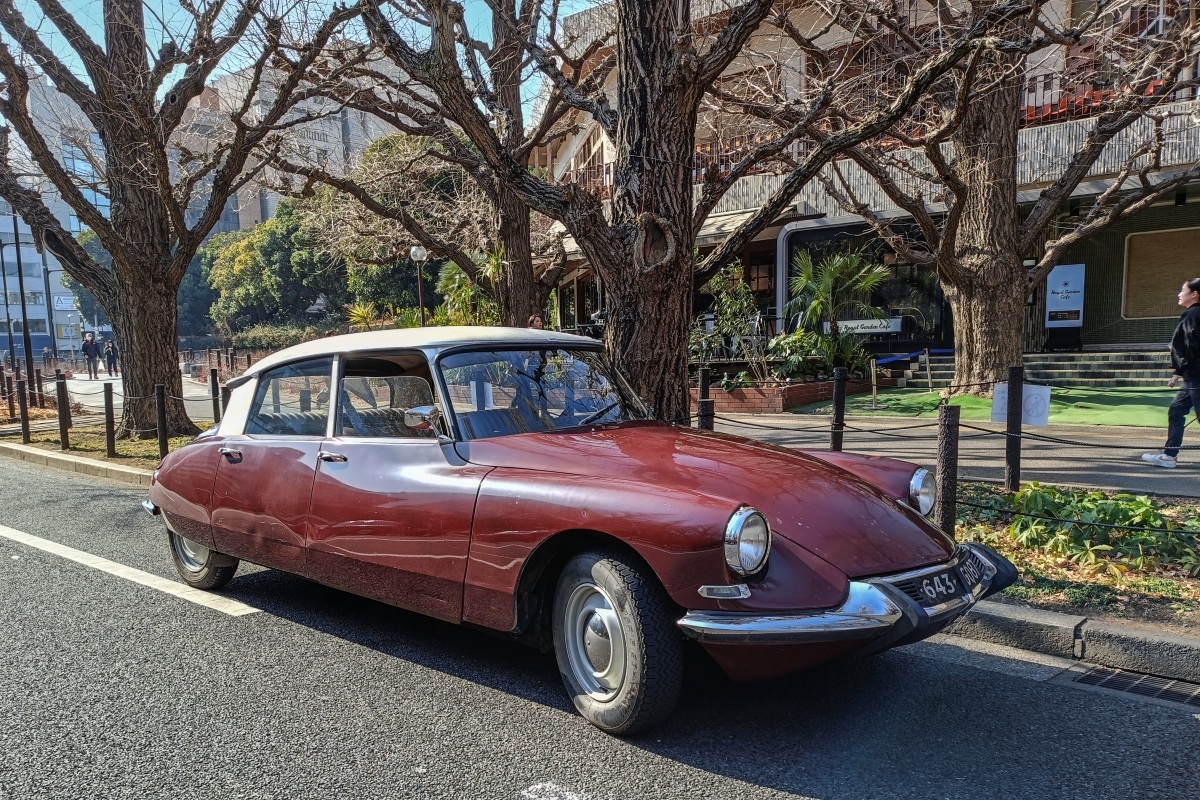
It’s been a minute since we’ve had a visit from the original extraterrestrial Citroën, hasn’t it? There are a few floating around town here, so I do have a few candidates to choose from in my files. I thought this one would be the best to pick for several reasons: it looks fairly original, it has the “old” nose and it’s not a DS, it’s the lower-spec variant, the ID.
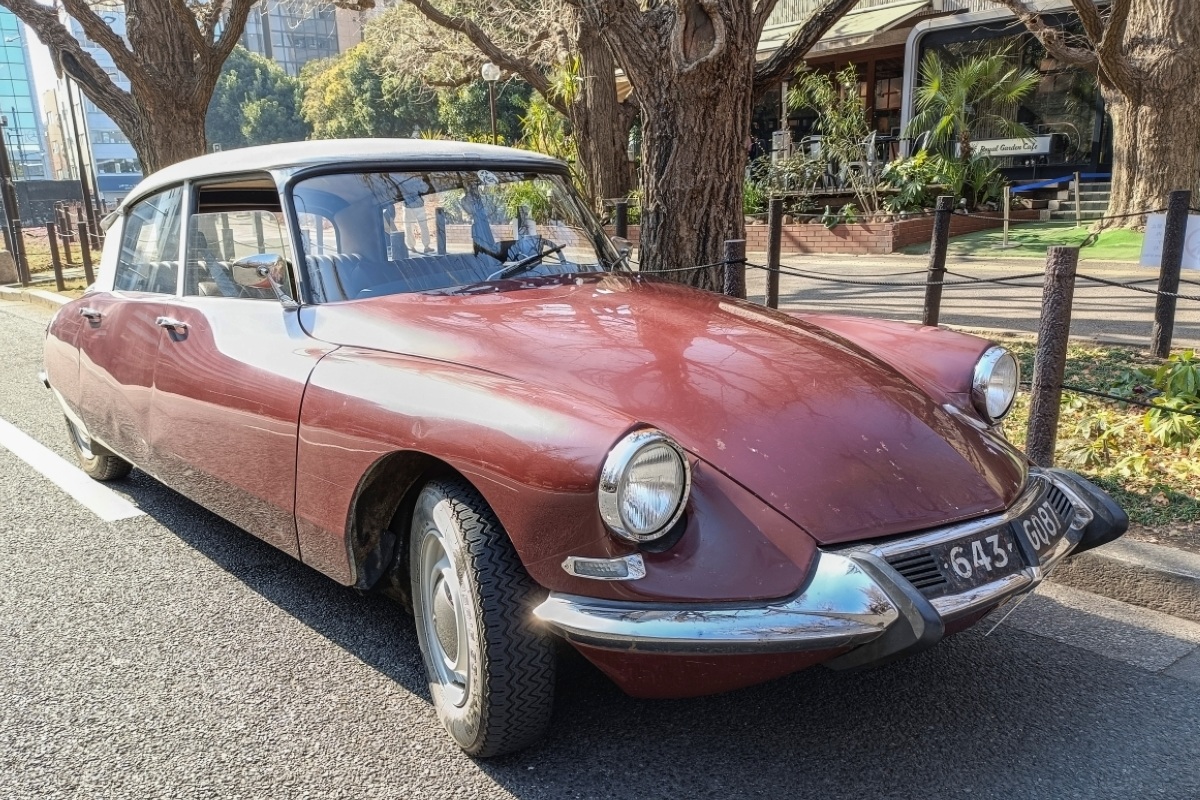
In Europe in general and in France in particular, where the large Citroëns once roamed by the thousands, these were once extremely common. More so than the more expensive and complex DS, for sure. Most have now disappeared, as is the fate of many lower-trim cars, but this chance encounter will help me illustrate the ID’s story, one that deserves to be told.
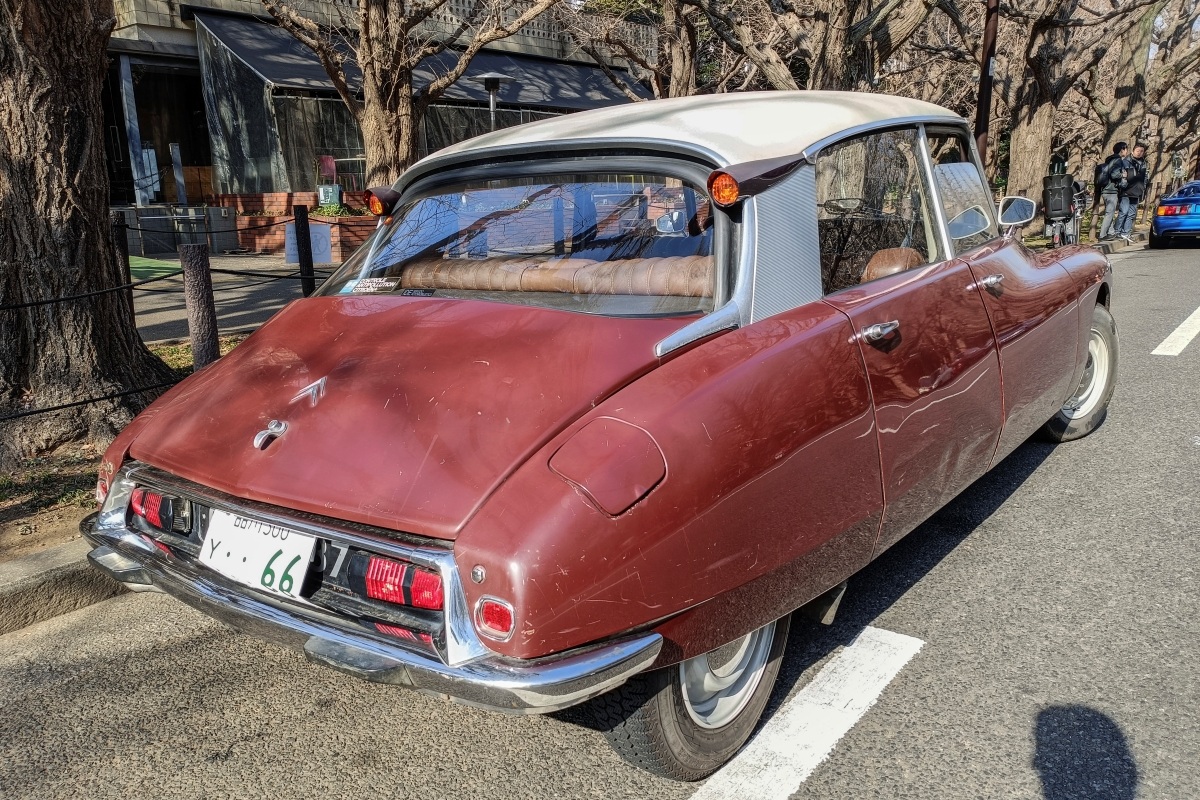
As is well known, “DS” was a sort of pun-acronym. The letters did not stand for anything in particular, but when pronounced, they sounded like the word déesse (goddess). Similarly, “ID” sounds like the word idée (“idea”), perhaps underlining the car’s innovative nature.
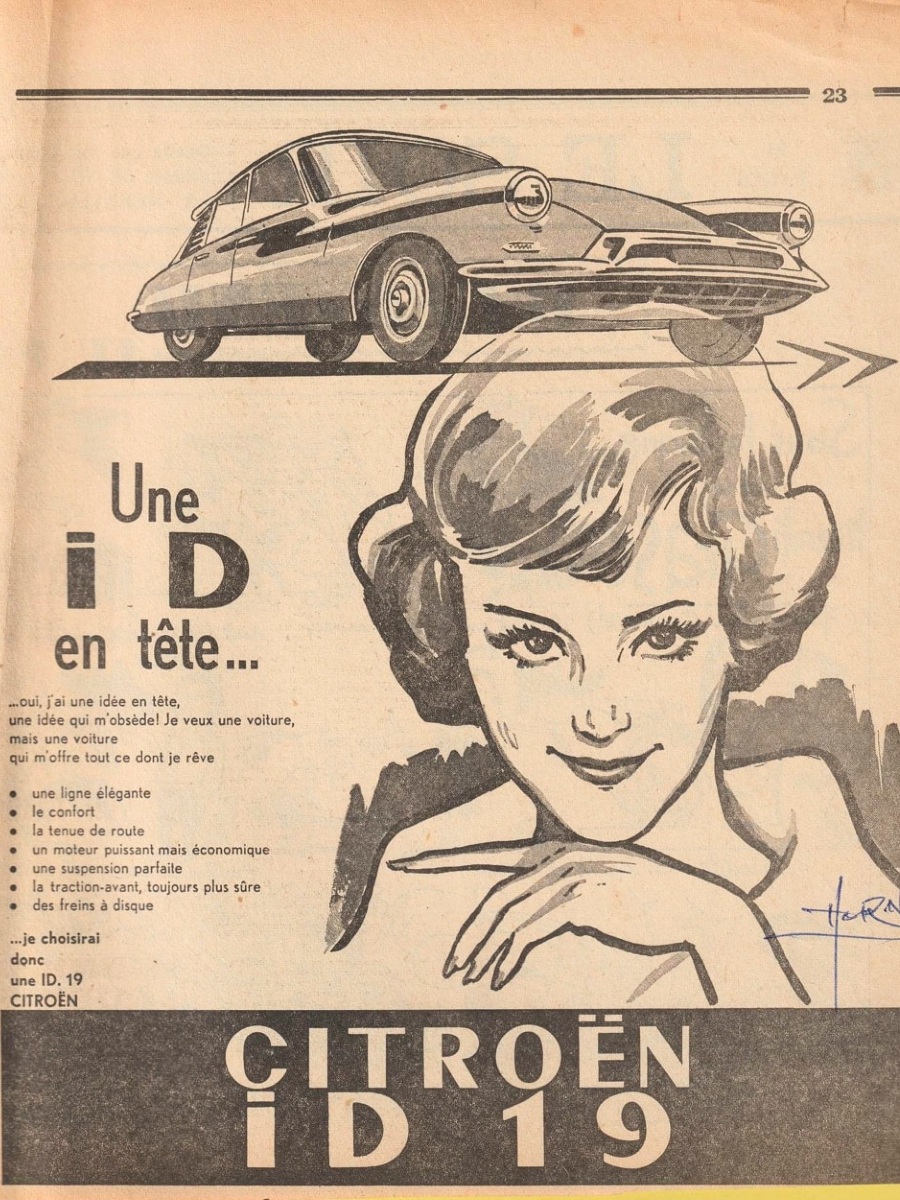
This also led to the following bon mot, which even non-car-obsessed folks like my parents knew: Les DS, on les déshabille pour s’en faire une ID (“You get Ideas by undressing a Goddess”). I don’t think Citroën’s PR department, shrewd though they were, had figured that one out ahead of time, but they took to it very quickly.
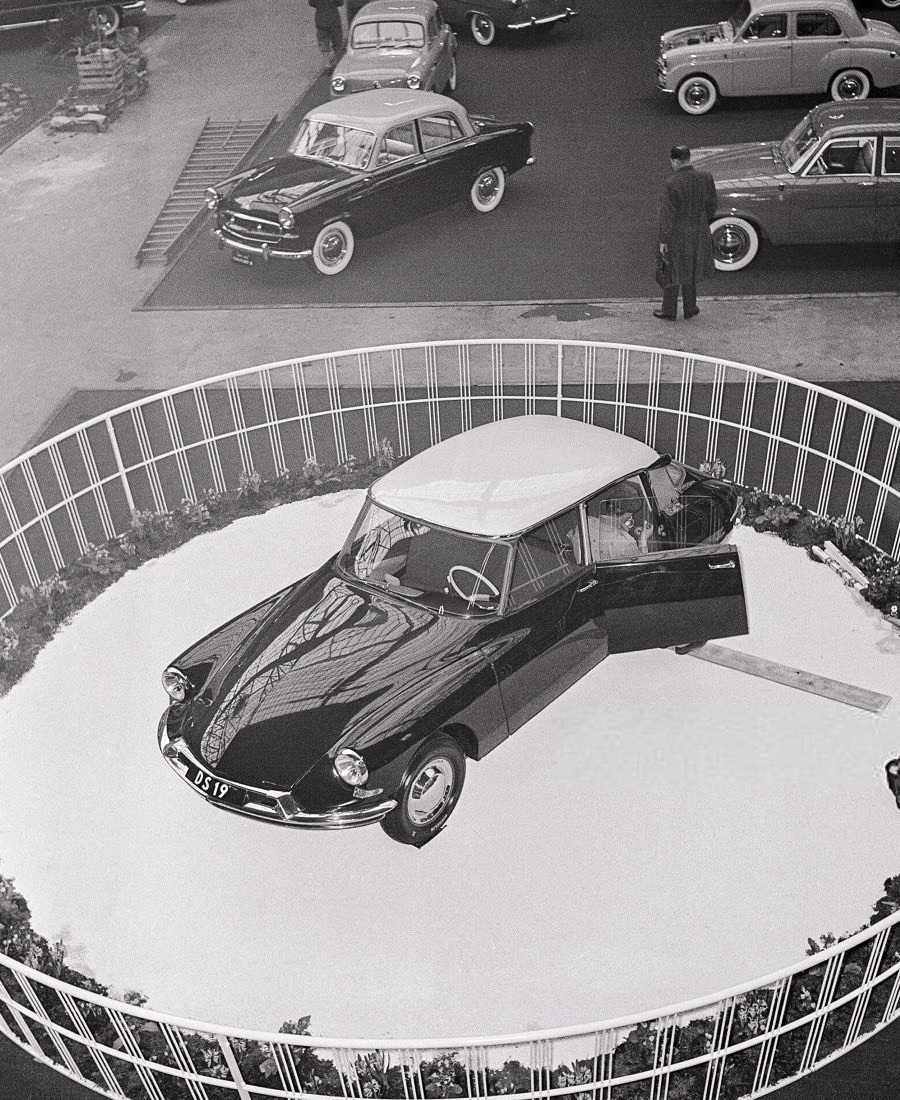
When the DS 19 débuted in late 1955, it had been 21 years since Citroën had launched a brand-new large car. The styling difference between the DS and its predecessor, the Traction Avant, were about as stark as could be, but this was nothing compared to the technological leap that had also taken place. The DS carried over its forebear’s FWD drivetrain (and its 1.9 litre engine), but added a hydropneumatic system that provided all-independent self-levelling suspension, power brakes, power steering and a semi-automatic 4-speed gearbox to the mix.
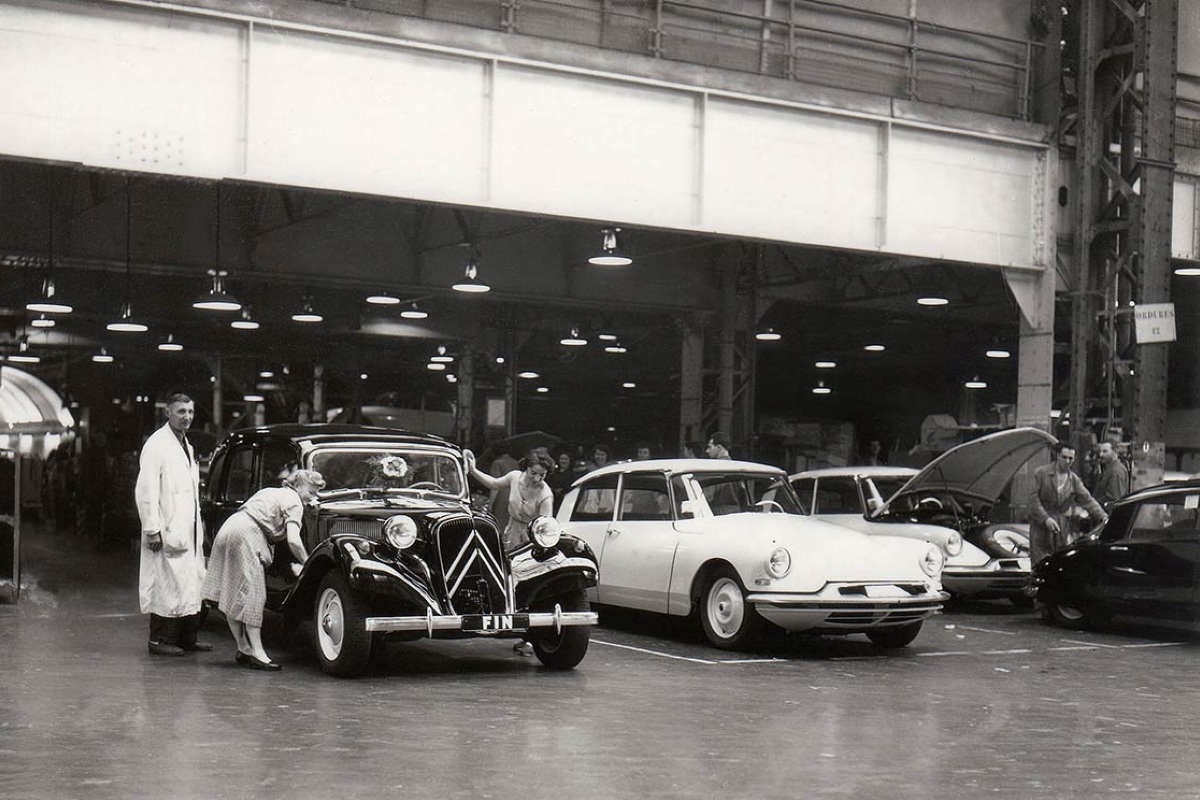
This was a lot of innovation all at once. The old 11CV Traction Avant was kept in the range to ensure folks who didn’t trust the new car could still find something to buy, but ultimately, the old guard had to go. In 1957, the ID 19 was launched, finally allowing the Traction to leave the scene entirely. (Incidentally, both of these cars were styled by the same person, Flaminio Bertoni.)
So what exactly did they take out of the DS to make the ID? It was multiple and across the board, but let’s start with the stuff you could not readily see on the surface. Initially, the idea was to limit the hydropneumatics to the suspension only – this was one area where making a different system would have actually cost a lot more than any purported savings. Gone were the power steering and brakes, and the clutch pedal came back as the gearbox became a standard issue 4-on-the-tree.
The engine was also directly inherited from the Traction Avant, but whereas Citroën had squeezed a few more hp out of the old mill for the DS, it was not tuned up for the ID. This changed a lot over time, and basically the DS would premiere a minor engine improvement that would eventually make its way to the ID, but always with a delay of one or two years. In 1966 for instance, the DS 19 got a new five-bearing crank 84hp 1985cc 4-cyl motor. The ID 19 still made do with the old three-bearing 1911cc engine (now up to 74hp DIN), only switching over to 1985cc the next year, albeit to a version tuned down to 78hp.
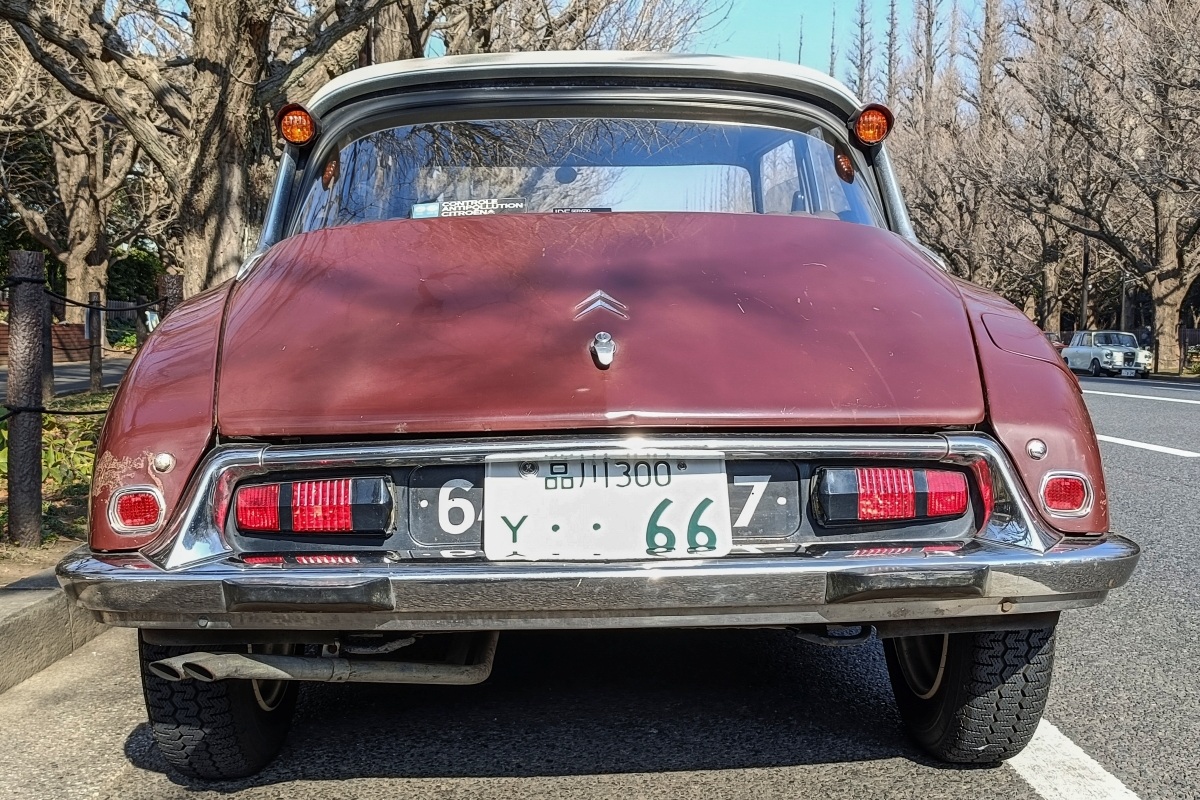
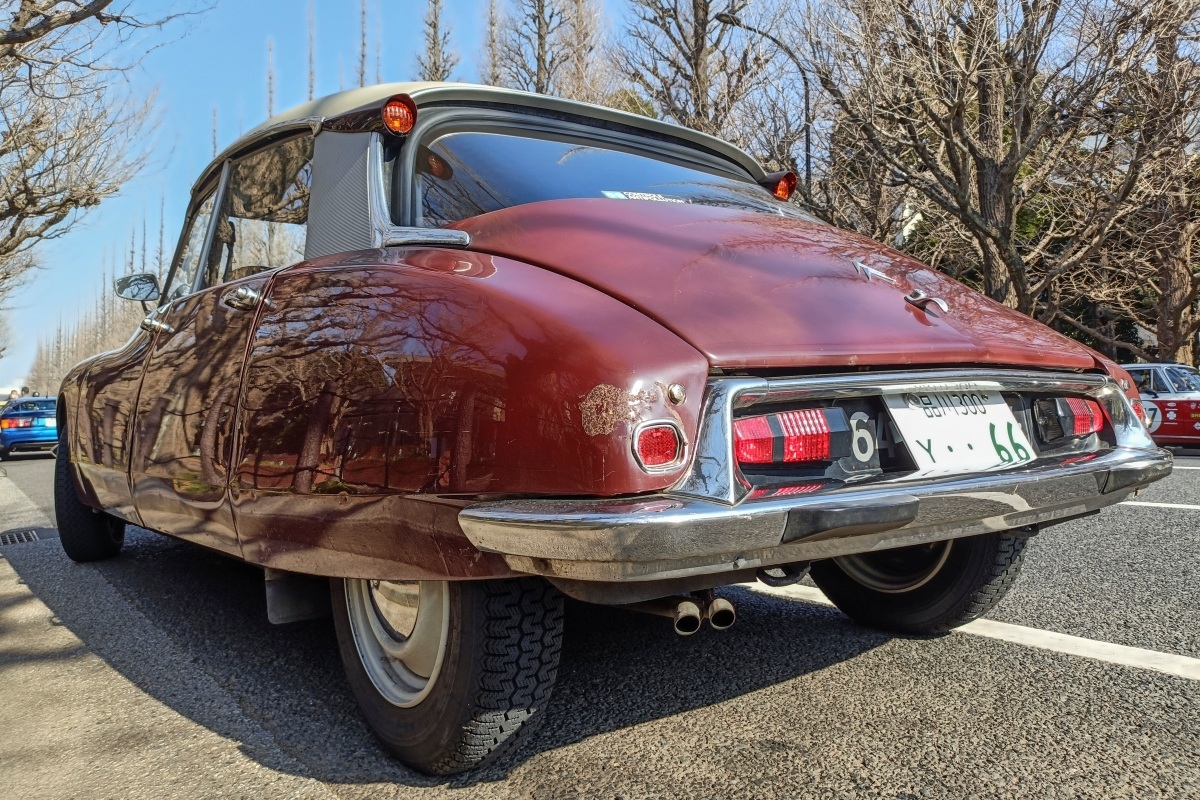
External differences were small, but noticeable if you knew what to look out for. Some early ID 19s in bare-bones trim made it easy by having no hubcaps and painted headlight surrounds, but Citroën soon found that the higher-trim “Confort” version, which had about the same amount of chrome as the basic DS, sold a lot better than the super basic ID “Normale” (less than 400 made in three years), or even the pretty bare-bones “Luxe.” The easiest tell-tale sign is the Citroën double-chevron emblem on the rear: if they’re silver, it’s an ID. If they’re gold, it’s a DS.
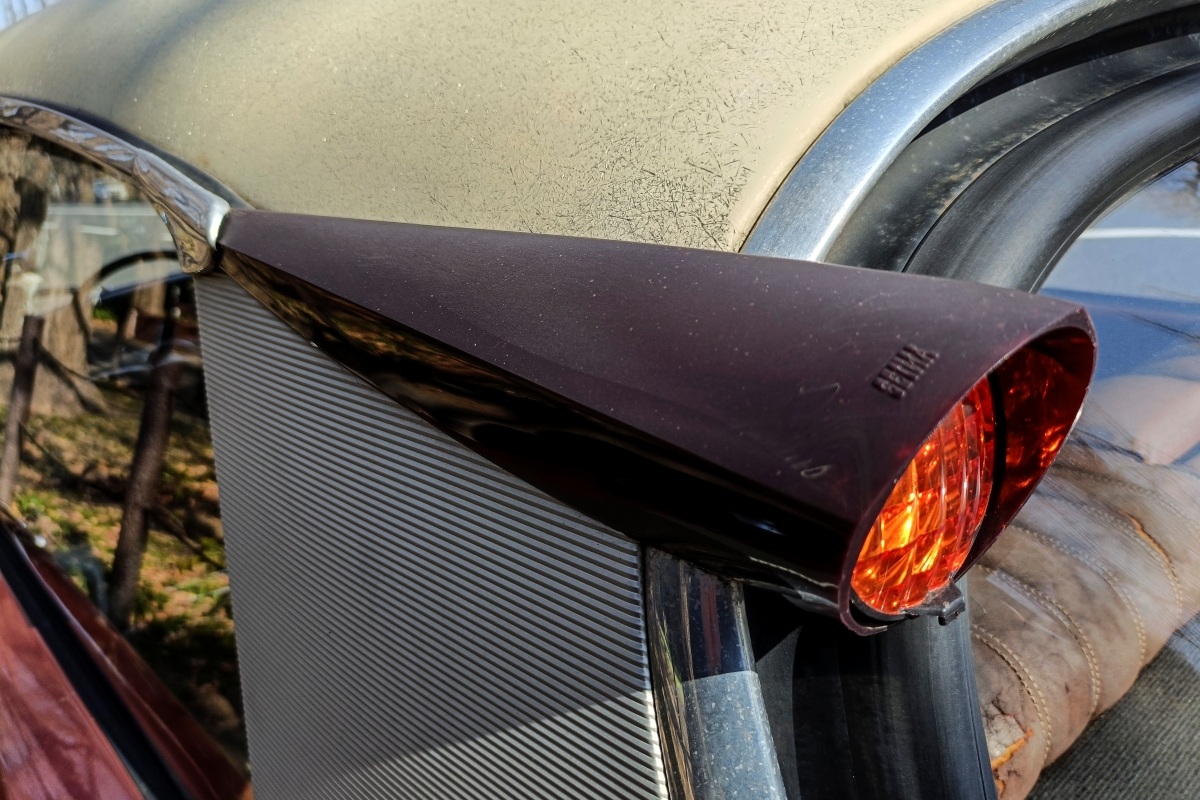
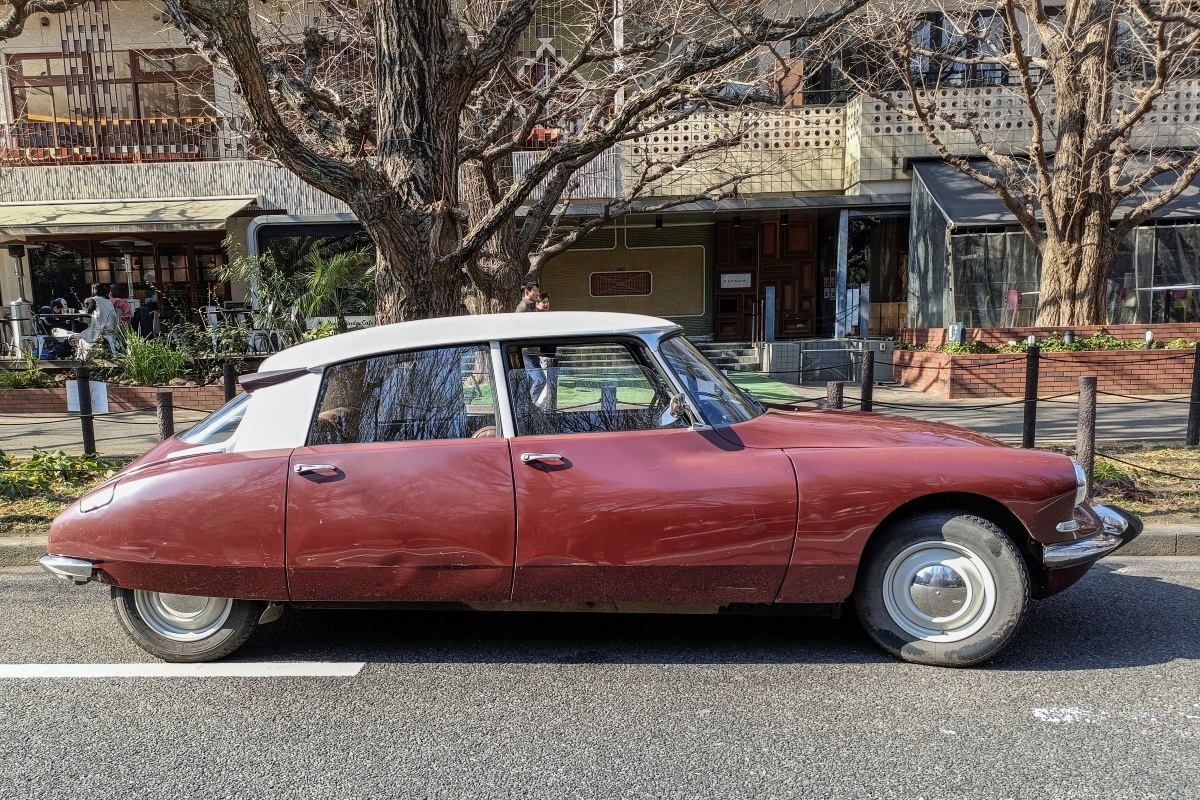
Another significant difference were the C-pillars. IDs initially had plain C-pillar panels in body colour. On the DS, they were metal-coloured with stripes, exactly as they are on our CC, which is wearing the wrong type of C-pillar trim. The dark brown plastic turn signal housing (termed “cornet” in Citro-speak), on the other hand, was a typical ID item. The DS initially had translucid red ones, then got black ones like this for 1959 and went to a better integrated fully chromed tube for 1960 to the very end. The ID kept the black cornets until switching over to fully chromed DS-like ones in 1970.
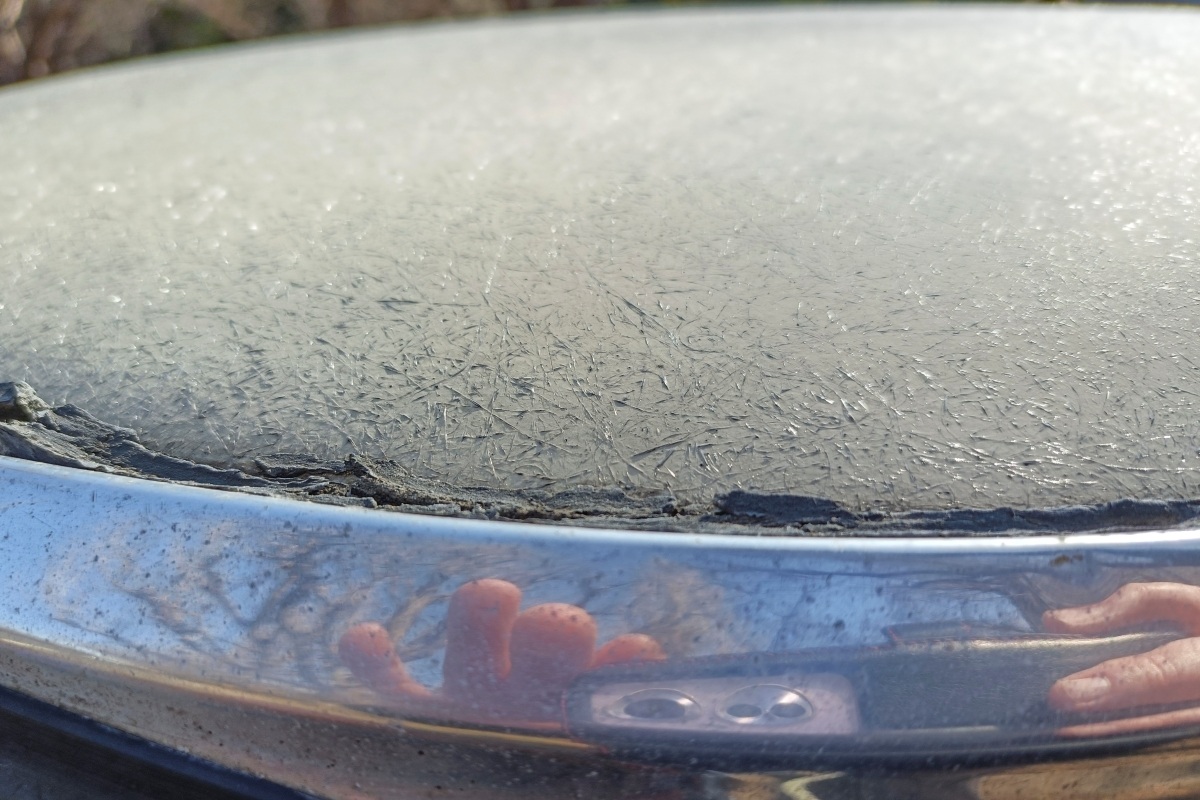
Another noteworthy detail is the roof. On all DSs and IDs since the very start, it was made of a polyester-fiberglass blend. The car’s structure was more than sturdy enough to be made without a roof, so Citroën figured adding a plastic one would help save weight. On the DS, it was always coated in copious amounts of lacquered paint, but on the ID, they just left it as was, which apparently means the interior was naturally bathed in a soft glow on sunny days. From 1961, Citroën gave it a quick once-over in off-white, but did not bother to give it a smooth appearance. You could plainly see the material, as we can tell from this photo. This quirk went away in 1968, when the IDs started getting DS-type fully finished and painted roofs.
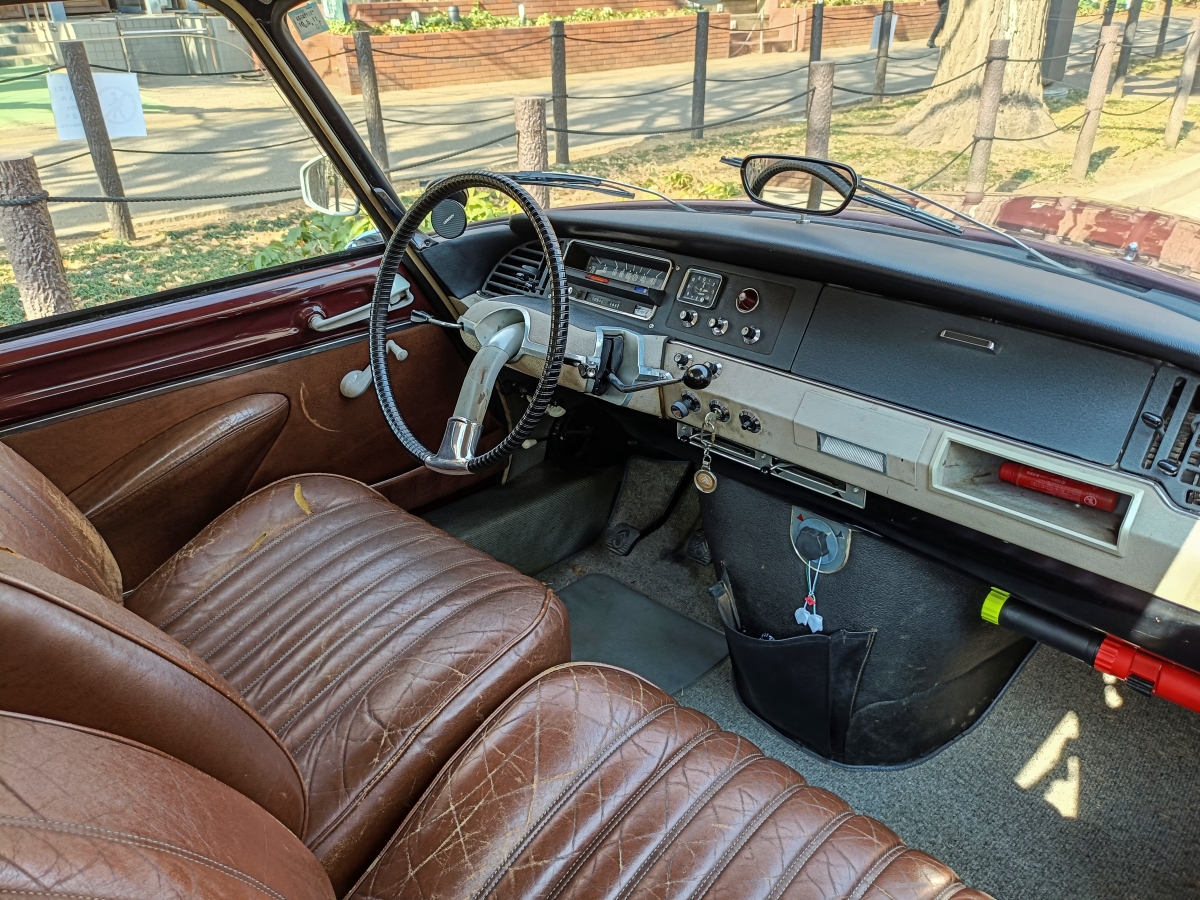
There were also a few tell-tale signs inside, obviously. The presence of a normal brake pedal is a clincher: no DS ever had those, they had a tiny button (or champignon, in Citro-lingo) on the floor. The presence of a clutch pedal is an indication, but not a definitive one: the hydro-assisted gearchange on the DS was the default, but one could order a “full manual” if one so wished.
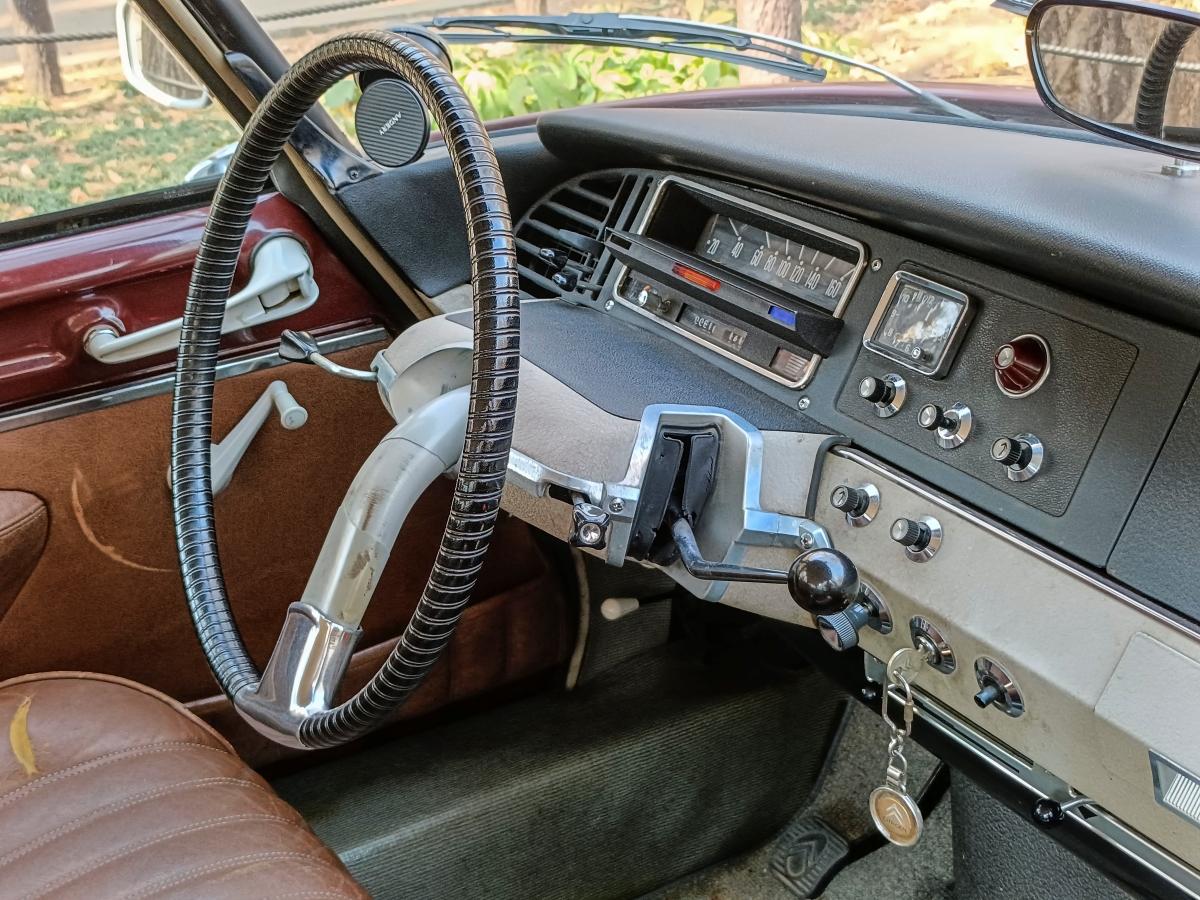
This, by the way, is a beautiful example of the ID’s second dashboard, introduced for MY 1965. There again, this design adapted from the DS, which had a new dash for three MYs (1962-64) until it made its way to the ID, albeit with a simplified layout.
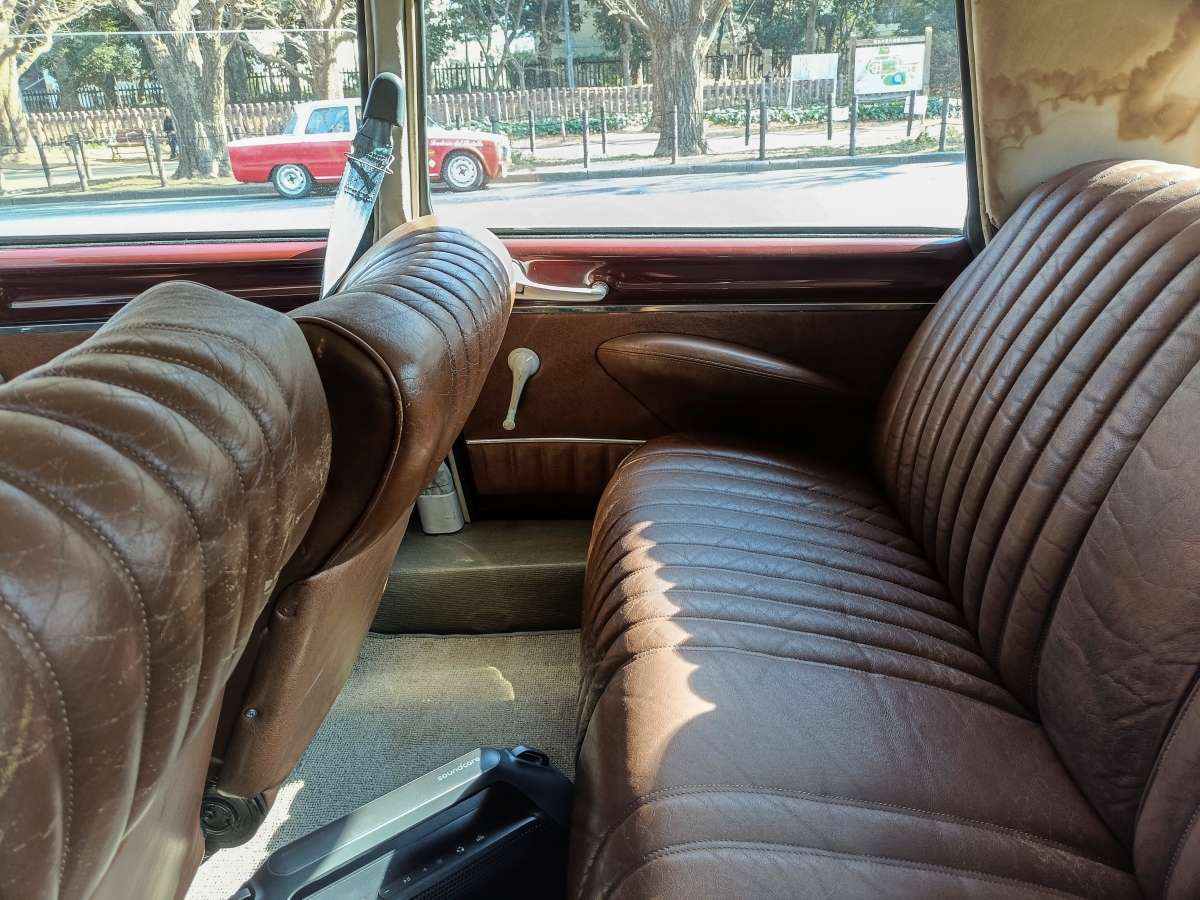
What leaves me a little perplexed is that superb leather upholstery. That was not available on the European-spec ID 19 (Citroëns built in places like the UK marched to a different tune, for this sort of thing), yet it’s here. I suppose someone could have taken the seats and door cards off a full-loaded DS Pallas to make this ID look a little swankier – not that hard to do, really.
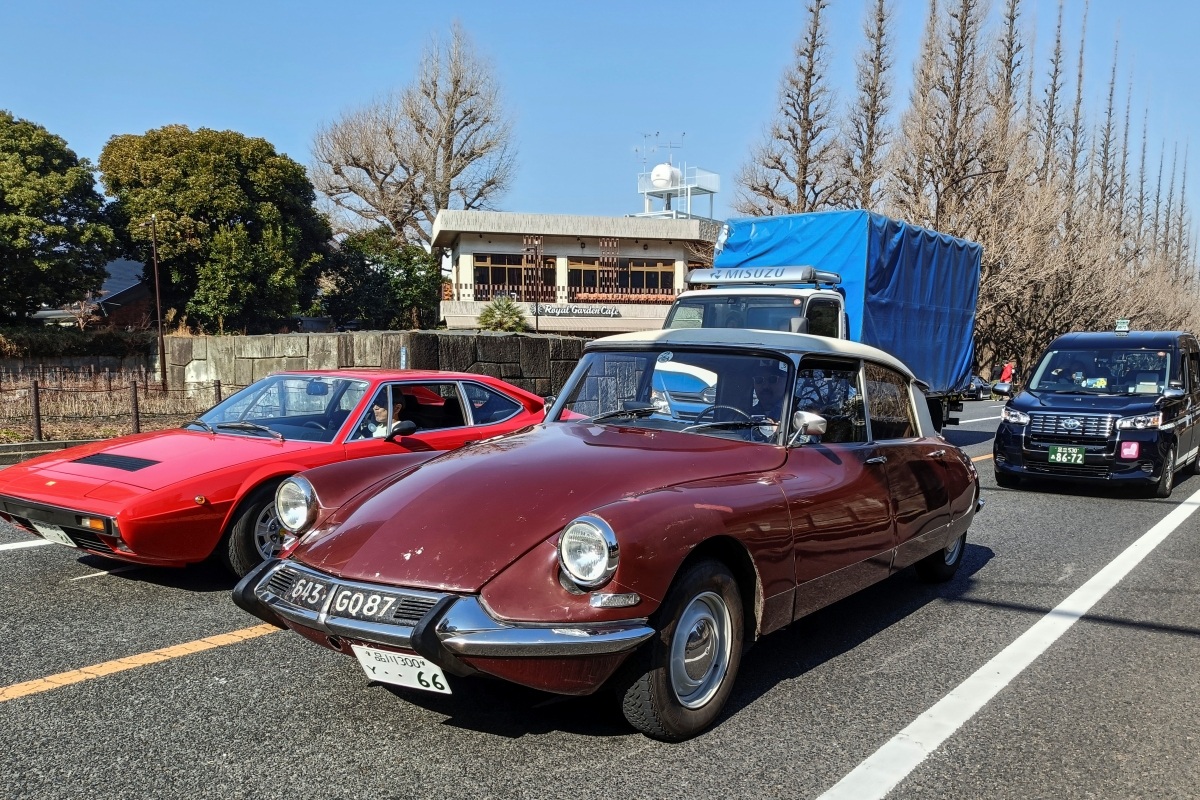
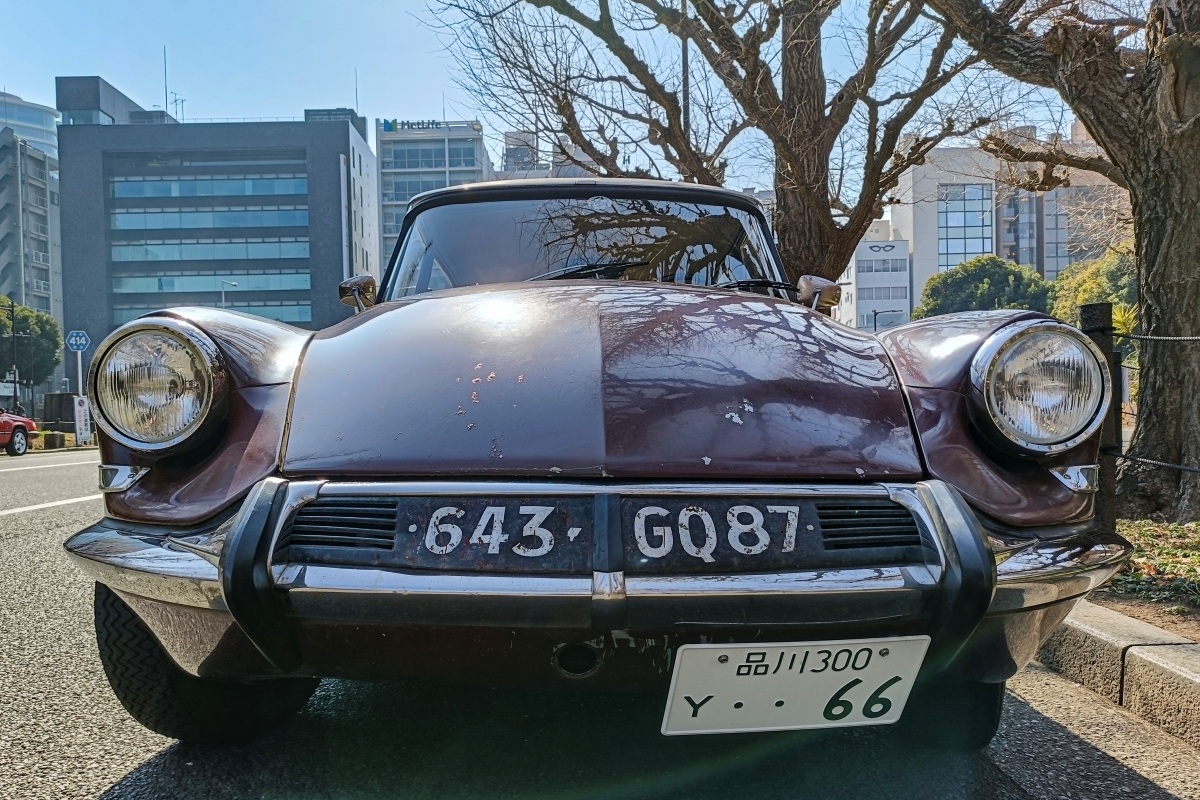
What is a little more perplexing still is this car’s colour. It’s a bitch to identify colours in general, as it really depends on light conditions. In 1966, the only hue remotely approaching this dark red was the rouge coraline. Problem: it was only available on the DS, not the ID.
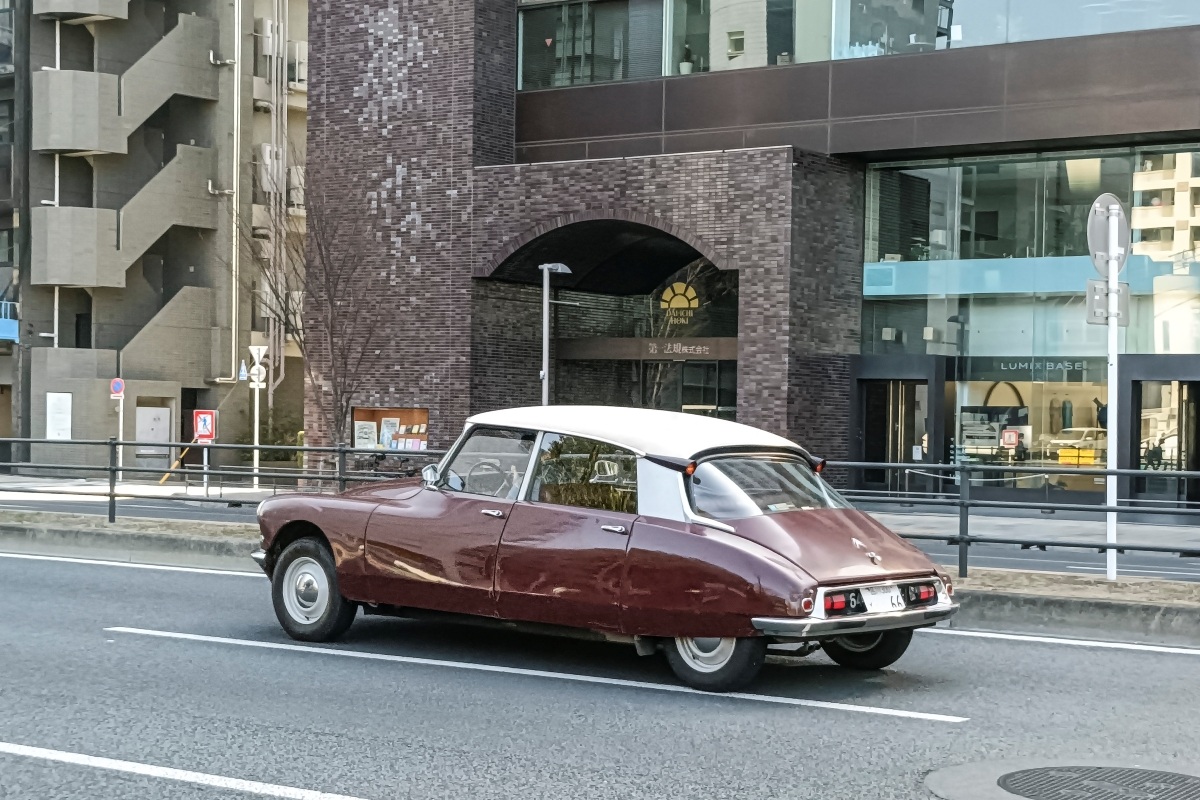
That particular shade of red is said to be extremely different depending on lighting, camera and screen settings. But then, in 1967, Citroën added a Bordeaux red to their colour chart, and you could get it on both the ID and DS. In this photo, for instance, it’s about as Bordeaux as it gets outside of a barrel of wine.
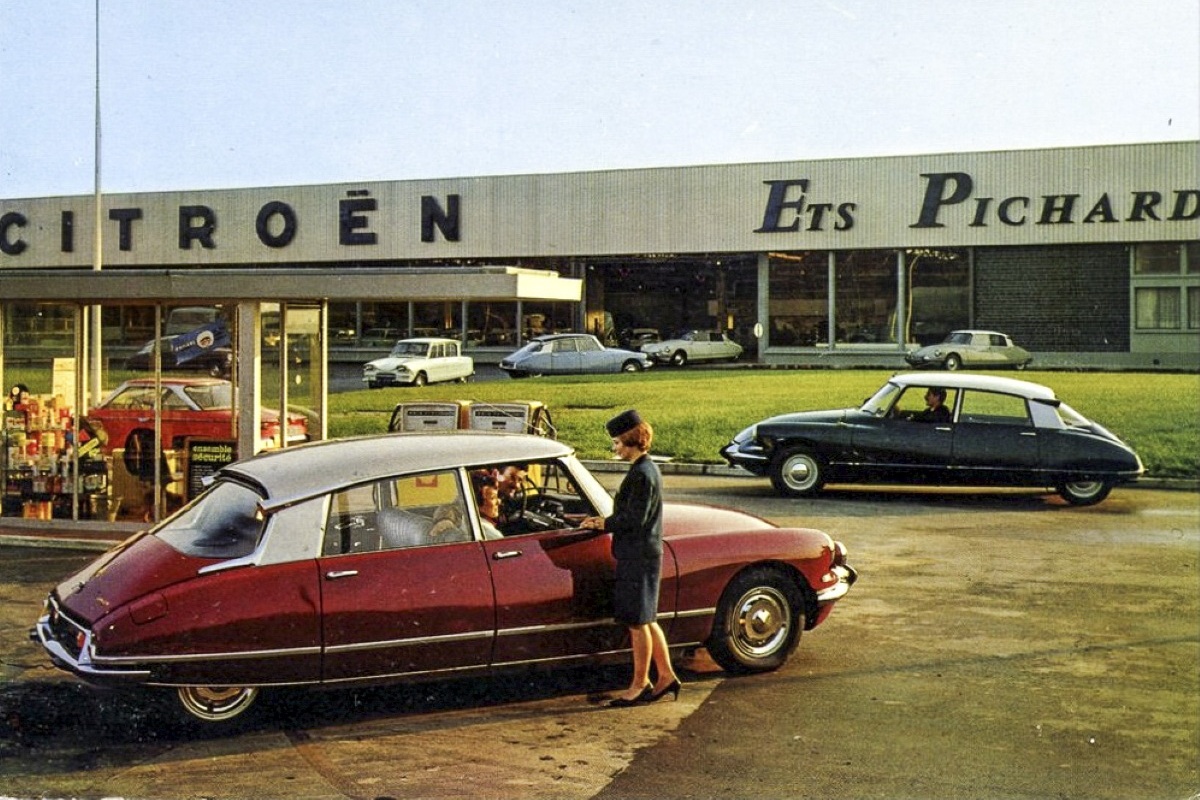
Our CC could be an early 1967 car (made in the summer / fall of ’66), with the “66” number plate indicating calendar year instead of model year. Or it could have been repainted early in its life, for whatever reason… Sure looks close to what they called “Bordeaux” in 1967, though.
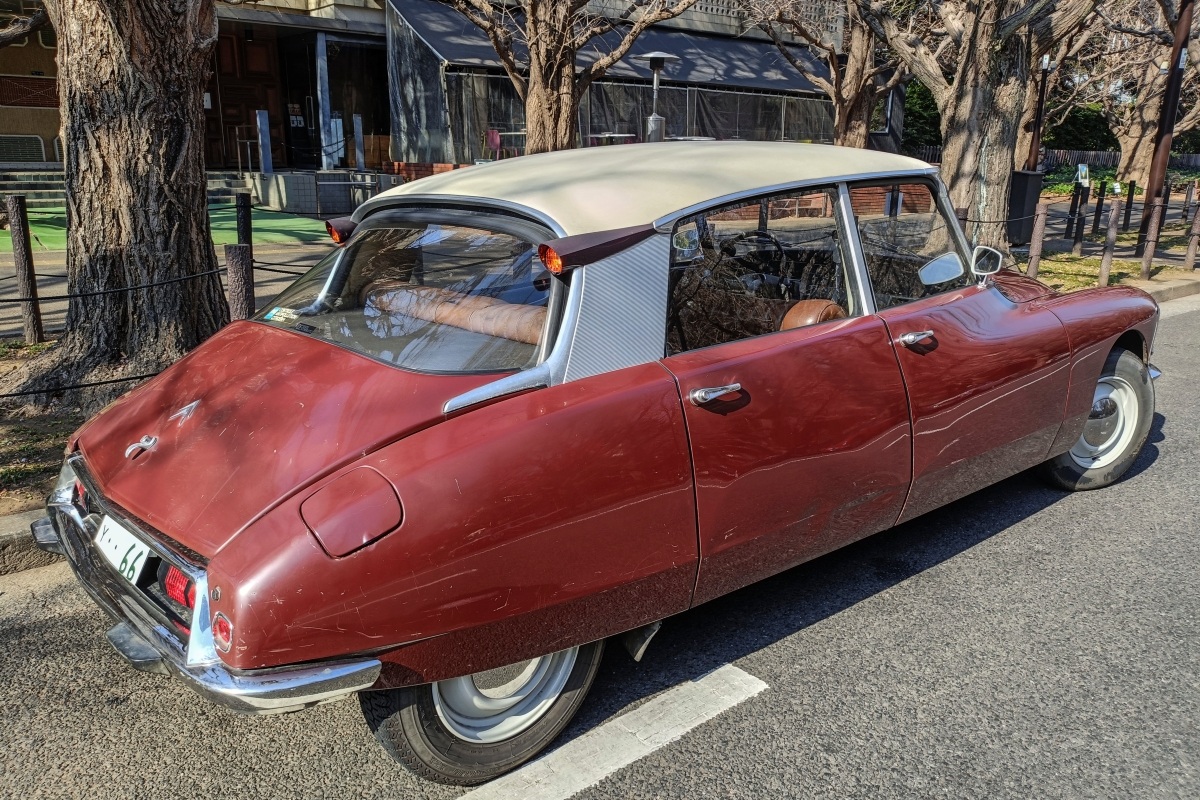
It may seem more than a little nitpicky, but that paint job looked completely original and the difference between a 1966 and a 1967 ID 19 is not inconsequential, as the ’66 was the final showing of the 1911cc engine (first seen on a Citroën back in 1934) in a passenger car. They kept making them for the H-van, though – right through to 1981. Citroën just weren’t keen on letting go.
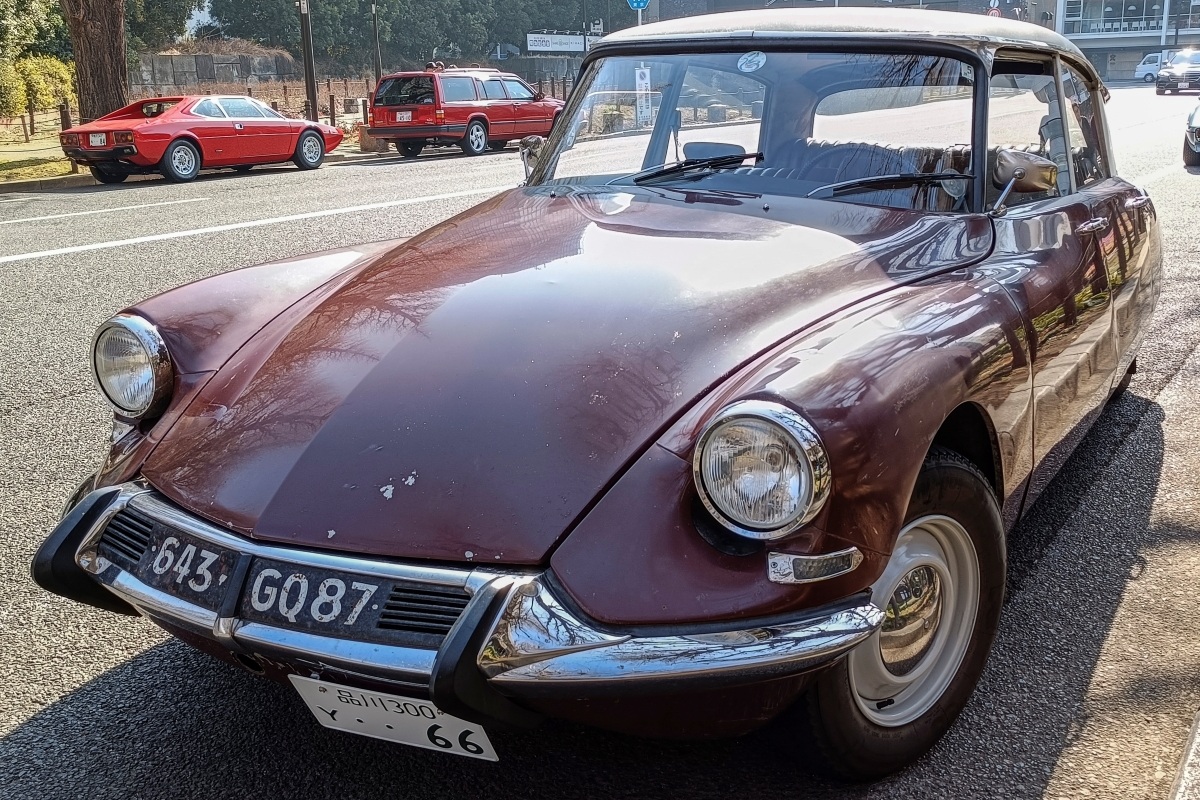
No matter what the exact MY, by that point in time, the ID 19 was getting on a bit – it had been around since 1957. And yet it still had about a decade of lifespan to look forward to. Such a long production run is uncommon, but it also affords us the occasion to ponder on the car’s rivals mid-way through its lengthy career.
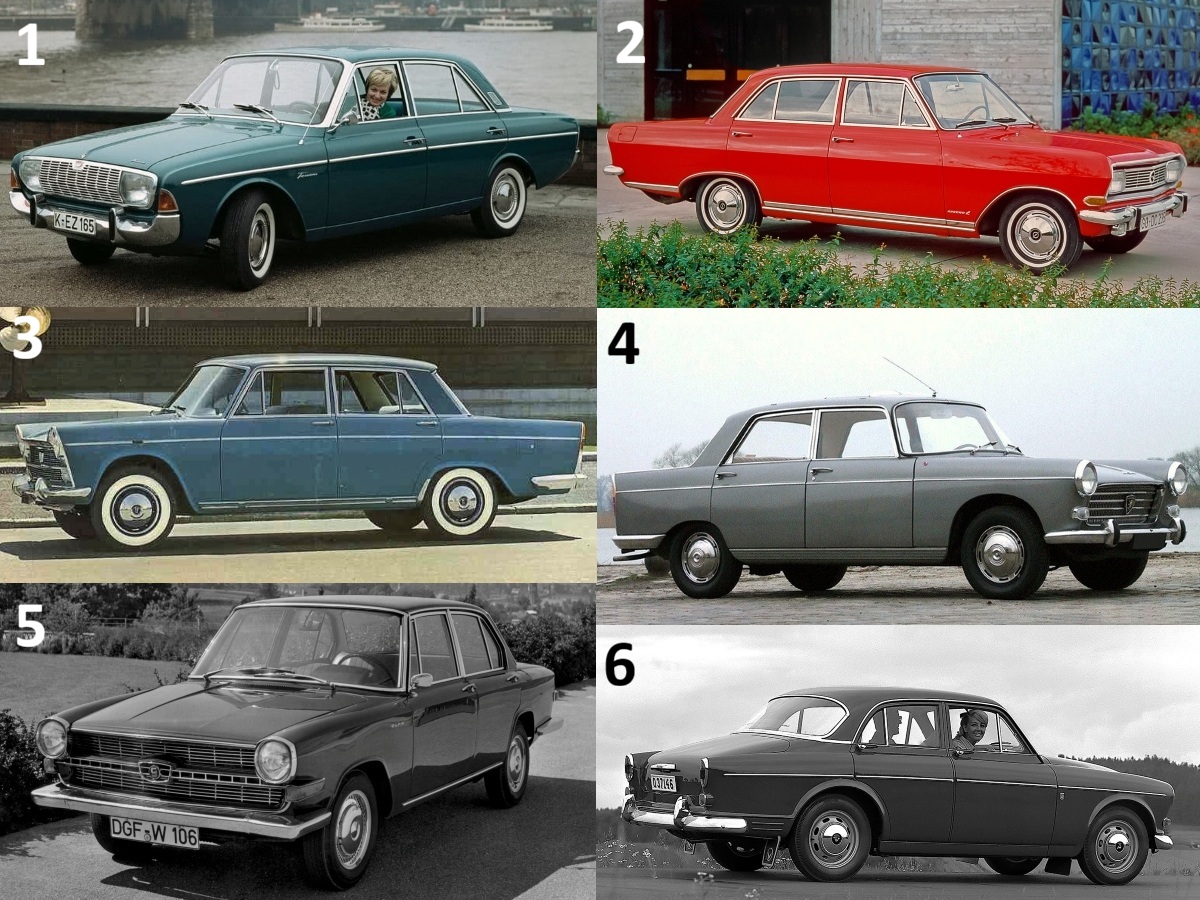
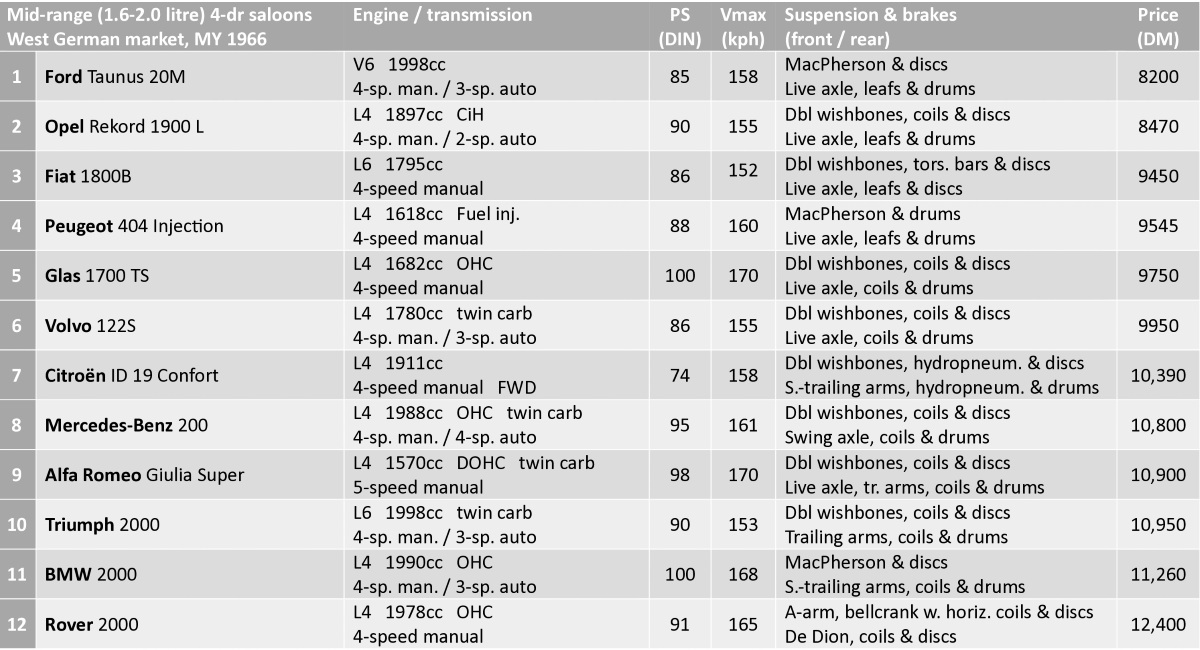
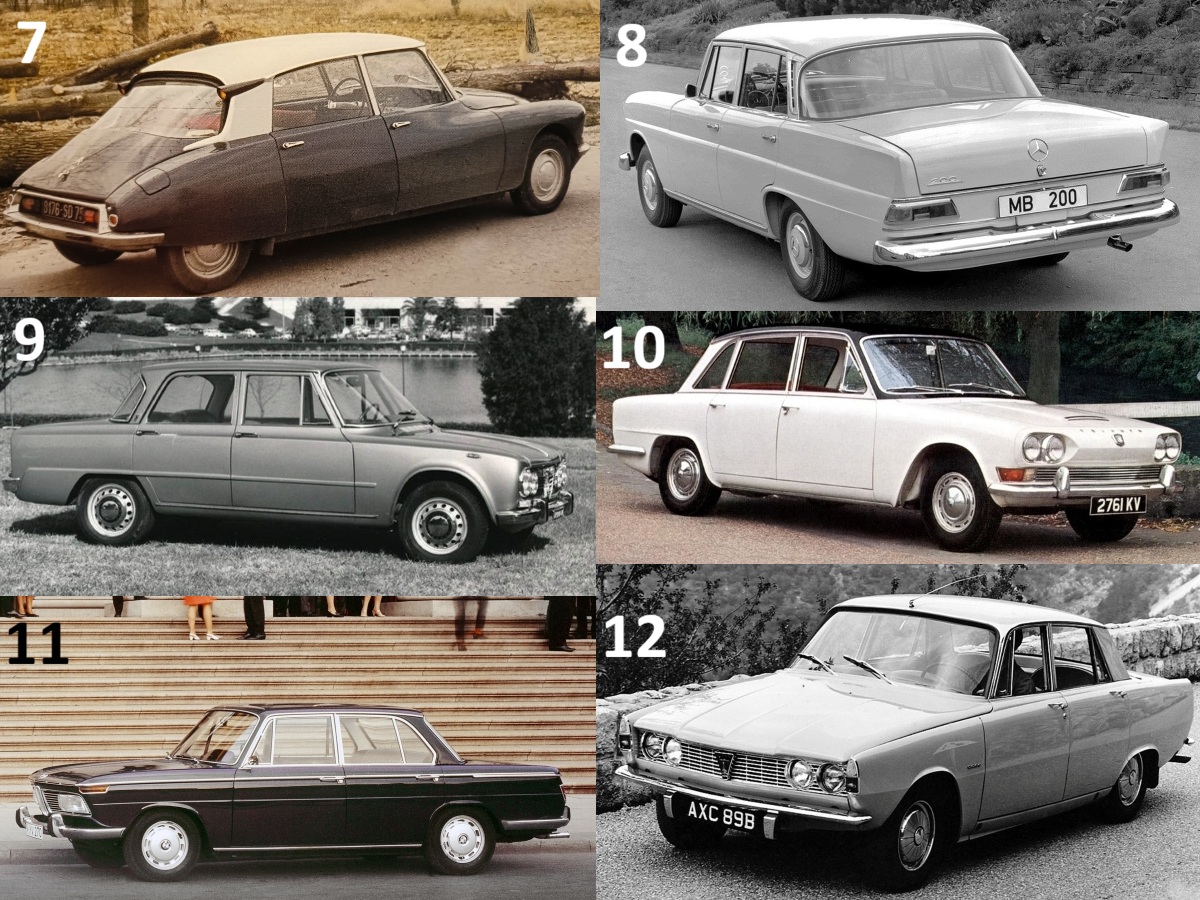
I figured we should take a look at the ID 19 outside of its domestic comfort zone. Across the Rhine, the competition in this segment was especially fierce. The Citroën’s weak engine was somewhat offset by its aerodynamics, but it was especially competent in space utilization, suspension and styling: it’s the oldest design in this table, yet it looks the most modern – or certainly the most advanced. A couple thousand extra Deutschmarks would get you the more powerful DS 19, and a few hundred on top of that would be required for the new DS 21 (2175cc, 100hp).
Not that one can be immune to the undeniable charms of the Glas 1700, the Rover P6 or the Alfa Giulia (to say nothing of the Peugeot 404), but by making a car so advanced and otherworldly that hardly anyone would ever dare follow in their footsteps, Citroën created something that was more of a cult than a car. You either fell victim to it hook, line and sinker, or you remained aloof in your Fintail Benz.
Last summer, I rode in a DS for the first time ever. I must say I came away impressed. It actually was as comfortable as they claimed, and neither as noisy nor underpowered as I feared (it was a DS 21). I’m still on the fence about certain aspects of the car, such as how convulsive the suspension can be or the way it looks from some angles.
But 1.4 million ID/DS owners were able to overlook whatever defects these had and signed the dotted line. Incidentally, about 850k of those were IDs (re-christened as DSuper / DSpéciale in 1970), so a slim majority preferred their engines a little less stressed, their champignons untrodden and their chevrons in silver.
Related posts:
Curbside Classic: Citroën ID – The Goddess Storms The Bastille Of Convention, by Roger Carr
Curbside Classics: Citroën DS’s and ID Breaks – Four Goddesses Descend On Eugene, by PN
CC Twofer: 1970 Citroën DS 21 & 1974 Citroën DS 23 – The Goddess Is In The Details, by T87
CC Global Outtakes: Citroen DS Cabrio and Sedan Lorraine Spotted Together – A Chapron Convention, by PN
CC Outtake: Citroën DS Cabriolet – Spotted in Southfield, Michigan,, by OrangeChallenger
Curbside Sob Story: The Saddest Citroen DS-21 Ever, by PN
Vintage Snapshots: A ’65 Citroën DS Wagon Across The US In The 1960s, by Rich Baron























I recall reading that Citroen named this car the ID19 because it was the idea of the DS despoiled, or Idée Dépouillée. I saw a number of these cars when I was five years old in Rome, although I couldn’t tell you if they were DS or ID models. The lights on the C-pillars made a big impression on me. I had a toy one, but unfortunately, it was a convertible without the cool roofline.