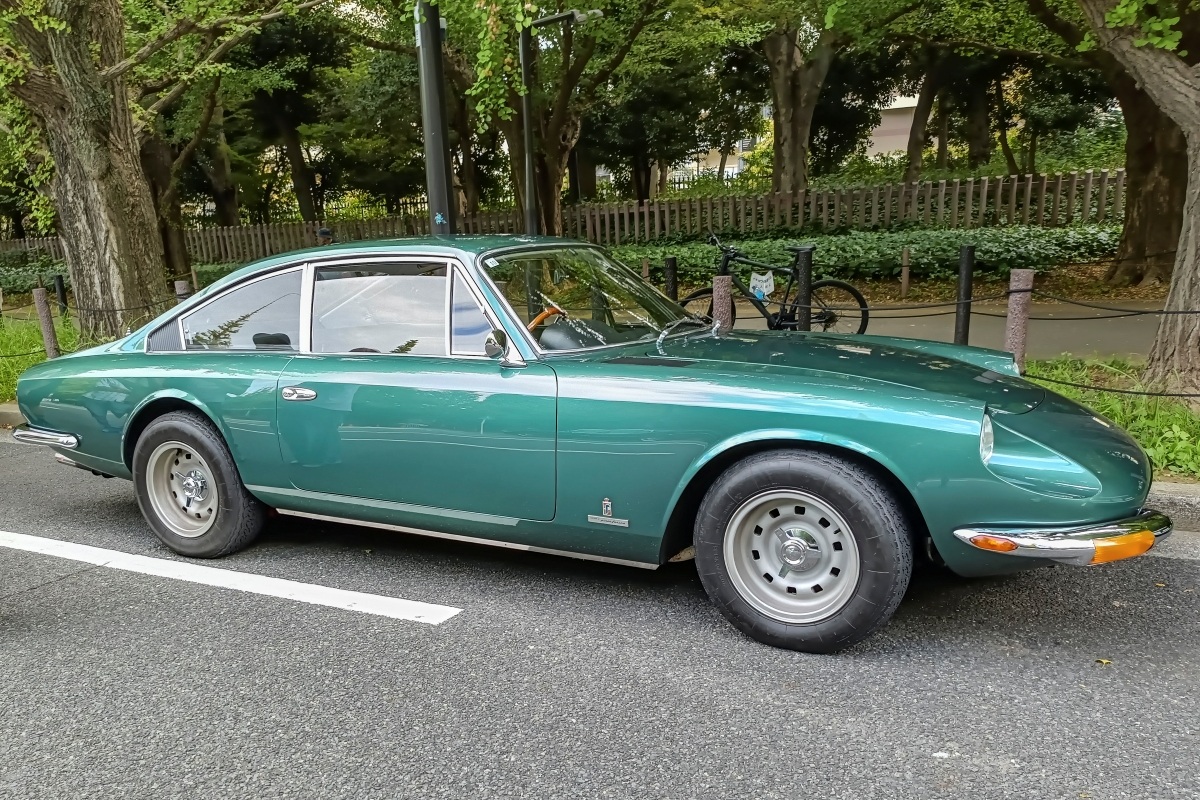
I see a lot of Ferraris around Tokyo. It’s a habitual hazard that I’ve come to begrudgingly accept. The great majority are 21st Century ones, naturally, but older ones from the ‘70s-‘90s do crop up on occasion. Quite a few 308 / 328s, Testarossas, F355s, the odd Mondial. Anything older is very rare. All these Ferraris, especially the ‘80s ones, are rather compact, too. Then came this gigantic green goddess.
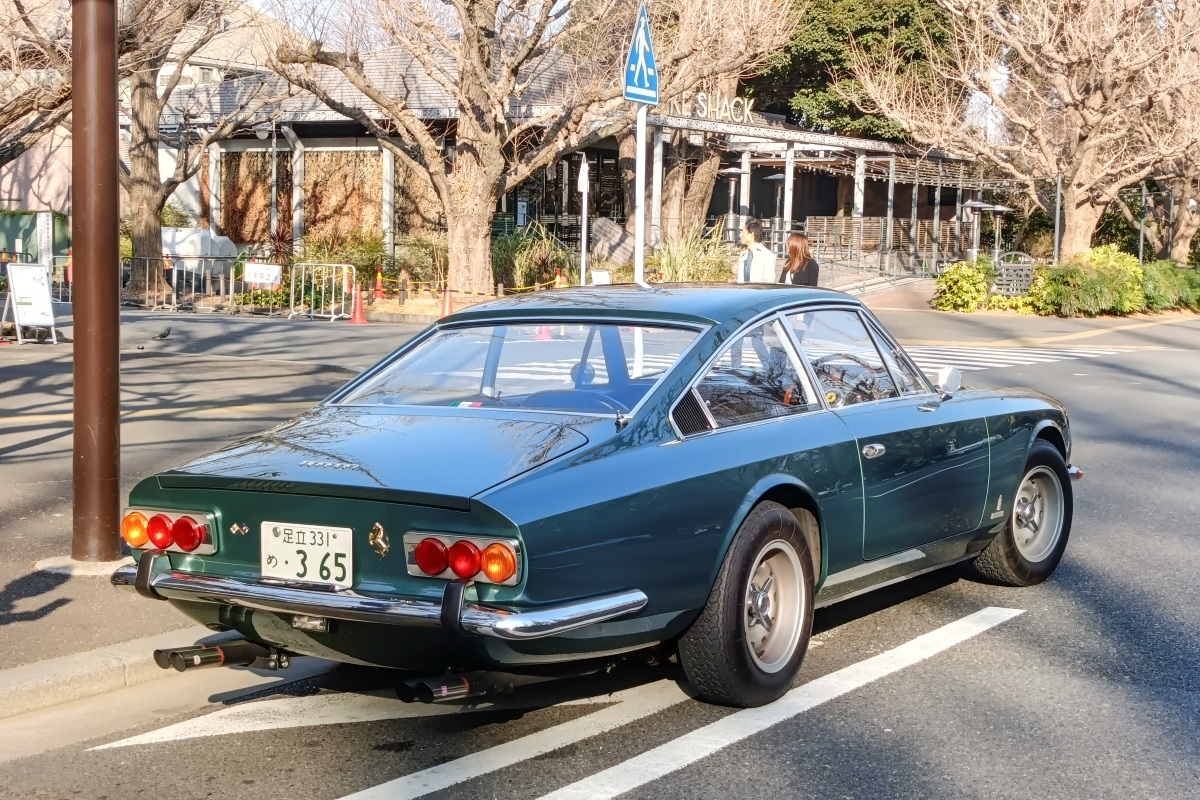
It was a 365, for sure. Said so on the license plate, didn’t it? But which kind of 365 would this be? Although far from my specialty subject, I did have an inkling that there were several models called 365. Then I did a little digging and realized it’s more like one of those annoying families where they recycle the same couple of first names for generations.
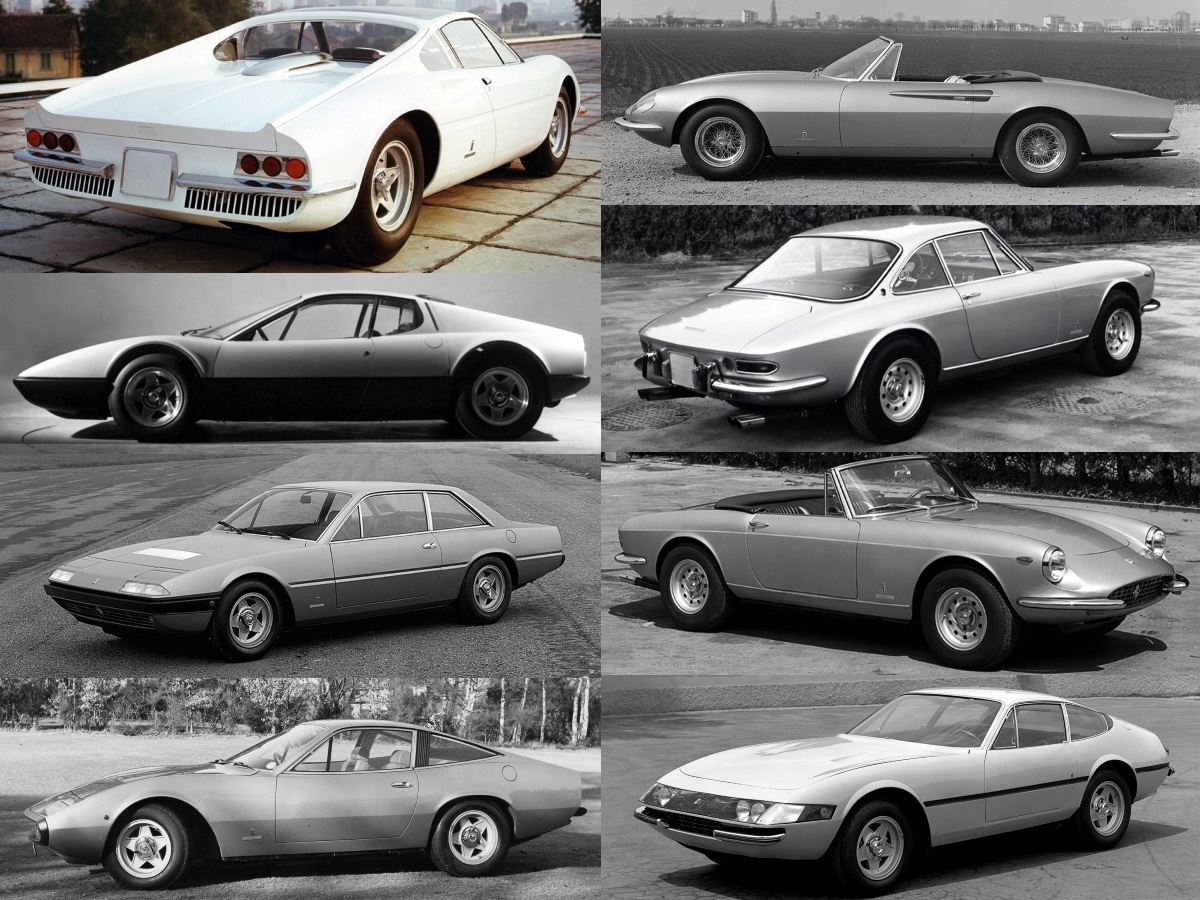
Here are the other Ferraris that used the 365 number. It’s a habitual hazard when your naming system is dependent on the displacement of one cylinder off a 4.4 litre V12. For a good decade, between 1966 and 1976, the Columbo V12 had grown to 4390cc and, coincidentally, Ferrari launched a new 180-degree 12-cyl. engine that also displaced 4390cc, so even the first Berlinetta boxer was a 365.
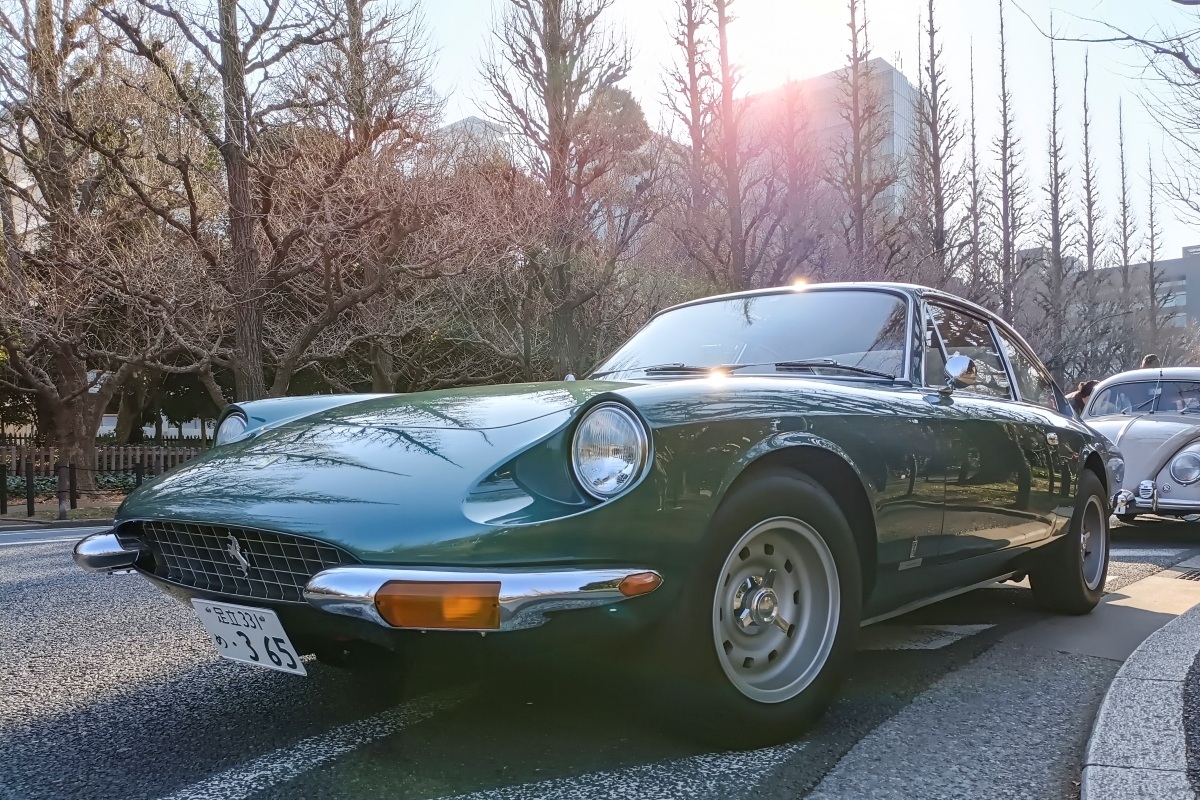
Where is our 365 in the middle of all this? Near the beginning, obviously, as it still has non-hidden headlights. The 365 GT 2+2 debuted at the Paris Motor Show in October 1967, replacing the 330 GT 2+2 as the marque’s larger four-seater model.
Times were changing, even in Modena: this was the first big Ferrari with independent rear suspension – by way of unequal wishbone and coils, as well as Koni self-levelling hydropneumatics struts. A big step forward for Ferrari, and not one that was followed by the likes of Maserati, Aston Martin or Monteverdi until several years later.
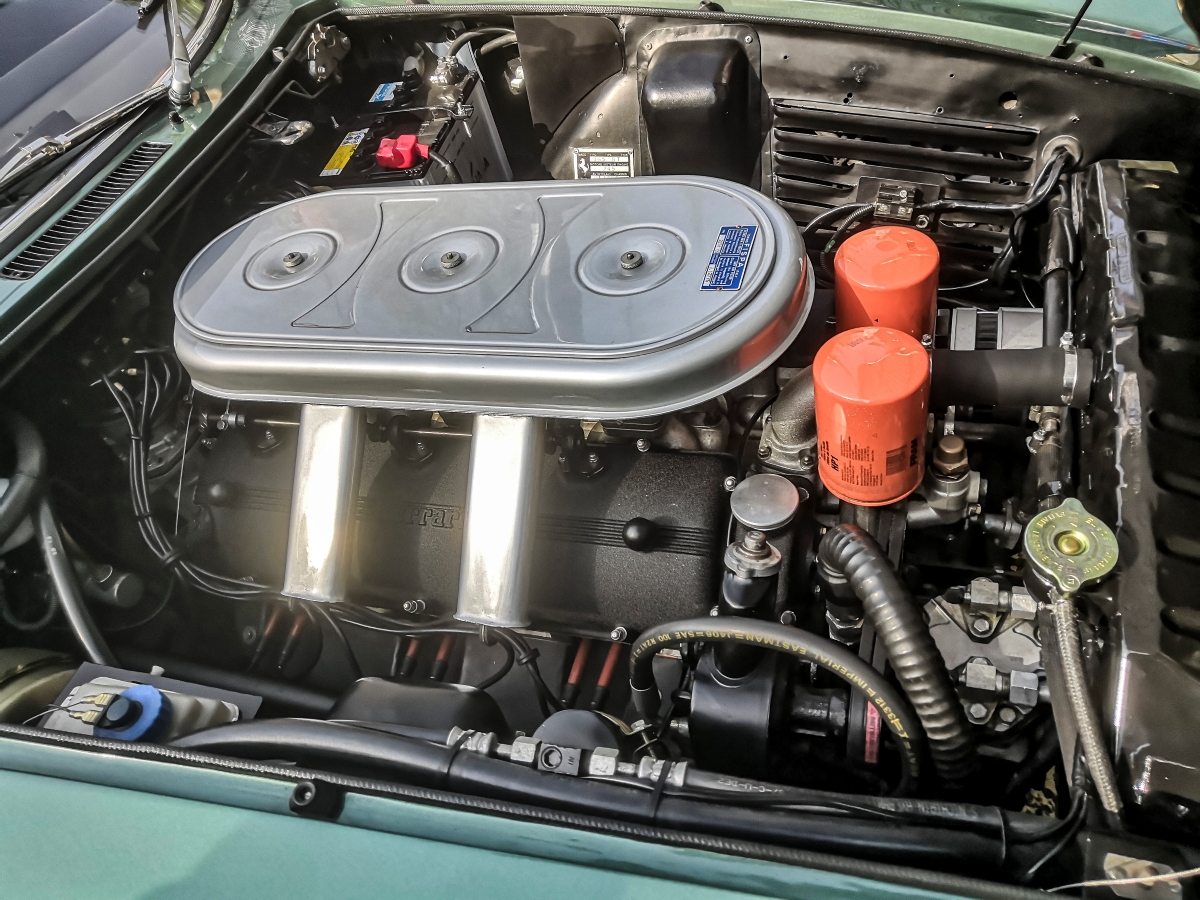
The all-alloy OHC twelve churns out a healthy 320hp, sent to the rear wheels via a five-speed manual only. With all its fluids, a full tank of petrol, two adult occupants and their luggage, we’re talking over two tons of mass, so all that cavalry had its work cut out for it. Top speed was a very respectable 152mph (245kph) and 0-60mph took just over seven seconds.
This was also to be the first Ferrari that came standard with air conditioning (for the US only) and ZF power steering for everyone – the latter was definitely needed, given the size of the beast.
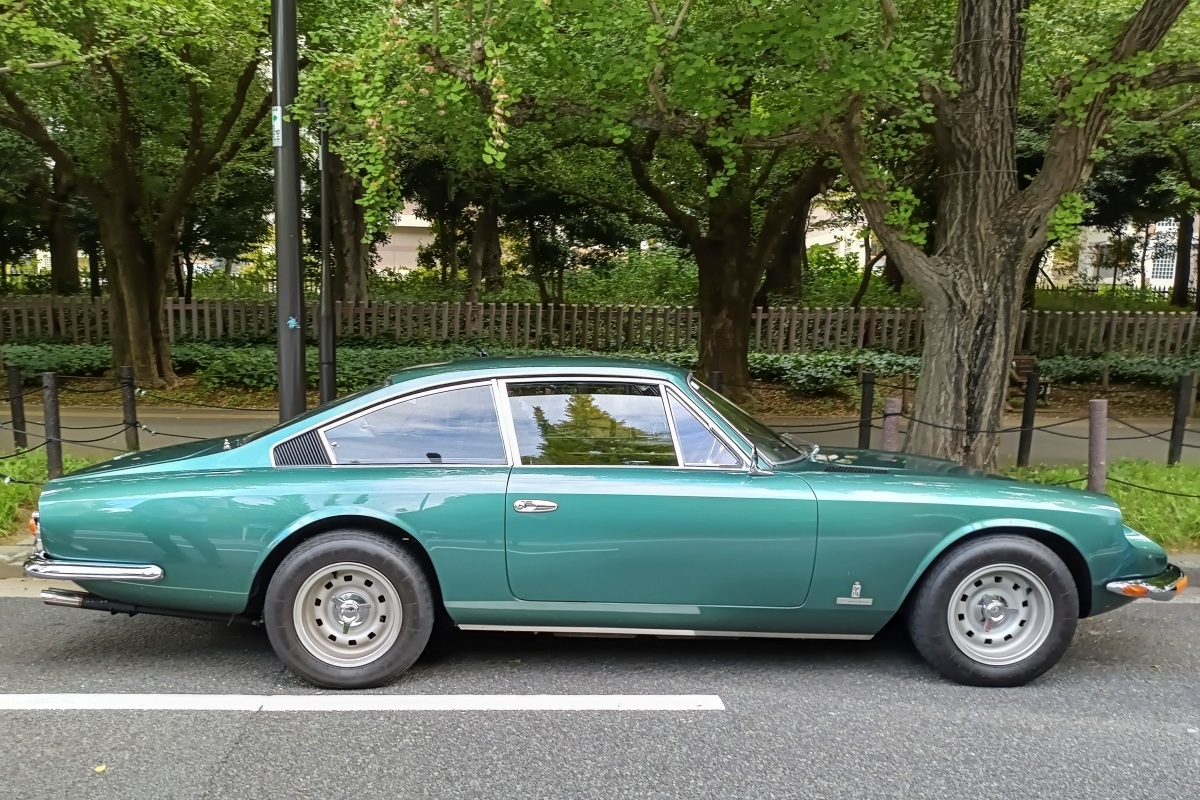
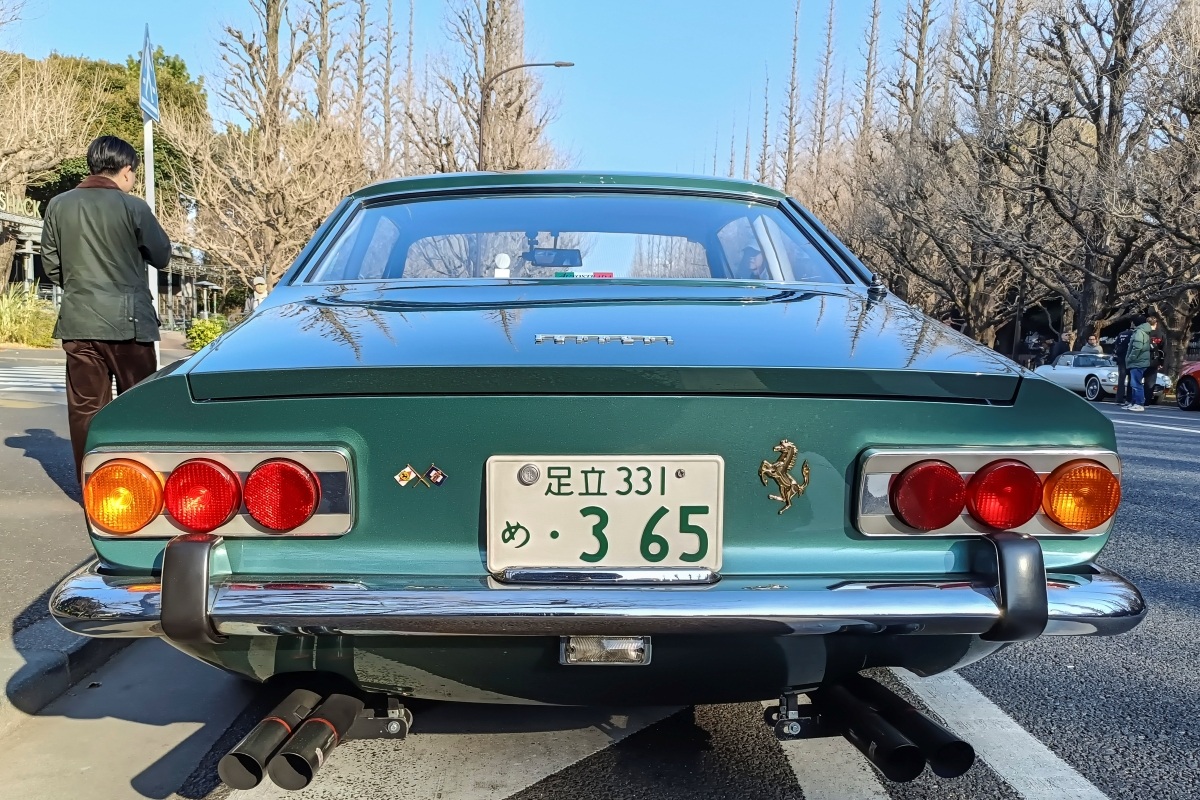
Apparently, these were given the half-affectionate nickname of Queen Mother, sometimes devolving into downright mockery as Queen Mary. It’s true that it is a large car. Not a land yacht exactly, but compared to later Ferraris, it does seem big. It’s not a question of wheelbase, as that number did not change from the 500 Superfast and 330 GT 2+2 to our 365 GT, but every other measurement except height went up.
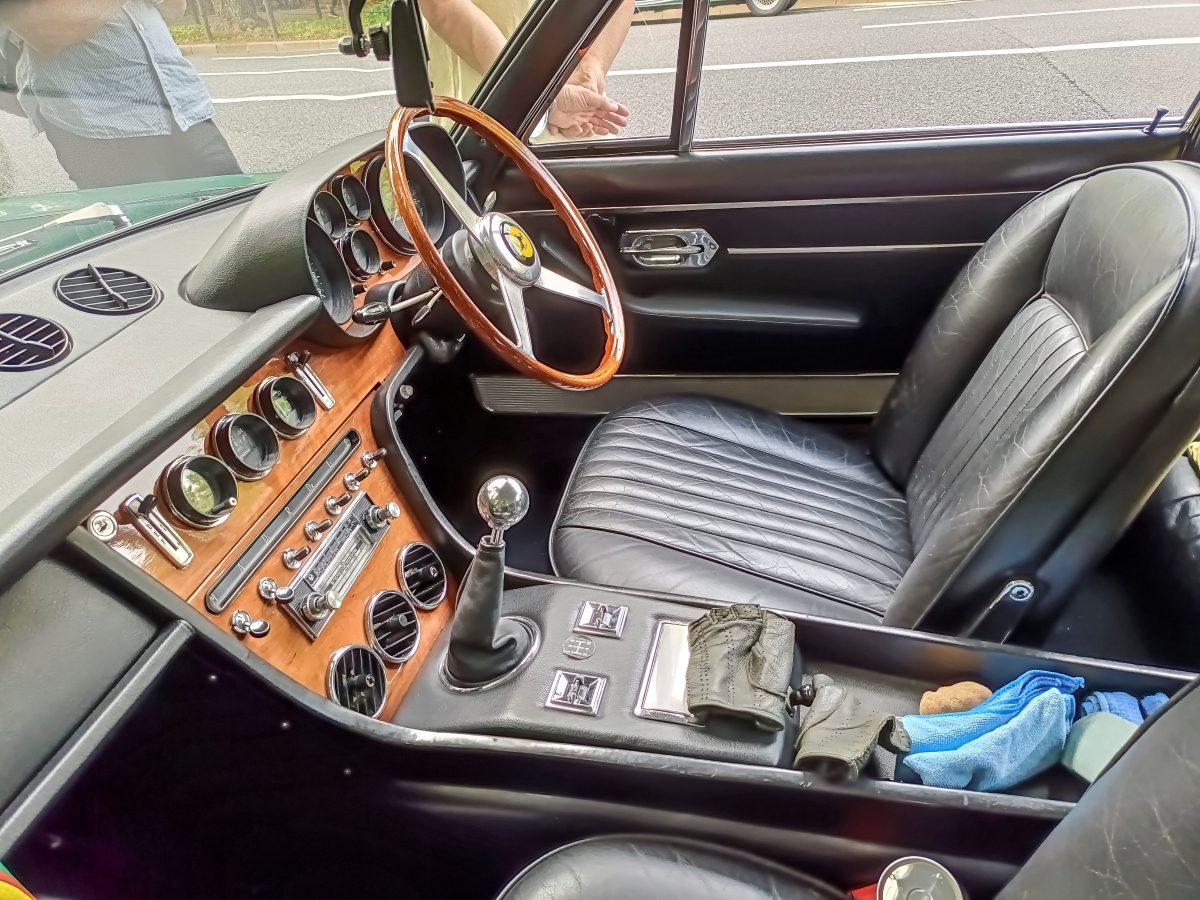
Bless her and all those who sail in her, then. Room for four, provided the rear passengers are legless pre-teens – as per the contemporary European 2+2 regulations, I guess.
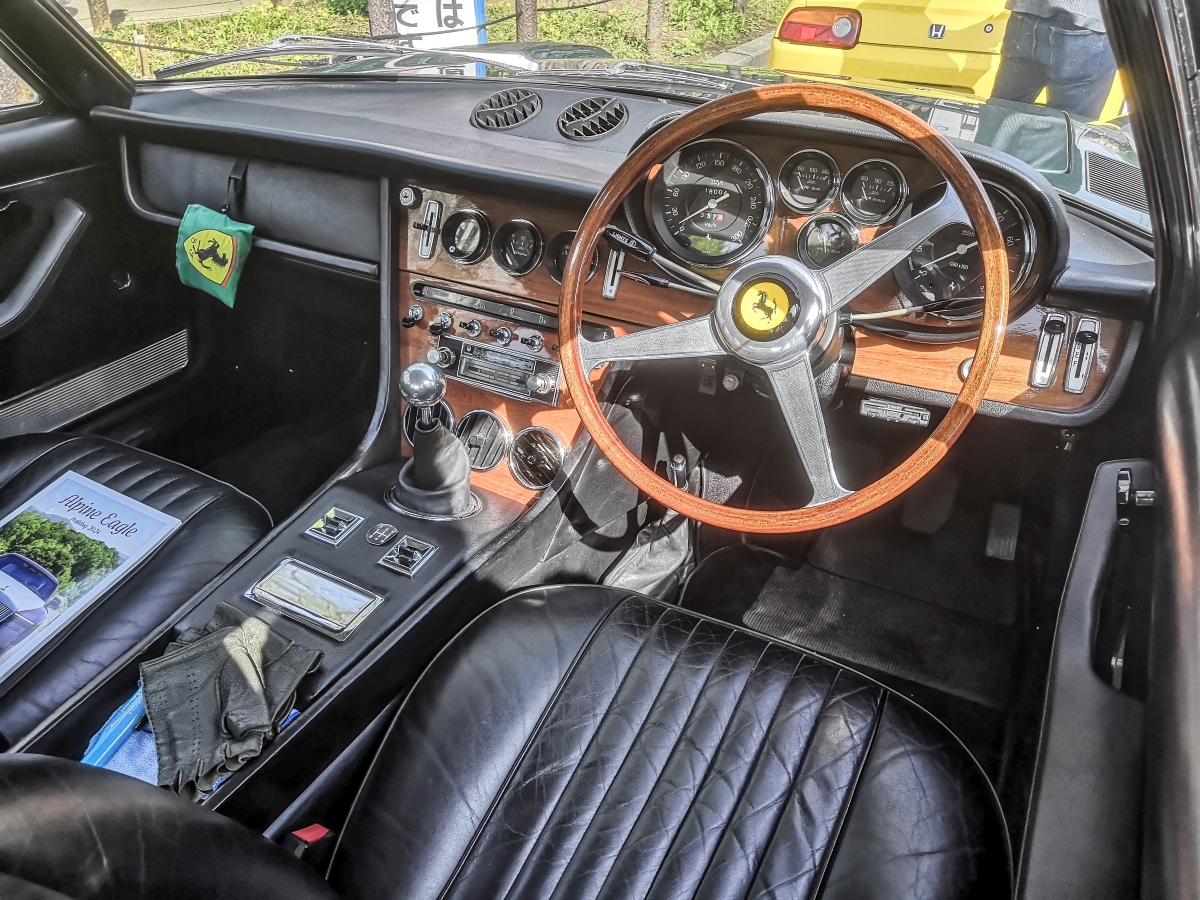
Lots of wood and leather in here, as befits a luxury liner of this type. As the more astute of you will doubtless have noted, this is a right-hooker – a rarity among Japanese Ferraris. They drive on the left here, but they tend to prefer their exotics with a more exclusive steering wheel placement.
This particular car was originally sold in the UK, where it lived until it was shipped all the way to Japan about 15 years ago. Fortunately, the proud owner spared no expense to get this superb machine back to its former glory – the gruelling seven-year restoration saga is detailed in the video above.
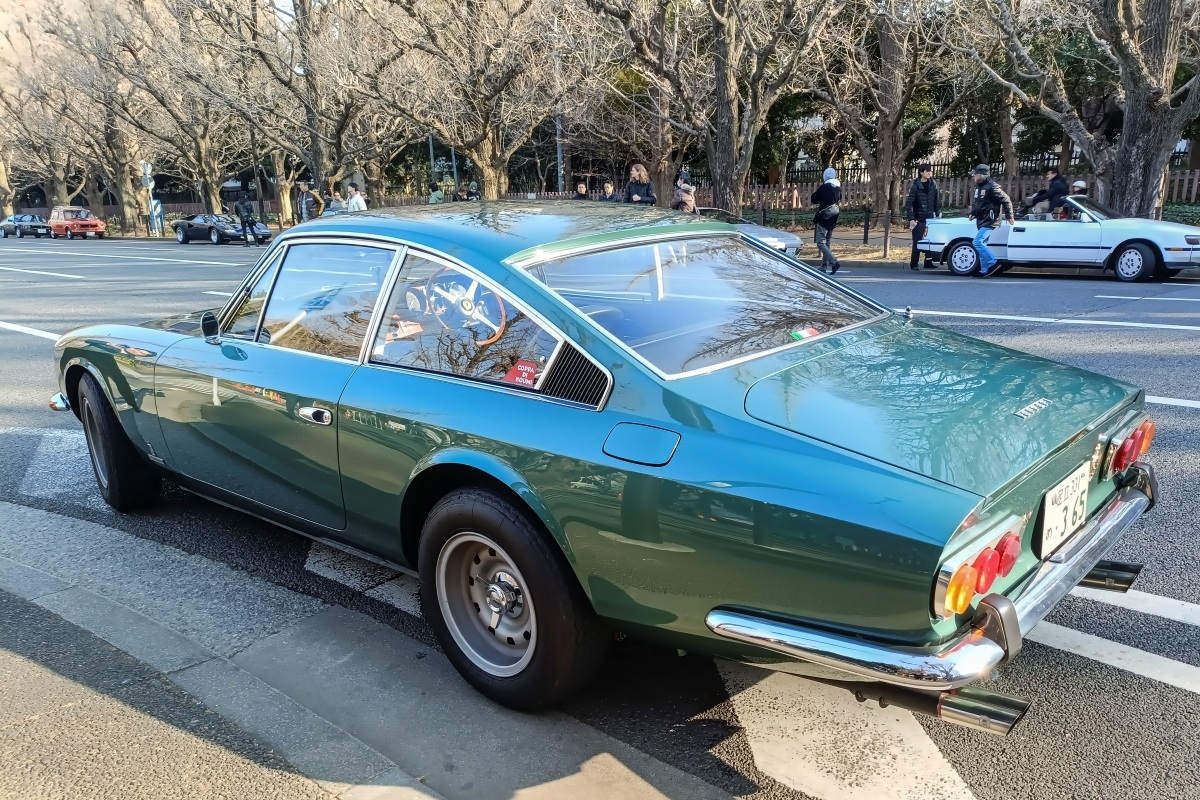
The 365 GT 2+2’s body was designed by Aldo Brovarone for Pininfarina. Not exactly an organic mix between a rounded nose and a squared-up tail, but it still manages to be pleasing to the eye. My personal preference goes to that bulky rear end, I cannot lie.
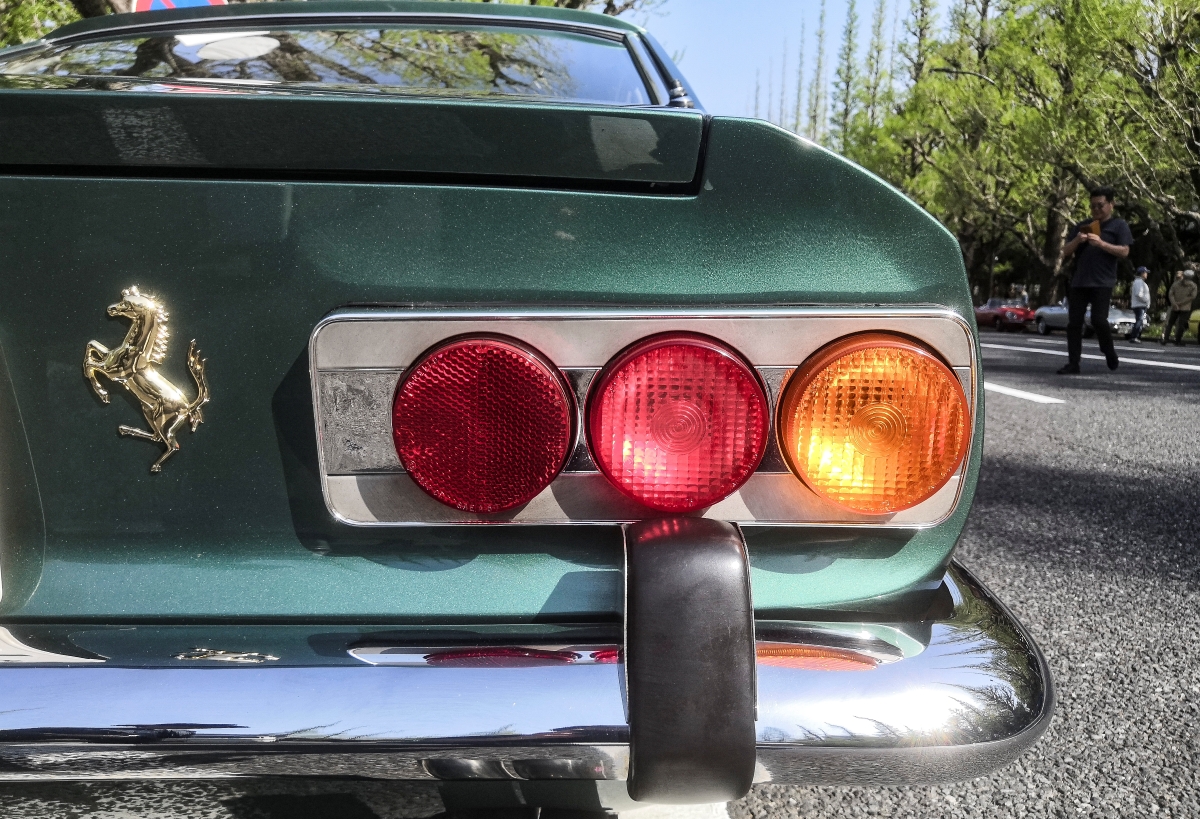
As is made clear in the video, this interesting shade of dark green was the car’s original colour. It’s called verde Bahram and it was used (rather sparingly) on several 365 models at the time. Twenty-nine GT 2+2s were given this paint job from the factory. Green is not a colour often associated with Ferraris, but it certainly suits this one extremely well.
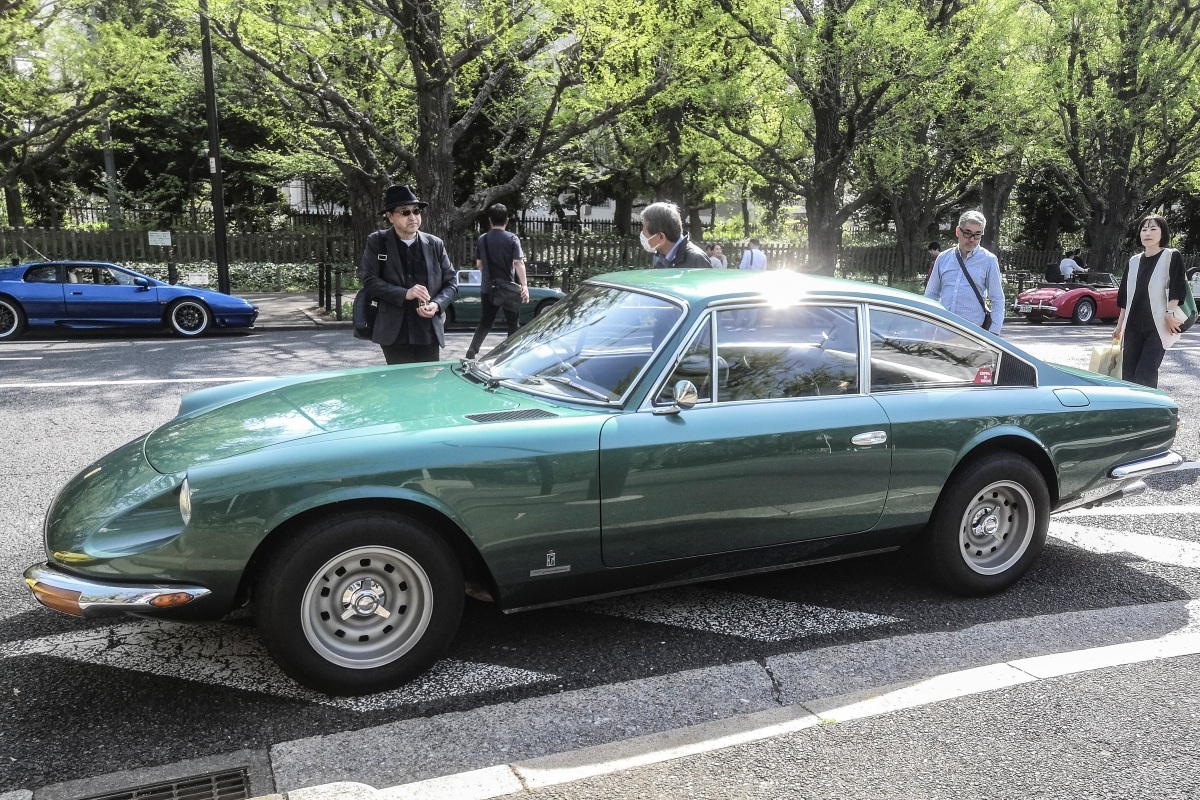
The 365 GT 2+2, just like its predecessors, sold pretty well, its size notwithstanding. Between late 1967 and the summer of 1971, just over 800 were hand-made in Modena, accounting for roughly half of all Ferraris made during that four-year period. Only 52 were RHD like this one.
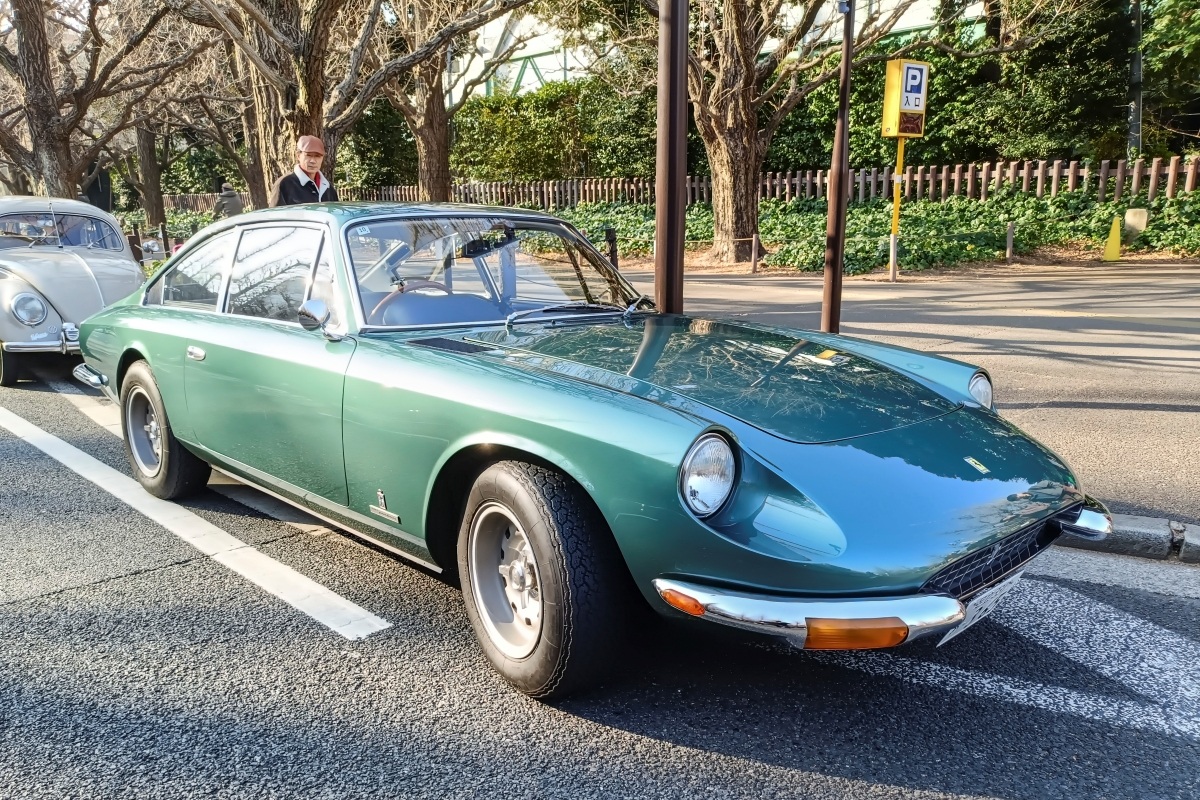
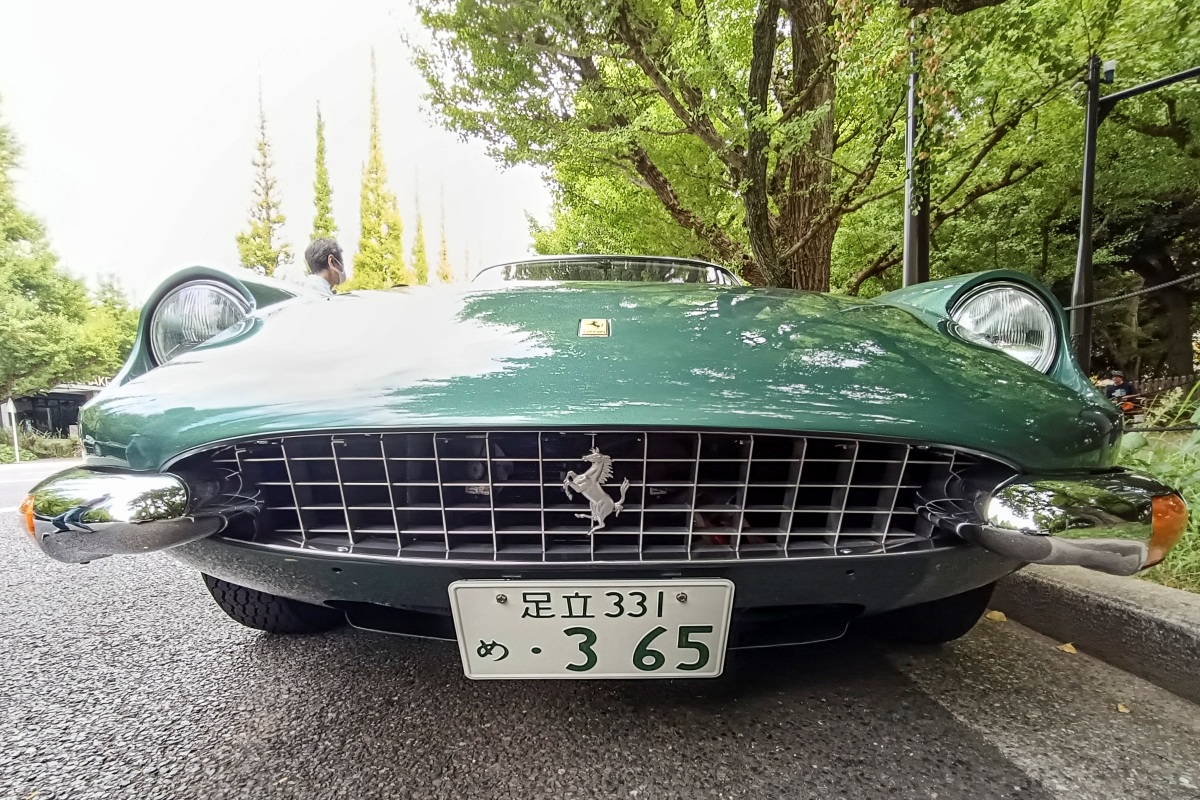
As the largest Ferrari of the pre-SUV era and the first four-seater with all-independent suspension, the 365 GT 2+2 has price of place in the marque’s long history. It’s also one of the last Ferraris with the classic rounded nose, harking back to the more sensuous Italian design of the ‘50s.
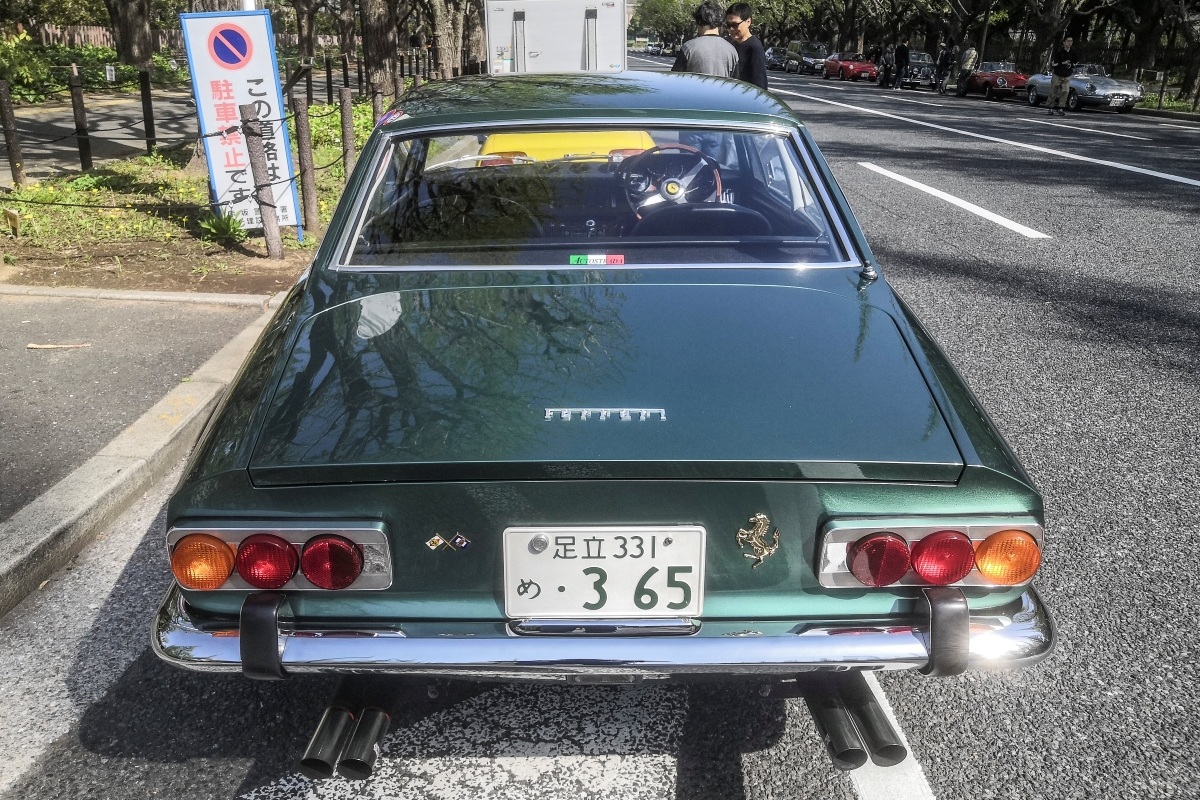
The rear end shows the way ahead, the more angular and tight-fitting world of the ‘70s, as exemplified by the long-lived 365 GT4 2+2 (late and better known as the 400/412) that took over as the “family Ferrari” in 1972. Best of both worlds or an awkward transitional model? Pick your side, but this car is greener no matter where you stand.






Gorgeous car, and green is perfect.
Near perfection in every respect and a strong argument for the mid-late ’60s being the zenith of post-war automotive design, either foreign and domestic. Just fabulous.
When I was about 20 one of my parent’s neighbors in Greensboro had a silver ’68 (?) GTC Spyder, classic looks and the unforgettable amazing scream of that Columbo V12 when pushed hard… pure music.
Very attractive, which is hard to accept given that huge rear overhang. I like the green very much too. I thought that the interior looked tired but apparently I was misled by sunlight washing out some color. When I read that it had been restored, I took a second look and changed my mind on the interior. I’m intrigued by the front signals molded into the bumper. Don’t remember seeing that on another car. I can’t decide if I like it, the front bumpers themselves look a bit ungainly.
Japan, the country where you can be surprised to see a car with its steering wheel on the *correct* side – at least when it’s an European luxury one.
A lovely car. That rear could probably do with being a little shorter but that is a minor quibble. The green works really well here and I dare say better than a traditional red. My favourite part would be that interior.
The Chevy Vega’s hatchback roofline styling was pretty obviously inspired by the 365 GT 2+2’s.
Probably a good thing that GM copied it and not Ford, since at least GM was willing to tighten up the overhangs while Ford in the ’70s seemed to be trying to get to a car that was all overhangs.
And I think the early Vega was offered in a metallic green similar to the featured car’s.
Elegance personified! No longer something you can accuse most modern GTs of!
Beautiful car, and beautiful engine. Those old Columbo V12s are as gorgeous as the lines of the body. That this was meant to be the “ordinary” “everyday” usable Ferrari of the time just makes my head spin thinking about current models attempting to fill the role like the Purosangue or Luce 🤮
I’d also like to add good design can make any proportions work. I’ve never been a subscriber to “ideal” wheelbase and overhang proportions because there are examples of numerous cars I think are more attractive than the roller skate ideal some have, but this might be the best example to the point.
Yeah, butt. You really can’t have a square butt when it’s butt squared, especially when the front of the roof and the front of the front is curvilinear. Also, the hat’s a bit high, probably to accommodate the real heads of the imaginary legless passengers. The same issue beset the E-type 2+2.
One of these used to live nearby, when prices were high instead of obscene, and it never did look quite right. Although it was not in this gorgeous color.
Funny business, because the Pininfarina GTC, whose front half it most resembles, is one of the absolute high point of ’60’s designs, to my eyes.