
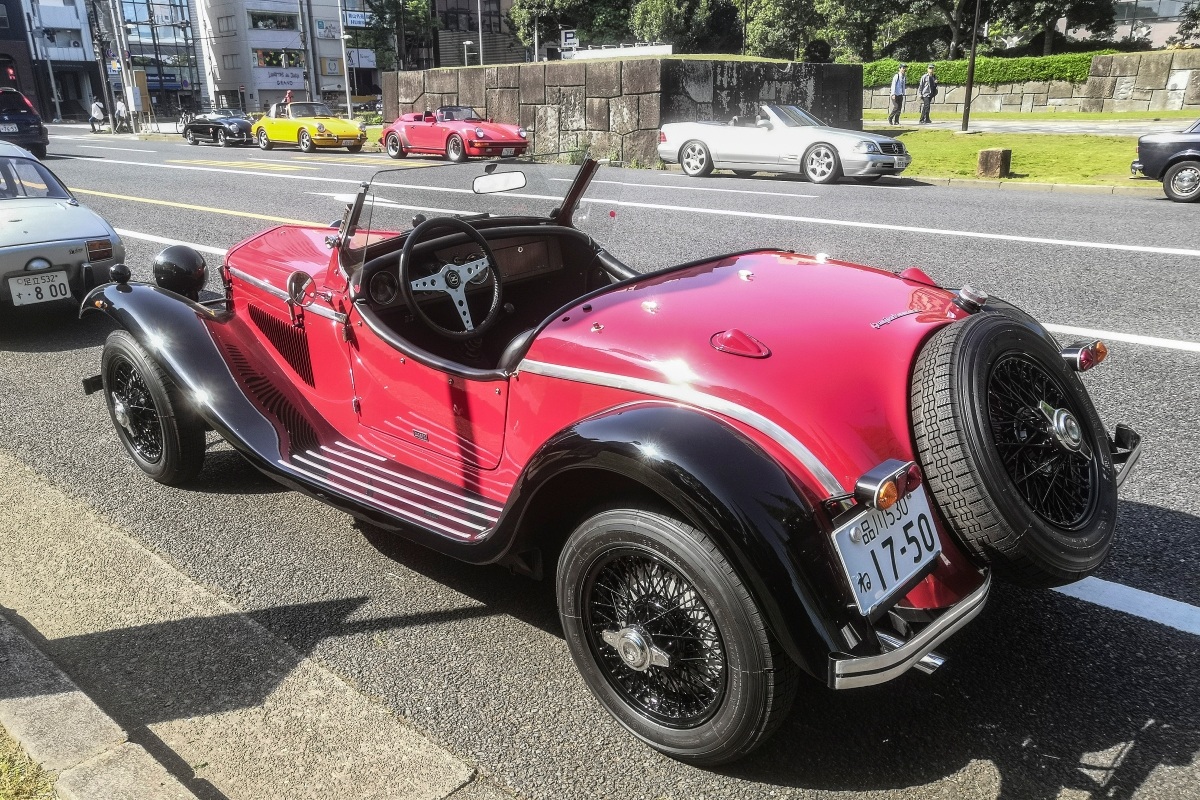
Remember when retro was a new thing in cars? Kind of an oxymoronic (or just plain moronic) question, but if you do, you must be in your seventies at least. Many people from younger generations, my late Gen X peer group included, might have figured neo-retro to be a ‘90s thing, but the original wave came in the ‘60s. This Alfa was the best one.
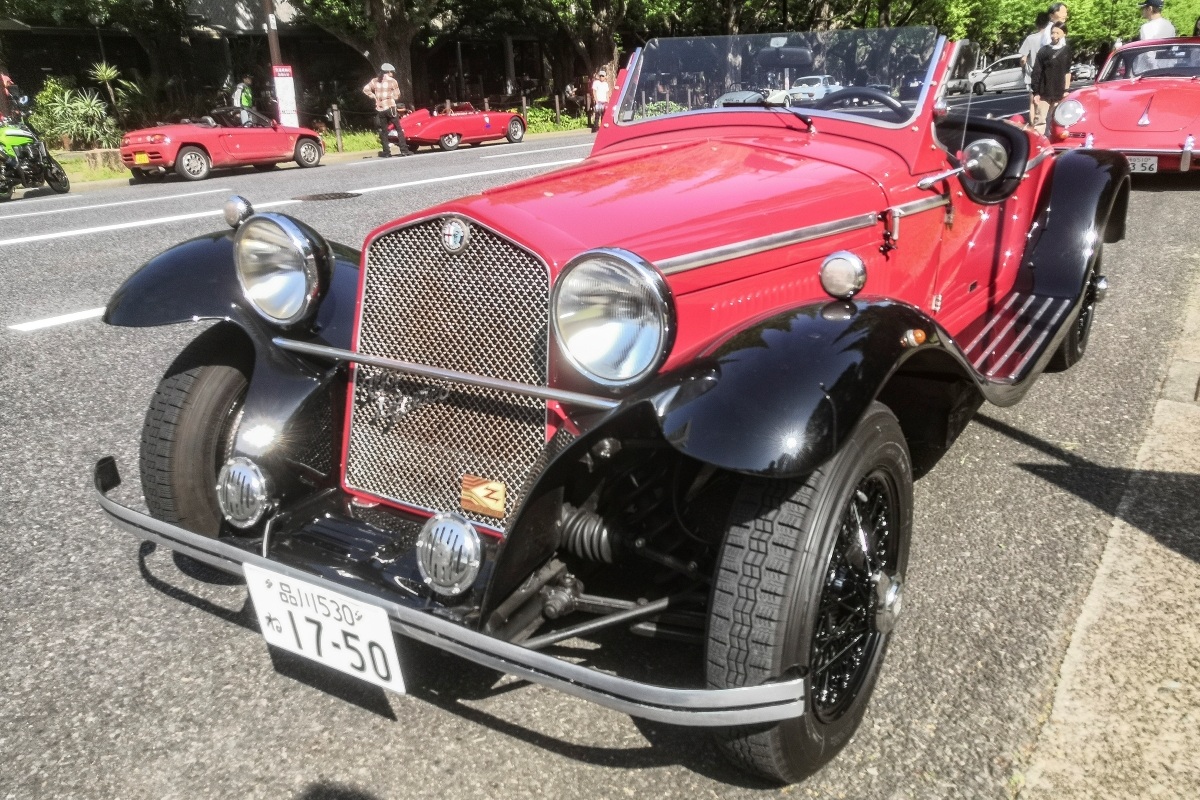
Arguably, this wasn’t even the first neo-retro wave, as Ettore Bugatti had deliberately used some visual clues from the horsedrawn carriage era in some of his creations in the late ‘20s. The ‘60s retro fad was different in that it was a little more widespread. These nostalgic cars were developed by and sold to people who pined for the delicate fenders, long hoods and separate headlights of their youth, circa 1930.
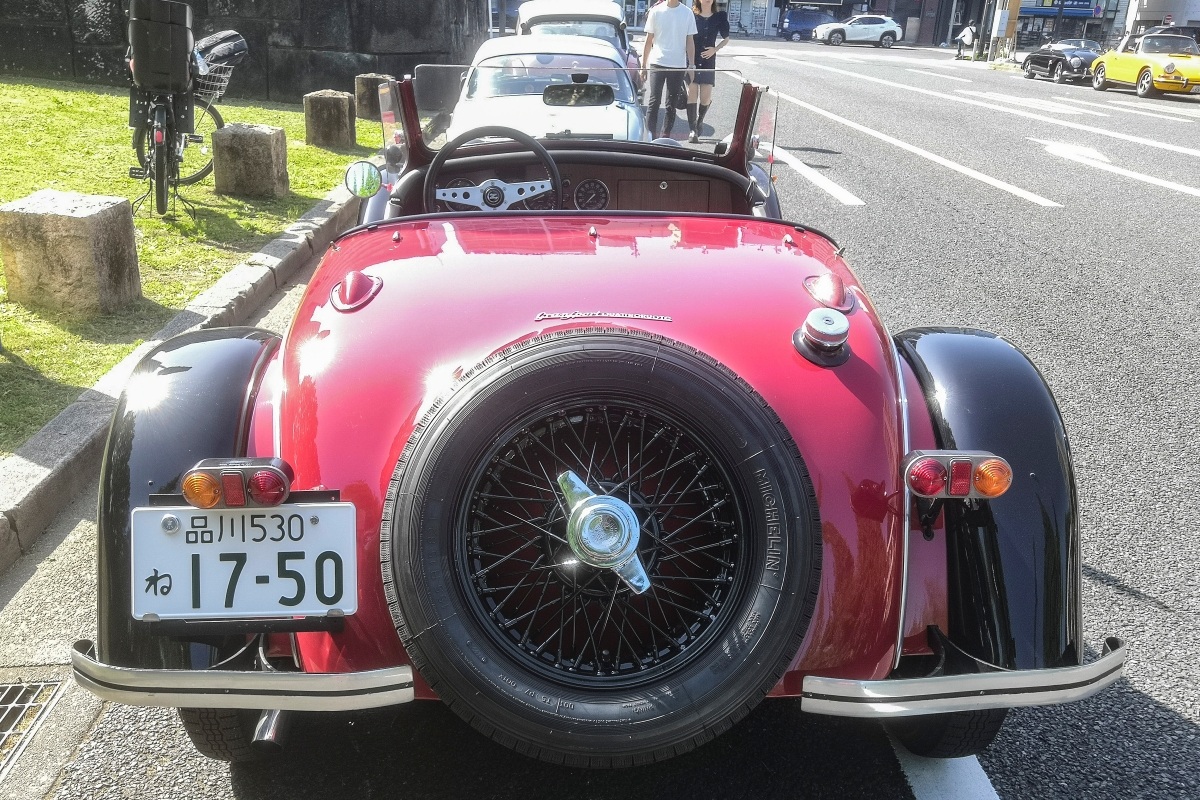
This ‘20s/’30s folly was evident in the US with Brooks Stevens’ Excalibur and Virgil Exner’s stillborn Duesenberg. In Europe, Vignale’s Fiat Gamine and the Siata Spring were the main niche representative, though there were still a few prewar designs in regular production (Beetle, 2CV, Morgan 4/4…).
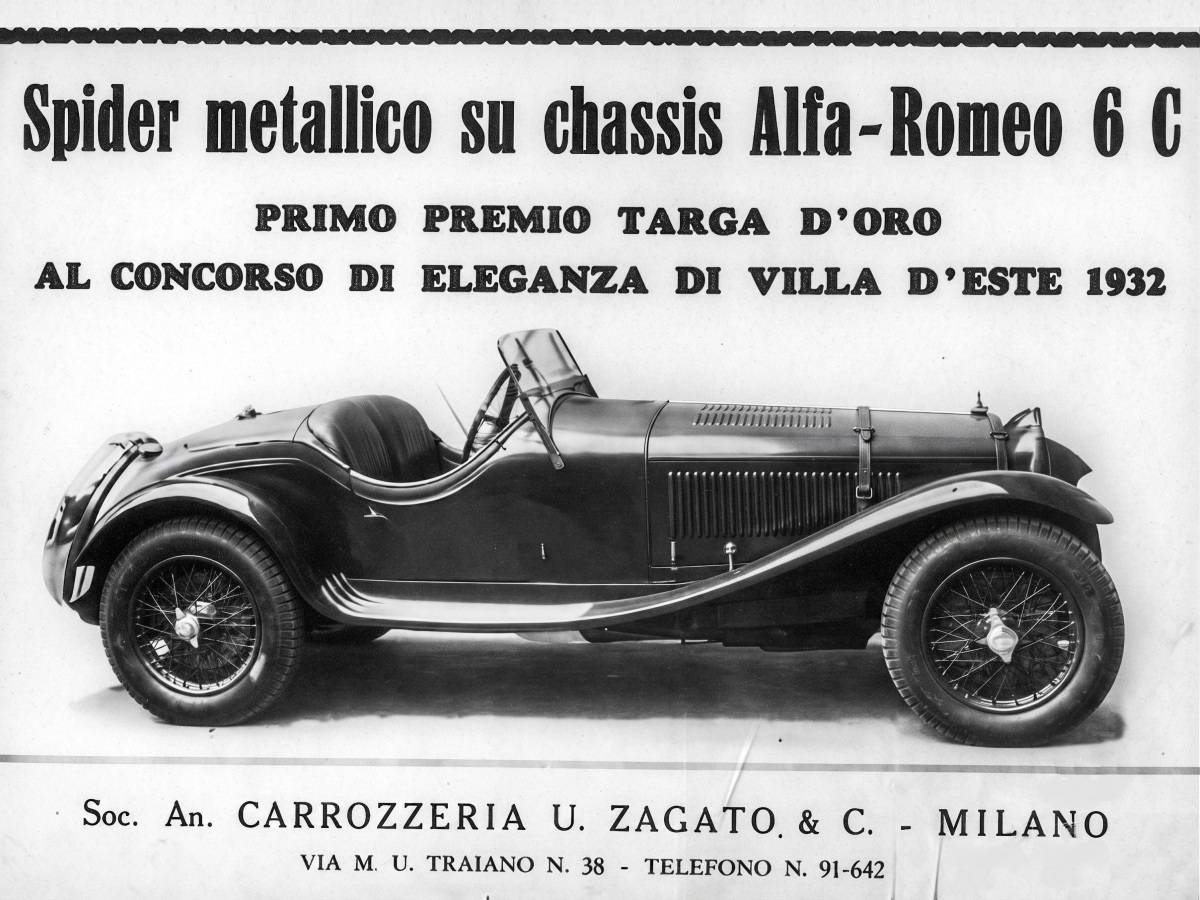
Our Gran Sport was surely the most authentic neo-classic, as it was made by the very same companies that had authored the original version. In 1927, Alfa Romeo launched the 6C chassis, initially powered by a 1.5 litre OHC (or DOHC, depending on the variant) straight-6; the engine got a little extra displacement in 1929, creating the legendary 1750 – the definitive 6C, in many ways. Several coachbuilders were employed to clothe these cars, but Zagato created the definitive SWB roadster body. A final small run of 1.9 litre chassis took place in 1933, closing the book on the classic/”small” 6C chassis.
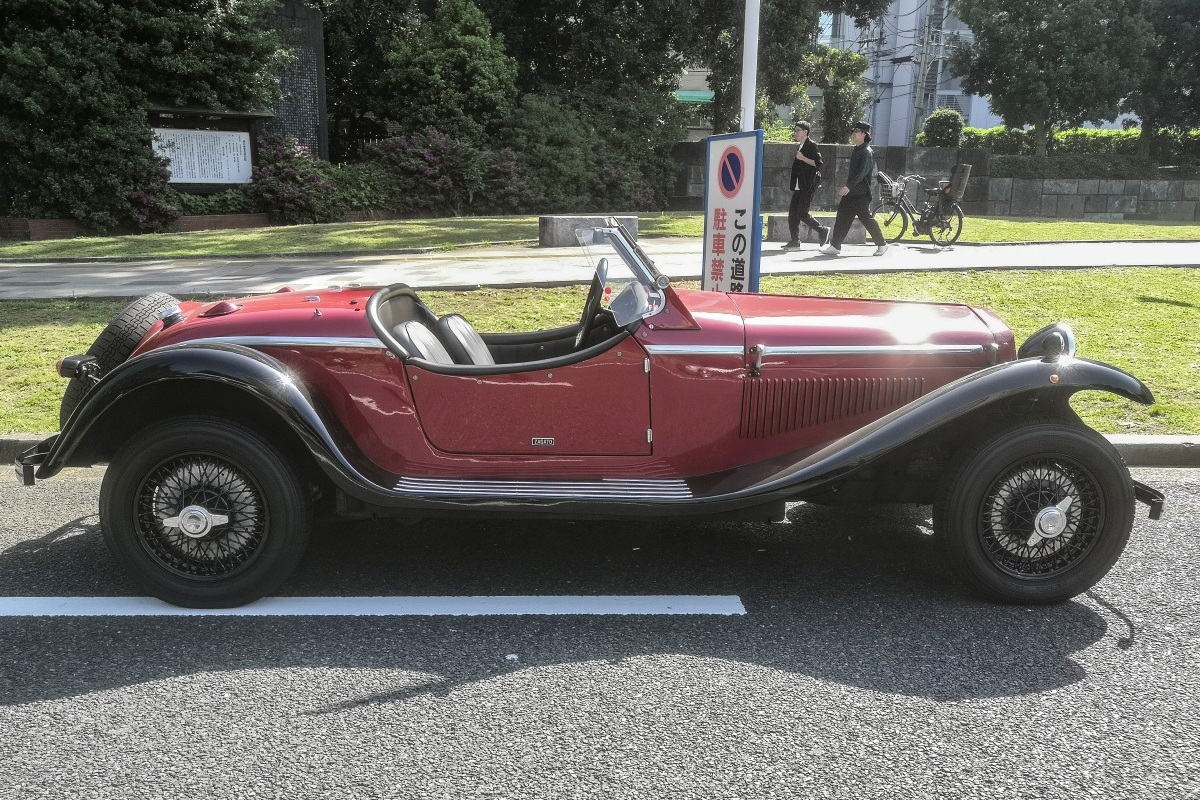
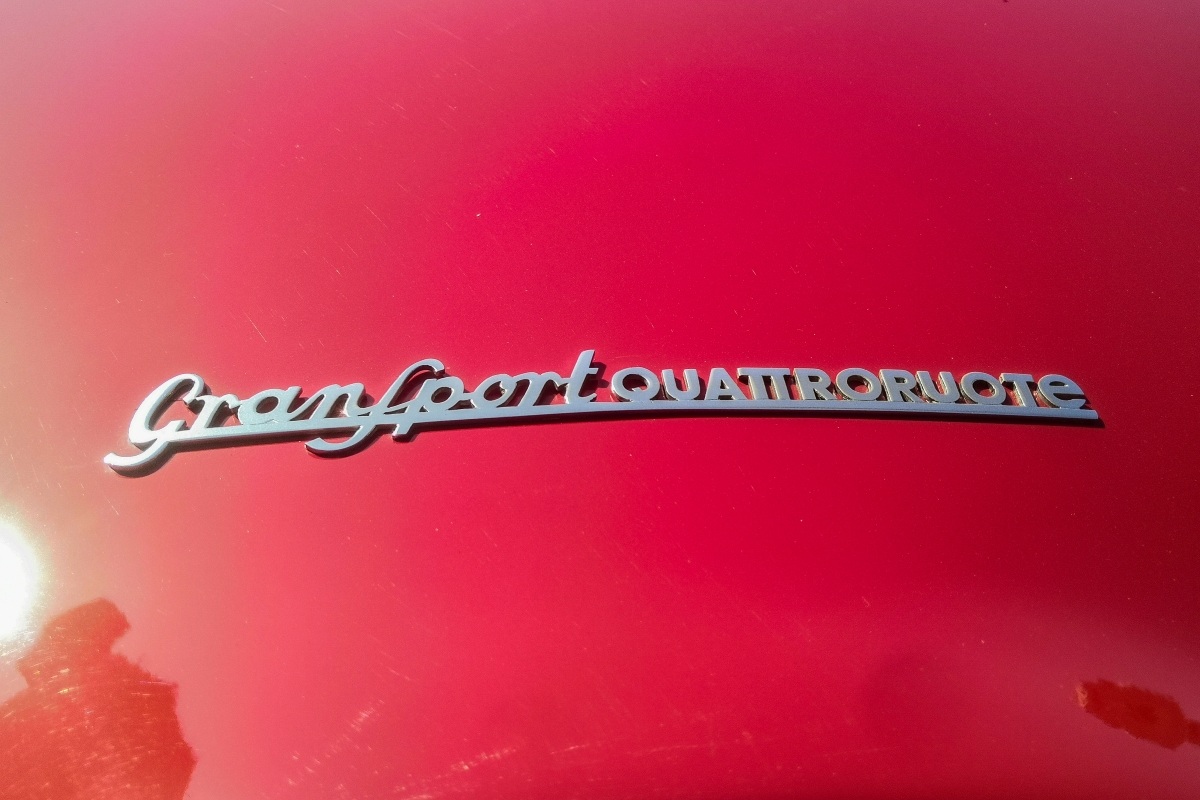
Thirty-plus years later, Gianni Mazzocchi, the founder and editor of Italian car magazine Quattroruote and owner of a 1930 Alfa 6C 1750 roadster, initiated the creation of the Gran Sport.
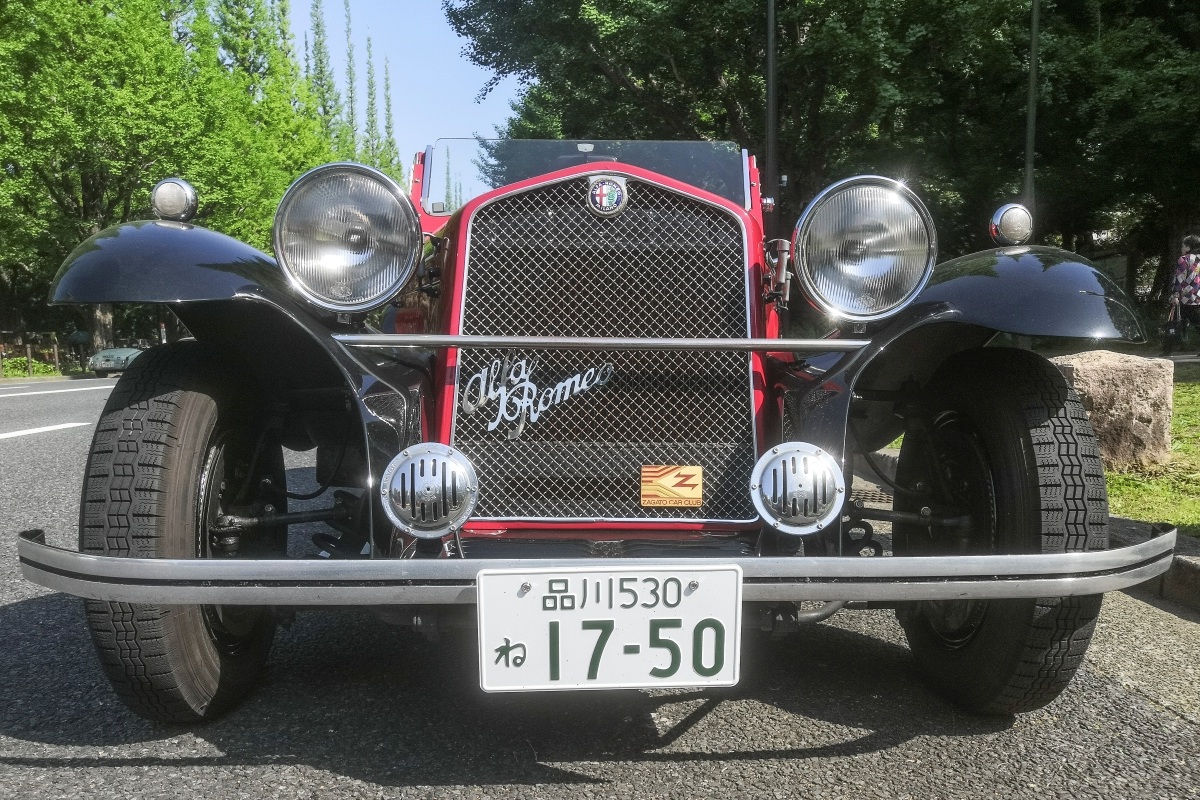
Mazzocchi figured that there ought to be a few well-heeled folks out there who might be interested in acquiring a classic-looking Alfa with all the benefits of the Giulia’s far more modern chassis – and its superb 92hp 1.6 litre DOHC engine, mated to a 5-speed manual.
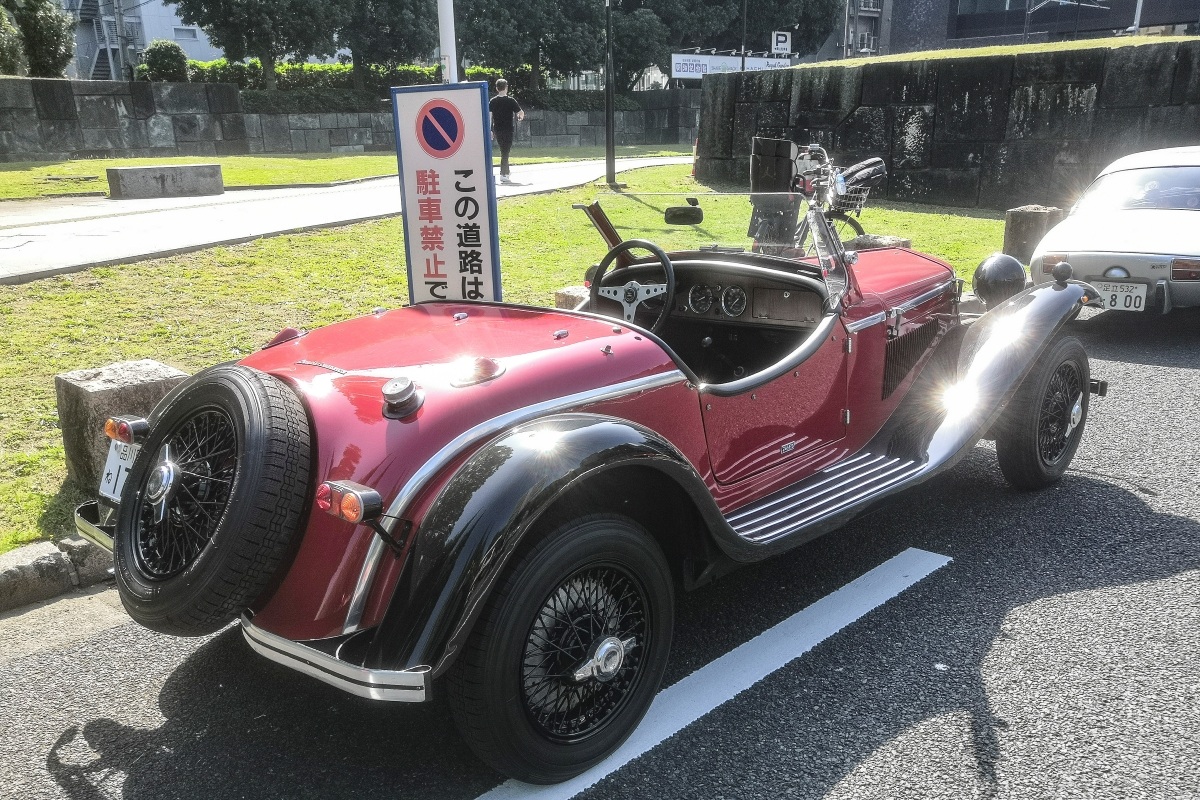
Alfa Romeo’s sole modification for the Gran Sport was to fit drum brakes up front and to opt for wire wheels. Zagato did not change much of anything, compared to their ‘30s bodies, as those were all-metal even back in the day. The only thing that really changed was that the Giulia chassis was wider, so the body had to follow suit.
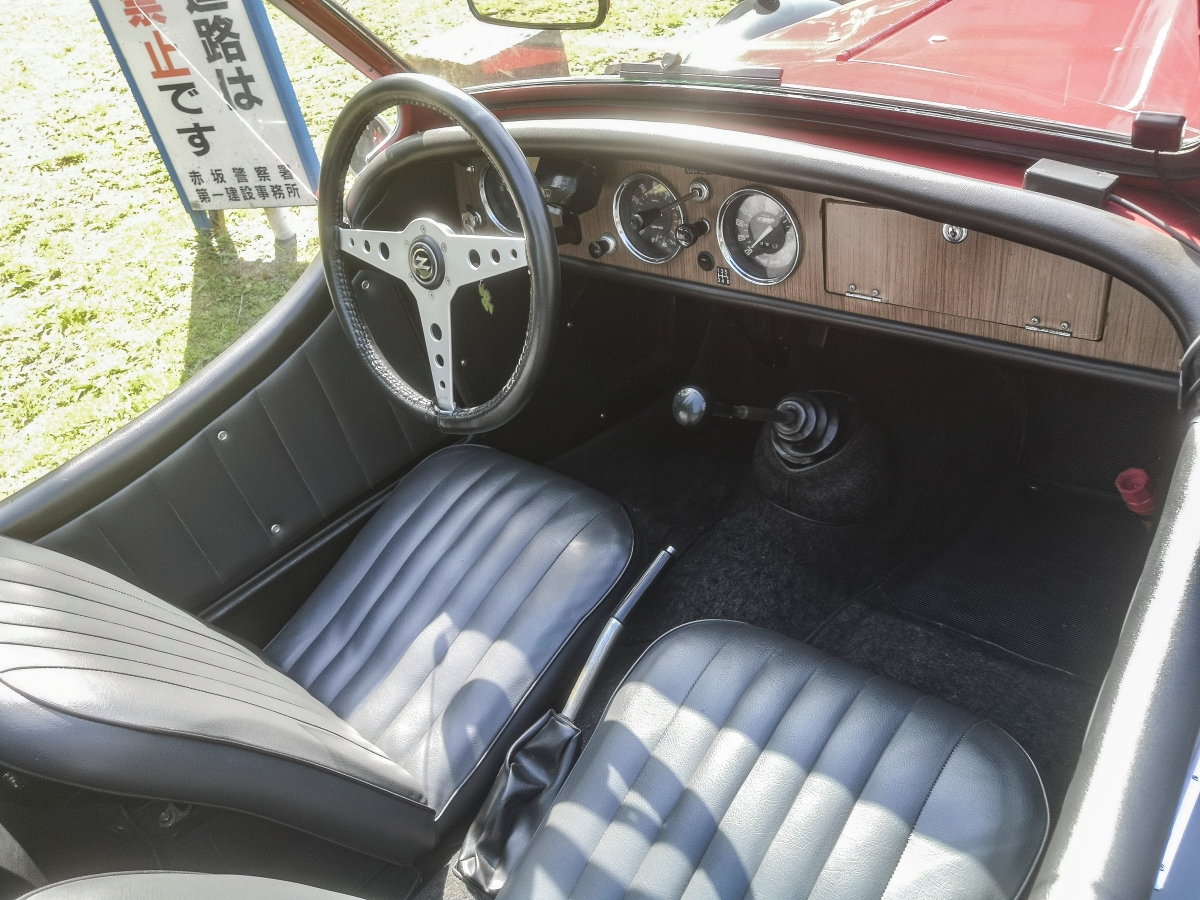
The car was announced via Quattroruote in April 1965. Priced below the rare GTC but soon undercut by the new Duetto (from 1966 on), the Gran Sport was a touch basic inside and its lack of external trunk made cargo access impractical. But performance was just as good as any Giulia, which is to say very good by any measure.
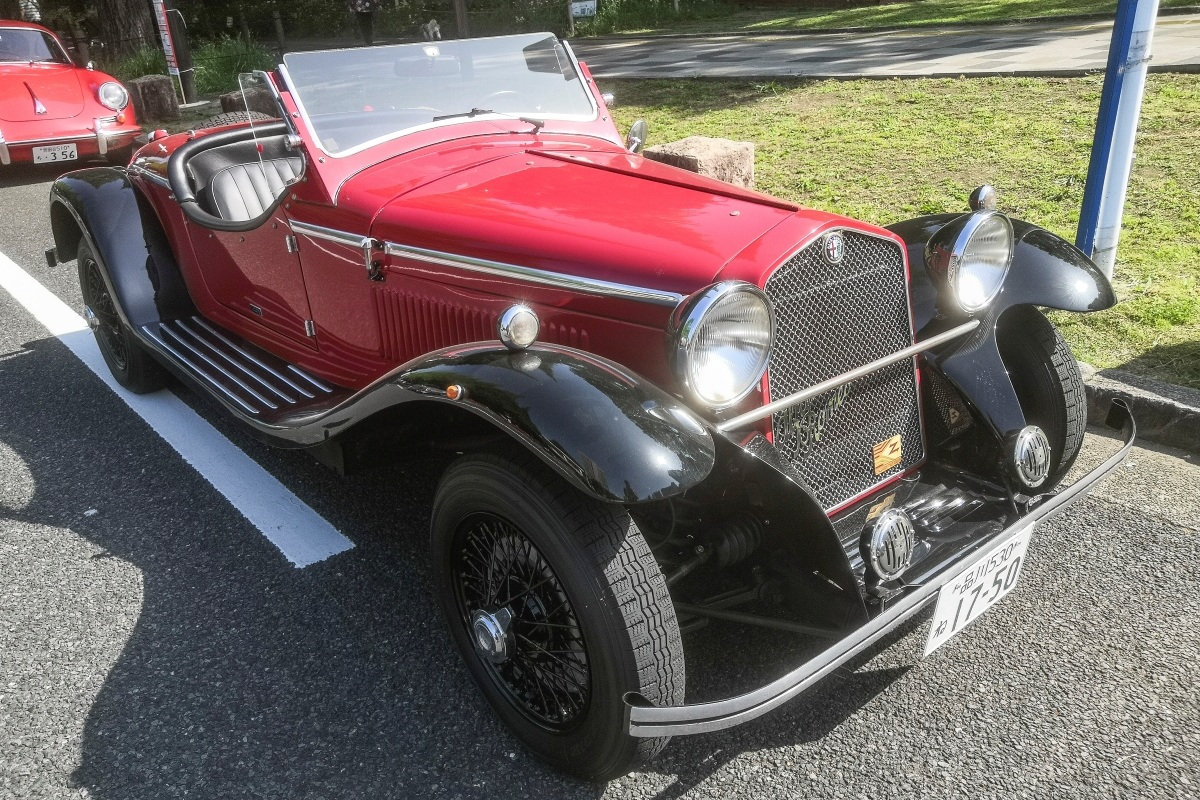
Perhaps because this was one of the first neo-classics ever made, sales were minimal: between spring 1965 and late 1967, Zagato made a grand total of 92 cars. That makes the Gran Sport one of the rarest Giulia derivatives.
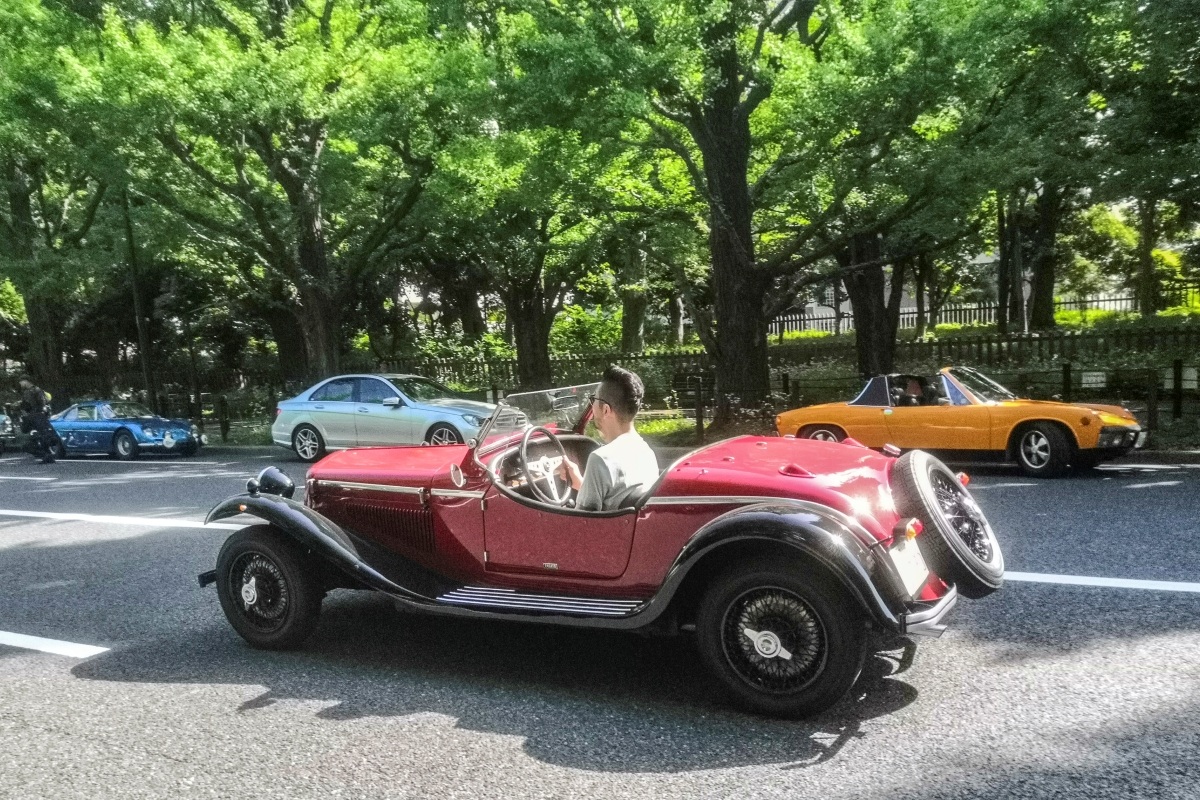
It stands out as the most authentic retro car ever, being that it was made by the same carmaker and coachbuilder as the O.G. model. The fast that a small group of rabid car enthusiasts were behind it all is the cherry on the drop-top.
It would be interesting to imagine a present-day equivalent, wouldn’t it? A retro ‘80s-styled drop-top devised by Curbside Classics, for instance… Anything I envision ends up looking like a Mitsuoka, but maybe you can suggest something in the comments section.























I had pretty much forgotten about these. The body is also clearly longer, with the section between the back of the seats and the rear wheels having been elongated. Frankly, that is a bit unfortunate, as it changes the whole proportions of the car seen in profile. Now the driver sits more in the middle of the car rather than right up against the rear wheels. But that was apparently a necessary concession to using the Giulia platform. Perhaps they could have elongated the hood a bit to split the difference?
These I did not know about. Very neat. The appeal of more modern mechanical bits with retro clothes is strong. As Paul mentions the addition length at the rear is unfortunate. Changes the vibe from sporty to almost toy car. It does get the wheels and tires correct which is usually where these retro inspired designs fall down. All in all a lovely example.
“Toy car”. Yes; that’s it. The more I look at it the more I’m amazed at how such a change in proportions affects the overall feel of the car. The original “spider” was essentially a sports-racing car, in the classic tradition, and as such they were invariably cut down to the minimum necessary length (and weight). Think Mercedes SSKL, or so many others, where the driver sits right up against the rear axle. This retro version totally loses that racing car vibe.
Funny you should say that, David. The Japanese seem to have long held a fascination for these cars. Bandai made a kit back in 1969, in 1/12 scale, with a lot of functional/opening parts. I wonder whether this owner had the model as a child, which inspired him to seek out the real thing later in life?